NEW DELHI / TOKYO — April 20, 2026: Japan has formally offered India the design and co-production framework for its advanced upgraded Mogami-class frigates, known as the New FFM or 06FFM, in a move aimed at strengthening bilateral defence cooperation and supporting India’s domestic shipbuilding capability.
The proposal предусматривает construction of the frigates in Indian shipyards under a “Make in India” model, with technical support and partial material supply from Japan. The design has been developed by Mitsubishi Heavy Industries for the Japan Maritime Self-Defense Force (JMSDF), which has already placed contracts for the first ships of the upgraded class and plans to induct up to 12 vessels.
Design and Technical Characteristics
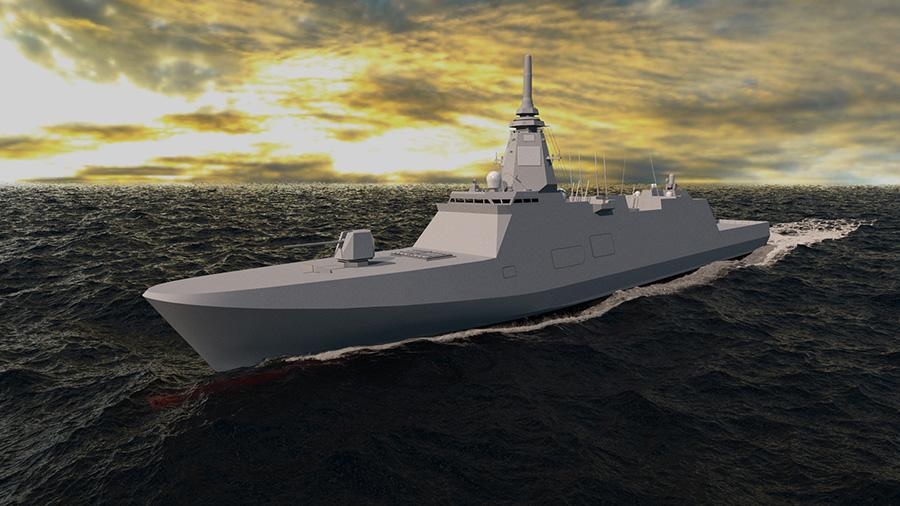
The upgraded Mogami-class represents an evolution of the baseline 30FFM design currently in service with the JMSDF. The New FFM features a standard displacement of approximately 4,880 tonnes and a full-load displacement of around 6,200 tonnes. The vessel measures about 142 metres in length with a beam of 17 metres.
Propulsion is based on a combined diesel and gas (CODAG) configuration, enabling speeds exceeding 30 knots. Despite its size and multi-mission capability, the ship operates with a crew of around 90 personnel due to a high degree of automation.
The upgraded variant incorporates a 32-cell Mk 41 vertical launch system, doubling the missile capacity of the original Mogami-class. It also includes an improved radar suite, a redesigned main mast, and additional systems carried over and enhanced from the baseline platform.
The design integrates an advanced “clean” integrated mast (UNICORN), which consolidates sensors and antennas to reduce radar cross-section. The hull and superstructure use sloped surfaces and shaping techniques to further enhance stealth characteristics.
Baseline Mogami-Class and Core Capabilities
The original Mogami-class frigate, already in service with the JMSDF, has a standard displacement of 3,900 tonnes and a length of 133 metres. It is equipped with a 16-cell vertical launch system and incorporates extensive automation, allowing operations with a similarly small crew of approximately 90 personnel.
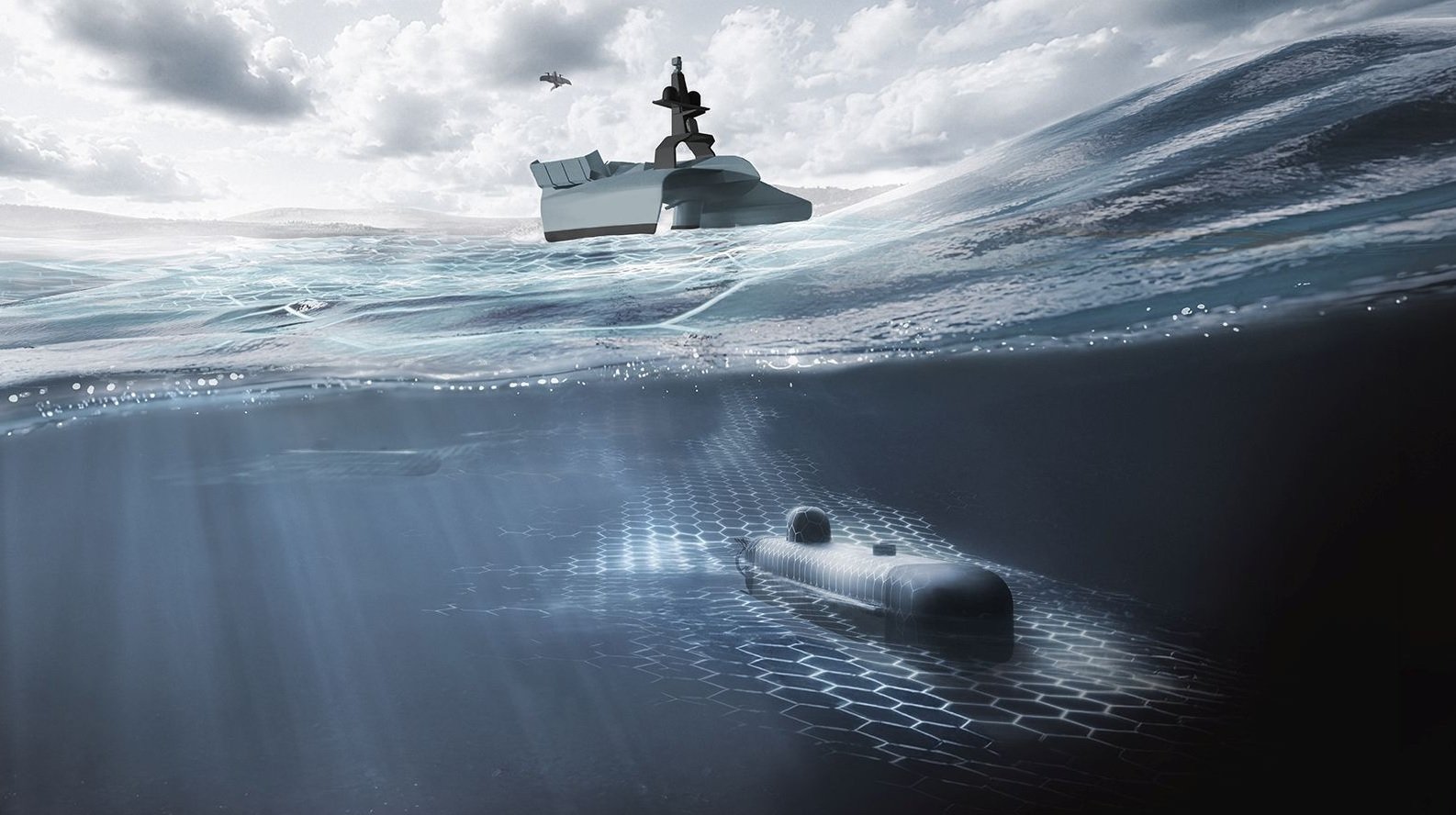
A distinguishing feature of the baseline design is its integrated mine countermeasures capability. The ship includes an internal mission bay and stern ramp for deploying unmanned surface vehicles (USVs) and unmanned underwater vehicles (UUVs), making it the first JMSDF escort vessel with organic mine warfare functions.
Enhanced Features of the New FFM Upgrade
The upgraded Mogami-class builds on these capabilities with a larger hull to accommodate additional sensors and weapons, alongside enhanced air-defence performance. The platform is designed for multi-mission roles, including anti-submarine warfare, anti-surface warfare, air defence, and mine countermeasures.
A key feature is its support for crewed-uncrewed teaming, enabling integrated operations with unmanned platforms for reconnaissance, mine clearance, and other missions. The ship’s modular design allows for rapid integration of future systems and mission packages.
The combat information centre (CIC) features a 360-degree circular display system, providing integrated situational awareness by combining sensor inputs and visual data. Automation extends to ship control, damage management, and combat operations, contributing to reduced manpower requirements.
Comparison with India’s Nilgiri-Class Frigates
The upgraded Mogami-class differs notably from India’s Nilgiri-class (Project 17A) frigates in both design philosophy and operational emphasis.
The Nilgiri-class has a displacement of around 6,700 tonnes, a length of approximately 149 metres, and a crew complement of about 200 to 250 personnel. In contrast, the Mogami-class operates with significantly fewer crew—around 90—due to its high level of automation.
While the Nilgiri-class is a stealth multi-role frigate optimized for blue-water operations with strong emphasis on anti-submarine and air defence capabilities, the Mogami-class prioritizes automation, modularity, and reduced radar signature. Its integrated mast and advanced shaping techniques provide a lower observable profile compared to more conventional stealth designs.
Additionally, the Mogami-class incorporates organic mine countermeasure capabilities using unmanned systems—an area not inherently built into the Nilgiri-class design. The Japanese platform also offers greater flexibility for modular mission configurations and unmanned operations through its dedicated mission bay.
Industrial and Strategic Implications
The Indian Navy has shown interest in the Mogami-class automation model, particularly as it explores ways to reduce crew requirements in future surface combatants. Senior Indian Navy officers have recently visited JMSDF Mogami-class vessels as part of ongoing bilateral engagement.
Under the proposed arrangement, Indian shipyards would construct the frigates domestically using the Japanese design, with partial supply of materials and technical inputs from Japan. The framework is intended to support local manufacturing while maintaining industrial collaboration between the two countries.
If implemented, the project would mark a significant step in Japan’s evolving defence export policy, involving the construction of a frontline Japanese-designed warship in a foreign shipyard. It would also deepen Japan’s role as a strategic defence partner for India.
The New FFM upgraded Mogami-class is positioned as a next-generation multi-mission frigate tailored for Indo-Pacific operations, combining automation, stealth, modularity, and seamless integration of unmanned systems within a single platform.
——— End of Article ———