Paris, — March 30, 2026 : France has deployed four Tiger attack helicopters along with Asterodyn AST-78 interceptor drones to the Middle East as part of an expanded effort to counter Iranian-designed Shahed one-way attack drones operating in the Gulf region. The deployment was confirmed by French Army Chief of Staff General Pierre Schill in an interview published by Le Point on March 30.
Operational Deployment and Role
The Tiger helicopters have been integrated into an existing allied, multi-layered air defence network in theatre. They operate alongside French Rafale fighter aircraft, which continue to conduct combat air patrols and intercept Shahed-type drones at longer ranges.
Within this structure, the Tiger helicopters serve as a mobile short-range interception layer, capable of rapidly repositioning to defend military bases, logistics hubs, ports and energy infrastructure. Their deployment complements ground-based point-defence systems already in place, which provide coverage within an engagement range of approximately six kilometres.
French forces stationed in the United Arab Emirates have already contributed to the interception of more than 1,000 drones during recent operations, reflecting the sustained scale of the aerial threat.
Addressing Cost and Engagement Efficiency
The deployment also reflects efforts by the French Armed Forces to manage the cost imbalance associated with countering low-cost drones using high-end missile systems. Ongoing operations by Rafale fighters have required the use of MICA air-to-air missiles, placing pressure on available inventories.
General Schill stated that while France is accelerating the integration of laser-guided rockets on the Tiger platform, the primary engagement method for counter-drone missions will remain the helicopter’s 30 mm cannon. He described the cannon as “very powerful,” highlighting its advantages in immediate response, controlled ammunition expenditure, and significantly lower cost per engagement compared with missile-based intercepts.
Platform Capabilities and Adaptation
Manufactured by Airbus Helicopters, the Tiger is equipped with a chin-mounted GIAT 30 mm cannon capable of carrying up to 450 rounds. The platform also features advanced electro-optical sensors that enable detection, tracking and engagement of low-altitude aerial targets, including drones operating with terrain masking or reduced visibility.
Originally designed for armed reconnaissance, close combat support and battlefield escort, the Tiger is now being adapted for counter-drone roles. Its onboard sensors, manoeuvrability and direct-fire capability allow it to engage targets that penetrate outer defensive layers.
This operational approach aligns with similar deployments by allied forces, including the use of attack helicopters such as the AH-64 Apache in comparable roles across the region.
Introduction of AST-78 Interceptor Drones
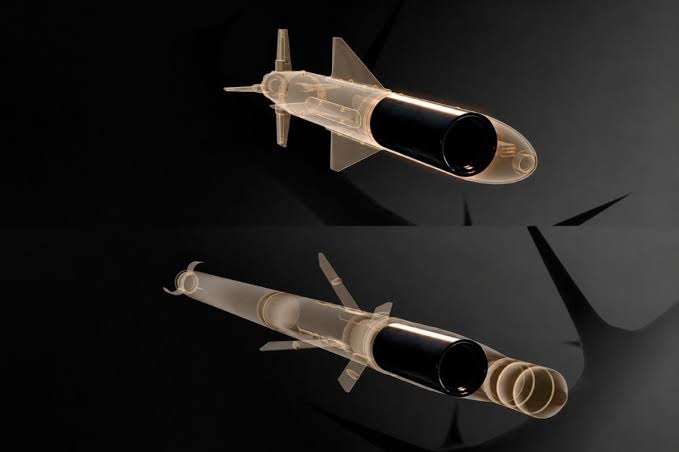
Alongside the helicopters, France has deployed Asterodyn AST-78 interceptor drones, a high-speed unmanned system developed by the French company Asterodyn. The AST-78 is designed for rapid interception and neutralisation of aerial threats.
The drone has a top speed of 400 km/h, can accelerate from 0 to 300 km/h within seconds, and offers a range of 30 kilometres at 200 km/h while carrying a 1 kilogram payload. Deliveries of the system were confirmed in March 2026, and it has now entered operational service with French forces.
These interceptor drones are integrated into the broader anti-drone network and provide an automated kinetic interception capability within the layered defence architecture.
Integration Within Layered Defence Architecture
The deployment of the Tiger helicopters and AST-78 drones is not intended to replace long-range air and missile defence systems but to reinforce them. The current defensive framework consists of multiple layers:
Long-range detection and surveillance systems provide early warning, while Rafale fighters conduct outer-layer interceptions. Ground-based air defence systems cover mid-range threats, and close-in protection systems defend critical assets.
Within this structure, the Tiger helicopters act as a reactive airborne element, capable of rapidly reinforcing sectors where threats penetrate outer layers. They can receive targeting cues from allied sensors and engage drones within the inner defensive perimeter using onboard systems.
Strategic and Operational Implications
The deployment reflects a broader shift in French military operations toward addressing the increasing use of low-cost unmanned aerial systems in saturation attacks. By assigning short-range interception tasks to helicopters and specialised drones, France is preserving high-end fighter aircraft for strategic missions while maintaining continuous protection against persistent drone threats.
General Schill’s remarks indicate that the French Army is applying lessons from recent regional conflicts to adapt existing platforms for new operational roles. The approach aims to improve sustainability, reduce engagement costs and maintain operational effectiveness within a contested airspace environment.
Further details regarding the precise operational employment of the Tiger helicopters and AST-78 interceptor drones have not been disclosed. Both systems are expected to operate within an allied command framework to enhance force protection across the Middle East.
——— End of Article ———