WASHINGTON — April 30, 2026 : The U.S. Central Command has formally requested approval from the Pentagon to deploy the U.S. Army’s Long-Range Hypersonic Weapon (LRHW), known as “Dark Eagle,” to the Middle East, according to a report by Bloomberg. The proposed deployment is intended to support ongoing operations under Operation Epic Fury, with a specific focus on targeting Iranian ballistic missile launchers that have recently been repositioned beyond the reach of existing U.S. strike systems.
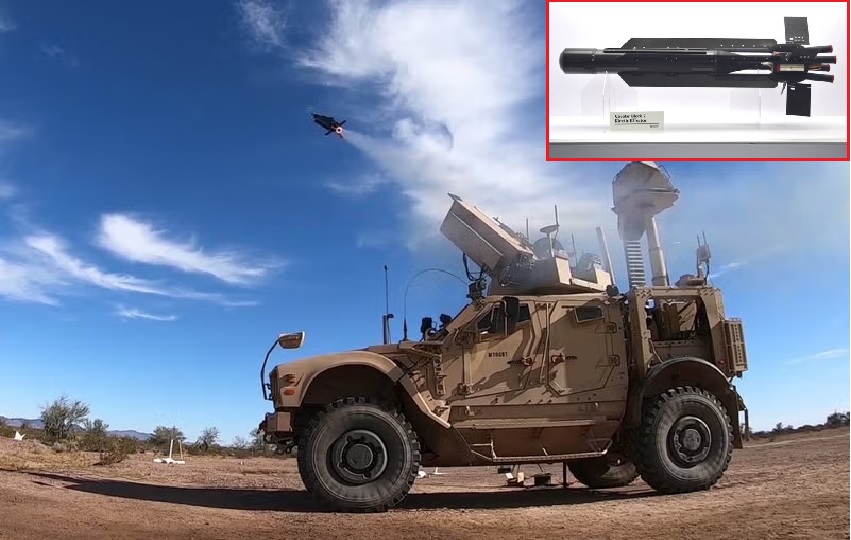
The request follows tactical adjustments by Iranian forces, which have relocated key missile assets outside the operational range of the Precision Strike Missile. The PrSM, with an effective range of approximately 300 to 310 miles (around 500 kilometers), has already been employed in combat during the early phases of Operation Epic Fury. However, the repositioning of Iranian launch platforms has created a capability gap that CENTCOM now seeks to address through the introduction of the Dark Eagle system, which is reported to have a range of roughly 1,725 miles.
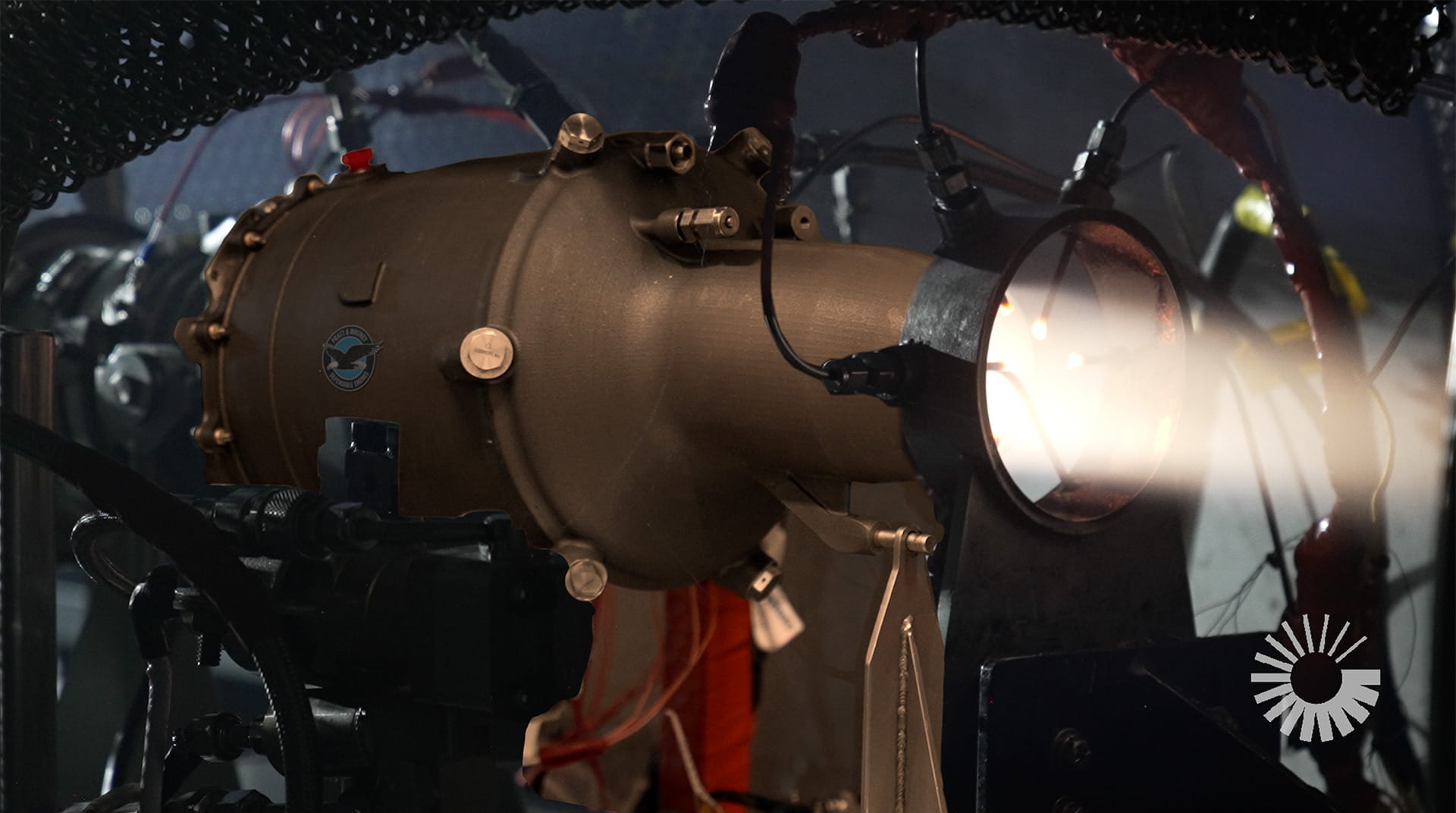
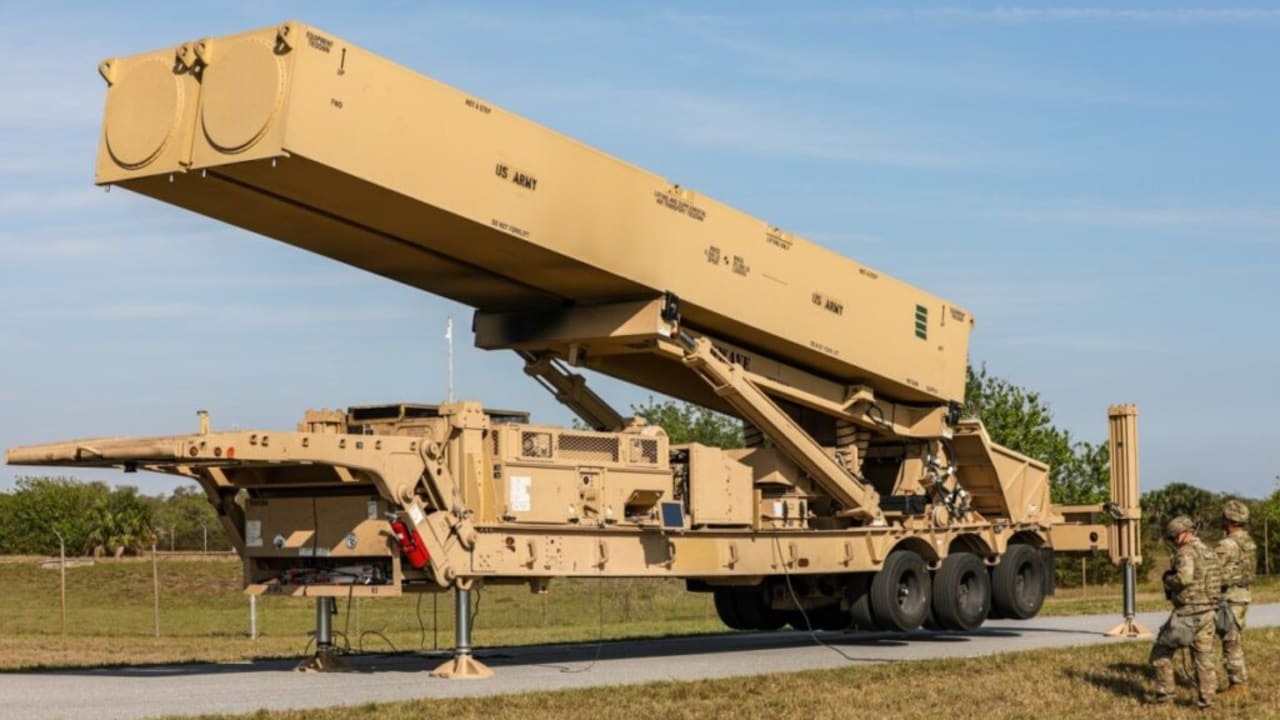
The Dark Eagle is designed to deliver rapid and precise strikes against heavily defended or time-sensitive targets. The system consists of a ground-launched platform that uses a two-stage booster to deploy a Common Hypersonic Glide Body. Once launched, the glide body travels at speeds exceeding Mach 5 and retains the ability to maneuver during flight, enabling it to evade advanced air defense systems and increase strike survivability.
If approved, the deployment would mark the first operational use of the LRHW system. The weapon remains under development and has not yet been formally declared combat-ready. To date, it has undergone a limited number of classified tests, including a full end-to-end flight test conducted on March 26, 2026, from Cape Canaveral Space Force Station. The U.S. Army has designated its first operational battery to the 3rd Multi-Domain Task Force at Joint Base Lewis-McChord in Washington, with fielding activities ongoing throughout 2026.
Programmatically, the LRHW is produced by Lockheed Martin, while the hypersonic glide body has been developed by Dynetics. The system also shares underlying technology with the U.S. Navy’s Conventional Prompt Strike program, reflecting a broader joint-service approach to hypersonic weapon development. In March 2026, the U.S. Army awarded a $2.7 billion contract to support continued research, development, testing, and initial production of the system.
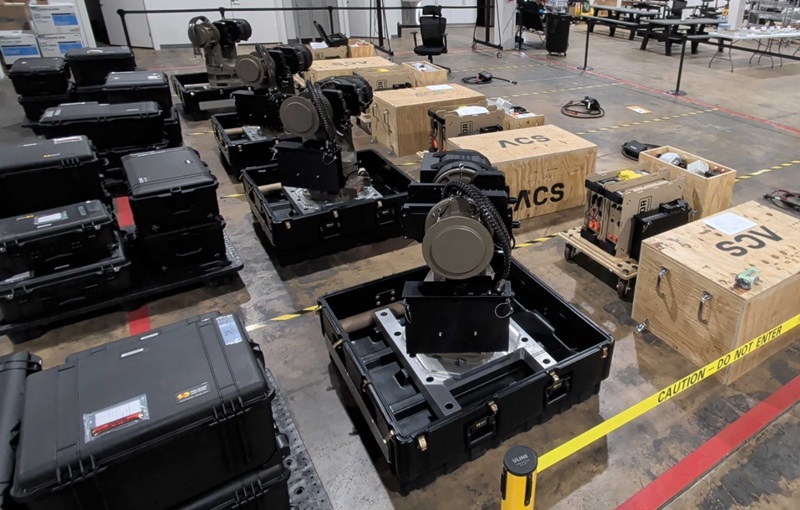
Cost and availability remain significant constraints. Each Dark Eagle missile is estimated to cost approximately $15 million, and current inventory levels are limited, with defense sources indicating that no more than eight missiles are presently available. A full operational battery includes up to eight missiles, four transporter-erector launchers, and associated command and support infrastructure, bringing the estimated total deployment cost to around $2.7 billion.
Operation Epic Fury, launched on February 28, 2026, under presidential authorization, involves U.S. military efforts to degrade Iran’s strategic capabilities. This includes targeting ballistic missile systems, production infrastructure, naval assets, and related elements of Iran’s security apparatus. The operation has so far relied in part on the PrSM for strike missions, but evolving battlefield conditions have prompted consideration of more advanced systems.
The request to deploy the Dark Eagle also comes amid a fragile ceasefire environment within the operational theater. Defense analysts note that, beyond its tactical role, the deployment would demonstrate the United States’ ability to field hypersonic weapons in a combat theater, aligning its operational posture with capabilities already developed by strategic competitors such as Russia and China.
The Pentagon has not publicly confirmed whether it will approve CENTCOM’s request, and no timeline has been provided for a decision. Any potential deployment and use of the LRHW would be conducted under existing command authorities governing conventional long-range precision strike operations.
——— End of Article ———