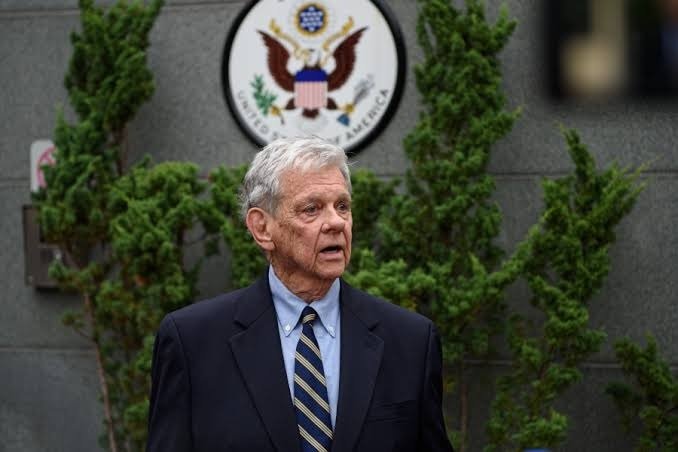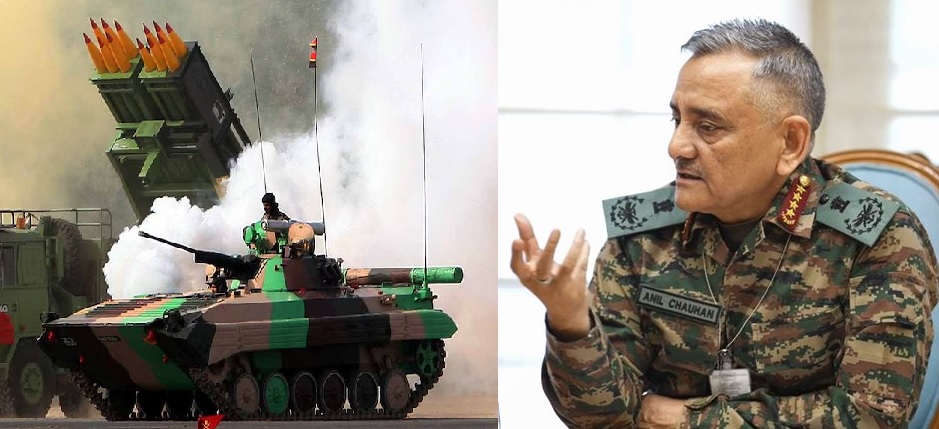
NEW DELHI — April 27, 2026 : Anil Chauhan, India’s Chief of Defence Staff (CDS), has formally submitted the final proposal for the creation of Integrated Theatre Commands to Defence Minister Rajnath Singh, marking the completion of inter-service deliberations internally referred to as “Operation Tiranga.”
The proposal will now undergo examination within the Ministry of Defence before being placed before the Cabinet Committee on Security for final approval. The submission follows extensive consultations among the Indian Army, Indian Navy, and Indian Air Force (IAF), including discussions during the Ran Samwad 2026 seminar in Bengaluru, and reflects a consolidated military consensus on long-pending structural reforms initiated after the creation of the CDS post in 2019.
Transition to Joint Theatre-Based Structure
The plan outlines a comprehensive reorganization of the Indian Armed Forces, shifting from the current single-service command system to an integrated, theatre-based operational framework. At present, India maintains 17 single-service commands—seven each under the Army and Air Force, and three under the Navy—along with two tri-service commands: the Andaman and Nicobar Command and the Strategic Forces Command, supported by the Headquarters Integrated Defence Staff.
Under the proposed model, operational control will be reorganized into three primary Integrated Theatre Commands:
-
Northern Theatre Command: Focused on the Line of Actual Control (LAC) with China, likely headquartered in Lucknow and led by a senior Indian Army officer.
-
Western Theatre Command: Responsible for the Pakistan front, likely headquartered in Jaipur and expected to be commanded by an Indian Air Force officer.
-
Maritime Theatre Command: Covering the Indian Ocean Region (IOR), likely headquartered in Thiruvananthapuram and led by an Indian Navy officer.
The Andaman and Nicobar Command is expected to be subsumed into the Maritime Theatre Command. Existing service commands will continue to function for administrative and training roles while operating under theatre commanders for operational tasks.
Concept and Function of Theatre Commands
An Integrated Theatre Command combines assets from the Army, Navy, and Air Force under a single operational commander within a defined geographical area. This structure replaces the current system where each service operates independently through separate regional commands.
Each theatre will have a Theatre Commander responsible for unified operational planning and execution across land, air, and maritime domains. To reinforce jointness, a Deputy Commander from a different service will be appointed in each theatre.
Theatre commanders will exercise authority over integrated forces, including combat units, logistics, intelligence systems, and communication networks, enabling coordinated decision-making without multiple layers of inter-service approvals.
Leadership and Organizational Changes
The implementation of theatreisation will introduce significant changes to the higher defence management structure:
-
Four-Star Theatre Commanders: Commanders of the three theatre commands will hold four-star rank, placing them at parity with the Chief of Army Staff (COAS), Chief of Naval Staff (CNS), and Chief of Air Staff (CAS).
-
Vice Chief of Defence Staff (Vice CDS): A new four-star position will be created to oversee day-to-day operational coordination alongside the CDS and service chiefs.
This restructuring would result in eight four-star officers at the apex level: the CDS, Vice CDS, three service chiefs, and three theatre commanders.
Service headquarters will retain responsibility for force generation, training, and sustainment, while operational employment will be assigned to theatre commanders.
Handling of Strategic and Air Assets
A key issue during deliberations involved the allocation of high-value and limited air assets. The proposal addresses concerns of the Indian Air Force by retaining centralized control of strategic assets under Air Headquarters in New Delhi.
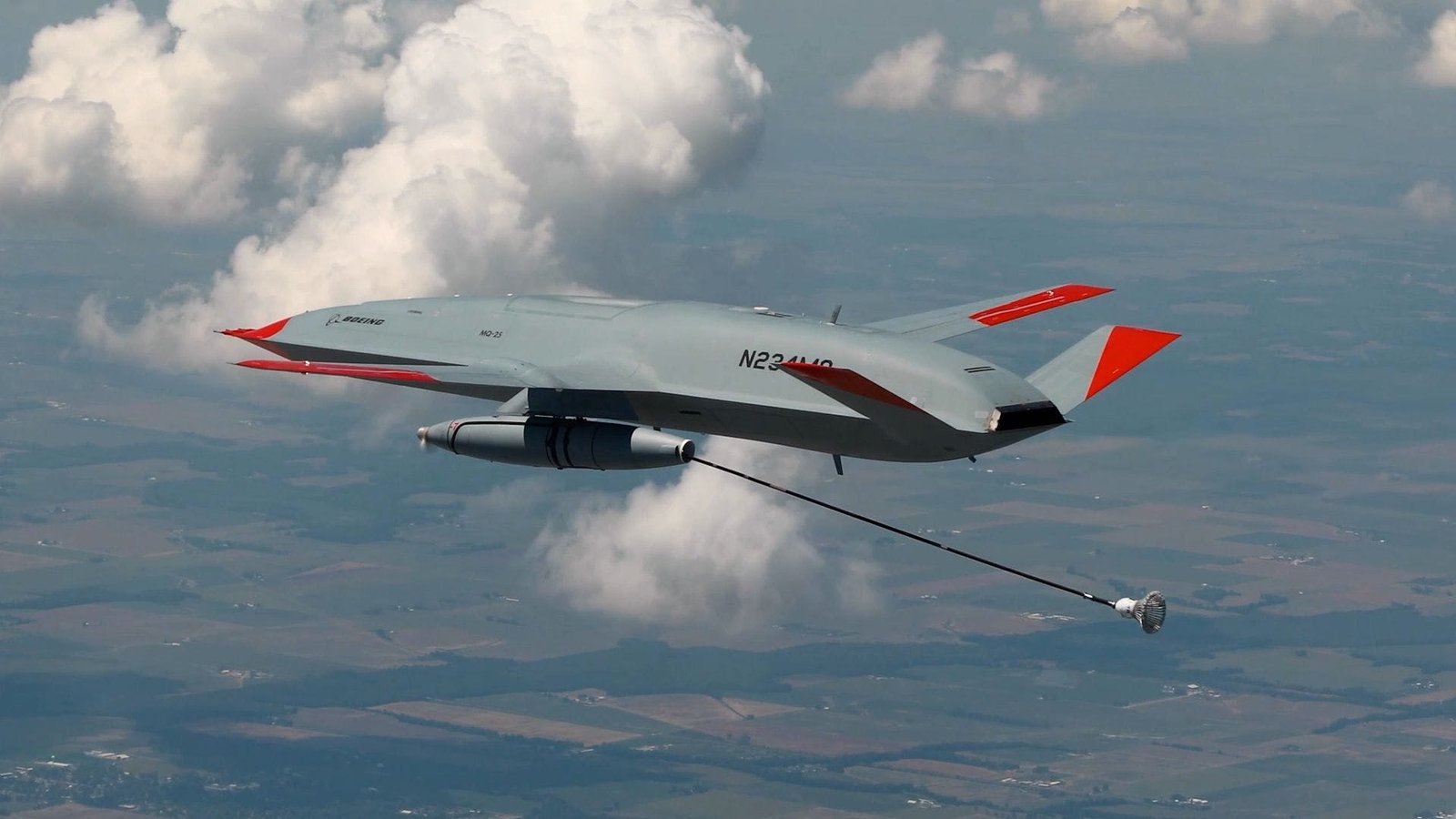
Assets such as mid-air refuellers, Airborne Warning and Control Systems (AWACS), heavy-lift transport aircraft, and future space-based surveillance platforms will not be permanently assigned to individual theatres. Instead, they will be dynamically allocated based on operational requirements across different theatres.
Integration of Multi-Domain Capabilities
The theatre command structure incorporates emerging domains of warfare. Each command will integrate capabilities related to cyber operations, space-based systems, and electronic warfare, alongside enhanced Intelligence, Surveillance, and Reconnaissance (ISR) frameworks.
This integration is intended to support real-time information sharing, coordinated targeting, and unified operational responses across multiple domains.
Rationale for Reform
The move toward theatre commands is driven by operational and structural requirements identified over the past two decades. The Kargil Review Committee and subsequent Group of Ministers report highlighted deficiencies in inter-service coordination during the 1999 Kargil conflict.
The current service-centric model has been associated with duplication of resources, fragmented planning, and slower decision-making processes. The proposed structure aims to address these issues through:
-
Resource Optimization: Consolidation of logistics and infrastructure across services.
-
Faster Decision-Making: Reduction in command layers during operational scenarios.
-
Improved Jointness: Unified planning and execution across services.
-
Enhanced Multi-Domain Operations: Integration of land, air, sea, cyber, and space capabilities.
-
Rapid Mobilisation: Improved response capability for potential simultaneous threats along northern and western borders.
The restructuring also aligns with ongoing military modernization initiatives, including the development of integrated battle groups and domain-specific operational capabilities.
Implementation Process
Following approval by the Cabinet Committee on Security, the government is expected to announce a phased implementation plan. Initial steps will likely include the appointment of theatre commanders and the establishment of supporting command structures.
Operational details such as precise command locations, asset distribution, and transition timelines are expected to be refined during the implementation phase under the supervision of the Department of Military Affairs.
The proposal represents the most significant restructuring of India’s military command system since independence, with the objective of creating a unified, efficient, and responsive operational framework.
——— End of Article ———