WASHINGTON — April 25, 2026 : The U.S. Department of the Treasury, through its Office of Foreign Assets Control (OFAC), announced a new round of sanctions on Friday aimed at disrupting Iran’s oil export network. The measures target a major China-based refinery, Hengli Petrochemical (Dalian) Refinery Co., Ltd., along with approximately 40 shipping firms, operators, and vessels linked to the transport of Iranian crude oil and petrochemical products.
The sanctions are part of Washington’s broader effort to restrict Iran’s primary source of revenue by penalizing entities involved in the purchase and movement of its energy exports. The action was taken under Executive Order 13902, which focuses on Iran’s petroleum and petrochemical sectors.
Refinery at the Center of Sanctions
Hengli Petrochemical’s facility in Dalian, Liaoning province, is identified as the primary target. The refinery, one of China’s largest independent “teapot” processors, has an estimated capacity of 400,000 barrels per day. According to the Treasury Department, the company has purchased billions of dollars’ worth of Iranian crude oil and petroleum products since at least 2023.
U.S. officials stated that Hengli received shipments coordinated by Sepehr Energy Jahan Nama Pars Company, an entity linked to Iran’s Armed Forces General Staff. These transactions reportedly generated hundreds of millions of dollars in revenue for Iran.
Sanctioned vessels, including BIG MAG, GALE, and ARES, delivered more than five million barrels of Iranian crude oil to the refinery. Additional vessels identified in the action include LISBOA, which transported over 2.5 million barrels of Iranian naphtha to the United Arab Emirates; SEVAN, which carried approximately 750,000 barrels of propane and butane to Bangladesh; SEEKER 8, which delivered over four million barrels of crude to China in early 2026; and LIN 9, involved in transporting Iranian ethylene.
Expansion of “Shadow Fleet” Designations
OFAC also designated 19 vessels and about 21 shipping-related entities forming part of Iran’s so-called “shadow fleet.” This network has been used to move oil, liquefied petroleum gas (LPG), and petrochemicals through methods such as ship-to-ship transfers and disabling tracking systems.
The Treasury Department said these activities have enabled continued exports primarily to Asian markets, with China accounting for more than 80 percent of Iran’s shipped oil, based on 2025 data from Kpler.
Financial Restrictions and Compliance Measures
Under the sanctions, all U.S.-based assets of the designated entities are blocked, and U.S. persons are prohibited from engaging in transactions with them. The Treasury also issued a general license allowing the wind-down of existing dealings with Hengli Petrochemical until May 24, 2026.
Treasury Secretary Scott Bessent stated that the measures are intended to further limit Iran’s ability to generate revenue through oil exports. The department also warned that additional actions could be taken against financial institutions facilitating such transactions, including two Chinese banks currently under review for potential exposure to Iranian funds.
Diplomatic and Market Context
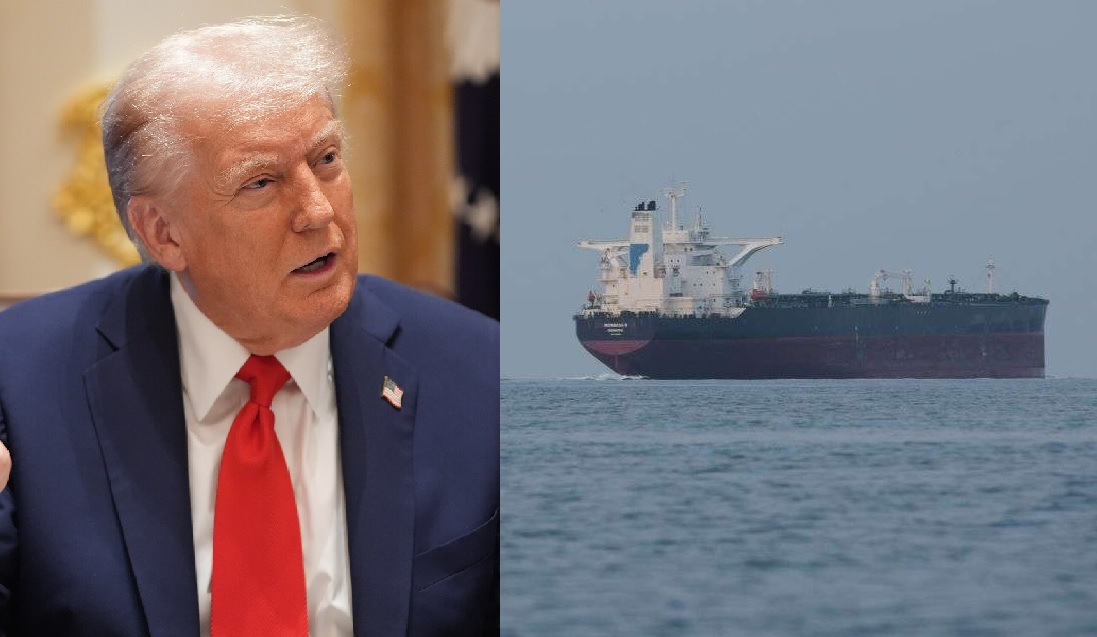
The sanctions were announced weeks before a planned meeting between U.S. President Donald Trump and Chinese President Xi Jinping in Beijing, where trade and economic issues are expected to be discussed. The timing also coincides with anticipated diplomatic engagements between Washington and Tehran.
China criticized the measures, with its embassy in Washington stating that the United States should refrain from using unilateral sanctions against Chinese companies and described the action as disruptive to global trade.
Independent refineries such as Hengli account for roughly a quarter of China’s refining capacity and are considered less exposed to U.S. financial systems. Analysts note that this has led U.S. authorities to increase pressure not only on trading entities but also on financial channels supporting the transactions.
The Treasury Department said the latest designations are part of ongoing efforts to constrain Iran’s oil sector and reduce the financial networks supporting its exports.
——— End of Article ———