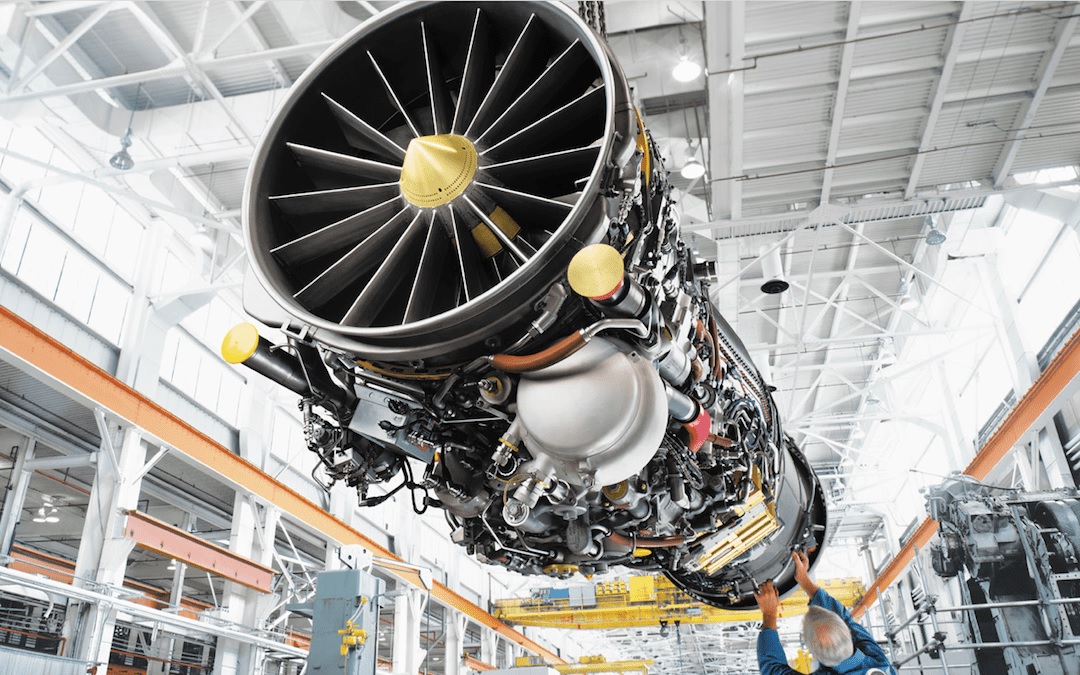
BENGALURU, — April 2, 2026 : Hindustan Aeronautics Limited (HAL) has invoked contractual penalty provisions against GE Aerospace over delays in the supply of F404-IN20 engines, a key component of the Light Combat Aircraft (LCA) Tejas Mk1A programme for the Indian Air Force (IAF).
The penalties, structured as liquidated damages, are being applied for each engine delivered beyond agreed timelines under the engine procurement contract signed in 2021. HAL officials confirmed that the contract explicitly mandates financial penalties for schedule slippages, and deductions are being made as per the agreed terms.
Contract Details and Delivery Status
The 2021 agreement between HAL and GE Aerospace covers the supply of 99 F404-IN20 engines, valued at approximately $716 million (around $1 billion in broader programme estimates), intended to power 83 Tejas Mk1A aircraft ordered by the IAF. Deliveries, initially expected earlier, formally commenced in March 2025.
As of early April 2026, HAL has received five engines. A sixth engine has been handed over in the United States and is expected to reach India by the end of April.
HAL Chairman and Managing Director D. K. Sunil stated that GE Aerospace has committed to delivering at least 20 engines during the second half of calendar year 2026, between June and December. He described this projection as a “pessimistic” estimate, noting that the manufacturer has indicated the possibility of exceeding that figure.
A follow-on agreement signed in November 2025 provides for an additional 113 F404-IN20 engines, including spares and modules, to support production of 97 more Tejas Mk1A aircraft. Deliveries under this second contract are scheduled from 2027 through 2032.
Impact on Tejas Mk1A Production
In February 2021, the Ministry of Defence awarded HAL a ₹48,000 crore contract to manufacture 83 Tejas Mk1A jets, including 73 fighter variants and 10 trainers. While HAL’s production lines remain active and multiple airframes have been completed, final assembly has been constrained by the shortage of engines.
HAL currently has five aircraft fitted with engines and expects to have six aircraft integrated with Category-A engines by the end of April 2026. The company is targeting delivery of more than 20 Tejas Mk1A jets by December 2026, subject to completion of ongoing testing milestones.
These include radar integration, avionics validation, and simultaneous missile-firing trials from twin launch pods. A comprehensive programme review scheduled for May 2026 will assess readiness prior to formal aircraft deliveries to the IAF.
Financial and Contractual Implications
The liquidated damages clause allows HAL to deduct a percentage of the value of each delayed engine. However, the delays have also created downstream contractual obligations. HAL is liable to pay penalties to the Indian Air Force for delays in delivering completed aircraft under its separate contract.
HAL officials emphasized that while domestic production infrastructure is fully prepared, engine availability remains the primary constraint affecting delivery timelines.
IAF Monitoring and Fleet Status
The Indian Air Force is closely monitoring developments related to engine deliveries and programme progress. The planned review in May 2026 is expected to evaluate the overall status of the Tejas Mk1A programme before acceptance of aircraft.
Separately, the existing Tejas Mk1 fleet, which had been grounded for approximately two months for routine maintenance checks and software updates related to its braking system, has been cleared to resume operations. The fleet is expected to return to active flying status by the second week of April 2026.
Supply Chain Challenges
GE Aerospace has attributed earlier delays to global supply chain constraints, which affected production schedules and delivery commitments. HAL has reiterated that its assembly lines are ready to scale output once engine supplies stabilize, indicating that future delivery rates will depend largely on the consistency of engine shipments.
——— End of Article ———