TEHRAN / ISLAMABAD — April 19, 2026 : Iran has formally rejected reports that it has agreed to participate in a second round of negotiations with the United States in Islamabad, stating that no such arrangement currently exists and no date has been set for further talks.
According to Iran’s state news agency IRNA, Tehran has declined to proceed with additional negotiations under existing conditions, citing what it described as excessive and unrealistic U.S. demands, inconsistent positions, and continued threatening rhetoric. Iranian media characterized recent U.S. statements about imminent talks as a “media game” and a “blame game” aimed at increasing political pressure.
Iranian authorities conveyed their position to Washington through Pakistani mediators, confirming that they have not agreed to a second round. Tasnim News Agency also reported that Tehran’s refusal is linked to the ongoing U.S. naval blockade of Iranian ports and what it considers maximalist demands during negotiations.
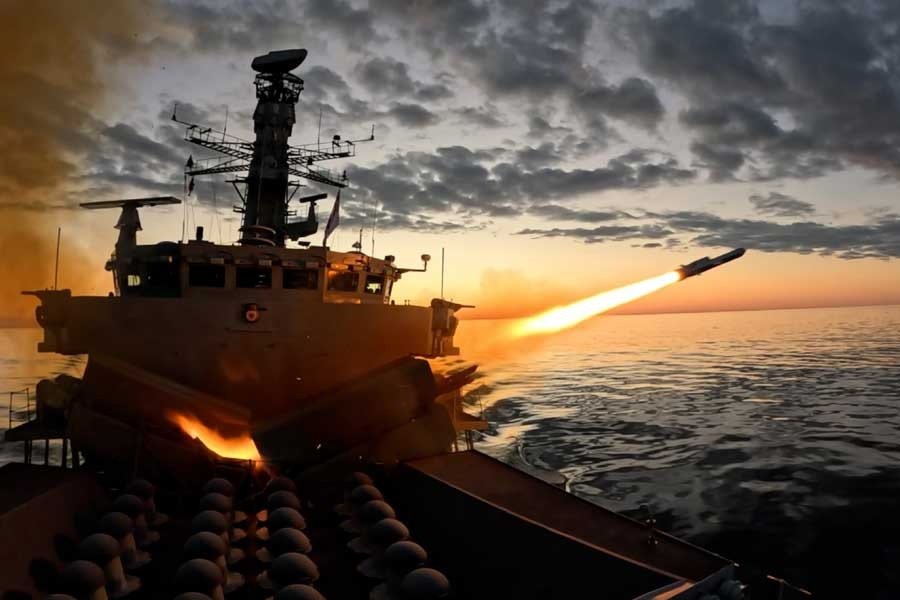
The blockade, reportedly initiated by U.S. Central Command (CENTCOM) following the first round of talks, targets maritime commercial traffic near the Strait of Hormuz and the Gulf of Oman. Iranian officials state that the measure violates the two-week ceasefire understanding currently in place. Iran maintains that lifting the blockade is a necessary condition for any further diplomatic engagement.
Pakistan’s foreign ministry has confirmed that no schedule has been finalized for another round of talks. Islamabad continues to act as a mediator and has indicated that efforts to facilitate dialogue remain ongoing, though no timeline has been established.
The first round of face-to-face negotiations between Iranian and U.S. delegations took place in Islamabad in mid-April 2026 and concluded on April 12 after approximately 21 hours of discussions, without producing a joint framework agreement. The talks involved senior officials, including U.S. Vice President JD Vance and Iranian Parliament Speaker Mohammad Bagher Qalibaf.
Issues discussed included Iran’s nuclear program, sanctions, regional security, the Strait of Hormuz, and matters related to the ceasefire. U.S. proposals reportedly included conditions such as ending uranium enrichment, dismantling key nuclear facilities, transferring enriched uranium stockpiles, and halting regional support activities. Iran rejected these demands, stating that its right to civilian nuclear enrichment is non-negotiable.
Iranian Foreign Ministry spokesperson Esmaeil Baqaei stated that Washington’s unilateral approach and shifting positions were the main obstacles during the initial negotiations. He emphasized that Iran would not accept talks based on imposed conditions or dictation and that any future engagement must respect Iran’s legitimate rights and interests.
U.S. officials, including President Donald Trump, had indicated that a follow-up meeting in Islamabad was under consideration, with a delegation expected to include senior envoys such as Jared Kushner and Steve Witkoff. However, Iranian sources and state media have consistently stated that no agreement for such talks exists.
Pakistan has continued diplomatic outreach to support the process, with Prime Minister Shehbaz Sharif engaging regional partners including Saudi Arabia, Qatar, and Turkey in an effort to sustain dialogue and prevent escalation.
With the current ceasefire set to expire on April 22, 2026, negotiations remain stalled. Iranian officials maintain that progress depends on the removal of the naval blockade and a shift away from what they describe as excessive U.S. demands. Contacts through mediators are ongoing, but no further meetings have been confirmed.
——— End of Article ———