Middile East, — April 8, 2026 : A two-week ceasefire framework brokered by Pakistan between the United States and Iran has entered into force amid significant ambiguity over its scope, particularly regarding Lebanon and the role of Hezbollah, while military activity continues across parts of the Middle East.
The ceasefire initiative, facilitated through backchannel communications led by Pakistan’s Prime Minister Shehbaz Sharif and Chief of Army Staff Field Marshal Asim Munir, was designed as a two-phase arrangement. The first phase called for an immediate pause in hostilities linked to the reopening of the Strait of Hormuz, followed by a second phase involving broader negotiations on regional de-escalation.
However, differences in interpretation have emerged among the parties. Pakistan described the ceasefire as applying across the region, including Lebanon. In contrast, the United States and Israel have stated that the agreement does not extend to operations targeting Hezbollah in Lebanon. Iranian officials have maintained that any ceasefire must include a halt to military actions involving Lebanon, reflecting Tehran’s support for Hezbollah.
Diplomatic exchanges leading up to the agreement included Pakistan relaying a 15-point proposal from the United States and facilitating responses from Iran. Contacts reportedly involved U.S. Vice President JD Vance and Iranian Foreign Minister Abbas Araghchi. While Iranian officials acknowledged Pakistan’s role in conveying proposals, the final understanding has been characterized by differing expectations among participants.
Continued Military Activity in the Gulf
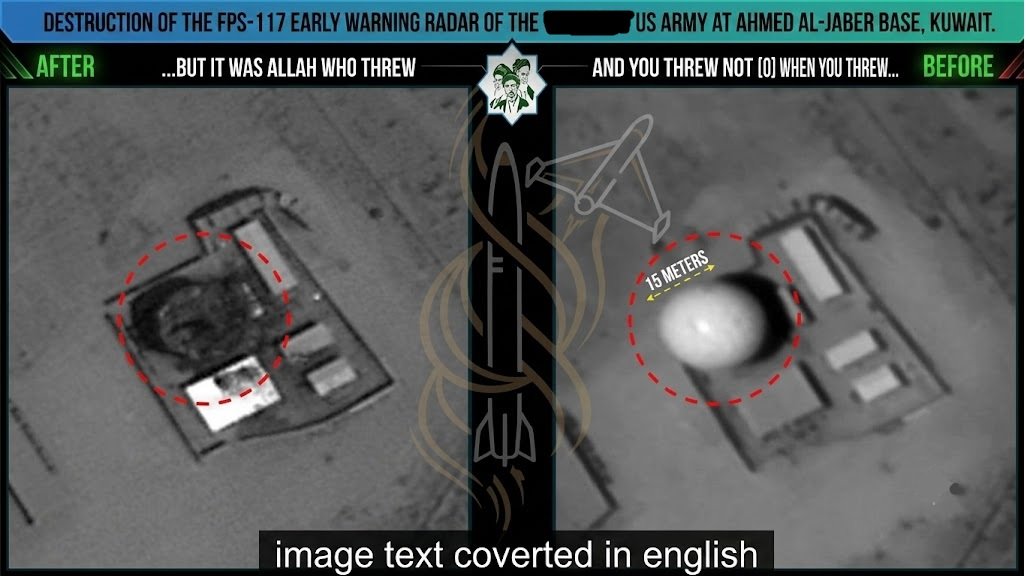
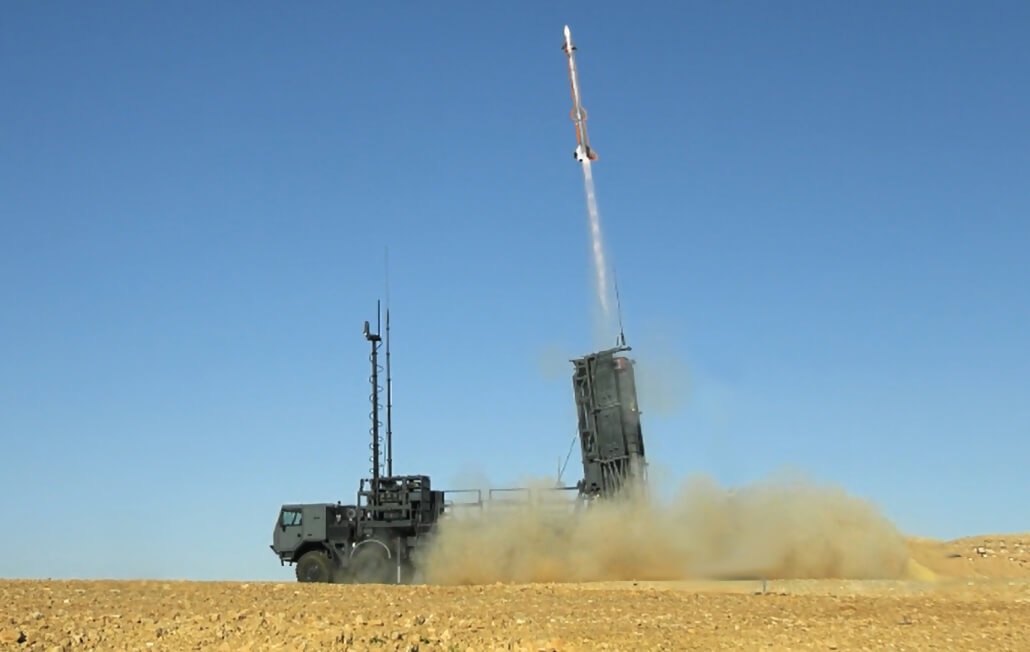
Despite the ceasefire announcement, Gulf states have reported ongoing military incidents over the past 24 hours. Kuwait documented 17 drone attacks. Saudi Arabia reported intercepting five ballistic missiles. The United Arab Emirates stated that it faced a combined attack involving 17 ballistic missiles and 35 drones launched from Iran. Air defense systems across the region were activated in response to incoming threats.
These developments have raised questions regarding the immediate effectiveness of the ceasefire, particularly in areas beyond the direct U.S.-Iran engagement framework.
IRGC Statements and Lebanon Tensions
Following the ceasefire announcement, the Islamic Revolutionary Guard Corps (IRGC) issued a statement under what it termed Operation True Promise 4, accusing Israel of conducting strikes in Beirut shortly after the agreement was publicized. The IRGC described the reported actions as a “savage massacre” and warned of consequences if operations in Lebanon continued.
Majid Moosavi, commander of the IRGC Aerospace Force, stated that any attack on Hezbollah would be considered an attack on Iran. He indicated that forces aligned with Iran were preparing a response to Israeli actions, underscoring Tehran’s position that Lebanon remains integral to the broader conflict framework.
Regional Reactions and Concerns
Saudi Arabia and the United Arab Emirates have expressed dissatisfaction with the structure and implementation of the ceasefire arrangement. Officials in Riyadh and Abu Dhabi have pointed to continued Iranian military activity targeting Gulf infrastructure, stating that the agreement has not mitigated immediate security threats in the region.
Both countries have long viewed Iran’s regional posture as a primary security concern and have indicated that the current ceasefire framework does not adequately address these issues.
Diplomatic Outlook and Next Steps
The ceasefire took effect with the intention of creating space for further negotiations, with talks scheduled to take place in Islamabad in the coming days. Key unresolved issues include clarification of the ceasefire’s geographic scope, particularly regarding Lebanon, and mechanisms related to maritime security and transit through the Strait of Hormuz.
Diplomatic sources have indicated that while no formal revisions have been made to the agreement, recent developments have prompted the need for additional clarification among participating parties. The outcome of upcoming discussions is expected to determine whether the ceasefire framework can be expanded or adjusted to address ongoing areas of conflict.
——— End of Article ———