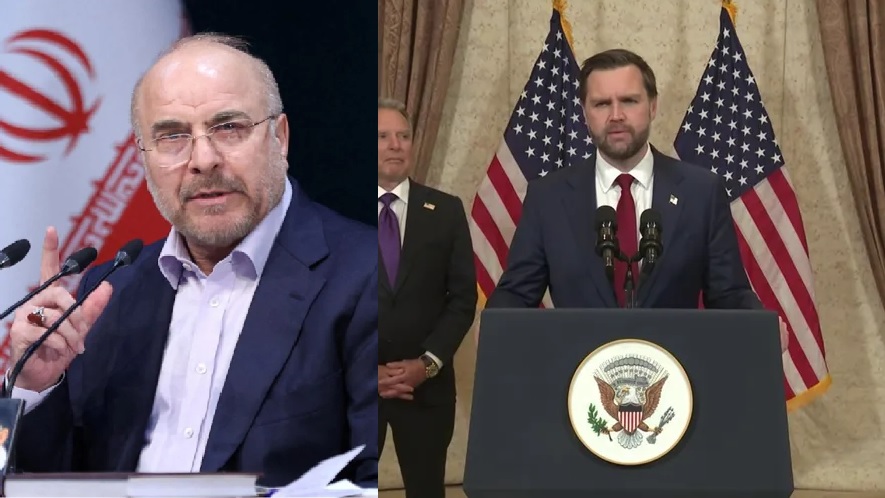
ISLAMABAD, — April 12, 2026 : High-level negotiations between the United States and Iran concluded in Islamabad without an agreement after approximately 21 hours of discussions, marking the first direct face-to-face engagement between the two countries at this level in decades. The talks were hosted and mediated by Pakistan amid heightened regional tensions and an ongoing but fragile ceasefire.
The United States delegation was led by Vice President JD Vance, accompanied by Special Envoy Steve Witkoff and Jared Kushner. Iran’s delegation was headed by Parliament Speaker Mohammad-Bagher Ghalibaf and included Foreign Minister Abbas Araghchi. Both sides held separate consultations with Pakistani Prime Minister Shehbaz Sharif and senior officials before and during the negotiations.
No Agreement After Extended Deliberations
Speaking after the conclusion of the talks, Vance stated that the United States had presented what he described as its “final and best offer,” but Iran declined to accept the terms. He said the discussions were substantive and involved detailed exchanges, including written proposals, but ultimately failed to resolve core differences—particularly regarding Iran’s nuclear programme.
Ghalibaf, representing the Iranian position, stated that Tehran had presented constructive initiatives during the negotiations. However, he said the US delegation did not build sufficient trust to reach an agreement. Iranian state media outlets, including Tasnim, reported that Iran’s proposals were reasonable, while describing US demands as excessive and unrealistic.
Key Issues Preventing Agreement
The negotiations addressed several interconnected issues, but three primary areas remained unresolved.
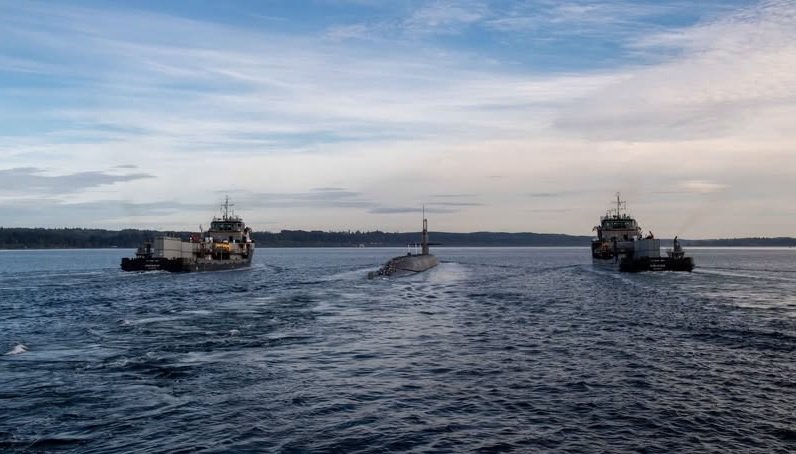
The status of the Strait of Hormuz was a central point of disagreement. Iran maintained control over the waterway, which is critical for global oil shipments. The United States sought its immediate reopening for international maritime traffic without conditions or guarantees of a future Iranian role. Iran insisted that no change to the strait’s status would occur without a broader comprehensive agreement. Reports during the talks indicated that US military forces had begun operations aimed at clearing mines and facilitating shipping.
The situation in Lebanon also contributed to the deadlock. Iran pushed for the inclusion of a ceasefire covering Lebanon, where Israeli operations against Hezbollah have continued. The US delegation declined to incorporate Lebanon into the agreement, indicating that the issue would be handled separately through Israel.
Iran’s nuclear programme remained the most significant obstacle. The United States reiterated its position that Iran must not develop nuclear weapons and proposed removing enriched uranium from Iranian territory. Iran rejected this proposal, describing it as a violation of its sovereign rights and reaffirming that its nuclear programme is for peaceful purposes. Tehran also declined to accept limits on its nuclear capabilities, which US officials identified as a primary barrier to any agreement.
Broader Issues and Negotiation Dynamics
Additional matters discussed during the talks included sanctions relief, the release of frozen Iranian financial assets, war-related reparations, and regional security arrangements. Both delegations exchanged written drafts and technical proposals during extended phases of the negotiations, but these efforts did not result in convergence.
The discussions unfolded against the backdrop of a two-week ceasefire established earlier in 2026 following US and Israeli strikes on Iran. The ceasefire has remained fragile, with continued Israeli military operations in Lebanon and disruptions to maritime traffic in the Strait of Hormuz.
Vice President Vance remained in communication with US President Donald Trump throughout the negotiations. Trump had previously stated that the United States would prevail regardless of the outcome and emphasized the importance of reopening the Strait of Hormuz.
Uncertain Outlook for Ceasefire and Future Talks
The failure to reach an agreement has introduced uncertainty regarding the continuation of the ceasefire and the stability of regional conditions. Shipping through the Strait of Hormuz remains restricted, affecting global energy markets, while Israeli officials have indicated that military operations in Lebanon may continue.
Pakistani officials expressed cautious optimism that diplomatic engagement would persist despite the outcome. Reports indicated the possibility of another round of talks within 7 to 10 days, potentially involving a different level of US representation.
The US delegation departed Pakistan shortly after the talks concluded, with no indication that members remained for additional back-channel discussions. Both Washington and Tehran signaled that communication channels remain open, although substantial gaps continue on key issues related to security, sovereignty, and regional influence.
The Islamabad negotiations took place within the broader context of a six-week regional conflict affecting multiple countries in the Middle East. Analysts noted that factors such as intelligence sharing, control of strategic energy routes, and nuclear capabilities continue to shape the positions of both sides.
No formal announcement has been made regarding any extension or modification of the current ceasefire.
——— End of Article ———