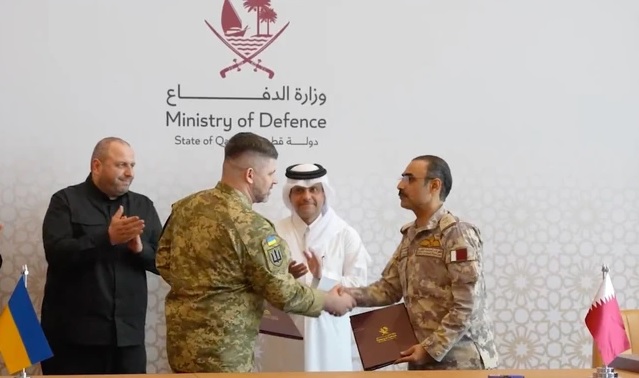
KYIV / DOHA — March 29, 2026 : Ukraine has formalized a long-term defense cooperation agreement with Qatar, marking another step in Kyiv’s expanding strategic partnerships with Gulf nations. President Volodymyr Zelensky confirmed that the agreement, signed during his visit to Doha, will remain in force for at least 10 years and includes joint weapons production, co-production facilities, and technological collaboration.
The agreement was concluded following high-level meetings between Zelensky and Sheikh Tamim bin Hamad Al Thani, as well as Prime Minister Mohammed bin Abdulrahman Al Thani. Discussions centered on strengthening defense cooperation and enhancing protection capabilities in both countries. The final document was signed by the chiefs of the general staff of Ukraine and Qatar.
Defense Industry Cooperation and Co-Production
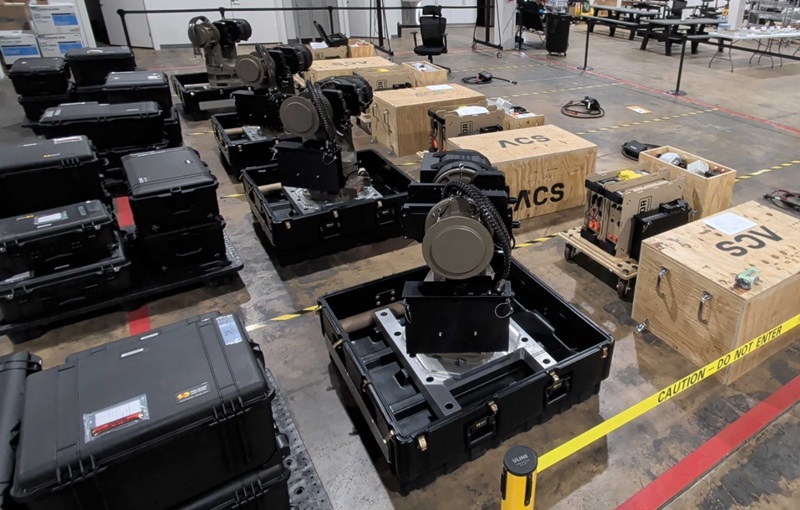
Under the agreement, Ukraine and Qatar will jointly develop defense industry projects, establish manufacturing facilities, and create production lines in both countries. The partnership includes technological cooperation between companies, with a focus on scaling production capacity and expanding industrial collaboration.
Zelensky stated that these arrangements are designed to support long-term industrial growth, with facilities expected to be built both within Ukraine and in partner countries. The agreement also предусматривает cooperation in countering modern aerial threats, including missiles and unmanned aerial systems, drawing on Ukraine’s operational experience and electronic warfare capabilities developed during ongoing conflicts.
Qatar’s defense authorities confirmed that the partnership includes the exchange of expertise in missile defense and counter-drone technologies.
Expansion to UAE and Broader Gulf Strategy
Zelensky also confirmed that Ukraine is preparing to sign a similar 10-year defense agreement with the United Arab Emirates in the coming days. This follows a defense cooperation deal signed earlier in the week with Saudi Arabia.
According to Zelensky, all three agreements—with Saudi Arabia, Qatar, and the UAE—are structured as strategic contracts valued at billions of dollars. These deals are intended to ensure stable exports and predictable revenues for Ukrainian defense manufacturers while expanding Ukraine’s role as a defense production partner in the Gulf region.
State Oversight on Arms Exports
During a video call with journalists, Zelensky addressed concerns regarding Ukrainian defense companies establishing production facilities abroad without government coordination. He emphasized that such actions undermine national export strategy and fail to prioritize the needs of Ukraine’s armed forces.
As an example, Zelensky cited a case in which a Ukrainian company sold 1,000 interceptor systems to a foreign country for $3.5 million without state oversight. The same company holds a government contract worth €300 million. Zelensky stressed that export controls must ensure that Ukraine’s Defense Forces receive priority before any international deliveries are made.
Fuel Supply Agreements and Energy Security
In addition to defense cooperation, Ukraine secured agreements with Middle Eastern partners to guarantee diesel fuel supplies for at least one year. The arrangement is intended to prevent shortages and ensure uninterrupted availability for both civilian and military needs.
Ukraine currently requires approximately 700,000 tons of diesel and gasoline per month to meet nationwide demand, including military consumption. Zelensky confirmed that the Armed Forces are currently fully supplied with fuel.
He noted that previous shortages were caused by infrastructure damage from Russian strikes and constraints linked to existing supply contracts. The new agreements include provisions to prioritize fuel allocation for the military under all circumstances.
Strategic Context and Operational Experience
The defense partnerships are focused on countering evolving aerial threats, particularly missiles and unmanned systems. Ukraine is leveraging its experience in intercepting Iranian-designed drones and integrating air defense systems to support Gulf partners facing similar threats.
As part of this cooperation, Ukraine has reportedly deployed over 200 military and security specialists to the region to assist with air-defense integration and counter-drone operations. In return, Kyiv aims to secure investment and expand its domestic defense manufacturing capacity.
Diplomatic Engagements in the Gulf
Zelensky’s Middle East tour included visits to Saudi Arabia on March 27, followed by engagements in the UAE and Qatar on March 28. The agreements signed during this tour establish long-term frameworks for defense cooperation, industrial investment, and energy security between Ukraine and key Gulf states.
These developments reflect a broader effort by Ukraine to strengthen international defense partnerships, expand its industrial base, and secure critical resources amid ongoing security challenges.
——— End of Article ———