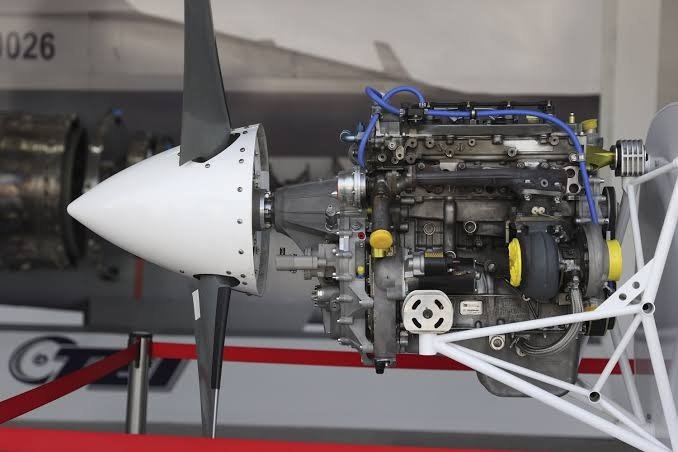
SEOUL — South Korea has approached Türkiye over the possible purchase of TEI-PD170 turbodiesel engines for its military drone programs, following several problems during recent domestic unmanned aerial vehicle tests.
According to Yonhap News Agency, South Korea’s Defense Acquisition Program Administration (DAPA) recently sent an inquiry to Turkish Aerospace Industries (TAI) regarding the PD170, which is produced by TAI subsidiary TEI. Neither side has disclosed which Korean UAV would use the engine, the number of engines being discussed or the possible value of a deal.
A Turkish defense procurement official said details of specific engine models could not be disclosed while procedures and negotiations are continuing. TAI has also indicated that cooperation with South Korea could expand into longer-term aerospace engineering and other projects.
Recent Korean Drone Test Failures
The inquiry follows several high-profile problems involving South Korean drones.
On September 16, during the 2026 Defense Drone Technology Exhibition at the Seungjin Training Area in Pocheon, Gyeonggi Province, a medium-sized jet-powered unmanned aircraft developed by Korea Aerospace Industries (KAI) crashed immediately after takeoff. Other systems, including a direct-impact attack drone and some swarm and guided-missile demonstrations, also failed to complete their planned activities. Possible frequency interference caused by the large crowd was among the factors being examined, while pre-event rehearsals had reportedly proceeded without problems.
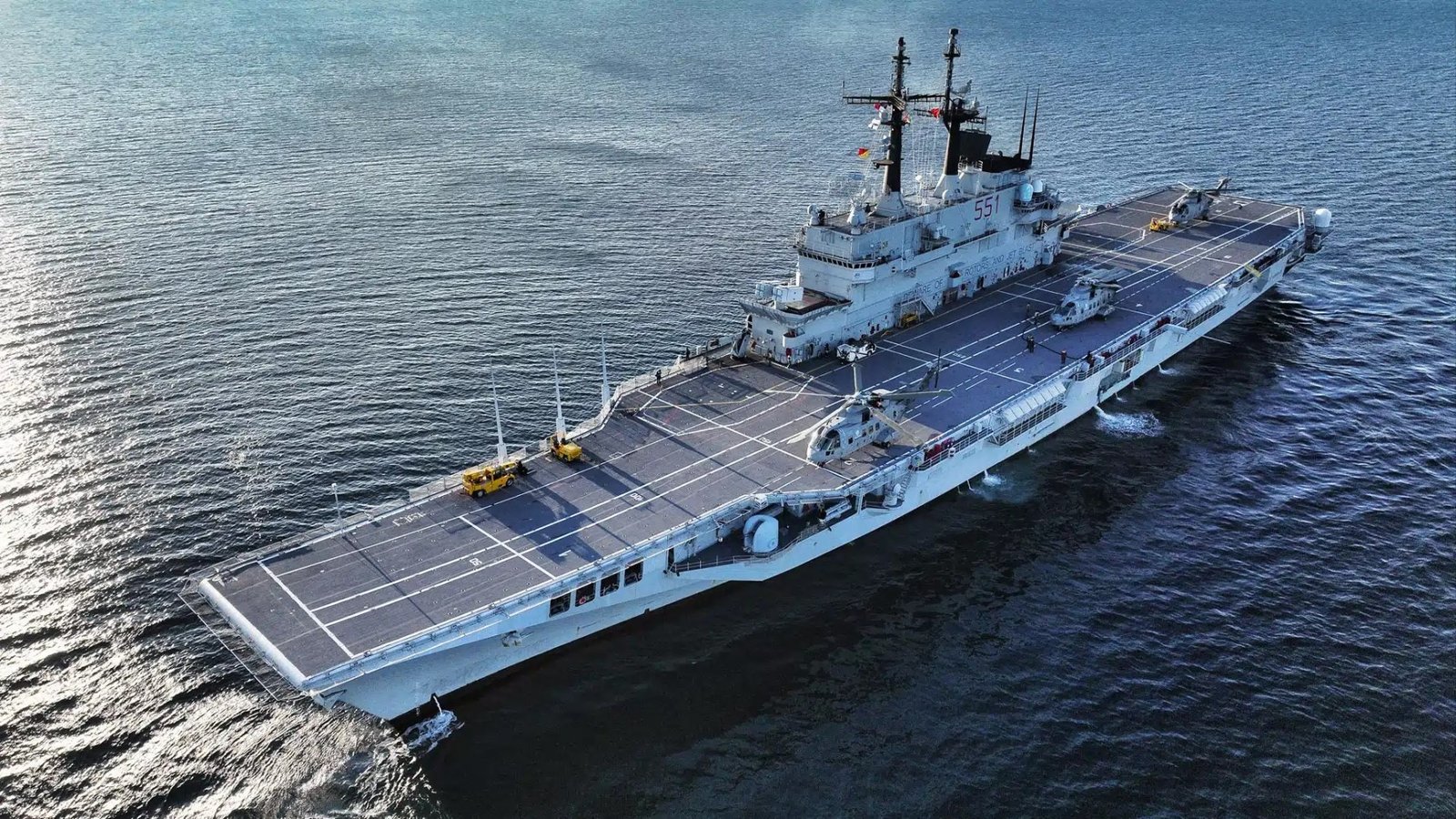
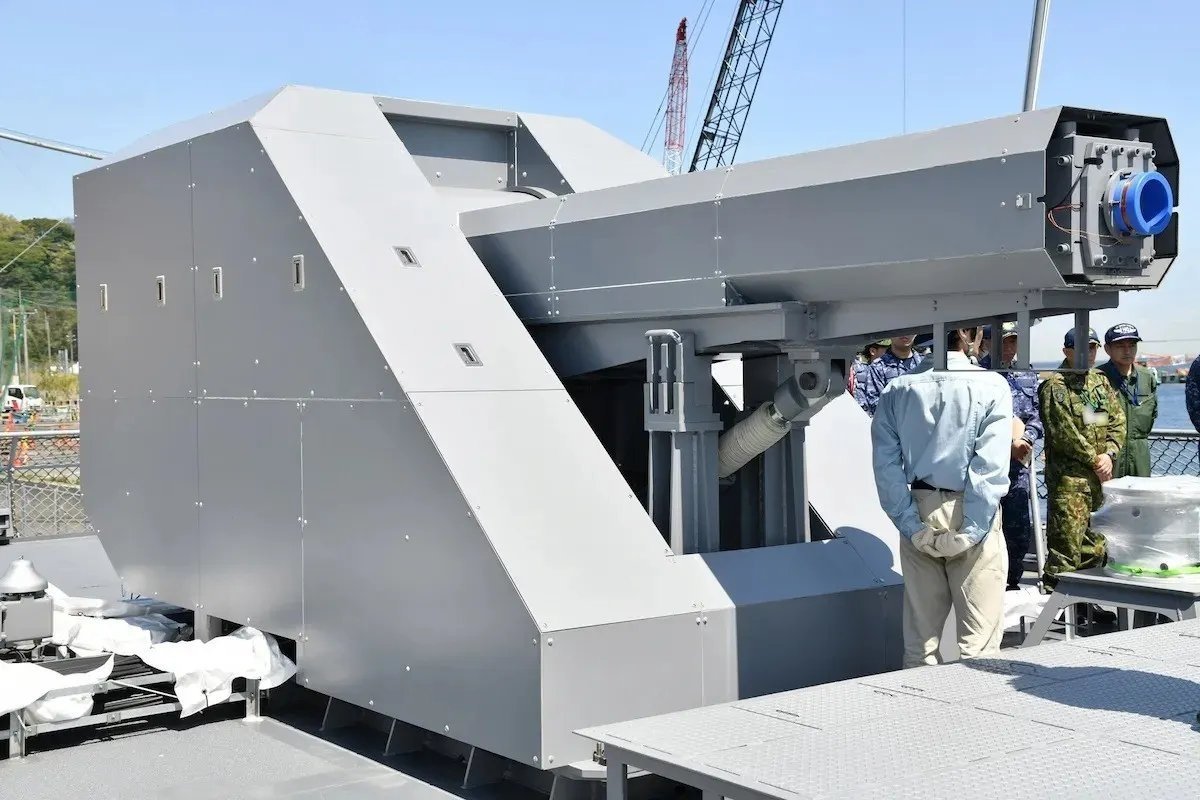
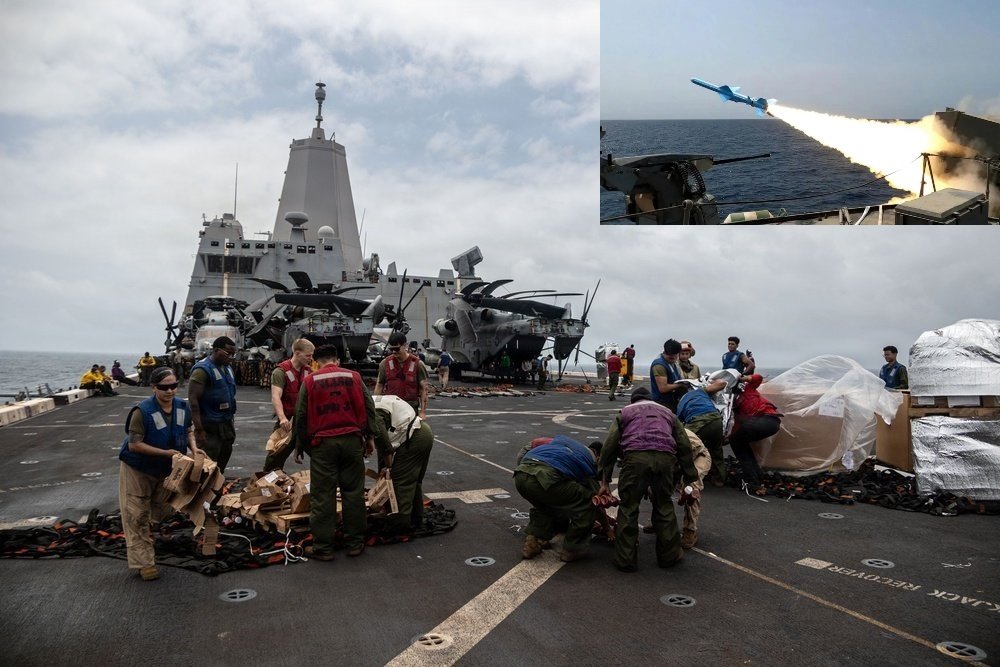
Earlier, on August 25, the South Korean Navy and the Agency for Defense Development (ADD) tested medium-sized loitering munitions from the 14,500-ton amphibious assault ship ROKS Marado south of Busan. Both drones lost stability and fell into the sea only seconds after launch, preventing the planned attack on an unmanned surface vessel.
An ADD investigation later attributed the failure to a misaligned launcher hatch door, which caused the rocket booster exhaust to be deflected and produced uneven thrust during launch. The drones and the wider system were otherwise found to be operating normally. The Navy said testing would continue.
PD170 Already Used on Turkish UAVs
The TEI-PD170 is a 170-horsepower turbodiesel engine designed for medium-altitude, long-endurance UAVs. TEI lists a dry weight of about 162 kg, a 3,600-hour service life and a maximum operating altitude of 45,000 feet. It can operate on JP-8, Jet-A1, JP-5 and EN 590 fuels.
The engine uses a twin-turbocharging system and powers Turkish UAVs including the TAI Anka and Aksungur, as well as Baykar’s Bayraktar TB3. TEI says the engine benefited from experience gained through licensed production of engines for U.S.-designed F-16 fighters.
An Aksungur equipped with the PD170 has recorded a 45-hour flight at an altitude of 42,000 feet, demonstrating the engine’s endurance at high altitude.
Turkish UAVs using these engine technologies have seen operational use in Ukraine and the Middle East. Türkiye’s defense and aerospace exports exceeded $10 billion in 2025.
South Korea Continues Indigenous Engine Development
South Korea is also developing its own UAV propulsion systems. In July 2026, DAPA and ADD displayed prototypes of a 5,500-pound-thrust turbofan intended for a low-observable unmanned wingman aircraft and a 1,400-horsepower turboprop intended for medium- to high-altitude reconnaissance UAVs. Both engines are undergoing ground testing, with full development targeted for the early 2030s.
South Korea's broader defense industry has continued to perform strongly, with 2025 defense exports reaching $15.4 billion. Major export programs include the K2 main battle tank, Chunmoo multiple-launch rocket system and Cheongung-II air-defense system.
The possible purchase of the Turkish PD170 would therefore add an established foreign engine option to South Korea’s ongoing efforts to develop and expand its military UAV capabilities. No timeline has been announced for a final decision, and any contract would depend on further negotiations and formal procedures.
——— End of Article ———