Europe — April 11, 2026 : European nations have significantly expanded their military capabilities, supported by increased defense spending, industrial coordination, and joint operational frameworks. Recent data indicates that the continent possesses substantial conventional and nuclear strength, prompting renewed assessment of its ability to operate without United States support. While aggregate capabilities are considerable, structural and technological gaps remain, particularly in advanced aviation, strategic strike systems, and unified command.
Spending Expansion and Industrial Mobilization
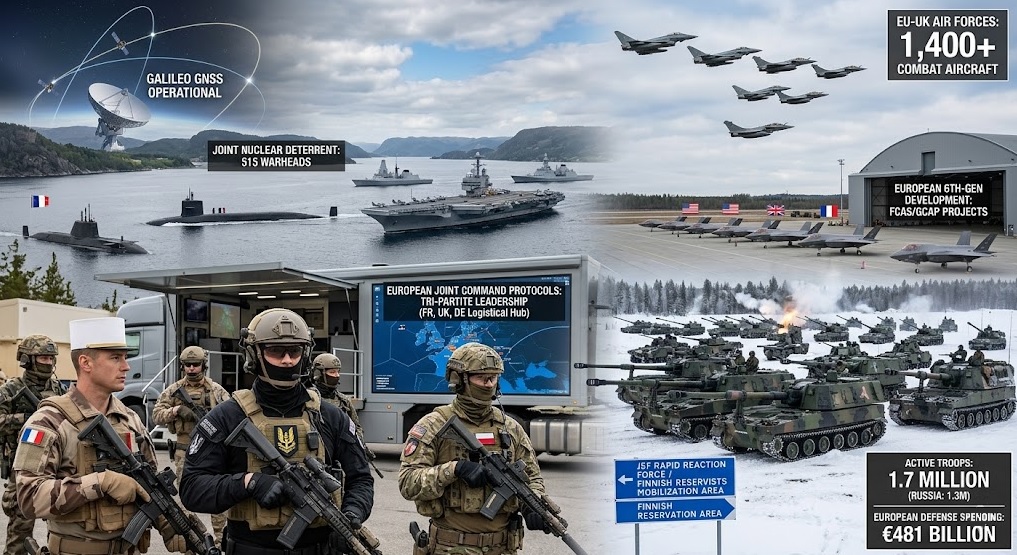
European defense expenditure reached €481 billion in 2026, surpassing the combined military budgets of Russia and China. This financial baseline is being reinforced by the European Union’s “ReArm Europe” initiative, also referred to as Readiness 2030, which is expected to mobilize an additional €800 billion through a mix of national fiscal adjustments, joint procurement loans, and reallocated EU funds.
The funding surge is directed toward expanding industrial output, improving interoperability, and accelerating capability development. Defense industries across Germany, France, Italy, and the United Kingdom are increasing production of key systems, including artillery, missiles, naval platforms, and armored vehicles, with a growing emphasis on European-sourced components and reduced external dependency.
Personnel Strength and Mobilization Capacity
European armed forces collectively maintain more than 1.7 million active-duty personnel, exceeding Russia’s estimated 1.3 million. Reserve forces provide additional depth, particularly in Northern Europe. Finland alone retains the capacity to mobilize up to 900,000 trained reservists, many of whom are prepared for Arctic operations.
The continent’s broader demographic and industrial base supports sustained mobilization in the event of prolonged conflict, offering advantages in manpower regeneration and logistical continuity compared to individual adversaries.
Air, Naval, and Ground Force Capabilities
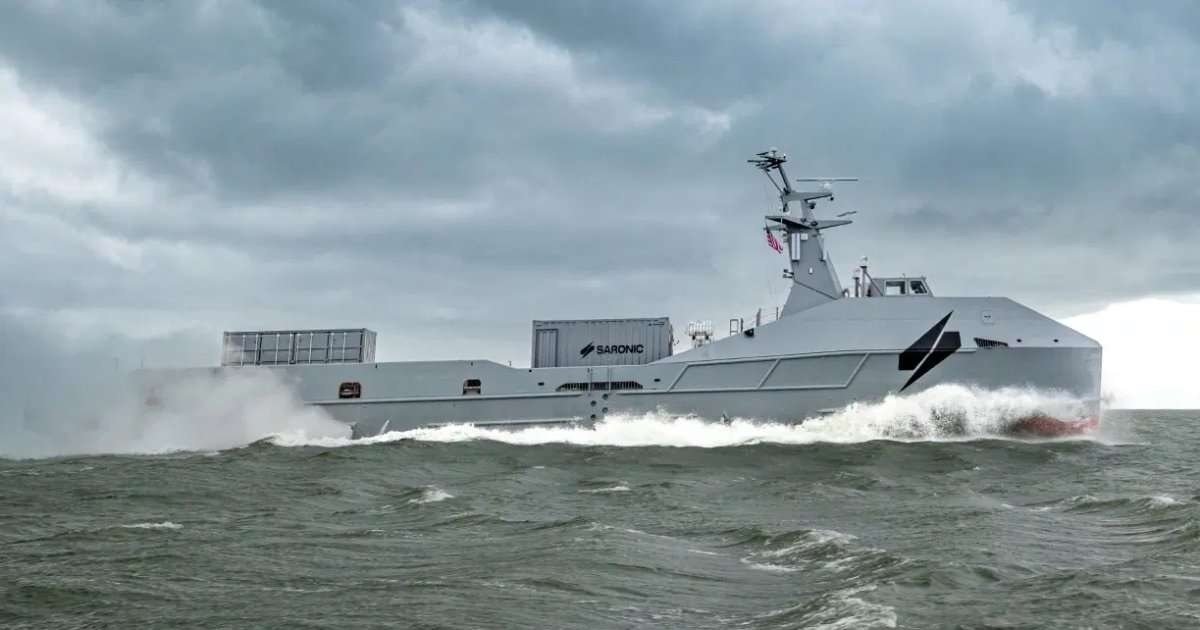
European air and naval assets form a central pillar of collective defense. Air forces across EU member states and the United Kingdom operate more than 1,400 combat aircraft. In the maritime domain, European navies field five aircraft carriers, more than 60 submarines, and over 120 frigates and destroyers, enabling operations across the Atlantic, Mediterranean, and northern theaters.
Land forces include more than 6,000 artillery systems, with ongoing expansion programs. Poland is acquiring 212 additional self-propelled howitzers as part of a broader rearmament effort described as the largest since the Cold War. Parallel increases in ammunition production are aimed at ensuring sustainability during high-intensity operations.
Special operations units remain a critical component of European military capability. The United Kingdom’s Special Air Service (SAS) continues to influence modern special forces doctrine, while France’s Foreign Legion and Poland’s GROM are among the continent’s most capable elite units.
Nuclear Deterrence and Strategic Assets
Europe’s independent nuclear deterrent is maintained by France and the United Kingdom, which together possess approximately 515 nuclear warheads. These are deployed primarily through eight nuclear-powered ballistic missile submarines, ensuring continuous at-sea deterrence independent of U.S. systems.
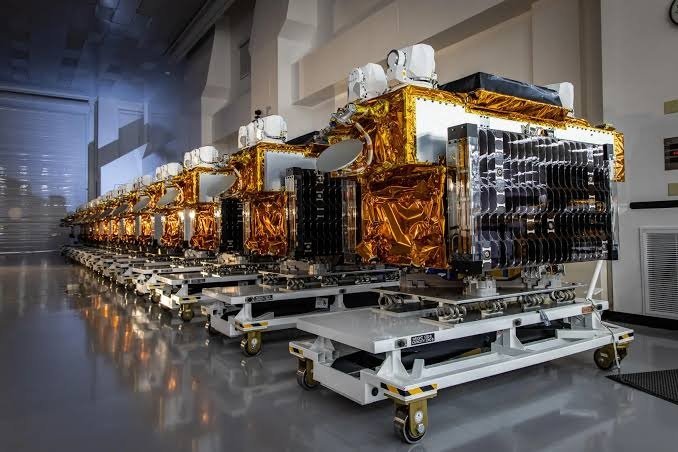
In addition to nuclear capabilities, Europe operates strategic enablers such as the Galileo satellite navigation system, providing autonomous positioning, navigation, and timing services. The European Union also oversees 75 active defense projects under the Permanent Structured Cooperation (PESCO) framework, aimed at improving coordination and capability integration.
Command Structures and Joint Frameworks
European defense coordination has evolved through multiple frameworks. The United Kingdom leads the Joint Expeditionary Force (JEF), a 10-nation rapid reaction grouping focused on Northern Europe and Arctic security. The European Union is also developing a dedicated rapid deployment force to enhance responsiveness.
Despite these initiatives, command and control structures remain decentralized. Decision-making typically occurs through consensus within NATO or EU mechanisms, which can introduce delays due to differing political, legal, and budgetary considerations among member states.
Capability Gaps and Technological Limitations
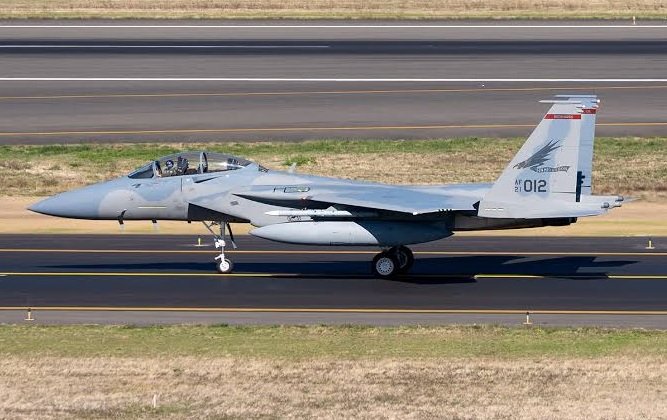
Notwithstanding its aggregate strength, Europe lacks certain critical capabilities required for full-spectrum independent operations. No European country currently fields an indigenous fifth-generation fighter aircraft. Existing fleets include advanced 4.5-generation platforms such as the Eurofighter Typhoon, Rafale, and Gripen, while fifth-generation capabilities are reliant on U.S.-manufactured F-35 aircraft.
Future programs, including the Future Combat Air System (FCAS) and the Global Combat Air Programme (GCAP), are under development but are not expected to enter service until the mid-2030s.
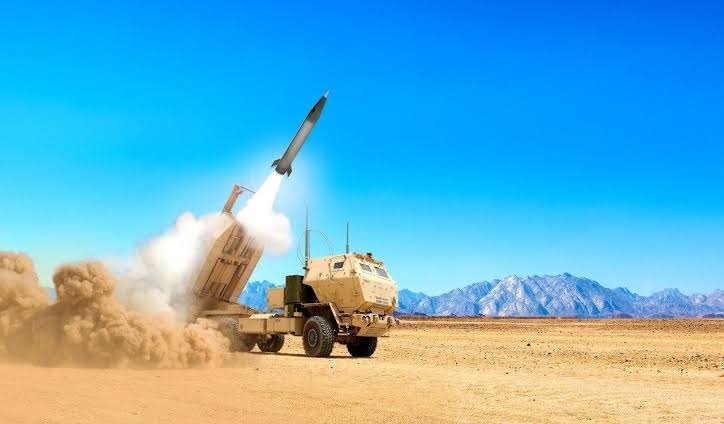
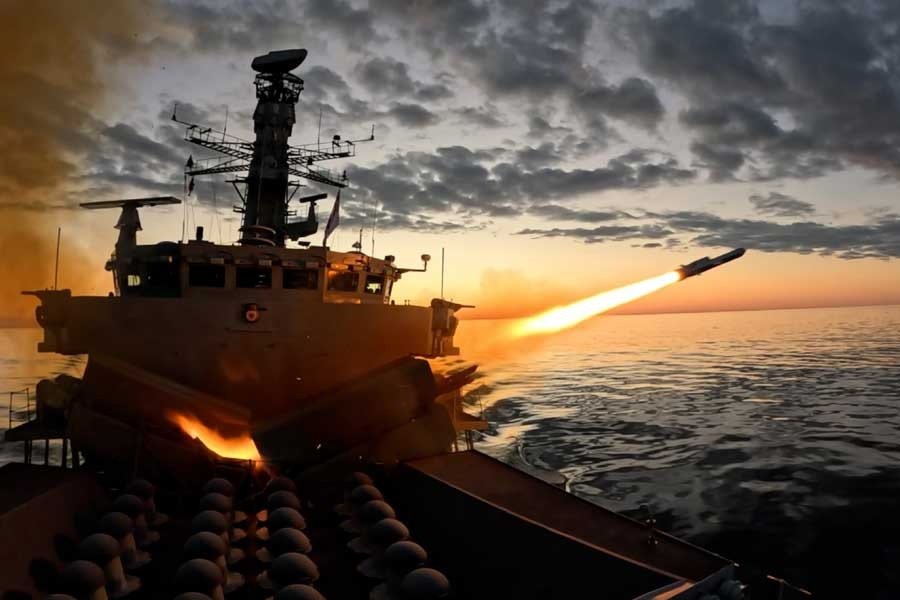
Europe also does not operate strategic heavy bombers comparable to those used by the United States, Russia, or China. Long-range strike capabilities rely instead on tactical aircraft, submarine-launched systems, and cruise missiles, with only France and the United Kingdom maintaining significant inventories of long-range naval strike weapons.
Additional gaps persist in integrated air and missile defense, intelligence, surveillance, and reconnaissance (ISR), aerial refueling capacity, and heavy strategic airlift. European military networks also continue to depend in part on non-European cloud and data infrastructure for advanced battlefield management.
Leadership and Operational Integration
In the absence of U.S. involvement, no single European country is positioned to assume comprehensive leadership across all military domains. Current assessments indicate that responsibility would likely be distributed among key states.
France provides nuclear deterrence and expeditionary capabilities, the United Kingdom contributes maritime power and intelligence integration, while Germany and Poland play central roles in logistics, industrial capacity, and ground force modernization.
Operational leadership would likely emerge through ad hoc coalitions or strengthened EU command mechanisms rather than a single centralized authority. Analysts describe this model as a “coalition of the capable”, reflecting Europe’s reliance on collective leadership.
Reassessment of Structural Dependence
The longstanding perception of European dependence on the United States has been linked primarily to structural factors, including procurement of American defense systems, reliance on U.S. intelligence and satellite networks, and alignment with U.S. strategic planning.
Current initiatives aim to reduce these dependencies through expanded domestic production, joint procurement, and development of independent systems such as Galileo. Increased coordination under EU frameworks is intended to standardize equipment and improve interoperability across national forces.
Outlook for Strategic Autonomy
Europe’s current trajectory indicates measurable progress toward greater strategic autonomy. The combination of increased spending, expanded industrial output, substantial troop numbers, and existing nuclear deterrence provides a foundation for independent regional defense.
However, the absence of indigenous fifth-generation aircraft, lack of strategic bombers, and limitations in unified command and high-end enablers indicate that full operational independence remains incomplete. Continued investment, technological development, and political coordination will be required to address these gaps and enable fully integrated military operations without external support.
——— End of Article ———