WASHINGTON, D.C. | April 1, 2026 : The United States Department of War has announced a seven-year framework agreement with Boeing and Lockheed Martin to significantly expand production of a critical component used in the Patriot Advanced Capability-3 Missile Segment Enhancement (PAC-3 MSE) system. The agreement focuses on tripling the production capacity of missile seekers, addressing a key bottleneck in interceptor manufacturing.
The decision forms part of a broader effort to strengthen the U.S. defense industrial base and ensure sustained availability of advanced air and missile defense systems for both domestic and allied forces.
Agreement Targets Key Supply Chain Constraint
The framework centers on the PAC-3 MSE seeker, a component produced exclusively by Boeing. The seeker provides active radar-based measurement data that enables the interceptor to execute precision “hit-to-kill” engagements. Unlike blast-fragmentation systems, the PAC-3 MSE destroys incoming threats through direct kinetic impact.
Under the agreement, Boeing, the Department of War, and Lockheed Martin—prime contractor for the PAC-3 MSE—will immediately begin efforts to scale production. Negotiations for a formal multi-year contract award are expected later in 2026.
This move follows a separate agreement signed in January 2026 with Lockheed Martin to increase annual production of complete PAC-3 MSE interceptors from approximately 600 to 2,000 units. The expansion of seeker manufacturing is intended to align component availability with this higher missile output target.
Boeing Expands Manufacturing Capacity
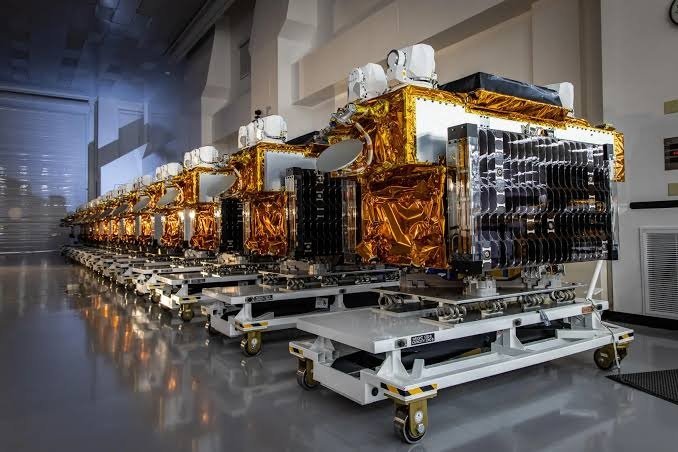
Production work will be carried out at Boeing’s facility in Huntsville, Alabama. The company has invested more than $200 million since 2024 to expand its manufacturing infrastructure, including the addition of a 35,000-square-foot production space.
Boeing reported that it produced over 500 seekers in 2024, marking a record output. In October 2025, the company secured multiyear contracts valued at approximately $2.7 billion to deliver more than 3,000 seekers at production rates of up to 750 units annually through 2030.
According to Bob Ciesla, vice president of Boeing Precision Engagement Systems, the company increased deliveries by more than 30 percent in 2025 and plans to expand its workforce to support the higher production targets under the new framework.
Acquisition Strategy Emphasizes Supplier-Level Engagement
The agreement reflects a shift in procurement policy under the Department’s Acquisition Transformation Strategy. The approach emphasizes direct engagement with sub-tier suppliers, rather than relying exclusively on prime contractors, to reduce supply chain vulnerabilities.
Officials described the initiative as part of a broader “Arsenal of Freedom” effort aimed at strengthening industrial capacity through long-term demand signals. The strategy is intended to encourage private-sector investment in manufacturing infrastructure, tooling, and workforce expansion.
Michael Duffey, Under Secretary of War for Acquisition and Sustainment, stated that improving speed, volume, and supply chain resilience is central to maintaining defense readiness.
Operational Demand Driven by Ongoing Conflict
The production increase comes amid sustained operational demand for air and missile defense systems, particularly during Operation Epic Fury, a joint U.S.-Israeli military operation that began on February 28, 2026.
During the operation, PAC-3 MSE-equipped Patriot batteries and Terminal High Altitude Area Defense (THAAD) systems have been deployed across the U.S. Central Command area of responsibility to counter Iranian ballistic missiles and drone attacks. Naval assets with ballistic missile defense capabilities have also supported these efforts.
The conflict has highlighted the high consumption rates of interceptors in modern warfare. PAC-3 MSE missiles, estimated to cost approximately $4 million each, are frequently used to intercept lower-cost threats such as Shahed-type drones, which are estimated to cost around $35,000 per unit. Despite the cost disparity, officials emphasize that maintaining protection of critical infrastructure and military assets requires sustained interceptor availability.
PAC-3 MSE Remains Core Air Defense System
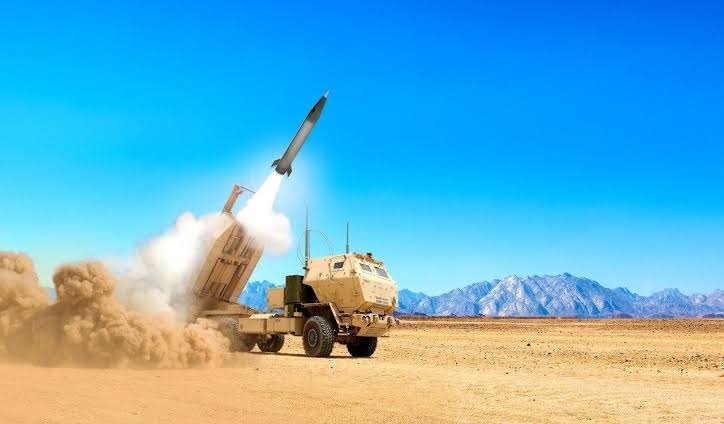
The PAC-3 MSE interceptor is designed to defeat tactical ballistic missiles, cruise missiles, aircraft, and other airborne threats. Compared to earlier PAC-3 variants, the MSE version incorporates a larger dual-pulse solid rocket motor, enhanced control surfaces, and aerodynamic improvements that extend its range, altitude, and maneuverability.
The system is currently operated by the U.S. Army and multiple allied nations, with a total of 17 countries using Patriot-based air defense systems.
Industrial Impact and Future Outlook
Officials stated that the new framework agreement is expected to support job creation across the PAC-3 supply chain while improving production timelines and inventory replenishment rates.
By expanding seeker production capacity, the Department of War aims to eliminate a critical constraint in missile manufacturing and ensure that increased interceptor assembly rates can be sustained. Further details regarding production milestones and contract values are expected to be released as negotiations progress later this year.
——— End of Article ———