ISLAMABAD/RIYADH, — April 12, 2026 : Pakistan’s decision to deploy fighter jets and thousands of military personnel to Saudi Arabia following a fragile ceasefire has intensified scrutiny among defence analysts, with critics increasingly questioning whether the move reflects genuine commitment to a mutual defence pact or a response shaped by financial pressures.
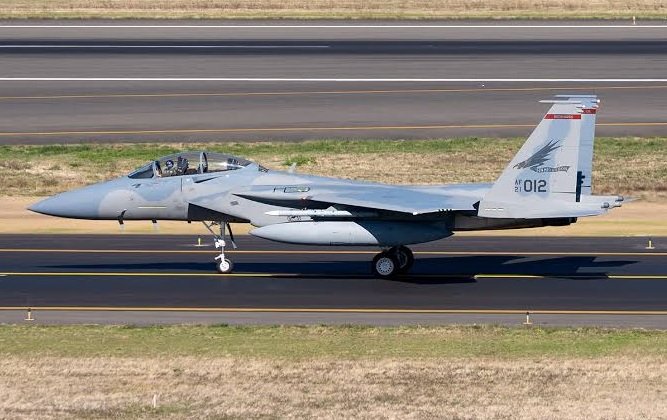
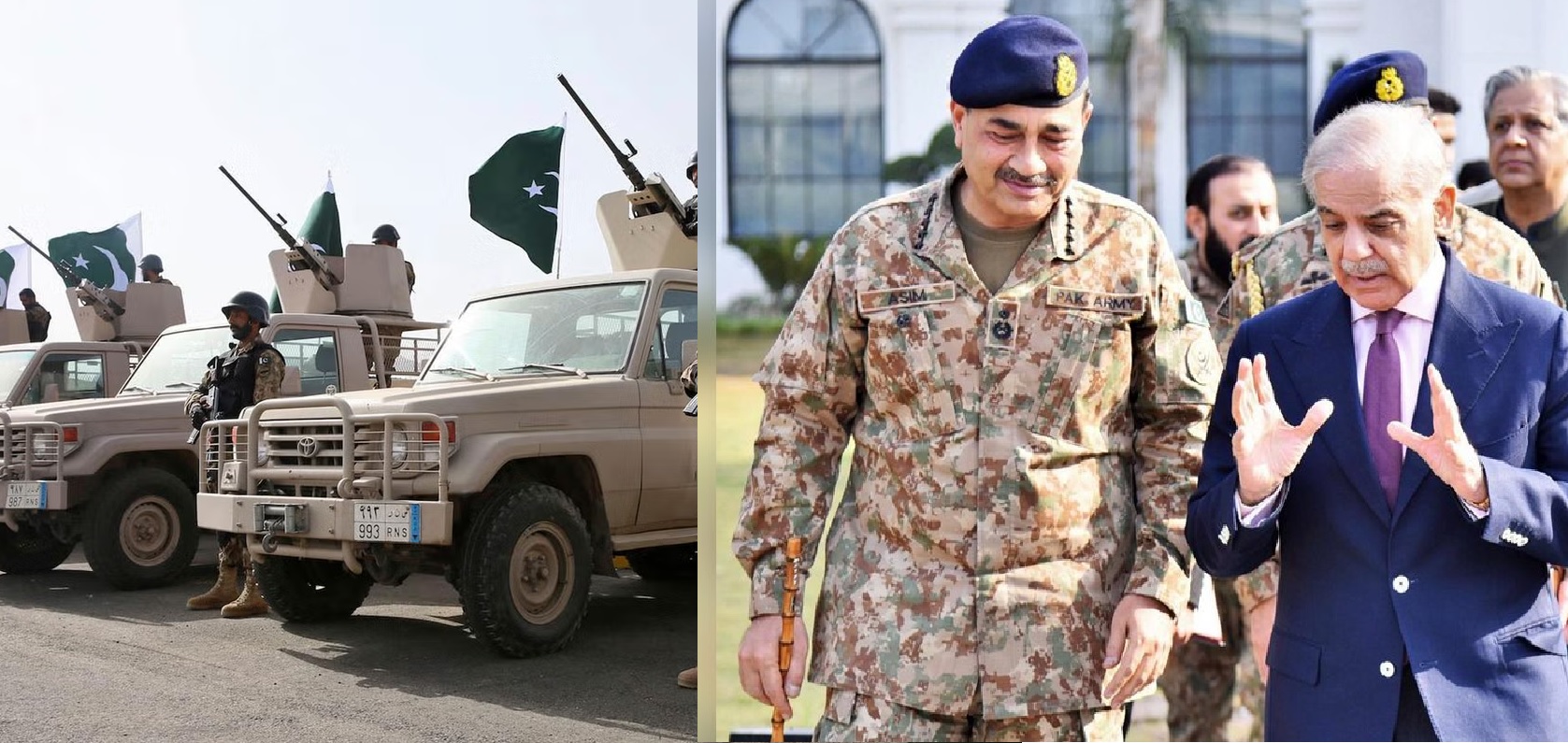
The Saudi Ministry of Defence confirmed on April 11, 2026, that Pakistani combat and support aircraft had arrived at King Abdulaziz Air Base in the Kingdom’s Eastern Province. The deployment includes an estimated 10 to 18 Pakistan Air Force fighter jets, support aircraft, and approximately 13,000 ground troops, reinforcing an existing Pakistani military presence of around 10,000 personnel already stationed in Saudi Arabia.
The move follows the conclusion of U.S.-Iran ceasefire talks hosted by Pakistan in Islamabad, which ended on April 12 without a breakthrough after approximately 21 hours of negotiations. The ceasefire, established after a 40-day conflict involving Iran, the United States, and Israel, remains fragile.
During that conflict, Iran conducted sustained missile and drone strikes targeting Saudi infrastructure, including the Ras Tanura oil terminal on March 2 and areas near the Jubail industrial complex on April 7. Despite repeated attacks that caused damage and at least one casualty, Pakistan did not deploy combat forces during the active phase of hostilities.
Questions Over Timing and Financial Context
The delayed deployment has raised questions about the credibility of the Strategic Mutual Defence Agreement (SMDA) signed in September 2025, which states that aggression against one country will be treated as aggression against both. Analysts note that the agreement was not operationalized when Saudi Arabia faced sustained attacks.
Critics argue that if the defence pact were the primary driver, Pakistan would have deployed forces during the peak of the conflict rather than after a ceasefire had taken effect. The timing has led some analysts to link the deployment to Pakistan’s financial situation rather than its defence obligations.
Saudi Arabia and Qatar have recently assured Pakistan of approximately $5 billion in financial support aimed at stabilizing its foreign reserves. This comes as Islamabad faces a repayment obligation of about $3.5 billion to the United Arab Emirates by the end of April 2026. Analysts note that these financial commitments coincide closely with the timing of Pakistan’s military deployment.
Some critics argue that the sequence of events suggests a transactional dynamic, where financial assistance may have influenced the decision to deploy forces. They contend that the deployment appears less aligned with immediate security needs and more consistent with efforts to secure economic support during a period of financial strain.
Constraints or Strategic Calculation
Pakistani officials have cited operational constraints for their earlier non-deployment, including ongoing security operations along the Afghanistan border, eastern frontier requirements, and domestic priorities. Islamabad also maintained a neutral stance during the conflict while engaging in diplomatic mediation between the United States and Iran.
Foreign Minister Ishaq Dar reportedly warned Iranian leadership of Pakistan’s obligations under the defence pact, while also seeking assurances to prevent escalation. This dual approach allowed Pakistan to maintain diplomatic channels without entering direct confrontation.
However, critics interpret this as strategic hesitation rather than constraint. They argue that Pakistan prioritized avoiding military risk during active hostilities, only moving to fulfill visible aspects of the defence agreement once immediate escalation risks had decreased.
Limited Military Impact and Symbolic Signaling
From a military standpoint, analysts widely assess that the current deployment does not significantly alter the balance of power. Iran’s demonstrated missile and drone capabilities, shown during the 40-day conflict, remain largely unaffected by the addition of a limited number of Pakistani aircraft.
The deployment, which includes missile interception systems, is viewed as primarily defensive, focusing on base protection and coordination rather than offensive operations. There has been no indication of authorization for Pakistani forces to engage Iranian targets directly.
This has led to the characterization of the deployment as largely symbolic. The positioning of Pakistani troops in areas previously targeted during the conflict has been described as a potential “tripwire”, but critics question whether this reflects credible deterrence or exposes personnel without a clearly defined operational role.
Doubts Over Future Engagement
Analysts remain skeptical about Pakistan’s likely response if hostilities resume. While the SMDA formally commits Islamabad to support Saudi Arabia, most assessments suggest that Pakistan will limit its role to defensive and technical functions.
These may include air defence coordination, training, and protection of key installations rather than direct combat operations. Factors influencing this assessment include the risk of retaliation on Pakistani territory, resource constraints, and domestic considerations such as sectarian sensitivities.
Some analysts also suggest that in the event of casualties, internal pressure within Pakistan could lead to calls for disengagement rather than escalation. Large-scale expansion of troop deployments is considered unlikely given existing military commitments.
Balancing Economic Needs and Strategic Commitments
Pakistan’s post-ceasefire deployment underscores the tension between its economic requirements and its strategic obligations. While officials continue to emphasize commitment to the defence pact and regional stability, the timing and context of the deployment have shaped perceptions among critics.
The alignment of military deployment with financial assistance has reinforced arguments that economic considerations played a decisive role. For critics, the key question remains whether Pakistan’s actions reflect a consistent defence policy or a situational response influenced by financial necessity.
As the ceasefire remains uncertain and diplomatic efforts show limited progress, the credibility of both the deployment and the broader defence agreement will depend on how Pakistan responds to any renewed escalation in the Gulf region.
——— End of Article ———