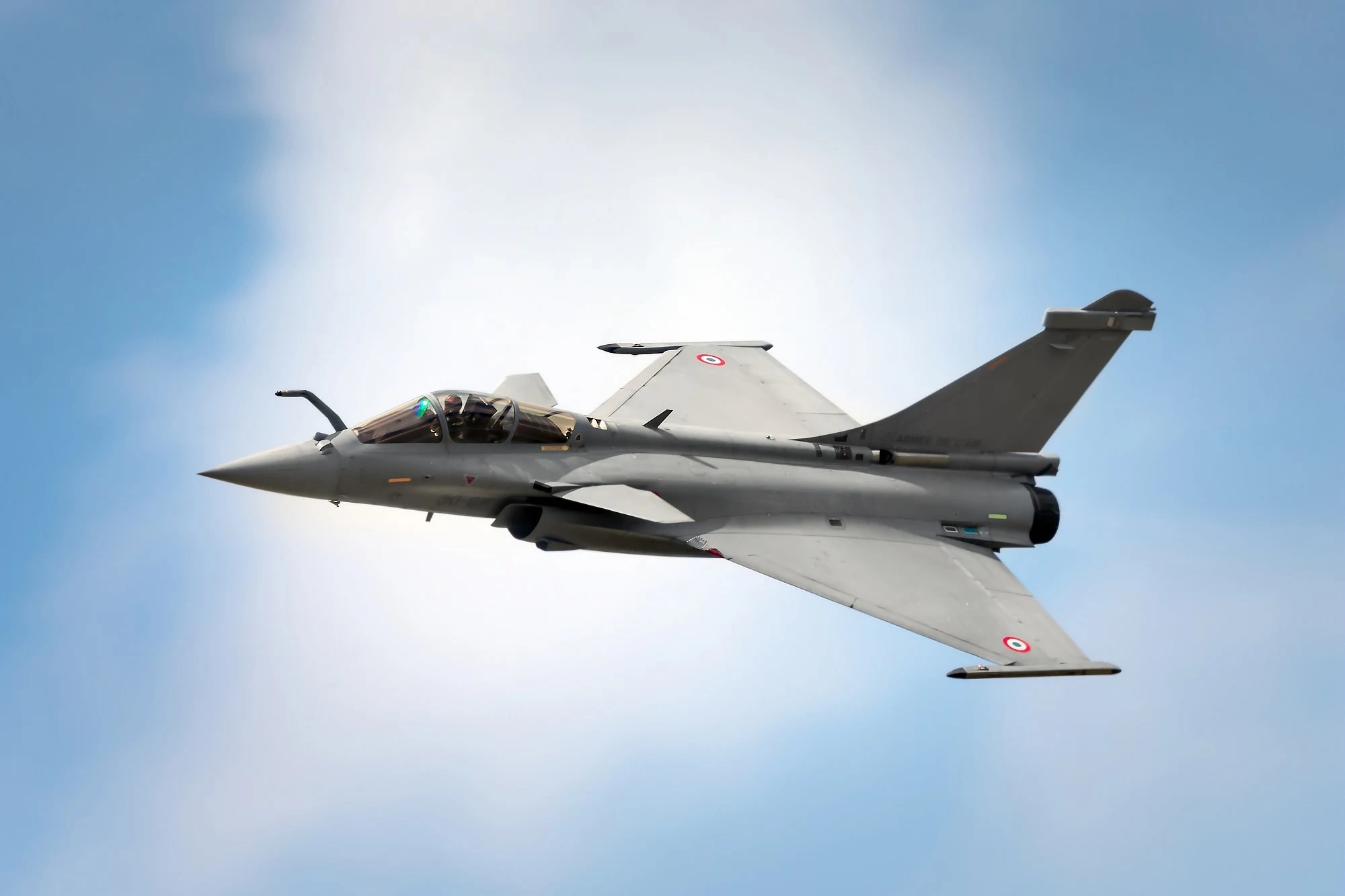
PARIS — April 17, 2026 : France’s Dassault Rafale program is undergoing a period of adjustment across key export markets, as discussions in India, the United Arab Emirates (UAE), and Indonesia reflect differing positions on technology transfer, financing, and future procurement. At the same time, France is continuing development of the Rafale F5 standard, supported by updated national defense spending plans and the integration of a next-generation missile system.
India Reviews MRFA Procurement Amid Technology Access Concerns
India’s planned acquisition of 114 additional Rafale fighter aircraft under the Multi-Role Fighter Aircraft (MRFA) program remains under consideration. The program, estimated at approximately $36 billion (Rs 3.25 lakh crore), received Acceptance of Necessity (AoN) from the Defence Acquisition Council earlier in 2026. The proposal now awaits final approval from the Cabinet Committee on Security.
Discussions over the past month have focused on access to aircraft source codes and system-level integration. India has requested the ability to integrate indigenous weapons and radar systems, which would require access to key software and interface frameworks. French authorities have not agreed to provide source code access for systems including the Thales RBE2 AESA radar, the Modular Data Processing Unit, and the SPECTRA electronic warfare suite.
New Delhi has instead sought interface control documents to enable partial integration of domestic systems. The outcome of these discussions may influence the final scale and structure of the MRFA procurement. Separately, India continues to process its planned acquisition of 26 Rafale-M carrier-based aircraft for naval operations.
UAE Withdraws from Rafale F5 Co-Financing Plan
The United Arab Emirates has withdrawn from a proposed co-financing arrangement for the Rafale F5 development program. The UAE, which signed a $19.2 billion agreement in 2021 for 80 Rafale aircraft, had been expected to contribute approximately €3.5 billion toward the estimated €5 billion cost of the F5 initiative.
According to reporting published earlier in April 2026, the withdrawal followed France’s position on limiting the transfer of sensitive technologies, particularly in the field of optronics, which are critical for advanced targeting and electronic warfare systems. With the UAE no longer participating in funding, France is expected to finance the F5 development independently.
Deliveries under the UAE’s existing Rafale order are scheduled to begin at the end of 2026.
Indonesia Maintains Existing Order, No Expansion Decision
Indonesia has confirmed that it is not proceeding with an additional Rafale purchase at this stage. In 2022, Indonesia signed an $8.1 billion contract for 42 aircraft. Recent speculation suggested a potential follow-on order of 12 to 24 additional units.
Following a meeting in Paris on April 14, 2026, between Indonesian President Prabowo Subianto and French President Emmanuel Macron, reports of a possible expansion gained attention. However, on April 16, 2026, Indonesian Defense Ministry spokesman Rico Ricardo Sirait stated that no decision had been made and that the government continues to review the proposal.
The first three aircraft from Indonesia’s existing order are scheduled for delivery in May 2026.
French Defense Planning Supports Rafale F5 Development
France is proceeding with development of the Rafale F5 variant under an updated 2024–2030 Military Programming Law. The revision, reviewed on April 8, 2026, allocates an additional €36 billion to defense spending, bringing the total planned expenditure to €449 billion over the period.
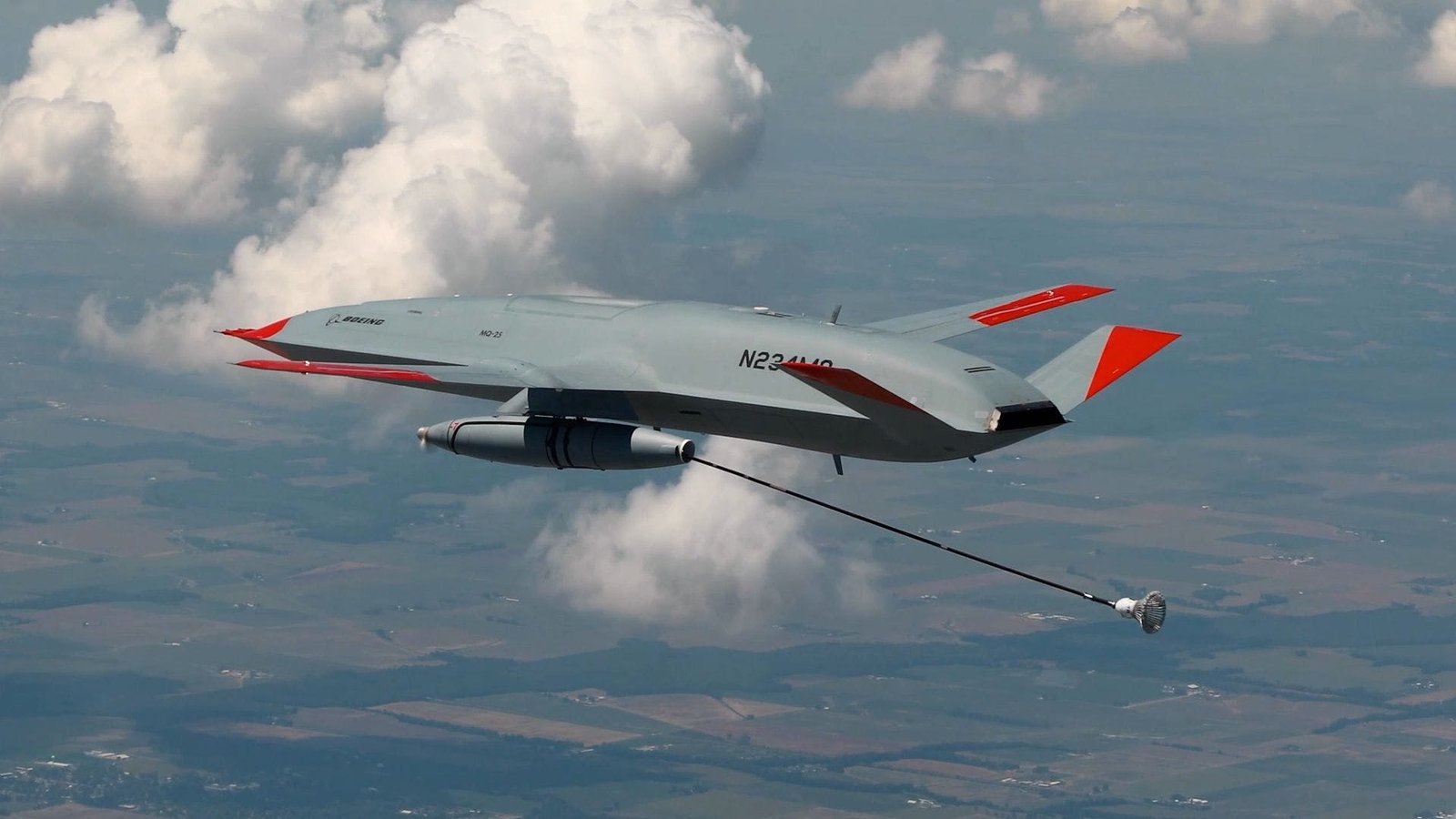
The Rafale F5 standard is intended to expand the aircraft’s operational role, including integration with unmanned systems and enhanced electronic warfare capabilities. The aircraft is expected to operate alongside unmanned combat aerial vehicles derived from the nEUROn program, supporting missions such as suppression and destruction of enemy air defenses (SEAD/DEAD).
The upgrade also includes improvements to propulsion and onboard power generation under the T-REX program led by Safran, aimed at increasing engine thrust and supporting next-generation avionics.
STRATUS RS Missile to Equip Rafale F5
A central component of the F5 standard is the STRATUS Rapid Strike (RS) missile, developed by MBDA in cooperation with the United Kingdom under the Future Cruise/Anti-Ship Weapon (FC/ASW) program. The system was rebranded as STRATUS in September 2025.
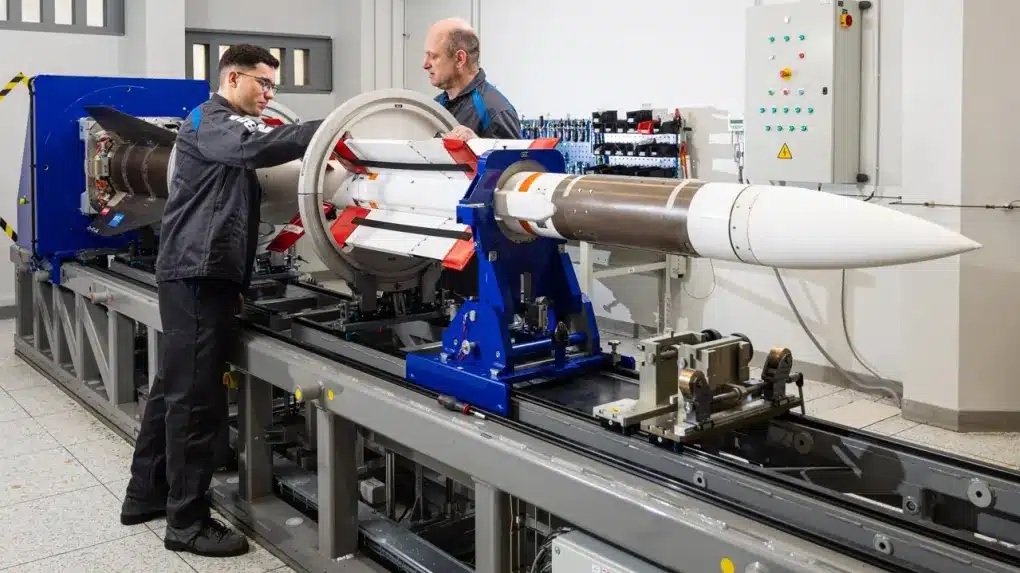
The missile is ramjet-powered and operates at high supersonic speeds below Mach 5. It is designed for multiple mission profiles, including suppression and destruction of enemy air defenses (SEAD/DEAD), anti-ship operations, engagement of moving ground targets, and strikes against high-value airborne platforms such as airborne early warning and control aircraft and aerial refueling tankers.
Testing of propulsion systems has been conducted in supersonic wind tunnels at Bourges, France, while seeker development involves contributions from Thales and MBDA UK.
The STRATUS RS is intended to complement existing weapons deployed on current Rafale variants, including the SCALP (Storm Shadow) cruise missile, the Exocet AM39 and MM40 anti-ship missiles, and the MdCN naval cruise missile. Unlike subsonic cruise missiles that rely on stealth and terrain-following guidance, the STRATUS RS combines high speed and maneuverability to penetrate advanced air defense systems.
Program Outlook
The Rafale F5 standard is expected to enter service after 2030, incorporating increased processing capacity, expanded sensor integration, and collaborative combat capabilities with unmanned systems.
Recent developments in India, the UAE, and Indonesia reflect ongoing negotiations and national policy considerations related to technology access, financing, and procurement timelines. France continues to advance the Rafale program within its broader objective of maintaining sovereign control over critical defense technologies while supporting future operational requirements.
——— End of Article ———