FORT HOOD, Texas, — April 11, 2026 : The U.S. Army’s 1st Cavalry Division conducted a series of live-fire tests from April 7 to April 9, 2026, at Fort Hood, evaluating an autonomous counter-unmanned aerial system (C-UAS) architecture during Exercise Golden Shield. The event marked the first complete end-to-end engagement in which an autonomous sensor identified, classified, and transmitted targeting data on an incoming unmanned aerial system (UAS) to a separate automated weapon platform for interception.
The testing was carried out under the division’s “Pegasus Charge” initiative, which supports the Army’s broader “Transforming in Contact” modernization framework. The effort focuses on developing mobile, formation-level air defense capabilities designed to protect armored units from small drone threats while minimizing additional workload on vehicle crews.
Autonomous Sensor-to-Shooter Integration
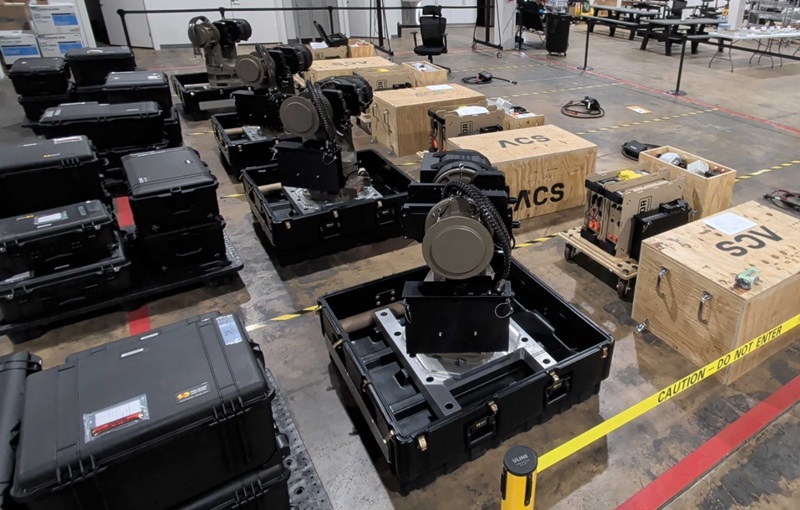
During the exercise, the Army evaluated the Golden Shield network, a scalable open-architecture air defense system designed to connect distributed sensors with both kinetic and non-kinetic effectors. The system integrates next-generation command-and-control software, multiple sensor types, robotic platforms, and the Vehicle Protection System Base Kit.
A key outcome of the testing was the successful demonstration of automated detect, track, and cue functions. External radar data was transmitted through the command-and-control network to weapon systems, enabling engagements at machine speed. Army evaluators confirmed that this configuration significantly compresses the sensor-to-shooter timeline and allows armored formations to maintain maneuver operations while operating under persistent drone surveillance and attack conditions.
The April 7–9 exercise represented the first instance in which an autonomous sensor on one platform detected and classified a drone target before relaying that data to a separate platform for interception, validating cross-platform integration within the network.
Harpe Micro-Missile System Evaluation
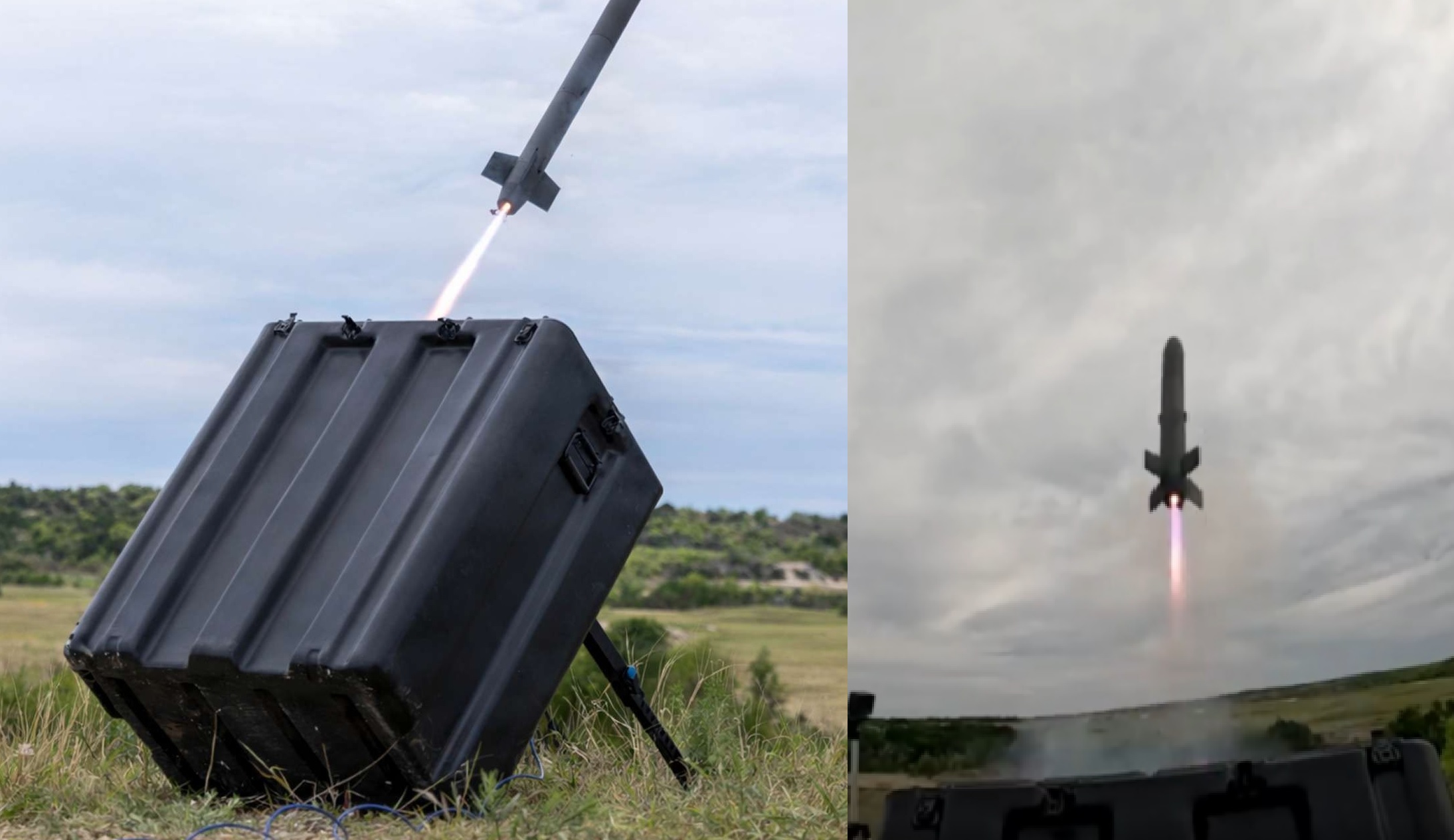
A central component of the live-fire testing was the Harpe micro-missile interceptor developed by Perseus Defense. The company, headquartered in Buda, Texas, supplied its Mk-III surface-to-air variant for evaluation, only months after initial prototype testing conducted in mid-2025.
The Harpe system was assessed for radar-cued intercept capability, multi-launch functionality, and fully active terminal guidance against live drone targets. During the exercise, the system successfully demonstrated direct hit-to-kill engagements using radar-cued targeting data.
The interceptor is designed specifically to counter Group 1 and Group 2 unmanned aerial systems, which are typically small, low-flying, lightweight, and fast-moving drones.
Technical Characteristics and Platform Integration
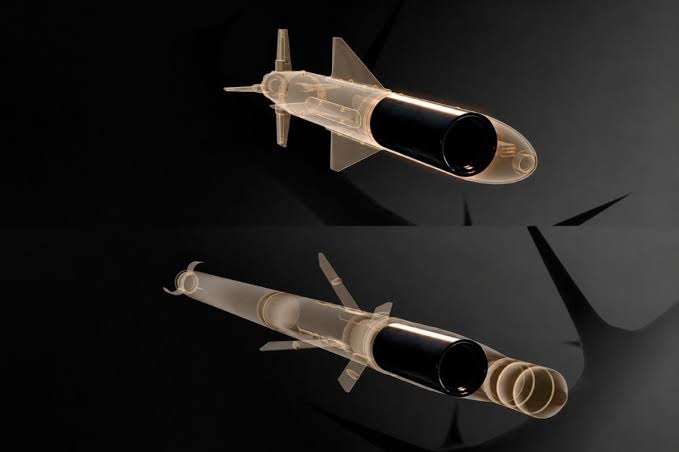
According to test data and system specifications, the Harpe micro-missile has an engagement range exceeding 1,000 meters and uses a spin-stabilized rocket design with fully active terminal guidance. The missile is configured for direct impact interception rather than proximity detonation.
Launcher configurations include pods capable of carrying up to 15 micro-missiles, with some configurations supporting eight-missile pods depending on platform integration. The system is designed for adaptability across multiple domains, including ground vehicles, maritime vessels, and larger unmanned aerial platforms.
Each missile is approximately 15 inches in length and is categorized as attritable, allowing for lower-cost deployment in high-volume engagements. The unit cost is reported at under $10,000 per interceptor, significantly lower than traditional counter-UAS missiles, which can exceed $250,000 per unit.
Development Timeline and Industry Role
Perseus Defense developed the Harpe system as part of its focus on scalable and cost-effective counter-UAS technologies. Key development milestones include the construction of initial spin-stabilized rocket prototypes in June 2025, testing of the Mk-III surface-to-air variant in July 2025, and the achievement of fully guided, direct hit-to-kill flight in January 2026.
The company, backed by Y Combinator, has positioned the Harpe system as a solution to the increasing operational demand for affordable interceptors capable of countering low-cost drone threats.
Operational Context and Cost Considerations
The proliferation of Group 1 and Group 2 drones in modern conflicts, including their widespread use in reconnaissance and strike roles, has created operational challenges for mechanized forces. Armored Brigade Combat Teams, which contain high-value assets, have historically relied on high-cost interceptors to neutralize low-cost drones, resulting in unfavorable cost-exchange ratios.
The Golden Shield network, combined with systems such as the Harpe micro-missile, is intended to address this imbalance by enabling distributed, layered defense using lower-cost interceptors and automated engagement processes. By integrating autonomous sensors, robotic systems, and scalable launcher pods, the Army aims to establish an organic counter-UAS capability at the formation level.
Data Collection and Future Evaluation
The 1st Cavalry Division conducted the exercise in coordination with the Army Capabilities Development Command and multiple industry partners. The live-fire event generated operational data on system performance within realistic command-and-control environments.
Army officials stated that the collected data will be used to evaluate system effectiveness, inform procurement decisions, and guide future integration of counter-UAS technologies into armored formations. The division will continue refining layered protection concepts as part of ongoing modernization efforts.
——— End of Article ———