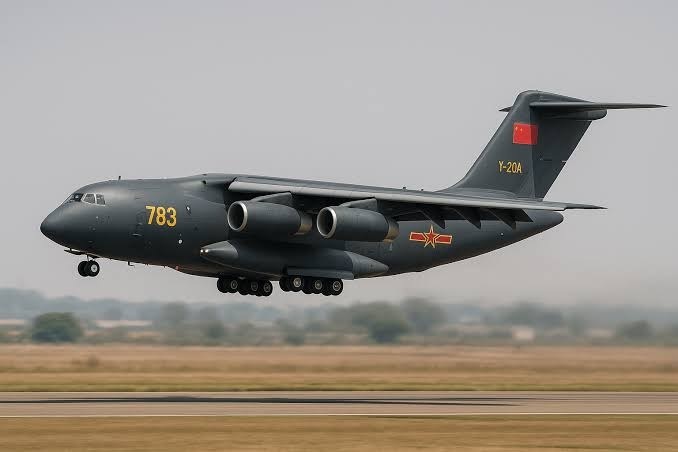
TEHRAN — April 23, 2026 : Iranian sources have reported that six Chinese Air Force cargo aircraft arrived in Iran over a four-day period in mid-April, with aviation monitoring data indicating that the planes switched off their transponders before entering Iranian airspace. The reported flights occurred during a two-week ceasefire between the United States, Israel, and Iran that began around April 8–9, 2026.
According to the claims circulating in Iranian media and opposition-linked channels, the aircraft were carrying air defense equipment and anti-ship missiles. No official confirmation has been issued by Iranian or Chinese authorities regarding the number of aircraft, their routes, or the specific cargo. Similar unverified reports earlier in April 2026 had indicated that four Chinese cargo aircraft conducted comparable operations within a 48-hour period under similar conditions.
U.S. intelligence assessments and defense-sector reporting in early April 2026 had suggested that China was preparing to deliver military systems to Iran. The reported cargo is believed to include man-portable air-defense systems (MANPADS), specifically FN-6 shoulder-launched missiles, along with radar components designed to improve detection and tracking of low-flying aircraft. Such systems are typically used to counter helicopters and aircraft operating at low altitude.
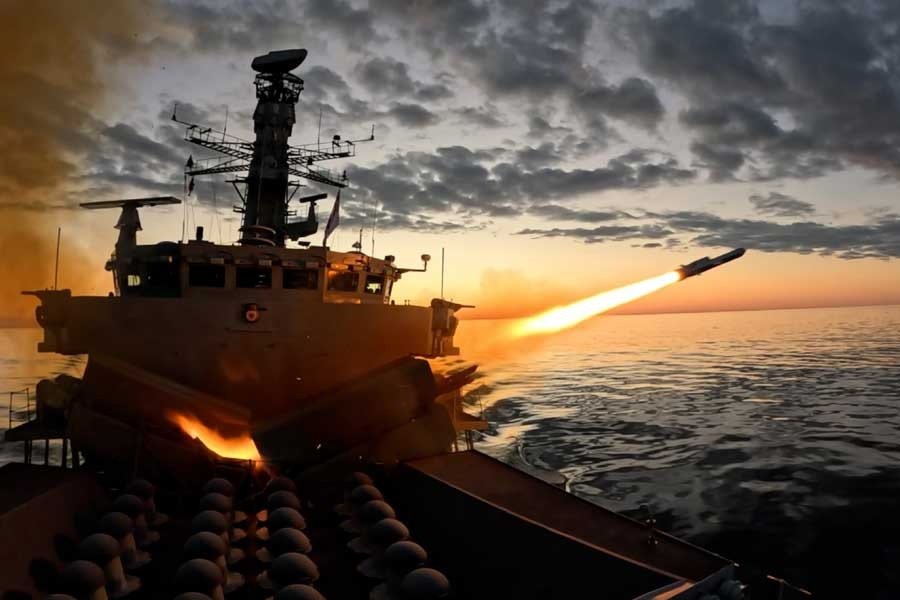
Additional reported equipment includes export variants of Chinese supersonic anti-ship missiles, assessed to be related to the YJ-12 system. Separately, Iran has been engaged in negotiations with China for the acquisition of CM-302 anti-ship cruise missiles, which have an estimated range of about 290 kilometers and are designed for low-altitude maritime strike roles. Iranian sources also indicated the possible transfer of HJ-12E anti-tank guided missiles intended for ground combat and defensive deployments.
The timing of the reported deliveries aligns with the ongoing ceasefire period, during which diplomatic efforts are underway to reach a longer-term agreement. Iranian sources state that Tehran is using the pause in hostilities to replenish military inventories and strengthen defensive capabilities. The focus includes improving resilience against suppression of enemy air defense operations (SEAD) and enhancing coastal defense in strategic waterways such as the Strait of Hormuz, where partial commercial transit has resumed while U.S. restrictions on Iranian state-linked maritime activity remain in place.
Defense analysts assess that the introduction of additional MANPADS and radar systems could increase the survivability of Iranian ground forces against aerial operations, while anti-ship missile deployments would expand Iran’s ability to contest naval movements in the Persian Gulf. Some analysts have also suggested that Chinese support, if confirmed, could contribute to a broader strategy aimed at increasing the operational costs for U.S. forces by encouraging higher expenditure of precision-guided munitions and missile defense interceptors.
Chinese officials have denied allegations of providing military assistance to Iran during the ceasefire. Statements from Beijing have described such reports as unfounded and emphasized China’s role in facilitating de-escalation. U.S. President Donald Trump has previously stated that he received assurances from Chinese President Xi Jinping that no weapons transfers would occur during the current period, and U.S. officials have indicated that any confirmed deliveries could affect ongoing diplomatic and economic discussions.
No independent verification of the aircraft movements or cargo has been provided by commercial flight-tracking services or third-party observers. Aviation analysts note that transponder deactivation can be associated with sensitive military logistics, although it may also occur due to operational or technical factors.
Diplomatic contacts between Washington and Tehran remain ongoing, with a second round of talks expected in the coming weeks. Officials on both sides have indicated that developments during the ceasefire, including any reported military transfers, will influence the prospects for extending or formalizing the agreement.
——— End of Article ———