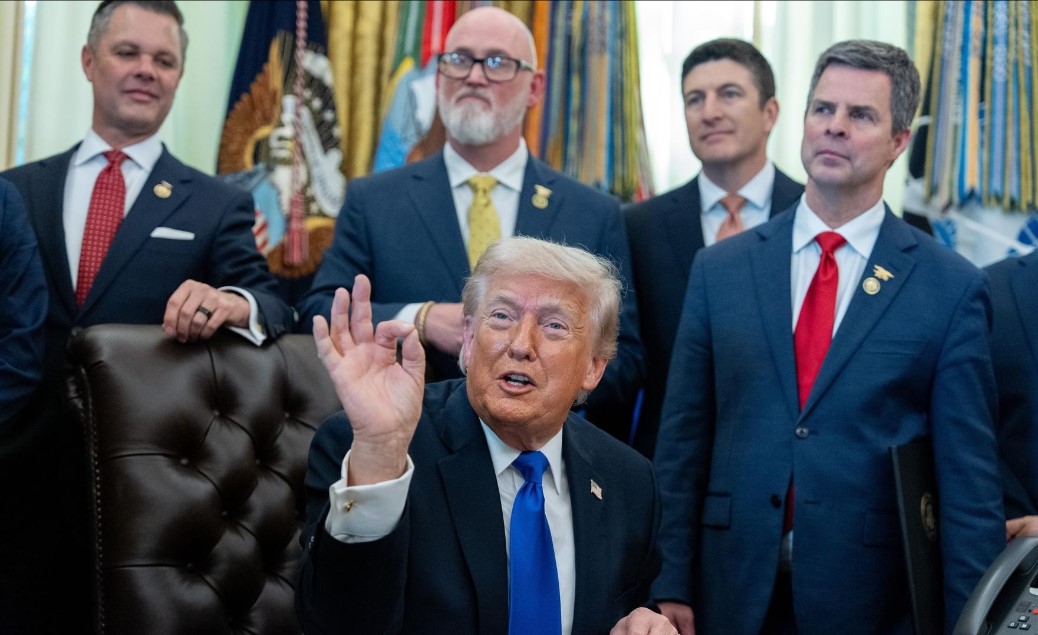
WASHINGTON, — May 1, 2026 : The administration of Donald Trump has formally stated that hostilities with Iran have been terminated for the purposes of the War Powers Resolution of 1973, as the statutory 60-day deadline for congressional authorization expired on Friday. The position allows ongoing US military operations in the region to continue without a new vote from Congress, a claim that has drawn opposition from lawmakers and legal analysts.
Legal Deadline and Administration Interpretation
The War Powers Resolution requires the president to notify Congress within 48 hours of introducing US forces into hostilities and to obtain authorization within 60 days or terminate involvement. The administration notified Congress on March 2 following the launch of Operation Epic Fury on February 28, setting May 1 as the deadline.
Defense Secretary Pete Hegseth told the Senate Armed Services Committee on April 30 that the timeline “pauses, or stops” due to a ceasefire that began in early April. According to Hegseth, the absence of direct exchanges of fire between US and Iranian forces since approximately April 7 or 8 constitutes a termination of hostilities under the law.
A senior administration official confirmed on May 1 that, for legal purposes, “the hostilities that began on February 28 have terminated.” The administration has not sought either a 30-day withdrawal extension or new congressional authorization.
Political Response in Congress
House Speaker Mike Johnson stated that the United States is not currently at war with Iran, reflecting the broader position among Republican lawmakers, many of whom have deferred to the executive branch.
Democratic lawmakers and some Republicans have challenged the administration’s interpretation. Senator Tim Kaine argued during the April 30 hearing that the statute does not allow the clock to pause. Senator Adam Schiff stated that ongoing military activity means hostilities have not ended, noting that “ceasing to use some forces while using others does not stop the clock.”
Senator Susan Collins joined Democrats in opposing the administration’s position, emphasizing that the 60-day limit is binding. Senator Rand Paul also voted with Democrats in the latest Senate effort to restrict presidential authority.
On April 30, the Senate rejected a joint resolution that would have required the removal of US forces absent congressional approval. The measure failed by a vote of 47–50, marking the sixth unsuccessful attempt by Democrats to enforce the War Powers Resolution in this context.
Ongoing Military and Maritime Operations
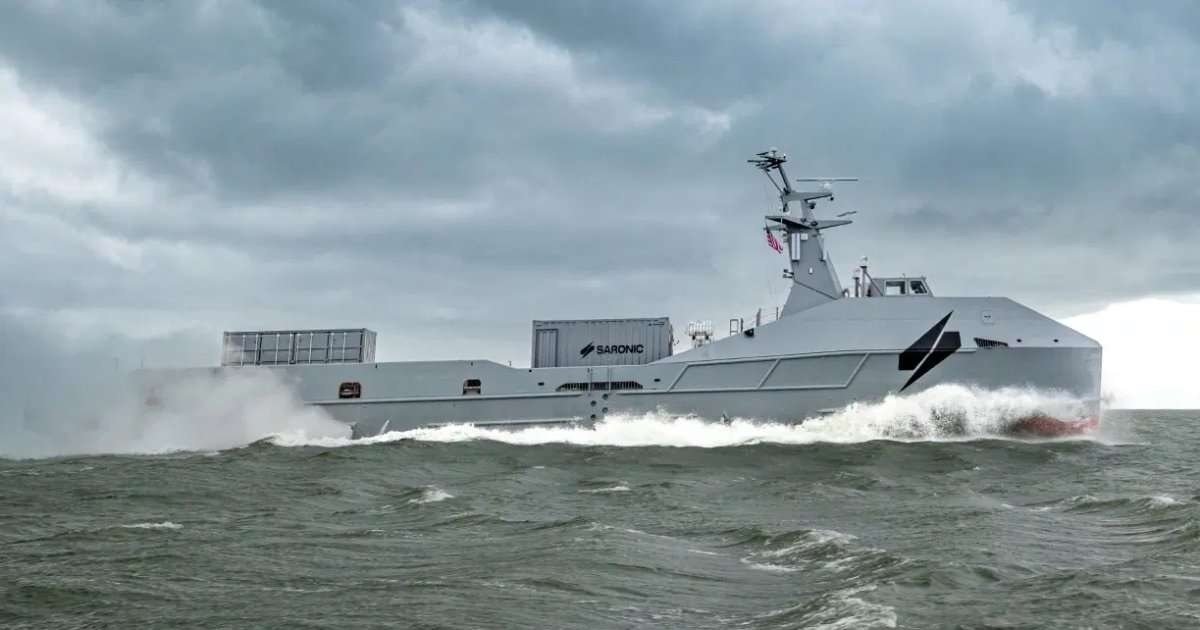
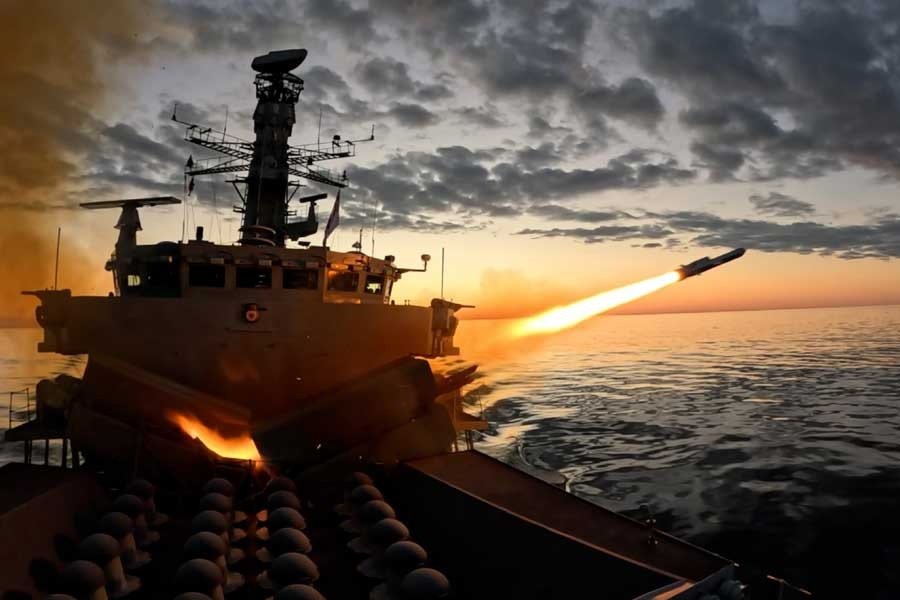
Despite the ceasefire, US forces continue operations in and around the Strait of Hormuz. The United States maintains a naval blockade targeting Iranian ports and vessels, while Iran has imposed restrictions on shipping and deployed maritime measures, including mining parts of the strait.
On April 20, US forces seized the Iranian-flagged container ship Touska. In response, Iran detained two foreign commercial vessels. These actions have contributed to continued disruption in global energy flows through the strait, which accounts for roughly one-fifth of internationally traded oil and natural gas.
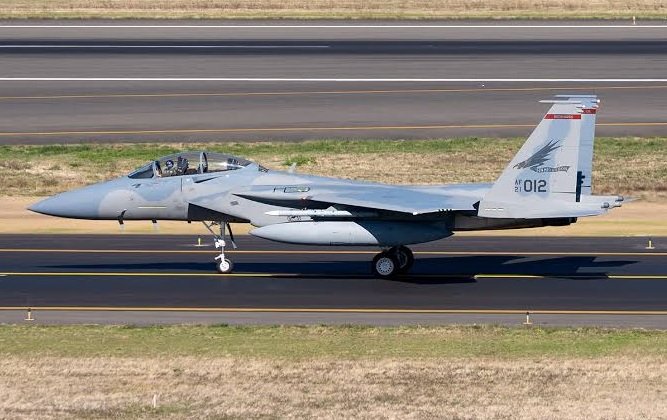
Although direct air and missile strikes largely ceased in early April, negotiations linked to the ceasefire have stalled. The administration has indicated that military strikes could resume if conditions change.
Economic Impact and Energy Markets
The dual blockade and shipping restrictions have affected global energy markets. Oil transit disruptions in the Strait of Hormuz have contributed to increased price volatility, with Brent crude futures rising above $126 per barrel during recent trading sessions before moderating.
Legal Analysis and Expert Opinion
Legal experts have disputed the administration’s interpretation of the War Powers Resolution. Katherine Yon Ebright of the Brennan Center for Justice stated that the law contains no provision allowing the 60-day period to be paused or terminated due to a ceasefire.
Bruce Fein, a constitutional and international law expert and former associate deputy attorney general, similarly argued that the statute does not permit suspension of the deadline, noting that such an interpretation is not supported by the text or structure of the law.
Historical Context of the War Powers Resolution
The War Powers Resolution was enacted in 1973 over the veto of Richard Nixon following the Vietnam War. It was designed to limit unilateral presidential military action by requiring consultation with Congress and imposing time limits on unauthorized deployments.
The law allows a 30-day extension solely for the safe withdrawal of forces but does not explicitly address scenarios involving ceasefires without full disengagement. Previous administrations have frequently contested the constitutionality of the resolution or relied on existing authorizations.
In this case, neither the 2001 nor the 2002 Authorizations for Use of Military Force (AUMFs) have been invoked, reflecting divisions within Congress over their applicability to Iran.
Strategic Considerations and Future Options
Some former officials have suggested restructuring the current mission. Richard Goldberg, a former National Security Council official, proposed transitioning Operation Epic Fury into a new framework focused on maritime security and freedom of navigation, potentially reframing ongoing actions as self-defense operations.
The administration maintains that current naval activities are consistent with ensuring open shipping lanes rather than constituting active hostilities. Iranian officials, however, have described the US blockade as a continuation of military action.
Current Status
As of May 1, no additional congressional votes on the matter are scheduled before lawmakers begin a recess. The ceasefire remains in effect, but tensions persist due to ongoing maritime operations and stalled diplomatic engagement.
The administration’s interpretation of the War Powers Resolution is expected to remain a point of legal and political contention as US operations in the region continue.
——— End of Article ———