BERLIN — April 17, 2026 : The German Army (Bundeswehr) has unveiled an extensive restructuring of its artillery forces, placing loitering munition systems (LMS) at the center of a new doctrine designed to enhance precision strike, mobility, and deep operational reach across all tactical levels.
The plans were outlined in a keynote address delivered on April 14, 2026, by Heico Hübner, Deputy Inspector of the Army and Commander of the Basic Military Organization, during the parliamentary evening of the Förderkreis Deutsches Heer e.V. in Berlin.
Multi-Tiered Integration of Loitering Munitions
At the core of the Bundeswehr’s modernization strategy is the creation of a fully integrated, multi-layered loitering munition capability spanning corps, division, brigade, and battalion levels. Hübner described this approach as a “continuum of means and ranges,” essential for enabling mobile operations and effective indirect fire.
At the corps level, Germany is initiating a procurement project for long-range loitering munitions capable of striking targets at distances between 200 and 300 kilometers. This capability is intended to reflect the operational effectiveness demonstrated by similar systems in Ukraine. A formal tender for this project is expected before the end of 2026.
At the brigade and division levels, every artillery battalion will be assigned a dedicated LMS battery tailored to its operational range requirements. The first such battery will be deployed with the 45th Armoured Brigade, also known as the “Lithuania Brigade,” stationed on NATO’s eastern flank. This will be followed by deployment to the 21st Armoured Brigade, based in Augustdorf.
The 21st Brigade, composed primarily of three Jäger (light infantry) battalions rather than armored units, has been designated as a continuous test unit for the integration and operational evaluation of loitering munition systems.
At the battalion level, the Bundeswehr plans deep integration of short-range loitering munitions within combat troop units. This capability is scheduled to be fully realized by the end of 2027, with procurement tenders expected to be issued before the end of 2026.
Industrial Partnerships and Systems
The German Army has already secured contracts with several defense companies to support the initial rollout of these systems.
Helsing will supply the HX-2, an AI-driven loitering munition designed for autonomous targeting and precision engagement.
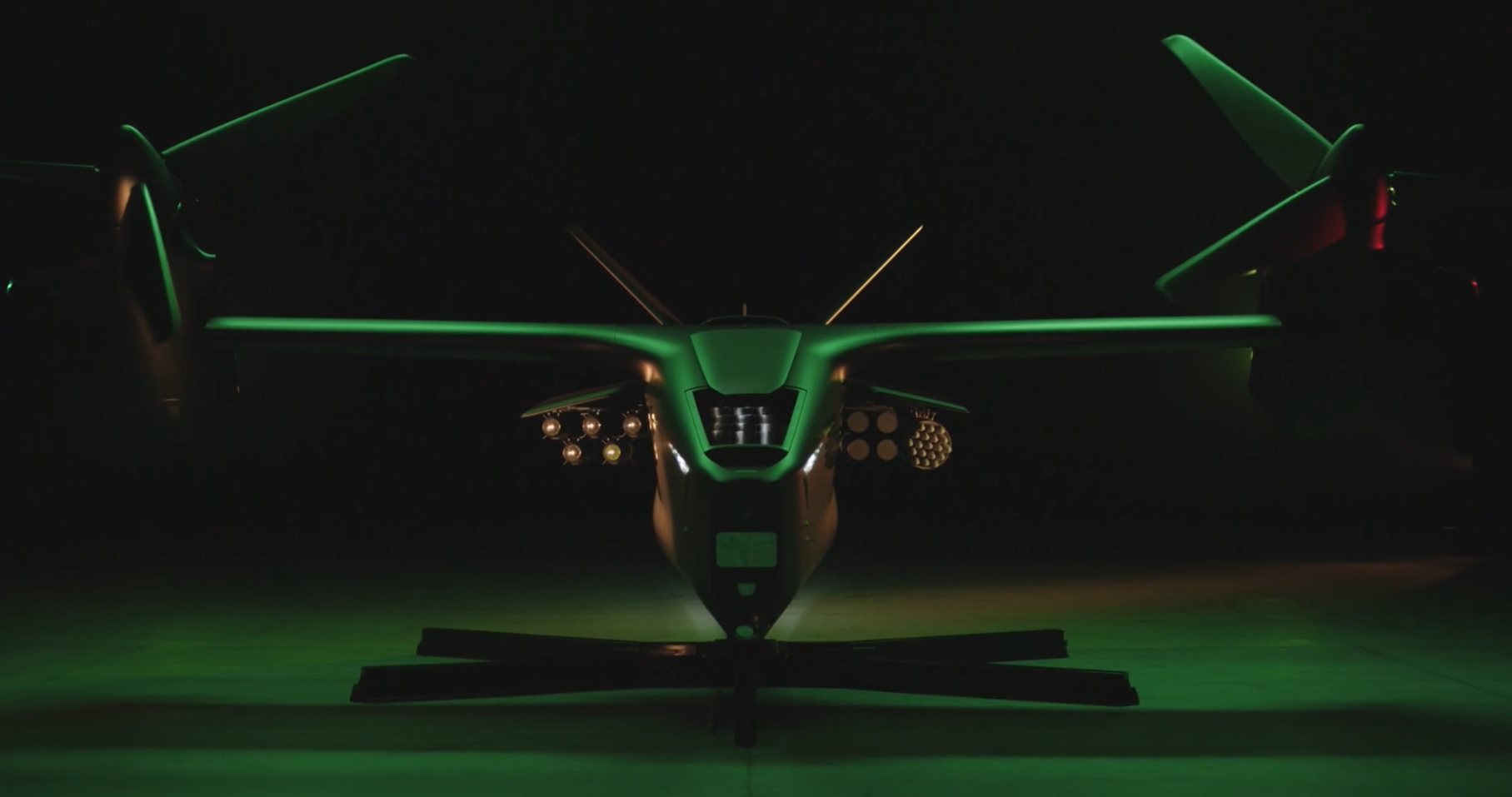
STARK Defence is providing the Virtus system, a vertical take-off and landing (VTOL) drone with a range exceeding 100 kilometers.
Rheinmetall, in cooperation with UVision, will deliver the HERO family of loitering munitions along with the FV-014 tactical kamikaze drone.
These systems will equip the first LMS batteries assigned to operational brigades.
Expansion of Conventional Artillery Systems
Alongside unmanned capabilities, the Bundeswehr is also significantly upgrading its traditional artillery assets.
The EuroPULS (MARS III) rocket artillery system, a successor to MARS II, is expected to see its first delivery in 2026, with a major influx planned for 2028 under a framework that could include up to 500 units.
The RCH 155 wheeled self-propelled howitzer, designed for high mobility, is also scheduled for substantial deliveries beginning in 2028.
To address capability gaps created by earlier transfers of equipment to Ukraine, Germany will procure additional PzH 2000 A4 howitzers in the near term. Hübner indicated that further procurement of these systems remains possible, with an emphasis on maintaining active production lines and maximizing the total number of artillery “tubes” available by 2029. Continuous production of future variants of the PzH 2000 is also planned toward that same timeline.
Operational Readiness and Transition
Hübner emphasized that the introduction of new systems will follow a phased transition process. While the Bundeswehr integrates the RCH 155 and EuroPULS platforms, existing systems such as the PzH 2000 and MARS II must remain fully operational.
Training and exercises will continue until newly equipped units achieve full operational readiness, ensuring no capability gaps during the transition period.
Strategic Shift in Doctrine
The expansion reflects a broader doctrinal shift within the German Army toward prioritizing indirect fire and precision strike capabilities. According to Hübner, indirect fire is a prerequisite for enabling maneuver warfare and mobile operations, requiring a comprehensive range of systems across all tactical echelons.
The integration of loitering munitions—alongside modernized barrel and rocket artillery—signals Germany’s intent to strengthen its deterrence posture and ensure operational credibility across the European theater.
Details of these plans are based on the official manuscript of Lieutenant General Heico Hübner’s April 14, 2026 keynote address and associated reporting. No additional official statements have been released regarding contract values or exact system quantities beyond those outlined.
——— End of Article ———