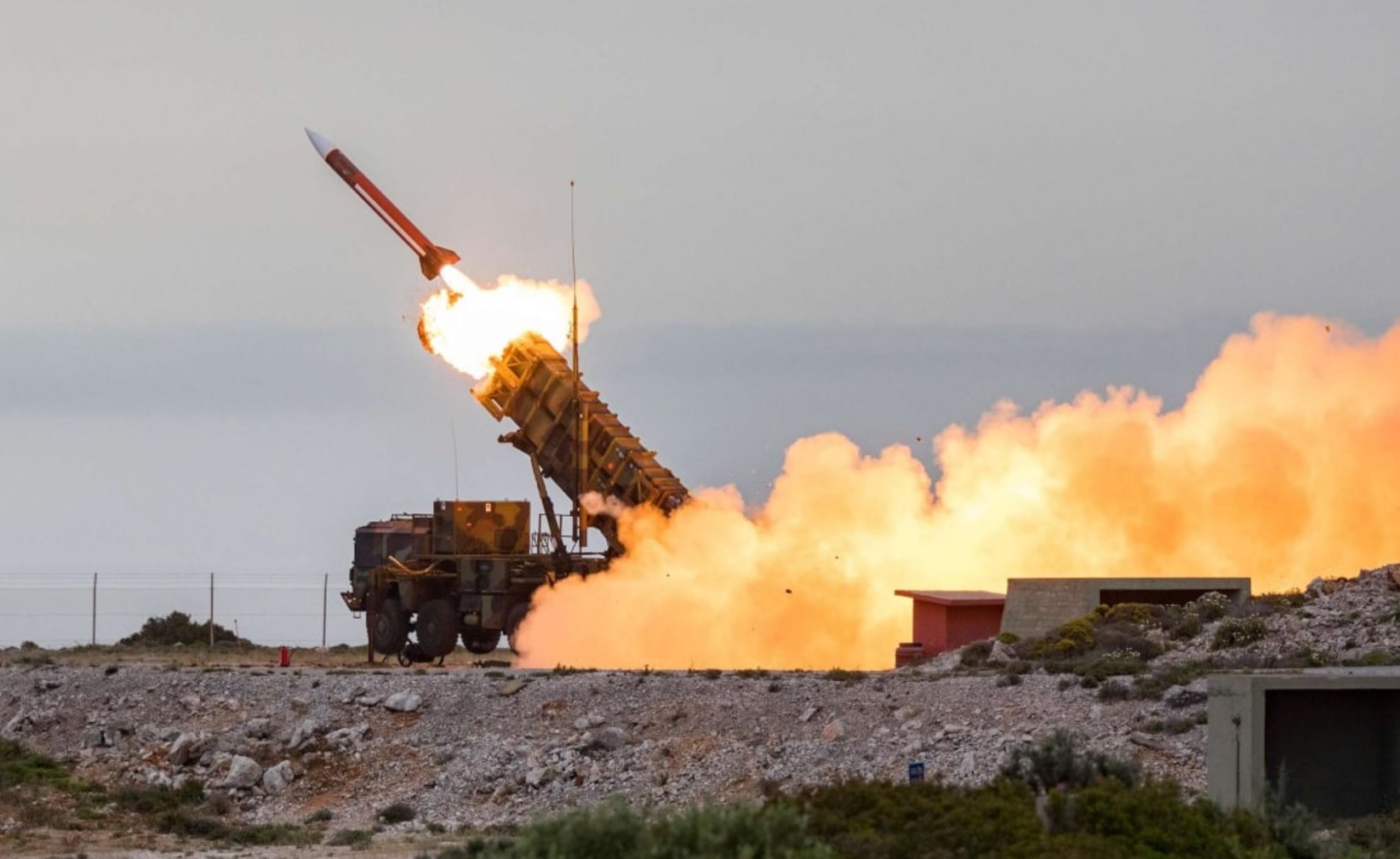
WASHINGTON — May 2, 2026 : The U.S. Department of State has approved a potential $4.01 billion Foreign Military Sale to Qatar for Patriot air and missile defense system replenishment, including interceptors, support services, and associated equipment. The decision reflects ongoing regional security requirements and aims to restore and sustain Qatar’s defensive missile inventory.
Emergency Approval and Package Details
The State Department determined that an emergency condition justified immediate approval of the sale, waiving the standard congressional review requirements under Section 36(b) of the Arms Export Control Act.
The package includes a total of 500 interceptors:
- 300 Patriot Advanced Capability-3 Missile Segment Enhancement (PAC-3 MSE) interceptors
- 200 Patriot Advanced Capability-2 Guidance Enhanced Missile-Tactical (PAC-2 GEM-T) interceptors
In addition to missiles, the agreement covers spare parts, missile canister consumables, repair and return services, classified and unclassified technical support, and a PAC-3 field surveillance program. Engineering, logistics, and technical assistance will be provided by both U.S. government personnel and contractors.
Primary contractors for the sale are Lockheed Martin and RTX Corporation.
A separate but related approval includes the sale of 10,000 Advanced Precision Kill Weapon System (APKWS) kits, valued at $992.4 million. Together, these approvals form part of a broader U.S. arms package exceeding $8.6 billion for Middle East partners, including Kuwait, the United Arab Emirates, Israel, and Qatar.
Operational Context and Strategic Rationale
The replenishment follows a period of sustained regional tensions and increased operational demand for air and missile defense systems. Qatar hosts the strategically significant Al Udeid Air Base, which serves as a central hub for U.S. and coalition operations and houses forward elements of U.S. Central Command.
Qatar’s geographic position near the Strait of Hormuz and proximity to potential threat launch areas necessitate a high state of readiness against ballistic missiles, cruise missiles, and unmanned aerial systems.
The approved sale is intended to restore interceptor stockpiles to ensure sustained defensive operations and prevent depletion during high-tempo engagements. The replenishment supports a “shoot-assess-shoot” doctrine, allowing repeated engagements and tailored responses to diverse aerial threats, including decoys and one-way attack drones.
In March 2026, Qatar’s International Media Office stated that its Patriot missile inventory remained sufficient and operational, rejecting claims of depletion. The new approval strengthens that position by ensuring long-term magazine depth.
Technical Capabilities of the Interceptors
The two interceptor types included in the package serve complementary roles within Qatar’s layered air defense system.
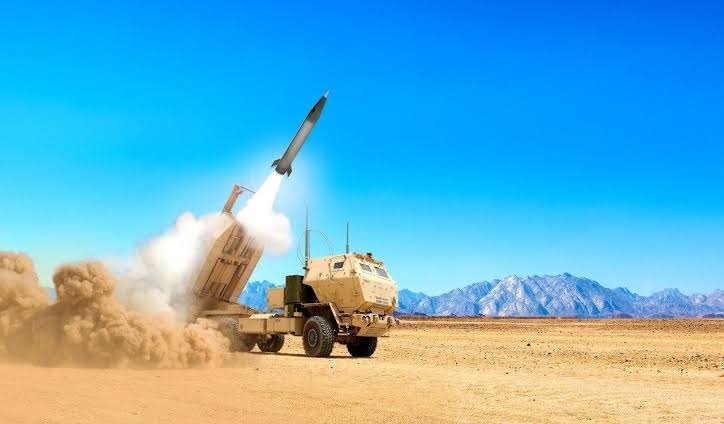
The PAC-3 MSE interceptor is designed for terminal defense against tactical ballistic missiles and uses hit-to-kill technology, relying on direct impact rather than explosive fragmentation. It incorporates a two-pulse solid rocket motor and enhanced control surfaces, enabling improved maneuverability against high-speed or maneuvering targets.
The GEM-T interceptor provides blast-fragmentation capability and is effective against tactical ballistic missiles, cruise missiles, and aircraft. It includes upgraded seeker sensitivity and digital fuze enhancements, improving performance in complex operational environments.
Both interceptor types can be deployed using the M903 launcher system, which supports mixed missile configurations. A single launcher can carry up to 12 PAC-3 MSE missiles or a combination of missile types, increasing engagement flexibility.
Historical Acquisition and System Development
Qatar first acquired the Patriot system through a 2012 Foreign Military Sale valued at $9.9 billion. That package included:
- 11 Patriot Configuration-3 fire units
- 11 AN/MPQ-65 radar systems
- 11 AN/MSQ-132 engagement control stations
- 44 M902 launchers
- 246 GEM-T interceptors
- 768 PAC-3 missiles
Deliveries of PAC-3 units began in 2018.
In 2015, Qatar expanded its capabilities with an additional 300 PAC-3 MSE missiles and 10 test missiles. The upgrade also included modifications of M902 launchers to the M903 configuration to support newer interceptors.
Role in National and Regional Defense
Qatar’s Patriot systems are deployed to protect fixed strategic assets, including leadership facilities, air operations centers, liquefied natural gas infrastructure at Ras Laffan, and maritime approaches in the Gulf region.
The systems also contribute to the defense of civilian infrastructure and energy export nodes, which are critical to global energy markets.
The U.S. government stated that the sale will enhance Qatar’s missile defense capabilities, strengthen homeland security, and improve interoperability with U.S. and allied forces operating in the region. It also emphasized that the sale does not alter the fundamental military balance in the Middle East.
Supply Chain and Implementation
Implementation of the sale will require sustained involvement from U.S. government personnel and defense contractors for technical, engineering, and logistical support.
The approval ensures continued access to the established Patriot production and supply chain, which is currently under pressure due to high global demand, including requirements from Europe, Ukraine, and other allied defense programs.
By securing replenishment capacity, Qatar maintains its position within the Patriot user community and ensures the availability of critical interceptor components for future operations.
——— End of Article ———