BEIRUT / WASHINGTON — April 17, 2026 : Iran announced that the Strait of Hormuz will remain open to all commercial vessels for the duration of the ongoing Lebanon ceasefire, even as the United States confirmed that its naval blockade targeting Iranian shipping will continue.
The statement was issued by Iranian Foreign Minister Abbas Araghchi in the early hours of April 17 via social media platform X. Araghchi said the strategic waterway is “completely open” for commercial transit along routes coordinated by Iran’s Ports and Maritime Organisation for the remainder of the ceasefire period.
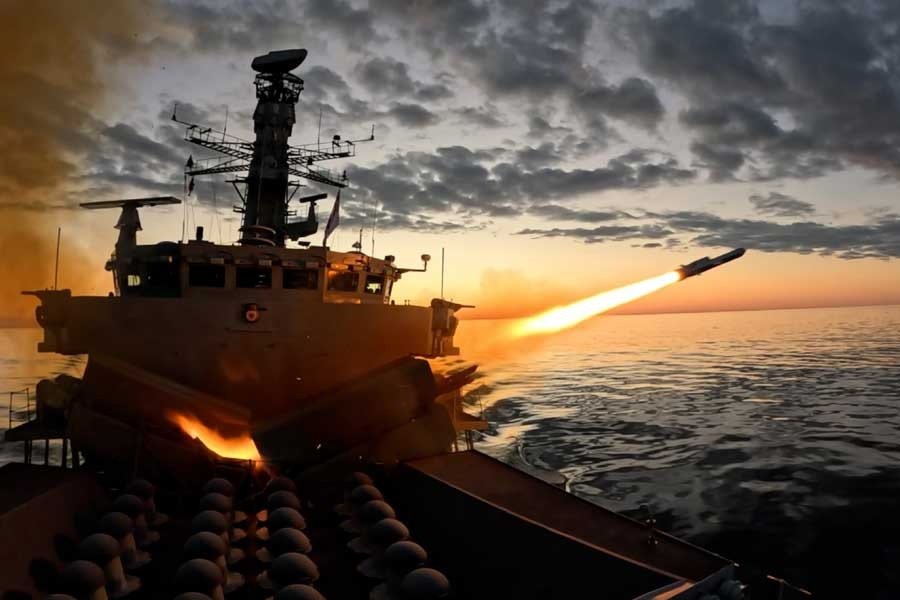
Within minutes, U.S. President Donald Trump publicly echoed the announcement, stating that Iran had declared the strait “fully open and ready for full passage.” However, Trump added that the United States would maintain its naval blockade in the region “in full force” until a broader agreement is reached with Tehran to end the ongoing conflict.
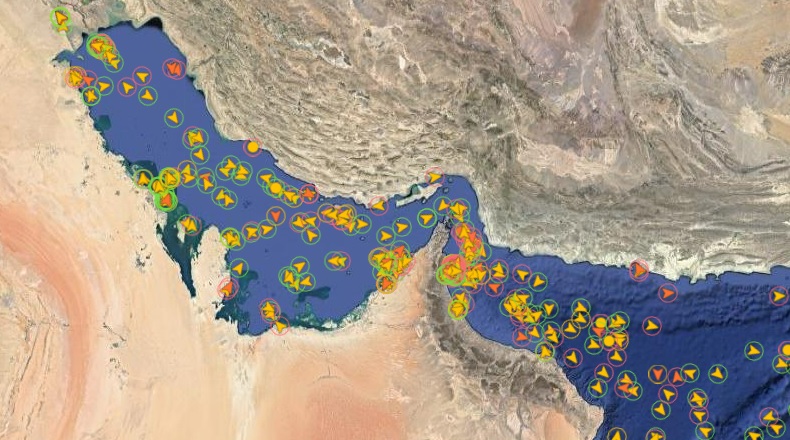
The simultaneous announcements introduced uncertainty regarding the operational environment for global shipping. Neither side provided clarification on how commercial navigation would function under conditions where the waterway is declared open by Iran but remains subject to U.S. naval enforcement measures.
Strategic Importance of the Strait
The Strait of Hormuz, located between Iran and Oman, is one of the most critical maritime chokepoints in the global energy supply chain. Approximately 20 percent of the world’s petroleum trade passes through the narrow corridor, making it a focal point in geopolitical tensions involving Iran, the United States, and regional actors.
Iran indicated that vessels would be permitted to transit using previously designated maritime corridors. Despite this, the continued U.S. blockade introduces potential constraints on vessels linked to Iranian ports or entities, leaving shipping operators awaiting further operational guidance.
Initial market reactions included reports of a sharp decline in global oil prices, with estimates indicating a drop of around 10 percent following the reopening announcement. Market participants appear to be factoring in the possibility of improved supply flows, though the durability of this trend remains uncertain.
Lebanon Ceasefire Takes Effect
The maritime developments coincided with the start of a 10-day ceasefire between Israel and Hezbollah that came into force at midnight local time on April 17, 2026.
In Beirut, residents marked the beginning of the truce with celebratory gunfire shortly after midnight. Displaced civilians began returning toward southern Lebanon and the southern suburbs of the capital, despite official advisories urging caution until security conditions stabilize.
A spokesperson for the United Nations Interim Force in Lebanon (UNIFIL) confirmed that no airstrikes had been observed since the ceasefire took effect. At the same time, the spokesperson accused Israeli forces of violating Lebanese airspace and conducting artillery shelling in southern areas after midnight. The Israeli military had not issued an immediate response to those allegations.
Terms and Early Challenges of the Agreement
According to details released by the U.S. State Department, the ceasefire agreement permits Israel to take defensive action against imminent threats but prohibits offensive military operations in southern Lebanon.
The distinction between defensive and offensive actions emerged as a point of contention in the initial hours of the truce, particularly in light of the reported artillery activity. Observers noted that interpretation of these provisions will be critical to maintaining the ceasefire over its 10-day duration.
The agreement is intended to create a temporary halt in hostilities to facilitate negotiations between Israel and Lebanon, with international mediators continuing to engage both sides.
U.S. Position and Broader Negotiations
Speaking at an event in Las Vegas on April 17, President Donald Trump described the ceasefire as a “historic day for Lebanon” and expressed confidence that the broader conflict involving Iran could conclude in the near term.
Trump stated that the war with Iran “should be ending pretty soon,” indicating that U.S. officials view the Lebanon ceasefire as part of a wider diplomatic process.
According to officials involved in mediation efforts, ongoing discussions between Washington and Tehran are focused on several key issues, including Iran’s nuclear program, long-term arrangements for the Strait of Hormuz, and compensation related to wartime damages.
The U.S. administration has indicated that the naval blockade will remain in place until a comprehensive agreement is finalized, suggesting that current measures are being used as leverage in negotiations.
Outlook for Shipping and Regional Stability
Iran’s decision to declare the Strait of Hormuz open represents a significant development, but its practical impact remains dependent on how U.S. enforcement measures are applied in the coming days.
Shipping companies, insurers, and energy markets are closely monitoring the situation for further clarification on transit conditions and risk exposure.
At the same time, the sustainability of the Lebanon ceasefire will be a key factor influencing broader regional stability. The initial hours of the truce have already highlighted areas of dispute, and its continuation will depend on adherence to agreed terms by all parties.
As of April 17, 2026, no additional operational guidance has been issued regarding commercial shipping through the Strait of Hormuz, and both diplomatic and military developments remain ongoing.
——— End of Article ———