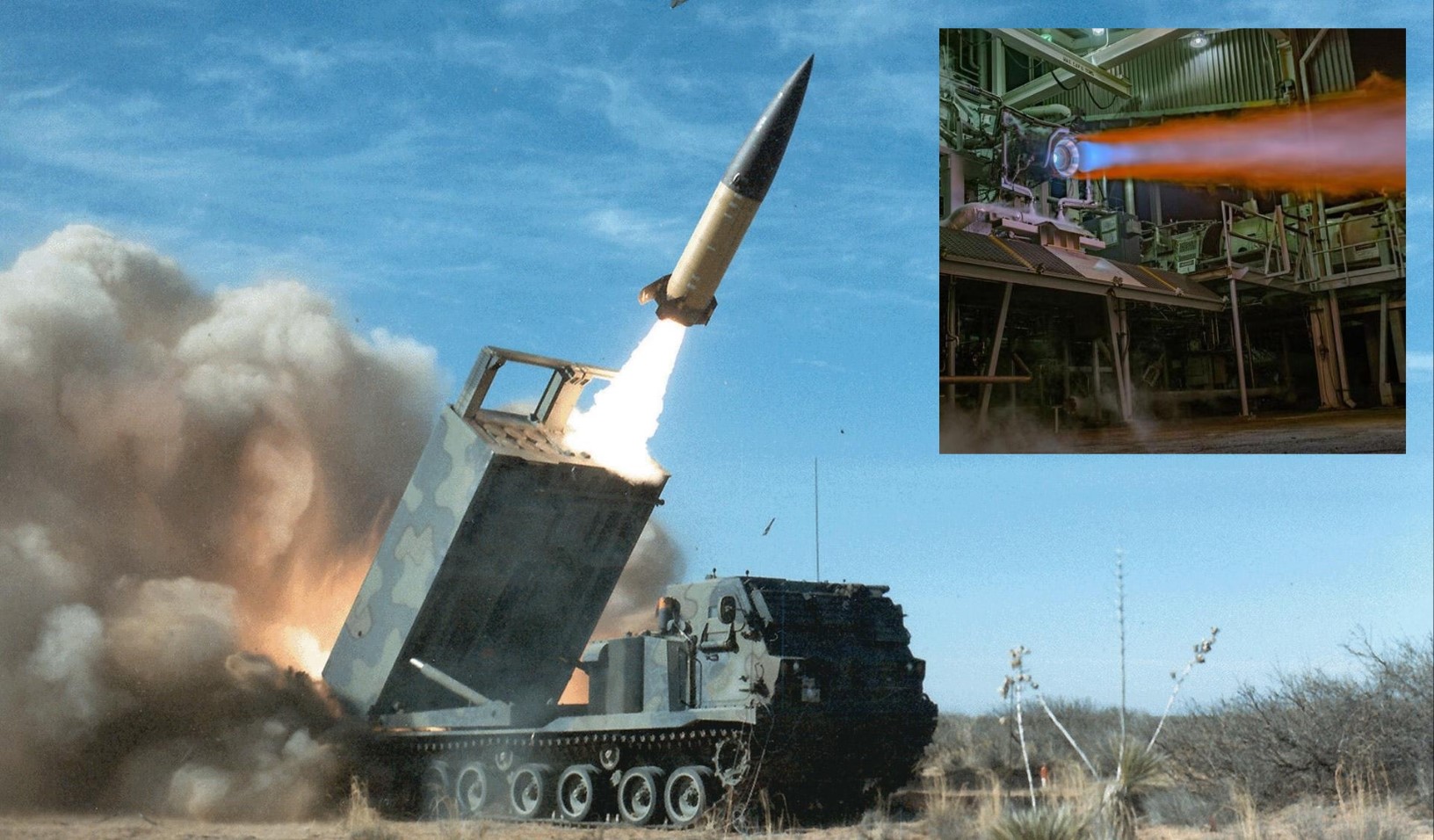
Camden, Arkansas / Washington, — April 20, 2026 : Lockheed Martin has awarded L3Harris Technologies a contract valued at more than $65 million to produce solid rocket motors for the U.S. Army’s Army Tactical Missile System (ATACMS), supporting continued production of propulsion components for the long-range guided missile system.
Contract Scope and Deliverables
Deliveries under the contract are scheduled to take place between 2027 and 2028, aligning with ongoing U.S. Army procurement and sustainment timelines for long-range precision strike capabilities.
Program Background and Operational Role
The ATACMS is a combat-proven long-range precision weapon system used by U.S. and allied forces for deep-strike missions. The missile system remains a key component of battlefield strike capability, designed to engage high-value targets at extended ranges with guided accuracy.
The latest contract reflects sustained demand for propulsion systems supporting operational readiness, as the U.S. Army continues to maintain and replenish its missile inventory.
Industry Role and Company Statement
Scott Alexander, President of Missile Propulsion within the Missile Solutions sector at L3Harris, stated that the company remains focused on delivering propulsion systems tailored to the requirements of the ATACMS program. He noted that such contracts underscore L3Harris’ continued role in supporting the U.S. Army and allied forces with established missile technologies.
Production Facilities and Capacity Expansion
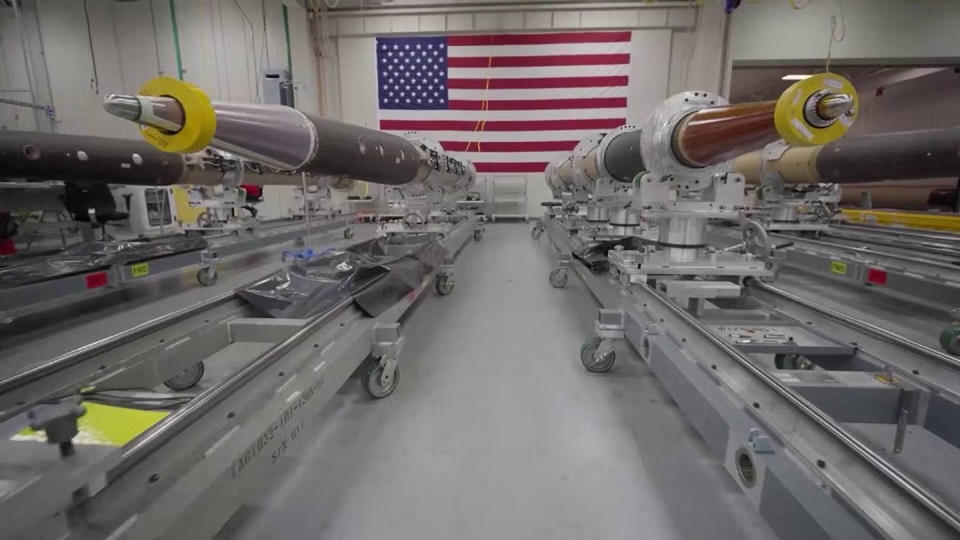
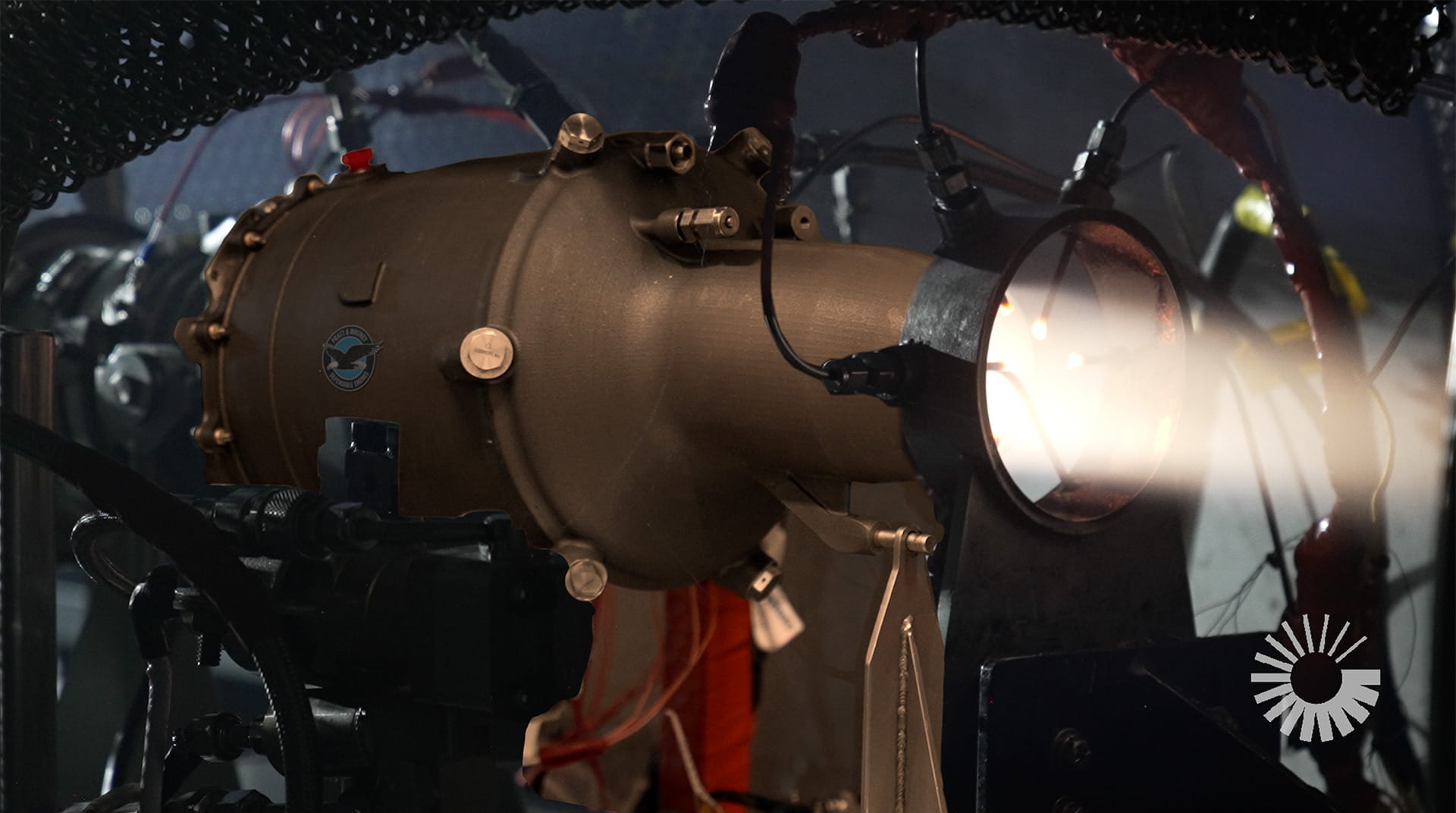
The Camden site currently produces more than 115,000 rocket motors annually and conducts over 6,000 hot-fire tests each year. The company is also expanding its infrastructure at the location, with more than 20 new advanced propulsion facilities under development to meet increasing demand.
In addition to propulsion components, L3Harris manufactures ATACMS arm and firing devices at its facility in Cincinnati, Ohio.
Broader Program Support
The contract reinforces L3Harris’ role in supporting U.S. Army missile programs and broader defense requirements. It also reflects continued industrial activity tied to long-range strike systems, with emphasis on sustaining production capacity and ensuring availability of critical propulsion components for operational use.
——— End of Article ———