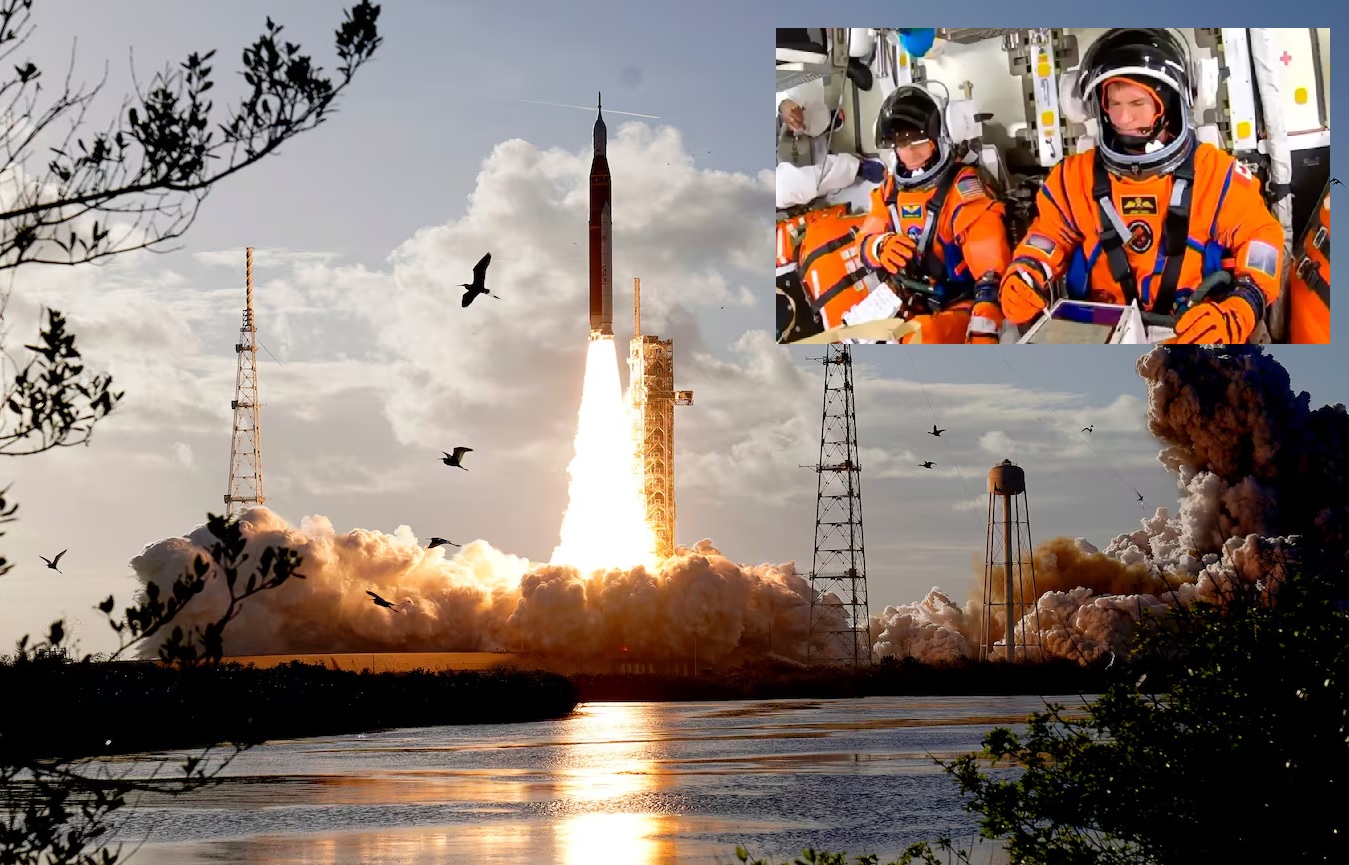
KENNEDY SPACE CENTER, — Florida, April 2, 2026 : NASA has successfully launched the Artemis II mission, sending four astronauts aboard the Orion spacecraft toward the Moon in the first crewed mission to lunar vicinity since the Apollo 17 mission in 1972. The launch took place at 6:35 p.m. Eastern Time on April 1 from Launch Complex 39B at Kennedy Space Center.
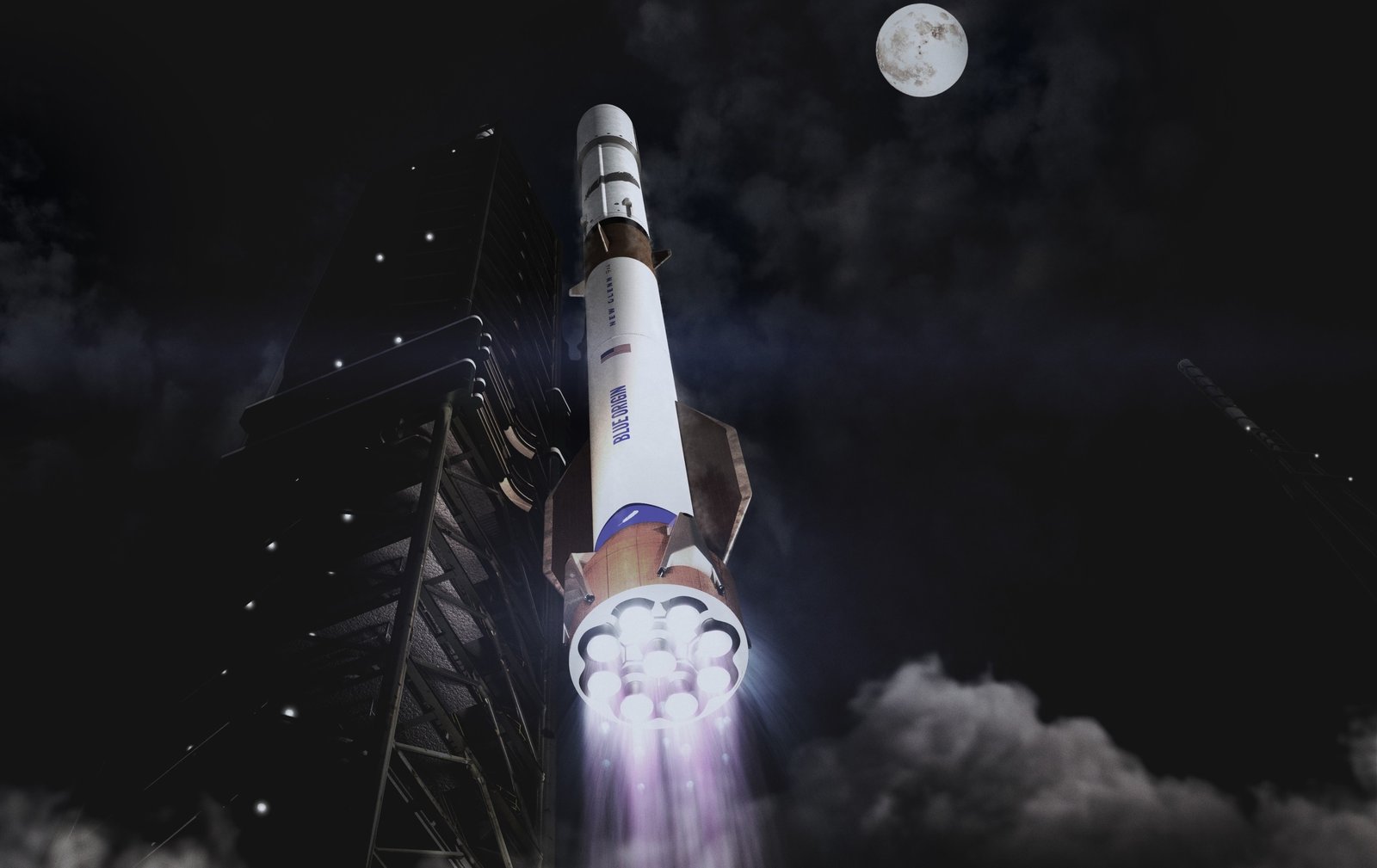
The Orion spacecraft, manufactured by Lockheed Martin, lifted off atop the Space Launch System (SLS), a 322-foot rocket generating approximately 8.8 million pounds of thrust using twin solid rocket boosters and four RS-25 engines. Shortly after liftoff, both the solid rocket boosters and the launch abort system separated as planned.
The spacecraft, named “Integrity”, is carrying NASA astronauts Reid Wiseman as commander, Victor Glover as pilot, and Christina Koch as mission specialist, along with Jeremy Hansen of the Canadian Space Agency serving as mission specialist.
Mission Profile and Trajectory
The Artemis II mission is planned as a 10-day flight covering approximately 685,000 miles. The mission begins with two Earth orbits to evaluate spacecraft systems before executing a translunar injection maneuver. The spacecraft will then travel nearly 250,000 miles from Earth and approximately 5,000 miles beyond the far side of the Moon.
Orion will follow a free-return trajectory, using the Moon’s gravitational field to loop around the lunar far side and return toward Earth without requiring major propulsion maneuvers for the return leg.
Spacecraft Systems and Capabilities
The Orion spacecraft used for Artemis II incorporates multiple systems designed for sustained human operations in deep space. These include an advanced Environmental Control and Life Support System (ECLSS), updated flight displays and control interfaces, and a fully operational launch abort system designed to ensure crew safety during ascent.
The spacecraft interior is equipped with facilities to support extended missions, including an exercise machine, potable water supply, a galley, and a waste management and hygiene bay.
Communication systems onboard include standard audio communication links and an experimental laser-based system, the Orion Artemis II Optical Communications System, designed to provide high-bandwidth data transmission with mission control in Houston.
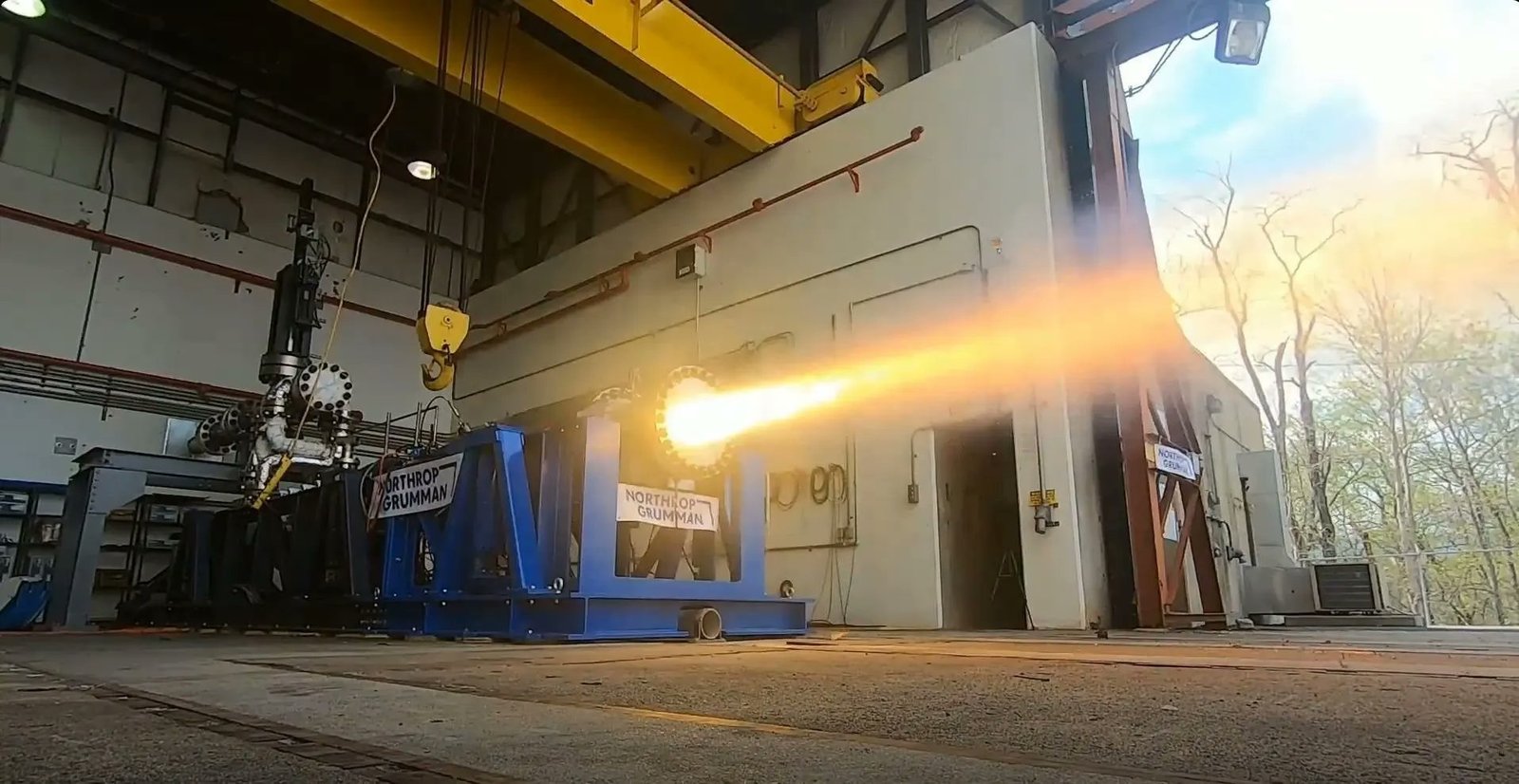
The European Service Module, which provides propulsion, power, and thermal control, was supplied by Airbus Defence and Space. The launch abort system includes components from multiple suppliers, including abort motor contributions from Northrop Grumman.
In-Flight Operations and Testing
During the mission, the crew will conduct a series of system tests and operational demonstrations aimed at validating Orion’s readiness for future deep space missions. These activities include proximity maneuvering operations and direct observation of the Moon’s far side.
The mission will also collect baseline data on spacecraft performance and human health in a deep space environment beyond low-Earth orbit. These data are intended to support planning for subsequent Artemis missions, including crewed lunar landings.
Re-entry and Recovery Operations
At the conclusion of the mission, scheduled for April 10, the Orion spacecraft will re-enter Earth’s atmosphere at speeds reaching up to 30 times the speed of sound. Atmospheric drag and a parachute deployment sequence will reduce velocity to under 20 miles per hour before splashdown in the Pacific Ocean off the coast of San Diego, California.
Recovery operations will involve NASA teams, contractors, and U.S. Navy personnel positioned in the designated landing zone.
Industry and Program Statements
Robert Lightfoot, president of Lockheed Martin Space, stated that the mission will focus on testing Orion systems and demonstrating its capability to transport crews to the lunar surface and return them safely.
Kirk Shireman, vice president and Orion program manager at Lockheed Martin Space, said the mission reflects years of development work and is intended to prepare for future crewed flights beyond Earth orbit.
Program Context
Artemis II is the first crewed flight of both the Orion spacecraft and the Space Launch System rocket. The mission builds on uncrewed test flights and is a key step in NASA’s Artemis program, which aims to return humans to the Moon and establish a sustained presence in lunar orbit and on the surface.
Data gathered during Artemis II will be used to refine mission systems and procedures for upcoming missions, including those involving crewed lunar landings.
——— End of Article ———