London / Paris, — April 2, 2026 : The United Kingdom and France have formally signed a Memorandum of Understanding (MoU) to undertake a joint 12-month feasibility and concept study for the development of a next-generation beyond-visual-range (BVR) air-to-air missile. The future system is intended to replace the Meteor missile and sustain long-term air combat capability for both nations and their allies.
The agreement, announced on April 1 by the UK’s Defence Equipment & Support organisation, represents a key step in advancing bilateral defence cooperation. It aligns with broader efforts to standardize future combat systems, strengthen interoperability, and modernize the defence industrial base across both countries.
Framework Under Lancaster House 2.0
The missile study is a direct outcome of the Lancaster House 2.0 treaty signed in July 2025, which renewed and expanded UK-France defence and security cooperation. The treaty focuses on enhancing joint expeditionary capabilities and increasing collaboration in advanced military technologies.
The initiative is also being implemented under a renewed “Entente Industrielle,” designed to improve industrial coordination and efficiency. As part of this framework, the UK and France will establish a joint Complex Weapons Portfolio Office. The office will oversee coordination of missile programmes, align national defence priorities, reduce duplication in research and development, and improve efficiency in complex weapons manufacturing.
Scope of the 12-Month Study
Under the MoU, both countries will conduct a comprehensive assessment of future air warfare requirements and the evolving threat environment. The study will define the operational and technological parameters needed for air combat in the coming decades.
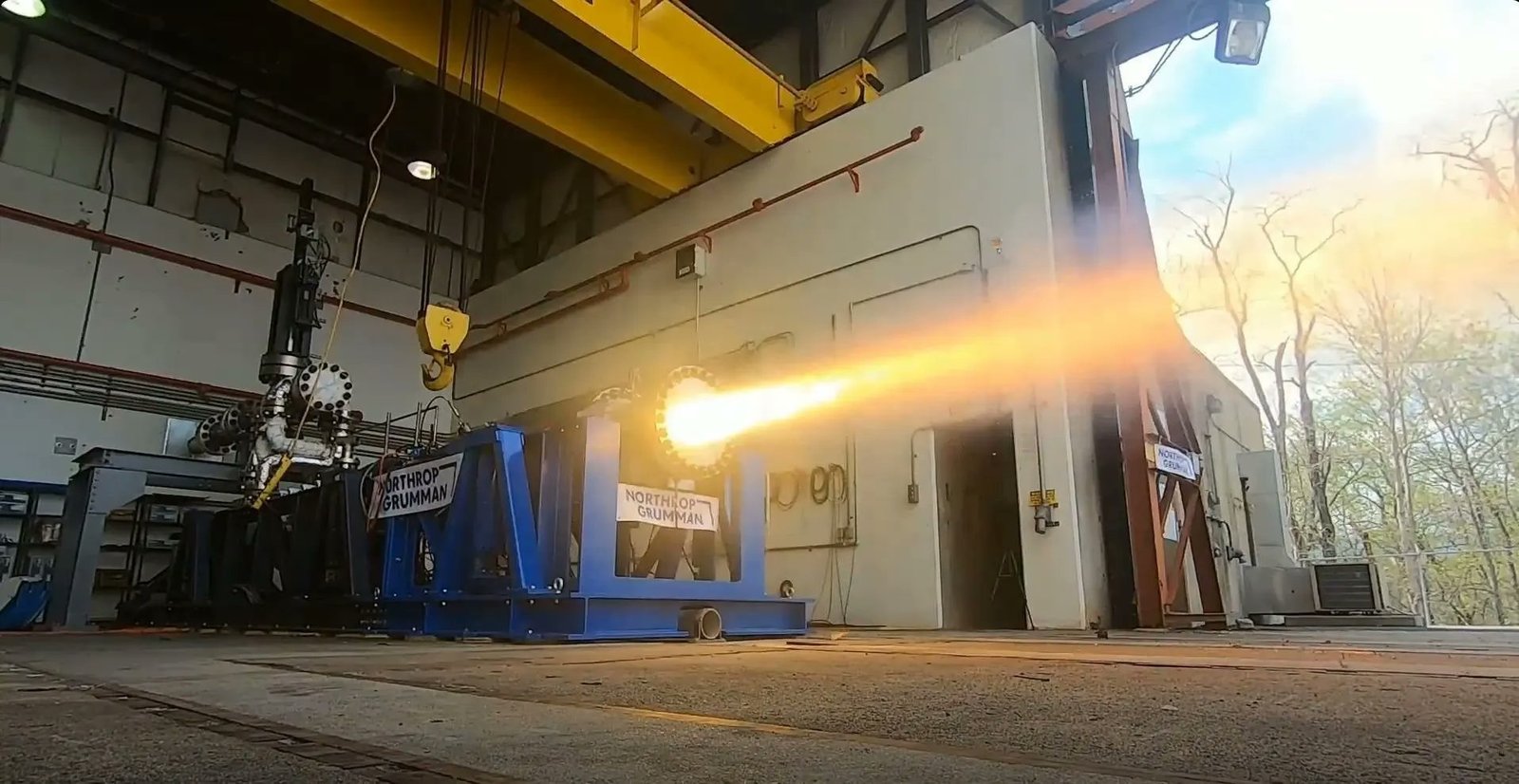
Key areas of work include the generation of concepts for next-generation missile designs capable of meeting future BVR engagement requirements. The study will also evaluate advanced propulsion technologies, including dual-pulse rocket motors and advanced ramjet systems, alongside improvements in data-link capabilities, stealth characteristics, and multi-mode seeker technologies.
Another major focus will be platform integration. The study will examine how the future missile can be designed to fit within the internal weapons bays of fifth-generation stealth aircraft such as the F-35, while also maintaining compatibility with existing platforms in service. Additionally, the programme will outline a development roadmap, including timelines and potential pathways for collaborative production.
The study will also consider integration requirements for future sixth-generation combat aircraft being developed by both nations under separate but related programmes.
Building on the Meteor Programme
The current Meteor missile, which entered operational service in 2016, is widely regarded as a leading BVR air-to-air weapon. Developed through a six-nation European partnership led by MBDA, it is currently deployed by the Royal Air Force on Eurofighter Typhoon aircraft and by the French Air Force on Dassault Rafale aircraft, among other operators.
Meteor’s multinational development model demonstrated the effectiveness of European collaboration in complex weapons programmes. The new UK-France initiative is expected to build on this approach, with the potential to expand into a broader multinational effort involving additional partner nations.
Strategic and Industrial Implications
The agreement reflects a shared objective to maintain a technological edge against evolving peer-adversary capabilities and to reinforce NATO’s deterrence posture. By coordinating development efforts, both countries aim to ensure continued air superiority while optimizing industrial resources.
Luke Pollard, UK Minister for Defence Readiness and Industry, stated that the agreement represents a continuation of closer defence cooperation in response to emerging threats. He noted that the initiative supports commitments made under the Lancaster House 2.0 framework and contributes to strengthening European security through joint capability development.
Pollard also emphasized that collaboration with France on next-generation missile systems is intended to enhance NATO capabilities and improve collective deterrence.
Next Steps
The joint study and the establishment of the Complex Weapons Portfolio Office will begin immediately. Initial findings, including a conceptual roadmap for the successor missile, are expected within the 12-month study period.
No further details regarding programme costs or timelines beyond the study phase have been disclosed. The initiative is intended as a foundational step toward a future collaborative development programme that builds on the Meteor’s established framework while addressing emerging operational requirements.
——— End of Article ———