KYIV, Ukraine — April 14, 2026 : Ukraine has publicly presented a newly developed, domestically manufactured surface-to-air missile designed for use with its existing 9K33M3 Osa-AKM short-range air defense systems. The unveiling was included in official materials released on April 13, 2026, marking the Day of the Defense Industry Worker, and forms part of ongoing efforts to sustain and modernize legacy Soviet-era air defense capabilities amid continued operational demands.
Development and Design Characteristics
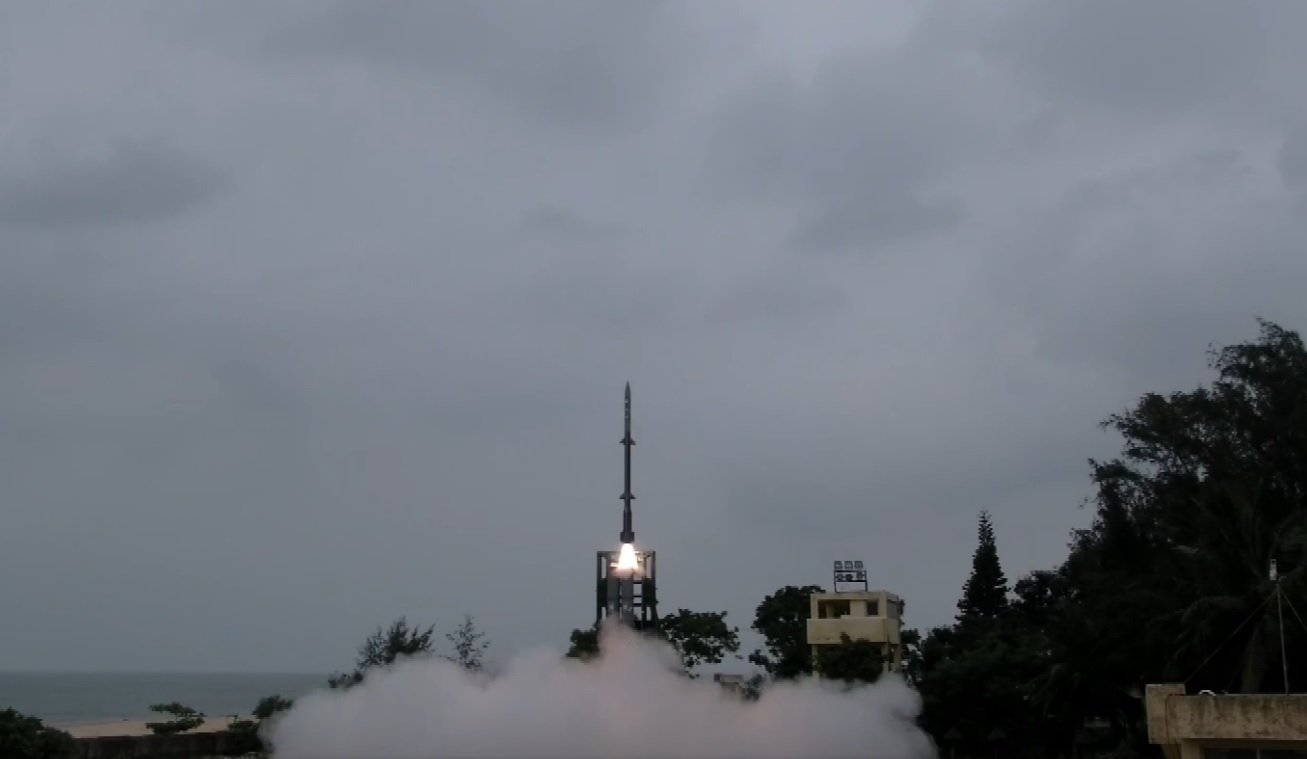
Visual analysis of the missile, based on released imagery and video footage, indicates a design closely aligned with the Soviet-origin 9M33-series interceptors, particularly the 9M33M3 variant traditionally employed by the Osa-AKM system. The missile’s external configuration—including rear stabilizing fins, forward control surfaces, and overall dimensions—appears largely consistent with the original design, suggesting compatibility with existing launch infrastructure without major modifications.
The newly introduced munition is assessed to be a direct domestic replacement for the 9M33M3 missile, developed to address diminishing stocks of legacy interceptors. While Ukrainian authorities have not disclosed official technical specifications, the use of modernized internal components is expected. These likely include updated microelectronics, improved guidance systems, and enhanced resistance to electronic warfare environments. Such upgrades are assessed to improve target tracking reliability and engagement effectiveness, particularly against contemporary aerial threats such as unmanned aerial vehicles (UAVs).
Reference Specifications of Legacy Missile
For context, the original 9M33M3 missile weighs approximately 126.3 kilograms and carries a 15-kilogram warhead. It has a length of 3,158 millimeters, a body diameter of 206 millimeters, and a wingspan of 650 millimeters. The missile operates using radio-command guidance, reaches speeds of up to 500 meters per second, and is capable of engaging targets at ranges between 1.5 and 10 kilometers, with an altitude envelope from 25 to 5,000 meters. Earlier system-level data for the Osa-AKM indicates a maximum engagement range of up to approximately 15 kilometers and altitude coverage extending to 12,000 meters under certain conditions.
The Osa-AKM Air Defense System
The 9K33M3 Osa-AKM, designated by NATO as the SA-8B “Gecko,” entered service in 1980 as a mobile, all-weather, short-range air defense system. It is designed to protect ground forces and critical infrastructure against low-flying aircraft, helicopters, cruise missiles, and, more recently, unmanned systems. Each Osa-AKM vehicle integrates radar, command guidance, and launcher components, typically carrying six containerized missiles ready for immediate deployment.
Ukraine continues to operate the Osa-AKM as part of its layered air defense network, particularly for point defense and frontline coverage roles.
Addressing Interceptor Shortages
The introduction of a domestically produced replacement missile directly addresses a key logistical constraint faced by Ukrainian forces. Sustained operational use—particularly against reconnaissance and strike UAVs such as Shahed-series loitering munitions and Orlan-type drones—has significantly reduced available stocks of original Soviet-era 9M33M3 interceptors.
Prior to the development of this new missile, Ukraine implemented several interim solutions to maintain operational readiness of its Osa systems. One such approach, referred to as the “Hornet” or FrankenSAM project, involved modifying Osa launchers to deploy R-73 infrared-guided air-to-air missiles. This adaptation introduced a limited “fire-and-forget” capability and provided an alternative to radar-guided interceptors.
In parallel, Ukraine has fielded upgraded variants of the system sourced from Poland, including the Osa-AKM-P1 Żądło configuration. These upgraded platforms incorporate improved optoelectronic targeting systems and night-vision capabilities, allowing operators to detect and engage aerial targets visually when radar emissions are restricted due to tactical considerations.
While these measures extended the operational life of the platform, they did not fully replicate the original system’s command-guided engagement profile. The new domestically produced missile restores this capability, enabling continued use of the Osa-AKM in its intended configuration.
Broader Defense Industry Context
The unveiling of the Osa-AKM-compatible missile occurred alongside other Ukrainian-developed systems presented during the same event. These included the Sichen long-range loitering munition, the Neptune cruise missile, and the Vilkha guided rocket system, reflecting broader efforts to expand domestic defense production capabilities.
The development aligns with Ukraine’s strategy to reduce reliance on external military aid and finite Cold War-era stockpiles by establishing sustainable local manufacturing for critical munitions. By producing compatible interceptors domestically, Ukraine aims to maintain consistent short-range air defense coverage for both military formations and key infrastructure.
No official information has been released regarding production timelines, unit costs, or the current status of serial manufacturing for the new missile.
——— End of Article ———