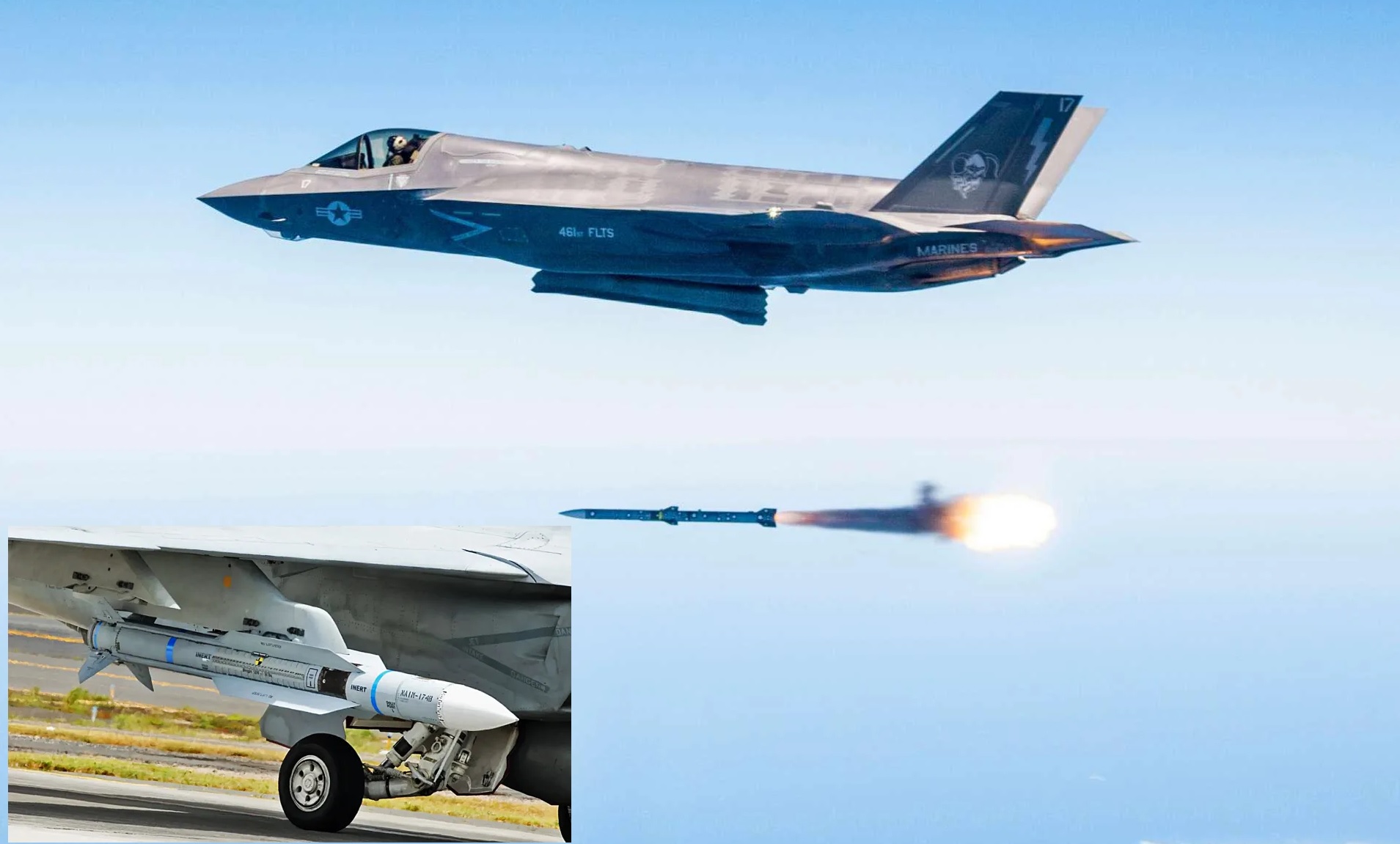
WASHINGTON, — March 31, 2026 : The United States government has approved a Foreign Military Sale (FMS) to Australia valued at $3.16 billion, authorizing the procurement of up to 450 AIM-260 Joint Advanced Tactical Missiles (JATM) along with associated equipment, testing assets, and long-term support infrastructure. The approval follows the expiration of the 15-day congressional review period, clearing the way for final negotiations between the two governments.
Australia is set to become the first international operator of the AIM-260A variant, a next-generation beyond-visual-range air-to-air missile developed to replace the AIM-120 AMRAAM and enhance allied air combat capabilities in the Indo-Pacific region.
Procurement Structure and Package Composition
The total value of the proposed sale is divided into two primary categories. Major Defense Equipment, valued at $2.61 billion, includes up to 450 operational AIM-260A missiles. The remaining $550 million is allocated for non-major defense equipment and sustainment, covering a broad range of integration and operational support requirements.
In addition to baseline munitions, the package incorporates specialized test systems that enable early participation by the Royal Australian Air Force (RAAF) in missile validation and tactics development. These include up to five Integration Test Vehicles (ITV), which are modified missiles used for captive carriage and flight testing, and up to 30 Guided Test Vehicles (GTV), which replace the warhead with telemetry systems to collect flight data during live-fire exercises.
The support package also includes KGV-135A embedded communications security devices, which provide encrypted wideband data protection, as well as ammunition containers, spare parts, consumables, and repair support. Additional elements include classified and unclassified software delivery, technical documentation, training systems, site surveys, transportation, warranties, and engineering, logistics, and technical assistance from both U.S. government and contractor personnel.
The principal contractor for the program is Lockheed Martin Missiles and Fire Control, based in Orlando, Florida. No offset agreements or sales commissions have been disclosed.
Missile Capabilities and Technical Characteristics
The AIM-260 JATM program was initiated in 2017 to address emerging long-range air-to-air threats, including advanced missile systems developed by potential adversaries. While many technical details remain classified, the system is designed to significantly exceed the performance of existing medium-range missiles.
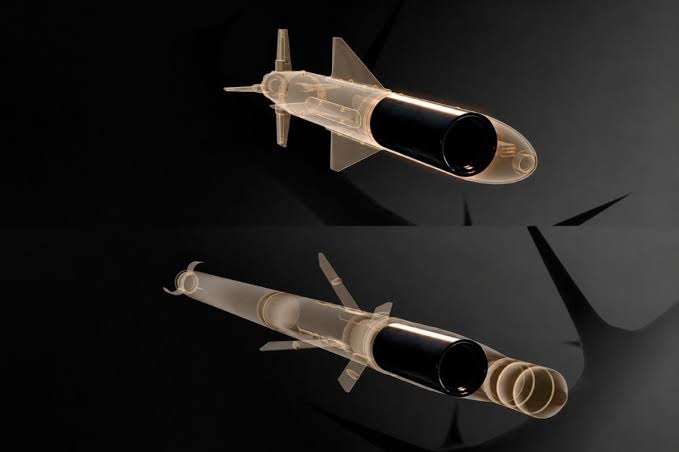
Publicly available information indicates that the AIM-260 offers substantially extended engagement range, with estimates suggesting it may exceed 200 kilometers, effectively doubling the reach of later variants of the AIM-120 AMRAAM. The missile is engineered to operate effectively in contested electromagnetic environments, with enhanced resistance to electronic warfare and jamming.
The system uses GPS-aided guidance incorporating Precise Positioning Services (PPS) via Selective Availability Anti-Spoofing Module (SAASM) or M-Code, ensuring secure navigation and targeting. It also includes integrated anti-tamper mechanisms to prevent unauthorized access or reverse engineering.
Additional reported features include an active electronically scanned array (AESA) radar seeker, a two-way data link for mid-course updates, and a dual-pulse rocket motor, supporting improved engagement flexibility and endgame performance. The highest classification level associated with the system remains SECRET.
Integration with Australian Air Power
The AIM-260 is expected to be integrated primarily with the RAAF’s fleet of 72 F-35A Lightning II stealth fighters, which are based at RAAF Base Williamtown and RAAF Base Tindal and operated across multiple squadrons, including the No. 2 Operational Conversion Unit.
Australia’s F-35 fleet reached full delivery in December 2024, with the final nine aircraft configured under Technology Refresh 3 (TR-3), providing the necessary computing architecture to support future Block 4 weapon integrations, including the AIM-260. The missile is also expected to be compatible with Australia’s F/A-18F Super Hornet fleet.
Initial deliveries of the AIM-260 to Australia are projected for the third quarter of 2033, aligning with U.S. production timelines that prioritize domestic requirements and phased operational fielding.
Strategic Context and Indo-Pacific Role
The acquisition supports Australia’s 2024 National Defence Strategy, which emphasizes a “deterrence by denial” approach. By extending the effective engagement range of Australian fighter aircraft, the AIM-260 enables earlier threat interception and strengthens both offensive and defensive counter-air operations across the Indo-Pacific.
The strategy prioritizes defending Australia’s northern approaches, limiting adversary power projection, and enhancing interoperability with allied forces. The extended range and survivability of the AIM-260 are intended to support operations across the region’s large geographic distances and complex operational environments.
The U.S. government stated that the sale aligns with its broader foreign policy and national security objectives, identifying Australia as a key ally in the Western Pacific. Officials assessed that the transfer would not alter the regional military balance and that Australia would be able to absorb and integrate the system effectively.
Approval Process and Timeline
The Defense Security Cooperation Agency (DSCA) formally notified the U.S. Congress of the proposed sale on January 23, 2026, under Transmittal No. 26-03. The notification was not publicly announced at the time but was later published in the Federal Register on March 17, 2026.
As Australia qualifies for an expedited review process, the required 15-calendar-day congressional review period has now concluded without objection. The program will proceed to the negotiation phase, where both governments will finalize the Letter of Offer and Acceptance (LOA).
This transaction represents the first export of the AIM-260 JATM, marking an early step in the international deployment of next-generation air-to-air missile capabilities among U.S. allies.
——— End of Article ———