MOSCOW — April 21, 2026 : Russia is expected to continue supplying natural gas to China at significantly discounted rates compared to its remaining European customers through the end of the decade, reflecting a sustained reorientation of its export strategy toward Asian markets, according to government forecasts and industry data reported on April 21, 2026.
Pricing Trends and Forecast Outlook
Financial projections indicate that Russian pipeline gas exports to China will remain substantially cheaper than supplies delivered to Europe, with the pricing gap persisting despite a gradual narrowing over time.
For 2026, the average price of Russian natural gas supplied to China is projected at $258.80 per 1,000 cubic meters, representing a discount of more than 38% compared to the average price charged to Europe’s remaining pipeline gas buyers.
This pricing structure is consistent with 2025 data, when Russia sold gas to China at an average price of $248.70 per 1,000 cubic meters, also more than 38% lower than European rates.
Looking ahead, internal government forecasts suggest that while the disparity will decrease, it will remain significant. By 2029, the discount for Chinese buyers is expected to stand at just over 27% relative to European prices. The projections are based on Russian Economy Ministry data incorporated into budget planning documents, with sources noting that detailed figures have not been publicly disclosed.
Gazprom Chief Executive Alexei Miller previously stated that pricing differences are “objectively lower” for China, attributing the gap in part to geographic factors. Gas fields supplying the Chinese market are located closer to end consumers in Asia, reducing transportation and infrastructure costs compared to westward deliveries.
Expansion of Pipeline Deliveries to China
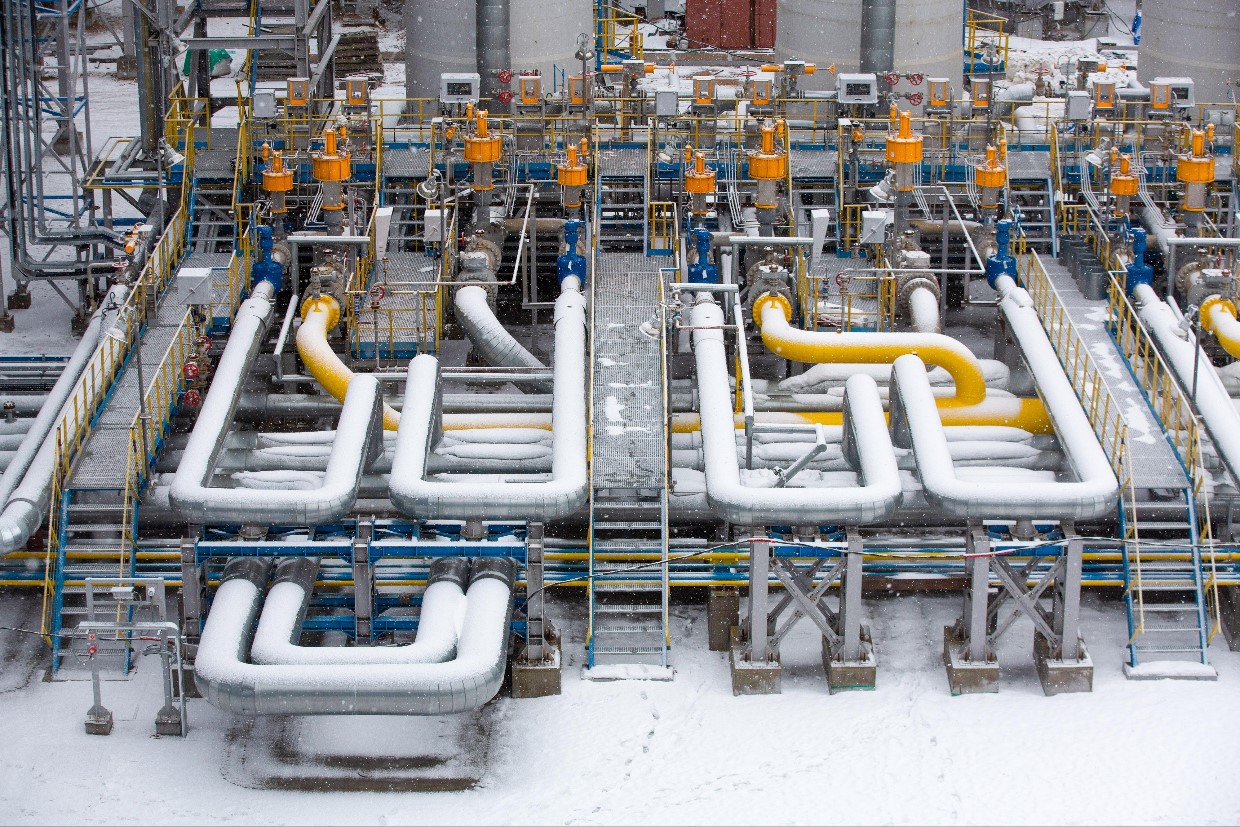
Russia has steadily increased gas exports to China through the Power of Siberia pipeline system, which has become the central artery of its eastern export network.
Operational data shows that deliveries through the pipeline reached 38.8 billion cubic meters in 2025, exceeding its designed annual capacity of 38 billion cubic meters. This marked a rise of nearly 25% compared to the 31 billion cubic meters delivered in 2024.
The pipeline reached full design capacity in late 2024, with daily flows at times exceeding 100 million cubic meters, according to Gazprom.
Further expansion is already underway. Russia and China have agreed to increase annual deliveries via the Power of Siberia route from 38 billion cubic meters to 44 billion cubic meters in the coming years.
Additional infrastructure projects are also planned to support rising export volumes:
The Far Eastern route, scheduled to begin operations around 2027, is expected to deliver up to 12 billion cubic meters annually.
The proposed Power of Siberia 2 pipeline, which would pass through Mongolia, has a planned capacity of 50 billion cubic meters per year and remains under discussion.
Combined, these developments are projected to raise total Russian gas exports to China via eastern routes to approximately 52.5 billion cubic meters annually by 2029.
The expansion is supported by long-term agreements between Gazprom and the China National Petroleum Corporation (CNPC), covering both pricing mechanisms and infrastructure development.
Declining European Market Share
Russia’s pivot toward Asia comes as its gas trade with Europe continues to contract sharply following the geopolitical shifts of 2022.
Pipeline exports to Europe are projected to decline to approximately 32 billion cubic meters annually between 2028 and 2029, down from 36 billion cubic meters in 2025 and an estimated 38 billion cubic meters in 2026.
Before 2022, Russia supplied up to 200 billion cubic meters per year to European markets, highlighting the scale of the contraction.
Currently, only a limited number of countries—including Hungary, Slovakia, Serbia, and Turkey—continue to receive Russian pipeline gas, primarily through routes such as TurkStream.
The European Union has outlined plans to phase out remaining Russian gas imports by the end of 2027, replacing pipeline supplies with liquefied natural gas (LNG) imports from alternative sources, including the United States and Norway.
Market Implications and Structural Shifts
The divergence in pricing between Asian and European markets reflects differences in contractual structures, logistics, and broader market conditions.
Long-term contracts with CNPC underpin the pricing framework for Chinese deliveries, while European supplies are now limited in volume and subject to different commercial arrangements.
Despite rising volumes to China, analysts note that Russia’s increased eastern exports have not fully offset the loss of revenue and market share resulting from reduced European demand.
At the same time, higher energy costs in Europe compared to major global economies such as the United States and China continue to influence industrial competitiveness, with energy pricing identified as a contributing factor in broader economic assessments.
The outlook for Russian gas exports remains closely tied to infrastructure development timelines, bilateral agreements, and evolving global energy market conditions, with both pricing and volumes subject to change based on contractual and geopolitical factors.
——— End of Article ———