JERUSALEM, — April 6, 2026 : The Israel Ministry of Defense (IMOD) has approved a comprehensive plan to significantly accelerate the production of Arrow missile interceptors, aiming to expand manufacturing rates and increase available stockpiles for the country’s upper-tier air and missile defense system amid ongoing military operations.
The decision was endorsed on Monday by the Ministerial Committee for Procurement, with a formal agreement between the ministry and Israel Aerospace Industries (IAI) expected to be signed shortly. The initiative was advanced by Defense Minister Israel Katz and Ministry Director General Amir Baram.
Production Expansion and Program Oversight
The accelerated production program is being coordinated by Moshe Patel, head of the Israel Missile Defense Organization (IMDO) within the Directorate of Defense Research and Development (DDR&D). The plan builds on a multibillion-shekel agreement signed in December 2025, which initially directed defense industries to expand output under government guidance.
Officials indicated that production increases had already been underway prior to the latest approval, with the new decision formalizing and funding further scaling efforts. The IMOD, in coordination with its Budget Department and industry partners, has been operating on an emergency footing over the past year to increase production capacity across multiple defense systems.
Role of the Arrow System
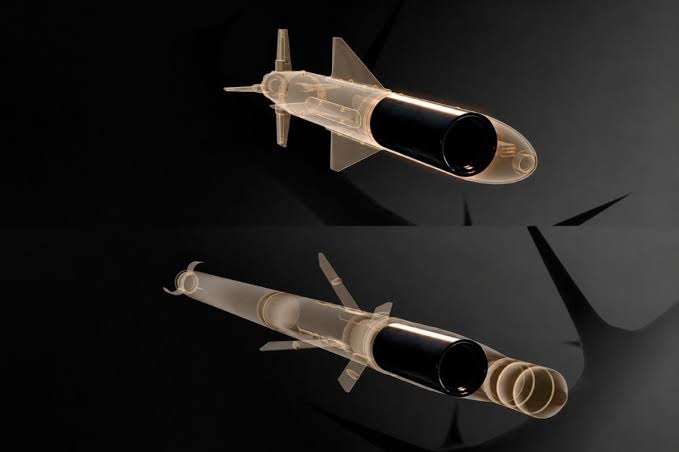
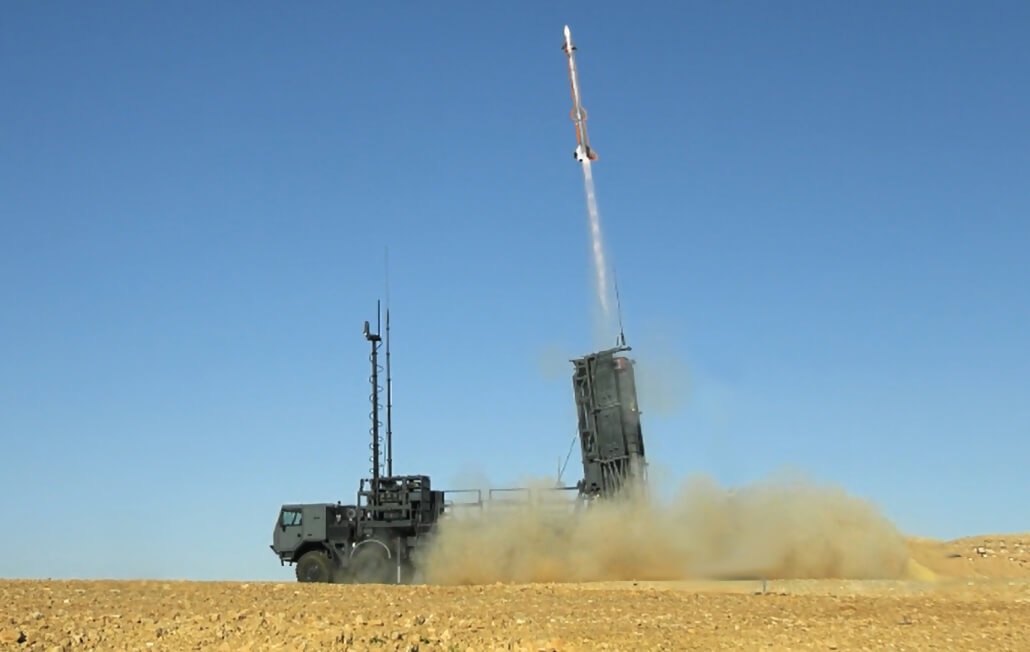
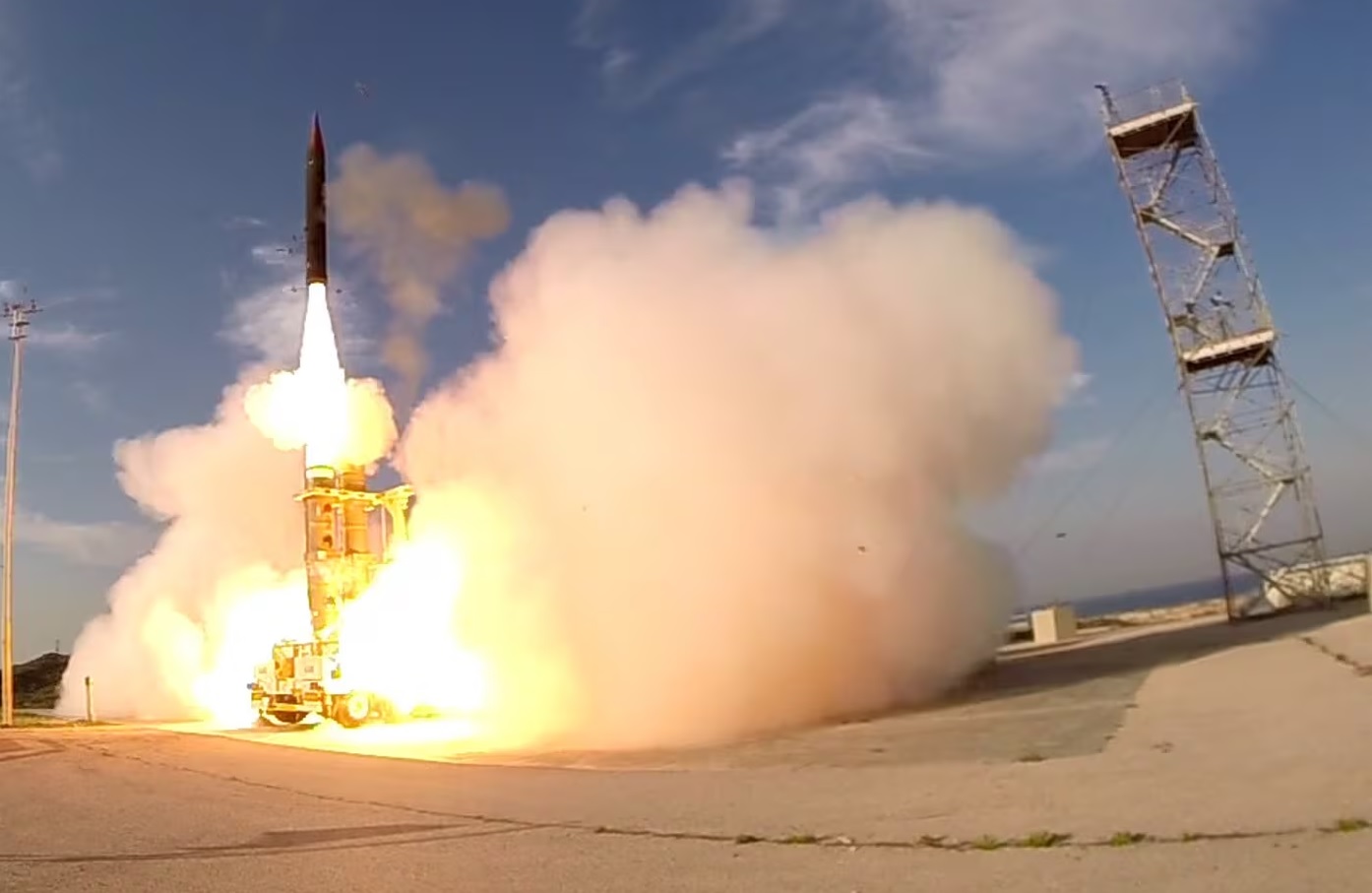
The Arrow system—jointly developed by Israel and the U.S. Missile Defense Agency—serves as the uppermost layer of Israel’s multi-tiered air and missile defense architecture. It includes the Arrow 2 and Arrow 3 interceptors, designed to counter long-range ballistic missiles at upper-atmospheric and exo-atmospheric altitudes using hit-to-kill technology.
A single Arrow 3 interceptor is estimated to cost between $2 million and $3 million and typically requires several months to manufacture. The system has been actively employed during the ongoing conflict, known as Operation Roaring Lion, intercepting a portion of more than 500 ballistic missiles launched toward Israel from Iran and Yemen, including engagements conducted outside the Earth’s atmosphere.
Industrial Participation
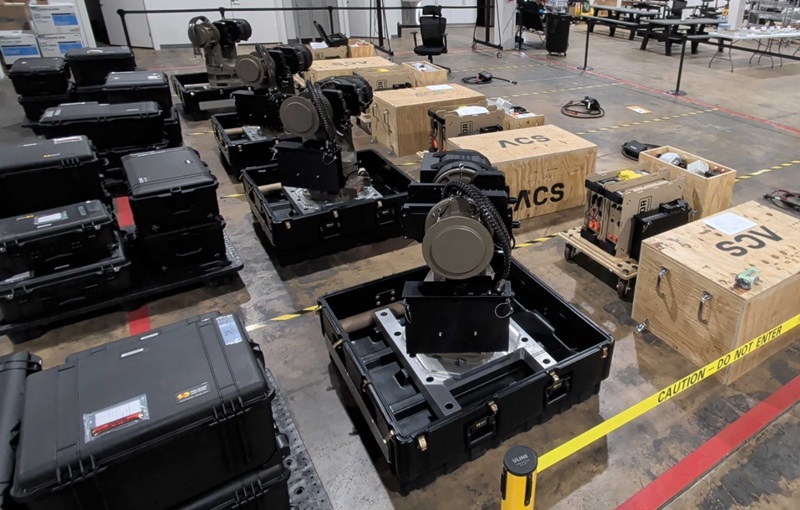
Production of Arrow interceptors is carried out by a consortium of Israeli defense firms, led by IAI as the prime contractor through its MLM division. Additional contributors include Elbit Systems and Rafael Advanced Defense Systems, along with other industry partners.
The acceleration plan applies specifically to interceptors manufactured for the Israel Defense Forces (IDF) and is separate from export contracts, including those with Germany for the Arrow 3 system.
Operational Context and Stockpile Status
The announcement comes amid foreign reports suggesting that Israeli and allied interceptor stockpiles were being depleted or rationed due to the high tempo of missile interceptions. Defense Minister Katz stated that current inventory levels remain sufficient for national defense requirements.
He noted that the acceleration effort has already resulted in a measurable increase in monthly production output, strengthening the upper layer of defense against ballistic threats from Iran and associated groups. According to Katz, the initiative is intended to ensure continued operational endurance and maintain freedom of action during ongoing military activities.
Defense Ministry and DDR&D Assessments
Director General Baram stated that the ministry’s early coordination with defense industries has contributed to the IDF’s sustained operational capacity during the current conflict. He added that the committee’s approval will fund measures already underway and support readiness in the coming months.
Daniel Gold, head of the DDR&D, described the Arrow system as a central component of Israel’s defense array, citing its performance against ballistic missile threats from Iran and Yemen. He stated that accelerating production and procurement is necessary to preserve the IDF’s qualitative edge and reinforce protection for both civilian and military infrastructure.
Gold also confirmed that the DDR&D has directed defense industries to expand capabilities and output across all strategic munitions—both defensive and offensive—based on lessons from the ongoing conflict.
Industry Perspective
Boaz Levy, president and CEO of IAI, highlighted the operational relevance of the Arrow 3 interceptor in addressing high-altitude threats. He stated that the system’s precision and reliability have become increasingly critical under current conditions and emphasized the company’s ongoing efforts to support national defense requirements through sustained production.
Broader Defense Framework
The Arrow family forms the upper layer of Israel’s integrated missile defense network, complementing systems such as Iron Dome for short-range threats and David’s Sling for medium-range missiles. The current production push is focused on strengthening the upper-tier capability to address long-range ballistic missile risks.
No specific financial figures or exact production targets associated with the newly approved plan have been disclosed, consistent with the classified nature of elements of the defense budget.
Officials emphasized that the initiative is designed to ensure continued readiness without altering current assessments of interceptor availability for immediate operational needs, while reinforcing long-term production capacity amid sustained military operations.
——— End of Article ———