LONDON, — April 22, 2026, At least 34 tankers linked to Iran have transited through the U.S.-enforced naval blockade in the Strait of Hormuz since the restrictions were implemented on April 13, according to shipping data compiled by maritime analytics firm Vortexa and cited in a Financial Times report published on April 21.
The data indicates continued vessel movement through one of the world’s most critical maritime chokepoints despite ongoing U.S. enforcement measures aimed at restricting maritime traffic connected to Iran.
Vessel Movements in Both Directions
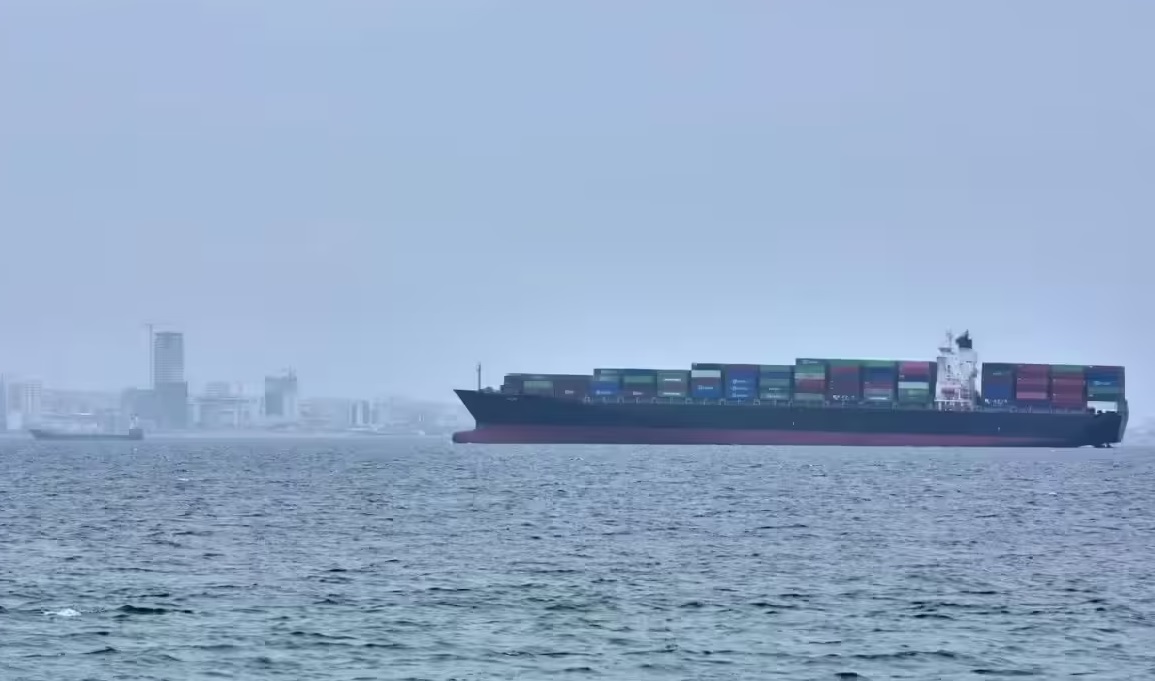
According to Vortexa’s analysis of satellite imagery and transponder signals, the 34 tankers navigated the blockade zone in both outbound and inbound directions.
A total of 19 tankers exited the Persian Gulf through the restricted area, while another 15 vessels entered the Gulf from the Arabian Sea, heading toward Iranian ports. The figures expand on earlier reporting, including a Wall Street Journal assessment that identified at least 26 Iran-linked oil and gas vessels bypassing restrictions in the initial days following the blockade’s introduction.
Some vessels were reported to have modified their operational patterns while transiting the area. Tracking data shows that certain tankers disabled their transponders or adopted routes closer to the Iranian coastline, including passages between islands such as Larak and Qeshm. One such case involved the Iranian-flagged supertanker Dorena, which reportedly exited the region with its tracking system turned off.
Cargo Volumes and Estimated Revenue
Of the outbound tankers, six vessels were confirmed to be carrying Iranian crude oil. These shipments accounted for a combined volume of approximately 10.7 million barrels.
Based on an assumed discount of $10 per barrel relative to Brent crude — a common pricing adjustment for Iranian oil under sanctions — the cargoes are estimated to have generated roughly $910 million in revenue for Iran-linked entities.
Vortexa’s broader tracking data has also documented significant volumes of Iranian oil held in floating storage. Estimates from late March placed approximately 174 million barrels at sea, including around 158 million barrels of crude.
U.S. Enforcement Measures and Official Statements
The United States established the naval blockade on April 13, 2026, as part of expanded measures targeting Iranian maritime activity. On April 16, the scope of restrictions was extended to include Iranian vessels operating in international waters and ships suspected of transporting materials linked to Iran’s military efforts.
U.S. Central Command (CENTCOM) has reported multiple enforcement actions since the blockade began. According to official statements, U.S. naval forces have:
- Directed at least 28 vessels to return to port
- Detained one container ship in the Gulf of Oman
- Boarded a sanctioned tanker in the Indo-Pacific region
Despite the continued movement of Iran-linked tankers, U.S. officials have maintained that the operation is achieving its objectives. President Donald Trump stated that the United States “totally controls” the strait and described the blockade as a “tremendous success,” adding that restrictions would remain in place until a final diplomatic agreement is reached.
No official U.S. response addressing the specific Vortexa figures cited in the April 22 Financial Times report was immediately available.
Strategic and Market Context
The Strait of Hormuz remains a central artery for global energy trade, handling roughly 20% of worldwide oil shipments and a substantial share of liquefied natural gas flows, along with approximately one-third of seaborne fertilizer trade.
The blockade forms part of a broader regional escalation that began in late February 2026. The disruption to shipping traffic has contributed to elevated insurance premiums for vessels operating in the area, with shipping companies increasingly relying on short-term war-risk coverage.
Energy analysts indicate that reduced throughput in the strait, combined with constraints on Iranian exports and regional production, has affected global commodity markets. The situation has contributed to tighter supply conditions for crude oil and liquefied natural gas, with downstream effects on industrial sectors, including fertilizer production and agricultural input costs.
The Vortexa data highlights the operational complexity of enforcing maritime restrictions across a wide geographic area extending from the Omani coastline toward the Iran–Pakistan border, where commercial shipping traffic continues alongside ongoing military monitoring.
——— End of Article ———