HELSINKI / LONDON — March 28, 2026 : The United Kingdom has approved an additional £100 million in military funding to reinforce Ukraine’s air defence network, bringing its total air defence commitment over the past two months to £600 million. The funding is intended to enhance protection for frontline forces, civilian populations, and critical infrastructure against continued aerial threats.
The announcement was made following the Joint Expeditionary Force (JEF) leaders’ summit held in Helsinki on March 26, where Northern European partner nations discussed accelerating coordinated military assistance to Ukraine.
Expansion of Existing £500 Million Air Defence Package
The newly announced £100 million allocation builds directly on a previously confirmed £500 million package announced in February 2026 during a meeting of the Ukraine Defence Contact Group (UDCG) at NATO headquarters in Brussels.
That earlier package included £150 million dedicated to NATO’s Prioritised Ukraine Requirements List (PURL) initiative, a mechanism designed to fast-track procurement and delivery of critical air defence interceptors.
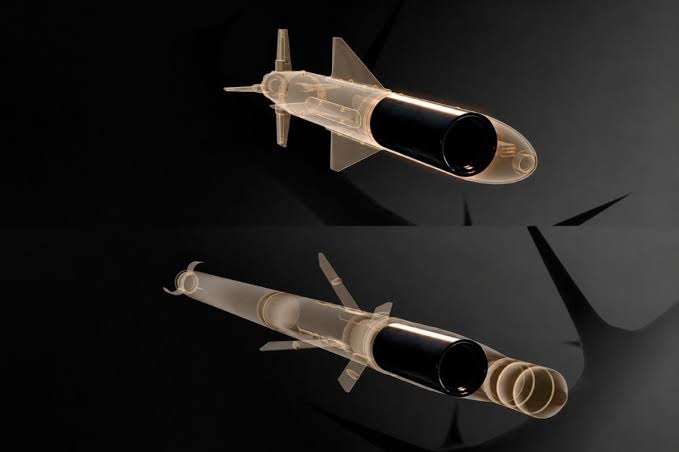
In addition, the February package supported the transfer of more than 1,000 Lightweight Multirole Missiles (LMM), also known as Martlet missiles. These systems are manufactured by Thales in Belfast, Northern Ireland, and are designed for high-precision engagement of uncrewed aerial vehicles (UAVs) and low-flying aerial threats.
The same package also backed a £390 million agreement aimed at strengthening industrial cooperation between the United Kingdom and Ukraine’s defence sector.
Missile Deliveries and Joint Production Initiatives
The UK’s broader support framework includes ongoing and planned deliveries of additional air defence systems and munitions.
Through an international Air Defence Consortium, the UK is supplying a further 1,200 air defence missiles along with 200,000 rounds of artillery ammunition.
Separately, a joint UK-Ukraine production initiative launched last year предусматривает the delivery of 5,000 LMM anti-aircraft missiles. The programme also includes technology transfer provisions intended to enable future localized production within Ukraine.
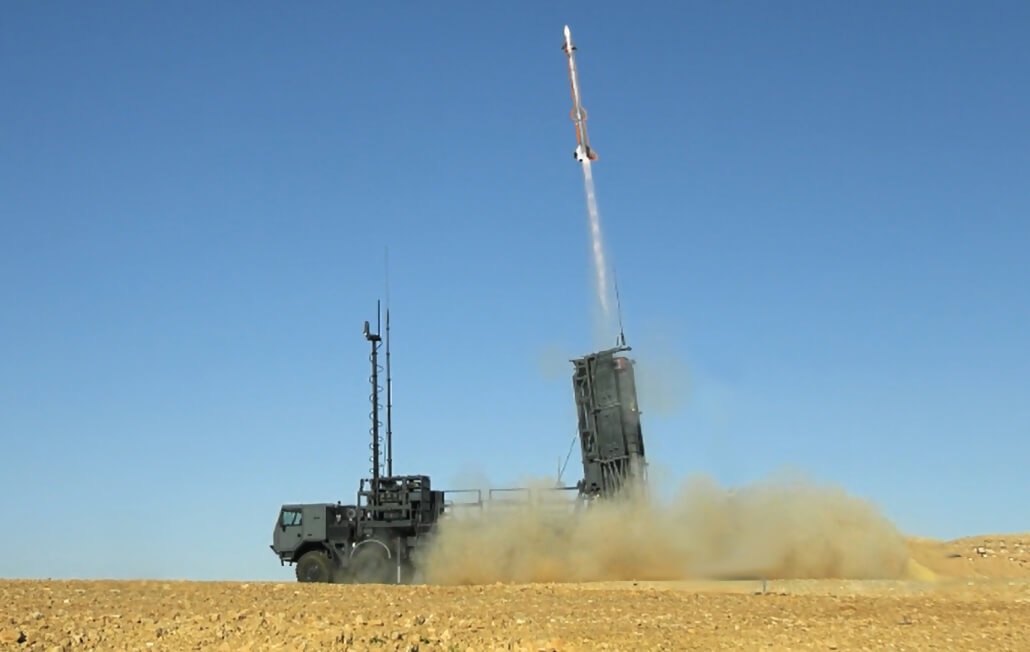
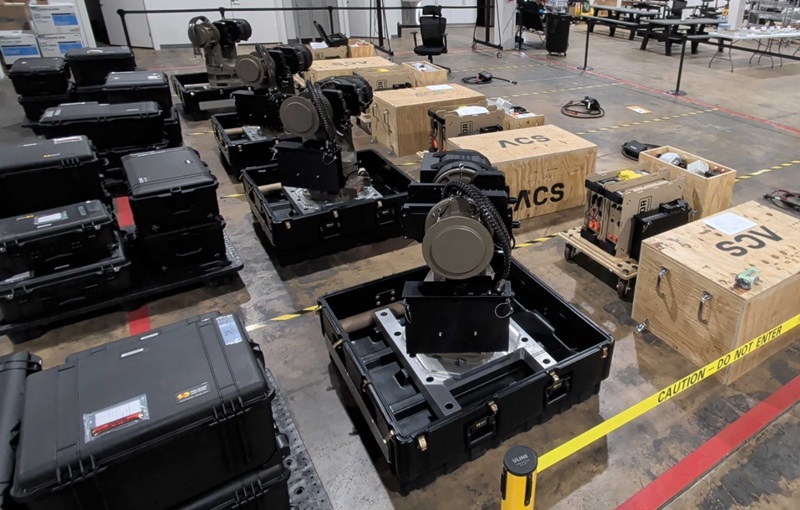
Ukrainian forces are already operating British-supplied RapidRanger air defence systems. These lightweight, vehicle-mounted launch platforms are integrated with LMM missiles and deployed on URO VAMTAC vehicles, enabling short-range engagements against drones and other aerial targets.
Strategic Context and Government Statements
The funding announcement follows Ukrainian President Volodymyr Zelenskyy’s visit to London in the previous week, where he held discussions with UK Prime Minister Keir Starmer regarding battlefield conditions and immediate defence requirements.
Prime Minister Keir Starmer stated that the additional funding underscores the UK’s continued commitment to Ukraine’s defence, noting that the support is aimed at safeguarding civilian populations while enabling Ukrainian forces to sustain operations.
UK Defence Secretary John Healey highlighted the growing military cooperation between Russia and Iran as a contributing factor behind the reinforcement of Ukraine’s air defence systems. He also emphasized the importance of expanding collaboration between British industry and Ukrainian defence capabilities, with an objective of strengthening Ukraine’s long-term resilience.
Healey further indicated a strategic goal of bringing the conflict to a conclusion in 2026 under conditions favourable to Ukraine.
Maritime Enforcement and “Shadow Fleet” Measures
Alongside the air defence funding, the UK government has introduced additional maritime enforcement measures targeting Russia’s so-called “shadow fleet”—a network of vessels used to circumvent international oil sanctions.
British authorities have authorized military forces to board such vessels while transiting through UK territorial waters. The move is intended to increase enforcement pressure on sanction evasion activities linked to Russian energy exports.
Broader International Coordination and Long-Term Support
The United Kingdom continues to play a central coordinating role in international military assistance efforts. Alongside Germany, it co-chairs the Ukraine Defence Contact Group, working closely with NATO allies and partner nations.
The £600 million air defence funding announced over the past two months forms part of a wider UK commitment to provide £3 billion annually in military support to Ukraine.
At the Helsinki summit, JEF member states issued a joint statement reaffirming their commitment to European security and expanded support for Ukraine through the JEF-Ukraine Enhanced Partnership framework. The statement also confirmed that Ukrainian units are expected to participate in Joint Expeditionary Force military exercises later in 2026.
Implementation Timeline
The UK government has stated that the newly allocated £100 million will be deployed rapidly to address urgent operational requirements. However, no additional details have been released regarding specific procurement timelines or systems to be funded under this latest tranche.
Officials indicated that the assistance will be implemented in coordination with existing supply frameworks to ensure continuity and immediate impact on Ukraine’s air defence capabilities.
——— End of Article ———