U.S
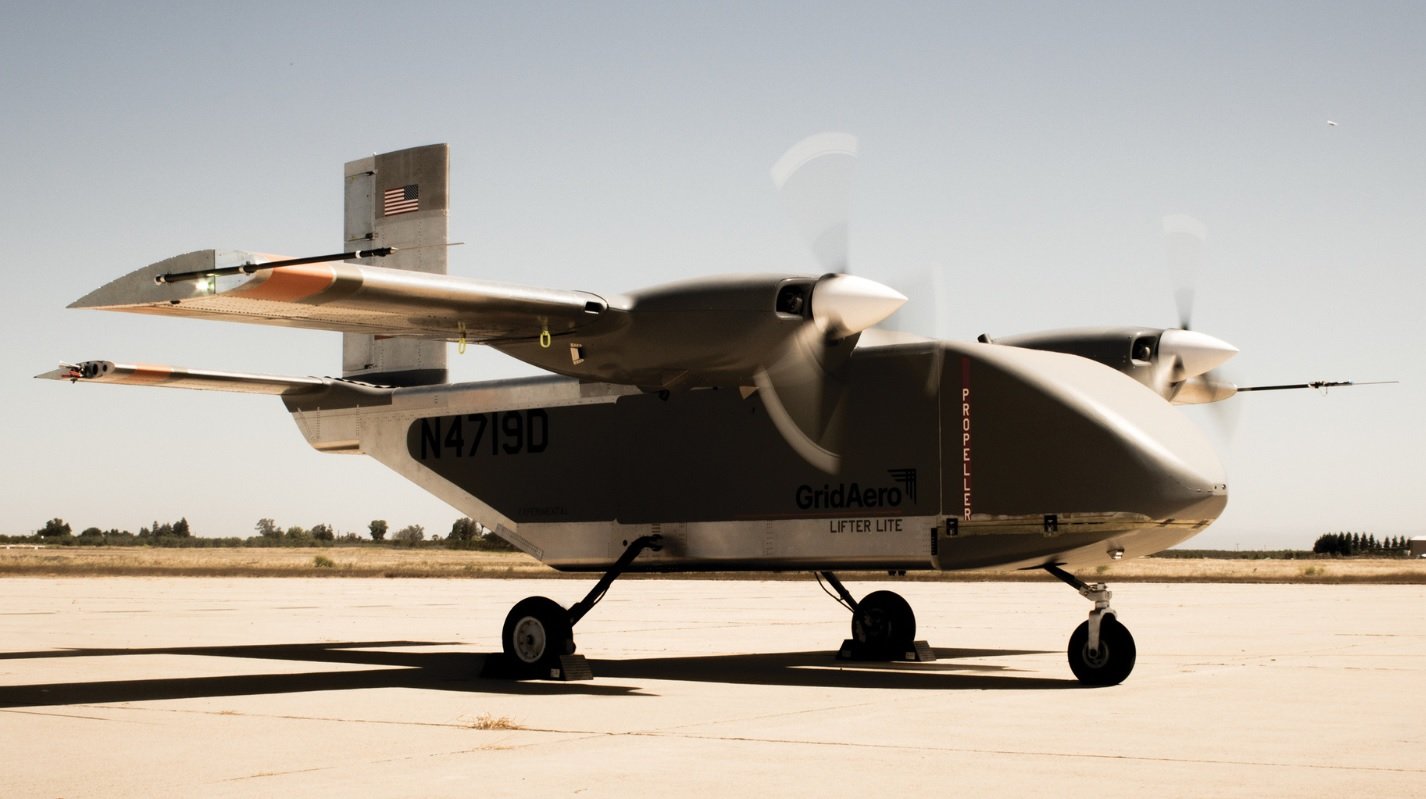
WASHINGTON — Oshkosh Defense and Silicon Valley-based Grid Aero have announced a strategic partnership to scale production of the Lifter autonomous logistics drone. Announced on 2 November 2026, the agreement combines Grid Aero’s aircraft technology with Oshkosh’s manufacturing facilities in Wisconsin. The partnership aims to produce a cost-effective unmanned aircraft for military and commercial logistics, addressing U.S. Department of Defense demand for scalable systems. Lifter Drone: Payload and Range The Lifter is a piston-powered unmanned aerial vehicle (UAV) designed for mid-range logistics. It can carry payloads of 450 to 3,600 kg (990 to 7,940 pounds) over distances of up to 3,200 km (approximately 2,000 miles). Grid Aero CEO Arthur Dubois said the aircraft was developed to reduce the cost of long-range air logistics. Its design uses a simple piston-engine layout, common materials and engineering approaches drawn from military trucks. The modular airframe is designed primarily for cargo transport but can also be adapted for reconnaissance, aerial refueling or as an airborne mothership to launch and coordinate smaller drones. Oshkosh to Support Mass Production Under the agreement, Oshkosh Defense will provide manufacturing facilities, production planning expertise and supply chain support in Wisconsin. Oshkosh Chief Growth Officer Logan Jones said the partnership combines Silicon Valley’s technology development with the Midwest’s heavy manufacturing capabilities. Initial work is underway on production engineering, design improvements for mass manufacturing and engagement with potential defense customers. Grid Aero will continue development and initial low-rate production, while Oshkosh prepares a pilot production line. Production Timeline and Future Plans A pilot production line could begin operations in roughly a year, following additional prototype testing estimated at six to 12 months. Production is expected to shift to Oshkosh in stages as demand grows. The companies have discussed long-term plans to produce hundreds to thousands of aircraft by the early 2030s, subject to testing progress, supplier capacity and customer orders. The project aims to deliver a production-ready aircraft meeting Pentagon requirements for Group 4 and Group 5 unmanned systems capable of operating in contested environments. Grid Aero, founded around 2024, has received seed and Series A funding, along with support related to U.S. Air Force innovation programmes. The partnership marks Oshkosh’s entry into the production of larger unmanned aircraft. Neither company has disclosed the financial terms, specific production targets or potential contract values.
Read More → Posted on 2026-11-03 15:58:58
World
KYIV, Ukraine — Ukraine has deployed a large-scale electronic warfare (EW) network over Kyiv to disrupt the radio communications used by Russian operators to remotely control Shahed drones. Ukrainian presidential adviser on defence technologies Serhii “Flash” Beskrestnov announced the development on 3 November 2026. The system, described as an electronic “dome” over the capital, is designed to interfere with MESH radio links that allow Russian operators to control certain Shahed drones during flight. How the Electronic Warfare Network Works According to Beskrestnov, Russian forces have equipped some Shahed loitering munitions with radio modems. These enable operators located inside Russian territory to maintain communication with the drones, search for targets and adjust their flight paths remotely. The Ukrainian network is designed to jam these communication links, disrupting the remote-control capability without relying solely on conventional air defence systems. MESH technology allows connected devices to relay signals between one another, helping maintain communication across a network. Its use in drone operations creates additional challenges for Ukraine’s electronic warfare and air defence units. Hundreds of Locations Covered Across Kyiv The deployment required antennas and specialised electronic warfare equipment to be installed at hundreds of locations across Kyiv. The work was completed within a few weeks. All major Ukrainian electronic warfare manufacturers participated, with production and installation teams working around the clock. The operation involved the General Staff of the Armed Forces of Ukraine, Ministry of Defence, Ministry of Internal Affairs, National Security and Defense Council, and the Office of the President. Beskrestnov said the project required close coordination and continuous supervision by the President of Ukraine. Russian Forces Seek Alternative Solutions According to Beskrestnov, the deployment disrupted Russia’s use of MESH-based remote control for Shahed drones, forcing Russian forces to pause this approach and seek alternative technical solutions. Russian forces are now working to upgrade their Shahed drones and develop ways to bypass the electronic warfare network over Kyiv. The development highlights the continuing competition between drone operators and electronic warfare specialists. As Russia expands the use of remotely controlled drones, Ukraine is developing new systems to disrupt their communications and strengthen the defence of its capital.
Read More → Posted on 2026-11-03 16:06:28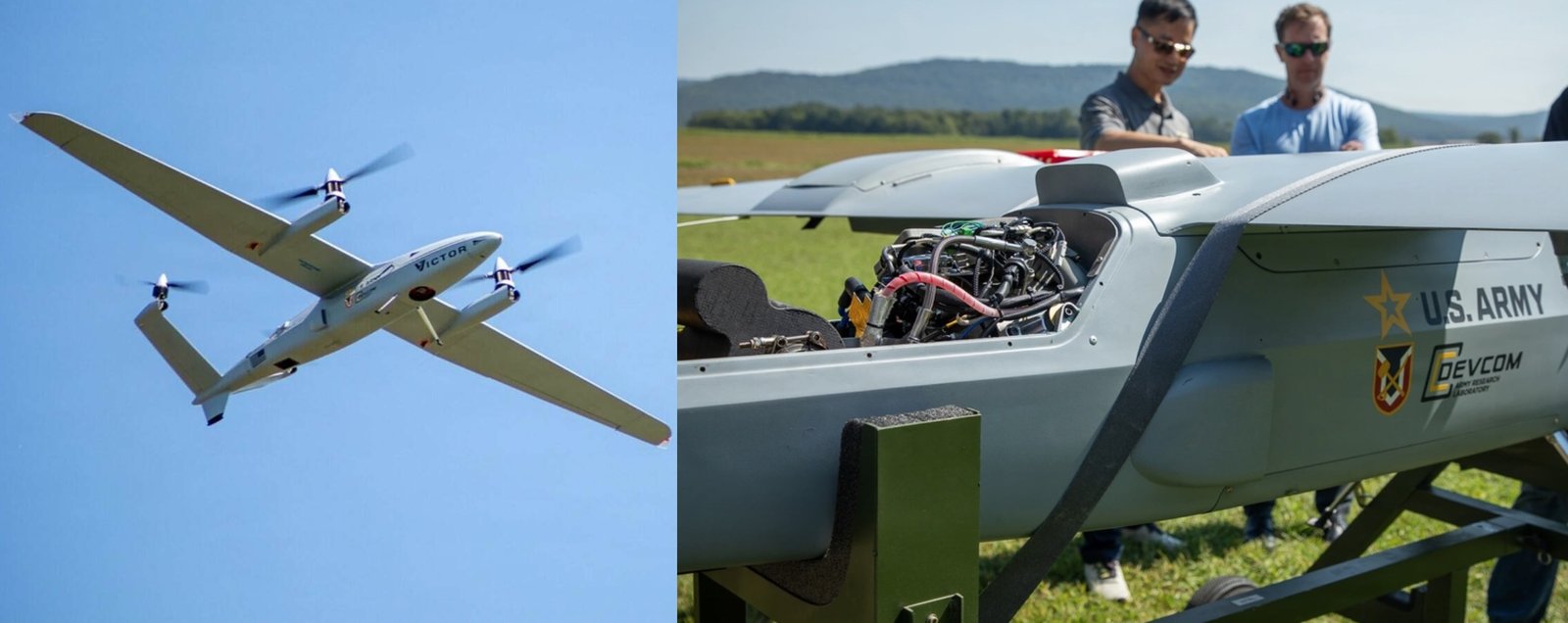
U.S
HUNTSVILLE, Alabama — The U.S. Army has successfully flight-tested a 3D-printed heavy-fuel hybrid propulsion system on the VICTOR unmanned aircraft system (UAS). The demonstration, announced on 2 November 2026, took place near Huntsville, Alabama. Developed by the DEVCOM Army Research Laboratory (ARL) with industry partners, including Griffon Aerospace, the system combines an air-cooled rotary engine with a 400-volt electric motor-generator. It is designed to reduce fuel logistics requirements while improving tactical drone performance. Heavy-Fuel Hybrid Propulsion The engine runs on kerosene-based heavy fuel already used by Army vehicles and helicopters. This could eliminate the need to transport separate gasoline supplies for tactical drones. In the series-hybrid configuration, the engine drives a generator that supplies electricity to the aircraft’s electric motors. The electric system supports vertical takeoff and landing (VTOL), while the engine provides power for sustained flight. The technology could help drones fly longer, operate faster, carry heavier payloads and perform in extreme environments. However, specific flight duration, range, payload and fuel-consumption figures have not been released. 3D Printing Reduces Engine Size and Weight Heavy fuel is difficult to burn efficiently in compact rotary engines because it does not vaporise as readily as gasoline. ARL researchers used computational fluid dynamics (CFD) simulations and a clean-sheet design to address the challenge. The approach improved fuel atomisation and vaporisation while reducing compressed-air and fuel-vapour leakage. Metal 3D printing allowed engineers to rapidly redesign and manufacture components based on test results. It also enabled an air-cooled architecture, removing the need for a liquid-cooling circuit, pumps, radiators and coolant. The resulting design reduces the propulsion system’s size and weight, potentially freeing capacity for additional fuel and payload. VICTOR Drone and Military Applications The VICTOR (Versatile Intelligence Controlled Tactical Operational Reconnaissance and Attack) is a U.S.-made Group 3 medium-class drone developed by Griffon Aerospace. Group 3 systems weigh up to approximately 600 kg and can operate at altitudes of up to 5.5 km. VICTOR is designed for reconnaissance and strike missions, including operations in contested environments. The new propulsion system could support operations beyond line of sight, extending the reach of ground commanders while reducing risks to soldiers. PULSAR and Future Development The project falls under ARL’s Versatile Tactical Power and Propulsion research programme, which involved more than 30 universities, 13 federal laboratories and 20 industry partners. The programme produced research in combustion chemistry, sensing and controls, material design, batteries and hybrid-electric technology. It also generated patents, patent applications, technical data packages, design methods and reliability data. The findings will support further development of VICTOR and the PULSAR (Persistent Unmanned Aircraft System for Logistics, Strike, Autonomy, and Reconnaissance) concept. PULSAR envisions using swarms of VICTOR drones for multi-mission military operations. The aircraft and concept will be made available to military partners for further experimentation and development. The Army described the engine as the first 3D-printed heavy-fuel engine of its kind. The technology supports the military’s single-fuel logistics approach by allowing tactical drones to use heavy fuels already available across the force.
Read More → Posted on 2026-11-03 16:12:10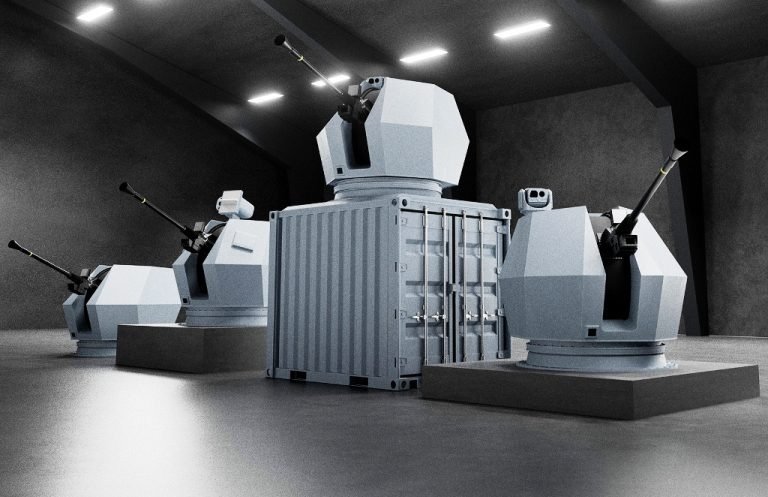
Europe
PARIS, — BAE Systems has unveiled a new family of modular 40mm naval gun systems at Euronaval 2026 in Paris. The systems are based on the combat-proven Bofors 40mm cannon and its programmable 3P ammunition, offering different levels of protection against air, surface and shore-based threats. The new family includes Sea Tridon, Sea Tridon C, Sea Trinity and the Bofors 40 Mk4 Naval Gun. The modular approach allows navies to select sensor integration, fire-control capabilities and deployment options while maintaining common training, logistics and support. Lena Gillström, President of BAE Systems Bofors, said the rapidly changing maritime threat environment requires flexible protection solutions. The new systems are designed to address threats such as drones, loitering munitions, uncrewed surface vessels and anti-ship missiles. Four Naval Gun Configurations Sea Tridon: Combines the Bofors 40mm gun with an integrated electro-optical fire-control system. It can operate independently of a ship’s combat management system, making it suitable for vessels with limited combat-system integration. It has a rate of fire of 300 rounds per minute, a maximum range of 12,500 metres and a muzzle velocity of 1,012 m/s with 3P ammunition. The gun is gyro-stabilised, with elevation limits of –20° to +80° and unlimited training through a slip ring. Its primary magazine holds at least 30 rounds, with options for below-deck loading or a secondary magazine. Barrel life is rated at 5,000 rounds. Sea Tridon C: A containerised version of Sea Tridon designed for rapid deployment on military, government or commercial vessels. It uses a standard ISO container footprint and can include its own power and climate-control equipment. The configuration is intended for temporary, mission-specific protection, including commercial shipping operating in higher-threat areas. Sea Trinity: The most advanced configuration, combining the 40mm gun, 3P ammunition and an integrated radar fire-control system into a complete close-in weapon system (CIWS). It is designed to engage drones, incoming missiles and other high-speed threats. Its integrated sensors and fire control allow the system to operate independently of a ship’s wider combat system when rapid reaction is required. BAE Systems says it is intended to match or exceed the performance of systems such as Goalkeeper. Bofors 40 Mk4 Naval Gun: A compact, lightweight and fully automated naval gun designed for integration with a ship’s combat system. It can fire 300 rounds per minute and is compatible with 3P ammunition. The system is in service with, or on order for, nine countries, including Brazil, Japan, Sweden and Finland. The Royal Navy has ordered it for Type 31 frigates, while Brazil has contracted for units for its patrol vessels. Bofors 3P Ammunition Provides Common Capability All four systems use Bofors 3P programmable ammunition, which can be configured immediately before firing. The ammunition offers six programmable fuze modes, allowing a single round family to engage different types of air, surface and shore-based targets. The rounds contain tungsten pellets designed to improve effectiveness against aerial targets. The system can also engage targets with a relatively small number of rounds, allowing the magazine to support multiple engagements. Common ammunition and spare parts across the land-based Tridon, the new naval variants and existing 40 Mk4 installations are intended to simplify logistics and reduce the support burden for operators. Testing and Customer Interest BAE Systems said testing of the naval variants is continuing. The company is also discussing the systems with existing Bofors 40 Mk4 operators and potential new customers. The new family provides navies with different options, ranging from a stand-alone electro-optical gun system to a radar-equipped close-in weapon system, while retaining common ammunition and support arrangements.
Read More → Posted on 2026-11-03 16:31:50
Europe
STOCKHOLM / PARIS — Saab has unveiled the next generation of its 9LV naval combat system, featuring a data-centric architecture designed to improve naval operations while protecting a ship’s core fighting systems. The system was introduced on 3 November 2026, as the Euronaval exhibition opened in Paris. The new suite includes the 9LV Combat System, Combat Management System (CMS) and Fire Control System (FCS) with Ceros. It integrates sensors, weapons and command-and-control functions to provide crews with a unified operational picture and support faster decisions. New Architecture and Cybersecurity The upgraded 9LV separates mission-critical combat functions from flexible, cloud-native applications. This allows navies to introduce software upgrades and new capabilities without affecting the ship’s core offensive and defensive systems. Its standardised information model and zero-trust cybersecurity support secure, rapid tactical data exchange, including continuous sensor video. The architecture is designed to remain resilient under cyber attack while allowing new technologies to be integrated throughout a ship’s service life. “By allowing naval forces to adapt to evolving threats while protecting the integrity of core combat functions, 9LV stays adaptable and therefore relevant against emerging threats over the ship’s operational life,” said Michael Skarped, head of Saab’s Naval Combat Systems business unit. Fire Control and NATO Interoperability The 9LV Fire Control System uses Saab’s CEROS 200 and EOS 500 directors, providing accurate 3D tracking and target designation reaction times of less than a second. This helps shorten the sensor-to-shooter cycle. The system supports missions ranging from naval gunfire support to air defence against sea-skimming missiles. It is also aligned with NATO interoperability objectives, enabling tactical data exchange across naval, air, land and joint forces. This allows allied commanders to share information and coordinate operations across multiple domains. Designed for Crewed and Uncrewed Fleets The scalable 9LV architecture can be installed on vessels ranging from 20-tonne patrol boats to 27,000-tonne multi-mission destroyers. It is designed to support future hybrid fleets combining crewed ships with uncrewed maritime systems. New platforms and sensors can be integrated into the existing framework without being restricted by legacy software architectures. Saab’s 9LV product family is already operational on more than 250 ships across over 20 navies worldwide. The next-generation system aims to improve situational awareness, strengthen ship self-protection and support operations with allied forces. The system is on display at Saab’s stand at Euronaval 2026, which runs from 3 to 6 November in Paris.
Read More → Posted on 2026-11-03 16:40:05
Europe
Paris, France — French automaker Renault Group and Belgian defence company John Cockerill have unveiled the Forefront Concept, a modular, remotely operated unmanned ground vehicle (UGV) designed for military and civilian operations in hazardous and difficult-to-access environments. The platform was presented on November 3, 2026. The electric vehicle features two electric motors, four-wheel drive and four-wheel steering, providing improved off-road mobility and manoeuvrability with quiet operation. It has a targeted range of approximately 400 kilometres, extendable through an optional range extender, and can carry a payload of up to one tonne. It can also negotiate gradients of up to 60 percent. Renault and John Cockerill Combine Expertise Renault Group developed the mobile platform, drawing on more than 15 years of experience in electric powertrains and battery technology. Around 70 percent of its components reportedly come from existing automotive technology. The company uses modular designs and proven components to reduce costs and support faster, large-scale production. John Cockerill is responsible for teleoperation, autonomous systems, vehicle militarisation and mission-system integration. Its modular technology currently enables remote operation, with the longer-term objective of supporting full autonomy while meeting safety and security requirements. Military and Civilian Applications The Forefront Concept is designed for several military missions, including logistics, intelligence, surveillance and reconnaissance (ISR), counter-drone operations, fire support and medical evacuation. Civilian applications include logistics, civil protection and operations in hazardous industrial environments where human presence could be dangerous. Developed with input from the French armed forces, the vehicle will undergo military exercises and field trials in the coming weeks. The evaluations will provide feedback for further improvements and assess its operational capabilities. Company Leadership and Project Background John Cockerill CEO Jean-Luc Maurange said the platform combines mobility, autonomy and tactical communications to improve operational capabilities while reducing soldiers' exposure to danger. Renault Group CEO François Provost highlighted the company's industrial and technological expertise in developing unmanned ground vehicles for military and civilian use. The partnership brings together Renault's automotive manufacturing experience and John Cockerill's defence expertise. John Cockerill acquired French military vehicle manufacturer Arquus, formerly Renault Trucks Defense, in 2024. Work on the Forefront project began in spring 2026, and a prototype was privately presented to military representatives at Eurosatory 2026 in June. The upcoming trials will help refine the vehicle and assess its potential for future military and civilian applications.
Read More → Posted on 2026-11-04 13:34:32
India
New Delhi, — The Union Cabinet has approved major changes to the Agnipath recruitment scheme, giving Agniveers who were previously expected to leave after four years an opportunity to continue serving in the Indian Armed Forces for an additional two years. Chief of Defence Staff (CDS) General N.S. Raja Subramani announced the decision following the Cabinet meeting. Under the revised arrangement, Agniveers will have another opportunity to join the regular forces after completing six years of service, subject to their willingness and selection criteria. Revised Agnipath Service Structure Under the original Agnipath scheme, introduced on June 14, 2022, Agniveers were recruited for four years. After completing their tenure, 25 per cent were eligible for enrolment into the regular forces based on merit, while the remaining 75 per cent were expected to return to civilian life. The revised framework introduces a second engagement period: First 25 per cent: Will continue to be enrolled into the regular forces after four years based on merit. Remaining 75 per cent: Will be offered an additional two-year service period. After six years: Agniveers who are willing to continue will be offered enrolment into the Armed Forces, subject to objective selection criteria. General Subramani said the Cabinet had created a pathway for all willing Agniveers to join the regular Armed Forces. However, permanent enrolment will not be automatic and will depend on the prescribed selection standards. Higher Salary and Enhanced Seva Nidhi The additional two-year engagement will also include improved financial benefits. During the fifth year, Agniveers will receive approximately Rs 43,500 per month, increasing to around Rs 47,500 per month in the sixth year. Those who complete the extended engagement but choose not to continue will receive an enhanced Seva Nidhi package, linked to their additional service period. The revised arrangement also provides seniority-related benefits. First Batch to Benefit From the Changes The decision comes as the first batch of approximately 18,000 to 18,300 Agniveers approaches the completion of its four-year service period in December 2026. These personnel were previously scheduled to leave the Armed Forces after completing their initial engagement, except those selected for regular enrolment. The revised arrangement gives the remaining personnel an opportunity to extend their service and compete for regular enrolment after six years. Decision Follows Performance Review General Subramani said the performance feedback received from the three services over the initial four years had been positive. The assessment covered areas including skills, motivation, physical fitness, technological adaptability and discipline. The revised arrangement follows recommendations from the three services after a review of the scheme, aimed at balancing the career aspirations of Agniveers with the operational and organisational requirements of the Armed Forces. Defence Minister Rajnath Singh described the additional two-year engagement as a Second Tour of Duty. The original Agnipath scheme will continue, with the new arrangement providing an additional service and regular-enrolment opportunity for Agniveers who are not selected during the initial four-year period.
Read More → Posted on 2026-11-04 13:45:47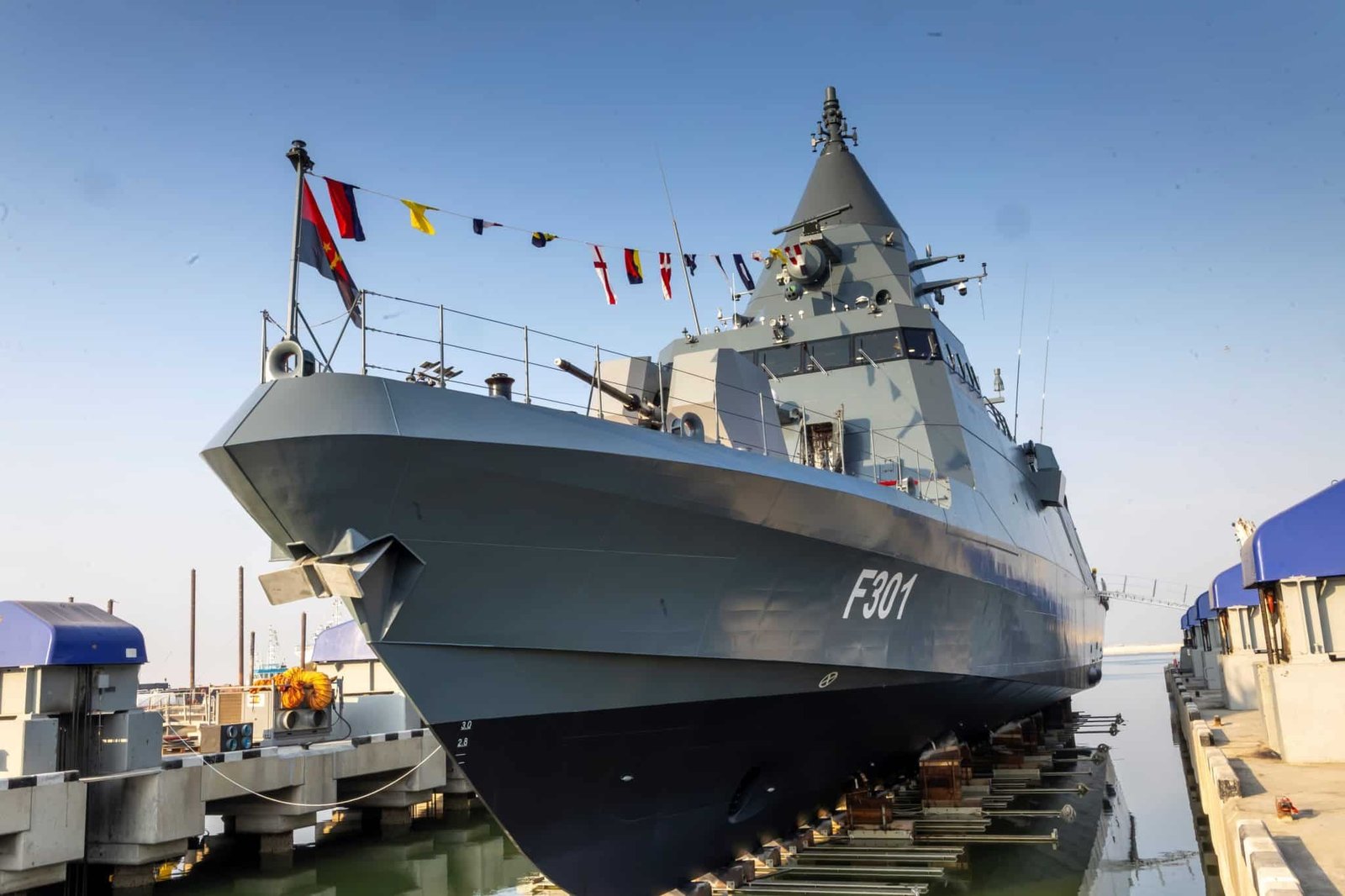
World
ABU DHABI, UAE — EDGE Group has launched the NRA Nimi-ya-Lukeni (F301), the second BR71 MK II multi-mission corvette for the Angolan Navy. The ceremony took place on 29 October 2026 at Abu Dhabi Ship Building (ADSB) in the UAE. The 70.3-metre warship is the first BR71 MK II corvette built in the UAE, following a technology transfer agreement with French shipbuilder CMN Naval. It is the second of three vessels covered by a €1 billion contract signed in 2023. The first corvette, NRA Ekuikui II (F300), was built in France and launched in Cherbourg in March 2026. ADSB has also delivered 12-metre and 16-metre high-speed interceptors under the programme. Design and Propulsion Based on the Baynunah-class design developed for the UAE Navy, the BR71 MK II is intended for maritime security, littoral warfare, anti-air and anti-surface operations, and EEZ monitoring. The vessel has a steel hull and an aluminium superstructure designed to reduce its radar cross-section. It measures 70.3 metres in length, has an 11-metre beam and displaces approximately 900 tonnes at full load. Its propulsion system uses four MTU diesel engines and four Kongsberg waterjets, providing a maximum speed exceeding 30 knots. It has a range of 2,500 nautical miles at 12 knots and an endurance of 15 days. The ship accommodates 50 crew members and is classified by Bureau Veritas. It also features a landing platform for helicopters in the five-tonne class and two approximately 7.5-metre rigid-hulled inflatable boats. Weapons and Sensors The BR71 MK II's planned combat configuration includes a Leonardo OTO 76/62 Super Rapido 76mm naval gun, supported by 20mm or 27mm remote weapon stations, including Leonardo LIONFISH systems. Its missile armament includes eight MBDA MM40 Exocet Block 3C anti-ship missiles, eight vertical-launch cells for VL MICA surface-to-air missiles, and MISTRAL 3 missiles using trainable launchers. The sensor suite includes the Leonardo KRONOS NAVAL HP 3D radar, NA-25X fire-control radar, ELT/332 electronic warfare system, electro-optical/infrared sensors and the ATHENA C Mk2 combat management system. Lacroix Sylena decoy-launching systems are also included. HT-100 Naval Unmanned Helicopters Each of Angola's three corvettes will operate two HT-100 NAVAL unmanned helicopters, providing six systems across the fleet. Developed by Switzerland-based ANAVIA, an EDGE-owned company, these VTOL unmanned aircraft support intelligence, surveillance and reconnaissance (ISR) missions. They are designed to integrate with the ships' combat management systems. All six systems completed Factory Acceptance Trials at ANAVIA's facilities in Bilten, Switzerland, in August 2026, before delivery. The launch ceremony was attended by Angolan Ambassador to the UAE Júlio Belarmino Gomes Maiato, alongside senior officials from EDGE, ADSB and the Angolan Navy. EDGE's President of Platforms & Systems and ADSB Chairman, Khaled Al Zaabi, said building the second corvette in Abu Dhabi demonstrated the results of technology transfer. He credited local engineers, technicians and production teams for completing the vessel. The programme combines UAE-based naval shipbuilding, French design expertise and EDGE's unmanned systems, strengthening defence industrial cooperation between the UAE and Angola.
Read More → Posted on 2026-11-04 13:57:00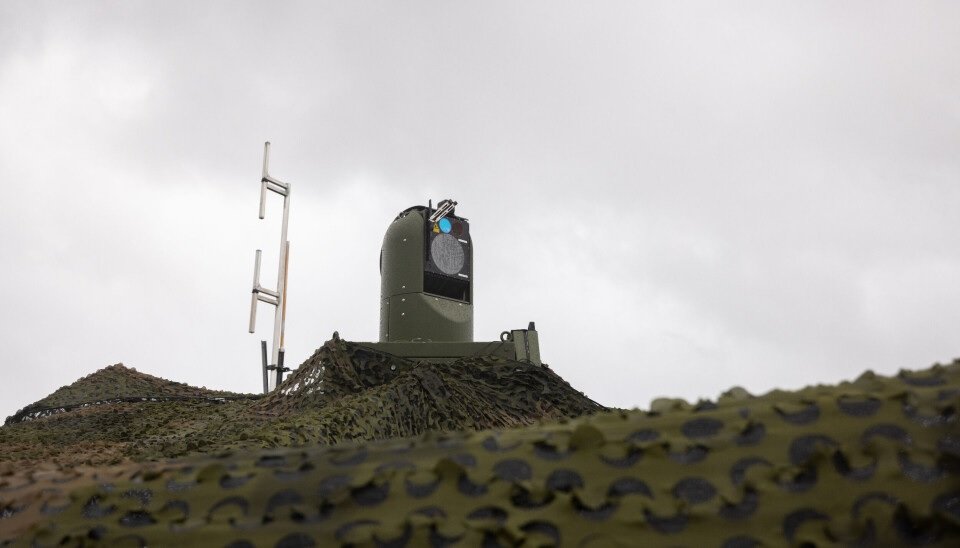
World
OSLO, — Norway has deployed NASAMS air defense sensors in Kirkenes, near its 198-kilometre (123-mile) border with Russia, to detect drones that may accidentally enter Norwegian airspace. The Norwegian Ministry of Defence announced the deployment on November 3 as a preventive measure, not a response to any specific threat. More than 30 additional soldiers will reinforce the Garrison of Sør-Varanger, joining the Jaeger Battalion to operate the equipment until the end of 2026. The sensors are part of the National Advanced Surface-to-Air Missile System (NASAMS), developed by Norway's Kongsberg Defence & Aerospace and the U.S. company Raytheon. They will help detect drones, provide early warnings and improve surveillance over Finnmark, Norway's northernmost county. The ministry has not disclosed the number of sensors deployed or confirmed whether missile launchers and interceptor missiles will also be moved to Kirkenes. Reports indicate the deployed equipment may include Kongsberg-produced electro-optical sensors. Defence Minister Tore O. Sandvik said drone incidents in other countries and lessons from the Ukraine war have highlighted the importance of early warning. He stressed that Norway currently sees no elevated air threat to the country or Finnmark's population. The Norwegian military will coordinate with local police and civil defence agencies to monitor airspace and enforce restrictions when necessary. Police retain primary responsibility for preventing illegal civilian drone flights. A joint exercise, including a test emergency alert for residents, is also planned once the monitoring system becomes operational. Drone Incidents Across Europe The deployment follows repeated drone incursions across Europe's northern and eastern regions. Between late March and May, Finland, Estonia, Latvia and Lithuania reported more than a dozen incidents. Finland temporarily closed Helsinki Airport on May 15 and advised around 1.8 million residents to stay indoors. On May 19, a Romanian fighter jet shot down a suspected Ukrainian drone over Estonia. In October, Moldova reported 19 drone incursions, while a Russian drone briefly entered Latvian airspace on November 1 before leaving 17 minutes later. Electronic warfare and GPS interference can divert drones from their intended routes. Norwegian authorities have also considered the possibility that Russian GPS interference could push a Ukrainian drone towards Norway, although they assess the risk as very low. Norway is also expanding its NASAMS inventory, ordering additional systems to replace equipment previously donated to Ukraine. The new deployment aims to improve airspace monitoring and military preparedness near the Russian border without changing Norway's assessment of the current threat level.
Read More → Posted on 2026-11-04 14:09:47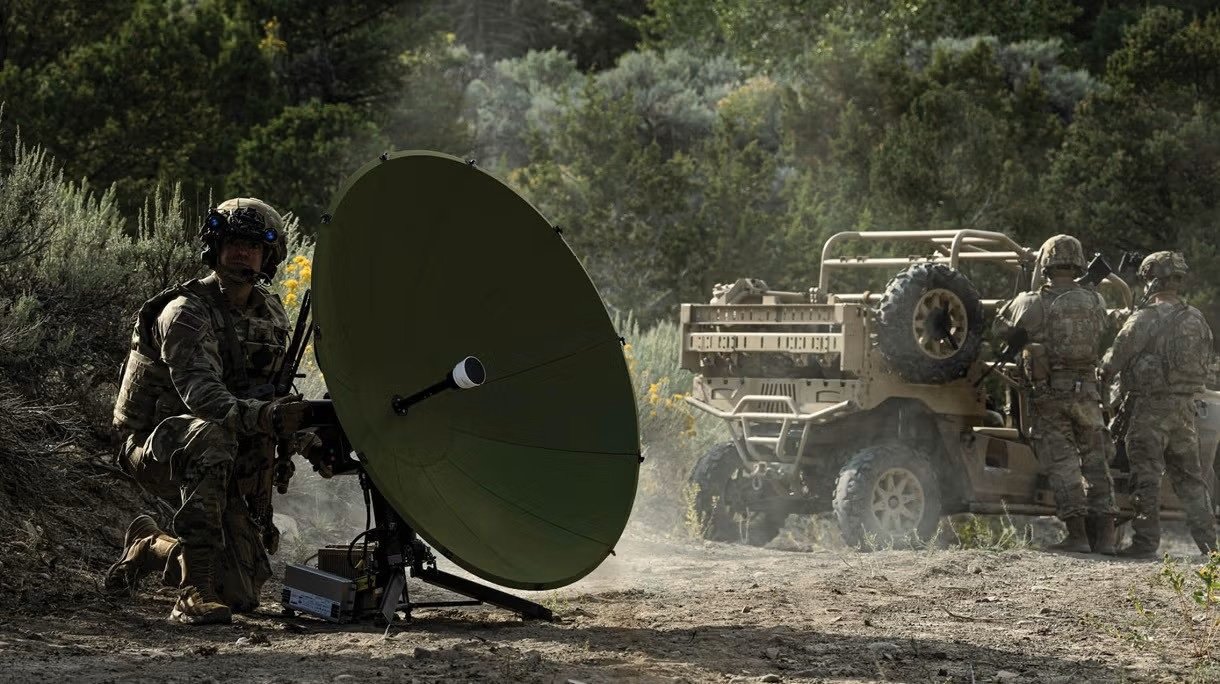
U.S
MELBOURNE, Fla., — L3Harris Technologies has received a $36 million order from the U.S. Army to supply its Hawkeye 4 Lite satellite communications (SATCOM) terminals. Announced on November 3, the order supports the Army's Command and Control Network Optimized for Warfighting (C2NOW) initiative. The procurement aims to strengthen secure satellite communications and interoperability between U.S. forces and NATO partners. C2NOW is designed to provide scalable data processing and unified mission command capabilities to brigade combat teams, including units operating across dispersed locations. The Hawkeye 4 Lite is a 1.3-meter man-portable satellite terminal featuring a segmented carbon-fiber antenna. It supports tactical voice, high-speed data and video communications. Its modular design allows soldiers to replace radio frequency and modem components in the field, providing flexibility in changing operational environments. The terminal supports X-band, Ku-band and Ka-band frequencies. It is also designed for connectivity with geostationary (GEO) and medium Earth orbit (MEO) satellite networks, offering additional communication options for deployed forces. The system packs into two transport cases, each weighing less than 84 pounds (38 kg). L3Harris said the Army's configuration will use rapidly deployable terminals with field-swappable components. This approach supports the Army's broader Tactically Responsive Space objectives and its transition towards the distributed Next Generation Command and Control (NGC2) network. Faisal Munir, President of Mission Critical Communications at L3Harris, said the company is ready to support the Army with resilient, expeditionary communications capabilities aligned with its modernization priorities. Deliveries are expected to begin in early 2027, with terminals planned for forward-deployed active and reserve brigade combat teams. The order builds on earlier Army SATCOM modernization contracts, including a reported $27 million award.
Read More → Posted on 2026-11-04 14:13:41
Space & Technology
WASHINGTON, — Rocket Lab’s proposed $8 billion acquisition of Iridium Communications is awaiting regulatory approval from the U.S. Federal Communications Commission (FCC), following concerns raised by competitors including SpaceX, Globalstar and Ligado Networks. Announced in June 2026, the deal will combine Rocket Lab’s satellite manufacturing and launch capabilities with Iridium’s established global communications network. Under the agreement, Iridium shareholders will receive $27 in cash plus Rocket Lab shares, with a notional value of $54 per share. Iridium operates a 66-satellite low Earth orbit (LEO) constellation, holds global L-band spectrum rights and serves more than 2.5 million subscribers across government, defense, aviation, maritime and commercial markets. The company generated $871.7 million in revenue during 2025. The acquisition would give Rocket Lab control of Iridium's satellite network and recurring communications business. Both companies expect vertical integration to reduce launch and network upgrade costs, improve competition and accelerate new services. Their planned next-generation Iridium constellation is expected to feature approximately 20 times more communications beams per satellite. Competitors Raise Concerns Although the deal cleared the U.S. antitrust review in August 2026, FCC authorization remains pending. SpaceX has asked the FCC to examine longstanding disputes involving potential interference between Iridium operations and Starlink gateway stations. Ligado Networks has also raised concerns about Iridium's regulatory activities and their impact on competition. Neither company has formally opposed the acquisition. Globalstar has focused on Rocket Lab's existing supplier relationship with the company. Rocket Lab manufactures satellite platforms for Globalstar through an MDA Space subcontract valued at approximately $143 million for 17 platforms. The first eight satellites reached orbit in August 2026. Globalstar argues that Rocket Lab's acquisition of Iridium, a direct competitor in mobile satellite services, could create conflicts of interest. It is concerned about possible access to sensitive technical information and preferential treatment in engineering, performance, operations and delivery schedules. Globalstar has requested closer FCC scrutiny but has not opposed the merger. Rocket Lab Defends the Deal Rocket Lab and Iridium argue that the concerns raised by SpaceX and Ligado existed before the acquisition agreement and should be addressed through separate regulatory proceedings. They also say competitors have not demonstrated any merger-specific harm. The companies maintain that combining manufacturing, launch services and satellite operations will strengthen competition. They also point out that Rocket Lab currently holds no mobile satellite service spectrum and has no near-term independent entry into that market. Iridium shareholders approved the acquisition on September 24, 2026, with 99.6% of votes cast supporting the deal. The vote represented approximately 81% of outstanding shares entitled to vote. The FCC accepted the transfer applications on September 15 under GN Docket No. 26-257. Rocket Lab CEO Peter Beck also met FCC Chairman Brendan Carr in October to discuss the transaction. The next FCC filing deadline for replies and oppositions is November 9, 2026. Both companies are targeting mid-2027 to complete the acquisition, subject to final regulatory approvals and other closing conditions.
Read More → Posted on 2026-11-04 14:29:07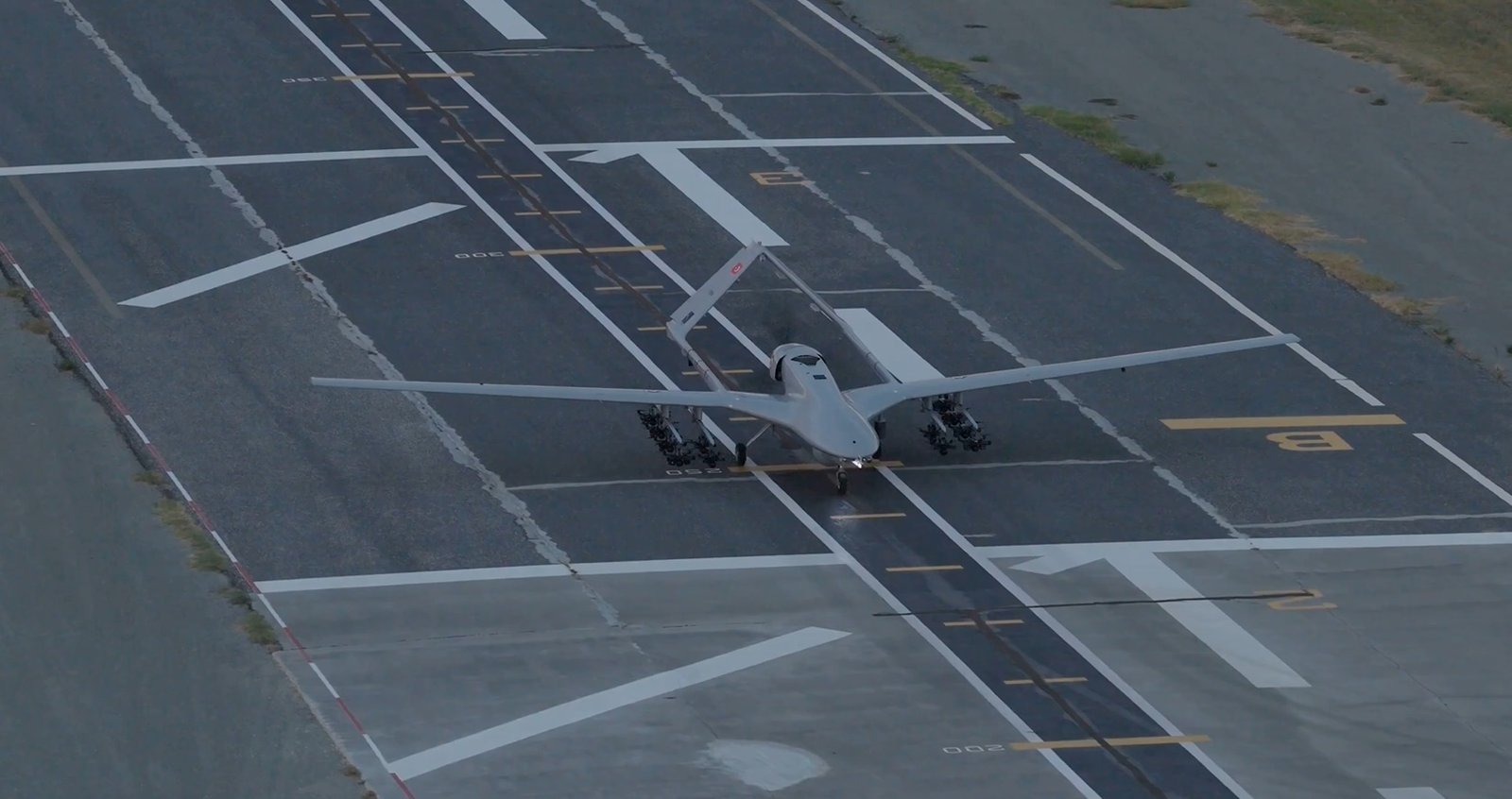
World
KEŞAN, — Turkish defense manufacturer Baykar has successfully tested a new capability for its Bayraktar TB2 unmanned combat aerial vehicle (UCAV), using it to carry and launch FPV kamikaze drones in flight. The test took place on November 4 at the Keşan Flight Training and Test Center in Türkiye. The TB2 took off carrying 16 Skydagger FPV drones, mounted on specially developed racks, with eight under each wing. During the test, two drones were released and successfully struck their designated ground targets. The released drones were controlled by independent ground operators through a communications link established via the Bayraktar TB2. This allows the larger UAV to act as both an airborne carrier and a communications relay for smaller drones. Baykar Chairman Selçuk Bayraktar shared footage showing the aircraft carrying the drones and their successful target strikes. Extending FPV Drone Operating Range Conventional FPV drones generally depend on direct communications with ground operators, which limits their operating range. Using the TB2 as an airborne relay can help overcome ground obstacles and extend communication coverage, allowing operators to control drones at greater distances. The new arrangement introduces a mothership concept for the TB2, allowing it to carry and deploy multiple smaller attack drones alongside its existing MAM-L and MAM-C laser-guided smart munitions. The test demonstrated the aircraft's ability to carry 16 FPV drones, release them in flight and provide a communications link for their operators. However, Baykar has not disclosed a maximum operating range for the new configuration. The FPV drones used in the demonstration were developed by Turkish manufacturer Skydagger. The integration could expand the TB2's mission capabilities by adding smaller, remotely operated attack drones to its existing weapons options. Baykar has also identified its wider UAV fleet, including Akıncı, Kızılelma and TB3, as potential platforms for future integration.
Read More → Posted on 2026-11-04 14:34:19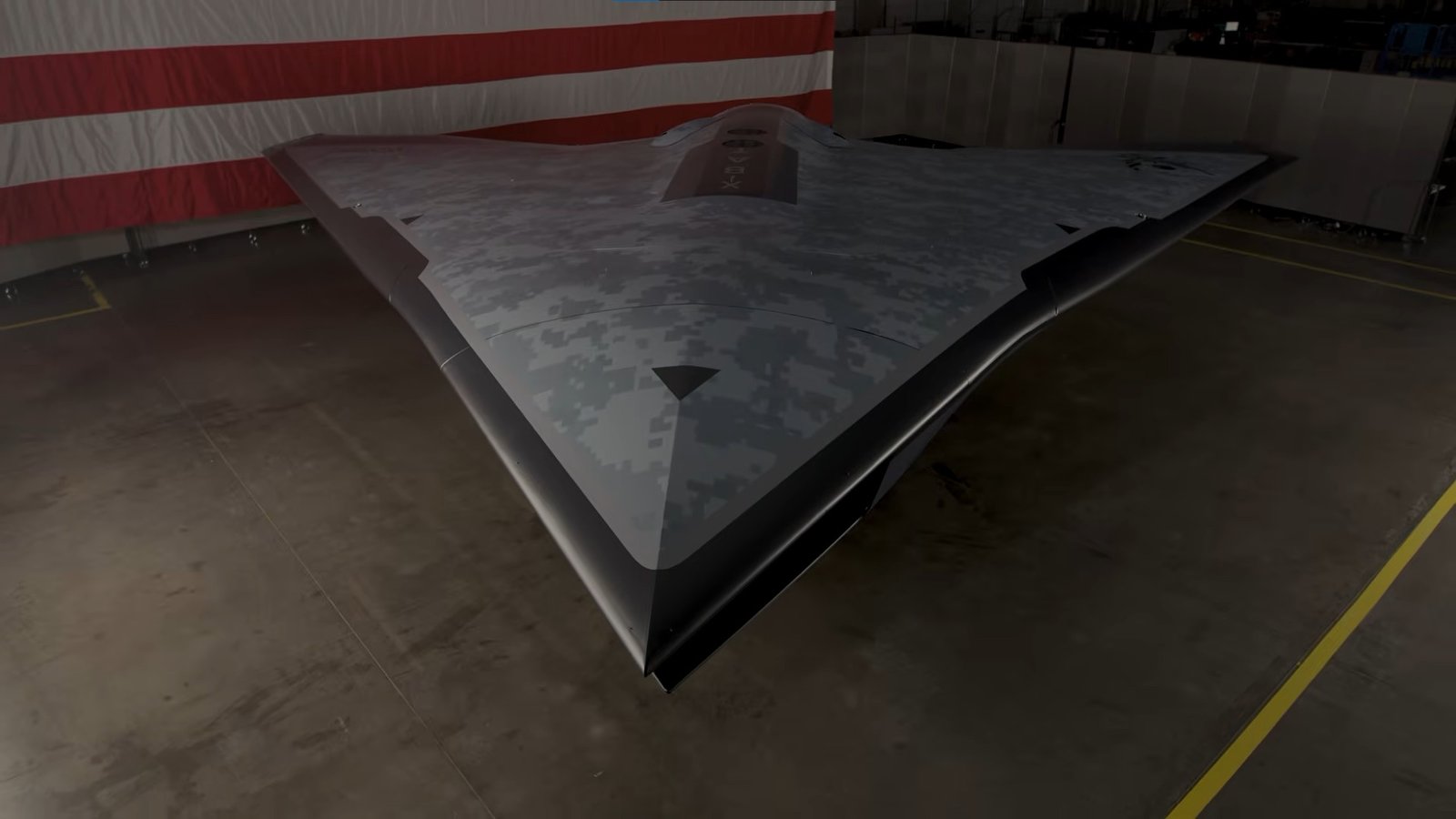
U.S
NEWTON, Kansas, — U.S. defense technology company Shield AI has unveiled its first full-scale X-BAT 001 prototype, a jet-powered autonomous combat aircraft designed for vertical take-off and landing (VTOL). The company released its images and video on November 3, marking a major step towards flight testing. X-BAT 001 is the first of two planned prototypes. Built at Shield AI's facility in Frisco, Texas, the aircraft is now being moved to the company's X-Forge 2 flight test facility at Newton City-County Airport, Kansas. It uses a tailless, tail-sitter design, allowing it to take off and land vertically on its tail without conventional runways. Design and Engine The prototype retains the design shown at the Sea-Air-Space exhibition in April 2026, but features some changes. Its thrust-vectoring exhaust nozzle now extends beyond the wing's trailing edge. Two raised structures with air intakes and additional circular, mesh-covered openings are also visible on the upper fuselage. Their exact functions remain unconfirmed. The aircraft is powered by a GE Aerospace F110-GE-129E turbofan engine, integrated with the Axisymmetric Vectoring Exhaust Nozzle (AVEN). Shield AI and GE Aerospace completed initial integration and ground tests in July 2026. The nozzle controls pitch and yaw, while separate wing-mounted bleed-air thrusters control roll. Range, Weapons and Autonomy According to manufacturer targets, X-BAT will have a 39-foot wingspan, a range exceeding 2,000 nautical miles (3,700 km) and a service ceiling above 50,000 feet (15 km). It is designed to withstand manoeuvring loads exceeding 4g. Its internal weapons bays will accommodate air-to-air and air-to-surface missiles, including weapons in the 2,000-pound class. External hardpoints will support additional strike weapons and electronic warfare equipment. The aircraft will operate using Shield AI's Hivemind autonomy software, designed to execute missions without GPS, active communications or continuous remote human input. X-BAT can operate from ships, mobile ground platforms and remote locations without conventional runways. Shield AI says three aircraft can fit within the deck space occupied by one traditional fighter. A skull insignia on the prototype's left wing represents all four branches of the U.S. military. $400 Million Programme and Production Timeline Development is supported by the U.S. Navy's Runway Independent Maritime Expeditionary Strike (RIMES) programme, which focuses on long-range strike aircraft that do not depend on conventional airfields. Combined government and private funding has reached $400 million, including earlier Navy and Defense Innovation Unit support and a subsequent Navy funding modification, matched by Shield AI. In October 2026, Shield AI signed an agreement with Greece's GEK TERNA to establish industrial facilities for parts production, aircraft integration, maintenance and training. The initiative aims to make Greece a regional support hub for X-BAT across Southeastern Europe. Flight testing is planned before the end of 2026, followed by a mission-capable version targeted for 2028. Serial production is expected to begin in 2029 at Des Moines, Washington. Newton, Kansas, will serve as the primary flight-testing and sustainment centre. Shield AI has clarified that X-BAT 001 remains an experimental aircraft, and its design will continue to evolve during testing.
Read More → Posted on 2026-11-04 15:17:12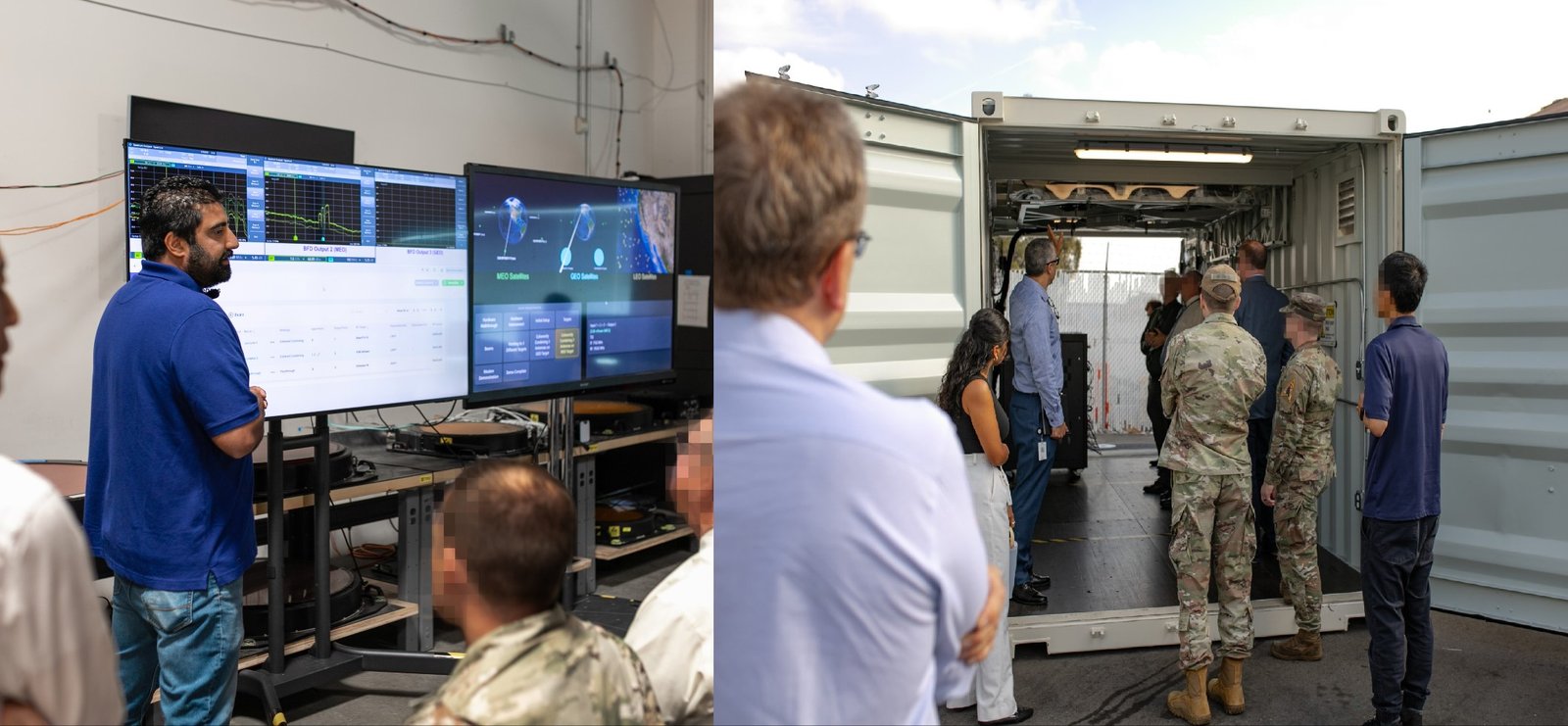
U.S
HAWTHORNE, California, — ThinKom Solutions and Systems Delta 88 (SYD 88) of the U.S. Space Force’s Space Systems Command (SSC) have successfully demonstrated the Ground Entry Combined K/Ka-band Operation (GECKO) satellite communications system. The live demonstration took place at ThinKom’s facilities in Hawthorne, California. The system is designed as a rapidly deployable, multi-orbit SATCOM ground station housed inside a standard 20-foot ISO shipping container. It can provide satellite connectivity in locations where traditional communications infrastructure is unavailable, while maintaining a low visual profile. GECKO uses ThinKom’s Variable Inclination Continuous Transverse Stub (VICTS) phased-array technology and an advanced digital Beam Forming Device (BFD). Unlike traditional large parabolic satellite dishes, its low-profile design allows the equipment to be transported and deployed more easily. During the demonstration, the system used three K-band receive arrays (17.7–21.2 GHz) and one Ka-band transmit array (27.5–31.0 GHz). The BFD combined signals from the three receive antennas, increasing the signal-to-noise ratio to 2.5 times that of a single array. The system then used the same antennas to operate three independent beams simultaneously. One tracked a Medium Earth Orbit (MEO) satellite, while the other two maintained connections with separate Geostationary Earth Orbit (GEO) satellites. The test demonstrated phase-continuous operations across different satellite constellations. This allows GECKO to support a more resilient communications network without depending on a single satellite link. Its modular architecture also allows mission requirements to be distributed across multiple systems, while geographic site diversity can help reduce the effects of localized atmospheric interference. Part of U.S. Space Force's GoBaG Initiative The GECKO project is part of the Global Backup Gateway (GoBaG) initiative, a priority communications programme funded by the U.S. Space Force’s Space Systems Command. Its development was supported through a Small Business Innovation Research (SBIR) project in partnership with the Air Force Research Laboratory (AFRL) and SpaceWERX, with oversight from SYD 88. ThinKom CTO and co-founder Bill Milroy said the project aims to provide secure and reliable communications that can be deployed quickly and remain concealed in dangerous and contested environments. SYD 88 was established in September 2025 as an acquisition-focused unit within SSC. It works on delivering integrated tactical, strategic and narrowband satellite communications capabilities. ThinKom has also developed VICTS-based phased-array technology for commercial aviation and military communications. In May 2026, the company was selected as the overall winner of SSC's Fight Tonight competition for its related Containerized Digital Array system, designed to support multi-orbit and multi-band satellite communications. The latest GECKO demonstration adds a live test of containerized, multi-beam satellite connectivity, supporting the U.S. Space Force's efforts to develop more flexible and resilient ground-based communications infrastructure.
Read More → Posted on 2026-11-04 15:48:19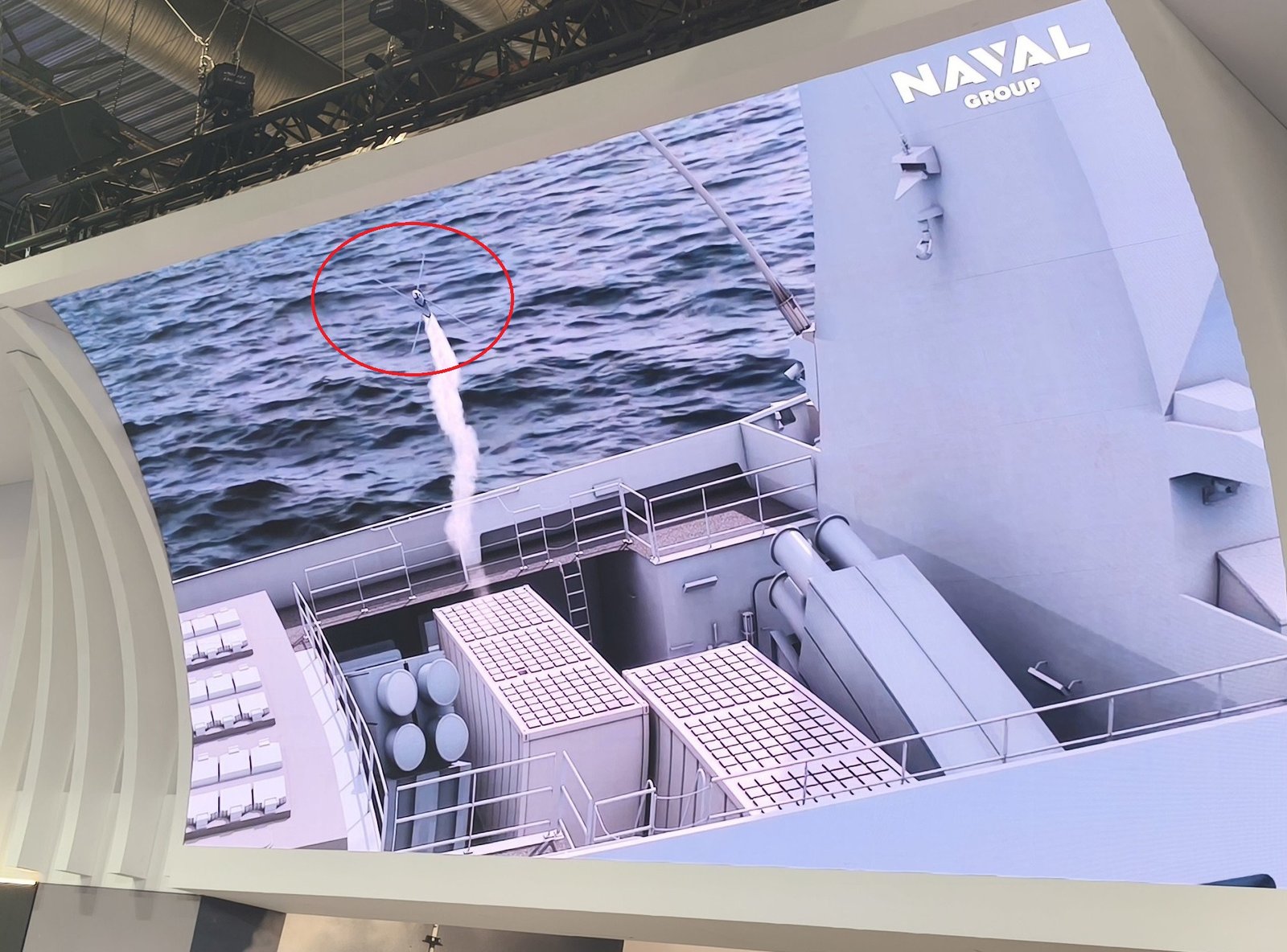
Europe
PARIS, — France's Naval Group has presented an expanded version of its Defence and Intervention Frigate (FDI), known as the FDI XL, at Euronaval 2026 in Paris. The concept features a longer hull, increased weapons capacity and modular launching systems for deploying loitering munitions and unmanned aerial systems. The FDI XL adds an approximately 10-metre midships section, increasing displacement from 4,500 tonnes to around 5,300 tonnes. Despite the additional length and weight, the frigate is designed to retain the baseline FDI's top speed. The extended hull provides additional space for weapons and mission systems. One proposed configuration includes 16 Exocet MM40 Block 3C anti-ship missiles and additional vertical launch cells. The design also supports new-generation SYLVER launchers and the Rampart multipurpose launching system. Modular Loitering Munition Launch System A key feature of the FDI XL presentation is its modular loitering-munition launching system. Naval Group's exhibition video shows two large container-like launcher modules installed on the frigate's deck. The footage also shows an unmanned aerial weapon being launched from the system. The modular arrangement is intended to increase the frigate's ability to deploy loitering munitions, interceptor drones and other unmanned weapons. The proposed 336-cell configuration would provide substantial launch capacity if confirmed by Naval Group. These drone-launching modules are separate from the frigate's conventional missile vertical launch system, allowing the ship to combine traditional naval weapons with unmanned strike capabilities. Advanced Sensors and Unmanned Systems The FDI XL retains the baseline frigate's inverted bow and Thales Sea Fire fixed-panel AESA radar. It combines anti-air, anti-submarine and anti-surface warfare capabilities while addressing asymmetric threats. Naval Group is emphasising an open-architecture design that allows navies to integrate future weapons and technologies. The frigate can operate with unmanned surface vehicles (USVs), aerial drones and mission-specific containers carrying loitering munitions, interceptor drones and other systems. The standard FDI is a 122-metre, 4,500-tonne frigate already in serial production for France, Greece and Sweden. Its modular architecture allows different configurations according to individual navy requirements. The platform also uses technologies already in French Navy service and is interoperable with NATO forces. The FDI XL is presented as an evolutionary option within the existing FDI family. Naval Group's focus at Euronaval 2026 is on adaptable warships designed for high-intensity and hybrid naval operations, combining conventional weapons with modular drone-launching systems and future autonomous technologies.
Read More → Posted on 2026-11-04 15:50:01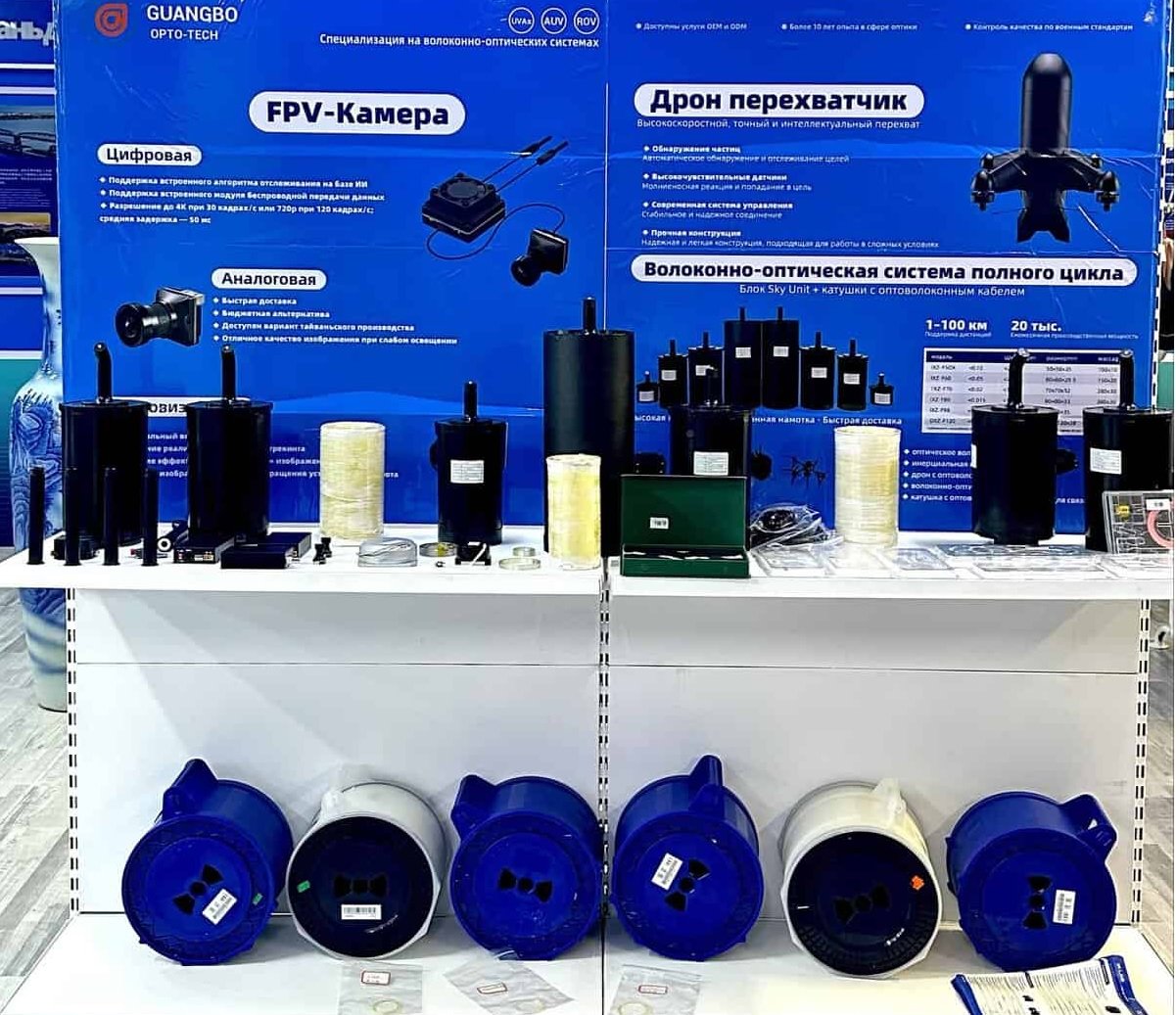
World
MOSCOW, — Chinese company Jiangxi Guangbo Optoelectronic Technology is marketing ultra-long fiber-optic cable reels of up to 100 kilometres to Russian customers, offering equipment that could extend the operating range of drones resistant to electronic warfare. According to an investigation by The Insider, reported by Militarnyi, the company offers reels measuring 70, 80 and 100 kilometres, priced at 300 Chinese yuan per kilometre. A 100-kilometre reel costs approximately 30,000 yuan ($4,515). The company presented its products at Russia's Fleet 2026 naval exhibition in Kronstadt. Along with ready-made cable reels, it offers industrial machines for winding fiber-optic cables onto drone spools. It also has a presence in St. Petersburg and promotes its products through a Russian-language Telegram channel. How Fiber-Optic Drones Work Unlike conventional radio-controlled drones, fiber-optic drones use physical cables to transmit control signals and video during flight. This makes them highly resistant to electronic warfare because their communication links do not depend on radio signals that can be jammed. Longer cables could extend drone operating ranges. However, larger reels increase aircraft weight, potentially reducing speed, maneuverability and payload capacity. Russian Production Disruptions Increase Reliance on China China supplied more than 500,000 kilometres of fiber-optic cable to Russia in August 2025, according to Chinese customs data cited in reports by Militarnyi. Russia's domestic production has faced major difficulties. Its main fiber-optic manufacturing facility, Optic Fiber Systems in Saransk, was hit by Ukrainian drone attacks in April and May 2025, disrupting production. The shutdown forced Russian authorities to postpone mandatory domestic sourcing requirements for fiber-optic cables by at least two years. A documented transaction also shows that Moscow-based Smart Opt Trading LLC received a declaration of conformity on June 26, 2026, for customs clearance of a 30-kilometre fiber-optic reel manufactured by Jiangxi Guangbo. Beyond fiber-optic equipment, the Chinese company also promotes AI-assisted interceptor drones, including its HJ-7 model, and offers cooperation with Russian partners on technologies for specific applications, including underwater systems and torpedo weapons. The developments highlight Russia's reliance on Chinese suppliers for specialized drone components as domestic manufacturing faces production challenges. Beijing has publicly maintained a position of neutrality in the conflict while maintaining export restrictions on certain drones and military-use equipment.
Read More → Posted on 2026-11-04 16:02:22
World
NUUK, — Greenland’s parliament has approved a new security agreement with the United States and Denmark, allowing an expanded American military presence on the strategically important Arctic island. The Inatsisartut approved the agreement on Tuesday in a 16-0 vote, with seven lawmakers abstaining. The decision clears the way for the agreement to move to Denmark’s parliament for approval, with the first reading scheduled for November 12 and a final vote planned for November 19. Signed in New York on September 22, 2026, by U.S. President Donald Trump, Danish Prime Minister Mette Frederiksen and Greenlandic Prime Minister Jens-Frederik Nielsen, the agreement updates the 1951 U.S.-Denmark defense pact. Under the deal, the United States will be allowed to establish two additional defense areas at Narsarsuaq in southern Greenland and Mestersvig on the eastern coast. It also permits the modernization and expansion of operations at the existing Pituffik Space Base in northwestern Greenland. The agreement also provides for potential U.S. military access to support elements of Trump's proposed Golden Dome missile defense system. The pact gives U.S. aircraft and vessels broad military access across Greenland and its territorial waters. It also introduces restrictions on investments by countries outside NATO and the EU in sensitive sectors, including critical infrastructure and resource extraction, where they could create national security risks. The agreement reaffirms Danish sovereignty over Greenland and recognizes the Greenlandic people's right to self-determination under international law. It also states that the agreement has no fixed end date and would continue to apply if Greenland eventually becomes independent, subject to the agreed conditions. To ensure local economic benefits, the agreement calls for U.S. military construction and service contracts to use Greenlandic suppliers as much as possible. It also includes provisions for environmental protection and cooperation between the three parties. Opposition Raises Economic Concerns Greenland's opposition party Naleraq questioned the economic benefits of the agreement and called for stronger financial guarantees and a public referendum. The debate also involved concerns about Greenland's control over its future and the extent of U.S. influence. Foreign Minister Múte B. Egede described ratification as an important step, saying that peace and stability could no longer be taken for granted. Prime Minister Nielsen also stressed that Greenlanders must retain the right to decide their island's future. The agreement follows months of diplomatic tensions after Trump repeatedly raised the possibility of bringing Greenland under U.S. control, citing American security interests in the Arctic. Once Denmark completes its parliamentary approval process, it will formally notify Washington through diplomatic channels. The agreement will then enter into force. U.S. congressional approval is not required.
Read More → Posted on 2026-11-04 16:05:38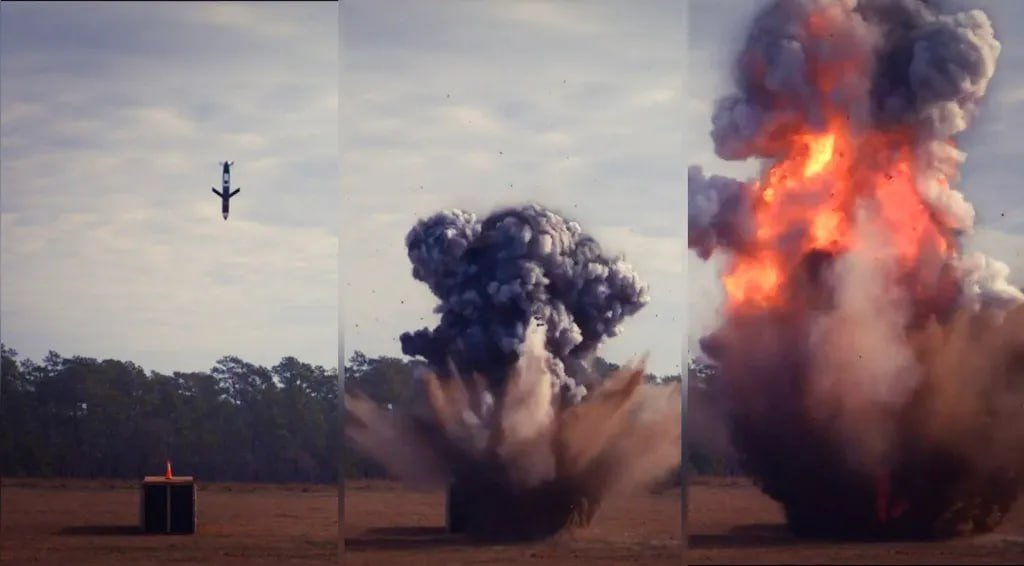
U.S
WASHINGTON, — The U.S. Air Force is seeking defence contractors to mass-produce its Extended Range Attack Munition (ERAM) cruise missiles and a new unpowered variant, ERAM Glide, primarily for Ukraine. The Air Force Life Cycle Management Center's Armament Directorate issued two Requests for Information (RFIs) through SAM.gov on November 2-3. It wants manufacturers capable of producing more than 1,000 ERAM missiles, with initial deliveries starting within three months of a contract award and full production completed within 15 months. Responses for the powered missile are due November 19. ERAM Cruise Missile Specifications The powered ERAM is a 500-pound (227 kg) air-launched cruise missile designed to strike high-value fixed targets from a distance. Its requirements include: Range: More than 250 nautical miles (463 km). Speed: Above Mach 0.6. Accuracy: Within 10 metres, including under GPS jamming. Warhead: Blast, fragmentation and limited penetration effects. Fuzes: Variable fuze options. ERAM Glide Specifications The second RFI covers ERAM Glide, an unpowered 500-pound-class air-launched weapon carrying a 105-pound (48 kg) explosive warhead. It must deliver blast, fragmentation and limited penetration effects. Its lift-to-drag ratio must reach at least 10:1, with more than 15:1 preferred. The weapon must also maintain accuracy within 10 metres under normal and high-electromagnetic-interference conditions. Its navigation system is expected to use M-Code GPS and a Controlled Reception Pattern Antenna (CRPA). The Air Force wants the selected technology to reach Technology Readiness Level 7 within 14 months of a potential contract award. Responses are due December 2. Development and Ukraine Procurement The ERAM programme began in 2024, when the Air Force invited companies to propose affordable, long-range weapons. Prototype development contracts later went to Zone 5 Technologies and CoAspire. Their designs include Zone 5's Rusty Dagger and CoAspire's Rapidly Adaptable Affordable Cruise Missile (RAACM). An ERAM design underwent a live-warhead test at Eglin Air Force Base in January 2026. In August 2025, the U.S. approved a possible $825 million Foreign Military Sale covering up to 3,350 ERAM missiles and related equipment for Ukraine. Denmark, the Netherlands and Norway have contributed funding. Ukrainian media reported possible combat use of the Rusty Dagger against a semiconductor plant in Russia's Voronezh region in June 2026, although official confirmation remains limited. The latest requests aim to expand manufacturing capacity and provide Ukraine with affordable standoff weapons. The missiles may also support future U.S. and NATO inventories. However, no new production contracts have been announced. The Air Force will use industry responses to identify manufacturers and prepare possible procurement agreements.
Read More → Posted on 2026-11-04 16:15:49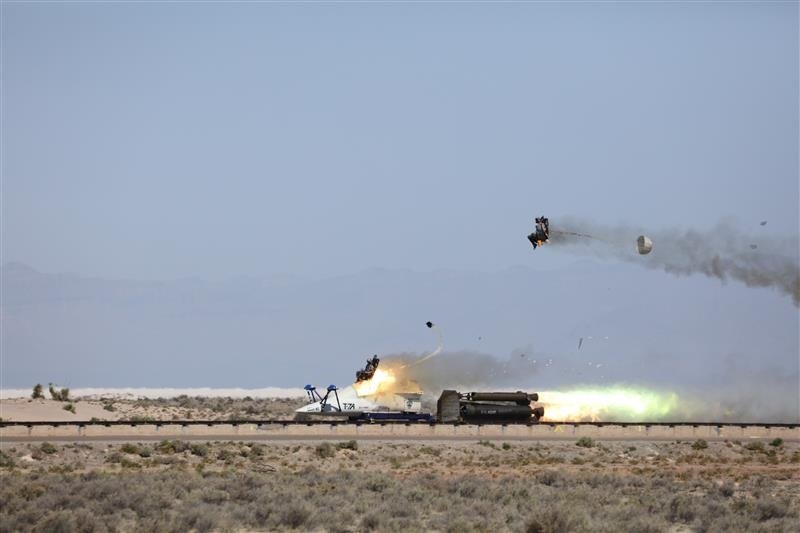
U.S
Holloman Air Force Base, New Mexico — The U.S. Air Force has completed the final high-speed sled test of the T-7A Red Hawk’s escape system, marking an important step toward qualifying the aircraft’s aircrew safety equipment. The 846th Test Squadron conducted the test on October 7, 2026, at the Holloman High Speed Test Track in New Mexico. The test simulated an ejection scenario at an effective airspeed of 550 knots and evaluated two major upgrades: a redesigned canopy-fracturing pattern and a modernized ejection seat sequencer. Engineers used an anthropomorphic test device representing the lightest occupant in the pilot candidate range. This allowed the team to assess whether the escape system could adequately protect smaller aircrew members during an emergency ejection. An initial review of high-speed video showed that the upgraded sequencer performed as designed. The revised timing kept the stabilizing drogue parachute deployed for a longer period, helping stabilize the seat as it separated from the aircraft. According to the Air Force, this adjustment reduces peak loads on the occupant’s neck and spine, supporting a smoother descent. “Completing this final sled test represents a major achievement in our rigorous qualification process,” said Col. Robert Volesky, the T-7A system program manager at the Air Force Life Cycle Management Center. Although the initial video assessment was positive, engineers are still reviewing seat trajectory, acceleration and biometric sensor data collected from the test dummy. The October 7 test completed the planned series of static and dynamic sled tests supporting final escape-system qualification. T-7A Red Hawk Program Developed by Boeing and Saab, the T-7A Red Hawk is the U.S. Air Force’s next-generation advanced pilot training aircraft. The program is intended to replace the service’s ageing T-38C Talon fleet. The Air Force plans to acquire 351 T-7A aircraft along with associated Ground Based Training Systems. The integrated training programme is designed to prepare future pilots and weapon systems officers for operating fourth-, fifth- and emerging sixth-generation fighters and bombers. Low-rate production has begun, with the Air Force targeting initial operational capability in 2027. Completing the escape-system qualification process remains an important step toward wider operational use of the aircraft.
Read More → Posted on 2026-11-05 14:05:26
Europe
Gorzów Wielkopolski, Poland – Poland has started construction of a new guided missile manufacturing facility in Gorzów Wielkopolski, strengthening its domestic defence production capabilities through cooperation with South Korea’s Hanwha Aerospace. The groundbreaking ceremony took place on November 4, 2026. The factory will be operated by Hanwha WB Advanced System (HWBAS), a joint venture between Hanwha Aerospace and Poland’s WB Electronics, part of the WB Group. Hanwha holds a 51% stake, while WB Electronics owns 49%. The project follows a contract signed on December 29, 2025, between Poland’s Armament Agency and a consortium led by Hanwha WB Advanced System. Valued at approximately PLN 14 billion (around $3.5–4 billion), the agreement covers the supply of thousands of CGR-080 guided rockets to the Polish Armed Forces. The CGR-080 is a 239 mm precision-guided rocket with a range of approximately 80 kilometres. It is designed for Poland’s HOMAR-K multiple rocket launcher, the Polish version of South Korea’s K239 Chunmoo. The system is mounted on Jelcz truck chassis and integrated with Polish fire-control systems. Poland has ordered 290 launchers, each capable of carrying 12 rockets. Technology Transfer and Production Timeline The factory will be built on a 116-hectare site in the Kostrzyn-Słubice Special Economic Zone. The investment is estimated at PLN 1.5–2 billion and is expected to create more than 200–250 local jobs. Under the licence agreement, Hanwha Aerospace will transfer production technology and engineering expertise to Poland. Plans include domestic manufacturing of key missile components, including rocket motors, guidance elements, warheads and transport-and-launch containers. Construction is expected to finish in 2028, with initial production targeted for late 2029. Full-scale manufacturing is scheduled to begin in 2030, with deliveries planned between 2030 and 2033. The factory is expected to produce several thousand rockets annually. Poland Aims to Strengthen Domestic Missile Production The project is part of the wider Polish-South Korean defence partnership, which also includes cooperation on K239 Chunmoo rocket launchers and K9 self-propelled howitzers. Polish industrial partners will contribute components and materials, supporting domestic supply chains and future maintenance and repair capabilities. The development comes as Poland seeks to strengthen ammunition supplies following Russia’s full-scale invasion of Ukraine. The conflict has highlighted the importance of domestic production, reliable supply chains and sufficient ammunition stocks during prolonged military operations. Beyond meeting Poland’s military requirements, the factory could eventually supply guided rockets to other European operators of the Chunmoo system. Hanwha Aerospace has also indicated the possibility of expanding production to include ammunition with different ranges. The project marks a shift in Poland’s defence strategy from purchasing foreign-made weapons towards manufacturing advanced guided missiles domestically through technology transfer and industrial cooperation.
Read More → Posted on 2026-11-05 14:14:48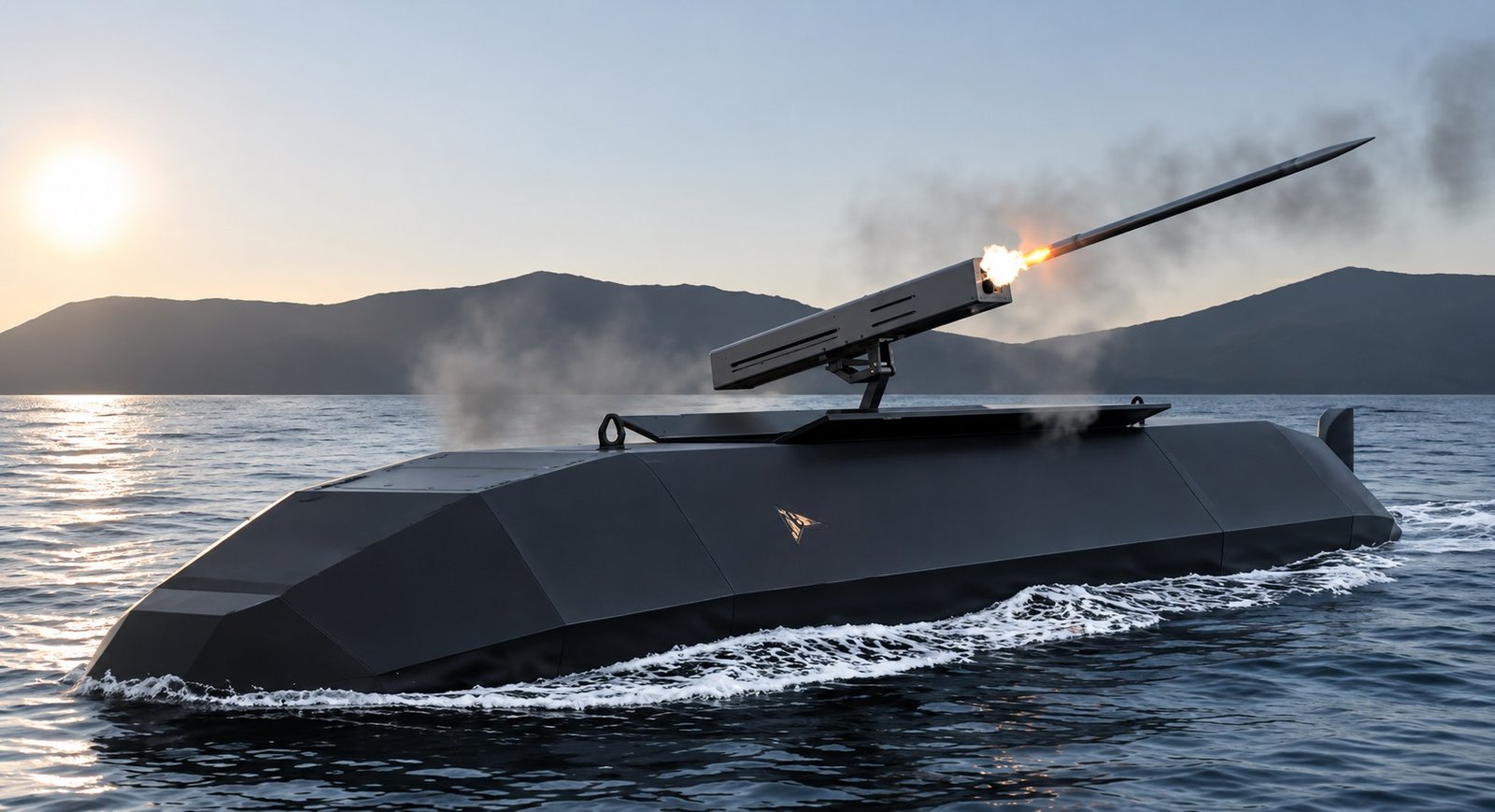
U.S
Washington – Three U.S. defence companies, iRocket, Arnold Defense and Composite Energy Technologies (CET), have unveiled a concept for an autonomous underwater vehicle equipped with guided missiles to engage aerial and maritime threats. The proposal combines CET’s HADALUS unmanned underwater vehicle (UUV), Arnold Defense’s LAND-LGR4 launcher and iRocket’s iRX-100 missiles. The HADALUS UUV, developed by CET in partnership with Raytheon (an RTX company), measures approximately 34 feet (10.4 metres) long with a six-foot (1.8-metre) cross-section. It features a free-flooded, all-carbon-fibre exoskeleton designed to provide structural strength, corrosion resistance and acoustic transparency. The underwater vehicle has an endurance of more than 2,000 nautical miles, with an operational depth exceeding 3,000 metres. Its modular Flat Pack design allows multiple vehicles to be transported in a standard 20-foot shipping container and assembled at the deployment site. Its estimated cost is around one-third to one-fifth that of comparable long-endurance UUVs. Missile Launcher and Testing The proposed system integrates Arnold Defense’s LAND-LGR4 four-round launcher, capable of carrying up to four 70 mm (2.75-inch) iRX-100 guided missiles developed by iRocket. The iRX-100 is designed for counter-unmanned aerial system (C-UAS) missions. During a March 2026 test, the missile reached Mach 2 and travelled approximately 6 kilometres (3.7 miles) when fired from an Arnold Defense launcher. Separately, CET and Raytheon demonstrated HADALUS during a U.S. Navy exercise in August 2026, showcasing its submerged launch and autonomous mission capabilities. The companies developed the underwater prototype in less than 18 months. Proposed Underwater Missile Capability The concept aims to use HADALUS as a concealed, mobile launch platform against aerial drones and surface vessels. Promotional footage released by the companies shows the proposed system launching missiles against both types of targets. However, the companies have not disclosed the specific guidance configuration or how the underwater platform would identify and track targets before launching missiles. The missile-equipped HADALUS remains at the concept stage. Although the underwater vehicle has undergone demonstrations, the complete combination of the UUV, launcher and iRX-100 missiles has not been reported as undergoing operational testing.
Read More → Posted on 2026-11-05 14:22:22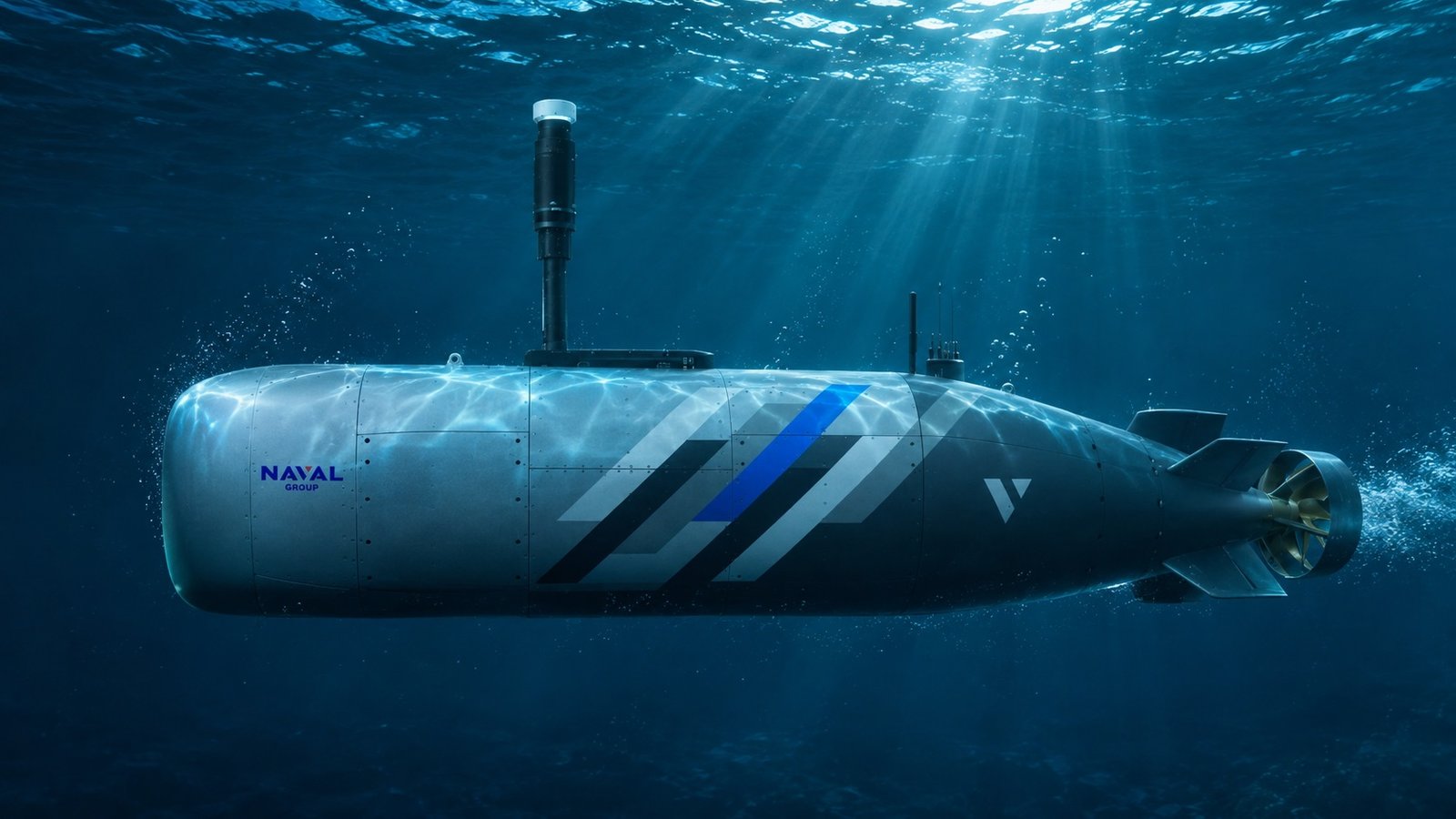
Europe
Paris, France – France has signed an agreement with Naval Group to develop an Unmanned Combat Underwater Vehicle (UCUV) demonstrator for the French Navy. The agreement was signed on November 3, 2026, during the Euronaval 2026 exhibition by the French Armament General Directorate (DGA), the Defence Innovation Agency (AID) and Naval Group. The UCUV programme, launched in 2023, aims to give the French Navy its first extra-large unmanned underwater vehicle (XL-UUV) capability. The project has now moved from technology development and testing to the construction of a dedicated demonstrator. Its first sea trials are scheduled to begin in 2028. UCUV Designed for Multiple Naval Missions The UCUV will be a multipurpose underwater platform designed for long-duration missions. It will support intelligence gathering, surveillance and reconnaissance (ISR), as well as more offensive missions involving neutralisation operations. The vehicle is also required to be air-transportable and deployable from a port or surface vessel. Its endurance and autonomous operation will be key capabilities for missions across maritime areas where continuous communication with operators may not be possible. Steeris OB Provides Autonomous Control The demonstrator will use Naval Group’s Steeris OB autonomous decision-making system, which acts as its onboard intelligence system. Operating under human operator supervision, Steeris OB will allow the underwater drone to conduct extended missions without continuous remote control. It will analyse its surroundings and tactical situation, adjust its behaviour and replan missions when conditions change. The system is also designed to operate independently or cooperate with other crewed and autonomous platforms, particularly in underwater environments where communications are limited or unavailable. Development and 2028 Sea Trials The programme builds on Naval Group’s earlier research and development. In 2023, the company successfully tested its own XL-UUV demonstrator at sea. These tests helped evaluate important technologies, including autonomous navigation, mission endurance and specialised payload integration. The new UCUV demonstrator will build on these results before entering its planned 2028 sea trials, which will validate its technologies and operational capabilities. Naval Group also organises its autonomous naval systems into four product families: SEAQUEST for unmanned surface vehicles, SEAGENT for unmanned underwater vehicles, STEERIS for onboard intelligence and mission management, and SEALKEN for launch and recovery systems. The French programme is part of a wider shift towards autonomous naval platforms, with the United States developing its Orca underwater vehicle and Australia working on its Ghost Shark programme. France's 2026 defence budget allocated €30 million in commitment authorisations and €17 million in payment appropriations for an ocean-going underwater drone demonstrator. The wider 2024–2030 defence programming law also provides €5 billion for drones and robotics, including underwater systems. The UCUV contract value and final technical specifications have not been publicly disclosed. The programme is intended to strengthen the French Navy's ability to conduct long-duration underwater missions and integrate autonomous systems alongside traditional naval forces.
Read More → Posted on 2026-11-05 14:36:23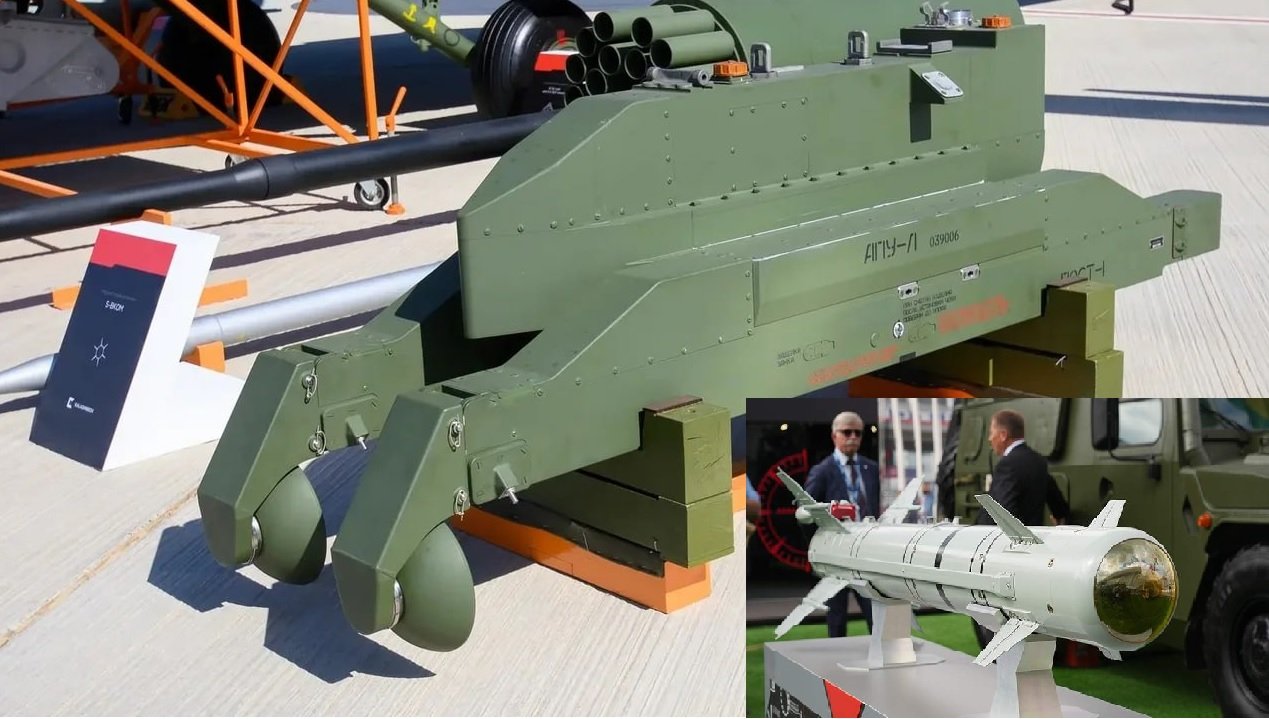
World
Moscow, Russia / Tehran, Iran – Russia has agreed to supply Iran with 90 APU-L launchers for precision-guided missiles used by Russian forces in Ukraine, according to a Financial Times report published on November 5, 2026. The deal points to expanding military cooperation between Moscow and Tehran, although it remains unclear whether the launchers have been delivered. The export order was identified in Russian defence industry production documents covering 2024–2025. The buyer is listed under the code “K-10,” a designation used by Russia’s state arms exporter, Rosoboronexport, for Iran. The documents were obtained by Ukrainian private intelligence organisation Dallas Analytics and reviewed by the Financial Times. APU-L Launchers and LMUR Missile Capabilities The APU-L launchers are designed primarily for Russia’s Mi-28 attack helicopters and can carry two LMUR (Light Multipurpose Guided Missile) weapons, also known as Izdeliye 305 or Product 305. The LMUR entered Russian military service in 2022 and has been widely used in the war against Ukraine. It can engage moving targets at a reported range of approximately 14 kilometres. Its operator can also adjust the missile's flight path after launch, allowing corrections during its approach to the target. Iran has already acquired Russian Mi-28 attack helicopters. Iranian officials announced in November 2023 that arrangements for their delivery had been finalised. Images published online in January 2026 also showed an Mi-28 at an aviation facility in Tehran. Russian Documents Reveal Additional Export Orders A May 2024 letter from Russian defence manufacturer Vympel urged the Engineering Design Bureau (KBM) to accelerate component deliveries for APU-L and APU-305 launchers. The manufacturer warned that delays could affect nine contracts. The accompanying production schedule identified seven Russian customers and two foreign buyers. Besides Iran's order for 90 APU-L launchers, it listed an export order for 192 APU-305 launchers for China. The documents provide evidence of the Iranian export order but do not confirm whether all 90 launchers were manufactured or transferred to Tehran. Growing Russia-Iran Defence Cooperation The launcher agreement adds to the expanding defence relationship between Russia and Iran, which includes cooperation in military equipment and missile technology. In September 2026, reports also revealed a Russian-assisted programme, codenamed C430L, focused on developing Iranian supersonic cruise missile technology. The project involved work on a ramjet propulsion system designed to sustain flight at several times the speed of sound. Together, these developments highlight the growing military and technological cooperation between Moscow and Tehran.
Read More → Posted on 2026-11-05 14:50:29
Space & Technology
Cape Canaveral, Florida – NASA has unveiled its newest experimental aircraft, the X-70 Fractal, designed to test advanced flight-control systems, aircraft manoeuvrability and emerging aviation technologies. The announcement was made on November 4, 2026, during the UP.Summit at Kennedy Space Center by NASA Administrator Jared Isaacman. The crewed X-70 Fractal will serve as a modular research platform, allowing engineers to rapidly change flight-control configurations and test different technologies during flight. It can carry up to 2,000 pounds of experimental equipment, installed internally or on external mounting points. This will allow researchers to switch payloads between experiments without requiring major modifications to the aircraft. Isaacman said the aircraft would provide NASA with a high-performance platform for testing advanced flight controls and manoeuvrability. NASA expects the X-70 to make its first flight under the agency's banner within the next two years. X-70 Fractal Specifications and Capabilities According to NASA, the aircraft has a takeoff weight of 10,000 pounds and is designed to cruise at Mach 0.75. It can reach an altitude of 45,000 feet and has an operational range exceeding 1,500 nautical miles (approximately 1,726 miles). Unlike experimental aircraft focused on extreme speed, the X-70 is primarily intended to investigate flight-control technologies and aircraft manoeuvrability. Its rapidly reconfigurable design will allow engineers to test different control systems and research configurations in actual flight. NASA has not disclosed the aircraft's manufacturer, engine type or full technical configuration. The agency has released a computer-generated concept image, rather than photographs of a completed aircraft. Part of America's Experimental X-Plane Programme The X-70 joins NASA's historic experimental aircraft programme, which includes the Bell X-1, the first aircraft to break the sound barrier in 1947, the X-15 hypersonic research aircraft and the current X-59 quiet supersonic demonstrator. Laurie Grindle, director of the Aeronautics Division within NASA's Research and Technology Mission Directorate, said X-planes have helped develop aviation technologies for decades. She described the X-70 as another platform to accelerate aeronautics research. Through the X-70 programme, NASA aims to test advanced flight-control technologies in real-world conditions and improve understanding of aircraft manoeuvrability. Its modular design will also allow researchers to conduct different experiments using the same aircraft.
Read More → Posted on 2026-11-05 15:52:03
U.S
Washington, – The U.S. State Department has approved a potential $100 million military sale to Jordan covering up to 1,500 Advanced Precision Kill Weapon System II (APKWS II) guided rockets and related equipment. The deal aims to strengthen Jordan’s air defence capabilities and protect U.S. military assets stationed in the country. The notification, Transmittal 26-95, was issued on November 2, 2026. Jordan has requested up to 1,500 WGU-59A/B or B/B Single Variant Block Upgrade guidance systems, which can be supplied as complete rounds or guidance sections. They can be configured for air-to-air, ground-to-air and air-to-ground missions. APKWS II Weapon and Equipment Package Developed by BAE Systems, the APKWS II converts standard unguided 2.75-inch (70 mm) Hydra rockets into laser-guided precision weapons. Its guidance section fits between the warhead and rocket motor, allowing engagement of moving and stationary targets. The proposed package includes Mk-152 high-explosive warheads, MK66 rocket motors, proximity fuzes, launchers, WTU-1/B practice warheads and inert MK66 motors. It also covers support equipment, technical documentation, transportation, engineering, training and logistical services. Jordan was the first international customer for APKWS. In 2015, the U.S. Navy and BAE Systems delivered 110 units for integration with Jordan's AC-235 light gunships. The latest request represents an additional acquisition. Strengthening Jordan's Air Defence The State Department said the sale supports U.S. security objectives by strengthening Jordan, a Major Non-NATO Ally and an important regional security partner. The additional weapons will support the Middle East Air Defense pillar of the Regional Security Construct, improving Jordan's ability to defend its airspace against current and future threats. They will also provide greater protection for U.S. military personnel and assets in Jordan while potentially reducing the need for sustained direct U.S. military support. The U.S. assessment states that Jordan can integrate the systems into its armed forces without difficulty. The sale is not expected to change the regional military balance or affect U.S. defence readiness. BAE Systems to Lead Production BAE Systems, Inc., based in Nashua, New Hampshire, will be the principal contractor. The U.S. Government is not aware of any proposed offset agreement. Any such arrangement would be decided through negotiations between Jordan and the company. The implementation will not require additional permanent U.S. personnel or contractor representatives in Jordan. Periodic visits will support programme reviews, maintenance, technical assistance and training. The proposed $100 million sale remains subject to congressional review and subsequent negotiations. It is not yet a completed purchase.
Read More → Posted on 2026-11-05 15:53:24
World
Pyongyang, North Korea – North Korea tested a newly developed surface-to-air missile (SAM) system on November 4, 2026, potentially providing clues about unidentified launchers displayed during its 2020 military parade. The state-run Korean Central News Agency (KCNA) reported the test on November 5. The DPRK Missile Administration conducted the test to verify the missile's technical specifications, material reliability and intelligent multi-mode guidance system. Engineers also evaluated its ability to detect, identify and track airborne targets, including the performance of its radar and detection-information processing equipment. Kim Jong-sik, a member of the Workers' Party of Korea Central Military Commission, supervised the test alongside missile administration and defence science officials. Kim Jong-un did not attend. North Korea has not disclosed the missile's designation or operational range. However, analysts examining released images have identified similarities between its guidance section and Russia's S-400 air defence system. The system was reportedly first publicly displayed in November 2025. Possible Connection to 2020 Missile Launchers The tested system's launcher shares design features with vehicles displayed during North Korea's military parade on October 10, 2020. Those wheeled vehicles carried four long transport-and-launch canisters. At the time, South Korean and US intelligence agencies examined the equipment. Analysts at the International Institute for Strategic Studies (IISS) noted that the canisters appeared more consistent with ground-launched cruise missiles than conventional air-defence weapons. The latest test suggests the 2020 vehicles may have been an earlier variant of a self-propelled surface-to-air missile system, although this connection remains unconfirmed. Cruise Missile Strike Drill on the Same Day South Korea's Joint Chiefs of Staff detected multiple missile launches from Sondok, South Hamgyong Province, towards the East Sea on November 4. The missiles travelled less than 300 kilometres. Initial assessments suggested that different missile types may have been involved, with further analysis continuing. Separately, a North Korean long-range strategic cruise missile unit conducted a strike drill against a simulated airport. KCNA reported that a missile hit the virtual target, while released images showed cluster munitions striking a simulated runway. These activities form part of North Korea's wider weapons development programme, which has recently included intermediate-range hypersonic missiles, precision-guided torpedoes, attack drones and cluster munitions. North Korea has also displayed a 22-tube launcher mounted on a three-axle chassis, which analysts believe could carry smaller surface-to-air or anti-tank missiles. The November 4 activities mark North Korea's fourth reported weapons-related launch within approximately one month, as the country continues efforts to improve its missile capabilities and ground-based air-defence network.
Read More → Posted on 2026-11-05 16:03:53
U.S
Sierra Nevada, California – A U.S. Marine Corps CH-53K King Stallion heavy-lift helicopter has recovered a stranded U.S. Navy MH-60S Seahawk from a remote mountainside in California’s Sierra Nevada. The operation took place in late September 2026 and involved lifting the nearly 16,000-pound helicopter from an elevation of approximately 10,000 feet. The MH-60S, assigned to Air Test and Evaluation Squadron 31 (VX-31), had made a hard landing but sustained no damage. However, the steep slope prevented it from taking off again. The remote location also made it difficult to bring ground crews and equipment to drain fuel and reduce the aircraft's weight. Marine Operational Test and Evaluation Squadron (VMX-1) conducted the recovery using the CH-53K, which was considered the only aircraft capable of handling the required lift in the restrictive terrain. The Seahawk was transported to Naval Air Weapons Station China Lake using a 70-foot external long-line. Special Lifting Arrangement Engineers from the Naval Air Warfare Center Aircraft Division (NAWCAD) Cargo Lab and Structures Lab developed a specialised rigging configuration to prevent further damage. Instead of attaching a sling to the main rotor head, they used the MH-60S's built-in lifting points and designed hoisting sling. Only the main and tail rotor blades were removed for protection. Major Lee Henderson, the CH-53K pilot and mission planner, said the main challenge was performing the lift safely. The team combined established MH-60S crane-lifting procedures with the 70-foot long-line to ensure proper load distribution and obstacle clearance. Because the line was longer than standard military slings, it required additional testing. The Structures Lab tested a commercially available line up to 20,000 pounds using a crane at Naval Air Station Patuxent River, Maryland. Testing and flight clearances were completed in less than two weeks. The operation also certified the CH-53K for using the longer line. The H-60 Fleet Support Team at Marine Corps Air Station Cherry Point provided technical guidance. CH-53K Operated Near Performance Limits The Seahawk's weight, 10,000-foot altitude, flight distance and weather conditions pushed the CH-53K close to its performance limits for power and fuel consumption. Aerospace engineer Michele Hoefer highlighted these challenges. Henderson credited the helicopter's fly-by-wire flight controls and onboard systems, which calculate available power in real time based on engine performance and environmental conditions, for providing the precision needed. The recovery was completed without further incident. The MH-60S was delivered to China Lake and is expected to return to flight operations without extensive maintenance. Previous CH-53K Recovery Mission VMX-1 conducted a similar recovery in September 2021, when two CH-53K helicopters lifted another Navy MH-60S from a 12,000-foot ridge on Mount Hogue in California's White Mountains. Built by Sikorsky, the CH-53K King Stallion is the largest helicopter in the U.S. military inventory. It is replacing the older CH-53E Super Stallion in Marine Corps heavy-lift squadrons. The aircraft has also undergone further external-load testing, including a July evaluation in which one CH-53K lifted another to prepare for helicopter recovery operations.
Read More → Posted on 2026-11-05 16:10:38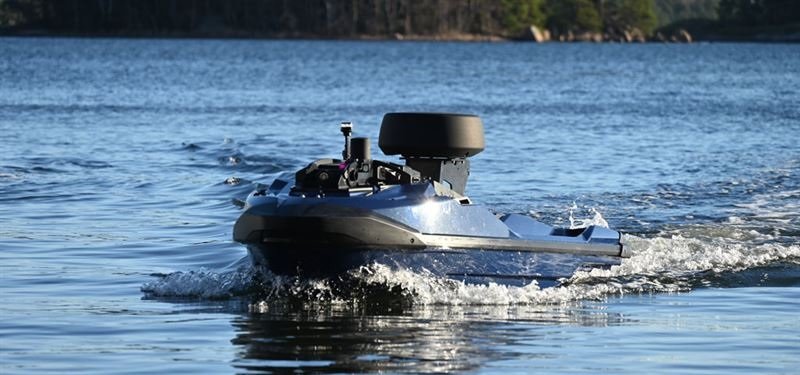
Europe
Upinniemi, Finland – The Finnish Navy and defence company Patria demonstrated coordinated autonomous systems operating across sea and air domains on November 5, 2026. The event also included the announcement of a new Unmanned Systems Company within the Navy’s Coastal Brigade, scheduled to be established in early 2027. The demonstration featured Patria’s mission management system, which connects different unmanned platforms into a coordinated multi-domain swarm. The systems successfully completed an assigned mission while being remotely controlled from two separate locations in Finland. The swarm included an unmanned surface vessel (USV), a lightweight fixed-wing unmanned aerial vehicle (UAV) and a Patria ONE quadcopter. The surface vessel was equipped with Patria’s modular autonomy kit, designed for installation on sufficiently modern vessels. The Patria ONE quadcopter was launched directly from the aft deck of a Finnish Navy Jehu-class combat vessel. These platforms are designed for surveillance, target acquisition and reconnaissance. They can also operate in a one-way configuration, carrying warheads for direct strikes. New Unmanned Systems Company in 2027 The new company will operate under the Coastal Brigade and train conscripts, military personnel and reservists to operate different unmanned systems. Conscription training will begin gradually throughout 2027. According to Coastal Brigade Commander Commodore Henri Lavi, the unit will participate in naval operations and cooperate with other military branches, defence industries and international partners. Its systems will cover operations on the surface, underwater, in the air and on land, including the challenging conditions of the northern Baltic Sea, from open waters to coastal and archipelago areas. Finnish Navy Commander Rear Admiral Tuomas Tiilikainen said the Navy plans to integrate unmanned systems into dedicated units or existing operational formations, including combat vessels and intelligence units. Patria's Autonomous Systems Development Patria has worked with the Finnish Defence Forces for several years to develop unmanned and autonomous capabilities. Mikko Leino, Executive Vice President of Patria’s Defence and Weapon Systems business area, described these technologies as an important part of the company's strategic partnership with the military. He also confirmed that Patria will continue investing in autonomous systems to strengthen its position in the European market. The demonstration and the formation of the new company are part of Finland's wider effort to integrate autonomous systems into naval defence and improve coordinated operations across multiple domains.
Read More → Posted on 2026-11-05 16:15:26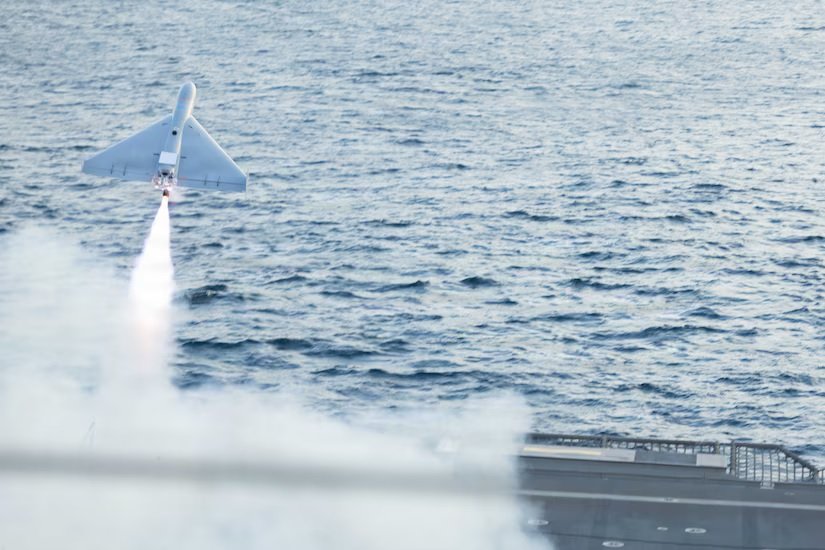
U.S
WASHINGTON – The Pentagon has delivered more than 25,000 unmanned and counter-drone systems to U.S. forces in the Middle East this year under a $782 million initiative, as the United States expands its autonomous warfare capabilities. The deployment includes more than 1,300 one-way attack drones, over 100 unmanned surface and underwater vessels, and more than 24,000 counter-unmanned aircraft systems (C-UAS) designed to protect deployed forces against hostile drones. The deliveries are managed by the Direct Reporting Portfolio Manager for Unmanned Systems (DRPM-UxS), established in July to accelerate drone development and procurement. It coordinates with Joint Interagency Task Force 401, the War Department Innovation Unit and the Defense Autonomous Warfare Group. Joint Interagency Task Force 401 is responsible for fielding counter-drone systems. DRPM-UxS Director Owen West said the initiative focuses on providing affordable systems that meet current battlefield requirements. The Pentagon plans to expand similar deployments to the Indo-Pacific and Europe. Project Agincourt to Establish Autonomous Warfare Command In September, Secretary of War Pete Hegseth expanded the office's mission through Project Agincourt. Led by Owen West and Navy SEAL Senior Chief Max Strasiser, the initiative is preparing to establish the Autonomous Warfare Command (Autowarcom). The proposed four-star functional combatant command will oversee unmanned and autonomous warfare across the U.S. joint force. An open letter to industry partners set October 1, 2027, as the target date for becoming operational. Its objective is to connect technology development directly with military operations for faster adaptation to battlefield requirements. Pentagon Invests Over $6 Billion in Drone Production Over the past year, the Department of War has invested more than $6 billion in unmanned systems across air, land and maritime domains. A four-stage procurement programme aims to encourage U.S. manufacturers to produce approximately 300,000 low-cost drones. The programme includes: Phase One: Completed in July, with 12 vendors producing 30,000 drones at a target price of $5,000 each, worth $150 million. Phase Two: Scheduled to finish in January 2027, involving 10 vendors and approximately 60,000 drones at the same target price. Phase Four: Planned for January 2028, targeting an increase in cumulative orders from 30,000 to 150,000 drones while reducing the target unit price to $2,300. The strategy aims to provide manufacturers with predictable demand so they can expand production capacity and reduce costs. Separately, the Pentagon's Office of Strategic Capital announced a $450 million conditional loan commitment to California-based Neros Technologies. The funding will support vertically integrated drone manufacturing, with the company targeting production capacity of one million drones annually. The combined initiatives reflect the Pentagon's growing focus on affordable, mass-produced autonomous systems and faster procurement across the U.S. military.
Read More → Posted on 2026-11-05 16:23:52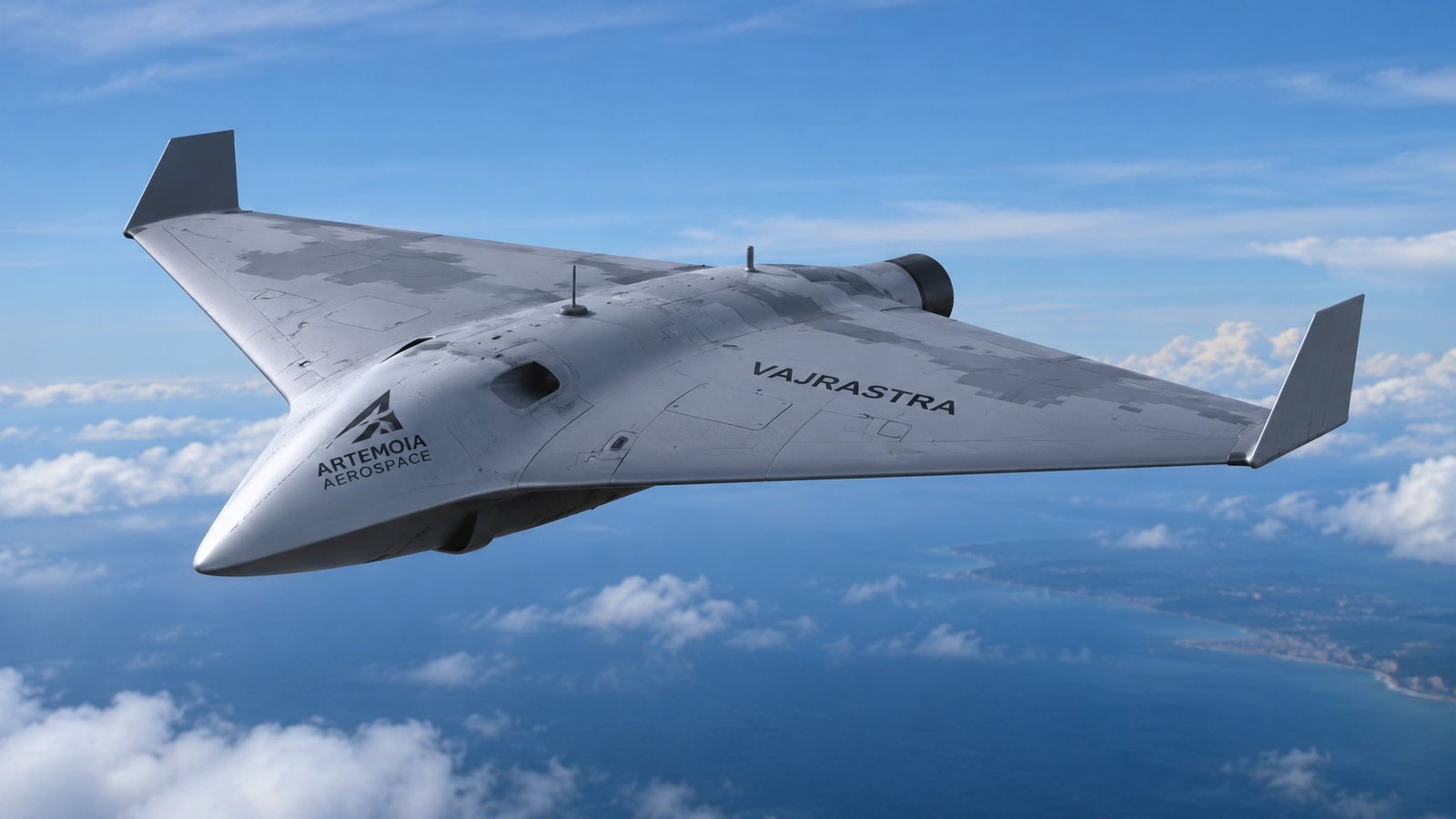
India
New Delhi, – Pune-based Artemon Aerospace & Infra Pvt. Ltd. has showcased its long-range delta-wing UAV to the Indian Navy at Swavlamban 2026, held in New Delhi on October 26–27. The platform is designed for strategic surveillance and precision strike missions, with an operational range of up to 1,000 km. Listed as VAJRASTRA, the one-way attack unmanned aerial system uses a flying-wing configuration. It supports rocket-assisted take-off (RATO) and catapult launches, allowing deployment without conventional runways. Its navigation system is designed to operate in GNSS-denied environments using optical and inertial navigation. The company also highlighted beyond visual line of sight (BVLOS) control and secure communication capabilities. Artemon displayed other systems, including precision loitering munitions with ranges of up to 100 km, tactical payloads and multi-barrel launchers designed for land and aerial operations. Senior defence officials, including Defence Minister Rajnath Singh, Chief of Defence Staff General N. S. Raja Subramani, Navy Chief Admiral Krishna Swaminathan and Army Chief General Dhiraj Seth, visited the company's exhibition stall. Discussions covered technical design, system integration and deployment options. The company's development activities have received support through the Innovations for Defence Excellence (iDEX) programme and the Indian Navy's Technology Development Acceleration Cell (TDAC). Artemon has also demonstrated canister-launched loitering munitions under iDEX Open Challenge 6. Several of its platforms are currently undergoing trials and testing. The exhibition highlighted Artemon's efforts to develop indigenous unmanned systems for India's defence requirements, particularly long-range surveillance and strike capabilities.
Read More → Posted on 2026-11-05 16:36:02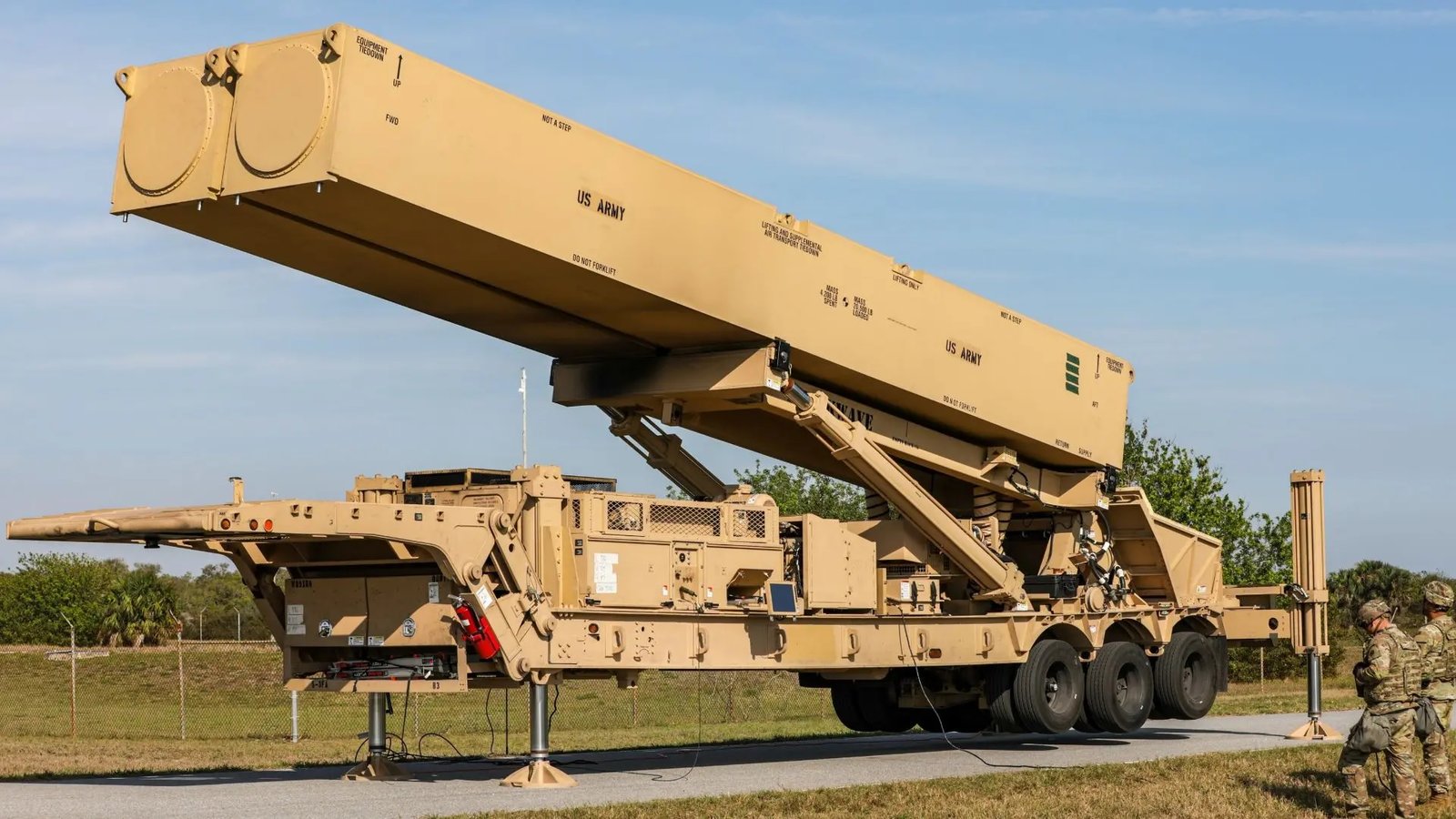 General Atomics Secures Contract to Supply Key Components for U.S. Army and Navy Hypersonic Missiles
U.S
San Diego, – General Atomics Electromagnetic Systems (GA-EMS) has secured a multiyear subcontract from Leidos to manufacture critical components for the U.S. Army and Navy's Common-Hypersonic Glide Body (C-HGB). The agreement covers production work through 2031. Under the contract, GA-EMS will manufacture precision-machined metal parts, structural subassemblies and electrical cable assemblies, including cables for the Elevon Control Module, which operates the glide body's flight-control surfaces. The company will use specialised machining equipment, skilled technicians and inspection processes to meet required design and quality standards. The work supports the joint U.S. Army and Navy hypersonic weapons programme. Leidos' wider $2.7 billion contract, announced in May 2026, combines the C-HGB and Thermal Protection System (TPS) programmes under a single framework to streamline development and support the transition towards production. Supporting Dark Eagle and Conventional Prompt Strike The shared C-HGB is designed for the Army's Long-Range Hypersonic Weapon (LRHW), known as Dark Eagle, and the Navy's Conventional Prompt Strike (CPS) programme. After acceleration by a rocket booster, the glide body separates and travels towards its target at speeds above Mach 5, while manoeuvring during flight. The Army's Dark Eagle has an estimated operational range of more than 2,775 kilometres. The two programmes are intended to provide long-range conventional strike capabilities from land-based launchers, ships and submarines. Previous Experience and Production Work GA-EMS previously manufactured prototype glide-body subassemblies and supplied hardware and cables for the programme's successful 2020 flight test. The new agreement extends this experience into component production. GA-EMS President Scott Forney said the contract builds on the company's prototype manufacturing and flight-test experience. Vice President of Weapons Programs Mike Rucker highlighted its expertise in precision-machined parts, structural components and cable assemblies, providing continuity in electrical and mechanical manufacturing. The company will use its existing workforce and manufacturing resources within the U.S. defence industrial base to complete the work. The financial value of the GA-EMS subcontract and specific delivery quantities have not been disclosed. The agreement supports the continued development and production of hypersonic weapon components for both the U.S. Army and Navy.
Read More → Posted on 2026-11-05 16:38:39
Space & Technology
Lincoln, UK – British defence startup Shield Space is developing autonomous satellite swarms to protect Western satellites from potential threats in orbit. Founded in 2025 by Graeme Ritchie and Dan Molland, the company plans to deploy groups of up to 100 microwave-sized CubeSats from larger orbital carriers. These small spacecraft would operate with limited ground control and remain functional even if communication with Earth is disrupted. The project responds to growing concerns about close approaches by foreign satellites. In May 2026, four Russian military satellites reportedly approached ICEYE-X36, a commercial radar satellite supporting Ukraine. In October, another Russian satellite passed within approximately 500 metres of the same spacecraft. Such encounters raise concerns about possible jamming, laser interference and other threats to critical satellites. Autonomous Satellite Defence System Shield Space is exploring defensive countermeasures, including lasers, microwaves and kinetic standoff techniques. CEO Graeme Ritchie estimates that deploying 100 defensive CubeSats could cost less than £100 million (approximately $134 million), roughly the price of a single traditional satellite. The company's first orbital demonstration, Project Broadsword, is scheduled for the fourth quarter of 2027 aboard a SpaceX Falcon 9 on the Transporter-21 rideshare mission. Satellite manufacturer EnduroSat will build the 8U CubeSat, equipped with chemical propulsion and imaging capabilities. It will approach a smaller 3U target spacecraft, demonstrating rendezvous and proximity operations (RPO). The test aims to bring the two spacecraft from approximately 100 kilometres apart to within 100 metres. The mission will test four stages of autonomy, progressing from human-in-the-loop supervision towards nearly fully autonomous operation. Shield Space has completed the mission's critical design review and aims to offer customers an integrated satellite, launch, software and operations package within nine months of contract signing. Future Plans and Technical Challenges Following Broadsword, the company plans to develop larger 16U CubeSats, followed by carriers capable of deploying 10 satellites. Its longer-term vision involves multiple carriers operating across different orbits, creating what Ritchie calls a space-based carrier strike capability. Shield Space raised £2 million in early 2026, led by the Midlands Engine Investment Fund II through Mercia Ventures, with participation from other investors. The funding supports recruitment, facilities and the first orbital demonstration. The company has also launched the UK Space Superiority Coalition with other British space firms to advance autonomy, propulsion, space-domain awareness and defensive technologies. However, significant technical challenges remain. CubeSats face strict size, weight and power limitations, restricting their propulsion, sensors and onboard computing. Developing reliable AI autonomy also requires large amounts of operational data, which is difficult to reproduce through laboratory simulations alone. Bleddyn Bowen, an astropolitics professor at Durham University, compared the concept with the Cold War-era Brilliant Pebbles interceptor programme. He also highlighted the need for careful development to prevent hazardous orbital debris and secure long-term financial commitments from defence customers. If Project Broadsword succeeds, Shield Space could advance the development of smaller, lower-cost autonomous systems for protecting military and commercial satellites in contested orbits.
Read More → Posted on 2026-11-05 16:43:56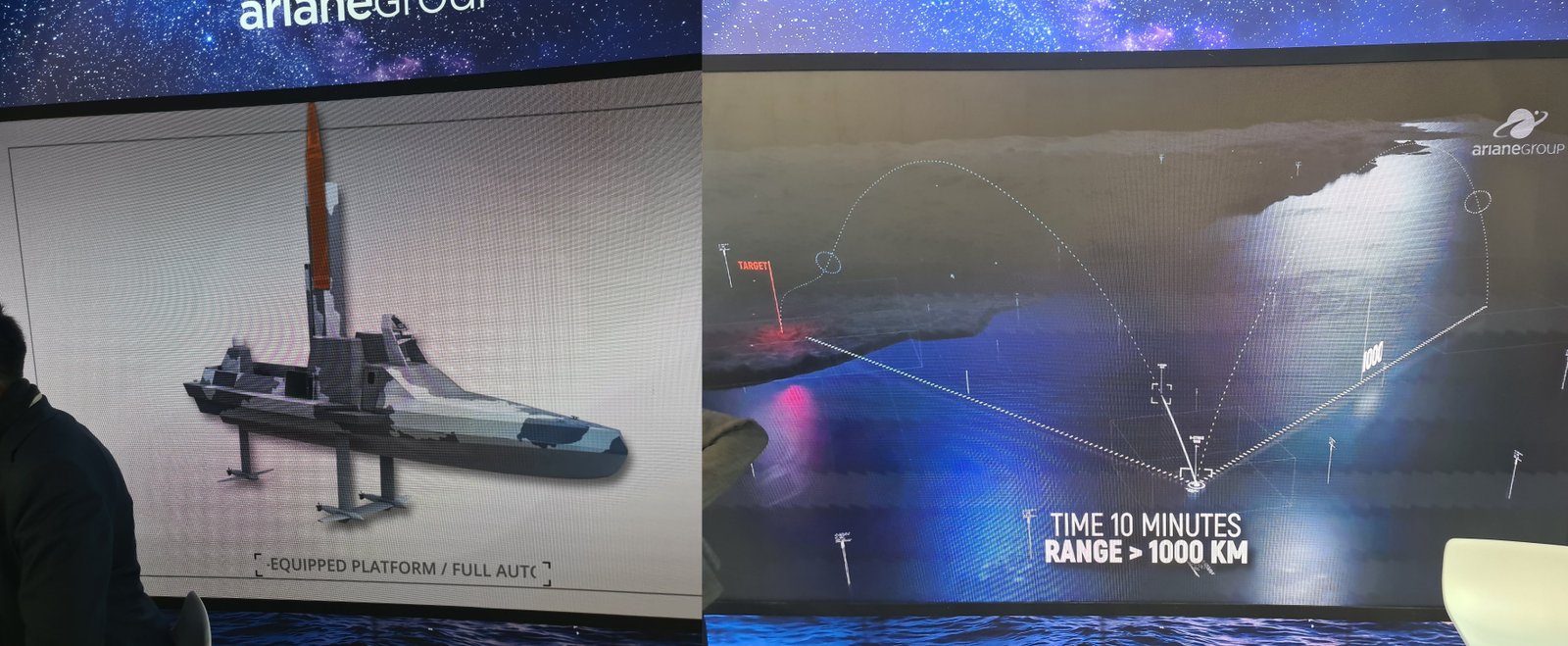
Europe
Paris, France – ArianeGroup has presented a naval version of its B-STRIKE 1000 ballistic missile at Euronaval 2026, proposing a potential long-range anti-ship capability for European navies. The concept is based on the land-based B-STRIKE programme, developed with Thales and Soframe to strengthen Europe's long-range strike capabilities. The B-STRIKE family was first unveiled at Eurosatory 2026. It includes proposed variants with ranges from several hundred kilometres to approximately 2,500 km. The B-STRIKE 1000 is a single-stage missile with an expected apogee of around 120 km and a flight time of less than 10 minutes. 1,000 km Range and Manoeuvrable Warhead The naval variant retains an estimated 1,000 km range and uses a Maneuverable Reentry Vehicle (MaRV). It is designed to make trajectory corrections during flight, complicating interception by ship-based air defence systems. Its stated terminal accuracy is less than 10 metres, with terminal speeds exceeding Mach 5. The guidance system is designed to resist GNSS jamming. Satellite-based maritime tracking data would support mid-course targeting, while an onboard seeker would provide terminal guidance. The concept references space-based radio-frequency detection technology similar to that used by French company Unseenlabs, which tracks ships, including vessels without active AIS transmissions. The missile would also retain land-attack capabilities against infrastructure and hardened targets. Its proposed multi-function warhead supports airburst and delayed-detonation modes. Naval Launch Options and Chinese Comparison ArianeGroup has proposed launching the missile from future 25-inch vertical launch system (VLS) cells or deck-mounted launchers derived from its land-based version. The latter could potentially replace existing Exocet anti-ship missile launchers. Another option involves integration with hydrofoil unmanned surface vessels (USVs) for discreet and rapid deployment in coastal waters. ArianeGroup has indicated potential interest in this concept from Nordic countries. The proposed missile draws comparisons with China's YJ-20 anti-ship ballistic missile, publicly displayed during Beijing's military parade on September 3, 2025. It is reported to equip the Chinese Navy's Type 052D destroyers and Type 055 cruisers. At Euronaval 2026, MBDA is also presenting naval applications for its deep-strike weapons, including the DELUGE one-way effector, Naval Cruise Missile (NCM) and STRATUS-RS supersonic cruise missile. Together, these systems could provide complementary strike capabilities against heavily defended targets, alongside Europe's broader response to Chinese anti-ship weapons such as the YJ-15, YJ-17, YJ-19 and YJ-20. Development Depends on French Defence Funding The B-STRIKE programme has so far been self-funded by its industrial partners. ArianeGroup is ready to develop a demonstrator and begin flight testing once it receives a contract from France's Directorate General of Armaments (DGA). France's military programming plans include studies and funding for a conventional land-attack ballistic missile with a range of approximately 2,500 km, targeting initial operational capability in the mid-2030s. However, development of the B-STRIKE family, including its naval variant, will depend on government contracts and available defence funding. The Euronaval presentation represents a proposed capability, not an operational anti-ship ballistic missile.
Read More → Posted on 2026-11-05 16:51:04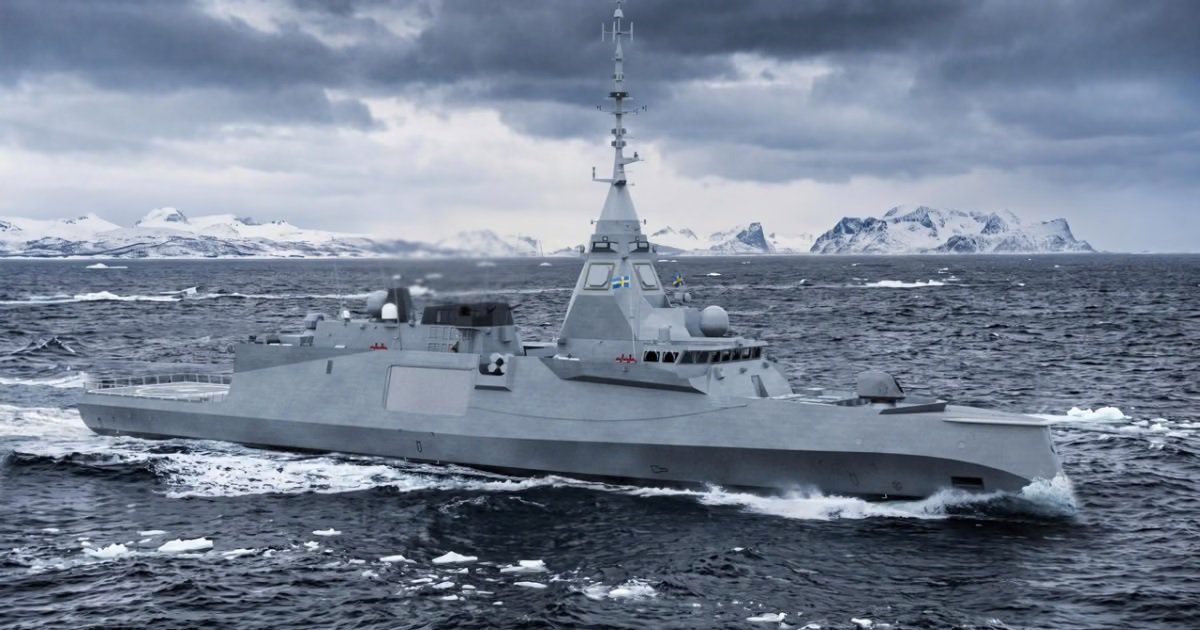
Europe
Stockholm, Sweden – Swedish defence company Saab has signed a SEK 2 billion contract with France’s Naval Group to supply and integrate weapon control systems, sensors and weapons for Sweden’s four new FDI frigates, which will form the Luleå class. Deliveries to Naval Group are scheduled between 2027 and 2034. Saab will also be responsible for integrating the equipment into the frigates during their construction. Weapons and Sensors for Four Frigates Under the agreement, Saab will supply its Weapon Control System, Ceros fire control director and EOS 500 electro-optical tracking system. The frigates will also receive several weapons, including the RBS15 anti-ship missile, Saab Lightweight Torpedo and Trackfire Remote Weapon Station. For surveillance and target tracking, Saab will provide its Sea Giraffe 1X, a lightweight, multi-mission 3D radar. Together, these systems will strengthen the frigates' ability to detect and engage surface and underwater threats. Saab's Naval business area head, Mats Wicksell, said the contract would equip Swedish ships with advanced domestic defence technology. He added that the integrated systems would help the Swedish Navy detect, deter and respond to threats above and below the surface, including evolving asymmetric threats. Sweden's Four New FDI Frigates The four ships will be named HSwMS Luleå, HSwMS Norrköping, HSwMS Trelleborg and HSwMS Halmstad. Sweden selected Naval Group's FDI design in 2026 to accelerate the modernisation of its surface fleet. The main procurement contract between the Swedish Defence Materiel Administration (FMV) and Naval Group was signed on August 31, 2026, with the programme valued at approximately €4.3 billion. Construction of the first frigate, FDI Luleå, began with a steel-cutting ceremony at Naval Group's Lorient shipyard on October 1, 2026. The first ship is scheduled for delivery in 2030, with the remaining three to follow by 2034. The FDI design is already being produced for the French and Greek navies. Sweden's programme will combine the French-built ship platform and combat architecture with selected Swedish weapons, sensors and control systems supplied by Saab. The contract strengthens Saab's role in Sweden's naval modernisation programme while ensuring that the four new frigates receive domestically developed weapons and sensor technologies.
Read More → Posted on 2026-11-06 14:51:21
World
Seoul, South Korea – South Korea has selected Lockheed Martin’s Sikorsky S-92A+ for its next-generation presidential helicopter fleet under the Presidential Helicopter II (Command Helicopter-II) programme. The decision was announced on November 6, 2026, following approval by the 179th Defense Projects Promotion Committee. The programme has a total budget of approximately 873 billion won and covers the acquisition of four helicopters. The new aircraft are expected to enter service from 2031, replacing the three S-92 helicopters that the Republic of Korea Air Force (ROKAF) has operated for presidential transport since 2007. Domestic Integration and Technology Upgrades South Korea’s Korea Aviation Engineering & Maintenance Service (KAEMS), a subsidiary of Korea Aerospace Industries, will carry out mission equipment installation in South Korea for three of the four helicopters. The agreement also includes specialised mission equipment, spare parts, on-site technical support and long-term maintenance services. The S-92A+ is an upgraded version of the existing S-92. It features improved General Electric engines designed to deliver better performance in high-temperature and high-altitude conditions, along with a new Phase IV main gearbox. The upgraded gearbox includes an auxiliary lubrication system that provides additional protection if the primary lubrication system fails, giving the crew more time to reach a safe landing location. These improvements, combined with structural upgrades, increase the helicopter's maximum gross weight and provide approximately 1,200 pounds of additional useful load compared with earlier configurations. This allows operators to carry more fuel or a heavier payload, depending on mission requirements. S-92 Global Operations and Production The S-92 platform has accumulated more than 2.6 million flight hours across its global fleet, with an average lifetime availability rate above 90%. More than 300 aircraft have been delivered to operators in 28 countries. The platform also serves as the basis for the US Marine Corps' VH-92A Patriot, which performs presidential transport missions. In South Korea, S-92 helicopters are also used by the Korea Coast Guard for search-and-rescue operations and by the National Fire Agency for firefighting and emergency response. Sikorsky is expanding S-92A+ production at its facilities in Stratford, Connecticut, and Owego, New York, with an annual production capacity of up to 12 helicopters. Wonik Lee, Lockheed Martin's South Korea country executive, welcomed the selection, saying the S-92A+ would build on the South Korean Air Force's long experience with the platform and continue supporting presidential transport with safety and reliability. The selection also extends the defence partnership between South Korea and Lockheed Martin, which spans more than 70 years and includes Black Hawk, Seahawk and S-92 helicopter programmes. Other candidates considered during the selection process included the Airbus H225M, Leonardo AW101 and Bell 525.
Read More → Posted on 2026-11-06 14:57:29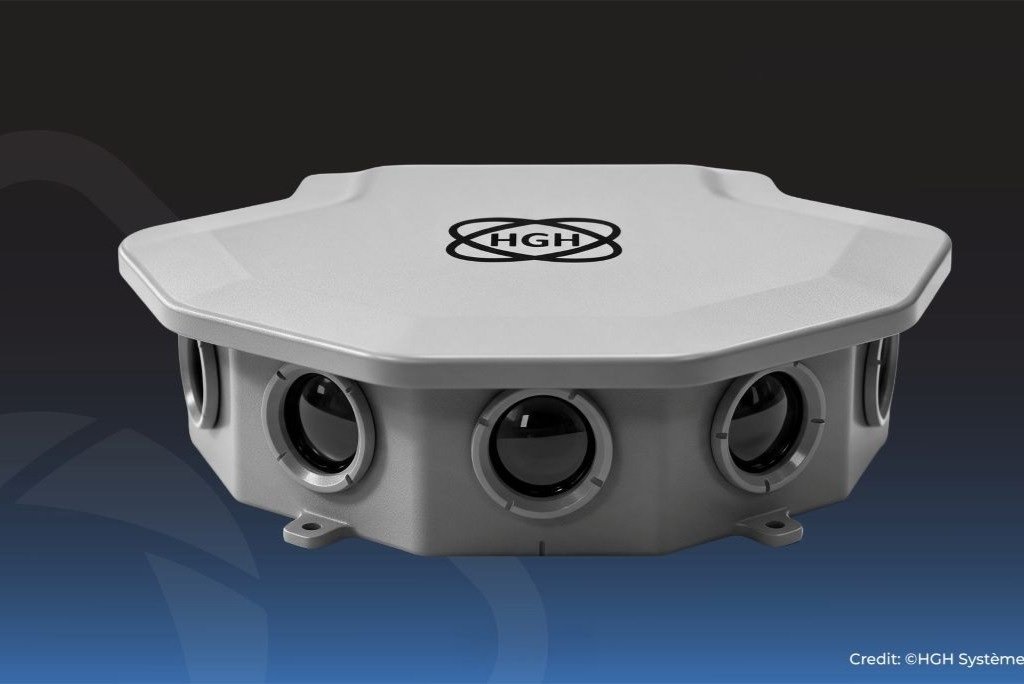
Europe
Paris Nord Villepinte, France – French defence technology company HGH has secured an order for three SPYNEL-F panoramic infrared cameras from the French Navy, marking the second phase of an ongoing programme to evaluate advanced thermal surveillance technology for maritime operations. Announced on November 5, 2026, the procurement was facilitated through the innovation office of the Navy General Staff. HGH will work with the French Maritime Gendarmerie to test the systems across different vessels and operational conditions before any potential wider deployment. The order follows successful trials conducted in January 2026 aboard a French Maritime Gendarmerie patrol vessel. Following the evaluation, SPYNEL-F received the PERSEUS label, a recognition awarded through a joint initiative of the French Navy and the Directorate General of Armaments (DGA). The award ceremony took place on November 4 during Euronaval 2026. SPYNEL-F Thermal Camera Capabilities The SPYNEL-F belongs to HGH's family of panoramic infrared surveillance systems. It is designed for continuous maritime monitoring and weighs approximately 3 kg, making it suitable for installation on both large warships and smaller vessels, including unmanned surface vehicles (USVs). The system uses an uncooled Long-Wave Infrared (LWIR) sensor to produce 1.5-megapixel thermal images at a 30 Hz frame rate. It provides a 180-degree horizontal field of view and a 45-degree vertical field of view, supported by integrated digital image stabilization. The camera is fully passive and emits no electromagnetic radiation, making it difficult to detect through electronic emissions. Its design also eliminates the need for a mechanical gyrostabilization platform. Combined with HGH's CYCLOPE software and GAIA artificial intelligence, SPYNEL-F can automatically detect, track and classify air and surface targets. According to HGH's specifications, detection ranges reach 400 metres for humans and 900 metres for vehicles and rigid-hulled inflatable boats (RHIBs). French Navy to Conduct Further Operational Trials The three newly ordered cameras will be evaluated across different operational profiles, including search and rescue (SAR) missions. Their ability to detect objects and people in complete darkness and challenging weather conditions, including rain, heat and cold, will be assessed. Following the initial patrol vessel trial, HGH also plans to test SPYNEL-F on four different vessel types to examine its interoperability across maritime platforms. The system is intended to support navigation, improve situational awareness and help detect people who have fallen overboard. HGH CEO Vincent Leboucher said the second phase of experimentation reflects the company's commitment to developing compact infrared surveillance systems that meet the operational requirements of security and defence forces. The announcement coincides with Euronaval 2026, taking place from November 3 to 6 at Paris Nord Villepinte. HGH is displaying its SPYNEL-F and other infrared surveillance technologies at Booth C87, Hall 6.
Read More → Posted on 2026-11-06 15:01:53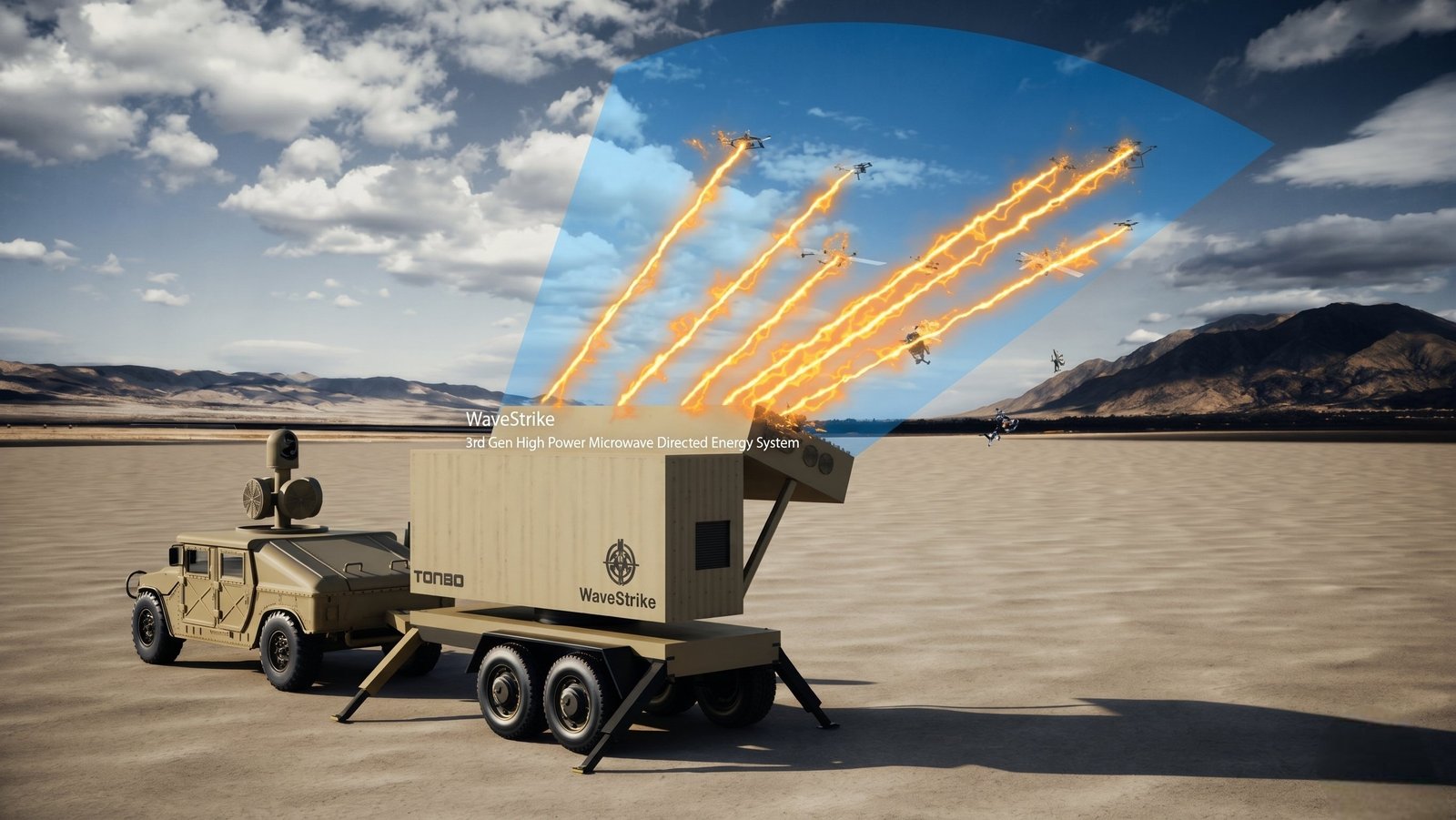
India
Bengaluru, – Indian defence technology company Tonbo Imaging India Limited has proposed establishing a High-Power Microwave (HPM) manufacturing facility in Bengaluru and a dedicated 130-acre testing centre in Vijayapura district, Karnataka. The expansion aims to strengthen the company's capabilities in directed-energy weapons and advanced counter-drone technologies. The company has sought five acres of land in Bengaluru's Information Technology Investment Region (ITIR) Phase 2 for research, development and manufacturing of HPM systems. It has also requested 130 acres at Mulwada Industrial Area in Vijayapura for testing, evaluation, field trials and demonstrations of its defence technologies. The proposed Vijayapura centre will support testing of next-generation directed-energy technologies, particularly systems designed to counter individual drones and drone swarms. It will provide facilities for field trials and demonstrations before the systems are delivered to customers. Focus on WaveStrike High-Power Microwave Technology Tonbo Imaging has been expanding its work in directed-energy weapons. Its product portfolio includes WaveStrike, a third-generation High-Power Microwave system that uses Multi-Beam Klystron (MBK) technology. The system is designed to use concentrated microwave energy to disable electronic components in drones and disrupt enemy radars and other electronic systems. It is also designed to counter autonomous drones that operate without GPS. HPM technology offers a non-kinetic approach to counter-drone operations. Instead of destroying targets with conventional ammunition, it uses electromagnetic energy to disrupt or damage their electronic systems. Tonbo Imaging has also secured an Indian Navy contract under the ADITI 3.0 initiative to integrate and commission an HPM system for naval platforms. The programme is supported by the Ministry of Defence's iDEX initiative and Defence Innovation Organisation. Production units are planned following successful development, validation and acceptance. Karnataka Government Support The proposals were discussed during a meeting between Tonbo Imaging representatives and Karnataka Industries Minister M.B. Patil. The minister assured the company of government support and coordination with the Karnataka Industrial Areas Development Board (KIADB) and other departments, subject to applicable regulations. The company has not announced a specific investment amount for the two proposed facilities. Both projects are awaiting land-allocation procedures and necessary administrative approvals. The expansion is part of Karnataka's broader effort to attract defence and aerospace manufacturing investments beyond Bengaluru. On the same day, UK-based Martin-Baker announced a proposed ₹380 crore investment for an aircraft ejection seat manufacturing facility in Karnataka. Overall, the proposed facilities would expand Tonbo Imaging's domestic capabilities in HPM weapons, electronic warfare and counter-drone technologies, while adding dedicated infrastructure for manufacturing and testing in Karnataka.
Read More → Posted on 2026-11-06 15:05:16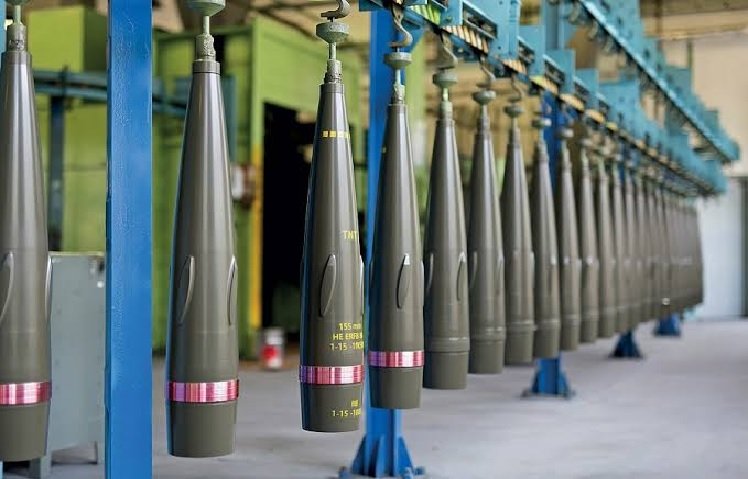
U.S
Rock Island, Illinois, USA – The U.S. Army has selected 11 defence contractors, including MSM North America, a subsidiary of the Czechoslovak Group (CSG), for a $4.171 billion framework contract to modernize seven government-owned ammunition plants across the United States. Administered by Army Contracting Command–Rock Island, the five-year contract runs until November 4, 2031. The selected companies will compete for individual task orders covering new facility construction, production-line automation, commissioning and maintenance of existing industrial systems. The programme covers seven facilities: Holston Army Ammunition Plant in Tennessee (military explosives), Radford Army Ammunition Plant in Virginia (propellants), Lake City Army Ammunition Plant in Missouri (small-calibre ammunition), Iowa Army Ammunition Plant, Scranton Army Ammunition Plant in Pennsylvania, Milan Army Ammunition Plant in Tennessee and the Quad City Cartridge Case Facility in Illinois. MSM North America Expands Its U.S. Army Partnership MSM North America is already constructing the Future Artillery Complex at Iowa Army Ammunition Plant under a separate contract worth up to $635 million. Construction began in July 2026, and the facility is expected to become operational in 2029. The facility is designed to load up to 36,000 rounds of 155 mm artillery ammunition per month. MSM North America says the project remains on schedule and within budget. The company plans to use the same technical expertise and management team when competing for additional work under the new framework. MSM North America CEO Jason Gaines said the selection strengthens the company's long-term partnership with the U.S. Army. He highlighted its experience working with the Army and technology partners on the Future Artillery Complex. Jan Marinov, CEO of CSG's Defence Systems division, highlighted the group's ammunition manufacturing experience and vertically integrated production capabilities, covering the process from energetic materials to finished ammunition. The Army received 11 bids and selected all 11 companies for the contractor pool. Individual task orders will determine the specific projects, locations and funding. The programme is part of the U.S. Army's wider effort to modernize its ammunition industrial base, expand domestic production capacity and strengthen military ammunition supply chains.
Read More → Posted on 2026-11-06 15:40:50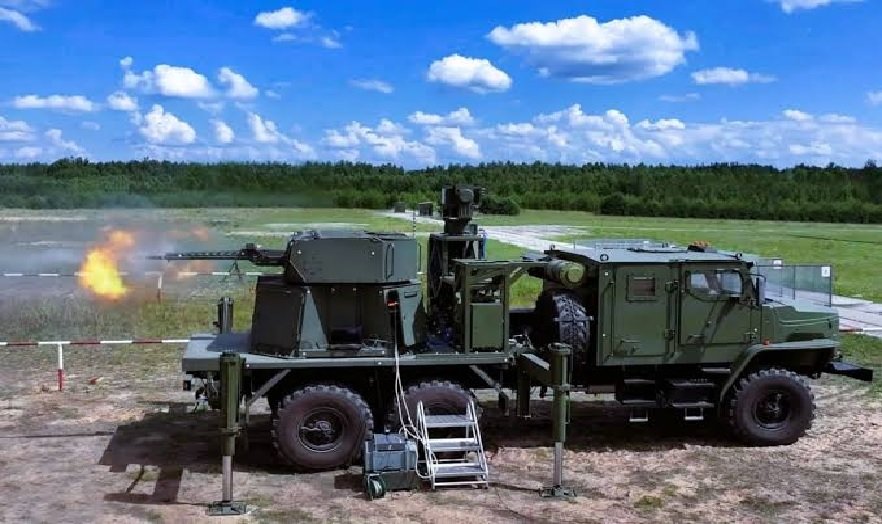
World
Moscow – Russian defence conglomerate Rostec has unveiled a mobile version of its ZAK-30 Tsitadel anti-aircraft system, mounting its gun turret, radar and optical sensors on a military truck. Announced on November 6, 2026, the new configuration is designed to provide flexible air defence against drones and other aerial threats. Previously developed as a stationary system for protecting fixed facilities, Tsitadel can now be relocated between important sites. The system is mounted on a Ural-63706 (Tornado-U) 6x6 armoured truck, equipped with a 440-horsepower diesel engine and a maximum highway speed of 100 km/h. Hydraulic outriggers stabilise the vehicle during firing. 30mm Cannon and Airburst Ammunition The ZAK-30 Tsitadel features a remotely operated turret with 30mm automatic cannons and a 300-round ammunition capacity. It uses programmable airburst shells that detonate at a calculated point in front of a target, releasing fragments without requiring a direct hit. According to Rostec, the system can engage fixed-wing drones at distances of up to 1 kilometre and small quadcopters at approximately 800 metres. Some reports mention engagement ranges of up to 1,200 metres against small manoeuvring aerial targets. Its detection equipment combines radar and electro-optical sensors, including thermal imaging cameras for day-and-night operations. The automated fire-control system handles target tracking, aiming and shell detonation timing. Multiple firing units can also operate through a single command post located up to 1 kilometre away. The stationary version previously required a five-person crew. Designed to Counter Long-Range Drone Attacks The mobile system is intended to protect refineries, airfields and other important facilities against long-range drone attacks without using expensive surface-to-air missiles for every engagement. Rostec claims the programmable ammunition allows Tsitadel to use several times fewer rounds per target than conventional anti-aircraft guns. A company representative also claimed that the stationary system has intercepted drones and cruise missiles. In October, Russian media reported that it destroyed a Ukrainian Flamingo missile using two 30mm shells. These combat claims have not been independently verified. Tsitadel was first publicly displayed at a security forum near Moscow in May 2026. In September, Rostec presented it internationally for the first time at the El Alamein International Airshow in Egypt, targeting potential foreign buyers. The company is also reportedly evaluating further versions, including possible integration onto naval warships. The truck-mounted configuration provides another deployment option, allowing Russian forces to move air defence protection between locations.
Read More → Posted on 2026-11-06 15:49:45
Space & Technology
Midland, Texas – AST SpaceMobile has secured a role in a new U.S. Space Force technology-development effort, expanding the potential military applications of its commercial satellite technology. Announced on November 5, 2026, the work will see the company support STR, the prime contractor, in advancing space-based sensing capabilities. The project aims to evaluate how commercially developed satellite technologies can support national security requirements beyond conventional communications. AST SpaceMobile will use its BlueBird satellite platform, originally developed to provide broadband connectivity directly to standard, unmodified smartphones. BlueBird Satellites for Defence Applications The next-generation BlueBird satellites feature large phased-array antennas, advanced onboard processing and a multi-frequency architecture. Their phased-array technology allows antenna beams to be electronically directed without physically moving the antenna. According to Chris Ivory, CEO of AST SpaceMobile Defense, the platform combines proprietary design with the largest phased array ever deployed in low Earth orbit (LEO). He said the technology could support millions of users and dozens of applications across airborne, maritime and ground domains. The company's technology portfolio is supported by more than 3,900 patent and patent-pending claims. AST SpaceMobile has also gained experience from previous satellite deployments and earlier collaboration with STR on related orbital technology projects. U.S. Manufacturing and Satellite Development AST SpaceMobile's BlueBird satellites are assembled, integrated and tested at its facilities in Midland, Texas. The company operates more than 500,000 square feet of manufacturing and operational facilities worldwide and employs over 2,250 people. Its next-generation platform combines connectivity, onboard processing and a scalable architecture designed to support both commercial and government applications. The new Space Force effort represents another step in applying commercial satellite technology to defence requirements, particularly in space-based sensing. AST SpaceMobile has not disclosed the contract value, its specific share of the work or the project timeline. The announcement also does not provide details about the sensing technologies being developed or their planned operational deployment.
Read More → Posted on 2026-11-06 16:04:25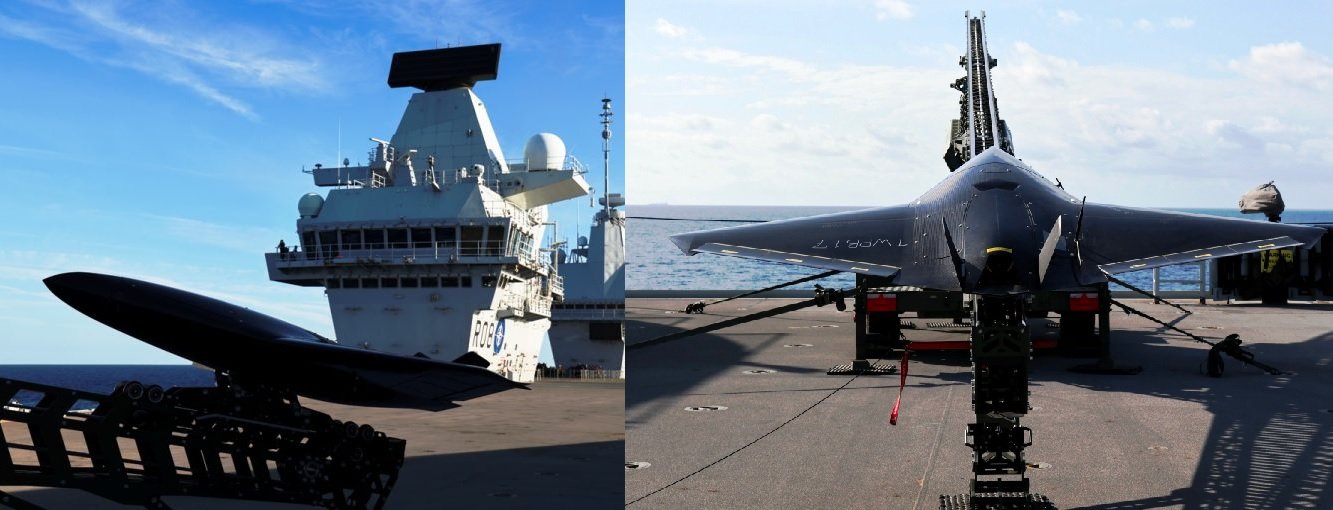
Europe
North Atlantic, United Kingdom – The Royal Navy has successfully launched Nyan One-Way Effector (OWE) strike drones from HMS Queen Elizabeth for the first time, marking progress towards its planned hybrid fleet of crewed and uncrewed aircraft. The trials took place in mid-October during Exercise Neptune Reach B. Four Nyan drones, developed and manufactured in Wiltshire by BAE Systems’ Callen-Lenz, were rail-launched from the aircraft carrier. All four successfully reached their designated strike points. The exercise tested how autonomous strike drones could operate safely from a large carrier and potentially work alongside F-35B stealth fighters and other uncrewed systems during future carrier strike operations. Nyan Drone Capabilities The Nyan is a compact, jet-powered uncrewed aircraft with a 2.9-metre wingspan and a reported cruise speed of 220 km/h. It uses a gas-turbine engine and is designed for precision strikes. Its features include a low radar cross-section and the ability to operate in environments where GPS and other navigation signals are denied. It can be launched using a rail or pneumatic catapult. Previous Trials and Project Vantage The latest trials follow Nyan's first seaborne launch from the Royal Navy's experimental vessel XV Patrick Blackett during Exercise Neptune Reach A in June 2026. The British Army has also tested the drone in Estonia during Exercise Spring Storm in May. In February, the UK Ministry of Defence awarded Callen-Lenz a £5 million contract to supply Nyan systems for British forces deployed on Operation Cabrit. The trials are part of Project Vantage, a joint initiative involving the Royal Navy, British Army and Royal Air Force to accelerate the testing and introduction of maritime strike drones. Royal Navy Capability Sponsor Lieutenant Commander David Burton said the exercise would provide operational experience and help determine how maritime one-way effectors could support future carrier strike operations. He added that the findings would contribute to Maritime Aviation Transformation and the Navy's hybrid fleet plans. Matt Foster, CEO of BAE Systems' Callen-Lenz, said the successful carrier launches demonstrated Nyan's potential to support future force development through affordable and scalable combat capabilities. BAE Systems is continuing to develop autonomous systems through its FalconWorks advanced research and technology hub, drawing on more than 25 years of experience in uncrewed and autonomous technologies. The trials provide practical experience in operating strike drones from an aircraft carrier and will help the Royal Navy assess their future integration into carrier strike groups.
Read More → Posted on 2026-11-06 16:08:44
World
Paris, France – Turkish defence manufacturer Makine ve Kimya Endüstrisi (MKE) has unveiled the naval version of its TOLGA twin 20mm revolver cannon system at Euronaval 2026, held in Paris from November 3 to 6. The remotely operated system is designed to protect warships against close-range threats, including drones and unmanned surface vehicles (USVs). Before its international debut, the naval TOLGA was tested aboard the Turkish Navy’s TCG Beykoz corvette during the TURNAs-2026 naval exercise in late October. According to MKE, the system successfully engaged aerial and surface targets during live-fire trials. Twin Cannons and High Rate of Fire The system features two 20mm gas-operated revolver cannons, each capable of firing up to 1,600 rounds per minute, giving the twin configuration a combined rate of 3,200 rounds per minute. The firing rate of each gun is adjustable, and both cannons can operate independently or together. It uses 20×102mm ammunition, including conventional high-explosive (HE) rounds and MKE-developed fragmentation ammunition for counter-drone operations. The fragmentation rounds use predetermined detonation settings instead of programmable fuzes. A dual-feed system allows operators to switch between ammunition types. The mount carries 600 rounds, stored in two 300-round containers. Operators can use short bursts of around 20 rounds to engage targets while conserving ammunition. Independent Target Tracking and Stabilisation A key feature is its four-axis configuration, comprising azimuth, elevation and two independent boresight axes. This allows the cannons to move separately from the electro-optical sensors. The sensors can maintain target tracking while the guns aim towards a predicted interception point. The mount provides 360-degree coverage, an elevation range of +70 to -30 degrees and a maximum traverse speed of approximately 60 degrees per second. Its stabilisation system allows firing while the ship is moving. The targeting suite includes daylight and thermal cameras and a laser rangefinder. Its fire-control system performs automatic ballistic calculations and supports day and night operations. The system can also integrate with a ship's combat management system, external radars and electronic warfare equipment. Designed for Naval and Civilian Vessels The naval TOLGA has a reported effective range of 2,000 metres with conventional ammunition and 1,000 metres with fragmentation rounds. The approximately 850 kg mount is driven by servo motors and can use its own inertial navigation system or connect to the ship's systems. MKE is also offering the system for commercial vessels operating in higher-risk maritime areas, including deepwater drilling ships, seismic survey vessels, cable-laying ships and floating power plants. The naval variant builds on earlier land-based TOLGA configurations. Its presentation at Euronaval 2026 follows the shipboard trials and expands the system's applications to naval platforms.
Read More → Posted on 2026-11-06 16:17:41
Space & Technology
Washington, – The U.S. Space Force is facing a major technical challenge in its planned military satellite network. Satellites operated by different defence agencies cannot directly exchange data through their laser communication systems. Resolving the problem could require 12–13 additional satellites and approximately $1 billion in extra funding, according to Breaking Defense. The issue affects the Space Data Network (SDN) Backbone, a $2.29 billion contract awarded to SpaceX in May 2026 by Space Systems Command. The network is designed to provide high-speed, secure data transmission between military satellites, sensors and command systems using optical communications terminals (OCTs). SpaceX uses its proprietary laser terminals, known as Plasers, which are incompatible with the optical communication systems used by the Space Development Agency (SDA) and Space Systems Command (SSC). The SDA and SSC terminals are also incompatible with each other because they were developed using different technical standards for different orbital requirements. Space Force Considers Additional Satellites To overcome the problem, the Space Force is considering 12 to 13 Space Exchange Point (SEP) satellites, also called translator satellites. These spacecraft would carry compatible terminals and software to receive, convert and relay data between otherwise incompatible satellite networks. Industry and former government sources estimate each satellite could cost $12 million to $14 million, with the wider solution potentially requiring around $1 billion. The Space Force has not confirmed this estimate. In August 2026, Space Systems Command awarded $12 million each to five companies: Amazon LEO for Government, Lockheed Martin, Northrop Grumman, Rocket Lab and York Space Systems. The contracts support multi-vendor connectivity demonstrations and development of orbital router satellite prototypes. General Atomics and CACI are also developing related Enterprise Space Terminal hardware. Impact on Golden Dome Missile Defence The compatibility issue is important for Golden Dome, the planned U.S. missile defence architecture. It requires rapid data transmission between space-based sensors, command centres and interceptors to support missile detection, tracking and interception. The SDN Backbone is intended to connect government and commercial satellites across different orbital layers. SpaceX must deliver an operational prototype by the end of 2027, supporting the wider Golden Dome timeline of 2028. The mismatch partly reflects different development approaches. SDA developed its optical communication standard for low Earth orbit (LEO) operations, while SSC developed Enterprise Space Terminals for beyond-low-Earth-orbit missions. A 2025 decision to shift the SDN Backbone role towards SpaceX's constellation also contributed to the integration challenge. The Space Force is examining a possible future version of the SDA optical standard that could support communication between low Earth orbit and medium Earth orbit (MEO) satellites. However, this standard has not yet been contracted for current satellite batches. Demonstrations of the SEP prototypes are planned for 2027. The challenge highlights the difficulty of integrating commercial and military satellite networks into a single system. Resolving the issue is essential to establishing the SDN as a reliable communications backbone for U.S. missile warning, tracking and defence operations.
Read More → Posted on 2026-11-06 16:21:45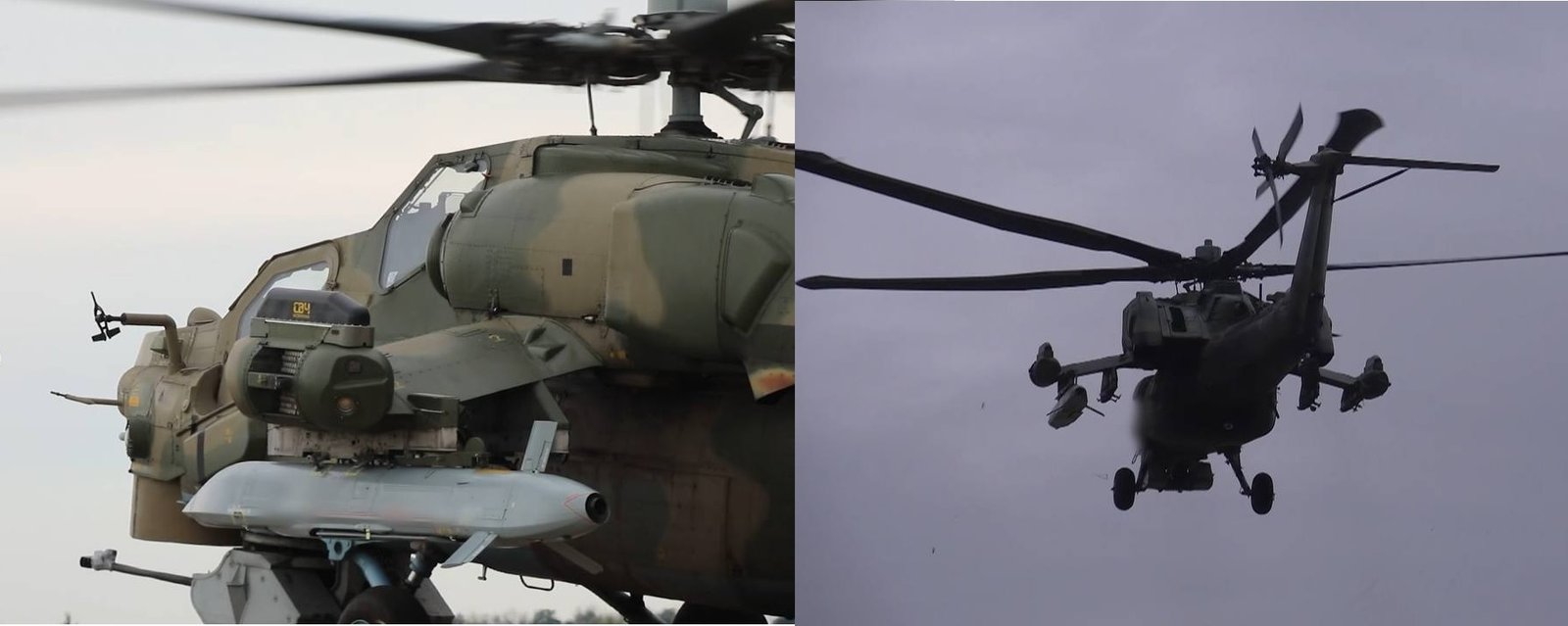
World
Moscow – The Russian Ministry of Defence has released the first official footage showing a Dan-T jet-powered cruise missile launched from a Mi-28NM “Night Hunter” attack helicopter during combat operations in Ukraine. According to the ministry, the helicopter crew received coordinates of a Ukrainian Armed Forces UAV control post and drone operator positions before takeoff. The target was located in the area of responsibility of Russia’s “West” grouping of forces. The crew launched the Dan-T against the designated coordinates. Russian reconnaissance later reported that the target had been hit. The helicopter subsequently returned to its base airfield. The footage shows the Mi-28NM taking off with two missiles mounted on its side pylons. It captures one missile separating from the left pylon, followed by activation of its jet engine. Dan-T Missile Specifications and Capabilities The Dan-T is a jet-powered munition developed from the earlier Dan-M aerial target drone. It is designed for one-way strike missions against fixed or pre-designated targets. According to specifications released by Russian defence exporter Rosoboronexport, the missile has a launch weight of approximately 268 kg, carries a warhead weighing up to 130 kg, and reaches a maximum speed of around 500 km/h. Its reported range is up to 450 km, although some assessments place it near 500 km. The missile uses a combination of inertial navigation and satellite navigation (INS/GNSS) to follow predetermined flight routes. It can also operate at low altitudes. The related S8000 Banderol munition carries a smaller warhead of approximately 50 kg. Reports indicate that the Dan-T is around 35% cheaper than the Banderol. Mi-28NM Integration Expands Launch Options The Dan-T and Banderol were previously associated with ground-based launch systems and fixed-wing aircraft. Reported compatible platforms include the Su-25SM3, Su-30SM, Su-34 and Su-57, alongside the Mi-28 helicopter. The Mi-28NM is a modernized version of the Mi-28 attack helicopter, featuring upgraded radar, avionics and engines. It is designed to improve all-weather and night-fighting capabilities. The latest footage provides the first official visual confirmation of the Dan-T's launch from the Mi-28NM. Its integration gives Russian army aviation another option for deploying long-range guided munitions from rotary-wing aircraft. The development also reflects Russia's wider effort to expand production and use of relatively low-cost strike weapons alongside its existing long-range missile systems.
Read More → Posted on 2026-11-06 16:30:00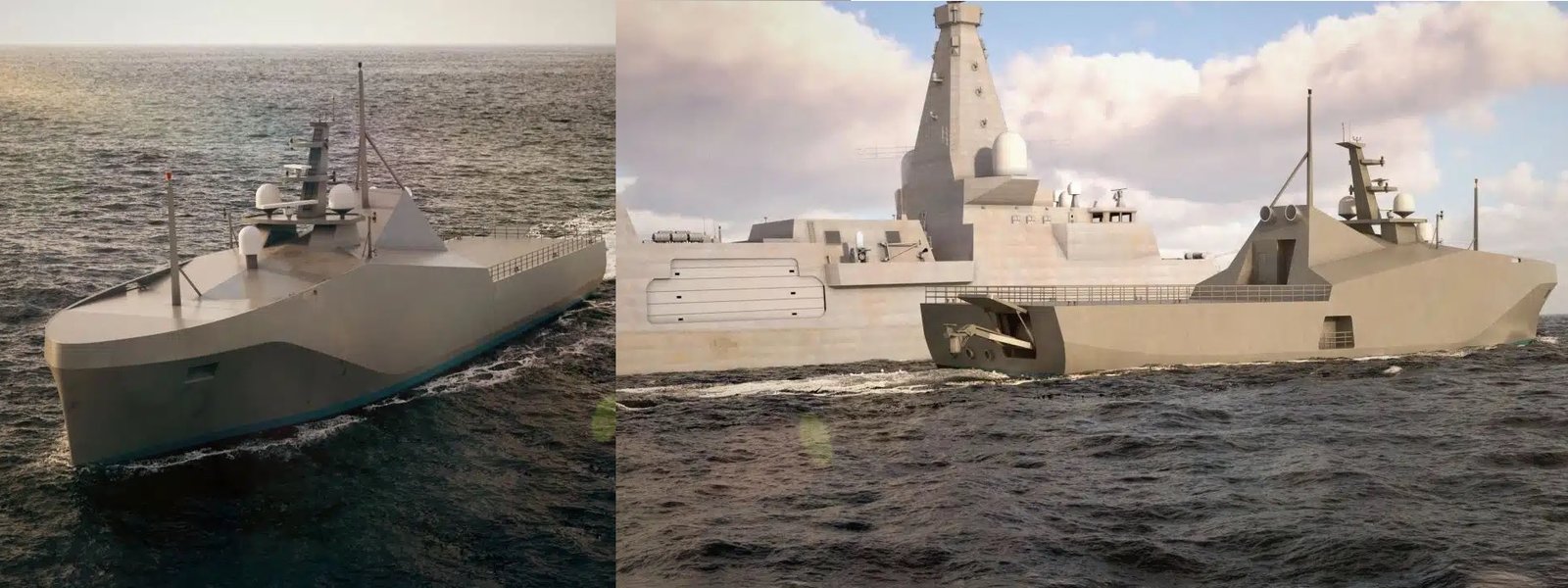
Europe
Oslo, Norway – Norwegian maritime technology company Kongsberg Maritime has unveiled the Arctic Hunter, a new 56-metre uncrewed surface vessel (USV) proposed for the UK Royal Navy’s Type 92 anti-submarine warfare (ASW) programme. The vessel is designed to provide persistent submarine-detection capabilities in the challenging waters of the High North. The Arctic Hunter is based on an existing commercial Arctic-class vessel design originally developed for fishing operations. Kongsberg has adapted the platform with remote and autonomous technologies for military operations. It is designed for missions lasting up to 60 days and would operate from forward support bases inside the Arctic Circle, working alongside crewed warships and other naval assets. Sonar and Autonomous Capabilities The vessel is planned to carry Thales UK’s sovereign submarine-hunting sonar and secure military communication systems. Its large deck space and payload capacity will also allow additional or alternative mission equipment to be installed for future requirements. Kongsberg Maritime describes Arctic Hunter as a remotely operated vessel with autonomous functions. Shore-based personnel will supervise key maritime operations, while military effects will remain under human control. Its uncrewed vessel technology has already received flag-state approval from the Norwegian Maritime Authority and certification from classification society DNV, covering requirements for operating large uncrewed offshore vessels. UK Production and Industrial Partnership Kongsberg Maritime is working with UK shipbuilding partner Balaena Maritime to support production. The vessel hulls are planned to be built at Balaena’s shipyard in Birkenhead, UK, before military systems are integrated. If selected, the programme aims to prepare the vessels for operational deployment by the end of the decade. Kongsberg also plans to sign technology collaboration agreements with Thales UK and Balaena Maritime during this week's Atlantic Future Forum in Oslo. The agreements aim to strengthen industrial cooperation between Norway and the UK and support skilled jobs in both countries. Supporting NATO’s Arctic Security The Arctic Hunter proposal supports the Lunna House Agreement, through which the UK and Norway aim to strengthen defence cooperation and advance NATO's adoption of autonomous systems in the High North. Kongsberg Maritime CEO Lisa Edvardsen Haugan said the platform would address the growing need for additional submarine-detection capabilities. She also highlighted the company's more than 50 years of experience designing vessels for Arctic operations, alongside its remote and autonomous technologies. The vessel is also being considered as a potential platform for other NATO members and Joint Expeditionary Force (JEF) countries. However, no production contract has been awarded, and Arctic Hunter remains a proposed solution for the Royal Navy’s Type 92 requirement under the wider Atlantic Bastion hybrid fleet concept.
Read More → Posted on 2026-11-09 15:12:08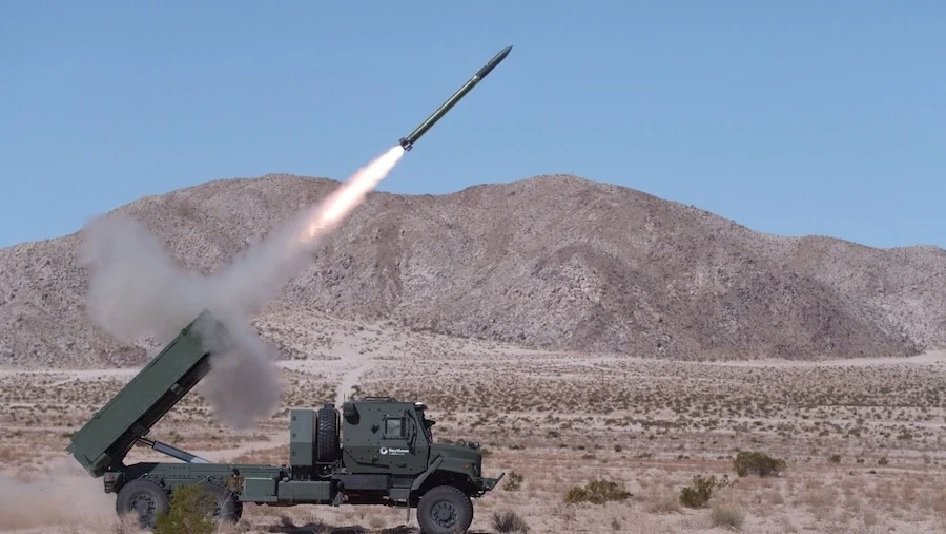
U.S
Yuma, Arizona – Raytheon, a division of RTX, has completed the third successful flight test of its DeepStrike JR3 training rocket for the U.S. Army. The test took place at Yuma Proving Ground in Arizona, where the company fired multiple rockets in rapid succession. The DeepStrike JR3 is being developed as a replacement for the U.S. Army’s existing Reduced Range Practice Rocket (RRPR). It is designed to support live-fire training for crews operating the M142 HIMARS and M270 MLRS rocket artillery systems while reducing training costs. During the latest test, Raytheon evaluated the rockets' range, trajectory and accuracy. The trial also confirmed that ground crews could clearly identify the rocket's visual marking solution at the impact point, helping assess training results. Another key objective was testing the launch pod's reusability and maintainability. The container is designed to hold 24 JR3 rockets within the standard Multiple Launch Rocket System Family of Munitions (MFOM) footprint. Raytheon demonstrated that the pod can be reused and maintained after firing. "DeepStrike JR3 meets the performance the Army expects from a training rocket while driving down cost and complexity," said Brian Burton, vice president of Precision Fires & Maneuver at Raytheon. He added that combining an affordable rocket with a reusable pod would provide the Army with a more sustainable training solution. Industry Partners and Next Steps Raytheon is developing the JR3 under a rapid prototyping initiative, using commercially available technologies to reduce manufacturing costs and support higher production rates. The programme involves several industry and government partners, including Combined Systems Inc., Corvid Technologies, L3Harris Technologies, Northrop Grumman and Letterkenny Munitions Center. Following the third successful flight test, Raytheon is preparing additional trials to demonstrate the rocket's design maturity before it advances to the U.S. Army's qualification phase.
Read More → Posted on 2026-11-09 15:19:09
Space & Technology
Washington : NASA has announced a series of major contracts to support its long-term lunar exploration plans, including a $10 billion cargo delivery programme, a nuclear-powered rover, space transportation services and new surface power and communications systems. The announcements were made on November 7, 2026, during the MAX POWER aerospace event at Kennedy Space Center. The projects are part of NASA’s plan to establish a sustained human presence near the lunar South Pole. The strategy combines commercial space transportation, robotic exploration and infrastructure development to support future lunar operations. $10 Billion Lunar Cargo Delivery Programme NASA has selected eight companies for the next phase of its Commercial Lunar Payload Services (CLPS 2) programme. The selected companies are Blue Origin, Firefly Aerospace, Intuitive Machines, ispace-U.S., Lockheed Martin Space, Northrop Grumman Space Systems, SpaceX and Voyager Technologies. The 10-year contract framework has a maximum potential value of $10 billion. Companies will compete for individual missions to develop and operate lunar landers carrying NASA's scientific instruments, equipment and infrastructure payloads. NASA has also increased the ceiling of its existing CLPS 1.0 contract from $2.6 billion to $4.2 billion to support early Moon Base activities. PROMISE Nuclear-Powered Lunar Rover NASA's Jet Propulsion Laboratory (JPL) is developing the PROMISE (Polar Rover for Observation, Mapping, and In-Situ Exploration), a six-wheeled, SUV-sized rover designed to explore the lunar South Pole. The rover is being assembled largely using engineering test models and spare flight hardware originally developed for NASA's Curiosity and Perseverance Mars rovers. PROMISE will use a multi-mission radioisotope thermoelectric generator (MMRTG), which converts heat from decaying plutonium-238 into electricity. This will allow it to operate during the long lunar nights and explore permanently shadowed regions where sunlight is limited or absent. Its equipment includes a drill capable of collecting lunar regolith from approximately one metre below the surface to investigate water ice and other potential resources. It will also carry cameras, spectrometers, temperature and radiation sensors, along with a next-generation radiation-tolerant High Performance Spaceflight Computing system. NASA has awarded Blue Origin a $94 million base contract, with an additional performance-based option worth $140 million, to deliver the rover using its Blue Moon Mark 1 lunar lander. The launch is targeted for late 2028, with an expected primary mission duration of 18 months. $1.3 Billion for Lunar Transportation NASA has awarded six task orders worth approximately $1.3 billion under its Venture-Class Acquisition of Dedicated and Rideshare (VADR) programme to Arrow Science and Technology, Blue Origin and Impulse Space. The contracts cover launch services and orbital transfer vehicles that will transport cargo from Earth orbit towards the Moon. The missions will also support navigation demonstrations, cargo delivery and deployment of MoonFall lunar drones. These drones are designed to explore areas that conventional surface rovers cannot easily reach. SpaceX Selected for Lunar Communications Mission NASA has selected SpaceX to launch communications satellites aboard its Starship vehicle in 2028 under the Cislunar Communications Deployment Demonstration. The mission will test technologies for a future lunar communications network connecting astronauts, surface infrastructure and mission control on Earth. The network is expected to support communications during future Moon Base operations. New Power and Communications Infrastructure NASA is also developing the Mini-Communications and Solar Tower (miniCAST) to provide power and communications support on the lunar surface. Three companies have received contracts to supply its main components. Honeybee Robotics will provide energy storage systems, Redwire will develop solar power generation components, and Yank Technologies will supply wireless power transfer hardware. Engineers at NASA's Marshall Space Flight Center will assemble and test the systems. NASA plans to issue a separate solicitation for fully integrated lunar power systems in early 2027. These investments form part of NASA's broader Moon Base programme, which aims to establish the infrastructure needed for sustained operations at the lunar South Pole. The agency plans to use robotic missions, commercial cargo deliveries and power and communications demonstrations to prepare the surface for future human exploration.
Read More → Posted on 2026-11-09 15:27:22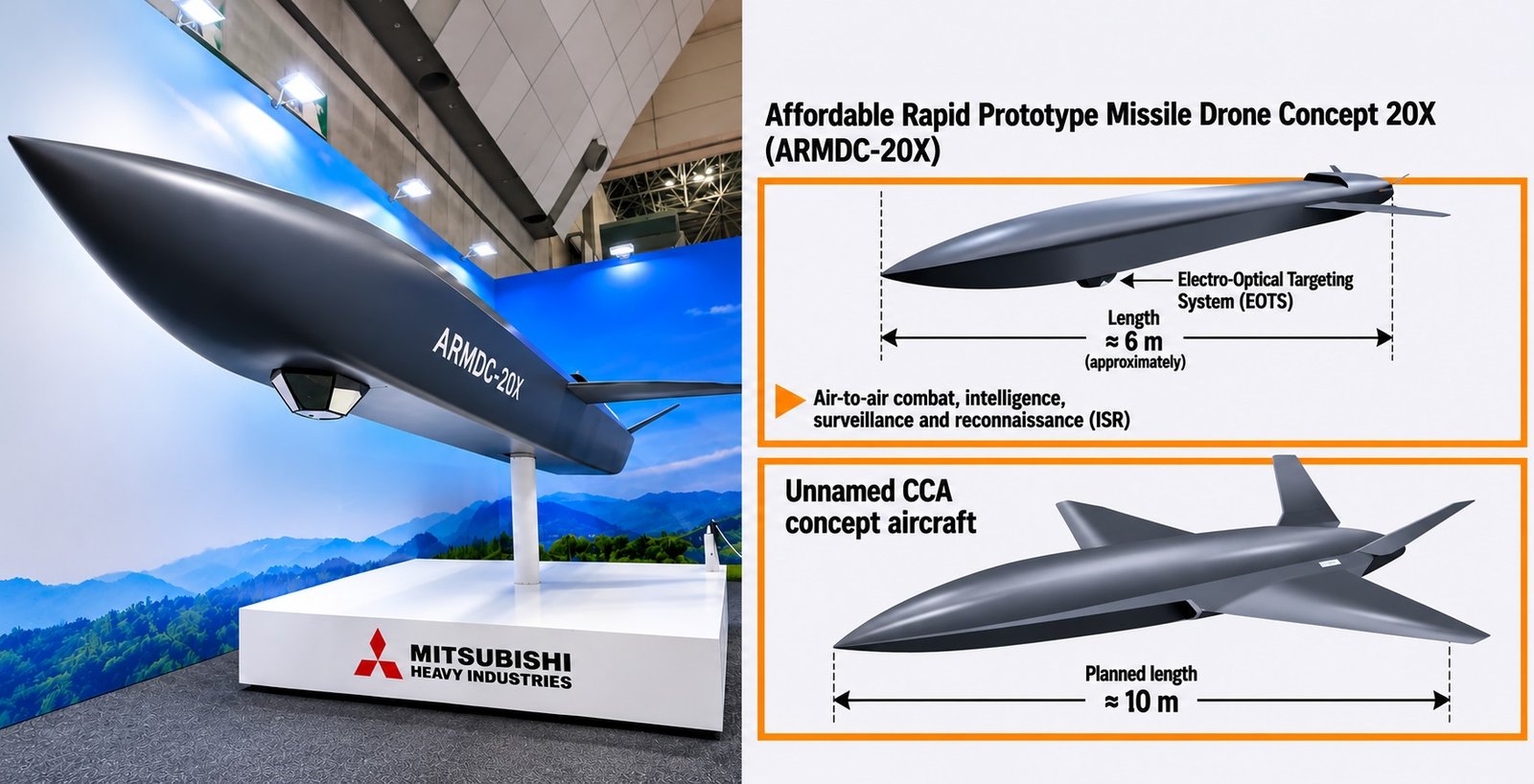
World
Tokyo, Japan – Japan’s major defence contractors, Mitsubishi Heavy Industries (MHI) and Kawasaki Heavy Industries, are developing missile-shaped and aircraft-type unmanned combat drones designed to operate alongside manned fighter jets. The concepts focus on low-cost production, rapid deployment and manned-unmanned teaming for future air operations. Mitsubishi Develops ARMDC-20X Missile Drone At the Japan International Aerospace Exhibition 2024 in Tokyo, Mitsubishi Heavy Industries presented two collaborative combat aircraft concepts. One of them, named ARMDC-20X (Affordable Rapid Prototype Missile Drone Concept 20X), features a slender, missile-like design and measures nearly 6 metres in length. Its displayed model featured an electro-optical targeting system beneath the nose and an engine intake on its upper surface. The drone is intended mainly for intelligence, surveillance and reconnaissance (ISR) missions, detecting and identifying threats before sharing information with crewed aircraft. It is designed as an affordable, attritable platform that can be produced in larger numbers. Mitsubishi also presented a larger, approximately 10-metre-long tactical combat UAV with a conventional aircraft-like design and twin tails. Unlike the ARMDC-20X, this platform is intended to be reusable, operate from runways and carry internal weapons for attack missions. Both concepts are being developed with artificial intelligence to support coordinated operations with manned fighters. They are also intended to support Japan’s future Global Combat Air Programme (GCAP) fighter, developed jointly with the United Kingdom and Italy, which is targeted to enter service in 2035. Kawasaki Develops Two Collaborative Drone Designs Kawasaki Heavy Industries is also studying two designs under its Collaborative Support Aircraft (CSA) programme, as confirmed by company officials in March 2026. The first is a missile-shaped drone measuring approximately 4–5 metres, designed for rapid production and launch from ground-based or naval platforms without requiring a runway. Kawasaki is also examining the possibility of launching these drones from airborne platforms, including its C-2 transport aircraft. The second design features a more conventional aircraft configuration. Kawasaki intends both platforms to support missions such as electronic warfare, intelligence, surveillance and reconnaissance (ISR). The company is also considering modular designs and open architecture to support different mission requirements. Artificial intelligence is expected to enable autonomous operations and reduce the workload on human operators. These drones are intended to operate alongside Japan Air Self-Defense Force aircraft, including future GCAP fighters and existing platforms such as the P-1 maritime patrol aircraft. Japan Focuses on Affordable Unmanned Combat Aircraft Both companies are pursuing a similar approach: developing relatively inexpensive unmanned platforms that can be manufactured quickly and deployed in larger numbers. Missile-like designs could offer greater launch flexibility, allowing drones to operate without depending entirely on conventional runways. They could also undertake high-risk missions, provide additional sensing capabilities and support crewed aircraft during combat operations. The programmes remain at the conceptual and development stage. Their development reflects Japan’s growing focus on collaborative combat aircraft as part of its future air power strategy.
Read More → Posted on 2026-11-09 15:34:09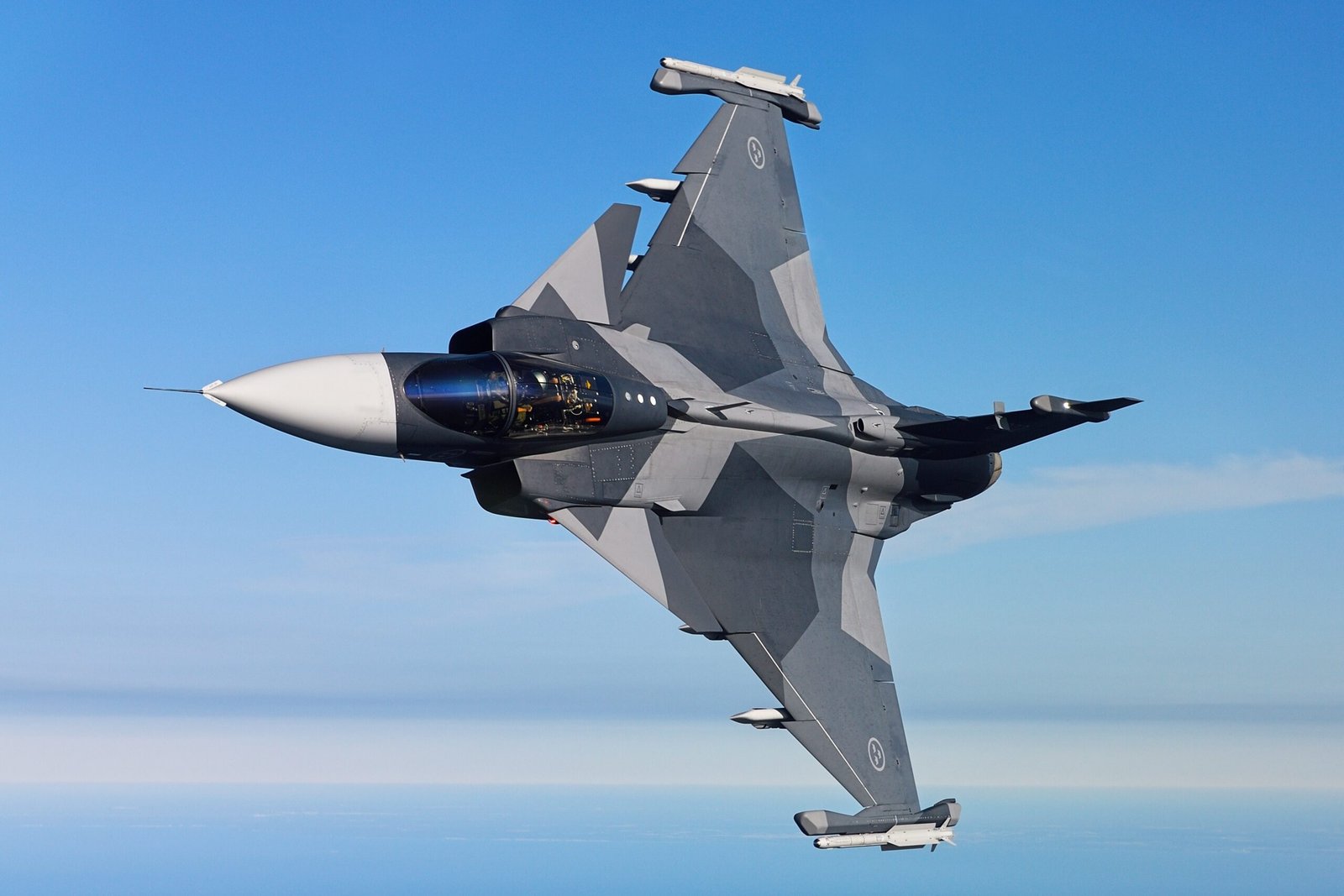
World
Stockholm, Sweden – Swedish defence company Saab has successfully flight-tested its own artificial intelligence (AI) agents on the Gripen E fighter, marking a new step in its development of autonomous combat technologies. The company announced the achievement on November 3, 2026, confirming that its AI agent autonomously controlled the aircraft during beyond-visual-range (BVR) air combat scenarios. The AI agents were developed by Saab’s Advanced Programs unit under its AI Fighter Pilot Academy project. They are trained in digital environments, accumulating millions of simulated flight hours across different combat scenarios. Their decisions are evaluated against mission objectives to improve their performance before actual flight testing. Saab previously tested AI on the Gripen E through Project Beyond, using Centaur, an AI agent developed by German company Helsing. The latest trials use Saab's own AI technology, giving the company control over its development, testing and future upgrades. The Gripen E's software-defined architecture also allows new AI capabilities to be integrated without major hardware modifications or a separate experimental aircraft. The AI technology is designed to support pilots in the cockpit and potentially control uncrewed aircraft operating alongside conventional fighters. Computing support comes from Sferical AI, a Swedish sovereign AI initiative in which Saab is a founding partner. Saab Develops A3-001 Uncrewed Combat Aircraft Saab's AI programme is closely linked to its plans for future crewed and uncrewed combat aircraft. On August 22, 2026, the company unveiled a full-scale mock-up of its A3-001 uncrewed combat aircraft concept at the Jubilee Air Show at Malmen Air Base in Linköping, Sweden. The aircraft is designed to operate alongside Gripen and future crewed fighters. Its proposed missions include electronic warfare, suppression of enemy air defences (SEAD) and precision strikes in highly contested environments. Saab plans to fly uncrewed demonstrators with fighter-like characteristics before 2030. $303 Million Contract for Future Fighter Technologies On September 9, 2026, the Swedish Defence Materiel Administration (FMV) awarded Saab a contract worth approximately SEK 2.9 billion (around $303 million) for continued development of future combat aircraft technologies. The contract covers technology demonstrators and concept studies for both crewed and uncrewed aircraft. Work will run from 2026 to 2028, with options for extensions in 2029 and 2030. Key development areas include systems integration, autonomy, signature management and propulsion. Saab Plans to Increase Gripen E/F Production Alongside future aircraft development, Saab is working to increase production of its Gripen E/F fighter jets to meet growing international demand. The company currently manufactures the aircraft in Sweden and Brazil and is targeting an annual production rate of 25–30 fighters, with a longer-term ambition of reaching up to 36 aircraft. Saab and Brazilian aerospace company Embraer have also agreed on a framework to potentially manufacture 20 additional Gripen aircraft at Embraer's facility in Brazil. The arrangement would supplement Saab's production line in Sweden. Ukraine is another important part of Saab's future production plans. Sweden has agreed to donate up to 16 Gripen C/D fighters to Ukraine, while a separate agreement covers 16 Gripen E aircraft, with deliveries scheduled for 2029–2030. Saab is also exploring possible industrial cooperation with Canada, including local production opportunities if the country selects the Gripen. Saab's latest developments reflect its strategy of combining AI-assisted Gripen operations, autonomous combat aircraft and expanded fighter production. By developing its own AI technology and uncrewed aircraft concepts, the company is preparing for future air combat in which crewed fighters and autonomous platforms operate together.
Read More → Posted on 2026-11-09 15:41:55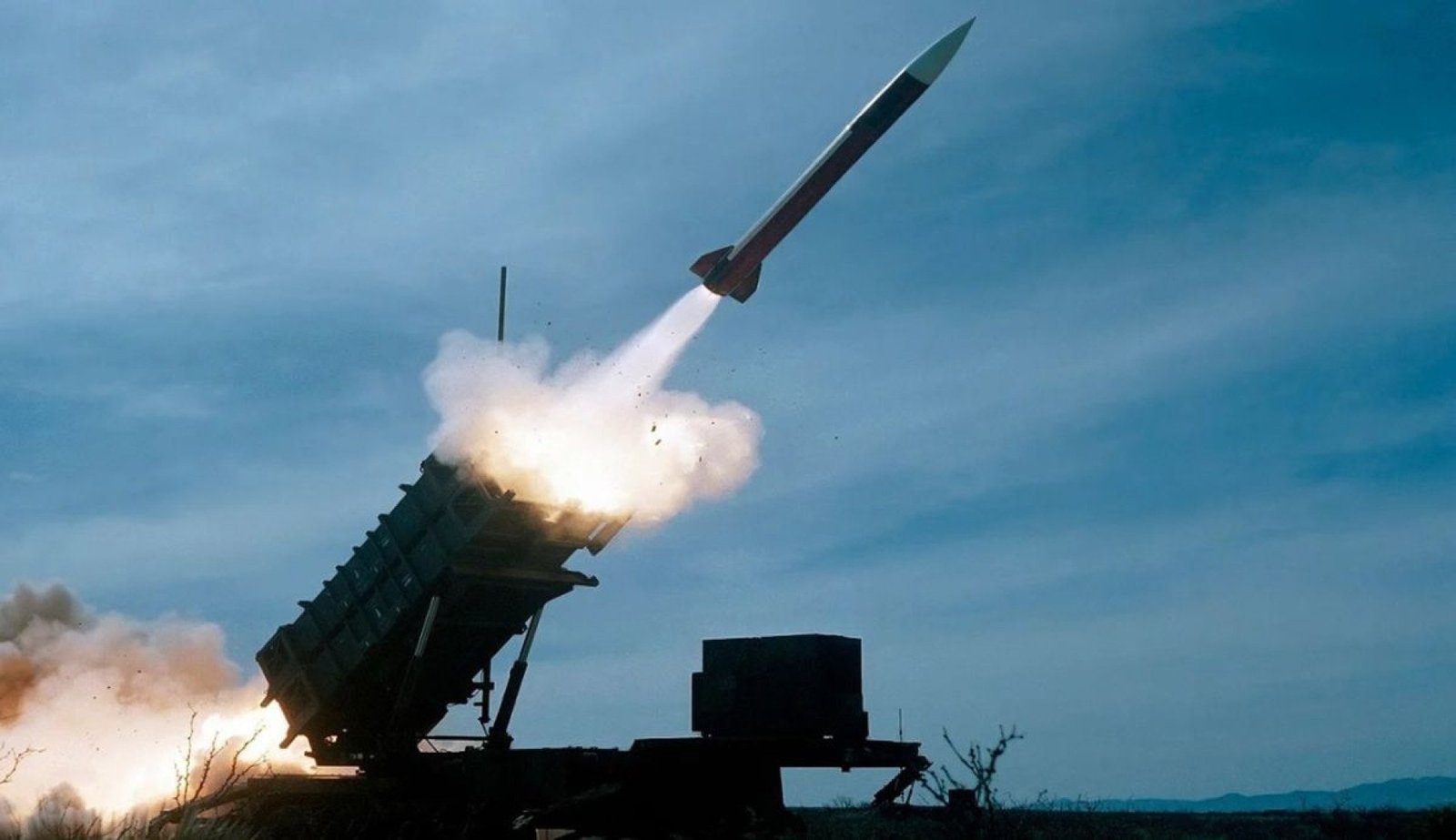
Europe
Kyiv, Ukraine – Ukraine is facing a prolonged shortage of Patriot air defence missiles as European stockpiles reach minimum levels and Russian missile production continues to expand. According to a Bloomberg report published on November 9, 2026, the supply situation is unlikely to improve significantly for at least another year. European countries are increasingly reluctant to transfer additional PAC-2 and PAC-3 interceptors without firm US guarantees that their own stocks will be replenished. On November 7, German Defence Minister Boris Pistorius said Germany had exhausted its capacity to provide more Patriot missiles from national reserves without weakening its own defence capabilities. Russian Missile Production Adds Pressure Serhiy Beskrestnov, an adviser to Ukraine's president on defence technology, stated that Russia is producing ballistic missiles at a rate exceeding the global production capacity of Patriot interceptors. According to Ukrainian military intelligence, Russia can manufacture up to 110 ballistic missiles per month and more than 200 cruise and ballistic missiles combined. As of October 2026, Russia reportedly held up to 700 ballistic missiles, including approximately 115 Iskander-M 9M723 missiles. Production of the Iskander-M is estimated at around 65 per month. These figures are Ukrainian assessments and have not been independently verified. Russia continues producing Iskander and S-400 missiles and has reportedly shifted some production focus from Kinzhal missiles towards standard ballistic missiles. Additional ballistic missile supplies from North Korea and Iran are adding to the challenge. New Supply Agreements Will Take Time In late October, the United States approved a potential $2.1 billion sale of 500 PAC-3 MSE interceptors to Ukraine, funded by allied countries, including Canada, Germany and Norway, alongside European financial support. However, deliveries could take years. Ukraine is also scheduled to receive 600 German-manufactured PAC-2 interceptors in 2027 and 2028. A separate agreement signed in late October will establish PAC-3 interceptor production in Poland, supporting longer-term European supplies. Meanwhile, Lockheed Martin delivered approximately 620 PAC-3 MSE interceptors in 2025. US production capacity, currently around 600–700 missiles annually, is planned to increase towards 2,000 missiles per year by around 2030 under a multiyear production agreement. These supplies must serve the United States and several international customers. US Patriot interceptor stockpiles have also declined. Estimates from the Center for Strategic and International Studies (CSIS) put remaining stocks at approximately 759–827 missiles, compared with around 2,330 before the Iran conflict. Ukraine Seeks Additional Interceptors Ukrainian President Volodymyr Zelenskyy has requested approximately 100 Patriot interceptors per month from existing stocks for the winter period, with future supplies expected through contracted production. He has also highlighted limited recent deliveries. Ukraine has explored domestic production of Patriot interceptors, but shortages of essential components remain an obstacle. A US pledge by President Donald Trump to provide a manufacturing licence has also not yet advanced into an operational production programme. With European inventories depleted, new production taking time and Russian missile manufacturing continuing, Ukraine faces at least another year of pressure on its Patriot air defence supplies. German deliveries, Polish production and the planned expansion of US manufacturing are expected to improve availability from 2027 onwards.
Read More → Posted on 2026-11-09 15:51:13 Iran Condemns US $20 Million Reward for Nuclear Intelligence, Warns Informants of Legal Consequences
World
VIENNA, – Iran has condemned a US government offer of up to $20 million for information about its nuclear programme, warning that individuals and organisations providing intelligence that facilitates attacks could face legal consequences. Iran’s Permanent Mission to the United Nations in Vienna issued the warning in a post on X on Saturday, describing the US Rewards for Justice initiative as an attempt to recruit accomplices for criminal acts, assassinations and further attacks against Iran. The US Central Command (CENTCOM) announced the reward on November 7 through the State Department’s Rewards for Justice programme. The offer includes up to $20 million and possible relocation assistance for information about Iran’s nuclear facilities, equipment, associated personnel, including nuclear scientists, and their movements. In response, the Iranian mission cited previous sabotage operations against its nuclear facilities and the killings of Iranian nuclear scientists. It warned that any government, state agency, non-state actor or international organisation, including the International Atomic Energy Agency (IAEA), providing information that facilitates such attacks could face international legal responsibility. Individuals knowingly assisting these activities, directly or indirectly, could also face individual criminal liability. “A bounty neither erases complicity nor brings immunity. ACCOUNTABILITY will follow,” the Iranian mission stated. It also published a graphic identifying 18 Iranian scientists whom Tehran says were killed in US-Israeli attacks or related operations. The statement concluded: “Our martyred scientists are our witnesses.” US Cites Concerns Over Iran's Nuclear Programme The US reward offer comes amid continued concerns over Iran's nuclear activities and its cooperation with the IAEA. The Rewards for Justice programme, established in 1984, provides financial incentives for information supporting US national security interests. According to the US State Department, Iran's lack of compliance with IAEA safeguards obligations has affected the agency's ability to maintain continuity of knowledge about the country's production and inventory of key nuclear components, including centrifuges. The US announcement also referred to 2025 IAEA reporting that Iran was enriching uranium to 60% purity. This is significantly above the enrichment level typically required for civilian nuclear power and closer to the approximately 90% level associated with weapons-grade uranium. Iran is currently the only non-nuclear-weapon state producing uranium at this enrichment level, according to the US notice. The maximum reward amount applies to information sought by the programme, although the announcement does not specify the exact criteria for receiving the full payment. The latest exchange adds to tensions between Washington and Tehran over Iran's nuclear infrastructure. US President Donald Trump has repeatedly claimed that American military operations severely damaged or destroyed Iran's nuclear programme. Despite the confrontation, diplomatic efforts continue. Iranian President Masoud Pezeshkian has indicated that his government remains interested in resolving the crisis through dialogue, while regional mediators are seeking a compromise to prevent further escalation.
Read More → Posted on 2026-11-09 15:59:35
World
Tehran, Iran – : Iran’s Islamic Revolutionary Guard Corps (IRGC) has removed its long-standing, self-imposed 2,000-kilometre limit on ballistic missile ranges, opening the possibility of developing longer-range weapons amid rising regional tensions. IRGC spokesperson Brigadier General Hossein Mohebbi confirmed the policy change during a press conference in Tehran on November 7. Asked about the previous restriction, he said, “That restriction has been lifted for us.” He added that Iran would demonstrate its capabilities in practice rather than through public statements. The announcement followed a warning by Supreme Leader Ayatollah Mojtaba Khamenei, who directed the armed forces to respond to threats from the United States and Israel without geographical limitations. Iran's Missile Range Policy The 2,000-kilometre restriction was publicly disclosed in 2017 by then-IRGC commander Mohammad Ali Jafari, who said it had been set by Supreme Leader Ali Khamenei. Even under the previous limit, Iranian missiles could reach the Arabian Peninsula, the Levant, most of Egypt and parts of Europe, including Greece, Bulgaria, Romania, Albania, North Macedonia and Serbia. Questions Over Longer-Range Capabilities Iran has not publicly demonstrated an operational ballistic missile with a verified range beyond 2,000 kilometres. However, US officials have previously warned that technology from Iran's space programme could potentially support the development of longer-range weapons, including intercontinental ballistic missiles (ICBMs). In March 2026, reports emerged of an attempted Iranian missile strike against the joint US-UK military base at Diego Garcia, approximately 4,000 kilometres from Iran. According to those reports, two missiles were involved. One failed during flight, while the other was intercepted. Iran has not confirmed the incident. Mohebbi described Iran's strategy as asymmetric warfare, saying the country could strike locations its adversaries might not expect. He also referred to underground missile facilities designed to support continued weapons production during attacks. The IRGC further highlighted Iran's domestic production of solid-fuel missiles and drones, reducing its dependence on foreign suppliers. The policy change removes a political restriction on Iran's future missile development. However, its actual capability to produce and deploy ballistic missiles beyond the previous 2,000-kilometre limit remains unverified.
Read More → Posted on 2026-11-09 16:08:17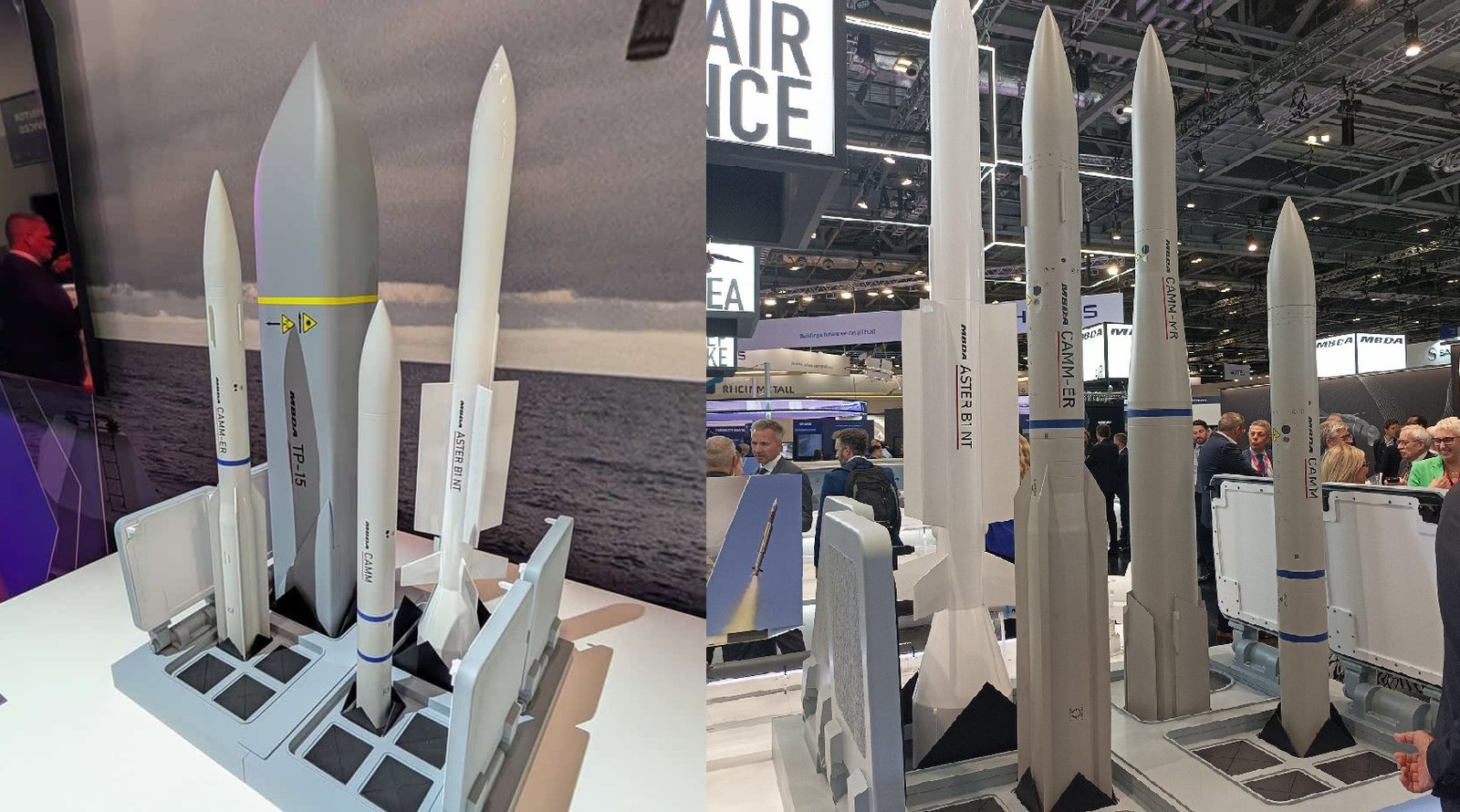
Europe
London - The UK Ministry of Defence (MoD) has awarded MBDA UK Limited a £1.86 million contract to study the integration of the Aster 30 surface-to-air missile with the Lockheed Martin MK 41 Vertical Launching System (VLS). The study will assess whether the missile can operate from the American-made launcher, potentially reducing the Royal Navy's dependence on separate launching systems. The 10-month, single-source contract was signed on 30 October 2026 and will run from 1 November 2026 to 31 August 2027. It is worth £1,860,855 excluding VAT and £2,233,026 including VAT. The MoD said the findings will support future naval capability decisions and improve operational flexibility. Aster 30 Currently Uses SYLVER Launchers The Royal Navy operates the Aster 30 as part of its Sea Viper air defence system aboard Type 45 destroyers. Sea Viper is the UK's version of the Principal Anti-Air Missile System (PAAMS), developed jointly with France and Italy. The Type 45 destroyers use a 48-cell SYLVER A50 launcher, manufactured by Naval Group. Both Aster 30 and the shorter-range Aster 15 are currently qualified to launch from the SYLVER system. MK 41 Standardisation Across Future Frigates The Royal Navy plans to standardise the MK 41 VLS across future crewed surface ships. The system is widely used by the US Navy and 14 other allied navies across more than 26 ship classes. It has recorded over 4,300 successful missile firings and supports a wide range of naval weapons. The UK's eight Type 26 frigates are being built with 24-cell MK 41 launchers. The Defence Investment Plan, presented in June 2026, also confirmed MK 41 installations for all five upcoming Type 31 frigates. Why MBDA Received the Contract The MoD selected MBDA through a single-source award, citing technical reasons and the absence of reasonable alternatives. MBDA is the original manufacturer of the Aster missile and has the expertise required to assess its compatibility with a different launcher. The company also holds contractual rights to use proprietary technical data from Lockheed Martin, the original manufacturer of the MK 41 system. Previous Integration Plans and Future Missiles Aster integration with MK 41 was considered during the early 1990s, when the UK, France and Italy were developing the PAAMS programme. However, the three countries ultimately selected SYLVER as their common launcher system. MBDA is also developing its Stratus Future Cruise/Anti-Ship Weapon (FC/ASW) programme, designed for compatibility with both MK 41 and SYLVER launchers. It includes two missiles: Stratus LO, a subsonic, long-range, very low-observable cruise missile, and Stratus RS, a high-supersonic, high-agility ramjet-powered missile. At the Combined Naval Event 2026, models showed Aster B1 NT, CAMM and Stratus missiles in MK 41 launcher configurations.
Read More → Posted on 2026-11-10 14:16:07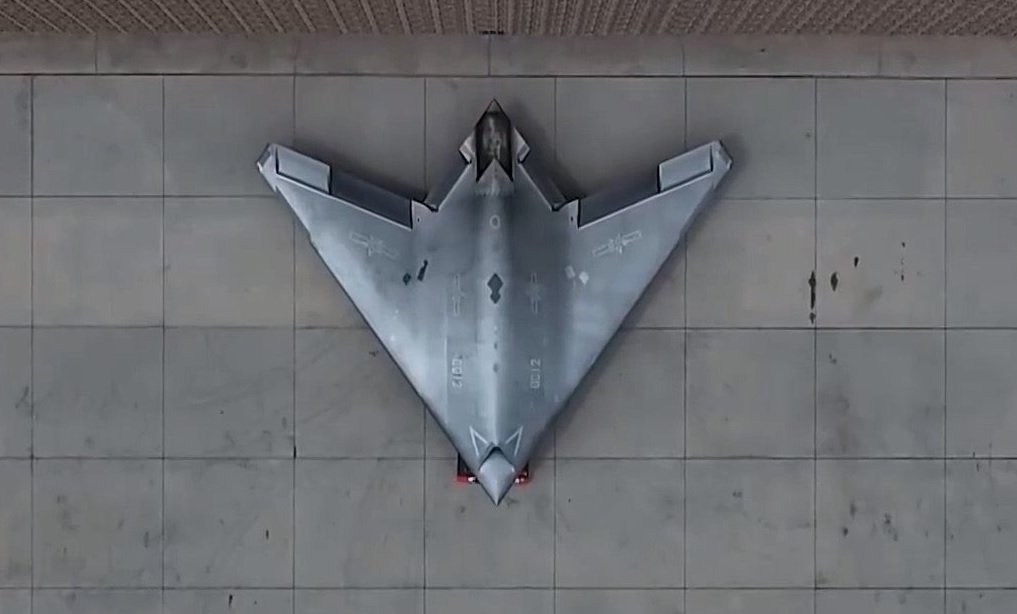
World
BEIJING, — China has released new close-up footage of its GJ-11 stealth unmanned combat aerial vehicle (UCAV), showing its internal weapons bays, landing gear and other stealth features. Chinese state broadcaster CCTV also reported that the drone had completed its first live-fire strike mission, successfully hitting its target. The footage, broadcast on November 9 ahead of the 77th anniversary of the People's Liberation Army Air Force (PLAAF) on November 11, provides the clearest public view of the drone's underside. China UNVEILS GJ-11 STEALTH DRONE — NEW FEATURES REVEALED in CLOSE-UP FOOTAGE Landing gear and INTERNAL weapons bay doors seen SELF-TRAINED FEMALE DRONE OPERATORS score FIRST-ROUND HIT during GJ-11’s FIRST live-fire strike mission https://t.co/AA04k8iqzn — RT (@RT_com) November 9, 2026 GJ-11 Internal Weapons Bays and Stealth Design The footage shows the landing gear retracting after takeoff and reveals two internal weapons bays beneath the fuselage, between the main landing gear. Their doors feature serrated edges designed to reduce radar reflections and maintain the drone's low-observable characteristics while carrying weapons. Other visible features include an upper-fuselage air intake, a flattened and shielded exhaust nozzle at the rear, and a chin-mounted electro-optical sensor. Its flying-wing design and radar-absorbing materials further support its stealth configuration. The GJ-11 is designed for precision strikes, reconnaissance and suppression of enemy air defence systems. Its internal weapons arrangement allows it to carry air-to-surface weapons without external mounting points. First Live-Fire Mission Conducted by Female Operators CCTV confirmed that the GJ-11 completed its first reported live-fire strike mission with two female PLAAF operators, Shi Xiaoran and Fu Ting. Both belong to the air force's first batch of self-trained female drone operators and completed their conversion training in five months. Shi explained that heavy cloud cover initially prevented the operators from seeing the target. They directed the drone to circle back for another approach. After visually acquiring the target, they released the weapon and achieved a hit with the first strike attempt. Shi also stated that a typical GJ-11 combat sortie lasts more than six hours, while some missions can continue for several days. CCTV did not disclose the exact mission date, location, target or weapon used. Mobile Control Station and Fighter Integration The GJ-11 operates through a mobile, container-based ground-control station that can be transported aboard military transport aircraft for deployment. The drone is designed to work alongside crewed fighters and other unmanned aircraft. Its roles include reconnaissance, identifying enemy air defences, acting as a decoy and launching guided weapons under human direction. In November 2025, China publicly showed the GJ-11 flying alongside J-20 and J-16 fighter aircraft, demonstrating its intended manned-unmanned teaming role. GJ-21 Naval Variant China is also developing a naval version of the stealth drone, designated GJ-21. The variant features folding wings and reinforced landing gear for carrier-based operations. Chinese state media reported on October 30, 2026, that the GJ-21 had completed its first takeoff and landing operations aboard the Type 076 amphibious assault ship Sichuan, which features electromagnetic catapult and arresting systems. The latest GJ-11 footage provides new information about the drone's design, weapons arrangement and operational control system. However, China has not disclosed its complete weapons capacity, combat range or detailed performance specifications.
Read More → Posted on 2026-11-10 14:22:47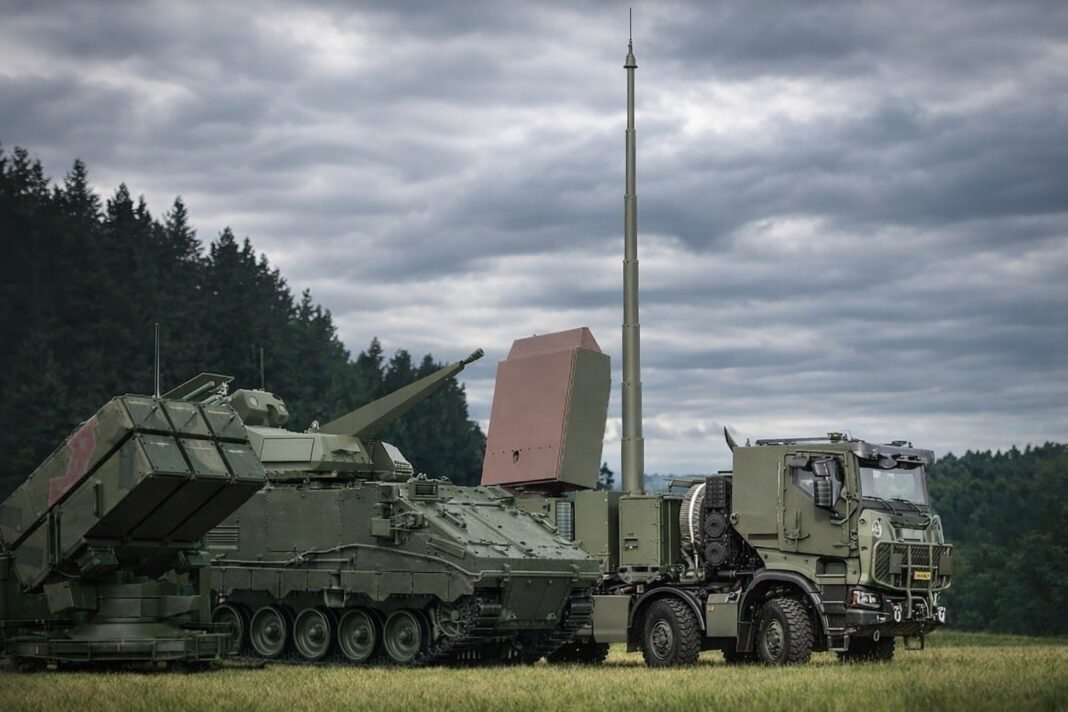
World
BRUSSELS, — Belgium and the Netherlands have signed new agreements to strengthen their joint air and missile defence capabilities. Under the agreements signed on November 9, Belgium will acquire NASAMS, Skyranger 30 and Multi-Mission Radar (MMR) systems with Dutch support. The procurement is part of Belgium's Blue Dome programme, which aims to establish a layered air defence network to protect critical infrastructure and the civilian population against drones, aircraft and cruise missiles. €3.1 Billion Air Defence Package The joint procurement package, valued at approximately €3.1 billion, includes: 10 NASAMS systems: Developed by Norway's Kongsberg, these systems will provide medium-range air defence against aircraft, helicopters and cruise missiles. A contract worth approximately €918–920 million was signed in September 2026. 20 Skyranger 30 systems: Manufactured by Germany's Rheinmetall, these platforms feature a 30 mm automatic cannon designed to counter drones and other low-flying threats. They will be mounted on hooklift platforms for stationary protection of territory and critical infrastructure. Deliveries will begin in late 2028. 14 Multi-Mission Radars: Supplied by Thales Netherlands, these mobile radars will provide aerial surveillance and target-tracking capabilities. 54 Iveco command vehicles: These will support the command and control network. The systems are identical to those being integrated into the Dutch armed forces, allowing both countries to share training, maintenance and operational arrangements. Dutch Support and Training The Netherlands will assist Belgium with training, testing, technical knowledge-sharing and operational preparations. Belgian personnel have already started training on NASAMS in the Netherlands. Belgium will also participate in the production and acceptance of the MMR systems and join their international user group. Vice Admiral Jan Willem Hartman, Commander of the Dutch Materiel and IT Command, signed the agreements on behalf of the Netherlands Ministry of Defence. Belgian technology companies are also expected to participate in the supply chain for the Blue Dome programme. Delivery Timeline and 51st Squadron Belgium plans to lease a NASAMS capability from 2027 to establish an initial operational capacity while waiting for its own systems. The first permanent NASAMS deliveries are scheduled for the end of 2027, while Skyranger 30 deliveries will begin in late 2028. On November 9, Belgium also reactivated its 51st Squadron after 37 years. The unit previously operated Nike Hercules surface-to-air missiles during the Cold War and will now operate the country's new ground-based air defence systems. The two countries will continue cooperating on deployment, maintenance and future software development to improve interoperability and strengthen their joint air defence capabilities within the Benelux region and NATO.
Read More → Posted on 2026-11-10 14:31:31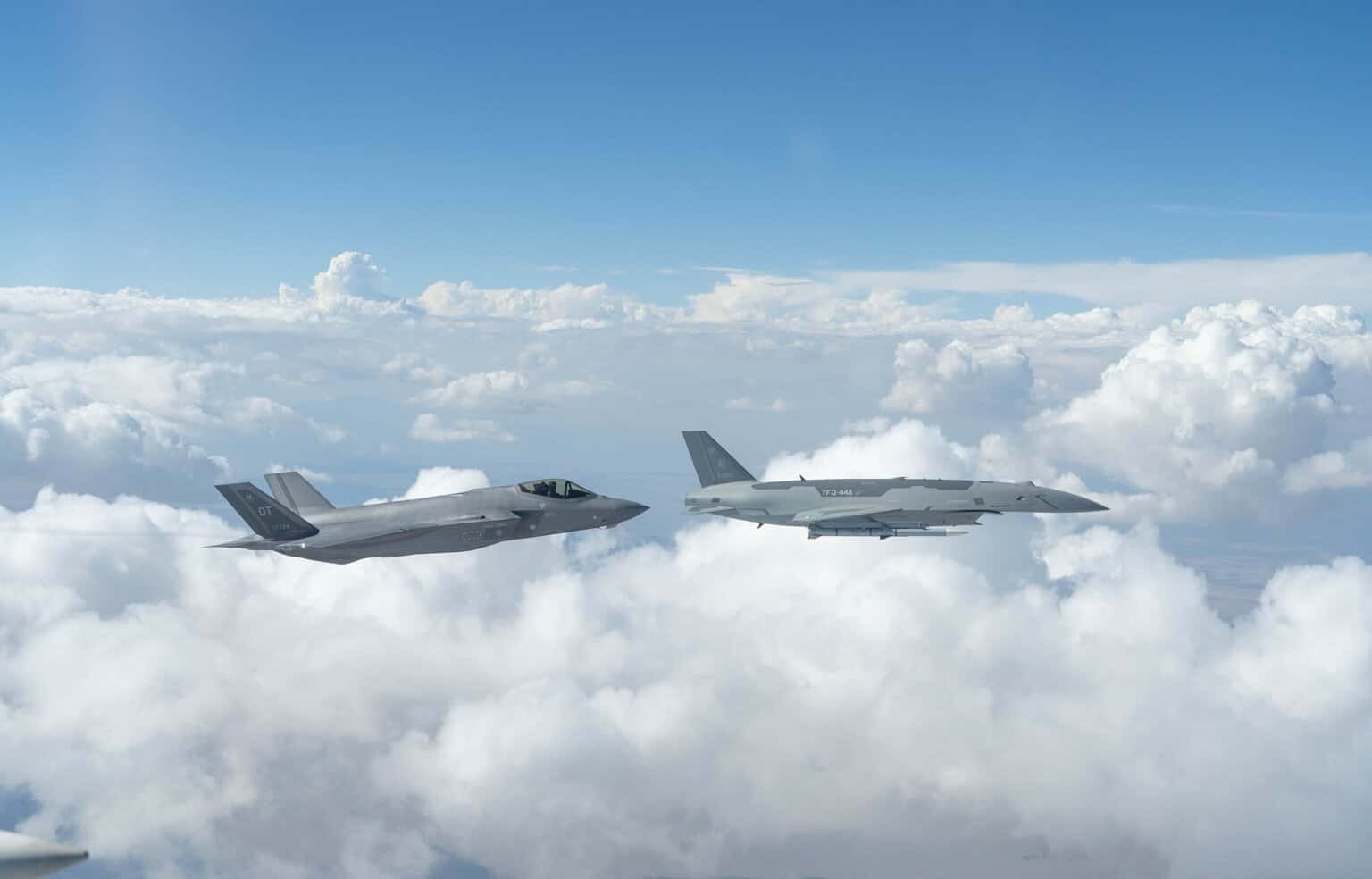
U.S
NEVADA, — Two Anduril FQ-44A Fury uncrewed aircraft have successfully flown in formation and performed coordinated air-to-air combat maneuvers using artificial intelligence software. The demonstration marks a new milestone in the U.S. Air Force's Collaborative Combat Aircraft (CCA) program. The test took place on October 26 at the Nevada Test and Training Range and was announced by Shield AI on November 9. Both drones used the company's Hivemind mission autonomy software to coordinate their movements and practice beyond-visual-range (BVR) tactics against a virtual airborne threat. A ground operator provided high-level instructions, while the software handled the tactical maneuvers. Earlier Test with an F-22 Fighter The demonstration followed an earlier test on October 8 at Edwards Air Force Base, California. During that flight, an airborne F-22 pilot acted as an "airborne quarterback", giving instructions to a single FQ-44A Fury. Hivemind translated the commands into real-time flight maneuvers and simulated combat tasks. The October 26 test advanced this capability by allowing two drones to operate as a coordinated team without an airborne human pilot. Faster Software Updates The tests also aim to accelerate updates to autonomous aircraft software. Todd Wesley, Shield AI's vice president of Hivemind engineering, said each flight provides data for the next software release. He added that the development process is approaching a stage where the Air Force could fly a mission, update the software overnight and conduct another flight the following day. This process is supported by the Air Force's Autonomy Government Reference Architecture (A-GRA), which separates mission autonomy software from aircraft-specific functions through standard interfaces. This allows new capabilities to be added without redesigning the entire aircraft software system while maintaining competition among suppliers. Future Drone Operations Shield AI said its Hivemind software has already been integrated into more than 40 uncrewed systems across air, land, sea and space. The company will continue testing with the Air Force and use flight data to improve the system. Future tests are expected to involve larger groups of drones and aircraft carrying and employing live munitions. However, the October demonstrations involved only simulated engagements and virtual targets, with no live weapons used.
Read More → Posted on 2026-11-10 14:44:47
Space & Technology
WALLOPS ISLAND, Virginia, — US aerospace company Rocket Lab has secured more than $515 million in new Neutron launch contracts, covering eight missions for five customers during the third quarter of 2026. The announcement on November 9 brings the rocket's total backlog to 16 missions before its first flight. Rocket Lab has also increased Neutron's base launch price from $55 million to $70 million. Several new contracts were signed at the higher price. Due to strong demand and limited launch capacity, the next available launch slots have moved into the 2030s. Five Customers Book Eight Missions The largest order comes from ICEYE, which secured three dedicated Neutron launches beginning in late 2028. Its synthetic aperture radar (SAR) satellites can capture images at night and through clouds. Ukraine has also used ICEYE imagery to monitor Russian military movements. The US Space Force booked one dedicated launch for its Space-Based Airborne Moving Target Indicator (SB-AMTI) program. It aims to track aircraft and other moving targets from orbit, a role currently supported by radar aircraft such as the E-3 Sentry. Rocket Lab previously received a $397 million award covering spacecraft development, launch and operations for the program. Other customers include Muon Space, which booked two launches for 2029 and 2030; Starcloud, which secured one 2029 launch for its planned space-based data centres; and Canada's Kepler Communications, which signed for one dedicated launch earlier in the quarter. Rocket Lab CEO Sir Peter Beck said Neutron is rapidly establishing itself as a platform for next-generation satellite constellations and government missions in the medium-lift launch category. Neutron Rocket Specifications and Defence Contracts Neutron is a reusable medium-lift rocket designed to carry up to 13,000 kg (28,700 pounds) to low Earth orbit. It is positioned between Rocket Lab's smaller Electron rocket and heavy-lift vehicles such as SpaceX's Falcon 9. Rocket Lab has also secured major US defence opportunities, including selection for the $5.6 billion National Security Space Launch (NSSL) program, under which it can compete for missions after Neutron receives certification. The company has additionally received a $266 million missile-testing contract from the US Space Force and participated in Pentagon hypersonic testing initiatives. Neutron's first flight is scheduled for 2027. However, the rocket has not yet flown, and its growing order book depends on successful testing and a transition to regular launch operations.
Read More → Posted on 2026-11-10 15:22:19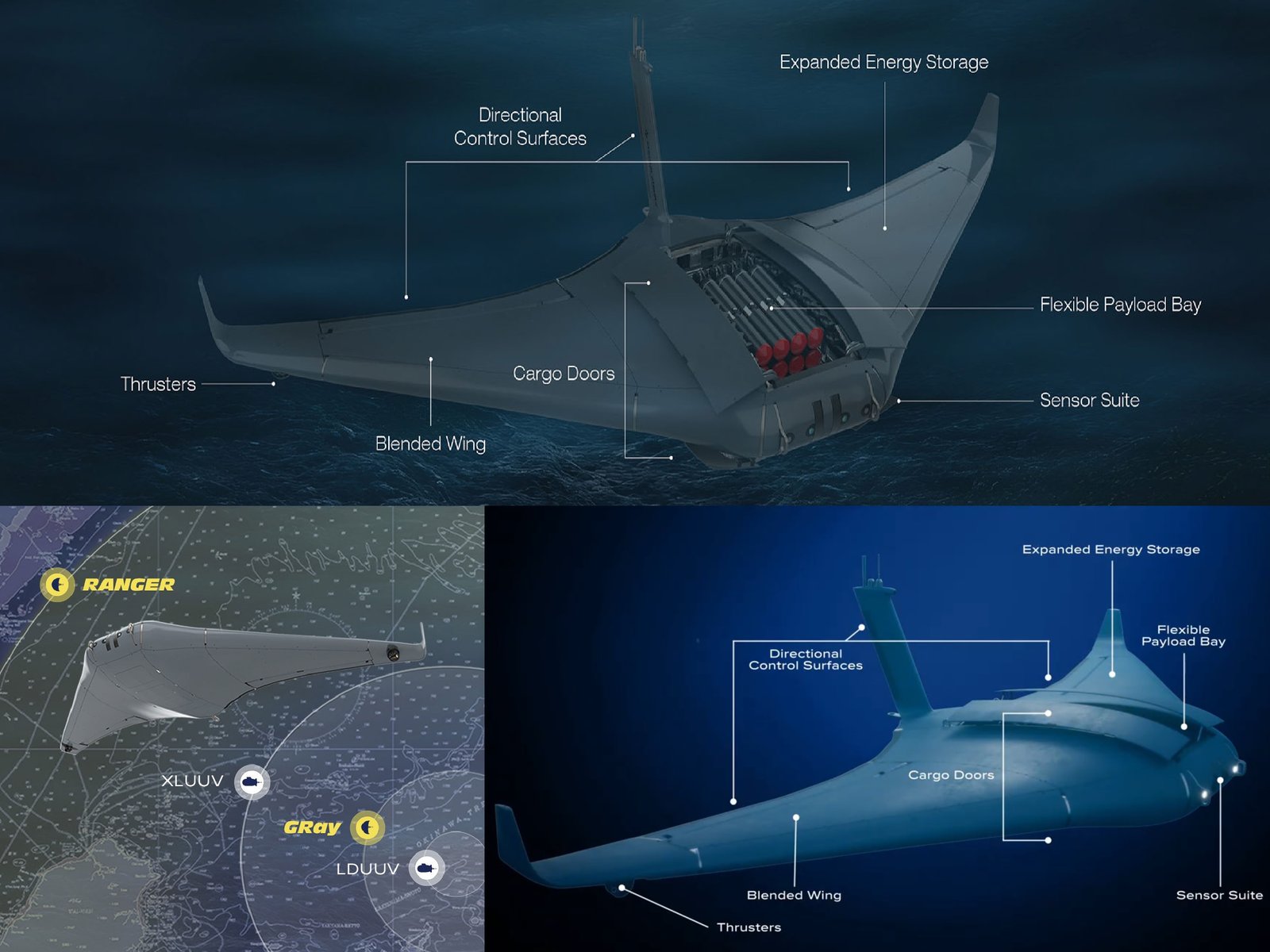
U.S
PARIS, — U.S. defence company General Atomics Electromagnetic Systems (GA-EMS) has unveiled two long-range unmanned underwater vehicles (UUVs), Ranger and GA-Ray, at the Euronaval 2026 exhibition in Paris. The platforms are designed for intelligence, surveillance and reconnaissance (ISR), mine deployment and strike missions, with the aim of extending underwater operational reach and reducing reliance on manned nuclear-powered attack submarines. Ranger and GA-Ray Specifications Both vehicles use a blended-wing, buoyancy-driven glider design for improved underwater efficiency and long endurance. The larger Ranger, classified as an Extra-Large Unmanned Underwater Vehicle (XLUUV), measures 100 to 135 feet and is designed for multi-year operations. One configuration includes a cargo bay comparable in size to a standard CONEX shipping container. The smaller GA-Ray (GRay) is a Large Displacement Unmanned Underwater Vehicle (LDUUV), measuring 22 feet. It offers endurance ranging from weeks to months and is being used for risk reduction, concept development and testing smaller underwater drones. General Atomics plans to scale the technology for Ranger. Payload and Drone Deployment Both platforms feature modular, open-architecture designs that support different mission payloads, autonomy software, acoustic sensors and quantum-enabled sensors. Depending on configuration, they can carry between 16 and 96 smaller underwater drones. Ranger can also transport two large-displacement UUVs or a containerised payload. At Euronaval, General Atomics showed footage of a successful test in which a quadcopter UAV launched from a tube carried by a smaller UUV. The smaller underwater vehicles can therefore deploy additional aerial and underwater systems. Long-Range Operations and Navigation The vehicles are designed for covert operations in contested maritime environments. They feature near-silent propulsion, no mast or snorkel and no routine surface exposure. Navigation systems include an Inertial Navigation System (INS), Doppler Velocity Log (DVL), optical communications and emerging quantum-enabled sensors, allowing operations in GPS-denied waters. General Atomics' concept graphics show potential deployment from Okinawa and Guam, with operational reach extending to First Island Chain chokepoints and coastal waters near mainland China. Depending on configuration, the company says the platforms can achieve tens of thousands of nautical miles of endurance. Testing and US Navy Hedge Force Strategy Rolf Ziesing, Vice President of Maritime Programs at GA-EMS, confirmed that submerged testing has lasted up to 70 days to simulate extended missions. He also said a power and energy system under development is intended to support multi-year operations or ranges of tens of thousands of kilometres. The Ranger and GA-Ray are designed to support the US Navy's Hedge Force Strategy, outlined by Chief of Naval Operations Admiral Daryl Caudle. The concept combines unmanned systems with crewed warships, aircraft and submarines to counter specific threats. Their planned roles include persistent surveillance, mine deployment, anti-submarine operations and strike missions. General Atomics said the programme and its payload technologies have attracted interest from multiple defence organisations. Some details about the energy systems and mission payloads have not yet been publicly disclosed.
Read More → Posted on 2026-11-10 15:40:41
U.S
WASHINGTON, — The U.S. Department of War's Joint Interagency Task Force 401 (JIATF-401) has awarded a contract worth more than $6.9 million to CHAOS 1, Inc. for its Vanquish Prime advanced radar systems. The contract, announced on November 4, will strengthen counter-drone defences for U.S. forces and critical assets across the U.S. Central Command (CENTCOM) area of responsibility. Under the agreement, CHAOS 1 will deliver the radar systems to designated locations in the CENTCOM region. The contract also includes training and technology to support their integration and operational use. Vanquish Prime Radar Capabilities The Vanquish Prime is an active electronically scanned array (AESA) 3D radar designed for 360-degree surveillance, detection and precision tracking of multiple aerial targets. It can detect and track Group 1–3 drones, aircraft, helicopters and cruise missiles, supporting early warning and counter-unmanned aircraft systems (C-UAS) operations. According to CHAOS Industries, the radar has completed more than 15,000 hours of tracking operations. It is designed for expeditionary deployment and can be set up by a two- to three-person team in under 60 minutes. The system also uses separate transmitter and receiver units to improve operator survivability and system resilience. Its software-defined architecture supports integration with command-and-control systems, including TAK, FAAD and Lattice. Strengthening U.S. Counter-Drone Defences The acquisition is part of JIATF-401's efforts to rapidly provide U.S. forces with counter-drone technologies through streamlined procurement procedures. The task force aims to build layered defences by combining radar detection and tracking with other technologies to identify and respond to unmanned aircraft threats. Lt. Col. Matthew Strohman, JIATF-401's Capability Manager for Mobile C-UAS, said the acquisition would help equip U.S. forces in CENTCOM with advanced technology to protect personnel and strategic interests against evolving unmanned-system threats. The contract does not specify the number of radar systems being purchased or their delivery schedule. However, the deployment will add another detection and tracking capability to U.S. military defences in the CENTCOM region.
Read More → Posted on 2026-11-10 15:44:42
U.S
WASHINGTON, — Microsoft is urging the Trump administration to abandon a proposed ban on Chinese-made optical transceivers, warning that restrictions could delay US AI data center construction and affect America's position in the global artificial intelligence industry. Optical transceivers convert electrical signals into optical signals and back, enabling high-speed data transmission through fiber-optic cables. They connect servers, switches and AI processors inside large data centers. The Federal Communications Commission (FCC) is preparing restrictions on new Chinese transceiver models over national security concerns. US officials fear the equipment could potentially be used for data theft, malware installation or disruption of critical infrastructure. Microsoft Raises Supply Chain Concerns Microsoft and other technology companies met officials from the White House Office of Science and Technology Policy and the National Security Council in September to explain the potential impact of restrictions. The Information Technology Industry Council (ITI) has also opposed the proposed ban. Its general counsel, John Miller, warned that restrictions could "grind" the US data center rollout to a halt. He noted that companies have already purchased expensive AI processors, which could remain unused without enough transceivers to connect them. China Controls Two-Thirds of Global Supply According to Counterpoint Research, China accounts for approximately two-thirds of the global optical transceiver market. Chinese manufacturers Zhongji Innolight and Eoptolink are among the leading suppliers. Zhongji Innolight also appears on the Pentagon's list of Chinese military companies. US manufacturers Coherent and Lumentum produce competing equipment but lack the manufacturing capacity to immediately replace Chinese suppliers. FCC Considers Limited Restrictions One option under discussion is to restrict only next-generation transceivers capable of handling 3.2 terabits per second. According to an October research note from Morgan Stanley, production of these advanced components is not expected to increase significantly until 2028, with wider industry installation projected for 2029. This could give US and allied manufacturers time to expand production before restrictions take effect. Microsoft's Data Center Expansion The issue is important for Microsoft, which has 35 data centers under construction in the United States and another 134 in the planning stages, according to market intelligence firm Cleanview. Microsoft declined to comment on the discussions. The White House, FCC and Chinese embassy in Washington did not immediately respond to requests for comment. The administration has not announced a final decision. The debate highlights the challenge of balancing national security with supply chain availability as the United States expands its AI infrastructure.
Read More → Posted on 2026-11-10 15:54:39
U.S
WASHINGTON, — The US House of Representatives is expected to consider eight articles of impeachment against Defense Secretary Pete Hegseth, introduced by Republican Representative Thomas Massie. The resolution accuses Hegseth of exceeding his authority through military operations in Iran, Yemen and Venezuela, as well as other alleged misconduct. House procedures require action on the measure by November 11. Massie introduced the 34-page resolution as a privileged measure. Three articles accuse Hegseth of violating the 1973 War Powers Resolution by conducting military operations against Iran without congressional authorization, continuing hostilities beyond the 60-day limit and ignoring a June congressional resolution calling for the withdrawal of US forces. Another article addresses civilian casualties, including a US strike on an elementary school in Minab, Iran, on the first day of the conflict, which killed scores of children. It also accuses Hegseth of weakening safeguards designed to reduce civilian casualties. Other charges concern strikes on suspected drug-trafficking vessels in the Caribbean Sea and eastern Pacific, reportedly killing more than 220 people; the January 2026 capture of Venezuelan President Nicolás Maduro; military operations in Yemen under Operation Rough Rider; and alleged retaliation against Democratic Senator Mark Kelly after he urged service members to refuse illegal orders. Hegseth and Trump Reject Allegations Hegseth has rejected the charges, saying the operations were lawful, ordered by President Donald Trump and conducted with congressional notification. At a Pentagon news conference, he called the impeachment effort a political spectacle and said he stood behind every operation. Trump has also defended Hegseth, criticizing Massie and describing the impeachment effort as politically motivated. He publicly praised Hegseth's response and pledged continued support. Hegseth's Pentagon Leadership Hegseth became the 29th US Secretary of Defense in January 2025. His tenure has included ending military diversity, equity and inclusion (DEI) programmes, major senior military leadership changes and an initiative to revive the historical designation Department of War alongside the current department name. Lawmakers Question $400 Million Ukraine Aid Delay Separately, 32 Republican and Democratic lawmakers from both chambers have written to Hegseth and White House budget director Russell Vought, demanding an explanation for delays in delivering $400 million in military assistance to Ukraine. Congress approved the funding in December 2025 under the Ukraine Security Assistance Initiative (USAI). Lawmakers say the current schedule could delay final deliveries until fiscal year 2029. They have requested details about the spending and delivery timelines, including the reported exclusion of Patriot interceptors, with a written response requested by November 30. House leaders can schedule a vote, table the resolution or refer it to a committee. A simple majority is required to approve the articles in the House. If passed, the resolution would move to the Senate for trial, where a two-thirds majority would be required to convict and remove Hegseth from office.
Read More → Posted on 2026-11-10 16:03:27
U.S
WASHINGTON, — U.S. Special Operations Command (USSOCOM) is seeking a helmet-mounted display system that will allow special operators to control first-person-view (FPV) drones and monitor battlefield information while maintaining awareness of their surroundings. A sources sought notice published on November 9 outlines the proposed system, which will combine ballistic protection, head tracking, drone control and real-time tactical information in a single module. The effort is currently at the market research stage, not a formal procurement. Technical Requirements USSOCOM requires a display with a 50-degree field of view that can show live drone video and information from the Android Tactical Assault Kit (ATAK), the military's mapping and situational awareness software. The module must integrate with existing helmets, radios, power hubs and ATAK devices. It must also withstand windblast and operate in contested, congested and all-weather environments. Unlike conventional FPV goggles, which cover the operator's eyes, the proposed display would allow troops to monitor drone video without losing sight of their immediate surroundings. Growing FPV Drone Operations The requirement reflects the growing use of FPV drones in Ukraine for reconnaissance and attacks using guided munitions. U.S. special operations forces are also expanding their capabilities. Green Berets conducted FPV live-fire and intelligence, surveillance and reconnaissance (ISR) training at Joint Base Lewis-McChord in October 2026. Earlier, U.S. Army Special Operations Command advanced an FPV drone procurement effort during SOF Week 2026 in May. Industry is also developing smaller control systems for dismounted troops. Neros Technologies has reduced the size of its attack drone controller by more than half. Lessons from the Army's IVAS Programme USSOCOM's requested 50-degree field of view sits between the 40-degree AN/PVS-14 night-vision device and the Army's Integrated Visual Augmentation System (IVAS), which initially targeted 70 degrees before reducing it to 60 degrees in the IVAS 1.2 redesign. IVAS faced problems including headaches, eyestrain, nausea, added helmet weight and poor low-light performance. The Army purchased 5,000 IVAS 1.0 and 5,000 IVAS 1.1 systems in 2022 and 2023. However, a July 2026 Government Accountability Office report stated that none of the 10,000 developed units would be fielded. The Army transitioned the programme to Soldier Borne Mission Command (SBMC) in April 2025, awarding Anduril $159 million and Rivet $195 million for an 18-month prototyping effort. Anduril advanced to the second phase in August 2026 after testing initial systems with the 75th Ranger Regiment. It is expected to deliver 170 second-phase prototypes, with a possible production decision in fiscal year 2028. Unlike IVAS, USSOCOM's proposed system focuses specifically on drone video, ATAK information and unmanned system control rather than a full mixed-reality headset. Contracting and Next Steps USSOCOM is seeking industry feedback on system requirements reviews, preliminary and critical design reviews, prototype deliveries and development testing. It is also considering a single award, firm-fixed-price or cost-plus contracts, and an Other Transaction Authority (OTA) agreement to support faster prototyping. Companies are also being asked to identify requirements that could restrict competition and opportunities for small businesses. The command has not disclosed the programme budget, required display quantity or fielding date. Responses must be submitted through USSOCOM's Vulcan platform by 3 p.m. Eastern time on December 1, 2026.
Read More → Posted on 2026-11-10 16:13:26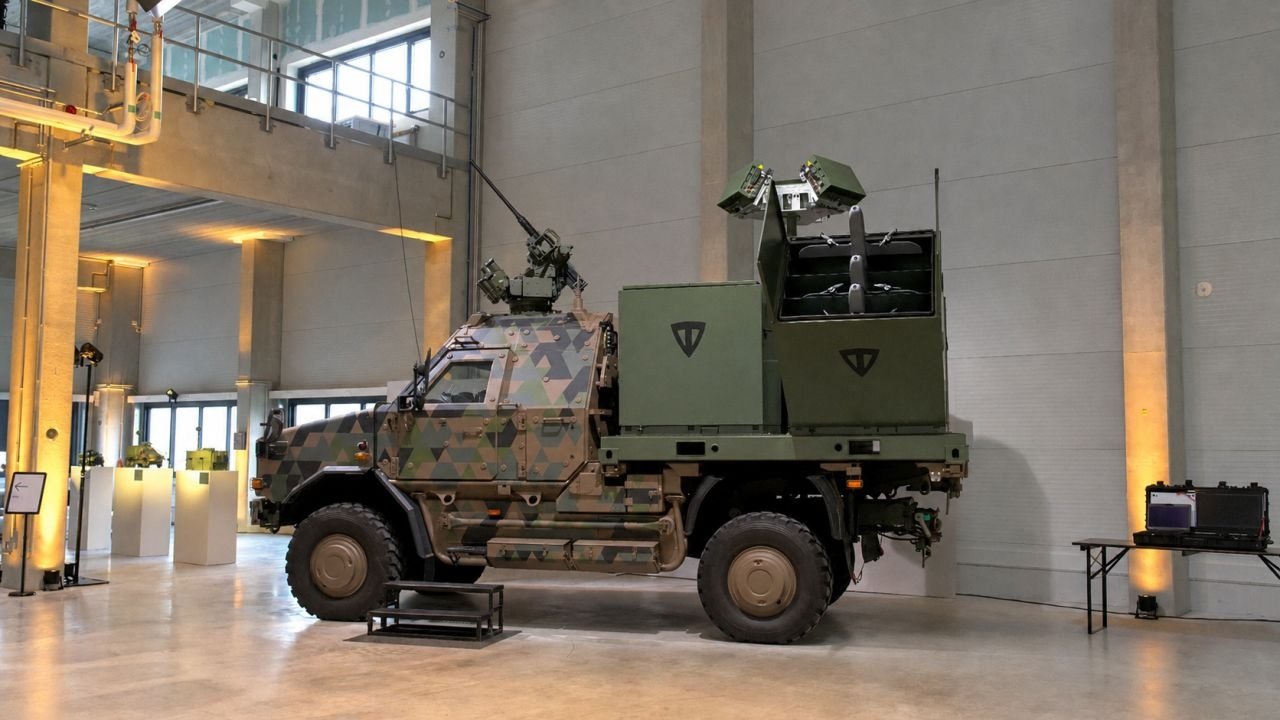
Europe
MUNICH, — German defence technology company TYTAN Technologies and KNDS Deutschland have unveiled a new mobile counter-drone system based on the Dingo 2 armoured vehicle. Called the Drone Defense Vehicle, it is designed to protect military units and critical infrastructure against unmanned aerial threats. The system was presented on November 9 during the inauguration of TYTAN's new production facility in Munich-Aubing. The event was attended by Bavarian Minister-President Markus Söder and German Economy Minister Katherina Reiche. Dingo 2 Platform and Drone Launchers The vehicle uses the 4×4 Dingo 2 Pick-Up platform with STANAG 4569 Level 3 ballistic protection. Its modified rear section can accommodate four interceptor launch containers, each carrying three drones, providing a total capacity of 12 interceptors. A three-person crew operates the vehicle, consisting of a driver, drone operator and weapon station operator. For aerial threat detection, the platform features a rotating sensor mast with radar and electro-optical systems. Reports identify the radar as the Hensoldt Spexer 2000M. The vehicle can also receive target information from wider air defence networks. A remotely operated weapon station equipped with a heavy machine gun provides additional close-range protection. EOS and METIS Interceptor Drones TYTAN's system uses two AI-powered interceptor models: EOS: A short-range multirotor designed to intercept small UAVs, including quadcopters and FPV drones. METIS: A fixed-wing interceptor designed to engage medium-sized reconnaissance drones and loitering munitions. METIS specifications vary across published reports. Earlier figures listed a weight of 5 kg, a payload of 1 kg, a range of 15 km and a speed of up to 250 km/h. More recent figures report a weight of around 6 kg, a payload of up to 1.2 kg, a range of up to 60 km, speeds exceeding 350 km/h and an operating altitude of up to 5 km. Mass Production and European Expansion TYTAN has started serial production of its interceptor drones at the new Munich-Aubing facility. The factory targets a production capacity of up to 3,000 drones per month, making it one of Western Europe's major production facilities for autonomous interceptor drones. The facility has initially opened with around 60 employees, with plans to increase staffing to 100 people working in shifts. TYTAN CEO and co-founder Balázs Nagy said the Munich facility would serve as a model for additional production sites across Europe. The company already supplies counter-drone systems for use in Ukraine and has received orders from the German Bundeswehr. Serial production of the integrated Dingo 2 Drone Defense Vehicle is scheduled to begin in early 2027. The partnership combines KNDS's armoured vehicle platform with TYTAN's autonomous interceptors to provide mobile protection against different categories of aerial threats.
Read More → Posted on 2026-11-10 16:18:47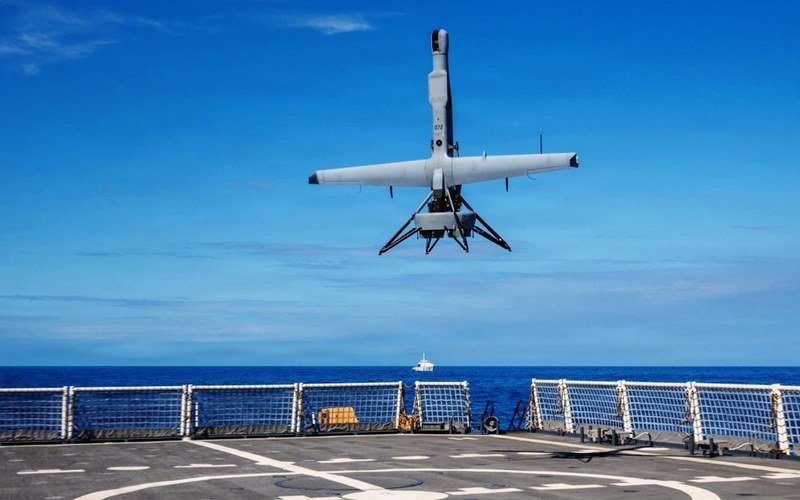
World
ATHENS, — Greece is expanding its V-BAT unmanned aerial vehicle (UAV) fleet following a new order placed by the NATO Support and Procurement Agency (NSPA) with US-based Shield AI. The additional systems will support the Hellenic Army and Navy in intelligence, surveillance and reconnaissance (ISR) missions across land and maritime areas. The order will allow both services to operate a common drone platform, simplifying training, maintenance and logistics. The contract also includes spare parts, ground support equipment, training and long-term technical support. The number of aircraft, contract value and delivery schedule have not been disclosed. V-BAT Drone Capabilities The V-BAT is a tactical vertical takeoff and landing (VTOL) drone powered by a JP-5 heavy-fuel engine and a single enclosed ducted fan. It can operate without conventional runways or dedicated launch equipment, including from ships, islands and coastal locations. It can also launch and recover from clearings as small as 4.6 × 4.6 metres. The drone offers more than 12 hours of endurance, a maximum payload capacity of 18.1 kg and an operational range of up to 180 km through a C-band data link. Its payload options include electro-optical/infrared sensors, synthetic aperture radar, Automatic Identification System receivers and laser designators. Shield AI says the aircraft is designed to operate in contested electronic warfare environments, including situations where GPS and communications networks are denied. Shield AI's regional director for Eastern and Southeast Europe, James Lythgoe, said the V-BAT is well suited to the Aegean region, allowing Greek forces to conduct long-endurance missions from islands, coastlines and ships. NATO Procurement and Greek Fleet Expansion The order was placed through NSPA's UAS Support Partnership, which allows participating countries to procure unmanned aircraft while retaining ownership and control. The framework also provides access to shared logistics, maintenance, training, upgrades and technical assistance. Greece previously received two V-BAT systems comprising four aircraft, donated by the Athanasios K. Laskaridis Charitable Foundation in May 2025. Shield AI signed a follow-on agreement with the Hellenic Army in June 2026. Greek defence reports also described a possible €71 million programme for 10 systems (20 aircraft) over four years, although Shield has not confirmed whether the latest order covers this programme. Shield AI's Industrial Partnerships in Greece Shield AI is expanding its local industrial cooperation. In July 2026, it partnered with ALTUS LSA to integrate the Greek-built KMB Hunter interceptor onto the V-BAT. It is also working with EFA GROUP on autonomous pilot capabilities using its Hivemind software. In October 2026, Shield AI signed a memorandum of understanding with Greek infrastructure company GEK TERNA to explore local production, integration and long-term support opportunities for its X-BAT unmanned combat aircraft. The additional order strengthens Greece's V-BAT capability for surveillance across the Aegean while expanding Shield AI's cooperation with the Greek defence industry.
Read More → Posted on 2026-11-11 14:08:31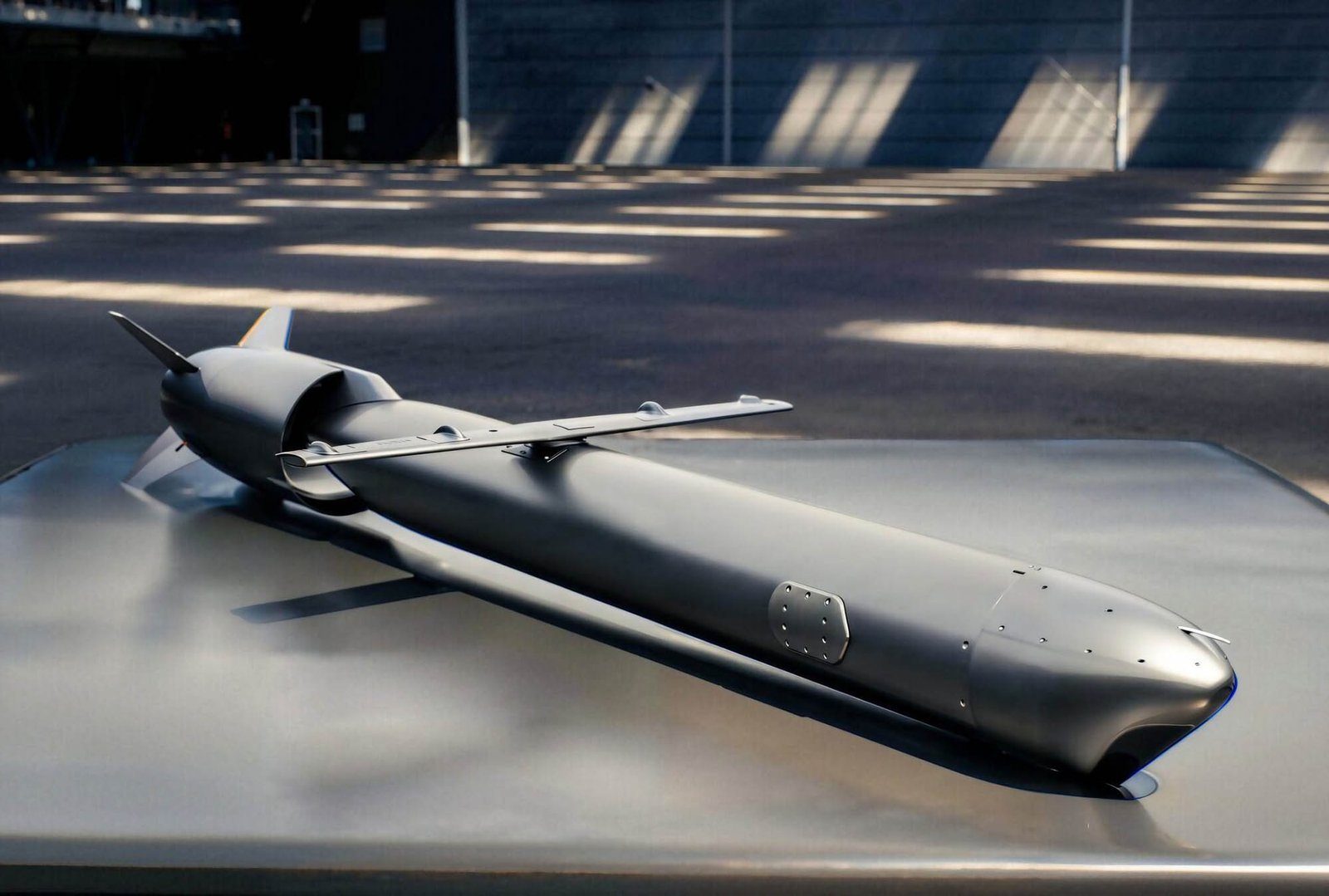
World
TEL AVIV, — Israel Aerospace Industries (IAI) has introduced the Sea Demon, a compact, low-cost naval cruise missile designed for high-volume precision strikes against ships and land targets. Developed from the company's Wind Demon missile family, the surface-to-surface weapon is intended to increase naval firepower through larger numbers of affordable missiles. 250-Kilometre Range and Guidance System The Sea Demon has a reported range of up to 250 kilometres (155 miles) and uses a sea-skimming flight profile, flying approximately 1–2 metres above the water to reduce radar detection. Its guidance system combines a triple-sensor electro-optical seeker, imaging infrared, high-definition visual sensors and anti-jamming GPS. Semi-active laser homing is also reported as an available guidance option. The missile supports both fire-and-forget and man-in-the-loop operation. It transmits real-time video to operators, allowing them to monitor the flight, adjust the aim point, change targets or abort an attack. Selectable speed profiles provide flexibility during the approach. 32-Cell Naval Launcher and Warhead The compact design allows a naval vessel to carry up to 32 missiles using two 16-cell launchers, according to published reports. The system is intended for both anti-ship and land-attack missions and can also be deployed from coastal launchers. The related Wind Demon missile weighs approximately 140 kg and carries a warhead of more than 20 kg, designed for blast-fragmentation or penetration effects. Sea Demon belongs to the same missile family, although its exact weight and warhead specifications have not been independently confirmed. Israeli Navy Integration Israeli defence reports state that Sea Demon has been integrated with Sa'ar 6-class corvettes and used in combat operations. Reports have also linked its use to Israeli strikes against a power plant in Yemen during operations against Houthi forces. The missile was also presented at the ASDA 2025 defence exhibition in Zagreb. Its development reflects the growing demand for compact, precision-guided weapons that allow naval vessels to launch larger numbers of missiles without relying entirely on expensive, larger systems. By combining a reported 250-kilometre range, operator-controlled targeting and compact launch arrangements, Sea Demon offers another option for naval and coastal strike operations.
Read More → Posted on 2026-11-11 14:26:45
World
TEHRAN, — Iran's Islamic Revolutionary Guard Corps (IRGC) has revealed a previously unseen cruise missile inside an underground facility described as a missile city. Footage released by IRGC-linked Tasnim News Agency on November 10 during Aerospace Week shows a missile with an angular design resembling the American AGM-158 JASSM stealth cruise missile. The facility contains ballistic missiles, cruise missiles and launchers. It was visited by Major General Ali Abdollahi, chief of staff of Iran's armed forces, and Brigadier General Majid Mousavi, commander of the IRGC Aerospace Force. The missile's identifying markings were blurred, while its exact location, weapons inventory and operational capacity were not disclosed. Iranian Missile Resembles American JASSM The display comes after reports that Iran recovered components of American JASSM and JASSM-ER missiles during the 2026 conflict. Iranian media previously reported that a largely intact missile had been recovered and examined by specialists. Reports also mentioned recovered wreckage near Arak and penetrator warhead components from other locations. However, the condition and identity of all recovered weapons have not been independently confirmed. The American AGM-158 JASSM, manufactured by Lockheed Martin, is a low-observable, air-launched cruise missile. The baseline AGM-158A has a range of approximately 370 km, while the extended-range AGM-158B JASSM-ER can reach more than 926 km. Both versions carry a 1,000-pound (450 kg) WDU-42/B penetrator warhead and use GPS-aided inertial navigation with an imaging infrared seeker. Their reported terminal accuracy is approximately 3 metres. Open-source estimates suggest U.S. forces used more than 1,000 JASSM-family missiles during the conflict. Commonly cited unit costs range from $1.4 million to $1.7 million, depending on the variant and production year. Reverse Engineering Remains Unconfirmed Although the displayed Iranian missile resembles the JASSM externally, this does not confirm that Iran has reproduced its complete technology. Developing an equivalent weapon would require advanced propulsion, guidance electronics, infrared seekers, radar-absorbing materials and warhead systems. Iran has not released confirmed flight-test results or technical specifications demonstrating that the new missile matches the American weapon's range, accuracy or stealth capabilities. The design could reflect an existing Iranian development programme, lessons from recovered components or a combination of both. Iran Expands Underground Missile Production IRGC spokesman Brigadier General Hossein Mohebbi said Iran had moved missile and drone production into underground facilities to maintain manufacturing during air attacks. The latest footage is part of Iran's effort to demonstrate its missile production and storage infrastructure following the 2026 conflict. However, the size, inventory and operational status of the newly revealed facility remain independently unverified.
Read More → Posted on 2026-11-11 14:39:48
World
TEL AVIV, — Israeli defense company Rafael Advanced Defense Systems has unveiled SUPER ICE, a new long-range cruise missile equipped with a 1,000-pound (454 kg) warhead. Designed for air, land and sea launch platforms, the missile is intended to strike high-value targets, including advanced air defence systems and fortified structures. SUPER ICE expands Rafael's ICE BREAKER and SEA BREAKER missile family with a significantly heavier payload. Its 454 kg warhead is four times heavier than the approximately 250-pound (113 kg) warhead of the original ICE BREAKER. It is described as compatible with the American Mk 83 bomb and features a programmable fuze delay, selectable impact angles and heading options for precision strikes. Multi-Platform Launch and Advanced Guidance The missile is designed for integration with fighter aircraft, including the F-35, F-16 and F-15, without requiring major airframe modifications. It also supports land-based and naval launch platforms. SUPER ICE features autonomous navigation, low-altitude terrain-following flight and high-subsonic speed. Its electro-optical guidance system uses image matching, scene matching and automatic target recognition to identify targets in all-weather conditions. The missile also incorporates electronic warfare resistance, low-observable features and navigation capabilities that allow it to operate without relying on GNSS signals. An optional human-in-the-loop mode provides additional operator control. Rafael has not disclosed its exact maximum range, speed or price. However, the company states that its range significantly exceeds the approximately 300 km associated with the earlier ICE BREAKER missile. Rafael Highlights Existing Infrastructure and Cost Benefits Rafael Chairman Prof. Yuval Steinitz described SUPER ICE as the best cruise missile of its kind and highlighted its ability to conduct long-range strikes against high-value targets. He also connected its development with the company's earlier POPEYE missile family. President and CEO Yoav Tourgeman said the system builds on decades of cruise missile development and operational experience while addressing growing demand for advanced multi-domain capabilities. Gad Geva, Senior Vice President and Head of Rafael's Air Systems Division, highlighted its compatibility with existing launch systems, logistics and mission-planning infrastructure. He said customers could use SUPER ICE alongside ICE BREAKER to select weapons according to mission requirements while reducing life-cycle costs and resource requirements. ICE BREAKER Family's Commercial Success Rafael's ICE BREAKER family has generated more than $1 billion in revenue by 2023, according to the supplied company information, with orders exceeding 1,000 missiles in 2024. Reports also indicate that the family has six international customers, although their identities have not been disclosed. SUPER ICE adds a heavier warhead and multi-domain launch capability to Rafael's cruise missile portfolio. The company has not announced a confirmed operational service date or disclosed specific orders for the new missile.
Read More → Posted on 2026-11-11 14:43:41
World
LONDON, — British counterterrorism police have arrested a 41-year-old U.S. Army soldier near Gloucester, southwest England, on suspicion of espionage offences linked to Russia. The arrest took place on November 10 under the U.K.'s National Security Act 2023. The unnamed serviceman was stationed at Imjin Barracks in Innsworth, Gloucestershire, which serves as the headquarters of NATO's Allied Rapid Reaction Corps (ARRC). Police searched two properties in the area following his arrest. He remains in custody at a London police station. Charges Under National Security Act The soldier was arrested under Sections 1 and 3 of the National Security Act 2023. Section 1 covers obtaining or disclosing protected information, while Section 3 criminalises assisting a foreign intelligence service. Police confirmed that the allegations relate to Russia. Under the Act, police can detain a suspect for up to 14 days without charge. His name and exact military rank have not been released, although officials have described him as a senior serviceman with access to sensitive information. Joint U.S.-U.K. Investigation The investigation is being led by the Metropolitan Police's Counter Terrorism Command, with support from the FBI, U.S. Army Counterintelligence Command and Britain's MI5. Deputy Assistant Commissioner Vicki Evans said the arrest followed close cooperation between British and American authorities. She described the allegations as serious and confirmed that the investigation is ongoing. Police also stated that the case is not connected to other ongoing counterterrorism investigations. U.S. Army Counterintelligence Commanding General Brig. Gen. Sean Stinchon said the alleged conduct involved a senior soldier entrusted with sensitive information. He highlighted the continuing risk of insider threats and urged military personnel to report suspicious activities. FBI Director Kash Patel said the agency has no tolerance for individuals who break their oath and endanger U.S. national security or that of its partners. He also cited 167 counterintelligence and espionage arrests over the previous 21 months, a reported increase of 53%. The arrest comes amid growing Western concerns about Russian intelligence activities and threats to military infrastructure. MI5 Director-General Ken McCallum has previously described Russia as Britain's "aggressor number one" and warned that countering foreign intelligence activities requires long-term security planning. The Kremlin has denied involvement in the case. Spokesman Dmitry Peskov said Russia had "absolutely nothing to do with this." Authorities have not disclosed what classified information the soldier allegedly attempted to obtain or share. The allegations have not been proven in court, and the investigation remains ongoing.
Read More → Posted on 2026-11-11 14:50:41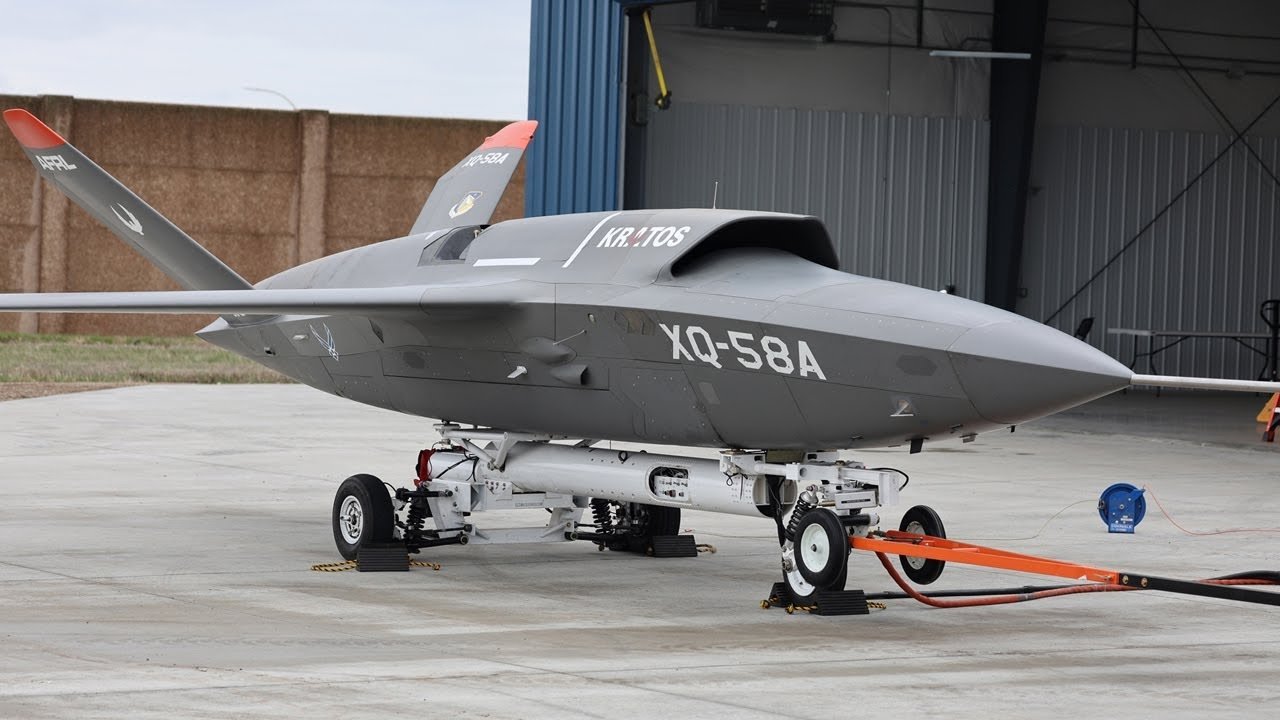
World
UNITED STATES, — Kratos Defense & Security Solutions has updated the estimated price of its MQ-58 Valkyrie unmanned combat aircraft to between $6 million and $8 million per unit. The price applies to basic production airframes, known as "white tails", without certain mission systems installed. Fully equipped versions will cost more. Kratos CEO Eric DeMarco announced the updated price during the company's third-quarter 2026 earnings call on November 5. He said affordability would remain a major factor in the growing Collaborative Combat Aircraft (CCA) market. Valkyrie Price Compared with Competitors The new price is higher than previous estimates. In 2024, Kratos quoted $4 million to $6 million for rocket-assisted takeoff (RATO) versions, assuming production economies from an order of 100 aircraft. The company had also discussed a long-term target of approximately $2 million per airframe at higher production volumes. Despite the increase, Valkyrie remains relatively inexpensive compared with competing designs. The US Air Force targets an average cost of around $20 million for its first CCA increment, featuring General Atomics' FQ-42A Vengeance and Anduril's FQ-44A Fury. Boeing's MQ-28 Ghost Bat was previously estimated at $8 million to $10 million. Production Orders and European Development Kratos has secured a low-rate initial production (LRIP) contract from an undisclosed customer and expects additional orders in 2027. It also holds at least two other Valkyrie contracts, including an international order delivered in the third quarter of 2025. The company is partnering with Airbus to offer the U740 variant to Germany and other European customers. The aircraft completed its first flight at a northern European test facility in late September or early October 2026. The flight included rocket-assisted takeoff, manoeuvres at different altitudes and speeds up to Mach 0.8, and in-flight mission adjustments. The partners aim to deliver a combat-ready system by 2029. Different Configurations and US Military Programmes The Valkyrie comes in two main configurations. RATO versions use rocket boosters for takeoff and recover by parachute, while conventional takeoff and landing (CTOL) versions use landing gear for conventional runway operations. CTOL aircraft can also use rocket-assisted launch methods if required. Kratos has developed a launch trolley for runway-based RATO operations. The US Air Force has tested the XQ-58A since 2019. The US Marine Corps is acquiring fully mission-equipped CTOL aircraft, sometimes designated MQ-58B, under its MUX TACAIR programme. Northrop Grumman is the prime contractor for that effort, which received an initial $231.5 million development agreement in January 2026. Kratos has developed at least five Valkyrie subvariants. The aircraft measures approximately 30 feet in length, has a 27-foot wingspan and a maximum launch weight of around 6,500 pounds. Its design includes an internal weapons bay and underwing stations. Production Capacity and Development Challenges Kratos currently manufactures 150 to 200 tactical and target jet drones annually. DeMarco said shared components and supply chains across these product lines help the company control manufacturing costs. Kratos previously targeted production of 40 Valkyrie airframes annually by 2028. The programme experienced a setback on August 4, 2026, when an experimental Valkyrie crashed shortly after takeoff at the US Army's Dugway Proving Ground in Utah. No one was injured. Kratos temporarily paused flight testing while investigating the incident. The crash was not discussed during the latest earnings call. Kratos also reported a record $2.6 billion backlog and $1.04 billion in third-quarter bookings. DeMarco highlighted the company's ability to obtain US State Department approvals and demonstrate the U740 at overseas test ranges as an advantage in international competition. With the Valkyrie already in production, Kratos is relying on its relatively low price, manufacturing capacity and growing international opportunities to compete in the expanding CCA market. Main Source : TWZ
Read More → Posted on 2026-11-11 15:46:20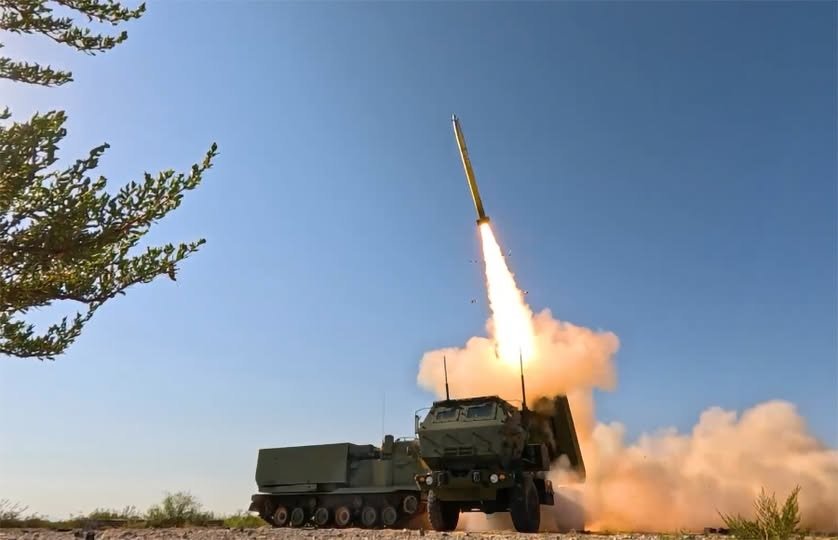
U.S
CAMDEN, Ark., — Lockheed Martin has delivered its 100,000th Guided Multiple Launch Rocket System (GMLRS) rocket and increased annual production to nearly 14,000 units, reaching the target ahead of schedule. The precision-guided rockets are used by the U.S. Army and allied forces and launched from M142 HIMARS and M270 MLRS systems. The milestone was marked at Lockheed Martin's Camden, Arkansas, facility, where more than 200 employees support GMLRS production. New Solid Rocket Motor Test Lockheed Martin and General Dynamics Ordnance and Tactical Systems (GDOTS) have completed the first ground test of a new GMLRS solid rocket motor. Further testing is planned, with full qualification targeted for 2027. Once qualified, it will provide a third domestic U.S. source for the motor. GDOTS already supplies GMLRS warheads, rocket motor cases and launch pod containers. Chris Haynes, senior vice president and general manager at GDOTS, described the test as an important milestone in expanding motor production capacity. Production Expansion and Supply Chain The GMLRS supply chain includes more than 200 suppliers across 35 U.S. states, including over 50 small businesses. Gaylia Campbell, vice president and general manager of Lockheed Martin Tactical Missiles, said the company is working with the Department of War and industry partners to meet demand. Lockheed Martin is increasing the Camden facility's workforce by 50% to support production of GMLRS, PAC-3 MSE and Precision Strike Missile (PrSM). The expansion follows a $3 billion U.S. Army contract awarded in June 2026 for standard and extended-range GMLRS production during fiscal year 2026. Current rocket motor suppliers include L3Harris Technologies and Northrop Grumman. L3Harris recently opened a new production facility in Camden and received a $250 million contract for a record quantity of GMLRS motors. Qualification of the GDOTS motor would add another domestic source. Workforce Development Lockheed Martin's high school recruitment initiative, now in its fourth year, hired a record more than 40 graduating students into full-time munitions production jobs this year. The company is also helping fund a new Industrial Automation and Robotics Lab at the Defense Manufacturing Center of Excellence at Southern Arkansas University Tech (SAU Tech). The increase to nearly 14,000 rockets annually follows earlier production expansion from approximately 8,000 units per year. Meanwhile, the extended-range GMLRS variant, designed to reach approximately 150 kilometres, remains in development. These efforts aim to increase U.S. and allied access to GMLRS rockets while expanding domestic manufacturing and supply chain capacity.
Read More → Posted on 2026-11-11 15:52:48
Europe
BERLIN, — German defence technology company Helsing has unveiled Clarity, an AI-powered platform designed to process battlefield intelligence, identify enemy positions and prepare information for potential strikes. The platform combines data from satellites, drones, radar sensors, open sources and military reports. It analyses large volumes of information within seconds to create a unified operational picture and address the growing challenge of battlefield data overload. Hundreds of AI Agents Process Intelligence Clarity uses an agentic AI architecture with hundreds of specialised agents working simultaneously. They monitor different data streams, including maritime tracks, signals and written reports. A coordinating master agent connects their findings to identify potential targets and recommend suitable weapons. Helsing trained the system using real-world combat data, AI-generated synthetic data and simulated combat scenarios. This approach is intended to help the platform respond to situations not covered by existing military datasets. Human Control Over Strike Decisions Despite its automation, Helsing says humans retain control over all lethal authorisations. Clarity nominates potential targets only when multiple independent intelligence sources provide sufficient confidence. The system then recommends a suitable weapon. However, a human operator must review the evidence, verify the target and manually authorise the transfer of information to a strike system. Clarity also maintains a complete audit trail of its decision-making process. "All armed forces need intelligence capabilities that can keep pace with the speed of combat operations. Autonomous systems are playing an increasingly important role. That is why target detection must be integrated with the ability to strike them," said Gundbert Scherf, co-founder and co-CEO of Helsing. European-Controlled Platform with NATO Compatibility Clarity runs entirely on customer-owned infrastructure, including secure data centres and systems deployed in forward operating areas. Helsing says the platform was developed under European control without relying on external servers, allowing customers to retain control over their data, AI models and operations. It follows NATO standards and Modular Open Systems Approach (MOSA) principles, supporting integration with existing military networks and weapons systems from different manufacturers. The launch positions Helsing alongside established defence technology companies such as Palantir, whose Maven system is already used by military forces. Helsing has not disclosed whether any armed forces have adopted Clarity or when it will enter operational service. The platform aims to turn large volumes of battlefield intelligence into actionable information while keeping humans responsible for strike decisions.
Read More → Posted on 2026-11-11 16:00:52
Europe
PARIS, — France has awarded a contract worth more than €1.5 billion (approximately $1.7 billion) to Airbus Defence and Space and Thales Alenia Space to develop two next-generation military observation satellites under the IRIS programme. France's Directorate General of Armaments (DGA) notified the companies on November 5, with the French Ministry of the Armed Forces announcing the contract on November 9, 2026. Airbus and Thales to Develop Two Satellites Airbus Defence and Space will act as the lead contractor. It will manufacture both satellite platforms, supply a significant part of the first satellite's instruments and manage the ground control infrastructure. Thales Alenia Space, a joint venture between Thales (67%) and Leonardo (33%), will provide critical optical payload components for the first satellite and develop the complete next-generation optical payload for the second. The company described the second satellite's instrument as Europe's most advanced optical observation payload. The programme will also involve European subcontractors, including Lynred, Pyxalis, Sodern, Safran Reosc and Air Liquide Advanced Technologies. The contract covers satellite design, manufacturing, testing, ground systems, in-orbit operations and maintenance, with work continuing until the end of the 2030s. High-Resolution Imaging and Space Surveillance The IRIS (Instruments de Renseignement et d’Imagerie Spatiale) programme will provide the French military with extremely high-resolution images of locations worldwide. The satellites will use visible and infrared sensors to collect images during both day and night. Their technologies will include hyper-stable telescopes, active optics and highly sensitive digital sensors. Artificial intelligence-based image processing will help improve image quality and speed up intelligence delivery to military users. The satellites will also monitor objects in orbit to support space surveillance and the identification of potential orbital threats. Replacing the Existing CSO Satellite System IRIS will progressively replace France's three-satellite Composante Spatiale Optique (CSO) constellation, launched in 2018, 2020 and 2025. The first IRIS satellite is expected to become operational around 2033, taking over the primary intelligence-gathering roles of CSO-1 and CSO-2. The second satellite is expected to join the constellation by approximately 2035, providing further improvements in image resolution as the final CSO satellite approaches the end of its operational life. The transition is designed to maintain continuous space-based intelligence coverage for the French armed forces. French Space Command to Operate IRIS Once operational, the satellites will be managed by France's Space Command (Commandement de l’espace), headquartered at Air Base 101 in Toulouse. IRIS is a sovereign French programme designed to maintain independent access to military satellite imagery. However, it will remain open to cooperation with allied nations, allowing partner countries to access its intelligence data. The programme will strengthen France's independent intelligence capabilities while supporting its domestic and European space industry.
Read More → Posted on 2026-11-11 16:09:13
U.S
FORT BENNING, Georgia, — The U.S. Army has started testing commercial autonomous passenger shuttles at Fort Benning, Georgia, after five vehicles arrived on November 4. The trial is part of the Robotic Operations for Autonomous Delivery and Sustainment (ROADS) challenge, managed jointly by the Army and the Defense Innovation Unit (DIU). Fort Benning is one of two installations selected for the trial. The planned fleet will consist of six vehicles, including four electric and two hybrid vans, supplied by three American companies: Applied Intuition, Perrone Robotics, and Forterra in partnership with May Mobility. The exact vehicle models and trial cost have not been disclosed. Reducing Soldiers' Routine Duties The Army aims to reduce the number of soldiers assigned to driving duties across large military installations. Thousands of trainees, instructors and other personnel regularly travel between training areas and support facilities at Fort Benning. Charles Auer, the installation's pilot lead, said continuous vehicle dispatching requires dedicated drivers, taking soldiers away from their primary training and tactical responsibilities. The Fort Benning trial focuses only on passenger transportation, although the wider ROADS challenge also covers cargo delivery. The goal is to give instructors more teaching time and free soldiers for other duties. Testing and Safety Measures During the first two to three weeks, human drivers will operate the shuttles manually while teams collect LiDAR, video and GPS data to map approved routes and build the system architecture. The vehicles will operate only on paved roads. Sensitive locations, including Lawson Army Airfield, ammunition supply points and tactical compounds, are excluded. After mapping, vendors will conduct phased demonstrations and test runs through the end of 2026. Each vehicle will undergo further testing with a safety driver onboard before the Army considers fully driverless operations. Auer said safety remains the priority and that the transition to autonomous operations will follow a phased approach. ROADS Challenge and U.S. Technology Restrictions Launched in May 2026, the ROADS challenge is a $30 million initiative designed to introduce commercial autonomous technology into the Department of Defense's fleet of more than 150,000 non-tactical vehicles. Its objectives include reducing driver requirements, improving vehicle utilisation and freeing military personnel for higher-priority duties. In October 2026, five teams advanced to Phase III for military installation evaluations: Forterra/May Mobility, Applied Intuition, Perrone Robotics, Overland AI/Gatik and Bot Auto. The use of American companies also aligns with U.S. restrictions on certain foreign connected-vehicle technologies. In January 2025, the Commerce Department finalised rules restricting covered connected-vehicle software linked to China or Russia from model year 2027, followed by hardware restrictions in 2030. The U.S. Air Force's 18th Wing at Kadena Air Base in Japan also restricted China's BYD vehicles last month over security concerns. The Fort Benning trial will help the Army determine whether autonomous shuttles can safely handle routine personnel transportation and reduce soldiers' driving duties before the technology is considered for wider military use.
Read More → Posted on 2026-11-11 16:15:20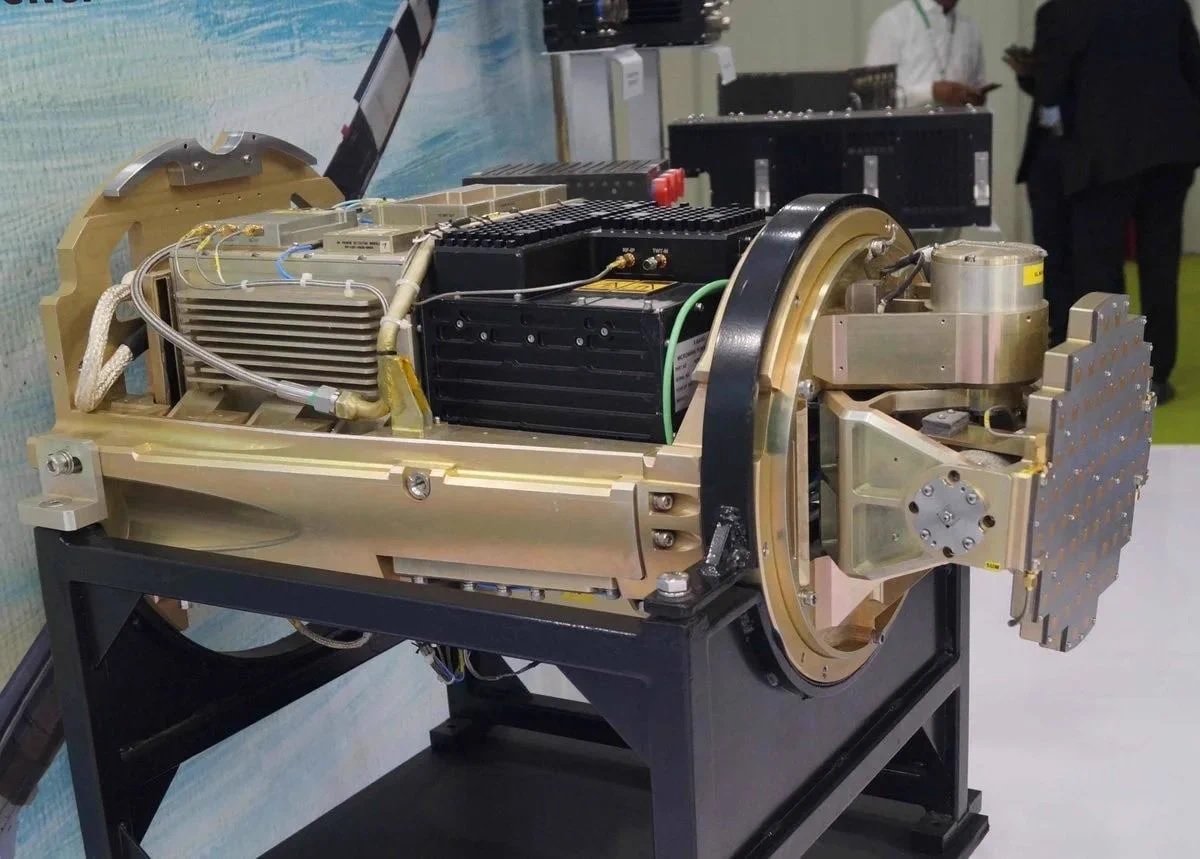
India
BENGALURU, — India's defence electronics manufacturer Bharat Electronics Limited (BEL) says it can already build more than 1,000 missile seekers annually, combining radio frequency (RF) and infrared (IR) seekers. The company can scale this capacity by two to three times if orders demand it. The confirmation came during BEL's Q2 FY27 earnings conference call on November 3, 2026. Chairman and Managing Director Manoj Jain said existing manufacturing infrastructure can support higher production without building entirely new facilities. Seeker Manufacturing and Missile Programmes BEL uses its existing radar and infrared sensor manufacturing infrastructure for seeker production. RF seekers share technology with radar systems, while IR seekers are similar to infrared cameras. Missile seekers account for around 20–30% of a missile's total cost, while electronics contribute approximately 60–70%. BEL currently manufactures seekers for the Akash (Akash-1S and Akash-NG) and Astra missile programmes. It does not yet supply seekers for BrahMos, but has started developing the required technology. The company is also working with DRDO on detector development. While BEL has capabilities in signal processing and optics, developing core detector technology remains an important challenge. IR Facility and QRSAM Preparations BEL's Industry 4.0-compliant IR seeker facility at Nimmaluru, near Machilipatnam in Andhra Pradesh, was dedicated by the Prime Minister in October 2025. It supports infrared seeker and other electro-optical product manufacturing. For the QRSAM programme, BEL has started qualification testing and first-of-production-model preparations ahead of the proposed ₹30,000 crore Indian Army contract, which is awaiting final government clearance. BEL is also the development-cum-production partner for the long-range land-attack cruise missile and Pralay quasi-ballistic missile. Orders for these programmes are expected in the future. Order Book BEL's order book stood at ₹68,717 crore as of October 1, 2026. Its FY27 order inflow guidance remains at ₹25,000 crore excluding QRSAM and ₹55,000 crore including QRSAM. With existing capacity exceeding 1,000 seekers annually and scope for a two-to-three-fold expansion, BEL is positioned to support increasing requirements from India's indigenous missile programmes. Main Source : multibagg
Read More → Posted on 2026-11-11 16:26:43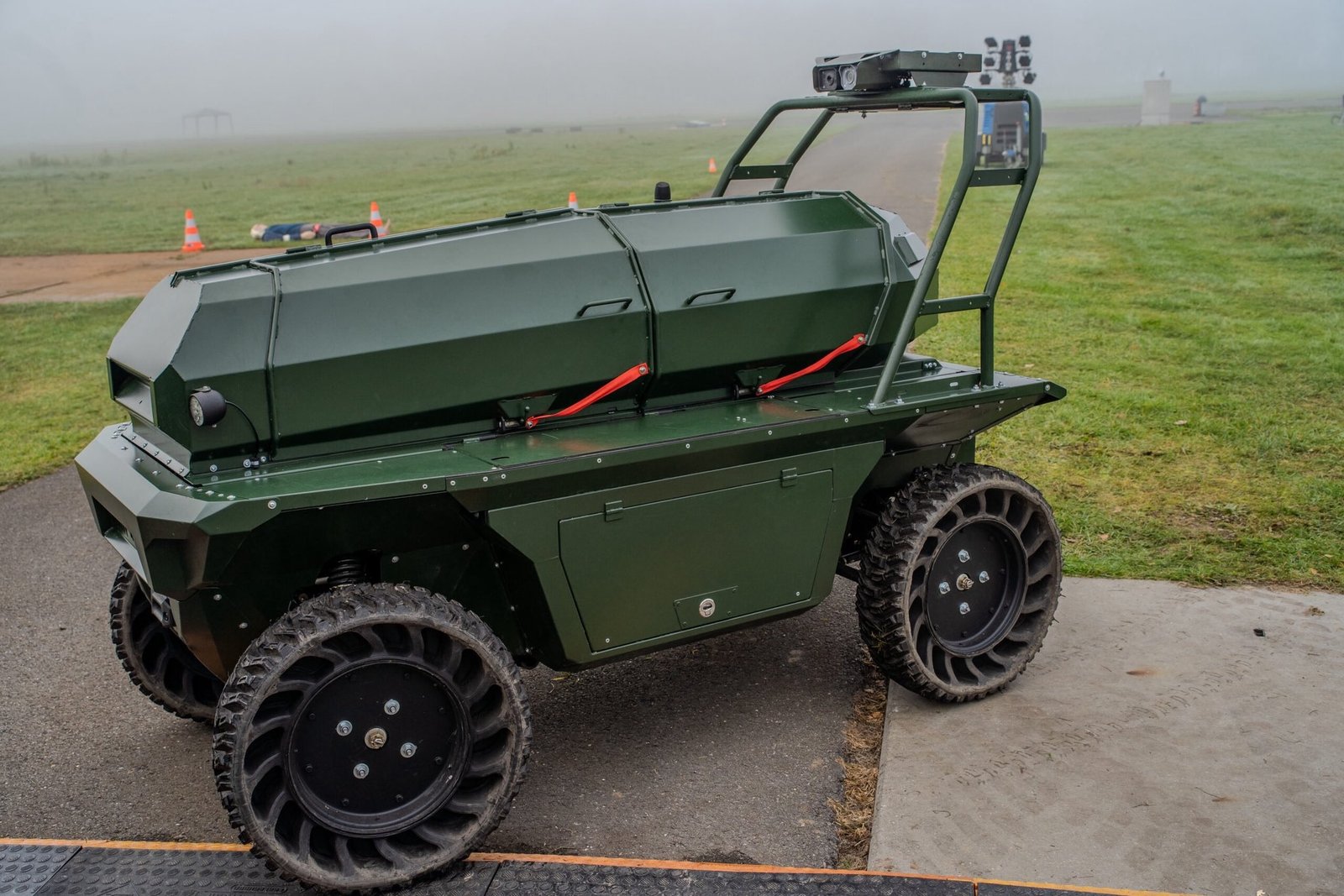
World
KYIV, — Ukraine's MAUL unmanned ground vehicle (UGV), developed by defence company AIDronesUA, has reached 90 km/h (56 mph) during a frontline medical evacuation mission. The vehicle maintained 78 km/h (48 mph) while returning with a wounded soldier onboard. AIDronesUA CEO Kostiantyn Hushcha announced the achievement on November 11 during the European Defence Innovation Forum 2026 in the Netherlands. The speed figures were reported by the 1st Separate Medical Battalion, which conducted the mission approximately six days earlier. MAUL UGV Design and Protection The MAUL is a four-wheel-drive vehicle powered by an internal combustion engine. It has a 15-litre fuel tank, 200 mm of ground clearance and a range of up to 110 km on paved roads and 90 km off-road. Its armoured evacuation capsule protects wounded soldiers from shrapnel and drone-dropped munitions. Patients are secured with three restraint straps, while an interior camera allows operators to monitor them during transport. The vehicle uses airless metal wheels designed for rough terrain and mine resistance. In an earlier mission, a MAUL completed a 64-km evacuation despite a damaged wheel. It measures approximately 2.3 metres in length and carries a payload of up to 200 kg. New Upgrades Against Drone Threats AIDronesUA is testing compact net launchers to intercept incoming FPV drones and integrating frequency scanners to detect potential threats. The company is also developing a medical monitoring system to remotely track patients' vital signs during evacuation. The MAUL uses the Droid Box control system, which supports multiple communication methods, including a fibre-optic connection with a range of up to 20 km. This helps maintain control in electronic warfare and signal-jamming environments. Joint Production in Sweden AIDronesUA has established a joint venture with Swedish company Njord Technology (NJORD Technology AB) following a strategic memorandum signed at Eurosatory 2026. The partnership plans to establish a Swedish manufacturing facility with an annual production capacity of 400–500 MAUL vehicles, primarily for Ukraine's Security and Defence Forces. AIDronesUA will retain intellectual property rights and lead further development, while Njord Technology will provide manufacturing and engineering support. The latest speed record improves on the battalion's August 2026 figures of 82 km/h without a casualty and 64 km/h with a wounded soldier onboard. Typical evacuation speeds have ranged between 30 and 40 km/h. The MAUL is designed to reduce the time wounded soldiers spend in exposed frontline areas while providing remotely operated medical evacuation.
Read More → Posted on 2026-11-11 16:36:49
World
ABU DHABI, — Ukraine is seeking at least 10 years of financial support from Western partners to maintain an 800,000-strong army after the war with Russia ends. The proposal aims to ensure that Kyiv can defend itself against any future Russian military offensive. According to a senior Ukrainian official cited by Agence France-Presse (AFP), long-term funding is considered essential to Ukraine's future security. President Volodymyr Zelenskyy has previously said that the country's war-damaged economy cannot independently sustain a military of this size. Funding and Military Strength The proposed 800,000-person force was supported in principle by European leaders during discussions in December 2025. Ukraine now wants to turn that understanding into a concrete, decade-long financial commitment. Some late-2026 estimates put Ukraine's current military strength at 880,000 to 900,000 personnel. Zelenskyy has also discussed moving towards a contract-based military after the war, with higher salaries to retain personnel. The proposal contrasts with Russia's 2022 demands to limit Ukraine's military to 85,000 personnel. Kyiv has consistently rejected restrictions on its armed forces. Abu Dhabi Peace Negotiations The funding demand is part of November 10-11 trilateral talks in Abu Dhabi involving Ukraine, Russia and the United States. The negotiations are mediated by US envoys Steve Witkoff and Jared Kushner. Ukraine's delegation is led by Rustem Umerov. Before meeting Russian representatives, the Ukrainian team held discussions with US officials and European and NATO military representatives, including Alexus Grynkewich and NATO Chief of Staff Jeffrey van Leuven. Following the preliminary meetings, European countries, the United States and NATO reaffirmed their shared commitment to a strong post-war European security framework. Other Issues Under Discussion The negotiations also cover wider European security arrangements. A Russian delegation source said Moscow wants to address the continent's overall security framework, beyond reaching a ceasefire in Ukraine. Other discussion points include protecting energy infrastructure, stabilising the Black Sea region and arranging a large-scale prisoner exchange involving potentially 1,000 to 1,500 captives from each side. Ukraine's proposed 10-year funding arrangement is intended to support its own defence capabilities rather than depend on foreign troops stationed in the country. However, no funding amount, contributing countries or financial mechanism has been announced, and no formal agreement has been reached as of November 11, 2026.
Read More → Posted on 2026-11-11 16:40:23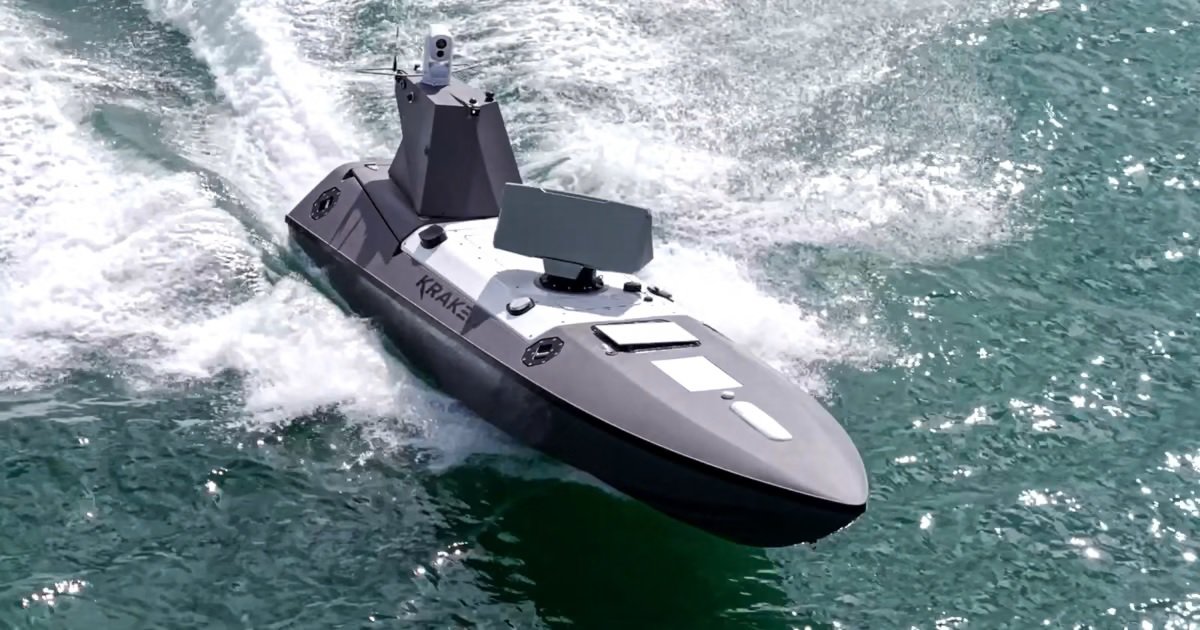
Europe
PORTSMOUTH, UK — The Royal Navy has awarded Saab UK a £15 million contract to supply Sea Giraffe 1X 3D radars for its uncrewed surface vessels (USVs). The radars will be installed on K3 Scout autonomous boats manufactured by Kraken Technology Group to detect, track and classify drones and other airborne threats. Before the contract award, Saab and Kraken conducted trials both on land and at sea. The tests demonstrated that the integrated system could autonomously detect and track airborne targets in challenging maritime conditions. The boats will operate independently or alongside crewed warships, extending surveillance coverage and providing early warning of threats to naval vessels, commercial shipping, ports and critical infrastructure. Sea Giraffe 1X Radar and K3 Scout The Sea Giraffe 1X is a lightweight 3D radar weighing less than 150 kg. It refreshes its full search volume every second and can detect and track airborne targets, including small drones. The radar will be fitted to the 8.4-metre K3 Scout, which can reach speeds of 55 knots and travel up to 650 nautical miles. Its modular bay supports payloads weighing up to 600 kg, allowing the Navy to switch between surveillance, counter-drone and strike missions. Kraken CEO Mal Crease said the modular design allows the Royal Navy to change the boat's mission without modifying the platform. Royal Navy Captain Adam Ballard said the radar would help detect hostile airborne targets earlier and improve operational awareness. Part of Royal Navy's Hybrid Fleet Programme The K3 Scout is part of Project BEEHIVE, the Royal Navy's programme for testing and integrating autonomous maritime systems. In March 2026, Kraken received a £12.3 million contract to deliver 20 K3 Scout boats. The programme supports the UK's wider £1.5 billion investment in developing a hybrid naval force combining crewed and uncrewed vessels. On November 5, 2026, the Royal Navy commissioned its 1st Autonomous Squadron at Naval Base Portsmouth, establishing a dedicated unit for uncrewed maritime operations. Andy Fraser, Saab UK's group managing director, said the partnership with Kraken had moved from concept to operational adoption at exceptional speed. The £15 million contract will support further development and integration of radar-equipped autonomous boats into Royal Navy operations, strengthening the service's ability to deploy crewed warships and autonomous vessels together.
Read More → Posted on 2026-11-11 16:44:06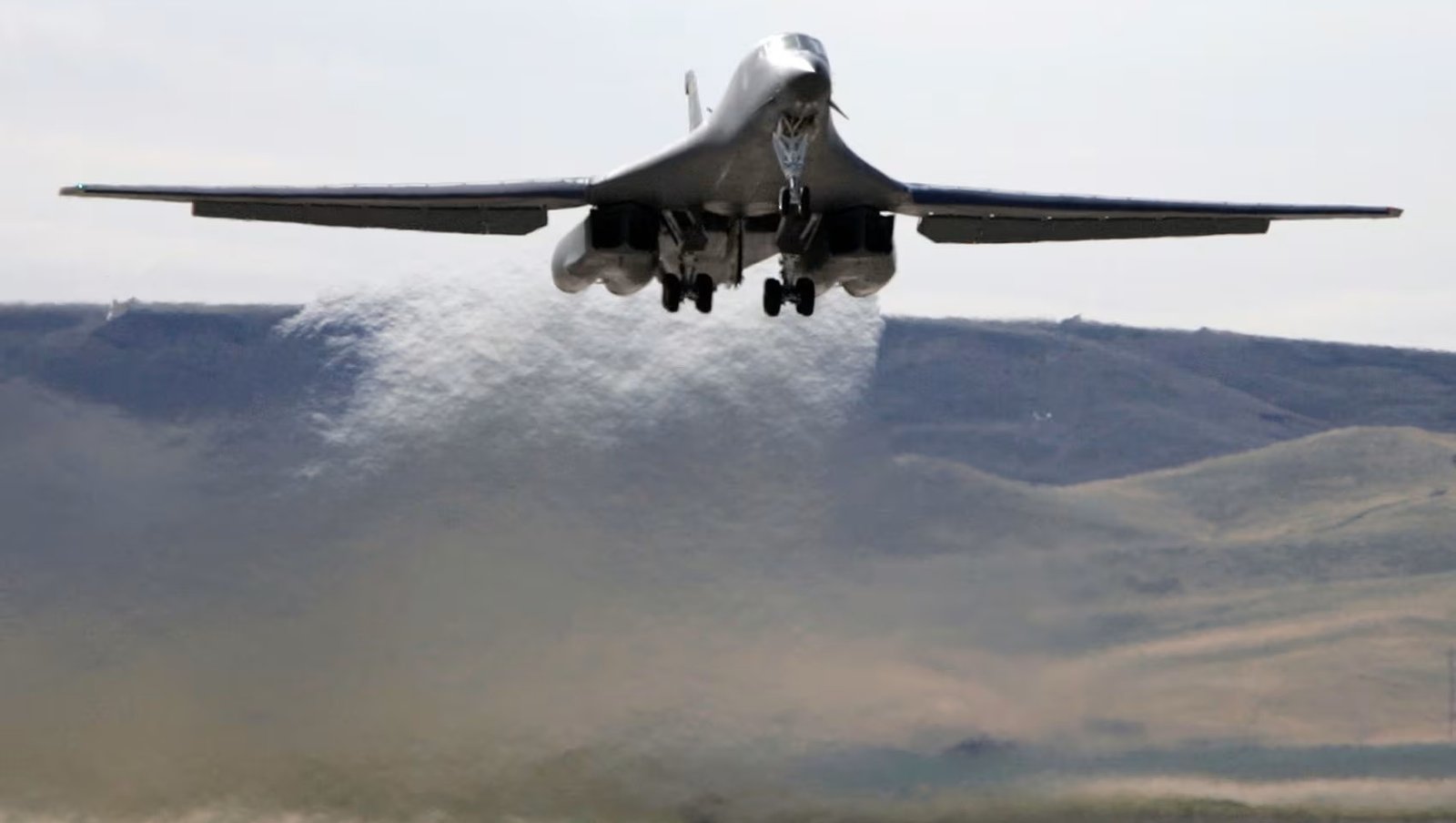
U.S
Northern Mariana Islands — The U.S. Air Force is evaluating a proposal to conduct more than 6,000 military aircraft operations annually across four airfields in the Commonwealth of the Northern Mariana Islands (CNMI). On October 28, 2026, the Department of the Air Force announced plans to prepare an Environmental Impact Statement (EIS) to assess the proposal's effects on local communities, the economy and the environment. The review covers Saipan International Airport, Tinian International Airport, Tinian North Field and Rota International Airport. The islands are located less than 100 nautical miles north of major U.S. military installations on Guam. Their proximity would allow American forces to practise rapid aircraft and personnel movements between multiple locations, supporting the Agile Combat Employment (ACE) strategy. The approach aims to disperse forces across smaller airfields so operations can continue if a primary base is attacked. Under the main proposal, each airfield could support up to 1,200 fixed-wing aircraft and drone operations and 320 helicopter operations annually, totalling 6,080 operations. An alternative would increase the total to 7,136 operations per year. Exercises would take place several times annually, lasting several weeks each. Each location could accommodate up to 1,000 personnel and require up to 550,000 gallons of aviation fuel, alongside temporary facilities and support infrastructure. The proposal does not include permanent construction or changes to existing airspace. Tinian North Field Restoration Tinian North Field is a historic World War II airfield used by the 509th Composite Group. B-29 bombers departed from the airfield for the atomic bombing missions against Hiroshima and Nagasaki in August 1945. Restoration began in late 2023, covering runway, pavement, road, port, fuel pipeline and utility improvements. A $409 million task order was awarded in early 2024 for airfield pavement and transportation upgrades. Military engineering units, including RED HORSE squadrons, have continued the work through 2026. Public Consultation and Timeline The Air Force will hold public meetings on Saipan on November 18, Tinian on November 19 and Rota on November 21, 2026. Written comments can be submitted through CATE EIS by November 29, 2026. The environmental review will examine aircraft noise, environmental effects, civilian airport operations, public safety and cultural resources. A draft EIS is expected in fall 2027, followed by the final statement in mid-2028. The findings will help the Air Force decide whether to proceed with the proposal.
Read More → Posted on 2026-11-12 13:03:37
U.S
WASHINGTON, — Poland is moving closer to securing a permanent U.S. military base, with a final White House decision expected in early December. Polish Defense Minister Władysław Kosiniak-Kamysz announced the development after meeting U.S. Defense Secretary Pete Hegseth at the Pentagon on November 10. Kosiniak-Kamysz described the Pentagon's response as a “green light”, saying Hegseth told him that “everything is going in a good direction.” However, final approval rests with U.S. President Donald Trump. The Polish minister called a permanent American troop presence an “absolute priority” and described Poland as a strategic partner of the United States. Four Locations Considered for U.S. Base Poland has proposed Bydgoszcz, Poznań, Szczecin and Wrocław as potential locations. All four cities are west of the Vistula River and have existing military infrastructure. Bydgoszcz and Szczecin host NATO command facilities, while Poznań houses the U.S. Army's forward headquarters at Camp Kościuszko, established in 2023. Wrocław offers access to military training grounds at Żagań and Świętoszów, as well as the A4 motorway and airport infrastructure suitable for military transport. The proposed installation could accommodate up to 25,000 people, including approximately 5,000 permanently assigned U.S. troops, their families and support personnel. Poland has offered to finance construction and supporting infrastructure, estimated at 15 billion to 17 billion zlotys ($3.8 billion to $4.4 billion). Around 10,000 American troops are currently stationed in Poland, mainly on rotational deployments. Warsaw wants to maintain approximately 10,000 rotational troops alongside 5,000 permanently assigned personnel. NATO Strategy and Defence Industry Cooperation The proposal aligns with the Trump administration's NATO 3.0 strategy, which expects European allies to take greater responsibility for conventional defence while the United States shifts more attention to other regions. Poland is approaching defence spending of 5% of GDP. Hegseth praised the country's military investments and its contribution to NATO's eastern flank. Both officials also signed a Statement of Intent to expand bilateral defence industrial cooperation. Warsaw is seeking to attract American defence manufacturers through production facilities and joint ventures in Europe. Pentagon Supports Poland's Tomahawk Missile Request Kosiniak-Kamysz also confirmed that the Pentagon had issued a positive recommendation for Poland's request to purchase Tomahawk cruise missiles and launchers. The long-range precision missiles have an approximate range of 1,600 kilometres. Final authorization rests with the U.S. Congress, which could review the request in early 2027. The development follows Washington's October decision to select Poland for the first Patriot PAC-3 missile maintenance facility outside the United States. The project is expected to cost approximately 1 billion zlotys (€227 million). Once operational, it will allow European operators to maintain interceptor missiles locally instead of routinely sending them to the United States. Final White House Approval Pending Despite the Pentagon's positive response, the permanent base proposal has not received final U.S. approval. The Pentagon's official readout of the November 10 meeting highlighted defence industrial cooperation and Poland's defence spending but did not mention the proposed base. Working-level teams from both countries are continuing discussions on potential locations and preparations for an agreement. The White House decision expected in early December will determine whether the proposal moves forward.
Read More → Posted on 2026-11-12 13:11:05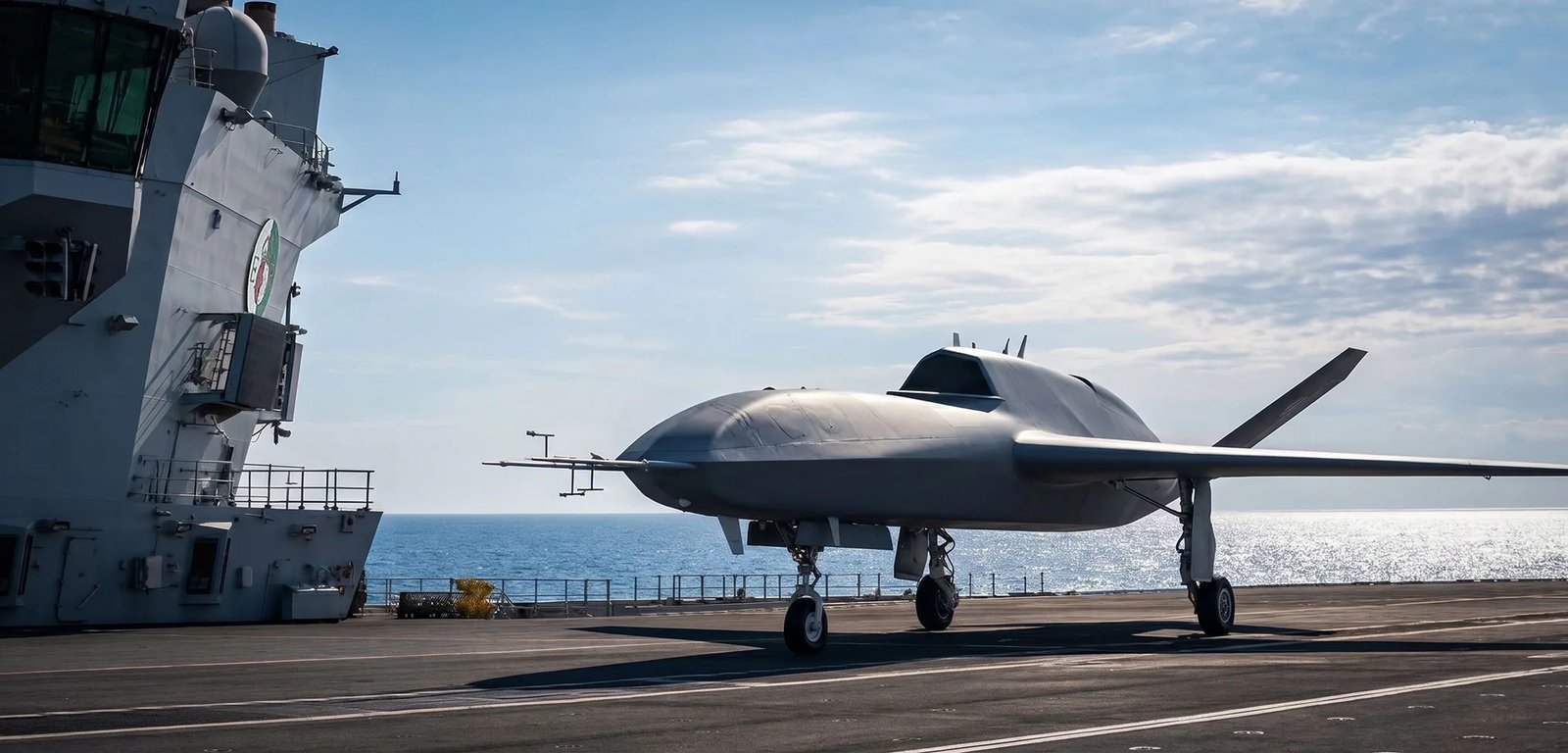
Europe
OSLO, — The Royal Navy will test Northrop Grumman’s YFQ-48A Talon Blue autonomous combat drone from a British aircraft carrier in 2027. The demonstration will examine how a jet-powered uncrewed aircraft can operate alongside the Navy's existing carrier air wing. First Sea Lord General Sir Gwyn Jenkins announced the plan on November 10 during the International Sea Power Conference aboard HMS Prince of Wales in Oslo, Norway. The Royal Navy is scheduled to sign a Statement of Intent with Northrop Grumman on November 12, covering preparations for the trials under Project Vanquish. The demonstration in UK waters will include a carrier launch. Project Vanquish Targets Carrier Operations Launched in September 2025, Project Vanquish aims to demonstrate how autonomous combat aircraft can operate from Queen Elizabeth-class carriers without catapults or arresting wires. Unlike U.S. supercarriers, British carriers use a 13-degree ski-jump ramp and are designed for short take-off and vertical landing (STOVL) aircraft. Operating and recovering a jet-powered drone without conventional launch and landing systems remains a key technical challenge. Talon Blue Completes Autonomous Flight The Talon Blue (YFQ-48A) is a single-turbofan, low-observable demonstrator developed by Northrop Grumman and its subsidiary Scaled Composites. Designed as a lower-cost, attritable platform, it is intended for higher-risk missions. The aircraft completed its first fully autonomous flight on October 3, 2026, at Mojave Air and Space Port in California. The flight included taxiing, take-off, aerial manoeuvres and landing. Its design includes a high air intake, wide wheelbase and integrated weapons bay. Its exact unit cost has not been disclosed. Integration With F-35B Fighters The trial supports the Royal Navy's Hybrid Navy and Maritime Aviation Transformation plans, which aim to increase the use of uncrewed aircraft alongside crewed platforms. The future carrier air wing is expected to combine autonomous drones with F-35B stealth fighters and helicopters. The Royal Navy has already tested propeller-driven drones, including the General Atomics Mojave and Tekever AR5, from its carriers. However, Talon Blue would be a major step towards operating jet-powered collaborative combat aircraft from British flight decks. The 2027 demonstration could also provide useful information for other navies, including India, whose INS Vikrant uses a similar ski-jump carrier configuration without catapults or conventional arresting wires. The upcoming trials will help establish the technical requirements for operating and recovering autonomous jet aircraft from British carriers and their safe integration with existing naval aviation assets.
Read More → Posted on 2026-11-12 13:18:18
World
TEHRAN, — Iran's parliament is scheduled to debate an urgent bill on Sunday, November 15, that would remove the legal requirement for the country's Intelligence Minister to be a senior Islamic cleric. If approved, the change would allow a non-cleric to lead the Ministry of Intelligence for the first time since its establishment in 1983. The proposed amendment follows the March 2026 killing of Intelligence Minister Esmail Khatib in an Israeli airstrike. The ministry has remained without a permanent minister for nearly eight months and is currently operating under an acting chief whose identity has not been publicly disclosed. Proposed Changes to Intelligence Ministry Under a law introduced in 1983, the intelligence minister must hold the religious qualification of ijtihad, which allows a senior Islamic scholar to independently interpret Islamic law. Since the ministry began operations in 1984, all its permanent ministers have been clerics. Parliamentary presiding board spokesman Abbas Goudarzi said the urgent bill would be placed on the parliamentary agenda next week. The proposal also includes creating two new organizations within the ministry: an Intelligence Protection Organization responsible for internal security and an Ideological-Political Organization handling religious and ideological affairs. The heads of both organizations would be appointed directly by Supreme Leader Mojtaba Khamenei. The intelligence minister would continue to be nominated by the president and require parliamentary approval. Pourmohammadi Among Potential Candidates President Pezeshkian is reportedly considering several candidates for the vacant position. Mostafa Pourmohammadi, a senior cleric and former justice minister who served from 2013 to 2017, has emerged as a reported contender. He also served in intelligence and security positions and contested the 2024 presidential election. His possible appointment would mean the ministry could still be led by a cleric even if the legal requirement is removed. No official nomination has been announced. Parliamentary Approval Still Required The proposed legislation aims to widen the pool of candidates and address the prolonged leadership vacancy. However, it must receive approval from the full parliament and the Guardian Council before becoming law. If passed, the amendment would end the four-decade requirement for a clerical intelligence minister while introducing two new internal organizations under the direct appointment authority of the Supreme Leader. This would change both the eligibility requirements for the top post and the ministry's leadership structure.
Read More → Posted on 2026-11-12 13:29:06
U.S
ARLINGTON, — U.S. defence contractor AeroVironment has secured a $405 million international order for its LOCUST X3 high-energy laser weapon systems from an undisclosed customer in the Middle East. Announced on November 11, the deal is a direct commercial sale, negotiated without going through the U.S. government's Foreign Military Sales (FMS) programme. The order comes amid growing concerns over Shahed-series one-way attack drones, which have been used against energy facilities, airports, military installations and other infrastructure across the region. Large-scale drone attacks can place pressure on conventional air defence systems and increase the cost of interception. LOCUST X3 Laser System for Counter-Drone Defence The LOCUST X3 is a high-energy directed-energy weapon designed to engage Group 1 to Group 3 unmanned aircraft, ranging from small commercial drones to larger military UAVs weighing approximately 600 kg (1,320 pounds). The system can operate alongside radar, command-and-control networks and conventional weapons as part of a layered air defence network. Its main advantage is the lower cost of engagements compared with conventional missile interceptors, which can cost hundreds of thousands or millions of dollars per launch. Unlike missile systems, the laser does not require conventional ammunition. Its engagement capacity depends mainly on available electrical power and thermal management, allowing it to engage successive targets without traditional ammunition resupply. “Our customers need proven defenses they can field rapidly and sustain over time,” said Wahid Nawabi, AeroVironment's chairman, president and chief executive officer. He added that LOCUST X3 offers a different cost approach to defeating drones while preserving conventional interceptors for higher-end threats. Local Maintenance and Previous Military Orders As part of the agreement, AeroVironment plans to establish an in-country maintenance and sustainment depot. The facility will provide repairs, technical support, operator training and lifecycle services to improve maintenance response times. This is the company's second international LOCUST order. Its first foreign order, worth more than $50 million, was announced in September 2026. The company has not confirmed whether both orders involve the same customer. AeroVironment acquired the LOCUST technology through its 2025 acquisition of BlueHalo. The system is also being introduced into U.S. military operations. In September 2026, the U.S. Army awarded the company a nearly $500 million contract under its Enduring High Energy Laser (E-HEL) programme to supply LOCUST systems over several years. Earlier versions have also been mounted on Joint Light Tactical Vehicles and infantry squad vehicles. The U.S. Navy tested the technology aboard the aircraft carrier USS George H.W. Bush in late 2025, where it successfully engaged multiple drones. The $405 million Middle East order adds to the growing international use of directed-energy weapons for countering drone threats. It also expands AeroVironment's position in the market for laser-based air defence systems.
Read More → Posted on 2026-11-12 13:36:32
World
DOHA, — French defence technology company Harmattan AI and Qatar’s Barzan Holdings have signed a Memorandum of Understanding (MoU) to advance autonomous very short-range air defence (VSHORAD) systems for Qatar and international markets. The agreement focuses on field demonstrations and further development of Harmattan AI’s GOBI TEMPEST interceptor and its associated mission orchestration system. The partnership aims to strengthen Qatar’s ability to counter emerging drone threats and protect critical infrastructure. GOBI TEMPEST Interceptor Capabilities The GOBI TEMPEST is designed to counter Group 2 and Group 3 aerial threats, including larger unmanned aircraft. It combines ground-based radar, electro-optical and infrared sensors, command-and-control (C2) software and an autonomous interceptor aircraft. According to Harmattan AI, the interceptor reaches a maximum speed of 310 km/h, with a cruise speed of 215 km/h and an operational range of up to 12 kilometres. It carries an 800-gram explosive warhead, while the complete system weighs approximately 5 kg, including batteries and warhead. The system operates day and night in all weather conditions. Its onboard guidance and computer vision support autonomous interception, while human-on-the-loop oversight and integration with different command-and-control platforms provide additional operational control. The launch system can be ready for take-off in approximately three seconds. Qatar Expands Counter-Drone Cooperation Harmattan AI CEO and co-founder Mouad M’Ghari said autonomous and industrially scalable systems are important for protecting strategic sites against hostile drone swarms. Barzan Holdings Group CEO Eng. Mohammed Bin Bader Al Sadah said the partnership would combine Harmattan AI's autonomous technology expertise with Qatar's defence requirements to protect national sovereignty and critical infrastructure. Harmattan AI develops autonomous systems for air defence, intelligence, surveillance and reconnaissance (ISR), strike, electronic warfare and command-and-control operations. Barzan Holdings manages Qatar's defence industry partnerships and investments. The MoU establishes a framework for demonstrations and further evaluation. No procurement quantities or testing schedule have been announced. The partnership also provides Harmattan AI with an opportunity to expand its presence in the Middle East.
Read More → Posted on 2026-11-12 14:29:09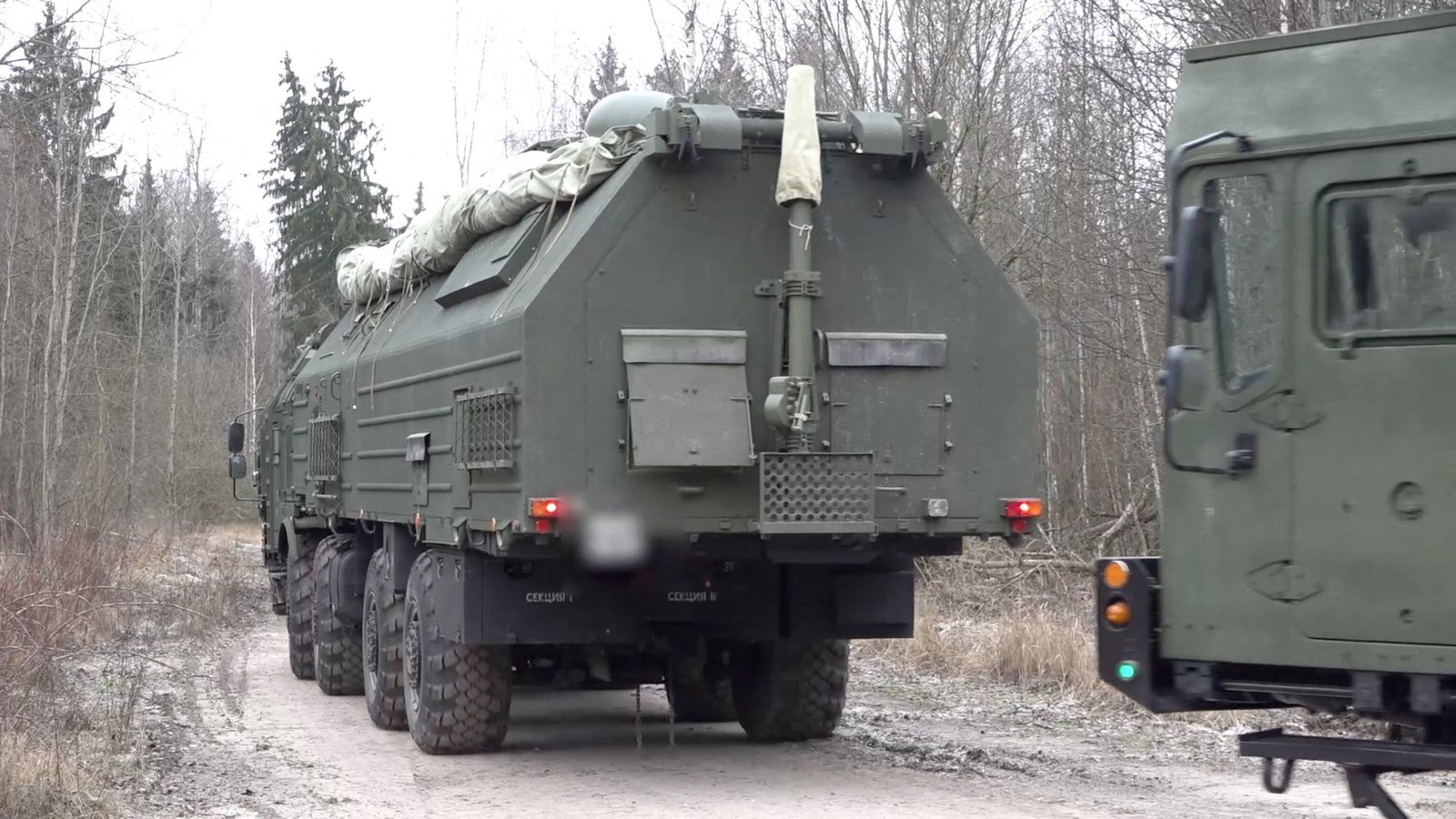
World
KYIV, — Ukraine's locally developed Lima Quant electronic warfare system reportedly diverted two Russian Oreshnik ballistic missiles targeting the Kyiv region during an attack on May 24, 2026, according to Ukrainian military personnel and developers cited by The New York Times. A commander of Ukraine's Night Watch territorial defence unit, using the call sign Alchemist, said the unit received advance warning of the launch from U.S. intelligence. An operator then activated Lima Quant to interfere with the missiles' navigation systems. According to the commander, one missile struck garages near Bila Tserkva, around 80 kilometres south of Kyiv, away from its intended military target. The second broke apart in flight, with debris falling in Russian-occupied Donetsk. Ukrainian emergency services reported damage to three garages and an enterprise building. No casualties were reported. The New York Times said it could not independently verify the interception claims. How Lima Quant Works Developed by Cascade Systems with Ukraine's military, Lima Quant uses electromagnetic signals and GPS spoofing to interfere with the navigation of incoming missiles and drones. Instead of simply blocking GPS signals, it transmits false coordinates, directing affected navigation systems to Lima, Peru, more than 12,000 kilometres from Kyiv. An advanced version was deployed around Kyiv in August 2025, using networked antennas to create electromagnetic coverage against aerial threats. Civilian GPS Disruptions and System Performance The spoofing also affects civilian devices. Kyiv residents have reported taxi applications calculating journeys of 12,276 minutes, Garmin watches recording runs in Lima, and BMW navigation systems showing apparent journeys of 10,000 kilometres. Cascade Systems claims the technology diverted more than 30 cruise missiles and 10,000 drones during the first three months of 2026. Alchemist also claimed that 33 of 62 Russian Kinzhal missiles fired into areas covered by Lima Quant broke apart in midair, while others were diverted. These figures have not been independently verified. Russia has reportedly adapted some weapons with Chinese antennas designed to detect and avoid electronic jamming. In response, Cascade Systems and Night Watch have updated Lima Quant by combining GPS spoofing with additional high-frequency signals. With Ukraine facing shortages of conventional air-defence interceptors, Lima Quant provides another layer of protection against Russian aerial attacks. However, its reported interception figures remain subject to independent verification. Correct the dateline and attack dateClarify the missile outcome wording
Read More → Posted on 2026-11-12 14:31:27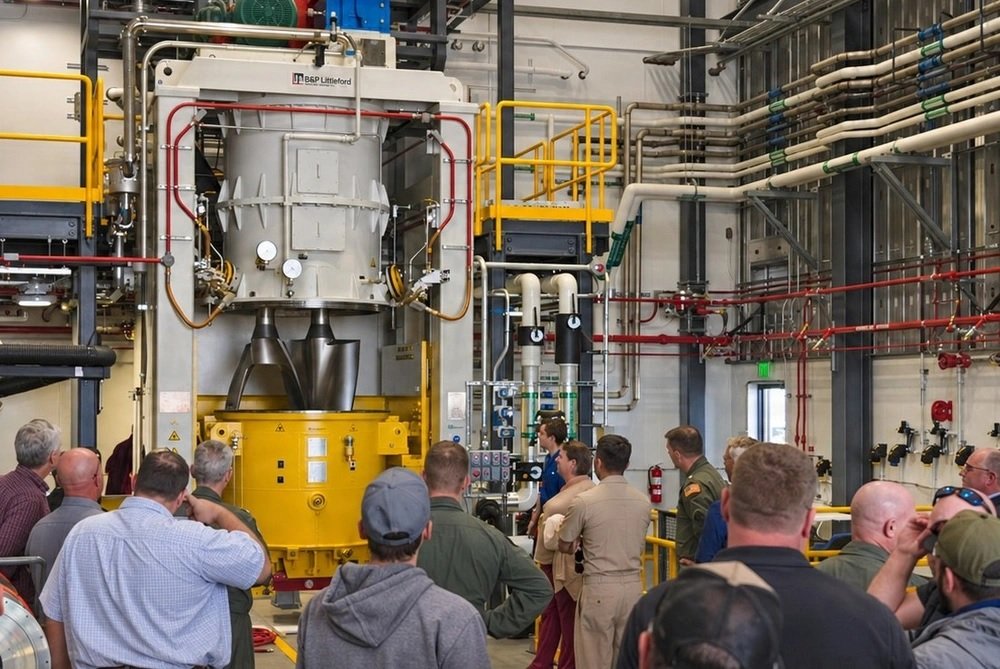
U.S
CHINA LAKE, California, — The U.S. Navy has completed the initial filling of seven Tomahawk cruise missile warheads at the Naval Air Warfare Center Weapons Division (NAWCWD) in China Lake, California. The WDU-36/B warheads were filled with PBXN-107 explosives. If they pass first-article inspections, they will become the facility's first production units. The development is part of a wider effort to increase Tomahawk production. In August 2026, the Navy awarded Raytheon a $22.9 billion contract to accelerate manufacturing, with a target of producing more than 1,000 missiles annually. China Lake aims to supply warheads ahead of Raytheon's requirements to keep deliveries to the fleet on schedule. New Mixer to Increase Production Capacity On November 9, NAWCWD installed a new 300-gallon mixer, manufactured by B&P Littleford, at the rebuilt Motor Assembly Compound. The equipment is expected to become operational around June 2027. Its mixing bowl weighs nearly 20,000 pounds. The seven initial warheads were produced using an older 150-gallon mixer. The new facility layout will allow crews to cast and cure warheads in separate areas simultaneously. It will also reduce the transportation time for mixed explosive material from approximately one hour to just 15 minutes. The rebuilt compound replaces facilities damaged in the 2019 earthquakes, with reconstruction beginning in 2022. Navy and Industry Share Production Responsibilities General Dynamics Ordnance and Tactical Systems manufactures the warhead cases, while L3Harris currently fills them with explosives. Under a multiyear public-private partnership signed in September 2026, NAWCWD will manufacture a portion of the warheads alongside L3Harris. NAWCWD also purchased materials with long delivery times in advance, as some components can take up to a year to arrive. The Tomahawk Technical Project Office has spent much of the past year updating warhead specifications and the approved supplier list. The production effort initially involved retrieving an empty warhead case from a museum approximately a year ago. Technicians cleaned it, demonstrated the filling process and used testing, imaging and X-rays to verify the results. New Personnel for Production Expansion More than a dozen new employees are joining NAWCWD's Energetics Processing Branch. They will undergo approximately one year of training under experienced technicians before working independently, with training covering safety, quality control and production procedures. Rear Adm. Eric Gardner, principal deputy for Portfolio Acquisition Executive Munitions, said increasing weapons production requires more than contracts and funding, highlighting the importance of personnel, infrastructure, materials and cooperation between the Navy and industry. The expansion will give the Navy an additional source of Tomahawk warhead production and support Raytheon's plan to increase missile deliveries to the U.S. fleet.
Read More → Posted on 2026-11-12 14:39:13 India Approves ₹64.05 Crore for Astrome’s Indigenous AI-Powered Space Intelligence Satellite Network
India
BENGALURU, — The Indian government has approved ₹64.05 crore in financial support for Bengaluru-based Astrome Technologies Pvt Ltd to develop an indigenous Artificial Intelligence-enabled Electronic Intelligence (AI-ELINT) satellite constellation for national security applications. The agreement was signed by the Technology Development Board (TDB) under the Department of Science and Technology (DST). The funding comes under the government's Research, Development and Innovation (RDI) Fund and is structured as Optionally Convertible Debt, rather than a direct grant. The total project cost is ₹128.11 crore, with government support covering approximately half of the investment. The programme aims to advance the technology from Technology Readiness Level (TRL) 4 to TRL 9, the stage at which a system is demonstrated and validated for operational use. 50 kg Microsatellites to Form AI-ELINT Constellation Astrome plans to develop and progressively deploy 50 kg-class microsatellites in Low Earth Orbit (LEO). Operating as a constellation, the satellites are designed to provide wider geographical coverage and more frequent observation of designated areas, supporting persistent surveillance. The system will combine three main technologies: Indigenous ELINT Payload: Designed to detect, intercept and analyse electronic signals across a broad frequency range. AI-Based Ground Processing: Artificial intelligence software will process data collected by satellites to improve the speed and efficiency of intelligence analysis. Inter-Satellite Communication: Direct links between satellites will allow them to exchange information and operate as an integrated network. Project Targets TRL-9 Operational Readiness The programme includes technology development, engineering, system integration, testing and validation to advance the system from TRL-4 to TRL-9. It combines satellite engineering, electronic intelligence, artificial intelligence and secure space-based communications. TDB Secretary Rajesh Kumar Pathak said developing such advanced platforms requires sustained innovation, rigorous validation and long-term investment. He added that the RDI Fund is supporting Indian companies developing advanced technologies for the country's strategic requirements. An authorised representative of Astrome Technologies said the financial support would accelerate the development and integration of critical technologies for the AI-enabled space intelligence programme. The project marks another step in India's effort to strengthen indigenous space-based intelligence, surveillance and secure communication capabilities through domestic private-sector participation.
Read More → Posted on 2026-11-12 14:46:47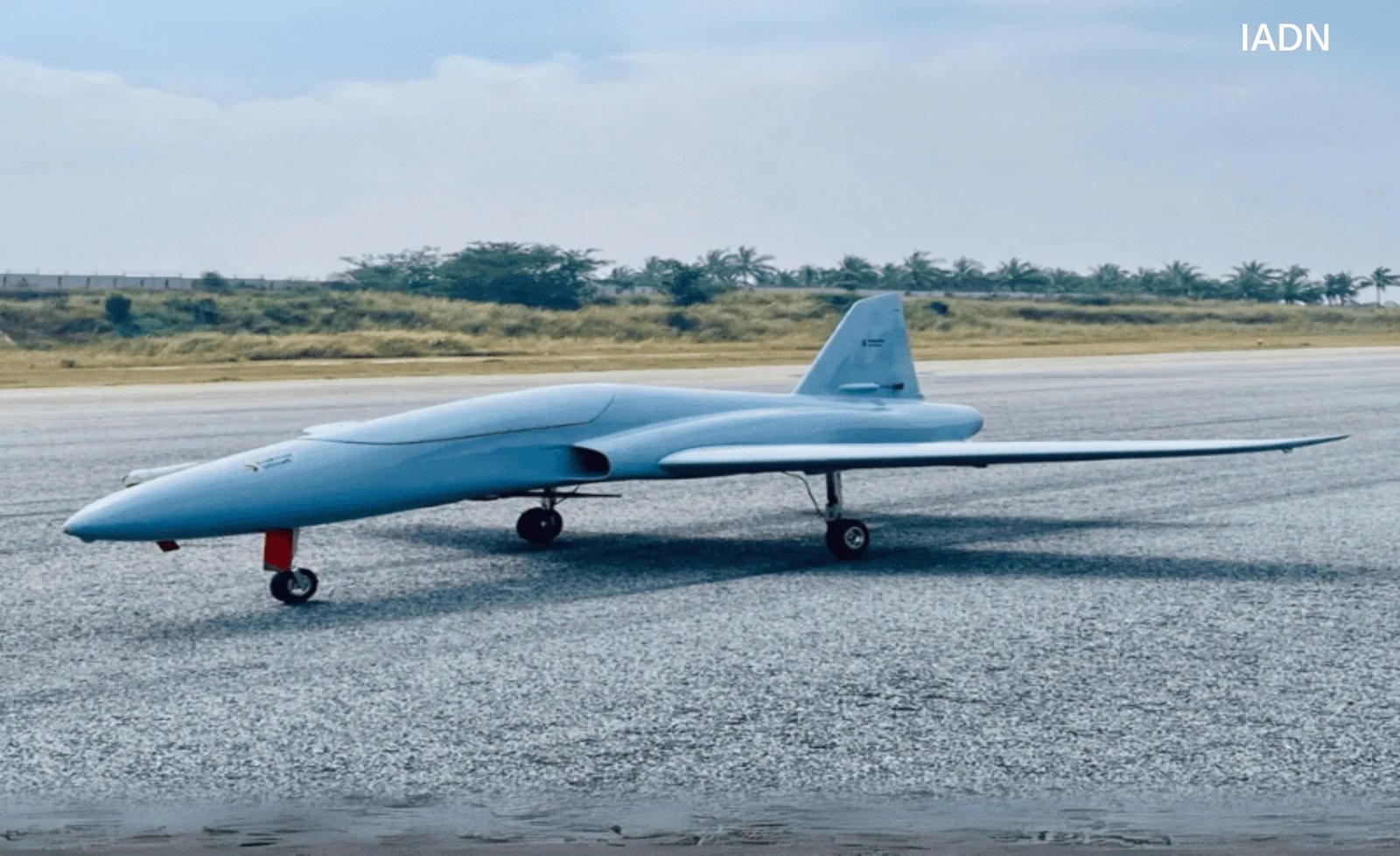
India
NEW DELHI, — The Indian Army is set to begin field trials of indigenous jet-powered kamikaze drones at the Pokhran test range in Rajasthan this week. The trials are part of a ₹2,000 crore Fast Track Procurement (FTP) programme to acquire 540 high-speed loitering munitions. The Defence Acquisition Council (DAC), chaired by Defence Minister Rajnath Singh, granted Acceptance of Necessity (AoN) for the Jet Based Kamikaze Drone System (JBKDS) on October 26, 2026, according to reports. The procurement is restricted to Indian companies to support domestic defence manufacturing. 11 Indian Companies Shortlisted Around 60 companies responded to the Army's Request for Information (RFI) issued in July 2026. Of these, 18 submitted bids, while 11 advanced through the qualification process. The shortlisted companies include Bharat Forge-VEDA Aeronautics, Adani Defence, NIBE, SMPP-NewSpace Research and Technologies (NRT), Tonbo, Munitions India Limited (MIL) and Apollo Micro Systems. The Army is seeking a complete operational package covering the drones, dedicated transport vehicles and mission planning systems. Jet-Powered Drones Offer Higher Speed The proposed drones can reach speeds of approximately 450 kmph, compared with 150–200 kmph for conventional propeller-driven loitering munitions. Their higher speed reduces the time available for enemy air defence systems to detect, track and intercept them, making them suitable for rapid precision strikes. SMPP Has Already Delivered 106 Drones India has already received jet-powered kamikaze drones from domestic manufacturer SMPP. The company completed delivery of 106 Peacekeeper (Agniveg) drones to the Indian Army, including 100 operational units and six training drones. The turbojet-powered system has demonstrated speeds of up to 450 kmph and an operational range of approximately 180 km. VEDA Aeronautics has also developed the Sureshastra Mk-1 jet-powered loitering munition for Indian Air Force programmes. The new 540-unit procurement programme will allow the Army to evaluate different indigenous designs and expand the number of qualified domestic suppliers. It is also aimed at developing India's industrial capacity for producing high-speed precision-strike drones.
Read More → Posted on 2026-11-12 14:57:23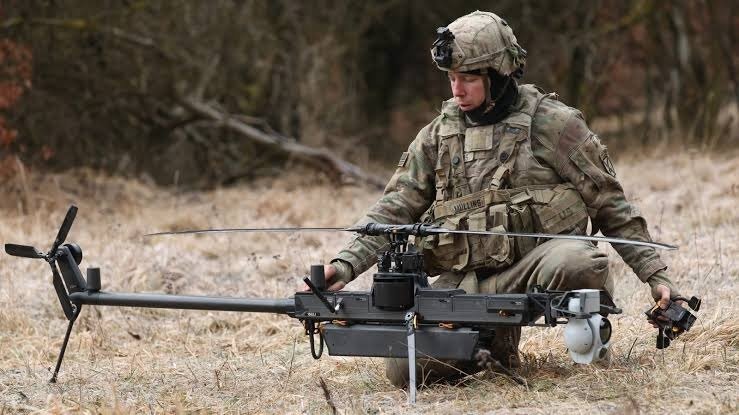
U.S
AVENTURA, Fla., — The U.S. Army has awarded Safe Pro Group Inc. (Nasdaq: SPAI) a $2.5 million prime contract to integrate its explosive-threat detection software onto Anduril Industries' Ghost-X drones. The system will provide aerial reconnaissance to identify battlefield threats before they reach U.S. Army M1 Abrams tanks. Announced on November 10, the contract marks Safe Pro's first direct prime contract with the U.S. government. The company previously worked as a subcontractor, including a $1.3 million agreement with Forterra in June 2026 to equip uncrewed ground vehicles with similar detection technology. Its government contract awards for 2026 have now exceeded $5 million. How the Drone-Based Detection System Works Under the contract, Safe Pro will integrate its Ground Truth Air software, described by the company as an AI-powered Super Intelligence (SI) system, directly into the Ghost-X's onboard computer. The software processes live drone video to identify and geolocate more than 150 types of explosive threats, including landmines, anti-personnel mines, cluster munitions and first-person-view (FPV) attack drones. When a threat is detected, the system marks its location and sends coordinates to the military's ATAK (Android Tactical Assault Kit) mapping application and Anduril's Lattice command-and-control software. This allows soldiers and armoured units to receive threat information during reconnaissance operations. AI Software Trained on Ukraine Conflict Data Safe Pro says its detection models were trained using more than 3.2 million drone images collected in Ukraine. The dataset produced over 60,200 confirmed threat detections across approximately 16,400 hectares (40,520 acres). The company has not disclosed the software's detection accuracy or false-alarm rate. Safe Pro Chairman and CEO Dan Erdberg described the contract as a major milestone for the company and said it would work with Anduril to deploy its threat-detection technology on Ghost-X drones. Ghost-X Selected for U.S. Army Reconnaissance The U.S. Army selected Anduril's Ghost-X in 2024 for a company-level small drone requirement under its Medium Range Reconnaissance (MRR) program. The platform is designed for intelligence, surveillance and reconnaissance missions with Army maneuver units. In April 2026, the Pentagon announced a separate $16.8 million contract for Ghost-X hardware and components. The new software integration contract was awarded through the Army's Commercial Solutions Opening (CSO) process under the topic "Ground Threat Detection through Aerial Reconnaissance." This procurement approach allows the military to acquire commercial technologies for defence requirements. Anduril's General Manager of Tactical Effects, Daniel Leighton, said Ghost-X's modular design supports third-party software integration. He added that Safe Pro's technology will provide soldiers with faster situational awareness, supporting tank survivability and reconnaissance missions. The project reflects the U.S. Department of Defense's continued interest in AI-based systems that can identify mines and roadside explosives with accuracy comparable to trained military personnel.
Read More → Posted on 2026-11-12 15:04:52
Space & Technology
CAPE CANAVERAL, — Eight new Globalstar communications satellites manufactured by MDA Space and Rocket Lab have successfully completed their initial functional tests in low Earth orbit (LEO), marking an important milestone in the company's 17-satellite replenishment programme. The satellites were launched on August 15, 2026, aboard a SpaceX Falcon 9 rocket from Space Launch Complex 40 at Cape Canaveral Space Force Station, Florida. MDA Space, the mission's prime contractor, confirmed the successful tests on November 10. Two satellites have already started using electric propulsion to raise their orbits, with Rocket Lab supporting the process. The remaining six are undergoing payload and spacecraft testing while their orbital planes align. Further orbit adjustments and testing will take place before they enter their operational positions. Final Nine Satellites Complete Assembly MDA Space has also completed the final assembly and integration of the remaining nine satellites at its facility in Montréal, Quebec. This brings the manufacturing and integration work for all 17 spacecraft to completion. MDA Space is responsible for assembly, integration and testing, while Rocket Lab designed and built the satellite platforms under a subcontract worth approximately $143 million. The overall programme was awarded to MDA Space in 2022 at a reported value of approximately $327 million for the initial 17 satellites. The mission also marks MDA Space's first delivery of a commercial low Earth orbit communications constellation as prime contractor. Satellites to Support Apple's iPhone Satellite Services Once deployed, the 17 satellites will replenish Globalstar's existing HIBLEO constellation, which supports direct-to-device satellite communications and Internet of Things (IoT) applications. Apple relies on Globalstar's network for satellite-enabled features on supported iPhones and Apple Watches, including Emergency SOS, satellite messaging and location sharing. Apple has historically secured long-term agreements for access to up to 85% of Globalstar's constellation bandwidth. Amazon's $11.57 Billion Globalstar Acquisition The satellite deployment is taking place alongside a major change in Globalstar's ownership. Amazon announced an agreement to acquire Globalstar in April 2026 for approximately $11.57 billion. The acquisition would bring Globalstar's operational satellites, infrastructure and mobile-satellite spectrum licences into Amazon's expanding Amazon Leo satellite communications network. The U.S. Federal Communications Commission (FCC) approved the transfer of relevant Globalstar licences in late October 2026. The transaction remains subject to other regulatory approvals and closing conditions, including specific satellite deployment milestones, with completion expected in 2027. Amazon and Apple have also established a long-term agreement to ensure continuity of satellite services for supported Apple devices through Amazon Leo. Further testing and orbital adjustments will continue before the eight satellites enter full operational service, supporting the replenishment of Globalstar's existing network.
Read More → Posted on 2026-11-12 15:58:41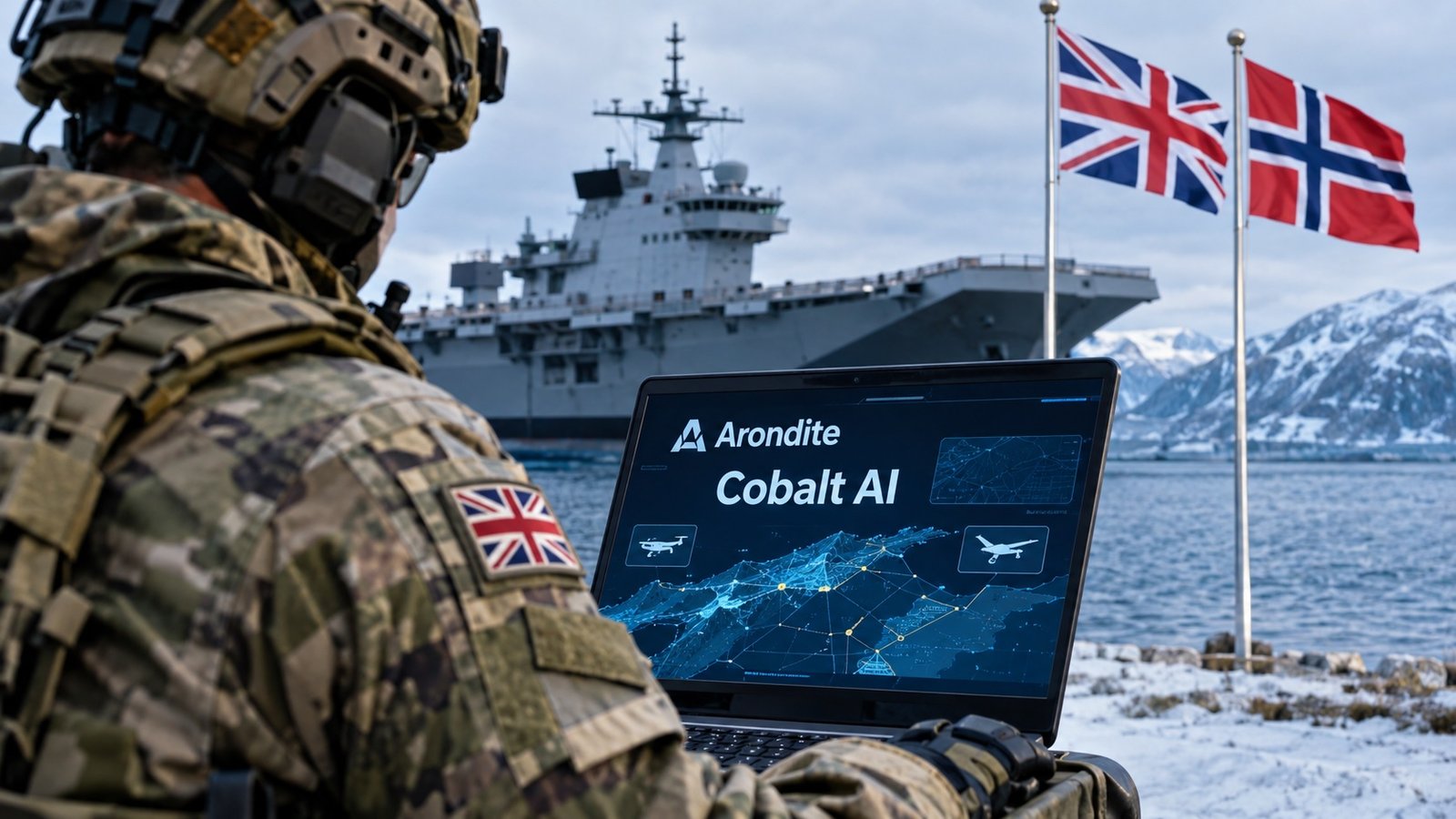
Europe
OSLO, — The Royal Navy has awarded British defence technology company Arondite a multi-million-pound contract to deploy its Cobalt artificial intelligence software across the UK Commando Force (UKCF). Chief of the Defence Staff Sir Richard Knighton announced the agreement aboard HMS Prince of Wales during the Atlantic Future Forum in Oslo. Cobalt is a mission orchestration platform that combines data from sensors, autonomous platforms and intelligence sources into a single system. Its AI capabilities are designed to speed up mission planning and decision-making in contested environments. Its open architecture also allows new hardware and AI tools to be integrated. The system will support coordination between British forces and NATO partners. Arondite Expands into Norway Alongside the contract, Arondite announced its first international office in Oslo, backed by a planned £35 million (approximately NOK 430 million) investment over five years. The investment will support cooperation with the Norwegian Armed Forces, local industry and European allies. British and Norwegian units will jointly test Cobalt during upcoming maritime deployments under the Joint Expeditionary Force's Northern Navies Initiative. Arondite CEO Will Blyth said Norwegian forces regularly operate alongside UK commandos, making compatible technology important for joint missions. This is Arondite's second major military contract announcement in 2026, following the deployment of Cobalt across the British Army's 16 Air Assault Brigade Combat Team. The company expects to double its workforce to 150 employees by summer 2027. UK AI Minister Kanishka Narayan and Defence Readiness and Industry Minister Luke Pollard welcomed the expansion and growing demand for British defence technology. £100 Million for UK Commando Force The software deployment comes as the UK Ministry of Defence provides an additional £100 million to the UK Commando Force under the Defence Investment Plan. The funding will strengthen special maritime and amphibious warfare capabilities for operations in the High North. The force includes nine units, among them 40, 42, 43, 45 and 47 Commando, supported by dedicated artillery and engineer regiments. Norwegian Joint Headquarters chief Vice Admiral Rune Andersen said the Royal Marines are adapting their training and operational planning to prioritise the region. The additional funding forms part of the UK's wider £298 billion defence investment plan over four years. UK-Norway Defence Cooperation The Ministry of Defence also highlighted the Lunna House agreement and the joint Type 26 anti-submarine frigate programme as key parts of bilateral defence cooperation. The Type 26 programme supports approximately 4,000 jobs across the UK supply chain, including more than 2,000 in Scotland. The Cobalt deployment and Norwegian expansion are aimed at improving interoperability and operational readiness between British and Norwegian forces on NATO's northern flank.
Read More → Posted on 2026-11-12 16:00:06
U.S
KIRKLAND, Washington, — U.S. radar developer Echodyne has integrated its EchoShield radar into BAE Systems’ Anti Threat System (BATS) following successful live trials in Scotland. The integration will provide persistent radar data to help detect, classify and track uncrewed aerial threats and support defensive responses. The two-week Scottish trials demonstrated BATS' ability to connect multiple sensors and defensive systems through a unified command-and-control architecture. Testing included drone detection, multi-sensor data fusion, electronic warfare countermeasures and a complete engagement involving an integrated gun system. BAE Systems is now advancing BATS towards operational deployment. EchoShield Radar Specifications EchoShield uses Echodyne's proprietary Metamaterials Electronically Scanned Array (MESA) technology. The medium-range, software-defined pulse-Doppler radar operates in the Ku-band (15.4–16.6 GHz) and provides continuous tracking, threat classification and precise location data. It offers a 130-degree azimuth and 90-degree elevation field of view, tracking accuracy of less than 0.5 degrees, a 10 Hz update rate and the ability to track more than 1,000 objects simultaneously. Its typical tracking ranges are 2.7–5 km for Group 1 drones, 4.8–7 km for Group 2 and up to 11–12.5 km for Group 3, depending on radar cross-section. The radar weighs approximately 18–19 kg and consumes less than 250 watts, allowing deployment at fixed sites, temporary installations and mobile platforms. BATS Connects Sensors and Countermeasures BAE Systems' BATS is a modular, software-defined counter-uncrewed aerial system that connects existing and future sensors, intelligence systems and defensive effectors through a secure data core. Its open architecture supports operations ranging from local point defence to wider-area protection for military, government and critical infrastructure. BAE Systems executive Louise Heywood said BATS reduces operators' workload by combining drone identification, confirmation and targeting in one system. Echodyne CEO Eben Frankenberg said EchoShield provides the stable and accurate radar tracks needed for faster defensive decisions. Echodyne Expands Production Capacity Echodyne radars are already integrated into hundreds of counter-drone systems worldwide, with many available through the Joint Interagency Task Force 401 C-UAS Marketplace. The company has also opened an advanced manufacturing facility in Washington State, designed to eventually produce more than 30,000 radars annually to meet growing demand. The integration adds EchoShield's radar tracking capabilities to BAE Systems' BATS network, combining drone detection, threat assessment and defensive responses within a single architecture.
Read More → Posted on 2026-11-12 16:14:17
World
Washington — The 2026 US–Iran conflict has exposed major challenges in America's missile stockpiles and defence-industrial capacity, pushing Washington to accelerate the production of Tomahawk cruise missiles, Patriot and THAAD interceptors, loitering munitions and counter-drone systems. The extensive use of precision weapons and air-defence interceptors has highlighted the importance of replacing weapons quickly during a prolonged, high-intensity conflict. The United States is now pursuing a major expansion of its defence manufacturing industry involving RTX (Raytheon), Lockheed Martin, Northrop Grumman, L3Harris, Boeing and BAE Systems, alongside emerging defence manufacturers such as Anduril and AeroVironment. Several of these programmes were already being developed before the conflict, but the war has strengthened the urgency of expanding production. In February 2026, the Pentagon established five major framework agreements with Raytheon to increase production of Tomahawk, AMRAAM, SM-3 and SM-6 missiles. Further multiyear contracts and manufacturing investments followed. US Missile Production Expansion: Current and Planned Capacity The Pentagon's production strategy focuses on increasing output of long-range cruise missiles, ballistic missile interceptors and precision-strike weapons. The following table compares reported existing production capacity or historical procurement rates with announced future targets. Missile system Current production baseline Planned annual capacity Tomahawk 79 average annual procurement over five years 1,000+ PAC-3 MSE Approximately 600 capacity 2,000 THAAD 96 400 SM-6 96 average annual procurement over five years 500+ AMRAAM Nearly doubled in 2025 compared with 2024 1,900 PrSM Exact baseline undisclosed Approximately 550 SM-3 Block IB Exact baseline undisclosed Production expansion SM-3 Block IIA Exact baseline undisclosed Production expansion Note: Historical procurement averages are not necessarily identical to factory production capacity. The targets are planned annual capacities, not confirmed deliveries. RTX has announced that Tomahawk production will exceed 1,000 annually, while PAC-3 MSE and THAAD targets are based on Lockheed Martin's expansion commitments. RTX and Raytheon Lead the Tomahawk and Naval Missile Expansion RTX's Raytheon business is among the biggest beneficiaries of the Pentagon's munitions expansion. On February 4, 2026, Raytheon announced five framework agreements with the US Department of War covering Tomahawk, AMRAAM, SM-3 Block IB, SM-3 Block IIA and SM-6 missiles. The company plans to increase annual production of Tomahawks to more than 1,000, AMRAAMs to at least 1,900 and SM-6 missiles to more than 500. Major Raytheon contracts Missile Contract value Contract duration Tomahawk $22.9 billion 7 years SM-6 Up to $24.4 billion 5 years + 2 options AMRAAM Up to $20.7 billion 5 years + 2 options SM-3 Block IB Up to $6.3 billion 5 years + 2 options SM-3 Block IIA $745 million Production and sustainment The Tomahawk contract was announced in August, followed by the AMRAAM, SM-6 and SM-3 Block IB awards in September and October 2026. The SM-3 Block IIA contract was announced in August. Raytheon is expanding production across its facilities in Tucson, Arizona, Huntsville, Alabama, and Andover, Massachusetts. The company also reported that total munitions deliveries had increased by more than 40% year over year. These agreements provide long-term procurement commitments and greater certainty for suppliers to invest in manufacturing facilities and production lines. Lockheed Martin Expands Patriot and THAAD Interceptor Manufacturing Lockheed Martin is undertaking one of the largest US missile-defence production expansions. On July 29, 2026, the company announced a seven-year PAC-3 MSE production contract bringing the total multiyear programme value to $58.62 billion. The agreement targets an increase in annual production capacity from approximately 600 to 2,000 interceptors by the end of 2030. The company also received a separate seven-year contract action worth up to $35 billion to expand THAAD interceptor production from 96 to 400 annually. Lockheed Martin is expanding manufacturing facilities, hiring additional workers and investing in advanced manufacturing technologies. Its Camden, Arkansas, facility is expected to increase its workforce from approximately 1,200 to 1,850 employees. Lockheed Martin production expansion Weapon system Existing annual capacity Future annual target Contract value PAC-3 MSE 600 2,000 $58.62 billion THAAD 96 400 Up to $35 billion PrSM Baseline not disclosed Approximately 550 Multiyear expansion The PrSM target reflects the Pentagon's projected industrial capacity, rather than a separately confirmed annual delivery commitment. Lockheed Martin's wider manufacturing programme includes a new Munitions Acceleration Center in Camden, Arkansas, intended to improve production speed and manufacturing capacity. Northrop Grumman, L3Harris, Boeing and BAE Systems Expand Missile Components The production expansion also involves companies manufacturing the rocket motors, propulsion systems and guidance components required for advanced interceptors. Company Programme Announced contract or investment Production expansion Northrop Grumman PAC-3 MSE and THAAD components More than $3 billion Higher component and rocket motor output L3Harris PAC-3 MSE propulsion $4.7 billion Multiyear propulsion expansion L3Harris THAAD propulsion More than $6 billion Quadruple propulsion production Boeing PAC-3 MSE seekers Approximately $14.7 billion Triple seeker production BAE Systems THAAD infrared seekers Seven-year framework Quadruple seeker production Honeywell Aerospace Critical defence technologies $500 million investment Manufacturing capacity upgrades Northrop Grumman's August agreement includes $2 billion for PAC-3 MSE components and $1 billion for THAAD components. Its investments since 2021 have doubled solid rocket motor delivery capacity at its Utah facilities, nearly tripled capacity at Allegany Ballistics Laboratory in West Virginia and increased capacity by 25% at its Elkton, Maryland, facility. L3Harris received a $4.7 billion PAC-3 MSE propulsion contract and a separate contract valued at more than $6 billion for THAAD propulsion over seven years. Boeing's approximately $14.7 billion agreement with Lockheed Martin supports a threefold increase in PAC-3 MSE seeker production. BAE Systems has separately agreed to quadruple THAAD infrared seeker production. Honeywell Aerospace has committed $500 million to increase manufacturing capacity for critical defence technologies under a framework agreement with the Pentagon. These companies are essential to the expansion because increasing complete missile production also requires a larger and more reliable supply of motors, seekers and other critical components. US Moves Towards Mass Production of Affordable Cruise Missiles and Loitering Munitions The Iran conflict has also highlighted the importance of inexpensive weapons that can be manufactured in large quantities. The United States is increasingly combining expensive precision missiles with affordable cruise missiles and one-way attack drones. Anduril Industries has secured a Pentagon framework agreement for at least 3,000 surface-launched Barracuda-500M systems over three years, equivalent to a minimum of 1,000 annually. In July 2026, Anduril announced another framework agreement for air-launched Barracuda-500 systems. It outlines a plan to deliver thousands of systems annually over seven years, with initial deliveries expected in 2027. These are framework production commitments, not evidence that the full quantities have already been delivered. Major low-cost strike and loitering-munition programmes Company Weapon system Announced order or production commitment Anduril Barracuda-500M Minimum 3,000 over three years Anduril Barracuda-500 Thousands annually envisaged over seven years AeroVironment Switchblade 600 Block 2 $186 million Army order AeroVironment Switchblade 600 Block 2 Additional $51 million Army order SpektreWorks LUCAS US military deployment; full production rate undisclosed AeroVironment has received two US Army delivery orders worth $186 million and $51 million for its Switchblade loitering-munition family. The orders fall under the Army's five-year, $990 million Lethal Unmanned Systems IDIQ contract. The $990 million is the overall contract ceiling, not a confirmed payment to AeroVironment. The United States has also deployed its Low-Cost Uncrewed Combat Attack System (LUCAS), developed by SpektreWorks. The system reflects the Pentagon's interest in adopting affordable one-way attack drones and developing a mass-production capability influenced by the operational use of Iranian Shahed-type drones. Its full-rate production capacity has not been publicly established. Pentagon Expands Counter-Drone Manufacturing and Maritime Defence The war has demonstrated that using expensive missile interceptors against inexpensive attack drones can create significant financial and inventory pressures. The US Army announced ten counter-unmanned aircraft system contract vehicles in September 2026, with a combined ceiling of approximately $4.15 billion. The agreements cover systems to detect, track, disable and destroy hostile aerial drones. US Army counter-drone contract awards Company Contract ceiling Allen Control Systems $500 million Digital Force Technologies $500 million DroneShield $500 million L3Harris WESCAM $500 million Napatree Technology $500 million RADA Technologies $500 million SRC $500 million Echodyne $250 million PVP Advanced EO Systems $250 million SmartShooter $150 million Total $4.15 billion These contracts cover radar, optical sensors, command-and-control equipment and weapon systems. The amounts are maximum contract ceilings, not guaranteed purchases or money already spent. The Navy is also investing in autonomous maritime capabilities. In September 2026, the US Navy awarded production agreements for 30 medium unmanned surface vessels, with 10 each assigned to Galliano Marine Services, HII and Saronic Technologies. The average procurement cost is approximately $40 million per vessel, with initial deliveries expected before the end of fiscal year 2027. Separately, the Defense Innovation Unit's PRIME programme has moved more than 200 small unmanned surface-vessel interceptors into production. These autonomous vessels are designed to travel long distances, monitor maritime threats and intercept non-cooperative manoeuvring vessels. The programme primarily supports the Indo-Pacific region rather than being an Iran-specific procurement programme. Can US Interceptor Production Exceed Iran's Missile Production by 2030? One of the most important consequences of this industrial expansion is its potential effect on the balance between Iranian missile production and American interception capacity. The Middle East Institute estimated that Iran may have replenished approximately 1,000 missiles during the eight months between the 2025 and 2026 conflicts. This suggested an earlier production rate of approximately 100–125 missiles per month, or 1,200–1,500 annually. However, the 2026 US-Israeli campaign heavily targeted Iran's missile-industrial infrastructure. Although manufacturing reportedly resumed at surviving and improvised facilities, there is no authoritative public estimate of Iran's current missile production rate. By 2030, the United States is targeting approximately 2,000 PAC-3 MSE and 400 THAAD interceptors annually. US versus earlier estimated Iranian annual production Category Annual quantity Earlier estimated Iranian missile production 1,200–1,500 Planned US PAC-3 MSE capacity 2,000 Planned US THAAD capacity 400 Combined US interceptor capacity 2,400 On a numerical basis, planned American PAC-3 MSE and THAAD production capacity could exceed the earlier estimate of Iranian ballistic missile production. However, this is not a direct one-to-one comparison. Both interceptor systems have different engagement roles, some threats require multiple interceptors, and US manufacturing must also supply allied countries and replenish existing stockpiles. Therefore, the expansion could give Washington a significantly stronger industrial position, but it does not guarantee that every Iranian missile can be intercepted or that US interceptor production will always exceed Iran's future missile output. A Major Shift in American Defence Manufacturing Strategy The 2026 Iran conflict has reinforced a significant shift in US defence planning. Washington is moving towards a combination of advanced precision weapons and affordable mass-produced systems. By 2030, the Pentagon wants substantially greater manufacturing capacity for Tomahawk cruise missiles, Patriot and THAAD interceptors, naval missiles, low-cost cruise missiles and loitering munitions. At the same time, investments in counter-drone technology and autonomous maritime systems are intended to address threats that cannot be efficiently countered through expensive traditional missiles alone. The central lesson from the Iran conflict is that military strength depends not only on advanced weapons but also on the ability to manufacture, deliver and replenish them at the speed required during a prolonged conflict. The American defence industry is now being reorganised around that requirement, although achieving the announced production targets will depend on funding, workforce expansion, factory construction and the availability of critical components.
Read More → Posted on 2026-11-13 12:42:28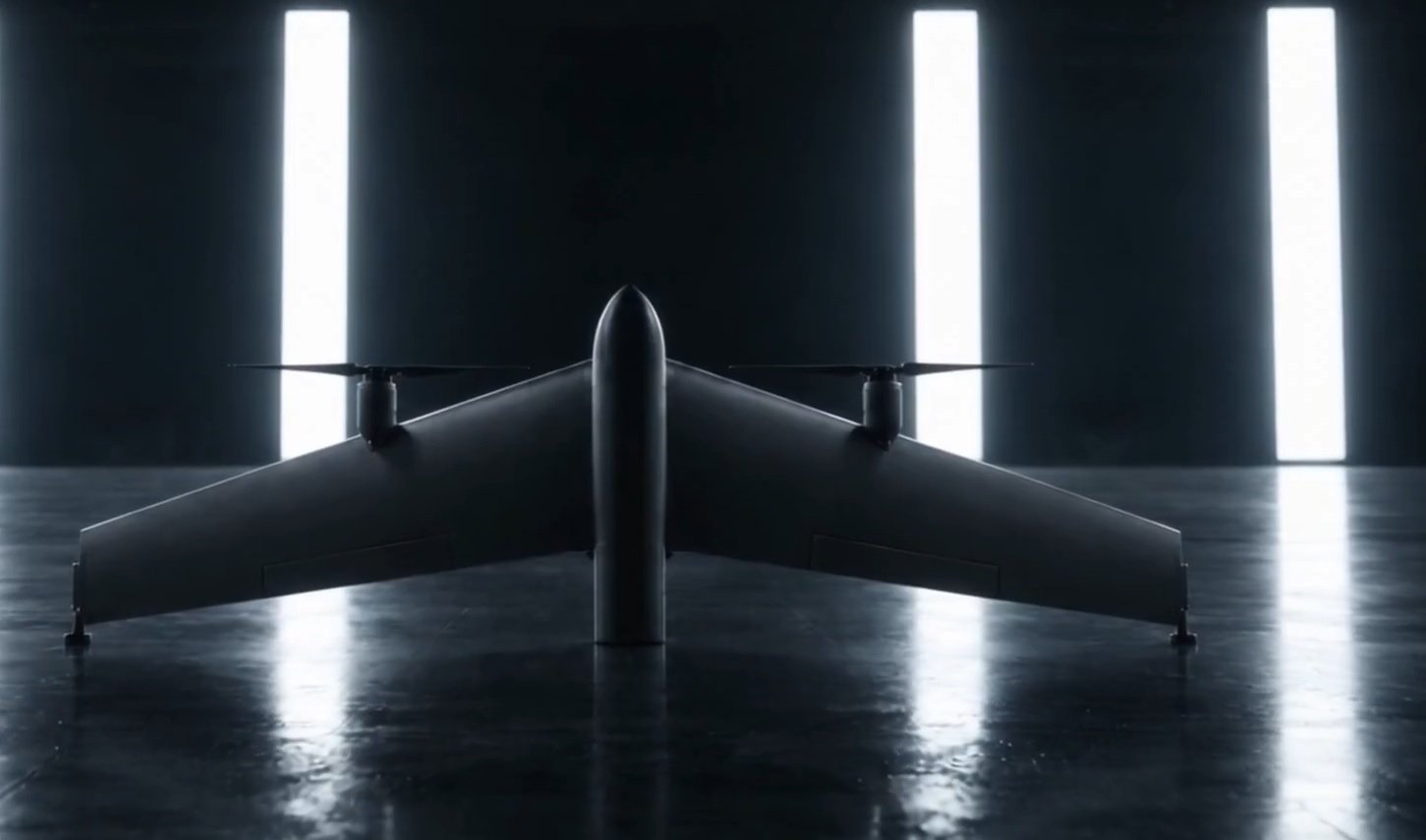
U.S
SAN FRANCISCO — Defence startup Kairox Systems has introduced Tempest, an autonomous hybrid drone designed to fly through the air, travel underwater and return to flight during a single mission. The San Francisco-based company is part of Y Combinator’s Fall 2026 batch. Tempest is a fixed-wing vertical take-off and landing (VTOL) drone classified as a Group 1 Hybrid Autonomous Underwater Vehicle (HAUV). It has a stated operational range of 50 kilometres and carries a modular payload of up to 1 pound. The drone can fly to an operational area, enter the water, travel beneath the surface and emerge to resume flight. Its intended military applications include mine detection, coastal surveillance and maritime operations. The platform also features autonomous navigation designed for GPS-denied and jammed environments, according to the company. Kairox Systems (YC F26) is building autonomous drones that fly and swim. Militaries around the world rely on unmanned systems for cross-domain air and sea missions, but they still need separate drones, separate operators, and separate logistics chains. Navy officers, special operations (SOF) operators, and researchers at MIT all told us the same thing: Aerial drones are fast but easy to detect. Underwater drones are stealthy but slow to get on target. At Kairox, we believe hybrid drones are the next evolution of unmanned platforms. — Kairox Systems (@KairoxSystems) November 12, 2026 Kairox says Tempest is designed to reduce the need for separate aerial and underwater drones. Its pressure-vessel design protects internal systems during underwater operations, while VTOL capability allows deployment from locations such as small boats and open ground. The company also targets low-cost production for potential one-way swarm missions. The platform is currently at Technology Readiness Level 4 (TRL 4) and undergoing laboratory testing of its air-to-water and water-to-air transitions. Kairox reports engagement with the U.S. Marine Corps and validation discussions with users across U.S. and allied militaries. Founded in 2026 by three MIT alumni, the company is led by CEO Joel Santiago Baretti, CTO Alex Rice and COO Jorge Cavazos-Cuellar. Kairox is continuing development of Tempest for potential future military applications.
Read More → Posted on 2026-11-13 13:05:51
World
TEHRAN, — Iran’s Assembly of Experts has called for reviewing the country's possible withdrawal from the Nuclear Non-Proliferation Treaty (NPT), revising its defence doctrine and strengthening military deterrence. In a 10-point statement issued on November 12, the influential clerical body described these steps as an "unavoidable necessity" and a national demand. The statement cited repeated threats against Iran, particularly those targeting its nuclear capabilities, and questioned the reliability of international institutions. It urged government officials to address the issue under the guidance of the Supreme Leader and warned against making concessions to the United States, arguing that concessions would not end Washington's hostility. Military and Foreign Policy Measures The Assembly warned that any new military attack on Iranian territory would receive an immediate and effective response without geographical limitations. It also called on Iran's diplomatic authorities to communicate Tehran's position clearly, particularly to neighbouring countries. The statement said regional security should be managed by countries in the region and called for the withdrawal of foreign military forces, which it described as a major source of instability. Economic and Domestic Directives The Assembly also proposed establishing a War Economy Headquarters involving different branches of government under the supervision of the Supreme Leader's office to address economic pressure and protect public livelihoods. Other points included support for resistance groups in Yemen and Lebanon, continued public participation in rallies, stronger enforcement of Islamic dress codes and hijab, and condemnation of court rulings against religious scholars and citizens in some regional countries. Iran Has Not Announced NPT Withdrawal The Assembly of Experts is an 88-member body of senior clerics responsible for appointing and supervising Iran's Supreme Leader. Its statement calls for reviewing a possible withdrawal but does not announce an actual decision to leave the treaty. Under Article X of the NPT, a member state can withdraw by providing three months' advance notice to other parties and the UN Security Council, explaining the extraordinary events affecting its national interests. Iran has not issued such a withdrawal notice and remains an NPT member. The statement adds to growing calls within Iran's political establishment to reconsider the country's nuclear and defence policies, but any formal change would require further decisions by the Iranian leadership.
Read More → Posted on 2026-11-13 14:37:25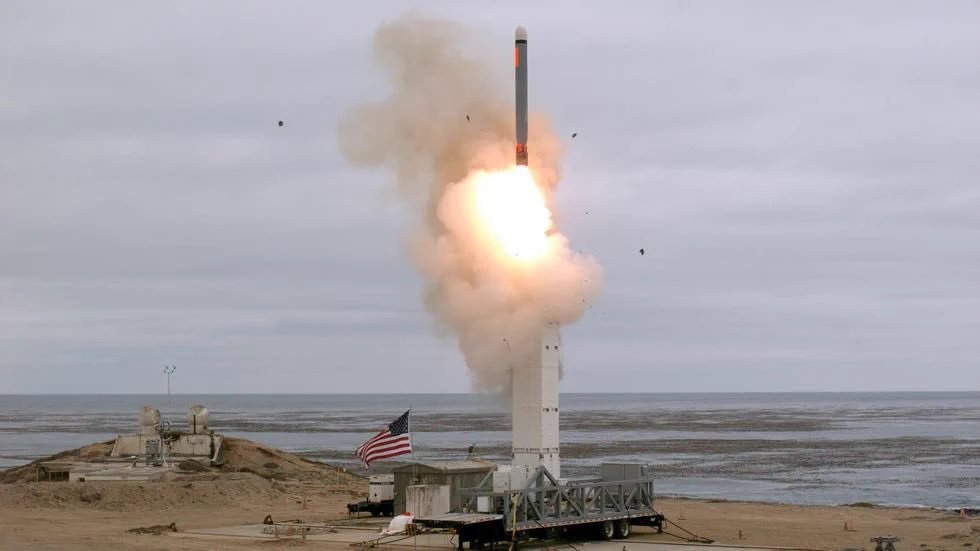
World
WARSAW — Poland has moved closer to acquiring U.S.-made Tomahawk cruise missiles after the Pentagon issued a positive recommendation on its purchase request, Defence Minister and Deputy Prime Minister Władysław Kosiniak-Kamysz announced following meetings in Washington on November 10, 2026. Poland submitted the request several months ago. However, the proposed sale still requires approval from the U.S. Congress, which could consider it in early 2027, according to Deputy Defence Minister Paweł Bejda. The number of missiles, launchers, cost and delivery schedule have not been disclosed. The Tomahawk is a long-range precision-guided cruise missile with a reported range of up to 1,600 kilometres and a warhead weighing approximately 450 kg. Its acquisition would give Poland a new long-range conventional strike capability. Possible Launch Platforms Poland is considering ground-based launch systems alongside potential naval deployment. One possible option is the U.S. Typhon system, which can launch both Tomahawk and SM-6 missiles. Germany is also pursuing Typhon launchers and Tomahawk missiles to strengthen its long-range strike capabilities. At sea, Poland's planned Miecznik-class frigates will feature Mk 41 vertical launch systems, which are compatible with Tomahawks. However, using the missiles would require integration with the ships' combat management systems. Poland had previously considered Tomahawks for its future Orka-class submarines but has also discussed the smaller NSM-SL (Naval Strike Missile–Submarine Launched) for that programme. Production and Delivery Challenges The potential purchase has raised concerns among Polish defence analysts about dependence on foreign suppliers and the impact on domestic defence manufacturers. Some experts favour developing indigenous strike drones first, followed by domestic cruise and ballistic missiles. Poland is also participating in the European Long-range Strike Approach (ELSA) alongside France, Germany, Italy, Sweden and the United Kingdom to develop European long-range strike capabilities. Delivery timelines remain uncertain as the United States is rebuilding its missile inventories following extensive use during the Iran conflict. Manufacturer Raytheon is expanding production capacity to more than 1,000 Tomahawk missiles annually under a seven-year agreement, but increasing production will take time. During the November 10 Washington meetings, Poland and the United States also signed an agreement to strengthen defence industry cooperation, covering joint development and industrial initiatives.
Read More → Posted on 2026-11-13 14:39:26
U.S
LOS ANGELES, — U.S. aerospace startup Hermeus and defence contractor Northrop Grumman have signed a strategic teaming agreement to develop advanced mission capabilities for high-speed autonomous military aircraft. Announced on November 12, the partnership will combine Hermeus’ Quarterhorse aircraft with Northrop Grumman’s mission systems. Under the agreement, Northrop Grumman will design, develop and integrate sensors, communications, navigation, command and control, autonomy and electronic warfare systems into Hermeus’ next-generation unmanned aircraft. The collaboration will use Hermeus’ open-architecture Mission Management System (MMS), based on U.S. government standards, to support faster hardware and software upgrades as military requirements change. Hermeus Quarterhorse Development Hermeus has been developing its reusable Quarterhorse aircraft series to demonstrate high-speed unmanned flight. The Quarterhorse Mk 2.1 reached Mach 1.21 during a test flight in May 2026 and later demonstrated high-speed payload separation. The company began flight testing the Mk 2.2 in September 2026. This variant features upgraded avionics, additional fuel capacity and the Gryphon propulsion system, designed to support flight beyond Mach 2. Hermeus is also developing Ramjet-X, an expendable ramjet-powered test vehicle designed for air launch from Quarterhorse aircraft. Looking ahead, the planned Quarterhorse Mk 3 is expected to use the Chimera turbine-based combined-cycle (TBCC) engine, which is intended to support near-hypersonic flight. U.S. Military Funding and Potential Applications Hermeus is also working with the Defense Innovation Unit (DIU) and U.S. military services. In May 2026, its DIU contract ceiling increased to $219 million to demonstrate high-Mach flight and high-speed payload release. The aircraft could eventually support intelligence, surveillance and reconnaissance (ISR), electronic warfare, high-speed payload delivery and strike missions. Hermeus has also presented a future mission-aircraft concept featuring multiple underwing hardpoints and a centreline payload station. The partnership does not include a confirmed production order or a fixed delivery schedule. Instead, it focuses on integrating Northrop Grumman's military mission systems into Hermeus' high-speed aircraft to accelerate the development of autonomous platforms for the U.S. military.
Read More → Posted on 2026-11-13 14:49:58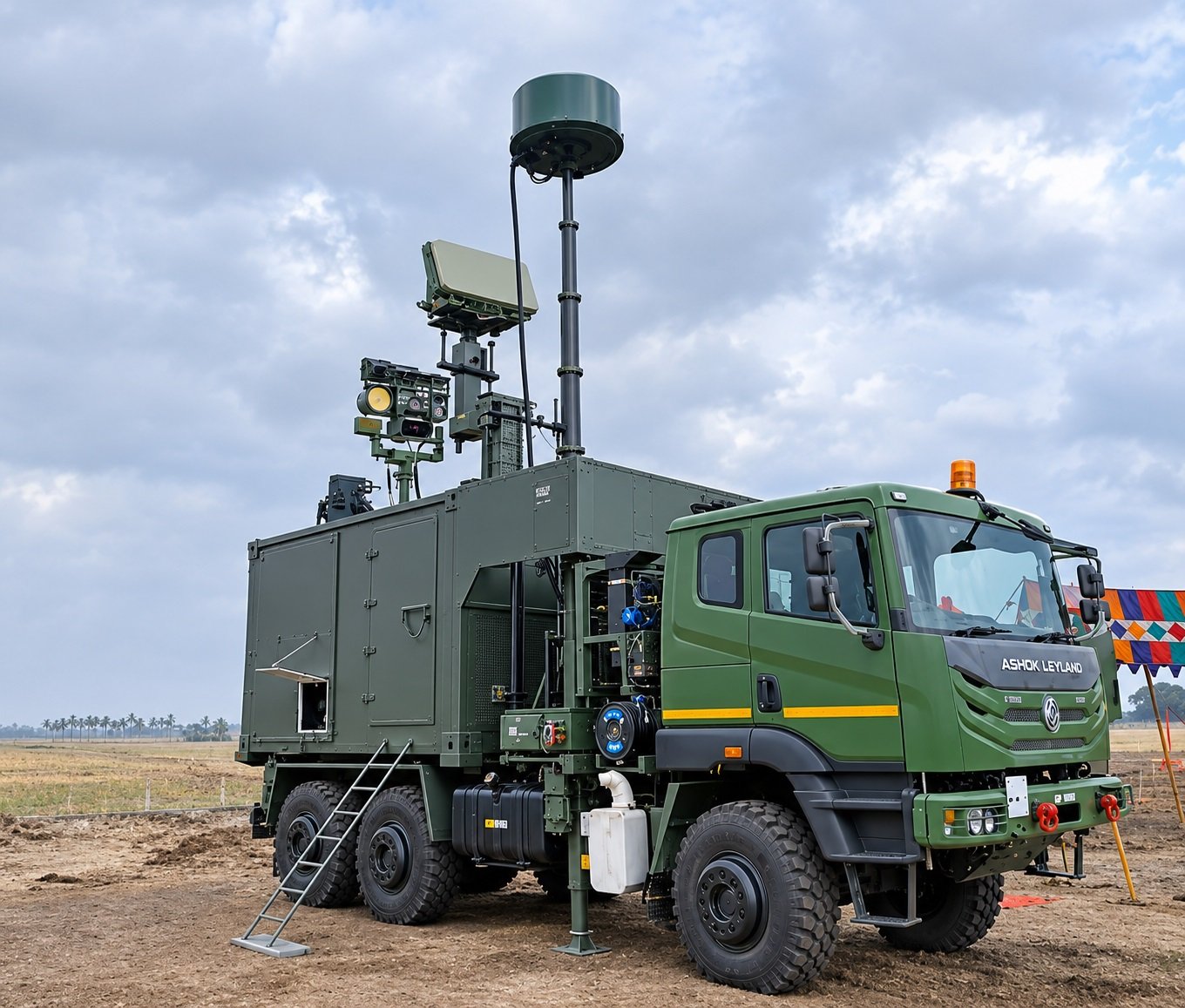
India
HYDERABAD — Indian defence electronics manufacturer Astra Microwave Products Limited has delivered its indigenous Drishti D4 counter-drone radar system to the Defence Research and Development Organisation (DRDO) for final integration and trials. The delivery marks progress in the company's move from supplying individual components to developing complete defence systems using its own intellectual property. The Drishti D4 is designed to detect, track and neutralise small unmanned aerial vehicles (UAVs). Its architecture combines a 360-degree radar, electro-optical and infrared (EO/IR) sensors, a laser rangefinder and a central command-and-control system. According to the provided specifications, the system can detect micro drones at up to 4 km and nano drones at up to 2 km. The system offers soft-kill and hard-kill options. Its soft-kill capabilities include RF communication-link jamming and GNSS/GPS spoofing to disrupt drone control and navigation. The hard-kill option uses a Laser Directed Energy Weapon (DEW) to physically destroy aerial threats. Drishti D4 is designed for both static tripod-mounted deployment and vehicle-mounted operations, allowing its use at fixed military installations and mobile locations. Astra Microwave previously received technology transfer for DRDO's counter-drone technology and has been developing its own system based on that technology. The company has also identified counter-drone solutions as an important growth area, estimating an Indian market opportunity of ₹3,000–5,000 crore over the next five years. The latest development supports Astra Microwave's strategy of moving beyond component manufacturing towards complete, indigenously developed defence systems.
Read More → Posted on 2026-11-13 15:00:58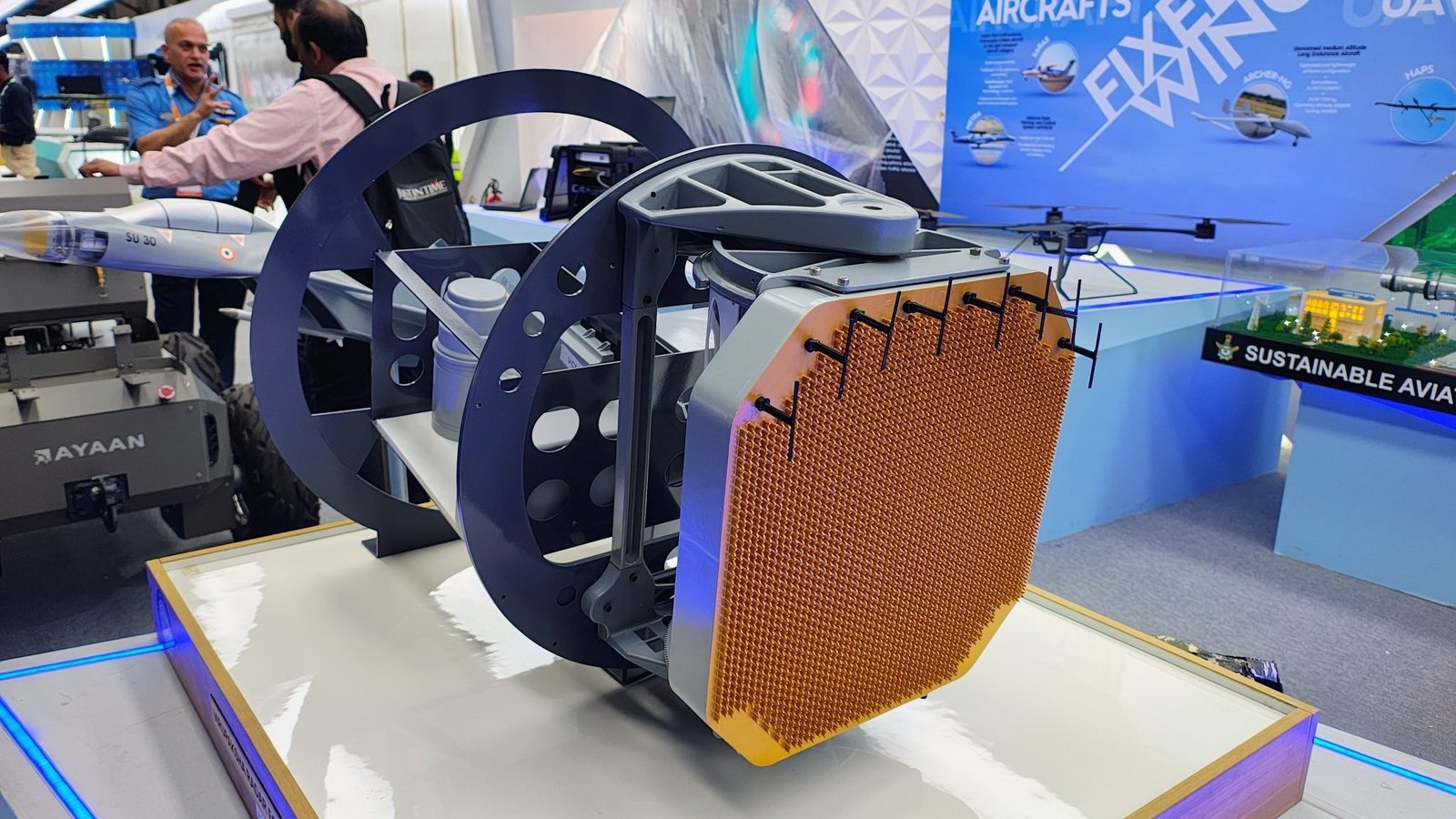
India
HYDERABAD — Astra Microwave Products Limited has delivered the Active Antenna Array Unit (AAAU) for the first prototype of India's indigenous Virupaksha AESA radar to the Defence Research and Development Organisation (DRDO). The delivery marks an important step in the development of the radar for the Indian Air Force's Su-30MKI Super Sukhoi upgrade programme. Developed by DRDO's Electronics and Radar Development Establishment (LRDE), Virupaksha is a Gallium Nitride (GaN)-based Active Electronically Scanned Array (AESA) radar designed to replace the Su-30MKI's existing Russian-origin N011M Bars radar. The radar features approximately 2,400 transmit/receive (T/R) modules within a 950 mm antenna. GaN technology provides higher power output and improved thermal efficiency, supporting better radar performance and resistance to electronic interference. The system is designed for multiple-target tracking and operations in challenging electronic warfare environments. Firmware Integration and Testing Following the hardware delivery, firmware and software integration is under way. Astra Microwave's management has indicated that DRDO could be in a position to commission the radar next year, subject to progress in integration and testing. Further qualification and flight trials will be required before operational deployment. Parallel Progress on UTTAM AESA Radar Astra Microwave is also supporting the indigenous UTTAM AESA radar programme for the HAL Tejas Mk1A. In July 2026, the company received a ₹2,205.23 crore contract from Hindustan Aeronautics Limited (HAL) for 122 Active Antenna Array Units and 121 interface frames. The contract includes GST and has an execution period of five years. The Virupaksha delivery and UTTAM production programme highlight Astra Microwave's growing role in India's indigenous airborne radar development. Further progress on Virupaksha will depend on successful integration, qualification and flight testing.
Read More → Posted on 2026-11-13 15:05:46
Space & Technology
LONG BEACH, CALIFORNIA, — U.S.-based space startup Spaceium is offering satellite manufacturers a $1 licence for its OpenPort refueling interface, aiming to establish a common connection standard for in-orbit satellite refueling. The company plans to build automated orbital fuel stations and generate revenue by supplying propellant rather than selling refueling hardware. How OpenPort Works Unlike conventional satellite fueling ports, which are generally used before launch, OpenPort is designed for repeated refueling in space. Its androgynous design allows propellant to flow in both directions, meaning two spacecraft equipped with identical ports can connect and transfer fuel. The interface also replaces the standard ground-fueling port, avoiding the need for an additional component. Spaceium describes the system as fuel-agnostic, with its technology intended to support different propellants. The company aims to use this approach to allow satellites to receive fuel after launch and extend their operational lives. Testing and Future Plans Spaceium has already flown a precision robotic actuator for its future refueling system aboard SpaceX's Transporter-15 mission in November 2025. The company plans to send OpenPort hardware to the International Space Station (ISS) in the first half of 2027 to demonstrate xenon propellant transfer on a spacecraft docked outside the station. The company is developing the technology for automated orbital refueling stations. Its approach could allow satellites to extend their missions, perform additional orbital manoeuvres and undertake longer-distance space missions without carrying all their required fuel at launch. Competition in Orbital Refueling Spaceium is entering a growing market for in-space servicing. Orbit Fab is also developing orbital refueling infrastructure and made its RAFTI refueling interface available under an open licence in October 2021. Founded by Ashi Dissanayake and Reza Fetanat, Spaceium aims to make orbital refueling more accessible by encouraging spacecraft manufacturers to adopt OpenPort. If widely adopted, the interface could help establish a network of orbital fuel stations for future satellite and space missions.
Read More → Posted on 2026-11-13 15:15:57
U.S
MELBOURNE, Fla., — L3Harris Technologies has completed U.S. Navy operational testing of its FleetLink communications system aboard an Arleigh Burke-class guided-missile destroyer. The company announced the milestone on November 12, marking an important step in evaluating the system for wider Navy use. FleetLink is a high-speed, modular radio system designed to replace aging Navy communications equipment. It combines multiple L3Harris radios and waveforms to process data from different sources and support secure communications across surface ships and submarines. The system also incorporates National Security Agency (NSA)-certified cryptographic capabilities to protect information exchanges. “Interoperability is a foundational requirement for the Navy’s increasingly complex operations,” said Faisal Munir, president of Mission Critical Communications, Communications & Spectrum Dominance at L3Harris. He said the testing demonstrated how FleetLink performs under real-world conditions and supports secure surface and undersea communications. Developed in 2023 under the Navy’s Scalable, Modular, Radio Cluster (SMRC) contract, FleetLink is available in three configurations: Four-channel high-frequency (HF) variant. Four-channel multi-band variant. Dedicated multi-band variant for submarines. The system uses a common radio cluster architecture intended for both surface and undersea fleets. However, operational testing of the submarine configuration has not yet been scheduled. The latest destroyer trials move FleetLink beyond its initial development stage. The Navy has not announced a final production decision or identified which ships will receive the system first. L3Harris has also not disclosed the SMRC contract's financial value or detailed testing results. FleetLink is part of the U.S. Navy's broader effort to modernize maritime communications and improve interoperability between its surface and submarine forces.
Read More → Posted on 2026-11-13 15:24:06
Europe
OSLO, — The UK Royal Navy will acquire three Norwegian Offshore Support Vessels (OSVs) to support uncrewed mine-hunting operations under a new defence agreement between the United Kingdom and Norway. The commitment was announced by UK Defence Secretary Wes Streeting and Norwegian Defence Minister Tore O. Sandvik at the Atlantic Future Forum in Oslo. The UK will join Norway’s P1118 Standardised Vessel Programme through the government-to-government Maritime Capability Partnership Framework. The first vessel is expected to be delivered in 2031, with an option to purchase three additional ships. The UK has allocated an additional £90 million in its Defence Investment Plan for the initial acquisition. The vessels will act as motherships for autonomous and uncrewed mine-countermeasure systems, carrying, launching and recovering equipment used to detect and dispose of sea mines. This approach will keep sailors away from dangerous minefields while supporting the Royal Navy’s Hybrid Navy concept and anti-submarine warfare capabilities on NATO’s northern flank. The agreement is also linked to Norway’s £10 billion purchase of British-built Type 26 frigates, announced in December 2025. The deal supports approximately 4,000 jobs across the UK supply chain, including more than 2,000 at BAE Systems' Glasgow shipyards. Operating similar platforms is expected to improve cooperation between the two navies. The announcement comes amid renewed concerns over maritime security following disruptions caused by Iranian mine-laying in the Strait of Hormuz, which affected international energy trade. Other maritime investments announced alongside the agreement include Atlantic Net, a £90 million programme awarded to Ocean Infinity to deploy autonomous systems and advanced sensors for monitoring underwater threats across the North Atlantic. British defence company Arondite also announced a £35 million investment over five years to establish an office in Oslo and expand its European operations. The three Norwegian vessels will strengthen the Royal Navy's mine-hunting capabilities while deepening defence cooperation with Norway and supporting maritime security across NATO's northern flank.
Read More → Posted on 2026-11-13 15:29:53
Europe
BERLIN, — Germany is preparing for a major expansion of its military spending after the Budget Committee of the German Bundestag approved its recommendation for the 2027 federal defence budget, with total defence resources exceeding €139 billion. The proposed allocation includes approximately €109.7 billion from the regular defence budget and nearly €30 billion from the Bundeswehr Special Fund (Sondervermögen Bundeswehr). The increase is part of Chancellor Friedrich Merz's efforts to strengthen Germany's armed forces, expand military procurement and improve the country's defence capabilities. The plan also includes more than €11.6 billion in military assistance for Ukraine, ensuring continued German support for Kyiv in response to its military requirements. Germany's Defence Budget Exceeds €139 Billion Germany's regular defence budget under Einzelplan 14 is expected to increase to approximately €109.7 billion in 2027, compared with €82.7 billion in 2026. An additional amount of nearly €30 billion will come from the Bundeswehr Special Fund, established to support the modernisation and expansion of Germany's armed forces. The combined allocation will take Germany's planned defence resources above €139 billion, placing it among the world's largest military spenders. Military Procurement and Modernisation Plans The approved budget also includes adjustments to several military procurement programmes and defence-related projects. Key areas identified in the budget discussions include: 16 additional A400M transport aircraft in the tactical version. Further MEKO A-200 frigates for the German Navy. Secure satellite communications systems. Civil defence and population protection measures. Funding for defence innovation and technological development. These projects form part of Germany's wider effort to improve the operational capabilities of the Bundeswehr across its air, land and naval forces. The regular defence budget also includes substantial procurement funding. The Bundestag's earlier budget documentation identified approximately €55.8 billion for military procurement in the 2027 defence ministry budget. €11.6 Billion Allocated for Ukraine Continued military assistance to Ukraine is another major element of Germany's 2027 spending plan. More than €11.6 billion has been earmarked for supporting countries attacked in violation of international law, with Ukraine identified as the principal recipient of the planned assistance. The funding is included under Einzelplan 60, which covers security, defence and stabilisation assistance. The allocation will allow Germany to continue providing military support according to Ukraine's requirements. Germany's 2027 Budget and Government Borrowing The defence expansion is part of a wider government spending programme covering military capabilities, infrastructure and economic investment. The Budget Committee approved a federal spending plan of approximately €560.92 billion for 2027, with investment expenditure increased to €61.85 billion. The financing plan includes €210.4 billion in total new borrowing, making it the second-largest annual borrowing programme in German history, behind the €215.4 billion recorded in 2021 during the COVID-19 pandemic. The core federal budget accounts for approximately €122.97 billion in net borrowing. Additional borrowing comes through special financing arrangements for defence and infrastructure. The agreement followed lengthy negotiations between Chancellor Friedrich Merz's conservative CDU/CSU bloc and its coalition partner, the Social Democratic Party (SPD). To secure agreement, the coalition dropped a proposed tax on plastic packaging, postponed a tax on sweetened drinks until 2028 and delayed a planned reduction in electricity taxation. It also reversed planned reductions in benefits for children from lower-income families. Final Parliamentary Approval Still Required The Budget Committee's decision is an important step towards implementing Germany's 2027 spending programme, but it is not the final parliamentary approval. The full Bundestag is expected to consider and vote on the federal budget during its November 24–27, 2026, sitting week. If approved, the budget will provide the financial framework for Germany's planned military expansion, continued assistance to Ukraine and investment in national infrastructure. For the Bundeswehr, the proposed increase represents a major rise in available funding compared with 2026, with military procurement, modernisation and defence infrastructure remaining central priorities. NOTE - The approval reported here is the Budget Committee's approval, not final approval by the full Bundestag. The €139 billion figure combines the regular defence budget and the Bundeswehr Special Fund; it does not include the separate €11.6 billion Ukraine assistance allocation in that total.
Read More → Posted on 2026-11-13 15:36:00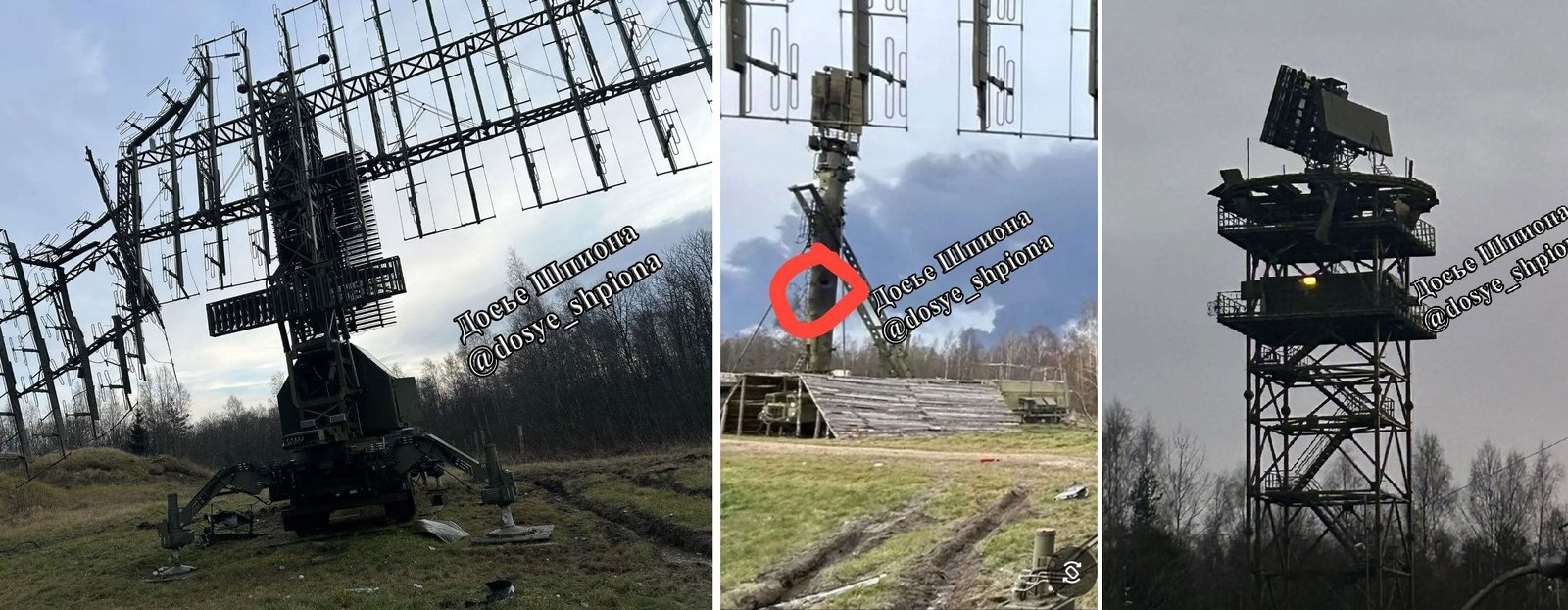
World
Mishino, Leningrad Region, Russia, — Ukrainian strike drones have reportedly destroyed three Russian radar installations near the village of Mishino in the Leningrad region, targeting part of the air-surveillance network protecting the strategic Baltic Sea port of Ust-Luga. According to the Russian Telegram channel Dosye shpiona, the targets included a Nebo-SVU radar, a Sopka-2 radar complex and a 40V6 universal mobile tower. The installations were located at coordinates 59.728679, 28.494858. Before-and-after photographs show that the radio-transparent dome covering the Sopka-2 radar was missing after the attack. Damage was also visible at the other radar positions. Debris found at the site reportedly resembles components of Ukrainian FP-1 strike drones, although the weapons used have not been officially confirmed. Three Russian Radar Systems Targeted The targeted systems performed different air-surveillance roles: Nebo-SVU: Detects and tracks aircraft, cruise missiles and drones, with a reported detection range of up to 380 km against fighter-sized targets, depending on altitude. Sopka-2: Monitors airspace and determines the coordinates and altitude of aerial targets, with a stated range of up to 450 km. 40V6 Mobile Tower: Elevates radar equipment above obstacles such as trees to improve the detection of low-altitude targets. The loss of these installations could create gaps in Russian air-surveillance coverage around the Baltic coastline and Ust-Luga port. Ust-Luga Oil Terminal Also Hit The radar attack was reported alongside a wider Ukrainian drone operation against Ust-Luga port on November 11. A fire broke out at the oil terminal, with NASA's FIRMS satellite system detecting multiple hotspots. Leningrad Region Governor Aleksandr Drozdenko confirmed the attack and reported that approximately 150 drones had targeted the region, injuring three port workers. Ukraine's General Staff and Security Service also reported damage to five petroleum storage tanks with a combined capacity of approximately 150,000 cubic metres, oil-processing infrastructure, including a hydrocracking unit, and a loading berth. A petroleum product spill was also reported, while a transformer substation experienced an emergency shutdown. Ukrainian officials additionally reported a strike on the Russian Buyan-M-class missile ship Naro-Fominsk, which can carry Kalibr and Oniks cruise missiles. The extent of damage to the vessel has not been independently confirmed. Previous Ukrainian Strikes on Russian Radar Systems Ukraine has previously targeted Russian radar installations. On August 30, 2026, Ukraine's Unmanned Systems Forces reported destroying a Sopka-2 radar at Yeisk air base in Russia's Krasnodar Krai. Ust-Luga was also targeted on September 1, when Ukrainian drones reportedly damaged components of a Novatek oil-processing unit. The latest reported strikes target both the surveillance infrastructure protecting Ust-Luga and the port's oil-export facilities. The full extent of the radar damage remains unverified.
Read More → Posted on 2026-11-13 16:07:28
Space & Technology
WASHINGTON, — Blue Origin, founded by Jeff Bezos, has withdrawn from NASA's competition to develop a commercial space station to replace the International Space Station (ISS). The company will redirect its resources towards lunar landers, transportation systems and infrastructure supporting NASA's Artemis programme and future Moon Base operations. Blue Origin confirmed the decision on November 13, 2026, during an employee meeting led by CEO Dave Limp. The company said establishing a sustained human presence on the Moon is a critical step towards its wider goal of enabling millions of people to live and work in space. Blue Origin Shifts Focus from Orbital Reef to Moon Blue Origin and its partner Sierra Space had been developing the Orbital Reef commercial space station since 2021. NASA selected the project under its Commercial Low Earth Orbit Destinations (CLD) Phase 1 programme. Designed as a mixed-use commercial station, Orbital Reef was intended to support scientific research, industrial activities, international users and space tourism in low Earth orbit. The project had completed several design and technical development milestones, including work on habitats, life-support and docking systems. Sierra Space also contributed its inflatable LIFE habitat concept. However, Blue Origin has decided not to submit a proposal for the next phase of NASA's competition. The future of Sierra Space's involvement has not been fully detailed. Blue Moon Landers Become a Priority Blue Origin will now prioritise its Blue Moon Mark 1 cargo lander and Mark 2 crewed lander, which are being developed to support NASA's Artemis lunar exploration programme. The company is also advancing its New Glenn heavy-lift rocket and related transportation infrastructure to support future lunar missions. These capabilities are intended to support cargo delivery, crew transportation and sustained operations on the Moon. NASA's Commercial Space Station Competition NASA plans to retire the ISS around 2030 and transition low Earth orbit operations towards commercial space stations. Following Blue Origin's withdrawal, the remaining competitors include: Axiom Space, developing a commercial station through a phased approach that initially uses the ISS. Airbus–Voyager Starlab, a joint venture developing a commercial orbital station. Vast, which holds an unfunded Space Act Agreement with NASA and plans to launch its Haven-1 station in the first quarter of 2027. NASA released its CLD Phase 2 solicitation on October 9, 2026, seeking commercial providers to develop future orbital destinations. The agency plans to support two or more providers during early development before selecting companies for later design, testing, certification and operational work. The original proposal deadline of December 8, 2026, was subsequently extended to December 14, 2026, under an updated solicitation. Initial development selections are expected around April 2027. Blue Origin's withdrawal marks a change in its space station strategy, as the company shifts more resources towards lunar transportation and infrastructure. Meanwhile, NASA's remaining competitors will continue developing commercial stations ahead of the ISS's planned retirement around 2030. Sources: NASA, Blue Origin, Sierra Space and NASA's Commercial Low Earth Orbit Destinations programme.
Read More → Posted on 2026-11-13 16:14:53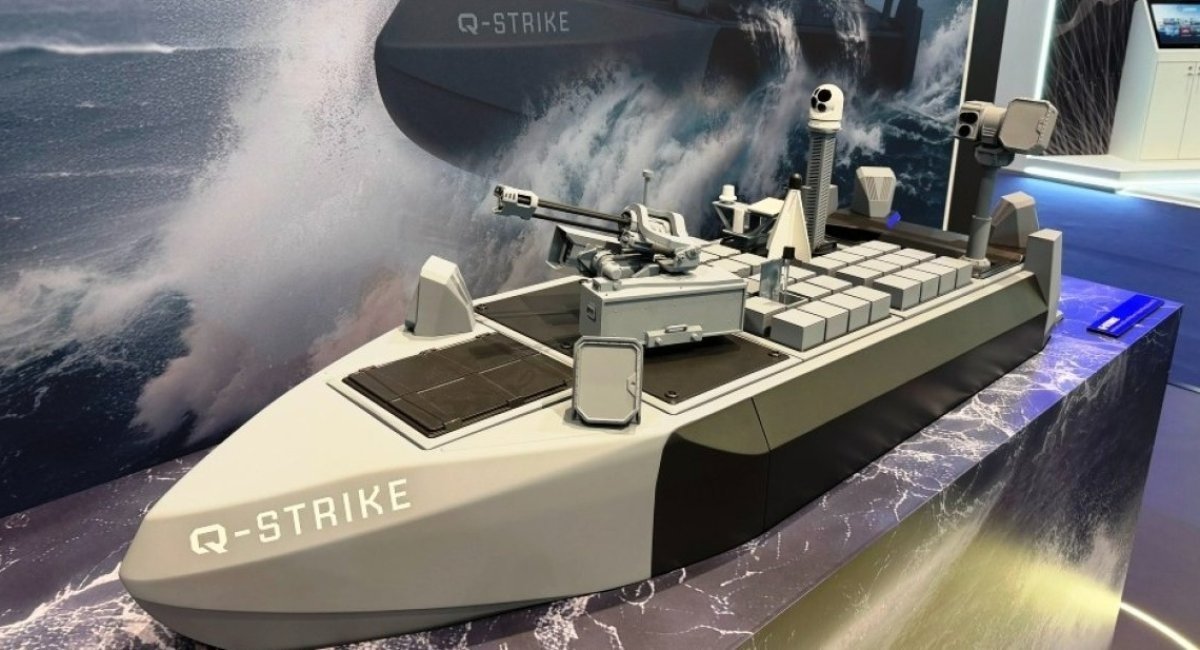
Europe
PARIS — German defence company Diehl Defence and maritime technology firm Flanq have unveiled their Q-Strike unmanned surface vessel (USV) at the Euronaval 2026 exhibition in Paris, held from November 3 to 6. The platform is designed to detect and engage aerial drone threats at sea. Q-Strike is jointly developed using Flanq's Q-Recon 24 autonomous surface vessel, adapted for counter-unmanned aerial vehicle (C-UAV) operations. The exhibition featured a scale model equipped with 36 vertical launch cells for Diehl's Cicada interceptor drones, which are reported to engage aerial targets at ranges of up to 12 kilometres. The displayed configuration also included a 7.62 mm M134 minigun, four fixed surveillance radars, an additional radar on the sensor mast and two electro-optical systems for target tracking, navigation and situational awareness. Q-Strike Based on Q-Recon 24 Platform The Q-Strike uses Flanq's Q-Recon 24, originally developed for intelligence gathering, maritime security, anti-submarine warfare and force protection. The base vessel measures 7.3 metres in length, reaches a maximum speed of 90 km/h and has an operational range of up to 3,000 nautical miles. Its payload capacity is up to 2,000 kg. The modular platform features a central moonpool for deploying and recovering underwater sensors, while its deck supports UAV launch and recovery. Its open architecture and autonomous control suite allow operators to change mission equipment according to operational requirements. Diehl Defence and Flanq Partnership The project follows a Memorandum of Understanding signed on September 23, 2026, covering cooperation in autonomous maritime systems. Under the agreement, Flanq contributes its expertise in hull development, autonomous control software and modular unmanned platforms, while Diehl Defence provides its experience in defence systems and interceptor technologies. The partnership aims to combine these capabilities to develop autonomous maritime platforms. A first demonstrator was targeted for 2026. Development Status The Q-Strike model displayed at Euronaval represents the first public presentation of the concept following the September agreement. The companies have indicated that the vessel could be offered in several configurations. However, its final weapons configuration, full operational capabilities and technical specifications have not been confirmed. Pricing and delivery timelines have also not been announced. The Q-Strike combines an autonomous maritime platform with Diehl's Cicada interceptor technology to provide a potential naval counter-drone capability.
Read More → Posted on 2026-11-13 16:18:51
World
ISTANBUL, — Turkey and Qatar have signed a mutual defence agreement, strengthening their military and strategic partnership as regional countries seek closer security cooperation amid continuing tensions in the Middle East. The agreement was signed on Friday during a meeting between Turkish President Recep Tayyip Erdogan and Qatari Emir Sheikh Tamim bin Hamad Al Thani in Istanbul. The announcement was made by the Turkish presidency, which did not disclose the specific military commitments or operational provisions of the agreement. Erdogan said the agreement would add another dimension to the longstanding relationship between the two countries. He also stressed that Turkey and Qatar would continue working together to prevent renewed conflict in the Gulf region, promote dialogue and support regional peace. The two leaders also discussed expanding cooperation in the defence industry and energy sector, with both countries seeking to diversify their energy partnership and strengthen existing defence cooperation. The meeting was held as part of the 12th session of the Turkey-Qatar Supreme Strategic Committee, which oversees cooperation between the two countries. Turkey Expands Its Regional Defence Partnerships The Turkey-Qatar agreement comes as Ankara strengthens its defence relationships with other regional powers. In August 2026, Turkey, Saudi Arabia and Pakistan signed the Mecca Joint Defence Agreement in Saudi Arabia. The agreement establishes a collective defence arrangement under which an external armed attack against one member is treated as an attack against all three countries. Turkey's parliament approved the ratification of the agreement on November 6, 2026, by 279 votes to 119, clearing an important legislative step towards its implementation. The trilateral agreement covers broader defence cooperation and collective security. Its provisions are different from the Turkey-Qatar agreement, whose detailed terms have not yet been publicly disclosed. The latest agreement therefore adds another bilateral defence partnership to Turkey's expanding network of regional security relationships. Is the Turkey-Qatar Alliance Directed Against a Common Enemy? One important question surrounding the agreement is whether Turkey and Qatar have signed it to counter a particular country or military threat. There is no publicly confirmed common enemy identified in the announcement. Neither the Turkish presidency's statement nor the reported details of the agreement identify Iran, Israel or any other country as its target. The agreement should therefore not automatically be interpreted as an anti-Iran or anti-Israel military alliance. Turkey and Qatar have their own security priorities. Turkey has significant security interests in Syria, Iraq and the wider Eastern Mediterranean, while Qatar is particularly concerned with security and stability in the Gulf region. Their cooperation can serve several strategic purposes without requiring both countries to identify the same adversary. What Does This Alliance Mean Strategically? The agreement has several potential strategic implications for both countries. 1. Collective Security and Military Cooperation A mutual defence agreement provides a framework for closer security coordination. Depending on its actual provisions, it could establish arrangements for military assistance, defence planning and responses to security threats. However, the specific obligations under the Turkey-Qatar agreement remain unclear because its text has not been publicly disclosed. 2. Greater Regional Strategic Independence Turkey and Qatar are strengthening their ability to coordinate on regional security matters. Closer bilateral defence relationships can give both governments additional options when responding to regional crises. This does not necessarily mean abandoning their existing international partnerships. 3. Defence Industry Cooperation Erdogan specifically highlighted the expansion of defence industry cooperation. Turkey has an established defence manufacturing sector, while Qatar is an important regional defence partner. Greater cooperation could create opportunities for defence projects, procurement and industrial partnerships between the two countries. However, no specific weapons procurement contracts or joint production projects were announced alongside the agreement. 4. Stronger Diplomatic Coordination The agreement also strengthens the institutional relationship between Ankara and Doha. Their cooperation extends beyond military affairs to energy, economic relations and regional diplomacy. Erdogan's statement about preventing renewed conflict in the Gulf indicates that regional stability and diplomatic engagement are also important objectives of their partnership. How Is This Different From the Turkey-Saudi Arabia-Pakistan Defence Pact? The two arrangements should not be treated as identical. Feature Turkey-Qatar Agreement Mecca Joint Defence Agreement Members Turkey and Qatar Turkey, Saudi Arabia and Pakistan Signed November 13, 2026 August 7, 2026 Defence arrangement Mutual defence agreement Collective defence agreement Attack on one considered an attack on all Not publicly confirmed Yes Detailed provisions Not publicly disclosed Agreement text available The Mecca Joint Defence Agreement explicitly establishes a collective defence commitment. The publicly available information about the new Turkey-Qatar agreement does not yet establish whether it contains the same provision. What Comes Next? The Turkey-Qatar agreement represents another step in Ankara's efforts to strengthen its regional defence relationships. Rather than assuming the formation of a military bloc against a specific country, the agreement is better understood as an expansion of bilateral security cooperation between two established regional partners. Its actual military significance will depend on the agreement's provisions, including whether it establishes automatic military assistance, joint defence planning or other security commitments. For now, the confirmed objectives include strengthening bilateral defence cooperation, expanding defence industry ties, diversifying energy relations and supporting stability in the Gulf region.
Read More → Posted on 2026-11-13 16:30:13
U.S
Linthicum Heights, Maryland — Northrop Grumman has received a $79.6 million contract modification from the U.S. Air Force to continue supplying AESA radars for its F-16 fighter fleet. Announced on November 13, 2026, the award increases the contract's cumulative value from $1.98 billion to $2.061 billion. The full $79.6 million has been obligated, including approximately $65.4 million from procurement budgets for fiscal years 2025, 2026 and 2027. The remaining $14.2 million will support research, development, testing and evaluation. Work will take place at Northrop Grumman's facility in Linthicum Heights, Maryland, with completion expected by December 31, 2027. AN/APG-83 AESA Radar for F-16 The contract covers the AN/APG-83 Scalable Agile Beam Radar (SABR), which replaces the older mechanically scanned AN/APG-68 radar. Unlike the previous system, the APG-83 uses electronically controlled transmit-receive modules to steer radar beams without moving the antenna. This enables rapid target tracking, simultaneous tracking of multiple airborne threats and high-resolution ground mapping through Synthetic Aperture Radar (SAR). The radar incorporates technology from Northrop Grumman's AN/APG-77 and AN/APG-81 systems used on the F-22 and F-35. It is designed to fit inside the existing F-16 nose without requiring structural, power supply or cooling system modifications. F-16 Modernization Program The program began in 2017 after U.S. Northern Command requested improved radar capabilities to detect smaller radar-cross-section threats, including cruise missiles. The Air Force initially awarded a $243.9 million order for 72 radars for Air National Guard F-16s. These aircraft completed the upgrade by 2022. In December 2019, the Air Force expanded the contract by approximately $1 billion to cover up to 372 radars. Subsequent modifications increased its value to $1.51 billion in April 2023, $1.68 billion in March 2025 and $1.84 billion in June 2026. The radar is also a central component of the $6.3 billion Post Block Integration Team (PoBIT) modernization program, which targets 608 Block 40/42 and Block 50/52 F-16s. The wider upgrade includes up to 22 modifications per aircraft. The 480th Fighter Squadron at Spangdahlem Air Base, Germany, became the first active-duty U.S. Air Force unit to receive F-16s with the upgraded radar in early 2022. However, the original contract ceiling of 372 radars remains below the 608-aircraft modernization target. The Air Force has not disclosed the exact number of radars covered by the current contract valuation. Northrop Grumman Delivers 1,000th APG-83 Radar Northrop Grumman reached another production milestone on May 19, 2026, when it delivered its 1,000th APG-83 radar from its Baltimore production facility. Production supports U.S. Air Force modernization requirements and international customers. The APG-83 is also standard equipment on newly manufactured F-16 Block 70 and Block 72 fighters. The latest $79.6 million award will support continued radar production and development through the end of 2027.
Read More → Posted on 2026-11-14 10:53:07
Europe
Warsaw — Poland has temporarily suspended additional financial contributions to NATO's Prioritized Ukraine Requirements List (PURL) program, which funds the purchase of American weapons for Ukraine. Polish Prime Minister Donald Tusk announced the decision on November 13, 2026, citing the country's high budget deficit and substantial domestic defense spending. Tusk confirmed that he had informed NATO Secretary General Mark Rutte about the decision. He said Poland would not allocate further funds to the initiative at this stage because its own security and military spending remain among the highest in Europe. However, he emphasized that Poland would continue providing substantial assistance to Ukraine. What Is NATO's PURL Program? Launched on July 14, 2025, by U.S. President Donald Trump and NATO Secretary General Mark Rutte, PURL allows NATO members and partner countries to finance the purchase of U.S.-manufactured weapons for Ukraine. Under the mechanism, Ukraine identifies its priority military requirements, while NATO and the United States coordinate procurement packages. Participating countries provide funding, and the United States supplies the equipment through NATO-coordinated deliveries. According to Ukraine's Ministry of Defence, 29 countries had joined the initiative by July 2026, contributing approximately $6.7 billion. The program has become particularly important for supplying Patriot air defense interceptors, accounting for around 95% of Ukraine's Patriot interceptor deliveries through the initiative. Poland previously contributed $100 million to PURL in November 2025 as part of a joint $500 million package with Germany and Norway. PURL Faces a $2 Billion Funding Shortfall Poland's decision comes amid wider funding challenges for the initiative. Reports in November indicated a shortfall of approximately $2 billion for previously approved weapons packages, prompting the United States to seek additional financial contributions from NATO allies. The funding situation is particularly important for Ukraine's air defense requirements. On October 30, 2026, the U.S. State Department approved a potential $2.1 billion sale of 500 PAC-3 MSE interceptor missiles for Patriot systems. However, deliveries could take several years. Ukrainian President Volodymyr Zelenskyy has therefore asked international partners to transfer missiles from their existing stockpiles, requesting up to 100 Patriot interceptors per month during the winter of 2026–2027. Poland Continues Other Military Support to Ukraine The suspension applies specifically to additional contributions to the PURL program and does not represent an end to Poland's overall military assistance to Ukraine. In a separate development, Polish Deputy Defence Minister Cezary Tomczyk announced on November 10 that Poland and Ukraine had agreed to establish joint working groups on drone and anti-drone technologies. The two countries are also finalizing arrangements under which Poland would transfer MiG-29 fighter jets to Ukraine in exchange for access to Ukrainian drone and counter-drone technologies. The latest decision therefore concerns Poland's participation in one specific NATO funding mechanism, while bilateral military cooperation with Ukraine continues.
Read More → Posted on 2026-11-14 10:59:41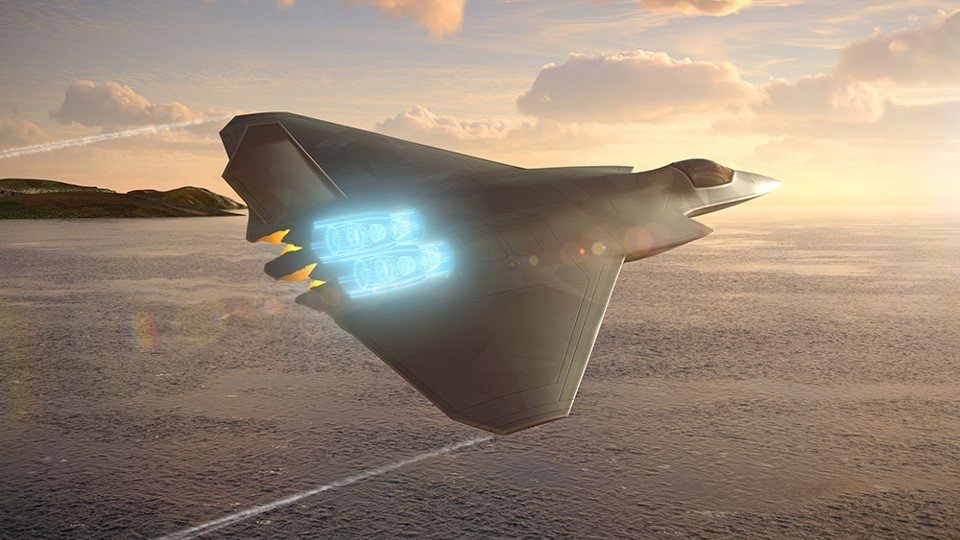
Europe
Rome, — Italy has rejected Germany's request to join the Global Combat Air Programme (GCAP) as a full partner, offering Berlin only observer status in the UK-Italy-Japan sixth-generation fighter programme. The proposal would give Germany access to programme information but no decision-making authority or direct role in aircraft design and development. Italian Defence Minister Guido Crosetto presented the position during an online meeting this week with his British and Japanese counterparts. According to the Financial Times, Italy wants to avoid delays and disruption to existing industrial agreements, which have taken years to negotiate. Concerns Over Programme Delays GCAP aims to develop an advanced sixth-generation stealth fighter for entry into service by 2035. Its industrial development is led by BAE Systems, Leonardo and Mitsubishi Heavy Industries through their joint venture, Edgewing. Italy and Japan are concerned that adding Germany as an equal partner could complicate decision-making, delay development and reduce the industrial work available to their companies. Germany's Airbus is also seeking a significant manufacturing and leadership role through discussions with BAE Systems. Canada is currently GCAP's first observer nation, with access to information but no decision-making or aircraft design role. Germany Wants Full Membership Berlin is expected to reject the proposal. A German official described observer status as "unacceptable", stressing that Germany wants full membership in exchange for financial contributions and a guaranteed industrial workshare. German Defence Minister Boris Pistorius said Germany's decision would depend on the balance between industrial work, programme timelines and financial contributions. The disagreement follows the collapse of Germany's Future Combat Air System (FCAS) partnership with France and Spain in June 2026. Germany is now considering alternatives, including GCAP and possible aerospace cooperation with Sweden. Talks Continue The UK has supported discussions about bringing Germany into GCAP, with Prime Minister Andy Burnham expressing openness during a visit to Berlin last month. However, the existing partners have already established key industrial and design arrangements. Adding a full member would require renegotiating these agreements, which Italy and Japan fear could affect the programme's schedule. Officials from Germany, Italy and Japan have agreed to continue discussions following a call this week. Germany is expected to make a decision on its GCAP ambitions by the end of March 2027.
Read More → Posted on 2026-11-14 11:02:56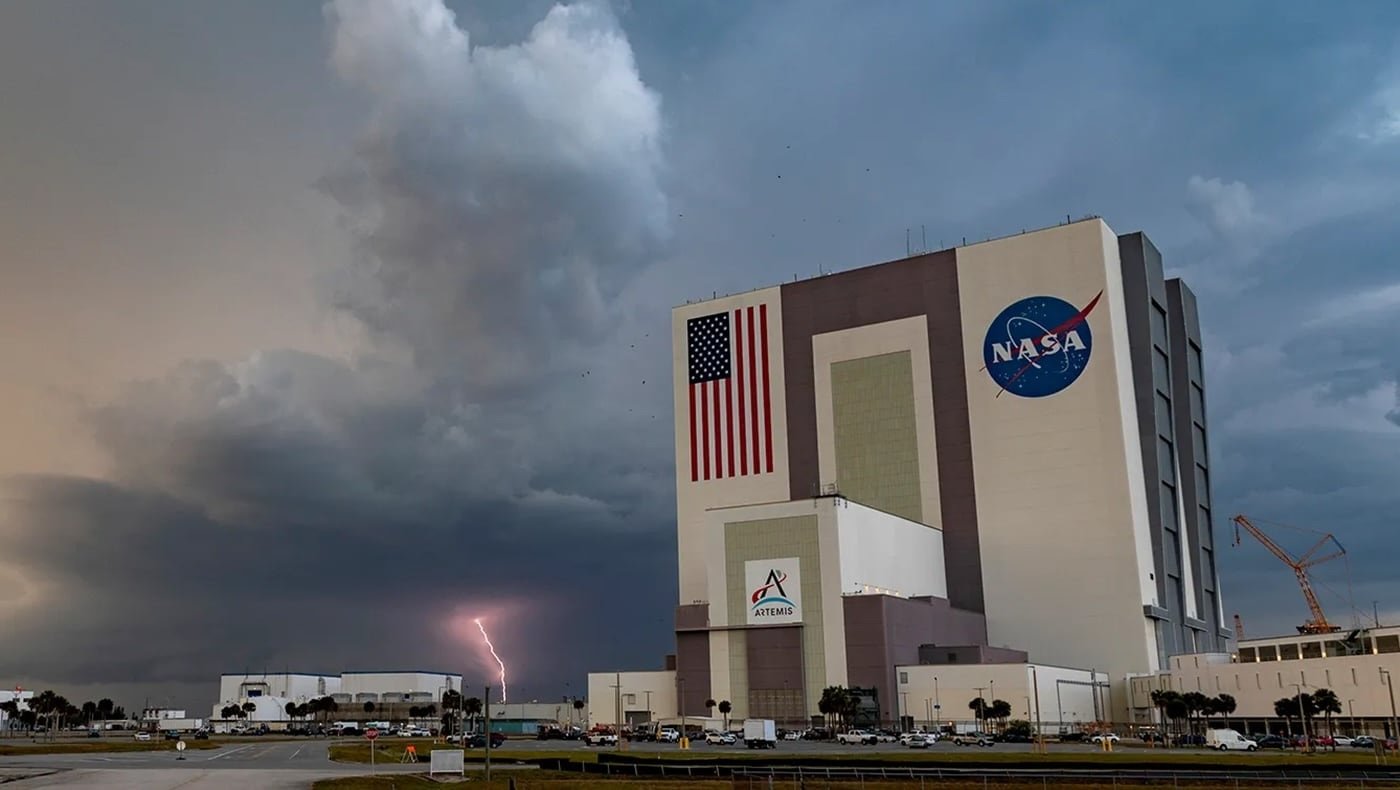
Space & Technology
Washington — The U.S. Senate Appropriations Committee has proposed $24.87 billion for NASA in fiscal year 2027, rejecting the White House's plan for major cuts to the agency's science programs. Released on November 12, 2026, the proposal provides approximately $436 million more than the $24.44 billion approved for fiscal year 2026 and about $6.1 billion above the Trump administration's $18.8 billion request. The proposal is part of the Commerce, Justice, Science, and Related Agencies appropriations bill. It continues support for lunar exploration and NASA's broader Moon-to-Mars program. Senate Protects NASA Science Funding The biggest difference between the Senate and competing budget proposals is funding for NASA's Science Mission Directorate. The Senate proposes $7.43 billion for science programs, compared with the administration's $3.9 billion request and approximately $6 billion in the House proposal. The Senate's science allocation includes: Earth Science: $2.188 billion Planetary Science: $2.617 billion Astrophysics: $1.657 billion Heliophysics: $880 million Biological and Physical Sciences: $88 million The proposal also includes $165 million for the Landsat Next Earth-observation mission and $300 million for the Habitable Worlds Observatory, a planned space telescope designed to search for signs of life on planets beyond our solar system. NASA's Other Major Budget Allocations Beyond science, the Senate proposal provides funding for NASA's exploration, space operations, technology and aeronautics programs. NASA Program Proposed Funding Exploration $8.282 billion Space Operations $4.125 billion Space Technology $825 million Aeronautics $910 million The space technology allocation includes $110 million for nuclear propulsion systems, supporting research into advanced propulsion technologies. Mars Sample Return Integrated Into Moon-to-Mars Strategy The Senate proposal also outlines a different approach to NASA's Mars Sample Return (MSR) program. The mission involves returning rock and soil samples collected by NASA's Perseverance rover on Mars for scientific study. Rather than treating Mars Sample Return only as a standalone science mission, the Senate directs NASA to integrate it into the broader Moon-to-Mars architecture. The committee wants the program to demonstrate technologies, systems and operational capabilities needed for future human missions to Mars while retaining its scientific sample-return objectives. Senate and House Must Reconcile NASA Budgets The Senate proposal differs from the House Appropriations Committee's plan, which recommends approximately $24.4 billion for NASA, matching the fiscal 2026 funding level. The House has proposed around $6 billion for science programs. The Senate subcommittee also noted that NASA's major reorganization of its mission directorates and budget structure earlier in 2026 occurred too late to be fully reflected in the funding legislation. The Senate and House must now reconcile their proposals before Congress can approve the final spending bill. Meanwhile, the federal government is operating under a continuing resolution scheduled to expire on December 11, 2026, leaving lawmakers a limited period to reach an agreement and avoid a funding lapse.
Read More → Posted on 2026-11-14 11:09:12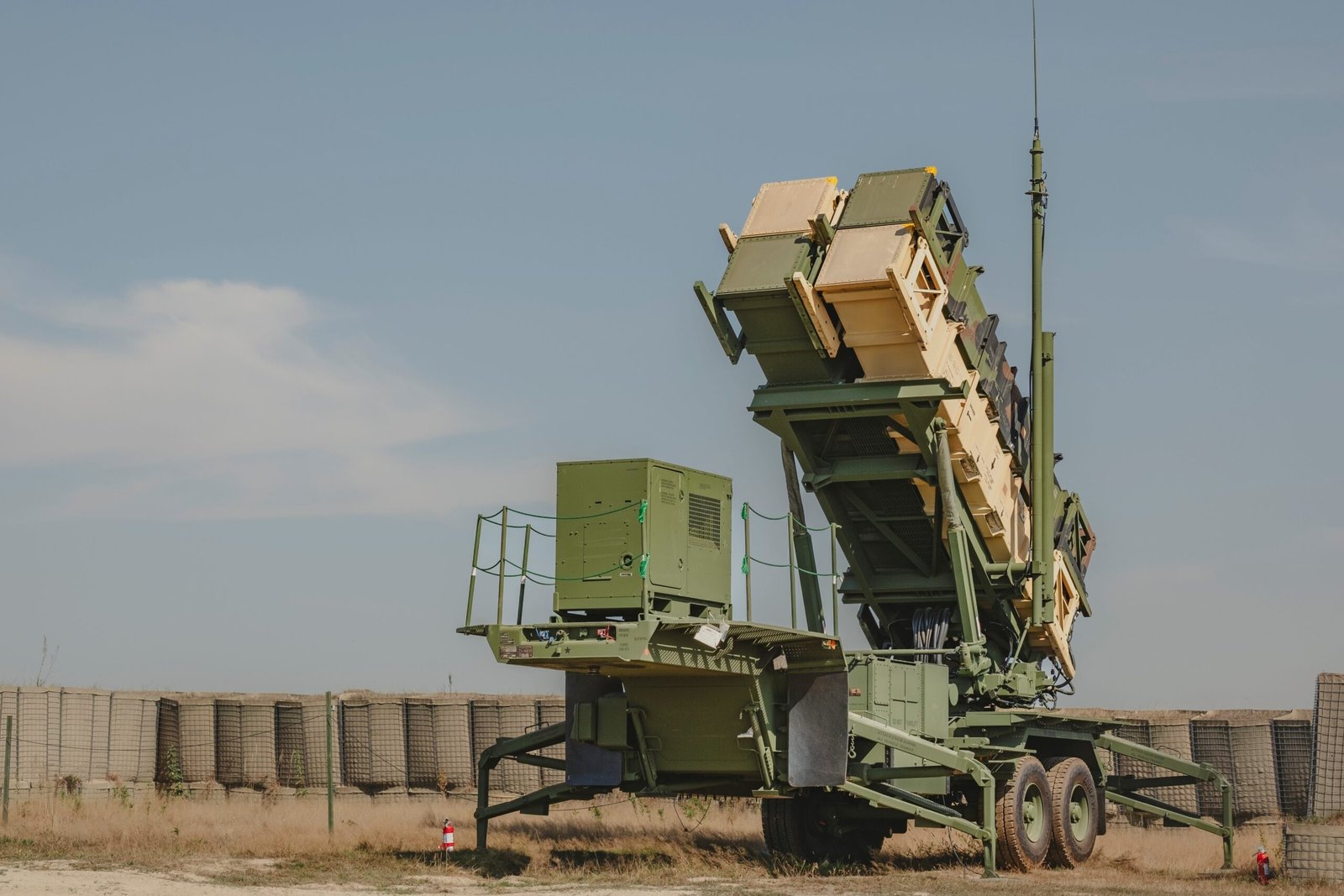
U.S
Washington — The U.S. Department of Defense has delayed finalizing the license that would allow Ukraine to manufacture interceptors for the Patriot air defense system, despite reported approval from senior U.S. officials. The delay comes as Ukraine faces shortages of missiles needed to counter Russian ballistic threats. According to Radio Free Europe/Radio Liberty correspondent Alex Raufoglu, who cited two sources familiar with the matter, Secretary of State Marco Rubio and Defense Secretary Pete Hegseth agreed to the initiative and signed the required project documents in October. However, the final paperwork remains pending with Michael Duffey, Under Secretary of Defense for Acquisition and Sustainment. The Pentagon has not officially commented on the report. From Biden to Trump: Patriot Production Plan Negotiations for licensed Ukrainian production began under former President Joe Biden. In September 2026, Ukrainian President Volodymyr Zelenskyy said President Donald Trump had approved the transfer of production licenses during their meeting in New York on the sidelines of the UN General Assembly. Despite this approval, the licensing process remains incomplete. Ukraine Faces Patriot Missile Shortages The delay comes as Ukraine struggles to maintain its Patriot interceptor supplies. Reports in October indicated that its existing stockpile of U.S.-made interceptors had been exhausted. On November 11, Zelenskyy told Denmark's parliament that available Patriot missiles were being redirected to the Middle East, leaving Ukraine without sufficient supplies to consistently intercept Russian ballistic threats. He also said countries willing to transfer existing Patriot missiles to Ukraine face delays because they require written U.S. authorization. European Supplies and $2.1 Billion Missile Deal Ukraine is seeking additional interceptors from European partners. Aviation expert Kostiantyn Kryvolap estimates that European countries hold around 200 PAC-3 missiles, while Greece has approximately 200 older PAC-2 missiles. NATO Secretary General Mark Rutte has also expressed readiness to help Ukraine obtain PAC-2 and PAC-3 missiles from allied stocks. Separately, on October 30, 2026, the U.S. State Department approved a potential $2.1 billion sale of 500 PAC-3 Missile Segment Enhancement (MSE) interceptors to Ukraine, financed by Canada, Germany and Norway. However, delivery of these newly manufactured missiles may not begin until after 2030. Ukrainian Production Could Take Up to Three Years Even after the licensing paperwork is completed, Ukraine will need time to establish the specialized industrial facilities required for Patriot interceptor production. Estimates suggest that domestic manufacturing could take 18 months to three years to establish, meaning Ukrainian-made missiles are unlikely to reach the battlefield before 2028. Until production begins, Ukraine will remain dependent on the United States and European partners for additional Patriot interceptors to maintain its air defense capabilities.
Read More → Posted on 2026-11-14 11:12:13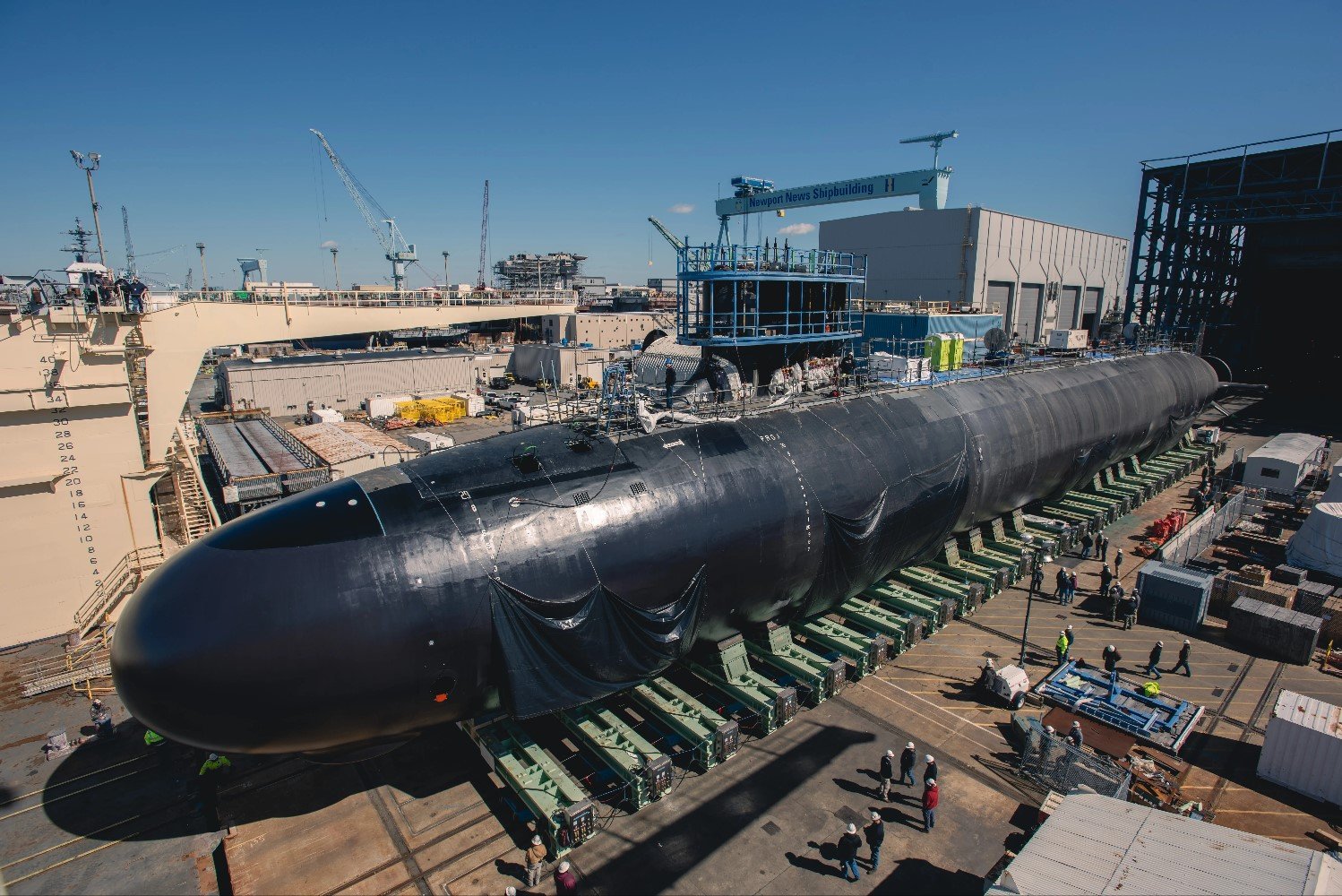
U.S
Arlington, Virginia — The U.S. Navy is developing the next-generation SSN(X) nuclear-powered attack submarine with a clean-sheet design focused on higher speed, greater weapons capacity, advanced stealth and underwater drone operations. The new submarine is intended to succeed the Virginia-class as the Navy's future attack submarine. Rear Adm. Andrew Miller, director of the Navy’s Undersea Warfare Division, outlined the preliminary requirements at the Naval Submarine League's annual conference on November 12, 2026. The Navy completed its analysis of alternatives in November 2025, and the Pentagon approved the requirements in March 2026. The service is targeting Milestone A approval by the end of 2026 to begin early development. Higher Speed and Underwater Drone Operations The SSN(X) is expected to combine the high speed and weapons capacity of the Seawolf class, the acoustic stealth of the Virginia class and the operational availability of the Columbia class. A major requirement is the ability to launch, control and recover uncrewed underwater vehicles (UUVs) without using torpedo tubes. Dedicated drone-handling equipment is expected to require a hull diameter of approximately 13 metres, compared with roughly 10 metres for Virginia-class submarines. The Congressional Budget Office (CBO) estimates a submerged displacement of more than 10,000 metric tons. The Navy also wants improved tactical control speed, greater lethality, layered survivability and the ability to operate robotic and autonomous systems. The submarine is expected to be easier to maintain and operate, with better working conditions for crews and shipbuilders. China Drives Undersea Modernization The program comes amid growing competition with China. Rear Adm. Chris Cavanaugh, commander of the U.S. Pacific Fleet's submarine force, warned at the same conference that America's undersea advantage "is real, but is not guaranteed." He highlighted China's seabed mapping activities in the western Pacific and development of nuclear-powered attack submarines as key concerns. Construction Expected in Early 2040s The Navy's latest fleet plan targets the early 2040s for the start of SSN(X) construction. Until then, Virginia-class submarines, including Block V and Block VI variants equipped with additional capabilities such as the Virginia Payload Module, will remain the backbone of the U.S. attack submarine fleet. General Dynamics Electric Boat and Huntington Ingalls Industries' Newport News Shipbuilding are expected to play important roles in the program. The SSN(X) remains in its early design phase. Its final dimensions, weapons configuration, drone types and propulsion details have not been publicly finalized. The Congressional Budget Office estimates an average cost of approximately $8.7 billion to $9 billion per submarine. The construction schedule will also depend on the capacity of the U.S. nuclear submarine industrial base.
Read More → Posted on 2026-11-14 16:32:06
Space & Technology
Vostochny Cosmodrome, Russia — Russia successfully launched two privately developed Earth-observation satellites, KOEN and KinoSputnik, aboard a Soyuz-2.1b rocket on November 14, 2026. The rocket lifted off at 04:16 Moscow time from the Vostochny Cosmodrome in Russia's Far East. Both satellites reached orbit and established communication with ground control. The mission marks the first time in Russian spaceflight history that privately developed satellites served as the primary payload of a launch. It is also the first private satellite launch supported under the national Cosmos project. Roscosmos partially funded the launch, with the satellites expected to provide high-resolution imagery for government applications. Two Satellites With Different Imaging Capabilities KOEN, developed by private company MT-LAB, is designed to capture optical images at a resolution of 50 centimetres per pixel. It will operate in an orbit near 500 kilometres, with a planned service life of at least five years. Its imaging swath is approximately 12 kilometres, with an expected annual coverage of around 15 million square kilometres. KinoSputnik, developed by Sputnik Group (Sputnix), is built on the company's new Pallada satellite platform. Weighing approximately 200 kg, it is designed for an orbit near 600 kilometres. Its multispectral camera provides 80-centimetre resolution in both multispectral and panchromatic modes. Fregat Upper Stage Deploys Satellites The Soyuz-2.1b rocket was manufactured by the Progress Rocket and Space Centre. Following the rocket's third-stage operation, the Fregat upper stage, developed by NPO Lavochkin, carried out the orbital deployment. Both satellite operators confirmed successful communication with their spacecraft. MT-LAB reported normal telemetry from KOEN, while Sputnix confirmed that its mission control centre in Skolkovo had received signals from KinoSputnik and that its systems were operating normally. The mission also carried additional small satellites and payload containers. Aerospace Capital supplied the separation system used for KinoSputnik and several microsatellite containers, which performed as planned. Earth Observation for Government and Commercial Applications The two satellites will provide imagery for monitoring critical infrastructure, agricultural land, construction projects, natural resources and forest areas. Their data will also support land-use monitoring, detection of unauthorised buildings and landfills, assessment of emergency areas and environmental monitoring. The launch is part of Russia's national Cosmos project, which aims to expand the country's satellite capabilities with greater participation from private space companies. The mission represents an expansion of commercial involvement in Russia's Earth-observation sector, while government funding helps support the deployment of privately developed spacecraft.
Read More → Posted on 2026-11-14 16:42:05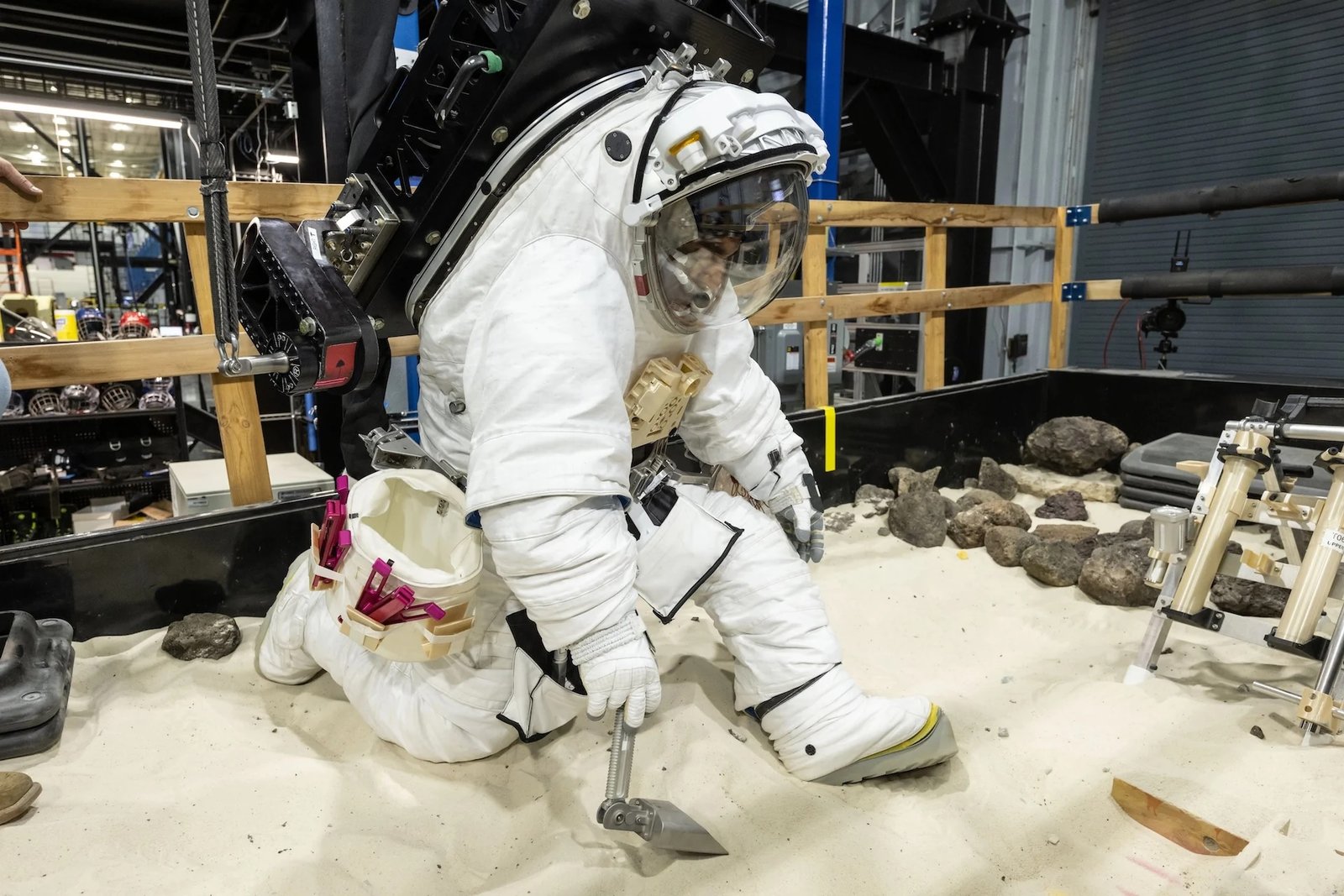
Space & Technology
Houston — NASA and Axiom Space have completed the Critical Design Review (CDR) for the Axiom Extravehicular Mobility Unit (AxEMU), the next-generation spacesuit being developed for astronauts returning to the Moon under NASA's Artemis program. Announced on November 13, 2026, this is the first Critical Design Review of a NASA spacewalking suit in more than 40 years. The milestone clears the design for the next development stage, allowing Axiom Space to move into production and qualification testing. The review examined engineering drawings, structural analyses, component designs, prototype test results, overall suit mass and pressure performance across the integrated system. Production and Testing Ahead Axiom Space plans to complete assembly of the pressure garment and Portable Life Support System (PLSS) by early 2027. The suit will then undergo qualification testing, including performance, thermal-vacuum, vibration and life-cycle tests. Following these tests, Axiom plans to deliver the suit for an in-space demonstration aboard the International Space Station (ISS). However, completing the design review does not mean the spacesuit is already certified for flight. Simplified Suit for Early Artemis Missions NASA is also pursuing a simplified configuration called the Sortie suit (AxEMU-S1) for shorter-duration lunar surface excursions during the initial Artemis missions, with the lunar return targeted for 2028. Rather than developing an entirely separate suit, the Sortie configuration builds on AxEMU components, testing infrastructure and supply chains. The original, broader-capability AxEMU development will continue alongside this effort. The schedule remains challenging. A NASA Office of Inspector General report published in April 2026 warned that historical development and testing timelines could push spacesuit demonstrations to 2031. The report also highlighted delays and risks to NASA's planned Artemis and ISS schedules. Axiom Space Becomes NASA's Sole Spacesuit Provider NASA awarded spacesuit development contracts to Axiom Space and Collins Aerospace in 2022 under the Exploration Extravehicular Activity Services (xEVAS) program. However, NASA and Collins mutually agreed to remove Collins' development task orders in June 2024 after the company faced difficulties meeting the required schedule. This left Axiom as NASA's sole active provider for the immediate development effort. The AxEMU is designed to support lunar surface exploration, including improved astronaut mobility for activities such as collecting samples. Its development also incorporates extensive ground testing, including pressurized crewed trials and evaluations in simulated lunar conditions. With the Critical Design Review complete, Axiom Space can advance toward manufacturing and qualification testing. The next major steps will be completing the suit assembly, demonstrating its performance and securing NASA flight certification ahead of future Artemis lunar missions.
Read More → Posted on 2026-11-14 16:48:40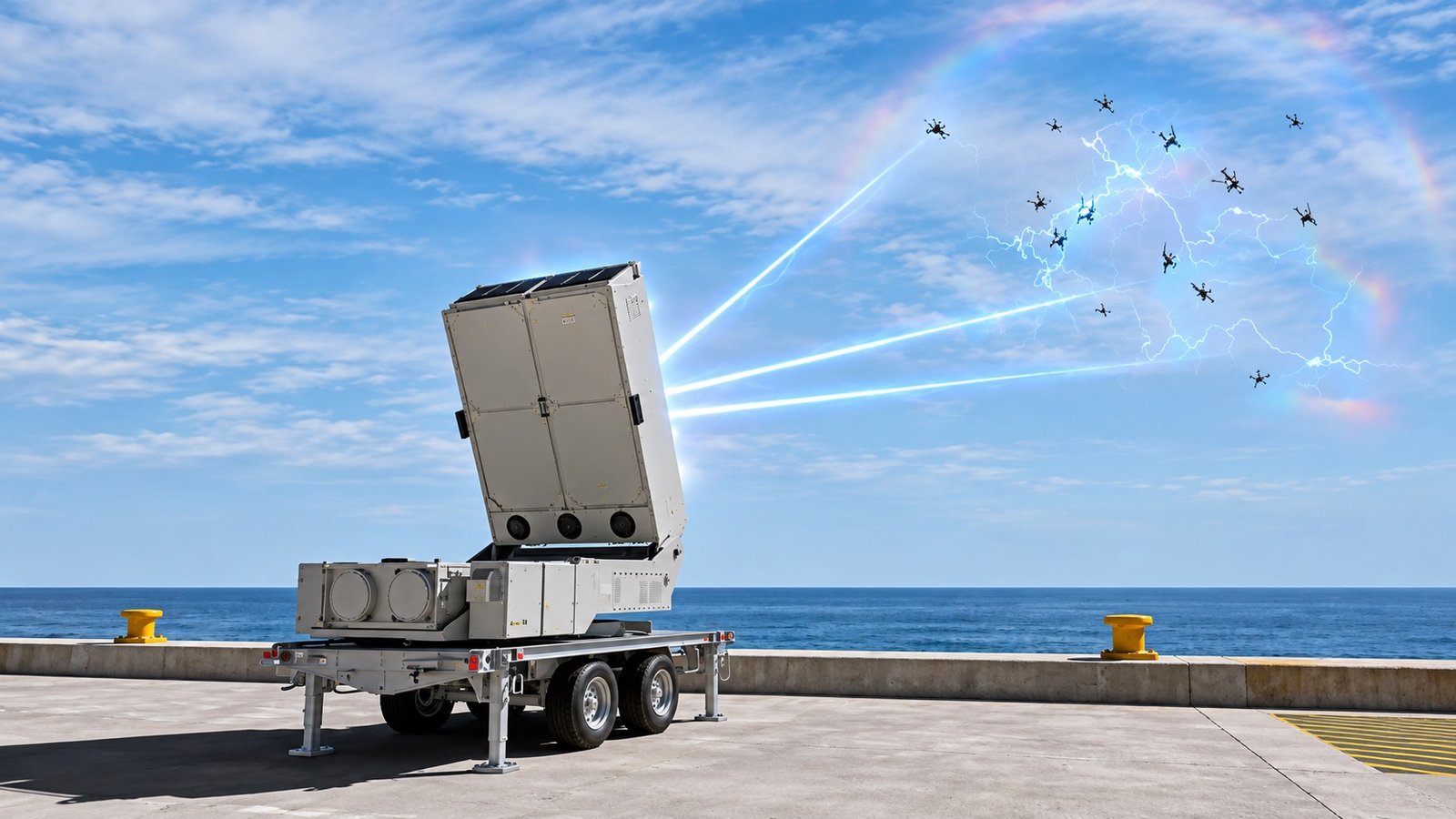
India
Bengaluru, — The Defence Research and Development Organisation (DRDO) has invited Indian defence companies to become development and production partners for its BEDHAK high-power Radio Frequency (RF) Directed Energy Weapon (DEW). DRDO's Microwave Tube Research and Development Centre (MTRDC) issued an Expression of Interest (EoI) on November 12, 2026, seeking a Development-cum-Production Partner (DcPP) to handle system realisation, integration, testing and field trials. Interested companies must submit their proposals by December 10, 2026, at 10:00 AM, with bid opening scheduled for December 11. The BEDHAK system uses high-power radio frequency and microwave technology to disrupt or disable electronic components in targeted systems. This technology has potential applications against unmanned aerial vehicles (UAVs), drone swarms and other electronics-dependent threats. Under the DcPP model, the selected Indian company will work with DRDO to develop, integrate and test the weapon system, while supporting its transition towards domestic production. The initiative supports India's Atmanirbhar Bharat objectives by involving domestic defence manufacturers in the development and production of advanced directed energy weapons.
Read More → Posted on 2026-11-14 17:03:58
U.S
Middle East — Iran reportedly used social media posts, fitness apps, commercial advertisements, online mapping services and satellite imagery believed to have come from Russia to gather intelligence on U.S. military bases across the Middle East, according to a Los Angeles Times report citing security experts and U.S. military personnel. During the first six months of the conflict, which began in late February 2026, Iran struck 26 U.S. military sites and hotels where American personnel had been evacuated. Iranian specialists reportedly combined publicly available digital information with satellite imagery to identify troop concentrations, daily routines and military facilities. Fitness Apps Exposed Military Movements The fitness application Strava became an important source of location information. An August 2026 Sky News investigation identified more than 1,300 users sharing workout routes and timings from or near U.S. military bases in the Middle East. Many accounts used real names, exposing movement patterns and frequently visited locations. At Muwaffaq Salti Air Base in Jordan, publicly shared running routes revealed activity around barracks that were later struck on July 17, killing three U.S. soldiers. Similar location data was identified around bases in Bahrain and Kuwait. Google Maps and other mapping platforms also exposed facility names, accommodation areas, headquarters, gyms and fuel points at installations including Camp Buehring, Camp Arifjan, Muwaffaq Salti and Al Udeid Air Base. Public photographs and videos, including some shared by the U.S. military, provided additional information. U.S. Military Responds to Data Security Risks In April 2026, U.S. Central Command (CENTCOM) acknowledged reports that adversaries were using commercially available geolocation data to track or target American personnel. Some units subsequently required troops in high-risk locations to surrender personal devices for locked storage. Following congressional pressure, several military branches disabled mobile advertising identifiers on government-issued devices. The U.S. Navy also advised sailors to limit social media activity and disable unnecessary camera and location permissions. The acting Secretary of the Navy urged personnel and their families to strengthen their online privacy settings. The attacks reportedly killed more than a dozen U.S. service members, wounded hundreds and caused billions of dollars in damage to infrastructure and equipment, despite high interception rates. A Security Problem Dating Back to 2018 The risks of fitness tracking apps were highlighted in 2018 when Strava's Global Heat Map exposed the locations and activity patterns of military installations in Iraq and Syria. The Pentagon responded with restrictions on location-sharing features and instructions to review privacy settings. However, the 2026 conflict has again demonstrated how publicly available digital information and commercial location data can expose military personnel and facilities. Combined with satellite imagery, these sources can help adversaries identify troop movements and operational patterns without accessing classified military networks.
Read More → Posted on 2026-11-15 14:50:58
World
TEHRAN, Iran — Thousands of Iranian civilians have completed initial military and emergency-response training in Tehran under the Janfada campaign, a nationwide mobilization initiative aimed at organizing 1,000 National Resistance Battalions involving up to one million volunteers. Launched on March 28, 2026, by an organization affiliated with the Islamic Revolutionary Guard Corps (IRGC), the campaign encourages civilians to participate in national defence, security and emergency relief activities. The initiative was launched during the conflict involving Iran, the United States and Israel. Training Centres Expand Across Tehran The training programme began in Tehran in September, with authorities establishing dedicated training centres in public squares. The first centre opened at Imam Hussein Square on September 23, followed by another at Haft-e Tir Square in early October. A third centre opened at Tajrish Square on November 2, while a dedicated training centre for women was inaugurated at Azadi Square on November 10. According to Iranian officials, more than 600,000 people had registered for active training in Tehran by mid-September. A mobilisation event held on September 18 reportedly attracted approximately 313,000 participants, according to state sources. However, these attendance and registration figures have not been independently verified. Military and Emergency Training The programme includes basic weapons handling, marksmanship, urban defence, drone operation, first aid, search-and-rescue techniques and familiarisation with man-portable air-defence systems (MANPADS). Training is being conducted by instructors from the IRGC, Basij and Iranian Army, with courses designed for both men and women. Participants can progress through general, intermediate and advanced training stages. The Iranian Army has also introduced longer training programmes at facilities such as the Javad al-Aemmeh Training Centre. These include three-month pre-basic courses covering military, defensive and emergency-response skills. First Janfada Brigade Organised On November 2, Hassan Hassanzadeh, commander of the Greater Tehran IRGC, announced that the first Janfada brigade had been organised, completed supplementary training and received equipment. The brigade is preparing for practical field exercises and specialised shooting-range training. Iranian officials have indicated that additional battalions and brigades will be formed as volunteers complete the required training. Ali Kowsari, a Basij training official, previously stated that 1,000 battalions had been prepared for training and organisation. The programme is also being expanded beyond Tehran, with plans to establish training facilities in provincial capitals and other cities. One Million Volunteers Target The broader objective is to establish a network of 1,000 National Resistance Battalions involving up to one million volunteers. The units are intended to operate alongside Iran's existing armed forces and Basij organisation rather than replace the country's regular military structure. Although Iranian authorities previously claimed that more than 30 million people had registered for the original Janfada campaign, independent investigations have questioned the accuracy of that figure. The actual number of trained volunteers and newly recruited personnel remains unclear. The campaign therefore represents an effort by Iran's military and security institutions to expand civilian participation in national defence and emergency preparedness amid continuing tensions with the United States and Israel.
Read More → Posted on 2026-11-15 14:59:55
U.S
WASHINGTON, — The U.S. Space Force has selected Anduril Industries, Booz Allen Hamilton and Peerless Technologies Corporation to develop competing prototypes for its Space Electromagnetic Warfare Operating Location (SEWOL) program. The three-month competition is valued at approximately $10 million and is part of a broader $60 million initiative to modernize space electromagnetic warfare command-and-control systems. The contracts were awarded jointly by Space Systems Command (SSC) and Combat Forces Command through the Space Enterprise Consortium's Other Transaction Authority (OTA). After the prototyping phase, the Space Force will select one company to develop the first operational version of SEWOL. Cloud-Based Electromagnetic Warfare Platform SEWOL will replace multiple legacy command-and-control tools with a single cloud-native application. It will provide operators with a unified operating picture and allow them to manage hundreds of geographically distributed systems through one interface. The platform aims to reduce crew workloads, improve coordination and speed up decisions in contested electromagnetic environments. Its planned capabilities include a common data repository, near-real-time operational monitoring, mission planning, tasking, retasking and a DevSecOps environment for future software upgrades. The Remote Modular Terminal (RMT) is expected to be the first hardware platform integrated with SEWOL. Other systems, including Bounty Hunter and the Counter Communications System (CCS), also known as Meadowlands, are planned for integration. Three Companies to Build Prototypes During the three-month competition, all three companies will develop a Minimum Viable Product (MVP) containing a core software framework, mission applications and a software development kit. Government specialists and military operators will evaluate the prototypes through hands-on testing before selecting one contractor. The program follows the Space Force's Software Acquisition Pathway and a competitive "fly-before-you-buy" approach, allowing the military to evaluate working software before committing to full development. Maj. Dennis "Nomad" Sieber, SEWOL program manager, said the competition would focus on actual software demonstrations rather than paper proposals. A formal down-selection will take place after three months. Open Architecture and Operator Involvement The final system will follow a Modular Open Systems Approach (MOSA) with common interfaces. This will support integration with different hardware platforms, future upgrades and reduce dependence on a single vendor. Col. Bryon McClain, acting portfolio acquisition executive for Space Combat Power, said the competitive approach would help the Space Force use commercial innovation while avoiding vendor lock-in. Col. Angelo Fernandez, commander of Combat Forces Command's Mission Delta 3 for space electromagnetic warfare, said military operators would work directly with developers to ensure the software meets operational requirements. The SEWOL program aims to provide the U.S. Space Force with a unified platform to manage distributed electromagnetic warfare systems and improve command-and-control operations across the electromagnetic spectrum.
Read More → Posted on 2026-11-15 15:13:02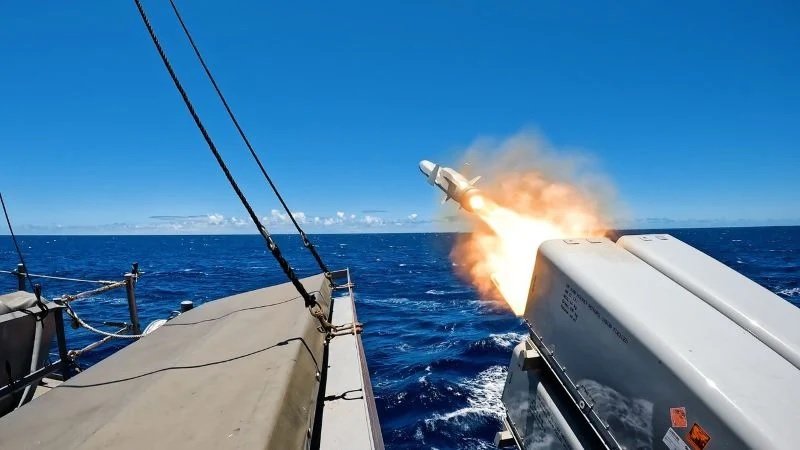
World
KUALA LUMPUR — Malaysia has selected Türkiye's ROKETSAN ATMACA anti-ship missile to replace Norway's Naval Strike Missile (NSM) on its Maharaja Lela-class Littoral Combat Ships (LCS). The decision follows Norway's refusal to authorise the export of the originally contracted NSM missiles and launchers. Defence Minister Datuk Seri Mohamed Khaled Nordin announced the decision on November 12, 2026, confirming that government-to-government negotiations with Türkiye will begin. Malaysia evaluated missile proposals from Türkiye, France and Italy before selecting ATMACA based on price, delivery timelines and initial costs. Malaysia to Use Existing ATMACA Orders Instead of starting a new procurement, Malaysia plans to allocate part of its existing ATMACA order for the Royal Malaysian Navy's Littoral Mission Ship (LMS) Batch 2 programme to the LCS fleet. The LMS missiles are expected to be ready by 2028, potentially allowing LCS deliveries to begin in 2028 or 2029. Nordin said a completely new procurement could cost between RM700 million and RM900 million and take around 30 months. Additional spending will mainly cover launcher installation and integration with the ships' existing combat management systems. Final technical arrangements and costs will be determined during negotiations. The ATMACA is a surface-to-surface anti-ship missile with an approximately 250-km range. It can also engage land targets and features multiple guidance modes and resistance to electronic countermeasures. Malaysia Seeks RM1 Billion From Norway Malaysia originally signed a contract with Kongsberg Defence & Aerospace in 2018 for NSM missiles worth approximately US$145 million. The country had reportedly paid around 95% of the contract value. However, Norway's updated defence export policy in 2026 prevented the required export licences from being issued, stopping the delivery of the missiles and launchers. On May 19, Malaysia issued a formal letter of demand seeking approximately RM1 billion (US$257 million) in refunds and damages. Initial negotiations with Kongsberg failed to resolve the dispute. Malaysia has since established a dispute resolution committee, with arbitration in Kuala Lumpur possible if an agreement cannot be reached. Nordin said the legal process could take several years, but Malaysia will proceed with ATMACA procurement without waiting for the compensation. LCS Programme Update The NSM issue has also affected the LCS programme schedule. The first vessel, KD Maharaja Lela, is now expected to be delivered in April 2027 instead of December 2026. The ship is undergoing sea trials, while construction of the five-ship fleet has reached approximately 80% completion. Using ATMACA across both the LCS and LMS Batch 2 fleets could also simplify missile maintenance, logistics and support for the Royal Malaysian Navy.
Read More → Posted on 2026-11-15 15:18:56
U.S
WASHINGTON — Democratic lawmakers are preparing congressional investigations into financial dealings involving US President Donald Trump, his family and close associates with Saudi Arabia, the United Arab Emirates (UAE) and Qatar, following the Democrats' victories in the November 3, 2026, midterm elections. The investigations are expected to examine major investments, business transactions and financial arrangements involving the Trump family and people close to the administration. According to a November 14 report by The Washington Post, lawmakers have already warned the three Gulf governments about the upcoming inquiries and indicated that a lack of cooperation could affect their relationships with Washington. The three countries are important US partners in the Middle East, making the potential investigations particularly sensitive for diplomatic and security relations. Key Financial Deals Under Congressional Scrutiny Democratic lawmakers are expected to focus on three major financial arrangements involving the Gulf countries. 1. Qatar’s $400 Million Boeing 747-8 Aircraft Qatar provided a luxury Boeing 747-8 aircraft, valued at approximately $400 million, to the US government for use as a temporary Air Force One aircraft. The arrangement has faced criticism from Democratic lawmakers over the acceptance of a high-value gift from a foreign government. Qatar has defended the transfer, saying it was formalised through a memorandum of understanding and has a clear legal basis. 2. UAE’s $500 Million Investment in Trump-Linked Cryptocurrency Company An entity connected to Sheikh Tahnoon bin Zayed Al Nahyan, the UAE's National Security Adviser, backed a $500 million investment in World Liberty Financial, a cryptocurrency company founded by Trump's three sons and Zach Witkoff, son of US envoy Steve Witkoff. The investment secured a 49% stake in the company. The transaction is expected to receive significant attention from congressional investigators, particularly because of its timing and the UAE's subsequent access to advanced US microchips. 3. Saudi Arabia’s $2 Billion Investment in Jared Kushner’s Firm Saudi Arabia's Public Investment Fund (PIF) invested $2 billion in Affinity Partners in 2021. The private equity firm was founded by Jared Kushner, Trump's son-in-law, after the end of the first Trump administration. Congressional scrutiny could also extend to Trump-branded real estate developments in Saudi Arabia, including projects in Jeddah and Riyadh, and US-Saudi nuclear cooperation. Potential Impact on US-Gulf Relations The investigations could create diplomatic difficulties between Washington and the three Gulf countries. Democratic lawmakers are seeking financial records and private communications to examine whether foreign investments and business arrangements influenced US government decisions. However, Congress cannot directly subpoena foreign governments. It can use its oversight authority over areas such as arms sales and security assistance to exert pressure on countries involved. Senator Chris Murphy, who visited the region in October, said he raised concerns about financial ties with Saudi Crown Prince Mohammed bin Salman and Qatar's Emir Sheikh Tamim bin Hamad Al Thani. He warned that expanding these financial relationships could jeopardise their relationships with the United States. Responses from Gulf Countries Qatar has defended the aircraft transfer, describing the arrangement as transparent and legally established. Saudi Arabia and the UAE had not immediately responded to requests for comment on the planned investigations, according to The Washington Post. Gulf governments have generally defended their financial dealings with US figures as legitimate business transactions and rejected allegations that they were intended to secure political influence. The investigations are expected to add pressure to US relations with Saudi Arabia, the UAE and Qatar as Democrats prepare to take control of both chambers of Congress in January 2027.
Read More → Posted on 2026-11-15 15:31:30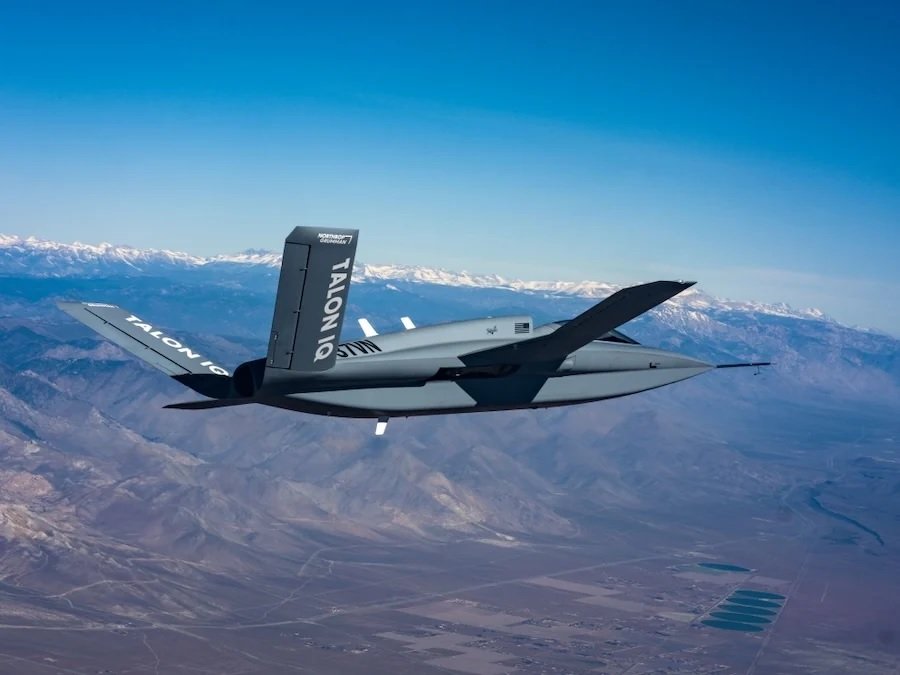
Europe
London — The British Royal Navy plans to test Northrop Grumman’s TALON autonomous aircraft from a Queen Elizabeth-class aircraft carrier in UK waters in 2027. The demonstration will support the Navy’s efforts to introduce uncrewed combat aircraft alongside its existing F-35B Lightning II fighters. First Sea Lord General Sir Gwyn Jenkins announced the plan on November 10, 2026, during the International Sea Power Conference aboard HMS Prince of Wales in Oslo, Norway. He said the Royal Navy would sign a statement of intent with Northrop Grumman on November 12 to prepare the TALON demonstrator for trials under Project VANQUISH. The demonstration will include a carrier launch and assess how autonomous aircraft can operate safely alongside the existing carrier air wing. Project VANQUISH Requirements The UK Ministry of Defence's October 2025 request for information specified a jet-powered autonomous aircraft capable of high-subsonic speeds and short take-offs and landings from Queen Elizabeth-class carriers. The aircraft must operate without catapults or arresting wires and provide sufficient payload capacity and endurance for carrier strike missions. Potential roles include intelligence, surveillance and reconnaissance (ISR), strike operations and aerial refuelling in support of F-35B fighters. The carriers use ski-jump-assisted take-offs and vertical landings, creating specific requirements for autonomous aircraft operations. Northrop Grumman's TALON Programme Northrop Grumman's internally funded Project TALON includes the crewed Talon IQ, used to test autonomy technologies, and the uncrewed YFQ-48A Talon Blue Collaborative Combat Aircraft (CCA) demonstrator. Talon Blue completed its first fully autonomous flight on October 3, 2026, at Mojave Air and Space Port in California. The flight covered taxiing, take-off, manoeuvres and landing. It was developed with support from Northrop Grumman's Scaled Composites subsidiary and uses a Pratt & Whitney PW500-series turbofan. The Royal Navy previously tested General Atomics' Mojave uncrewed aircraft aboard HMS Prince of Wales in 2023. The planned TALON demonstration will introduce a jet-powered platform into its carrier-based autonomous aircraft trials. The programme supports the Navy's Maritime Aviation Transformation (MATX) strategy, which aims to develop a hybrid air wing combining crewed fighters, helicopters and uncrewed aircraft. The 2027 trial will provide technical evidence for future decisions and does not confirm a procurement contract or operational entry into Royal Navy service.
Read More → Posted on 2026-11-15 15:48:36
India
Sikkim, India – A Chinese military aircraft reportedly entered Indian airspace over Sikkim on November 12, 2026, and remained in the area for approximately 20–25 minutes despite repeated warnings from the Indian Air Force (IAF), according to an exclusive report by Outlook India citing an unnamed source. The IAF reportedly detected the aircraft at around 8:00 AM, flying at an altitude of approximately 25,000 feet. Indian Air Force personnel issued repeated radio warnings, instructing the aircraft to return to Chinese territory. However, the aircraft reportedly continued operating over the area before eventually leaving. The type of aircraft, exact flight path and circumstances of its departure remain unknown. It has not been established whether the platform was a fighter jet, surveillance aircraft, helicopter or unmanned aerial vehicle (UAV). Strategic Importance of the Sikkim Sector The reported incident is significant because the Sikkim sector shares a border with China's Tibet Autonomous Region and is close to the Doklam plateau, where Indian and Chinese troops were involved in a prolonged military standoff in 2017. The region also overlooks the Siliguri Corridor, popularly known as the Chicken's Neck. This narrow stretch of land in West Bengal is approximately 20–22 kilometres wide at its narrowest point and connects India's northeastern states with the rest of the country. No Official Confirmation Yet As of November 15, neither the Indian Air Force nor the Ministry of Defence had issued a detailed public statement confirming the reported airspace violation. Outlook India said it had approached the IAF for an official response and was awaiting clarification. The reported aircraft movement remains unverified by official defence authorities, and further details are awaited.
Read More → Posted on 2026-11-15 15:56:28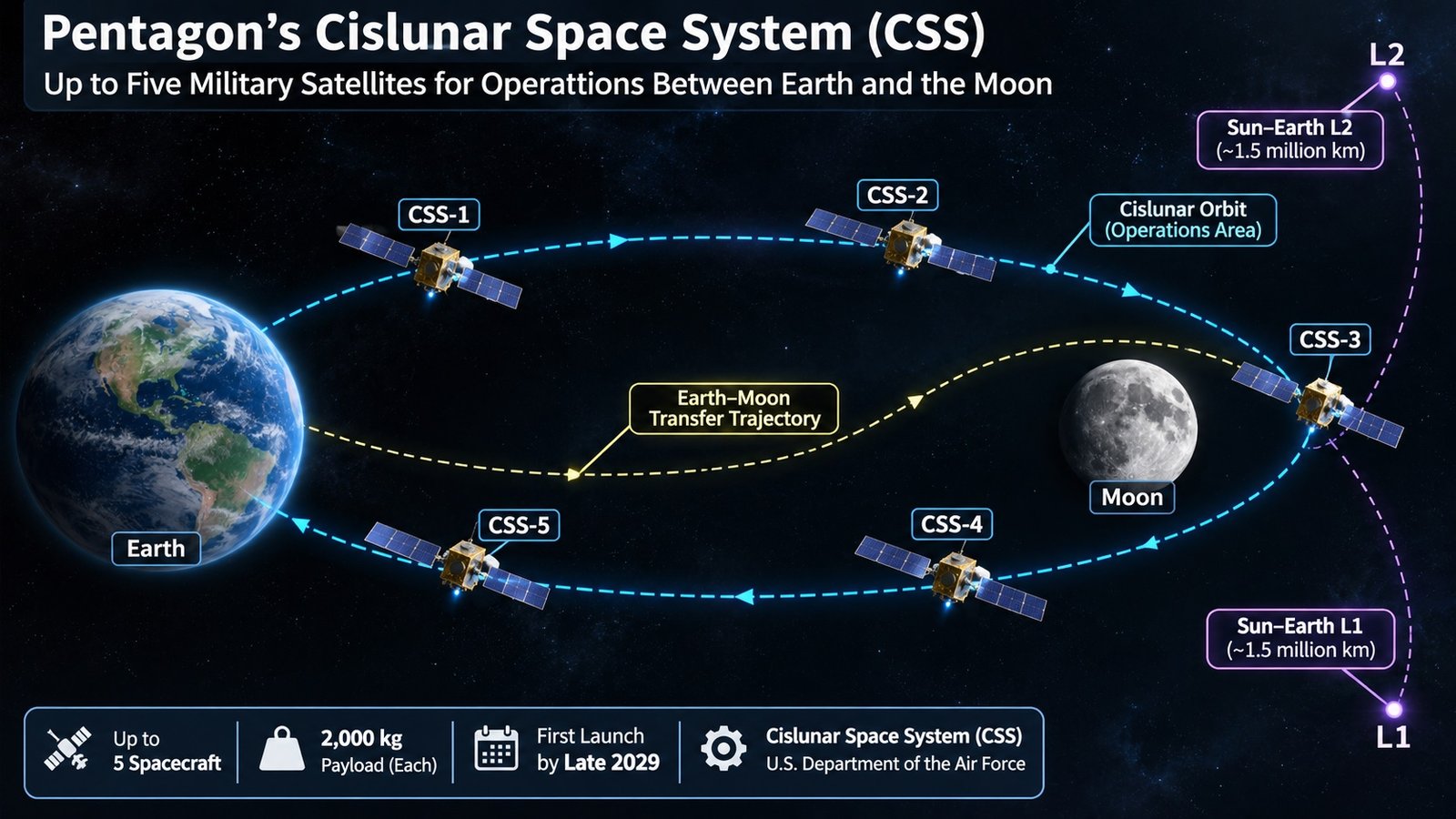
U.S
Washington – The US Department of the Air Force is seeking industry proposals to develop up to five military spacecraft capable of carrying 2,000 kg payloads into cislunar space, the region between Earth and the Moon. The first spacecraft are targeted for launch by late 2029 under the proposed Cislunar Space System (CSS) programme. An updated Request for Information (RFI), posted on November 13, 2026, outlines plans to use the initial five spacecraft as demonstration platforms before potentially developing a larger cislunar satellite constellation. Companies must submit responses of no more than 15 pages by November 24, 2026. The Air Force plans to award up to five preliminary design study contracts, with work expected to begin between January and March 2027. Initial system operations are targeted for 2031. Spacecraft Requirements and Capabilities Each spacecraft must accommodate a government-provided payload weighing up to 2,000 kg, with dimensions of up to 3 metres long and 1 metre in height and width. It must provide at least 1 kW of power, with 3 kW as the preferred target. The spacecraft must have a minimum design life of three years and carry sufficient propellant and consumables for five years of operations. They must also operate autonomously for at least 72 hours without ground contact, support station-keeping and orbital manoeuvres using multidirectional thrusters, and include automated safe-mode recovery systems. The required operating environments include Earth-Moon transfer trajectories, libration-point orbits, resonant orbits and low-energy trajectories extending to the Sun-Earth L1 and L2 points, approximately 1.5 million kilometres from Earth. The RFI also asks companies about their experience with Super Intelligence (SI) and advanced onboard computing for extended autonomous spacecraft operations. The system must include NSA Type 1 encryption. Existing Satellite Designs and Launch Plans The Air Force is prioritising commercially available, flight-proven technology to reduce development risks and costs. Companies must propose spacecraft buses that have flown within the previous three years or can complete assembly and testing within the next 24 months. Launches will use government-provided National Security Space Launch (NSSL) rockets. The Air Force also wants compact, stackable spacecraft designs that allow multiple satellites to fit inside a single rocket fairing. Related US Military Cislunar Programmes The proposed CSS programme builds on existing US military research into deep-space operations. In April 2026, the US Space Force established a Cislunar Coordination Office to develop a technology roadmap for operations beyond Earth's conventional satellite orbits. The Air Force Research Laboratory's Oracle programme is another major effort. Its smaller Oracle-Mobility spacecraft is targeted for a mid-2027 launch aboard a SpaceX Falcon Heavy, while the larger Oracle-Prime spacecraft is aiming for readiness by the end of 2027. The Space Force is also developing Cislunar Prime, a $30 million technology initiative focused on space domain awareness, deep-space communications and positioning, navigation and timing (PNT). A separate RFI issued in November seeks artificial intelligence and machine-learning software for autonomous cislunar spacecraft operations, with responses due December 4, 2026. The new Cislunar Space System RFI represents a move towards developing operational military capabilities in the region between Earth and the Moon. However, it is currently an industry information request, not a production contract or confirmed satellite procurement. The Air Force has also warned that companies that do not respond may lose the opportunity to participate in subsequent acquisition phases.
Read More → Posted on 2026-11-15 16:06:34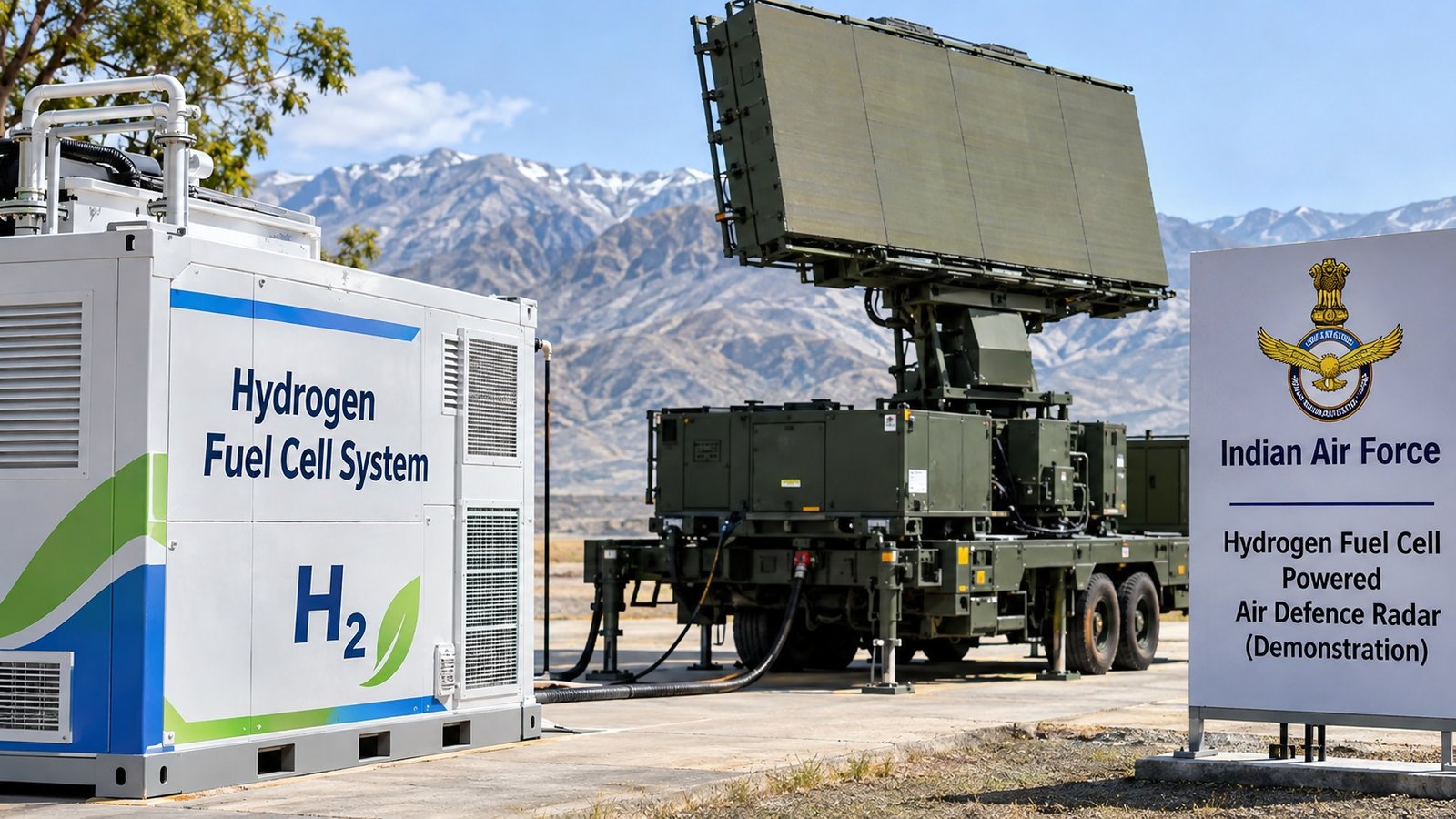
India
New Delhi, India: The Indian Air Force (IAF) has successfully demonstrated hydrogen fuel-cell technology to power its air defence radars in collaboration with NTPC and the National Green Hydrogen Mission. The initiative aims to provide cleaner and more reliable electricity for critical defence operations, particularly in remote locations where conventional power supplies can be difficult to maintain. The demonstration was highlighted during the 50th anniversary celebrations of the IAF's 13 Base Repair Depot (13 BRD) at the Manekshaw Centre in New Delhi. The event featured a seminar titled Air Defence 2040: Sensors, Networks & Sovereign Sustainment. How Hydrogen Fuel Cells Work Hydrogen fuel cells generate electricity through an electrochemical reaction rather than burning fuel. Hydrogen is supplied to the anode, where a catalyst separates it into protons and electrons. The electrons travel through an external circuit, generating electricity, while the protons pass through an electrolyte membrane. At the cathode, hydrogen protons combine with electrons and oxygen from the air to produce water and heat. The electricity generated can then be supplied to radar equipment and its supporting systems. Multiple individual cells are connected in a stack to produce the required power. For military applications, this technology can provide an alternative to conventional diesel generators, potentially reducing fuel transportation requirements, local emissions and dependence on regular fuel deliveries. Countries Developing Hydrogen Fuel Cell Technology Japan, South Korea, the United States, China and Germany are among the countries with established hydrogen fuel-cell research, manufacturing or deployment programmes. Japan has a strong position in fuel-cell research, while South Korea and China have expanded fuel-cell vehicle manufacturing and deployment. The United States and Germany also have established fuel-cell industries. 13 BRD's Role in Air Defence Support Established in 1976, 13 BRD specialises in the repair, overhaul and life-cycle support of critical radar and communication equipment. During the seminar, Air Marshal Yalla Umesh, Air Officer Commanding-in-Chief of Maintenance Command, stressed the importance of sovereign sustainment and developing domestic capabilities to diagnose, repair and restore sophisticated defence systems. The seminar also covered quantum sensing, radar modernisation, life-cycle management and network-centric air defence systems. The hydrogen fuel-cell demonstration adds clean-energy technology to the IAF's efforts to improve the reliability and availability of its air defence infrastructure.
Read More → Posted on 2026-11-15 16:13:41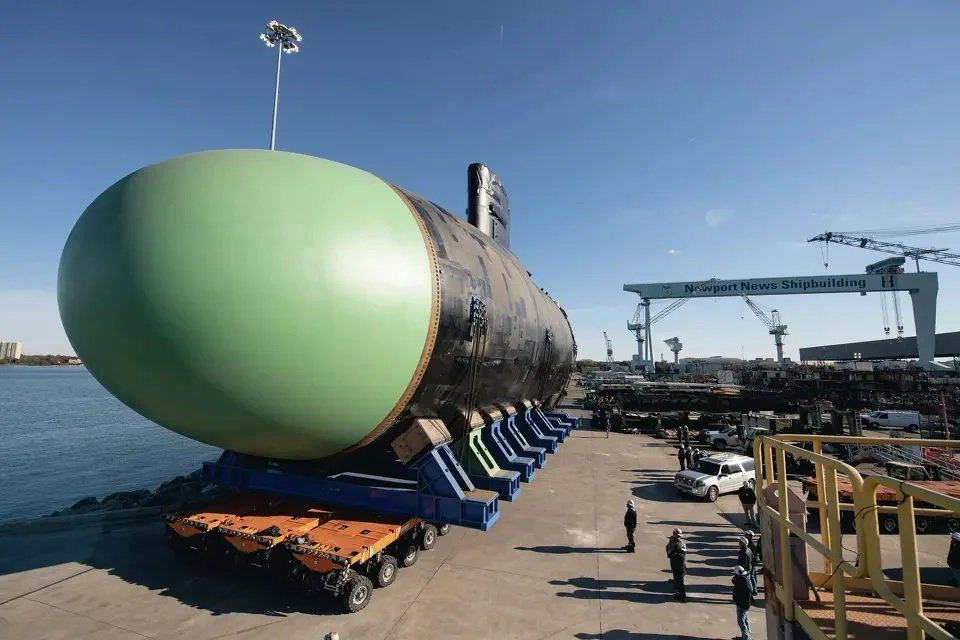
U.S
Washington — The US Navy's first Columbia-class ballistic missile submarine, USS District of Columbia (SSBN-826), is back on track for its planned 2028 delivery following a major increase in shipyard production. The programme had previously faced delays that raised concerns about delivery slipping beyond 2030. Vice Admiral Rob Gaucher, the Pentagon's Direct Reporting Portfolio Manager for Submarines, provided the update during the Naval Submarine League's Annual Symposium in November 2026. He said production output has increased to nearly 2.5 times its early-2026 level. When Gaucher took charge in February 2026, production figures indicated that completing the submarine could take approximately four more years at the existing work rate. To improve progress, the Navy and prime contractor General Dynamics Electric Boat introduced several measures, including 24-hour shift operations, wage increases, shipyard infrastructure upgrades and closer coordination with suppliers. The shipyard achieved its target of doubling the weekly work rate on July 20, 2026. If the improved production rate continues, the submarine is expected to complete pressure-hull welding in 2027, joining its separate hull sections into a single watertight structure. Gaucher described the 2028 delivery target as achievable, although he acknowledged that significant work remains. Columbia-Class Submarine Capabilities The US Navy plans to build 12 Columbia-class submarines to replace its ageing Ohio-class ballistic missile submarine fleet. The class will form the sea-based component of the US nuclear triad and support continuous nuclear deterrence. Each submarine will measure approximately 560 feet (171 metres) in length, with a 43-foot (13-metre) diameter and a submerged displacement of around 20,800 long tons. It will carry approximately 155 crew members, have a test depth exceeding 800 feet and reach speeds above 20 knots. A major feature is its 42-year service life and life-of-the-ship nuclear reactor core, eliminating the need for mid-life nuclear refuelling. Each submarine will carry 16 UGM-133 Trident II D5 Life Extension (D5LE) submarine-launched ballistic missiles. These missiles can carry multiple independently targetable reentry vehicles (MIRVs), including W76 and W88 warheads, and have a range exceeding 4,000 nautical miles. The class also shares its Common Missile Compartment design and Trident missile system with the UK's Dreadnought-class submarines. The lead submarine, USS District of Columbia, has an estimated programme cost of approximately $15 billion, while subsequent submarines are projected to cost around $10 billion each. The design also introduces X-shaped stern planes and incorporates technologies derived from Virginia-class submarines, including the bow sonar array and pump-jet propulsor. Construction is being carried out by General Dynamics Electric Boat and Huntington Ingalls Industries' Newport News Shipbuilding, which builds major submarine sections. The Columbia-class programme remains the Navy's top acquisition priority as the Ohio-class submarines approach the end of their planned 45-year service lives.
Read More → Posted on 2026-11-15 16:22:54
U.S
ARLINGTON, Virginia – The U.S. Navy has reduced submarine maintenance delays by more than 40% in FY2026 and returned or delivered 10 submarines to service over the past 12 months. The progress was announced by senior Navy officials at the Naval Submarine League’s 2026 Annual Symposium in Arlington. Vice Adm. Rick Seif, Commander of Submarine Forces, and Vice Adm. Rob Gaucher, Director of Submarine Programs, highlighted improvements in shipyard maintenance, submarine construction and supplier management. 10 Submarines Return to Service The 10 submarines include two newly commissioned Block IV Virginia-class attack submarines, USS Massachusetts (SSN-798) and USS Idaho (SSN-799), two boats completing Post-Shakedown Availabilities (PSAs), and six completing scheduled Chief of Naval Operations (CNO) depot maintenance. Seif described all 10 as combat-surge ready. The next two Block IV submarines, future USS Arkansas (SSN-800) and USS Utah (SSN-801), are approaching sea trials and fast cruise, respectively. Both are expected to be delivered within approximately two months and commissioned in spring 2027. Their timely delivery would bring four new Virginia-class submarines into the fleet within 14 months. Maintenance Delays Fall by 40% Cumulative submarine maintenance delays dropped from approximately 1,400 days to around 780 days in FY2026. The Navy aims to reduce them further to approximately 500 days in FY2027. All fast-attack submarines undergoing maintenance at Pearl Harbor Naval Shipyard and Portsmouth Naval Shipyard are currently on or ahead of their adjusted schedules. USS John Warner (SSN-785) and USS Illinois (SSN-786), despite earlier delays, are also projected to return ahead of their revised schedules. Maintenance periods are becoming shorter. USS Iowa (SSN-797) completed its post-shakedown availability in six months, compared with the usual eight to 12 months. The formal PSA for USS Massachusetts was waived, with necessary work completed pierside by Huntington Ingalls Industries (HII) at Newport News Shipbuilding, avoiding dry-docking. Shipbuilding and Industrial Reforms Submarine construction hours increased from 22 million in 2025 to nearly 29 million in 2026, as the Navy targets approximately 30% annual growth. The Navy is also reforming its supply chain, which includes around 27,000 suppliers. Vendor certification times have fallen by up to 60% in some areas, approaching the 75% target. Eleven Other Transaction Authority (OTA) agreements were introduced to speed up contractor funding. Additional measures include consolidating contracts, prioritising 41 key suppliers, expanding facilities for manufacturing submarine components outside major shipyards, increasing worker wages and modernising digital infrastructure. A new internal scorecard tracks submarine construction progress and identifies potential delays early. Current assessments show two programmes ahead of schedule, six on schedule and one behind. Weapons and Infrastructure Expansion The Navy's Mk 48 ADCAP heavyweight torpedo inventory has increased by up to 200 warshots over the past year, supporting full weapons loadouts across the submarine fleet. Other projects include a new hypersonic weapons facility near Naval Station Norfolk, continued development of the Mk-58 Compact Rapid Attack Weapon and work on the lower-cost RAPTOR heavyweight torpedo. The improvements follow years of shipyard delays. A Government Accountability Office (GAO) report found that public shipyards completed only 11% of submarine maintenance periods on schedule between FY2016 and FY2025. The Navy is also supported by a July 2026 procurement package worth $76.6 billion for five Columbia-class Build II ballistic-missile submarines and nine Virginia-class Block VI attack submarines, alongside $5 billion in industrial-base investments. Continued cooperation between the Navy and industry will be important to sustaining the improvements.
Read More → Posted on 2026-11-16 13:46:28
Europe
HELSINKI, FINLAND — Finnish space technology company ICEYE has unveiled its fifth-generation synthetic aperture radar (SAR) satellite system, Gen5, on November 16, 2026. The new system offers imaging resolution of up to 11 centimetres and introduces onboard AI processing to speed up intelligence collection and analysis. 11 cm Imaging Resolution Gen5 uses 1,800 MHz bandwidth to deliver ground resolution as fine as 11 cm for government and sovereign customers, subject to International Telecommunication Union (ITU) regulations. A 1,200 MHz mode provides resolution of up to 16 cm for other customers. Operating at altitudes of 450–600 km, the satellites can monitor areas covering up to 120,000 square kilometres or capture detailed images of targeted 5-by-5-kilometre locations. SAR technology enables imaging during both day and night, regardless of weather conditions. Onboard AI and Increased Imaging Capacity A major upgrade is the integration of an AI-ready onboard processor, allowing data to be screened and preprocessed directly in orbit. ICEYE plans to introduce automated data classification and target identification through future software updates, including updates to satellites already in orbit. Gen5 can spend twice as much time collecting images during each orbit compared with previous generations. The minimum distance between consecutive image captures has also been reduced by more than 30%, allowing a satellite to collect 18 or more images during a single pass. A steerable antenna supports data transmission speeds of up to 1 Gbps. Improved orbital control also allows satellites to image the same location daily from the same angle, helping analysts identify even small changes over time. Customer Integration and Deployment Existing ICEYE customers can use Gen5 without changing their image-request procedures or retraining operators, as the system retains the company's existing software and ground infrastructure. New customers can receive a complete sovereign Gen5 system, including ground infrastructure, software and operator training, within 12 months of signing a contract. ICEYE also states that the system is free from US International Traffic in Arms Regulations (ITAR) restrictions. ICEYE CEO and co-founder Rafal Modrzewski said faster decision-making is essential for space-based intelligence, including vessel tracking and flood response. The company plans to introduce a new satellite generation approximately every 18 months, supported by quarterly software updates. ICEYE says it has launched 84 satellites, employs more than 1,500 people across 14 countries and currently produces around 50 satellites annually. It aims to increase production to 100 satellites per year by 2027. Its SAR systems support defence and intelligence, environmental monitoring, insurance and emergency management operations.
Read More → Posted on 2026-11-16 13:52:41
U.S
Tokyo, — The United States has asked Japan to nearly triple its financial contribution for hosting American forces, seeking more than 3 trillion yen ($19 billion) over five years starting in fiscal 2027. Japan is considering a smaller counteroffer of approximately 1.5 trillion yen ($9.5 billion) as both countries negotiate a new Host Nation Support agreement. Host Nation Support Could Rise by More Than 40% The current agreement, covering fiscal 2022–2026, totals approximately 1.06 trillion yen ($6.7 billion), with an annual average of around 211 billion yen. It expires in March 2027. The funding covers salaries for local Japanese employees at US bases, utilities, facility maintenance, infrastructure improvements and equipment used in joint military exercises. Even if Japan's proposed 1.5 trillion yen contribution is accepted, its annual payment would increase to approximately 300 billion yen, more than 40% above the current level. Japanese officials cite the weak yen and rising costs, with exchange-rate effects alone reportedly increasing the baseline cost by around 1.5 times. Japan Considers Underground Facilities and Base Protection The next agreement for fiscal 2027–2031 is expected to include additional funding for protecting US military installations against attacks. Japan is examining measures such as relocating certain base functions underground and strengthening structures against explosions and electromagnetic threats. However, specific construction projects have not yet been announced. The discussions come as the US military modernizes its Indo-Pacific forces. At Kadena Air Base in Okinawa, the US Air Force has begun receiving its planned fleet of 36 F-15EX Eagle II fighters to replace older F-15C/D aircraft. Japan's Defense Budget Faces Financial Constraints The negotiations are taking place alongside a debate over Japan's own military spending. The Finance Ministry has proposed a five-year defense budget of 50–60 trillion yen ($313–376 billion) starting in April 2027. This is below the 70–80 trillion yen sought by the Defense Ministry and some ruling-party security officials. Prime Minister Sanae Takaichi's government is also trying to avoid raising taxes while considering a consumption tax cut on food to reduce household expenses. Finance Minister Satsuki Katayama and other officials have raised concerns about funding a larger defense expansion alongside these commitments. If the lower budget proposal is adopted, Japan could reduce planned purchases of certain missiles and aircraft, including US-made F-35 stealth fighters, by as much as half, according to sources familiar with the discussions. The two governments are expected to hold another round of negotiations next week and aim to reach an agreement by the end of 2026. The final contribution and scope of base-protection measures remain undecided. The current proposals have not been formally confirmed by either government. Japan's largest previous five-year Host Nation Support agreement totalled 1.35 trillion yen, covering fiscal 1996–2000.
Read More → Posted on 2026-11-16 14:00:02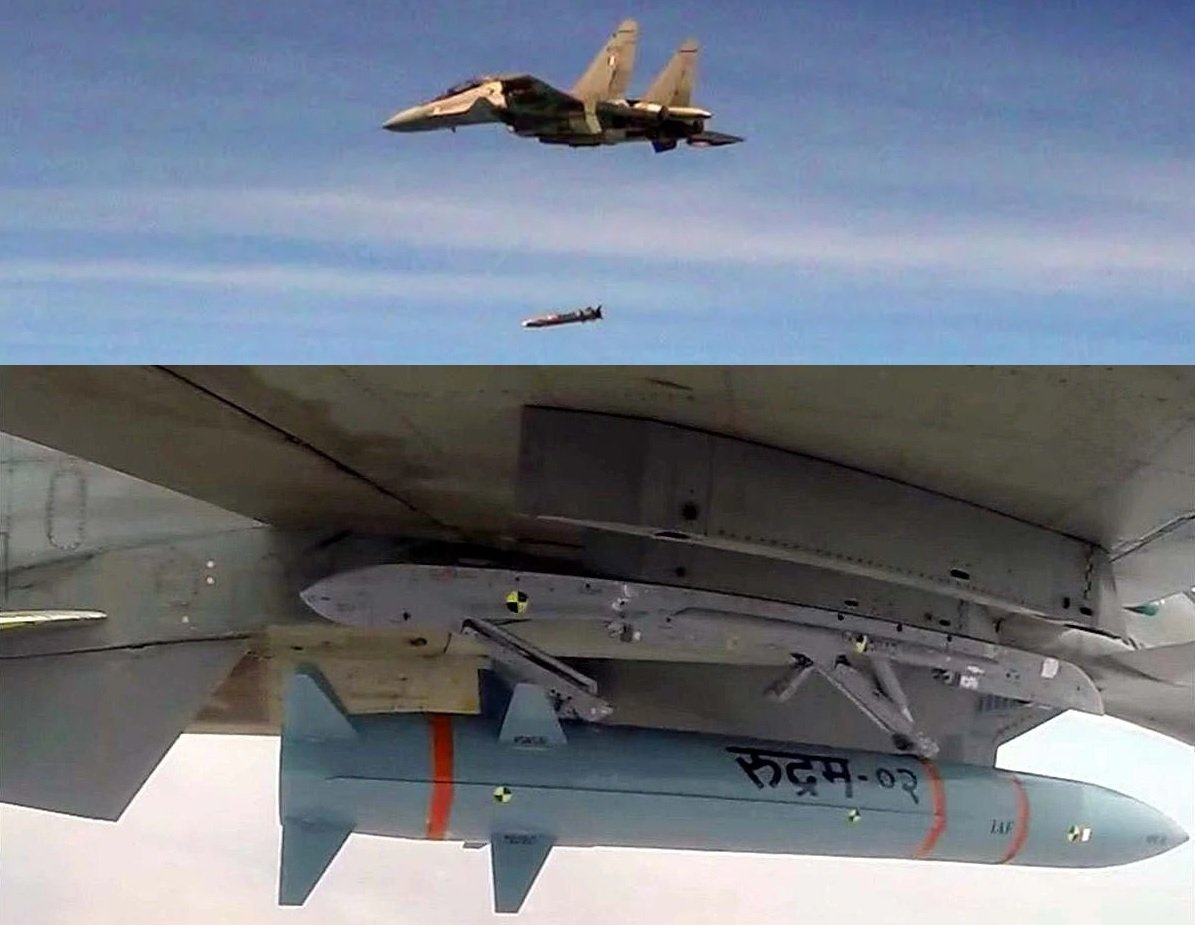
India
Hyderabad — Adani Defence and Aerospace has announced that India's indigenous RudraM-II air-launched anti-radiation missile is ready for the international export market. The missile has entered limited-scale production, with developmental flight trials nearing completion. Full-scale production is expected to begin by 2027. Missile Capabilities and Guidance Developed by the Defence Research and Development Organisation (DRDO) under the leadership of Research Centre Imarat (RCI), RudraM-II is designed for Suppression and Destruction of Enemy Air Defences (SEAD/DEAD) missions. Adani Defence is manufacturing the missile at its Hyderabad facility. The missile has a range of approximately 300 km, a maximum speed of Mach 5.5 and a warhead payload of around 200 kg. Its multi-mode guidance system combines a passive radar seeker, Inertial Navigation System (INS), India's NavIC satellite navigation and an Imaging Infrared (IIR) seeker. If an enemy radar is switched off during flight, the missile uses its last known coordinates and the IIR seeker to identify the target during the terminal phase. Aircraft Integration and Production The Su-30MKI is the primary launch platform and can carry up to five RudraM-II missiles. Flight testing included a May 2024 trial and a key test on June 2, 2026, off the Odisha coast, validating propulsion, guidance and critical subsystems. The next integration phases will cover the Mirage 2000 and Tejas Mk1A, followed by the Tejas MkII, Rafale and Advanced Medium Combat Aircraft (AMCA). Adani Defence is preparing to expand production for the Indian Air Force and international customers. The missile's approximately 300 km range falls within the MTCR range thresholds, while exports remain subject to necessary government approvals. RudraM-II is also intended to replace older Russian-origin Kh-31 anti-radiation missiles in Indian Air Force service.
Read More → Posted on 2026-11-16 14:17:48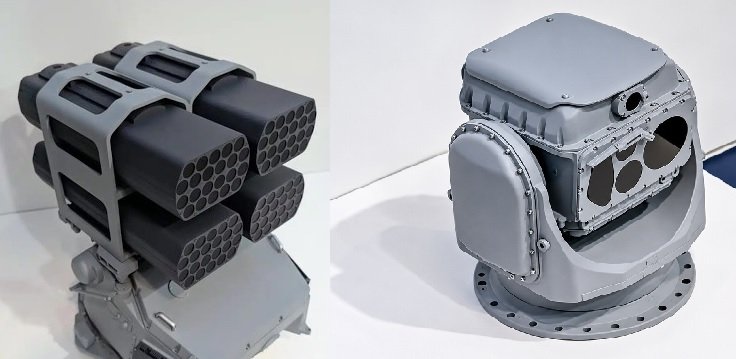
Europe
Paris, — Safran Electronics & Defense has unveiled its NGDS HK (Hard Kill) naval rocket launcher and PASEO Master D electro-optical targeting system at Euronaval 2026 on November 16, 2026. The systems are designed to strengthen naval close-in defence against drones, uncrewed vessels and other asymmetric threats. NGDS HK: Up to 88 Rockets Based on the two-axis NGDS (New Generation Dagaie System), the NGDS HK expands the original launcher's electronic warfare role to active threat engagement. Its modular mount supports a one-tonne payload and up to four rocket pods. Each pod carries 22 standard 70 mm NATO or 68 mm French rockets, giving the system a total capacity of 88 rockets. The launcher can fire guided and unguided rockets individually or in salvos. It can engage UAVs, uncrewed surface vessels (USVs) and small fast craft, supporting anti-air, anti-surface, anti-submarine and counter-UAS missions. It retains compatibility with infrared, radar and acoustic decoys, as well as active off-board countermeasures. The fully trainable launcher offers short reaction times, ergonomic loading and multiple-threat engagement from any direction. It is designed for single- or dual-mount installation on surface combatants. PASEO Master D Targeting System For laser-guided rocket engagements against manoeuvring targets, Safran has paired the NGDS HK with the PASEO Master D. Derived from the company's ITAR-free PASEO family, which has more than 3,000 units in service or on order worldwide, it features a gyro-stabilised six-sensor turret. Its equipment includes a colour day camera, mid-wave and short-wave infrared imagers, a high-repetition-rate laser rangefinder and laser target designator. Additional features include ACE artificial intelligence, automatic tracking, passive threat detection, see-spot capability and on-the-move stabilisation. It can designate both airborne and sea-based targets. The PASEO family has also been integrated with Bofors' Tridon system. Lower-Cost Defence Against Drone Threats According to Pierre-Olivier Nougues, Safran's VP Sales and Marketing Naval Solutions, the NGDS HK can engage targets using individual rockets or salvos. The system addresses the French Navy's requirement to protect major surface combatants against drone attacks and other asymmetric threats. Its development reflects Red Sea operations around two years ago, when French frigates used expensive Aster surface-to-air missiles against cheaper one-way attack drones, including Shahed-type UAVs. Guided and unguided rockets offer a lower-cost engagement option against suitable threats. The NGDS HK competes with Naval Group's Rampart modular close-in weapon system, although the two companies have also cooperated. A PASEO Master D prototype was used during Rampart at-sea trials to designate targets for Thales guided rockets. NGDS Background and Previous Developments The baseline NGDS has a 500 kg payload capacity, weighs 1,200 kg without ammunition, stands 1.6 metres high and has a 1.25-metre sweeping radius. Its rallying time is under two seconds, and it supports short-, medium- and long-range munitions for anti-missile defence. The system remains in service with the French Navy and other forces and was recently observed during trials aboard the Japan Maritime Self-Defense Force test ship JS Asuka. At Euronaval 2024, Safran displayed an NGDS configuration equipped with MBDA Mistral 3 missiles. At the 2026 exhibition, it presented scale models of the NGDS HK with four rocket pods and the PASEO Master D.
Read More → Posted on 2026-11-16 14:31:35
U.S
Menlo Park, Califorina — US space technology company LeoLabs has acquired FishEye Software to accelerate the development and deployment of next-generation radar systems for missile warning and tracking missions. FishEye will operate as a wholly owned subsidiary of LeoLabs, while the financial terms of the acquisition remain undisclosed. FishEye Adds Missile Defense Engineering Expertise Founded in 1997, FishEye Software brings nearly 30 years of experience in systems engineering, software development and field testing for US government-owned radars. Its work supports space domain awareness and missile defense operations. The acquisition adds dozens of US security-cleared systems engineers, software developers and radar specialists to LeoLabs. Their experience in developing and integrating radar software is expected to help the company adapt its existing radar technology for missile warning and tracking and bring new systems into operational service faster. LeoLabs CEO Tony Frazier said FishEye's experience with US missile defense systems would help accelerate the integration of the company's radar technology for national security missions. FishEye President Bob Chisholm said the acquisition would allow its engineering team to apply its mission experience to a new generation of radar systems and deliver capabilities to military users. Radar Production and US Government Funding The acquisition comes as LeoLabs expands its radar production to meet growing defence demand. The company reported more than $100 million in bookings for 2026 from US and allied customers, with its Seeker and Scout radar systems already moving through US manufacturing lines for deliveries scheduled in 2027. LeoLabs also plans to nearly double its workforce by the end of 2026. On November 5, LeoLabs announced a separate up to $150 million conditional loan commitment from the US Department of War's Office of Strategic Capital (OSC). The funding is intended to expand domestic radar manufacturing, strengthen the US supply chain and accelerate the deployment of additional radar systems. The company plans to complete two large manufacturing facilities by 2028 and add dozens of radar systems to its global network by 2030. LeoLabs' transportable Scout-X radar is specifically optimized for missile warning and tracking, while its other radar systems support space domain awareness missions. The addition of FishEye's engineering and software expertise is expected to support the development and integration of these capabilities. LeoLabs funded the FishEye acquisition through a loan from Hercules Capital, Inc. The purchase price was not disclosed. Mirus Capital Advisors served as FishEye's exclusive financial advisor for the transaction.
Read More → Posted on 2026-11-16 14:40:50
World
Tallinn, Estonia — Estonia will close its three remaining road border crossings with Russia from December 1, 2026, following a foiled sabotage attempt at defence company Threod Systems, which Estonian security authorities have attributed to Russia's military intelligence agency, the GRU. Foreign Minister Margus Tsahkna announced the decision on November 15, saying the closures would reduce Russia's ability to conduct hostile activities inside Estonia and help prevent sanctions circumvention. Sabotage Attempt at Threod Systems The incident took place at 3:06 a.m. on November 14 at Threod Systems' facility in Viimsi, north of Tallinn. The attackers reportedly attempted to break windows, pour flammable liquids inside the building and start a fire that could cause an explosion. The company's security team intervened and stopped the attempt. No one was injured, and the facility suffered no significant damage. Production and deliveries continued without interruption. Estonia's Internal Security Service (KAPO) and police detained eight Latvian nationals in connection with the incident. KAPO Director General Margo Palloson said the investigation linked the operation to Russia's GRU. Prosecutor General Astrid Asi confirmed that the case is being investigated as an act against Estonia's security on behalf of a foreign intelligence service. Five suspects have been remanded in custody. Threod Systems manufactures long-range reconnaissance and attack drones and other unmanned systems, including equipment supplied to Ukraine. Three Border Crossings to Close The closures will affect Estonia's three remaining road crossings with Russia: Narva – Northern Estonia Luhamaa – Southern Estonia Koidula – Southern Estonia The crossings currently handle pedestrian and freight traffic. Interior Minister Igor Taro said he would propose closing them to both pedestrians and vehicles. Estonian residents and truck drivers currently in Russia will have approximately two weeks to return. The government has not yet specified whether the closures will be temporary or long-term. The railway crossing at Narva is expected to remain open for certain strategically important imports. Second Attack on an Estonian Defence Company The Threod Systems incident follows an arson attack on Milrem Robotics in Tallinn on August 15. Estonian authorities later attributed that attack to Russian special services. Three Latvian suspects were arrested in connection with the case. Estonian intelligence officials have warned that defence companies and organisations supporting Ukraine remain targets of Russian intelligence activities. Estonia is also coordinating with Latvia's State Security Service (VDD) and prosecutors on the Threod investigation. Russian Response Russia has rejected the accusations. Foreign Ministry spokeswoman Maria Zakharova described the planned border closures as another display of "Russophobia" in comments reported by Russian state news agency TASS. Tsahkna said he had informed counterparts in Finland, Latvia and Lithuania about the decision and planned to raise the issue at a meeting of EU foreign ministers. Estonia has maintained that it will continue supporting Ukraine despite the security incidents.
Read More → Posted on 2026-11-16 15:24:28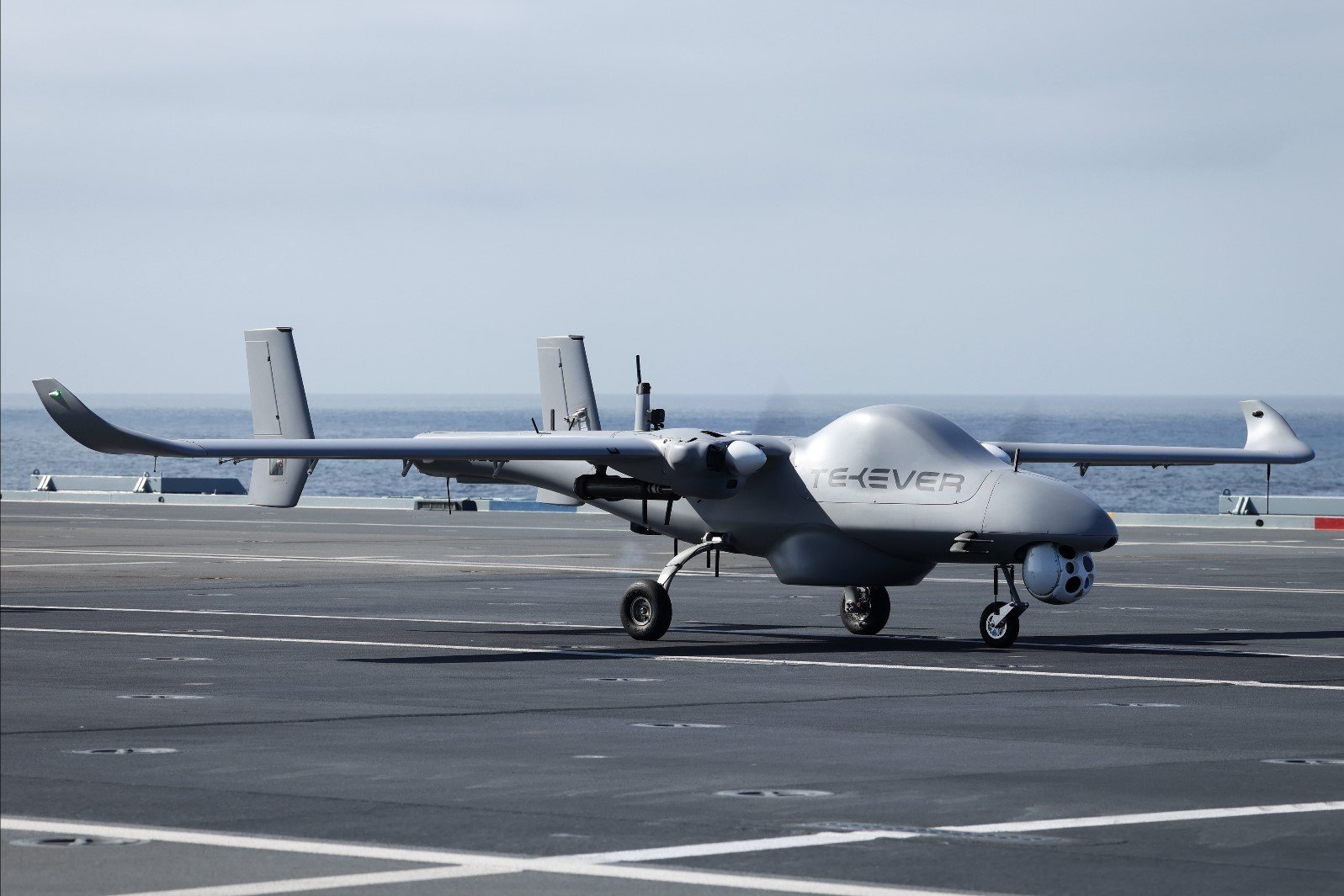
Europe
PORTSMOUTH, UK — The Royal Navy has successfully completed the first take-off and landing trials of the Tekever AR5 unmanned aerial vehicle (UAV) aboard the aircraft carrier HMS Queen Elizabeth. The trials took place during Heavy Lift Challenge 3 in the North Atlantic in October 2026, marking a step towards integrating fixed-wing drones into future carrier operations. The AR5 flew approximately 90 minutes from Tekever's Flight Operations and Training Centre in Portugal to reach the carrier. It then completed two landings and two take-offs from the flight deck before returning to Portugal on a flight lasting around 120 minutes. This was the first time an AR5 had operated from a Royal Navy aircraft carrier. Supporting Maritime Surveillance and Logistics The demonstration examined how fixed-wing drones could support logistics, sustainment and intelligence, surveillance, target acquisition and reconnaissance (ISTAR) missions at sea. The trials also explored how the AR5 could operate alongside other systems within a carrier group. The exercise took place alongside separate trials of Callen-Lenz Nyan one-way attack drones, which were launched from HMS Queen Elizabeth for the first time. The activities support the Royal Navy's plan to develop a hybrid carrier air wing combining crewed aircraft, including F-35B stealth fighters, with uncrewed systems. Lieutenant Commander David Burton, the Royal Navy's trials sponsor for Navy Capability, said the trials provided valuable evidence on how autonomous aircraft could support future maritime operations and give commanders greater operational choices. Tekever AR5: Technical Specifications The AR5, developed by Portugal-based aerospace company Tekever, is a medium-altitude, medium-endurance fixed-wing UAV designed for extended surveillance and maritime operations. Key specifications include: Wingspan: Approximately 7 metres Maximum take-off weight: 180 kg Payload capacity: Up to 80 kg, according to the Royal Navy Cruising speed: Approximately 100 km/h Maximum flight altitude: 3,600 metres Flight endurance: Up to 20 hours Take-off distance: Approximately 200 metres on a prepared runway Communications range: Approximately 230 km using radio line-of-sight communications The aircraft can operate from conventional runways, unpaved airstrips and aircraft carrier decks. Its sensor options include electro-optical and infrared systems, synthetic aperture radar (SAR) and laser targeting capabilities. Part of the Royal Navy's Hybrid Fleet Development The carrier trials are part of the Royal Navy's wider effort to integrate autonomous aircraft into naval operations. By combining surveillance and logistics drones with crewed aircraft and uncrewed strike systems, the Navy aims to improve maritime surveillance, operational reach and flexibility. The successful AR5 demonstration provides practical experience in operating fixed-wing uncrewed aircraft from a carrier and exploring their potential role in future naval deployments. Note: The Royal Navy's published announcement gives the AR5 a 7-metre wingspan and 80 kg payload capacity. These figures differ from the 7.3-metre wingspan and 50 kg payload figures in the supplied technical data, so the official Royal Navy figures are used here.
Read More → Posted on 2026-11-16 15:30:57
Space & Technology
BOCA CHICA, TEXAS — SpaceX is preparing a significantly larger version of its Starship spacecraft, with CEO Elon Musk outlining major upgrades for the upcoming Starship V4 on November 15, 2026. The new design will feature a roughly 70-metre-long upper stage, more than 60% additional propellant capacity and nine higher-thrust Raptor engines. Starship V4 to Become Much Larger Musk said Starship V4 will measure approximately 70 metres in length, representing a roughly 40% increase over the current design. The extended structure will provide space for more liquid oxygen and liquid methane propellant, increasing the vehicle's total propellant capacity by more than 60%. The spacecraft will retain its existing 9-metre diameter, while its longer structure will accommodate larger propellant tanks. Nine Raptor Engines and Increased Payload Capacity Starship V4 will increase its upper-stage engine count from six to nine Raptor engines. The upgrade adds three Raptor Vacuum engines, increasing their number from three to six, alongside the three sea-level engines. All nine engines will use higher-thrust V4 versions. SpaceX's current V3 configuration is expected to carry around 100 metric tonnes to low Earth orbit (LEO) in a fully reusable configuration. Future versions could reach approximately 200 metric tonnes, potentially starting with V4, according to SpaceX's projections. Musk has also estimated that a V4 tanker could carry more than 200 tonnes of propellant per flight. This could reduce the number of tanker launches required to refuel a Starship for lunar missions to around five or six, according to his estimates. Starship V3 vs V4: Key Differences Specifications Starship V3 Starship V4 Upper-stage length 52 metres Around 70 metres Diameter 9 metres 9 metres Engine count 6 Raptors 9 Raptors Sea-level engines 3 3 Raptor Vacuum engines 3 6 Engine generation Current V3 configuration Higher-thrust V4 Propellant capacity Current baseline More than 60% increase Expected reusable LEO payload Around 100 tonnes Potentially around 200 tonnes Historic Starship Catch Supports Reusability Goals The V4 announcement follows a major milestone during Starship Flight 15 on November 14, 2026. SpaceX successfully caught the returning Ship 42 upper stage using the mechanical arms of its launch tower at Starbase, Texas, for the first time. During the mission, Ship 42 reached orbit and deployed 26 Starlink satellites before returning to Earth after approximately 22.5 hours. However, the Super Heavy booster was not caught and instead diverted to a splashdown in the Gulf of Mexico. Following an inspection, Musk said Ship 42's heat shield and engines appeared to be in good condition. He estimated that the vehicle could potentially fly again after a few weeks of refurbishment, although several improvements are still needed to achieve rapid, aircraft-like reusability. Development Timeline and Future Missions Musk had previously discussed plans for a longer Starship with additional engines and indicated a 2027 flight target. However, no specific first-flight date for Starship V4 has been confirmed in his latest update. The larger vehicle is being developed to increase payload capacity and support SpaceX's future lunar and Mars missions, including missions requiring in-orbit propellant refuelling. The V4 design builds on the V3 configuration and SpaceX's recent progress in orbital flight and spacecraft recovery.
Read More → Posted on 2026-11-16 15:41:43
World
Kuwait City — Kuwait and Israel have reportedly held discreet discussions about establishing diplomatic relations, with the United States and the United Arab Emirates (UAE) encouraging closer regional cooperation. The reported contacts could eventually bring Kuwait into the Abraham Accords, although significant political and security obstacles remain. According to a November 16 report citing Israel's Channel 14, the discussions are still at an early stage. Kuwait has not officially confirmed the talks or announced any decision to normalize relations with Israel. Israeli Political Uncertainty and Security Concerns One major obstacle is Israel's ongoing government formation process. Following the October 27 parliamentary elections, Prime Minister Benjamin Netanyahu's bloc secured 53 seats, while the opposition bloc won 48 seats in the 120-member Knesset. Neither secured the 61 seats required for a majority, leaving coalition negotiations unresolved. Security concerns are another major factor for Kuwait. During the 2026 conflict with Iran, Kuwait experienced repeated Iranian missile and drone attacks targeting critical infrastructure, including oil facilities, power stations, desalination plants and Kuwait International Airport. According to the Armed Conflict Location & Event Data (ACLED) project, Kuwait recorded 43 attacks on non-military infrastructure between February 28 and July 30, 2026. Kuwaiti officials are therefore likely to face difficult security considerations before any public normalization agreement. Concerns about possible Iranian retaliation have also been highlighted in reports about the discussions. US and UAE Support for Regional Cooperation The diplomatic developments come amid increasing security coordination between Israel, the United States and several Arab countries. In September 2026, Israel's ambassador to the UAE, Yossi Shelley, said Kuwait could potentially join the Abraham Accords within four to six months. A separate report in September confirmed that senior military commanders from the United States, Israel, Kuwait and several other Arab countries held a private meeting in Germany to discuss regional security and the conflict with Iran. The Council for a Secure America also ranked Kuwait first among nine Muslim-majority Middle Eastern countries without diplomatic relations with Israel in its October 8, 2026 assessment of potential Abraham Accords expansion. Kuwait's Position on Israel Kuwait has historically maintained a firm position against normalization with Israel and continues to support the Palestinian cause and the Arab Peace Initiative. Its boycott legislation also restricts commercial and other dealings with Israel. Although Emir Sheikh Mishal Al-Ahmad Al-Jaber Al-Sabah holds significant authority, any potential change in foreign policy would have to account for Kuwait's domestic political environment and longstanding public opposition to formal relations with Israel. For now, the reported discussions remain unconfirmed by the Kuwaiti government. Whether Kuwait joins the Abraham Accords will depend on diplomatic developments, Israel's political situation and the security risks associated with its relationship with Iran.
Read More → Posted on 2026-11-16 15:51:52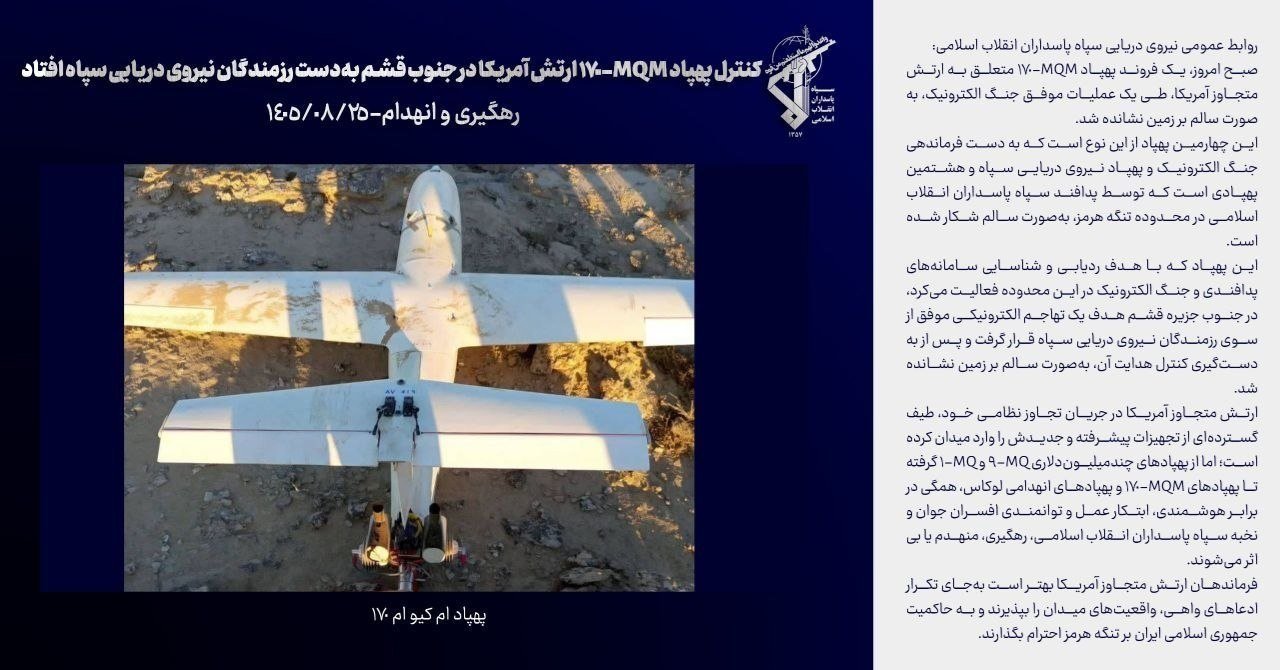
World
Tehran, Iran — Iran’s Islamic Revolutionary Guard Corps (IRGC) Navy has claimed that it captured a US-made MQM-170 drone intact near the Strait of Hormuz after taking control of the aircraft through an electronic warfare operation on November 16, 2026. According to a statement released by the IRGC Navy, Iranian forces intercepted the drone south of Qeshm Island and took control of its flight guidance system, forcing it to land without damage. The IRGC alleged that the aircraft was operating in the area to identify Iranian air defence and electronic warfare systems along the coastline. MQM-170 Drone Captured Through Electronic Warfare The captured aircraft was identified as the MQM-170 Outlaw, manufactured by US-based defence company Griffon Aerospace. It is primarily designed as a low-cost aerial target for military training and air defence testing. It can also serve as a platform for payload development and carrying surveillance equipment. The IRGC Navy described this as the fourth MQM-170 captured intact by its electronic warfare and drone command. It also claimed that the latest incident brings the total number of drones recovered intact by IRGC air defence forces in the Strait of Hormuz region to eight. Iran Claims Interception of Other US Drones The IRGC statement also referred to US deployment of several unmanned systems in the region, including MQ-1 and MQ-9 drones, MQM-170 aircraft and LUCAS one-way attack drones. Iranian officials claimed their forces had intercepted, destroyed or neutralised several of these systems. US Response and Regional Significance The United States has not issued an official response to the latest Iranian claim. However, US Central Command previously rejected similar Iranian announcements involving MQM-170 drones near Qeshm Island. The latest capture claim has not been independently verified. Qeshm Island, Iran's largest island, is located along the northern approaches to the Strait of Hormuz, a strategically important maritime route for international oil and gas shipments. The IRGC Navy concluded its statement by calling on US military commanders to acknowledge what it described as the situation on the ground and respect Iran's territorial sovereignty over the waterway.
Read More → Posted on 2026-11-16 15:54:28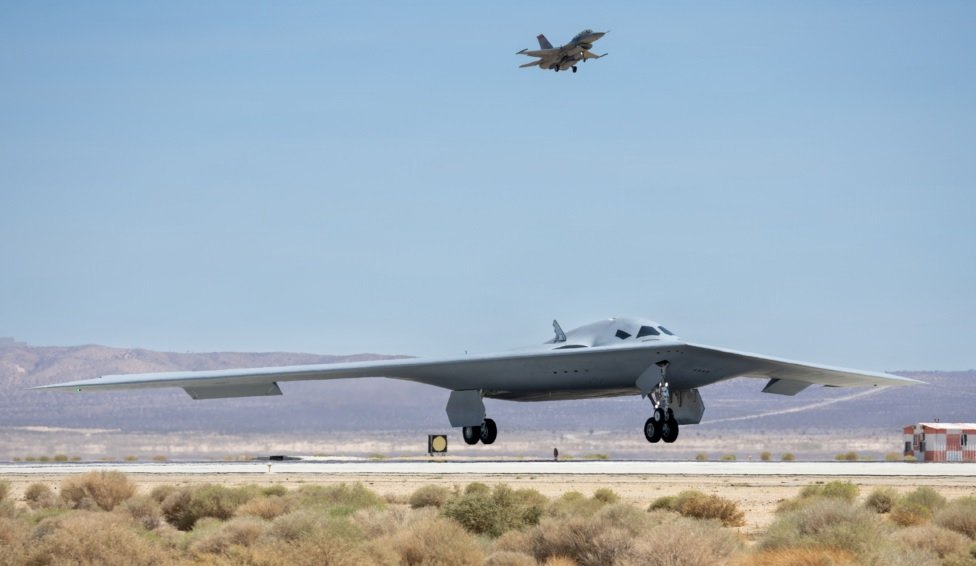
U.S
Edwards Air Force Base, California — The U.S. Air Force's next-generation stealth bomber, the B-21 Raider, has successfully completed its first weapons release test, marking an important step in its development as a combat-ready aircraft. The Air Force and Northrop Grumman confirmed the milestone on November 13, 2026, following a test conducted during the first week of November at Edwards Air Force Base, California. During the test, the B-21 released a conventional weapon in flight. However, officials have not disclosed the weapon's identity or released images of the demonstration. Digital Testing Supports Weapons Integration The test validated the B-21's digital twin models and weapons-integration architecture. Engineers spent thousands of hours using virtual models to predict the weapon's trajectory and prepare for the physical release. The bomber also features an open systems architecture, designed to simplify future upgrades and allow new weapons and technologies to be integrated over time. Northrop Grumman said the demonstration confirms the aircraft's ability to carry and employ combat weapons. The company is also accelerating production and testing ahead of the planned arrival of the first operational aircraft at Ellsworth Air Force Base, South Dakota, in 2027. Long-Range Strike and Stealth Capabilities The B-21 is designed for long-range penetrating strike missions, with the ability to reach targets across the globe. Its advanced stealth features are intended to help it operate in heavily defended airspace and penetrate modern air-defence systems. The aircraft's flight-testing programme has also included aerial refuelling with the KC-135 Stratotanker, which the Air Force acknowledged on April 14, 2026. This capability allows longer test flights and supports the expansion of the testing programme. Unlike the B-2 Spirit, the B-21 features a single large central weapons bay. It is designed to carry both conventional and nuclear weapons, with future weapon options expected to include the AGM-181 Long Range Stand-Off (LRSO) cruise missile and B61 nuclear bombs. Production Expansion and Future Fleet The U.S. Air Force plans to acquire at least 100 B-21 Raiders to gradually replace its ageing B-1B Lancer and B-2 Spirit bomber fleets. To support production, Northrop Grumman has opened a new 265,000-square-foot manufacturing facility in Layton, Utah, and is developing a larger, one-million-square-foot final assembly facility at Plant 42 in Palmdale, California. Air Force Secretary Troy Meink said the bomber is designed to improve combat capability through reliability, maintainability and faster weapons integration. Air Force Chief of Staff General Ken Wilsbach also described the successful weapons release as evidence of progress in the programme. The B-21 programme remains on track to bring its first operational aircraft to Ellsworth Air Force Base in 2027, as flight and weapons testing continue at Edwards Air Force Base.
Read More → Posted on 2026-11-16 16:05:23
World
Beijing, China — China's state-owned Aviation Industry Corporation of China (AVIC) has reported advances in 3D printing technology for manufacturing large, lightweight and multifunctional aircraft structures. The development is being carried out by the Key Laboratory of Aviation Science and Technology for Novel Aircraft Structures at AVIC's Shenyang Aircraft Design and Research Institute, the developer of China's J-35 stealth fighter series. The technology aims to simplify aircraft manufacturing, reduce structural weight and accelerate the development of complex components. Unlike conventional manufacturing, 3D printing allows engineers to produce integrated structures without expensive molds and reduce the number of separate parts and connections. Major 3D-Printed Aircraft Components One of the major achievements is an integrated load-bearing aircraft structure measuring more than five metres (16.4 feet). Installed in the central fuselage, the component is designed to carry and transfer structural loads. Its integrated design can reduce the number of individual components, connectors and fasteners. Researchers have also developed a 3D-printed multifunctional annular heat exchanger for installation inside an aircraft's air intake. It combines heat transfer, air extraction, structural support and maintenance functions in one component. Its complex internal channels increase the heat-transfer surface area while keeping the component lightweight. Solutions to Large-Scale 3D Printing Challenges Manufacturing large metal structures through 3D printing presents challenges, including thermal stress, deformation and material cracking. AVIC researchers addressed these problems through a process combining segmented printing and additive fusion joining. The team also developed a specialised magnetic grinding device to finish the heat exchanger's internal channels. It uses fine steel needles controlled by an external magnetic field to polish internal surfaces without damaging the surrounding structure. According to AVIC, the laboratory has more than 20 years of experience in additive manufacturing. It has applied six 3D-printing processes, 13 types of metal materials and 19 categories of printed structural components across aircraft development programmes. Connection to China's J-35 Fighter Programme The Shenyang Aircraft Design and Research Institute is responsible for developing China's J-35 fighter family, which includes a carrier-based variant and the land-based J-35A. The carrier-based aircraft is designed for operations from Chinese aircraft carriers, including the electromagnetic catapult-equipped Fujian. The institute has contributed to the development of more than 40 aircraft models, including the J-8, J-11, J-15 and J-35 series, as well as unmanned aircraft. However, AVIC has not confirmed whether the newly developed five-metre structural component or heat exchanger will be installed on production J-35 fighters. The reported progress demonstrates China's efforts to expand 3D printing from smaller aircraft components to large, integrated load-bearing structures.
Read More → Posted on 2026-11-16 16:18:04
World
Bern, Switzerland — An investigation by Swiss newspaper NZZ am Sonntag has revealed that 110,000 Swiss-made sniper ammunition rounds reached Russia through Slovenia and Kyrgyzstan after the start of the full-scale invasion of Ukraine, despite Switzerland's export ban on military ammunition to Russia, in place since 2014. Two Shipments of Swiss Ammunition According to Russian government registry records, two shipments manufactured by Ruag Ammotec at its plant in Thun were registered in Russia: December 30, 2022: 60,000 rounds of .338 Lapua Magnum with 250-grain (16.2-gram) HPBT bullets. April 5, 2023: 50,000 rounds of .308 Winchester with 168-grain (10.9-gram) bullets. Russian importers declared the ammunition as civilian hunting goods. However, Switzerland's State Secretariat for Economic Affairs (SECO) confirmed that the calibres are classified as military materiel, primarily used for sniper applications. Ruag Ammotec was acquired by Italy's Beretta Group in 2022 and now operates under the SwissP Defence brand, which markets its precision ammunition as "The Sniper's Choice". Route Through Slovenia and Kyrgyzstan The ammunition was initially exported legally from Switzerland to Slovenia after approval from SECO. Slovenian arms dealer Gasper Heybal purchased the shipments, assuring Swiss authorities that they would remain in Slovenia. However, documents from Slovenia's Ministry of Defence indicate that Heybal later resold the ammunition to two Kyrgyz companies specialising in hunting equipment. The rounds subsequently entered Russia through the Eurasian Economic Union (EAEU) trade framework. Two Russian arms dealers received the shipments. Their companies had previously been linked to purchases of Western sniper rifles compatible with the Swiss ammunition. Photographs published by Russian military bloggers have also shown SwissP and Ruag cartridge packaging in the hands of Russian soldiers, including in the Kursk region. Swiss Authorities Respond SwissP Defence said it supplies products in accordance with applicable laws and is cooperating with the investigation. The company stated that it had never directly exported ammunition to a sanctioned country. SECO is examining the case and has prohibited further sales to the Slovenian company involved in the transactions. Political Impact and Beretta's Russian Connections The revelations come ahead of Switzerland's November 29, 2026, national vote on proposed changes to military export regulations. Social Democratic Party co-chair Mattea Meyer criticised the case, calling it a scandal and citing it as evidence against relaxing export controls. The investigation also highlighted Beretta Group's connections to Russia. Documents indicate that Pietro Gussalli Beretta, CEO of Beretta Holding, served on the board of Russian arms importer Russian Eagle LLC throughout 2022. Beretta Holding owns a 57% stake in the company. Russian customs and certification records show that Russian Eagle LLC received 3,919 European-made firearms between March and September 2022, with related shipments reportedly continuing into 2026. The findings have raised concerns about the effectiveness of export controls and the use of third-country intermediaries to transfer restricted military goods to Russia.
Read More → Posted on 2026-11-16 16:28:07
World
Moscow, Russia — Russia plans to begin natural gas deliveries to China through a new Far Eastern pipeline route in 2027, with an agreed annual capacity of 12 billion cubic metres (bcm). Russian Presidential aide Yuri Ushakov confirmed the planned launch on November 16, 2026, saying initial supplies will gradually increase towards the pipeline's full capacity. The project, also known as the Far Eastern route or Power of Siberia 3, will connect Russia's existing Sakhalin–Khabarovsk–Vladivostok pipeline network to China's domestic gas system. Russia and China increased the planned annual capacity from 10 bcm to 12 bcm in 2025. Pipeline Route and Construction The new link will connect the existing Russian pipeline near Dalnerechensk in Primorsky Krai to Hulin in China's Heilongjiang province, crossing the Ussuri River. The project includes an approximately 25-kilometre branch pipeline, a gas metering station at Dalnerechensk and the cross-border section. In November 2025, Russia's Gazprom and China's state-owned CNPC began joint construction of the cross-border section. The route will primarily receive gas from offshore fields near Sakhalin Island. Gas Supplies to Begin in January 2027 Deliveries are expected to start in late January 2027, initially at around 2 bcm per year, before gradually increasing to the full capacity of 12 bcm annually. Gazprom has also reported ongoing preparations, including equipment installation at the Dalnerechensk gas metering station. The new route will complement the existing Power of Siberia pipeline, which started supplying China in 2019 and has an annual design capacity of 38 bcm. Deliveries through the pipeline reached 38.8 bcm in 2025, while Russia and China have agreed to increase its annual supply capacity to 44 bcm. Russia-China Energy Cooperation The new pipeline is part of Russia's efforts to expand energy exports to Asian markets, particularly China, following the decline in its European energy trade. For Beijing, the additional pipeline route will provide another source of natural gas through overland infrastructure. Ushakov also highlighted other bilateral energy projects, including new units at China's Tianwan and Xudapu nuclear power plants, along with joint hydrocarbon production and processing initiatives in Russia's Arctic and Far Eastern regions. The expanded Power of Siberia supplies and the new Far Eastern route will increase Russia's pipeline gas export capacity to China.
Read More → Posted on 2026-11-16 16:35:25
World
Stockholm, Sweden — The Saab-led MANGROVE consortium has completed Phase 1 of NATO’s Allied Underwater Battlespace Mission Network (AUWB-MN), a programme designed to connect crewed and uncrewed underwater systems through a common, secure network. NATO plans to test the architecture during the Task Force X-Arctic exercise in July 2027. The network aims to improve information sharing and coordination between allied naval forces. It will support submarines, uncrewed underwater vehicles (UUVs), sensors and other maritime systems. Instead of developing separate connections for individual platforms, countries will follow common communication, security and interoperability standards. David Burton, Project Director of NATO's Antisubmarine Warfare Barrier Smart Defence Initiative, described the concept as an "underwater internet." He noted that navies are moving towards deploying hundreds or potentially thousands of smaller uncrewed systems. Without common standards, these platforms could become incompatible across allied forces. 600-Page Architecture Delivered to NATO The consortium submitted a reference architecture report of more than 600 pages, along with an accompanying software model, at the end of September 2026. The work focused on bringing existing NATO Standardization Agreements (STANAGs) into a unified framework rather than creating entirely new standards. The architecture is technology-agnostic and vendor-neutral. Countries can select their own equipment and suppliers as long as their systems meet the framework's requirements. Around 80% of Phase 1 focused on developing the architecture, while the remaining 20% established the foundations for a Test and Reference Environment (TRE). This facility will allow developers to test new sensors, platforms and systems for interoperability before their deployment. Funding and Consortium Members Selected by NATO in July 2025, the programme formally started on 1 September 2025. It is part of NATO's Digital Ocean initiative and the UK-led Antisubmarine Warfare Barrier Smart Defence Initiative. Phase 1 received €1 million from 12 sponsor nations, led by the United Kingdom. Other sponsors include Australia, Canada, Denmark, Germany, Italy, Sweden, the Netherlands, Norway, Portugal, Spain and the United States. The nine consortium members also provided financial contributions. Led by Saab's Naval business area, the consortium includes CETENA and IDS of the Fincantieri Group, FlySight, GraalTech, Miraya, Saab UK, S2IX and the University of Plymouth. Spiral Zero and Phase 2 Plans An interim programme called Spiral Zero has secured another €1 million from NATO and is expected to begin in early 2027. The initial contract has also been extended by 12 months to maintain progress, while funding for the bridging period is still being finalised. Full Phase 2 is expected to begin around mid-2027. It will focus on developing the TRE and further refining the network architecture. National Reviews and Arctic Testing The UK has compared the MANGROVE architecture with its Atlantic Bastion network and found very few differences. Canada is conducting a similar review, with bilateral discussions planned for December 2026. Finland has indicated its intention to participate, while Greece has expressed interest. Discussions are also underway with Belgium and France. The consortium is working with NATO's Centre for Maritime Research and Experimentation (CMRE) in La Spezia, Italy, to demonstrate the architecture during Task Force X-Arctic in July 2027. The exercise will take place in the High North, although its exact location is yet to be confirmed. Commercial arrangements with NATO are still being finalised. Dr Frida Lindberg, Co-Chair of the MANGROVE consortium and Business Director at Saab, said Phase 1 has established the foundations for a resilient, scalable and technology-agnostic network. The objective is to improve underwater situational awareness, operational agility and cooperation between allied forces. The next stages will determine how effectively the common architecture can connect different national underwater systems during multinational naval operations.
Read More → Posted on 2026-11-17 12:32:58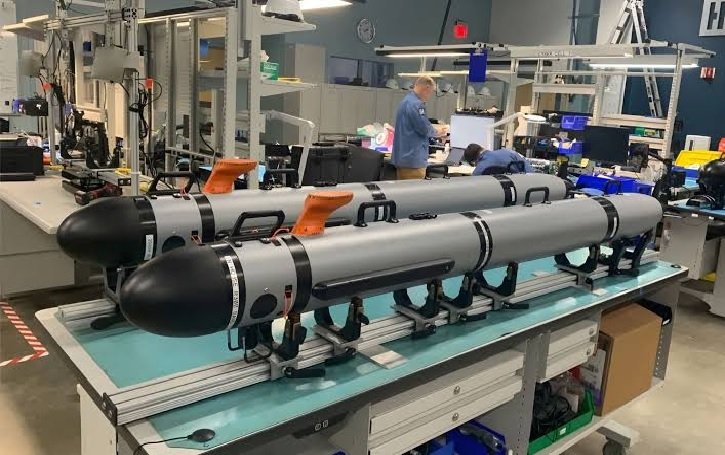
U.S
POCASSET, Massachusetts — The U.S. Navy has ordered 82 additional Lionfish small unmanned undersea vehicles (SUUVs) from Huntington Ingalls Industries (HII), expanding its autonomous underwater fleet. Announced on November 16, 2026, the order brings the total number of vehicles HII is contracted to build, test and deliver to 175, with the potential to reach 200. The five-year production programme has a potential contract value of more than $347 million. HII confirmed that it had delivered 50 Lionfish vehicles to the Navy as of October 21, 2026. Lionfish Drone Capabilities The Lionfish is based on HII's commercial REMUS 300 platform, developed through a rapid prototyping programme involving the U.S. Navy and the Defense Innovation Unit (DIU). The underwater drone supports mine countermeasures, anti-submarine warfare, electronic warfare, and intelligence, surveillance and reconnaissance (ISR) missions. Its modular, open-architecture design allows operators to change mission payloads and integrate future technologies. The vehicle is portable by a two-person team, can dive to depths of 305 metres, and offers up to 30 hours of endurance, depending on battery configuration. Its maximum speed is up to 5 knots. Lionfish is also the first and only cyber-compliant unmanned underwater vehicle currently in production for the U.S. Navy. Production and Delivery The programme marks the Navy's first successful transition from an Other Transaction Authority (OTA) rapid-prototyping programme to full-scale production. The original production contract was awarded in 2023, and HII completed its 42nd Lionfish vehicle by the end of 2025. Production takes place at HII's unmanned systems facility in Pocasset, Massachusetts. The company recently expanded the facility by 10,000 square feet, increasing its total area to 50,000 square feet to support higher production of Lionfish and other REMUS-family vehicles. Commenting on the latest order, Duane Fotheringham, president of HII's Unmanned Systems group, said the award reflects the Navy's continued investment in Lionfish and its operational capabilities. He added that HII remains focused on delivering autonomous systems for evolving undersea warfare requirements. HII has delivered more than 750 REMUS-family vehicles to over 30 countries, including 14 NATO members. More than 90% of the systems delivered over the past 25 years remain in active naval service.
Read More → Posted on 2026-11-17 12:38:23
U.S
WICHITA, Kansas — Bell Textron has completed the first fuselage of the MV-75 Cheyenne II, marking a major manufacturing milestone in the U.S. Army’s Future Long-Range Assault Aircraft (FLRAA) program. Announced on November 16, 2026, the fuselage was assembled at Bell’s Wichita facility in Kansas and has now been transported to its Amarillo Assembly Center in Texas. The completed structure includes the forward, middle and aft sections, joined together with exterior skins installed. Bell selected Wichita for fuselage production in 2024, began operations in October 2025 and officially opened the purpose-built facility in April 2026. The plant uses automated drilling equipment and advanced manufacturing technologies to improve production speed, quality and safety. At Amarillo, the fuselage will be integrated with the wing and nacelle assemblies. Bell completed the first two wing structures by June 2026 and the first nacelles in October 2026. The assembled airframe will then undergo full-scale structural proof-load testing, including instrumentation and strain-gauge calibration, to evaluate its structural integrity and safety. MV-75 Flight Testing Targeted for 2027 Bell is manufacturing six test aircraft, which are currently at different production stages. Initial flight testing is planned for 2027, followed by low-rate initial production in 2028. The U.S. Army expects the aircraft to enter operational service in 2031. The MV-75 Cheyenne II is based on Bell’s V-280 Valor technology demonstrator, which first flew in December 2017. The Army officially designated the aircraft in April 2026. Its name honours the Cheyenne Tribes and recalls the historic Lockheed AH-56 Cheyenne compound helicopter program. The aircraft features a fixed-engine tiltrotor design, with tilting proprotors and drive shafts while the engines remain fixed. It is powered by two Rolls-Royce AE 1107F turboshaft engines and incorporates fly-by-wire controls and a Modular Open Systems Approach (MOSA) digital architecture. Its key performance specifications include: Cruise speed: 280–300 knots (320–345 mph). Combat radius: 500–800 nautical miles. Ferry range: Up to 2,100 nautical miles. Personnel capacity: Four crew members and 14 additional personnel. External cargo capacity: Up to 10,000 pounds. Replacement for the UH-60 Black Hawk The U.S. Army plans to use the MV-75 to replace a substantial portion of its UH-60 Black Hawk fleet. With roughly twice the cruising speed of conventional utility helicopters, the tiltrotor is designed to improve troop transport and long-range assault capabilities. The Army has selected the 101st Airborne Division (Air Assault) at Fort Campbell as the first operational unit expected to receive the aircraft. Adam Blackford, general manager of Bell’s Wichita Assembly Center, said the fuselage completion reflects the dedication and agility of the Bell and MV-75 teams in establishing production infrastructure and assembling the first unit. Bell said delivering the aircraft to the Army while maintaining quality and safety remains its top priority.
Read More → Posted on 2026-11-17 13:13:15
India
NEW DELHI — Indian startups are attracting significantly higher average venture capital funding than startups in several emerging European markets, according to the European Bank for Reconstruction and Development (EBRD). Its newly released Transition Report 2026-27: Frontiers of Competitiveness, published on November 17, 2026, also highlights India's rapid growth in the drone industry. According to the report, Indian startups receive an average of approximately $16.5 million per company, nearly three times South Africa's $5.6 million. The figure is also higher than the averages recorded in EBRD regions, including $2.6 million in EU-member economies, $1.7 million in the Western Balkans and $700,000 in Eastern Europe and the Caucasus. India Ranks Fourth in Drone Company Growth The report also highlights India's expanding drone startup ecosystem. The number of drone companies in the country increased by 115% between 2021 and 2025, placing India fourth globally among the economies compared. India ranked behind Ukraine (350%), Estonia (200%) and Germany (128%), but ahead of Poland (100%), the Netherlands (76%) and Türkiye (67%). The EBRD's definition includes companies developing or manufacturing unmanned aerial, ground and underwater systems, along with related components, software, services and counter-drone technologies. Defence Technology and AI Create New Opportunities The EBRD identifies artificial intelligence (AI), defence technology and entrepreneurship as important drivers of future economic competitiveness. Rising defence expenditure is creating opportunities for companies developing drones, autonomous systems, advanced electronics and other defence technologies. Growing AI demand is also opening opportunities in software, computing infrastructure and industrial applications. However, the report highlights the importance of access to finance, skilled workers, research infrastructure and international supply chains for companies seeking to expand globally. India's Startup Funding Landscape India's startup ecosystem continues to attract substantial investment. According to Tracxn, Indian technology startups raised $11.7 billion across 1,632 funding rounds in FY 2025-26, although total funding declined 18% compared with the previous financial year. Early-stage funding increased by 33% to $4.8 billion, indicating continued investment in younger companies. Bengaluru remained the leading startup funding hub, accounting for 33% of total funding, followed by Mumbai at 21%. More recently, Indian startups attracted $10.9 billion in venture capital equity funding between January and October 15, 2026, according to Tracxn data reported by Business Standard. The EBRD's findings highlight India's growing position in startup financing and drone development. However, the report's comparison concerns average venture capital funding per company, not total investment raised by India compared with Europe.
Read More → Posted on 2026-11-17 13:25:16
Europe
BRUSSELS, Belgium — NATO is using OpenAI’s advanced artificial intelligence models to strengthen cybersecurity across its networks, with usage reaching up to 300 billion input and output tokens per month. OpenAI announced the development on November 17, 2026, confirming its partnership with the NATO Communications and Information Agency (NCIA) through its Daybreak programme. The programme provides authorised cyber defenders with AI tools to review software code, investigate suspicious network activity, identify vulnerabilities and develop and test security fixes. These capabilities help security teams find weaknesses faster and address them before attackers can exploit them. Dr. Dylan Browne, NCIA's general manager, said the agency is monitoring token consumption, usage patterns and AI operating costs to support future procurement and cost optimisation decisions. OpenAI's head of national security policy, Sasha Baker, said Daybreak aims to give trusted defenders advanced tools to identify and fix software vulnerabilities. AI Tested in NATO Cyber Exercise OpenAI also supported the 2026 Crossed Swords exercise, organised by the NATO Cooperative Cyber Defence Centre of Excellence (CCDCOE). The exercise introduced a new training stream in which participants built, deployed and evaluated AI agents for cyber operations using Daybreak, while maintaining human oversight. European Agencies Report Security Findings OpenAI has also provided access to its cybersecurity models to the European Union Agency for Cybersecurity (ENISA) and national cyber agencies in France, Germany and Poland. Ukraine's Ministry of Digital Transformation is using Daybreak to help protect civilian infrastructure and systems supporting essential services. ENISA used OpenAI models to identify four vulnerabilities in software used across EU institutions, and fixes have been published for all four. A November joint report by ENISA and CERT-EU reviewed 27 software projects using several advanced AI models, including OpenAI models accessed through Daybreak and the Codex security plug-in. Software maintainers confirmed that 95% of the 88 potential issues they assessed were genuine. In Poland, CERT Polska used OpenAI models to identify six vulnerabilities in MikroTik's RouterOS software. Researchers directed the investigation and tested the findings on real systems. MikroTik subsequently released software updates, which CERT Polska confirmed prevented the observed attack methods. The growing use of AI in NATO and European cybersecurity agencies highlights its role in software vulnerability discovery and defensive security operations. However, human researchers continue to verify findings, assess risks and oversee security testing.
Read More → Posted on 2026-11-17 14:21:35
U.S
WASHINGTON, D.C. — A newly released U.S. Senate budget document has revealed a previously undisclosed nuclear bomb designation, B94, marking the first new U.S. gravity-bomb designation since the B90 programme was cancelled in 1991. The designation appears in the Senate Appropriations Committee's Fiscal Year 2027 Energy and Water Development funding document, released on November 12, 2026. The budget table lists $77.108 million for the B94 under the National Nuclear Security Administration's (NNSA) Weapons Activities account, specifically within Stockpile Modernization. No funding was listed for the programme in the previous year's column, making the entire amount a new FY2027 recommendation. The same table includes funding for other nuclear modernisation programmes, including the W80-4 Life Extension Program, W80-5 Modification-SLCM, W87-1 Modification Program, W93 and B61-13. The recommended Stockpile Modernization total increases from $2.966 billion to $3.391 billion, an increase of $424.707 million. A separate Future Programs line receives $122.892 million. Possible Connection to NDS-A Programme The Senate document does not explain the B94's design, nuclear yield, mission, delivery aircraft or development schedule. However, defence and arms-control analysts believe the designation could be connected to the Nuclear Deterrent System-Air-delivered (NDS-A) programme, also known as A-NDS. The NDS-A programme has been under development since at least 2022. It is intended to provide the U.S. President with additional nuclear capabilities against hard and deeply buried underground targets. An NNSA spokesperson previously described this mission as addressing facilities that could otherwise remain beyond the reach of existing U.S. nuclear capabilities. However, no official document has publicly confirmed that B94 is the designation for NDS-A. First New Bomb Designation Since B90 In the U.S. nuclear weapons designation system, the letter B identifies an air-delivered gravity bomb, while W identifies a nuclear warhead. The previous new bomb designation was the B90 Nuclear Depth/Strike Bomb, developed to replace the older B57 weapon. The programme was cancelled in September 1991 following the end of the Cold War. The U.S. has introduced newer versions of existing nuclear bombs since then, including the B61-11 and B61-13, but these retain the B61 family designation. The United States currently has the B61-11, designed to attack underground targets, and the higher-yield B83-1 in its nuclear weapons inventory. Analysts believe the proposed NDS-A capability could eventually replace or supplement capabilities associated with these weapons, although its relationship with the B94 remains unconfirmed. Funding Still Requires Congressional Approval The proposed $77.108 million for B94 is a Senate committee recommendation, not final approved funding. The legislation must proceed through the congressional appropriations process before the funding becomes law. The Senate budget document does not identify which aircraft would carry the B94. It also provides no confirmed information about its technical specifications or whether it will replace an existing nuclear bomb. For now, the B94 designation and its proposed funding are the only publicly identified details in the Senate budget document. Main Source : TWZ
Read More → Posted on 2026-11-17 14:29:17
U.S
SANTA BARBARA, California — U.S. space technology company Umbra announced on November 16, 2026, plans to launch seven additional satellites to expand its Synthetic Aperture Radar (SAR) constellation. The expansion aims to meet growing demand from the U.S. Department of Defense and intelligence agencies for persistent space-based surveillance. The announcement follows the launch of Umbra-13 and Umbra-14 on October 20, 2026, aboard a SpaceX Falcon 9 rocket during the Bandwagon-5 rideshare mission from Cape Canaveral, Florida. Both satellites have successfully delivered their first high-resolution radar images. Umbra-14 captured its first image on October 24, followed by Umbra-13 on October 28. Seven Satellite Launches Planned Through 2028 Umbra has secured launch capacity for all seven spacecraft. Four satellites, Umbra-15 through Umbra-18, are scheduled to launch aboard SpaceX's Bandwagon-6 mission no earlier than April 2027. The remaining three spacecraft, including Umbra-19, Umbra-20 and one satellite for a private demonstration with a strategic partner, are scheduled for the SEOPS Waymaker-1 dedicated rideshare mission no earlier than April 2028. All seven satellites will operate in mid-inclination orbits to meet customer coverage requirements. SAR Technology for Military Surveillance Unlike conventional optical satellites, which depend on sunlight and clear skies, SAR satellites can capture detailed images at night and through cloud cover using radar signals. This makes the technology valuable for military surveillance, intelligence gathering and national security missions. Umbra's third-generation satellite platform began with Umbra-12 earlier in 2026. The company aims to build a constellation that improves the speed, availability and persistence of radar imagery for defense and intelligence customers. Umbra CEO David Langan said the rapid delivery of initial images from Umbra-13 and Umbra-14 reflects improvements in early satellite operations. He also highlighted the company's ability to design spacecraft compatible with multiple launch vehicles, providing greater flexibility in securing launch opportunities and meeting changing requirements. Umbra operates an American-built radar satellite network and holds contracts with the National Reconnaissance Office (NRO) for commercial radar augmentation services. The additional satellites will strengthen its capacity to provide high-resolution imagery for government missions and other customers.
Read More → Posted on 2026-11-17 15:02:47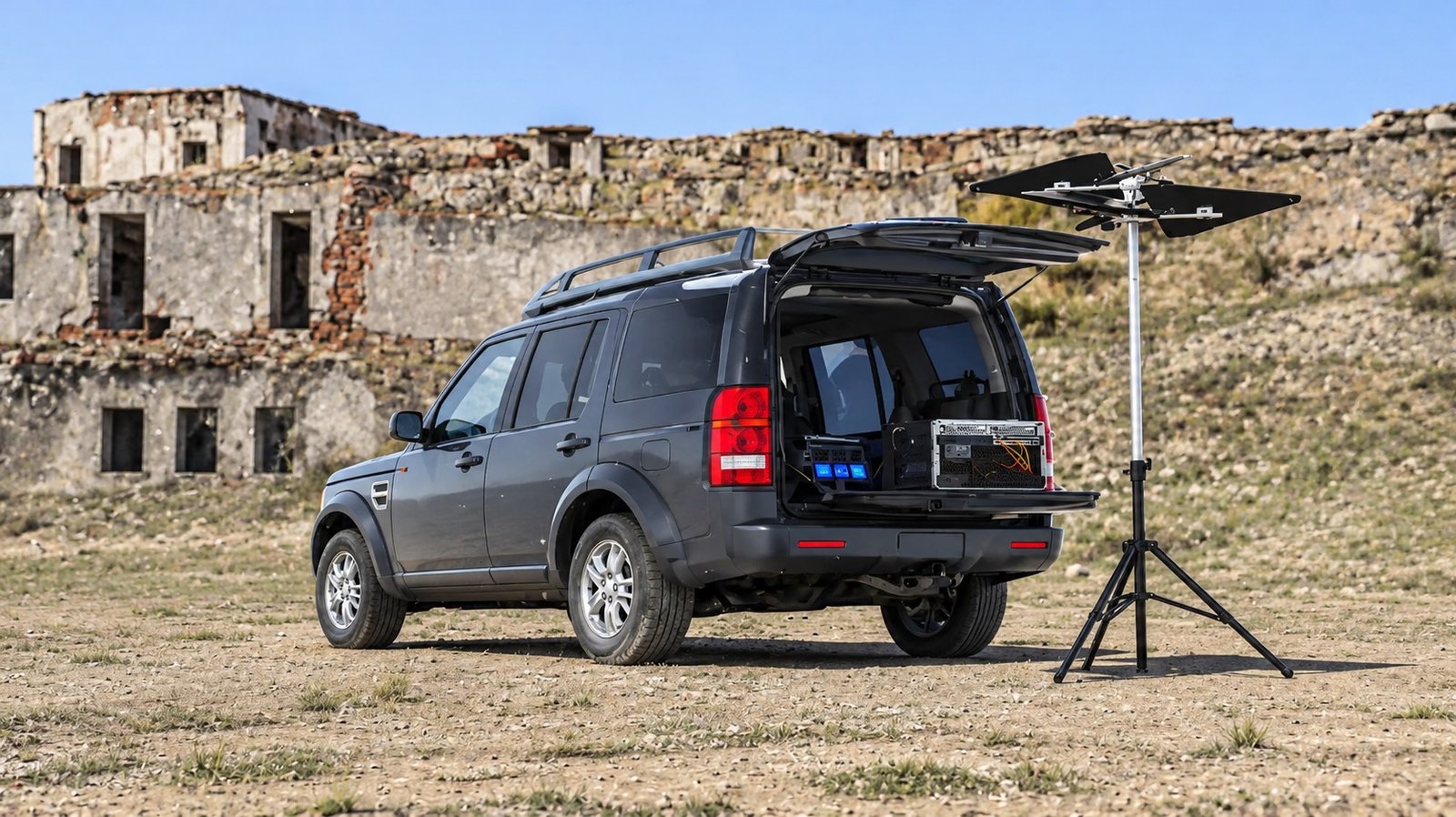
Europe
London, UK — BAE Systems has developed a new passive radar technology, called Ghost Radar, designed to detect and track airborne threats without transmitting its own radio signals. The system can monitor targets ranging from small drones to larger military aircraft while keeping its location concealed from adversaries. According to BAE Systems, the technology is up to 10 times cheaper than many existing passive radar systems. It uses existing radio frequency signals from digital television broadcasts, radio stations and mobile networks instead of generating its own transmissions. How BAE Systems' Ghost Radar Works Conventional radar systems transmit radio waves and detect the signals reflected from aircraft or other objects. However, these emissions can expose the radar's location to enemy sensors. Ghost Radar uses a different approach. It works as a passive radar, receiving existing radio frequency signals and analysing their reflections from airborne objects. By processing these reflected signals, the system can detect and track targets without transmitting its own signals. The technology generates a 3D picture of the airspace, providing information about a target's speed, heading, range and altitude. It can operate continuously without revealing its position through radar emissions. The equipment is compact enough to be deployed from standard SUVs, making it suitable for both urban and rural environments. Military and Civilian Applications BAE Systems initially developed the technology for military applications, allowing armed forces to monitor airspace without exposing their radar positions. It can also support drone detection around sensitive facilities, including military bases and power stations. The system has potential civilian applications in commercial airports and critical national infrastructure, where active radar emissions may be restricted because of possible interference with existing electronic systems. Since Ghost Radar does not transmit its own signals, it can monitor airspace without adding to the local electromagnetic environment. Chris Shepherd, Product Manager for CUxS at BAE Systems' Digital Intelligence & Land business, said the technology uses everyday television and radio transmissions to help police and armed forces protect important facilities more affordably. He also highlighted its ability to allow soldiers to monitor the battlefield undetected. BAE Systems said the technology will move into its next testing phase, with live trials planned throughout 2027 alongside defence, law enforcement and critical infrastructure partners.
Read More → Posted on 2026-11-17 15:08:40
World
KYIV, Ukraine — European defence company Destinus has confirmed that its RUTA cruise missiles were used in Ukraine's November 17, 2026, attack on the Crimean Bridge, which connects Russia with the Crimean Peninsula. The company said seven RUTA missiles struck the bridge, following earlier strikes that damaged its upper load-bearing structure. Destinus also confirmed that its LORD drones, operated by Ukrainian forces as Da Vinci, were used to suppress Russian air-defence systems around the bridge. Multi-Stage Operation Targeted Russian Defences Ukrainian President Volodymyr Zelenskyy described the attack as the seventh stage of an operation planned over several weeks by the Security Service of Ukraine (SBU) and the General Staff. Ukrainian forces first targeted Russian air-defence systems, radars and electronic warfare equipment along the approach routes. The operation involved Dovbush, Vendetta, Da Vinci, Sichen, MICH 2000, RUTA, Palianytsia, An-197, FP-1, FP-5 Flamingo and R-360 Neptune systems. During the final attack, Palianytsia drones targeted the road section, while RUTA, Neptune and FP-5 Flamingo weapons struck the railway section. Zelenskyy also said one Flamingo strike maintained its communications link until the final seconds. The SBU reported that a metal arch and the road span beneath it were destroyed. Images showed part of the bridge collapsed into the Kerch Strait. Russian Response and Bridge Damage Russian authorities suspended bridge traffic and opened a terrorism investigation through the Investigative Committee. Russian-installed Crimean head Sergei Aksyonov also reported two deaths in a related incident in the Leninsky district. A government commission led by Deputy Prime Minister Marat Khusnullin was formed to assess the damage and arrange alternative transport links. Kremlin spokesman Dmitry Peskov said the bridge would be repaired. Limited railway services later resumed, while road traffic remained restricted and ferry services were advised. RUTA Missile Specifications and Production Headquartered in the Netherlands, Destinus develops the RUTA family of cruise missiles, designed for relatively low-cost, mass production. RUTA Block 1: Range exceeding 300 km, with a payload of approximately 150 kg. RUTA Block 2: Range exceeding 700 km, with a payload of 250 kg. In October 2026, Destinus reported completing 1,750 Block 1 missiles, with monthly production approaching 300 units. The company has not confirmed which variant was used in the bridge attack. Founded in 2021 by Russian-born entrepreneur Mikhail Kokorich, Destinus initially focused on advanced aerospace and high-speed flight technologies before expanding into defence manufacturing. Kokorich left Russia in 2012 and later criticised the Russian government. Oleksandr Danyliuk, Ukraine's former Finance Minister, also co-founded the company and serves as its chairman. The 19-kilometre Crimean Bridge, also known as the Kerch Bridge, opened in 2018 and carries road and railway traffic between Russia and Crimea. It has been targeted several times since 2022 and remains an important transport route for Russian forces operating in the peninsula.
Read More → Posted on 2026-11-17 15:21:24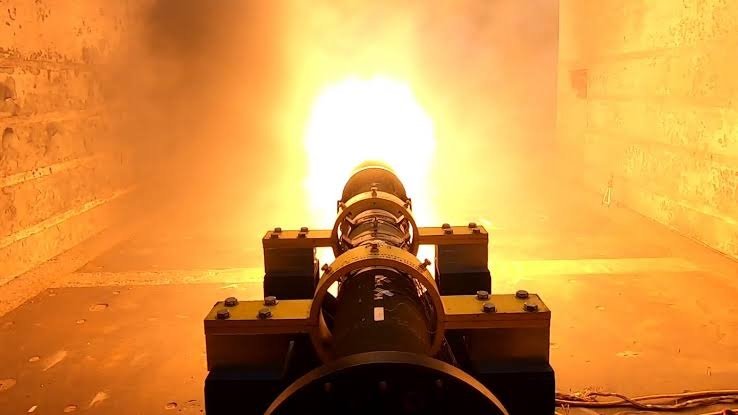
U.S
West Virginia — Northrop Grumman has secured a $1.6 billion multi-year contract to increase production of solid rocket motors and ignition safety devices for the U.S. Army’s Patriot Advanced Capability-3 Missile Segment Enhancement (PAC-3 MSE) program. Announced on November 16, 2026, the order supports Lockheed Martin’s production of interceptors for U.S. and allied forces. The award is part of broader $3 billion framework agreements announced in August 2026 with the U.S. Department of War and Lockheed Martin, including approximately $2 billion focused on PAC-3 MSE components. PAC-3 MSE Missile Capabilities The PAC-3 MSE is a hit-to-kill interceptor used in the Patriot air and missile defence system. It measures approximately 5.2 metres (17 feet) long, has a diameter of 25 centimetres (10 inches) and weighs around 312–320 kilograms. Powered by a dual-pulse solid rocket motor manufactured by Northrop Grumman, the missile reaches speeds exceeding Mach 5 and altitudes of up to 36 kilometres (118,000 feet). Its reported engagement ranges extend to approximately 120 kilometres against aerial threats and 60 kilometres against ballistic missiles. The interceptor uses an active Ka-band terminal seeker, attitude control motors and enlarged fins for high-G manoeuvring. A single Patriot M903 launcher can carry up to 12 PAC-3 MSE interceptors. The dual-pulse motor provides additional propulsion energy during the terminal phase of flight. Expanding Rocket Motor Production Northrop Grumman manufactures the PAC-3 MSE rocket motor at its Allegany Ballistics Laboratory in West Virginia. Since 2019, the company has invested more than $2 billion in munitions technologies and facilities, including over $1 billion in solid rocket motor production. Since 2021, it has doubled production capacity at its Utah facilities, increased capacity by 25% at Elkton, Maryland, and nearly tripled output at Allegany Ballistics Laboratory. The company has also delivered more than 1.3 million rocket motors worldwide. Ben Davies, corporate vice president and president of Northrop Grumman Defense Systems, said the new award converts years of investment in propulsion manufacturing into increased production capacity. Production under the contract has already begun, with work expected to continue under the seven-year framework agreement. Supporting Higher Missile Production The expanded production supports the U.S. goal of increasing annual PAC-3 MSE output from approximately 600 towards 2,000 interceptors. The increase is intended to address manufacturing bottlenecks, replenish U.S. missile stocks and improve deliveries to allied nations. Previous production constraints have also affected export deliveries. A reported approval for the sale of 500 interceptors highlights the demand for additional manufacturing capacity. The contract supports the Department of War’s Acquisition Transformation Strategy, which aims to provide longer-term production commitments, strengthen the defence industrial base and accelerate deliveries of critical munitions to U.S. and allied forces.
Read More → Posted on 2026-11-17 15:29:24
Europe
Berlin, — Germany has signed a contract with ThyssenKrupp Marine Systems (TKMS) for four additional MEKO A-200 DEU frigates, expanding its planned F128-class fleet to eight warships. The agreement was signed with the Federal Office of Bundeswehr Equipment, Information Technology and In-Service Support (BAAINBw), following approval by the German Bundestag’s Budget Committee in October 2026. The second batch is valued at approximately €5.3 billion, bringing the total programme cost to around €11.6 billion. TKMS described the agreement as the largest surface vessel order in its history. Production and Delivery Schedule Construction of the first two frigates from the initial order is already underway. Work on the first ship began in February 2026, with its keel laid in May. The first frigate is scheduled for delivery at the end of 2029, while subsequent ships are expected at approximately nine-month intervals. The additional vessels will use existing production facilities and supply chains. TKMS will continue working with German industry partners, including the Heinrich Rönner Group. CEO Oliver Burkhard said the order would support continuous production, improve the use of existing capacity and provide long-term planning certainty for suppliers and shipyards. MEKO A-200 DEU Specifications and Weapons The MEKO A-200 DEU is designed primarily for anti-submarine warfare (ASW) and NATO operations in the Baltic Sea, North Sea, Atlantic and High North. Key specifications include: Length: 121 metres. Beam: 16.4 metres. Draft: 4.4 metres. Full-load displacement: Approximately 3,950 tonnes. Propulsion: CODAG-WARP system. Maximum speed: More than 29 knots. Range: Over 6,500 nautical miles at 16 knots. Crew: 125 personnel, with accommodation for 49 additional specialists. Its flight deck and hangar can accommodate one 11-tonne helicopter and two UAVs, or two 6-tonne helicopters. The modular design also provides space for two standard 20-foot mission containers. For anti-submarine operations, the frigates will feature hull-mounted and variable-depth towed sonars, torpedo tubes for MU90 lightweight torpedoes and an NH90 Sea Tiger helicopter. Other planned systems include Saab Sea Giraffe radars, Kongsberg Naval Strike Missiles and Rheinmetall SeaSnake 30 naval guns. Replacement for Germany's Cancelled F126 Programme The MEKO A-200 order follows Germany's decision in June 2026 to cancel its F126 frigate programme, which involved six ships under a 2020 contract with Dutch shipbuilder Damen. The German government cited major delays, cost overruns and project risks. Estimated programme costs had increased from approximately €10 billion to more than €18 billion, with over €2 billion already spent without a completed vessel. Damen is reportedly seeking €4.7 billion in damages from Germany. Germany selected the MEKO A-200 DEU as the alternative. The first four frigates were approved in July 2026 for approximately €6.3 billion, while the additional four are valued at around €5.3 billion. With eight ships planned, the F128 programme will provide the German Navy with a new fleet focused on anti-submarine warfare and NATO maritime operations.
Read More → Posted on 2026-11-17 15:41:17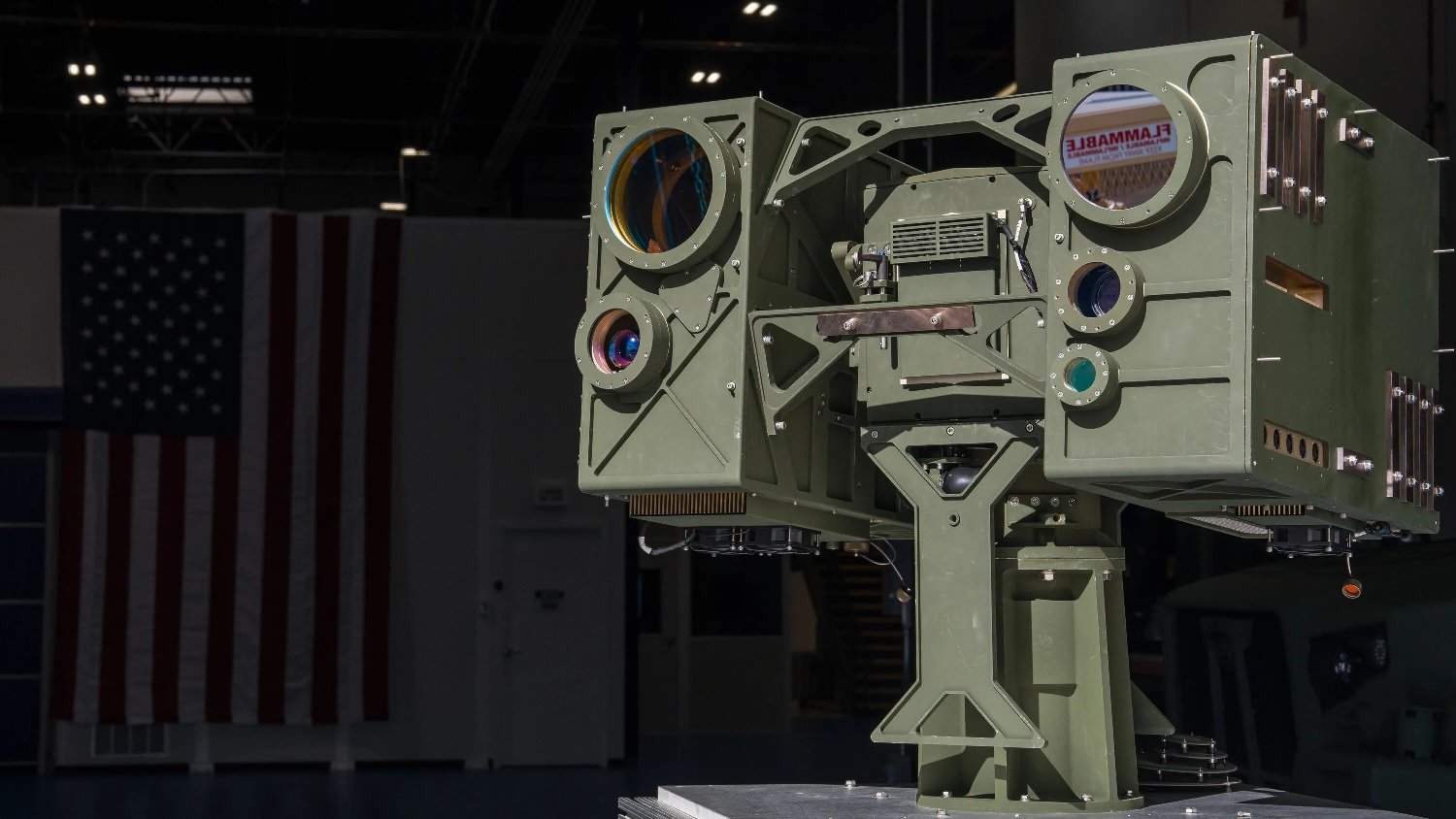
U.S
WASHINGTON, — The U.S. Department of War has selected seven defence companies for Phase II of its Directed Energy Counter-Unmanned Aerial Systems (C-UAS) evaluation. The companies will test their high-energy laser (HEL) weapons against drone targets during a live-fire evaluation scheduled for mid-December at Dugway Proving Ground, Utah. The selection follows a competitive review of 13 technical proposals by the Office of Research and Engineering (R&E) and Joint Interagency Task Force 401 (JIATF-401). The selected companies and their systems are: Allen Control Systems: BULLFROG HEL Aurelius Systems: ARCHIMEDES AeroVironment (BlueHalo): LOCUST X1 Kord Technologies: FIREFLY Lockheed Martin (IPG): Crossbow Thor Dynamics: LASER ARMOR HEL Yrikka: TALOS drone-based HEL system Live-Fire Laser Testing in December Throughout November, the companies must complete laser safety certifications and integrate their systems with the military's command-and-control (C2) architecture. At Dugway, the systems will undergo a week of safety inspections, communications checks and range-readiness testing. The live-fire trials will involve engagements against representative unmanned aerial targets in planned scenarios. Evaluators will examine the systems' ability to track and defeat drones both above and below the horizon. Successful Systems Could Move Towards Production JIATF-401, established in 2025, coordinates counter-drone efforts and works to accelerate the development and deployment of solutions against evolving unmanned aerial threats. Army Brig. Gen. Matthew Ross, director of JIATF-401, said the evaluation is designed to allow systems that perform successfully to move directly towards purchase orders. This could help manufacturers establish production lines and deliver systems to military units faster. The approach aims to reduce traditional procurement delays by connecting testing with manufacturing decisions. However, selection for Phase II does not guarantee a purchase contract or final operational approval.
Read More → Posted on 2026-11-17 15:54:04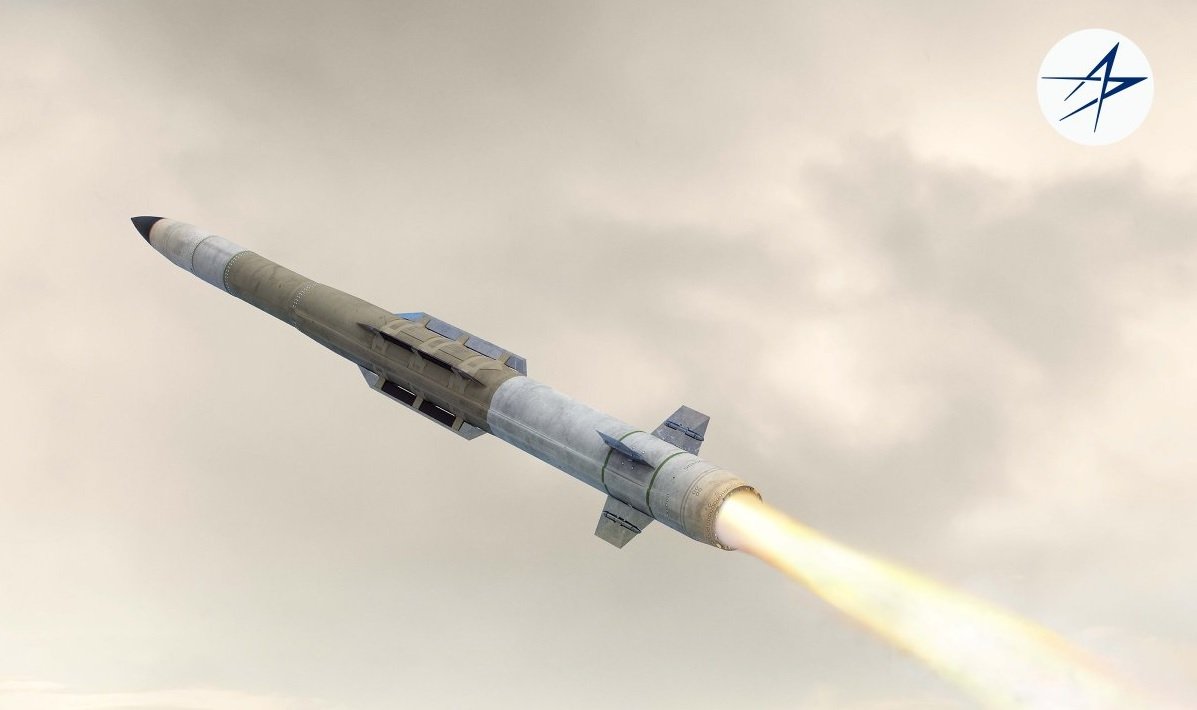
World
WARSAW, Poland — Lockheed Martin and Polish defence manufacturer MESKO S.A. have completed their first joint project under Phase II of Poland’s WISŁA offset program, announced on November 17, 2026. The project provides MESKO with advanced software, technical tools and training to design solid rocket motors, strengthening Poland’s domestic missile technology capabilities. MESKO, part of the state-owned Polska Grupa Zbrojeniowa (PGZ) and based in Skarżysko-Kamienna, will use the new capabilities to design solid-propellant rocket engines, including those for larger-calibre rockets. The technology transfer is expected to improve its engineering capabilities and support domestic production. .@LockheedMartin in partnership with MESKO have successfully completed the first project under the WISLA Phase II offset program. The project enables MESKO to rapidly design solid rocket motors using new, advanced software and delivers new capabilities to Poland's defense industry. — Lockheed Martin Europe (@LMEuropeNews) November 17, 2026 WISŁA Phase II Offset Program Poland’s WISŁA program is a medium-range air and missile defence initiative based on the American Patriot system and PAC-3 MSE interceptors. Phase I delivered the first two Patriot batteries, while Phase II adds six more batteries, advanced LTAMDS (GhostEye) radars and increased missile stocks. Poland signed the Phase II offset agreements with Lockheed Martin and Raytheon Technologies on August 25, 2023. The package includes 13 commitments, eight involving Lockheed Martin and five involving Raytheon, with a combined value of approximately 1 billion Polish zlotys. Implementation agreements involving MESKO and other PGZ companies followed in September 2024. Expanding Poland’s Defence Industry The completed MESKO project is one of Lockheed Martin’s eight offset commitments. Other projects cover missile testing facilities, launch-tube production, aircraft maintenance and related technical capabilities. Earlier cooperation under WISŁA Phase I also helped Polish companies develop expertise in missile components. Wojskowe Zakłady Elektroniczne (WZE) and Wojskowe Zakłady Lotnicze Nr 1 (WZL 1) received technology transfers related to PAC-3 missile electronic components and launch tubes, supporting their development as suppliers. The latest milestone strengthens MESKO’s ability to design solid rocket motors and supports Poland’s wider goal of increasing domestic participation in the production, maintenance and development of advanced missile systems.
Read More → Posted on 2026-11-17 15:59:59
World
SEOUL, South Korea — Hanwha Aerospace has been selected as the preferred bidder to develop South Korea’s domestically designed 10,000-pound-force (lbf) class high-bypass turbofan engine. The 177.3-billion-won ($133 million) programme is led by the Agency for Defense Development (ADD), with development scheduled until October 2031. The engine is intended to power a low-observable reconnaissance unmanned aerial vehicle (UAV). It will focus on improved fuel efficiency, high-temperature performance and an operational life spanning thousands of hours. Hanwha will handle the complete development process, including detailed design, core-component manufacturing, assembly, production of four prototype engines, testing and evaluation. One of the main targets is to achieve South Korea's highest turbine inlet temperature (TIT) in a domestically developed engine. The programme will also introduce high-bypass-ratio technology to improve propulsion efficiency and reduce fuel consumption. Hanwha has proposed a lightweight design to improve aircraft range, payload capacity and fuel efficiency. Building on Existing Engine Technology The programme will build on technologies from the 5,500-lbf-class turbofan currently under development by Hanwha and ADD. Its core includes a high-pressure compressor, combustor and high-pressure turbine. Hanwha plans to use this foundation to increase thrust beyond 10,000 lbf while improving heat resistance, durability and lightweight construction. The programme could also provide a technological base for developing engines in different thrust categories. South Korea is also developing a 1,400-horsepower-class turboprop engine alongside its 5,500-lbf turbofan programme for domestic aircraft applications. Potential Application in Future Fighter Engines Hanwha aims to apply technologies developed through the programme, including high-temperature materials, improved turbine performance, longer engine life and lightweight engineering, to future propulsion systems. These advances could potentially support more advanced aircraft programmes, including the KF-21 Block 3. However, the 10,000-lbf engine is being developed for a reconnaissance UAV and has not been confirmed as a future KF-21 engine. The programme is an important step in South Korea's efforts to strengthen its domestic aircraft engine industry and reduce dependence on foreign propulsion technology.
Read More → Posted on 2026-11-18 12:04:35
World
OTTAWA, Canada — Canadian defence technology company Dominion Dynamics has partnered with Pratt & Whitney Canada to develop Scout, an autonomous aircraft designed to operate alongside crewed fighter jets in Arctic environments. Announced on November 17, 2026, the collaboration will bring a Canadian-built PW300-series turbofan engine into the aircraft's development. Unlike aircraft designs that adapt an existing airframe to a selected engine, Dominion is designing Scout's airframe around the PW300 engine from the beginning. The approach aims to integrate propulsion, aircraft design and mission autonomy early in development. Designed for Arctic Operations Scout is being developed as an Autonomous Collaborative Platform (ACP) for Canada's defence requirements and potential allied customers. It is designed to operate over the Arctic's long distances, extreme cold and areas with limited infrastructure. The aircraft is intended to operate alongside crewed fighters and receive real-time tasking from airborne or ground-based command systems. Its planned design also addresses the challenges of operating from short, rough runways and in environments where conventional batteries, fuel systems and satellite communications can face difficulties. Dominion founder and CEO Eliot Pence said the partnership brings Canadian aerospace expertise and engine reliability into Scout's development, with the aim of serving Canada and allied countries facing similar operating conditions. PW300 Engine Brings Established Technology The PW300 engine family, manufactured by Pratt & Whitney Canada, has a record of more than 6,000 engines produced and 33 million flight hours. Scott McElvaine, vice president of business development and marketing at Pratt & Whitney Canada, said early involvement allows the company to integrate its propulsion expertise into Scout's design. He also noted that using a commercial off-the-shelf engine can make development more efficient. The partnership connects Dominion's engineering teams in Ontario, Quebec and Nova Scotia with Pratt & Whitney Canada's operations in Quebec, Ontario, Nova Scotia and Alberta. Canadian Industry Minister Mélanie Joly said the collaboration could strengthen domestic supply chains, support skilled jobs and expand Canada's aerospace manufacturing capabilities. Development and Funding Founded in 2025, Dominion Dynamics develops autonomy, sensing, communications and command-and-control systems. Its AuraNet platform has already been deployed with the Canadian Armed Forces in the High Arctic. The company committed an initial C$50 million to Scout development in March 2026. It later raised C$139 million in Series A funding in June, bringing its total capital raised since its launch to approximately C$169 million. Dominion said in August 2026 that Scout was on track for its first flight within 24 to 30 months. The company is developing the aircraft for Canadian and allied markets, although the Royal Canadian Air Force has not made a formal procurement decision on the ACP concept. Scout's development comes as several countries, including the United States, Australia, the United Kingdom, Germany and Japan, invest in autonomous combat aircraft. Dominion's partnership with Pratt & Whitney Canada establishes a domestic propulsion arrangement for its planned Arctic-focused aircraft.
Read More → Posted on 2026-11-18 12:18:51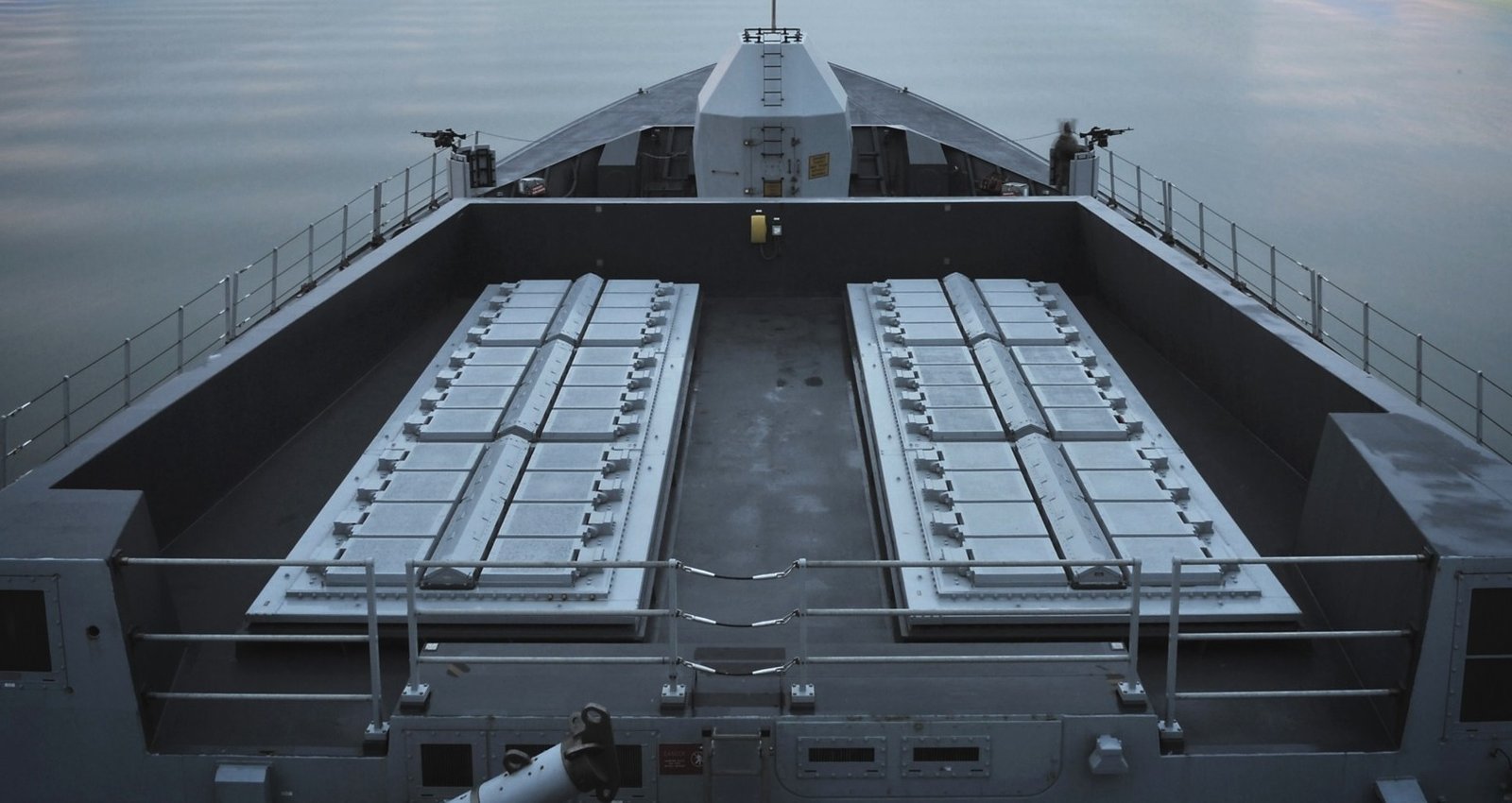
World
Rome, Italy — Italy will develop an indigenous Vertical Launching System (VLS) for its future warships under the Ministry of Defence’s 2026–2028 Multi-Year Defence Programming Document (DPP), submitted to Parliament on November 10, 2026. The programme aims to reduce dependence on foreign launcher systems and provide greater flexibility in deploying naval missiles. The Multipurpose National Launcher (Lanciatore Polivalente Nazionale) will initially equip the Italian Navy’s next-generation DDX destroyers and two planned FREMM EVO frigates, being developed by Orizzonte Sistemi Navali (OSN), a joint venture between Fincantieri and Leonardo. Modular Design and Missile Capabilities The new VLS will use a modular architecture with eight-cell units. Its cells are expected to be larger than those of the French SYLVER A70 to accommodate next-generation cruise missiles, particularly the Stratus LO. Unlike the existing SYLVER system, which uses dedicated launcher configurations for different missile types, the Italian design will support mixed offensive and defensive missile loads. The first two planned naval platforms are expected to receive four A50 VLS modules, while their designs are being prepared to accommodate the new launcher. MBDA Italia is expected to lead the system's design, including the firing unit, with support from Fincantieri. A separate, multi-stage development contract is expected in the coming months. Stratus LO Cruise Missile A key requirement for the new launcher is compatibility with Stratus LO (Low Observable), a high-subsonic, low-observable cruise missile being developed by MBDA for Italy, France and the United Kingdom. The missile is designed for long-range deep strikes, anti-ship warfare, suppression and destruction of enemy air defences (SEAD/DEAD), and engagement of high-value air targets. Its multimode seeker will combine passive radar technology developed by MBDA UK and an electro-optical/infrared (EO/IR) system from Leonardo UK. MBDA Italia is responsible for the datalink. The missile is planned for the Italian Navy's DDX destroyers and FREMM EVO frigates, as well as the Air Force's Eurofighter Typhoon fighters. Italy has allocated €260 million to the Deep Strike and Anti-Ship Systems programme, with €71.2 million for 2026, €170.2 million for 2027 and the remaining €18.6 million for 2028. The next development and qualification contract for Stratus LO is expected by early 2027. Aster and Aquila Air Defence Missiles The national launcher will also support the Aster 30 missile family, including the Aster Block 1NT, and is designed to accommodate the future Aquila interceptor. Aquila is being developed under the European HYDIS² (Hypersonic Defence Interceptor System) initiative. It is intended to intercept ballistic and hypersonic threats within the atmosphere. By developing its own VLS, Italy aims to gain greater control over missile integration, technical specifications and future upgrades. The programme will also provide its next-generation destroyers and frigates with a common launcher architecture for both long-range strike and fleet air defence.
Read More → Posted on 2026-11-18 12:32:03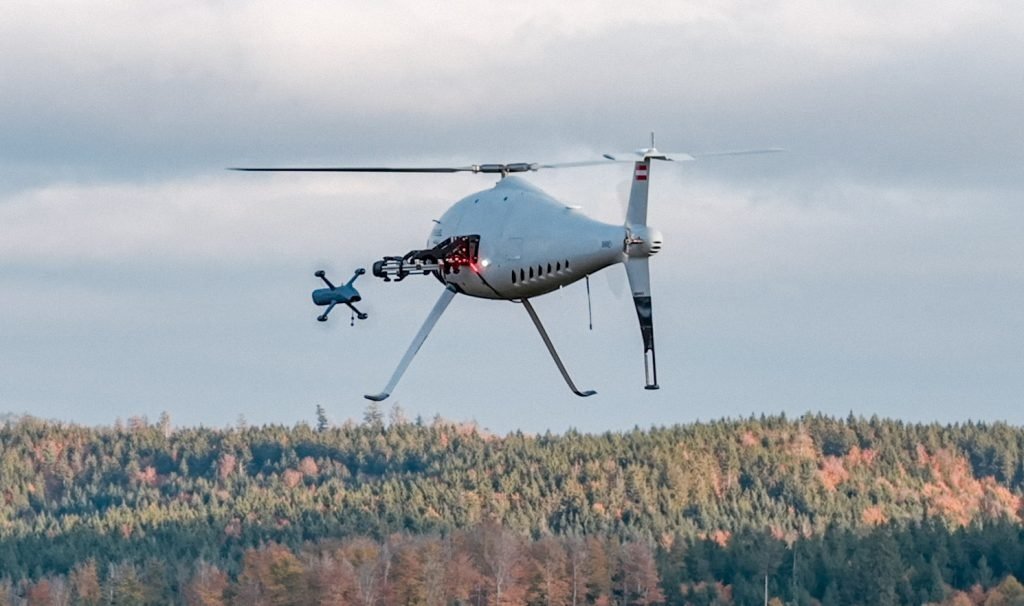
World
Vienna, Austria — Austrian company Schiebel, in partnership with Poland's OSIRIS, has successfully tested a new capability that allows its CAMCOPTER S-100 unmanned helicopter to carry, launch and control smaller drones during flight. The demonstration in Austria involved the S-100 carrying and releasing an inert OSIRIS HSCD-1 (High-Speed Camera Drone) while flying forward. After release, the S-100 acted as an airborne communications relay, maintaining the control and video links between the smaller drone and ground operators. Extended Range and Counter-Drone Applications The concept combines the endurance of a larger unmanned helicopter with the speed and agility of smaller drones. The S-100 can transport smaller systems closer to their targets and maintain communications after launch, helping overcome their limited battery life and radio range. Its airborne relay can also reduce communication problems caused by terrain, forests and distance. Schiebel sees potential applications in Counter-Unmanned Aircraft Systems (C-UAS) operations. Future versions could deploy high-speed interceptor drones equipped with effectors, as well as other specialised unmanned systems and loitering munitions. The company confirmed that the capability can also be integrated across its S-300, S-101 and S-301 platforms, allowing them to act as airborne carriers, launch platforms and communications relays. Hans Georg Schiebel, Chairman of the Schiebel Group, said the demonstration showed the potential of combining the CAMCOPTER with smaller specialised unmanned systems, including high-speed interceptor drones. CAMCOPTER S-100 Specifications The CAMCOPTER S-100 is a vertical take-off and landing (VTOL) unmanned helicopter with a maximum take-off weight of 200 kg and a payload capacity of up to 50 kg. It provides more than six hours of endurance with a typical payload, extending beyond 10 hours with an optional external fuel tank. Its data-link range is up to 200 km, with a dash speed of around 120 knots and cruise speed of approximately 55 knots. The platform is already used by several navies and other operators for maritime and land-based intelligence, surveillance and reconnaissance (ISR) missions. The demonstration confirms the technical feasibility of the mothership concept. However, Schiebel has not announced a customer, follow-on contract or expected in-service date.
Read More → Posted on 2026-11-18 14:00:27
Space & Technology
Beijing, China — China has opened an international call for scientific instruments for its Tianwen-4 mission, which aims to orbit Jupiter and land a robotic spacecraft on its moon Callisto. The China National Space Administration (CNSA) announced the opportunity on November 13, inviting research institutions from China and abroad to participate. The mission will include a Jupiter orbiter and a Callisto lander. If successful, it will achieve the first landing on a moon orbiting another planet. Mission Timeline and Launch Tianwen-4 is planned for launch in September 2029 aboard a Long March 5 rocket from the Wenchang Space Launch Center in Hainan. The spacecraft is expected to have a total launch mass of 5,000 kg, comprising a 4,000 kg orbiter and a 1,000 kg flyby probe. Its planned trajectory includes a Venus flyby in April 2030, followed by Earth flybys in February 2031 and May 2033. Arrival at Jupiter is targeted for December 2035. After approximately two years of observations and orbital adjustments, the spacecraft is expected to enter a 300 km orbit around Callisto in February 2038 before releasing its lander. 12 Scientific Instruments The mission will carry 12 scientific payloads, including 10 on the orbiter and two on the lander. The orbiter's instruments include a Soft X-ray Spectrometer, Magnetometer and Wave Instrument, Jovian and solar-wind investigation instruments, Medium and High Energy Particle Detector, Far-Ultraviolet Imager, Wide Angle Camera, Medium Angle Camera, Callisto Laser Altimeter, Visible and Infrared Imaging Spectrometer and Callisto Gamma-Ray Spectrometer. The lander will carry: Callisto Surface Composition Analyzer: Uses Raman spectroscopy and a 266-nanometre laser to identify surface materials and their chemical and mineral composition. Callisto Lander Magnetometer: Measures local magnetic fields to investigate Callisto's interior and the possible presence of a subsurface ocean beneath its icy crust. Why Callisto? Callisto is Jupiter's second-largest moon and the third-largest moon in the Solar System. Its distance from Jupiter means it experiences significantly lower radiation than inner moons such as Europa and Io, providing safer conditions for lander electronics. Its relatively low gravity also makes landing less demanding in terms of fuel. The moon's ancient, heavily cratered surface offers an opportunity to study an old and relatively preserved planetary landscape. Earlier observations from NASA's Galileo mission have indicated the possible existence of a salty liquid ocean beneath Callisto's icy crust. Tianwen-4's surface and magnetic measurements will help investigate its composition and internal structure. International Research Participation The CNSA is accepting proposals from domestic and international research institutions. Overseas researchers can join Chinese-led teams or submit independent proposals as lead applicants, although independent international proposals are generally expected to be self-funded. Applicants must meet the mission's technical requirements and possess relevant aerospace manufacturing and quality-management qualifications, such as ISO 9001. Proposals must be submitted in both Chinese and English PDF formats by December 31, 2026. The mission's payload selection process is an important step towards China's planned exploration of Jupiter and the first attempted landing on Callisto.
Read More → Posted on 2026-11-18 14:08:18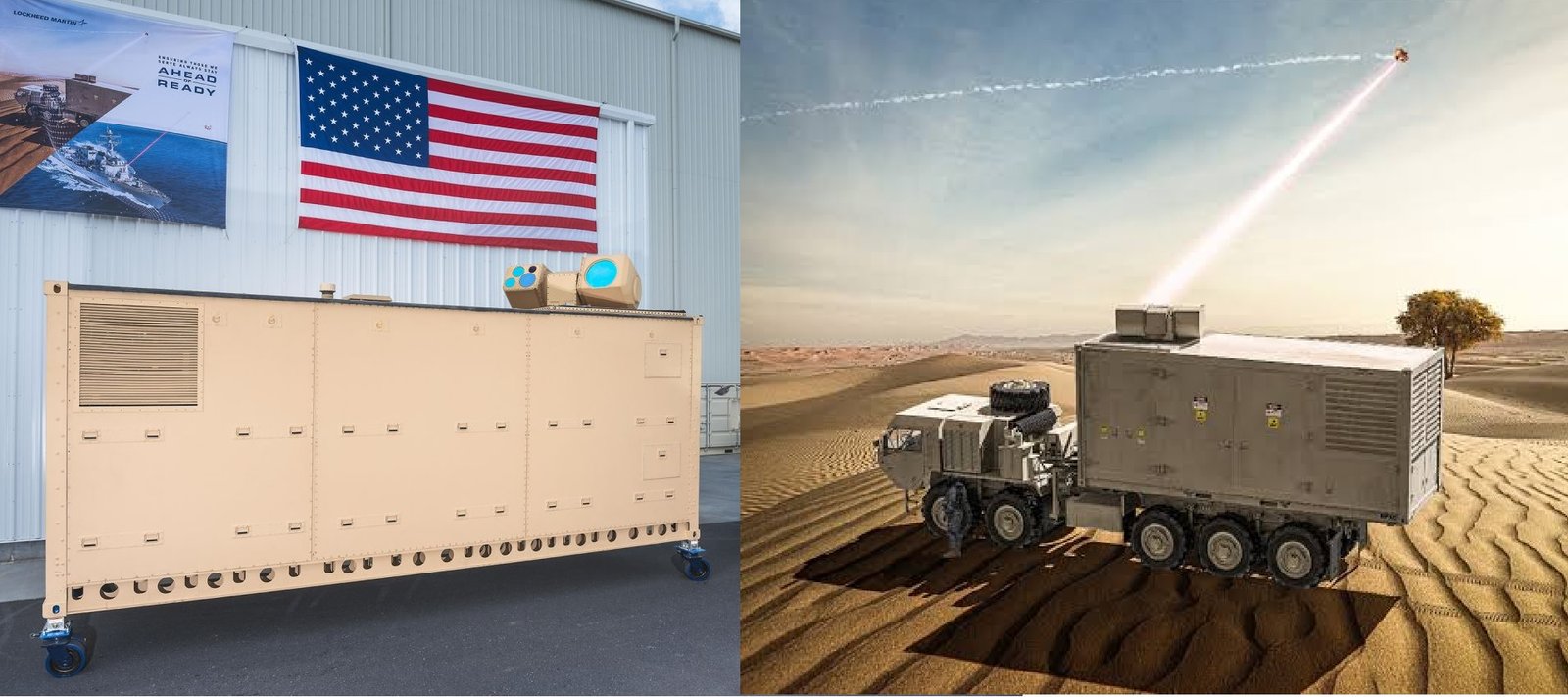
U.S
Washington — Lockheed Martin has successfully demonstrated its 300-kilowatt Valkyrie high-energy laser weapon against a surrogate cruise missile target, marking a major technical milestone for its directed-energy programme. Jack Cheung, Program Director of Laser and Sensor Systems and Site General Manager at Lockheed Martin, announced the achievement on LinkedIn. He confirmed that it was the team's first successful engagement against a surrogate cruise missile with full kill-chain integration and the first kill achieved without track augmentation. The target was engaged at a meaningful distance with a short engagement time. The exact test location, date and engagement range were not disclosed. Valkyrie Laser System The weapon is officially known as the Indirect Fire Protection Capability–High Energy Laser (IFPC-HEL). It uses a 300 kW-class laser housed in a container-sized enclosure with a beam director. Developed for the US Army, Valkyrie was designed to protect military bases and troops against cruise missiles, drones, rockets and mortar rounds. Full kill-chain integration means the system can manage the engagement process, including target detection, tracking and laser engagement, without relying on external track augmentation. This typically uses additional target features, such as beacons or reflectors, to assist tracking. US Army Shifts to Joint Laser Programme Despite the successful test, the US Army has decided not to transition IFPC-HEL into operational service. A March 9, 2026, Congressional Research Service report confirmed that the programme had been reduced from two planned prototypes to one, with the remaining prototype intended to support future development. Technology and lessons from Valkyrie are being carried into the Joint Laser Weapon System (JLWS), a joint US Army and Navy programme. In July 2026, the Department of War awarded Lockheed Martin and nLIGHT agreements worth an initial combined $86 million, with a programme ceiling of $847 million, to develop laser weapons against cruise missiles and unmanned aerial systems. The new programme will initially develop approximately 150 kW systems, with later versions planned to scale up to 300–500 kW. The latest Valkyrie test demonstrates progress in integrating high-energy lasers with target detection and tracking systems. However, further testing and development will be required before such weapons can become operational air-defence systems.
Read More → Posted on 2026-11-18 14:21:26
U.S
Lemoore, California — Lockheed Martin announced the successful real-time connection of four ground-based F-35 full mission simulators with six airborne F/A-18 fighter jets during a training demonstration at Naval Air Station (NAS) Lemoore, California. The exercise used the U.S. Navy's Continuous Training Environment and Link-Inject-to-Live (LITL) ground station systems. It allowed simulator operators and pilots flying actual aircraft to participate in the same mission against computer-generated adversary aircraft. Live, Virtual and Constructive Training The demonstration showcased Live, Virtual, and Constructive (LVC) training, which combines real aircraft, ground-based simulators and computer-generated threats in a shared tactical environment. Through LITL, simulated enemy aircraft appeared on the radar displays of both F-35 simulators and airborne F/A-18s. This allowed all pilots to respond to the same threats during the mission. The approach combines repeatable simulator scenarios with the physical demands of actual flight, including high-G manoeuvres. It can also reduce the need for large-scale exercises involving multiple airborne aircraft, which require extensive airspace, high operating costs and complex logistics. NAS Lemoore and F-35 Training NAS Lemoore is a major U.S. Navy strike-fighter base in California's Central Valley. It supports carrier-based operations with F/A-18 Super Hornets and F-35C Lightning II aircraft and hosts the Navy's F-35C fleet replacement squadron, VFA-125. The F-35 full mission simulators feature representative cockpits and immersive visual systems that replicate aircraft controls, sensors, navigation and weapons employment. Ken Garrett, vice president of F-35 Training and Logistics at Lockheed Martin, said: "When we connect live aircraft, high-fidelity simulators and virtual adversaries, we can build more realistic scenarios, test decision-making under pressure and get pilots better prepared for the moment it matters." Previous Distributed Training Demonstration The latest exercise follows a September 2026 demonstration in which Lockheed Martin connected 16 F-35 full mission simulators across four locations: Marine Corps Air Stations Yuma, Miramar and Iwakuni, and NAS Lemoore. Lockheed Martin is the prime contractor for the F-35 programme and provides associated training systems for U.S. and partner forces. The latest demonstration expands connected training by allowing live fighter aircraft and ground-based simulators to participate in the same combat scenario.
Read More → Posted on 2026-11-18 14:36:24
U.S
Fort Meade, Maryland, USA — The National Security Agency (NSA) is working to restore its classified internal communications network, NSANet, following an outage on November 17. The disruption affected internal systems and led the agency to restrict access to its Fort Meade headquarters to essential personnel. Director of National Intelligence Jay Clayton confirmed that the outage resulted from software patching to fix vulnerabilities in PHP, a programming language used by roughly 70% of the world's websites. He said some systems failed to restart as expected after the updates. Officials have reported no evidence of a cyberattack. PHP2Shell Vulnerability and Network Disruption The vulnerabilities, known as PHP2Shell, were disclosed on October 21 after researchers from OpenAI, Wiz and Calif used artificial intelligence tools to identify the flaws. They could allow attackers to access website memory and obtain sensitive information, including passwords. The discovery triggered a global effort by government agencies and companies to install security patches. The NSA had also urged organisations to apply the updates. During Tuesday, the agency changed its employee access instructions several times, moving from Code Yellow to Code Green and later Code Orange, which restricted campus access to essential personnel. Network restoration was still underway as of Wednesday. The NSA described the incident as temporary degradation during scheduled maintenance and confirmed that mission-critical capabilities remained operational. Intelligence Operations Remain Operational Current and former U.S. officials said the outage would not prevent urgent intelligence from reaching President Donald Trump, who was travelling in Asia for planned meetings with Chinese leader Xi Jinping and Russian President Vladimir Putin. Backup communication networks and built-in redundancies are available to maintain secure communications. Intelligence sharing through the Five Eyes alliance, comprising the United States, United Kingdom, Canada, Australia and New Zealand, has also remained unaffected. However, the disruption could temporarily slow intelligence analysis and reporting. Recent Technology Outages Across the United States The NSA outage follows several major technical disruptions: November 12: A Microsoft 365 outage affected Outlook and Teams services worldwide. November 13: An FAA communication system failure grounded flights nationwide for nearly five hours. The problem was traced to a Juniper router in El Dorado, Arkansas. November 16: Banking customers reported problems accessing accounts and transferring money. Chase attributed its disruption to a software bug in on-premise hardware. November 16: United Airlines experienced an internal systems issue that delayed departures. November 17: Apple services, including iCloud, experienced disruptions. U.S. officials, including Clayton and Homeland Security Secretary Markwayne Mullin, have said there is no evidence linking these incidents to coordinated cyberattacks or state-sponsored activity. The reported causes include software updates, maintenance and hardware failures. The NSA also experienced a major technical failure in 2000, when its computers remained offline for nearly three days, interrupting intelligence processing. As of November 18, the full restoration of NSANet had not been confirmed, although the agency continued working to restore normal operations.
Read More → Posted on 2026-11-18 15:40:58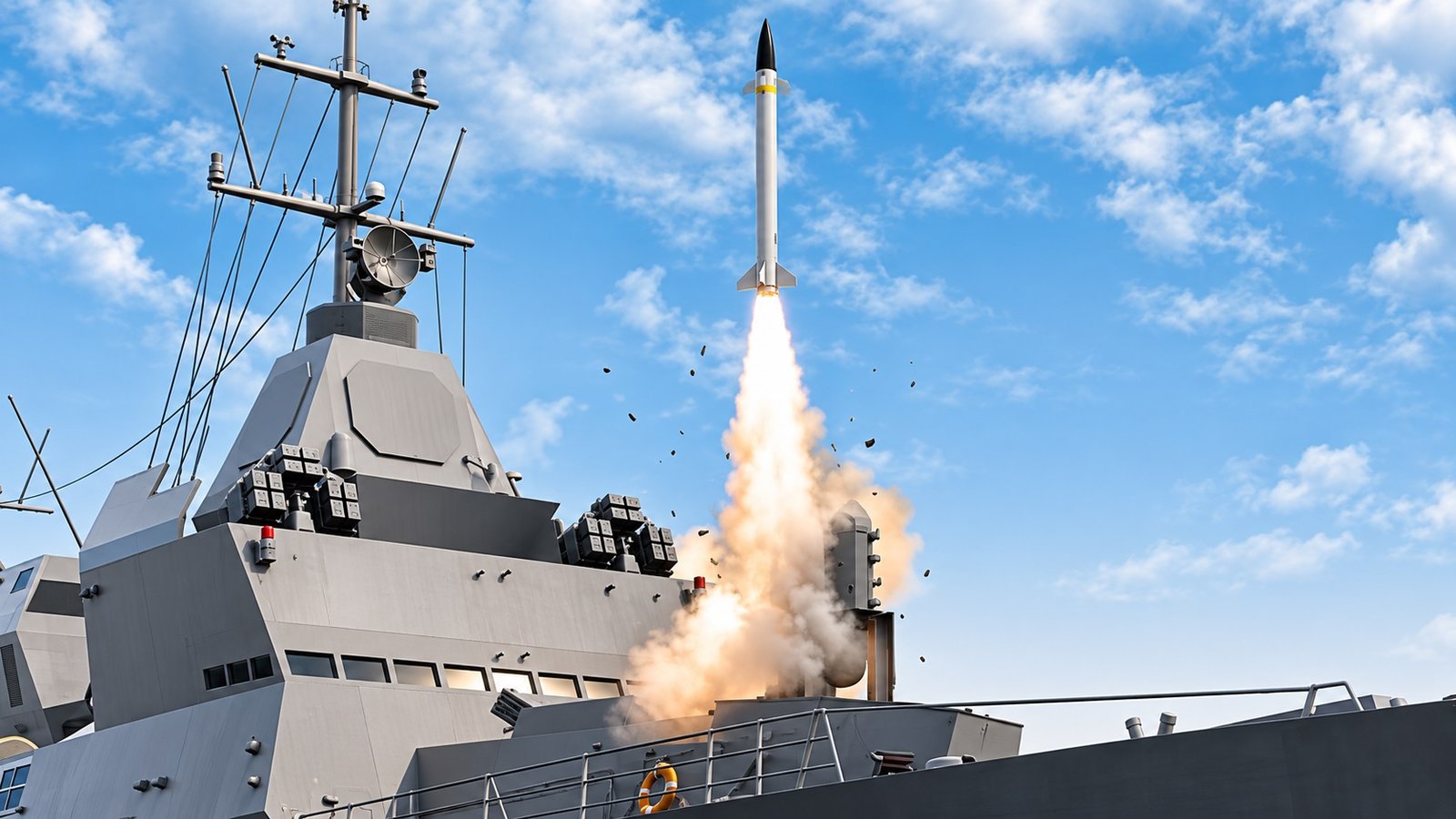
India
New Delhi, — The Indian Ministry of Defence has signed a ₹1,976.40-crore contract with Israel Aerospace Industries (IAI) to upgrade seven Barak-1 Point Defence Missile Systems deployed on Indian Navy warships. The agreement was signed in New Delhi under the Other Capital Procurement Procedure in the presence of Defence Secretary Rajesh Kumar Singh. The upgrade will cover hardware, software, vertical launch units, fire-control radars and command systems. It will also replace obsolete components and improve the system's engagement range and performance. Indian defence companies BEL and BDL will work as the primary industry partners alongside IAI. The Barak-1 is a short-range, shipborne surface-to-air missile system designed to intercept aircraft, UAVs and anti-ship missiles, including sea-skimming threats. It is deployed on INS Vikramaditya, Delhi-class destroyers, and Shivalik- and Brahmaputra-class frigates. India originally acquired the system in October 2000 following the Kargil conflict. The initial procurement was worth approximately ₹1,160 crore, followed by an order for 262 additional missiles worth ₹880 crore. The Defence Acquisition Council, chaired by Defence Minister Rajnath Singh, approved the upgrade proposal on August 5, 2025. The upgrade will maintain the Navy's existing air-defence capabilities while India advances its indigenous VL-SRSAM, developed by DRDO as a future replacement. The current contract does not include the procurement of additional missiles.
Read More → Posted on 2026-11-18 15:55:05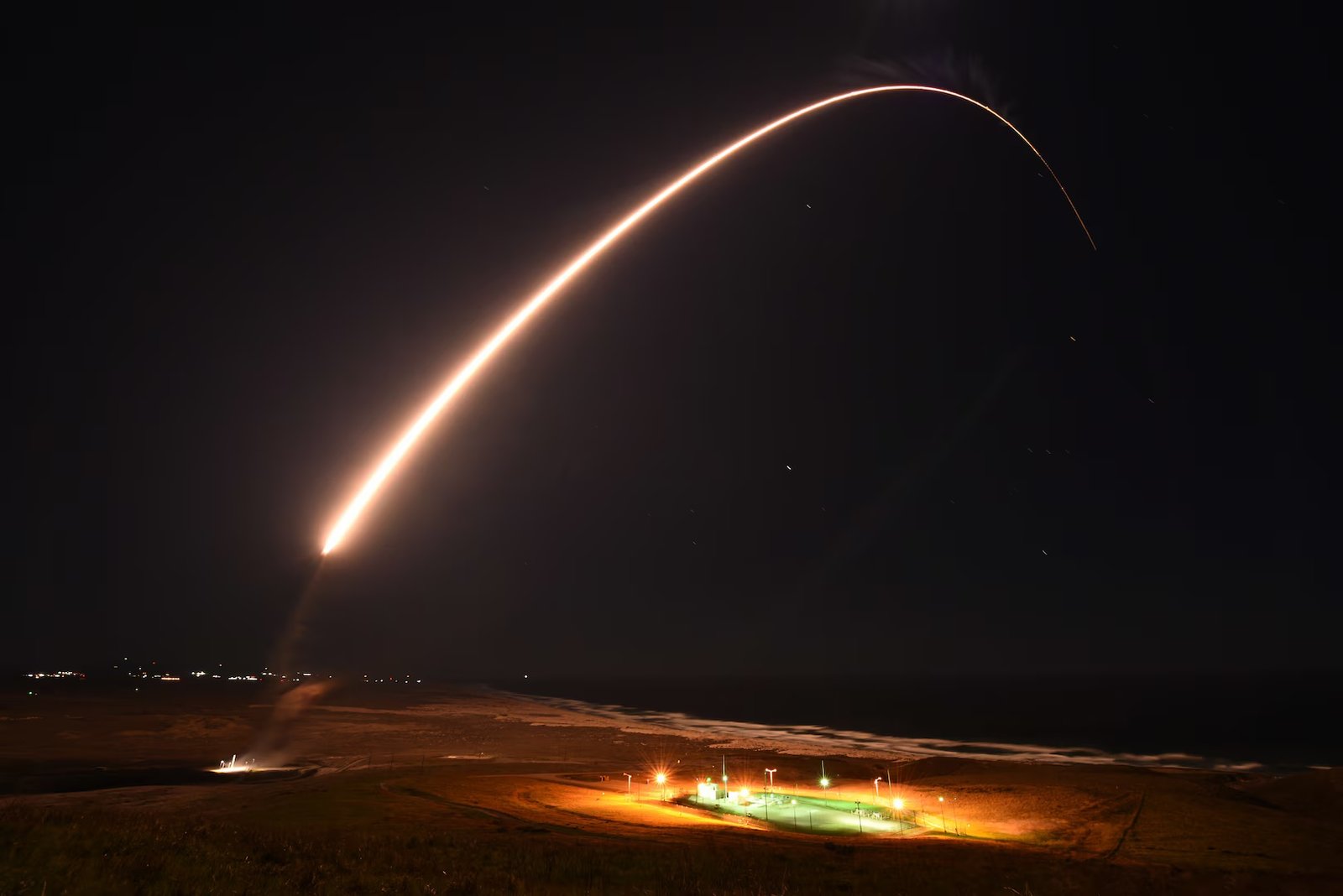
U.S
Vandenberg Space Force Base, California — The U.S. Air Force has conducted a routine test launch of an unarmed Minuteman III intercontinental ballistic missile (ICBM) from Vandenberg Space Force Base in California. The missile was launched at 11:01 p.m. Pacific Time on November 17, under the test designation Glory Trip 257. The launch took place during a six-hour testing window ending at 5:01 a.m. on Wednesday. According to Air Force Global Strike Command (AFGSC), the test was scheduled years in advance and was not related to current international events. Its timing coincided with the opening of the 33rd APEC summit in Shenzhen, China, but officials said this was coincidental. The test evaluates the missile system and its supporting components, including its operational readiness, accuracy and effectiveness. Flight data will be shared with government agencies for engineering analysis, maintenance and long-term system improvements. Gen. S.L. Davis, commander of Air Force Global Strike Command, said realistic testing is essential to maintaining the safety and reliability of the Minuteman system. With Glory Trip 257, the command has completed more than 300 Minuteman III test launches. Earlier tests in 2026 included Glory Trip 256 on May 20 and a March flight that carried two test reentry vehicles towards a target area near Kwajalein Atoll in the Marshall Islands. Minuteman III and U.S. Nuclear Deterrence The LGM-30G Minuteman III forms the land-based component of the U.S. nuclear triad. The Air Force maintains approximately 400 missiles across three missile wings: 90th Missile Wing: F.E. Warren Air Force Base, Wyoming. 341st Missile Wing: Malmstrom Air Force Base, Montana. 91st Missile Wing: Minot Air Force Base, North Dakota. The missiles are deployed in hardened underground silos connected to underground launch control centres. Two-officer crews maintain continuous alert, with communication systems linking them to the president and the secretary of defense. The Air Force also operates specially configured E-6B airborne launch control aircraft. These aircraft can provide an alternative command-and-control capability if communication links between ground control centres and remote missile silos are disrupted. Minuteman III Technical Specifications Developed with Boeing as the primary contractor, the Minuteman III uses three solid-propellant rocket motors and an inertial guidance system. Its main specifications include: Weight: 79,432 pounds (36,030 kg) Diameter: 5.5 feet Range: More than 6,000 miles Burnout speed: Approximately 15,000 mph In typical Glory Trip tests, the unarmed missile carries telemetry equipment and travels approximately 4,200 miles towards the U.S. Army's Ronald Reagan Ballistic Missile Defense Test Site at Kwajalein Atoll. The collected data supports readiness and accuracy assessments for U.S. Strategic Command and other agencies. Sentinel to Replace Minuteman III The Minuteman programme began in the late 1950s, with the first version entering deployment in the early 1960s. The Minuteman III entered service in 1970 and has received multiple upgrades to improve its accuracy, targeting options and survivability. The U.S. Air Force is developing the LGM-35A Sentinel, built by Northrop Grumman, to eventually replace the ageing Minuteman III fleet. However, Air Force officials have indicated that Minuteman III missiles could remain in service until 2050.
Read More → Posted on 2026-11-18 16:06:13
Europe
Brussels, Belgium — The United Kingdom will supply Ukraine with more than 1,000 short-range air defence missiles under a £240 million winter military aid package. Deliveries are scheduled to begin in mid-December, according to the UK Ministry of Defence. The package includes missile launchers and more than a dozen air defence radars to detect incoming attacks. The missiles, manufactured by Thales in Belfast, have proven effective against Iranian-designed, jet-powered Shahed drones used by Russia against Ukrainian cities and energy infrastructure. The new supply adds to the 400 surface-to-air missiles Britain has already delivered. £240 Million Winter Military Assistance UK Defence Secretary Wes Streeting announced the package on November 17 at NATO headquarters in Brussels. He co-chaired the 37th Ukraine Defence Contact Group meeting with German Defence Minister Boris Pistorius, attended by nearly 50 nations. The £240 million forms part of a £500 million winter assistance fund announced in the UK Budget, in addition to Britain's wider £10 billion commitment to Ukraine. Prime Minister Andy Burnham is expected to announce the remaining measures at the Coalition of the Willing meeting in Berlin on November 19. Streeting said the support would help Ukraine defend against Russian attacks during winter, adding that Britain would continue working with allies to strengthen Ukrainian air defences. Gripen Fighter Weapons Agreement Separately, Britain, Sweden and Ukraine signed a letter of intent to support the weapons integration and supply of ammunition and spare parts for Ukraine's future Gripen fighters. Signed by Streeting, Swedish Defence Minister Pål Jonson and Ukrainian Defence Minister Yevhenii Khmara, the agreement covers Sweden's planned donation of 16 Gripen C/D aircraft and Ukraine's purchase of 16 Gripen E/F fighters, along with potential future purchases. The agreement follows a €300 million investment announcement to support Gripen deliveries. British companies manufacture more than 30% of each Gripen, including its radar and landing gear. Ukraine has also expressed interest in acquiring the long-range Meteor air-to-air missile for the Gripen to counter Russian aircraft launching guided bombs. However, the agreement does not confirm a Meteor missile delivery. Additional Allied Support for Ukraine At the same meeting, Germany and Norway each pledged $300 million for purchasing US-made weapons, including Patriot air defence missiles. Belgium also reaffirmed its plan to deliver 10 F-16 fighter jets by the end of 2026. Meanwhile, Britain and France are leading Exercise Koalicja in Poland this month. The exercise is testing how allied forces would move, protect and supply a multinational force tasked with helping rebuild Ukraine's armed forces once the fighting ends.
Read More → Posted on 2026-11-18 16:12:52
World
Kyiv, — The Kerch Bridge, connecting mainland Russia to Crimea, has suffered major damage following Ukrainian drone and missile attacks on November 16 and 17. One of its two road carriageways collapsed into the Kerch Strait, while the railway section sustained damage but remained standing. Ukrainian Seven-Stage Operation According to Ukrainian officials, the attack was the final stage of a seven-stage operation prepared over several weeks by the Security Service of Ukraine (SBU) and other defence forces. The operation involved domestically developed Dovbush, Vendetta, Da Vinci, Sichen, Mich-2000, Ruta, Palianytsia, An-197, FP-1, FP-5 Flamingo and R-360 Neptune systems. Ukraine also confirmed using an upgraded Liutyi strike drone, designated An-197 and equipped with a jet engine. Ukrainian forces initially targeted Russian air defence systems, radars and electronic warfare equipment along the approach routes. During the final stage, the SBU's Alpha special operations unit used Palianytsia missile-drones against the road section. Neptune missiles, Ruta systems and FP-5 Flamingo weapons targeted the railway section. Da Vinci drones were also used to suppress Russian air defences. The operation involved the SBU, Ukrainian Navy, Rocket Forces and Artillery, and Unmanned Systems Forces. Ukrainian officials said they used separate drones to establish real-time radio and video relays without relying on the Starlink satellite network. Bridge Collapse and Traffic Disruption The first attack on November 16 damaged the road section's steel arch, causing structural instability and temporarily interrupting traffic. A second strike on November 17 caused the main arch and roadway span to collapse into the water. The Ukrainian General Staff confirmed that the road section is completely out of service. The railway section remains standing, although its arch was damaged. Train services resumed on one track after a temporary suspension, while repairs continue on the second. The Russian-installed Crimean governor, Sergei Aksyonov, reported two deaths and confirmed the suspension of road traffic. The Kremlin has said the bridge will be restored. Impact on Russian Logistics and Shipping The collapsed structure has fallen into the Kerch-Yenikale Canal, a major shipping channel connecting the Sea of Azov and the Black Sea. Debris could restrict commercial vessel movement and affect Russian exports of grain, fuel and fertilisers. Clearing the debris and rebuilding the road span could take several months. With the road crossing closed, vehicles and supplies moving between mainland Russia and Crimea must use alternative routes, including the land corridor through Russian-controlled southern Ukraine, which remains within range of Ukrainian drones. Zelenskyy Praises Ukrainian Forces President Volodymyr Zelenskyy praised the SBU, the Alpha Special Operations Centre, Ukraine's Defence Forces and domestic weapons manufacturers. He described the bridge as a key Russian military supply route and said further operations could follow in response to Russian aggression. Ukraine has previously attacked the Kerch Bridge in 2022, 2023 and 2025. The latest operation marks the first time one of its two road carriageways has been completely destroyed.
Read More → Posted on 2026-11-18 16:23:47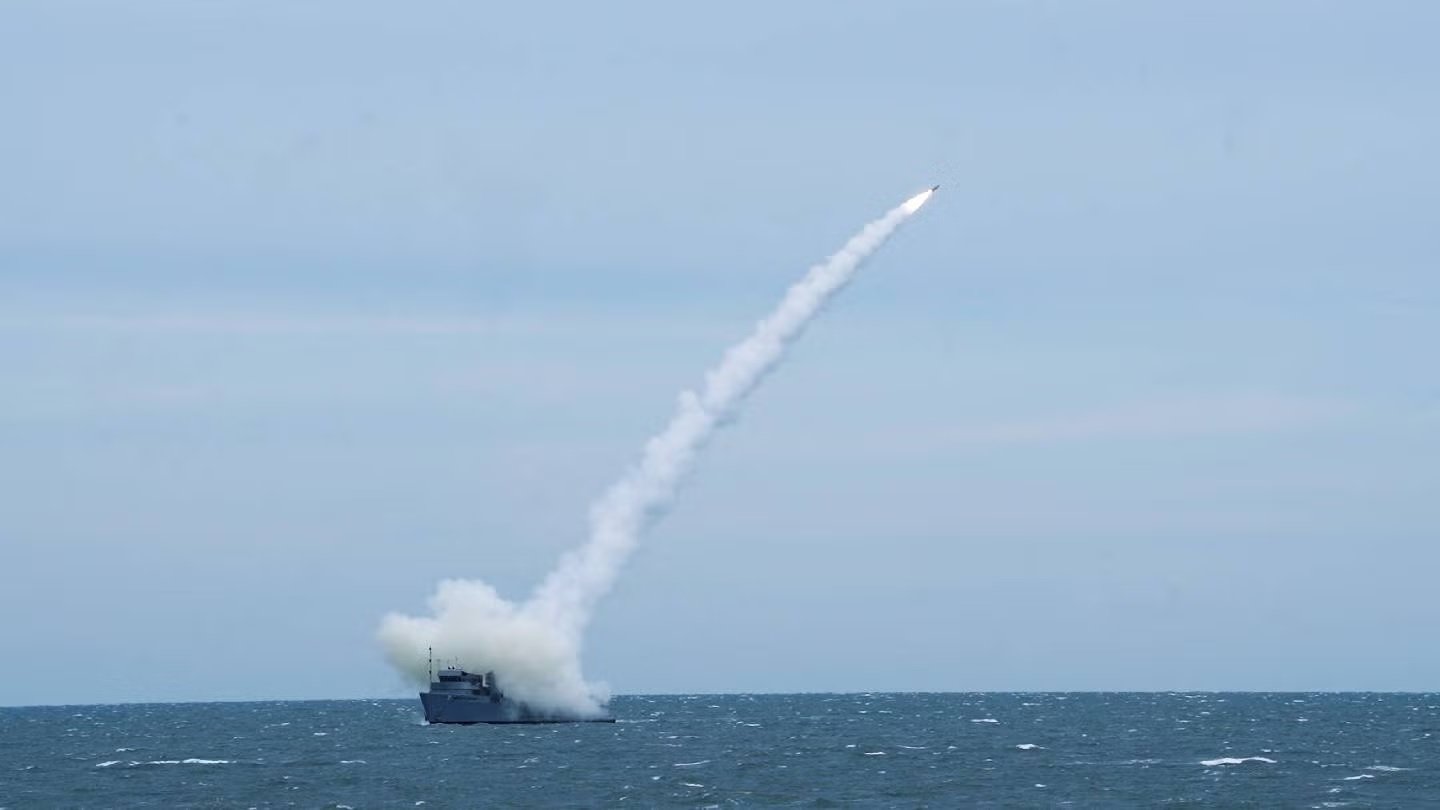
World
Gulfport, Mississippi — Hanwha Defense USA and South Korea’s Hanwha Aerospace have successfully test-fired a Chunmoo missile from a vessel off the Mississippi coast on November 15, completing a two-missile campaign to adapt the land-based weapon system for crewed and uncrewed naval platforms. The missile was launched from a palletizable MFOM (Multiple Launch Rocket System Family of Munitions) platform aboard Once in a Lifetime, a 180-foot test vessel operated by The Spaceport Company (TSC). The trial used a four-cell launcher instead of the dual-pod configuration used by the land-based Chunmoo system. Maritime Testing The demonstration followed approximately 11 months of preparation to assess launch loads, vessel movement and fire-control integration. It was conducted in Sea State 2 conditions. Kevin Schoonover, Executive Vice President for Missiles at Hanwha Defense USA, said the test supports the development of modern naval strike capabilities using modular launchers on crewed and uncrewed vessels. The collected data will help develop distributed maritime operations and expeditionary strike concepts using palletized and containerized launchers. Chunmoo Missile Capabilities The South Korean Chunmoo (K239) is a land-based multiple rocket launcher capable of firing different guided rockets and tactical missiles. Its main ammunition options include: CGR-080: Guided rocket with a range of up to 80 km, carried in six-rocket pods. CTM-MR: Tactical missile with a range of 160 km, carried in four-missile pods. CTM-290: Tactical missile with a maximum stated range of 290 km, carried in a single-missile pod. Hanwha has not disclosed the missile variant used, the launch distance or targeting results. Industry Partners and Future Plans The demonstration involved The Spaceport Company, which provided the launch vessel, and Magnet Defense, which tracked and evaluated the launch using its Magnet Research Vessel. In April 2026, Hanwha Defense USA and Magnet Defense announced a strategic partnership to develop medium unmanned surface vessels (MUSVs) for the US Department of War, including work on the H38 vessel based on Magnet's existing designs. The Spaceport Company has completed more than 10 launches from mobile platforms, including ships, barges and semi-submersible offshore systems, for commercial space and national security missions. Hanwha will continue testing to collect technical and operational data and improve the launcher and its electronics. The programme aims to provide flexible maritime strike capabilities across different naval and expeditionary platforms. Although the US Navy has shown interest in modular, lower-cost strike systems for crewed and uncrewed vessels, it has not confirmed any decision to adopt the maritime Chunmoo system.
Read More → Posted on 2026-11-18 16:28:43
Space & Technology
Washington — Palmer Luckey, co-founder of Anduril Industries and founder of Oculus VR, has revealed details of SLAB, a long-running offshore infrastructure project designed to support major American industries at sea. In a post on X on November 17, Luckey described SLAB as a floating industrial platform with a proposed 1,000-year design life. The project aims to make industrial operations cheaper than on land while reducing dependence on state and local regulations that he believes restrict critical industries. The proposed platform could support metal processing, desalination, oil refining, chemical engineering, medical research and treatment, among other activities. Project Origins and Funding Luckey said the project dates back to 2014, when he sold Oculus to Facebook (now Meta) for approximately $2 billion. He explained that the proceeds provided personal funding for helicopter flight lessons and early work on the seastead. In 2017, Luckey and a small group of friends capitalised SLAB at a reported $1 billion valuation. He also confirmed that additional funding has recently been provided. However, he did not disclose the total construction budget or current independent valuation. Luckey said SLAB has made significant progress but still has a long way to go. He described it as a project intended to strengthen American industry rather than provide an alternative to living in the United States. Not Just a Floating AI Data Centre Luckey revealed SLAB after journalists Liz Hoffman and Reed Albergotti of Semafor began asking questions about the project. He said he wanted to correct reports describing it as a new floating AI data centre, explaining that the concept is much older and has broader industrial ambitions. The concept image shared by Luckey shows a large rectangular offshore structure with industrial facilities and buildings. However, it is not an image of a completed platform. Construction and Legal Challenges SLAB remains under development, with no confirmed construction location, platform dimensions, engineering specifications or completion timeline publicly disclosed. Operating offshore would also not automatically give the platform independent sovereignty or exemption from maritime and environmental laws. Its eventual development will require solutions for power generation, industrial operations, marine logistics and applicable legal requirements. The project is a privately backed initiative associated with Luckey and his friends, not an announced Anduril product. Its next development steps and construction plans have not yet been publicly detailed.
Read More → Posted on 2026-11-18 16:34:46
World
ZÁHORIE, Slovakia, — Czech-based Czechoslovak Group (CSG) has demonstrated its CFL-120 Karpat medium tank during dynamic trials at the Záhorie Military Testing Area in Slovakia. The vehicle conducted its first public off-road driving and live-fire demonstrations following its static debut at the IDEB 2026 exhibition in Bratislava in May. At the event, CSG Defence, MSM Land Systems and Italy's Leonardo signed a Memorandum of Understanding (MoU) covering long-term cooperation on the promotion, sales and production of Leonardo's HITFACT MkII turret for the Karpat programme. Industrial Cooperation and Local Production The CFL-120 Karpat combines FNSS's Kaplan tracked vehicle platform, CSG's manufacturing capabilities in Slovakia and Leonardo's HITFACT MkII turret. The underlying Kaplan MT platform, also known as Harimau, is already in service with the Indonesian Army. Under the agreement, the three companies will work together on turret production and marketing. Slovakia-based MSM Land Systems, a CSG subsidiary in Trenčín, is expected to support local manufacturing and involve Slovak suppliers in the international defence supply chain. The partnership could also expand to Leonardo's 30 mm X-GUN system for medium-calibre turrets, subject to a separate agreement. Armament and Performance The Karpat is equipped with Leonardo's HITFACT MkII turret, featuring a 120 mm L45 smoothbore gun compatible with NATO-standard ammunition under STANAG 4385 and STANAG 4458. A 105 mm gun option is also available. The turret supports manual or automatic loading. Secondary armament includes a coaxial 7.62 mm machine gun, with options for additional machine guns or a 40 mm grenade launcher on a remote weapon station. The HITROLE Light remote weapon station is also offered as an option. The vehicle has a maximum combat weight of 34 tonnes, a maximum road speed of 70 km/h and an operational range of approximately 450 km. It uses a rear-mounted diesel engine with a fully automatic transmission and is designed for operations on rough terrain, soft ground and forested areas. Protection Systems Protection includes modular armour meeting STANAG 4569 ballistic and mine-protection standards. Ammunition is stored in an isolated turret compartment to improve crew survivability. Other systems include CBRN protection, automatic fire suppression, laser warning sensors, 16 smoke grenade launchers and provisions for integrating active protection systems. MSM Land Systems CEO Michal Baláž described the Leonardo agreement as an important step in the programme's development. Leonardo's Luca Perazzo highlighted the HITFACT MkII's combination of 120 mm firepower, relatively low weight and low recoil, allowing integration on lighter tracked and wheeled platforms. The CFL-120 Karpat is intended for armed forces seeking main battle tank-level firepower with lower weight and logistical requirements than traditional heavy tanks.
Read More → Posted on 2026-11-19 13:46:14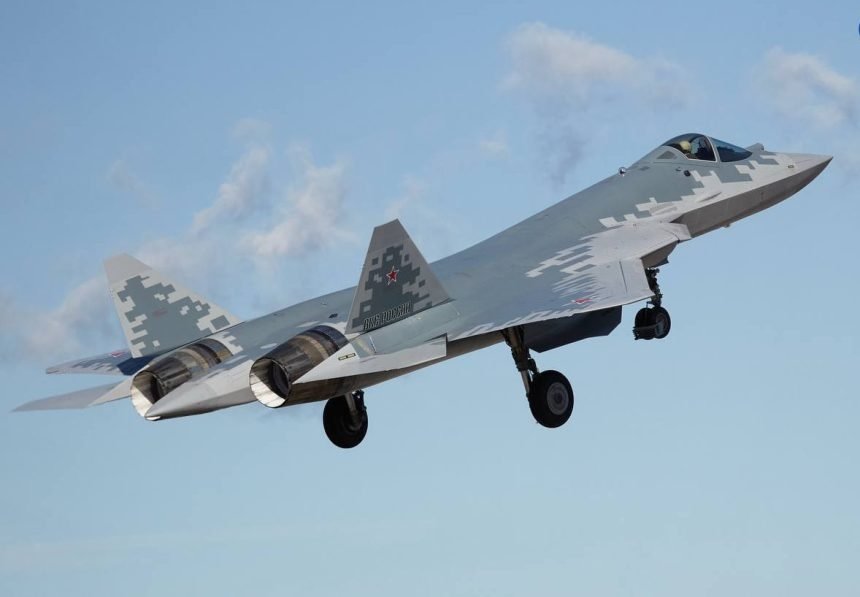
World
Moscow, — Russia's United Aircraft Corporation (UAC) has delivered another batch of upgraded Su-57 fifth-generation stealth fighters to the Russian Aerospace Forces. This is the third publicly announced delivery in 2026, following earlier handovers in February and September 24. The exact number of aircraft has not been disclosed. The fighters completed factory acceptance tests at the Komsomolsk-on-Amur Aircraft Plant (KnAAZ) before Russian Ministry of Defense pilots evaluated them under different operating conditions. Upgraded Systems and Weapons According to Rostec, the latest Su-57s feature modernized onboard electronics and weapons systems. The upgrades include compatibility with additional air-to-air missiles and advanced air-launched weapons, including low-observable cruise missiles. The updated configuration also features expanded electro-optical apertures for 360-degree passive situational awareness, refinements to the 101KS defensive suite, and modernized cockpit and head-up display (HUD) systems. UAC General Director Vadim Badekha said fulfilling the state defense order remains the company's priority, with UAC and other Rostec enterprises working to maintain production rates. Production Target and Challenges Under a 2019 contract, Russia plans to deliver 76 Su-57 fighters by 2028 to equip three aviation regiments. Serial production began in 2020, and the first serial aircraft entered service in December that year. Russia has not disclosed its exact Su-57 fleet size. Open-source estimates suggest around 20–25 or more serial aircraft have been delivered, although figures vary depending on the counting method. Production faced a setback in April 2026 when a fire damaged part of Workshop No. 46 at KnAAZ. The facility manufactures around 300 types of composite components for the Su-57, including air intakes, wing-tip fairings and flight-control panels. Su-57E Export Campaign Russia is also promoting the export-configured Su-57E. Algeria is the first confirmed foreign operator, with initial deliveries reportedly beginning in late 2025. Its order is estimated at 12–14 aircraft, and footage from November 2026 showed Su-57s operating in Algerian airspace. Moscow is also pursuing potential customers in the Middle East and Asia, including India. The Su-57E was displayed at Aero India 2025 in Bengaluru and showcased in Egypt in September 2026. UAC also began flight testing a two-seat prototype, designated Su-57D, in May 2026 to expand the aircraft's export appeal. Russia continues to expand Su-57 production to meet its domestic delivery target while pursuing international sales.
Read More → Posted on 2026-11-19 13:56:20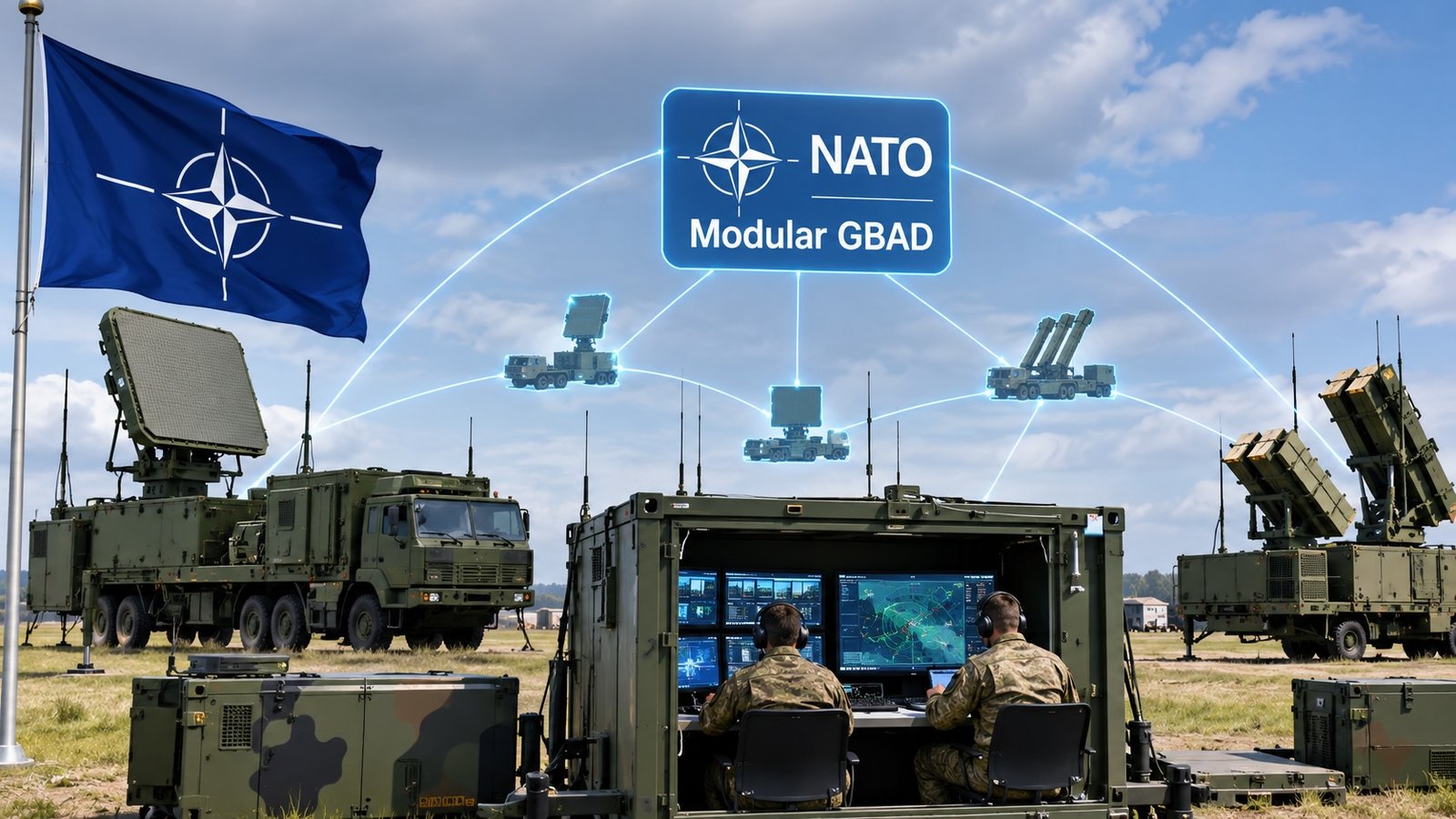
Europe
Luxembourg, — Raytheon, an RTX business, has presented a modular air defense design for NATO's Modular Ground Based Air Defence (GBAD) project. The proposal aims to connect different national air defense systems into a coordinated network, improving interoperability and command and control among allied forces. The design was presented during Concept Study #2, titled "Modularity Solutions", which has now been completed by the NATO Support and Procurement Agency (NSPA). Connecting Different Air Defense Systems Raytheon's proposed architecture would allow countries to connect existing radars, command centres and missile launchers without replacing their entire air defense systems. It would also allow new technologies and capabilities to be integrated as aerial threats evolve. The wider NATO project aims to establish common standards for system integration, interoperability and coordinated command and control across very-short, short and medium-range air defense systems. Raytheon Land and Air Defense Systems President Tom Laliberty said modularity would help NATO members introduce new capabilities faster and adapt their air defenses to emerging threats. Three Companies Selected for the Next Stage NSPA hosted industry representatives and participating NATO nations in Luxembourg from October 27–29, 2026. Raytheon, Airbus Defence and Space, and Lockheed Martin UK each received a dedicated day to present their modularity proposals. The presentations covered technical designs, operational approaches, equipment sustainability and options for future development. The project began with five companies selected for Concept Study #1 in May 2025: Airbus Defence and Space, ASELSAN, Lockheed Martin UK, Raytheon and Thales. Following evaluation, three companies advanced to the second study in 2026. NATO's Multinational Programme The Modular GBAD Support Partnership was established in June 2023 by 10 NATO nations. Romania joined the project in February 2025, bringing participation to 11 countries. The programme has two main objectives: helping participating nations acquire existing air defense systems to meet immediate requirements and developing a longer-term modular architecture for connecting different national capabilities. With Concept Study #2 completed, participating nations will now assess the proposed designs before deciding on the programme's next development and production stages.
Read More → Posted on 2026-11-19 14:03:16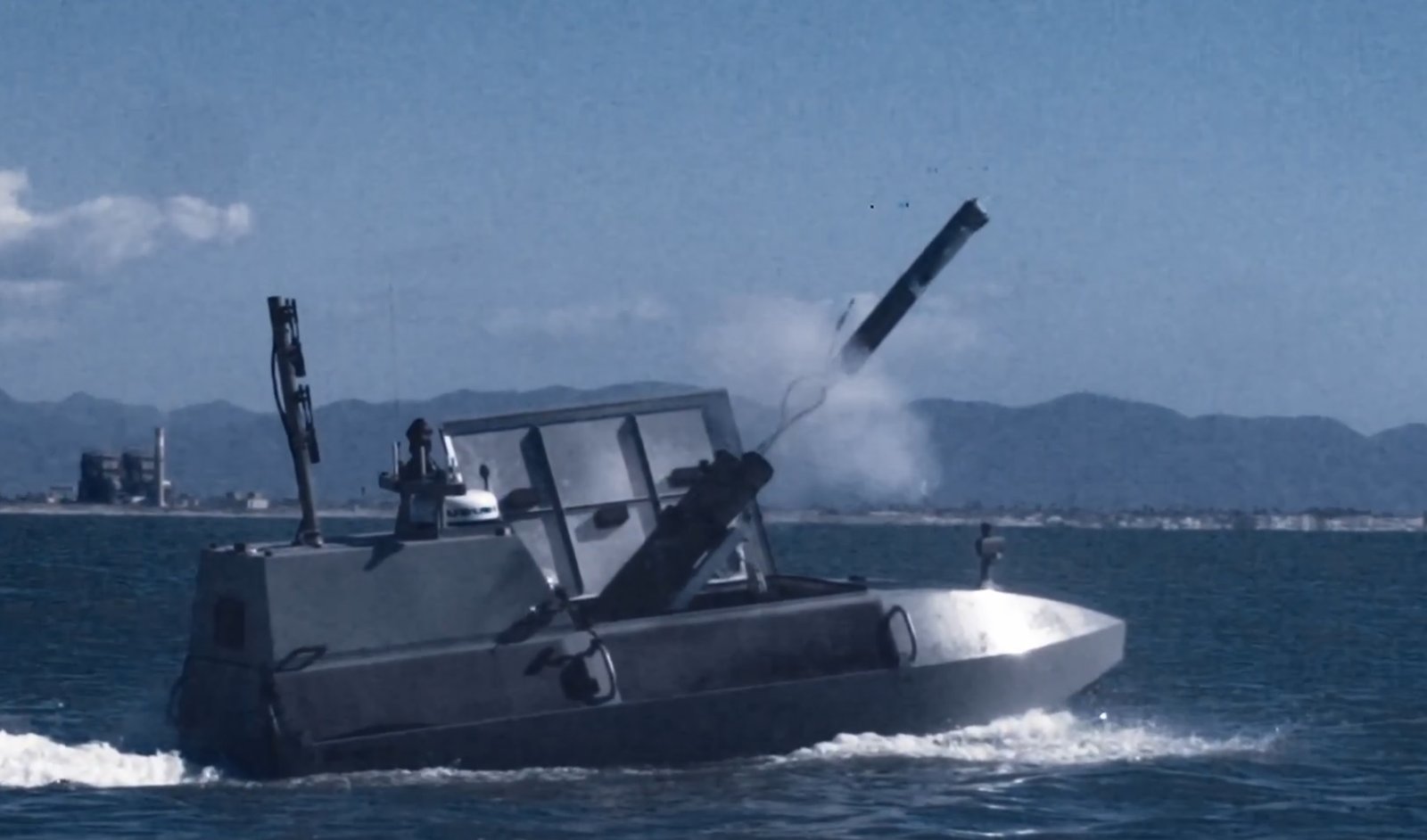
U.S
San Diego, — US-based Seasats has successfully integrated and launched Anduril Industries’ Altius-600M loitering munition from its Quickfish unmanned surface vessel (USV). The demonstration, announced on November 18, adds long-range strike capability against larger maritime targets. The Altius launcher fits directly into Quickfish's existing modular payload bay using a bolt-in installation. It requires no permanent modifications to the vessel's hull. Both the USV and its aerial payload can be controlled remotely from a ground control station anywhere in the world. Quickfish: A Mobile Drone Launch Platform Quickfish can remain at sea for several weeks and reach speeds of up to 40 knots. Its modular design allows operators to deploy different aerial drones depending on mission requirements. The vessel was previously used to launch Neros Archer FPV strike drones. The latest demonstration adds Anduril's longer-range Altius-600M to its available payload options. Seasats CEO Mike Flanigan said the system distributes aircraft-carrier-like capabilities across smaller unmanned vessels, allowing them to maintain a forward maritime presence and launch aerial systems when required. Altius-600M and Maritime Operations Anduril's Altius-600 family supports launches from aircraft, ground vehicles and maritime platforms. Depending on configuration, the systems can perform intelligence, surveillance and reconnaissance (ISR), electronic warfare, communications relay and strike missions. Anduril's Fontaine Alexander, General Manager of Altius-600, said Quickfish's endurance and modular payload architecture provide mobile, unmanned launch points at sea. Seasats has more than $100 million in US government contracts and operates unmanned vessels with the US Navy and National Oceanic and Atmospheric Administration (NOAA). The demonstration expands Quickfish's ability to carry different aerial systems and gives naval forces another option for deploying loitering munitions from unmanned surface vessels.
Read More → Posted on 2026-11-19 14:09:55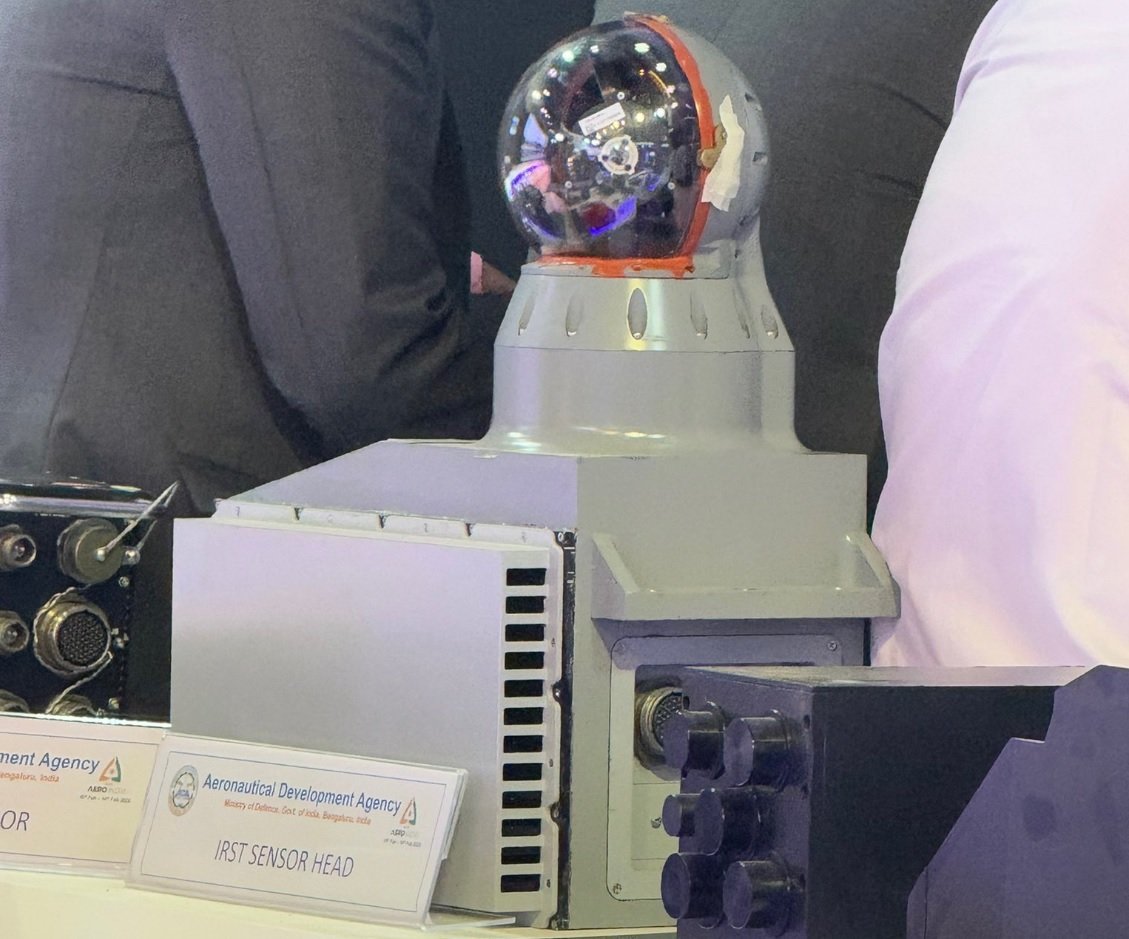
India
Bengaluru, — India's Defence Research and Development Organisation (DRDO) has completed certification of its indigenous Infra-Red Search and Track (IRST) system, developed for future integration with the Tejas Mk2 and Advanced Medium Combat Aircraft (AMCA). Developed by DRDO's Instruments Research & Development Establishment (IRDE) in Dehradun, the nose-mounted system was showcased at the Bengaluru Tech Summit 2026, held from November 17 to 19. Passive Detection of Stealth Aircraft Unlike conventional radar, which transmits radio signals to detect targets, the IRST operates passively by detecting infrared radiation from aircraft engines and airframes. This allows fighter pilots to search and track airborne targets without revealing their position through radar emissions. The system reportedly offers detection ranges of approximately 100 kilometres and can track multiple airborne targets simultaneously, including low-observable aircraft. Multi-Band Sensors and Tracking The IRST combines three technologies: MWIR: Detects heat signatures from aircraft engines and exhaust. SWIR: Helps identify targets in atmospheric haze and complex backgrounds. Laser Range Finder (LRF): Measures target distance. The system also features selectable scanning sectors and image de-rotation and de-blur technology to maintain clear tracking during high-speed manoeuvres. Target information, including angular coordinates, is transferred directly to the aircraft's mission computer. Integration with Tejas Mk2 and AMCA On the Tejas Mk2, the IRST will complement the indigenous Uttam AESA radar, Unified Electronic Warfare Suite (UEWS) and Dual Colour Missile Approach Warning System (DCMAWS). It will provide an additional passive detection capability rather than replace the aircraft's radar. The system is also planned for the AMCA fifth-generation fighter, supporting India's development of indigenous airborne sensors. The Tejas Mk2 prototype is expected to make its maiden flight between June and September 2027, while the AMCA programme targets its first flight in September 2028, according to previously announced government timelines. Completion of IRST certification marks another development milestone for India's indigenous fighter aircraft sensor technology.
Read More → Posted on 2026-11-19 14:29:48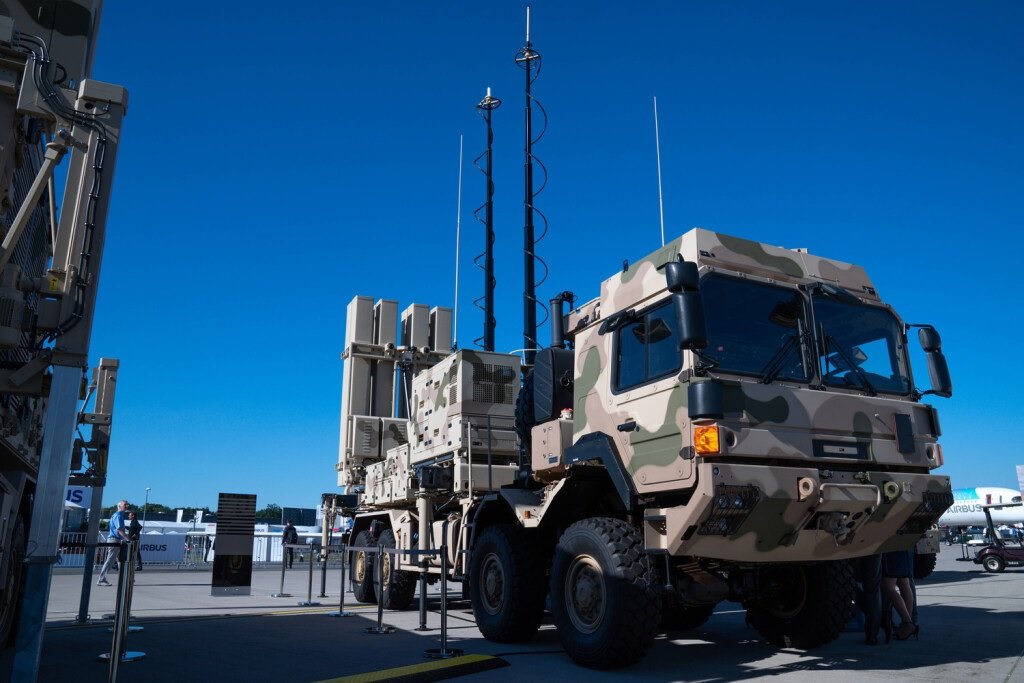
World
Sofia, — Bulgaria's National Assembly has ratified an agreement with Germany to jointly procure five additional IRIS-T SLM medium-range air defence systems under the European Sky Shield Initiative (ESSI). The agreement was approved in two readings during a single parliamentary sitting. 179 lawmakers voted in favour, none voted against, and 10 members of the Vazrazhdane party abstained. The decision follows approval by parliament's Defence Committee. €925.9 Million for Five Additional Systems The procurement will be financed through the European Union's Security Action for Europe (SAFE) loan mechanism. Bulgaria has access to nearly €3.27 billion under the programme for defence modernisation. The total cost of Bulgaria's six-system IRIS-T SLM programme is approximately €1.106 billion. This includes: First phase: €180.6 million for the first system, ordered in September 2024. Second phase: €925.9 million for five additional systems. Following ratification, Bulgaria plans to amend its existing supply contract with German manufacturer Diehl Defence. Deliveries under the SAFE-backed programme are scheduled for completion by December 31, 2030. The procurement also covers surface-to-air missiles, auxiliary equipment, warranty coverage, initial logistical support and infrastructure for operating and maintaining the systems. Bulgaria is also considering unmanned aerial and counter-drone systems to complement its air defence network. IRIS-T SLM Capabilities Developed by Diehl Defence, the IRIS-T SLM is designed to intercept aircraft, helicopters, cruise missiles and unmanned aerial vehicles (UAVs). Its missiles can reach speeds of up to Mach 3, with an engagement range of up to 40 kilometres and an altitude ceiling of 20 kilometres. A standard battery includes a command post, a multifunctional radar such as the Hensoldt TRML-4D, and truck-mounted launchers carrying up to eight missiles each. The system has also been deployed by Ukraine against Russian aerial attacks, including cruise missiles and drones. Germany delivered its eleventh IRIS-T SLM system to Ukraine in October 2026, as part of a commitment to supply 18 fire units. The additional procurement will expand Bulgaria's ground-based air defence capabilities and support its contribution to NATO's integrated air and missile defence network.
Read More → Posted on 2026-11-19 15:23:47
U.S
Washington, — The US Senate Appropriations Committee has proposed $54.8 billion for the US Space Force in fiscal year 2027, a roughly 73% increase over its 2026 funding of $31.6 billion. The proposal is part of a $1.072 trillion defense spending package. However, it is about $4.3 billion below the Pentagon's $59.1 billion base budget request and slightly below the House proposal of $55.5 billion. Major Space Force Investments The Senate proposal prioritizes satellite networks, military communications and launch capacity. Space-Based Aircraft Tracking: $2 billion for space-based Air Moving Target Indicator (SB-AMTI) satellites designed to track aircraft and airborne targets from orbit. Space Data Network: $3.3 billion to develop a high-speed network combining government and commercial satellites to transfer military data and support missile warning and targeting systems. National Security Space Launch: $7.08 billion for 54 launches, compared with the Pentagon's original request of $4.12 billion for 31 launches. Orbital Refueling: $31.7 million for Space Access Mission Logistics research, supporting robotic servicing and on-orbit refueling tests. Missile Warning: $520 million restored for the Next-Generation Overhead Persistent Infrared–Polar satellite program, which the Pentagon had proposed cancelling. The legislation also supports commercial satellite intelligence, orbital refueling and advanced space propulsion technologies. Senate Moves to Limit SpaceX Contracts The proposal also seeks to reduce reliance on sole-source contracts. Earlier in 2026, the Space Force awarded SpaceX contracts worth approximately $6.45 billion for the initial phases of the SB-AMTI satellite programme and Space Data Network. Senate appropriators criticised the lack of competition and called for multiple vendors to participate in future contracts. Under Section 8127, the proposed legislation prohibits the Pentagon from using current or previous fiscal-year funds for sole-source or noncompetitive contracts exceeding $100 million for the two programmes. The aim is to prevent dependence on a single supplier and maintain competition in the military space industry. What Happens Next? The proposal still needs approval from the full Senate and further negotiations with the House of Representatives. Lawmakers must resolve differences between the two chambers' versions before the spending package can become law. The proposed budget therefore represents a significant planned investment in US military space capabilities, while also introducing stricter competition requirements for major satellite programmes.
Read More → Posted on 2026-11-19 15:31:01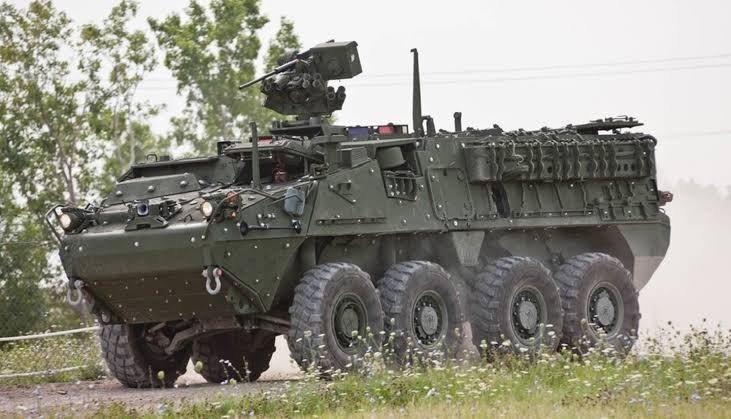
U.S
Washington, — The U.S. Army has awarded General Dynamics Land Systems a five-year contract worth up to $332.5 million to support its Stryker armored vehicle fleet. The agreement was announced on November 18 and runs through November 17, 2031. Issued by Army Contracting Command at Detroit Arsenal, Michigan, the IDIQ contract (W912CH-27-D-A111) covers vehicle fielding, deprocessing, new equipment training and field-level maintenance. It combines firm-fixed-price, cost-plus-fixed-fee and cost-no-fee arrangements. The Army will issue orders as required, with funding and work locations determined separately. Three companies submitted bids, but the other bidders were not identified. Stryker Training and Maintenance The contract will support the preparation of newly delivered vehicles, training for soldiers and mechanics, and routine repairs at military units. The work comes as the 4th Infantry Division's 3rd Stryker Brigade at Fort Carson, Colorado, transitions from Abrams tanks and Bradley Fighting Vehicles to more than 300 Strykers. Its first vehicles arrived on September 2, 2026. The transition involves replacing approximately 87 Abrams tanks and 138 Bradley vehicles. Army Restructures Stryker Units The Army is also changing its National Guard force structure under the Army Transformation Initiative, launched in May 2025. Pennsylvania's 56th Stryker Brigade returned its Strykers in 2025 and officially became the 56th Mobile Brigade Combat Team on March 31, 2026. The new formation will use the Infantry Squad Vehicle (ISV), a lightweight vehicle designed to carry nine soldiers. Two National Guard Stryker brigades are undergoing conversion. Meanwhile, the Army's fiscal 2026 budget directed an end to procurement of the Stryker Double V-Hull A1. However, the Army placed a $229.6 million order for 50 additional vehicles in May 2026. The variant features a V-shaped hull designed to improve protection against mines and roadside explosions. Previous Stryker Support Contract In August 2026, General Dynamics received another $54.3 million contract for Stryker field maintenance and technical service support, running through August 2031. The latest award will support the Army's existing Stryker fleet as units receive new vehicles, train personnel and undergo force restructuring.
Read More → Posted on 2026-11-19 15:41:46
World
Auburndale, Florida, — Israeli aerospace company AIR VEV has brought its first AIR 120D autonomous cargo aircraft to Florida for flight testing and demonstrations. The uncrewed electric vertical takeoff and landing (eVTOL) aircraft will be evaluated at the SunTrax testing facility under an agreement with the Florida Department of Transportation. The AIR 120D is designed to transport supplies without requiring a runway. Its intended missions include military resupply, ship-to-shore cargo transfers, humanitarian deliveries and casualty evacuation support. AIR 120D Capabilities The aircraft uses eight Nidec electric motors powered by a 74-kWh battery system. It has a maximum takeoff weight of 1,220 kg and can carry up to 250 kg of cargo in a 70-cubic-foot cargo bay. The AIR 120D cruises at 157 km/h (85 knots) and has an endurance of up to 60 minutes. Its fixed-wing coaxial quadcopter design allows the wing to provide approximately 60% of the lift during cruise flight. Its vertical takeoff and landing capability allows it to operate without conventional runways. The aircraft is designed to carry ammunition, medical supplies, water, batteries and other equipment to remote locations. It can also support maritime logistics, commercial cargo deliveries and operations in areas with limited infrastructure. Development and U.S. Testing AIR VEV developed the AIR 120D from its two-seat AIR ONE personal eVTOL. The production cargo configuration completed its first flight in April 2026, following more than two years of development and hundreds of test flights. The company has secured more than 25 paid orders for the cargo aircraft. It also established its U.S. headquarters in Florida to support production, flight testing and demonstrations. At SunTrax, engineers will evaluate flight performance, autonomous systems and cargo operations. The 475-acre facility in Polk County was developed by the Florida Department of Transportation and Florida's Turnpike Enterprise to test advanced transportation technologies. AIR VEV CEO and co-founder Rani Plaut said the cargo programme has developed through extensive flight testing and direct customer feedback. The Florida facility will help demonstrate the aircraft's ability to transport cargo to difficult-to-reach locations.
Read More → Posted on 2026-11-19 15:49:09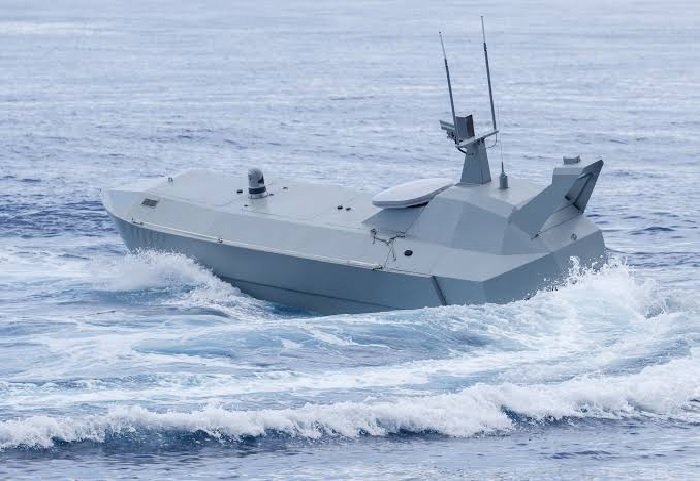
World
Washington, November 19, 2026: Ukrainian defense analysts have recommended that Taiwan stockpile 5,500 unmanned surface vessels (USVs) and build dispersed, hardened storage facilities to protect them from potential Chinese pre-emptive strikes. The recommendation was presented by Catarina Buchatskiy, co-founder and head of analysis at the Serpens Center for International Security, during a November 16 forum hosted by the Foundation for Defense of Democracies (FDD) in Washington. The proposal comes from the center's 41-page report, The Black Sea Blueprint for Taiwan: Ukraine's Naval Lessons in Asymmetric Warfare, published in October 2026. It examines how Ukraine's use of sea drones against Russian naval forces could help Taiwan defend against a potential Chinese amphibious invasion. Sea Drones to Disrupt Chinese Military Logistics The report recommends using USVs primarily to disrupt the People's Liberation Army Navy (PLAN) and its supply operations rather than focusing only on frontline warships. Potential targets include amphibious assault ships, troop transports, supply vessels, exposed escort ships and maritime infrastructure. Attacks on these targets could disrupt troop movements, supply lines and the ability of Chinese forces to establish and maintain a foothold on Taiwan. The Ukrainian experience in the Black Sea has demonstrated how relatively low-cost, expendable sea drones can impose significant operational costs on a larger conventional navy. The report also identifies rough seas and poor visibility as conditions that could help Taiwanese USVs approach targets while reducing the chances of detection. Why Taiwan Needs 5,500 USVs Buchatskiy said the proposed 5,500-vessel stockpile accounts for expected wartime losses and the possibility that some drones could be destroyed before deployment. The report argues that Taiwan must build and store the vessels before a conflict begins. A Chinese naval blockade could restrict external supplies, making it difficult to manufacture or receive additional drones during wartime. It therefore recommends dispersed, hardened and underground storage facilities rather than concentrating thousands of vessels at a few ports or warehouses. This would reduce their vulnerability to missile and air strikes while allowing rapid deployment. Taiwan's Existing Plans and Technical Challenges Taiwan's existing plans reportedly include around 1,600 maritime drones, considerably below the 5,500 proposed by the Ukrainian analysts. Buchatskiy and retired US Navy Rear Adm. Mark Montgomery also argued in an October 28 Washington Post commentary that Taiwan would need at least 5,000 vessels to account for potential losses. Taiwan is developing domestic USVs, including the Endeavor Manta and SeaShark 800, while working to remove Chinese-made components from its drone supply chains. However, Taiwan faces technical challenges in adapting Ukraine's Black Sea experience. A study published on October 29 by the Research Institute for Democracy, Society and Emerging Technology (DSET) highlighted the need for stronger hulls and propulsion systems to operate in the Taiwan Strait's winter monsoon conditions. The study also identified autonomous navigation, reliable communications and resistance to electronic jamming as important requirements. USVs must be able to operate even if Chinese electronic warfare disrupts communications or access to low-Earth-orbit satellite links. The proposal highlights the importance of combining large-scale sea drone production, protected storage and reliable autonomous systems in Taiwan's maritime defence planning.
Read More → Posted on 2026-11-19 15:55:36
World
Riyadh, — A suspected Houthi missile strike on Thursday, November 19, 2026, has damaged the Public Investment Fund (PIF) Tower in Riyadh, Saudi Arabia. The 385-metre, 80-storey skyscraper houses the headquarters of the country's sovereign wealth fund and is the tallest building in the Saudi capital. According to three people familiar with the incident who spoke to Reuters, the strike damaged windows across seven to eight floors and bent sections of the building's metal exterior. The Saudi-led coalition confirmed that it had dealt with a missile threat targeting Riyadh, with falling debris causing material damage. Emergency Response in Riyadh Saudi Civil Defence issued a mobile phone alert warning residents of an aerial threat at around 4:42 a.m. local time. A loud explosion was heard shortly afterwards, followed by an all-clear message. Security forces closed entrances to the King Abdullah Financial District (KAFD) and evacuated people from the area. Ambulances and fire trucks were also deployed. No immediate casualties were reported. Coalition spokesperson Major General Turki al-Maliki said air defence forces had responded to the missile threat. He also reported the interception of Houthi drones and the destruction of a missile launch platform in Yemen's Dhamar governorate. The Houthis had not immediately claimed responsibility for the strike. Second Attack on Riyadh's Financial District Thursday's incident is the second attack to damage a major building in KAFD within 11 days. On November 8, a strike damaged windows at an administrative building belonging to Saudi oil company Aramco. Saudi authorities described the damage as limited, with no casualties reported. The repeated attacks raise security concerns for Riyadh's financial district, which houses major international financial institutions and supports Saudi Arabia's efforts to attract foreign investment. The incidents have also added pressure to Saudi Arabia's economic diversification plans under Vision 2030. Major international events, including the Future Investment Initiative conference and the Asian Cup, have faced scheduling changes amid regional security concerns. PIF's Global Position The Public Investment Fund, chaired by Crown Prince Mohammed bin Salman, manages more than $900 billion in assets and plays a central role in Saudi Arabia's economic diversification strategy. Despite the attack, PIF retained its position as the world's most valuable sovereign wealth fund brand in Brand Finance's 2026 ranking. Its brand value increased 2% to $1.2 billion, compared with $1.183 billion in 2025. Its brand rating also improved from A+ to AA-.
Read More → Posted on 2026-11-19 16:03:27
Europe
London, — Rolls-Royce has secured an order from Royal Brunei Airlines for eight Trent 1000 XE engines to power four Boeing 787-9 Dreamliner aircraft. The agreement also includes the company's TotalCare service package for engine monitoring and maintenance. The aircraft were ordered by Royal Brunei Airlines at the Singapore Airshow in February 2024 as part of its widebody fleet renewal programme. Deliveries are expected to begin in the second half of 2028. Royal Brunei Airlines has operated Trent 1000 engines since 2013 and currently flies five Boeing 787-8 aircraft. Interim CEO Colonel Norsuriati binti Haji Sharbini said the new 787-9 aircraft represent an important step in the airline's fleet development. Rolls-Royce Chief Customer Officer Ewen McDonald welcomed the order, highlighting the airline's continued confidence in the Trent engine family. Trent 1000 XE Performance Upgrades The Trent 1000 XE incorporates improvements developed under Rolls-Royce's certified two-phase durability enhancement programme. A key upgrade is a redesigned high-pressure turbine (HPT) blade, which increases cooling airflow by around 40% and reduces core metal temperatures by approximately 45°C. This allows the engine to achieve up to three times the time-on-wing of the earlier Trent 1000 TEN. The engine also features optimized turbine tip clearance, delivering a 0.2% improvement in specific fuel consumption compared with the Trent 1000 TEN. The redesigned HPT blade has also been used in the Trent 7000 since 2022, accumulating more than three million flying hours and providing operational data for the improvements. Growing Trent 1000 XE Orders and Support Network Royal Brunei Airlines' order follows commitments from LATAM Airlines in April 2026 for six engines powering three Boeing 787s and Somon Air in July for four engines powering two Dreamliners. Rolls-Royce has expanded its global spare engine pool and maintenance network to support the growing fleet. Dedicated Trent 1000 XE maintenance facilities have opened in the UK, Singapore and Germany, including the company's Dahlewitz site. These facilities aim to increase annual maintenance capacity and reduce turnaround times. The expansion is part of Rolls-Royce's £1 billion investment in developing and improving its Trent engine family. According to the company, around 60% of eligible in-service Trent 1000 engines have received the upgraded components, with the remaining conversions scheduled for completion by the end of 2027.
Read More → Posted on 2026-11-19 16:11:15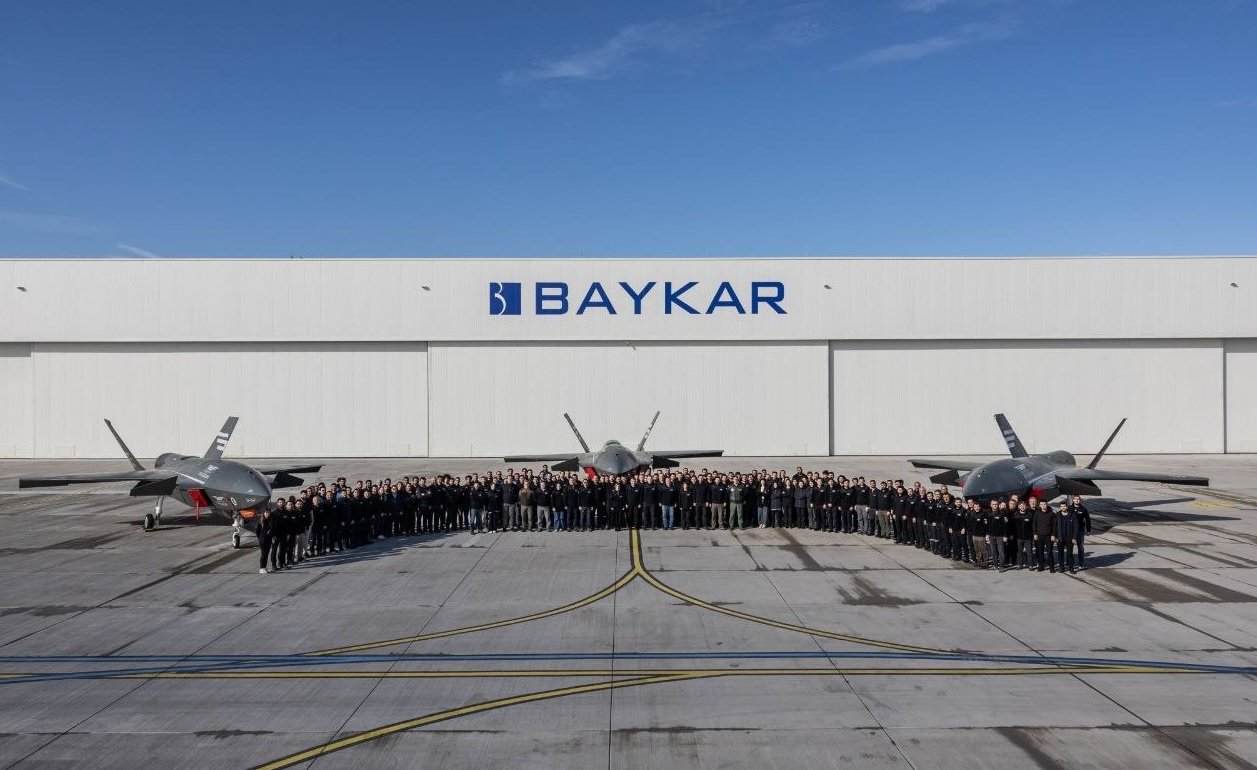
World
Istanbul, November 19, 2026: Turkish defense company Baykar has delivered the first three Bayraktar Kizilelma unmanned combat aircraft to Türkiye's security forces after completing acceptance tests. Baykar describes the delivery as the first entry of an unmanned fighter jet into military service. Kizilelma Capabilities Developed using Baykar's own funding, the Kizilelma is designed for air-to-air combat and air-to-ground strikes. It features a low-observable design and an internal weapons bay. The aircraft has a 1,500 kg payload capacity, a maximum speed of Mach 0.9 and an endurance of more than three hours. It measures 14.5 metres in length, with a 10-metre wingspan and an 8.5-tonne maximum takeoff weight. Its onboard systems include ASELSAN's MURAD AESA radar, the TOYGUN electro-optical targeting system and the KARAT infrared search and track system. Its weapons include air-to-air missiles and precision-guided air-to-ground munitions. Baykar is also developing the aircraft for operations from short-deck ships, including Türkiye's amphibious assault ship TCG Anadolu. Development and Testing Baykar unveiled the Kizilelma project in 2021. Its prototype made its first flight on December 14, 2022, lasting 18 minutes. In April 2023, it flew in formation with the Akinci drone. On November 29, 2025, it successfully engaged a jet-powered aerial target using a Turkish-made Gokdogan air-to-air missile near Sinop. In December 2025, two prototypes demonstrated autonomous formation flight. Subsequent tests included TOLUN and TEBER-82 munitions, ASELSAN sensor integration and the JET-230 supersonic missile. Baykar reported approximately 600 testing and training sorties. Export Agreement In May 2026, Baykar signed its first export agreement for Kizilelma with Indonesia, covering up to 48 aircraft alongside local production cooperation. Baykar also acknowledged the employees and partners involved in the programme and paid tribute to its late founder, Özdemir Bayraktar, for his contribution to Türkiye's National Technology Initiative.
Read More → Posted on 2026-11-19 16:18:00
U.S
North Kingstown, — Rhode Island-based REGENT has signed its first production contract to supply autonomous Squire seaglider drones to a U.S. government customer. A small fleet will be deployed in the Middle East in 2027 for maritime surveillance and underwater sensing missions. REGENT CEO Billy Thalheimer announced the deal on November 18 through X. He had first disclosed the order at the UP.Summit on November 6. The government customer, contract value and number of drones remain undisclosed. Squire Seaglider Capabilities The Squire is an unmanned surface and aerial vehicle that uses wing-in-ground-effect technology to fly just above the water. It can also land and operate as a surface vessel. The drone measures 13 feet (4 metres) long, has an 18-foot (5.5-metre) wingspan and weighs just under 400 pounds (181 kg) at maximum takeoff weight. It carries up to 50 pounds (23 kg) of equipment and has a planned range exceeding 100 nautical miles. Squire can fly at 70 knots, compared with the typical 5–20 knots of conventional uncrewed surface vessels. Its retractable hydrofoils lift the hull above the water, helping it take off and land in open-water conditions without specialised launch equipment. Missions and Integration The U.S. government plans to use Squire to deploy underwater sensors at one location before flying to another site to repeat the mission. The drone uses REGENT's autonomous software and is integrated with the U.S. military's TAK (Team Awareness Kit) and Anduril's Lattice command-and-control platform. REGENT and partner NSI have also demonstrated its integration with the Arowana unmanned underwater vehicle. Testing and Production Squire completed its first U.S. ground-effect flight in April 2026 and participated in the Silent Swarm electronic warfare exercise in Michigan in July. REGENT also has a U.S. Marine Corps development contract initially valued at $15 million, expanded in September. The company maintains defence programmes with U.S. Special Operations Command and the U.S. Coast Guard. In August 2026, REGENT raised $240 million, bringing its total funding to $340 million. In October, it opened a 255,000-square-foot manufacturing facility in North Kingstown, Rhode Island. The factory is designed to produce up to 300 Squire drones and 75 larger Viceroy seagliders annually at full capacity. The production contract moves Squire from military testing into manufacturing, with its first planned operational deployment in the Middle East in 2027.
Read More → Posted on 2026-11-19 16:24:52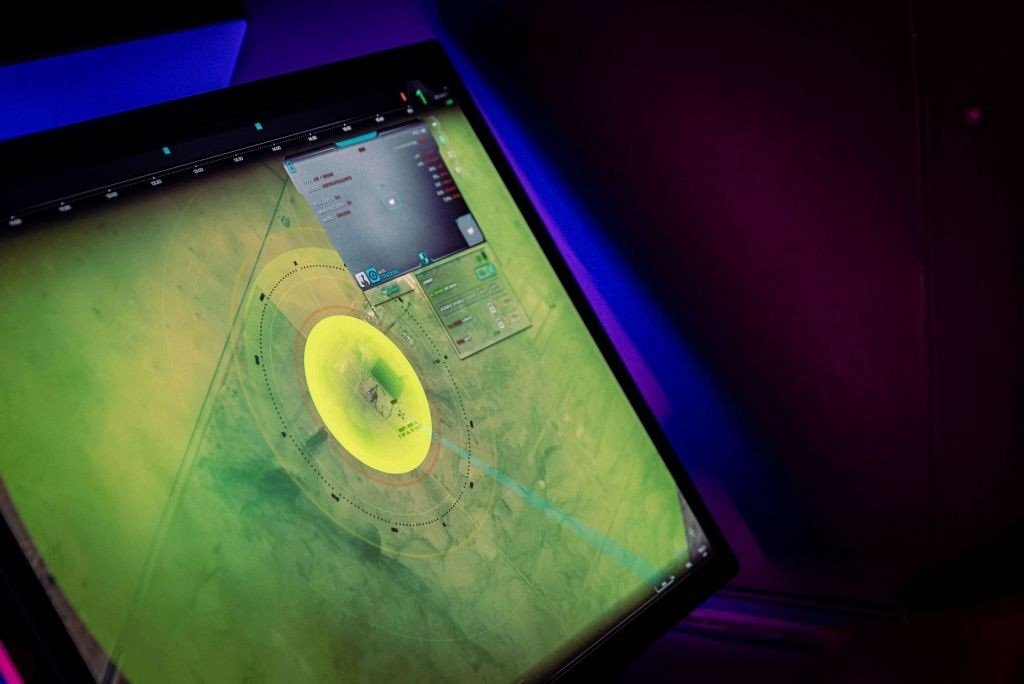
World
Jordan — Defence technology company MARSS, a subsidiary of Australia's Electro Optic Systems (EOS), has secured a US$16 million (approximately A$23 million) contract to deploy counter-drone systems at multiple strategic sites in Jordan. This is the first contract for either MARSS or EOS in the country. MARSS will act as the prime contractor and systems integrator, responsible for designing, delivering and supporting the complete system. Work starts immediately, with substantial delivery expected within 12 months and full deployment targeted as early as 2027. The system will use NiDAR, MARSS's AI-enabled command-and-control (C2) platform. Each protected site will have a dedicated control room connected to sensors and countermeasures. The contract includes sensor systems, soft-kill countermeasures and command facilities. NiDAR will combine their data into a single operational picture, enabling operators to detect, track and classify drones before coordinating their neutralisation. Its AI supports operator decisions and is designed to reduce the detection-to-neutralisation time to seconds. NiDAR can also integrate existing radars and cameras, along with equipment from other manufacturers. MARSS is already discussing a possible second phase of deployment with Jordan. The contract follows MARSS's participation in SOFEX 2026, held in Aqaba, Jordan, from October 27 to 29, where it demonstrated NiDAR alongside EOS weapon systems. It also follows the company's October agreement to build a £370 million nationwide counter-drone defence network in Kuwait to protect national infrastructure and coastlines. MARSS Commercial Director Fabien Palmieri said the Jordan contract represents the company's third new country in 2026. He also confirmed that discussions about the next deployment phase are underway. EOS CEO Dr Andreas Schwer said the order reflects continued recognition of MARSS's counter-drone capabilities and regional demand for integrated air-defence systems. EOS acquired MARSS in May 2026, combining its sensor and weapon-system technologies with MARSS's AI-enabled command software. NiDAR has been deployed in more than 60 installations worldwide, according to the company.
Read More → Posted on 2026-11-20 13:01:35
U.S
Arlington, Virginia — Leonardo DRS has secured a contract from BAE Systems to develop a next-generation infrared focal plane array (FPA) for the Terminal High Altitude Area Defense (THAAD) interceptor missile. The agreement was announced on November 19. Financial details and development timelines were not disclosed. The infrared focal plane array is a key component of the missile's seeker. It detects heat signatures and provides the sensing capability needed to track and engage incoming targets. The upgraded technology is intended to improve THAAD's ability to detect and intercept increasingly complex ballistic missile threats. Dallas Facility Expands for Higher Production Development work is already underway at Leonardo DRS's 200,000-square-foot foundry in Dallas, Texas. The company is also expanding manufacturing capacity to support a target of increasing THAAD seeker production to approximately four times historical levels. The expansion supports wider U.S. efforts to increase missile defense production. BAE Systems, which manufactures the THAAD infrared seeker, previously delivered its 1,000th unit to Lockheed Martin. In July 2026, BAE Systems signed a seven-year agreement to quadruple seeker production capacity. Separately, the U.S. Missile Defense Agency awarded Lockheed Martin a contract worth up to $35 billion in June 2026 to increase annual THAAD interceptor production from approximately 96 to 400 missiles. THAAD's Missile Defense Role Operated by the U.S. Army, THAAD is designed to intercept short-, medium- and intermediate-range ballistic missiles during their terminal flight phase. Its hit-to-kill technology destroys incoming warheads through direct impact, both inside and outside the Earth's atmosphere. Leonardo DRS Expands Infrared Technology Portfolio The contract builds on Leonardo DRS's existing partnership with BAE Systems and its experience in military infrared sensors. Jerry Hathaway, senior vice president and general manager of DRS Electro-Optical and Infrared Systems, said the company is expanding its presence in the munitions seeker market through contracts involving cooled and uncooled infrared technologies. These capabilities are supplied at detector, sensor and subsystem levels. Leonardo DRS also supplies infrared systems to the U.S. government and allied nations. Its technologies support land, maritime, air and space operations, including missile defense, counter-drone missions, autonomous maritime protection and ground combat. The company combines its sensing technologies with secure communications and laser systems for defense applications. However, the contract value, development duration and production timeline for the new THAAD sensor have not been disclosed.
Read More → Posted on 2026-11-20 13:18:17
World
Dubai — Iran has positioned more than 14 oil tankers near Kharg Island as Tehran reportedly prepares to challenge the US naval blockade on its oil exports. Satellite imagery and shipping data show the vessels gathered near Iran's main crude export terminal. Reports indicate that the tankers have crews onboard, Iranian flags raised and many AIS tracking systems switched off. Iran's semi-official Fars News Agency, affiliated with the Islamic Revolutionary Guard Corps (IRGC), has proposed sending a convoy through the Gulf of Oman toward international waters and Asian markets, including China. However, no Iranian government official has confirmed a departure date. US Expands Blockade Enforcement Kharg Island handles approximately 85–90% of Iran's crude oil exports. Its terminal has storage capacity of around 30 million barrels and facilities for large oil tankers. The US naval blockade was first imposed on April 13, 2026, temporarily lifted in June and reinstated on July 14 after negotiations collapsed. On November 18, US Central Command (CENTCOM) expanded the blockade to cover ship-to-ship transfers involving Iranian oil. Ships receiving cargo from vessels loaded at Iranian ports can also be stopped, boarded, diverted or seized, even if they have not entered Iranian waters. Enforcement action, including the use of force, may follow if vessels fail to comply. The announcement followed a reported transfer of approximately 200,000 barrels of Iranian crude oil from the US-sanctioned Suezmax tanker Olym to the medium-range tanker Hao Fan south of Kharg Island. Both vessels reportedly switched off their AIS transponders during the operation. The receiving tanker has also been reported spoofing its location near Oman's Shinas. Iran Warns Against Attacks on Tankers Fars News has warned that any attack on an Iranian tanker could trigger retaliation against oil and gas infrastructure in the UAE, Saudi Arabia, Qatar, Bahrain, Kuwait and Oman. Iranian Deputy Parliament Speaker Hamidreza Haji Babaei also argued that neighbouring countries should not be allowed to export oil freely while Iranian shipments remain blocked. The warnings come amid increased military activity. US forces recently conducted strikes against IRGC military infrastructure on Qeshm Island. A commercial tanker off Oman was also hit by an unidentified projectile, while Iranian forces launched retaliatory drone and missile attacks toward US facilities in Bahrain and Kuwait. Oil Revenue Increases Pressure on Tehran The blockade has sharply reduced Iranian oil exports. According to Kpler, crude and condensate loadings fell from approximately 2 million barrels per day in March to zero in September 2026. Around 90 million barrels of Iranian oil previously held aboard tankers outside the blockade zone had also been depleted by mid-October. Kpler analyst Homayoun Falakshahi said Iran's remaining payments from earlier oil sales to Chinese refiners could run out by mid-December. Eurasia Group analyst Gregory Brew said declining foreign currency earnings are increasing Tehran's incentive to challenge the blockade. CENTCOM estimates Iran has lost more than $30 billion in export revenue. US Treasury Secretary Scott Bessent has projected that Iran's economy could contract by more than 25% in the fiscal year ending March 2027. Risk of Wider Regional Conflict The proposed tanker convoy presents a difficult decision for US President Donald Trump. Allowing the vessels to pass could weaken the blockade, while using force against them could trigger Iranian retaliation and threaten regional energy infrastructure. The US has reinforced its naval presence with three aircraft carrier strike groups, alongside additional land-border monitoring under Task Force Iron Gate. Meanwhile, mediators from Oman, Qatar and Pakistan have reported no breakthrough in ceasefire negotiations. Iran continues to demand the lifting of the naval blockade and economic sanctions before formal talks can resume. On November 19, the US Senate voted 51–48 to reject a war powers resolution that would have restricted further military action, leaving the decision on the US response to President Trump. The proposed convoy has not yet received official confirmation from Tehran. Its movement, if it proceeds, could become a major test of the US blockade and increase tensions across the Persian Gulf.
Read More → Posted on 2026-11-20 13:36:17
Europe
Glascoed, South Wales — BAE Systems has opened a new explosive-filling plant at its Glascoed site in South Wales. Described as the UK's first fully automated large-calibre ammunition factory, the facility is part of a £180 million investment to increase 155mm artillery shell production capacity sixteen-fold. The factory uses robots and autonomous guided vehicles to handle manufacturing operations with limited human staffing. This automation is expected to support longer production hours and higher output while maintaining a safe and controlled working environment. Automated 155mm Ammunition Production The plant uses a melt-cast process to fill artillery shells. Empty 155mm shell bodies are first machined at BAE Systems' facility in Washington, Tyne & Wear, before being transported to Glascoed. Explosive material is then melted and poured into the casings, which are cooled and prepared for final assembly. Full-scale production will begin after an initial period of live trials. BAE Systems has not disclosed the trial duration or expected annual production volume. Andrea Thompson, group managing director of BAE Systems Digital Intelligence & Land, said the investment would increase production capacity, strengthen supply resilience and support the UK's long-term defence requirements. Production Expansion and UK Defence Programme The sixteen-fold increase is measured against 2023 production levels, when BAE Systems manufactured between 3,000 and 5,000 155mm shells annually. The plant was initially expected to become operational in summer 2025. However, a decision during construction in 2025 to double its planned capacity delayed the schedule and increased investment from more than £150 million to £180 million. Operating since the 1940s, the Glascoed site specialises in the production, assembly and testing of munitions and energetic materials. The wider facility employs around 870 people and remains an important BAE Systems manufacturing centre in South Wales. The expansion supports the UK's £2.4 billion Next Generation Munitions Solution programme, a 15-year agreement running until 2037 to supply ammunition to the British Armed Forces. BAE Systems is also expanding manufacturing at its Washington facility, has opened an artillery factory in Sheffield to restore domestic gun barrel production, and is working with Poland's PGZ to support 155mm shell manufacturing in Poland.
Read More → Posted on 2026-11-20 13:48:54
U.S
Copenhagen, Denmark — Denmark's parliament has unanimously approved a new defence agreement between the United States, Denmark and Greenland, allowing an expanded US military presence in the Arctic. The agreement received 109 votes in favour and none against or abstentions on November 19. The agreement was signed on September 22, 2026, in New York by US President Donald Trump, Danish Prime Minister Mette Frederiksen and Greenlandic Prime Minister Jens-Frederik Nielsen. It updates the existing 1951 US-Denmark defence agreement. Expanded US Military Presence The deal allows the United States to modernise and expand operations at Pituffik Space Base in northwestern Greenland. It also permits two additional defence areas at Narsarsuaq in the south and Mestersvig in the east. More sites can be established through mutual agreement. US forces will receive broader access for aircraft, vessels and undersea operations across Greenland and its territorial waters. The agreement also allows the possible deployment of elements of the proposed Golden Dome missile defence system. Restrictions on Russia and China The agreement restricts non-NATO countries from establishing manned or unmanned military installations or maintaining a permanent military presence in Greenland, unless all three parties agree otherwise. It also limits foreign control or significant influence over sensitive sectors, including critical infrastructure and resource extraction. These provisions aim to prevent countries such as Russia and China from expanding their military and strategic economic influence on the island. Greenland's Sovereignty Remains Protected The agreement has no fixed expiration date. It reaffirms Denmark's sovereignty while recognising Greenland's right to self-determination. If Greenland becomes independent, the agreement requires the parties to ensure that it remains within NATO and assumes Denmark's rights and obligations under the defence arrangement. The deal also commits the three parties to delivering economic and practical benefits to Greenland's residents. Parliamentary Approval and Next Steps Greenland's parliament, the Inatsisartut, approved the agreement on November 3, with 16 votes in favour and seven abstentions. Denmark's latest vote completes the parliamentary approval process. Danish Foreign Minister Lars Løkke Rasmussen said the agreement removes uncertainty surrounding Greenland's defence arrangements. However, Washington has not yet presented concrete plans for the new defence areas. These proposals will be discussed by a permanent committee involving all three parties, with its next meeting scheduled for December. US Secretary of State Marco Rubio welcomed the approval, saying the agreement would strengthen security for the United States and its NATO allies. The agreement will enter into force after Denmark formally notifies Washington through a diplomatic note that parliamentary procedures in both Denmark and Greenland are complete. Separate US Senate approval is not required. The deal follows months of diplomatic tensions over Trump's statements about taking control of Greenland and threats of trade tariffs against European countries. The agreement provides a framework for greater US military cooperation in the Arctic while preserving Danish sovereignty and Greenland's right to self-determination.
Read More → Posted on 2026-11-20 14:03:15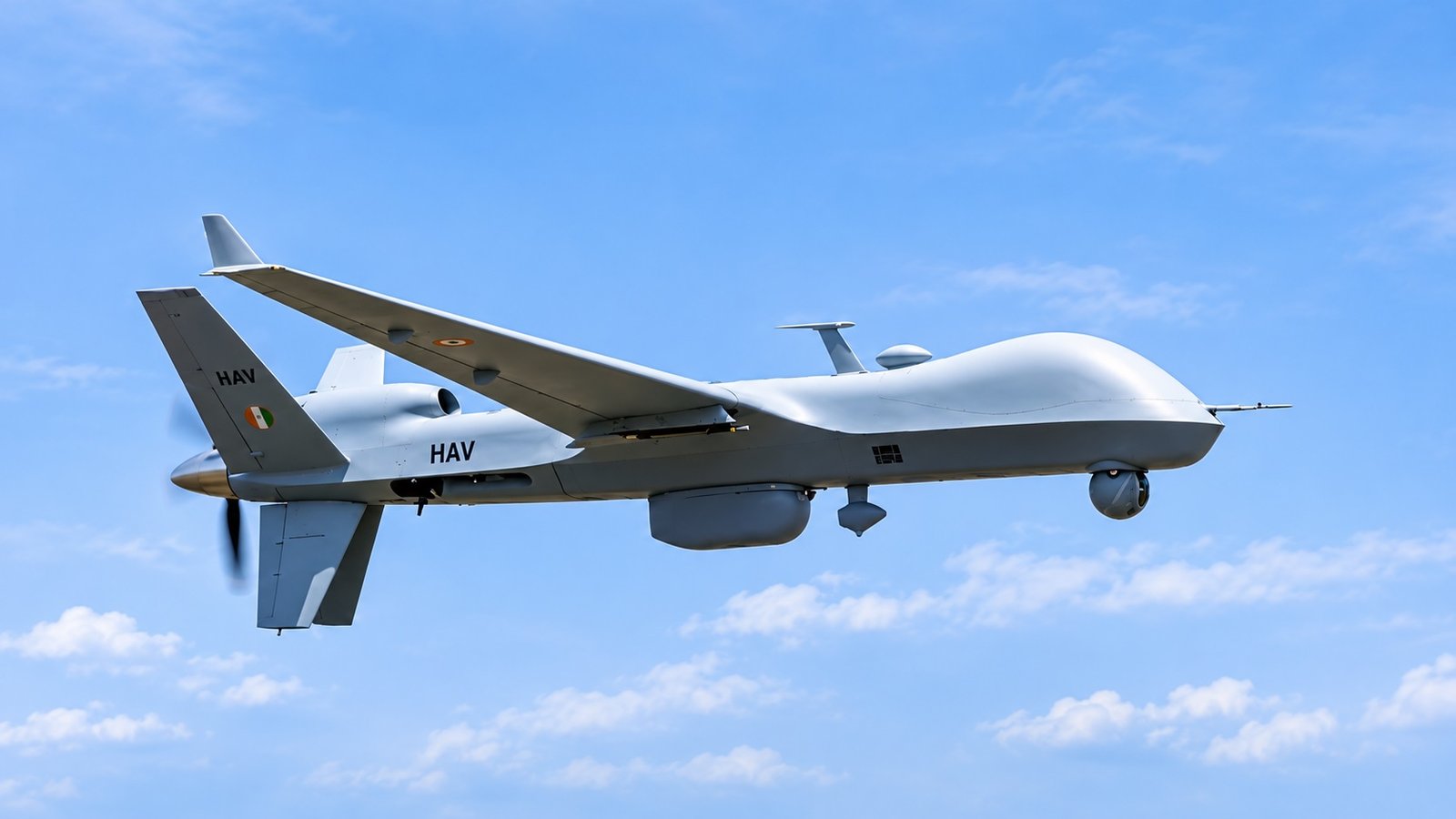
India
Bengaluru, — Enlivening Technologies Private Limited has emerged as the L-1 (lowest) bidder for developing a Digital Mock-Up (DMU) of the airframe for DRDO's Experimental High Altitude Long Endurance (HALE) UAV programme. The company quoted ₹3.20 crore for the project. The tender, issued through the Government e-Marketplace (GeM) under reference GEM/2026/B/7656452, was floated by the Office of the Director General (Aero), Department of Defence Research and Development, for DRDO's Bengaluru-based Aeronautical Development Establishment (ADE). The work has a proposed two-year duration. Digital Engineering for HALE UAV The Digital Mock-Up will provide a detailed three-dimensional representation of the aircraft's structure. It will help engineers check component alignment, identify design clashes, examine assembly arrangements and manage the integration of composite structures before physical manufacturing. The work is expected to support airframe design and reduce potential engineering changes during later development stages. DRDO's Experimental HALE Programme ADE is developing an indigenous High Altitude Long Endurance Remotely Piloted Aircraft System (HALE-RPAS) for long-duration, high-altitude surveillance and reconnaissance missions. The programme includes two proposed configurations: Single Engine Twin Boom (SETB): Approximately 5,700 kg maximum all-up weight, payload capacity of up to 2,000 kg, cruising speed of 390 km/h above 35,000 feet and endurance exceeding 25 hours. Y-Tail variant: A lighter configuration with an estimated all-up weight of 4,800 kg. The broader development programme involves airframe design, propulsion and system integration. ADE has also been working towards selecting an industry partner for design and production activities. Enlivening Technologies' Manufacturing and Engineering Capabilities Enlivening Technologies Private Limited, incorporated in 2014 and headquartered in Whitefield, Bengaluru, provides engineering, design and manufacturing solutions for the aerospace, defence and automotive sectors. The company specialises in advanced composite structures, including their design, structural analysis, prototyping and manufacturing. Its manufacturing expertise includes autoclave and vacuum moulding, Resin Transfer Moulding (RTM), Vacuum-Assisted Resin Transfer Moulding (VARTM) and resin infusion processes. These technologies are used to develop composite components for aerospace and other industrial applications. Its engineering capabilities also cover product development, finite element analysis (FEA), system engineering and prototype testing. The company supports static and dynamic load testing, fatigue and durability testing, and impact performance evaluation. It also works on mechanical, electronic and integrated engineering systems. Enlivening Technologies has also been developing capabilities in RF passive systems and defence engineering. Its official website states that it invests 5% of its revenue in research and development focused on composite technologies for aerospace and defence applications.
Read More → Posted on 2026-11-20 15:06:32
Europe
Rome, — Argentina has signed a Letter of Intent (LoI) with Italy to explore the acquisition of up to three FCX20 corvettes from Italian shipbuilder Fincantieri. The proposed deal includes ships in full combat configuration and an Integrated Logistic Support (ILS) package. The agreement was signed in Rome on November 18 by Argentine Defence Minister Carlos Alberto Presti and Italian Defence Minister Guido Crosetto. Fincantieri was represented by CEO Pierroberto Folgiero and Naval Vessels Division General Manager Eugenio Santagata. The company announced the agreement on November 19. The Letter of Intent establishes a framework for technical discussions and future naval cooperation. It also allows both countries to explore the possible transfer of vessels currently serving in the Italian Navy. Discussions reportedly include Comandanti-class patrol vessels and San Giorgio-class amphibious ships. However, no final decision has been announced on these additional vessels. FCX20 Corvette: Design and Capabilities The FCX20 is designed for blue-water operations and integration into a wider combat task group. Its full combat configuration supports anti-air, anti-surface and anti-submarine warfare. The design also incorporates system redundancy and survivability features. The vessel is based on the hull platform used for Fincantieri's patrol version developed for the Italian Navy, known as the Ugolino Vivaldi class. Main characteristics: Length: 95 metres Breadth: 14.2 metres Depth: 8.4 metres Displacement: Approximately 2,300 tonnes Maximum speed: 25 knots Range: 3,500 nautical miles at 14 knots Endurance: 20 days Crew: 93 personnel The corvette uses a Combined Diesel-Electric and Diesel (CODLAD) propulsion system. It consists of two propulsion diesel engines, two electric propulsion motors, two reduction gears and two controllable-pitch propellers. Four diesel generator sets provide electrical power. Weapons and Combat Systems In its full combat configuration, the FCX20 integrates sensors, weapons and communications through a centralised combat management system. Its sensor suite includes the Kronos HP multifunctional radar, identification friend-or-foe (IFF) system, radar and communications electronic warfare systems (RESM/CESM), infrared search and tracking (IRST), and radar and electro-optical fire-control systems. The weapons package includes: VL-MICA surface-to-air missile system. Exocet anti-ship missile system. 76/40 mm Super Rapid main gun. Two 30/25 mm secondary guns. Short-range SAM launcher/30 mm system. Torpedo launching system with two launchers. Anti-air warfare decoy launchers. Two 12.7 mm machine guns. Other onboard equipment includes X-band and S-band navigation radars, an integrated navigation system, tactical data links supporting Link 11, Link 16, JREAP and Link Y, dual-antenna satellite communications, integrated voice and data communications, GMDSS A3, an integrated bridge system and a combat management system. Link 22 is provided for future installation (FFBNW). No Final Purchase Contract Yet Fincantieri CEO Pierroberto Folgiero said the agreement creates opportunities for long-term cooperation between Italian industry and Argentina's naval forces. However, the Letter of Intent is not a binding purchase contract. No final price, delivery schedule or financing arrangement has been announced. Any acquisition will depend on further technical and commercial negotiations, as well as the required budgetary and congressional approvals in Argentina. The proposed acquisition would form part of Argentina's efforts to modernise its naval fleet, while providing an opportunity for Fincantieri to expand its naval shipbuilding cooperation in South America
Read More → Posted on 2026-11-20 15:07:53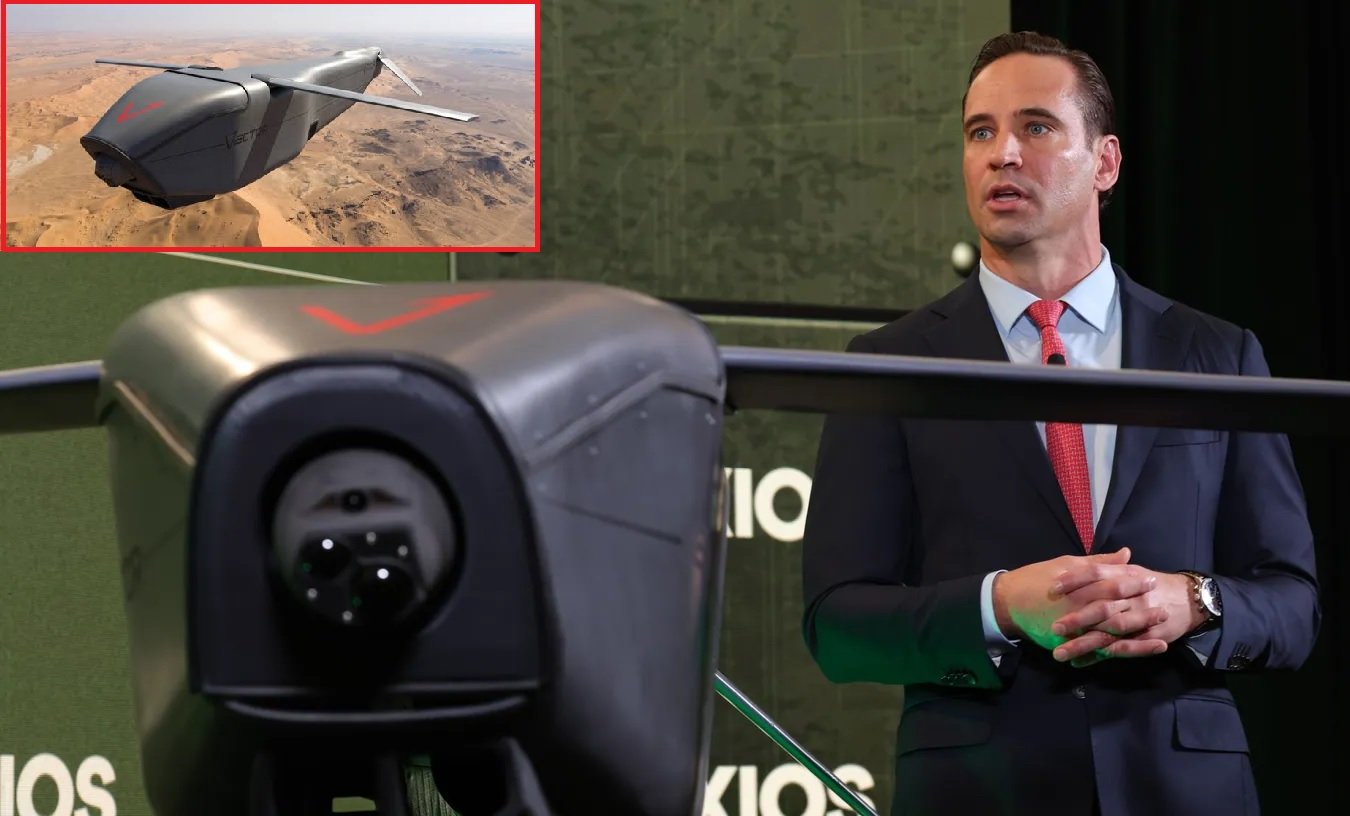
U.S
Washington, — U.S. defence company Vector has unveiled BOMBARD, a ground-launched, one-way attack drone powered by a simplified pulse-jet engine. Introduced on November 19 at the Axios Future of Defense Summit, the system is designed for long-range strikes and high-volume production. Vector CEO Andy Yakulis described BOMBARD as an American response to Russia's Geran and Iran's Shahed attack drones. The company developed the platform using lessons from recent conflicts and manufacturing experience gained through the Defense Innovation Unit's Drone Dominance Program. Pulse-Jet Engine and Performance Unlike conventional gas turbines, which require rotating compressors and turbines, BOMBARD uses a pulse-jet engine with very few moving parts. The fuel-agnostic propulsion system is designed to simplify manufacturing, reduce component requirements and support large-scale production. The aircraft also features folding wings to simplify ground handling and deployment. According to Vector, this arrangement also improves maneuverability and reduces collision risks during deployment. Vector lists the following specifications: Maximum range: 1,100 km (680 miles). Cruise speed: 235 mph (378 km/h). Payload capacity: 50 kg (110 pounds). Maximum takeoff weight: 281 pounds. Launch method: Ground-launched. Its onboard systems include autonomous flight, inertial and anti-jamming navigation for GPS-denied environments, Open C2 integration and a modular payload interface for different mission equipment. Development and Flight Testing A BOMBARD prototype displayed at the summit featured a nose-mounted sensor and unfolding fins. Yakulis confirmed that a variant has already flown. However, engineering validation and flight testing remain underway as the company prepares the platform for production. Saudi Arabia to Manufacture BOMBARD as SKYWASP Vector has established a joint venture, SR2Vector, with Saudi partner SR2 Defense Systems. Based in North Riyadh, the partnership will manufacture the drone in Saudi Arabia under the name SKYWASP. The facility is intended to serve an existing pipeline of Saudi orders and support domestic defence production under Saudi Vision 2030, which aims to localise at least half of the Kingdom's military procurement by the end of the decade. Vector's Expansion into Long-Range Drones Headquartered in Utah, Vector previously raised $61 million from investors including Harpoon Ventures, Point72 Ventures, Lightspeed Venture Partners and Shield Capital. BOMBARD marks the company's expansion from smaller tactical drones into longer-range, jet-powered unmanned systems. Its development focuses on combining simplified propulsion, modular design and local manufacturing to support production in larger quantities.
Read More → Posted on 2026-11-20 15:16:06
U.S
Washington, — A U.S. Air Force E-4B Nightwatch, also known as the "Doomsday Plane", was spotted flying over the western Pacific near Japan as President Donald Trump returned to the United States from China on November 19. Public flight-tracking data showed the aircraft travelling alongside Air Force One and two other presidential Boeing 747 aircraft. Open-source aviation analyst Andrew Leyden reported the movement on X as the presidential aircraft crossed the region. Data shared from ADS-B Exchange identified the E-4B under the callsign TRUCK55, with registration number 73-1676. The aircraft was reportedly flying at approximately 31,000 feet, at a ground speed of 628 knots (around 720 mph). The E-4B had been positioned at Kadena Air Base in Okinawa, Japan, during Trump's China visit. A U.S. Air Force C-32, based on the Boeing 757 and commonly used to transport White House staff and press personnel, also supported the delegation. E-4B Nightwatch: America's Airborne Command Centre The E-4B Nightwatch is a heavily modified Boeing 747-200 operated as the National Airborne Operations Center (NAOC). It provides a secure airborne command and communications facility for the president, secretary of defense and senior military officials if ground-based command centres become unavailable. The aircraft features protected communications equipment, satellite links and shielding against electromagnetic pulse (EMP) effects. It can carry up to 111 personnel and remain airborne for approximately 12 hours without refuelling. Aerial refuelling allows it to extend its operating time significantly. The U.S. Air Force operates four E-4B aircraft, assigned to the 595th Command and Control Group at Offutt Air Force Base, Nebraska. At least one aircraft is maintained on continuous 24-hour alert. E-4B Deployment During China Summit Trump travelled to Shenzhen for the 33rd Asia-Pacific Economic Cooperation (APEC) Economic Leaders' Summit, where he met Chinese President Xi Jinping and Russian President Vladimir Putin. The three leaders held a trilateral meeting and issued a joint declaration stating that a nuclear war cannot be won and must never be fought. Russia's nuclear command equipment also attracted attention during the summit. Russian state television filmed a naval officer accompanying Putin's delegation carrying the Cheget, Russia's nuclear command briefcase. When asked whether he was carrying the Cheget, the officer confirmed that he was. The device provides secure communications and authentication for Russia's nuclear command system. The U.S. nuclear football, used to support presidential nuclear command procedures, was not publicly seen during the visit. Refuelling Support for the Return Flight According to flight-tracking information cited in Leyden's report, aerial refuelling tankers were expected to operate from Yokota Air Base in Japan and Elmendorf Air Force Base in Alaska to support the E-4B during its trans-Pacific journey. Air Force One was heading towards Joint Base Andrews, near Washington, D.C., while the E-4B was returning to its home base at Offutt Air Force Base, Nebraska. The E-4B's presence alongside presidential aircraft is consistent with its national command and control mission. Its deployment does not, by itself, indicate an emergency. The aircraft provides an additional airborne command facility to maintain communication and continuity of government during overseas presidential travel.
Read More → Posted on 2026-11-20 15:30:26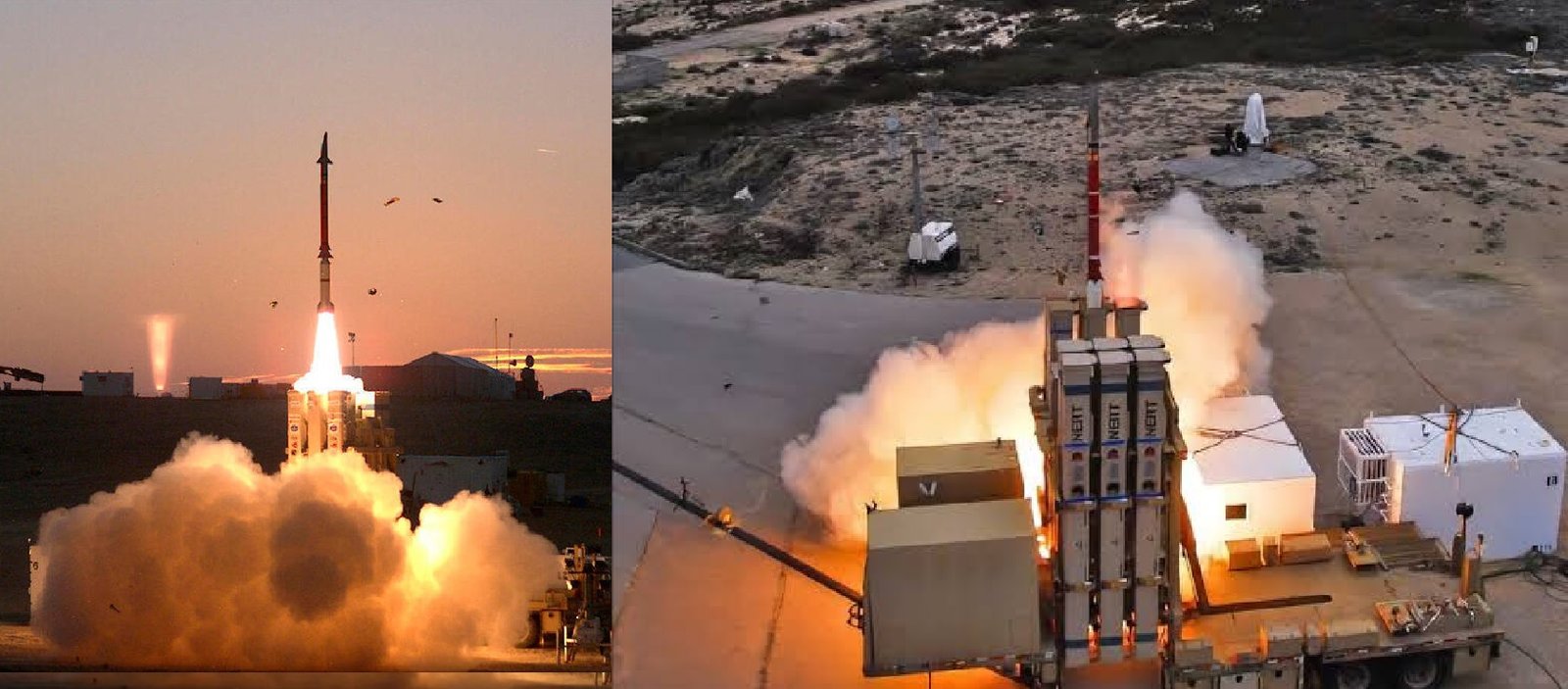
World
Jerusalem, — Israel has upgraded its David’s Sling air defense system to intercept a wider range of ballistic missiles and drones, extending its role in defending against Iranian missile attacks. The improvements are also intended to help Israel sustain weeks of continuous attacks while reducing reliance on more expensive interceptors. According to a Bloomberg report, the upgraded system has an extended interception range and improved capabilities against different ballistic threats. An Israeli Air Force official responsible for air defense investigations said recent fighting with Iran provided operational data that helped engineers improve the system. Lower Interceptor Costs David’s Sling uses the Stunner interceptor, jointly developed by Israel's Rafael Advanced Defense Systems and US-based RTX (formerly Raytheon). Each Stunner interceptor costs approximately $1 million, compared with more than $4 million for a US-made Patriot PAC-3 interceptor. An Arrow 3 interceptor costs approximately $2.5 million to $3 million. The lower reported cost could help Israel manage large missile barrages while preserving its more expensive Arrow interceptors for longer-range and more advanced ballistic threats. However, the systems have different capabilities and are not direct substitutes in every engagement. Role in Israel's Air Defense Network David’s Sling forms the middle layer of Israel's multi-tier air defense network. It operates between Iron Dome, which primarily handles shorter-range rockets, and the Arrow 2 and Arrow 3 systems, which are designed to intercept longer-range ballistic missiles. The system was jointly developed by Rafael and RTX, with cooperation from the US Missile Defense Agency. Its Stunner interceptor uses a hit-to-kill approach, destroying incoming threats through direct impact rather than relying on a conventional explosive warhead. Combat Experience Led to Upgrades David’s Sling was first used against Iranian long-range ballistic missiles during the June 2025 conflict, when it successfully intercepted several missiles launched from approximately 1,500 kilometres away. The system was also used extensively during the 40-day conflict in 2026. However, some Iranian missiles penetrated Israel's air defenses. On March 21, 2026, interceptors failed to stop incoming missiles during attacks on the southern cities of Arad and Dimona. The combat experience provided valuable operational data for further improvements. In February 2026, Israel's Missile Defense Organization and the US Missile Defense Agency announced the successful completion of a series of complex David’s Sling tests based on lessons from recent fighting. Iran's Missile Arsenal and Interceptor Supply Pressure The upgrade comes as Israel and the United States face pressure to replenish their air defense interceptor stocks. Conflicts in the Middle East and Ukraine have increased demand for advanced missile defense weapons, while production of systems such as the Patriot PAC-3 faces challenges in meeting international requirements. Western intelligence assessments cited by Bloomberg estimate that Iran still possesses at least 1,700 ballistic missiles and produces approximately 50 additional missiles each month. This creates a major cost and supply challenge for countries defending against repeated missile attacks. Using expensive interceptors against every incoming threat can quickly reduce available stocks. The United States is also facing growing demand for Patriot missiles. Ukrainian President Volodymyr Zelenskyy has said Ukraine needs approximately 350 PAC-3 interceptors per month to defend against Russian attacks. Growing International Interest David’s Sling has also attracted international customers. Finland and Greece have ordered the system, while Germany has purchased Israel's Arrow 3 air defense system. The latest upgrades are intended to give Israel more options when responding to large missile attacks. By assigning a wider range of threats to David’s Sling, the Israeli military can preserve its more expensive long-range interceptors for targets that require them.
Read More → Posted on 2026-11-20 15:40:34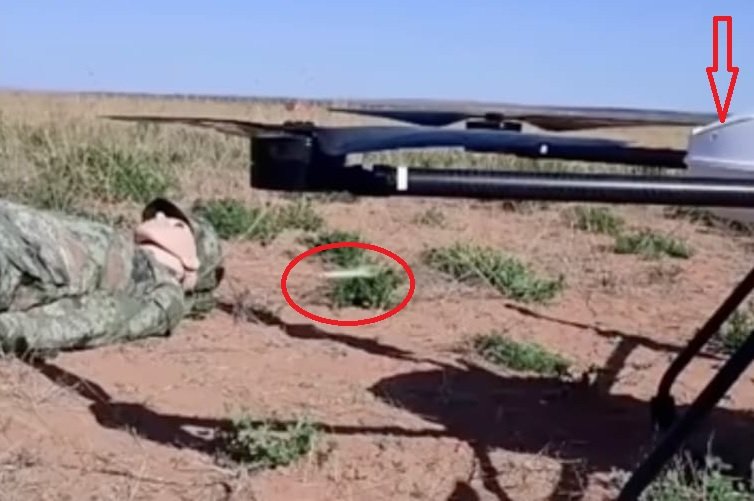
World
Beijing, — China's Air Force Medical University has developed an experimental unmanned aerial vehicle (UAV) designed to locate wounded personnel and deliver emergency medication through a dart-like projectile. The system aims to provide initial medical treatment to injured soldiers in dangerous areas where medical teams cannot safely reach them. The development was reported by Chinese state broadcaster CCTV and the Global Times on November 11, 2026. University representative Wang Jianqi said the drone can inject emergency medication directly into a wounded person's muscle from a distance, helping provide treatment before rescue teams arrive. Meanwhile, the Chinese are developing a drone that delivers medication to wounded individuals using dart injections. It flies in, aims, and administers the injection remotely. https://t.co/N6Gl6fZQNN — Drone Wars (@Drone_Wars_) November 19, 2026 How the Medical Drone Works Demonstration footage showed the UAV flying over a person lying on the ground before releasing a medical dart towards them. The system is designed to deliver medication remotely and help stabilise casualties during the critical period before evacuation. Wang said the university had developed what it described as the military's first casualty-search drone, alongside the remote injection capability. Military and Disaster-Relief Applications Military commentator Song Zhongping told the Global Times that modern battlefields make casualty evacuation increasingly difficult because front lines shift and safe routes can quickly become inaccessible. Drones could deliver emergency medication without immediately exposing medical personnel to enemy fire. The technology could also support civilian rescue operations during floods, landslides and road collapses, when damaged infrastructure prevents ambulances and rescue teams from reaching injured people. China is also testing other unmanned medical support systems. In October 2026, the PLA Joint Logistic Support Force's 967th Hospital conducted a field exercise using thermal-imaging drones to locate simulated casualties, cargo drones to deliver medical supplies and robotic dogs to enter narrow spaces and relay information to rescue teams. Technical Challenges and Development Status The remote injection system remains at an exploratory stage. Chinese reports have not disclosed its operating range, targeting accuracy, medication type or dosage. Researchers also face medical and operational challenges. The dart must deliver medication safely into muscle tissue, while operators may not have access to information about a casualty's injuries, vital signs or drug allergies before administering treatment. Wang also acknowledged that evacuating wounded personnel remains a separate challenge, particularly when they need to be retrieved and loaded onto an unmanned platform. The system is therefore intended to provide initial medical support rather than replace conventional battlefield medical teams and evacuation services.
Read More → Posted on 2026-11-20 16:05:32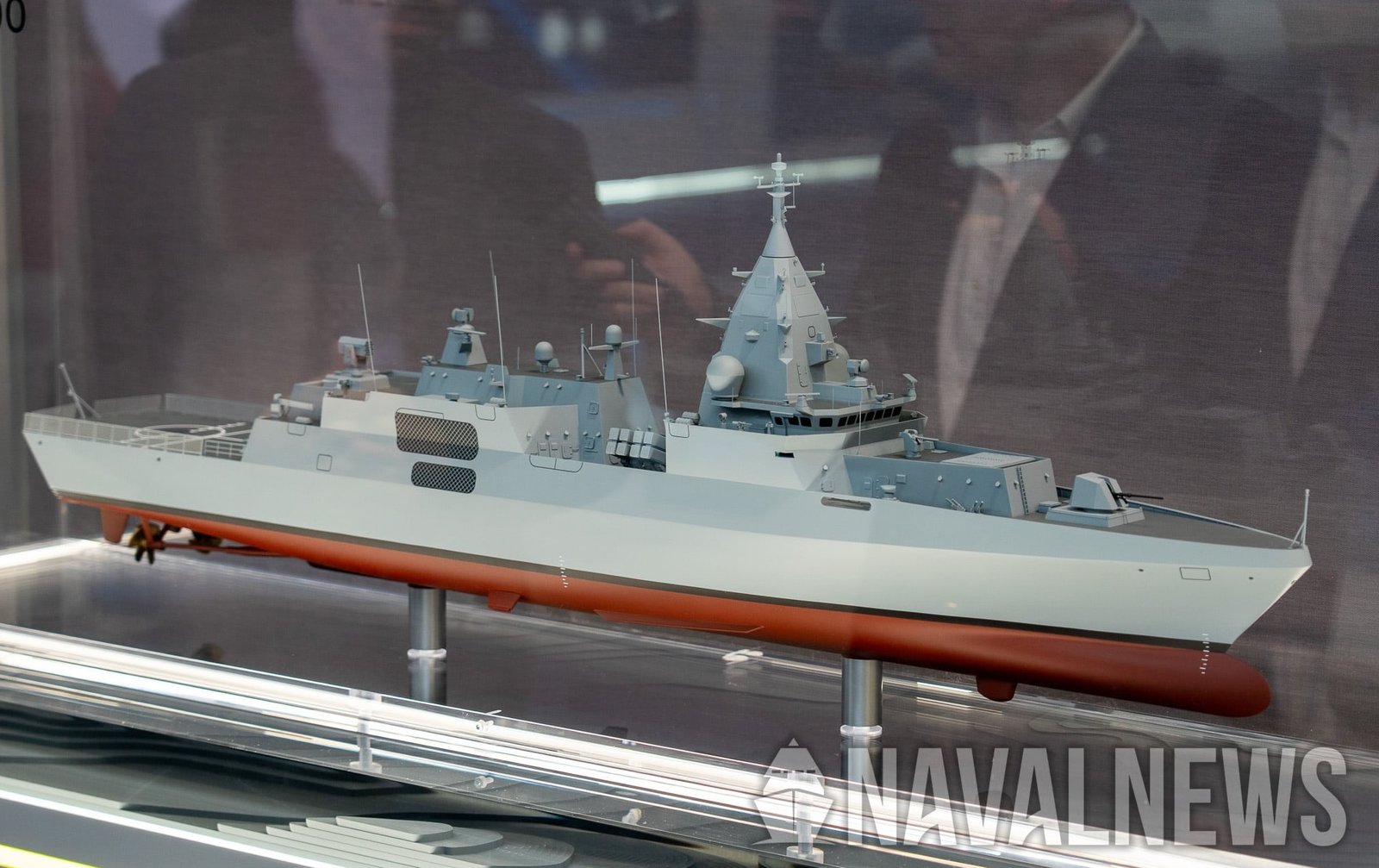
Europe
Paris, — German shipbuilder TKMS has displayed the first scale model of the German Navy's future F128 frigate, designated MEKO A-200 DEU, at the Euronaval 2026 defence exhibition in Paris. The model provides a closer look at the planned ship's hull design, integrated sensor mast, weapons arrangement and aviation facilities. The display follows the November 17 contract signed between TKMS and Germany's Federal Office of Bundeswehr Equipment, Information Technology and In-Service Support (BAAINBw) for four additional frigates. The agreement brings the planned fleet to eight ships, making it the largest surface vessel order in TKMS's history. Production of the first two frigates is already underway, with delivery of the lead ship scheduled for the end of 2029. From F126 Cancellation to F128 Programme Germany selected the MEKO A-200 design after cancelling the delayed F126 frigate programme in June 2026. The initial four F128 frigates received parliamentary budget approval in July, followed by approval for four additional vessels in October. The MEKO A-200 is an established design, with 10 earlier variants operating in the navies of South Africa, Egypt and Algeria. Germany has selected a customised version with its own combat management system, sensors and weapons. Hull Design and Propulsion The F128 uses TKMS's X-form hull design, featuring angled surfaces intended to reduce its radar signature. Its exhaust system directs cooled engine gases horizontally at or below the waterline, reducing the ship's infrared signature without a conventional funnel. The frigate uses CODAG-WARP propulsion, combining two diesel engines driving low-noise propellers with a gas turbine powering a central waterjet. According to TKMS, the design supports a maximum speed exceeding 29 knots and a range of more than 6,500 nautical miles at 16 knots. The ship measures 121 metres long, with a maximum beam of 16.4 metres and a design displacement of approximately 3,950 tonnes. It accommodates a core crew of 125 and up to 49 additional personnel. Saab Integrated Mast and Sensors The model shows an integrated Saab SLIM mast, which will accommodate the frigate's primary radar and sensor systems. Under a contract worth approximately SEK 8.7 billion, Saab is supplying and integrating combat systems, composite structures and sensors for the first four frigates. The equipment includes the 9LV Combat Management System, Sea Giraffe 4A Fixed Face long-range radar and Sea Giraffe 1X surveillance radar. The agreement also includes an option for additional ships. Weapons and Anti-Submarine Warfare Capabilities The displayed configuration indicates a combination of air-defence, anti-ship and close-in weapons. The planned fit includes an OTO 76/62 naval gun, a 16-cell Mk 41 Vertical Launching System (VLS) for Evolved Sea Sparrow Missiles (ESSM), and Naval Strike Missile (NSM) launchers. The configuration also shows a 21-cell Rolling Airframe Missile (RAM) launcher, 30mm remote weapon stations and decoy systems. The frigate's anti-submarine warfare equipment is planned to include a bow-mounted sonar, a towed sonar system and launchers for MU90 lightweight torpedoes. An embarked NH90 Sea Tiger helicopter will provide additional anti-submarine warfare support. Helicopter and Uncrewed Aircraft Operations The F128 will feature a flight deck and hangar designed to accommodate one 11-tonne-class helicopter, such as the German Navy's NH90 Sea Tiger, along with two uncrewed aerial vehicles (UAVs). It will also have two side launch-and-recovery systems for 8-metre rigid-hulled inflatable boats (RHIBs), supporting maritime operations. The eight-ship F128 programme is intended to strengthen the German Navy's anti-submarine warfare capabilities, particularly for operations in the North Atlantic and High North, while providing additional air-defence and anti-surface warfare capabilities. Main source : Navelnews
Read More → Posted on 2026-11-20 16:11:49
U.S
Washington, — U.S. lawmakers have called for blocking Chinese-made commercial aircraft from operating in the United States, restricting American investments in China's aerospace sector and withholding defence contracts from companies that continue investing in China's aviation industry. The recommendations are included in a 65-page report titled "China's Wingmen: How Western Government Policy Enabled China's Rise in the Skies," released on November 19 by the U.S. House Select Committee on the Chinese Communist Party. The year-long investigation was led by Chairman John Moolenaar and Ranking Member Ro Khanna. Western Aerospace Technology Transfers Under Scrutiny The report examines joint ventures, technology transfers and commercial partnerships between Western aerospace companies and Chinese manufacturers. It argues that these arrangements have provided China with advanced technical knowledge and industrial capabilities that could support its military aviation programmes. The committee highlighted China's military-civil fusion strategy, which allows the People's Liberation Army (PLA) to access technologies developed in the civilian sector. The investigation identified at least six U.S.-China joint ventures involving GE Aerospace, Honeywell Aerospace and Collins Aerospace, an RTX subsidiary. It said the companies obtained U.S. government licences for controlled technology transfers involving Chinese military end users and military-linked entities. One example involved a GE Aerospace joint venture with a subsidiary of China's state-owned Aviation Industry Corporation of China (AVIC). The report identified the transfer of foundational avionics technology as a concern. It also questioned whether existing national security reviews adequately cover joint ventures operating inside China. Proposed Ban on Chinese Aircraft The committee recommended that the Federal Aviation Administration (FAA) refuse certification to Chinese-manufactured commercial aircraft operating in the United States. The proposal particularly affects the COMAC C919, China's narrowbody passenger aircraft developed to compete with the Boeing 737 MAX and Airbus A320neo. The C919 entered commercial service in China in 2023 and uses Western systems, including engines supplied through the GE Aerospace-Safran joint venture. Lawmakers cited government subsidies to COMAC and AVIC and China's failure to release a final investigation report into the 2022 China Eastern Airlines crash. The FAA confirmed that it has not certified any Chinese-made aircraft. Airbus and Defence Contracts The report also recommends withholding U.S. government and defence contracts from companies that continue investing in China's aerospace industry. This could affect Airbus, which holds U.S. defence contracts while operating two A320-family aircraft final assembly lines in Tianjin, China. Although Airbus sold its stake in an AVIC affiliate in 2025, the committee said its commercial connections with China's aerospace sector continue. The report also calls for greater scrutiny of French companies seeking to acquire U.S. aerospace businesses, with a presumption of denial unless they end relevant connections with China's civil-military aerospace network. Investment Restrictions and Proposed Legislation The committee urged the U.S. Treasury Department to restrict American outbound investments in China's aerospace sector and called for stronger export controls, technology-transfer reviews and penalties for violations. It also asked Congress to pass two bills: Aerospace Transparency Act (H.R. 11047): Requires aerospace contractors working with the Department of Defense to disclose commercial relationships with designated Chinese military companies. Geospatial Intelligence Transparency and Security Act (H.R. 11048): Directs the National Geospatial-Intelligence Agency to assess national security risks associated with commercial geospatial artificial intelligence capabilities. The report also recommends greater transparency over company ownership and tighter controls on dual-use technologies accessible to Chinese military-linked entities. However, lawmakers acknowledged that unilateral restrictions could disadvantage American manufacturers if companies from allied countries replace them in the Chinese market. They therefore called for coordinated action with U.S. allies. Industry and China's Response Honeywell, GE Aerospace and Collins Aerospace said their business activities comply with applicable U.S. export-control laws. Honeywell stated that the projects identified in the report had received the required government licences and approvals. GE also highlighted its commitment to national security, legal compliance and intellectual property protection. Airbus did not immediately comment on the report. China's embassy in Washington criticised its conclusions, saying Beijing opposes the politicisation of trade and technology issues. The recommendations remain policy proposals rather than binding regulations. Their implementation would require further action by Congress and relevant U.S. government agencies.
Read More → Posted on 2026-11-20 16:22:08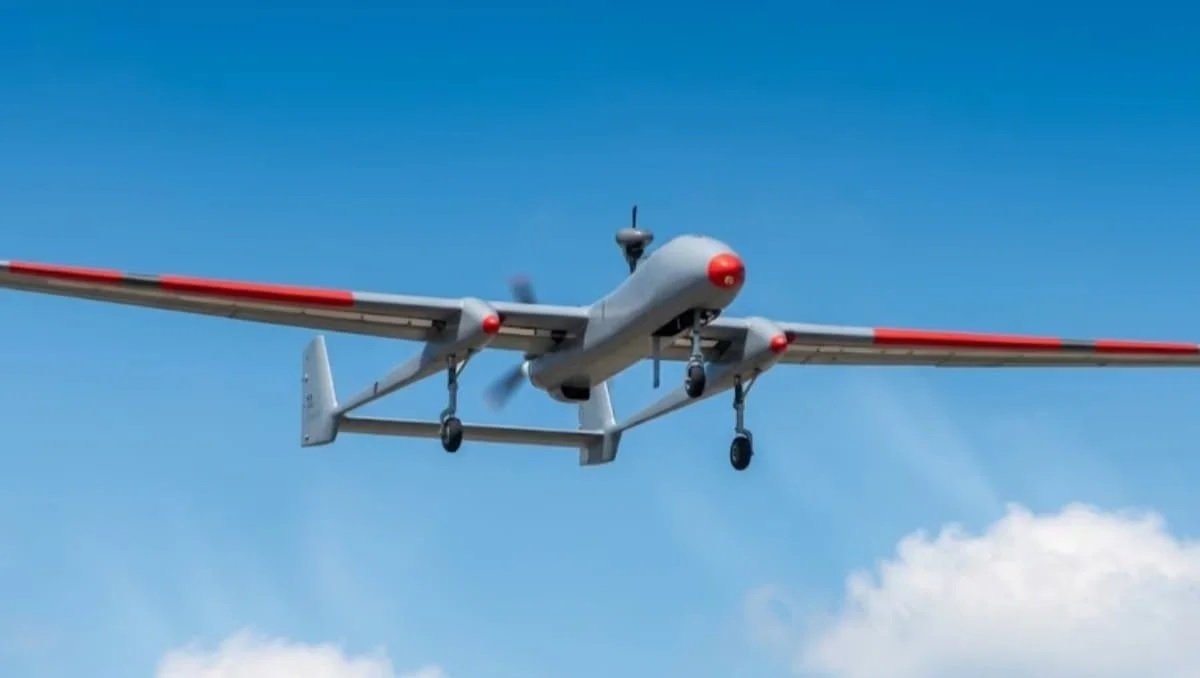
India
New Delhi, — The Indian Air Force (IAF) has issued a Request for Information (RFI) for 500 indigenous fixed-wing expendable Intelligence, Surveillance and Reconnaissance (ISR) drones to strengthen its surveillance and electronic intelligence capabilities. The RFI, numbered RFI_EISRUAS_ASR_IAF_18NOV26, was published on November 18, 2026, by the Directorate of Plans at Air Headquarters. Responses must be submitted by January 12, 2027. Flight Performance Requirements The IAF requires runway-independent drones that can operate from forward locations. Despite being classified as expendable UAS, the platforms must be recoverable and reusable, with a turnaround time of less than 10 minutes. The drones must provide at least six hours of endurance, a range exceeding 200 km and a service ceiling of 25,000 feet. Their speed must range from 80 to 200 kmph, with an optimal cruising speed of 120 kmph. The required Radar Cross Section (RCS) is below 0.25 square metres. Surveillance and Electronic Intelligence Each drone must carry two primary systems: EO/IR sensors: Gimbaled electro-optical and infrared systems for day-and-night surveillance and thermal imaging. Electronic Support Measures (ESM): A passive broadband receiver covering 2–18 GHz to detect and intercept emissions from hostile radars and electronic systems. Navigation and Communication The platforms must operate in GNSS-denied environments, where GPS or NavIC signals are unavailable or disrupted. They must support both Line-of-Sight (LOS) and Satellite Communications (SATCOM) links. The IAF has also specified AES-256 encryption and an onboard kill switch to protect sensitive technology and mission data if an aircraft is lost or compromised. Maintenance and Indigenous Development The selected Original Equipment Manufacturers (OEMs) will be responsible for storage and maintenance, with a required 90% fleet serviceability rate. The procurement aligns with the IAF's push for indigenous drone technology. In September 2026, the IAF organised its first Dronathon-2026 at the Pokhran Field Firing Range in Jaisalmer. Vice Chief of the Air Staff Air Marshal Ashutosh Dixit emphasised domestic development of airframes, propulsion, sensors, communication and electronic warfare systems. The RFI invites Indian manufacturers to submit details of systems meeting the requirements. It is an initial procurement stage and does not represent a final contract award.
Read More → Posted on 2026-11-20 16:30:27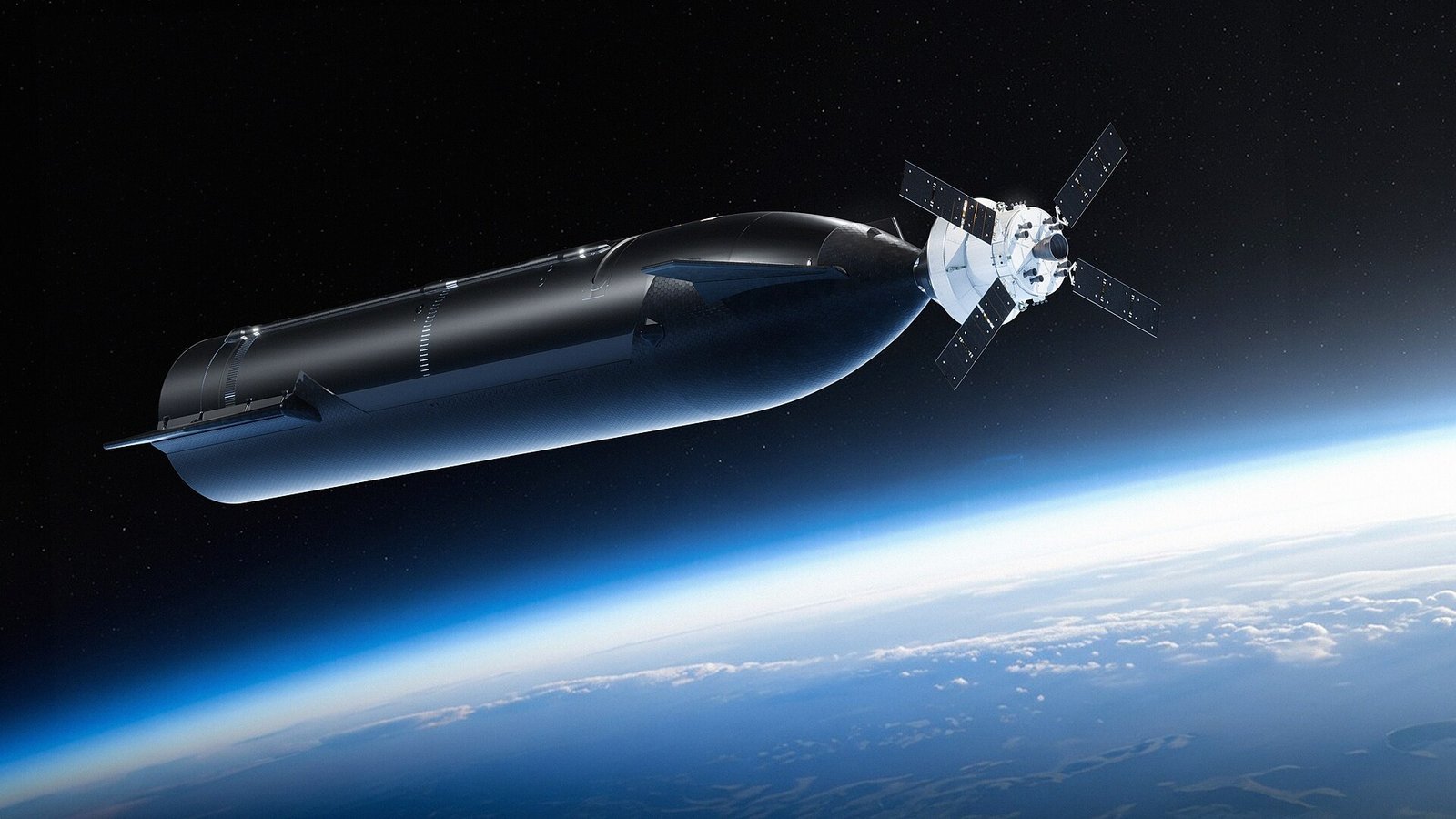
Space & Technology
Washington, — NASA's revised Artemis architecture will require major modifications to its Orion spacecraft for future Moon missions. Orion will travel in a reversed orientation when docked with SpaceX's Starship lunar lander, creating new challenges for its fuel tanks, propulsion system and structure. Under the updated plan, Starship will be refuelled in low Earth orbit before moving to high Earth orbit to dock nose-to-nose with Orion. Starship will then propel both spacecraft towards the Moon, with Orion's European Service Module facing forward. Two astronauts will later transfer to Starship for the lunar landing, while Blue Origin's Blue Moon lander will follow a separate route to rendezvous with Orion in low lunar orbit. Orion Requires Fuel Tank and Structural Changes The reversed orientation creates a problem for Orion's propulsion system. Its European Service Module, developed by Airbus for the European Space Agency (ESA), has propellant tanks designed for a different direction of acceleration. When Starship pushes the combined spacecraft towards the Moon, liquid propellant could move towards the gas inlet side instead of the tank outlets. ESA and Airbus are modifying the tanks to ensure proper propellant management during the new flight profile. Orion must also withstand higher acceleration forces. Its original design anticipated approximately 0.1–0.15 g during the translunar injection burn. With Starship providing propulsion, acceleration could reach 0.8–1 g in the opposite direction. NASA and Lockheed Martin are assessing the structural changes and certification requirements. Artemis III to Test Docking in Low Earth Orbit NASA has removed the planned lunar landing from Artemis III and changed it into a two-week demonstration mission in low Earth orbit. Targeted for summer or fall 2027, the mission will test Orion's rendezvous and docking operations with test versions of Starship and Blue Moon at an altitude of approximately 430 kilometres. The four-person crew will include NASA astronauts Randy Bresnik, Frank Rubio and Andre Douglas, alongside ESA astronaut Luca Parmitano. The mission will help prepare for Artemis IV, which is intended to support a crewed lunar landing as early as 2028. The extended stay near Earth introduces additional challenges. Orion was designed for deep-space conditions, so engineers are reviewing thermal management, electrical loads and avionics protection. Some of its silver-coloured exterior thermal tape may also be removed to address heating conditions in low Earth orbit. The spacecraft will also face greater micrometeoroid and orbital debris risks. NASA and Lockheed Martin are assessing the threat, with the review expected to finish by January. Depending on the findings, Orion's planned orbit could be adjusted. Docking Tests and Tight Development Schedule Engineers must also verify mechanical docking connections, including hooks, connectors and pins. Other assessments cover the effects of lander thruster exhaust on Orion's exterior and the performance of its laser navigation sensors near the reflective surfaces of both landers. Meanwhile, Lockheed Martin is working in three shifts to meet NASA's 2027 launch target. Orion's hardware had previously been tracking towards an internal readiness date of January 2028. Compressing the schedule into mid-to-late 2027 leaves little room for delays. Lockheed Martin Orion programme manager Kirk Shireman has described the schedule as having zero margin, highlighting the need to complete the modifications without compromising crew safety. The revised architecture gives SpaceX and Blue Origin greater flexibility to develop their lunar landers. However, it also requires additional work to adapt Orion's original design for new docking, propulsion and orbital operations.
Read More → Posted on 2026-11-20 16:34:50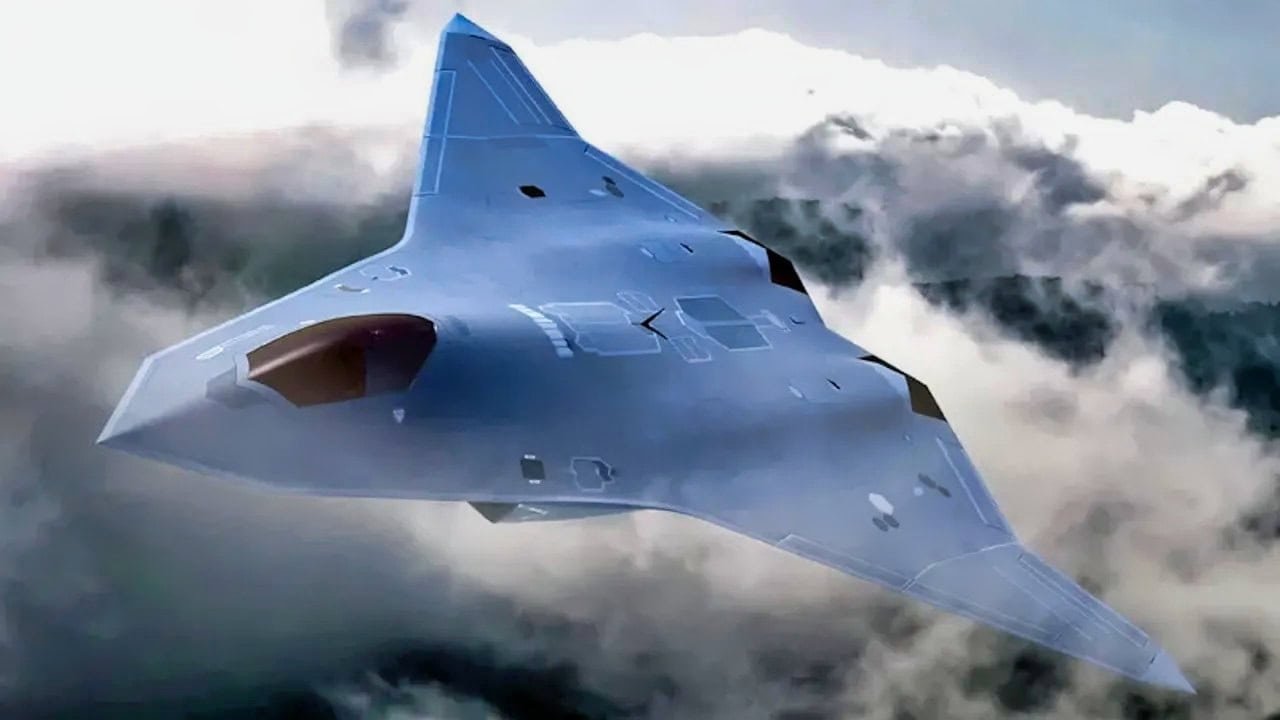
U.S
Washington, — Northrop Grumman has decided not to challenge Boeing’s selection for the U.S. Navy’s F/A-XX next-generation fighter program, clearing the way for development to continue without a formal procurement protest. According to Bloomberg News, Northrop Grumman made the decision after receiving a Navy debriefing and reviewing information about the competition. The company said: “After receiving a debrief and reviewing information, Northrop Grumman has decided not to protest the Navy’s decision. We remain focused on delivering critical capabilities in the quantities and timelines our customers need.” Boeing was selected on September 29, 2026, after competing against Northrop Grumman. The contract is valued at more than $20 billion and covers full-scale development, including multiple test aircraft for ground testing, airworthiness evaluations, mission systems integration and weapons testing. F/A-XX to Replace Super Hornets and Growlers The F/A-XX is the crewed fighter component of the Navy’s Next Generation Air Dominance (NGAD) programme. It is designed to replace the F/A-18E/F Super Hornet fighters and EA-18G Growler electronic attack aircraft. The Navy expects to begin introducing the aircraft in the 2030s. The new fighter will operate alongside the F-35C Lightning II, MQ-25 Stingray unmanned refuelling aircraft and future Collaborative Combat Aircraft. It will complement the F-35C rather than replace it. No Protest Clears Potential Delay Northrop Grumman could have challenged the award through the Government Accountability Office (GAO). A formal protest could have suspended contract work for months while the agency reviewed the competition. Depending on the findings, the process could also have required a reevaluation or other corrective action. By not filing a protest, Northrop Grumman has removed this potential source of delay. Boeing and Northrop Grumman Continue Other Fighter and Defence Programs The F/A-XX award gives Boeing responsibility for both major U.S. crewed sixth-generation fighter development programmes. The company was selected in March 2025 to develop the F-47 for the U.S. Air Force. Although reports have suggested that Boeing’s F-47 experience may have helped its F/A-XX bid, officials have not confirmed this as a deciding factor. Boeing has said it prepared to develop both aircraft in parallel through advance investments and planning at its defence operations in St. Louis, Missouri. Meanwhile, Northrop Grumman continues work on the Navy’s E-2D Advanced Hawkeye airborne early warning aircraft and the Air Force’s B-21 Raider stealth strategic bomber, alongside other defence programmes.
Read More → Posted on 2026-11-21 12:46:37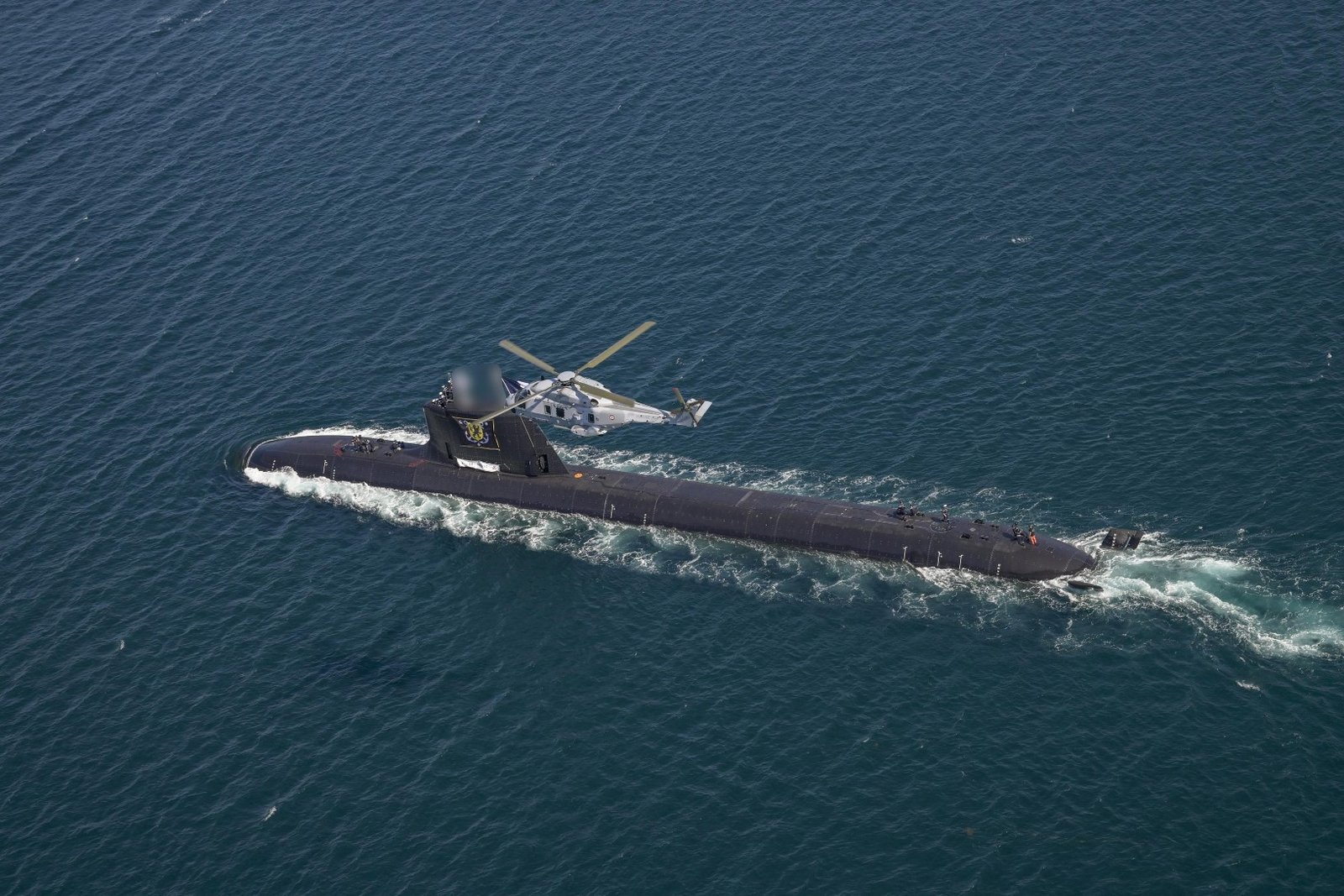
Europe
Paris, — The French Navy has officially placed its fourth Suffren-class nuclear-powered attack submarine (SSN), De Grasse (S638), into active service on November 20, 2026. The announcement was made by Admiral Christophe Cluzel, Chief of Staff of the French Navy, following the submarine’s completion of testing and operational checks. According to the French Ministry of the Armed Forces and Veterans Affairs, De Grasse is now cleared for operational deployments. Admiral Cluzel said the submarine strengthens France’s submarine fleet and provides capabilities for intelligence gathering, nuclear deterrence support, special forces operations and land attacks using naval cruise missiles. Sea Trials and Technical Upgrades Built by Naval Group at its Cherbourg shipyard, De Grasse began sea trials on February 24, 2026, following the first start-up of its nuclear reactor in December 2025. After four months of trials, the submarine was delivered to the French Navy and the Defence Procurement Agency (DGA) on June 24, 2026. It subsequently completed a long-duration deployment, operating in both polar and warm waters. The submarine also visited Tromsø in Norway and Norfolk in the United States, where its crew participated in commemorations of the 1781 Battle of the Chesapeake. Its homeport is Toulon. Compared with the first three submarines, De Grasse features an updated SYCOBS combat management system with additional software features and a new-generation electronic warfare system. Weapons and Operational Capabilities The Suffren-class submarines are equipped with four 533 mm torpedo tubes and can carry up to 20 weapons, including F21 heavyweight torpedoes and MBDA Exocet SM39 anti-ship missiles. They can also launch Naval Cruise Missiles (MdCN) to strike land targets at ranges exceeding 1,000 kilometres. For special operations, the submarine can accommodate up to 15 Commandos Marine. A removable dry deck shelter allows the deployment of the PSM3G swimmer delivery vehicle. The submarine is approximately 99.5 metres long, with a surface displacement of around 4,700 tonnes and a submerged displacement of approximately 5,200 tonnes. It uses a K15 nuclear reactor with turbo-electric propulsion and a pump-jet propulsor. Its crew consists of approximately 65 personnel. Four of Six Suffren-Class Submarines Now Operational The six-submarine Barracuda programme is replacing France’s older Rubis-class nuclear attack submarines, which entered service from the 1980s. De Grasse becomes the fourth submarine to enter active service, following: Suffren (S635): June 2022 Duguay-Trouin (S636): April 2024 Tourville (S637): July 2025 De Grasse (S638): November 20, 2026 The remaining two submarines, Rubis and Casabianca, are under construction at Cherbourg. Deliveries are scheduled through 2029 under France’s 2024–2030 Military Programming Law. The submarine is named after French naval commander François Joseph Paul, Comte de Grasse, who led the French fleet to victory against the British Royal Navy at the Battle of the Chesapeake in September 1781, an important engagement during the American Revolutionary War.
Read More → Posted on 2026-11-21 12:58:26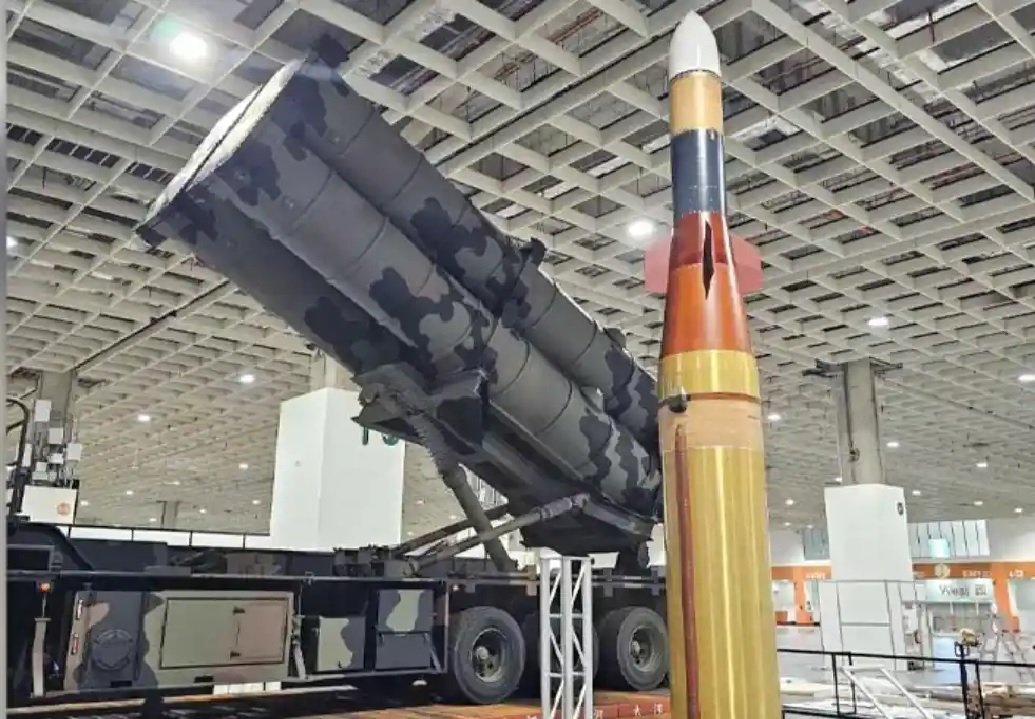
World
Taipei, — Taiwan’s Legislative Yuan has approved the government’s full NT$607.6323 billion (US$18.41 billion) supplementary budget for 2026, allowing the domestically developed Chiang Kung (TK-4) ballistic missile defence system to move towards mass production. Lawmakers passed the budget without cuts on November 20, including NT$145.7 billion in additional defence spending. Legislative Speaker Han Kuo-yu announced the approval after the third reading in Taipei. The legislature also approved NT$82.8 billion in additional revenue and NT$208.5541 billion in additional borrowing to finance the package. TK-4 Missile Production and T-Dome Defence Network The defence allocation includes funding for the first phase of mass production of the Chiang Kung (Strong Bow) system, also known as Tien Kung IV (TK-4). Developed by Taiwan’s state-run National Chung-Shan Institute of Science and Technology (NCSIST), the system is designed to intercept tactical ballistic missiles at high altitudes. The TK-4 uses a two-stage solid-fuel interceptor, a mobile vertical launch system and an active electronically scanned array (AESA) radar. Its publicly reported interception altitude is approximately 70 kilometres. It will form an upper layer of President William Lai’s proposed T-Dome integrated air and missile defence network, operating alongside systems such as Patriot PAC-3 and Tien Kung III. The approval allows NCSIST to begin outsourcing components and preparing production lines without waiting for the next annual budget. Earlier procurement plans included at least two systems and 128 interceptor missiles. Of the NT$145.7 billion defence allocation, NT$133.4 billion is for military investment, while NT$12.3 billion covers operational expenses, including combat troop allowances. The investment includes NT$55.9 billion for three unmanned-systems programmes, NT$64.5 billion for two classified projects and NT$13 billion for seven defence programmes, including the Chiang Kung system. Energy Subsidies and Price Freeze The supplementary budget allocates NT$101.431 billion to CPC Corp. Taiwan and NT$71.104 billion to Taiwan Power Co. (Taipower) to support their operations and energy price stabilisation policies. It also retains a separate NT$233.834 billion capital increase for CPC after lawmakers rejected a Taiwan People's Party proposal to remove the funding. Lawmakers also passed a resolution calling on the government to freeze domestic fuel and electricity prices until the end of January 2028. Public Sector Pay and Welfare Increases The budget includes NT$10.7 billion for higher professional and managerial allowances for military personnel and civil servants, including a fixed monthly increase of NT$2,000. Another NT$200 million will support local governments with allowances for councilors’ aides and administrative expenses for village and borough chiefs. A further NT$21.5 billion will expand social welfare payments, including benefits for older farmers, the National Pension Program and six major social welfare allowance categories. These increases will apply retroactively from July 1, 2026. The legislature also approved NT$300 million for preparatory work on a new child and youth development allowance programme scheduled to begin in 2027. The overall supplementary budget covers six policy areas: livelihood support, social welfare, compensation, post-disaster reconstruction, national defence and child and youth development.
Read More → Posted on 2026-11-21 13:04:16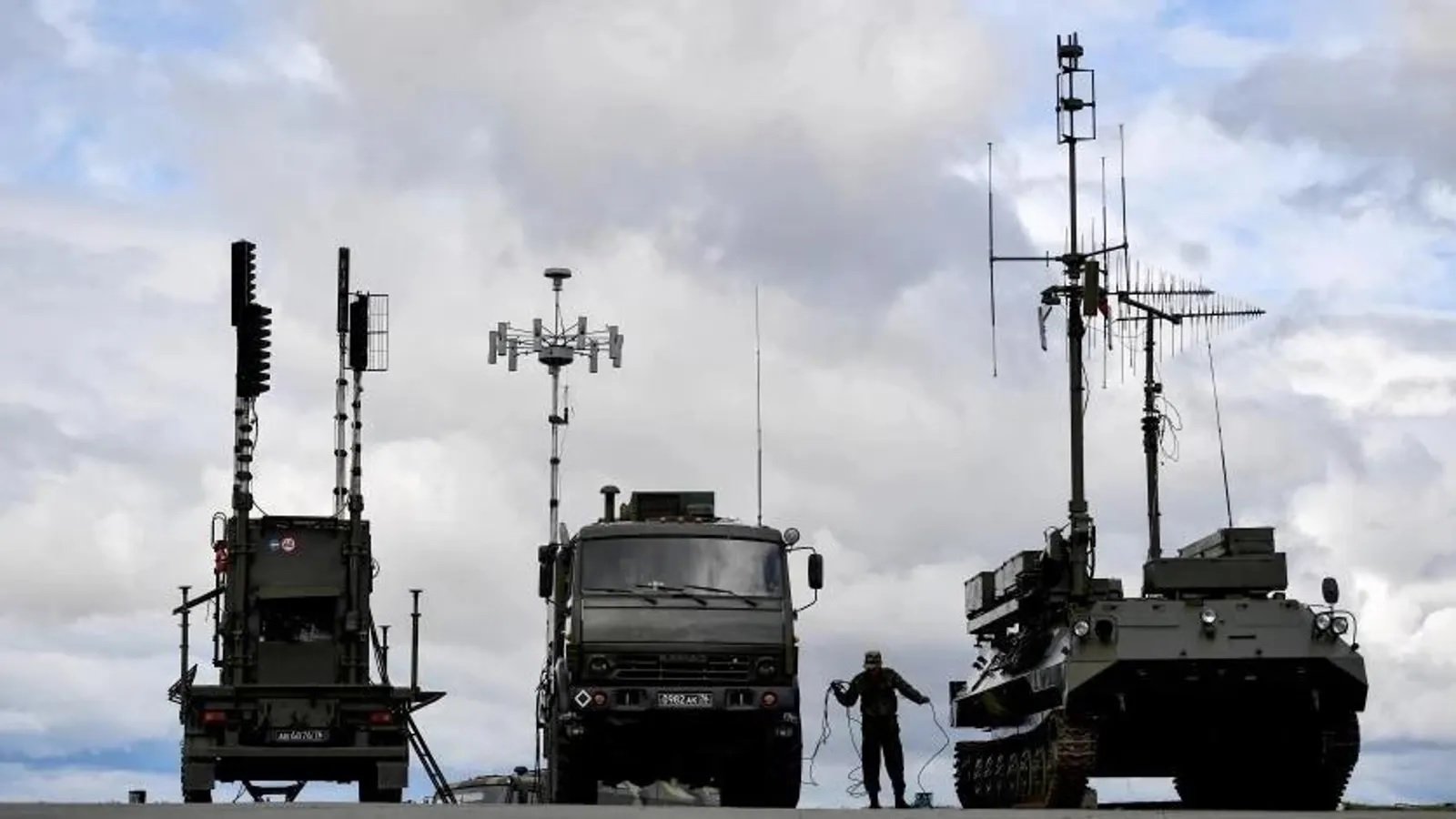
World
Moscow, — Russian company Novator has developed a new electronic warfare system called Foros, designed to detect and disrupt the control signals of first-person-view (FPV) drones. The system was developed to counter radio-controlled drones using targeted interference rather than continuous broadband jamming. According to TASS, which reported the development on November 20, citing the Center for Unmanned Systems and Technologies (CUST), Foros uses adaptive radio-frequency interference to identify active drone control links and generate interference matched to their operating parameters. The system is designed to operate across LoRa (Long Range) frequency bands used in FPV drone communications. LoRa is a wireless communication technology commonly used in remote-control systems because it supports long-range communication. Foros System Features CUST describes Foros as a compact and energy-efficient electronic warfare system designed for field deployment. Its main features include: Automatic operation: Detects and responds to drone control signals without continuous manual adjustment. External antenna connectivity: Supports external antennas for different deployment requirements. USB data output: Provides data transfer and system diagnostics. Network integration: Multiple Foros units can be connected to operate as a coordinated system. Targeted Jamming Against FPV Drones Unlike conventional electronic warfare systems that use continuous broadband interference, Foros is designed to target specific active control signals. This approach aims to reduce unnecessary radio-frequency interference and power consumption while disrupting enemy drone communications. FPV drones have become widely used in the Ukraine conflict, increasing demand for electronic warfare systems that can protect personnel and military equipment. However, radio-frequency jamming cannot disrupt fiber-optic-controlled drones because they use physical cables rather than wireless control links. The technical information and performance claims about Foros have been provided by CUST and its developer. No independent verification of its operational performance has been published.
Read More → Posted on 2026-11-21 13:14:13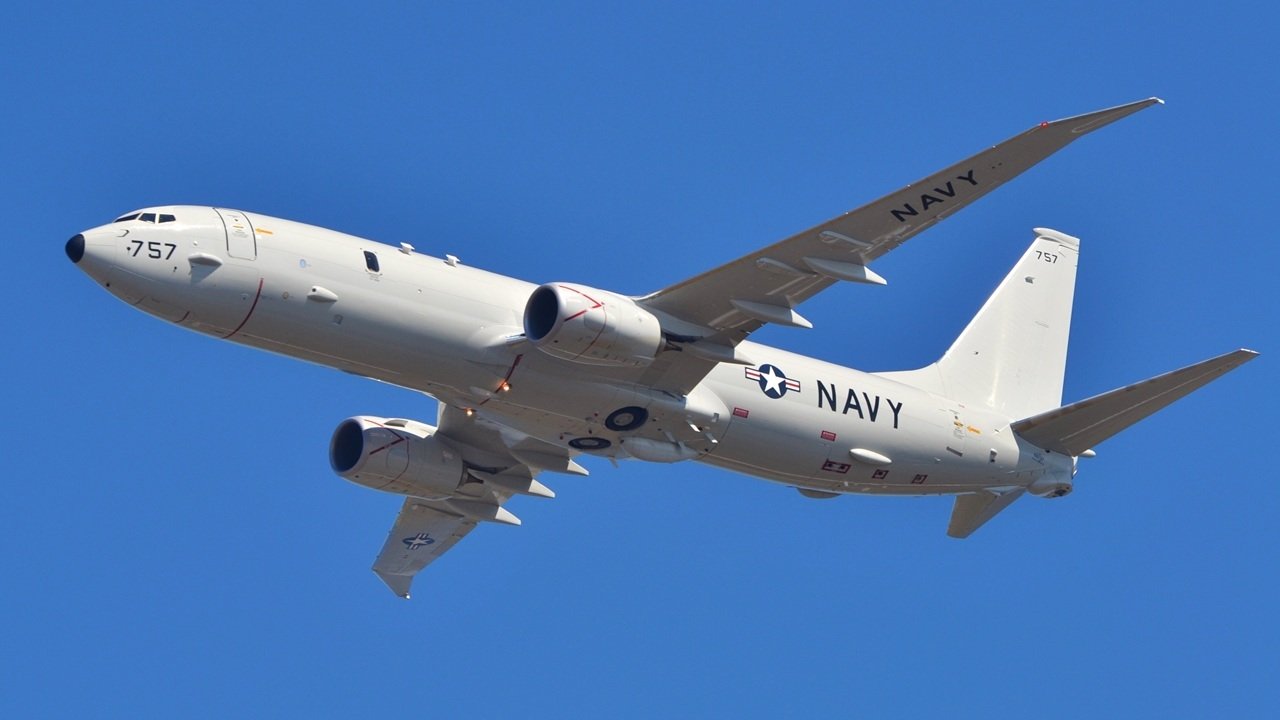
U.S
Washington, — BAE Systems has received a $104.7 million contract modification from the U.S. Navy to continue development and integration of the Advanced Survivability Pod (ASP) for the P-8A Poseidon maritime patrol aircraft. U.S. Department of War Announced on November 19, the modification is valued at $104,686,379 and was awarded to BAE Systems Information and Electronics of Nashua, New Hampshire. The work is expected to be completed by January 2030. The contract covers updates to the pod's design architecture during its engineering and manufacturing development phase, along with software updates and hardware modifications. Naval Air Systems Command is managing the award, which was not competitively procured. Work will be performed in Nashua, New Hampshire (91.5%), Austin, Texas (6.3%), and Patuxent River, Maryland (2.2%). The Navy will initially obligate $10.7 million in Fiscal Year 2027 research, development, test and evaluation funds. Advanced Survivability Pod to Protect P-8A Against Missile Threats The Advanced Survivability Pod is an electronic warfare system designed to improve aircraft protection against radar-guided threats. According to BAE Systems, it combines radio-frequency (RF) and electro-optical/infrared (EO/IR) threat detection with electronic countermeasures. Its planned capabilities include the AN/ALE-55 fiber-optic towed decoy, which trails behind an aircraft and uses radio-frequency signals to divert radar-guided missiles. The pod can also incorporate electronic jamming equipment to counter hostile radar and missile threats. BAE Systems has developed the pod with an open-architecture design, allowing future sensors, software and countermeasure technologies to be integrated without redesigning the entire system. Previous Development and Production Contracts The latest modification builds on earlier Navy contracts. BAE Systems received an approximately $95 million engineering and manufacturing development contract in 2024. In April 2025, the Navy awarded a $40.69 million modification for low-rate initial production of three Advanced Survivability Pod ship sets. The P-8A Poseidon, developed by Boeing, performs anti-submarine warfare, anti-surface warfare and maritime intelligence, surveillance and reconnaissance missions. The addition of the survivability pod is intended to improve its protection when operating in areas where radar and missile threats are present. The latest contract will support further development and integration of the system through January 2030.
Read More → Posted on 2026-11-21 13:31:41
India
Pokhran, — Adani Defence & Aerospace has demonstrated its indigenously developed Bagheera AT1 vehicle-mounted anti-tank guided missile (ATGM) system at the Pokhran Field Firing Ranges in Rajasthan. Conducted on November 20 under a No Cost No Commitment (NCNC) arrangement, the demonstration was witnessed by senior representatives from the Indian Army, Department of Military Affairs (DMA) and Ministry of Defence (MoD). During the trials, the company fired four anti-tank missiles to demonstrate the system's capabilities in different operational conditions. The tests included day and night target engagements, tandem firing of two missiles along a single laser beam against an armoured vehicle target, and engagement of an aerial target at extended range. A static display of the complete vehicle and launcher system followed the live firing. Bagheera AT1: Range and Key Capabilities Developed in approximately 18 months, Bagheera AT1 has been customised for Indian terrain, climate and operational requirements. The complete system combines an automated missile launcher, day-and-night targeting equipment and missiles on an Adani Defence-designed 4x4 high-mobility armoured vehicle. The missile has a stated engagement range of up to 8 km, while its broader architecture can support guided engagements of up to 10 km. It uses laser beam-riding guidance instead of radio-frequency command links, reducing its vulnerability to electronic jamming. One of its key features is tandem firing, in which two missiles are launched in quick succession along the same laser beam. The first missile is intended to trigger the target tank's Active Protection System (APS), allowing the second missile to attack the armour. Each vehicle carries 12 missiles: four ready-to-fire missiles in an automated turret launcher and eight additional reloads inside the vehicle. Integrated day television and thermal-imaging sights, along with automated target tracking, support operations during daylight and darkness. The vehicle also supports shoot-and-move tactics, allowing crews to fire from cover and relocate quickly. Indian Army's Anti-Tank Missile Modernisation The demonstration comes as the Indian Army continues efforts to modernise its anti-tank missile inventory, which includes older Milan-2T and Konkurs-M systems. India has also inducted Spike missiles for operational requirements and is considering additional options to strengthen its anti-armour capabilities. Bagheera AT1 could offer the Army another domestically developed, vehicle-mounted option alongside man-portable and helicopter-launched anti-tank weapons. However, the Pokhran demonstration does not itself establish an Army procurement order or induction decision. The programme also highlights the growing role of India's private defence industry in developing advanced weapon systems. India's defence production reached a record ₹1.78 lakh crore in FY 2025–26, with private companies contributing around 24%, or approximately ₹42,000 crore. Defence exports during the same financial year reached ₹38,424 crore.
Read More → Posted on 2026-11-21 13:47:02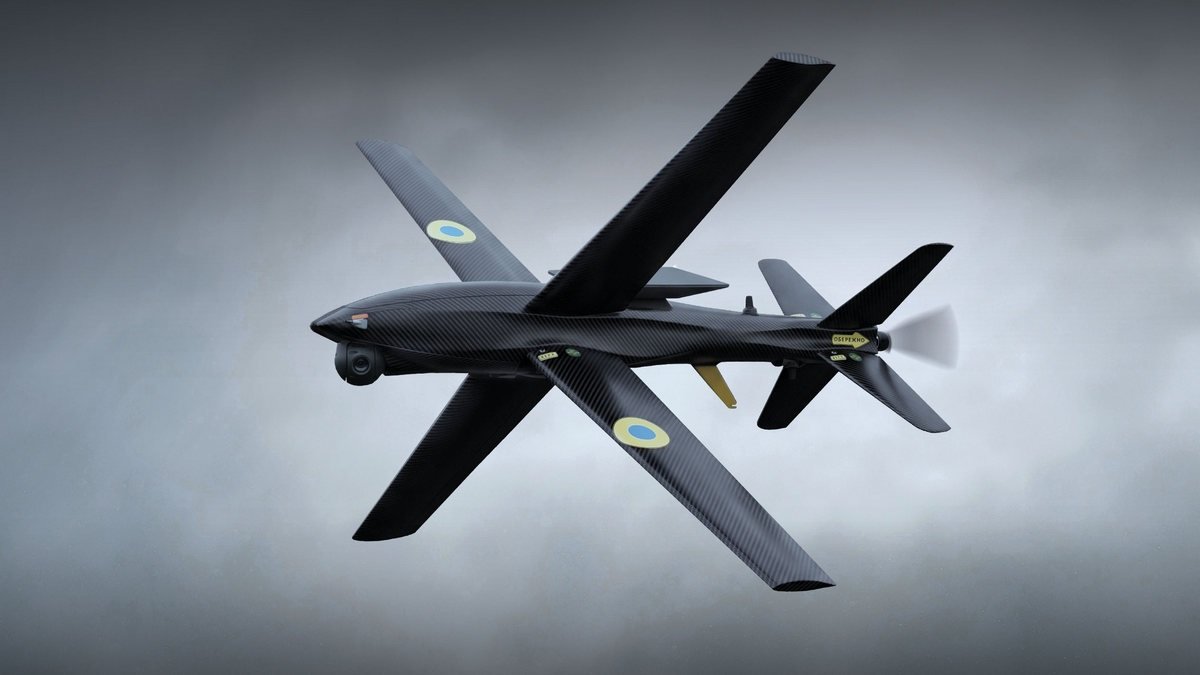
World
Kyiv, — Ukrainian defence manufacturer Ukrspecsystems has unveiled its new Black Betty (RAM/BB) strike drone, designed as a low-cost, mass-produced loitering munition for regular frontline strikes at ranges of 100–120 km. The system was developed in response to Ukrainian military requests for affordable attack drones that can be supplied and used in larger numbers. The drone was presented on November 20 during the To Arms (Do Zbroi) programme on Militarnyi, with representatives from Ukrspecsystems and the Serhiy Prytula Charity Foundation explaining its capabilities. Black Betty Complements RAM-2X Black Betty is designed to complement, not replace, the larger RAM-2X. While RAM-2X is mainly used against high-value targets such as air defence systems and long-range radars, Black Betty is intended for regular strikes against military transport, logistics, mobile fire groups, communications repeaters and support equipment. Its simplified X-wing cruciform airframe reduces manufacturing costs. According to the manufacturer, Black Betty costs nearly half as much as RAM-2X, with further reductions expected as production increases. A reported price for a standard configuration is around $15,000. Flight Performance and Guidance Black Betty carries a 2.7 kg warhead, has a flight endurance of approximately 1 hour and 20 minutes, and cruises at around 110 km/h. Its declared combat radius is 100–120 km, depending on weather conditions. However, one Ukrainian crew reportedly flew the drone approximately 140–142 km during a combat mission. It uses the same camera, optics, guidance software and target lock-on system as RAM-2X, allowing it to acquire and track targets from approximately 3 km. However, Black Betty does not have AI-based automatic target recognition, which is available on RAM-2X. The drone supports satellite communications, with an optional radio communications module depending on operational requirements. It can work alongside Shark and Shark-M reconnaissance drones, which locate and confirm targets before an attack, or conduct independent missions using satellite communications. Its shared components also allow operators familiar with Shark or RAM systems to use it without additional modifications. Automatic Evasion Against FPV Interceptors One of Black Betty's key features is an automatic evasion system against FPV interceptor drones. When an incoming threat is detected, the drone performs evasive manoeuvres using changing algorithms designed to make its flight path harder to predict. Ukrspecsystems reported that more than 100 Black Betty drones had been deployed by the presentation, with no confirmed losses to Russian FPV interceptors. However, the drone remains vulnerable to other air defence weapons. The company also described an incident in which a Black Betty continued flying and completed its strike after sustaining wing damage. Engineers are developing additional electronic sensors to detect approaching FPV interceptors earlier and warn operators. Deliveries Through Serhiy Prytula Foundation Initial Black Betty deliveries have reached Ukrainian military units through the Serhiy Prytula Foundation's Shchelepy (Jaws) project, launched in February 2025 to supply reconnaissance and strike drones. According to the foundation, the project has completed 77 procurement programmes across 26 military units, delivering 909 pieces of equipment. These include Shark and Shark-M reconnaissance drones, RAM-2 and RAM-3 strike systems, Black Betty drones, ground control stations and supporting equipment. An October 2026 delivery included 45 Black Betty drones, 14 Shark-M systems and nine RAM-2X systems, valued at 69.8 million UAH and distributed to seven military units. Recipients include the 429th Achilles Unmanned Systems Brigade, 65th Separate Mechanised Brigade, reconnaissance units and Security Service of Ukraine teams. With Black Betty, Ukrspecsystems aims to provide Ukrainian forces with a more affordable strike drone for routine missions, while retaining the RAM-2X for targets requiring a larger warhead and longer range.
Read More → Posted on 2026-11-21 14:39:53
Space & Technology
GOLDEN, Colorado, — Lunar Outpost’s Pegasus Lunar Terrain Vehicle (LTV) has successfully completed NASA’s Preliminary Design Review (PDR), bringing the $220 million lunar rover programme closer to its planned 2028 mission to the Moon’s south pole. Lunar Outpost announced the milestone on November 19, four months after receiving NASA’s development contract in May 2026. The review marks an important step before construction and testing of the flight-ready rover. The company expects to deliver Pegasus to NASA in late 2027. Designed for Lunar Exploration Pegasus is an unpressurized lunar rover designed to transport two astronauts wearing spacesuits, along with scientific instruments, supplies and other equipment. It can be driven by astronauts, controlled remotely from Earth or operated autonomously. The vehicle is a lighter, mission-ready development of Lunar Outpost’s earlier Eagle rover. It is designed to reach speeds of more than 9 mph and operate on the challenging terrain of the lunar south pole for up to one year. The programme involves General Motors, Goodyear and Leidos. Its development also draws on Lunar Outpost’s experience with the MAPP robotic rover, which operated at the lunar south pole in 2025. NASA Astronauts Test Pegasus Prototype Lunar Outpost has developed three Pegasus prototypes and conducted testing with NASA astronauts at the Johnson Space Center. Wearing pressurised spacesuits, astronauts evaluated the rover’s design, usability and crew comfort. The company also tested Pegasus’s spring-mesh tyres at NASA Glenn Research Center’s SLOPE Laboratory. The tests examined traction, soil mechanics and mobility in simulated lunar soil. The next step includes testing a drivable Pegasus prototype with NASA crews in a simulated lunar environment. The trials will examine both crewed driving and remote operation. Preparing for the 2028 Moon Mission Before astronauts arrive, Pegasus is expected to operate remotely from Earth. It will survey the lunar surface, examine potential landing areas and collect information to support NASA’s planned Moon Base infrastructure. Once astronauts arrive, the rover will provide transportation for crew members and equipment during lunar exploration. NASA selected Lunar Outpost and Astrolab in May 2026 to develop the first phase of its lunar terrain vehicles. Astrolab received a separate $219 million award for its CLV-1 rover. NASA selected Blue Origin’s Blue Moon Mark 1 lander to deliver the vehicles to the lunar surface in 2028 under the Commercial Lunar Payload Services initiative. Following the successful preliminary design review, Pegasus must complete its Critical Design Review (CDR) before moving further towards flight hardware construction and testing. Lunar Outpost is targeting delivery in late 2027 and a lunar landing in 2028.
Read More → Posted on 2026-11-21 14:45:11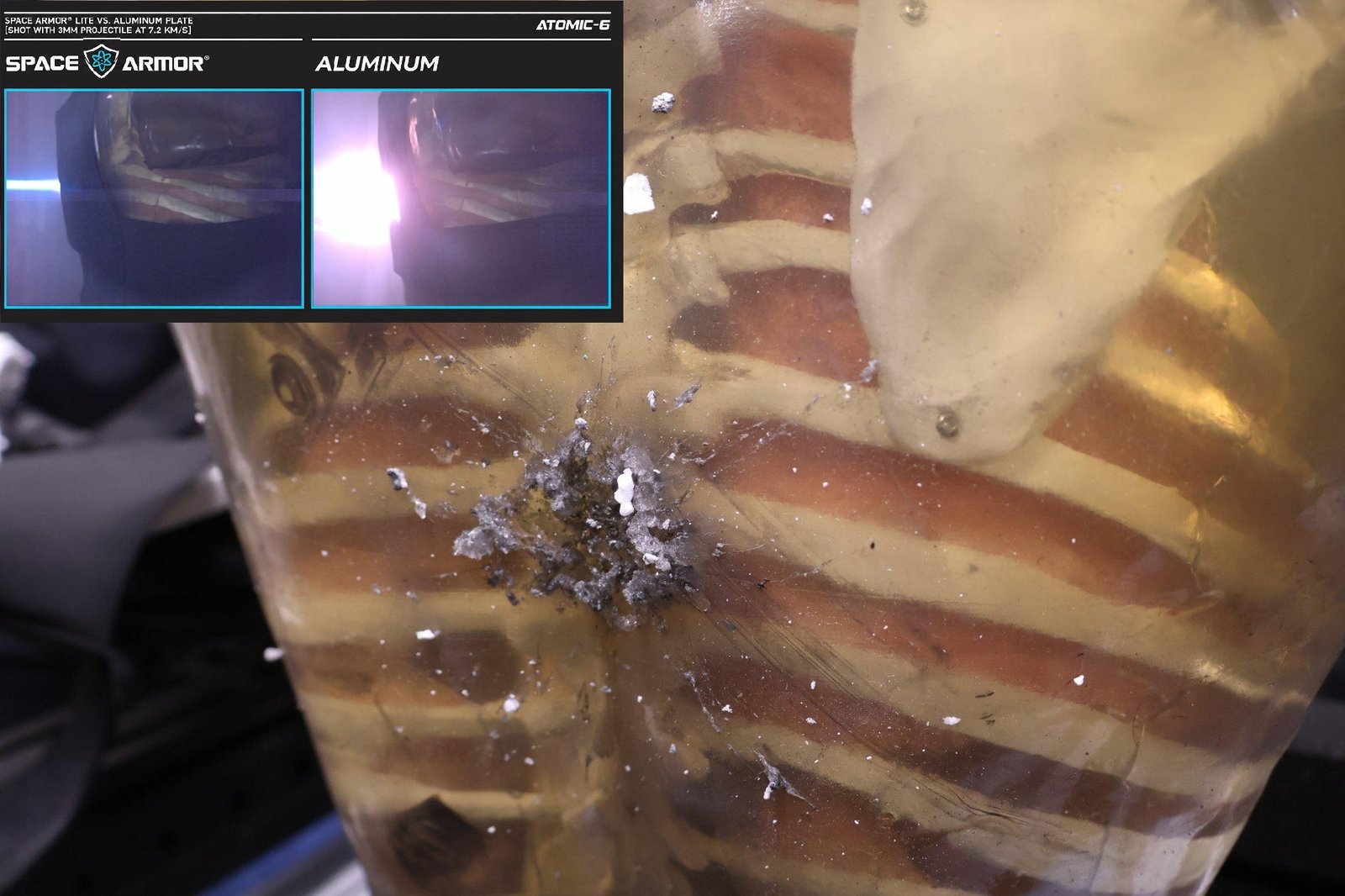
Space & Technology
MARIETTA, Georgia, — U.S. space technology company Atomic-6 has successfully tested its composite Space Armor Lite material against high-speed orbital debris, demonstrating its potential to protect astronauts during spacewalks. The proof-of-concept test was conducted at Texas A&M University’s Hypervelocity Impact Laboratory. Researchers fired a 3-millimeter aluminum projectile at approximately 7.2 kilometres per second (16,100 mph) toward a transparent simulated human torso protected by a hexagonal Space Armor Lite tile. The projectile did not penetrate the shield, and the simulated torso showed no visible damage. Its rear surface also showed no visible bulging, cracking or material detachment. In a comparison test under the same impact conditions, a 4-millimeter-thick aluminum plate failed to stop the projectile, leaving metal fragments embedded in the simulated torso. The plate thickness was selected using NASA ballistic-limit equations to represent protection similar to that used in current spacesuits. Composite Armor Designed for Space Debris Protection Atomic-6 originally developed Space Armor to protect satellites against micrometeoroids and orbital debris that are too small to track reliably from Earth. The company says debris measuring 3 millimeters or smaller accounts for roughly 90 percent of objects in low Earth orbit. Such particles can damage spacecraft because of their extremely high impact speeds. Unlike conventional metallic Whipple shields, Space Armor uses a patented, non-metallic fibre-to-resin composite designed to absorb impact energy while producing minimal secondary debris. The tiles are under one inch thick, with an areal mass of approximately 14 kilograms per square metre. They are also designed to be lighter and more compact than traditional metallic shielding. Their composite construction allows radio-frequency signals to pass through, supporting applications around satellite communication antennas. Atomic-6 offers two versions: Space Armor Lite, designed to stop objects up to 3 millimeters in diameter, and Space Armor Max, designed for debris impacts up to 12.5 millimeters. Space Armor Already Tested in Orbit The latest ground test follows the technology's first operational deployment in orbit. Space Armor tiles were launched aboard Portal Space Systems’ Starburst-1 spacecraft in October 2026 on a SpaceX Falcon 9 rocket as part of the Bandwagon-5 mission. The satellite is scheduled for a one-year mission in sun-synchronous orbit. Further Testing Planned for Spacesuit Integration Atomic-6 is now exploring the possibility of integrating Space Armor into astronaut spacesuits. Former International Space Station commander Chris Hadfield, who serves on the company's advisory board, said better protection against micrometeoroids and orbital debris is important because an astronaut's spacesuit functions as a one-person spacecraft during spacewalks. CEO Trevor Smith said the company initially developed the material to protect spacecraft but is now examining its potential to improve astronaut safety. However, the recent experiment was conducted using a stationary ballistic torso and a flat protective tile. It did not test an operational spacesuit, life-support systems, injury outcomes or whether a suit could maintain pressure after an impact. The company plans further tests using curved shielding tiles and different impact angles. It is also in early discussions with spacesuit manufacturers about integrating the material without restricting astronaut movement. Additional testing will be required before the technology can be considered for operational spacesuits.
Read More → Posted on 2026-11-21 14:49:24
U.S
Washington — The US Senate Appropriations Committee has proposed cutting nearly $1.84 billion from the Navy’s planned Trump-class guided-missile battleship (BBG[X]) programme in its fiscal 2027 defence spending proposal. The move would leave approximately $80 million for early design work, significantly reducing the funding available for development. The proposal eliminates the entire $1 billion requested for advance procurement of long-lead materials and components for the first ship, USS Defiant (BBG-1). Senators described the request as "early to need", arguing that the programme was not mature enough to justify purchasing equipment years before construction. The committee has also proposed cutting $836.9 million from research and development, including $585.9 million for preliminary design and feasibility studies and $251 million for advanced surface machinery systems. Trump-Class Battleship: Design and Estimated Cost Announced by President Donald Trump in December 2025, the BBG(X) programme is a central part of his proposed Golden Fleet naval expansion plan. The planned battleships will displace approximately 34,000–35,000 tons and carry conventional naval guns, directed-energy laser weapons, electromagnetic railguns, 128 vertical launch system cells and 12 dedicated hypersonic missile launch cells. Later programme details also indicated a nuclear-powered design. However, the programme faces questions over its technical complexity and cost. The Congressional Budget Office (CBO) estimates that the first ship could cost approximately $23.4 billion. Subsequent ships in the planned 15-ship programme could average slightly more than $18 billion each. The total programme cost is estimated at around $275 billion through 2056. Wider Cuts to Navy Shipbuilding The proposed battleship reductions are part of a broader reduction in Navy shipbuilding funding. The committee has recommended $41.6 billion for ship construction and modernization, approximately $18.5 billion below the administration's $60.2 billion request. The committee cited shipyard capacity limitations, workforce shortages, inflation, supply-chain problems and outdated manufacturing equipment as major challenges. Other programmes also face reductions, including Columbia-class ballistic missile submarines, Virginia-class attack submarines, San Antonio-class amphibious ships and America-class amphibious ships. The proposed reductions include $5.6 billion for Columbia-class submarines, $6.4 billion for Virginia-class submarines and a combined $2.5 billion for the two amphibious ship classes. The proposal also removes funding for six Medium Landing Ships and two submarine tenders. However, lawmakers added funding for a second Arleigh Burke-class guided-missile destroyer, beyond the Navy's original request. They also allocated $329 million for the submarine industrial base and $595 million to expand surface shipbuilding capacity. Restrictions on constructing US combatant warships in foreign shipyards remain in place. Missile Production Gets Higher Priority The Senate proposal also directs additional funding towards replenishing US missile inventories following their depletion during the conflict with Iran. It adds approximately $10 billion for THAAD interceptors, $11 billion for Patriot PAC-3 air-defence missiles and $631 million for scaled hypersonic strike systems. The proposal also provides multi-year procurement authority for eight major munitions programmes to support production and supply-chain stability. What Happens Next? The Senate Appropriations Committee's proposal is not the final fiscal 2027 defence budget. It must undergo further consideration and negotiations involving the full Senate and House of Representatives before becoming law. For the Trump-class battleship programme, the negotiations will determine whether the Navy receives the funding needed for advanced design and long-lead procurement or remains limited to early-stage development. The proposed cuts do not cancel the programme, but they highlight congressional concerns over its cost, technical maturity and the capacity of US shipyards to support another major warship programme. Main Source : Navelnews
Read More → Posted on 2026-11-22 13:43:58
World
Benghazi, Libya — A Russian Navy Project 20380 Steregushchiy-class corvette, Merkury, was engulfed in flames following a major explosion at Benghazi naval base in eastern Libya. The warship is assessed to be almost certainly destroyed, although it remains unclear whether it sank at the pier or burned out at its berth. According to naval analyst H I Sutton, writing for Naval News ,multiple satellite images and supporting sources image and Videos confirmed the fire aboard the vessel. The images have not been publicly released. Libyan Civil Defence authorities reported an explosion at an ammunition depot inside the naval base but did not mention a Russian warship. Firefighters brought the blaze under control. Local residents reported several explosions around 3 a.m., followed by fire and flying fragments. Some accounts also mentioned aircraft overhead and anti-aircraft fire, although these details remain unverified. Neither Russia nor Ukraine has officially commented, and no group has claimed responsibility. Explosions followed by a secondary detonation rocked a port in eastern Libya overnight on November 21–22, 2026. Footage reportedly shows the superstructure of Russia's Project 20380 corvette Merkury, with Ukrainian involvement suspected but unconfirmed. https://t.co/ok2r9ptElZ — The Defense News (@TheDefenseNews) November 22, 2026 Merkury's Deployment and Capabilities The 104.5-metre Merkury, commissioned in May 2023 after construction at the Severnaya Verf shipyard in St. Petersburg, has a full-load displacement of approximately 2,200 tonnes and a crew of around 90. Its weapons include Kh-35 anti-ship missiles, a 100mm naval gun, air-defence systems and anti-submarine torpedoes. Although assigned to Russia's Black Sea Fleet, the corvette has reportedly operated from Northern Fleet bases in the Arctic because of restrictions on naval movements through the Black Sea during the ongoing war. Merkury had been stationed in Benghazi for several days and was reportedly escorting Russian government-linked cargo vessels used for arms transportation. In April 2024, it also escorted the Russian landing ships Ivan Gren and Olenegorsky Gornyak from Syria to Libya. Recent Attacks on Russian Ships The Benghazi explosion occurred one day after the Russian-flagged cargo ship Sparta II was struck by two drones in international waters west of Gogland Island in the Gulf of Finland on November 21. The vessel, operated by Russian Defence Ministry logistics company Oboronlogistika, was travelling towards Kaliningrad. Finland's military assessed that Ukraine was likely responsible. All 16 crew members were evacuated to another Russian vessel as the damaged ship drifted into Finnish waters. Other Russian vessels have also been targeted or damaged in previous incidents: Corvette Boikiy (June 3, 2026): Merkury's sister ship was seriously damaged by Ukrainian aerial drones while in dry dock at Kronstadt near St. Petersburg. The attack caused an explosion and a fire that heavily damaged its superstructure. LNG tanker Arctic Metagaz (March 3, 2026): The Russian-flagged tanker was destroyed off the Libyan coast, reportedly involving uncrewed surface vessels. Its 30 crew members escaped in a lifeboat before the damaged vessel drifted across the Mediterranean. Cargo ship Ursa Major (December 23, 2024): The Russian government-linked heavy-lift vessel sank in the western Mediterranean between Spain and Algeria following hull explosions, reportedly caused by limpet mines. Spanish rescuers saved 14 crew members, while two remained missing. If confirmed as a total loss, Merkury would become the second Steregushchiy-class corvette knocked out of service in 2026. The exact cause of the Benghazi explosion, the extent of the damage and responsibility for the incident remain unconfirmed.
Read More → Posted on 2026-11-22 14:03:33
World
The Hague, Netherlands — The Netherlands plans to expand its domestic defence industry by 40% by 2030, targeting annual revenue of €15 billion. The government has allocated €1.6 billion under its National Programme for Defence Industry and Innovation (NPDII) to increase domestic production, support technology companies and reduce dependence on foreign suppliers. Defence Minister Dilan Yesilgöz presented the programme at the NEDS defence industry fair in Rotterdam in November 2026. The initiative involves the ministries of Defence, Economic Affairs, Education, Culture and Science, and Foreign Affairs, working with industry and research organisations. €1.6 Billion Investment in Four Priority Areas The funding focuses on four areas: air and missile defence, unmanned and autonomous systems, digital warfare and resilience, and military logistics and sustainment. Of the €1.6 billion allocation, €600 million will support industrial development and production expansion, €320 million international cooperation and €150 million supply-chain resilience. By 2030, domestic military orders are expected to generate €10 billion annually, a 50% increase. Defence exports are projected to contribute another €5 billion, representing 25% growth. From 2027, the Ministry of Defence will give greater consideration to the origin of products and suppliers. Procurement guidelines planned for the first quarter of 2028 will also examine raw material origins, components and supply-chain transparency. New Defence Research Institute and Investment Fund The Netherlands plans to establish the National Institute for Defence Technology (NIDT) in 2028. Its annual budget is expected to reach €350 million by 2030. The institute will work with universities and the Netherlands Organisation for Applied Scientific Research (TNO) to move defence technologies from research into military production. Monitoring the North Sea using sensors and autonomous systems is among its planned priorities. The government and Invest-NL will also establish a €200 million Defence Scale-up Fund in early 2027. It will support small and medium-sized companies developing dual-use technologies, with investments starting at €5 million per round and private co-investment. Additional legal measures planned for 2028 will protect strategically important Dutch defence companies against unwanted foreign takeovers and the transfer of sensitive technologies. Destinus Ruta Missiles Used in Ukraine The industrial expansion plan comes as Dutch-headquartered defence company Destinus attracts attention following the use of its Ruta Block 1 cruise missiles in Ukraine. During the November 17, 2026, strike on the Crimean Bridge, Ukrainian forces launched nine Ruta missiles, of which seven reportedly hit the crossing, according to Destinus president Oleksandr Danyliuk. The company also confirmed that its Da Vinci (LORD) one-way attack drones participated in operations against Russian air defences. Ukrainian President Volodymyr Zelenskyy also referred to the Ruta missiles following the attack. The Ruta Block 1 has a range exceeding 300 km and a payload of approximately 150 kg. The Netherlands previously signed a €250 million contract for 700 Ruta missiles for Ukraine. Destinus has also advanced its longer-range Block 2, with a reported range exceeding 700 km and a 250 kg payload. A Block 3 variant, being developed with Germany's Rheinmetall, is planned to have a range of 2,000 km, with testing scheduled for 2027. The missile company's confirmation of its involvement in the bridge strike also triggered a diplomatic exchange between Moscow and The Hague. Russia's embassy questioned the Netherlands' involvement, prompting Dutch Foreign Minister Tom Berendsen to summon the Russian ambassador. Prime Minister Rob Jetten said the Netherlands would not be intimidated. Netherlands Continues Military Modernisation Despite spending approximately 2.2% of GDP on defence in 2026, or around $28.3 billion, the Netherlands does not have a large domestic defence conglomerate comparable to Germany's Rheinmetall or Britain's BAE Systems. Its industry mainly consists of specialised technology companies, shipbuilders and component manufacturers. The country continues to rely on European partnerships for major military equipment. Recent modernisation programmes include a $1.45 billion agreement with Sweden's BAE Systems Hägglunds for additional CV90 infantry fighting vehicles. Existing CV9035NL vehicles are also receiving mid-life upgrades with Elbit Systems' Iron Fist active protection system. The Netherlands is additionally procuring ACSV G5 tracked armoured vehicles from Germany's Flensburger Fahrzeugbau Gesellschaft (FFG). The platform also serves as a chassis for systems such as Skyranger 30 and NOMADS. In November 2026, the Netherlands also joined the Common Armoured Vehicle System (CAVS) programme through a technical agreement with Finland and other European countries to cooperate on Patria wheeled armoured vehicles. Through its €1.6 billion industrial programme and European procurement partnerships, the Netherlands aims to strengthen domestic defence manufacturing and make its specialised companies important suppliers for its armed forces and European allies by 2030.
Read More → Posted on 2026-11-22 14:17:33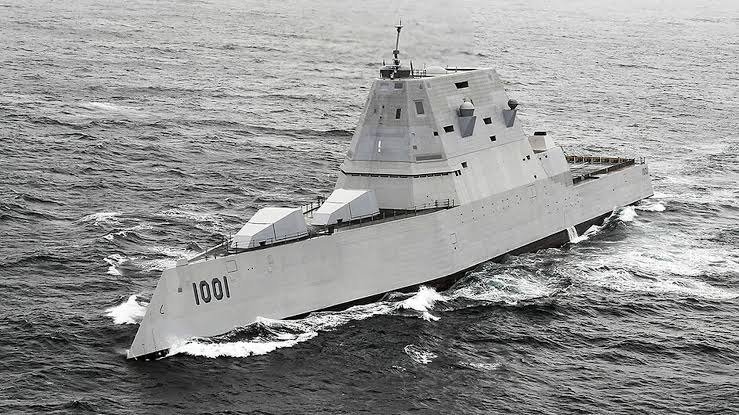
U.S
WASHINGTON — The US Navy plans to begin a 27-month modernization of USS Michael Monsoor (DDG-1001) in May 2028 to equip the Zumwalt-class destroyer with the Conventional Prompt Strike (CPS) hypersonic missile system. The work is scheduled for completion in August 2030, making it the third and final ship of the class to receive the weapon. On November 17, Naval Sea Systems Command (NAVSEA) announced an industry day in Washington, D.C., for December 9 to assess shipyard capabilities and installation requirements. The command has issued two requests for information, N00024-27-R-4443 and N00024-27-R-4444. Technical exchange responses are due December 4, while responses to the heavy-lift installation inquiry are due December 15. Replacing Naval Guns with Hypersonic Missiles The modernization will involve major structural modifications and internal compartment changes. The ship's two 155mm Advanced Gun Systems (AGS) will be removed to make room for the new missile launch system. The Navy previously cancelled procurement of their specialised ammunition because of rising costs, leaving the guns without their intended operational ammunition. They will be replaced by a Large Missile Vertical Launch System (LMVLS) module weighing approximately 600 long tons (610 metric tons). Measuring 44 feet 7 inches by 20 feet 8 inches by 41 feet 1 inch, the module will contain four large-diameter launch tubes. Each tube will accommodate an Advanced Payload Module carrying three CPS missiles, providing a total capacity of 12 hypersonic missiles. The installation requires contractors with heavy-lift, shipyard engineering and precision installation experience. The missiles are planned for storage at Naval Weapons Station Yorktown, Virginia. Computing, Power and Cooling Upgrades The upgrade will also include a comprehensive modernization of the ship's Total Ship Computing Environment (TSCE). This involves new hardware, software, open-architecture improvements and combat-system interfaces for operating the CPS weapons. NAVSEA will also upgrade electrical power conversion and distribution systems. High-efficiency chilled-water cooling equipment will be installed to support the additional electronic and launch-system requirements. Zumwalt-Class Conversion Faces Delays The CPS is a joint US Navy and Army hypersonic weapon. It uses a two-stage solid-fuel rocket booster and a Common Hypersonic Glide Body designed to travel at speeds exceeding Mach 5. The US Army is developing the same weapon for its ground-based Dark Eagle system. The other two Zumwalt-class destroyers are also undergoing conversion: USS Zumwalt (DDG-1000): Its CPS modernization at Ingalls Shipbuilding in Pascagoula, Mississippi, reached approximately 94% completion in January 2026. The ship has entered sea trials and acceptance testing, with operational capability projected for 2028–2029. USS Lyndon B. Johnson (DDG-1002): Its CPS launch system is being installed during the final construction and delivery process, scheduled for April 2027. However, the programme is facing technical and industrial delays. A July 2026 Government Accountability Office (GAO) report found the overall conversion programme approximately 24 months behind its original schedule. The first at-sea CPS flight test from a Zumwalt-class destroyer has shifted from 2025 to 2027. Missile production currently stands at six to seven rounds annually, below the 12-per-year rate required to stabilise inventories. Future Pacific Deployment USS Michael Monsoor, named after Navy SEAL Petty Officer Second Class Michael A. Monsoor, is currently based at Naval Base San Diego. Monsoor was posthumously awarded the Medal of Honor for his actions in Iraq in 2006. After completing all three conversions, the Navy plans to relocate the Zumwalt-class destroyers to Joint Base Pearl Harbor-Hickam, Hawaii. They will operate alongside guided-missile submarines as part of a concentrated Pacific long-range strike force, described by Navy planners as a modern "Battleship Row". The scheduled May 2028–August 2030 modernization will complete the planned CPS conversion of all three Zumwalt-class destroyers, giving the class a new conventional long-range strike capability.
Read More → Posted on 2026-11-22 15:10:53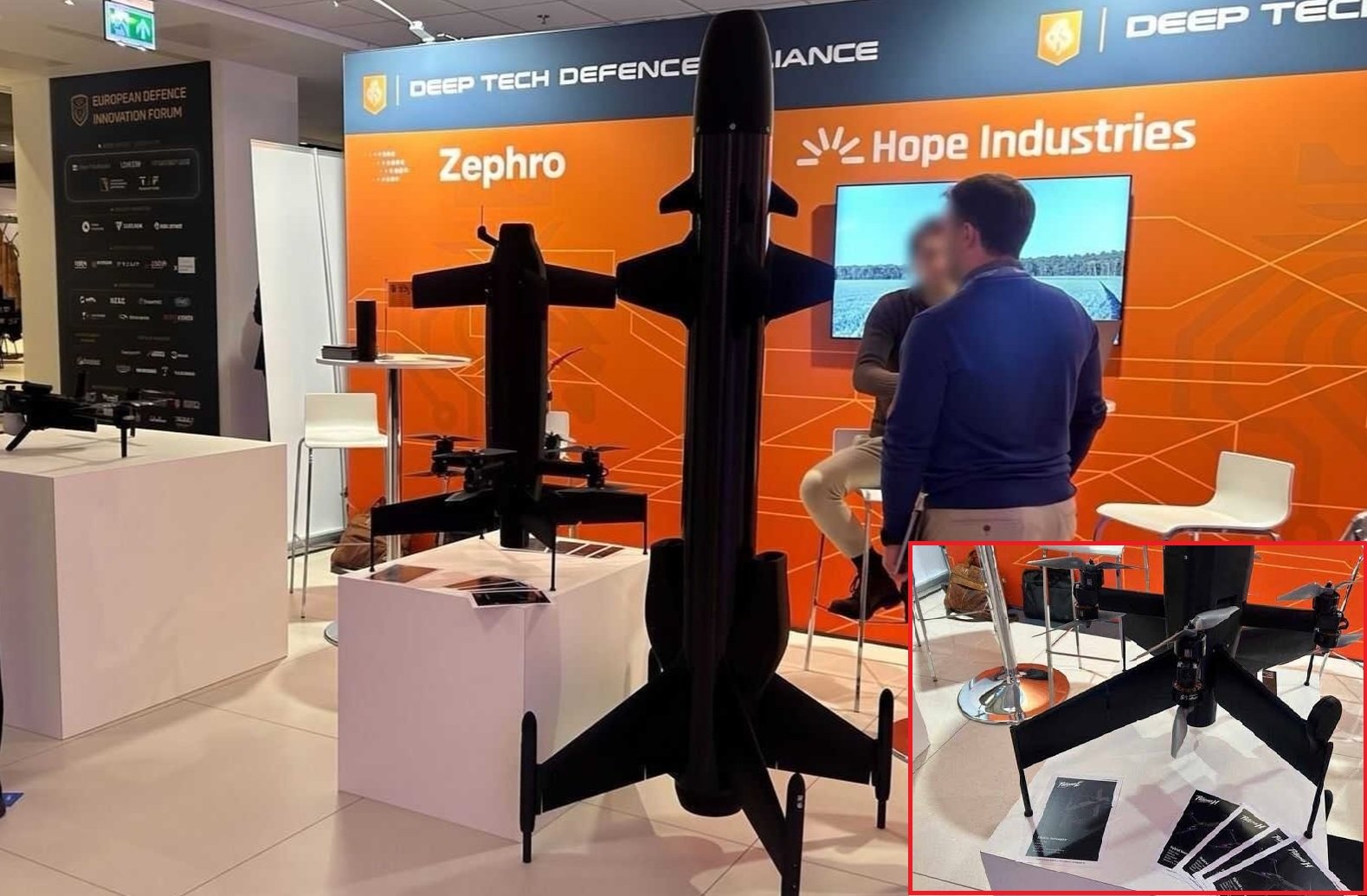 Dutch Company Hope Industries Unveils 800 km/h Patronus Interceptor Drones to Counter Shahed Threats
Europe
The Hague, Netherlands — Dutch defence company Hope Industries has unveiled two reusable interceptor drones, Patronus E and Patronus H, designed to counter high-speed attack drones such as the Shahed. The systems were presented at the European Defence Innovation Forum (EDIF) 2026, held on November 11–12 in The Hague. Both drones feature modular vertical take-off and landing (VTOL) designs, allowing deployment without conventional runways or extensive launch equipment. Patronus H: Jet-Powered Interceptor Development of the Patronus H began three months ago in response to a Dutch Ministry of Defence challenge to counter faster, second-class aerial threats. These include jet-powered Shahed-type drones flying at around 600 km/h, altitudes of up to 5 km, and within a 30 km protection radius. The Patronus H has a claimed range of 80 km, maximum speed of 800 km/h and a 2 kg payload. It is approximately twice as large, fast and heavy as the electric model and carries twice its payload. The production version will use a turbojet engine from Dutch company HTF. Its first flight tests are scheduled for December 2026. Patronus E: Electric Interceptor The electric Patronus E has been under development for approximately 18 months and serves as the foundation for the jet-powered version. It offers a claimed range of 35 km, maximum speed of 400 km/h and a 1 kg payload. Hope Industries says the system has reached approximately Technology Readiness Level 8 (TRL 8). It already operates autonomously at speeds up to 300 km/h, while engineers are working to ensure stable flight between 300 and 400 km/h. Radar Detection and Autonomous Guidance Both models use Hope Industries' proprietary software. Ground-based radar first detects and tracks incoming drones, directing the interceptor towards the target area. After an operator confirms the target, onboard computer vision takes over for autonomous optical tracking and terminal guidance. The system's training data comes from open sources, real interception footage and videos of company-built target drones designed to resemble Shahed-type aircraft in silhouette and aerodynamics. Current flight trials use no live warheads. Once the onboard camera locks onto a target, operators issue a last-second abort command, allowing the interceptor to avoid collision and be recovered. The same detection and guidance technology is planned for the Patronus H. Cooperation with Ukraine Hope Industries has confirmed cooperation with a Ukrainian defence company, but has not disclosed its identity or details of the joint project. The second European Defence Innovation Forum brought together more than 1,000 participants, including defence officials, investors and representatives of over 50 European and Ukrainian defence companies. Participants included representatives from Ukraine, the Netherlands, the United Kingdom, Latvia and other European NATO and partner countries. The event focused on defence innovation, industrial cooperation and battlefield lessons from Ukraine.
Read More → Posted on 2026-11-22 15:23:50
World
Persian Gulf — Iran has released footage claiming that its Air Defense Force engaged a US Air Force F-16 fighter jet over the Persian Gulf on November 20, 2026. Tehran says an air defence missile exploded near the aircraft, causing damage and forcing the pilot to abort the mission and make an emergency landing. However, US Central Command (CENTCOM) has denied the attack, stating that all American fighter jets in the Middle East are safe. According to the Iranian Army's Public Relations Office, domestically developed air defence systems detected, identified and tracked the F-16 through Iran's integrated air defence network while it was operating over waters off the country's southern coast. Iranian state media, including IRIB, Tasnim and Press TV, released footage showing what they described as the missile engagement. Iranian officials said the missile exploded close to the fighter, forcing the pilot to divert to a nearby regional airport. F-16 Reports Emergency and Lands at Al Dhafra The Iranian claim coincided with open-source flight-tracking reports showing a US Air Force F-16CM transmitting the 7700 emergency squawk code near the Strait of Hormuz on November 20. The aircraft reportedly transmitted the code at approximately 20:16 UTC, before descending from around 32,000 feet to 4,500 feet and landing at Al Dhafra Air Base in Abu Dhabi, UAE. Some aviation observers identified the aircraft as serial number 87-0355, a Block 40 F-16 associated with the 510th Fighter Squadron. However, its identity has not been officially confirmed. The 7700 code indicates a general emergency and does not establish that the aircraft suffered combat damage. CENTCOM Rejects Iranian Claims On November 21, CENTCOM rejected Tehran's account in a statement published on X. "Iran did not attack a U.S. F-16 fighter aircraft yesterday — at all," CENTCOM stated, adding that all US military fighter jets in the Middle East were "safe and accounted for". CENTCOM attributed the allegation to Iran's Islamic Revolutionary Guard Corps (IRGC), while Iranian Army statements credited the engagement to the Iranian Army's Air Defense Force (Artesh). The two are separate branches of Iran's armed forces. Separately, the IRGC claimed responsibility for downing a US MQ-9 Reaper drone near the Strait of Hormuz. The Iranian footage has not been independently authenticated, and no independent evidence has established that a missile damaged the reported F-16 or caused its emergency landing. US authorities have not disclosed the reason for the reported emergency. Wider Regional Tensions The competing claims come amid continuing tensions between Washington and Tehran over Persian Gulf security, the Strait of Hormuz and stalled nuclear negotiations. Iran has previously made claims involving US F-16 and F-35 fighter jets during the conflict in 2026, which Washington has disputed. On March 19, CENTCOM confirmed that a US F-35 had made an emergency landing following a mission, alongside separate Iranian claims involving American aircraft in April and June. As of November 22, the alleged F-16 damage and the reported missile engagement remain unverified. The cause of the aircraft's emergency signal and reported diversion has also not been officially explained.
Read More → Posted on 2026-11-22 15:32:33
World
Manama, — Two people were injured after Iranian missile and drone attacks targeted Bahrain on November 21, causing a fire at a civilian industrial facility. Bahrain's air defence systems intercepted several incoming targets, while Iran's Islamic Revolutionary Guard Corps (IRGC) claimed it struck two US Patriot air defence radar systems. Bahrain's Ministry of Interior confirmed that a Bahraini citizen with disabilities was in stable condition, while a Pakistani resident remained in critical condition. Both were receiving hospital treatment. Initial reports had indicated property damage but no casualties. Bahrain Intercepts Iranian Missiles and Drones The Bahrain Defence Force said its air defence systems intercepted several incoming Iranian aerial targets. Falling debris caused a fire and material damage at a civilian industrial facility. Civil Defence teams were deployed to control the fire. Authorities did not identify the facility, but smoke was reported over Sitra Island, which hosts industrial installations, including facilities operated by state-owned oil company Bapco. Bahrain's Ministry of Interior issued two security warnings on November 21, advising residents to move to the nearest safe location during the threat. Iran Claims Strike on US Patriot Radar Systems Iran's IRGC Aerospace Force claimed it conducted a combined missile and drone operation against US military positions at Al-Riffa and Awali bases in Bahrain. It said two radar systems belonging to US Army Patriot air defence batteries were struck. Tehran described the operation as retaliation for alleged US violations of Iranian airspace by MQ-1 and MQ-9 drones and an earlier attack on a radar installation on Iran's Hengam Island. Earlier Iranian reports also mentioned Sheikh Isa and Al Juffair bases. The IRGC warned that further violations of Iranian airspace would receive a harsh response. However, a US official told CBS News that the attacks caused no damage to US military personnel or facilities in the region. Bahrain hosts Naval Support Activity Bahrain in Manama's Juffair district. The facility supports the headquarters of the US Navy's 5th Fleet and US Naval Forces Central Command (NAVCENT). Bahrain Condemns Attack on Civilian Infrastructure Bahrain's Foreign Ministry condemned the attack on the industrial facility, saying it threatened civilian lives and violated the kingdom's sovereignty. Manama called on the United Nations Security Council to halt such attacks, hold those responsible accountable and ensure compensation for the damage. Bahrain also invoked its right to individual and collective self-defence under Article 51 of the UN Charter and the Gulf Cooperation Council's Joint Defence Agreement. Saudi Arabia, the United Arab Emirates and Qatar, along with the Arab Parliament, also condemned the attack and expressed solidarity with Bahrain. Background: Previous Iranian Claims The latest incident follows Iran's November 13 claim that it had struck a US radar installation in Bahrain. At that time, US Central Command (CENTCOM) reported intercepting two Iranian attack drones heading towards Bahrain and denied that a radar station had been hit. Bahrain has reported repeated Iranian aerial attacks since the wider regional conflict began with US and Israeli strikes on Iran in February 2026. Iranian forces have also previously claimed strikes against US military installations in the Gulf. Main Source : Reuters
Read More → Posted on 2026-11-22 15:45:12
India
Mallavalli, Andhra Pradesh — Ashok Leyland has flagged off India’s first indigenously designed, developed and manufactured 28-seater bullet- and blast-protected Armoured Troop Transporter (ATT). The vehicle was rolled out on November 18, 2026, and is part of an order for 124 vehicles for India's security forces. The Ministry of Home Affairs awarded the ₹187.24 crore contract to Ashok Leyland. Under the order, 109 vehicles will be supplied to the Central Reserve Police Force (CRPF) and 15 to the Border Security Force (BSF). The vehicles are intended for counter-insurgency and counter-terrorism operations across India. Protection and Surveillance Features Developed in collaboration with Indian security forces following the February 2019 Pulwama attack, the ATT is designed to replace vulnerable soft-skinned troop carriers on high-risk routes. The vehicle is Central Motor Vehicles Rules (CMVR)-certified and provides ballistic, mine-blast and underbelly protection. Its equipment includes a run-flat tyre system, Pan-Tilt-Zoom (PTZ) surveillance cameras, an integrated command-and-control system and 360-degree rotatable turrets with gun mounts. A heavy-duty HVAC climate-control system supports operations in harsh terrain and extreme weather conditions. Mobile Command and Control Capability Beyond troop transportation, the ATT can be converted into a mobile command-and-control unit. It is also designed for integration with unmanned ground vehicles (UGVs) and drones, supporting coordinated operations and surveillance. The vehicle is intended to improve the safety of security personnel during movement in sensitive areas, including Jammu and Kashmir and other high-risk operational zones. Ashok Leyland described the transporter as a unique vehicle of its kind and highlighted the project as another step in India's Make in India initiative. The 124-vehicle order is currently under execution.
Read More → Posted on 2026-11-22 16:28:56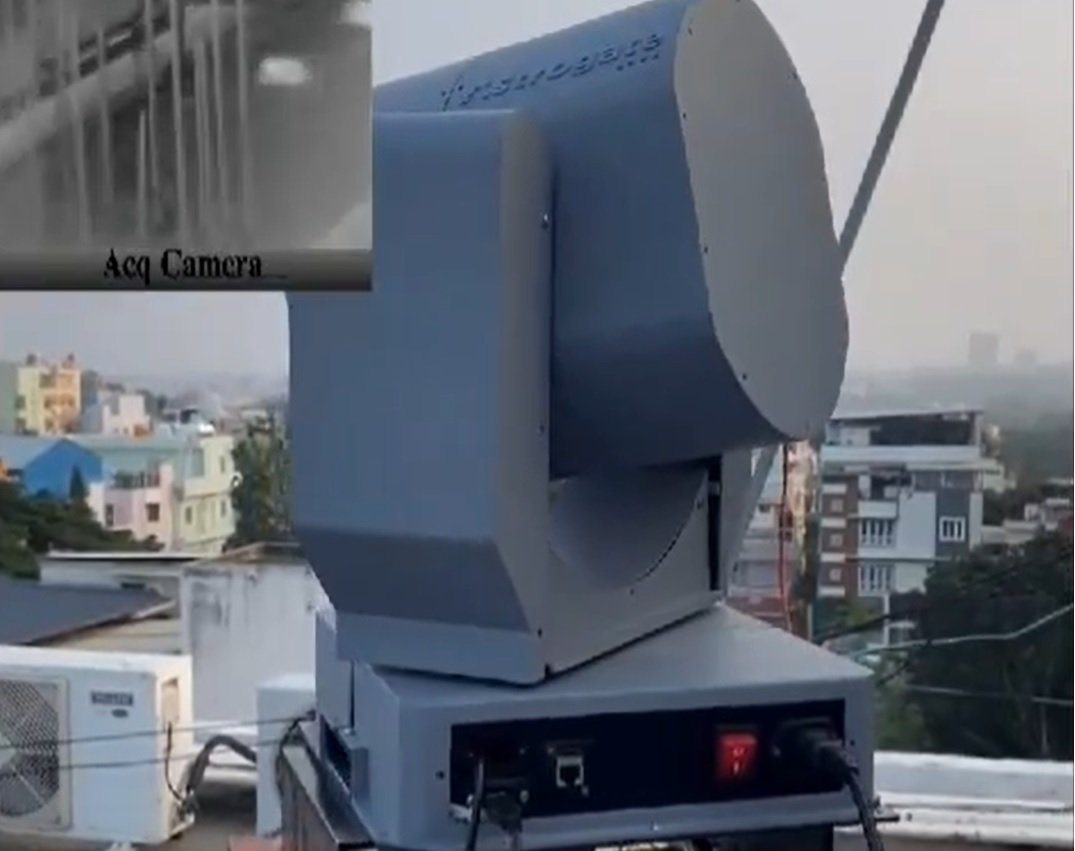
Space & Technology
Bengaluru, — Indian deep-tech startup Astrogate Labs has tested the pointing and tracking system of Gen1, its mobile laser communication terminal designed for secure, high-speed connections between moving platforms, including naval ships. Gen1 is designed to transmit up to 10 Gbps bidirectional data over distances of 20 km using Free Space Optical Communication (FSOC) instead of conventional radio frequency (RF) signals. The technology could support ship-to-ship and ship-to-shore communications. Gen1 Tracking System and Specifications Maintaining a laser connection between moving ships is challenging because vibrations and changes in position can disturb the narrow optical beam. Gen1 addresses this through an integrated Pointing, Acquisition and Tracking (PAT) system, combining coarse and fine tracking with active beam stabilisation. It is designed to maintain arc-second pointing accuracy. Initial alignment uses automatic link acquisition supported by India's IRNSS navigation system and GPS. Key specifications include: Data rate: Up to 10 Gbps bidirectional. Range: Up to 20 km under clear-sky conditions. Wavelength: 1550 nm for transmission and reception. Weight: Less than 9 kg. Power consumption: Average 60W, excluding the management console. Connectivity: 10G BASE-T/BASE-X Ethernet interfaces with passthrough. Software: Adaptive link maintenance for traffic routing and network configuration. Laser communication offers higher bandwidth and narrower beams than conventional RF systems. This can reduce spectrum congestion and make communications harder to intercept or jam. However, maintaining accurate alignment and line of sight remains essential. Astrogate Labs' Space and Defence Programmes Founded in 2017 by Nitish K. Singh and Aditya Kedlaya, Astrogate Labs develops optical communication terminals, modems and tracking systems for space, airborne and terrestrial applications. The company has supplied an indigenously developed satellite-to-ground laser communication terminal to ISRO. Its terminals have reached Technology Readiness Level 8 (TRL-8) and are flight-qualified. Astrogate has also received the DRDO Dare to Dream 4.0 award. At the 9th Bengaluru Space Expo in September 2026, the company demonstrated its 10 Gbps AstroLink Micro space terminal and announced plans to achieve flight readiness for India's first indigenous Optical Inter-Satellite Link (OISL) terminal by 2027. Astrogate has also completed cross-compatibility testing with the University of Western Australia's TeraNet mobile optical ground station and partnered with South Korea's Spacebeam to develop end-to-end optical links and ground infrastructure. With Gen1, Astrogate Labs is extending its optical communication technology beyond satellite applications to terrestrial and maritime platforms, including potential defence communication networks.
Read More → Posted on 2026-11-22 16:42:07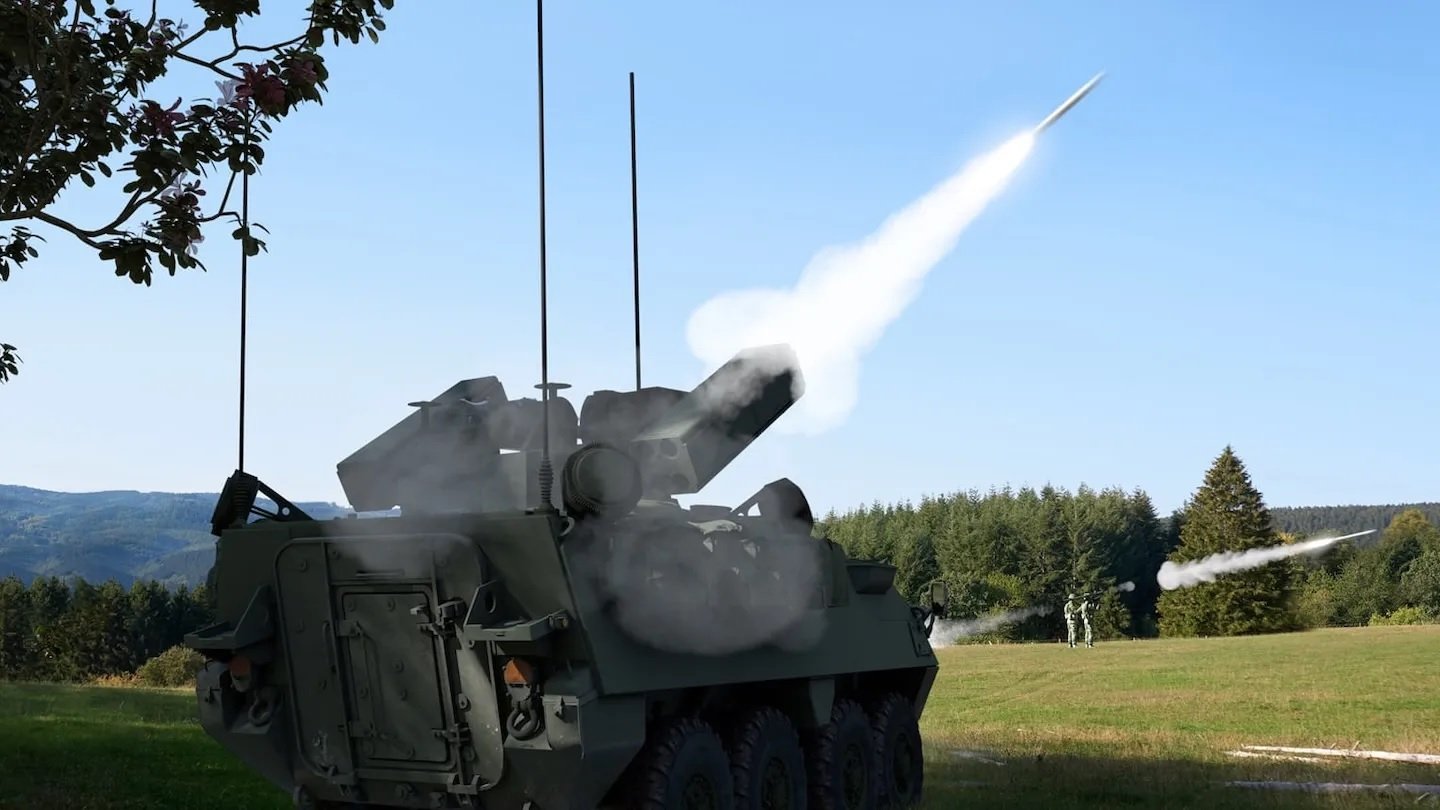
U.S
Washington —The US Army is seeking a third defence contractor to compete in the Next Generation Short Range Interceptor (NGSRI) programme, which aims to replace the ageing FIM-92 Stinger man-portable air defence system (MANPADS). The Army issued solicitation MOSAIC-26-04 on November 20, 2026. Existing competitors Lockheed Martin and Raytheon are already developing prototypes. The Army plans live-fire demonstrations in May and June 2027, followed by prototype development agreements in September 2027. Interested companies must submit questions by November 30 and solution briefs by December 20, 2026. Participants must be US companies or foreign firms partnered with US businesses holding SECRET-level security clearance. NGSRI Missile Requirements The replacement must feature a day-and-night fire-and-forget guidance system capable of engaging helicopters, fixed-wing aircraft and drones. Its requirements include: Group 2 UAS: 9.5–25 kg takeoff weight. Group 3 UAS: 25–600 kg takeoff weight. Compatibility with existing FIM-92 Stinger gripstocks. Integration with the Army's SGT STOUT system (formerly M-SHORAD), mounted on Stryker vehicles, and the Marine Corps' MADIS air defence system. Live-Fire Tests and Production Targets The Army has established three pass/fail firing tests: Hit a Hot Plate-type thermal target suspended at least 25 metres above ground at 6 km. Intercept a Group 3 drone approaching head-on at 5–8 km. Intercept a Group 3 drone crossing at a 90-degree angle at 5–8 km. For comparison, the existing Stinger has an engagement range of approximately 4.8 km from the SGT STOUT platform. Competitors must deliver at least 50 developmental missiles and six launchers within three months of the trials. They must also demonstrate the ability to begin low-rate production by the fourth quarter of FY2028. The Army expects production estimates for at least 11,000 missiles and 2,200 launchers over 10 years, with target prices below $200,000 per missile and per launcher. Successful target interception will be the primary selection criterion, followed by delivery schedules, production readiness and cost. Lockheed Martin and Raytheon Testing Progress Lockheed Martin conducted the first flight test of its QuadStar NGSRI missile on January 13, 2026, at White Sands Missile Range, New Mexico. It completed a seeker-characterisation test in May and demonstrated an automated final assembly line at its Grand Prairie, Texas, facility in April. The company claims its missile can more than double the Stinger's range, probability of kill and resistance to countermeasures in certain scenarios. It also uses artificial intelligence (AI) and machine learning (ML) for target recognition and guidance in electronic warfare environments. Raytheon, an RTX business and the original Stinger manufacturer, completed a ballistic test on February 2, 2026, demonstrating shoulder-launched firing and drone tracking. On July 15, Raytheon reported multiple guided NGSRI missile launches at Dugway Proving Ground, Utah, achieving direct hits on representative aerial targets. The company claims its missile offers greater speed and range than the Stinger. NGSRI Programme Funding The Army's FY2027 budget request includes $215 million for NGSRI development, within a broader $460.9 million request for manoeuvre short-range air defence, compared with $296 million requested for the broader programme in FY2026. The addition of a third competitor would provide the Army with another missile option and increase competition before selecting a replacement for the Stinger. Main Source : Defenceblog
Read More → Posted on 2026-11-22 16:53:15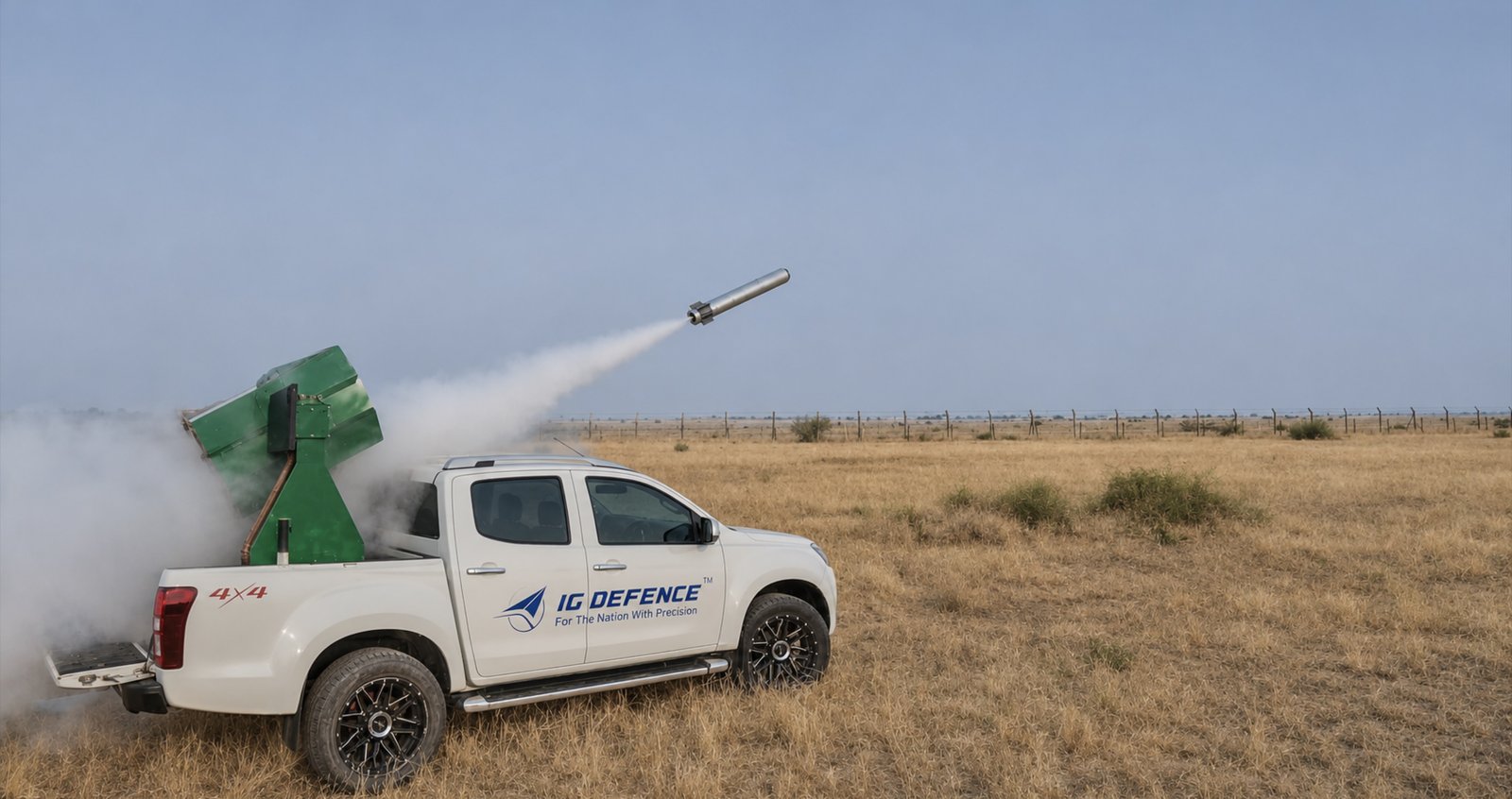
India
New Delhi, — Indian defence company IG Defence has successfully test-fired its JWALA MK-1 autonomous counter-drone micro-missile system at the Pokhran Field Firing Range in Rajasthan. The company describes it as India's first private-sector autonomous Counter-Unmanned Aircraft System (CUAS) micro-missile. Developed in India, JWALA MK-1 is a short-range surface-to-air interceptor designed to detect, identify, classify and destroy hostile drones. It has an operational range of 2–5 kilometres and an engagement altitude of 50 metres to 5,000 metres. AI-Powered GRID System JWALA MK-1 is integrated with GRID, IG Defence's AI-powered Mission Autonomy and Battle Management System. It manages sensor integration, target detection, identification, classification, mission decision-making and missile engagement. During the trial, the missile was launched from a multi-canister launcher mounted on a 4x4 vehicle. According to the company, its reaction time is under seven seconds from target detection to launch. The interceptor uses a dual-pulse solid rocket motor and aerodynamic fin controls. It carries a pre-fragmented high-explosive warhead with a proximity fuze, designed to destroy drones by dispersing fragments near the target. Development and Manufacturing Plans The flight test follows IG Defence's successful test-firing of two JWALA solid rocket motors in October 2026. The company had also presented the missile's airframe to Indian Air Force officials during Dronathon 2026. Major components, including seeker and target-acquisition elements, avionics, warhead and electronic subsystems, had been developed before the flight test. IG Defence Founder and CEO Bodhisattwa Sanghapriya said GRID manages the complete engagement process, combining indigenous hardware, software and AI-based mission autonomy. Wing Commander Anoop Sharma (Retd), Associate Vice President at IG Defence, said the growing use of low-cost drones creates a requirement for reliable and affordable counter-drone systems. Earlier in November 2026, IG Defence signed an agreement with the Andhra Pradesh government to establish a 200-acre missile and propulsion manufacturing facility in Nellore. The facility is expected to support JWALA production. The company is also developing KAL, a long-range loitering munition, and T-SHOOL, an electronic countermeasure system. Both are planned for integration with GRID. India's Growing Counter-Drone Capabilities JWALA MK-1 aims to address the cost imbalance in drone warfare, where expensive air-defence interceptors are used against relatively inexpensive drones. The programme adds a private-sector missile-based capability alongside India's Bhargavastra micro-missile programme, L-70 and Zu-23 air-defence guns, and DRDO's directed-energy and electronic warfare systems. IG Defence has not disclosed the exact number of targets engaged during the trial, per-engagement costs or a formal military induction timeline.
Read More → Posted on 2026-11-23 13:21:47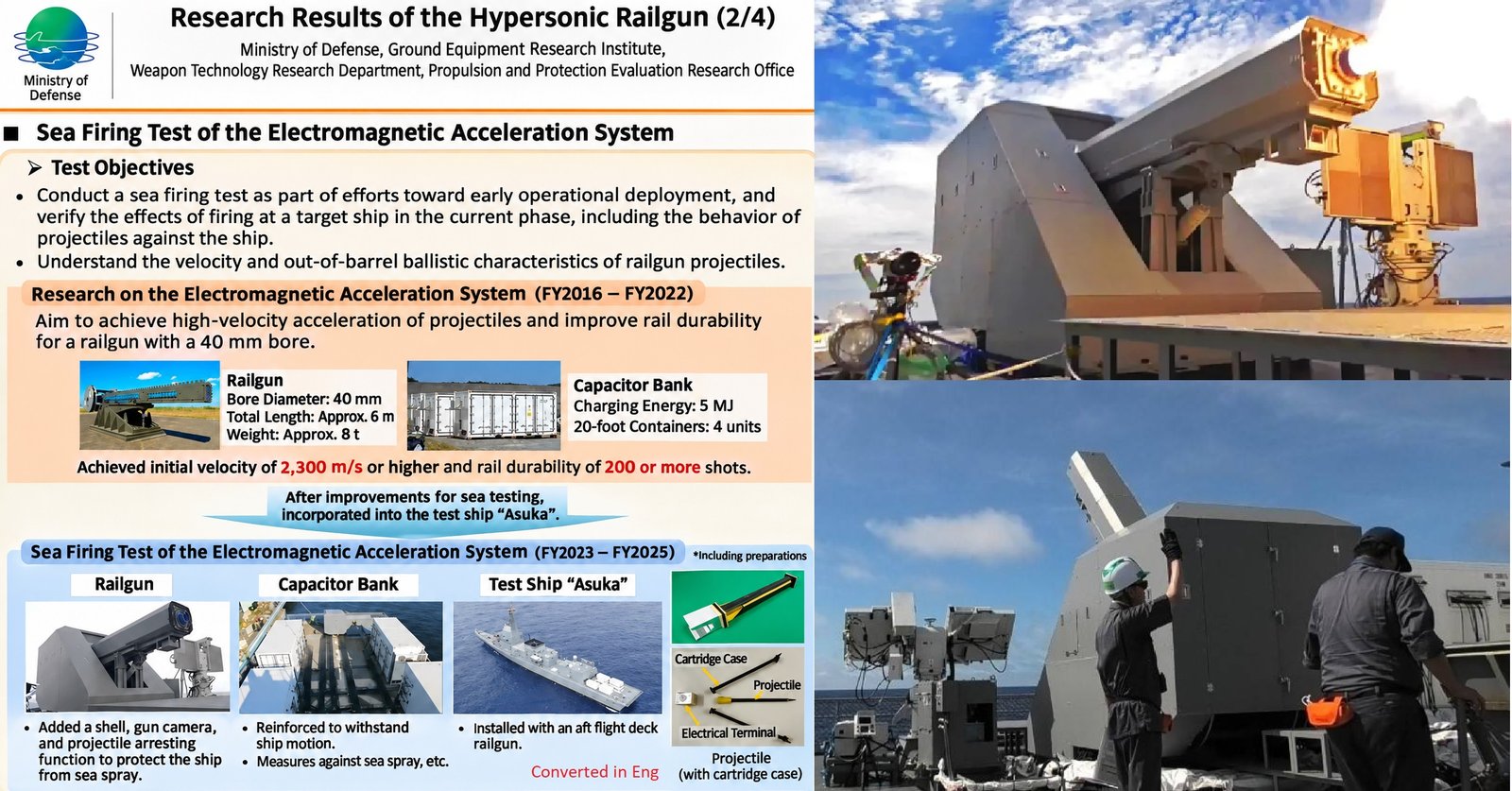
World
TOKYO, Japan — Japan's Acquisition, Technology & Logistics Agency (ATLA) has successfully tested a battery-powered electromagnetic railgun, firing ten consecutive rounds at ten-second intervals during trials conducted between May and June 2026 at its Ground Systems Research Center in Kanagawa Prefecture. In a written response to Naval News on November 20, ATLA confirmed that the projectiles achieved an average muzzle velocity of 245 meters per second (m/s), with individual shots ranging from 235 to 252 m/s. The results were presented at the ATLA Technology Symposium 2026 in Tokyo on November 10–11. Ten-Shot Firing Trial The experimental railgun has a 16-by-16 mm bore, a two-meter acceleration length and an automatic loading system with a circular magazine and loading rod. It fires projectiles weighing approximately 15 grams. The trial targeted a muzzle velocity of 240 m/s and a firing rate of six rounds per minute. ATLA first conducted ten electrical discharges without projectiles before completing the ten-shot live-firing test. The consistent velocities demonstrated the power system's ability to recharge and deliver energy between shots. Battery-Powered Energy System The system combines lithium titanate (LTO) rechargeable batteries with high-voltage capacitors. The batteries store energy, while a rapid charger increases the voltage before transferring it to the capacitors, which deliver the high-current pulse needed to accelerate each projectile. According to ATLA's presentation, the battery bank has a maximum capacity of 50 megajoules (MJ) and an output voltage of 540 volts. The charger raises the voltage to 8.5 kilovolts, while the capacitor module stores approximately 200 kilojoules (kJ) per firing cycle. The findings were also presented at the EAPPC-BEAMS-EML2026 international conference in Nagaoka in September 2026. Separate from JS Asuka Railgun Trials The battery-powered experiment is separate from Japan's larger ship-mounted railgun programme tested aboard the Japan Maritime Self-Defense Force's JS Asuka between June and early July 2025. The shipboard prototype is a 40 mm railgun, approximately six meters long and weighing around eight tonnes. It fires 320-gram projectiles and uses a 5 MJ capacitor bank occupying the space of four 20-foot shipping containers. Japan's earlier research programme, conducted from fiscal 2016 through fiscal 2022, achieved muzzle velocities exceeding 2,300 m/s and rail durability of more than 200 shots. The prototype was later modified for maritime testing with seawater protection, an elevation mechanism and a gun camera. During the JS Asuka trials, the railgun fired at a target vessel to collect data on projectile behaviour after leaving the barrel. Further Development ATLA's first phase of railgun prototype development runs from fiscal 2022 through fiscal 2026. Research focuses on repeated firing, stable projectile flight and reducing power-system size for installation aboard operational warships. Future work also includes fire-control systems and platform-specific development. Japan is also cooperating with France, Germany and the French-German Research Institute of Saint-Louis (ISL). An agreement signed in May 2024 covers information exchange and potential joint research, development and testing. Engineer exchanges between ATLA and ISL have also taken place. Scaling the LTO battery-powered system for medium-caliber railguns remains a major development challenge before the technology can be adapted for larger naval weapons.
Read More → Posted on 2026-11-23 13:40:36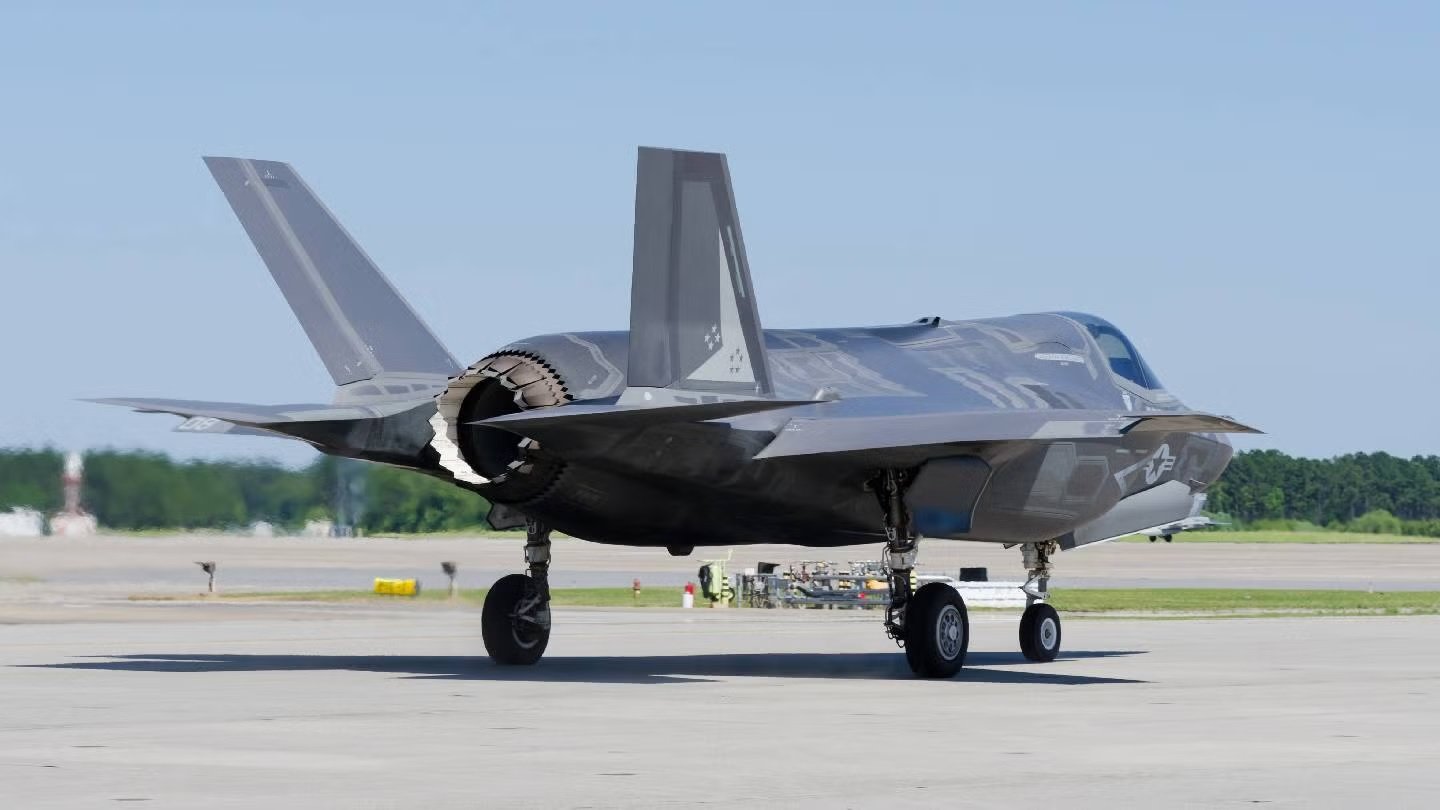
U.S
Washington —The U.S. Department of War has awarded Lockheed Martin a $330.6 million contract modification to procure long-lead materials, parts and components for 75 F-35 Lightning II fighter jets under production Lot 22. The agreement was announced on November 19, 2026, and covers aircraft for the U.S. Air Force, Navy and Marine Corps. The $330,602,692 fixed-price incentive contract modification was awarded to Lockheed Martin Aeronautics through the Naval Air Systems Command (NAVAIR). It expands an existing advanced acquisition contract and covers components required for aircraft production rather than completed fighter jets. Work is expected to be completed by December 2030. The contract is fully funded, with $250.434 million provided through U.S. Navy procurement funds and $80.169 million from Air Force procurement funds for fiscal year 2027. The award was not competitively procured. Production Locations Work will be distributed across several locations, with Fort Worth, Texas, accounting for 59% of the contract. Other locations include El Segundo, California (14%); Warton, United Kingdom (9%); Cameri, Italy (4%); Orlando, Florida (4%); Nashua, New Hampshire (3%); Baltimore, Maryland (3%); San Diego, California (2%); and other international locations (2%). U.S. F-35 Procurement Plans The United States plans to acquire 2,456 F-35 fighters across three variants: F-35A: 1,763 aircraft for the U.S. Air Force. F-35B: 280 aircraft for the U.S. Marine Corps. F-35C: 413 carrier-based aircraft for the U.S. Navy and Marine Corps. In October 2026, the Marine Corps activated its tenth operational F-35B squadron, VMFA-231, at Marine Corps Air Station Cherry Point, North Carolina. The squadron transitioned from the AV-8B Harrier II, as the Marine Corps works toward establishing 12 active F-35B squadrons. Wider F-35 Production Framework The contract follows a 10-year production framework announced by the Department of War and Lockheed Martin on October 22, 2026. Covering production Lots 21 through 30, the framework aims to support the production of at least 850 F-35s for U.S. forces and maintain an annual production rate of approximately 156 aircraft, including international orders. The framework remains subject to congressional authorization and funding. The latest Lot 22 award secures materials and components needed to prepare the next batch of aircraft for production.
Read More → Posted on 2026-11-23 13:54:04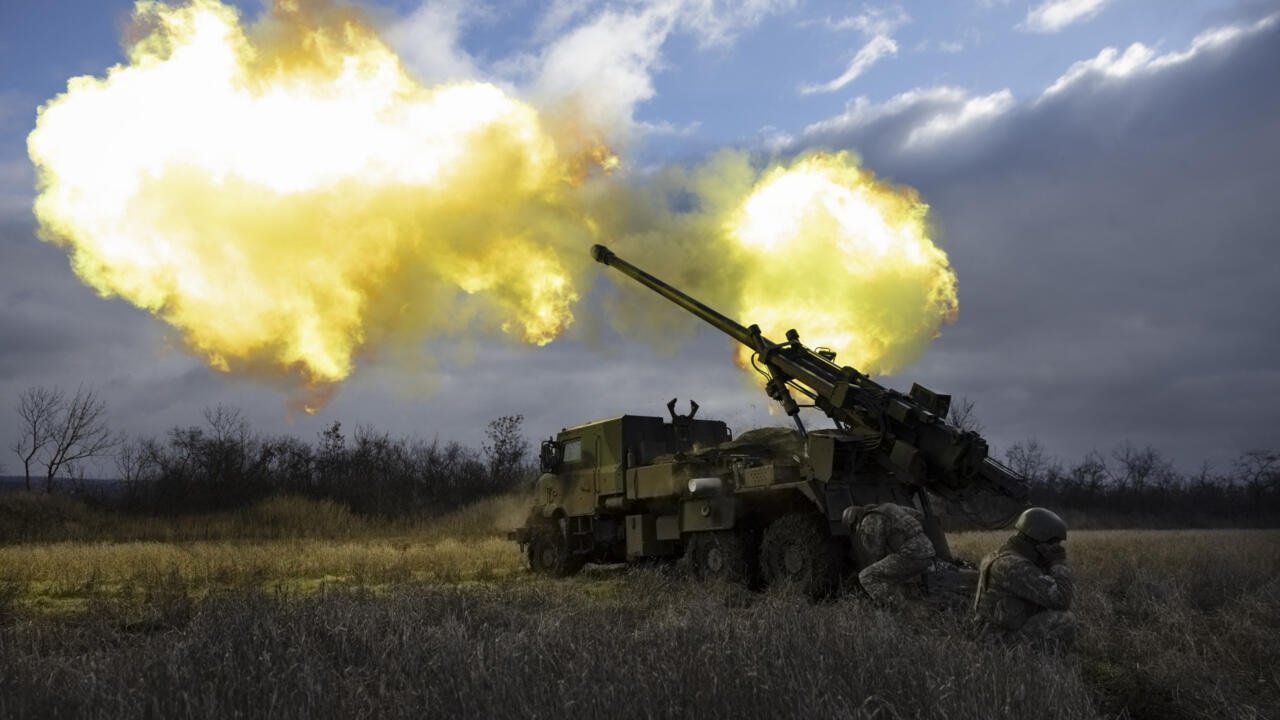
Europe
PARIS — France will increase its annual 155mm artillery shell production capacity from 60,000 to 150,000 rounds by 2029 under a new agreement with KNDS Ammo France. The expansion is aimed at strengthening domestic ammunition production and replenishing French Army stockpiles. France's Directorate General of Armaments (DGA) placed the order with KNDS Ammo France on November 12, 2026. The investment will be shared equally between the French government and the manufacturer. Neither side has disclosed the financial value of the agreement. The expansion will take place at KNDS Ammo France's facility in La Chapelle-Saint-Ursin, in the Cher department. It includes construction of a new explosives-casting facility and installation of two additional large-calibre machining and driving-band units. Production capacity is expected to increase progressively, reaching 150,000 shells annually by 2029. 50,000 Artillery Shells Ordered for French Army Alongside the industrial expansion, the DGA has placed a firm order for 50,000 155mm artillery shells, with deliveries scheduled for 2029 and 2030. The order will help replenish French Army ammunition stockpiles while providing KNDS with greater visibility over its production workload. The 155mm round is widely used by NATO artillery forces and serves as the primary ammunition calibre for France's CAESAR self-propelled howitzer. Previous Production Increase The expansion builds on earlier efforts to increase ammunition output following Russia's invasion of Ukraine. Between 2022 and 2025, KNDS doubled annual production at the La Chapelle-Saint-Ursin facility from 30,000 to 60,000 shells. During the same period, manufacturing lead times were reduced by 40%, from 21 months to 12 months. The facility currently employs around 500 people. KNDS France is also recruiting more than 150 additional specialists in production and systems engineering to support the increased manufacturing capacity. The expansion has been designated a Project of Major National Interest (PINM) under a French government decree published on June 30, 2026. The new investment is part of France's broader effort to strengthen its ammunition supply chain and ensure sufficient 155mm artillery ammunition for its armed forces and partner countries.
Read More → Posted on 2026-11-23 14:05:07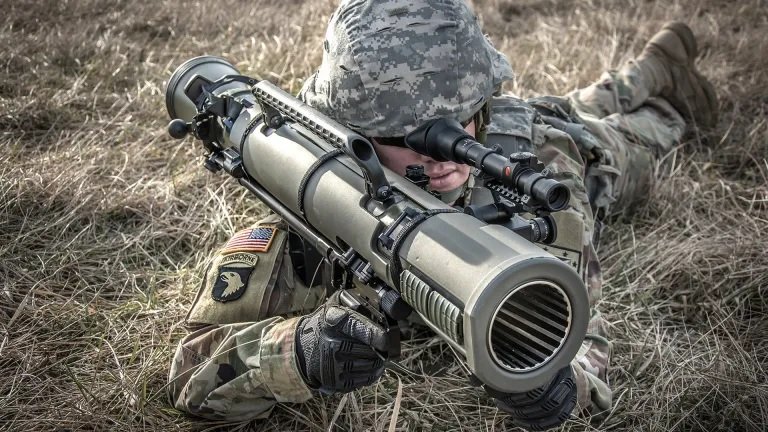
U.S
Syracuse, New York — The U.S. Army has placed a $60.3 million order with Saab, Inc. for additional AT4CS TW shoulder-fired weapons, designated as the XM919 Individual Assault Munition (IAM). The order was announced by Saab on November 16, 2026, with deliveries scheduled for 2029 and 2030. The purchase falls under a five-year Indefinite Delivery, Indefinite Quantity (IDIQ) contract awarded to Saab in August 2024. The agreement has a maximum potential value of approximately $494 million over five years. Saab has not disclosed the exact number of weapons covered by the latest order or their unit price. XM919 Designed for Close Combat The XM919 is a single-shot, disposable 84 mm shoulder-fired weapon designed for dismounted infantry operating in close-combat environments. Its AT4CS TW designation stands for Confined Space Tandem Warhead. The weapon is designed to be fired from both open terrain and confined spaces, including buildings and rooms. Its tandem warhead can engage multiple types of targets, including light armored vehicles, bunkers, field fortifications, caves and masonry walls. The confined-space capability allows infantry soldiers to use the weapon in enclosed positions where conventional shoulder-fired systems can present backblast hazards. Replacing Multiple Infantry Weapons The Army's XM919 program aims to consolidate several infantry weapon capabilities into a single system, reducing the number of separate weapons soldiers need to carry and maintain. The XM919 is intended to replace or consolidate older shoulder-launched weapons, including the M72 Light Anti-Armor Weapon, M136 and M136A1 AT4, and M141 Bunker Defeat Munition. The launcher comes preloaded and is discarded after firing, eliminating the need for reloading or field maintenance. Saab's Long-Term Supply Relationship With the U.S. Army Saab has supplied the AT4 weapon family to U.S. forces since 1985. The company has delivered more than 700,000 AT4 systems to the United States and produced over one million systems for more than 15 countries worldwide. Saab, Inc., headquartered in Syracuse, New York, is the U.S.-based subsidiary of Swedish defense manufacturer Saab and operates across ten locations in the United States. Erik Smith, president and CEO of Saab, Inc., said the latest order would provide soldiers with additional XM919 systems and greater flexibility in different operational environments. The $60.3 million order continues the Army's procurement of the XM919 under its existing five-year agreement with Saab, with deliveries planned for 2029 and 2030.
Read More → Posted on 2026-11-23 14:14:29
World
BERLIN – Western intelligence agencies believe Russia could launch a nuclear-armed satellite into orbit as early as December 2026, according to a joint investigation published on November 23 by German broadcasters WDR and NDR and newspaper Süddeutsche Zeitung. The report identifies the satellite as Sputnik-S, which intelligence assessments describe as a spacecraft designed to carry a nuclear warhead. It was reportedly assembled several years ago and stored near Moscow. Intelligence shared among NATO members in early November indicated that it could be launched within 60 days and become operational shortly after reaching orbit. Germany's Federal Intelligence Service (BND) and Bundeswehr are monitoring the situation. The military's Space Command considers a December launch possible. Defence Minister Boris Pistorius and other senior German officials have reportedly received intelligence briefings. Germany's Defence Ministry declined to comment, citing confidentiality. Potential Impact on Satellites The main concern is that a nuclear explosion in orbit could disable large numbers of satellites through intense radiation and an electromagnetic pulse (EMP). Intercepting or neutralising such a satellite after deployment would be extremely difficult. In an October assessment, the U.S. Defense Intelligence Agency (DIA) warned that Russia was developing a satellite designed to carry a nuclear explosive, with few effective countermeasures available once deployed. U.S. Space Command chief General Stephen Whiting has warned that a nuclear explosion in space could disable around one-third of satellites in low Earth orbit within hours or days. Remaining satellites could gradually fail over the following months due to radiation exposure. The disruption could affect GPS navigation, banking transactions, electricity grids, mobile networks and weather forecasting. Western militaries could face particular difficulties because they depend heavily on satellite communications and navigation. Germany's Major General Armin Fleischmann, from the Cyber and Information Domain Service (CIR), warned that such an event could cause power outages and severe restrictions on communications and navigation. German officials have acknowledged that the country is not adequately prepared for widespread disruption. Previous Nuclear Test and International Law The potential threat recalls the 1962 U.S. nuclear test Starfish Prime, conducted approximately 400 kilometres above the Pacific Ocean. The explosion generated an EMP that disrupted streetlights and telephone services in Hawaii and damaged several satellites. Deploying a nuclear weapon in orbit would violate Article IV of the 1967 Outer Space Treaty, which prohibits placing nuclear weapons or other weapons of mass destruction in orbit around Earth. Western concerns about Russia's space-based weapons programme have continued since at least 2024. In February that year, U.S. officials publicly raised concerns about a Russian anti-satellite weapons programme. Russia subsequently vetoed a UN Security Council resolution in April 2024 seeking to reaffirm the prohibition on nuclear weapons in space. Western intelligence has also examined Kosmos-2553, a Russian satellite launched in February 2022. U.S. officials suspect it may have tested components associated with a nuclear anti-satellite system. Moscow maintains that it is a scientific research satellite. Russia Rejects the Allegations The Russian Embassy in Germany rejected the reports, saying it had no information about the alleged deployment. It described the accusations as unfounded and part of a propaganda campaign, adding that Russia's space programme complies with international obligations and serves peaceful purposes. Kremlin spokesman Dmitry Peskov also dismissed the investigation, questioning its reliance on unnamed sources and unverified claims. No intelligence documents or satellite imagery confirming the reported Sputnik-S deployment have been made public. The assessments have not been independently verified, and Russia has denied the allegations.
Read More → Posted on 2026-11-23 14:23:17
World
BENGHAZI, Libya — Ukraine used seven domestically produced naval drones to attack Russian vessels near Benghazi on November 22, 2026. The operation sank the Russian Navy's Merkury corvette, destroyed a Ka-27 naval helicopter onboard and struck the Russian cargo vessel MV Angara. Ukrainian President Volodymyr Zelenskyy confirmed the operation on November 23. He described it as a successful mission against Russian military assets far beyond the Black Sea. He said all planned targets were hit despite Russian efforts to intercept the drones. According to Ukraine's Security Service (SBU), the operation was conducted jointly with the Ukrainian Defense Forces. The seven uncrewed surface drones were transported to a designated location and launched from a mothership near the targets. Russian forces attempted to intercept them using air, naval and land-based defences. Russian Corvette Merkury Sunk at Benghazi The main target was the Merkury, a Project 20380 multipurpose corvette assigned to Russia's Black Sea Fleet. Commissioned in 2023, the vessel was among Russia's newer surface combatants. A Ka-27 naval helicopter stationed onboard was also destroyed. Satellite imagery from Vantor showed the corvette capsized and largely submerged alongside the pier at Benghazi naval base. Maritime security company Ambrey assessed that some explosions were likely caused by ammunition detonating aboard the ship. The second target was the MV Angara (IMO 9179842), a sanctioned Russian dry cargo vessel. The SBU said it was used to transport weapons and military equipment along supply routes connected to Syria and Libya. The Merkury had also escorted Russian naval convoys, including the Angara. ❗️BREAKING: Zelensky confirms Ukraine used seven domestically produced naval drones off Libya, sinking Russia's corvette Merkury and destroying a Ka-27 helicopter aboard. The operation also struck the Russian cargo ship MV ANGARA, used to transport weapons. #Ukraine — NOELREPORTS 🇪🇺 🇺🇦 (@NOELreports) November 23, 2026 Damage and Investigation in Libya The attack occurred approximately 2,400 kilometres from the Ukrainian front lines. Eastern Libyan authorities said the Merkury had docked in Benghazi to refuel and receive supplies under a maritime cooperation agreement with the eastern-based administration. Residents reported explosions and flames at the naval base early Sunday. Civil defence teams responded and extinguished the fire. Libyan officials reported at least 10 wounded people, including Russian and Libyan nationals. The Libyan coast guard also reported that a separate sea drone struck a Maltese-flagged commercial vessel off Benghazi later on Sunday. Eastern Libyan authorities announced a joint investigation with Russia and requested a UN inquiry into allegations that western Libyan territory was used to prepare the attack. The UN Support Mission in Libya (UNSMIL) called for an independent and transparent investigation, warning that Libya should not become an arena for foreign conflicts. Ukraine's Long-Range Naval Operations The operation highlights Ukraine's expanding use of domestically developed naval drones against Russian warships and military supply routes. It also demonstrates the ability to conduct maritime attacks far beyond the Black Sea. Russia had not issued an immediate detailed statement on the sinking of the Merkury as of November 23, 2026.
Read More → Posted on 2026-11-23 15:07:19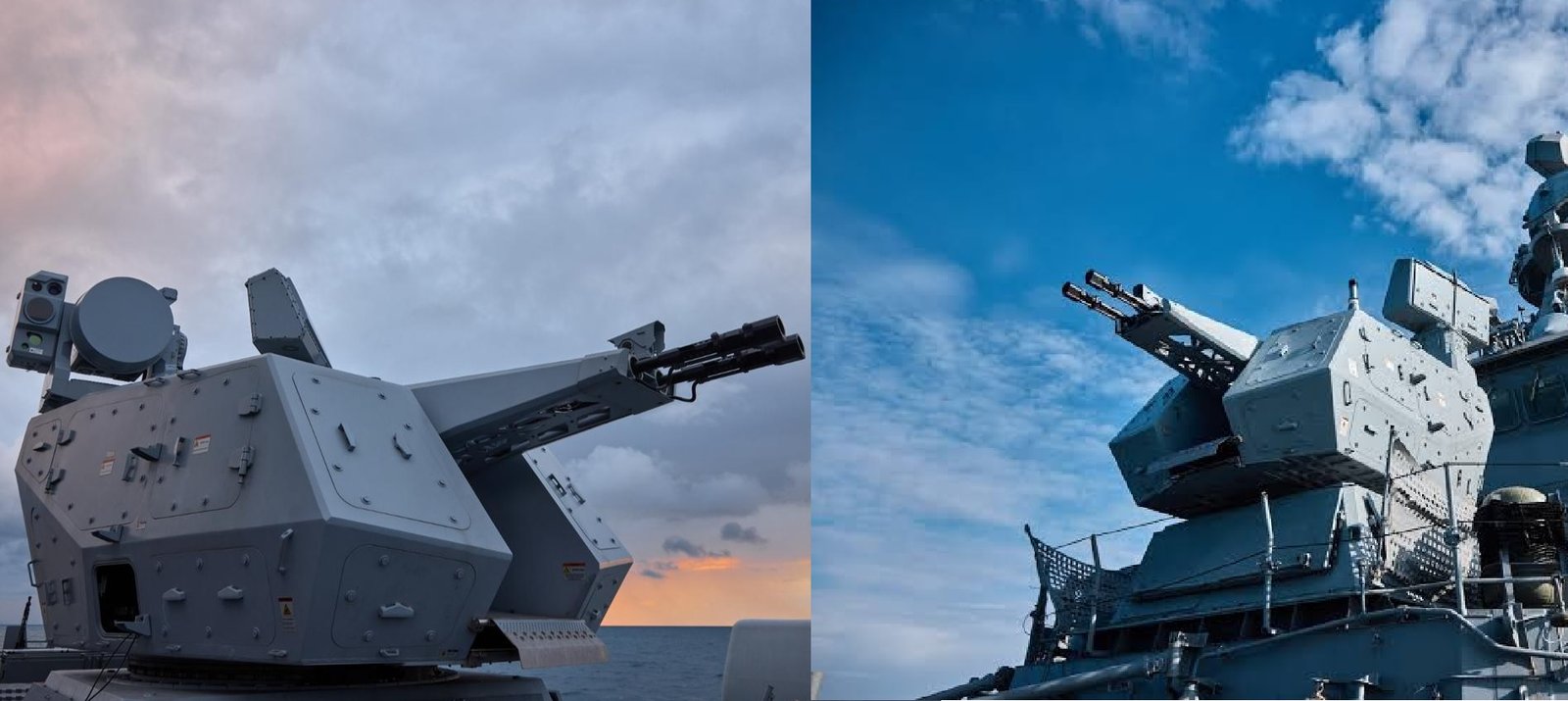
World
BLACK SEA, Türkiye — Turkish defence company Aselsan has successfully tested its GÖKDENİZ close-in weapon system (CIWS) by detecting, tracking and destroying a jet-powered target drone during a live-fire demonstration off Türkiye’s northern coast. The company announced the test on November 23, 2026. During the engagement, the host naval vessel maintained a speed of 5–10 knots, while the target drone performed low-altitude manoeuvres designed to simulate incoming drones and cruise missiles. Semi-Autonomous Operation GÖKDENİZ operated in semi-autonomous mode, automatically detecting, tracking and prioritising the target. A human operator authorised firing with a single button press. The system also offers a fully autonomous mode, allowing it to complete the engagement sequence, including firing, without operator intervention. GÖKDENİZ System Capabilities GÖKDENİZ is the naval version of Aselsan's land-based KORKUT air defence system. It combines integrated 3D search and tracking radars with twin-barrel 35 mm cannons to protect ships against aerial threats, including anti-ship missiles and unmanned aerial vehicles. The system has a firing rate of up to 1,100 rounds per minute and an effective range of approximately 4 kilometres. It uses Aselsan's 35 mm ATOM programmable airburst ammunition, which detonates near the target and releases tungsten pellets. Its automatic linkless ammunition feed allows two types of ammunition to be loaded simultaneously and selected during an engagement. According to Aselsan, GÖKDENİZ is in service with the Turkish Naval Forces and has been selected by the navies of six other countries. Containerised GÖKDENİZ Configuration Aselsan also presented a containerised version of GÖKDENİZ at the Euronaval 2026 exhibition in Paris. The configuration features an independent power supply and an integrated operator workspace. It can be installed on vessels without permanent structural modifications. Aselsan says the containerised version can provide close-in air defence for commercial ships, merchant vessels and other maritime assets.
Read More → Posted on 2026-11-23 15:19:17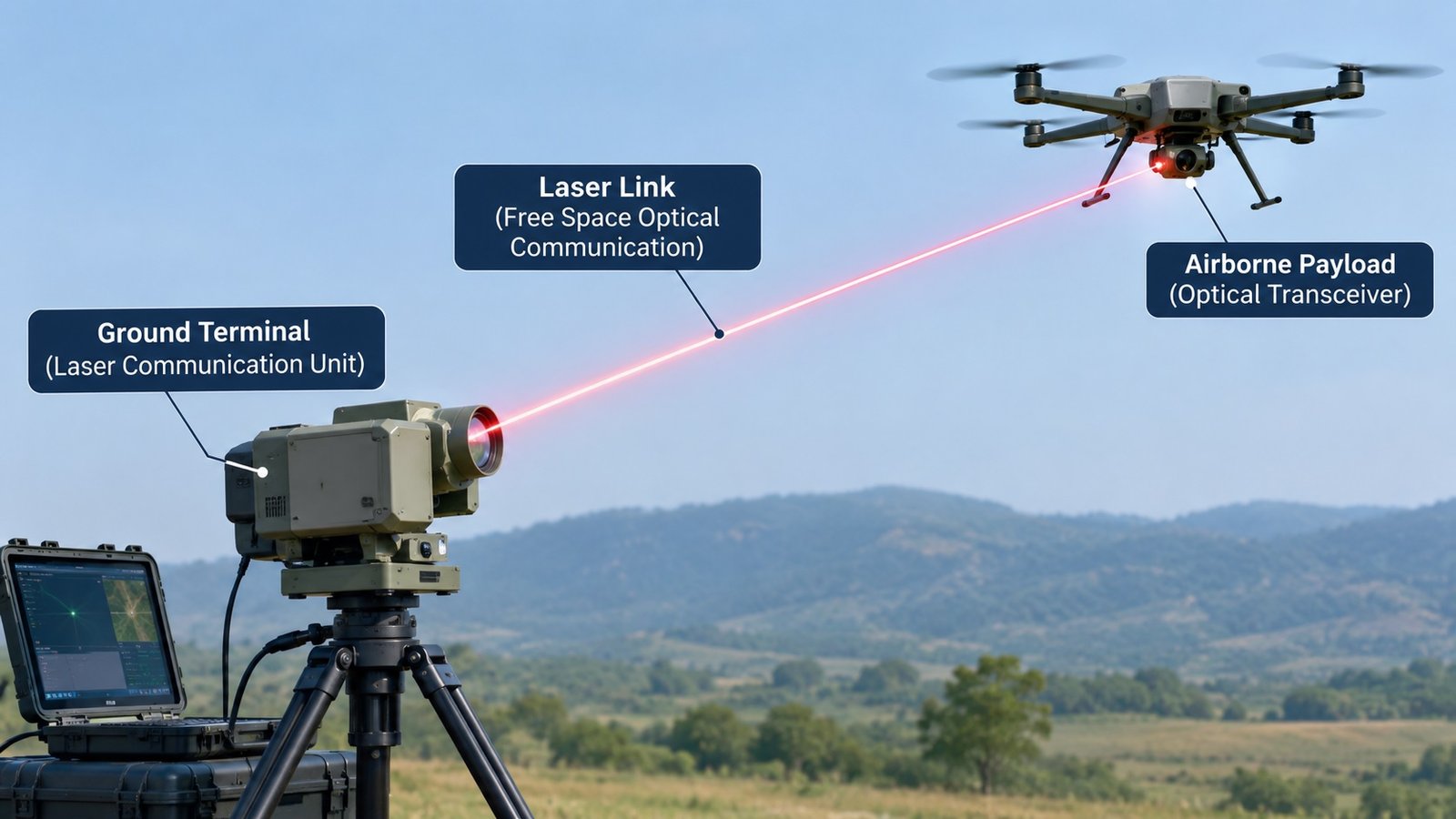 DRDO Awards Contract to Pune Startup olee.space for Indigenous Laser-Link Drone Communication System
India
Pune, — The Defence Research and Development Organisation (DRDO) has awarded Pune-based deep-tech startup olee.space a contract to develop an indigenous laser-link communication system for drones. The project aims to provide secure, high-speed communication between ground stations and unmanned aerial vehicles (UAVs), reducing dependence on conventional radio-frequency links. Under the agreement, olee.space will develop complete ground-based and airborne Free Space Optical Communication (FSOC) terminals within 18 months. The system will include automatic Pointing, Acquisition and Tracking (PAT) technology. The contract value has not been disclosed. How the Laser Communication System Works The system will use a narrow beam of light to transmit data instead of conventional radio-frequency signals. It will consist of two main components: Ground Terminal: A portable optical communication station mounted on a tripod. Airborne Payload: A compact optical transmitter and receiver installed on the drone. The PAT system will automatically locate and track the moving drone to maintain the laser communication link during flight. The system will support high-speed, full-duplex data transmission, allowing simultaneous communication in both directions over long line-of-sight distances. Benefits Against Electronic Warfare One of the main advantages of laser communication is its resistance to conventional radio-frequency jamming. Unlike radio signals, the focused optical beam does not rely on the radio spectrum, making it difficult for conventional electronic warfare systems to disrupt the communication link. During the Russia-Ukraine war, radio-frequency jamming has led some drone operators to use fibre-optic cables to maintain communication. However, these cables restrict operating range and can become tangled or damaged. Laser communication aims to provide similar protection against electronic jamming without requiring a physical cable. Its narrow beam also makes interception more difficult than conventional radio-frequency transmission. olee.space's Previous Demonstration Founded in 2023 by James Solomon and Suman Hiremath, olee.space specialises in photonics and laser communication technologies for defence and aerospace applications. In January 2026, the company demonstrated an indigenous wireless laser communication system capable of transmitting data at 10 Gbps over 20 kilometres, using approximately 85% locally sourced components. According to CEO and co-founder James Solomon, the company began working on the drone laser communication programme approximately a year before receiving the DRDO contract. He described maintaining a laser link with a moving drone as a major engineering challenge. The new project will cover both ground-based and airborne equipment, with the aim of providing Indian defence forces with an indigenous, jam-resistant communication system for drone operations.
Read More → Posted on 2026-11-23 15:34:13
Europe
RŪDNINKAI, Lithuania – The German Army has begun testing kamikaze drones and AI-based targeting software in Lithuania, near the border with Belarus. The trials started on November 22, 2026, at the Rūdninkai military training ground as part of the Freedom Shield exercise. Testing German Attack Drones German soldiers tested loitering munitions developed by defence companies Helsing and Stark. The drones conducted simulated attacks against main battle tanks using inert warheads without live explosives. Germany approved the procurement of loitering munitions in 2025. Similar single-use attack drones have been widely used by Russia and Ukraine in the war. Testing AI Targeting Software German troops also tested Clarity, an AI-powered battlefield analysis system developed by Helsing. The software processes information from satellites, reconnaissance drones and ground-based sensors to identify potential targets and recommend actions to military commanders. German Army Chief Lieutenant General Christian Freuding observed the exercises and described attack drones and AI targeting systems as essential technologies for modern warfare. Germany Expands Military Presence in Lithuania The trials are part of the multinational Freedom Shield exercise, running from November 6 to December 3. Military personnel from Germany, Lithuania, Belgium, Croatia, the Czech Republic, Luxembourg, the Netherlands and Norway are participating. The exercise also supports the deployment of Germany's 45th Armored Brigade (Panzerbrigade 45) in Lithuania to strengthen NATO's eastern flank. Around 1,800 German soldiers are already stationed in Lithuania. Germany plans to permanently deploy approximately 5,000 soldiers and 2,000 military vehicles in the country by the end of 2027. The brigade is being established at Rūdninkai and Rukla. Announced in 2023 by German Defence Minister Boris Pistorius, it marks Germany's first permanent deployment of a combat brigade abroad since World War II. NATO has warned that Russia could rebuild its military capabilities sufficiently to threaten allied territory by 2029. Moscow has rejected the warning, denied plans to attack NATO and accused the alliance of increasing regional tensions through its military deployments.
Read More → Posted on 2026-11-23 15:41:29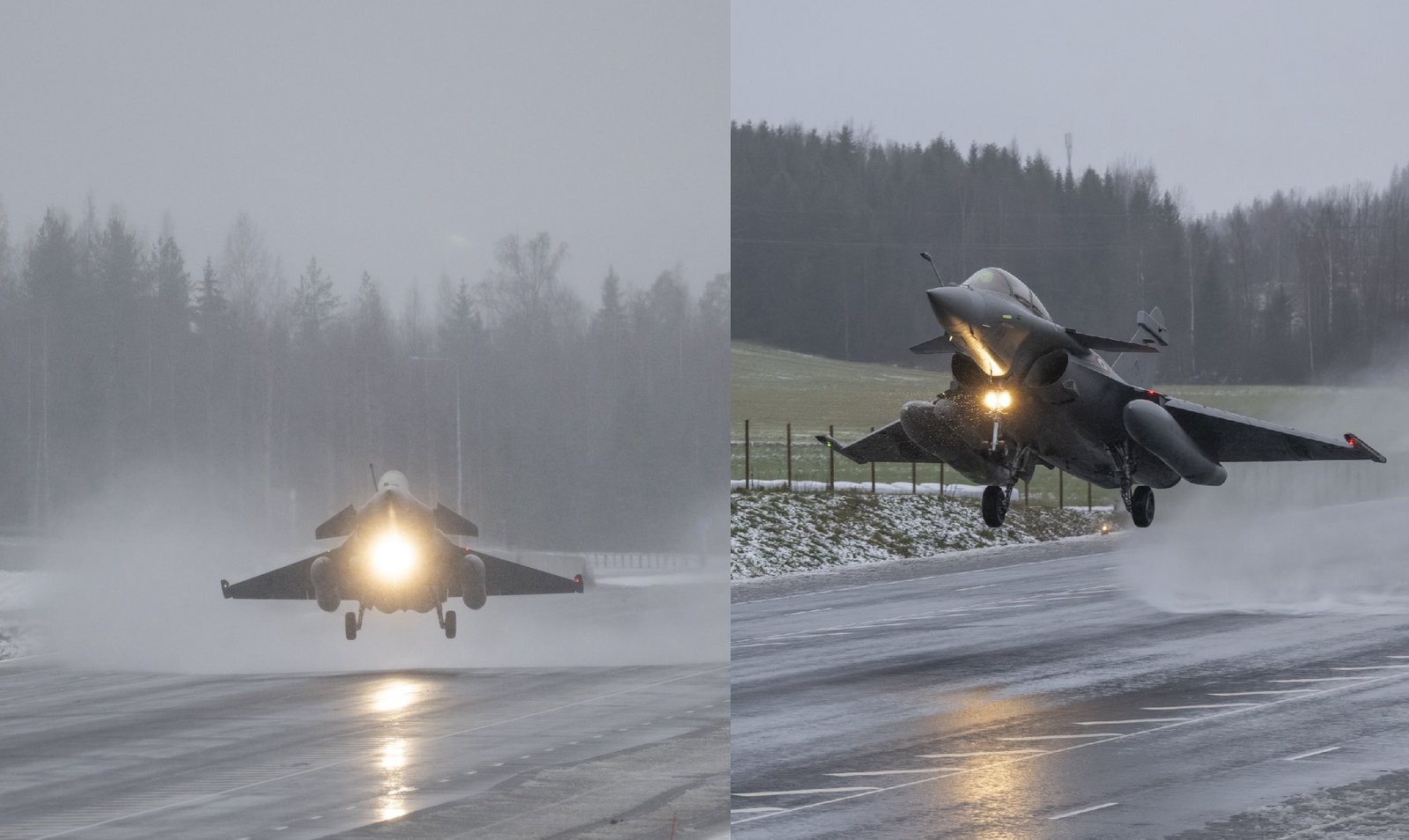
Europe
SIILINJÄRVI, Finland — The French Air and Space Force's Dassault Rafale fighter jets have conducted their first highway operations in Finland, performing touch-and-go landings on the Jännevirta highway strip during the Finnish Air Force's Protective Fence 26 exercise. The operations took place on Highway 9 near Siilinjärvi, in eastern Finland. According to reports published on November 23, 2026, the French Rafales deployed to Rovaniemi participated in the activity, marking the first time the French fighter has operated from a Finnish highway strip. The participating aircraft belong to the French fighter test and evaluation squadron ECE 1/30 Côte d'Argent. During touch-and-go operations, pilots approach the highway, briefly touch the runway surface with the aircraft's wheels and then take off again without coming to a complete stop. NATO Fighters Participate in Protective Fence 26 The highway operations are part of Protective Fence 26, the Finnish Air Force's major annual exercise running from November 19 to 27, 2026. The exercise involves more than 40 aircraft and approximately 4,100 personnel, including over 1,800 reservists. Several NATO allies are participating with their frontline fighter aircraft: France: Dassault Rafale fighters deployed to Rovaniemi. Netherlands: F-35A Lightning II fighters operating from Rissala. Sweden: JAS 39 Gripen fighters operating from Kallax Air Base. The exercise also includes specialist personnel from the U.S. Air Force, Virginia Air National Guard and Royal Air Force. Finland is participating with its F/A-18 Hornet fighters and other aircraft. Finland's Highway-Based Fighter Operations Finland has developed a dispersed operating system that allows fighter aircraft to use specially prepared highway strips instead of relying entirely on conventional military airbases. The Jännevirta highway strip on Highway 9 is one of the locations being used during Protective Fence 26. The designated road section was closed to civilian traffic from November 18 to November 25 to support military operations. The exercise also tests Finland's ability to operate aircraft from multiple military bases, civilian airports and alternative landing locations. NATO's Agile Combat Employment Strategy The highway operations support NATO's Agile Combat Employment (ACE) concept, which focuses on dispersing aircraft across multiple locations to reduce dependence on major airbases. By operating from alternative locations, air forces can maintain flight operations if their primary bases become unavailable or are damaged. The participation of French Rafales, Dutch F-35As and Swedish Gripens alongside Finnish aircraft also provides an opportunity to practise cooperation between allied air forces during dispersed operations.
Read More → Posted on 2026-11-23 15:48:57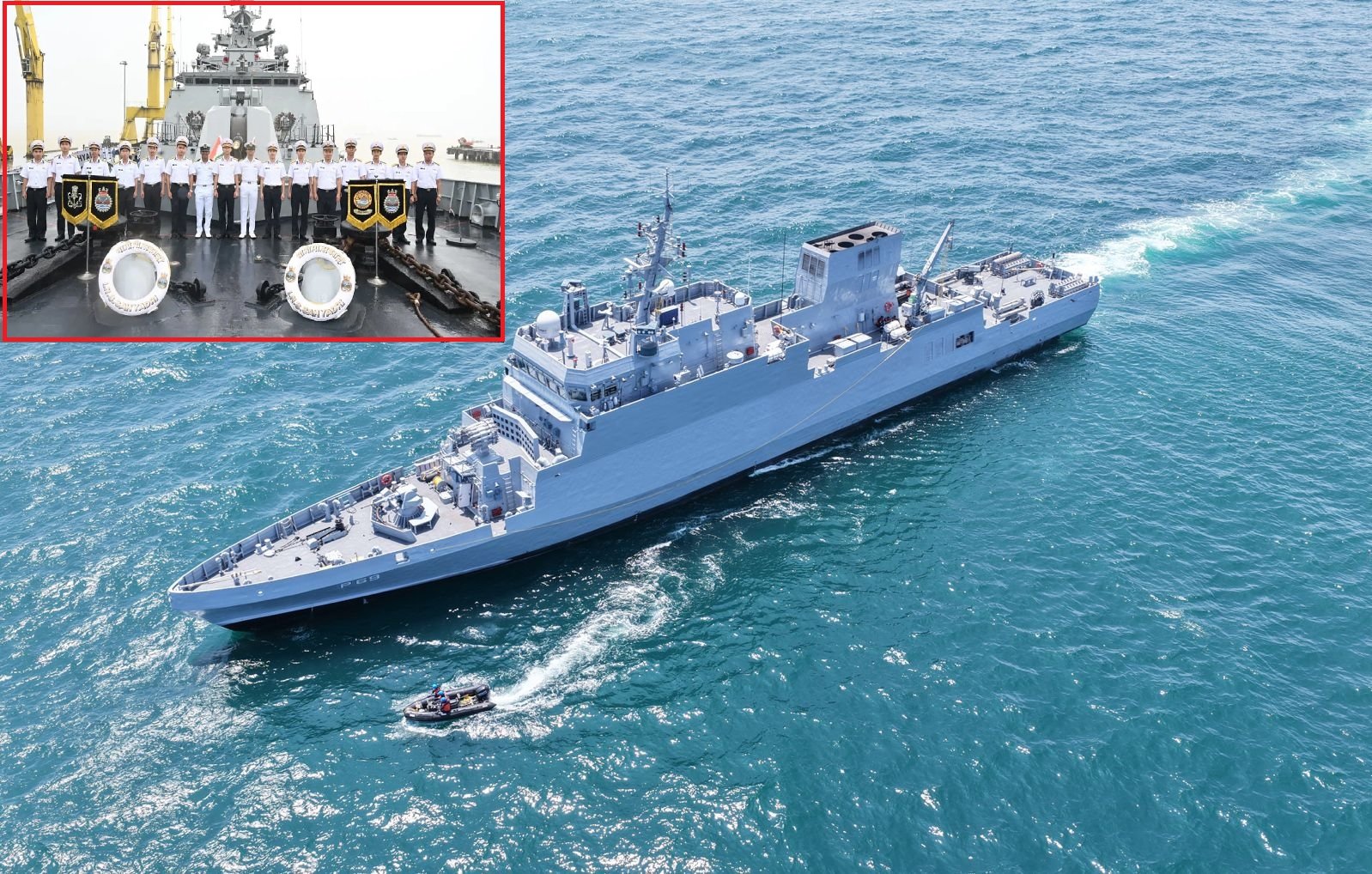
India
Visakhapatnam, — Garden Reach Shipbuilders & Engineers (GRSE) has delivered Ashank, the sixth Arnala-class Anti-Submarine Warfare Shallow Water Craft (ASW-SWC), to the Indian Navy at Visakhapatnam. The vessel was formally accepted by Rear Admiral Gautam Marwaha, Chief Staff Officer (Technical), Headquarters Eastern Naval Command. The delivery comes just 18 days after GRSE handed over another ASW-SWC, Amini, on November 5, 2026. With Ashank, GRSE has built 120 warships, of which 82 have been delivered to the Indian Navy. 88% Indigenous Content The Arnala-class ASW-SWC programme incorporates approximately 88% indigenous content, supporting India's efforts to strengthen domestic defence manufacturing. The vessels feature an indigenous 30mm Naval Surface Gun manufactured by GRSE, highlighting the shipyard's ability to integrate domestically produced systems into frontline naval platforms. Named Ashank, meaning fearlessness and an undaunted spirit, the vessel has been designed to meet the Indian Navy's requirements for anti-submarine warfare in coastal waters. These vessels are intended to strengthen the Navy's capabilities in detecting and responding to underwater threats in the littoral domain. GRSE's Ongoing Warship Construction Programme GRSE is currently building 12 frontline naval platforms, including one Project 17A Advanced Stealth Frigate, two ASW-SWCs, four Next Generation Offshore Patrol Vessels (NGOPVs) and five Next Generation Corvettes. In addition, the shipyard is constructing 36 other vessels, including 13 export platforms. The delivery of Ashank marks another step in the Indian Navy's ongoing programme to strengthen its coastal anti-submarine warfare capabilities through indigenously built naval platforms.
Read More → Posted on 2026-11-23 16:00:09
India
New Delhi, — Indian defence company Sagar Defence Engineering is progressing with deliveries of 12 armed Unmanned Surface Vessels (USVs) to the Indian Navy under the government's Innovations for Defence Excellence (iDEX) SPRINT programme. The vessels include the company's flagship Matangi platform and are designed for autonomous maritime surveillance, coastal security and interception missions. Recent video footage shows newly built armed unmanned vessels loaded onto heavy transport trucks for road transportation. The order covers 12 vessels, of which the first two were already dispatched in January 2026 for the Western Naval Command. The latest delivery activity concerns the remaining vessels under the same order, rather than a separate order for 12 additional boats. Matangi USV Capabilities The Matangi is a 12-to-13-metre autonomous surface vessel developed by Sagar Defence Engineering. The armed version is equipped with a 12.7 mm stabilised remote-controlled weapon station, electro-optical and infrared tracking sights, and solid-state radar. The vessel uses the company's indigenous autonomy and collision-avoidance software, supported by anti-jamming GPS and satellite communications. It can operate through remote control or autonomously without personnel onboard. Its intended missions include coastal surveillance, monitoring shallow waters, port security, interception of suspicious vessels and protection of naval assets. Multiple USVs can also coordinate through a common command network for swarm operations. The platforms can additionally support Marine Commandos (MARCOS) in special operations. Autonomous Sea Trials and Delivery Progress The 12-vessel order follows extensive sea trials conducted with the Indian Navy. In November 2024, the Matangi prototype completed an autonomous voyage of approximately 1,500 to 1,600 kilometres from Mumbai to Thoothukudi without onboard crew. In January 2026, Sagar Defence Engineering dispatched the first batch of two autonomous armed interceptor craft for the Western Naval Command. These vessels formed part of the larger 12-vessel order. The company subsequently continued the supply programme, with further vessels moving through the delivery process following demonstrations at the Swavlamban 2026 exhibition in October. Sagar Defence Engineering's Expansion Founded in 2015 by former Merchant Navy officer Captain Nikunj Parashar, Sagar Defence Engineering develops autonomous surface and underwater systems for defence applications. The company has also supplied autonomous patrol boats to the Indian Army for operations at Pangong Tso in eastern Ladakh. In September 2026, Sagar Defence Engineering received a government industrial licence to manufacture military surface and underwater vessels. In November 2026, the company raised ₹300 crore through pre-IPO funding to support research and development and establish a dedicated maritime robotics and shipbuilding facility at Juvvaladinne in Andhra Pradesh's Nellore district. The planned facility is intended to expand India's domestic maritime manufacturing capabilities.
Read More → Posted on 2026-11-23 16:11:46
World
BEIJING — Chinese military researchers are warning that advances in U.S. artificial intelligence (AI) could make it easier for American forces to detect and destroy China's nuclear missiles, potentially weakening Beijing's ability to retaliate after a first strike. The concerns are detailed in more than 100 studies by Chinese civilian and military researchers, along with assessments from security experts and former U.S. officials. The central issue is whether China's nuclear forces could remain sufficiently protected if AI improves the ability to locate mobile, concealed and underground missile systems. China has expanded its nuclear arsenal over the past decade under President Xi Jinping, aiming to ensure that enough weapons survive an initial attack to deliver a retaliatory strike. However, Chinese analysts believe AI-assisted surveillance, tracking and targeting could make that objective more difficult. AI Could Speed Up Nuclear Decision-Making China, the United States and Russia already use satellites, radar networks and ground-based sensors to monitor nuclear forces. Integrating AI into these systems could improve the speed at which military forces detect, track and identify potential targets. Two researchers from China's Academy of Military Science examined how AI could affect U.S. nuclear decision-making. They warned that integrating AI into nuclear decision systems could reduce traditional decision-making timelines of 15 to 30 minutes to 90 seconds or less. Chinese analysts are also monitoring the U.S. Strategic Command's efforts to use AI to improve military decision-making. They are concerned that faster detection and targeting could make it harder for Chinese missile forces to survive an attack. Gerald C. Brown, a former U.S. State Department analyst who studies Chinese nuclear strategy, said Beijing is concerned that American forces could rapidly target missiles when they emerge from concealed positions or begin moving. China's Nuclear Arsenal and Defensive Measures According to the Federation of American Scientists (FAS), China has approximately 620 nuclear warheads. Its stockpile is projected to reach around 1,000 warheads by 2030. The United States and Russia maintain substantially larger nuclear arsenals. To improve the survivability of its nuclear forces, China has taken several measures: Missile silos: China has constructed approximately 320 missile silos across its northern desert regions. The large number of silos makes it more difficult for an adversary to identify which ones contain operational missiles. Sea-based deterrence: China conducted a test launch of a long-range submarine-launched missile in July to strengthen its sea-based nuclear capability. However, Chinese researchers believe improvements in AI-powered surveillance and precision targeting could challenge these defensive measures. Jacob Stokes, a senior fellow at the Center for a New American Security, also highlighted the importance of advanced semiconductor technology in military AI development. A November 2026 report by the U.S.-China Economic and Security Review Commission noted China's efforts to obtain advanced American processors, including Nvidia chips, for its military AI programmes despite U.S. export restrictions. China Is Also Developing Military AI China is also working to integrate AI into its military systems. In July, Xi Jinping convened senior officials to examine the military applications of AI and other emerging technologies. Research published by China's People's Liberation Army Rocket Force shows efforts to explore AI applications in missile guidance and penetration of missile defence systems. One study involving a Rocket Force researcher examined the use of deep reinforcement learning to train hypersonic glide vehicles to avoid air defences through millions of simulated flight paths. Another study explored an AI-assisted ballistic missile autopilot capable of correcting its trajectory after avoiding high-speed interceptors. Additionally, five scholars from a Rocket Force university called for greater use of AI and hypersonic technologies to improve China's military deployment, survivability and retaliatory capabilities. Concerns Over AI Errors and Nuclear Security Despite its interest in military AI, Chinese researchers have also warned about the risks of relying too heavily on automated systems in nuclear command and control. AI systems could process inaccurate information during a military crisis, potentially leading commanders to make decisions based on incorrect assessments. Researchers have also raised concerns about cyberattacks targeting nuclear command networks and the possibility of unauthorised actions. A study by researchers from China's National University of Defense Technology and Academy of Military Sciences warned that false information amplified by AI could create serious risks for military decision-making. Western security experts have expressed similar concerns. Philip Reiner, chief executive of the Institute for Security and Technology, said that although AI is not making nuclear launch decisions, it could increasingly influence the information and assessments presented to human decision-makers. Nuclear AI Safeguards Remain Unresolved The United States and China previously agreed on the importance of maintaining human control over decisions to use nuclear weapons. In November 2024, Chinese President Xi Jinping and then-U.S. President Joe Biden reaffirmed this principle during their meeting in Lima, Peru. However, formal bilateral discussions on safeguards for AI in nuclear command and control have not followed. The issue was also not specifically discussed during the November 19, 2026, trilateral meeting between Xi Jinping, U.S. President Donald Trump and Russian President Vladimir Putin in Shenzhen. The leaders discussed reducing nuclear risks, but AI's role in nuclear weapons was not included in their discussions. The growing use of AI in military surveillance, targeting and decision-support systems is therefore creating new concerns for nuclear stability. For China, the main challenge is ensuring that its nuclear forces remain capable of surviving an initial attack and delivering a retaliatory strike.
Read More → Posted on 2026-11-23 16:19:54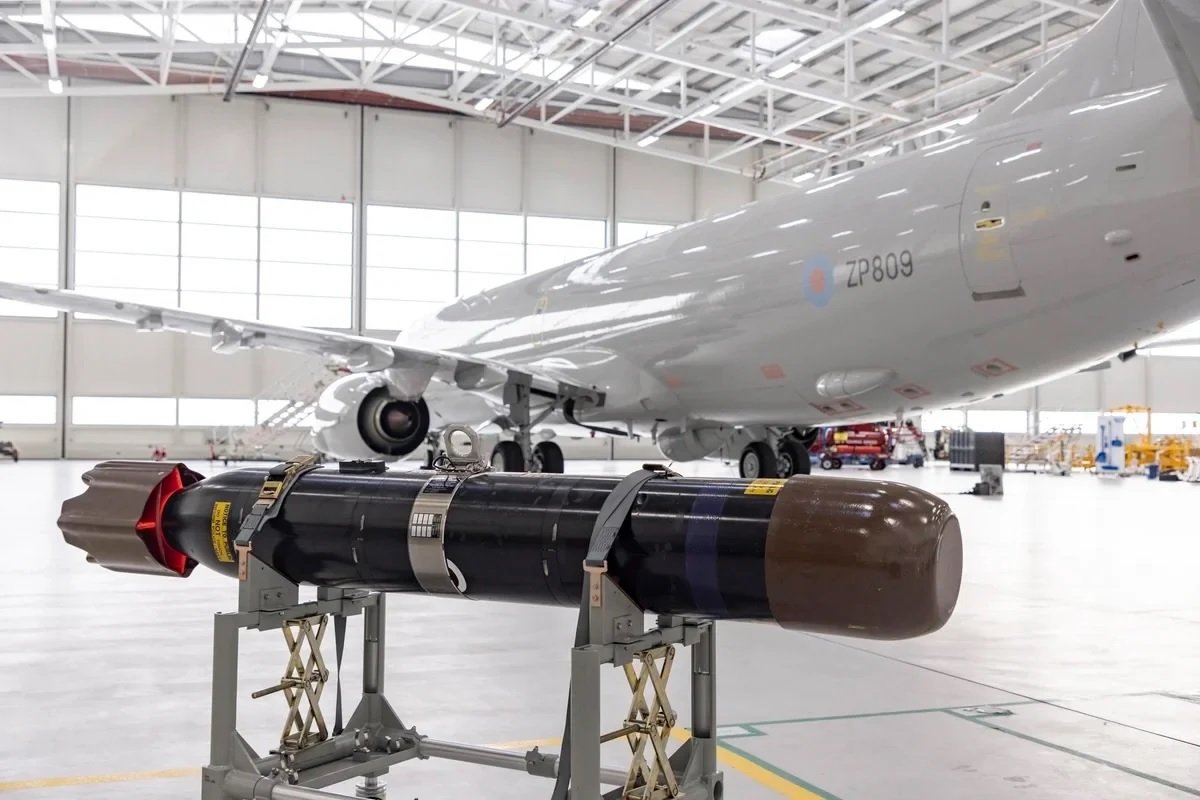
Europe
Baltic Sea — Royal Air Force (RAF) P-8A Poseidon crews participated in NATO’s Exercise Dynamic Merlin 2026, conducting anti-submarine warfare training alongside German and Swedish submarines in the Baltic Sea from November 9 to 13 off the coast of Sweden. The exercise brought together naval forces, submarines, helicopters and maritime patrol aircraft from eight NATO nations to practise detecting, tracking and responding to underwater threats. According to the RAF, the training also focused on protecting critical undersea infrastructure, including communications cables and energy pipelines. Operating from RAF Lossiemouth in Scotland, crews from No. 120 Squadron flew missions over the Baltic Sea alongside maritime patrol aircraft from France, Germany and Sweden. Standing NATO Maritime Group 1 (SNMG1) formed the core of the surface force, supported by ships from Canada, Denmark, Finland, Germany, the Netherlands and Sweden. German and Swedish submarines acted as opposition forces, providing realistic targets for allied aircraft and warships. P-8A Poseidon in Anti-Submarine Operations The P-8A Poseidon uses radar, acoustic sensors and communications systems to search large areas, detect submarine activity and share tracking information with allied forces. During the exercise, RAF crews coordinated with warships and helicopters to practise locating and monitoring submarines. Baltic Sea Creates Detection Challenges The Baltic Sea presents particular challenges for anti-submarine warfare because of its shallow waters, changing salinity and temperature layers, which affect how sound travels underwater. Heavy commercial shipping activity adds further complexity. The exercise also included training against emerging maritime and hybrid threats, strengthening NATO's ability to protect important underwater infrastructure and maintain freedom of navigation. RAF Highlights Allied Cooperation The Officer Commanding RAF No. 120 Squadron said: “Dynamic Merlin provided an outstanding opportunity to train alongside our NATO partners in a challenging and demanding environment. Anti-submarine warfare relies on close cooperation between forces operating in the air, on the surface and beneath the sea.” He added that the exercise helps improve interoperability and ensures allied forces remain prepared to respond to emerging threats. Dynamic Merlin 2026 marked the first time the activity was conducted as a full Dynamic-series exercise, following its earlier format as Playbook Merlin. It joins NATO's other major anti-submarine warfare exercises, Dynamic Manta and Dynamic Mongoose. Led by NATO Allied Maritime Command (MARCOM), the exercise strengthens allied capabilities in a strategically important region and supports NATO's efforts to protect maritime infrastructure and maintain security across the Baltic Sea.
Read More → Posted on 2026-11-24 12:56:59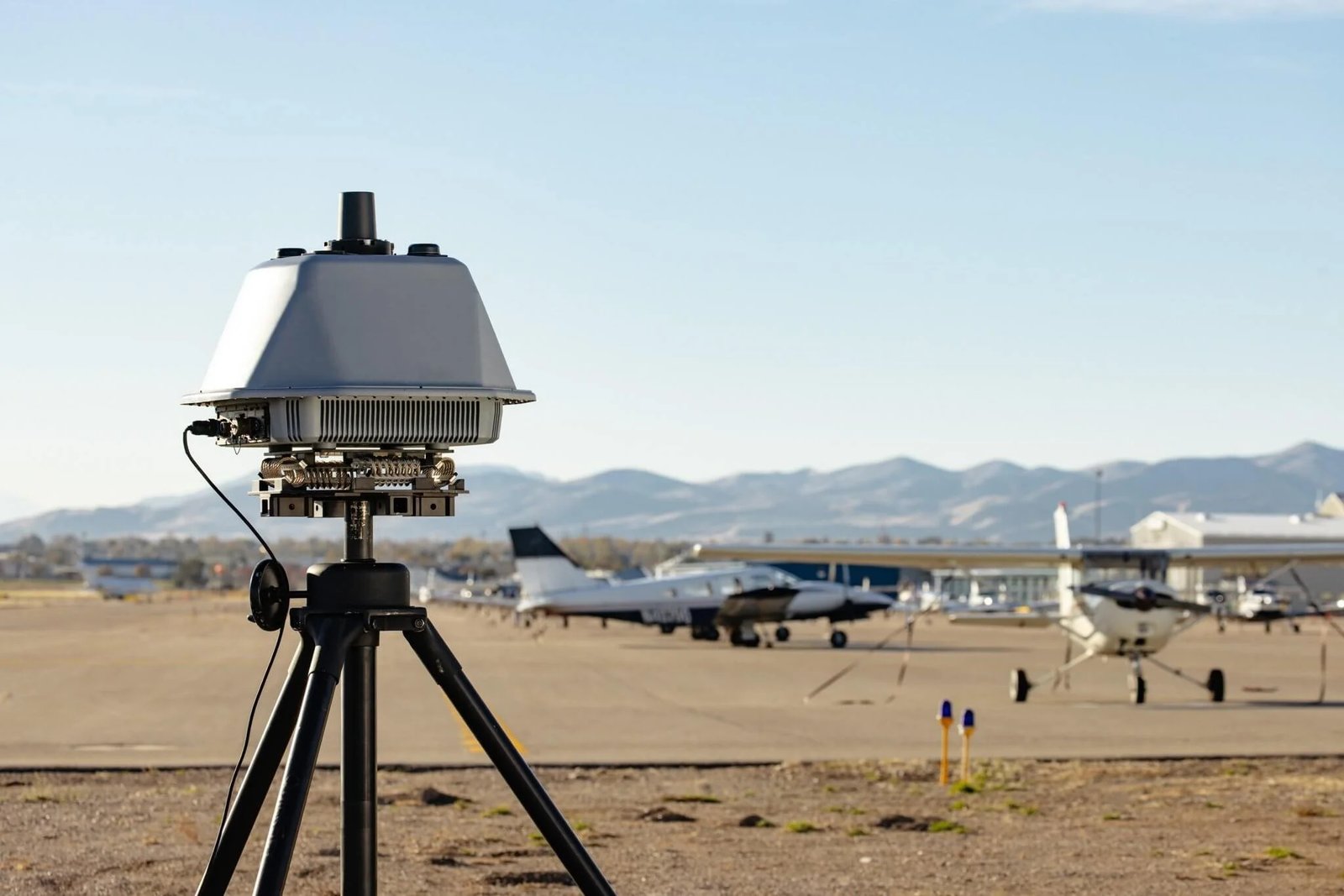
U.S
Warrenton, Va. — Australian defence technology company DroneShield announced on November 23 that its fixed-site counter-drone system has reached Initial Operational Capability (IOC) in support of the Pentagon’s Joint Interagency Task Force 401 (JIATF-401). The system has completed equipment delivery and installation and is now ready for operational use by U.S. defence personnel. It expands DroneShield’s existing work with JIATF-401, adding continuous protection at designated military installations alongside its earlier vehicle-mounted counter-drone systems. RF Sensors and Radar Work Together The fixed-site system combines DroneShield’s radio-frequency (RF) sensors and electronic countermeasures with Echodyne’s EchoShield radar. The RF sensors detect communication signals between drones and their operators, while EchoShield radar tracks aircraft movement. This allows operators to detect drones even when they fly autonomously without an active radio connection. Once a threat is identified, DroneShield’s electronic countermeasures can be used to disrupt it. DroneShield CEO Angus Bean said effective counter-drone defence requires multiple technologies working together across different detection and response layers. He added that the milestone demonstrates the company's ability to deliver operational capabilities for U.S. defence missions. Expanding Pentagon Counter-Drone Capabilities The deployment supports the Pentagon's efforts to strengthen protection against small unmanned aircraft. Established in August 2025, JIATF-401 coordinates U.S. counter-drone activities and focuses on protecting military facilities and personnel at home and abroad. DroneShield also participates in the task force's C-UAS Marketplace, which helps U.S. defence organisations access counter-drone technologies. The company previously deployed DroneSentry-X Mk2 systems on U.S. military Infantry Squad Vehicles. These mobile systems reached initial operational capability in September 2026 following installation, live testing and operator training. Recent U.S. Defence Contracts DroneShield's operational milestone follows several major contract awards in 2026: June 2026: DroneShield received a $24.9 million contract to supply counter-drone solutions supporting JIATF-401. September 2026: The task force selected 10 companies for IDIQ contracts under its Domestic Shield initiative. DroneShield received a contract with a $500 million ceiling, while Echodyne received one with a $250 million ceiling. November 2026: Echodyne entered a definitive agreement to be acquired by defence technology company Shield in a $5.3 billion transaction, expected to close in early 2027. DroneShield, headquartered in Sydney and listed on the Australian Securities Exchange (ASX: DRO), operates its U.S. business from Warrenton, Virginia. With the fixed-site system now operational, JIATF-401 has additional permanent counter-drone protection alongside its mobile systems. The deployment expands the task force's options for detecting and responding to small unmanned aircraft threats around military installations and other critical assets.
Read More → Posted on 2026-11-24 14:16:33
Space & Technology
New York — U.S. space defense company Quantum Space, Inc. has completed its merger with Inflection Point Acquisition Corp. VI and raised approximately $300 million in new financing. The combined company begins trading on the New York Stock Exchange (NYSE) under the ticker QSPC on November 24. Its warrants will trade on NYSE American under QSPC WS. The merger, approved by shareholders on November 20 and completed on November 23, gives Quantum Space an implied equity valuation of approximately $958 million, below the $1.2 billion valuation initially projected. $300 Million Financing to Support Production The company raised the capital through two private placements. Around $60 million came from Series B convertible preferred units and warrants, while another $240 million was raised through Series A Preferred Stock and warrants. Quantum Space is led by CEO Jim Bridenstine, former NASA Administrator, and was co-founded in 2021 by Executive Chairman Dr. Kam Ghaffarian, who also founded Axiom Space and Intuitive Machines. Ranger and Scout Spacecraft Development Quantum Space is developing two maneuverable spacecraft, Ranger and Scout, designed to reposition between orbits, support satellite servicing and enable on-orbit refuelling. Ranger is the larger spacecraft, designed for operations from low Earth orbit to geosynchronous orbit and beyond. It features a modular architecture, multi-mode propulsion and an intended operational life of up to 15 years. Scout, an ESPA Grande-class spacecraft, is designed for rapid deployment and manoeuvrable space operations. An earlier Scout spacecraft flew on the company's Sentry mission in May 2024. The company has targeted its first Ranger mission, Ranger Prime, for no earlier than the second quarter of 2027. NASA and U.S. Space Force Contracts Quantum Space holds contracts and agreements with the U.S. Space Force, Department of War, DARPA, Air Force Research Laboratory and NASA. In November 2026, it was selected as part of an Arrow Science and Technology-led team for NASA's $185 million Moon Base Transportation Program. Quantum Space will receive approximately 25% of the contract value and provide Ranger's orbital transfer vehicle to deliver two NASA CAPSTONE-2 spacecraft to lunar orbit. The company is also part of the U.S. Space Force's Andromeda programme, a multiple-award contract with a $6.2 billion ceiling covering participating contractors. The programme focuses on geosynchronous reconnaissance, surveillance and space domain awareness. The ceiling does not represent funding allocated exclusively to Quantum Space. The company said proceeds from the $300 million financing will accelerate the development, testing and production of Ranger and Scout as it expands its role in national security, civil and commercial space operations.
Read More → Posted on 2026-11-24 14:26:10
World
Khartoum — Saudi Arabia and Sudan are reportedly discussing a military arrangement to deploy up to 10,000 Sudanese fighters for operations against Yemen's Ansarallah (Houthis). According to Sudanese media reports, the proposed deployment would begin with around 2,000 fighters, with numbers increasing over an 18-month period. The proposed deployment involves the Sudan Shield Forces (SSF), an armed group allied with the Sudanese Armed Forces (SAF) and commanded by Abu Aqla Keikel. Neither Saudi Arabia nor Sudan has officially confirmed the reported agreement. Keikel's Visit to Saudi Arabia Keikel returned to Khartoum on November 19 after visiting Saudi Arabia, where he reportedly discussed military cooperation and the deployment of Sudanese fighters. During a gathering in Khartoum, Keikel said several of his battalions were preparing for overseas deployment. He also stated that Sudanese army chief General Abdel Fattah al-Burhan had authorised official military identification numbers for Sudan Shield personnel, allowing them to receive salaries through the regular army payroll. Deployment Figures and Command Structure The proposed arrangement reportedly includes an initial deployment of 2,000 fighters, potentially expanding to 10,000 over 18 months. Other reports have mentioned around 6,000 fighters preparing for possible border duties, although their connection to the larger plan remains unclear. A senior Sudanese military source told Sudanese Echo that the arrangement was negotiated with the Sudanese army. The fighters are reportedly expected to operate under regular Sudanese military officers stationed in Saudi Arabia. Separately, Darfur24 reported on November 23 that more than 7,000 Sudanese soldiers, including around 2,000 Sudan Shield members, had already been sent to Saudi Arabia and Yemen in recent months. These figures have not been independently confirmed. Sudan's Previous Role in Yemen Sudan previously joined the Saudi-led coalition against Ansarallah in March 2015 under former President Omar al-Bashir. Thousands of Sudanese regular soldiers and Rapid Support Forces (RSF) fighters subsequently participated in the conflict. A 2019 Brookings Institution analysis estimated that between 8,000 and 14,000 Sudanese paramilitaries were deployed in Yemen at the peak of the intervention. The latest discussions come as Sudan continues to face a civil war between the SAF and RSF, along with severe economic difficulties and widespread displacement. Earlier reports also suggested that negotiations involved possible fuel supplies and financial support in exchange for Sudanese troop deployments. The reported plan has drawn criticism in Sudan, with citizens questioning the decision to send fighters abroad while the country remains engaged in its own conflict. Saudi Arabia and Sudan have not officially confirmed the agreement, and the final deployment numbers, timeline and operational responsibilities remain unclear.
Read More → Posted on 2026-11-24 14:36:22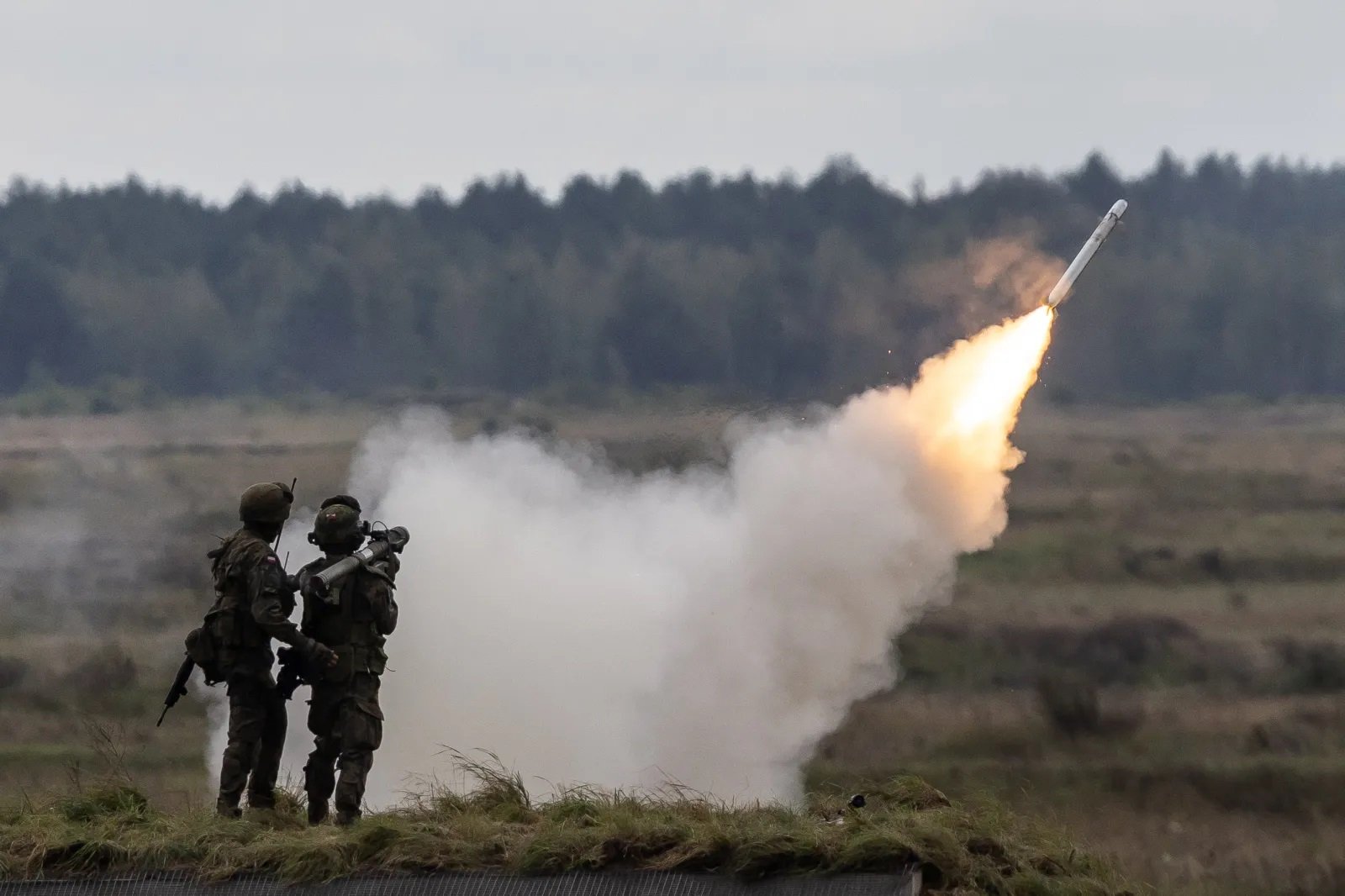
Europe
SKARŻYSKO-KAMIENNA, Poland — The Netherlands has joined a multinational European procurement programme for Poland’s PIORUN man-portable air defence systems (MANPADS), strengthening cooperation on short-range air defence. An amendment to the framework agreement was signed on November 23, 2026, at defence manufacturer MESKO S.A. in Skarżysko-Kamienna. The agreement was signed by Major General Artur Kuptel, head of Poland’s Armaments Agency, and MESKO board members Marcin Ożóg and Krzysztof Marwicki. Deputy Defence Minister Magdalena Sobkowiak-Czarnecka attended the ceremony. The agreement allows the Royal Netherlands Army to purchase PIORUN systems through the EU's Security Action for Europe (SAFE) programme, which provides €150 billion in preferential loans for joint defence procurement. Five Countries Join Procurement Programme The Netherlands joins Poland, Lithuania, Latvia and Norway in the EDIRPA VSHORAD consortium, led by Poland’s Armaments Agency. The original agreement with MESKO was signed on August 24, 2026. The planned procurement covers missiles, launch systems, simulators, training and logistical support. Its combined value is expected to exceed PLN 8 billion net, with more than 80% of the missiles and launch systems allocated to Poland. Deliveries are scheduled for completion by 2030. Poland signed the first implementing contract on September 11, 2026, at the MSPO defence exhibition in Kielce. Worth approximately PLN 3 billion net, it covers missiles, launch mechanisms, training and logistics, with deliveries scheduled between 2026 and 2030. Individual national order quantities remain confidential. MESKO Expands Production MESKO has secured PLN 400.35 million to expand missile production. The funding includes PLN 368.75 million from Poland’s Capital Investment Fund and PLN 31.6 million from company resources. The project is scheduled for completion in December 2028 and is expected to increase annual production capacity to approximately 2,500 units, from the currently reported 1,500 systems. The expansion will support PIORUN production and prepare facilities for the next-generation PIORUN 2, which is being developed with extended range, upgraded capabilities and improved portability. MESKO also expects to produce its 6,000th PIORUN missile by May 2027. PIORUN Capabilities and International Users Developed by MESKO and CRW Telesystem-Mesko, PIORUN is designed to engage low-flying aircraft, helicopters and unmanned aerial vehicles during day and night operations. It features an upgraded infrared seeker resistant to countermeasures, night-vision sights, a user authorisation module and a proximity fuse with a directional warhead designed to counter small drones. International interest increased after Poland supplied the system to Ukraine in 2022, where it was used against Russian aircraft and helicopters. Besides Poland and Ukraine, PIORUN has been ordered or fielded by the United States, Norway, Estonia, Latvia, Lithuania, Georgia, Moldova, Belgium and Sweden. The Netherlands is the latest NATO ally to join its international user base.
Read More → Posted on 2026-11-24 14:42:10
Europe
BERLIN — Germany will become the first foreign country to gain access to Ukraine’s DELTA battlefield management system following a defence cooperation agreement signed in Berlin on November 23. Ukrainian Defense Minister Yevhenii Khmara and German Defense Minister Boris Pistorius signed a letter of intent to jointly develop the platform and introduce it into the Bundeswehr, Germany’s armed forces. Ukraine’s Ministry of Defense announced the agreement on November 24. How the Cooperation Will Work Under the DELTA Lab initiative, German specialists will adapt the software to the Bundeswehr’s operational requirements and help develop new features. Germany will also support its development through the multinational IT Coalition for Ukraine. However, German forces will not receive access to Ukraine’s combat records or operational data. Technical, legal and practical arrangements will be finalised through a separate agreement. The ministers also discussed joint reconnaissance drone production and additional air defence interceptor missiles for Ukraine. Khmara said German technological expertise would help expand the capabilities of Ukraine’s battlefield-tested system. Pistorius said DELTA could accelerate reconnaissance, planning and combat operations by combining battlefield information into a real-time operational picture. German Army Already Tested DELTA The agreement follows October 2026 field trials, during which the German Army tested DELTA in drone warfare exercises with Ukrainian instructors and military personnel from other European countries. On November 17, Pistorius said Germany wanted to continue testing and developing the system within the Bundeswehr. Norway also confirmed on November 24 that it would join Germany in testing the platform. How Ukraine’s DELTA System Works Developed by Ukraine’s Ministry of Defense, DELTA is a cloud-based battlefield management platform that combines information from drones, ground sensors, radars, trackers and satellites on a single digital map. It helps military personnel monitor friendly and enemy positions, share target coordinates, assess battlefield conditions and coordinate combat missions in real time. The platform has also been tested for compatibility with NATO technical standards. In August 2026, Ukraine introduced an integrated AI assistant to help users understand and operate the system. The agreement will allow Germany to adapt and further develop Ukraine’s battlefield technology while keeping Ukrainian military operational data inaccessible to foreign partners.
Read More → Posted on 2026-11-24 15:22:47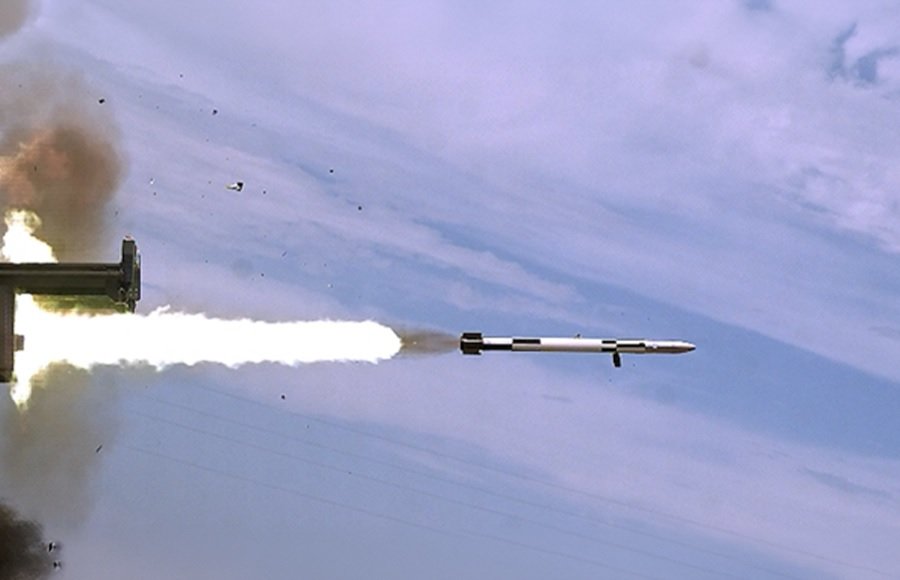
U.S
YUMA PROVING GROUND, Arizona — Lockheed Martin announced on November 23, 2026, that it had completed the third successful flight test of its Joint Reduced Range Rocket (JR3), firing a full 24-round salvo from a HIMARS launcher at Yuma Proving Ground in Arizona. The test demonstrated the rocket's range, trajectory, accuracy and marking-payload effects. The JR3 is being developed as an affordable training solution for the U.S. Army and international partners, potentially replacing the existing Reduced Range Practice Rocket (RRPR). 24-Round Reloadable Launch Pod The JR3 features a reusable 24-round launch pod, reloadable launch tubes and a low-cost rocket motor based on mature technology. It is designed for both the wheeled M142 HIMARS and tracked M270 Multiple Launch Rocket System (MLRS). Unlike standard six-round operational rocket pods, the JR3 allows crews to fire larger training salvos and reuse launch equipment, reducing training costs. The existing M28-series practice rocket uses a high-drag nose and non-explosive ballast to limit its range to approximately 15 kilometres, allowing training on smaller firing ranges. Operational rockets can travel beyond 70 to 90 kilometres. Testing and Development The JR3 programme began with a July 2024 agreement through the U.S. Army Aviation and Missile Technology Consortium. Lockheed Martin demonstrated a prototype in August 2025, showing that crews could reload previously fired launch tubes. The first flight test followed in September 2025, with the second conducted at Yuma in August 2026. Sabrina Barnes, vice president of Lockheed Martin Precision Fires Rockets, said the 24-round system provides a scalable, affordable solution to meet the Army's demand for higher training volume at lower cost. The company also said the JR3's modular design could support future low-cost rocket programmes, including the Army's Direct Support Fires Technology initiative. Production-level maturity is targeted around 2028. Raytheon, an RTX business, is also developing a competing JR3 design and conducted its third DeepStrike JR3 test earlier in November 2026 at Yuma Proving Ground. Lockheed Martin has not released specific cost-per-round, range or accuracy figures for the JR3.
Read More → Posted on 2026-11-24 15:31:44
World
TEHRAN — Iran is developing 1-meter resolution imaging satellites as part of a growing space programme that currently has more than 35 satellites under construction, Iranian Space Agency (ISA) chief Hassan Salarieh announced on November 22. The programme includes high-resolution optical satellites, all-weather radar satellites and a 24-satellite Shahid Soleimani constellation. Development involves government organisations, universities, research centres and private companies. Optical and Radar Satellite Development Iran is developing optical satellites capable of capturing images at 1-meter resolution or better. Previous projects include Paya and Pars-2, which has an announced resolution of approximately 2.5 metres. The country is also developing synthetic aperture radar (SAR) satellites that can collect images through clouds, snow and dust. Its Rad-1 and Rad-2 programmes target resolutions better than 50 metres and 20 metres, respectively. ⚡️NEW: The Iranian Space Agency has announced that it plans to Launch Remote-Sensing Satellites with a resolution of 1 Meter 35 satellites are currently under construction Indigenous 1-meter satellites let Iran task passes and collect coordinates over important regional military bases, ports, and infrastructure During active conflicts, Western commercial satellite providers routinely blur, delay, or restrict imagery over battlezones — Iran Observer (@IranObserver0) November 23, 2026 24-Satellite Constellation The first phase of the Shahid Soleimani constellation includes 18 operational satellites and six reserves, primarily designed for Internet of Things (IoT) and communications services. Iran plans to unveil three satellites during the Ten-Day Dawn celebrations in February 2027, with their launch targeted before the Iranian calendar year ends in March 2027. Civilian Applications and Launch Capabilities Salarieh said satellite imagery supports agriculture, urban mapping, mining, water management, weather forecasting and environmental monitoring. Around 170–180 private Iranian companies are involved in processing satellite images and developing specialised data services. Iran uses domestic launch vehicles, including the Simorgh, with a reported payload capacity of 200–300 kg to low Earth orbit, and the IRGC Aerospace Force's solid-fuel Qaem rocket, capable of carrying up to 100 kg to 500 km. Researchers are also developing heavier launch vehicles to carry multi-tonne payloads into low Earth orbit and eventually reach geostationary orbit at 36,000 km. Salarieh added that Iran's decentralised space infrastructure helped maintain existing satellite operations despite international sanctions and damage to several ground facilities during wartime strikes.
Read More → Posted on 2026-11-24 15:37:38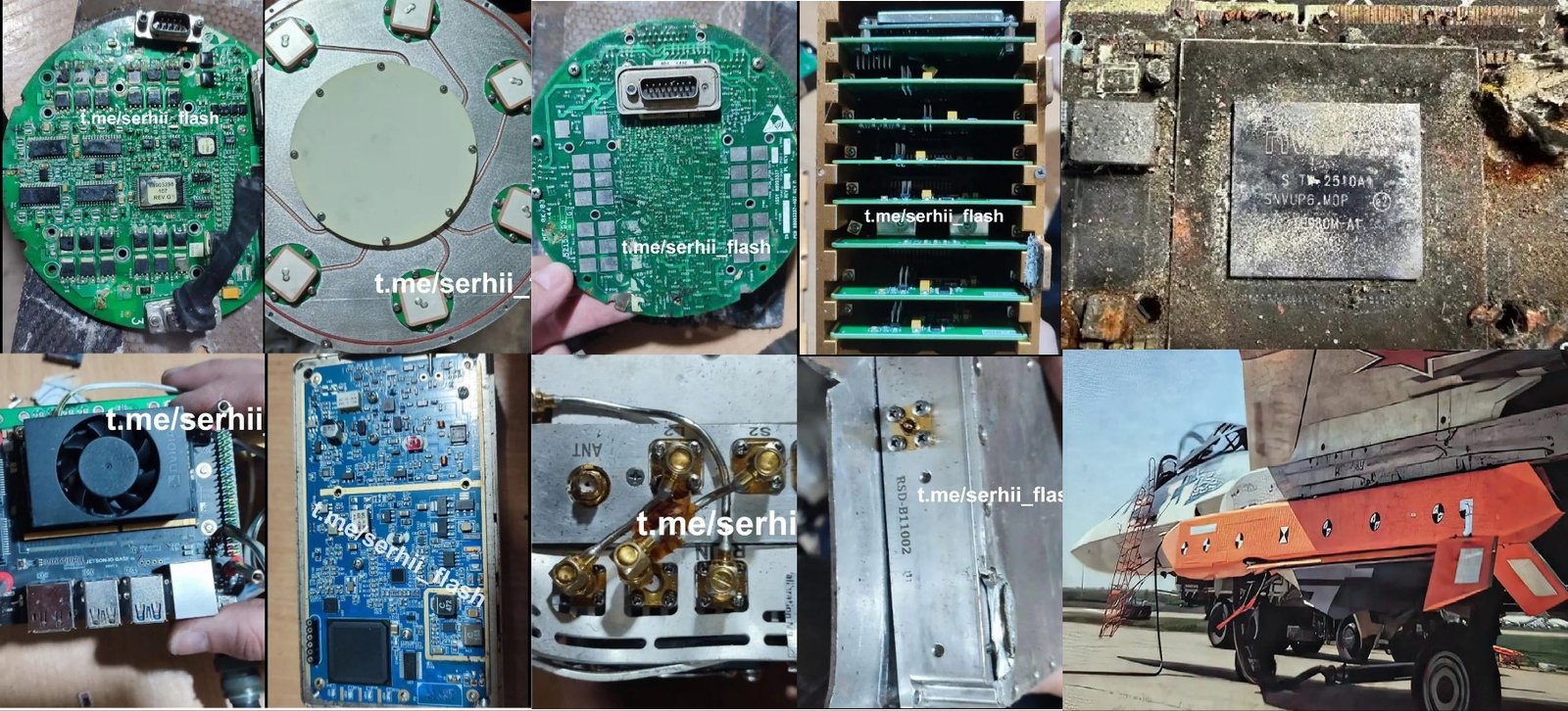
World
KYIV, Ukraine — Ukrainian military specialists have discovered NVIDIA Jetson Orin AI computing modules in at least four types of Russian strike weapons, including the Molniya and V2U attack drones, an upgraded Shahed-136 and the S-71M Monochrome air-launched cruise missile, according to technical examinations and reporting by The New York Times. The compact processors are designed to run artificial intelligence (AI) models directly on devices. They can process camera footage, recognize objects and support navigation without requiring a continuous connection to cloud servers. Their use in Russian weapons varies from assisted guidance to reported autonomous target selection. Molniya Drone Demonstrates Autonomous Target Selection The most advanced application identified by Ukrainian specialists was found in Molniya fixed-wing attack drones tested in the Zaporizhzhia area between May and July 2026. Unlike conventional last-mile guidance systems, which help a drone reach a target already selected by an operator, the tested Molniya configuration could independently select the specific object to strike without human confirmation. On July 6, 2026, a Molniya drone attacked a petrol station in Zaporizhzhia. Russian operators had designated the general area, but the drone's onboard software reportedly selected the specific object, likely propane storage tanks. The explosion killed three people. Experts interviewed by The New York Times, including Kateryna Bondar of the Center for Strategic and International Studies (CSIS), described the incident as the first documented case of civilian deaths caused by a drone using an autonomous terminal target-selection system. Ukrainian engineers examined the recovered, unencrypted Jetson Orin module. Its stored terrain imagery and software indicated that the AI model had been trained to recognize ground targets, including petrol station infrastructure. NVIDIA Chips Also Found in V2U and Shahed Drones The same computing technology has been identified in Russia's V2U strike drone. Its guidance system uses a Chinese-made Leetop A203 carrier board containing an NVIDIA Jetson Orin module. The V2U has a wingspan of approximately 1.2 metres, carries a warhead payload of up to 3.5 kilograms and uses a two-way LTE cellular connection. Its AI system performs object recognition and can automatically guide the munition towards a target, alongside operator control. In June 2025, Ukrainian specialists also discovered a Jetson Orin module inside an upgraded Iranian-designed Shahed-136 drone. The modified version featured a nose camera and video-guidance system. The processor handled real-time camera footage and compared detected objects with preloaded visual models to support terminal guidance or automated target selection. Jetson Orin Discovered in S-71M Monochrome Missile The technology has also appeared in Russia's S-71M Monochrome air-launched cruise missile. On August 12, 2026, Ukraine's Defence Intelligence (DIU) published findings on its War & Sanctions portal identifying an NVIDIA Jetson Orin processor inside the missile. The recovered component carried the marking TE980M-A1 S TW 2510A1 SNVUP6 MOP TE980-AT. According to the DIU, the computer's presence indicates potential AI capabilities in the missile's control and electro-optical guidance systems. The S-71M is a variant of the S-71K Kover, designed to fit inside the internal weapons bays of Russia's Su-57 fighter and S-70 Okhotnik heavy combat drone. Russian defence specifications describe the missile as capable of autonomously searching for targets. If its remaining characteristics match the baseline S-71K, it has a range of up to 300 kilometres and carries a 250-kilogram OFAB-250-270 high-explosive fragmentation warhead. NVIDIA Responds to Discovery NVIDIA confirmed to The New York Times that the processors shown in photographs of recovered Russian weapons belong to its Jetson Orin product family. The company said these are commercial computing modules designed for students, software developers, startups, robotics and machine-vision applications, rather than military systems. NVIDIA also stated that it does not sell Jetson Orin modules in Russia and complies with export restrictions. However, the modules are distributed globally through retail channels and third-party vendors. Tracking individual units after they enter secondary markets is difficult. One circuit board recovered from a Russian drone also carried markings indicating it was manufactured in China. Ukrainian and Western officials have not established the exact supply chain or intermediary network through which the processors reached Russian weapons manufacturers. The findings show how commercially available AI computing hardware is being integrated into different Russian strike systems. While some applications support navigation and target recognition, the Molniya configuration examined in Ukraine demonstrates a reported capability to independently select a specific object during the final stage of an attack. Main Source : militarnyi
Read More → Posted on 2026-11-24 15:48:56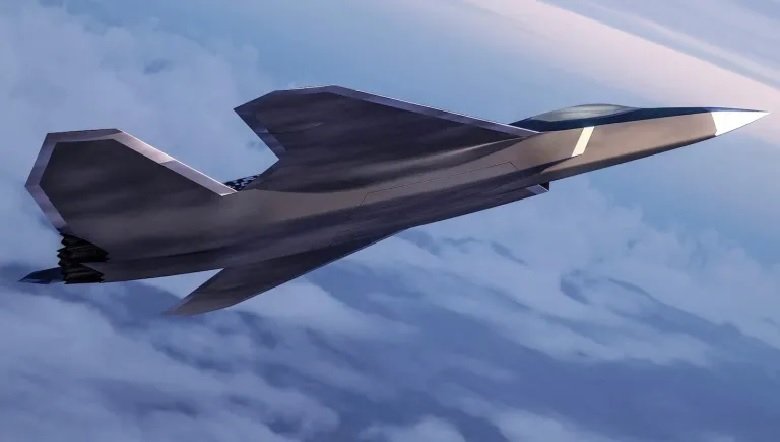
Europe
MANCHING, Germany — The Airbus Defence and Space works council at Manching, Bavaria, has urged the German government to immediately launch a national sixth-generation fighter programme, rejecting German participation in the UK-Italy-Japan Global Combat Air Programme (GCAP). In a statement issued on November 23, works council chairman Thomas Pretzl called for a national development contract that could remain open to international partners later. He warned Germany against repeating the political disagreements that led to the collapse of its previous fighter project with France. The council said a prototype must fly by 2032 for the Bundeswehr to receive the aircraft before 2040. It believes this timeline remains achievable if Berlin acts immediately. Why Germany Should Avoid Joining GCAP The works council described joining GCAP as “doomed to failure”, arguing that Germany would have limited influence over design decisions and industrial work shares. Launched in late 2022, GCAP involves the United Kingdom, Italy and Japan, with BAE Systems, Leonardo and Japan Aircraft Industrial Enhancement Co. (JAIEC) working through the Edgewing joint venture. The programme aims to deliver its fighter by 2035. Airbus management, however, remains open to GCAP discussions if German and Spanish industries receive substantial development and production responsibilities. FCAS Collapse Leaves Germany Without a Fighter Programme Germany has been without an active sixth-generation fighter development programme since the Future Combat Air System (FCAS) project with France and Spain collapsed in mid-2026. Disagreements between Airbus and Dassault Aviation over industrial leadership and aircraft design control contributed to its failure. Defence Minister Boris Pistorius expects Berlin to decide its future fighter strategy in the first quarter of 2027. The Defence Ministry is reportedly considering cooperation with Spain and Sweden, potentially involving Airbus and Saab, while the Federal Chancellery has explored joining GCAP. Manching Jobs at Risk The Manching facility is Germany's final assembly site for the Eurofighter Typhoon. Germany has ordered 58 additional Eurofighters under Quadriga I and II, keeping production running until around 2034. The works council warns that without a successor programme, Germany could lose specialised engineering skills and manufacturing jobs. It also cautioned that further delays could encourage additional purchases of US-made F-35 fighters. Germany has already ordered 35 F-35As to replace part of its ageing Panavia Tornado fleet. The proposal has received support from CSU Bundestag member Christian Moser, who called for a German-led industrial consortium and continued Eurofighter upgrades. Bavarian Minister-President Markus Söder has also supported developing key defence systems domestically.
Read More → Posted on 2026-11-24 15:56:47
Space & Technology
HALIFAX, NOVA SCOTIA — German rocket manufacturer Isar Aerospace has taken operational control of a dedicated site at Spaceport Nova Scotia and started construction of its Canadian launch complex near Canso. Announced on November 21, the development brings Canada closer to conducting its first domestic orbital launch, targeted for the first half of 2028. The facility will include a launch pad, final assembly line for the Spectrum rocket and satellite payload preparation facilities. It will be Isar Aerospace's second launch site after Andøya in Norway and its first in North America. Maritime Launch Services expects the wider spaceport infrastructure to be ready for orbital operations by the end of March 2028. Spectrum Rocket and Launch Capabilities Isar Aerospace's two-stage Spectrum rocket stands 28 metres tall and uses liquid oxygen and propane. It can carry up to 1,000 kg to low Earth orbit or approximately 700 kg to sun-synchronous orbit. On September 5, 2026, Spectrum successfully reached orbit on its second flight from Norway's Andøya Spaceport, deploying five small satellites. Canada Joins NATO Innovation Fund On the same day, Defence Minister David McGuinty announced Canada's formal entry into the NATO Innovation Fund, making it the 25th member and the first from North America. Canada will contribute €64.59 million (approximately C$100 million), taking the fund's total commitments beyond €1.1 billion. The Business Development Bank of Canada will manage the investment. The fund supports emerging defence and dual-use technologies, including artificial intelligence, space systems, propulsion, hypersonics, quantum technology and autonomous systems. Isar Aerospace is already among its portfolio companies. Canada's Domestic Space Launch Plans The project follows a 10-year, C$200 million agreement signed in March 2026 between Canada's Department of National Defence and Maritime Launch Services for a dedicated military launch facility at Spaceport Nova Scotia. Canada is also advancing the proposed Canadian Space Launch Act (Bill C-28) to regulate commercial and government rocket launches from its territory. Currently, Canadian satellite operators and government agencies depend on foreign launch providers. The Nova Scotia facility aims to reduce this dependence while developing Canada's domestic space and defence industries and strengthening cooperation with European and NATO allies.
Read More → Posted on 2026-11-24 16:06:12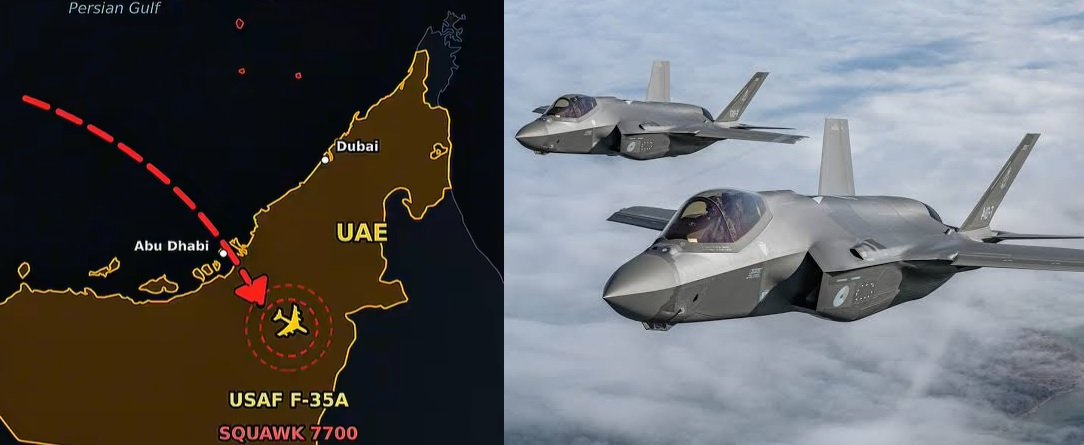
U.S
ABU DHABI — A U.S. Air Force F-35A Lightning II transmitted the international emergency code 7700 while flying over the United Arab Emirates on November 21, according to public flight-tracking data. The aircraft was subsequently tracked heading southwest toward Al Dhafra Air Base, before its signal disappeared from public tracking platforms. The aircraft was identified as an F-35A with serial number 13-5067 and call sign F35LTNG. Tracking data showed it transmitting the emergency code at approximately 29,000 feet near the Strait of Hormuz. Its exact condition and the reason for the emergency remain unknown. Second Reported Emergency in Five Days The same F-35A was reportedly involved in another 7700 emergency alert on November 16, making the November 21 incident the second reported alert involving the same aircraft within five days. What Does Emergency Code 7700 Mean? The international transponder code 7700 indicates a general in-flight emergency and alerts air traffic controllers that an aircraft requires priority handling. It does not identify the cause, which could involve a technical malfunction, mechanical problem or medical emergency. The disappearance of an aircraft's public ADS-B tracking signal does not necessarily indicate a crash. Military aircraft may stop transmitting publicly or move outside civilian receiver coverage. There is no confirmed report of a crash, pilot ejection, hostile engagement or damage to the F-35A. CENTCOM Responds to F-35 Reports Neither the U.S. Air Force nor U.S. Central Command (CENTCOM) has publicly explained the emergency alert. A CENTCOM spokesman said he was not aware of any problems involving a U.S. F-35 in the Middle East when asked about the reports. Incident Follows Iranian Claim About US F-16 The F-35A emergency alert came one day after Iran claimed its air defences had targeted a U.S. F-16 over the Persian Gulf on November 20. Iranian officials said a missile exploded near the aircraft, damaging it and forcing the pilot to make an emergency landing. However, CENTCOM rejected the claim, stating: "Iran did not attack a US F-16 fighter aircraft yesterday — at all." It also confirmed that all U.S. military fighter jets in the Middle East were safe and accounted for. The incidents come amid continuing tensions between Washington and Tehran over nuclear negotiations and security around the Strait of Hormuz. Further clarification from U.S. military officials is needed to establish the cause of the F-35A emergency alert.
Read More → Posted on 2026-11-24 16:35:15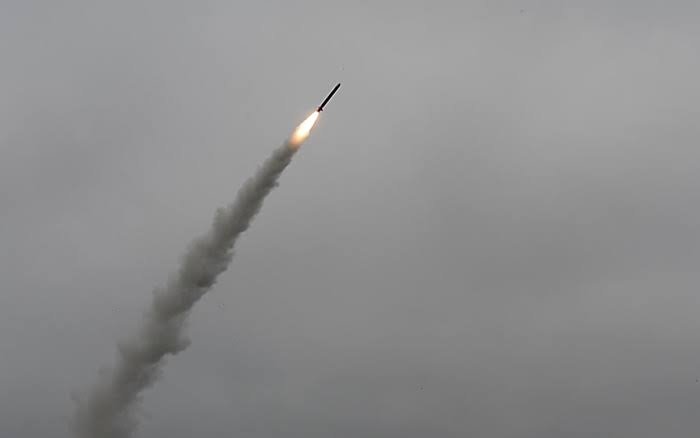
U.S
TUCSON, Ariz. — The U.S. Navy has awarded RTX's Raytheon an agreement to advance the Nuclear-Armed Sea-Launched Cruise Missile (SLCM-N) from concept work into active development. Announced on November 24 under the Navy's Other Transaction Authority (OTA), the agreement's individual financial value was not disclosed. Under the deal, Raytheon's Advanced Technology team will mature the missile's design, integrate key subsystems and prepare hardware for future prototype demonstrations. The company will use a composable weapons approach, combining existing modular technologies to reduce development time. Anduril Rocket Motor Systems, Divergent and Williams International will also contribute to the programme. Part of $743.6 Million Development Programme The agreement is part of a wider Navy effort involving five prototype OTA contracts worth a combined $743.6 million. Awards went to Raytheon, Leidos' Dynetics unit, Northrop Grumman, Northrop Grumman Mission Systems and Pacific Engineering. Their work covers missile development, flight-system integration and launch canisters, with contracts running through December 31, 2027. Nuclear Capability for Virginia-Class Submarines The SLCM-N is intended to provide U.S. Navy attack submarines, including Block III Virginia-class submarines, with a nuclear-armed cruise missile capability. The planned weapon will use the W80-5 nuclear warhead. The programme would restore a capability lost when the Navy retired its nuclear-armed Tomahawk Land Attack Missile (TLAM-N) in 2013. Originally proposed in the 2018 Nuclear Posture Review, the programme was dropped in the 2022 review. However, Congress continued funding its development through subsequent defence legislation. The FY2024 National Defense Authorization Act requires initial operational capability by September 30, 2034, while the FY2026 NDAA sets a deadline for limited operational deployment by September 2032. Raytheon's latest agreement moves the SLCM-N programme into a more advanced development phase as the Navy works towards these deadlines.
Read More → Posted on 2026-11-24 16:39:46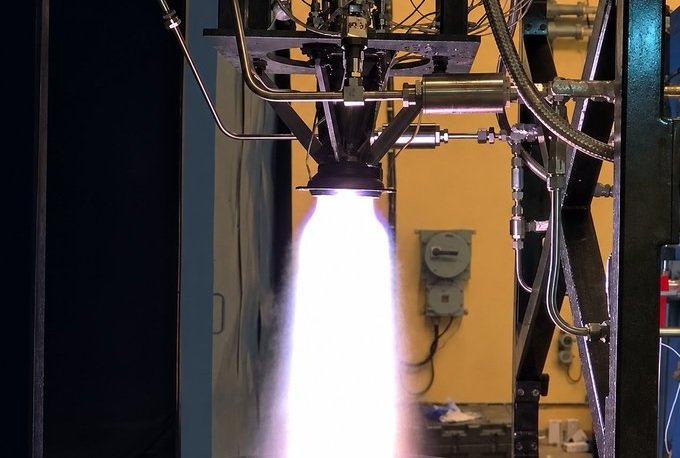
Space & Technology
HYDERABAD — India’s private space company Skyroot Aerospace has announced that its Raman-2 liquid-fuelled engine has cleared its acceptance test for the second flight of the Vikram-1 rocket. The milestone moves the company closer to preparing the rocket’s upper stage for its next orbital mission. Skyroot announced the test result on X. The next steps include integrating the engine into the Orbital Adjustment Module (OAM) and completing electrical checks. Raman-2 Engine and Its Role The Raman-2 is installed in Vikram-1’s fourth stage, which provides the final thrust needed to place satellites into their intended orbits. The engine is fully 3D-printed and regeneratively cooled, using circulating propellant to manage heat during operation. It is also designed for multiple restarts in space, allowing the rocket to perform several orbital manoeuvres and deploy satellites into different orbits during a single mission. In October 2025, Skyroot completed a full-stage test of the OAM, involving one Raman-2 engine, four Raman Mini thrusters and eight cold-gas thrusters. The system completed more than 1,000 thruster pulses under flight-like conditions. Earlier, Raman-2 was tested at ISRO's Propulsion Complex in Mahendragiri, where it demonstrated 820 N of sea-level thrust and 1,460 N in vacuum. The engine uses monomethylhydrazine (MMH) and nitrogen tetroxide (NTO) as propellants. Vikram-1 Flight 2 Preparations Skyroot is targeting the second Vikram-1 flight for December 2026 or early January 2027. The first-stage hardware has already been shipped to the Satish Dhawan Space Centre in Sriharikota. Other preparations include the successful test-firing of the Raman-1 roll-control thruster on November 9 and the completion of vibration testing for the rocket's interstages. Skyroot plans to begin fully commercial launch operations from its third mission. Building on the First Successful Flight Vikram-1 is a four-stage rocket, approximately 22 metres tall, with three solid-fuel stages and a liquid-fuelled fourth stage. It is designed to carry payloads of up to 350 kg to low Earth orbit. Its maiden flight, Mission Aagaman, took place on July 18, 2026, from Sriharikota. The rocket successfully placed six payloads into an approximately 450-km orbit, making Skyroot the first Indian private company to achieve an orbital launch. With Raman-2 clearing its acceptance test, Skyroot has completed another important step towards its second Vikram-1 mission and its plans to establish regular commercial launch services.
Read More → Posted on 2026-11-24 16:52:21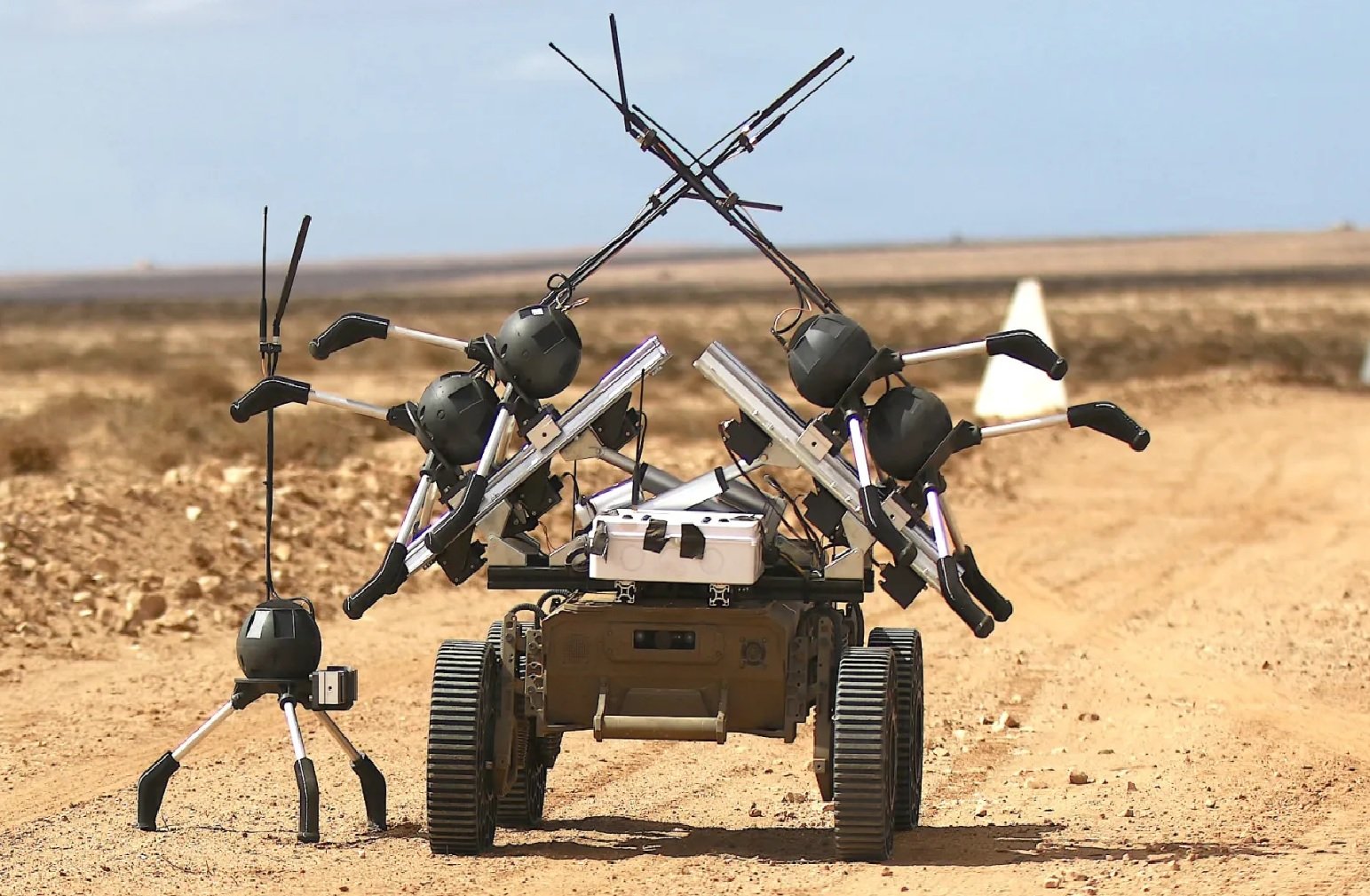
U.S
Tan-Tan, Morocco – The U.S. Army has tested the FireAnt, a compact four-wheeled uncrewed ground vehicle (UGV), to deploy ground sensors for detecting hostile drones during a joint military exercise with Moroccan forces. The trials took place from October 3 to 14, 2026, at the Multidomain Training Area in Tan-Tan under the NANO ACE II programme. The Army released details on November 19, following preliminary evaluations in Yuma, Arizona, completed in September. More than 10 U.S. defense companies participated alongside American and Moroccan soldiers. Developed by Swarmbotics AI, FireAnt is a modular 4×4 robotic vehicle designed for electronic warfare, reconnaissance and one-way attack missions. It can also operate in semi-autonomous groups using the company's ANTSNet control software. During the Morocco trials, FireAnt carried six deployable ground sensors, mounted on two angled side rails. Three sensors were fitted on each side and released onto the ground as the vehicle moved into position. Each sensor landed upright on three short legs. The Army has not disclosed their exact detection range or technical specifications. The Army has also tested other sensor configurations, including Maple Seeds radiofrequency sensors developed by MaXentric Technologies and the FireFLY passive acoustic system supplied by Invariant Corporation and Hyperion Technology Group. Testing Autonomous Counter-Drone Systems NANO ACE II evaluated whether robotic vehicles could navigate rough terrain while operating under electronic warfare jamming. The exercise also included Group 1 uncrewed aircraft as targets. On October 9, an autonomous counter-drone system was used to defeat a drone. The trials were conducted under the Army's Operation Jailbreak, which aims to connect different vehicles, sensors and software through a shared network. The objective is to improve threat detection and provide soldiers with a clearer picture of battlefield activity. Using small robots to deploy sensors reduces the need for soldiers to enter exposed forward positions. Multiple vehicles can distribute sensors across wider areas, while passive systems can detect threats without continuously transmitting signals. Connected sensors can also provide early warnings and help cue longer-range radars and counter-drone weapons. Morocco Supports U.S. Army Technology Development The Multidomain Training Area offers open electromagnetic spectrum, relatively uncongested airspace and rugged terrain for testing military technologies. The exercise involved the Army Test and Evaluation Command (ATEC), U.S. Army Central, U.S. Africa Command (AFRICOM), Southern European Task Force-Africa (SETAF-AF) and other Army organizations. Col. Woodrow D. Miner of SETAF-AF said the trials allow military units and industry to test systems in contested environments. Maj. Kyle Rau of ATEC highlighted their potential to reduce soldiers' workload and keep them away from dangerous areas. The testing site is part of the planned Africa Multidomain Training and Experimentation Center (AMTEC). It is expected to support the African Lion 2027 exercise as a proof of concept, ahead of the full Tan-Tan training center's planned completion around 2030. The Army has used unattended ground sensors for decades, including during Operation Igloo White in Vietnam. It has also explored deploying sensors using aerial drones and high-altitude balloons. However, connecting different platforms and processing large volumes of sensor data remain major challenges. The Army is looking at artificial intelligence and machine learning to help filter information and provide actionable intelligence. The growing use of drones and robotic systems in Ukraine and other conflicts has increased military interest in smaller ground robots. The NANO ACE II trials will help the Army assess how FireAnt and similar platforms can support counter-drone operations and battlefield surveillance.
Read More → Posted on 2026-11-25 12:54:20
Space & Technology
Bengaluru — Bengaluru-based Sarvam AI has launched Sarvam Extract, an API designed to extract structured information from lengthy documents in English and all 22 scheduled Indian languages. Announced on November 24, the tool targets businesses processing bank statements, credit reports, invoices, insurance policies, regulatory filings and legal contracts. Powered by Sarvam Vision 2.1, the API supports documents of up to 500 pages. It converts information into JSON, CSV and XLSX formats. Each extracted value includes a confidence score, source page number and bounding-box coordinates. Missing information is returned as null rather than guessed. Sarvam Extract vs Gemini, ChatGPT and Claude On the public ExtractBench benchmark, covering 370 documents, Sarvam reported the following results: AI system Score (out of 100) Sarvam Extract Advanced 95.4 Sarvam Extract Basic 94.4 Gemini 3.8 Flash (page by page) 89.9 Gemini 3.8 Flash (single call) 86.6 Google Document AI OCR + Gemini 85.6 ChatGPT and Claude also offer document analysis and information extraction capabilities. However, comparable ExtractBench scores are not available, so their performance cannot be directly ranked against Sarvam. Sarvam's advantage was particularly clear on lengthy documents. For files exceeding 50 pages, it scored 93, compared with 28.2 for Gemini when the entire document was submitted in one call. Gemini's page-by-page configuration scored 92.6. For tables exceeding 1,000 rows, Sarvam scored 95.7, compared with 2.5 for Gemini's single-call setup. However, Gemini's page-by-page approach scored 96.3. Other specialised extraction tools also performed well. LlamaExtract Agentic Plus scored 96.2, while Reducto Deep Extract scored 96.1, both at higher per-page costs. How Sarvam Extract Works The API uses a four-stage process: Parse: Reads scanned pages using Sarvam Vision 2.1 or extracts embedded PDF text. Locate: Finds relevant pages and tracks tables across multiple pages. Read: Extracts requested information from individual pages. Check: Verifies extracted values and checks calculations against stated totals. It offers two modes. Basic performs page-level extraction for invoices, forms and identity verification. Advanced adds a second document-level review to cross-check information across pages, making it suitable for financial statements and complex records. Pricing and Availability Sarvam Extract charges only for successfully processed pages: Basic: ₹1 per page ($10 per 1,000 pages). Advanced: ₹2.50 per page ($25 per 1,000 pages). Sarvam estimates comparable Gemini 3.8 Flash workflows would cost approximately ₹3.50 per page for Basic tasks and ₹7.20 for Advanced workflows. The API is available in India and the United States, with on-premises deployment for enterprises requiring data residency. Users can also upload documents through the no-code Sarvam Document AI web interface. Sarvam additionally tested its system on Datalab's 620-document OmniExtractBench, where Advanced scored 91.2. The launch expands Sarvam AI's enterprise product portfolio, focusing on document processing, multilingual support and structured data extraction.
Read More → Posted on 2026-11-25 13:10:47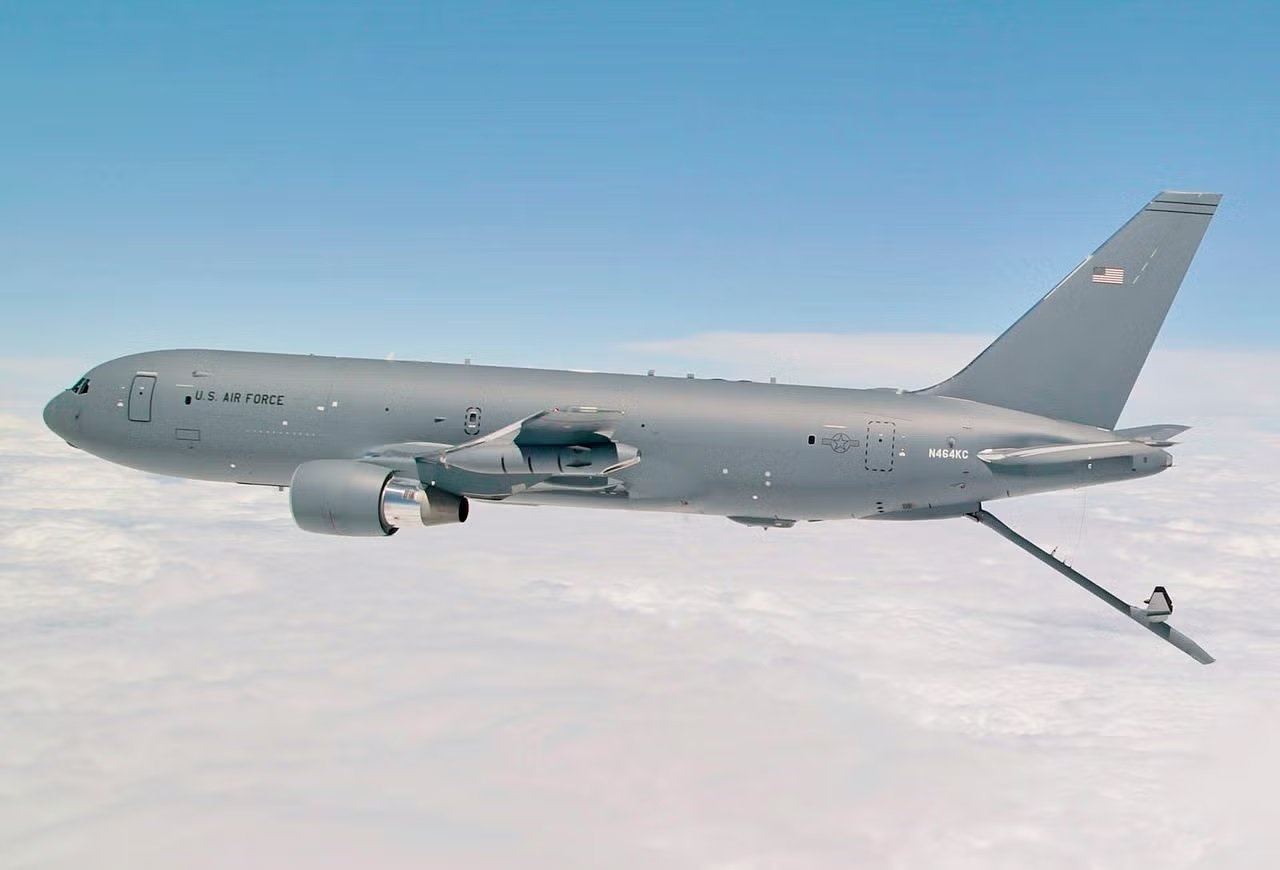
U.S
EVERETT, Wash., — The U.S. Air Force has awarded Boeing a $2.82 billion contract for 15 additional KC-46A Pegasus aerial refueling tankers, bringing the global total to 203 aircraft on contract or in service. The $2,819,046,560 contract modification covers Production Lot 13 and is funded through fiscal year 2027 procurement funds. Production will take place at Boeing facilities in Everett and Seattle, Washington, with deliveries scheduled for completion by June 30, 2030. The order completes the Air Force's planned purchase of 188 KC-46A aircraft, up from its original target of 179 when Boeing won the KC-X competition in 2011. KC-46A Deliveries and Global Operations Boeing has delivered 124 tankers worldwide, including 116 to the U.S. Air Force, six to the Japan Air Self-Defense Force and two to Israel. The remaining 79 aircraft are yet to be built or delivered under existing commitments. Since the first delivery in January 2019, the U.S. KC-46A fleet has accumulated more than 180,000 flight hours across training, operational missions and overseas deployments. Boeing KC-46 program vice president Jake Kwasnik said the company appreciates the Air Force's continued trust and remains focused on delivering the aircraft and supporting military operations. The tanker has supported Indo-Pacific operations, including joint training with Japan's Air Self-Defense Force and deployments to Japan from Travis Air Force Base, California. It has also participated in readiness exercises involving active-duty Air Force units and the Air National Guard. Refueling and Transport Capabilities Based on the Boeing 767 airframe, the KC-46A is powered by two Pratt & Whitney PW4062 engines and carries approximately 212,000 pounds (96,160 kilograms) of fuel. It features a centreline fly-by-wire refueling boom and hose-and-drogue systems, allowing it to refuel U.S. Air Force, Navy, Marine Corps and allied aircraft. Beyond refueling, the tanker can be reconfigured in approximately two hours for transport and medical evacuation missions. It can carry up to 18 military cargo pallets, 114 passengers or 54 medical patients, depending on the configuration. The aircraft has also supported humanitarian assistance and disaster relief missions, including the Denton Humanitarian Assistance Program, which uses available space on military cargo flights to deliver donated supplies to countries in need. Replacing the KC-135 Fleet The additional order supports the Air Force's effort to modernize its aerial refueling fleet, which still includes more than 370 KC-135 Stratotankers. The KC-135 first entered service in 1957. However, the KC-46A programme has faced technical challenges, particularly with its camera-based Remote Vision System (RVS). The redesigned RVS 2.0 is expected around 2028. The Air Force is also considering purchasing up to 75 additional KC-46A tankers beyond the current 188-aircraft programme. This would further expand its tanker fleet as it works to replace older aircraft and strengthen aerial refueling capabilities.
Read More → Posted on 2026-11-25 13:18:47
Europe
Germany — Israeli defence company Elbit Systems has secured a five-year contract from German shipbuilder Thyssenkrupp Marine Systems (TKMS) to supply electronic warfare systems for four of the German Navy’s new F128 frigates. The agreement, announced on November 24, will be executed by its German subsidiary, Elbit Systems Deutschland. Under the contract, Elbit will deliver its Aqua Marine integrated naval electronic warfare self-protection suite. The system combines passive and active electronic warfare capabilities to detect radar and communications threats, collect electronic intelligence and protect ships against hostile electronic activity. The suite includes radar electronic support measures (RESM), communications electronic support measures, laser warning functions and radar electronic countermeasures (RECM). These capabilities help crews identify potential threats, monitor radar emissions and disrupt suitable hostile radar systems. The exact system configuration and integration details have not been disclosed. Elbit Systems Deutschland CEO Marian Rachow said the agreement builds on the established cooperation between TKMS and Elbit through earlier joint projects. He added that both companies aim to provide the German Navy with equipment for its maritime missions. The contract value has not been officially announced, although industry reports estimate it at several tens of millions of dollars. F128 Frigates Designed for Anti-Submarine Warfare The F128 frigates, based on TKMS's MEKO A-200 DEU design, are primarily intended for anti-submarine warfare. Countering submarine activity, particularly from Russia, remains an important concern for Germany and NATO. Each vessel will measure approximately 121 metres, displace between 3,950 and 4,000 tonnes and reach a maximum speed of around 29 knots. The frigates will operate in the Baltic Sea, North Sea, Atlantic Ocean and High North. Their planned equipment includes sonar systems and helicopters for anti-submarine operations. Germany Orders Eight F128 Frigates Germany is acquiring eight F128 frigates under a programme worth approximately €11.6 billion, the largest surface ship order in TKMS's history. The initial contract for four frigates was signed in July 2026. On November 17, 2026, Germany exercised an option for four additional vessels through its Federal Office of Bundeswehr Equipment, Information Technology and In-Service Support (BAAINBw). TKMS is scheduled to deliver the first frigate by December 2029, with the remaining ships expected to follow at intervals of approximately nine months through 2032. Swedish defence company Saab is also participating in the programme under a separate contract worth approximately SEK 8.7 billion (around €788 million). Its responsibilities include supplying combat management systems, radars, sensors and composite structures for four frigates. Elbit's Aqua Marine suite will add dedicated electronic warfare and radar countermeasure capabilities to the F128 programme, alongside equipment supplied by other defence companies.
Read More → Posted on 2026-11-25 14:12:32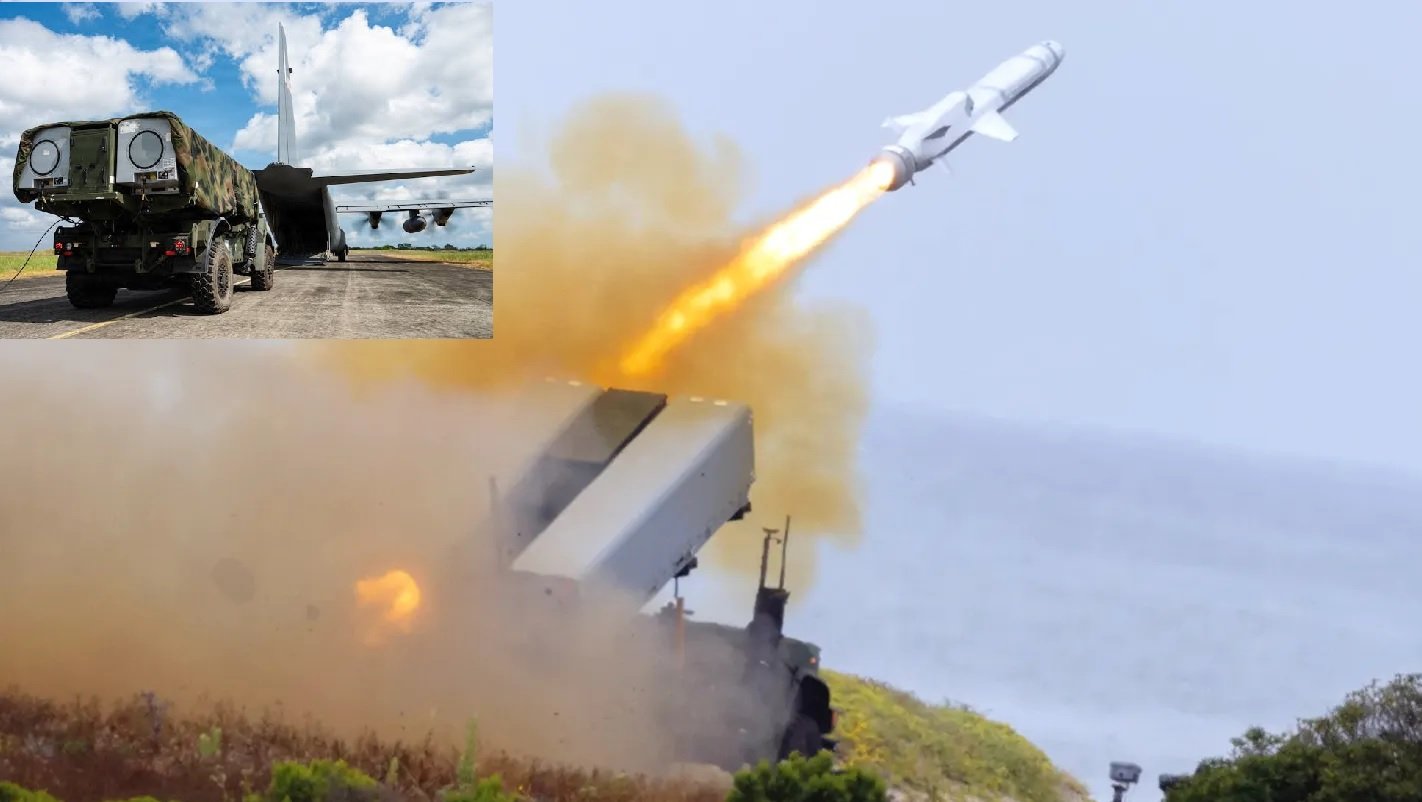
U.S
Washington — The US Marine Corps is exploring ways to extend the range of its ground-launched Naval Strike Missile (NSM) beyond 500 km, more than doubling its current stated range of 135 nautical miles (approximately 250 km). According to The War Zone on November 23, a Marine Corps spokesperson confirmed that the service is studying options to increase the missile's range to 270 nautical miles (500 km) or more. This could expand a launcher's potential coverage area from approximately 57,255 to 229,022 square nautical miles. The NSM operates through the Navy-Marine Expeditionary Ship Interdiction System (NMESIS), which uses uncrewed ROGUE-Fires launchers based on the 4×4 Joint Light Tactical Vehicle (JLTV). Each launcher carries two ready-to-fire missiles and can be remotely operated or configured to follow another vehicle. A full NMESIS battery consists of 18 launchers. Pacific Deployments and Missile Capabilities The Marines are deploying NMESIS across the Indo-Pacific to support distributed operations from remote islands. The 3rd Marine Littoral Regiment in Hawaii received the system in November 2024, followed by the 12th Marine Littoral Regiment on Okinawa in June 2026. In October 2026, Marine missile units deployed to Japan's Yonaguni Island during the Keen Sword exercise. The Marines also conducted deployments in the Philippines. On October 9, the service established its first dedicated medium missile battalion by redesignating the 1st Battalion, 10th Marine Regiment at Camp Lejeune, North Carolina. Developed by Norway's Kongsberg Defence & Aerospace with Raytheon, the NSM uses a low-observable design, high-G evasive manoeuvres and a passive imaging infrared seeker to engage targets. Its guidance combines GPS-assisted inertial navigation with infrared terminal guidance. The missile is primarily designed for anti-ship missions but also has a secondary land-attack capability. The current 135-nautical-mile range relates to the NSM Block 1A variant. Earlier versions had a stated range of approximately 100 nautical miles. Kongsberg lists a range exceeding 300 km, depending on configuration and flight profile. The Marine Corps has not disclosed the technical changes, development cost or timeline for the proposed upgrade. Options could include reducing the missile's weight, using a smaller warhead or improving fuel capacity and efficiency. US Navy and International Operators The range-extension effort follows the Marine Corps' cancellation of plans in July 2025 to mount Tomahawk missiles on ROGUE-Fires vehicles. The service is also pursuing the Precision Strike Missile (PrSM), including an anti-ship variant for HIMARS launchers. The NSM is already operational with the US Navy, primarily on Independence-class Littoral Combat Ships, with plans to equip Freedom-class vessels. One Arleigh Burke-class destroyer has also carried the missile experimentally. In September 2026, Kongsberg received a Marine Corps contract worth up to $404 million for NSM launchers, weapon control systems and related equipment through 2034. Other NSM operators include Norway, Australia, Denmark, Germany, the Netherlands, Poland and the United Kingdom. Extending its range would strengthen the Marine Corps' ability to threaten enemy ships and protect important maritime routes from dispersed island positions in the Indo-Pacific.
Read More → Posted on 2026-11-25 14:24:33
Europe
London — The UK Ministry of Defence (MoD) spent millions of pounds purchasing explosives marketed as an upgraded version of military-grade C-4 for Ukrainian attack drones. However, independent laboratory tests found no trace of RDX, the main component of conventional C-4, according to a Financial Times investigation published on November 24. The explosive, branded EDC-4, was supplied by US company Tripwire South LLC through the UK's Task Force Kindred, established to accelerate military deliveries to Ukraine. One contract authorised purchases of up to 204 tonnes for £26.3 million (approximately $34 million), starting with an initial order of 36 tonnes. Factory and shipping records reportedly showed around 32 tonnes of PETN-based explosives delivered from a Kentucky manufacturing plant between August 2023 and August 2025. Despite being marketed as a mixture containing RDX, PETN, nitrocellulose and aluminium, MoD-commissioned laboratory tests found PETN (pentaerythritol tetranitrate) as the only high explosive present. Safety Concerns Over Explosive Composition The investigation also raised concerns about safety documents supplied with the explosives. Tripwire's safety data sheets listed RDX but reportedly omitted some handling warnings from the original manufacturer's PETN documentation. University of Sheffield professor Sam Rigby told the Financial Times that PETN is more sensitive to heat and friction than RDX, creating potential handling risks for personnel assembling drone munitions. UK MoD Defends Procurement The MoD confirmed the laboratory findings but maintained that EDC-4 was fit for purpose. It said the contracts did not specify a particular explosive compound or minimum RDX concentration. The ministry also cited positive feedback from Ukrainian forces and said it continued purchasing the material without informing Tripwire about the test results. UK lawmaker Mike Martin, a member of the House of Commons Defence Committee, criticised the procurement process and questioned why the ministry continued buying the explosives despite the findings. Tripwire Denies Allegations Tripwire South LLC and its founder Ryan Morris rejected the investigation's findings and threatened legal action against the Financial Times. The company maintained that every batch supplied to the UK contained RDX and that EDC-4 was a proprietary mixture of RDX and PETN manufactured by another facility. Tripwire also denied safety or performance problems, saying it had received no customer complaints and caused no financial loss to the MoD. The investigation further reported that Tripwire paid its manufacturer approximately $40–45 per pound, while the UK paid around $77 per pound. Morris filed for personal bankruptcy in April 2024, while his company was already supplying the British government. No criminal or civil charges relating to the contracts have been reported.
Read More → Posted on 2026-11-25 14:36:55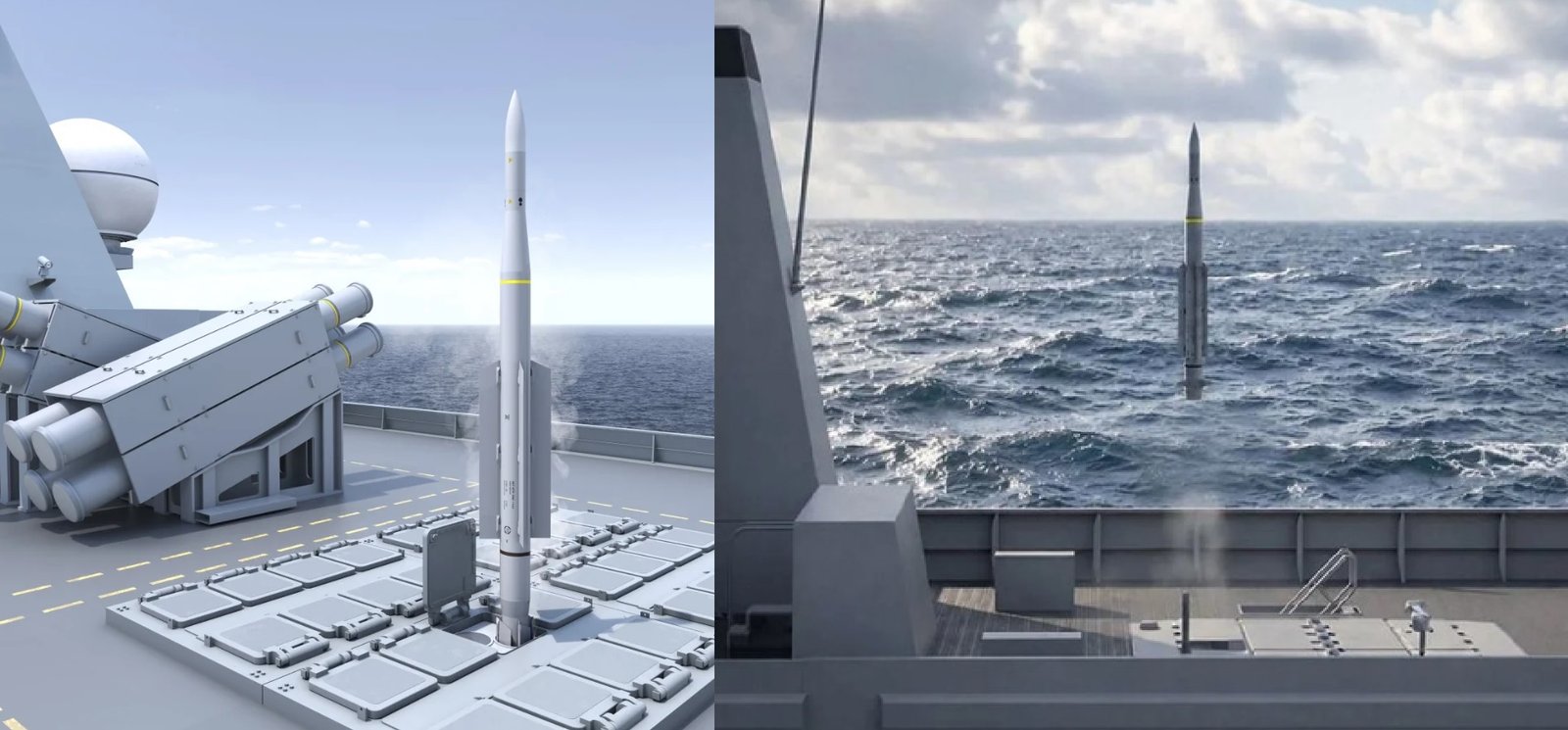
Europe
Gdynia, Poland — Poland and the United Kingdom signed an intergovernmental agreement on November 24, 2026, to jointly develop the CAMM-MR (Common Anti-Air Modular Missile – Medium Range), a new air defence missile expected to have a range exceeding 100 kilometres. The agreement was signed by Polish Deputy Defence Minister Magdalena Sobkowiak-Czarnecka and UK Defence Procurement Minister Luke Pollard during the keel-laying ceremony for ORP Huragan, the third and final Miecznik-class frigate, at PGZ Stocznia Wojenna in Gdynia. The agreement establishes the legal and financial framework for development, including technical analysis, testing and simulations. Both governments will provide the necessary funding. The next step is an implementation agreement between Poland's Armament Agency, Polska Grupa Zbrojeniowa (PGZ) and MBDA UK to define their responsibilities and complete the missile's Executive Design. The project is the first joint government-industry initiative between Poland and the UK to develop an air and missile defence interceptor. It will also involve Polish defence companies and research organisations, with technology transfer and technical expertise sharing based on experience from the existing CAMM missile family. CAMM-MR for Naval and Ground-Based Air Defence The CAMM-MR is designed to intercept aircraft, helicopters, unmanned aerial vehicles and cruise missiles. It will complement Poland's existing CAMM and CAMM-ER missiles and strengthen its layered air defence network, including the NAREW programme. Poland ordered baseline CAMM missiles under a £1.9 billion Pilica+ contract in April 2023. In November 2023, it signed a deal worth more than £4 billion for over 1,000 CAMM-ER missiles, with an engagement range exceeding 40 kilometres, and more than 100 iLaunchers for NAREW. At sea, CAMM-MR is planned for Poland's three MIECZNIK-class frigates, based on Babcock International's Arrowhead 140 design. The ships are scheduled for delivery by late 2031 and will use Mk 41 Vertical Launch Systems (VLS). According to Polish defence publication Dziennik Zbrojny, each Mk 41 cell is expected to accommodate two CAMM-MR missiles or four baseline CAMM interceptors. Procurement is expected to be coordinated with frigate deliveries to support integration with the ships and their trained crews. The missile will also support the NAREW ground-based air defence programme. In September 2026, Deputy Defence Minister Paweł Bejda said another CAMM-family missile remained under consideration as an interim option while CAMM-MR development progresses.
Read More → Posted on 2026-11-25 15:25:50
World
WARSAW, Poland – A Swedish Saab JAS 39 Gripen fighter operating under NATO command received authorisation to shoot down a suspected Russian Kh-101 cruise missile over Poland on November 20. However, the pilot did not fire because severe weather prevented him from positively identifying the target. The incident has raised questions about the actual operational capabilities of the Gripen fighter, particularly its radar, electro-optical sensors and ability to engage aerial threats in difficult weather conditions. It also highlights the limited combat record available to assess some of the aircraft's advertised capabilities. According to Lieutenant General Ireneusz Nowak, commander of Poland's Armed Forces Operational Command, the Swedish Gripens were operating under NATO's Combined Air Operations Centre (CAOC) in Uedem, Germany. NATO issued conditional authorisation to engage the target once identification requirements were met. One Swedish pilot attempted to intercept an object believed to be a Russian Kh-101 cruise missile. However, exceptionally difficult weather prevented him from confirming its identity visually or through the aircraft's onboard electro-optical systems. Consequently, no weapons were fired. Questions Over Gripen's Combat Capabilities The incident has brought renewed attention to the Saab JAS 39 Gripen's combat capabilities and how effectively its advertised systems perform in real operational conditions. The Gripen is equipped with modern radar, electronic warfare and electro-optical systems designed to detect, track and engage aerial threats. However, the Polish incident raises questions about its ability to maintain target identification and engagement capabilities when visibility and weather conditions are difficult. It is important to note that the pilot's decision not to fire does not establish a technical failure. Radar detection, target tracking and positive identification are different processes. The available information does not confirm whether the Gripen maintained a continuous radar track of the suspected missile. More importantly, the Gripen has limited experience in actual warfare, making it difficult to independently assess all its advertised combat capabilities. Gripen Has Participated in War, But Its Combat Record Remains Limited The Gripen has previously participated in a real military operation. In 2011, Swedish Gripen fighters deployed to Libya as part of NATO's Operation Unified Protector. During the operation, the aircraft conducted defensive counter-air and tactical reconnaissance missions. Swedish Gripens completed more than 570 missions and approximately 1,770 flight hours, providing reconnaissance support to NATO forces. However, their contribution was primarily focused on reconnaissance rather than direct air-to-air combat. The deployment did not establish a record of confirmed air-to-air kills or successful interceptions of enemy cruise missiles. Therefore, although the Gripen has operational experience from Libya and NATO missions, its performance in a high-intensity air war against a technologically advanced opponent remains largely untested in publicly documented combat. Second Russian Airspace Incursion The Gripen incident occurred during a period of increased Russian aerial activity near NATO territory. On November 20, Polish forces tracked 11 aerial objects, three of which entered Polish airspace and crashed at locations in southeastern Poland. The Polish response involved two F-16 fighters, two Swedish Gripens, a Swedish Saab 340 early-warning aircraft, a Dutch aerial refuelling aircraft and ground-based air-defence systems. On the night of November 23–24, another Russian jet-powered drone entered Polish airspace near the Dorohusk border crossing. Polish commanders authorised an interception but decided against firing after the drone changed direction, citing the potential risk to civilians. Following the incidents, NATO agreed to deploy an AWACS surveillance aircraft to Poland to strengthen monitoring along its eastern flank. Gripen's Real Combat Performance Remains an Open Question The November 20 incident does not prove that the Gripen lacks the ability to intercept cruise missiles. Severe weather and positive identification requirements were the stated reasons for withholding fire. However, it highlights an important question about the difference between advertised aircraft capabilities and performance demonstrated in actual combat. With limited direct combat experience and no publicly established record of air-to-air victories or cruise missile interceptions, the Gripen's performance in a high-intensity conflict remains difficult to evaluate. The aircraft has demonstrated operational experience in NATO missions and the Libya campaign, but many of its claimed combat capabilities have yet to be independently demonstrated in an actual high-intensity air war.
Read More → Posted on 2026-11-25 15:38:23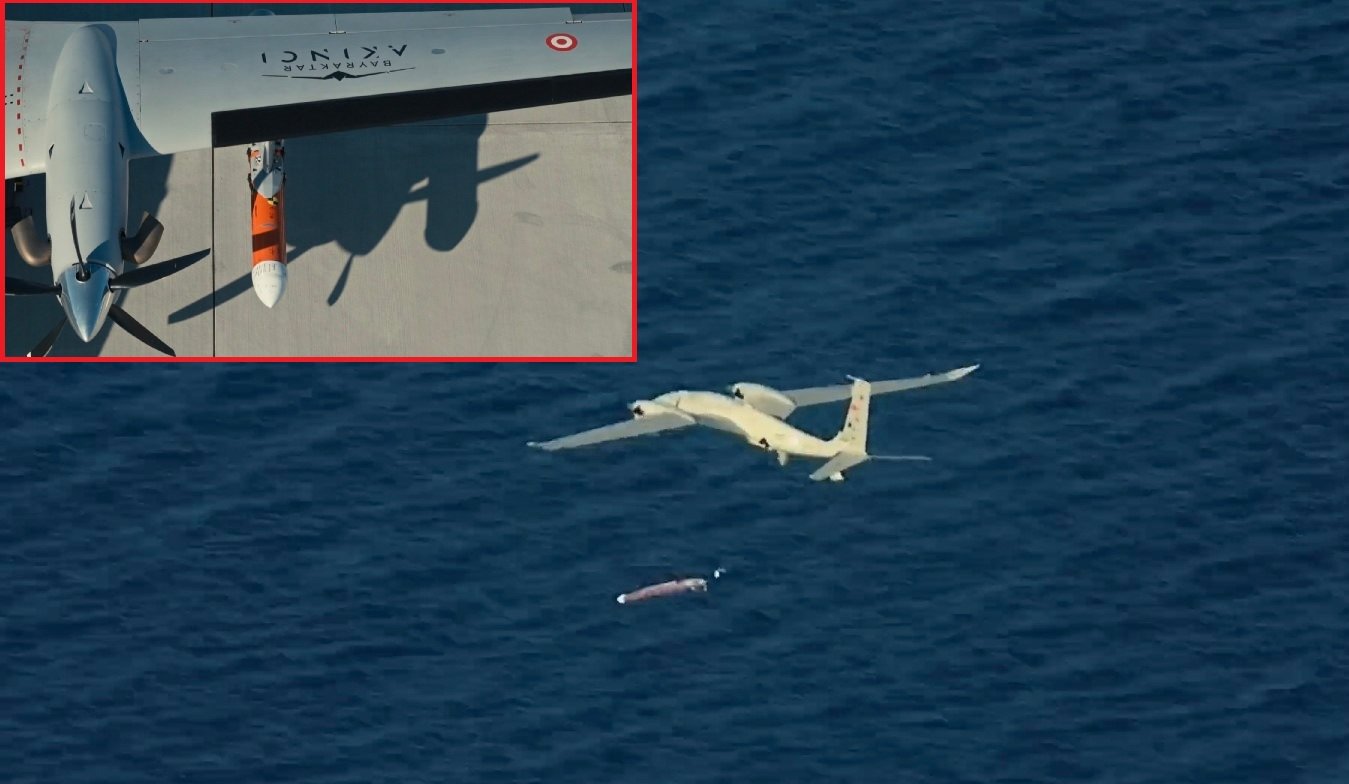
World
Türkiye — Baykar’s Bayraktar AKINCI unmanned combat aerial vehicle (UCAV) has completed its first airborne release test of the ORKA lightweight torpedo, developed by Turkish defence company ROKETSAN. Baykar announced the test on November 22, 2026, sharing video footage through its social media channels. According to Türkiye’s Anadolu Agency, AKINCI took off from the Çorlu Flight Training and Test Center in Tekirdağ carrying ORKA beneath its wing. Over the Gulf of Saros, the torpedo separated safely, entered the water at the designated point and the aircraft returned to Çorlu. The test marks the first release of a torpedo of this class from an unmanned aerial platform. ORKA Torpedo and AKINCI Capabilities Developed by ROKETSAN in cooperation with ASELSAN, ORKA is designed to engage submarines using an active and passive sonar seeker and onboard guidance system. It has a reported range of approximately 15 km, a speed exceeding 45 knots, electric propulsion powered by lithium batteries and an insensitive high-explosive warhead. It is designed for deployment from warships, helicopters, maritime patrol aircraft, unmanned surface vessels and large drones. The twin-engine Bayraktar AKINCI has a 20-metre wingspan, a maximum take-off weight of 6,000 kg, a payload capacity of 1,500 kg and flight endurance exceeding 20 hours. Earlier Sonobuoy Trials Support Anti-Submarine Warfare Türkiye has also tested unmanned aircraft for submarine detection. During Denizkurdu-I/2026 in September, Bayraktar TB3 operated from TCG Anadolu, deploying two sonobuoys through Baykar's SAS POD system. It processed acoustic data from its own sensors and those deployed by a crewed maritime patrol aircraft. Further TB3 sonobuoy trials took place during TURNAs-2026 in October. In November, Mavi Balina-2026 involved both Bayraktar TB3 and Turkish Aerospace's AKSUNGUR in trials focused on sonobuoy deployment and underwater acoustic-signal processing. Expanding Unmanned Anti-Submarine Operations The ORKA release test confirms safe weapon separation and water entry, but does not demonstrate a complete anti-submarine warfare (ASW) engagement. No underwater target search, tracking or attack was reported. A complete submarine engagement requires detecting and classifying underwater contacts, determining their position and providing accurate targeting information. Future operations could combine TB3 or AKSUNGUR for sonobuoy deployment and acoustic monitoring with AKINCI carrying ORKA. This would allow different unmanned platforms to handle separate stages of submarine-hunting missions. These developments indicate Türkiye's efforts to expand unmanned aircraft beyond surveillance into specialised naval operations. They could complement crewed maritime patrol aircraft by taking on persistent search and surveillance tasks, although human decisions and accurate targeting information remain essential.
Read More → Posted on 2026-11-25 15:47:51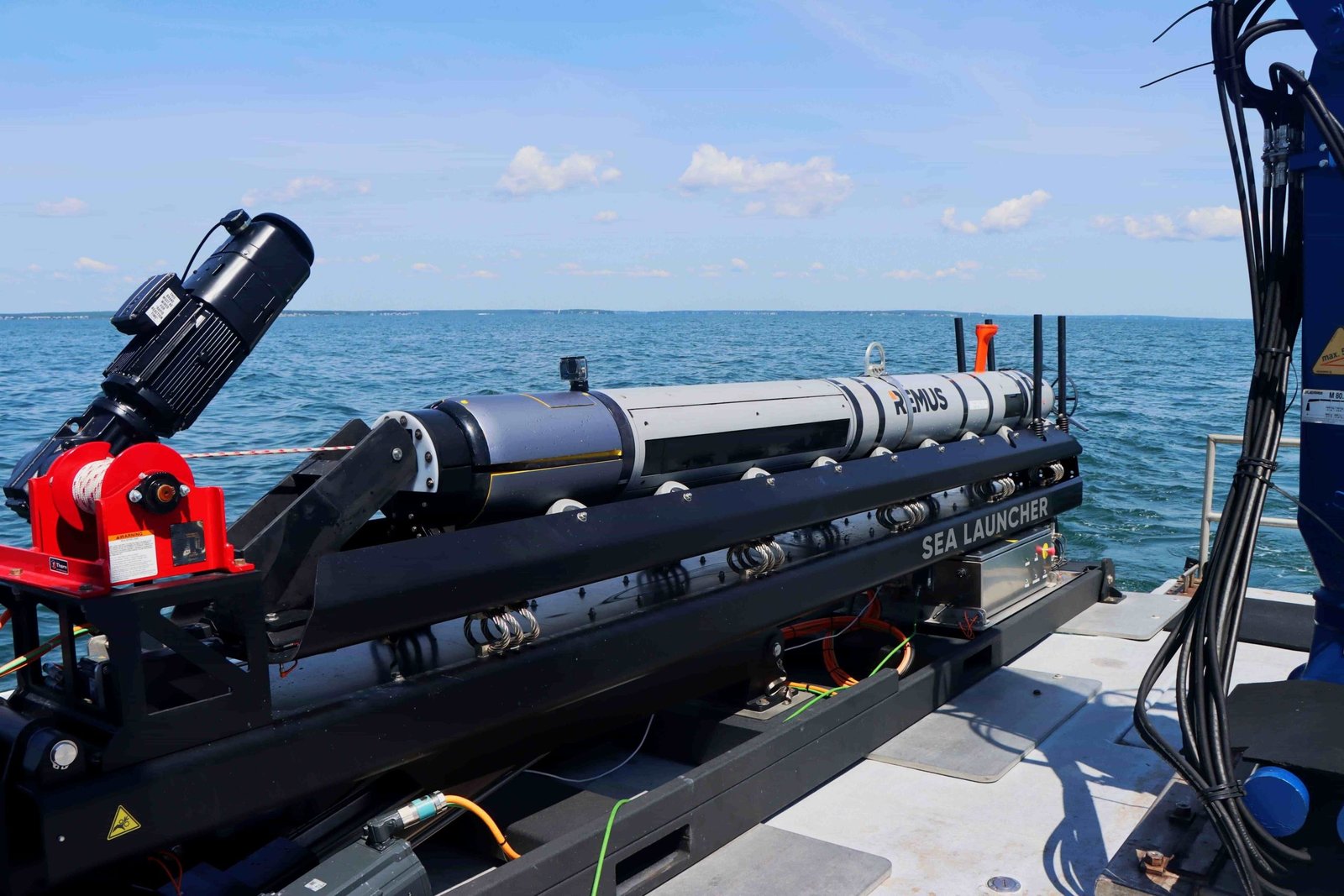
Europe
Bristol, United Kingdom — The United Kingdom Ministry of Defence has awarded US defence company HII a £142 million (approximately $186 million) contract to supply autonomous underwater vehicles and launch-and-recovery systems for the Royal Navy's Mine-Hunting Capability (MHC) programme. The contract, awarded through an international competition by the National Armaments Director Group (NADG), covers REMUS 620 unmanned underwater vehicles (UUVs), ancillary equipment, automated Sea Launcher systems and long-term support services. Announced by HII on November 24 and confirmed by the UK Ministry of Defence on November 25, it is the largest international order in HII's 25-year unmanned systems history. Autonomous Systems to Keep Sailors Away from Minefields The REMUS 620 vehicles will operate from offshore support vessels acting as motherships. They will locate sea mines, survey the seabed and support mine-countermeasure operations without requiring crewed ships to enter suspected minefields. The procurement supports the Royal Navy's Hybrid Navy concept, which combines crewed vessels with autonomous systems to protect sailors and maintain safe commercial shipping routes. UK Defence Secretary Wes Streeting said the investment would strengthen freedom of navigation and use new defence funding to protect naval personnel and vital shipping routes. HII Unmanned Systems Group President Duane Fotheringham said the selection reflects the Royal Navy's confidence in the company's technology and its commitment to maritime security. REMUS 620 Capabilities and Technical Specifications The REMUS 620 is a second-generation medium-class autonomous underwater vehicle developed by HII for extended underwater missions. Its published capabilities include: Maximum speed: 8 knots Maximum operating depth: 600 metres Mission endurance: Up to 110 hours The vehicle uses sonar to map the seabed and collect information that can be analysed after recovery. It operates using HII's ODYSSEY autonomy software and will integrate with the Royal Navy's existing UK-developed SeeByte SeeTrack and Neptune software. HII's Sea Launcher systems will automate the deployment and recovery of the underwater vehicles from their motherships. UK Jobs and Existing REMUS Fleet The contract will bring maintenance and technical support services previously provided overseas to the United Kingdom. According to HII, the move will improve equipment availability and support 15 British jobs, including positions at Portchester, Hampshire. The Royal Navy has operated earlier REMUS models, including the REMUS 100, 300 and 600, since 2001. HII has delivered more than 750 REMUS vehicles to over 30 countries, including 14 NATO members. More than 90% of these systems remain in active service. The contract is part of the UK's wider Defence Investment Plan, which commits more than £5 billion to autonomous military systems by 2030. It also follows a separate £90 million UK-Norway agreement for three mine-hunting offshore support vessels that will serve as motherships for uncrewed underwater systems. The number of REMUS 620 vehicles covered by the contract and their delivery schedule have not been publicly disclosed.
Read More → Posted on 2026-11-25 15:54:16
Space & Technology
Washington — NASA has suspended science operations on two of its four active Mars missions following separate hardware failures affecting the Perseverance rover and Mars Odyssey orbiter. Both spacecraft remain in contact with Earth and have exited safe mode, but their science instruments and relay activities remain paused. According to NASA's November 19 update, engineers at the Jet Propulsion Laboratory (JPL) are working to restore both missions. Mars Odyssey faces a more serious challenge, with only one to two months of usable hydrazine fuel if its failed reaction wheel cannot be recovered. Perseverance Rover Faces Radio Problems On October 30, Perseverance's primary UHF relay radio stopped sending routine signals to its main computer. After 25 missed signals over approximately 100 seconds, the onboard protection system activated the backup radio and placed the rover in safe mode. Engineers later discovered that the backup radio was transmitting at only 50% of its expected power. NASA has stopped using both radios while investigating the problems. Perseverance now communicates directly with Earth's Deep Space Network (DSN) through its X-band antenna. The connection has a much lower data rate than communication through orbiters, forcing NASA to pause science activities and new imaging to reserve bandwidth for diagnostics. Engineers are testing the backup radio first, followed by the primary unit, with the aim of restoring exploration by the end of November. The problem follows a major milestone on October 11, when Perseverance surpassed Opportunity's Mars driving record of 45.16 kilometres (28.06 miles) and reached twice its original driving target. Mars Odyssey Faces Fuel Shortage The Mars Odyssey orbiter, which arrived at Mars in October 2001, entered safe mode between November 4 and 6 after one of its four reaction wheels stopped spinning. Odyssey had already lost another wheel in 2013, leaving only two operational units. At least three are required for normal three-axis control. The spacecraft must now use its hydrazine thrusters to maintain orientation, increasing fuel consumption. NASA estimates that the remaining usable fuel could last only one to two months in this mode. Before the failure, the mission was expected to continue through at least the end of 2028. During a recent test, engineers successfully commanded the stalled wheel to move. JPL and Lockheed Martin, the spacecraft's manufacturer and operator, are conducting further tests to determine whether it can return to continuous operation. Mars Communications Network Under Pressure Mars Odyssey also serves as a communications relay, transmitting data from the Spirit, Opportunity, Curiosity and Perseverance rovers, as well as the Phoenix lander, to Earth. NASA's Mars relay network also includes the Mars Reconnaissance Orbiter (MRO) and the European Space Agency's Mars Express and ExoMars Trace Gas Orbiter. The network has already lost contact with NASA's MAVEN orbiter, which stopped communicating in December 2025 after spinning out of control. Meanwhile, Odyssey and the 20-year-old MRO have handled much of NASA's orbital relay workload, with support from European spacecraft. For now, Curiosity and MRO continue normal operations. NASA aims to restore Perseverance's science activities and Odyssey's science and relay services by the end of November, depending on the results of ongoing hardware tests.
Read More → Posted on 2026-11-25 16:04:26
World
KYIV — Ukrainian forces have struck five Russian military aircraft at Savasleyka airbase in Russia's Nizhny Novgorod region, along with radar installations, fuel depots and ammunition warehouses in occupied eastern Ukraine. The attacks took place on November 24 and overnight into November 25, according to Ukraine's General Staff. Preliminary assessments indicate that three MiG-31 fighters and two Su-34 fighter-bombers were hit. Ukraine said the aircraft would remain unable to fly for an extended period, although damage assessments are ongoing. Russia has not officially commented on the reported aircraft losses. Savasleyka Airbase Targeted Located approximately 650–700 kilometres from Ukraine, Savasleyka is an important Russian military airbase hosting MiG-31 aircraft, including the MiG-31K, which carries the Kh-47M2 Kinzhal air-launched ballistic missile. The base also supports Su-34 fighter-bombers used to launch missiles and guided aerial bombs against Ukrainian targets. Ukraine's Defence Ministry described this as the fifth strike on Savasleyka since August 2024. The latest operation involved Ukraine's Defence Forces and Security Service. 💥 𝗦𝗔𝗩𝗔𝗦𝗟𝗘𝗬𝗞𝗔 𝗛𝗜𝗧. 𝗥𝗨𝗦𝗦𝗜𝗔’𝗦 𝗠𝗢𝗦𝗧 𝗗𝗘𝗙𝗘𝗡𝗗𝗘𝗗 𝗔𝗜𝗥𝗕𝗔𝗦𝗘 𝗗𝗘𝗘𝗣 𝗜𝗡𝗦𝗜𝗗𝗘 𝗜𝗧𝗦 𝗢𝗪𝗡 𝗧𝗘𝗥𝗥𝗜𝗧𝗢𝗥𝗬. On 24 November and overnight into 25 November 2026, Ukrainian forces struck Savasleyka airbase in Nizhny Novgorod region, roughly 650–700 km from the Ukrainian border. Ukrainian General Staff: three MiG-31s and two Su-34s hit. Damage assessment still ongoing. “There may be even better news.” Savasleyka is a primary base for MiG-31K aircraft that carry Kinzhal hypersonic missiles, the weapons Russia uses to strike Ukrainian cities. It is one of the most heavily defended airfields in Russia and has now been hit for the fifth time since August 2024. #OSINT #Ukraine #Russia #Savasleyka #Kinzhal https://t.co/DLNVKmBw11 — OSINT Intuit™ (@UKikaski) November 25, 2026 Radar and Military Supply Depots Hit Ukrainian forces also targeted Russian military infrastructure in occupied Luhansk and Donetsk regions. According to the General Staff, the reported targets included: Karavan-Solodkyi, Luhansk: A Russian P-18 long-range air defence radar. Novosvitlivka, Luhansk: Two fuel and lubricant depots and a logistics warehouse. Rozpasiivka, Luhansk: A military logistics depot. Ahronomichne, Donetsk: A fuel and lubricant depot. Novyi Svit, Donetsk: An ammunition depot. The damage at these facilities is still being assessed. The strikes aim to disrupt Russian air defence surveillance and military supply operations. Two Russian Oil Refineries Also Targeted Separately, Ukraine reported strikes on the Syzran and Kuibyshev oil refineries in Russia's Samara region. Both facilities are associated with Russian oil company Rosneft. Samara Governor Vyacheslav Fedorishchev said Russian air defences intercepted more than 145 Ukrainian drones over the region. He also reported one death and power outages in several towns. Russia's Defence Ministry separately claimed that its air defences shot down 305 Ukrainian drones across 13 regions overnight, including Nizhny Novgorod. Ukraine Targets Russia's Military Capabilities The operation reflects Ukraine's strategy of targeting Russian aircraft, radar systems, fuel supplies and ammunition storage facilities rather than relying only on intercepting missiles and drones after launch. However, the full impact remains unclear. Ukraine is still assessing the damage, and the reported condition of the five aircraft has not been independently verified.
Read More → Posted on 2026-11-25 16:17:19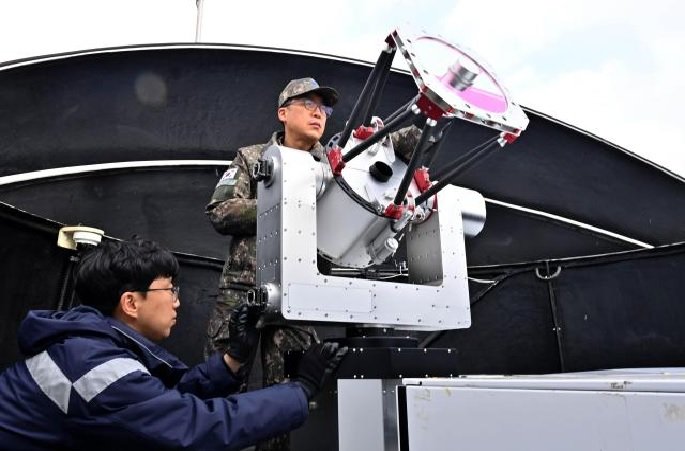
World
Gyeryong, South Korea — The South Korean Air Force has deployed a new space weather early-warning and forecasting system to monitor solar activity and warn military units about potential disruptions to GPS navigation, aircraft communications, radar and satellite operations. The Air Force marked the system's deployment during a ceremony on November 24 at its facility in Gyeryong, South Chungcheong Province. The event was presided over by Major General Kim Yong-jae, deputy commander of the Air Force Operations Command, and attended by around 60 officials, including representatives from the military, defence agencies, the Korea Meteorological Administration and U.S. Space Forces Korea. Three Sensors Monitor Solar Activity The system combines three ground-based instruments with an information processing unit to monitor solar activity and its effects on Earth's upper atmosphere. Its main components include: Solar optical telescope: Deployed in November 2026, it captures real-time images of the Sun to identify sunspots and solar flares. Solar radio telescope: Deployed in December 2025, it measures changes in solar radio emissions and detects bursts associated with solar activity. VHF ionospheric radar: Also deployed in December 2025, it monitors disturbances in the ionosphere over the Korean Peninsula. Information processing unit: Combines observational data to support space weather forecasts and warnings. Together, these instruments help the Air Force monitor solar activity and assess its potential effects on military systems. Protecting GPS and Military Communications Solar activity can disturb the ionosphere, a charged region of Earth's upper atmosphere through which radio and satellite signals travel. These disturbances can affect aircraft radio communications, increase GPS positioning errors and limit the use of GPS-guided precision weapons. The system will be operated by the Space Weather Unit under the Air Force's Space Operations Squadron. The unit will analyse incoming observations, assess their effects on military communications, navigation, radar and satellites, and distribute forecasts and warnings to military units. Colonel Hwang Young-min, commander of the Space Operations Squadron, said space weather information is becoming increasingly important as military operations depend more on satellite-based communications and navigation. He added that the system will strengthen space situational awareness and support military missions. Five-Year Development Programme South Korea began developing the system in 2021 through the Defense Acquisition Program Administration (DAPA). The programme involved local company Satrec Initiative and had an allocated budget of approximately 16.2 billion won. The Air Force established its first dedicated Space Weather Unit in January 2024 and placed it under the Space Operations Squadron when the latter was established in June 2024. The deployment is part of South Korea's wider military space expansion. In January 2022, the Air Force also fielded an electro-optical satellite surveillance system to detect and track satellites and other space objects passing over the Korean Peninsula. The Air Force plans to continue collecting data from the new instruments and studying how solar activity affects military equipment to improve forecasting accuracy and support reliable aerospace operations.
Read More → Posted on 2026-11-25 16:24:03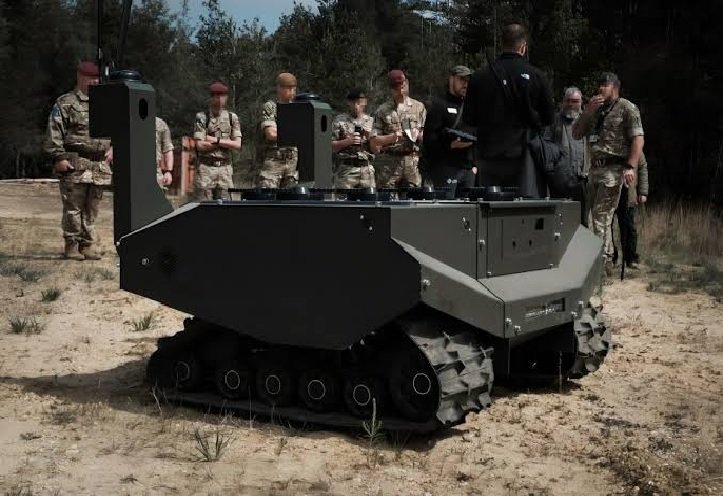
Europe
LONDON — The British Army has connected an uncrewed ground vehicle to its ASGARD AI-enabled targeting network for the first time during Exercise Haraka Storm in Kenya. German defence company ARX Robotics announced the integration on November 24, 2026, saying it made the Army's target detection and response process ten times faster during the trial. ARX Robotics UK deployed two GEREON ground robots alongside the Army's 4 Brigade, working with soldiers from the 1st Battalion, The Duke of Lancaster's Regiment (1 LANCS) and the Light Dragoons. The vehicles transmitted live data from their onboard sensors directly to ASGARD, the Army's digital targeting network. The integration supports the Army's sense-decide-effect process: detecting a target, deciding how to respond and taking action. Soldiers from 1 LANCS also used one GEREON vehicle as a remote sentry, providing persistent overwatch along a key supply route while keeping troops away from exposed positions. Builds on Earlier Trials in Estonia The Kenya exercise follows Exercise Spring Storm in Estonia earlier in 2026. During those trials, GEREON vehicles operated up to 20 kilometres ahead of troops, providing commanders with real-time intelligence and extending the reach of the Army's Mobile Anti-Armour Force. The latest integration comes ahead of 4 Brigade's planned deployment to NATO's eastern flank in April 2027. The Army aims to use connected robotic systems to improve battlefield awareness and reduce soldiers' exposure to frontline threats. Brigadier Tom Robinson OBE, commander of 4 Brigade, said exercises such as Haraka Storm help the Army understand how emerging technologies can improve soldiers' effectiveness. He also highlighted the importance of integrating equipment proven on the battlefield in Ukraine into British military operations. GEREON Platform and UK Investment GEREON is a modular uncrewed ground vehicle powered by Mithra OS autonomy software. It supports remote-controlled and autonomous operation for reconnaissance, sentry duties, resupply and casualty evacuation. Several hundred GEREON vehicles have already been ordered for use in Ukraine, providing ARX Robotics with direct battlefield feedback to improve its systems. David Roberts, CEO of ARX Robotics UK, said modern armies need connected robotic systems rather than machines operating independently. He added that the ASGARD integration demonstrates how ground robots can contribute directly to detecting threats and supporting military responses. ARX Robotics is also investing £45 million in UK manufacturing and research and development, with backing from the NATO Innovation Fund. The investment includes a planned production facility in south-west England to strengthen domestic defence manufacturing and supply chains. The company and the British Army are continuing to develop uncrewed systems that can work alongside existing military equipment. Their focus is to provide soldiers with better battlefield information earlier while reducing the risks of frontline operations.
Read More → Posted on 2026-11-26 13:44:20
World
TOKYO — Japan is preparing to deploy its Type-25 Hyper Velocity Gliding Projectile (HVGP) missile system at Camp Kamifurano in Hokkaido as early as December 2026. The deployment will place Japan's newly developed long-range missile capability on its northernmost main island, close to Russian territory. Japan's Ministry of Defense announced on November 26 that launchers, targeting equipment and related systems would arrive at the Japan Ground Self-Defense Force (GSDF) base early next month. Deployment operations will begin shortly after delivery, although the exact date has not been announced. A dedicated GSDF unit is also being organised to operate and maintain the missile systems at Camp Kamifurano. Type-25 Missile Designed to Counter Naval Threats The Type-25 HVGP, also known as the 25HGP, is a ground-launched weapon designed primarily to defend remote islands against approaching enemy vessels and landing forces. The system uses a solid-fuel rocket booster to carry its projectile to high altitude. After separation, a glide vehicle travels towards its target at hypersonic speeds, exceeding Mach 5. Its manoeuvrable flight path makes interception more difficult than with conventional ballistic missiles. The Defense Ministry has not released exact performance figures. The current Block 1 version is reported to have a range of several hundred kilometres, while future upgraded versions are expected to extend the range to between 1,000 and 2,000 kilometres. Hokkaido Deployment Raises Russian Security Concerns Hokkaido is located close to Russia's Far East, including Sakhalin and the disputed southern Kuril Islands, which Japan calls the Northern Territories. The deployment will bring Japan's advanced missile systems to its northern region, adding strategic importance to the island's proximity to Russian territory. Russia has previously warned Japan against deploying hypersonic missiles near its borders. Moscow's deputy foreign minister has stated that Russia could take retaliatory measures if such systems were stationed in the region. Japan, meanwhile, describes the missile programme as part of its efforts to strengthen remote island defence and deter maritime invasions. Part of Japan's Counterstrike Capability Programme The Hokkaido deployment is part of Japan's wider military modernisation programme following its 2022 National Security Strategy and related security documents, which introduced plans to develop counterstrike capabilities. The Type-25 system was first deployed at Camp Fuji in Shizuoka Prefecture in March 2026, making Camp Kamifurano the second base scheduled to receive the missiles. Japan's Defense Ministry also plans to deploy another Type-25 unit at Camp Ebino in Miyazaki Prefecture before the current fiscal year ends in March 2027. The government considers these systems important for strengthening deterrence and response capabilities to regional security threats. However, the expansion of long-range missile deployments has also raised concerns among some residents and civic groups, particularly over the possibility of military bases making nearby communities potential targets during a conflict.
Read More → Posted on 2026-11-26 13:49:46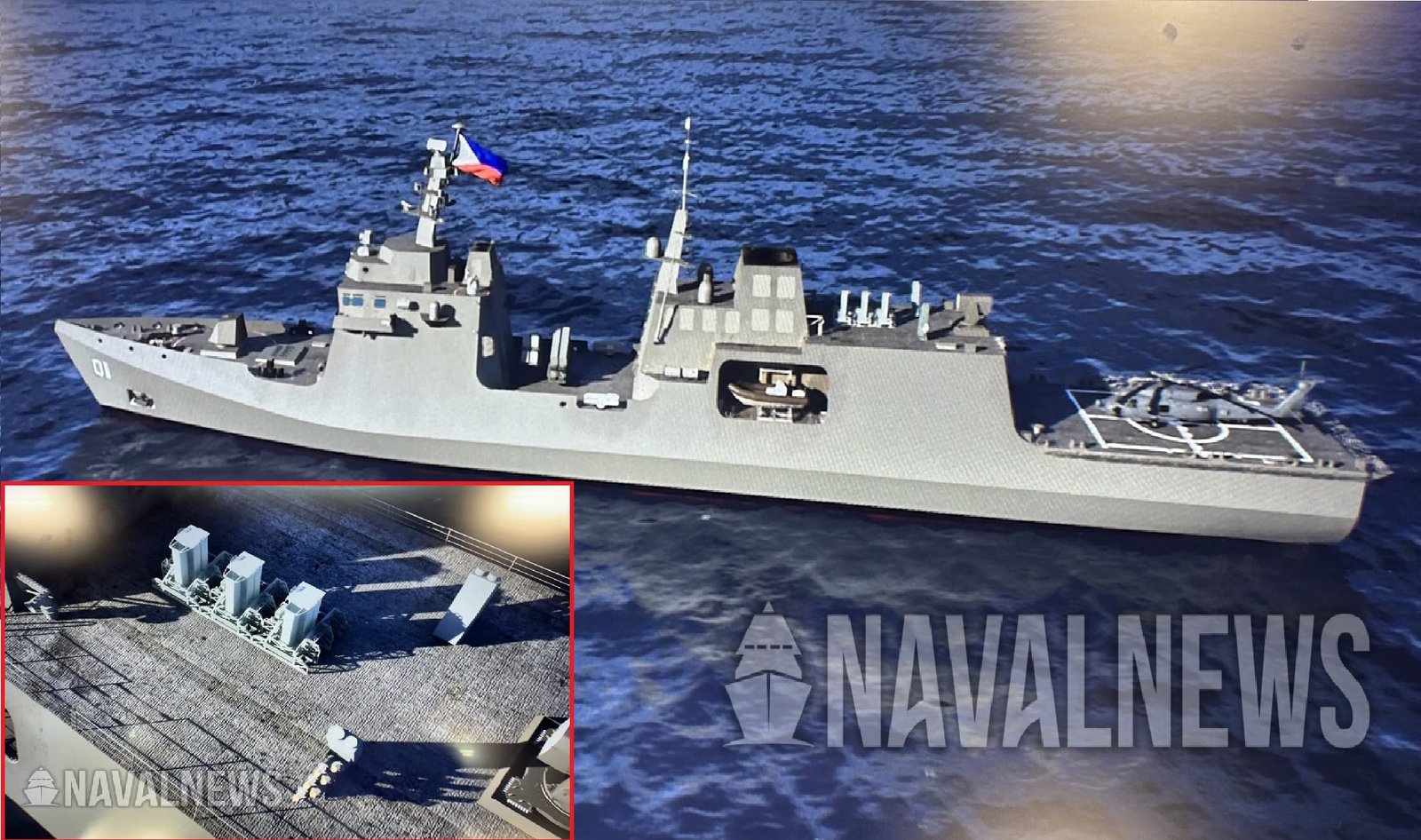
U.S
PARIS — Lockheed Martin has introduced a mid-range weapons package for Gibbs & Cox's 4,000-ton International Class Frigate at Euronaval 2026, held in Paris from November 3 to 6. The proposed configuration combines modular vertical launch systems with Joint Air-to-Ground Missile (JAGM) Quad Launchers to address air, surface and drone threats. The frigate is based on Gibbs & Cox's Taiwan Light Frigate design. The approximately 110-metre-long warship is designed for escort duties, anti-submarine warfare and surface warfare. Gibbs & Cox is a naval architecture subsidiary of Leidos. Unlike the high-end combat systems Lockheed Martin displayed for Japan's Aegis System-Equipped Vessels and Canada's River-class destroyers, this package focuses on mid-range and short-range engagements. Modular Missile Launchers and Counter-Drone Weapons The frigate's forward launch system offers two configurations. Buyers can select eight strike-length Mark 41 VLS cells, suitable for larger air-defence, strike and anti-submarine missiles, or nine Extensible Launching System (ExLS) cells arranged in three three-cell modules. The modular ExLS can accommodate smaller self-defence weapons and countermeasures, including the RIM-116 Rolling Airframe Missile (RAM) and Nulka active missile decoys. Above the helicopter hangar, the design features three JAGM Quad Launchers for short-range surface warfare and counter-unmanned aerial system (C-UAS) operations. The model also includes placeholders for amidships anti-ship missile canisters and a missile-based close-in weapon system. Lockheed Martin has previously proposed JAGM Quad Launchers for U.S. Navy Arleigh Burke-class destroyers as a lower-cost option for engaging drones in the Red Sea. The U.S. Navy is also planning to integrate JAGM into the Littoral Combat Ship's Surface-to-Surface Missile Module, which currently fires Longbow Hellfire missiles. The module has also been adapted for counter-drone tasks. Nine Countries Identified as Potential Customers Lockheed Martin's interactive exhibition display identified nine countries to which the International Class Frigate concept has been marketed: the Philippines, Croatia, Egypt, Romania, Bahrain, Greece, Sweden, Kuwait and the United States. Several have active or recent requirements for frigates and smaller surface combatants. Croatia continues to pursue a multipurpose corvette programme, while the United States is examining smaller warship options under its frigate and FF(X) requirements. The U.S. Navy reduced its Constellation-class frigate programme in late 2025 following shipbuilding delays, increasing its focus on smaller and faster-to-build surface combatants. The modular weapons package allows potential customers to select different launcher configurations according to their budgets and operational requirements. It is designed to give a medium-sized frigate capabilities against conventional naval threats as well as unmanned aerial systems and lower-cost munitions. Source : NavelNews
Read More → Posted on 2026-11-26 14:00:19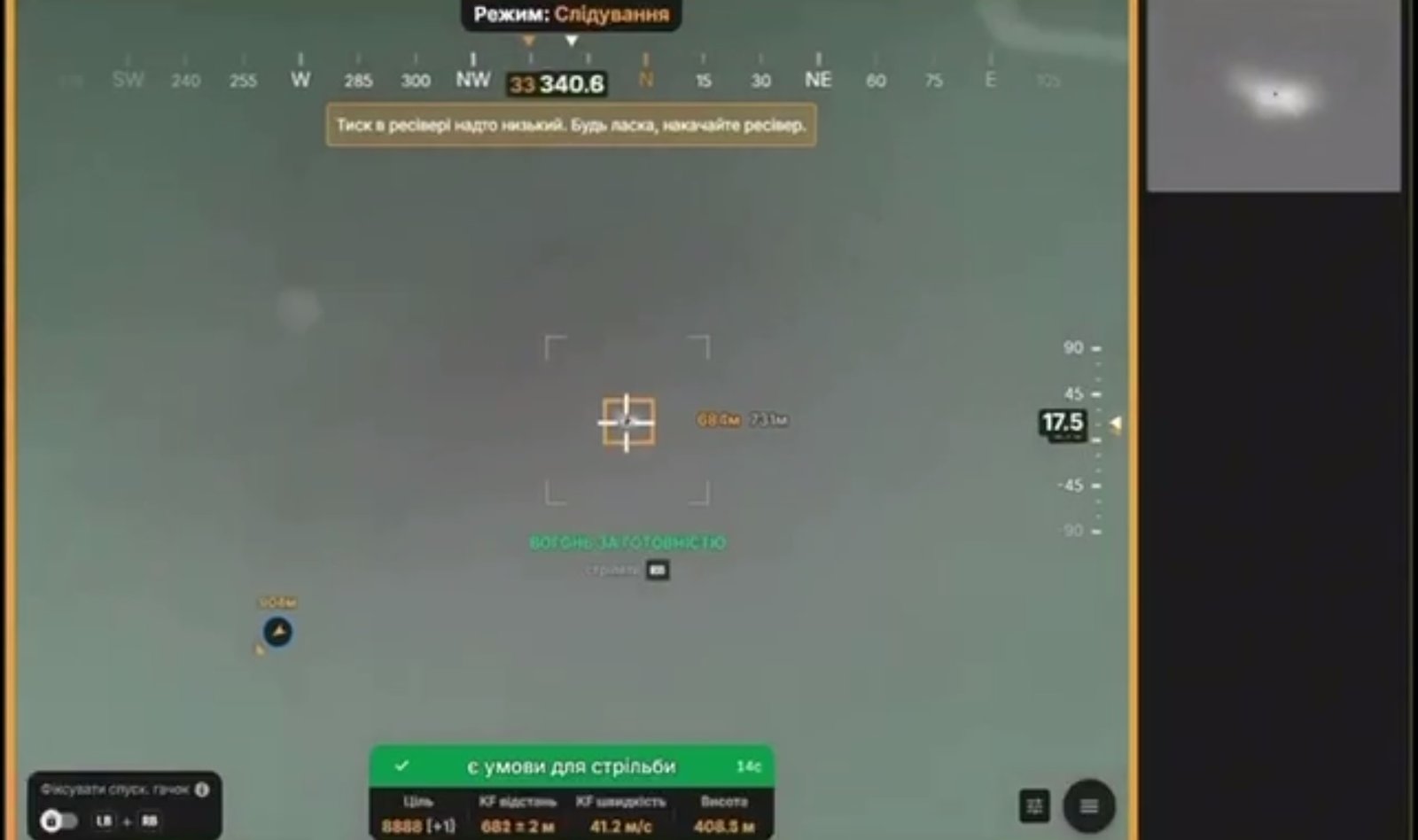
World
KYIV, Ukraine — Ukraine's Blysk laser air defence system has shot down a Russian jet-powered Geran strike drone while protecting critical infrastructure. Serhii "Flash" Beskrestnov, a radio technology specialist and adviser to Ukraine's president on defence technology, reported the interception on November 25. He described it as the world's first confirmed laser interception of a jet-powered Geran drone. Beskrestnov shared video footage of the engagement on Telegram and Facebook. However, he withheld the exact location and time for security reasons. Blysk Laser Specifications and Capabilities Developed by Ukrainian defence company Carmine Sky, Blysk entered combat duty in the Kyiv region in early November 2026. The remotely operated system uses a rotating turret and has an output power of 4 kW, with a stated engagement range of up to one kilometre. According to the manufacturer, it takes a fraction of a second to burn through a small FPV drone, while larger Shahed and Geran drones require several seconds because of their multi-layer composite and rubberised fuselage. Beskrestnov explained that the laser does not cut through an aircraft like a science-fiction weapon. Instead, it concentrates heat on one point until the beam penetrates the airframe and damages internal electronics and flight components. Weather is a major limitation. During its initial weeks of deployment, Blysk recorded no confirmed hits. Carmine Sky reported that fog, heavy clouds and drizzle can scatter the laser beam and reduce its effective range. Ukraine Expands Private Air Defence Programme Blysk operates under Ukraine's Private Air Defence programme, supported by Brave1, the government's defence technology cluster. Launched by the Ministry of Defence, the programme allows private companies to establish air defence groups under the operational command of the Ukrainian Air Force. Around 100 companies have joined the initiative, using interceptor drones, automated gun turrets and experimental directed-energy weapons to protect industrial and infrastructure facilities. Laser weapons could offer a lower-cost addition to conventional air defence because they use electrical power instead of interceptor missiles or ammunition. This is increasingly relevant as Russia expands its use of jet-powered Geran-4 and Geran-5 drones against Ukrainian cities and energy infrastructure. Mass Production Still Under Development Beskrestnov said several Ukrainian companies are developing laser air defence systems, but the technology remains complex and expensive. He stressed that it is too early to discuss mass production, as testing is still underway at facilities protected by these systems. Geran is Russia's designation for its versions of Iranian-designed Shahed-type attack drones. Jet-powered variants are faster than earlier propeller-driven models, creating additional challenges for Ukrainian air defences. The Blysk interception marks an important trial result for Ukraine's domestic laser technology. However, its operational effectiveness will depend on weather conditions, tracking accuracy and the ability to maintain the laser beam on a moving target.
Read More → Posted on 2026-11-26 14:16:40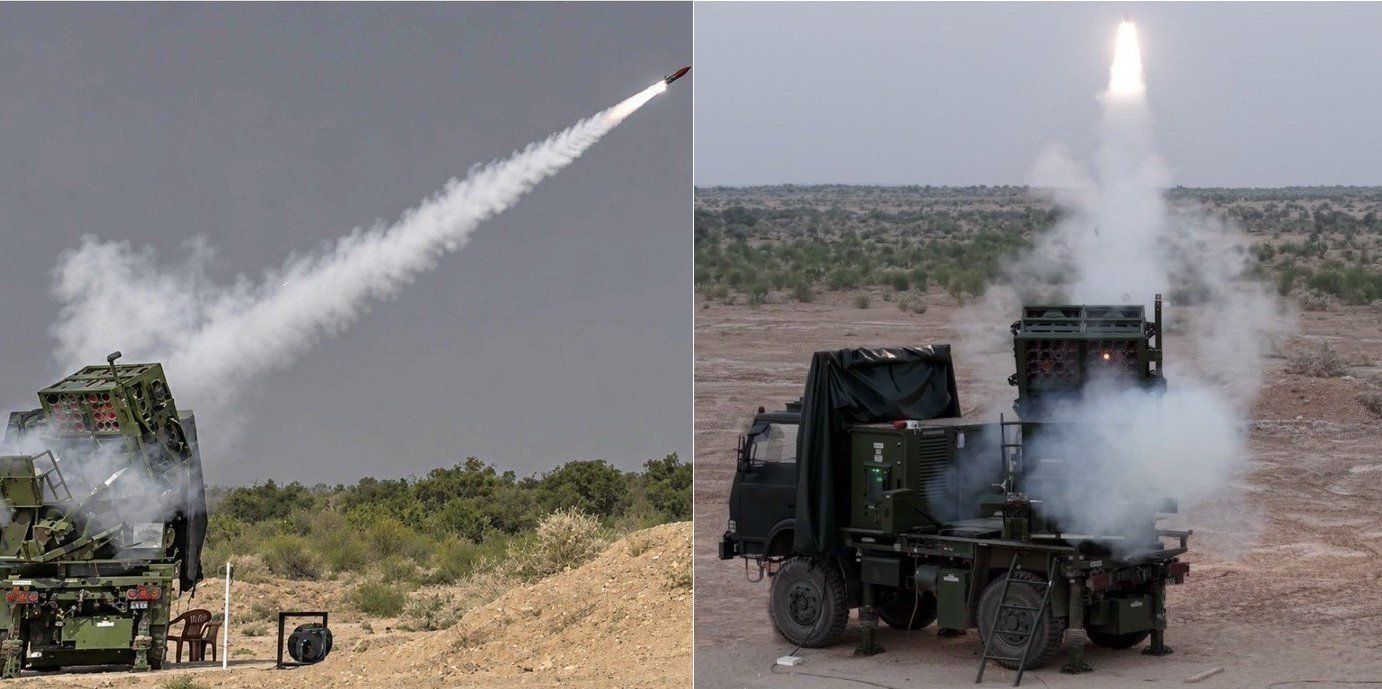 India’s Bhargavastra Counter-Swarm Drone System Completes Pokhran Trials Ahead of Army Demonstration
India
NEW DELHI — India's Bhargavastra counter-swarm drone system has completed its in-house development trials at the Pokhran Field Firing Range in Rajasthan, bringing the indigenous weapon system closer to prototype demonstration and planned handover to the Indian Army. Developed by Solar Defence and Aerospace Limited (SDAL), a subsidiary of the Nagpur-based Solar Group, Bhargavastra is a two-layer, vehicle-mounted system designed to detect, track and destroy multiple hostile drones, including coordinated drone swarms and loitering munitions. The latest trials were conducted from November 20 to 24, 2026. Unlike systems that rely only on electronic jamming or navigation disruption, Bhargavastra uses a hard-kill approach, physically destroying incoming drones with micro-rockets and guided micro-missiles. India’s first indigenous vehicle-mounted counter-swarm drone system Bhargavastra successfully tested at Pokaran The two-layer system uses rockets and guided micro-missiles to engage multiple drones at once. https://t.co/xoHVp8yLct — Sputnik India (@Sputnik_India) November 26, 2026 Two-Layer Weapon System for Drone Interception Bhargavastra uses two weapon configurations mounted across three Army-inducted vehicles. Version-I – Air Defence Micro-Rockets: A 64-tube launcher fires unguided micro-rockets designed to engage drone swarms within a 20-metre lethal radius. Its engagement range is up to 2.5 km. Version-II – Guided Micro-Missiles: A 64-missile launcher uses infrared (IR) seekers and autonomous guidance to intercept individual or higher-value aerial targets at ranges of up to 2.5 km. During the Pokhran trials, rockets were fired at actual swarm drone targets detected and tracked by the system. The warheads hit their designated aimpoints. Separate tests also demonstrated the micro-missiles' guidance and terminal-homing capabilities. Radar, Sensors and AI-Based Command System The system combines surveillance radar, passive radio-frequency (RF) detectors and electro-optical/infrared (EO/IR) sensors to detect and track small aerial threats. Its radar detection range is reported at up to 10 km, while EO/IR tracking provides coverage of approximately 6 km. An AI-enabled Command, Control, Communications, Computers and Intelligence (C4I) system processes sensor information, identifies threats and assigns targets to the appropriate launcher. The vehicle-mounted configuration is designed for deserts, plains and high-altitude mountainous areas up to 5,000 metres above mean sea level. The system can also accommodate electronic countermeasures such as jamming and spoofing. Development Timeline and Next Steps Bhargavastra was developed under the Ministry of Defence's Make-II (Buy Indian – IDDM) programme, following a Project Sanction Order issued on July 9, 2024, based on Indian Army requirements. SDAL says the rockets, guided micro-missiles and software were developed and manufactured in India. The company also holds 100% intellectual property rights for the system. The project has a completion deadline of March 31, 2027, covering one prototype and 12 deliverable sets following a successful prototype demonstration. SDAL plans further optimisation and trials to improve interception performance and kill probability. The system is now ready for prototype demonstration in its deliverable configuration, with a planned January 2027 handover to the Indian Army.
Read More → Posted on 2026-11-26 14:21:54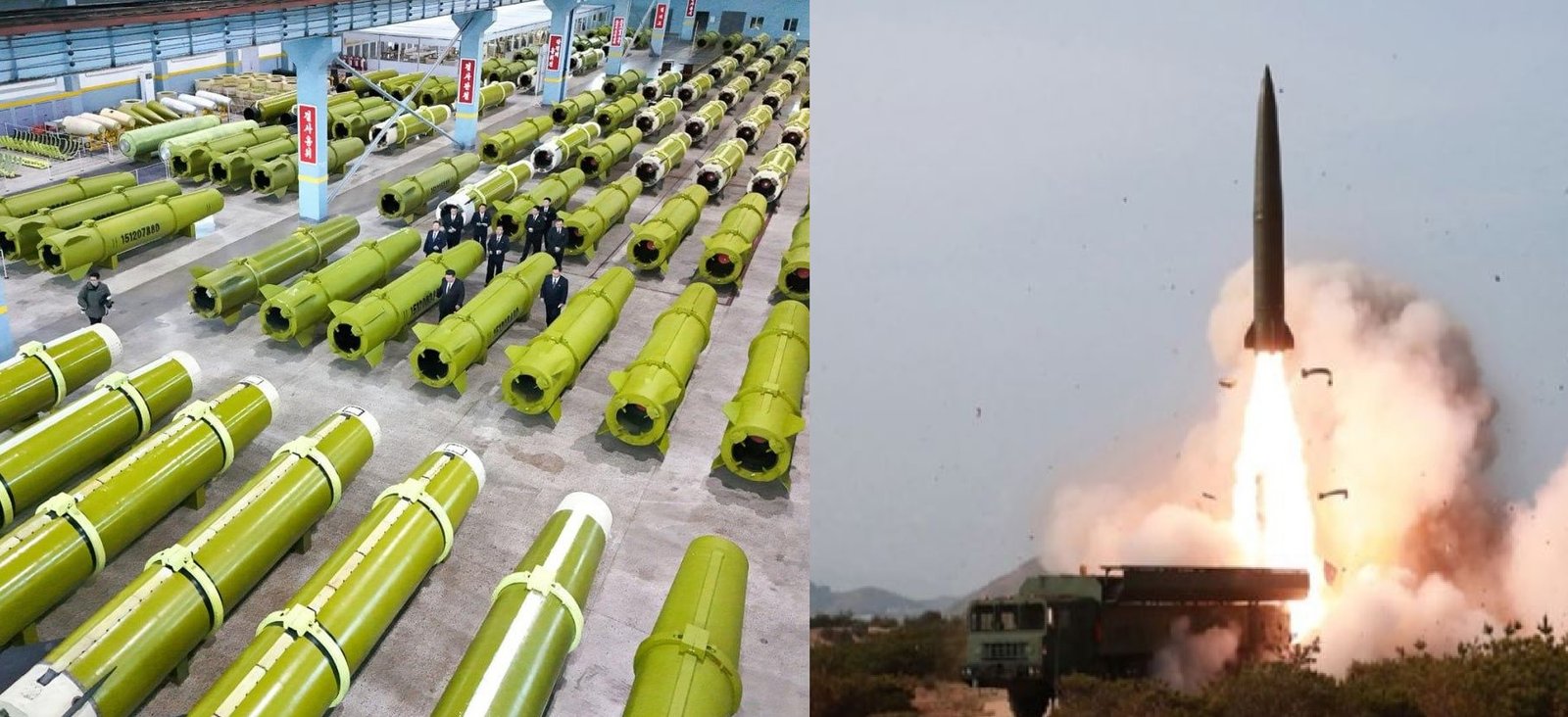
World
KYIV — North Korea has temporarily halted deliveries of KN-23 ballistic missiles and artillery ammunition to Russia following a diplomatic disagreement between Moscow and Pyongyang, according to Ukraine's Defence Intelligence Directorate (DIU). North Korean leader Kim Jong Un reportedly ordered the suspension. Pyongyang has also barred Russian military transport aircraft from using its airspace. Diplomatic Dispute Behind the Suspension The disagreement began in October when Russian Deputy Foreign Minister Andrey Rudenko said Moscow would work to reduce tensions between North and South Korea. North Korean Foreign Minister Choe Son Hui criticised the remarks in late October, saying Russia's position was inconsistent with the countries' alliance. She demanded clarification of Moscow's policy towards Seoul. The dispute has raised questions about military cooperation under the 2024 Comprehensive Strategic Partnership Treaty, which includes a mutual defence clause. North Korea is also delaying Russia's request to increase its military contingent from approximately 8,500 to 50,000 troops. Battlefield Losses and Military Coordination Problems Ukrainian intelligence identifies political disagreements, language barriers, poor interoperability, a shortage of interpreters and inadequate logistical support as major obstacles to expanding military cooperation. North Korean forces have also suffered heavy losses in fighting against Ukrainian troops. DIU estimates their casualties at 7,058, including 2,251 killed and the remainder wounded. Despite the reported suspension, North Korean units remain deployed in Russia. The 11th Special Operations Corps continues operating in the Kursk region as part of the second echelon of Russian forces. A combined North Korean missile unit has also been stationed in the Voronezh region since mid-2026. Ukrainian intelligence says it participates in strikes against Ukrainian territory as part of Russia's 112th Missile Brigade of the 1st Tank Army, under the Moscow Military District. Scale of North Korean Military Support North Korea has become one of Russia's major weapons and ammunition suppliers since the full-scale invasion of Ukraine. By late 2025, Pyongyang was reportedly supplying up to half of Russia's artillery shell requirements. South Korea's military intelligence estimated in March 2026 that North Korea had sent approximately 33,000 containers of military supplies to Russia. The shipments may have included more than 15 million 152 mm artillery shells. Other supplies include 170 mm M1989 Koksan self-propelled artillery systems, 240 mm multiple-launch rocket systems, anti-tank weapons, and KN-23 and KN-24 short-range ballistic missiles. North Korea has also deployed more than 16,000 troops to Russia since 2024. Meanwhile, Russia and North Korea opened a road bridge across the Tumen River on September 7, 2026, to increase transport volumes between the two countries. The reported restrictions indicate a temporary slowdown in military cooperation rather than a complete break in relations. Existing North Korean military units remain in Russia, while the duration of the reported suspension remains unclear.
Read More → Posted on 2026-11-26 14:34:03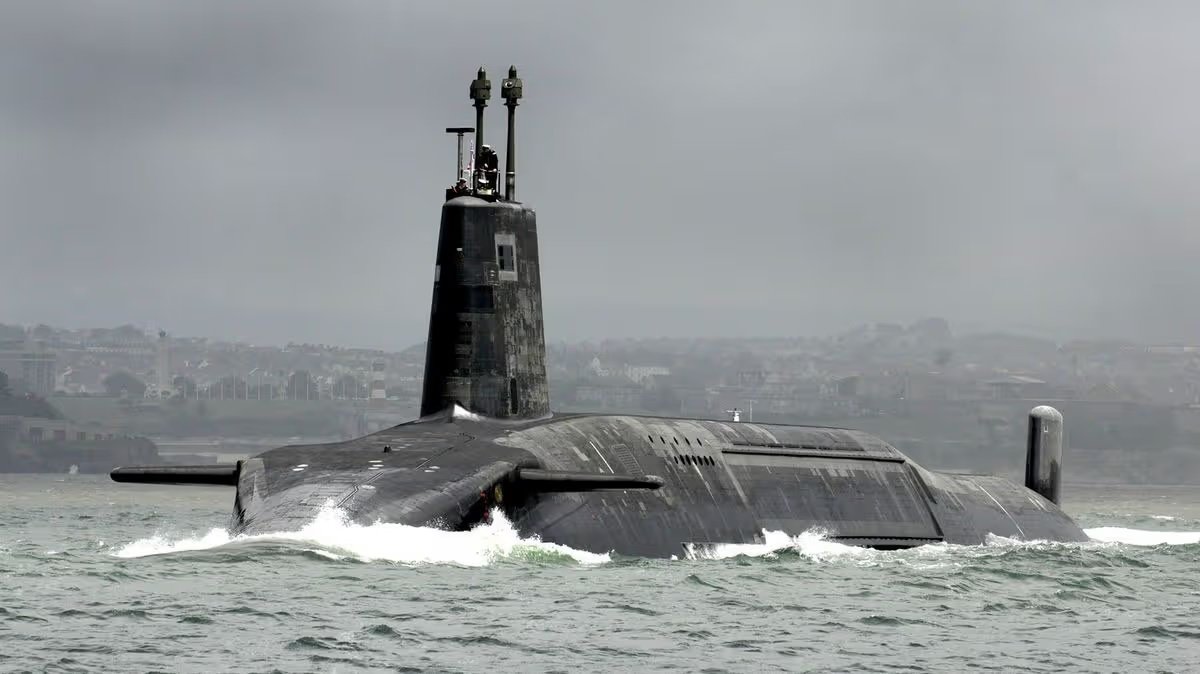
Europe
LONDON — Babcock International Group has signed an £8.7 billion Gateway Agreement with the UK Ministry of Defence (MOD) to maintain and support the Royal Navy's nuclear submarine fleet. The contract, the largest in Babcock's history, takes effect on 1 December 2026 for an initial five years, with options to extend it to 15 years. The agreement replaces the Future Maritime Support Programme (FMSP), whose extension ends on 30 November 2026. The £8.7 billion valuation includes £8 billion in contract backlog and £700 million in framework agreements. A separate Memorandum of Understanding establishes a long-term strategic partnership between Babcock and the MOD. Supporting Britain's Nuclear Submarine Fleet The agreement combines submarine maintenance, engineering, technical services and naval base operations at HMNB Devonport, Devonport Dockyard and HMNB Clyde. Its main priorities are maintaining the UK's Continuous At Sea Deterrent, supporting Astute-class nuclear-powered attack submarines and preparing facilities for the transition from Vanguard-class to Dreadnought-class submarines. It also covers surface fleet facilities, sea training and future autonomous capabilities. The MOD will introduce performance-based incentives to reduce maintenance periods and return submarines to service faster. The agreement aims to address existing dockyard backlogs and improve fleet availability. Defence Secretary Wes Streeting said nuclear submarines are central to Britain's national security. He added that the agreement would help get submarines back to sea while creating 5,500 new jobs, apprenticeships and graduate opportunities. 3,000 New Jobs and £2.4 Billion Supply Chain Investment The contract will safeguard 8,500 existing nuclear defence jobs and create 3,000 new full-time positions. These include around 1,600 jobs at Devonport, 900 at Clyde and 500 in Bristol and other locations. It will also support more than 2,500 apprenticeship and graduate placements over five years. Babcock estimates the agreement will generate over £500 million in social value. Around £2.4 billion will go to the wider UK supply chain, including approximately £1 billion for small and medium-sized enterprises (SMEs). Scottish suppliers are expected to receive around £550 million. Prime Minister Andy Burnham said the investment would support employment and economic growth in Plymouth, Clyde and other communities while strengthening national security. £26 Billion Naval Infrastructure Programme The agreement complements Project Royal Oak, a £26 billion, 10-year government programme to modernise HMNB Devonport, HMNB Clyde and HMNB Portsmouth. The Clyde Transformation Plan, including Programme Euston, will expand submarine engineering capacity outside the water during the 2030s. Babcock is also expanding its workforce and facilities through two Scottish Defence Technical Excellence Colleges, a Submarine Operations Centre and the Babcock Skills Centre at Devonport, which can train up to 1,500 people annually. Other investments include an 18.8-acre Integrated Logistics Hub at Sherford, bringing together more than 30 storage and logistics locations, and the Babcock Plymouth Capability Centre, designed to accommodate up to 2,000 employees. First Sea Lord General Sir Gwyn Jenkins said the agreement would support skilled workers, reduce maintenance delays and improve submarine availability. Babcock CEO Harry Holt, who took over in July 2026, said the deal would strengthen support for the Continuous At Sea Deterrent and develop the skills, infrastructure and industrial capabilities required for future submarine operations. The contract has been awarded to Devonport Royal Dockyard Limited, a Babcock subsidiary, under the Naval Support Integrated Global Network (NSIGN) programme. It is the second major multi-billion-pound submarine-related deal signed by the MOD since the publication of its Defence Investment Plan.
Read More → Posted on 2026-11-26 15:32:33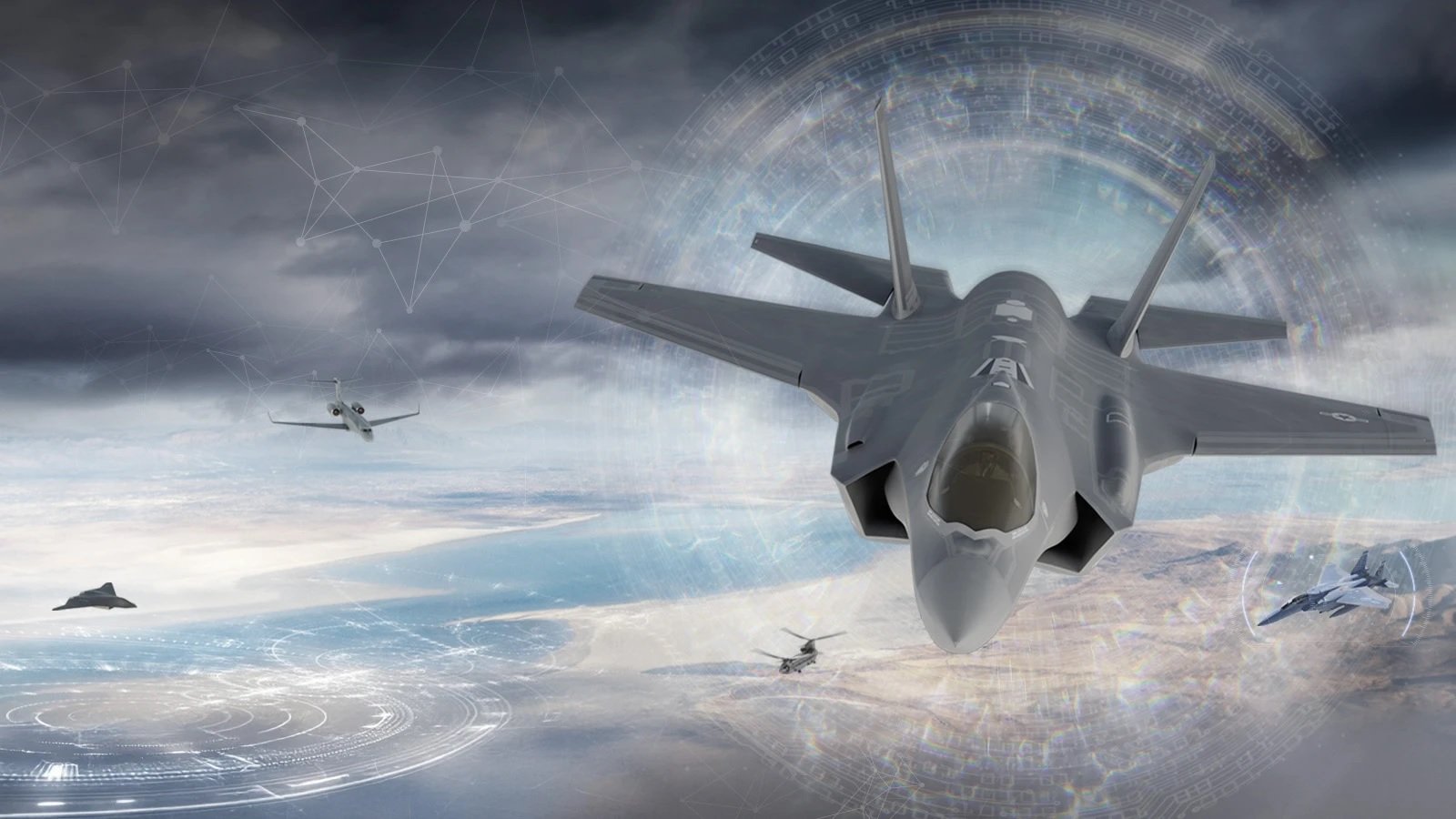
U.S
Austin, Texas — BAE Systems has delivered more than 1,500 electronic warfare (EW) systems for the F-35 Lightning II and is now shipping production systems for the fighter's Block 4 upgrade. Amber Dolan, BAE Systems' vice president of F-35 Solutions, confirmed that development and testing continue alongside production deliveries. Block 4 Upgrades AN/ASQ-239 Electronic Warfare Suite The Block 4 upgrade introduces new hardware and software for the F-35's AN/ASQ-239 electronic warfare suite. The system monitors radar and radio-frequency activity, helping pilots identify threats and protect the aircraft from hostile electronic and missile threats. It supports both defensive and offensive electronic warfare, allowing the F-35 to detect, identify and monitor enemy radar and other emitters while supporting its stealth-focused operations. These capabilities are increasingly important as modern air defence systems become more advanced. New Contract Covers F-35 Lots 20–22 In October 2026, Lockheed Martin awarded BAE Systems a contract to supply AN/ASQ-239 systems for F-35 production Lots 20 through 22, along with retrofit kits for older aircraft. The contract value and exact number of systems were not disclosed. Previous related awards included $493 million in 2021 for Block 4 hardware development and $491 million in 2023. BAE Systems handles the system's design, testing, integration, upgrades and long-term support. More than 1,900 employees work on the programme with Lockheed Martin and the F-35 Joint Program Office. Expanding Production and Future Development The systems are produced at BAE facilities in Austin, Texas, and Manchester, Merrimack and Nashua, New Hampshire. The company is expanding manufacturing capacity through factory automation and digital engineering tools to speed up production, integration and testing. BAE is also researching long-range sensing, broad-spectrum coverage, advanced algorithms and machine learning to help the system respond to emerging radar and communication threats. With the F-35 expected to remain in service for decades, the company is also focusing on improving the suite's reliability and simplifying maintenance. “We’re focused on accelerating the delivery of new capabilities to the warfighter for their operational readiness,” Dolan said.
Read More → Posted on 2026-11-26 15:46:23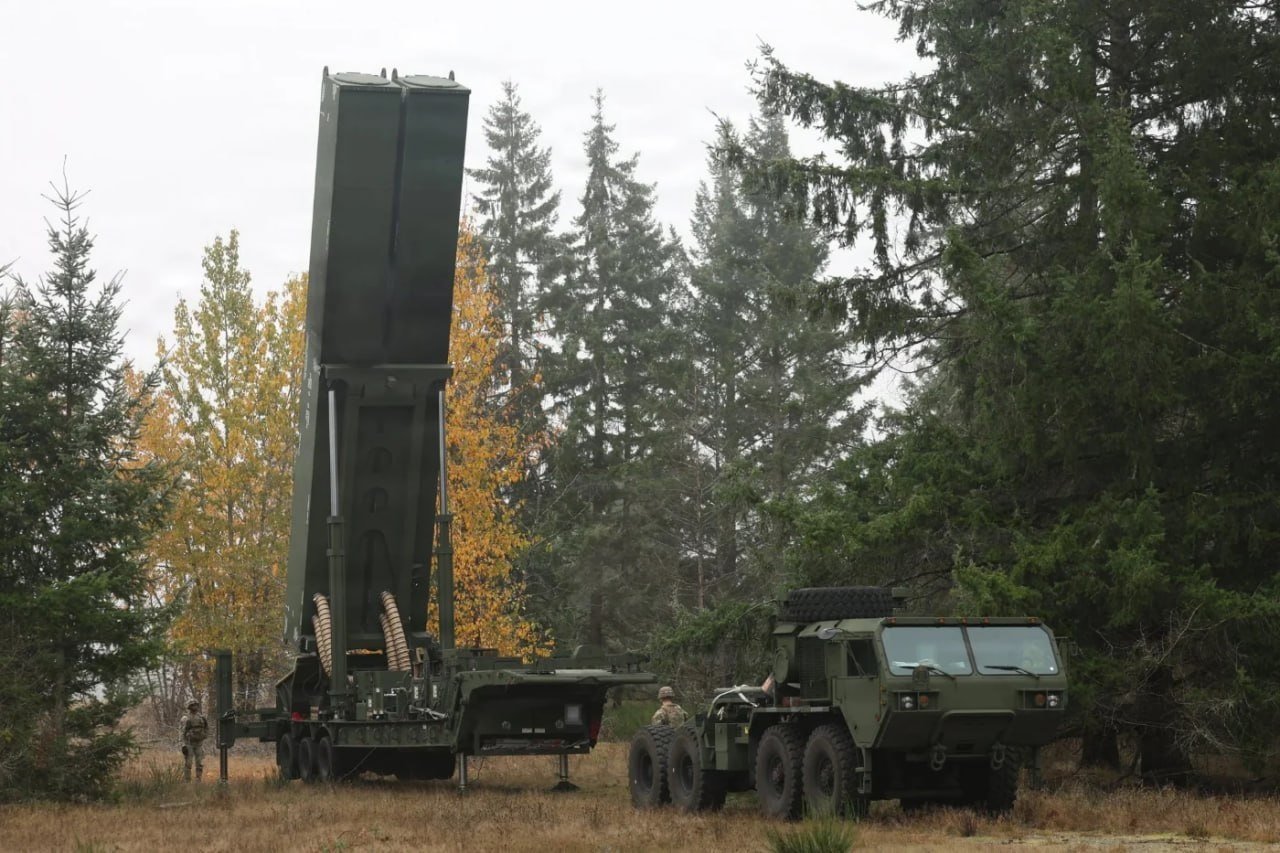
U.S
WASHINGTON — The U.S. Army has declared its first Dark Eagle hypersonic missile battery fully fielded and ready for combat deployment, nearly three years behind its original 2023 schedule. Lieutenant General Frank (Francisco) Lozano, the Army's senior acquisition official for long-range fires, confirmed the development in a November 19 interview with Breaking Defense. “It is fully fielded. It is ready to go,” Lozano said. He confirmed that the battery has the equipment and personnel required for combat missions. However, the Army has not disclosed its deployment location or the exact date it achieved full operational status. Some ground support vehicles were delivered as early as 2021. Testing and Production Delays Dark Eagle, officially known as the Long-Range Hypersonic Weapon (LRHW), was originally scheduled to enter service in 2023. Its development faced repeated delays due to launcher testing problems and missile production issues. During attempted tests at Cape Canaveral, Florida, in March and September 2023, launches were cancelled before liftoff because of pre-flight check failures involving the launcher and ground support equipment. Successful full-system flight tests followed in June and December 2024. However, manufacturing and quality-control problems at Lockheed Martin delayed further deliveries. A July 2026 Government Accountability Office (GAO) report found that production was running at roughly half the output required by the Pentagon. The Army and Navy temporarily paused production to address defects. Lozano said the Army introduced stricter component testing covering solid rocket motors, guidance sections, navigation units and seekers. The Army and Navy completed another successful joint flight test in March 2026. Dark Eagle Range and Capabilities A standard Dark Eagle battery includes four trailer-mounted launchers, a battery operations centre and support vehicles. Each launcher carries two missiles, giving the battery a total of eight missiles. The system has a reported range of approximately 1,725 miles (2,775 kilometres) and a speed exceeding Mach 5, or 3,800 mph (more than 6,100 km/h). Lozano has previously said the range is sufficient to reach mainland China from Guam. Lockheed Martin builds the rocket booster and launch equipment and integrates the system, while Dynetics develops the unpowered hypersonic glide body. The glide body separates from the booster and manoeuvres towards hardened and high-value targets. Dark Eagle uses the Common Hypersonic Glide Body, which is also part of the U.S. Navy's Conventional Prompt Strike programme. Army Training and Future Batteries Soldiers from the 5th Battalion, 3rd Field Artillery Regiment, associated with the 1st Multi-Domain Task Force at Joint Base Lewis-McChord, Washington, have trained on Dark Eagle since 2021. Army units also practised moving and operating the system during Exercise Talisman Sabre 2025 in Australia and Exercise Valiant Shield 2026 in the Pacific, including training on Guam. The Army is now developing its second and third batteries. According to the July 2026 GAO assessment, the second battery is expected in early 2027. Lozano said production of the third battery is already more than halfway complete. The Army also wants to bring two or three additional defence contractors into future production to reduce supply bottlenecks and accelerate deliveries. The service expects subsequent batteries to reach operational readiness faster than the first. The first battery's readiness marks a major programme milestone, as the Army moves towards expanding its ground-based hypersonic strike capability.
Read More → Posted on 2026-11-26 15:52:28
U.S
WASHINGTON — The United States is considering restrictions on foreign satellite operators in response to concerns that European regulations could limit American companies' access to the satellite communications market. The Federal Communications Commission (FCC) will vote on December 17, 2026, on whether to begin reviewing rules for foreign satellite operators seeking access to the US market. FCC Chairman Brendan Carr announced the plan on November 23. The agency released its draft proposal, titled Ensuring Satellite Market Access Reciprocity (GN Docket No. 26-48), on November 24. The proposal would examine whether foreign operators should face restrictions similar to those imposed on American satellite companies in their home countries. No new restrictions have been adopted yet. European Spectrum Policies Raise Concerns The dispute centres on access to radio frequencies, particularly the 2 GHz mobile satellite service band, which supports direct-to-device connections between satellites and standard mobile phones. The FCC has raised concerns about European Union initiatives, including the proposed Digital Networks Act and EU Space Act, which could introduce new licensing and regulatory requirements for foreign satellite operators. The EU is also planning to change the allocation of 2 GHz spectrum after existing rights expire in May 2027. Its proposed approach could reserve a substantial share for EU-based operators meeting European ownership and strategic requirements. This could affect American companies such as SpaceX's Starlink and Amazon Leo, which are expanding their direct-to-device satellite services. FCC May Change Longstanding Market Access Rules Since 1997, the FCC has generally allowed eligible foreign satellite operators to enter the US market under its DISCO II framework. The policy provides a presumption of market access for qualifying operators from World Trade Organization member countries. Currently, around one-fourth of more than 250 satellite systems approved to operate in the United States are licensed by foreign governments. Many are based in Europe, Canada and the United Kingdom. The new proposal would examine whether to maintain, narrow or remove the existing favourable approach. Options include closer scrutiny of operators from countries that restrict American companies and easier approval for applicants from countries offering equivalent market access. Carr has argued that unequal foreign regulations could place US satellite providers at a competitive disadvantage through higher fees, capacity limits and additional coordination requirements. Industry Warns Against Retaliatory Restrictions The dispute comes as satellite broadband and direct-to-device networks become increasingly important for commercial communications, emergency services and national defence. However, satellite operators have previously urged the FCC to proceed carefully. Industry participants warn that reciprocal restrictions could fragment global satellite networks, increase regulatory costs and delay worldwide broadband expansion. FCC Vote Scheduled for December 17 The December 17 vote will determine whether the FCC formally opens the rulemaking process. If approved, satellite operators, telecommunications companies and foreign governments will be invited to submit comments before the commission decides whether to introduce binding rules. The decision could reshape international competition in satellite communications, particularly access to valuable spectrum and customers in the United States and Europe.
Read More → Posted on 2026-11-26 16:38:34
India
HYDERABAD — Indian semiconductor company SiGaN Semiconductors Pvt. Ltd. has developed and validated its first 20-watt gallium nitride (GaN) radio-frequency (RF) power amplifier) and opened commercial orders. The Hyderabad-based company aims to provide a domestic alternative for India's defence, telecommunications and satellite industries. Designed for Radar and Communication Systems The 20-watt GaN amplifier is designed for applications including phased-array radar, secure tactical radios, wireless base stations, satellite ground terminals and industrial wireless networks. RF power amplifiers strengthen radio signals before transmission through an antenna. SiGaN's design supports continuous-wave, pulsed RF and modulated signal operations, covering radar and modern communication requirements. GaN technology offers higher power density and operating-temperature capabilities than conventional silicon-based RF technology. It also supports improved efficiency and reduced cooling requirements in compact electronic systems. 50-Watt Amplifier in Development SiGaN, founded in Hyderabad in 2024, also develops RF front-end integrated circuits, active antenna systems and RF switches for radar, satellite communications and wireless networks. The company has completed the engineering development of a 50-watt GaN RF power amplifier, which is now ready for fabrication. India's Growing GaN Capability India is also developing domestic GaN technology through DRDO. In November 2024, its Solid State Physics Laboratory (SSPL) announced indigenous processes for 4-inch silicon carbide wafers, GaN high-electron-mobility transistors rated up to 150 watts, and microwave integrated circuits rated up to 40 watts. Limited production was established at GAETEC in Hyderabad. SiGaN's latest product adds private-sector RF chip design capability to India's semiconductor ecosystem. The company has not yet published detailed amplifier specifications and asks customers to share their frequency and output requirements for suitable configurations. With commercial orders open for its 20-watt amplifier and a 50-watt version ready for fabrication, SiGaN is expanding India's domestic options for high-performance RF components.
Read More → Posted on 2026-11-26 17:03:15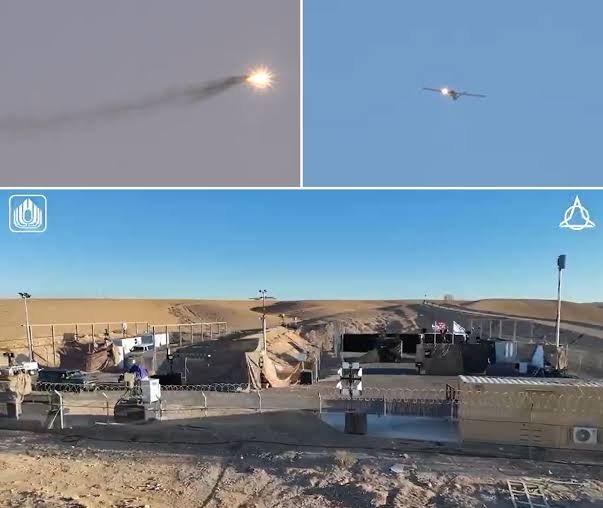
World
TEL AVIV — Israel and the United States have conducted their first joint counter-drone trials on Israeli soil, testing approximately 20 interception systems against different unmanned aerial vehicle (UAV) threats. The Israeli Ministry of Defense announced the campaign, named Black Sands, on November 26, 2026. The trials evaluated how effectively the systems could counter drones under simulated battlefield conditions. Israeli and American military personnel worked together to assess their performance and suitability for operational requirements. Multiple Defence Agencies Participate The campaign was jointly led by Israel's Directorate of Defense Research & Development (DDR&D), known as MAFAT, and several US defence organisations. These included US Central Command (CENTCOM), Special Operations Command Central (SOCCENT), the Office of Naval Research (ONR), Joint Interagency Task Force 401 (JIATF 401) and the Capabilities Development and Innovation (CD&I) office. The IDF Ground Forces, Israeli Air Force and leading Israeli and American defence companies also participated. The ministry did not disclose the complete list of companies or individual test results. However, an official photograph showed a Smart Shooter SMASH Hopper remotely controlled weapon station paired with a sensor system. Builds on Earlier US Trials The campaign follows Black Sands 25.2, held in October 2025 at US Marine Corps Base Camp Lejeune in North Carolina. SOCCENT said several systems tested during that exercise had already been battle-proven in Israel and were selected to address US military capability gaps. The latest trials come amid growing concerns over the use of inexpensive drones in modern conflicts. Israeli forces have faced sustained UAV threats during fighting with Hezbollah in Lebanon. The United States has also studied the increasing use of sophisticated drones by Russia and Ukraine. Focus on Long-Term Defence Cooperation The Israeli Ministry of Defense said hosting Black Sands reflects Israel's expertise in counter-UAV technology. The campaign also supports its strategy to maintain a technological advantage and expand defence cooperation with the United States and other countries. Brig. Gen. (Res.) Dr. Daniel Gold, head of IMOD's DDR&D, said the trials combine Israel's operational experience with American research and development capabilities. He highlighted the importance of joint innovation in developing solutions against evolving drone threats. Brig. Gen. Benny Aminov, head of DDR&D's R&D Unit, said the widespread availability of commercial drone components has accelerated the development and adaptation of aerial threats. He described the trials as an important milestone in both countries' military development efforts. The CD&I office of the Office of Strategic Services (OSS) has also worked with Israel's DDR&D for several years on technologies designed to intercept and neutralise drones and UAVs. The ministry has not released the full list of participating systems, test results or details of the drones used. It has also not announced whether any tested technology will enter procurement or military deployment. Black Sands remains an evaluation campaign rather than a procurement announcement.
Read More → Posted on 2026-11-26 17:07:34
Europe
CHARLEROI, Belgium — Europe has opened its largest satellite manufacturing facility in Belgium as the European Union moves forward with plans to build its own satellite communications network, IRIS², as an alternative to Elon Musk's Starlink. Belgium's King Philippe inaugurated the 20,000-square-metre factory on November 24 in Marcinelle, near Charleroi. Built by Belgian aerospace company Aerospacelab, the facility can produce up to 500 satellites annually, making it Europe's largest satellite factory and the third-largest globally by production capacity. €2.4 Billion Contract for IRIS² Satellites The factory will serve as the main production centre for the EU's IRIS² (Infrastructure for Resilience, Interconnectivity and Security by Satellite) programme. In September 2026, Aerospacelab secured a €2.4 billion contract to design and deliver 264 low-Earth-orbit (LEO) satellites, representing approximately 76% of the planned 348-satellite constellation. Other European companies will supply the remaining spacecraft. Airbus Defence and Space will build 66 LEO satellite platforms, Germany's OHB will supply 18 medium-Earth-orbit satellites, and Thales Alenia Space will provide communications payloads. IRIS² aims to provide encrypted and resilient communications for European governments, defence agencies and military users, alongside broadband services for businesses and citizens. In August 2026, the European Commission and the SpaceRISE consortium, led by Eutelsat, SES and Hispasat, expanded the constellation from 282 to 348 satellites, increasing planned secure government communications capacity by 60%. The programme's estimated cost is €15.6 billion. €100 Million Investment and Company Rebranding The factory represents an investment of approximately €100 million. Its 20,000-square-metre area includes 7,000 square metres of production space and 4,000 square metres of cleanrooms. Founded in 2018 by Benoît Deper, Aerospacelab announced the project in 2022 and began construction in May 2024. The company also announced it will change its name to Ectro from November 30, 2026. Technical teams are expected to move into the facility in January 2027. The workforce is expected to grow from around 500 to 1,000 employees by the end of 2027, with full-scale satellite production targeted for the end of 2028. IRIS² Expected to Become Operational in 2032 Despite the factory opening, IRIS² is still under development and is not yet an operational alternative to Starlink, which already has more than 11,000 satellites in orbit. The first IRIS² satellites are expected to launch by the end of 2029, while Aerospacelab's 264 satellites are scheduled to begin launching in 2030. Initial communication services are expected in 2030, with full operational capability targeted for 2032. The Belgian facility will give Europe greater domestic satellite production capacity, supporting the development and long-term maintenance of its planned independent communications network.
Read More → Posted on 2026-11-26 17:13:19
Europe
VENEGONO SUPERIORE, Italy — Italian defence company Leonardo has rolled out the first of 15 M-346 PAN aircraft for the Italian Air Force’s national aerobatic team, the Frecce Tricolori. The new aircraft will replace the MB-339 PAN, which has served the team for more than 40 years. The aircraft was unveiled on November 26, 2026, at Leonardo’s facility in Venegono Superiore, Varese. Testing has begun, and the company confirmed that production and deliveries remain on schedule for 2027 and 2028. The first aircraft completed its initial flight in late October 2026. M-346 PAN Gets Special Aerobatic Modifications The M-346 PAN is based on Leonardo’s twin-engine advanced jet trainer. It retains the standard aircraft’s avionics and digital flight controls, with several modifications for aerobatic displays. These include an updated cockpit and flight controls, an integrated smoke-generation system with a ventral tank, an eight-camera video streaming system, auxiliary fuel tanks and an onboard access ladder. It also features an Acro mode to manage the dorsal air brake during aerobatic manoeuvres. Italian design company Pininfarina created the new livery. The aircraft features a dark blue base with sweeping green, white and red stripes representing the Italian flag. The first aircraft carries the number 0, reserved for the team commander. 15 Aircraft and Support Programme The Italian Air Force will receive 15 M-346 PAN aircraft, consisting of 10 jets for the main formation, one for the commander and four spare aircraft. The programme also includes technical and logistics support, training and simulation systems for pilots and maintenance crews. Training has already started, while Leonardo and the Italian Air Force are developing a new aerobatic display programme suited to the M-346's capabilities. Infrastructure upgrades are planned at Rivolto Air Base in Udine, home of the 313th Aerobatic Training Squadron. The work will prepare its hangars and facilities for the new aircraft and support equipment. The programme will also use Leonardo's existing M-346 training and logistics network at the International Flight Training School in Decimomannu, Sardinia. MB-339 to Remain in Service Through 2027 The Frecce Tricolori will continue flying the MB-339 PAN during the 2027 air show season. Pilot conversion to the M-346 is planned between summer 2027 and spring 2028 under squadron commander Lieutenant Colonel Pierluigi Raspa. The team's first official display season with the M-346 is planned for 2028. However, the Italian Air Force has not announced the exact date of its public debut. Leonardo and Italian Air Force Welcome the Transition Lorenzo Mariani, Leonardo's chief executive and general manager, said the programme represents an important achievement for Italy and the company. He said: "This programme represents a major success for Leonardo and for Italy. Our close collaboration with the Italian Air Force and the Italian Ministry of Defence has enabled us to achieve this important milestone, laying the foundations for further achievements." Italian Air Force Chief of Staff Lieutenant General Antonio Conserva highlighted the importance of replacing the MB-339 while maintaining the team's traditions. He said: "The transition from the illustrious MB-339 to the M-346 marks another step forward, embracing the challenges of the future while remaining true to the values that have always defined the Frecce Tricolori." Stefano Bortoli, managing director of Leonardo's Aircraft Division, said the programme could create further international opportunities for the M-346 as an advanced trainer, multirole aircraft and aerobatic platform. Frecce Tricolori's Aircraft History Established in 1961, the Frecce Tricolori initially flew the Canadair CL-13 Sabre before moving to the Fiat G.91 in 1963. The team adopted the Aermacchi MB-339 in 1982 and has operated it for more than four decades. In September 2024, the Italian Air Force selected the M-346 to replace the MB-339, choosing the twin-engine aircraft over the smaller M-345 trainer. The transition will introduce a new aircraft to Italy's national aerobatic team while retaining the Frecce Tricolori's traditional display role and national colours.
Read More → Posted on 2026-11-27 14:16:43
World
BRASÍLIA, Brazil — Brazil has completed the research and development phase of its SABER M200 VIGILANTE air surveillance radar, bringing the domestically developed system closer to entering service with the Brazilian Army. The announcement was made on November 26, 2026, by Embraer and the Brazilian Army at the Mostra BID defence exhibition in Brasília. The programme was led by the Brazilian Army Technological Center (CTEx), which confirmed the radar's technological and operational maturity. Radar Validated During Military Exercises During development, the radar participated in several military exercises, including TÍNIA, SAGITTA PRIMUS and PERSEU, to evaluate its performance under operational conditions. During SAGITTA PRIMUS 2026 in Formosa, Goiás, it operated alongside the Army's 12th Anti-Aircraft Artillery Group, successfully detecting and tracking unmanned aerial vehicles and conventional aircraft. The radar also demonstrated the ability to detect small category-0 drones weighing up to approximately 2 kg at distances of up to 8 km. Major General Armando Morado Ferreira, the Army's Director of Education, Research, Development and Innovation, said the trials demonstrated the system's contribution to strengthening anti-aircraft artillery capabilities. Technical Capabilities of SABER M200 VIGILANTE The SABER M200 VIGILANTE is an S-band, 3D Active Electronically Scanned Array (AESA) radar designed for air surveillance, early warning and air defence. Its four fixed antenna panels provide 360-degree coverage, supported by a rotating Identification Friend or Foe (IFF) antenna. Key specifications include: Detection range: Up to 200 km (108 nautical miles). Altitude coverage: Up to 15 km. Radar band: S-band. Antenna: Four fixed AESA panels. Transport: 15-foot ISO container weighing approximately 10 tonnes. Mobility: Transportable by military trucks or an Embraer KC-390 Millennium aircraft. Deployment: Integrated power generation and hydraulic mast elevation and levelling systems. The radar uses Brazilian-developed signal-processing technology to detect and track aerial targets and provide information about their position, speed, altitude and trajectory. Production and Entry into Service The Brazilian Army and Embraer signed a R$102 million contract in December 2024 for a radar in serial-production configuration. Production of the second unit is now underway. The Brazilian Army will become the system's first operator, using it to improve the surveillance and coordination capabilities of its air defence units. Rafael Fassina Marques, Vice President of Business for Latin America at Embraer Defense & Security, said the domestically developed radar would strengthen Brazil's air surveillance capabilities and technological independence. Its operational use could also create opportunities with other Brazilian military services and international customers. With development completed, the programme is moving towards serial production and formal induction into Brazilian Army air defence units.
Read More → Posted on 2026-11-27 14:22:49
U.S
WASHINGTON — The U.S. Department of State has approved a possible $621.9 million Foreign Military Sale (FMS) to support the maintenance and operation of Ukraine’s F-16 fighter fleet. Belgium, Denmark, the Netherlands and Norway will cover the entire cost through a multinational funding programme, with no U.S. government funds involved. The approval was announced through congressional notification Transmittal No. 26-98 on November 25, 2026. The package expands an existing FMS agreement that previously fell below the financial threshold requiring formal congressional notification. Equipment and Maintenance Support The package includes three main categories of equipment and services requested by Ukraine: Cartridge-actuated and propellant-actuated devices (CAD/PAD): Pyrotechnic components used in aircraft safety systems, including ejection seats and weapons-release mechanisms. Laboratory equipment: Testing and diagnostic tools for inspecting, calibrating and maintaining aircraft systems. Transportation support: Logistics services for moving spare parts, supplies and maintenance equipment. The purchase will be funded through the Joint Ukraine Multinational Program – Services, Training and Articles Rapid Timeline (JUMPSTART). The U.S. government will select contractors through competitive bidding under the Federal Acquisition Regulation (FAR). No industrial offset agreements are currently known, and any future arrangements will be negotiated directly between Ukraine and the contractors. The programme will not require additional U.S. government or contractor personnel in Ukraine. The State Department said the sale will strengthen Ukraine's ability to address current and future threats, support self-defence and regional security missions, and will not affect U.S. military readiness. European Allies Continue F-16 Support The four countries financing the package are also supplying F-16 fighters to Ukraine. The Netherlands completed delivery of its 24 promised aircraft in May 2025, Norway has transferred six fighters, and Denmark has pledged 19 aircraft. Belgium is expected to begin transferring its initial operational F-16s before the end of 2026. Denmark has also expedited deliveries of 50,000 rounds of F-16 ammunition. Ukraine uses its F-16s for air defence operations, including intercepting cruise missiles and jet-powered Russian attack drones. The aircraft operate with air-to-air missiles, laser-guided rockets and onboard cannons. During discussions with Norwegian Prime Minister Jonas Gahr Støre in Oslo, Ukrainian Defence Minister Evgeniy Khmara said fighter aircraft remain among the most effective tools against jet-powered drones. He also stated that Ukraine needs at least 40 additional aircraft to expand its air defence coverage. Larger Than Previous U.S. Support Packages The latest approval exceeds two earlier U.S. F-16 support packages for Ukraine: a $266.4 million sustainment agreement approved in December 2024 and a $310.5 million training and sustainment package approved in May 2025. The new $621.9 million approval allows the proposed sale to proceed through the FMS process, with Belgium, Denmark, the Netherlands and Norway providing the full funding. Its primary objective is to support the maintenance and operational availability of Ukraine's existing F-16 fleet.
Read More → Posted on 2026-11-27 14:33:57
Europe
PARIS — France has received its first GOBI Zephyr interceptor drones, developed and manufactured by French defence company Harmattan AI. The delivery strengthens the French Armed Forces' very short-range air defence (VSHORAD) capabilities against small hostile drones. France's Directorate General of Armaments (DGA) confirmed the handover on November 26, less than two months after placing the initial order in September 2026. Before delivery, the system underwent evaluation at the DGA's Centre of Expertise for Counter-Drone Warfare (CeRLAD). GOBI Zephyr: Speed and Interception Capabilities The GOBI Zephyr is a high-speed kinetic interceptor designed to engage small drones weighing up to 25 kg, including Group 1 and Group 2 unmanned aerial systems. It weighs 2.5 kg with batteries and measures 39 × 39 × 45 cm. The drone has a cruising speed of 250 km/h and a maximum speed of 350 km/h. Stored in a protective launch container, it can take off within three seconds of authorisation. Operating within a 10 km radius, the interceptor can reportedly reach a target in approximately one minute. It uses onboard sensors and computer vision for terminal guidance, destroying targets through direct physical impact rather than an explosive warhead. Its reported impact energy exceeds 10,300 joules. Radar and Human-Controlled Engagement The complete GOBI system includes a ground radar, electro-optical and infrared (EO/IR) turret, launch containers and command-and-control (C2) equipment. It operates during both day and night and can integrate with existing military air defence networks. While onboard software handles target tracking and final flight adjustments, human operators must authorise each engagement before launch. Flexible Procurement and Domestic Production The DGA awarded Harmattan AI a flexible purchase-order contract, allowing additional batches to be ordered without negotiating a new agreement. The company manufactures the interceptor in France's Île-de-France region. Harmattan AI confirmed that the first order was completed on time, above specification and within budget. However, the exact number of drones delivered and the total contract value have not been disclosed. The delivery reflects France's efforts to introduce more affordable counter-drone capabilities against small reconnaissance and attack drones, reducing the need to use conventional surface-to-air missiles against low-cost aerial threats. The first delivery gives the French Armed Forces a domestically developed interceptor system combining radar detection, autonomous terminal guidance and human-authorised engagement.
Read More → Posted on 2026-11-27 14:45:26
U.S
WASHINGTON — The Trump administration encouraged Venezuela and Iraq to consider leaving the Organization of the Petroleum Exporting Countries (OPEC) earlier this year and blocked Venezuela from paying its annual membership fees, according to a Reuters report citing 10 people familiar with the discussions. Washington wanted to increase oil production and attract major investments from American energy companies in both countries. US officials were concerned that OPEC production limits could restrict these plans. President Donald Trump has repeatedly criticised OPEC for keeping global oil prices artificially high. US Pressure on Venezuela Following the removal of Venezuelan President Nicolás Maduro in January 2026, the United States gained control over access to Venezuela's state funds. US officials subsequently discussed Venezuela's possible withdrawal from OPEC. Washington also blocked Caracas from using its oil revenues to pay approximately €2.8 million ($3.08 million) in annual membership fees. US officials argued that the money should instead support public sector salaries and essential services. The pressure prompted Saudi Crown Prince Mohammed bin Salman to intervene during the summer. According to two sources, he persuaded the Trump administration not to push Venezuela further on leaving OPEC. In August, Trump publicly said the decision was up to Venezuela. OPEC has no plans to expel Venezuela over unpaid dues. The country remains exempt from OPEC+ production quotas while its oil industry recovers. Venezuela produced approximately 1.2 million barrels per day in September, while state-owned PDVSA aims to reach 1.5 million barrels per day by the end of 2027. A source familiar with Venezuela's position said the country is unlikely to return to production quotas until output approaches 2 million barrels per day. Separately, the US Government Accountability Office opened an investigation in July into Washington's management of Venezuelan oil revenues. Iraq Rejects Withdrawal Proposal US officials also encouraged Iraqi Prime Minister Ali Faleh al-Zaidi to consider leaving OPEC during discussions this summer. The talks coincided with plans by American companies Exxon Mobil and Chevron to make significant new investments in Iraq. Al-Zaidi raised the possibility of withdrawal at a government meeting, but Iraq's Ministry of Oil opposed the proposal and persuaded him to remain in OPEC while seeking a higher production quota. Since September, Baghdad has been asking OPEC to reassess Iraq's production capacity, which determines its baseline for output limits. Some factions within Iraq's ruling coalition continue to favour leaving OPEC and the wider OPEC+ alliance, which they consider heavily influenced by Saudi Arabia and Russia. There is no indication that Washington blocked Iraq's OPEC membership payments. However, Iraqi oil revenues have been routed through an account at the Federal Reserve Bank of New York since 2003, giving Washington financial influence. Earlier this year, the US threatened to restrict Baghdad's access to these funds unless it reduced Iranian influence within its government. OPEC Faces Growing Pressure A US State Department official said OPEC withdrawal had not been discussed by high-level officials with Venezuela, although lower-level officials may have raised the subject. Regarding Iraq, Washington said discussions focused on improving energy infrastructure and increasing oil production and transportation. Representatives of OPEC and the governments of Venezuela, Iraq and Saudi Arabia did not respond to Reuters' requests for comment. OPEC has lost four members since 2019, most recently the United Arab Emirates, which announced its departure in May 2026. The organisation now has 11 members. Dan Alamariu, chief geopolitical strategist at Alpine Macro, told Reuters that "the risk of OPEC fracture is rising." The broader OPEC+ alliance is scheduled to meet on November 29 to discuss oil production policy for 2027.
Read More → Posted on 2026-11-27 14:51:30
U.S
WASHINGTON — Hackers have breached Cloud One, the US Air Force’s flagship cloud computing platform, potentially exposing sensitive military, personnel and logistics data. The intrusion was discovered within the past month during a system upgrade and has disrupted several operations. According to a Reuters report published on November 27, investigators have not identified the attackers or determined whether any data was stolen. US Cyber Command has been called in to assess the damage. Hackers Exploited Cloud One's Control Plane According to a source familiar with the investigation, the attackers exploited a software vulnerability to access Cloud One's control plane, the central management layer overseeing the platform. Such access could potentially expose information about military aircraft readiness and spare-parts movements. However, investigators have not confirmed whether the hackers accessed or modified this information. The vulnerability used in the attack also remains unidentified. Air Force Suspends Updates and System Migration Following the discovery, the Air Force introduced several restrictions: System migration: Plans to move additional back-office applications to Cloud One have been paused. Software updates: Updates to existing applications have been frozen, preventing routine fixes and security patches. Administrator access: Several users have lost their administrator-level privileges as part of containment measures. Cloud One Supports Critical Military Systems Launched in 2017, Cloud One is one of the US military's largest cloud computing platforms. It uses services from Microsoft, Amazon, Oracle and Alphabet to support personnel records, payroll, logistics and aircraft maintenance. It also hosts two important defence systems: Cloud-Based Command and Control: Collects air defence radar and sensor information from across North America. Theater Integrated Combat Munitions System: Tracks bombs and missiles across more than 200 US Air Force locations worldwide. Defence contractor SAIC managed Cloud One until 2025, when Leidos took over as the prime contractor. In 2023, Cloud One leadership claimed the platform had maintained a 100% success rate in blocking intrusion attempts. US Air Force Responds The US Air Force declined to discuss specific details of the breach, stating: "We do not comment on the security posture, vulnerabilities or operational status of specific networks and systems. We continuously take prudent measures to protect Department of the Air Force information, systems and mission capabilities." US Cyber Command and SAIC did not respond to Reuters' requests for comment, while Leidos referred questions to the Air Force. The incident comes amid several other cyberattacks involving US government agencies, including two breaches at the FBI, a Pentagon data compromise, a leak of Department of Homeland Security personnel records, attacks affecting two US intelligence agencies and an intrusion at the Treasury Department. The identity of the Cloud One attackers, the full extent of the breach and whether military data was stolen remain under investigation.
Read More → Posted on 2026-11-27 15:25:28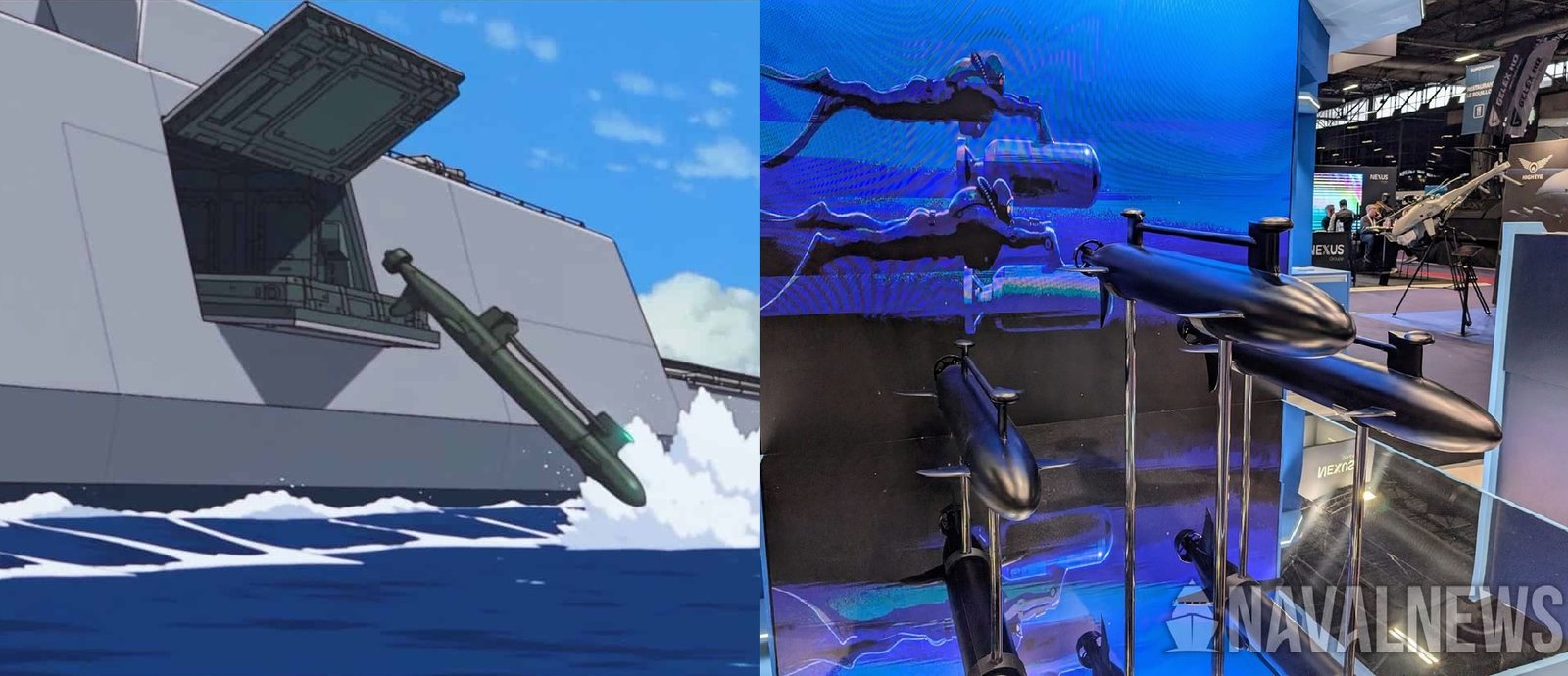
Europe
PARIS, — French defence startup Arsenals has unveiled its modular Harpoon autonomous underwater vehicle (AUV) at the Euronaval 2026 exhibition in Paris. The company aims to manufacture one vehicle per hour, allowing naval forces to build large fleets of relatively low-cost underwater drones. Speaking to Naval News during the exhibition, held from November 3 to 6, Arsenals CEO and co-founder Bastien Allanot presented three Harpoon models displayed at the company's stand. Modular Design for Multiple Naval Missions Founded in March 2026, Arsenals operates teams in Paris and Brittany, with its headquarters in Plouharnel. Co-founded by Bastien Allanot and Félix Vogeli, the company secured its initial funding within two weeks and developed its first working AUV prototype in just five weeks. The company received investment from Eurazeo in May 2026. It currently employs more than 20 people and plans to expand its workforce to 150 within a year. The Harpoon uses a standardised hull with a plug-and-play payload system, allowing operators to replace seeker heads, warheads and sensors according to mission requirements. Its development focuses on speed, endurance, underwater communications and autonomous navigation in environments where GPS and other GNSS signals are unavailable or jammed. The vehicle is designed for multiple missions, including intelligence, surveillance and reconnaissance (ISR), target acquisition, decoy operations, direct strikes, mining and counter-mining. It can be deployed by hand, from the sea or by air. According to the company, the Harpoon can remain underwater for months in contested areas, operating independently or in coordinated formations with larger naval platforms. Production Target: 100 Drones in 100 Hours Arsenals is positioning the Harpoon as an attritable underwater system that can be deployed in high-risk maritime environments. Its intended roles include absorbing threats, saturating contested waters and providing additional operational depth ahead of traditional naval fleets. It can also serve as a training target during peacetime. The company is targeting a manufacturing takt time of one hour per vehicle. This production approach could allow it to manufacture 100 underwater vehicles in 100 hours. Takt time refers to the maximum production time allocated to each unit to meet demand. French Military Trials and 2027 Launch Arsenals has not disclosed the Harpoon's exact Technology Readiness Level (TRL). However, Allanot confirmed that demonstrations and testing are underway with the French armed forces. The company plans to launch the commercial product in 2027. No binding procurement orders or delivery schedules have been publicly announced. Arsenals is entering a market where US defence company Anduril Industries is also developing modular underwater vehicles through its Copperhead family, unveiled in 2025 and tested in 2026. Asked by Naval News about competition with Anduril, Allanot said: "We are ready to race against Anduril. So Palmer, if you want to do an underwater race, let's do it." The Harpoon programme reflects Arsenals' effort to combine modular underwater capabilities with rapid manufacturing. Its ongoing trials with the French armed forces will support its planned commercial launch in 2027.
Read More → Posted on 2026-11-27 15:39:13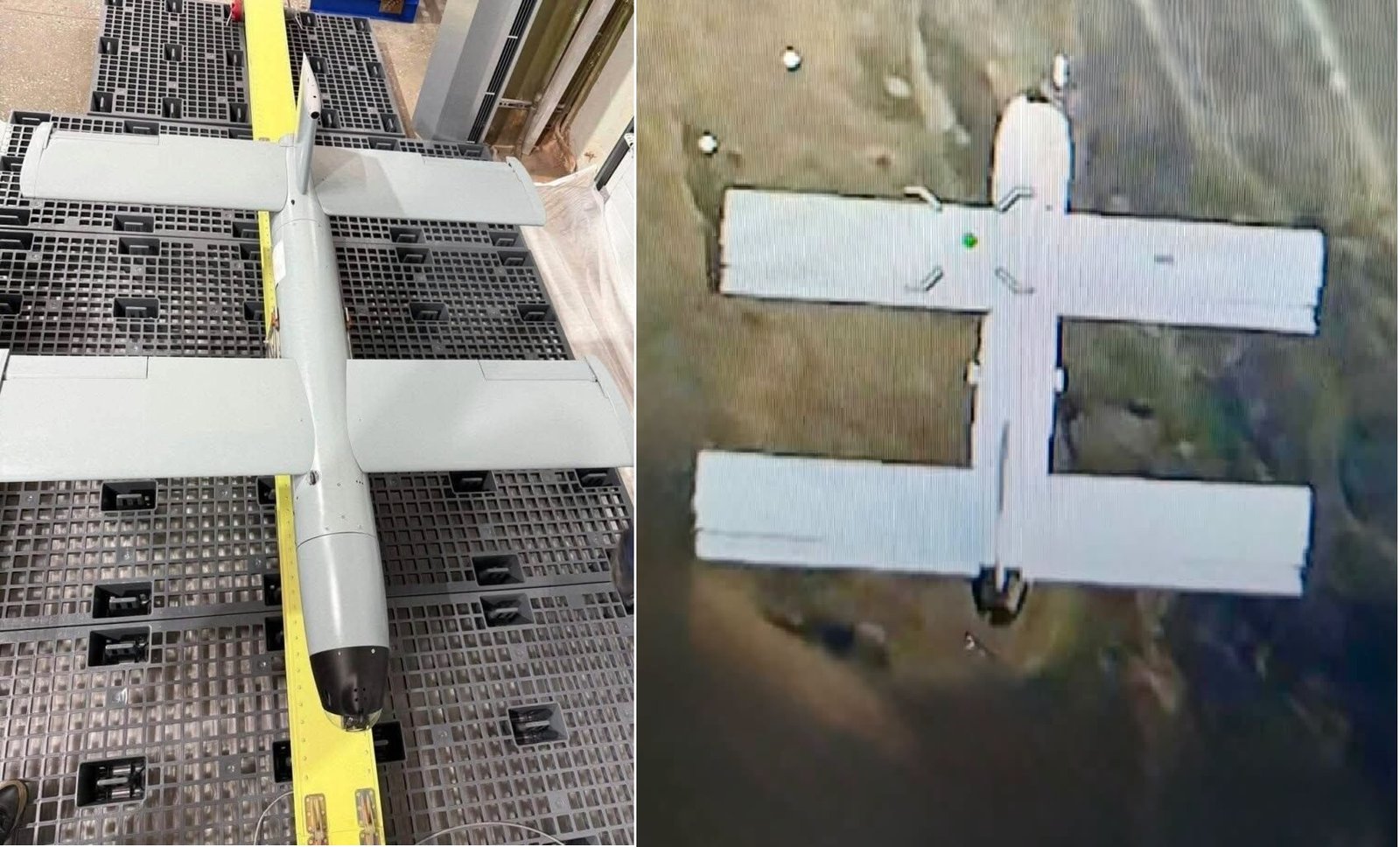
World
KYIV — A new Russian jet-powered unmanned aerial vehicle (UAV), preliminarily identified as Izdeliye K5, has been spotted on the front line in Ukraine. Ukrainian radio technology specialist and presidential defence adviser Serhii “Flash” Beskrestnov reported the sighting in late November 2026, publishing a photograph of the aircraft on social media. Beskrestnov did not disclose the exact date or location of the sighting. Footage recorded by a Ukrainian drone and a separate ground photograph of the same model have also circulated on Russian military Telegram channels. Izdeliye K5 Features Tandem-Wing Design The photographs show an elongated, white cylindrical fuselage with a tandem-wing configuration, featuring two pairs of straight wings of almost equal span. The aircraft has a rear-mounted jet engine, a vertical tail fin with a rudder and movable control surfaces on both pairs of wings. Its black nose cone contains a transparent optical dome, indicating a possible electro-optical guidance or navigation system. The aircraft's design resembles the Kub-2 loitering munition developed by Kalashnikov. However, the Kub-2 uses propeller propulsion and carries a 10-kilogram warhead. Ukrainian forces first downed the Kub-2 in January 2025. Russian project Military Chronicle has estimated the Izdeliye K5's range at 55–60 kilometres (34–37 miles) and described it as a medium-range loitering munition. This estimate has not been independently verified. The designation Izdeliye means "item" or "product" in Russian and is commonly used as a factory code before a weapon receives an official name. The ZALA Lancet family, for example, includes the designations Izdeliye 51 and Izdeliye 52. Russia Expands Jet-Powered Drone Development The appearance of the Izdeliye K5 comes amid Russia's wider effort to introduce jet propulsion into strike drones. Higher flight speeds can reduce the reaction time available to air defence crews and make interception by Ukrainian interceptor drones more difficult. Separately, Ukraine's Defence Intelligence Directorate (HUR) and Beskrestnov reported on another Russian jet-powered platform, the Geran-5 K5-K, in autumn 2026. That aircraft is approximately four metres long, carries a reported 90-kilogram warhead and has an estimated range of up to 1,000 kilometres. It also uses optical navigation. However, no connection between the Geran-5 programme and the smaller Izdeliye K5 has been confirmed. As of November 27, 2026, Russian officials have not publicly confirmed the Izdeliye K5's specifications, production numbers, warhead or operational role. Its reported range and actual performance also remain unverified.
Read More → Posted on 2026-11-27 15:48:51
Europe
LONDON, — The UK Ministry of Defence (MoD) has lost contact with approximately 45,000 former military personnel eligible for recall during a national emergency. This represents nearly half of Britain's 95,000-member Strategic Reserve, exposing major gaps in the department's records. The issue emerged during the MoD's largest effort to reconnect with former personnel from the British Army, Royal Navy and Royal Air Force since the Cold War. An audit cited by The Times found that missing or outdated contact details had prevented letters from reaching around 45,000 veterans. MoD Launches Contact Campaign The MoD has started sending letters and emails signed by senior military leaders, including Army Chief General Sir Roly Walker and First Sea Lord Admiral Sir Gwyn Jenkins. Former personnel are being asked to update their addresses, employment details and civilian skills. The military wants to identify expertise in cybersecurity, medicine, infrastructure, communications and logistics that could be useful during emergencies. Key measures include: Survey deadline: December 23, 2026. £50 payment: Eligible veterans who left within the past four years will receive a one-off payment for responding. Voluntary exercises: Up to 1,000 strategic reservists are expected to be invited to participate in NATO's Exercise Steadfast Defender 2027. The campaign follows recommendations from the 2025 Strategic Defence Review, which called for stronger links with former military personnel and improved mobilisation planning. Armed Forces Bill Proposes New Recall Rules The Armed Forces Bill 2026, subject to parliamentary approval, proposes changes expected around spring 2027. The main changes include: Raising the maximum recall age from 55 to 65. Standardising recall eligibility for former personnel under 65 who left regular service within the previous 18 years. Expanding recall powers to include periods of warlike preparations, alongside existing provisions covering war, national danger and attacks on the UK. Allowing existing veterans to join the new recall arrangements voluntarily through an opt-in process. Serving personnel would have the option to opt out. Existing exemption and deferral provisions for health and caring responsibilities would remain. Government Says No Immediate Call-Up Planned Defence Secretary Wes Streeting said the campaign would help the government understand where former personnel are and what skills they could provide during a national emergency. Armed Forces and Veterans Minister Calvin Bailey stressed that the letters do not indicate an imminent mobilisation, describing the exercise as routine administrative work. However, former Armed Forces Minister Al Carns criticised the MoD's record-keeping, saying the department had not taken tracking former personnel seriously enough over the past 20 years. Liberal Democrat MP Mike Martin also described the inability to locate 45,000 veterans as scandalous. The MoD has published contact email addresses on GOV.UK for eligible veterans to update their details. Strategic Reserve and Military Readiness The Strategic Reserve consists of former regular service personnel who retain legal recall obligations under certain emergency conditions. It is separate from the UK's approximately 32,000 volunteer reservists, who train part-time. The initiative aims to improve Britain's mobilisation readiness and national resilience. The government has stressed that the Strategic Reserve is intended for serious emergencies, not routine peacetime staffing shortages. With around 73,000 full-time soldiers in the British Army, maintaining accurate records of former personnel is an important part of the UK's wider defence planning.
Read More → Posted on 2026-11-27 15:57:19
India
KOLKATA, — Garden Reach Shipbuilders & Engineers (GRSE) has delivered Vindhyagiri (F42), the seventh and final Project 17A Nilgiri-class guided-missile frigate, to the Indian Navy at its Kolkata shipyard. The warship was formally accepted by Rear Admiral R.S. Dhaliwal, NM, of Headquarters Eastern Naval Command. The handover completes the approximately ₹45,000 crore Project 17A programme, covering seven advanced frigates. GRSE built three ships — Himgiri, Dunagiri and Vindhyagiri — while Mazagon Dock Shipbuilders Limited (MDL) constructed the remaining four: Nilgiri, Udaygiri, Taragiri and Mahendragiri. All seven were delivered within 23 months of the first ship, Nilgiri, handed over on December 20, 2024. Weapons and Combat Systems The 6,670-tonne Vindhyagiri is designed for anti-air, anti-surface and anti-submarine warfare. Its weapons include: Eight BrahMos supersonic cruise missiles for anti-ship and land-attack missions. 32 Barak-8 surface-to-air missiles for air defence. 76mm naval gun and two AK-630M close-in weapon systems. Two triple torpedo launchers and two RBU-6000 anti-submarine rocket launchers. Its sensors include the EL/M-2248 MF-STAR AESA radar, Lanza-N air surveillance radar and BEL HUMSA-NG sonar. These are integrated with the CMS-17A combat management system. The ship also carries the DRDO Shakti electronic warfare suite, Kavach decoy launchers and Maareech torpedo countermeasures. Stealth Design and Propulsion Designed by the Indian Navy's Warship Design Bureau, Vindhyagiri measures 149 metres long, with a beam of 17.8 metres. Its design incorporates radar-signature reduction features. The frigate uses Combined Diesel or Gas (CODOG) propulsion, with diesel engines and gas turbines driving controllable-pitch propellers. It can reach 28 knots and has a range of approximately 5,500 nautical miles at 16–18 knots. The ship accommodates 225 personnel and features a flight deck and enclosed hangar for helicopter operations. Indigenous Construction and Delivery Launched by President Droupadi Murmu on August 17, 2023, Vindhyagiri was built in 68 months, compared with 84 months for the lead ship, Nilgiri. GRSE said experience from earlier frigates helped reduce construction time. Project 17A has 75% indigenous content and involved more than 200 Indian MSMEs. According to the Ministry of Defence, the programme generated employment for approximately 4,000 people directly and more than 10,000 indirectly. Named after the Vindhyagiri mountain range in Karnataka, the frigate also revives the name of an earlier INS Vindhyagiri, which served the Indian Navy for 31 years, from 1981 to 2012. With this delivery, all seven Project 17A frigates have been handed over to the Navy. Vindhyagiri is expected to be commissioned within approximately two months, although an official date has not been announced.
Read More → Posted on 2026-11-27 16:04:03
World
BUCHAREST, Romania — Romania’s Ministry of National Defence has ordered 66 additional Lynx combat vehicles from German defence company Rheinmetall in a deal worth approximately €738 million ($809 million). The order completes the 298-vehicle framework agreement signed in May 2026. Romania’s General Directorate for Armaments initially ordered 232 Lynx vehicles on May 29, 2026. The latest order covers the remaining 66 vehicles, bringing the total programme value to approximately €3.337 billion, excluding VAT. According to Rheinmetall, deliveries will begin in 2028 and continue through 2030. Most vehicles will be configured as infantry fighting vehicles (IFVs) to replace Romania’s ageing Soviet-era armoured fleet. Other variants will include armoured mortar carriers, command post vehicles and medical evacuation vehicles. The wider agreement is part of a €5.7 billion defence package awarded to Rheinmetall in May 2026 under the European Union’s Security Action for Europe (SAFE) programme. The package covers armoured vehicles, air defence systems, ammunition and naval vessels. Alongside the Lynx fleet, the agreement includes: Air defence: Seven Skynex systems, two Lynx-based Skyranger 35 mobile systems and two Millennium close-in weapon systems. Ammunition: More than 400,000 rounds of 35 mm AHEAD ammunition and related components. The contracted quantity is 401,760 rounds. Naval vessels: Four ships, comprising two offshore patrol vessels and two diving support and intervention vessels. These contracts form part of Rheinmetall’s largest international order package in recent years. Romania Expands Local Defence Production Rheinmetall is investing several hundred million euros to expand its production capacity in Romania. The company plans to generate a large share of the programme's industrial value locally, create thousands of jobs and integrate more than 200 Romanian subcontractors into its supply chain. Production will involve Rheinmetall Automecanica in Mediaș, as well as additional Romanian industrial sites. The programme also includes a substantial technology transfer to Romanian industry. The additional Lynx order follows Romania's decision to cancel a planned purchase of 139 Piranha 5 armoured vehicles. Former Defence Minister Radu Miruță said the manufacturer's final offer was nearly double the budget approved by Parliament. He explained that approximately €831 million allocated to the Piranha 5 programme was redirected towards purchasing the second batch of Lynx vehicles earlier than originally planned. Under Romania's SAFE procurement requirements, industrial cooperation commitments are also part of the programme's implementation, with local production and technology transfer playing an important role. The completed 298-vehicle order will strengthen Romania's tracked armoured vehicle fleet and support the modernisation of its land forces as a NATO member on the alliance's eastern flank.
Read More → Posted on 2026-11-27 16:12:32
World
CENTRAL IRAN — Satellite imagery shows rapid construction of a large fortified underground facility at Behjatabad in central Iran, located approximately 62 kilometres from both the Isfahan nuclear site and Pickaxe Mountain near Natanz. The Washington-based Institute for Science and International Security (ISIS) published its assessment on November 25, based on commercial satellite imagery from Vantor Technologies. The facility's planned outer security perimeter could cover approximately 5,000 hectares (12,000 acres). Construction of the perimeter security barrier has recently begun. Satellite imagery analyst Ben Tzion Macales first highlighted the project publicly on November 17. The construction timeline shows initial land clearing between December 7 and 12, 2025, followed by a new access road in January 2026. Activity at the eastern tunnel section became visible in April, while a second tunnel section appeared in June. Images from November 24 identify four active tunnel entrances and one backfilled entrance. Possible Military and Nuclear Purpose ISIS said the facility's exact purpose remains unknown. However, its security arrangements, construction speed and location suggest possible military applications, including housing ballistic missiles or other major weapons systems. The institute has not ruled out a nuclear-related purpose but stressed that available imagery does not establish any connection to Iran's nuclear programme. A fuller assessment with additional satellite imagery is expected. Claims circulating on social media suggest that Behjatabad could extend 150–200 metres underground and become operational by mid-2027. However, these figures are not confirmed by the published ISIS assessment. Comparison with Pickaxe Mountain Behjatabad is located approximately 62 kilometres from Pickaxe Mountain (Kuh-e Kolang Gaz La) near Natanz, where underground construction began in 2020. Pickaxe Mountain's underground facilities are estimated to extend approximately 80–145 metres beneath the mountain ridge, although their internal layout remains uncertain. The claimed additional depth of Behjatabad could make its underground infrastructure more difficult to reach through conventional airstrikes, but its actual depth has not been independently established. US-Israel Discussions Over Iran The satellite findings come amid renewed discussions between Israeli Prime Minister Benjamin Netanyahu and US President Donald Trump over Iran's nuclear and missile programmes. Netanyahu has reportedly urged Washington to consider renewed military action, citing concerns about Iran rebuilding its missile capabilities and strengthening underground facilities. Mossad chief Roman Gofman has also visited Washington to brief US officials on Israeli intelligence. Trump has maintained that preventing Iran from obtaining nuclear weapons remains a US priority and has discussed targeting Pickaxe Mountain if military operations resume. However, Israeli military leaders and opposition figures have expressed caution about immediate escalation, arguing that Iran does not currently pose an imminent threat requiring an urgent strike. Unaccounted Uranium Stockpile Another concern involves approximately 440 kilograms of uranium enriched to 60%, which the International Atomic Energy Agency (IAEA) has been unable to fully verify because of restricted access. The latest satellite assessment does not establish where this material is stored or whether it has any connection to Behjatabad. There is no confirmed evidence linking the uranium stockpile to the new underground complex. For now, satellite imagery confirms significant construction activity and expanding security infrastructure at Behjatabad. However, its intended purpose, actual underground depth and expected operational date remain unconfirmed.
Read More → Posted on 2026-11-27 16:21:15
Space & Technology
SUZHOU, China — Chinese researchers have tested a four-legged firefighting robot equipped with a special protective suit that allows it to operate in temperatures of up to 1,000°C for 10 minutes. The demonstration took place on November 25 at the Fengyang Road fire station in Suzhou, Jiangsu province. The robot walked through flames, changed direction and completed a separate stair-climbing exercise without damage to its internal components. The system was developed by the Harbin Institute of Technology (HIT) Suzhou Research Institute, the Jiangsu Intelligent Robot Technology Innovation Center and Sichuan Longjia Aerospace Materials Technology, a company incubated by HIT. Rocket Technology Protects the Robot The robot uses a flexible composite suit measuring just 5–6 mm thick and weighing approximately 4–5 kg. Its thermal protection technology was adapted from materials used in three launches of China's Long March 5 rocket. The suit has a fire-resistant outer layer and inner layers that insulate, absorb and reflect heat. During testing, the battery compartment remained at approximately 43–45°C, while the joint motors reached around 70°C. Developers said critical components remained below 80°C. Heat-Resistant Feet and Advanced Sensors Early tests exposed a weakness in the robot's standard rubber feet, which caught fire while the main body remained protected. According to associate researcher Guo Shuai, "During the first test, all four feet were on fire when it came out." Engineers solved the problem by developing rubber containing flame-retardant, heat-reflective and high-temperature-resistant materials. The improved feet could withstand direct contact with flames without igniting or transferring heat inward. For operations in smoke-filled buildings, the robot uses laser-based imaging, visible-light cameras, infrared thermal imaging and AI recognition. Its dual-redundant communication system combines 5G and video transmission, supporting remote control and HD video inside buildings taller than 30 storeys. Firefighting and Military Applications The robot is designed to identify fire sources and locate trapped people before firefighters enter dangerous buildings. Researchers estimate it could support reconnaissance and search operations in approximately 95% of fire-emergency scenarios, although this figure has not been independently verified. Future equipment could include oxygen masks for trapped people and fire-extinguishing charges for small fires. Multiple robots could also work together during emergency operations. The technology may have military applications, including reconnaissance and battlefield rescue. Mass Production Plans Ma Xiaoliang, general manager of Sichuan Longjia Aerospace Materials Technology, said the company is preparing the protective material for mass production. The team also plans to explore its use in firefighter protective clothing, which will require safety certification and fit testing. The robot's protective suit is still being optimised, with finalisation targeted by the end of 2026. The developers describe it as China's first firefighting reconnaissance robot dog rated for 1,000°C. The reported test results have not yet received independent verification.
Read More → Posted on 2026-11-27 16:58:55
Europe
THE HAGUE — The Netherlands is set to become the seventh full member of the Organisation for Joint Armament Cooperation (OCCAR) after depositing its accession documents with the French government on November 26, 2026. Under the OCCAR Convention, membership will officially take effect on December 26, 2026, 30 days after the deposit. The Netherlands will join Belgium, France, Germany, Italy, Spain and the United Kingdom. Defence Minister Dilan Yeşilgöz-Zegerius described the accession as an important step towards strengthening European defence cooperation, particularly in developing, producing and maintaining military capabilities. What OCCAR Does Founded in November 1996 and granted legal status in January 2001, OCCAR is an intergovernmental organisation headquartered in Bonn, Germany. It manages multinational defence programmes covering research, development, production, procurement and long-term maintenance. With approximately 470 staff members, OCCAR manages projects across land, air, maritime, space and cyber domains. In 2026, it reported managing 28 cooperative programmes, with an annual budget of approximately €8.5 billion. Since 2001, it has delivered more than €125 billion in defence capabilities. Membership does not require the Netherlands to join every programme. Its Ministry of Defence will retain the freedom to select projects or purchase equipment independently. OCCAR operates separately from the EU and NATO, but cooperates with both. Netherlands Already Participates in OCCAR Projects The Netherlands has participated in OCCAR programmes as a partner, including the BOXER armoured vehicle programme and the E-NACSOS naval combat system project. In October 2025, a contract was signed for 222 BOXER vehicles, including 72 for the Netherlands and 150 for Germany. In 2026, a further order covered 69 SCHAKAL infantry fighting vehicles, comprising 34 for the Netherlands and 35 for Germany. The Netherlands has also been involved in OCCAR-managed procurement of the A400M transport aircraft and the multinational MRTT tanker programme. Benefits for Dutch Defence Industry Full membership will give the Netherlands earlier access to information about upcoming defence programmes and greater influence over technical requirements and standards. Joint procurement can reduce equipment, maintenance and spare-parts costs while improving interoperability between European armed forces. Dutch defence manufacturers, shipbuilders and technology suppliers will also gain access to more multinational procurement opportunities. The estimated net annual administrative contribution for the Netherlands is approximately €1.5 million. Parliamentary Approval and Next Steps The Netherlands revived its membership bid in November 2023 after shelving an earlier attempt in 2002. In May 2026, Defence Minister Dilan Yeşilgöz-Zegerius and Foreign Affairs Minister Tom Berendsen submitted the accession legislation to parliament. The Dutch lower house approved it on September 10, followed by the Senate on October 6, 2026. Existing OCCAR members subsequently confirmed the accession at their October ministerial meeting near Bonn. OCCAR Executive Director Joachim Sucker welcomed the Netherlands' accession, highlighting its existing participation in BOXER and E-NACSOS programmes. Once membership takes effect on December 26, 2026, the Netherlands will gain full representation in OCCAR's governing structure, strengthening its role in multinational European defence procurement. Sources: OCCAR, Dutch Ministry of Defence and official parliamentary records.
Read More → Posted on 2026-11-27 17:01:38
Europe
London — European defence technology company Stark has unveiled the Vanta 24, a 24-metre uncrewed surface vessel (USV) designed to protect critical maritime infrastructure and support NATO naval operations in the Baltic Sea. The vessel was first revealed at the Bloomberg Tech conference in London in early November 2026. Stark is developing it for production in shipyards across the UK and Europe. Its modular design is intended to support mass production, while AI-enabled command and control software will manage its operations. The Vanta 24 can operate alongside UK Royal Navy and NATO warships or conduct missions independently. Although designed primarily for the Baltic Sea, it is also intended for operations across the North Atlantic, North Sea and High North, including rough weather conditions. Stark CTO Johannes Schaback described the vessel as a heavyweight combatant for a hybrid navy combining crewed and uncrewed platforms. Designed to Protect Undersea Infrastructure The Vanta 24 addresses growing maritime security concerns in the Baltic Sea. Between October 2023 and January 2026, several undersea cables and pipelines were damaged. NATO officials attributed the incidents to commercial vessels deliberately dragging their anchors across underwater infrastructure. Another concern is Russia's shadow fleet, which transports Russian oil outside standard Western insurance and regulatory frameworks to bypass sanctions. Russian naval vessels have also escorted some of these tankers through the region. Stark designed the Vanta 24 to perform three main roles: escorting naval vessels, protecting critical undersea infrastructure and monitoring shadow fleet movements. Its planned weapons and sensor package includes: Long-range radar Anti-ship missiles (ASMs) 30 mm naval gun The vessel is designed to carry a 50-tonne payload, reach speeds exceeding 35 knots (approximately 65 km/h) and remain at sea for multiple weeks, including in heavier sea conditions. Three Vessels in the Vanta Family The Vanta 24 is Stark's largest and most heavily armed uncrewed vessel. It follows two smaller platforms: Vanta 6: Introduced in late 2025, the six-metre vessel focuses on harbour defence and surveillance. It carries up to 750 kg, including a loitering munition, reaches speeds above 45 knots and has a patrol range of around 900 nautical miles at five knots. Vanta 12: Unveiled in September 2026 during the Portuguese Navy and NATO's REPMUS exercise in southern Portugal. It has a two-tonne payload capacity and can accommodate surveillance equipment and MBDA's Sea Venom anti-ship missile. Vanta 24: The 24-metre platform increases payload capacity to 50 tonnes and is designed for heavier weapons and multi-week maritime operations. All three vessels use Stark's Minerva AI-enabled command and control software. Installed onboard and at shore-based control stations, Minerva allows operators to plan missions, assign tasks and supervise operations. A single operator can coordinate multiple vessels. The software is also designed to connect with existing NATO naval command networks. Production and NATO Integration Stark is advancing the Vanta 24 through tooling and early production work in Germany and the UK. In Germany, the company is working with shipbuilder Flensburger Schiffbau-Gesellschaft (FSG). Initial sea demonstrations are planned for 2027. The development comes as NATO expands uncrewed maritime operations in the Baltic Sea. In January 2025, the alliance launched Baltic Sentry to increase naval patrols and protect undersea infrastructure. It also established Task Force X to accelerate the integration of commercial uncrewed technologies into naval operations. Its regional initiative, Task Force X – Baltic, brought commercial USV manufacturers and allied navies together for operational testing. During exercises in mid-2025, more than 70 uncrewed surface vessels operated across the Baltic Sea. Smaller USVs have helped monitor commercial ships near undersea cables, providing rapid identification and a visible security presence. The Vanta 24 is intended to extend these operations with greater range, endurance and payload capacity. It could independently handle routine patrols, ship escorts and infrastructure protection, allowing NATO frigates and destroyers to focus on more complex missions. When operating with naval task groups, it could also provide forward surveillance, early detection and additional strike capabilities. Stark was founded in Germany in 2024 and has grown to more than 700 employees across Germany, the UK, Ukraine, Greece and Sweden. The company recently reached a €3.5 billion valuation following a €500 million Series C funding round. It has appointed former Royal Navy nuclear submarine commander Stephen Bryan to lead its naval division. Main Source :- NavelNews
Read More → Posted on 2026-11-28 14:08:48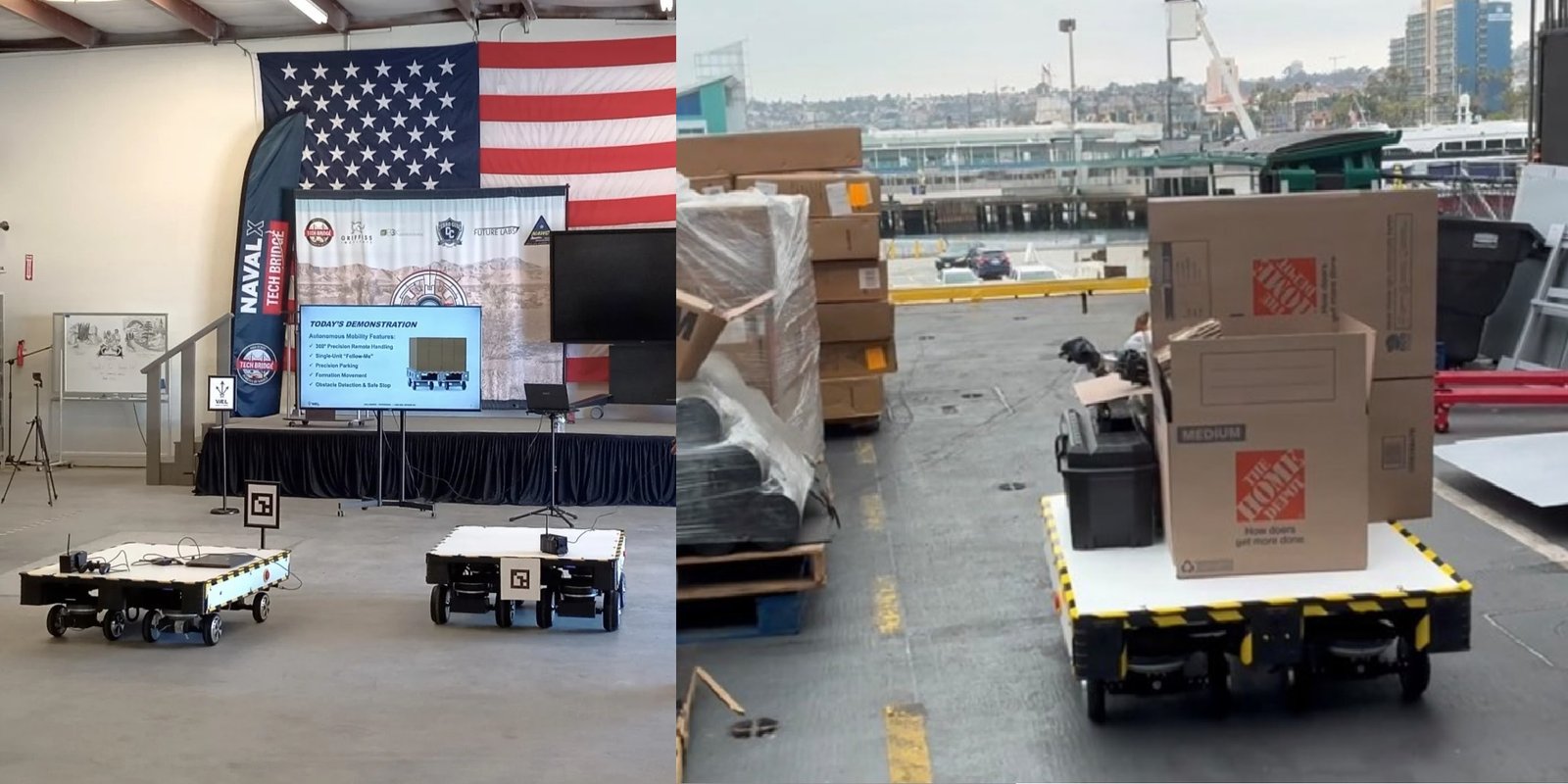
U.S
Washington — The U.S. Navy has evaluated an autonomous robotic pallet carrier developed by Vael Defense to improve cargo handling aboard ships and at port facilities. Known as DeckRunner, the system was demonstrated during two events in 2026 as part of the Navy's Coastal Trident Advanced Naval Technology Exercises (ANTX-CT26). The Tempe, Arizona-based company participated in Event Papa, organized by the Naval Surface Warfare Center, Port Hueneme Division (NSWC PHD). The first demonstration took place on June 24 aboard the USS Midway Museum in San Diego, California. Although the aircraft carrier is now a museum, it provided a practical cargo-handling environment. The museum hosts nearly 300 events annually, requiring regular movement of equipment and supplies from delivery trucks at the pier to different areas inside the ship. Vael Defense CEO Nitin Susendran said manual cargo movement after delivery creates delays and material-handling bottlenecks. During the demonstration, he remotely operated DeckRunner from approximately 20 feet away, maneuvering around stacked pallets and boxes while testing its obstacle detection and safe-stop functions. DeckRunner Design and Capabilities Developed in less than a year, DeckRunner is a self-powered robotic flatbed measuring 40 by 48 inches, matching the dimensions of a standard North American shipping pallet. The prototype carries up to 1,100 pounds (499 kg), while the planned production version is expected to support 3,000 pounds (1,361 kg). Its omnidirectional steering allows it to move forward, backward, sideways and diagonally, as well as rotate in place. This capability can simplify cargo positioning and pallet wrapping by reducing the need for workers to move around loads. The platform supports remote-controlled and autonomous operation using onboard sensors. However, the Navy has not disclosed its maximum speed, battery endurance, complete sensor configuration or unit price. Autonomous Follow-Me Demonstration A second demonstration took place on September 14 at the Naval Air Warfare Center Weapons Division's TechGrid facility in Ridgecrest, California. The trial focused on an autonomous follow-me capability using computer vision. An operator holds a printed visual target, similar to a QR code, which onboard cameras recognize and track. The vehicles then adjust their speed and position to maintain a set distance. During the test, two DeckRunner prototypes travelled approximately 15 feet (4.6 meters) together using vision-based navigation without remote-control input. Susendran said the system could maintain formation as long as the visual target remained within the cameras' field of view. However, the demonstration covered only a short distance. Potential Role in Naval Logistics DeckRunner could reduce manual work involved in transporting supplies from aircraft elevators and hangar areas to shipboard storerooms. This capability could be particularly useful during underway replenishment, when supplies arrive by helicopter or through connected highlines from supply ships. Sailors must then move the cargo through narrow passageways and confined spaces. Vael Defense joined Coastal Trident following discussions between Susendran and Rich Hadley, manager of NSWC Port Hueneme's Underway Replenishment Division. The annual exercise brings together military organizations, companies and academic researchers to evaluate maritime and port security technologies. Other 2026 participants included LeVanta Tech, which demonstrated its HALIA drone. Following the field trials, Vael Defense displayed DeckRunner at a two-day open house at the Fathomwerx Lab at the Port of Hueneme. Founded in 2022, Vael Defense develops dual-use autonomous systems for logistics applications across land, air and maritime environments. The DeckRunner remains in the demonstration and evaluation phase. The Navy has not announced a purchase decision or confirmed further trials aboard active warships at sea. The company has also not provided a delivery timeline for the planned 3,000-pound production version.
Read More → Posted on 2026-11-28 14:14:32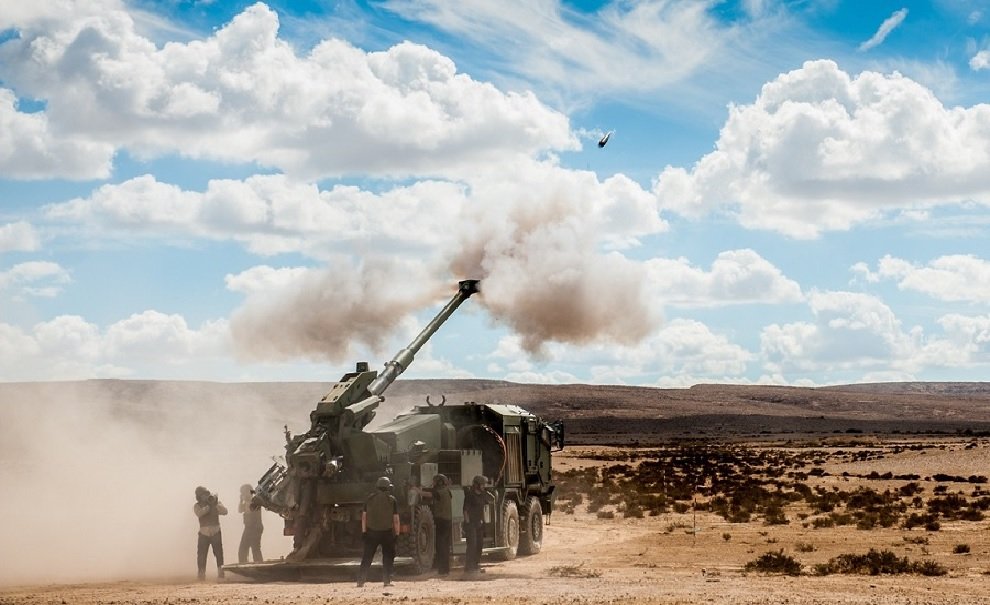
World
BUENOS AIRES, Argentina – Argentina is advancing plans to acquire ATMOS 155mm/L52 wheeled self-propelled howitzers developed by Israeli defense company Elbit Systems. Argentina's Ministry of Defense announced on November 27 that an Implementation Agreement was signed with Israel's Ministry of Defense in October 2026. The procurement is part of a modernization program launched in early 2025 to strengthen the fire-support capabilities of the Argentine Army's 10th Mechanized Brigade, a key formation within the Rapid Deployment Force. The 10th Artillery Group, based in Junín, Buenos Aires province, is expected to receive the first systems. They will replace the unit's aging, domestically manufactured CITER 155mm towed guns, which entered service in the late 1970s. ATMOS Selection and Capabilities During the first half of 2026, the Argentine Army conducted operational and technical evaluations of competing 155mm/L52 wheeled artillery systems. The trials included mobility tests and live-fire exercises to assess gun performance, vehicle platforms, suspension, recoil components, sensors and ammunition compatibility. The ATMOS was selected over France's CAESAR howitzer following technical, operational and cost evaluations. The system combines a 155mm/L52 gun with a high-mobility 6×6 or 8×8 truck chassis and an armored crew cabin. Its key capabilities include: Modular Architecture: The artillery module can be transferred to another compatible truck chassis with minimal modifications, improving availability and reducing maintenance-related downtime. Multiple Round Simultaneous Impact (MRSI): Allows one gun to fire multiple projectiles along different trajectories so they reach the target simultaneously. Communications Integration: Incorporates Elbit Systems' E-LynX tactical radios, compatible with communications equipment already acquired by the Argentine Army. The modernization program also prioritizes integrated navigation, targeting and fire-control systems, assisted loading and automated weapon-leveling mechanisms. These capabilities are intended to help artillery units deploy, fire and relocate more quickly. Procurement Plans and Delivery Argentina's public investment project BAPIN 108639 outlines a broader requirement for 36 ATMOS wheeled howitzers and 36 tracked M109 KAWEST howitzers, intended to equip four artillery groups. However, the October Implementation Agreement does not specify the exact number of ATMOS systems covered, the final contract value or the delivery schedule. The broader requirement does not confirm that all 36 systems have been contracted. Argentina-Israel Defense Cooperation The acquisition builds on existing defense cooperation between Argentina and Israel, including the TAM 2C tank modernization program involving Elbit Systems. Argentina is also modernizing its armed forces through other acquisitions, including 24 used F-16 fighter aircraft from Denmark and a planned purchase of 235 Stryker 8×8 armored vehicles from the United States, for which a Letter of Acceptance was signed in August 2026. The ATMOS acquisition is part of Argentina's wider effort to improve artillery mobility and strengthen the operational capabilities of its mechanized forces. However, the final procurement quantity, contract value and delivery schedule remain undisclosed.
Read More → Posted on 2026-11-28 14:38:44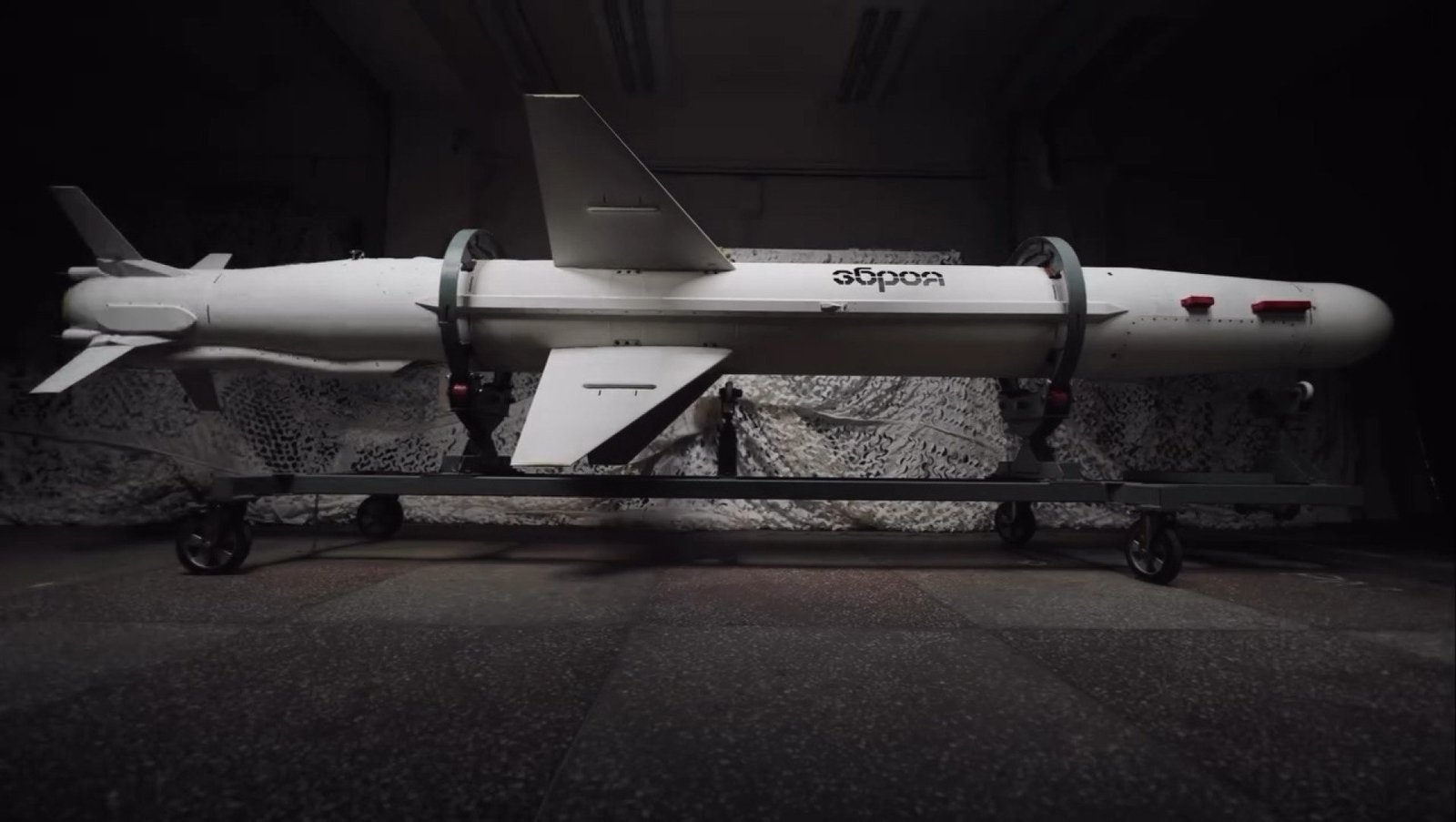
World
BERLIN — Germany and Ukraine are planning to jointly develop a new seeker head for Ukraine’s Neptune cruise missile, according to internal German Ministry of Defense documents reported by WELT on November 28, 2026. The project involves a major German defense company and a Ukrainian manufacturer, whose identities have not been disclosed for security reasons. The documents also mention plans to integrate Ukrainian interceptor missiles into Germany’s air defense system. It remains unclear whether the new seeker head will be developed for the original anti-ship Neptune or its newer land-attack version. Neptune Missile Development Developed by Ukraine’s state-owned Luch Design Bureau, the R-360 Neptune originally entered service as a coastal anti-ship missile with a range of approximately 280–300 kilometers. It gained international attention in April 2022 when Ukrainian forces used it to sink the Russian Black Sea Fleet flagship, Moskva. Ukraine later developed the Long Neptune land-attack version, which carries a 260-kilogram warhead and has a reported range of up to 1,000 kilometers. In June 2026, Luch signed a memorandum of understanding with European missile manufacturer MBDA to support the development of a next-generation variant known as Neptune 2. Germany Seeks FP-5 Flamingo Missile The German Defense Ministry documents also indicate interest in acquiring test samples of Ukraine’s FP-5 Flamingo cruise missile, developed by Fire Point. The ground-launched missile has a reported range exceeding 2,000 kilometers. However, its acquisition has been delayed by Ukrainian wartime export restrictions and ongoing negotiations over tariffs and taxation. Germany is considering the Flamingo for its planned Bundeswehr drone and long-range strike regiment, scheduled to begin forming in 2027. Germany Considers Bars Strike Systems Germany and Ukraine are also discussing the production and possible purchase of Ukrainian Bars jet-powered unmanned strike systems. Developed by a private Ukrainian manufacturer, Bars uses a miniature turbojet engine and has a reported range of 700–1,000 kilometers. Germany signed an agreement in July 2026 to finance production for Ukraine's armed forces. Separate negotiations concern an initial purchase for Bundeswehr technical trials in early 2027. Reports linked to the documents also mention a possible acquisition of more than 2,000 Bars units, valued at approximately 330 million euros. The proposed projects reflect expanding German-Ukrainian defense cooperation involving missile development, air defense integration and unmanned strike systems. However, the seeker-head project and potential German purchases remain subject to further negotiations and procurement decisions.
Read More → Posted on 2026-11-28 14:43:45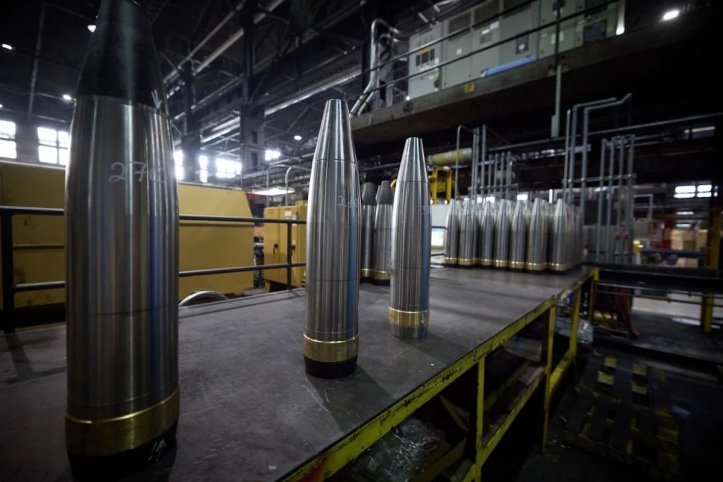
World
HAMBURG, Germany — German defence manufacturer Rheinmetall is considering abandoning plans to build an artillery ammunition factory in Ukraine following a lack of progress. CEO Armin Papperger indicated on November 27, 2026, during the company's Capital Markets Day in Hamburg that Rheinmetall is unlikely to proceed, although no final decision has been made. According to the monitoring project German Aid to Ukraine (GAU), Papperger said Ukrainian partners wanted to handle production independently. He also pointed to bureaucratic obstacles and limited progress in establishing manufacturing capacity. Ukraine Expands Domestic Ammunition Production Ukraine has significantly increased domestic production of short- and medium-range artillery ammunition. Papperger estimated that Ukrainian forces use between 1 million and 1.3 million artillery rounds annually, with more than half produced domestically. This growing production capacity has reduced the potential market for Rheinmetall's proposed factory. The company instead sees opportunities to cooperate by supplying industrial equipment, including hydraulic presses, and very long-range artillery ammunition, which Ukrainian industry currently lacks the technology to manufacture. Background of the Factory Project Rheinmetall announced plans for the Ukrainian ammunition factory in February 2024 through a German-Ukrainian joint venture, initially targeting annual production of approximately 150,000 shells. In August 2025, Papperger referred to a planned capacity of 300,000 rounds annually, with production expected to begin in 2026. In September 2025, then Ukrainian Defence Minister Denys Shmyhal announced that a site had been allocated in a secure region. However, in November 2025, Papperger confirmed a delay following a change in the planned location. More than two years after the initial announcement, the factory has not been built. Rheinmetall Continues Ammunition Deliveries Despite reconsidering the Ukrainian factory, Rheinmetall continues supplying ammunition to Ukraine from its European facilities through military assistance packages funded by Germany, Denmark and the Netherlands. In June 2026, Ukraine placed a direct order for a low five-figure number of 155 mm artillery shells and propellant charges, with production taking place at Rheinmetall Expal Munitions in Spain. Deliveries are scheduled through the first quarter of 2027. A separate NATO-funded contract announced in July 2026 covers several thousand additional 155 mm rounds, with deliveries expected before April 2027. Rheinmetall is expanding its European production capacity, targeting approximately 1.5 million 155 mm shells annually by 2030. Its Unterlüß facility in Germany aims to reach an annual production capacity of 350,000 shells by 2027. The company has not formally announced the cancellation of its Ukrainian factory project, but its latest comments indicate that it may shift its focus towards supplying equipment and specialised ammunition rather than establishing a joint manufacturing facility in Ukraine.
Read More → Posted on 2026-11-28 14:57:42
U.S
WASHINGTON — The U.S. Central Command (CENTCOM) has rejected allegations made by Iranian Navy Commander Rear Admiral Shahram Irani concerning American military operations and maritime security in the Middle East, describing them as fabricated. In a statement on November 28, CENTCOM addressed three claims involving two oil tankers, an alleged strike on the aircraft carrier USS Abraham Lincoln (CVN 72) and accusations that U.S. forces are charging commercial vessels $2.5 million to pass through the Strait of Hormuz. Irani made the allegations during interviews with Iranian media on November 27, coinciding with Iran's National Navy Day. Dispute Over Oil Tankers and USS Abraham Lincoln According to Iran's semi-official Fars News Agency, Irani claimed that U.S. forces seized two Iranian oil tankers but Iranian personnel later boarded and recovered both vessels while American troops were asleep. CENTCOM rejected the account, calling it a fabricated claim and stating that Iran no longer has a functioning navy capable of conducting such an operation. Iran also claimed its naval forces struck the USS Abraham Lincoln on February 28, the first day of Operation Epic Fury, launched by the United States and Israel against Iran. Tehran alleged that the attack forced American forces to seek evacuation assistance from neighbouring countries. CENTCOM denied that the aircraft carrier was hit, stating that the Abraham Lincoln Carrier Strike Group remained well defended and completed its Middle East deployment before safely returning to the United States in October 2026. According to the U.S. Navy, the carrier completed a 321-day deployment, supporting more than 13,000 aircraft sorties and 28,500 flight hours. CENTCOM Denies Strait of Hormuz Transit Fees Irani also accused U.S. forces of charging shipowners $2.5 million for safe passage through the Strait of Hormuz. He further alleged that American forces failed to acknowledge attacks on commercial vessels or refund payments when ships came under threat. CENTCOM rejected the allegations, stating that no transit toll is charged to commercial vessels using the waterway. The command said U.S. forces and regional partners maintain control of the strait and that thousands of ships carrying billions of barrels of crude oil have transited freely under U.S. protection. Continued Naval Blockade The dispute comes amid continued military confrontation between Washington and Tehran. The United States has maintained a naval blockade on Iranian ports since July 2026. On November 27, CENTCOM reported that its forces had disabled the Palau-flagged commercial vessel M/V Pacific Archer after it attempted to leave Iran's Bandar Abbas port and breach the blockade. A U.S. aircraft struck the vessel's stern, disabling its propulsion without harming its civilian crew. Meanwhile, Irani maintained that Iranian ports remain operational and naval activities continue despite the American blockade. The Strait of Hormuz remains a major point of tension because of its importance to international oil and gas transportation. Neither the Iranian allegations nor all aspects of the U.S. response have been independently verified.
Read More → Posted on 2026-11-28 15:53:19
World
SEVERODVINSK, Russia — Russia has commissioned its K-572 Perm nuclear-powered attack submarine, making it the first submarine designed to carry Zircon hypersonic cruise missiles as standard armament, according to the Kremlin. The ceremony took place on November 27, 2026, at the Sevmash shipyard in Severodvinsk. Russian President Vladimir Putin attended the St. Andrew’s naval flag-raising ceremony alongside Navy Commander-in-Chief Admiral Alexander Moiseyev, formally marking the submarine's transfer to the Russian Navy. Putin described Perm as the fifth Yasen-M-class submarine delivered to the fleet in the past six years and highlighted Russia's ability to build nuclear-powered submarines of this class. Yasen-M Submarine Design and Capabilities The Perm belongs to Project 885M Yasen-M, developed by the Malakhit Marine Engineering Bureau in St. Petersburg. It is an improved version of the original Project 885 Yasen design. The multipurpose submarine is designed to engage enemy submarines, attack surface warships and strike land targets. It is powered by a pressurized-water nuclear reactor and has a reported length of approximately 130 metres, a crew of around 64 personnel and a maximum submerged speed of up to 31 knots. Its operational endurance is reported at up to 100 days, with diving depths reaching approximately 600 metres. Its weapons include 533mm torpedo tubes and vertical launch systems capable of firing Kalibr cruise missiles, Oniks anti-ship missiles and Zircon hypersonic missiles. Unlike earlier Yasen-class submarines that tested Zircon, Perm incorporates modifications to its vertical launch systems to carry the missile as standard equipment. Zircon Hypersonic Missile The 3M22 Zircon, also known as Tsirkon, is a Russian hypersonic cruise missile designed to engage naval and land targets. Its propulsion system combines a solid-fuel booster with a scramjet engine. Russian authorities claim it can reach speeds of up to Mach 9 and has an operational range of approximately 900 to 1,000 kilometres. Moscow also says its speed and manoeuvrability make interception difficult for existing air defence systems. However, the missile's full performance claims have not been independently verified. Russia has previously test-fired Zircon from surface warships and submarines, including the Severodvinsk in October 2021. Ukraine has also reported its use in Russian strikes against Ukrainian targets. Deployment to the Pacific Fleet Perm is scheduled to join the Russian Pacific Fleet and is expected to arrive at its home base on the Kamchatka Peninsula in 2027. The fleet already operates two Yasen-M submarines, Novosibirsk, commissioned in 2021, and Krasnoyarsk, commissioned in 2023. Another submarine, Arkhangelsk, joined the Northern Fleet in December 2024. Perm's arrival will add another modern nuclear-powered attack submarine to Russia's Pacific Fleet. Construction and Future Submarine Plans Sevmash laid Perm's keel on July 29, 2016. The submarine was rolled out of its assembly hall on March 27, 2025, before beginning sea trials in the White Sea in August 2025. Its acceptance certificate was signed on November 10, 2026, following state trials. During his visit, Putin announced that Sevmash would deliver five additional nuclear-powered missile-carrying submarines by 2030, including three more Yasen-M boats. Other submarines in the construction programme include: Ulyanovsk: Floated out in July 2026. Voronezh: Under construction following its keel laying in 2020. Vladivostok: Under construction following its keel laying in 2020. Murmansk: Keel laid on June 17, 2026. Bratsk: On order under a follow-on procurement contract. Sevmash, part of the United Shipbuilding Corporation (USC), is Russia's main shipyard for nuclear-powered submarine construction. It also builds Borei-A strategic ballistic missile submarines. The commissioning of Perm adds another submarine to Russia's nuclear-powered attack fleet, while the planned delivery of additional Yasen-M vessels reflects Moscow's continued investment in undersea naval capabilities.
Read More → Posted on 2026-11-28 16:03:21
Europe
LICHTENAU, Germany — European missile manufacturer MBDA Deutschland and German space company ATMOS Space Cargo have signed a cooperation agreement to study a conventional military strike system capable of delivering payloads from orbit to targets on Earth. Announced on November 18, 2026, the agreement focuses on a concept called Precision Orbital Deep Strike (PODS). The proposed system would combine ATMOS's orbital transportation and atmospheric reentry technology with MBDA's expertise in missile guidance, warhead engineering and military payload integration. The initial study will examine technical feasibility, system design, payload integration and possible demonstrations. No project budget, hardware testing schedule or deployment decision has been announced. MBDA and ATMOS Divide Technical Responsibilities Under the agreement, MBDA Deutschland will contribute defence systems expertise, including guidance technologies and military payload integration. MBDA is jointly owned by Airbus, BAE Systems and Leonardo. ATMOS Space Cargo, through its ATMOS WORKS unit, will provide technologies for transporting cargo into low Earth orbit and returning it through Earth's atmosphere. MBDA Deutschland Managing Director Thomas Gottschild said the partnership aims to provide European armed forces with a sovereign capability. ATMOS CEO Sebastian Klaus highlighted the importance of developing and operating critical defence infrastructure through European industry. ATMOS Phoenix Reentry Technology ATMOS's contribution will draw on its Phoenix family of reusable orbital return vehicles. These spacecraft use an inflatable structure that functions as a heat shield and aerodynamic brake during atmospheric reentry. The company tested the technology with its Phoenix 1 prototype in April 2025 aboard a SpaceX Falcon 9 rideshare mission. The vehicle successfully inflated its heat shield during reentry and collected flight data. The Phoenix 2 is designed to carry approximately 100 kilograms and operate in orbit for periods ranging from a few hours to 12 months. In April 2026, ATMOS secured €25.7 million in Series A funding to support an initial Phoenix 2 fleet and develop the Phoenix 3, which is planned to carry approximately one metric tonne. The company is also studying Phoenix 3 with the European Space Agency. Strategic Purpose and Technical Challenges PODS is being examined as a potential addition to Europe's conventional long-range strike and deterrence capabilities. The concept involves positioning conventional military payloads in low Earth orbit before returning them through the atmosphere when required. ATMOS clarified that its civilian Phoenix spacecraft, designed for orbital logistics and returning research or industrial cargo, remain a separate product line. Any future deployment would have to comply with applicable international laws. Under Article IV of the 1967 Outer Space Treaty, nuclear weapons and other weapons of mass destruction cannot be placed in orbit. The treaty does not specifically prohibit conventional weapons in Earth orbit. However, significant challenges remain. Launching and maintaining military payloads in orbit could be considerably more expensive than using conventional land-, sea- or air-launched missiles. Spacecraft in predictable orbits could also become vulnerable to anti-satellite weapons during a conflict. For now, PODS remains at the study stage. MBDA and ATMOS have not announced a development budget, testing timeline or decision to build an operational system. The current agreement covers technical assessment and possible demonstration activities.
Read More → Posted on 2026-11-28 16:31:12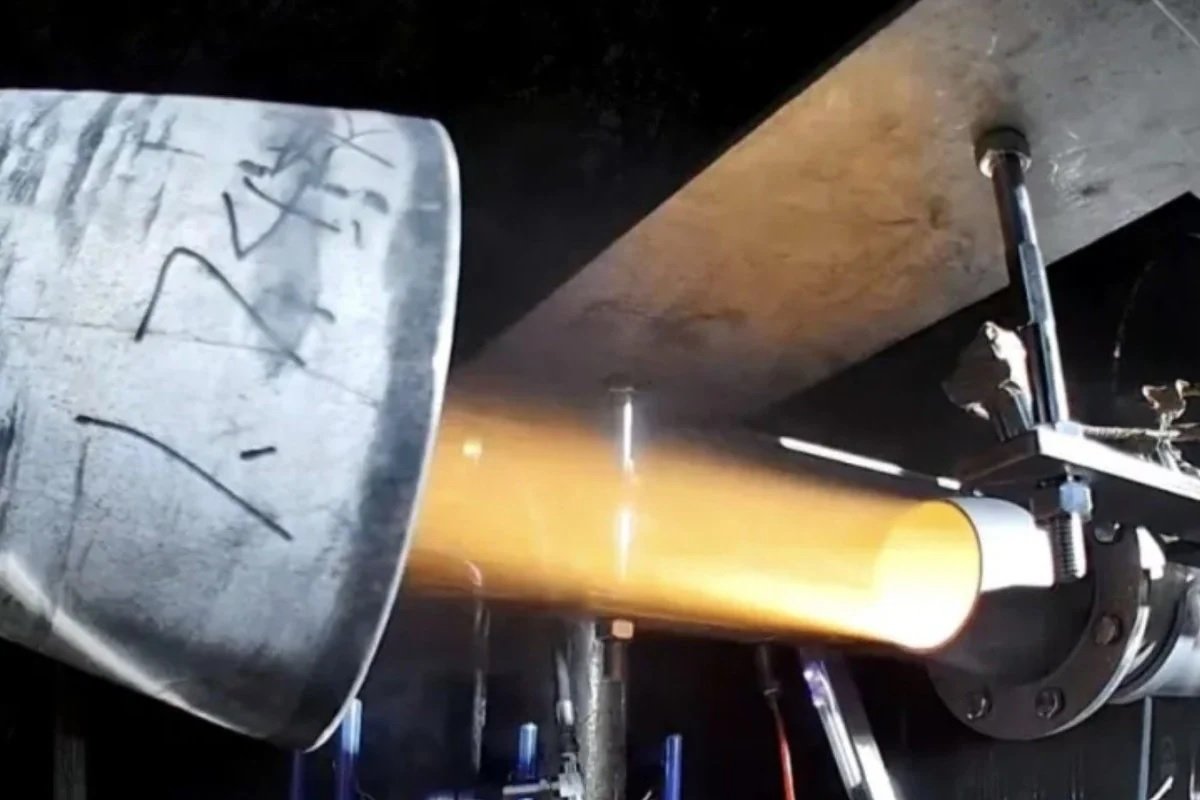
World
Jiangxi, China, November 29, 2026 — Chinese researchers have completed ground ignition tests of a prototype turbojet engine that uses metal powder instead of conventional aviation kerosene in its afterburner. The test, reported by China's state-run Science and Technology Daily, is being described as the world's first successful demonstration of this technology. The four-year project was led by Sun Haijun at the School of Power and Energy at Nanchang Hangkong University in Jiangxi province. It received funding support from a provincial research and development programme. During ground trials, the prototype achieved stable combustion and met its design targets. Why Use Metal Powder Instead of Kerosene? A conventional afterburner injects additional fuel into hot exhaust gases behind the turbine. This creates extra thrust for high-speed flight, climbing and takeoff. The new system uses solid metal powder for this additional combustion. Researchers believe metal fuels could offer higher energy density than kerosene. Aluminium contains around 84 megajoules of chemical energy per litre, compared with approximately 34 megajoules per litre for aviation kerosene. Metal particles can also react with oxygen, carbon dioxide and water vapour in engine exhaust gases. These reactions could release additional heat and potentially increase thrust. Key Engineering Challenges Using solid fuel in an afterburner requires specialised systems. The research team developed equipment for powder delivery, precise flow control and flame stabilisation under high-speed airflow. Several challenges remain: Fuel delivery: Metal powder must be supplied at controlled rates to prevent blockages and uneven combustion. Exhaust residue: Metal combustion produces solid oxide particles that could damage engine components or accumulate inside the exhaust system. Flame stability: The system must maintain combustion during changes in engine speed and operating conditions. Stealth: Metal combustion can produce a bright exhaust plume, potentially making military aircraft more visible to cameras and other detection systems. Potential for Hypersonic Aircraft The researchers believe the technology could eventually support aircraft capable of sustained flight at Mach 5 or higher. Metal-powder combustion is being investigated as a possible way to overcome thrust limitations in high-speed propulsion systems. However, the prototype has only completed ground testing. The team has not disclosed the exact metal composition, particle size or measured thrust figures. Next Development Steps The research team plans to improve powder-feed control, combustion stability and high-thrust performance. Further testing will examine throttle transitions and engine operation under different conditions. The researchers also plan to work with aerospace engineering organisations on potential applications. The successful ground test establishes an early demonstration of metal powder as afterburner fuel. Flight testing, engine durability and practical performance remain unproven.
Read More → Posted on 2026-11-29 12:39:53
Europe
Stockholm, Sweden, — Swedish defence company Saab has signed a €450 million contract with Ukraine’s Ministry of Defence to supply Giraffe 1X radar systems to the Ukrainian Armed Forces. Deliveries are scheduled for 2027. The radars will be supplied in the Compact Radar Module (CRM) configuration. Saab has not disclosed the total number of units or the financing arrangements. Saab President and CEO Micael Johansson said the system would strengthen Ukraine’s ability to detect, track and classify airborne threats. It is expected to improve air surveillance and support Ukraine’s air defence operations. Giraffe 1X Radar Capabilities The Giraffe 1X is a lightweight, 3D short-range surveillance radar designed for rapid deployment. It provides 360-degree coverage and updates its air surveillance picture every second. The system can detect and track fixed-wing aircraft, helicopters, missiles and drones. It also provides warning functions against rockets, artillery and mortar (RAM) threats, including in cluttered environments. Key features include: Weight: Less than 150 kg for the complete system, with the antenna unit weighing around 100 kg. Detection range: Instrumented surveillance range of up to 75 km. Small, low-flying drones can be detected at around 4 km. Mobility: Can be mounted on pickup-sized vehicles, trailers, masts or rooftops, and transported by helicopter. Power: Requires approximately 2.3 kW. Rapid deployment: The CRM antenna folds into its housing for easier transportation. Mobile operation: Onboard stabilisation allows the radar to scan and track targets while its vehicle is moving. Operators can control it locally or remotely. The radar can also serve as a gap-filler alongside larger air defence systems and support counter-drone operations. Sweden-Ukraine Defence Cooperation The contract adds to existing defence cooperation between Sweden and Ukraine. In June 2026, Saab signed a separate agreement worth approximately SEK 24.6 billion to supply 16 Gripen E fighter jets to Ukraine, with deliveries planned for 2029–2030. In April 2026, the United Kingdom also placed a £24 million order for Giraffe 1X radars intended for Ukraine through a NATO-managed support fund. The latest €450 million agreement strengthens Saab's role as a supplier of air surveillance equipment to Ukraine. The radar deliveries are expected to take place throughout 2027.
Read More → Posted on 2026-11-29 12:49:55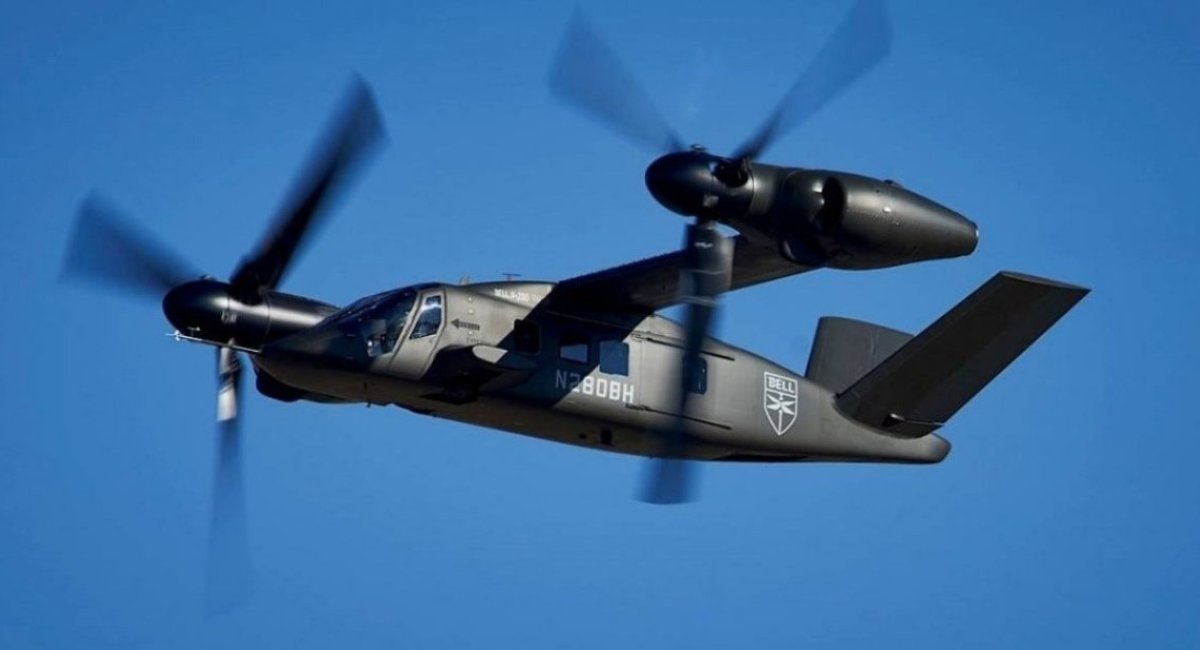
U.S
Washington, — The U.S. Army will miss its target of receiving the first MV-75 Cheyenne II tiltrotor for testing by the end of 2026 after exhausting its development funding earlier this year. The aircraft now has no confirmed delivery date. The Office of the Assistant Secretary of the Army for Acquisition, Logistics and Technology (ASA(ALT)) confirmed the delay to Breaking Defense. The Army is working with Bell Textron, the prime contractor, to establish a revised schedule and assess programme risks. Funding Shortfall Delays Development The Army exhausted its available FY2026 development budget for the MV-75 by June. Bell continued development at its own financial risk but reduced spending. Formal communications between the company and the Army also stopped during the funding gap. In July, the Army requested $350 million in budget transfers to support the construction and testing of eight prototype aircraft. Congress approved the request, and approximately $300 million was added to the contract on September 28 to cover costs already incurred by Bell and its suppliers. Funding has resumed, but the Army has not announced a new delivery date. First Aircraft Assembly Advances Despite the delay, Bell has continued manufacturing. The company completed the first two wing structures in June and the engine nacelles in October. On November 16, 2026, Bell completed the first full MV-75 fuselage at its Wichita facility in Kansas. It has since been transported to Amarillo, Texas, for assembly with the wings and nacelles. The completed aircraft will undergo structural testing and ground checks before flight testing. FY2027 Budget and Production Plans The Army requested more than $2 billion for the MV-75 in its FY2027 budget. However, delays in approving the full defence budget and the continuing resolution could affect the award of its low-rate initial production (LRIP) contract. Textron executives warned that further delays could increase the company's financial impact by up to $150 million. Replacing the UH-60 Black Hawk Selected in December 2022 under the Future Long-Range Assault Aircraft (FLRAA) programme, the MV-75 is based on Bell's V-280 Valor demonstrator, which completed more than 214 flight hours between 2017 and 2021. The Army officially named it Cheyenne II in April 2026. Designed for four crew members and up to 14 troops, the tiltrotor combines helicopter-style vertical takeoff and landing with fixed-wing aircraft speed and range. The MV-75 is designed to cruise at 280 knots (approximately 320 mph), exceed 300 knots and achieve a combat range of 500–800 nautical miles. It is intended to provide roughly twice the speed and range of the UH-60 Black Hawk. The Army plans military testing during 2027–2028, with operational deployment targeted around 2030, beginning with the 101st Airborne Division.
Read More → Posted on 2026-11-29 13:10:56
U.S
Washington, — Iranian military forces reportedly used SpaceX's Starlink satellite internet network without authorization to support military operations against US forces in the Middle East in March 2026, according to a Washington Post investigation published on November 28. The report, based on four people familiar with the military operations and two sources familiar with SpaceX discussions, said Iranian forces used Starlink for command-and-control communications and one-way attack drone operations after US and Israeli strikes damaged Iran's conventional communication infrastructure. How Iran Used Starlink The reported use began during the first week of March, following joint US-Israeli strikes against Iran in late February. Tehran responded with ballistic missile and drone attacks against US military bases across the region. A classified military update reportedly delivered to US Defense Secretary Pete Hegseth during the summer also described Iran's use of Starlink for military communications and drone operations. On March 1, an Iranian drone struck a US military facility at Port Shuaiba in Kuwait, killing six American service members. However, the newspaper could not establish whether Starlink was used in that specific attack. The Pentagon has not publicly released its investigation findings. SpaceX Tightens Security Controls According to the report, SpaceX CEO Elon Musk was angered by the unauthorized Iranian use. A separate issue also emerged involving the US military, which reportedly used Starshield, SpaceX's military satellite network, to operate one-way attack drones under a lower-priced subscription intended for ground operations. At least two SpaceX executives were reportedly fired over the incidents. SpaceX subsequently introduced identity verification for terminals operating on aircraft travelling above 100 miles per hour, tightened buyer checks through its reseller network, suspended its Indirect Reseller Program and increased monthly prices on certain plans from $60 to $200. How Starlink Terminals Reached Iran Starlink is not officially licensed to operate in Iran, although the service has been active there. In January 2026, SpaceX reportedly made it available free to Iranian users during a nationwide internet blackout amid anti-government protests. The Wall Street Journal also reported that the US government had smuggled thousands of Starlink terminals into Iran. Former US Treasury sanctions lawyer Cari Stinebower told The Washington Post that Iran's IRGC and Quds Force maintain procurement networks and front companies across South America, Southeast Asia, the Middle East and Europe to obtain restricted technology through indirect channels. Pentagon and SpaceX Response The Pentagon said it was not aware of the reported classified update to Hegseth's office. US Central Command declined to answer detailed questions, while SpaceX, Elon Musk and Iran's Foreign Ministry did not respond to requests for comment. The incident highlights the difficulty of controlling commercial satellite networks during military conflicts. Disabling Starlink across Iran could also disconnect civilians and dissidents who use it to bypass government internet restrictions. A similar issue emerged in Ukraine, where Russian forces used unauthorized Starlink terminals. SpaceX worked with Ukrainian authorities to introduce speed restrictions and a whitelist of verified government-approved devices. Implementing similar controls in Iran could be more difficult without a trusted local partner.
Read More → Posted on 2026-11-29 13:28:30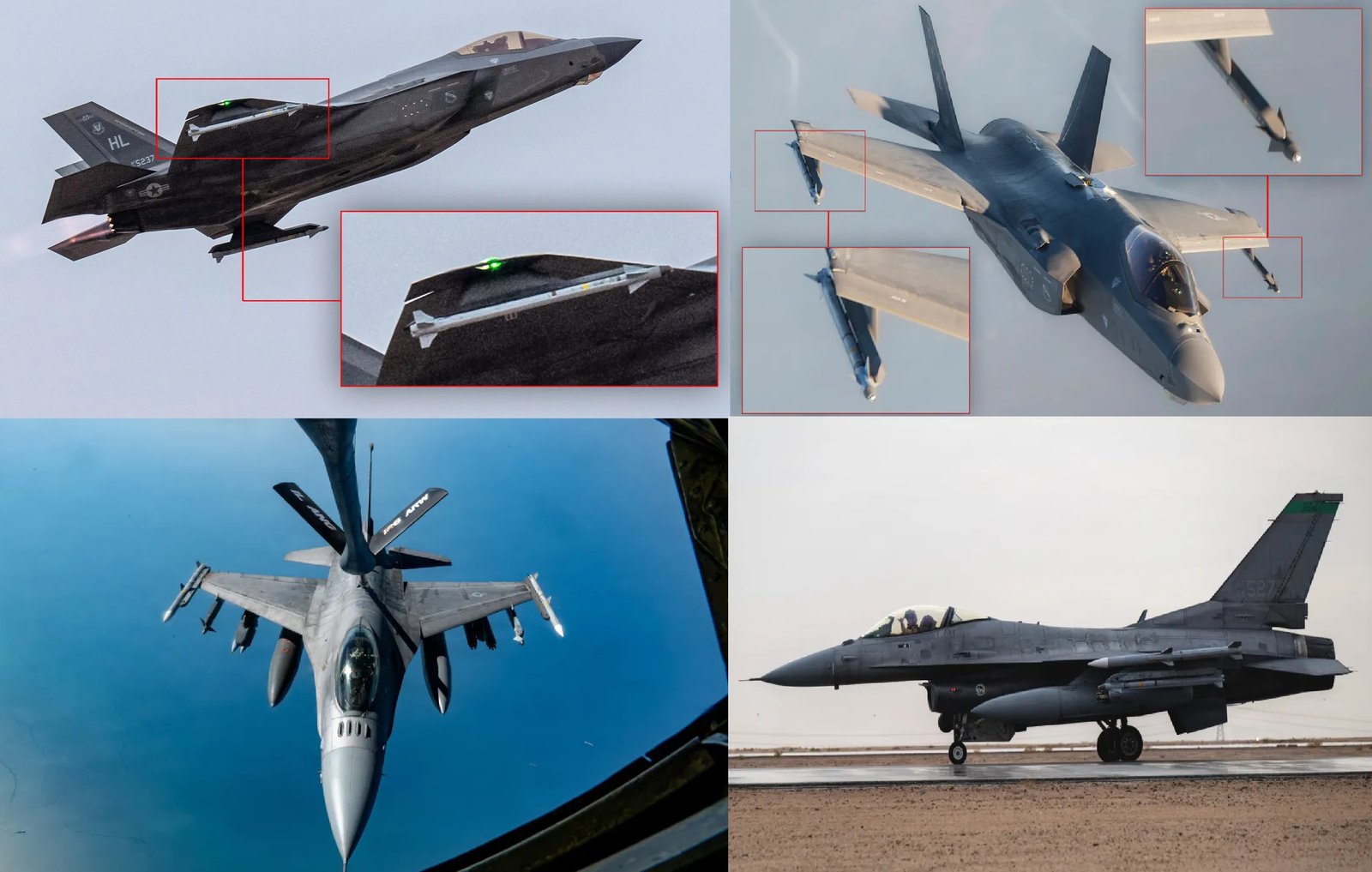
World
Middle East, — U.S. Air Force F-35A and F-16C fighters operating in the Middle East have been spotted carrying AIM-9X Sidewinder missiles with an unusual white or light gray finish. The change has raised questions about a possible missile upgrade, particularly improved radar-signature reduction. The first confirmed sighting on an F-16C dates to October 31, 2026, when it was photographed refuelling in flight with a light-colored AIM-9X under its left wing and an older AIM-9M under its right wing. Further images showed F-35As carrying the new-finish missiles on November 3 and November 14, while another F-16C was photographed with one on November 10. Possible AIM-9X Block II+ Upgrade The new finish differs from the standard AIM-9X paint scheme, which features a dark gray nose and tail fins with a lighter gray body. The newly spotted missiles have a uniform light-colored body and fins, with only the infrared seeker's nose remaining dark. One possibility is that these missiles are the AIM-9X Block II+ (AIM-9X-3). The U.S. Navy has previously stated that this version uses specialised external materials to improve aircraft survivability and was developed for the F-35 Joint Strike Fighter. The Block II+ retains the Block II's lock-on-after-launch capability, introduced through a data link. The original AIM-9X also features an imaging infrared seeker, thrust-vectoring control and high-off-boresight targeting. Specialised coatings could reduce the missile's radar signature. This is important because the F-35 carries AIM-9X missiles externally under its wings, increasing its overall radar signature. The first Block II+ missiles were ordered in December 2017. However, neither the F-35 Joint Program Office nor Raytheon has confirmed whether the newly spotted missiles belong to this variant. Other AIM-9X Upgrades The U.S. Air Force and Navy plan to acquire more than 11,000 AIM-9X Block II-series missiles. Several upgraded versions are also under development: AIM-9X-4: The SIP III version includes a new ASIC processor. Processor integration caused reliability problems and halted testing, according to a Pentagon report dated April 21, 2026. Fielding is projected for September 2027. AIM-9X-5: A companion version within the SIP III programme. AIM-9X-6: A further upgrade under System Improvement Plan IV. Compact Variant: A shortened design intended for internal carriage inside stealth aircraft and future Collaborative Combat Aircraft (CCA) drones. An earlier AIM-9X Block III proposal for extended range using a new rocket motor was cancelled, although related propulsion research continues. Role in Middle East Operations AIM-9X and older AIM-9M missiles remain important for U.S. air defence patrols, including missions involving unmanned aircraft. The U.S. military also uses 70mm APKWS II laser-guided rockets against drones. However, the F-35 cannot currently carry these weapons. Their short range and requirement for continuous laser designation also limit their use. On November 11, 2026, a U.S. Marine Corps F/A-18D Hornet was photographed in the Middle East carrying AIM-9M, standard AIM-9X and AIM-120 AMRAAM missiles. The aircraft was equipped with an AN/APG-79(V)4 AESA radar, which has demonstrated its usefulness in tracking small targets. The exact reason for the new AIM-9X paint scheme remains unknown. Its appearance on both F-35A and F-16C fighters suggests the configuration is not exclusive to stealth aircraft. Further information from the U.S. military or Raytheon is needed to confirm whether it represents the Block II+ variant or another modification. Main Source :- TWZ
Read More → Posted on 2026-11-29 13:46:05
World
Dubai, — Iranian Supreme Leader Ayatollah Mojtaba Khamenei has ordered a major restructuring of the country's intelligence system following security failures and Israeli intelligence operations inside Iran, Parliamentary Speaker Mohammad Baqer Qalibaf announced on Sunday. The announcement came as Iranian lawmakers approved the general outline of a bill to reorganise the Intelligence Ministry, including removing the requirement that its minister must be a cleric. New Eligibility Rules and Organisations Speaking in a video message on Telegram, Qalibaf said parliament drafted the bill after delays from the government in submitting its own proposal. Under the proposed rules, non-clerical candidates can qualify for the intelligence minister's post if they hold a master's degree, have specialised intelligence experience and possess at least 10 years of middle- or senior-management experience. Clerics qualified in ijtihad, or independent Islamic legal reasoning, will also remain eligible. The bill also proposes two new organisations within the ministry: Intelligence Protection Organization: Responsible for internal security and counterintelligence. Ideological-Political Organization: Responsible for promoting Islamic culture and values among ministry personnel. The Supreme Leader would directly appoint the heads of both organisations. Security Failures Behind the Reform The restructuring follows several major security breaches, including the 2020 assassination of nuclear scientist Mohsen Fakhrizadeh, the 2024 killing of Hamas leader Ismail Haniyeh in Tehran, and the 12-day Israel-Iran conflict in June 2025. During the 2025 conflict, Israeli operatives inside Iran helped identify air defence systems, missile launchers and senior military commanders for strikes. Joint US-Israeli strikes in 2026 also killed former Supreme Leader Ayatollah Ali Khamenei, Mojtaba Khamenei's father, further increasing scrutiny of Iran's intelligence capabilities. Intelligence Ministry Awaits Permanent Minister The ministry has been without a permanent minister since Esmail Khatib was killed in an Israeli airstrike in Tehran on March 18, 2026. Khatib, who led the ministry from August 2021, was a hardline cleric who previously worked in the office of Ali Khamenei. An acting head has managed the ministry since his death, but the person's identity remains undisclosed. The ministry has been led by clerics since its establishment in 1984. The proposed changes would open its top position to civilian specialists for the first time. The bill will now undergo detailed parliamentary examination before a final vote. It must also receive approval from the Guardian Council, which reviews legislation for compliance with Iran's constitution and Islamic principles. Qalibaf has urged the government to appoint a permanent intelligence minister once the bill clears the required review process.
Read More → Posted on 2026-11-29 14:06:47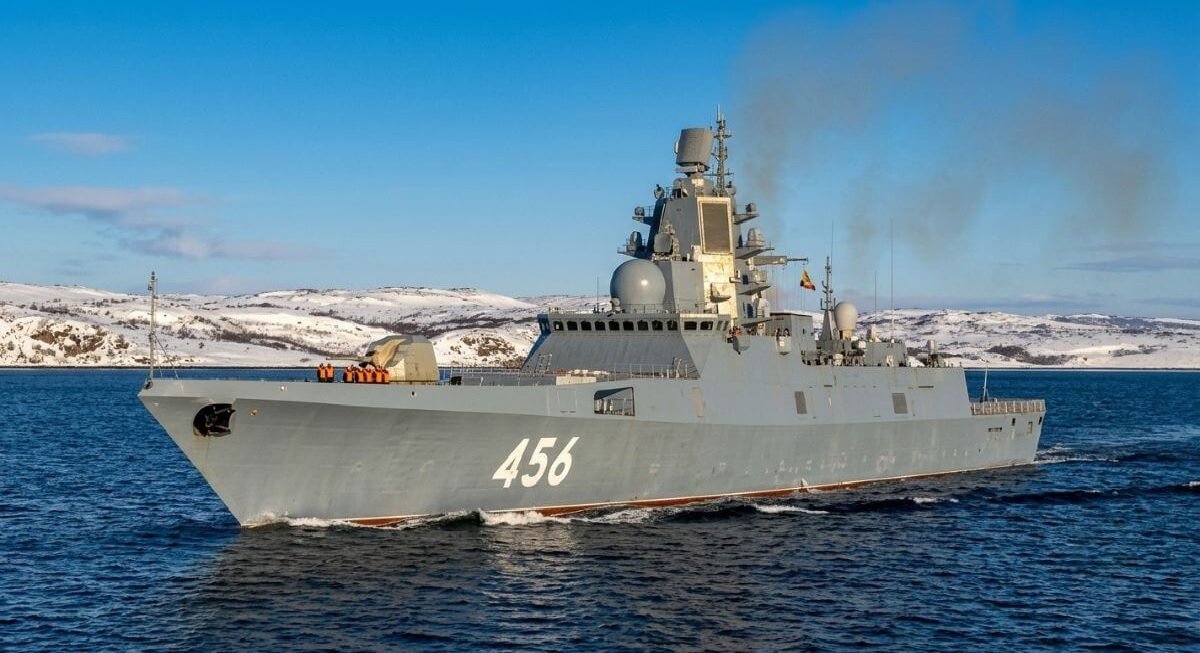
World
Mediterranean Sea, — A second Russian naval convoy heading towards North Africa has reversed course following a Ukrainian drone attack on Russian vessels at Libya's Benghazi port on November 22. Satellite imagery shows four vessels moving west towards Algeria after spending several days off Tunisia. The convoy includes the Project 22350 frigate Admiral Golovko, the Russian Navy tanker Yelnya, and three cargo ships: Lady D (also known as Lary D), Lady R and Maia-1. The ships departed Russia's Baltic exclave of Kaliningrad around November 5 and entered the Mediterranean after passing through the English Channel. The corvette Stoikiy initially escorted the group before Admiral Golovko took over between November 19 and 21. Benghazi Attack Forces Route Change On November 22, seven Ukrainian unmanned surface vessels (USVs) attacked the Russian Black Sea Fleet corvette Merkury and cargo ship MV Angara in Benghazi. Ukrainian President Volodymyr Zelenskyy confirmed on November 23 that Merkury had been sunk with a Ka-27 helicopter on board. The MV Angara, reportedly carrying weapons, was disabled at its berth. The attack also affected an earlier Russian convoy that had reached eastern Libya. Its cargo ships included Ascalon and Anastasiia. Satellite imagery from November 26 showed Ascalon alongside the damaged Angara, with cranes positioned over their cargo holds. Satellite Images Confirm Westward Movement The second convoy had been holding position off Tunisia near the Strait of Sicily. Sentinel-1 imagery from November 24 at 17:32 UTC showed Admiral Golovko, Lady D, Lady R and Maia-1 near Algeria's port of Jijel, heading west towards Gibraltar. The tanker Yelnya was absent from the satellite image, and its exact location remains unconfirmed. A European military official confirmed that the other vessels remained off Algeria on November 25. Military Cargo and Russia's African Operations The three cargo ships are Russian-flagged and managed by companies under US and EU sanctions. Satellite images from October showed MRAP armoured vehicles, military trucks and other equipment being loaded at Russian Baltic ports. European and Middle Eastern security officials told Reuters that the shipment was likely intended for Russia's Africa Corps, which oversees former Wagner Group operations in West Africa and the Sahel. Some equipment may also have been destined for forces linked to Khalifa Haftar's Libyan National Army. Russia has relied on maritime supply routes from Baltic ports to eastern Libya following Turkey's closure of the Bosphorus Strait to warships in 2022 and the loss of regular Russian naval access to Syria. Convoy's Next Destination Remains Unclear A Middle Eastern security official said the convoy had paused in the western Mediterranean. The vessels could stop in Algeria or continue through the Strait of Gibraltar towards the Baltic Sea. Russia's Ministry of Defence has not commented on the attack or the change of course. The diversion leaves the second convoy unable to reach Libya so far and raises questions about the security of Russian maritime supply operations in North Africa.
Read More → Posted on 2026-11-29 14:23:18
World
Warsaw, Poland, — Poland is prepared to deploy troops immediately to Estonia, Latvia or Lithuania if Russia attacks any of the three Baltic states, without waiting for NATO to activate Article 5. The position was reported by Polish news outlet Onet, citing two unnamed ministers in Prime Minister Donald Tusk's government. One minister told Onet: "In the event of a Russian provocation, Poland will immediately send armed forces to help the attacked Baltic state." Poland Favors Military Intervention The government has considered two responses to a possible Russian incursion: humanitarian assistance or direct military intervention. Both ministers reportedly favour sending troops. They warned that a delayed NATO response could undermine the alliance's credibility. Immediate Polish intervention would support the attacked country and pressure other NATO members to activate Article 5, which treats an attack on one member as an attack on all. However, individual NATO members can provide military assistance without waiting for its formal activation. Special Forces Likely to Be Deployed Poland is considering sending special operations forces rather than large armoured formations or tank units. This would allow Warsaw to assist Baltic defenders while preserving its own defence capabilities. The main concern is a limited Russian incursion, such as the seizure of a border settlement or an entry into Narva, an important city in eastern Estonia. Intelligence assessments cited by Onet indicate that Russia is not currently planning or capable of launching a full-scale war against NATO. Poland's Legal Position and Regional Defence Under Article 117 of Poland's Constitution and a 1998 law, the president has formal authority to approve overseas military deployments at the government's request. The Onet report did not confirm whether President Karol Nawrocki had been consulted. Polish Defence Minister Władysław Kosiniak-Kamysz previously said in September 2026 that Poland should be among the first countries to assist the Baltic states if Russia attacked. Former Defence Minister Mariusz Błaszczak has argued that Polish soldiers should focus on defending Poland. The report follows the November 20 incident, when three Russian Kh-101 cruise missiles crashed in eastern Poland during a Russian attack on Ukraine. Prime Minister Donald Tusk described the incident as an intentional provocation. NATO Secretary General Mark Rutte reaffirmed the alliance's commitment to defending Polish territory, but the incident did not trigger Article 5. Poland's strategic importance comes partly from the Suwałki Gap, a roughly 65-kilometre stretch along the Polish-Lithuanian border between Belarus and Russia's Kaliningrad exclave. It is the Baltic states' only land connection to the rest of NATO. Poland already contributes more than 230 soldiers to NATO's multinational force in Latvia, where its troops have served since 2017. In November 2026, Polish forces also participated in joint military exercises with German and Lithuanian troops. Warsaw and Vilnius are also developing plans for civilian evacuation across their border in the event of an armed conflict. The reported policy has not yet been officially confirmed by the Polish government.
Read More → Posted on 2026-11-29 15:39:41
World
Al Anbar, Iraq, — French defence technology company Harmattan AI has demonstrated its Gobi and Gobi Tempest interceptor drones to senior Iraqi military officials at the Al Tash firing range in Anbar Governorate. Footage released by the Iraqi Ministry of Defence on November 26 shows both vertical-takeoff systems undergoing evaluation before the Iraqi Air Defence Command. The event was attended by senior officers, including Lieutenant General Saad Ali Ati al-Harbiya, the Iraqi Army's assistant chief of staff for operations. Gobi and Gobi Tempest Capabilities The demonstration featured two interceptor designs. The smaller grey Gobi targets Group 1 and Group 2 UAVs. It weighs 2.5 kg with batteries, launches within three seconds of authorisation, cruises at 250 km/h and reaches a maximum speed of 350 km/h. It destroys targets through direct kinetic impact without explosives. The larger black Gobi Tempest is designed against Group 2 and Group 3 threats, including armed drones and loitering munitions. It weighs approximately 4.4–5 kg, carries an 800-gram explosive warhead, has an operational range of 12 km and reaches a maximum speed of 310 km/h. The footage also shows a vertical launch, an electro-optical tracking turret and a red flying-wing target drone. Both interceptors use onboard autonomous guidance with human authorisation for engagements. They can operate independently or through Harmattan AI's Kalahari command-and-control software. Iraq-France Defence Cooperation The demonstration follows a September 2026 letter of intent between Harmattan AI and Iraq's Ministry of Defence on autonomous air defence systems. The agreement was reached during Iraqi Prime Minister Ali al-Zaydi's visit to France on September 13–14, alongside a broader roadmap for Iraqi defence acquisitions from French suppliers. Iraq has prioritised air defence modernisation following the withdrawal of international coalition air defence systems on September 30, 2026. Baghdad has also explored defence cooperation with France, South Korea, Turkey and the United States. No Purchase Contract Announced Iraq has not announced a procurement contract following the demonstration. Meanwhile, Harmattan AI signed a strategic partnership with Qatar's Barzan Holdings on November 6 to evaluate the Gobi Tempest. The company also delivered its Gobi interceptor to the French armed forces on November 26.
Read More → Posted on 2026-11-29 15:46:38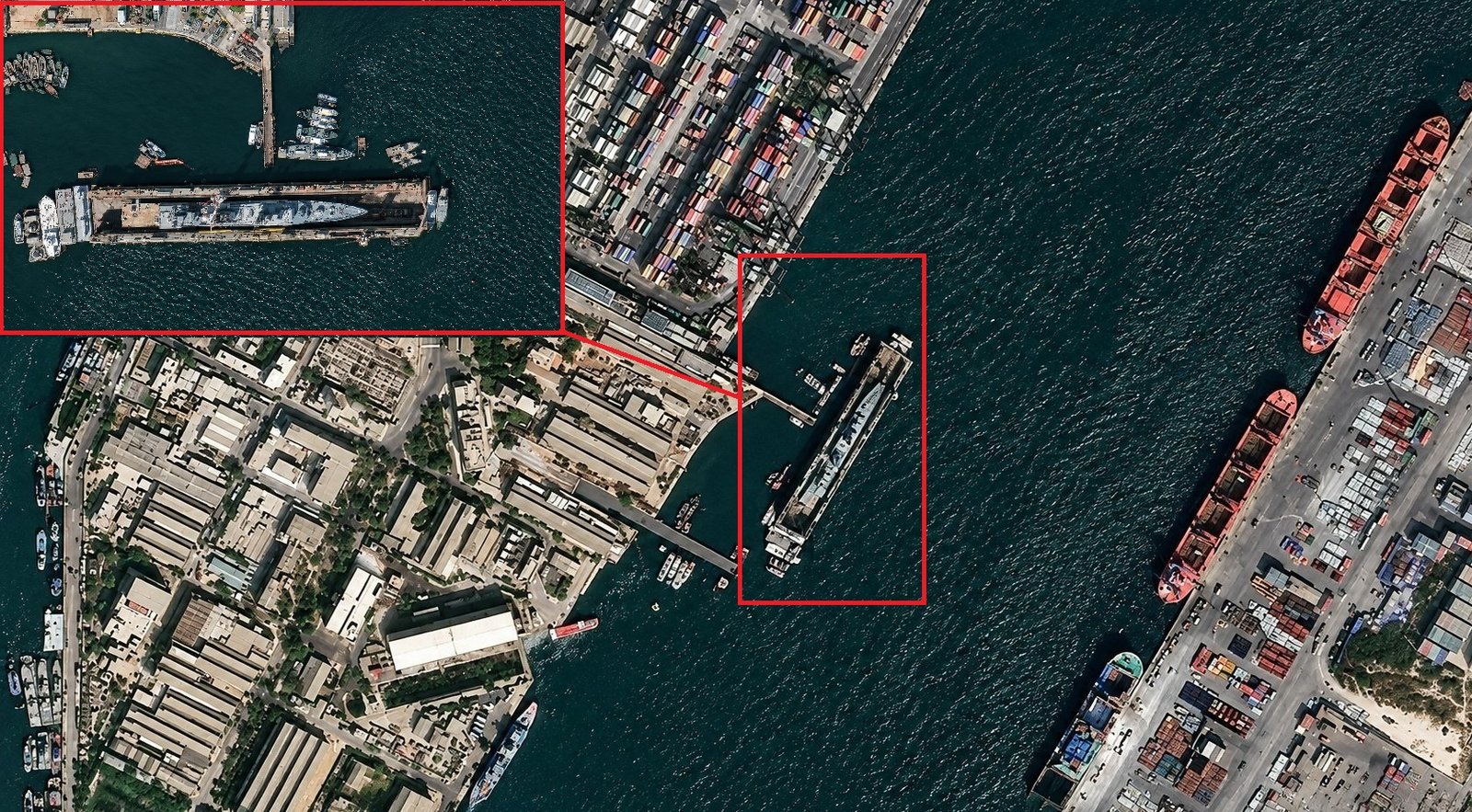
World
Karachi, Pakistan — Pakistan Navy offshore patrol vessel PNS Hunain (F-273) remains at repair facilities in Karachi more than two months after colliding with Indian Navy destroyer INS Kolkata on September 15, 2026. Recent commercial satellite imagery and open-source analysis indicate that the vessel is undergoing repairs at Karachi Shipyard and Engineering Works (KSEW). The collision occurred in the North Arabian Sea, approximately 120 nautical miles from the Gulf of Oman. India reported that PNS Hunain suffered significant damage and returned to port, while INS Kolkata sustained no major structural damage and continued operations. India and Pakistan Give Different Accounts India stated that INS Kolkata was conducting a routine deployment in international waters when PNS Hunain approached at high speed and attempted an unsafe overtaking manoeuvre. New Delhi accused the Pakistani vessel of violating international collision-prevention regulations and Article 10 of the 1991 India-Pakistan Agreement, which requires naval vessels at sea to maintain a minimum separation of three nautical miles. Pakistan rejected India's account, claiming the incident occurred inside its Exclusive Economic Zone (EEZ) during the SEASPARK-26 naval exercise and accusing the Indian destroyer of provocative manoeuvring. Ship Size and Damage Comparison Specifications INS Kolkata PNS Hunain Vessel type Guided-missile destroyer Offshore patrol vessel Displacement 7,400 tonnes 2,600 tonnes Length 164 metres 96 metres Builder Mazagon Dock, India Damen Shipyards, Romania Commissioned 2014 2024 Status Operational Under repair INS Kolkata is nearly three times heavier than PNS Hunain. Indian sources reported that the Pakistani vessel sustained a large dent and possible structural damage, while the Indian destroyer continued its deployment without major damage. The incident has raised questions about PNS Hunain's structural resilience and damage tolerance. However, the available information does not establish whether the damage was related to construction quality, structural design or the circumstances of the collision. Indian Navy Chief Comments on the Incident on November 16, Chief of the Naval Staff Admiral Krishna Swaminathan said PNS Hunain approached INS Kolkata dangerously close and reached a "point of no return". He added that the Pakistani vessel suffered significantly greater damage. He declined to provide further details about its repair status. INS Kolkata Continues Operations On November 2, 2026, INS Kolkata led a 48-hour anti-piracy operation off Somalia to rescue the crew of the hijacked Iranian fishing vessel Azini. Supported by P-8I maritime patrol aircraft, an MQ-9B SeaGuardian drone, an Indian Air Force C-17 and Marine Commandos (MARCOS), the operation rescued all 20 crew members without casualties. The Iranian Embassy in New Delhi formally appreciated the Indian Navy's efforts. With PNS Hunain still reportedly undergoing repairs and INS Kolkata continuing naval deployments, the two warships have had different operational outcomes following the September collision.
Read More → Posted on 2026-11-29 16:01:05Search
Top Trending in 24 Hours
-
 U.S. Army Delays First MV-75 Cheyenne II Delivery After Funding Shortfall
-
 China Successfully Tests World’s First Metal-Powder-Fuelled Jet Afterburner
-
 Iran Used Starlink Without Authorization to Support Attacks on US Forces, Report Says
-
 US F-35A and F-16 Fighters Spotted Carrying AIM-9X Sidewinders With New Paint Scheme in Middle East
-
 Second Russian Naval Convoy Turns Back in Mediterranean After Ukrainian Attack in Libya
-
 Poland Ready to Send Troops to Baltic States Immediately if Russia Attacks, Without Waiting for NATO Article 5
-
 Iran Orders Intelligence Ministry Overhaul, Opens Ministerial Post to Civilians
-
 Saab Signs €450 Million Deal to Supply Giraffe 1X Radars to Ukraine
Top Trending in 4 Days
-
 Hackers Breach US Air Force’s Cloud One Platform, Disrupting Operations
-
 Ukraine’s Blysk Laser Air Defence System Shoots Down Russian Jet-Powered Geran Drone
-
 Israel and US Test 20 Counter-Drone Systems in First Joint Trials on Israeli Soil
-
 U.S. Army Declares First Dark Eagle Hypersonic Missile Battery Ready for Combat Deployment
-
 India's SiGaN Validates First 20-Watt GaN RF Power Amplifier, Opens Commercial Orders
-
 Chinese Robot Dog Tests Rocket-Derived Fireproof Suit in 1,000°C Flames for 10 Minutes
-
U.S. Army Delays First MV-75 Cheyenne II Delivery After Funding Shortfall
-
 Europe Opens Largest Satellite Factory in Belgium to Build Starlink Alternative