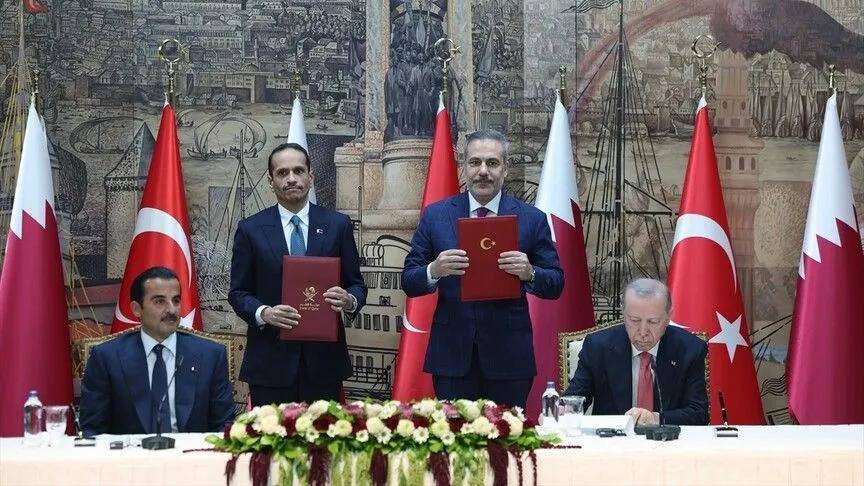
ISTANBUL, — Turkey and Qatar have signed a mutual defence agreement, strengthening their military and strategic partnership as regional countries seek closer security cooperation amid continuing tensions in the Middle East.
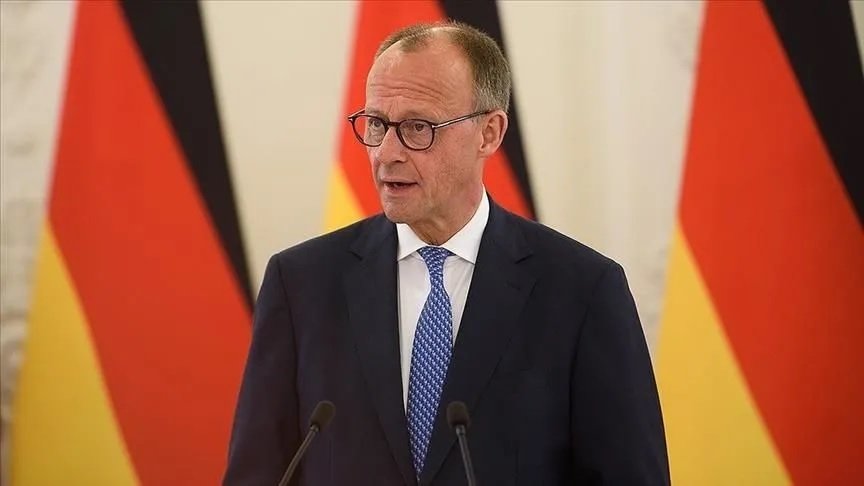
The agreement was signed on Friday during a meeting between Turkish President Recep Tayyip Erdogan and Qatari Emir Sheikh Tamim bin Hamad Al Thani in Istanbul. The announcement was made by the Turkish presidency, which did not disclose the specific military commitments or operational provisions of the agreement.
Erdogan said the agreement would add another dimension to the longstanding relationship between the two countries. He also stressed that Turkey and Qatar would continue working together to prevent renewed conflict in the Gulf region, promote dialogue and support regional peace.
The two leaders also discussed expanding cooperation in the defence industry and energy sector, with both countries seeking to diversify their energy partnership and strengthen existing defence cooperation. The meeting was held as part of the 12th session of the Turkey-Qatar Supreme Strategic Committee, which oversees cooperation between the two countries.
Turkey Expands Its Regional Defence Partnerships
The Turkey-Qatar agreement comes as Ankara strengthens its defence relationships with other regional powers.
In August 2026, Turkey, Saudi Arabia and Pakistan signed the Mecca Joint Defence Agreement in Saudi Arabia. The agreement establishes a collective defence arrangement under which an external armed attack against one member is treated as an attack against all three countries.
Turkey's parliament approved the ratification of the agreement on November 6, 2026, by 279 votes to 119, clearing an important legislative step towards its implementation.
The trilateral agreement covers broader defence cooperation and collective security. Its provisions are different from the Turkey-Qatar agreement, whose detailed terms have not yet been publicly disclosed.
The latest agreement therefore adds another bilateral defence partnership to Turkey's expanding network of regional security relationships.
Is the Turkey-Qatar Alliance Directed Against a Common Enemy?
One important question surrounding the agreement is whether Turkey and Qatar have signed it to counter a particular country or military threat.
There is no publicly confirmed common enemy identified in the announcement. Neither the Turkish presidency's statement nor the reported details of the agreement identify Iran, Israel or any other country as its target.
The agreement should therefore not automatically be interpreted as an anti-Iran or anti-Israel military alliance.
Turkey and Qatar have their own security priorities. Turkey has significant security interests in Syria, Iraq and the wider Eastern Mediterranean, while Qatar is particularly concerned with security and stability in the Gulf region.
Their cooperation can serve several strategic purposes without requiring both countries to identify the same adversary.
What Does This Alliance Mean Strategically?
The agreement has several potential strategic implications for both countries.
1. Collective Security and Military Cooperation
A mutual defence agreement provides a framework for closer security coordination. Depending on its actual provisions, it could establish arrangements for military assistance, defence planning and responses to security threats.
However, the specific obligations under the Turkey-Qatar agreement remain unclear because its text has not been publicly disclosed.
2. Greater Regional Strategic Independence
Turkey and Qatar are strengthening their ability to coordinate on regional security matters. Closer bilateral defence relationships can give both governments additional options when responding to regional crises.
This does not necessarily mean abandoning their existing international partnerships.
3. Defence Industry Cooperation
Erdogan specifically highlighted the expansion of defence industry cooperation.
Turkey has an established defence manufacturing sector, while Qatar is an important regional defence partner. Greater cooperation could create opportunities for defence projects, procurement and industrial partnerships between the two countries.
However, no specific weapons procurement contracts or joint production projects were announced alongside the agreement.
4. Stronger Diplomatic Coordination
The agreement also strengthens the institutional relationship between Ankara and Doha. Their cooperation extends beyond military affairs to energy, economic relations and regional diplomacy.
Erdogan's statement about preventing renewed conflict in the Gulf indicates that regional stability and diplomatic engagement are also important objectives of their partnership.
How Is This Different From the Turkey-Saudi Arabia-Pakistan Defence Pact?
The two arrangements should not be treated as identical.
| Feature | Turkey-Qatar Agreement | Mecca Joint Defence Agreement |
|---|---|---|
| Members | Turkey and Qatar | Turkey, Saudi Arabia and Pakistan |
| Signed | November 13, 2026 | August 7, 2026 |
| Defence arrangement | Mutual defence agreement | Collective defence agreement |
| Attack on one considered an attack on all | Not publicly confirmed | Yes |
| Detailed provisions | Not publicly disclosed | Agreement text available |
The Mecca Joint Defence Agreement explicitly establishes a collective defence commitment. The publicly available information about the new Turkey-Qatar agreement does not yet establish whether it contains the same provision.
What Comes Next?
The Turkey-Qatar agreement represents another step in Ankara's efforts to strengthen its regional defence relationships.
Rather than assuming the formation of a military bloc against a specific country, the agreement is better understood as an expansion of bilateral security cooperation between two established regional partners.
Its actual military significance will depend on the agreement's provisions, including whether it establishes automatic military assistance, joint defence planning or other security commitments.
For now, the confirmed objectives include strengthening bilateral defence cooperation, expanding defence industry ties, diversifying energy relations and supporting stability in the Gulf region.
——— End of Article ———