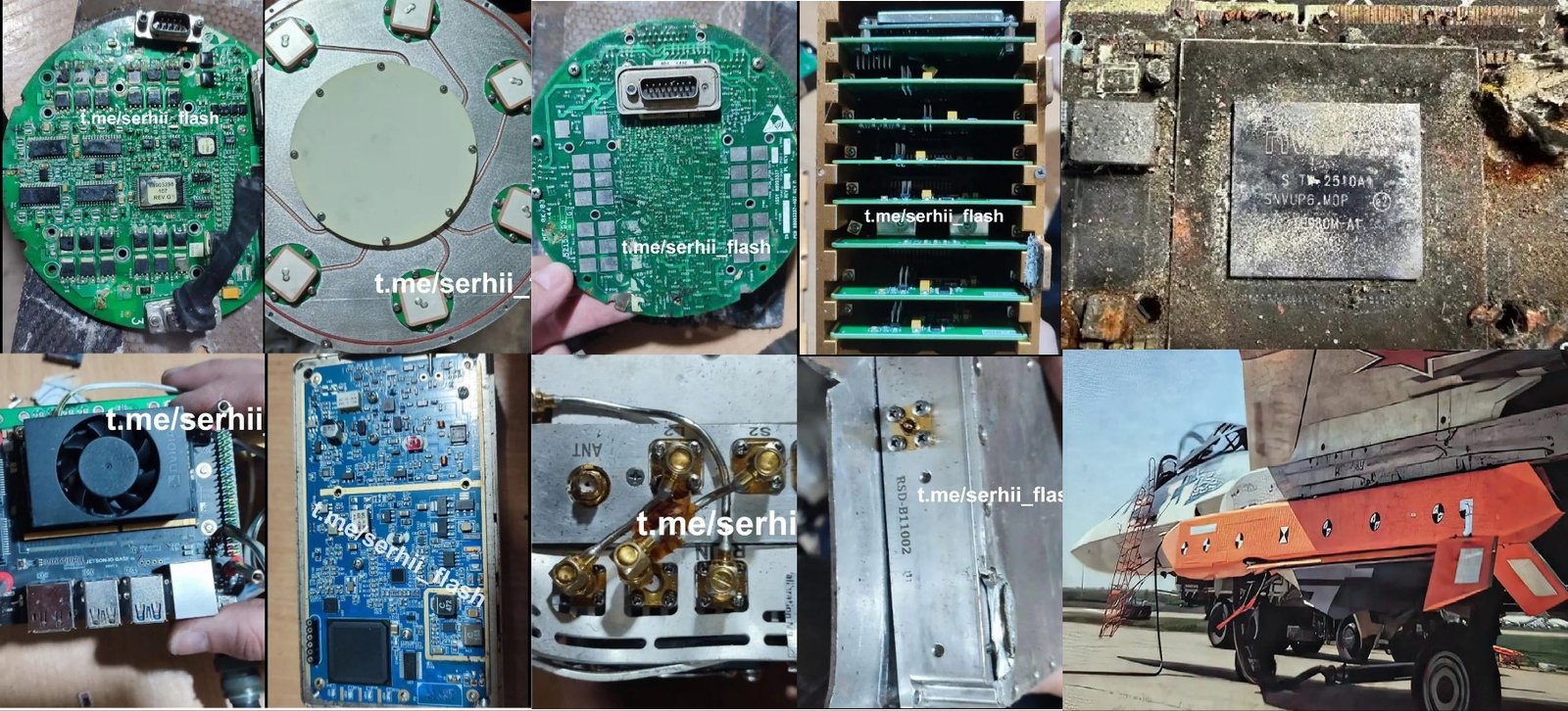
KYIV, Ukraine — Ukrainian military specialists have discovered NVIDIA Jetson Orin AI computing modules in at least four types of Russian strike weapons, including the Molniya and V2U attack drones, an upgraded Shahed-136 and the S-71M Monochrome air-launched cruise missile, according to technical examinations and reporting by The New York Times.
The compact processors are designed to run artificial intelligence (AI) models directly on devices. They can process camera footage, recognize objects and support navigation without requiring a continuous connection to cloud servers. Their use in Russian weapons varies from assisted guidance to reported autonomous target selection.
Molniya Drone Demonstrates Autonomous Target Selection
The most advanced application identified by Ukrainian specialists was found in Molniya fixed-wing attack drones tested in the Zaporizhzhia area between May and July 2026.
Unlike conventional last-mile guidance systems, which help a drone reach a target already selected by an operator, the tested Molniya configuration could independently select the specific object to strike without human confirmation.
On July 6, 2026, a Molniya drone attacked a petrol station in Zaporizhzhia. Russian operators had designated the general area, but the drone's onboard software reportedly selected the specific object, likely propane storage tanks. The explosion killed three people.
Experts interviewed by The New York Times, including Kateryna Bondar of the Center for Strategic and International Studies (CSIS), described the incident as the first documented case of civilian deaths caused by a drone using an autonomous terminal target-selection system.
Ukrainian engineers examined the recovered, unencrypted Jetson Orin module. Its stored terrain imagery and software indicated that the AI model had been trained to recognize ground targets, including petrol station infrastructure.
NVIDIA Chips Also Found in V2U and Shahed Drones
The same computing technology has been identified in Russia's V2U strike drone. Its guidance system uses a Chinese-made Leetop A203 carrier board containing an NVIDIA Jetson Orin module.
The V2U has a wingspan of approximately 1.2 metres, carries a warhead payload of up to 3.5 kilograms and uses a two-way LTE cellular connection. Its AI system performs object recognition and can automatically guide the munition towards a target, alongside operator control.
In June 2025, Ukrainian specialists also discovered a Jetson Orin module inside an upgraded Iranian-designed Shahed-136 drone. The modified version featured a nose camera and video-guidance system. The processor handled real-time camera footage and compared detected objects with preloaded visual models to support terminal guidance or automated target selection.
Jetson Orin Discovered in S-71M Monochrome Missile
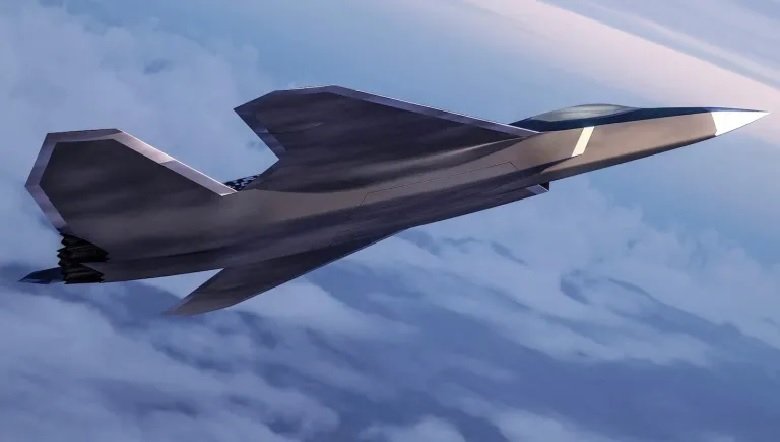
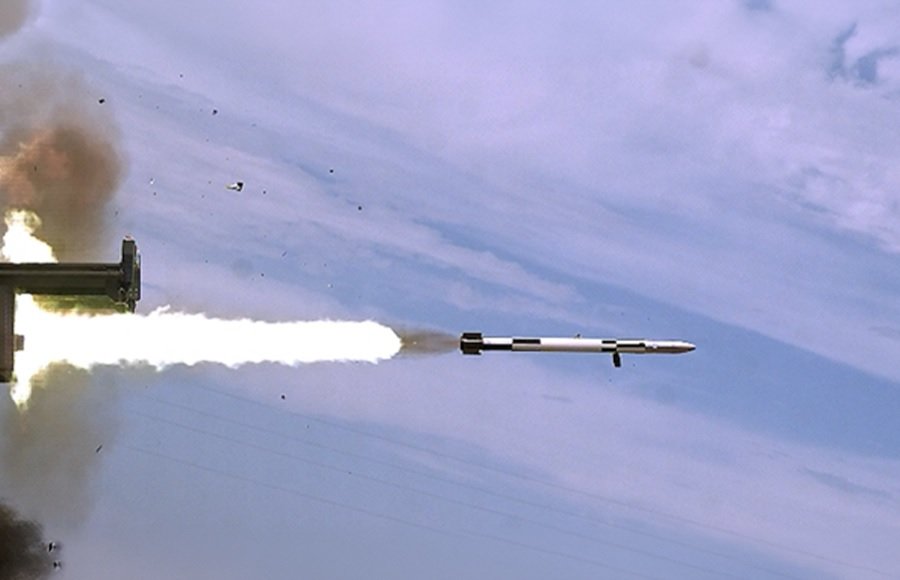
The technology has also appeared in Russia's S-71M Monochrome air-launched cruise missile.
On August 12, 2026, Ukraine's Defence Intelligence (DIU) published findings on its War & Sanctions portal identifying an NVIDIA Jetson Orin processor inside the missile. The recovered component carried the marking TE980M-A1 S TW 2510A1 SNVUP6 MOP TE980-AT.
According to the DIU, the computer's presence indicates potential AI capabilities in the missile's control and electro-optical guidance systems.
The S-71M is a variant of the S-71K Kover, designed to fit inside the internal weapons bays of Russia's Su-57 fighter and S-70 Okhotnik heavy combat drone.
Russian defence specifications describe the missile as capable of autonomously searching for targets. If its remaining characteristics match the baseline S-71K, it has a range of up to 300 kilometres and carries a 250-kilogram OFAB-250-270 high-explosive fragmentation warhead.
NVIDIA Responds to Discovery
NVIDIA confirmed to The New York Times that the processors shown in photographs of recovered Russian weapons belong to its Jetson Orin product family.
The company said these are commercial computing modules designed for students, software developers, startups, robotics and machine-vision applications, rather than military systems. NVIDIA also stated that it does not sell Jetson Orin modules in Russia and complies with export restrictions.
However, the modules are distributed globally through retail channels and third-party vendors. Tracking individual units after they enter secondary markets is difficult. One circuit board recovered from a Russian drone also carried markings indicating it was manufactured in China.
Ukrainian and Western officials have not established the exact supply chain or intermediary network through which the processors reached Russian weapons manufacturers.
The findings show how commercially available AI computing hardware is being integrated into different Russian strike systems. While some applications support navigation and target recognition, the Molniya configuration examined in Ukraine demonstrates a reported capability to independently select a specific object during the final stage of an attack.
Main Source : militarnyi
——— End of Article ———