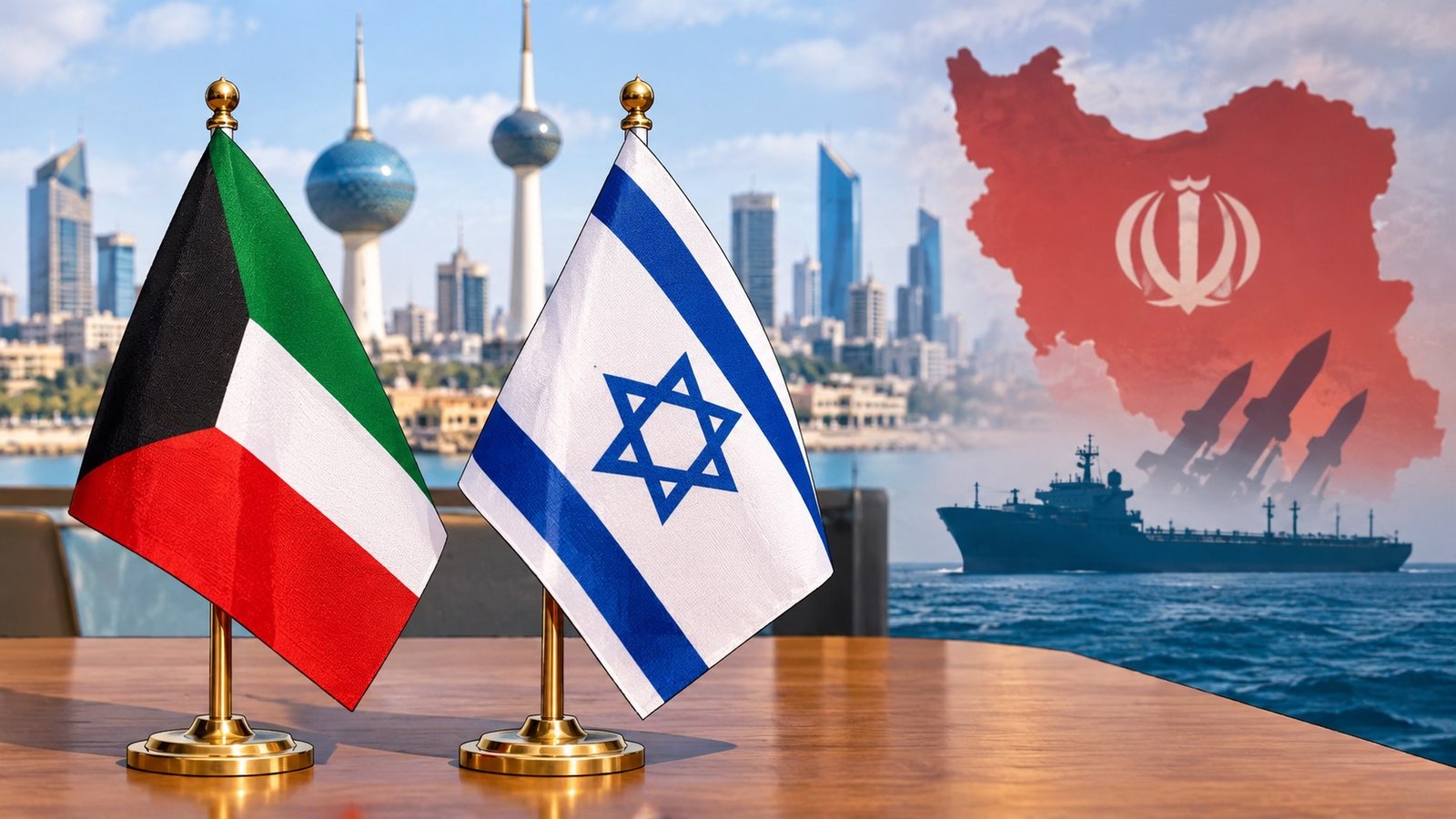
Kuwait City — Kuwait and Israel have reportedly held discreet discussions about establishing diplomatic relations, with the United States and the United Arab Emirates (UAE) encouraging closer regional cooperation. The reported contacts could eventually bring Kuwait into the Abraham Accords, although significant political and security obstacles remain.
According to a November 16 report citing Israel's Channel 14, the discussions are still at an early stage. Kuwait has not officially confirmed the talks or announced any decision to normalize relations with Israel.
Israeli Political Uncertainty and Security Concerns
One major obstacle is Israel's ongoing government formation process. Following the October 27 parliamentary elections, Prime Minister Benjamin Netanyahu's bloc secured 53 seats, while the opposition bloc won 48 seats in the 120-member Knesset. Neither secured the 61 seats required for a majority, leaving coalition negotiations unresolved.
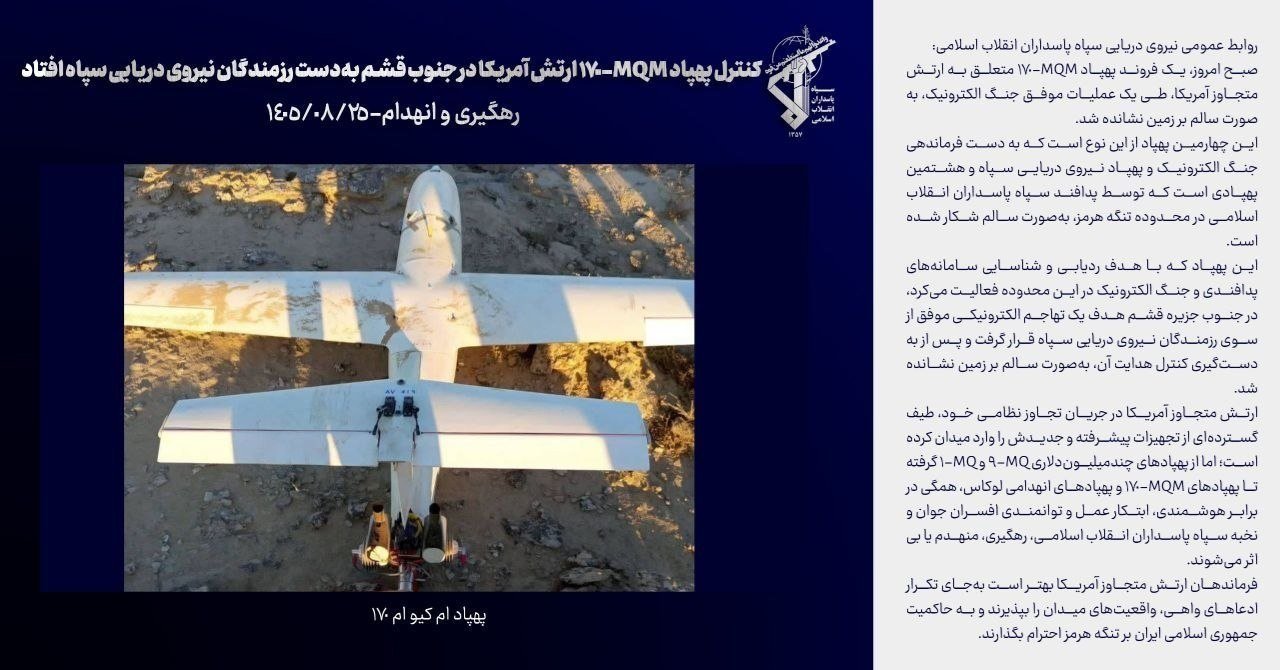
Security concerns are another major factor for Kuwait. During the 2026 conflict with Iran, Kuwait experienced repeated Iranian missile and drone attacks targeting critical infrastructure, including oil facilities, power stations, desalination plants and Kuwait International Airport. According to the Armed Conflict Location & Event Data (ACLED) project, Kuwait recorded 43 attacks on non-military infrastructure between February 28 and July 30, 2026.
Kuwaiti officials are therefore likely to face difficult security considerations before any public normalization agreement. Concerns about possible Iranian retaliation have also been highlighted in reports about the discussions.
US and UAE Support for Regional Cooperation
The diplomatic developments come amid increasing security coordination between Israel, the United States and several Arab countries.
In September 2026, Israel's ambassador to the UAE, Yossi Shelley, said Kuwait could potentially join the Abraham Accords within four to six months.
A separate report in September confirmed that senior military commanders from the United States, Israel, Kuwait and several other Arab countries held a private meeting in Germany to discuss regional security and the conflict with Iran.
The Council for a Secure America also ranked Kuwait first among nine Muslim-majority Middle Eastern countries without diplomatic relations with Israel in its October 8, 2026 assessment of potential Abraham Accords expansion.
Kuwait's Position on Israel
Kuwait has historically maintained a firm position against normalization with Israel and continues to support the Palestinian cause and the Arab Peace Initiative. Its boycott legislation also restricts commercial and other dealings with Israel.
Although Emir Sheikh Mishal Al-Ahmad Al-Jaber Al-Sabah holds significant authority, any potential change in foreign policy would have to account for Kuwait's domestic political environment and longstanding public opposition to formal relations with Israel.
For now, the reported discussions remain unconfirmed by the Kuwaiti government. Whether Kuwait joins the Abraham Accords will depend on diplomatic developments, Israel's political situation and the security risks associated with its relationship with Iran.
——— End of Article ———