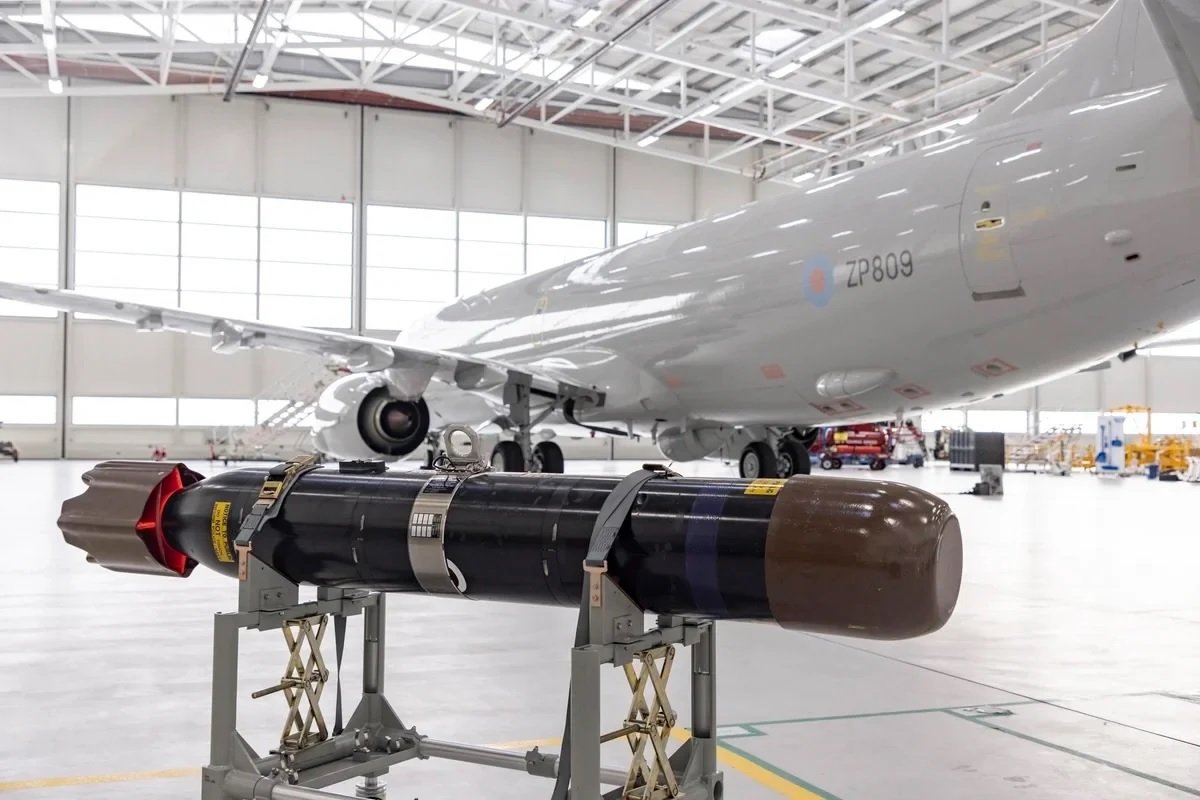
Baltic Sea — Royal Air Force (RAF) P-8A Poseidon crews participated in NATO’s Exercise Dynamic Merlin 2026, conducting anti-submarine warfare training alongside German and Swedish submarines in the Baltic Sea from November 9 to 13 off the coast of Sweden.
The exercise brought together naval forces, submarines, helicopters and maritime patrol aircraft from eight NATO nations to practise detecting, tracking and responding to underwater threats. According to the RAF, the training also focused on protecting critical undersea infrastructure, including communications cables and energy pipelines.
Operating from RAF Lossiemouth in Scotland, crews from No. 120 Squadron flew missions over the Baltic Sea alongside maritime patrol aircraft from France, Germany and Sweden.
Standing NATO Maritime Group 1 (SNMG1) formed the core of the surface force, supported by ships from Canada, Denmark, Finland, Germany, the Netherlands and Sweden. German and Swedish submarines acted as opposition forces, providing realistic targets for allied aircraft and warships.
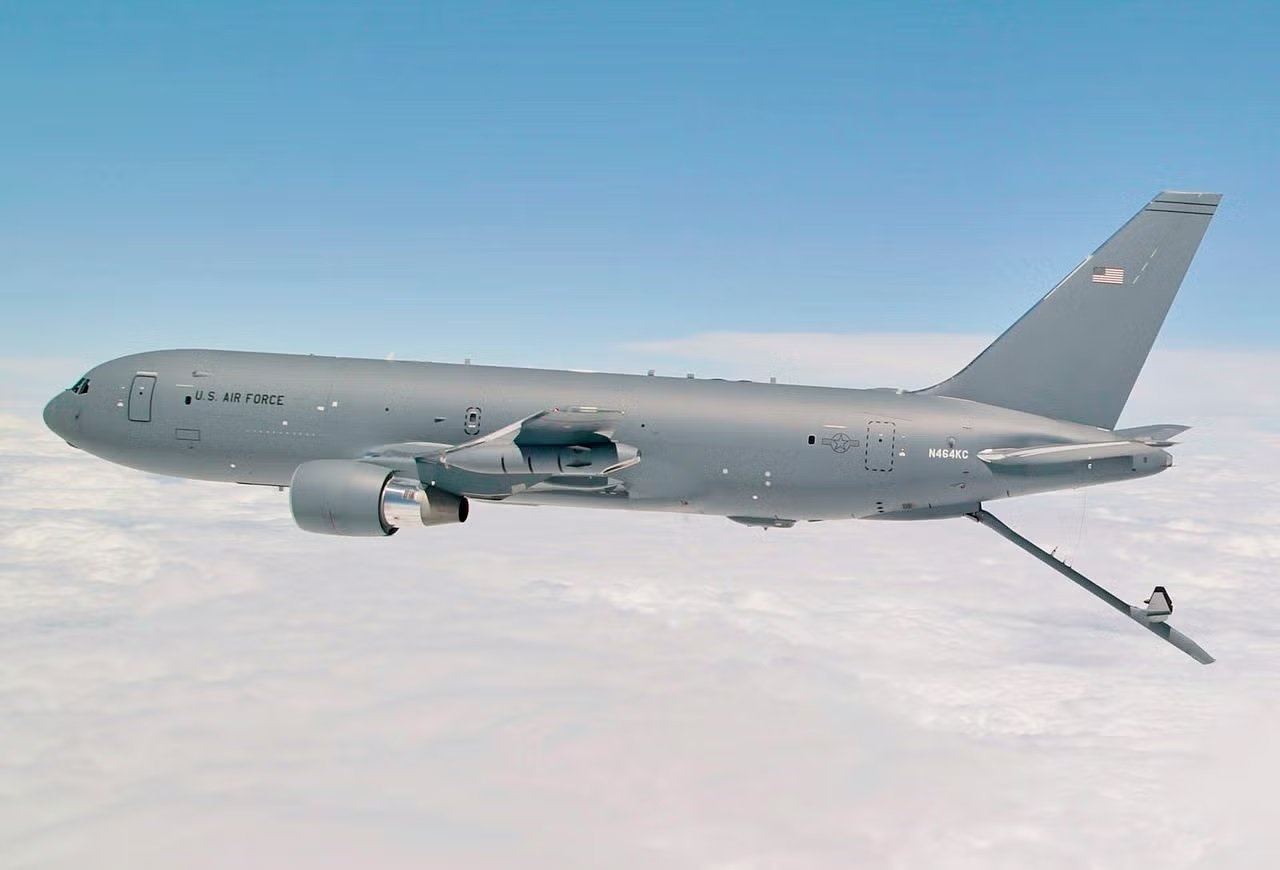
P-8A Poseidon in Anti-Submarine Operations
The P-8A Poseidon uses radar, acoustic sensors and communications systems to search large areas, detect submarine activity and share tracking information with allied forces. During the exercise, RAF crews coordinated with warships and helicopters to practise locating and monitoring submarines.
Baltic Sea Creates Detection Challenges
The Baltic Sea presents particular challenges for anti-submarine warfare because of its shallow waters, changing salinity and temperature layers, which affect how sound travels underwater. Heavy commercial shipping activity adds further complexity.
The exercise also included training against emerging maritime and hybrid threats, strengthening NATO's ability to protect important underwater infrastructure and maintain freedom of navigation.
RAF Highlights Allied Cooperation
The Officer Commanding RAF No. 120 Squadron said:
“Dynamic Merlin provided an outstanding opportunity to train alongside our NATO partners in a challenging and demanding environment. Anti-submarine warfare relies on close cooperation between forces operating in the air, on the surface and beneath the sea.”
He added that the exercise helps improve interoperability and ensures allied forces remain prepared to respond to emerging threats.
Dynamic Merlin 2026 marked the first time the activity was conducted as a full Dynamic-series exercise, following its earlier format as Playbook Merlin. It joins NATO's other major anti-submarine warfare exercises, Dynamic Manta and Dynamic Mongoose.
Led by NATO Allied Maritime Command (MARCOM), the exercise strengthens allied capabilities in a strategically important region and supports NATO's efforts to protect maritime infrastructure and maintain security across the Baltic Sea.
——— End of Article ———