WASHINGTON, — Blue Origin, founded by Jeff Bezos, has withdrawn from NASA's competition to develop a commercial space station to replace the International Space Station (ISS). The company will redirect its resources towards lunar landers, transportation systems and infrastructure supporting NASA's Artemis programme and future Moon Base operations.
Blue Origin confirmed the decision on November 13, 2026, during an employee meeting led by CEO Dave Limp. The company said establishing a sustained human presence on the Moon is a critical step towards its wider goal of enabling millions of people to live and work in space.
Blue Origin Shifts Focus from Orbital Reef to Moon
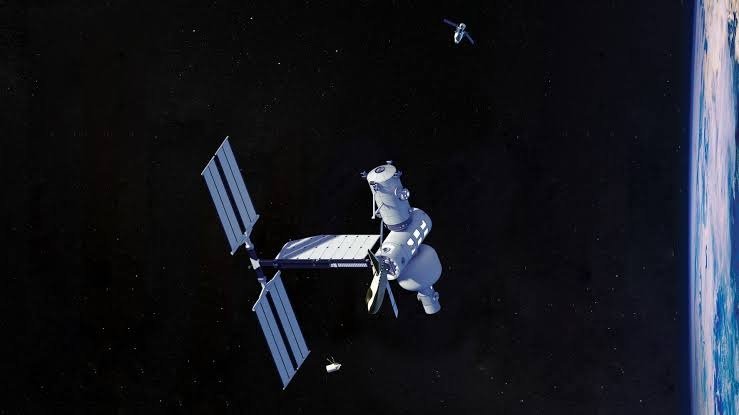
Blue Origin and its partner Sierra Space had been developing the Orbital Reef commercial space station since 2021. NASA selected the project under its Commercial Low Earth Orbit Destinations (CLD) Phase 1 programme.
Designed as a mixed-use commercial station, Orbital Reef was intended to support scientific research, industrial activities, international users and space tourism in low Earth orbit.
The project had completed several design and technical development milestones, including work on habitats, life-support and docking systems. Sierra Space also contributed its inflatable LIFE habitat concept. However, Blue Origin has decided not to submit a proposal for the next phase of NASA's competition. The future of Sierra Space's involvement has not been fully detailed.
Blue Moon Landers Become a Priority
Blue Origin will now prioritise its Blue Moon Mark 1 cargo lander and Mark 2 crewed lander, which are being developed to support NASA's Artemis lunar exploration programme.
The company is also advancing its New Glenn heavy-lift rocket and related transportation infrastructure to support future lunar missions. These capabilities are intended to support cargo delivery, crew transportation and sustained operations on the Moon.
NASA's Commercial Space Station Competition
NASA plans to retire the ISS around 2030 and transition low Earth orbit operations towards commercial space stations.
Following Blue Origin's withdrawal, the remaining competitors include:
-
Axiom Space, developing a commercial station through a phased approach that initially uses the ISS.
-
Airbus–Voyager Starlab, a joint venture developing a commercial orbital station.
-
Vast, which holds an unfunded Space Act Agreement with NASA and plans to launch its Haven-1 station in the first quarter of 2027.
NASA released its CLD Phase 2 solicitation on October 9, 2026, seeking commercial providers to develop future orbital destinations. The agency plans to support two or more providers during early development before selecting companies for later design, testing, certification and operational work.
The original proposal deadline of December 8, 2026, was subsequently extended to December 14, 2026, under an updated solicitation. Initial development selections are expected around April 2027.
Blue Origin's withdrawal marks a change in its space station strategy, as the company shifts more resources towards lunar transportation and infrastructure. Meanwhile, NASA's remaining competitors will continue developing commercial stations ahead of the ISS's planned retirement around 2030.
Sources: NASA, Blue Origin, Sierra Space and NASA's Commercial Low Earth Orbit Destinations programme.
——— End of Article ———