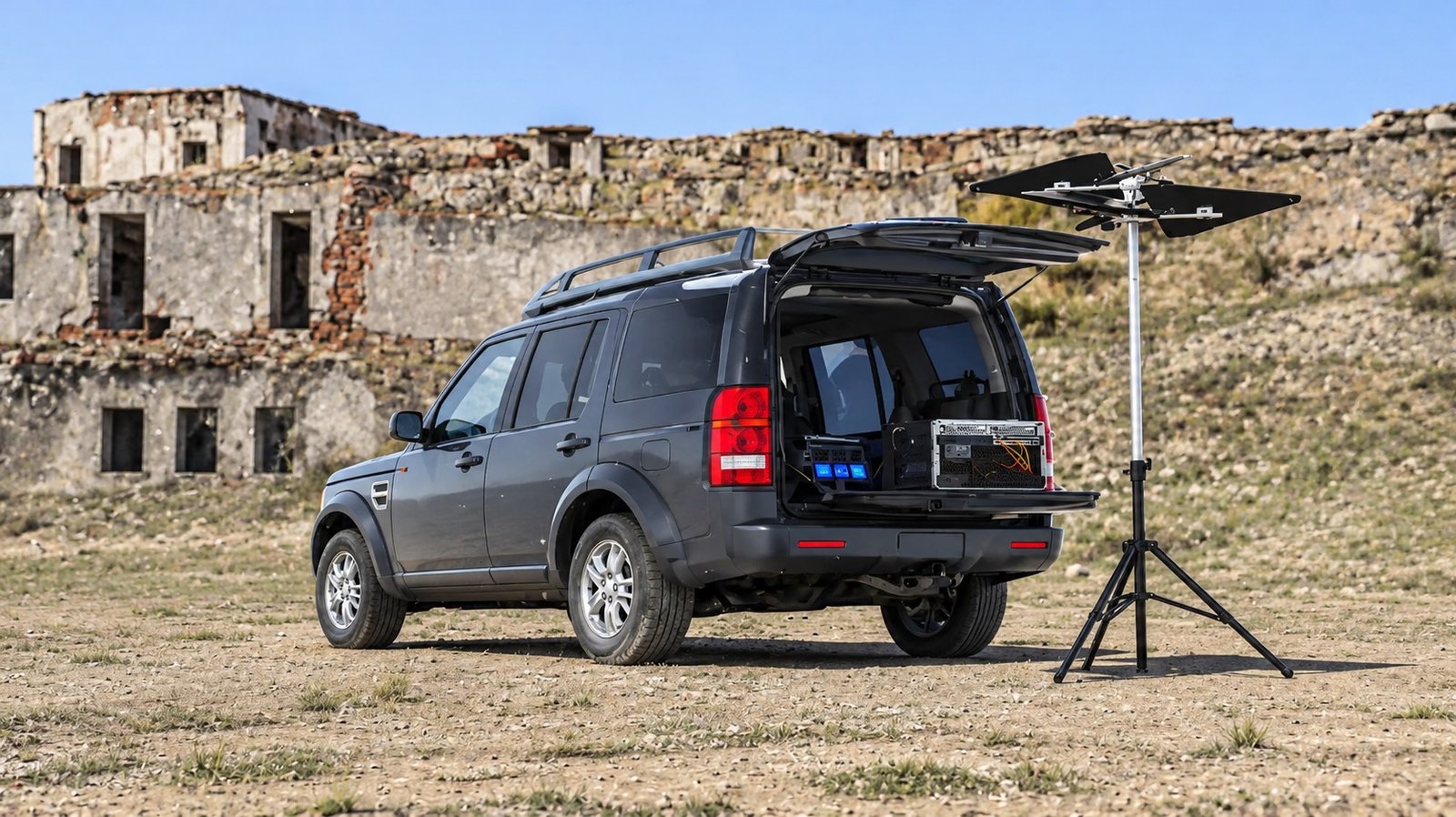
BRUSSELS, Belgium — NATO is using OpenAI’s advanced artificial intelligence models to strengthen cybersecurity across its networks, with usage reaching up to 300 billion input and output tokens per month. OpenAI announced the development on November 17, 2026, confirming its partnership with the NATO Communications and Information Agency (NCIA) through its Daybreak programme.
The programme provides authorised cyber defenders with AI tools to review software code, investigate suspicious network activity, identify vulnerabilities and develop and test security fixes. These capabilities help security teams find weaknesses faster and address them before attackers can exploit them.
Dr. Dylan Browne, NCIA's general manager, said the agency is monitoring token consumption, usage patterns and AI operating costs to support future procurement and cost optimisation decisions. OpenAI's head of national security policy, Sasha Baker, said Daybreak aims to give trusted defenders advanced tools to identify and fix software vulnerabilities.
AI Tested in NATO Cyber Exercise
OpenAI also supported the 2026 Crossed Swords exercise, organised by the NATO Cooperative Cyber Defence Centre of Excellence (CCDCOE). The exercise introduced a new training stream in which participants built, deployed and evaluated AI agents for cyber operations using Daybreak, while maintaining human oversight.
European Agencies Report Security Findings
OpenAI has also provided access to its cybersecurity models to the European Union Agency for Cybersecurity (ENISA) and national cyber agencies in France, Germany and Poland. Ukraine's Ministry of Digital Transformation is using Daybreak to help protect civilian infrastructure and systems supporting essential services.
ENISA used OpenAI models to identify four vulnerabilities in software used across EU institutions, and fixes have been published for all four.
A November joint report by ENISA and CERT-EU reviewed 27 software projects using several advanced AI models, including OpenAI models accessed through Daybreak and the Codex security plug-in. Software maintainers confirmed that 95% of the 88 potential issues they assessed were genuine.
In Poland, CERT Polska used OpenAI models to identify six vulnerabilities in MikroTik's RouterOS software. Researchers directed the investigation and tested the findings on real systems. MikroTik subsequently released software updates, which CERT Polska confirmed prevented the observed attack methods.
The growing use of AI in NATO and European cybersecurity agencies highlights its role in software vulnerability discovery and defensive security operations. However, human researchers continue to verify findings, assess risks and oversee security testing.
——— End of Article ———