WASHINGTON — The U.S. Central Command (CENTCOM) has rejected allegations made by Iranian Navy Commander Rear Admiral Shahram Irani concerning American military operations and maritime security in the Middle East, describing them as fabricated.
In a statement on November 28, CENTCOM addressed three claims involving two oil tankers, an alleged strike on the aircraft carrier USS Abraham Lincoln (CVN 72) and accusations that U.S. forces are charging commercial vessels $2.5 million to pass through the Strait of Hormuz.
Irani made the allegations during interviews with Iranian media on November 27, coinciding with Iran's National Navy Day.
Dispute Over Oil Tankers and USS Abraham Lincoln
According to Iran's semi-official Fars News Agency, Irani claimed that U.S. forces seized two Iranian oil tankers but Iranian personnel later boarded and recovered both vessels while American troops were asleep. CENTCOM rejected the account, calling it a fabricated claim and stating that Iran no longer has a functioning navy capable of conducting such an operation.
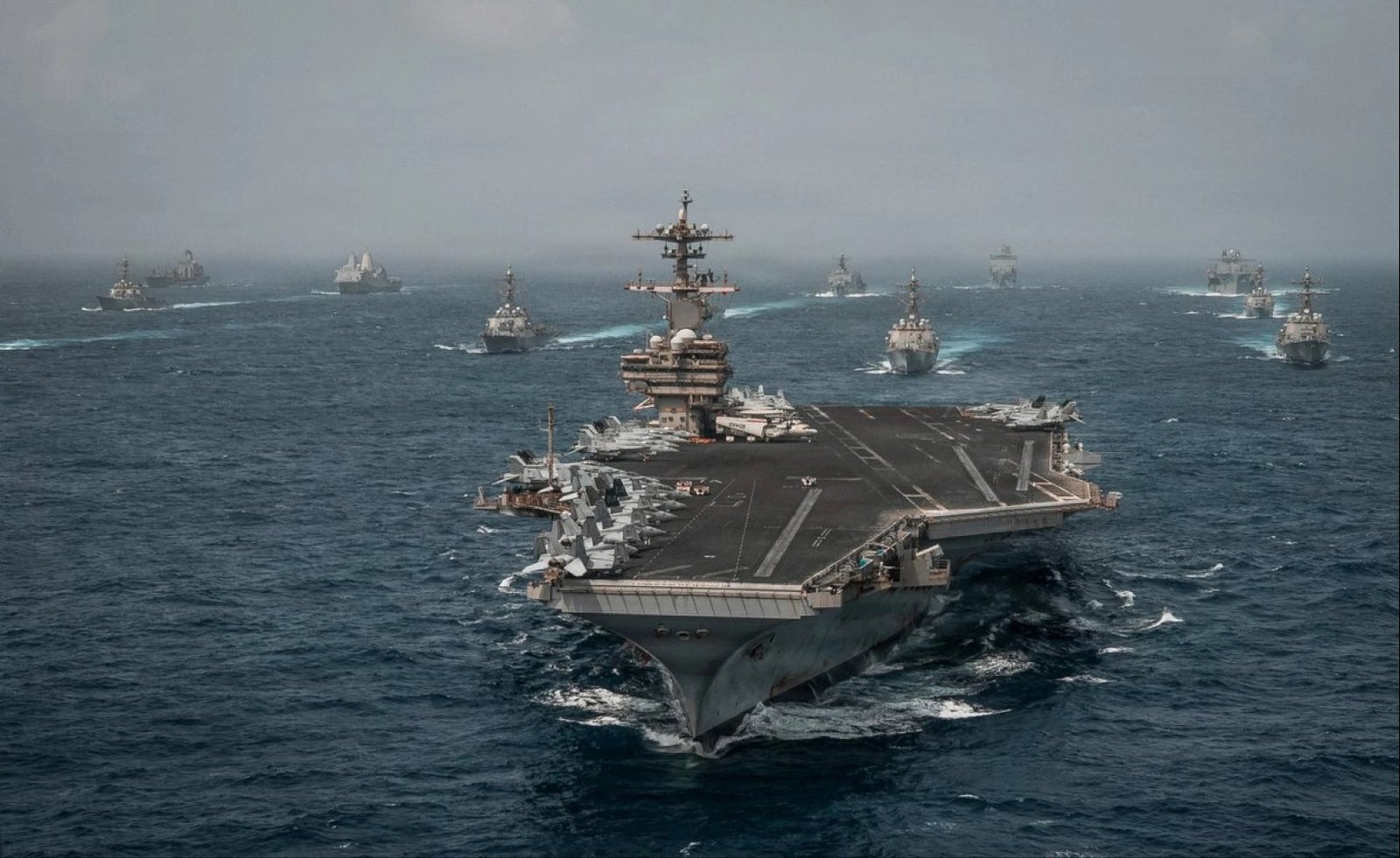
Iran also claimed its naval forces struck the USS Abraham Lincoln on February 28, the first day of Operation Epic Fury, launched by the United States and Israel against Iran. Tehran alleged that the attack forced American forces to seek evacuation assistance from neighbouring countries.
CENTCOM denied that the aircraft carrier was hit, stating that the Abraham Lincoln Carrier Strike Group remained well defended and completed its Middle East deployment before safely returning to the United States in October 2026.
According to the U.S. Navy, the carrier completed a 321-day deployment, supporting more than 13,000 aircraft sorties and 28,500 flight hours.
CENTCOM Denies Strait of Hormuz Transit Fees
Irani also accused U.S. forces of charging shipowners $2.5 million for safe passage through the Strait of Hormuz. He further alleged that American forces failed to acknowledge attacks on commercial vessels or refund payments when ships came under threat.
CENTCOM rejected the allegations, stating that no transit toll is charged to commercial vessels using the waterway. The command said U.S. forces and regional partners maintain control of the strait and that thousands of ships carrying billions of barrels of crude oil have transited freely under U.S. protection.
Continued Naval Blockade
The dispute comes amid continued military confrontation between Washington and Tehran. The United States has maintained a naval blockade on Iranian ports since July 2026.
On November 27, CENTCOM reported that its forces had disabled the Palau-flagged commercial vessel M/V Pacific Archer after it attempted to leave Iran's Bandar Abbas port and breach the blockade. A U.S. aircraft struck the vessel's stern, disabling its propulsion without harming its civilian crew.
Meanwhile, Irani maintained that Iranian ports remain operational and naval activities continue despite the American blockade.
The Strait of Hormuz remains a major point of tension because of its importance to international oil and gas transportation. Neither the Iranian allegations nor all aspects of the U.S. response have been independently verified.
——— End of Article ———