Cape Canaveral, Florida – NASA has unveiled its newest experimental aircraft, the X-70 Fractal, designed to test advanced flight-control systems, aircraft manoeuvrability and emerging aviation technologies. The announcement was made on November 4, 2026, during the UP.Summit at Kennedy Space Center by NASA Administrator Jared Isaacman.
The crewed X-70 Fractal will serve as a modular research platform, allowing engineers to rapidly change flight-control configurations and test different technologies during flight. It can carry up to 2,000 pounds of experimental equipment, installed internally or on external mounting points. This will allow researchers to switch payloads between experiments without requiring major modifications to the aircraft.
Isaacman said the aircraft would provide NASA with a high-performance platform for testing advanced flight controls and manoeuvrability. NASA expects the X-70 to make its first flight under the agency's banner within the next two years.
X-70 Fractal Specifications and Capabilities
According to NASA, the aircraft has a takeoff weight of 10,000 pounds and is designed to cruise at Mach 0.75. It can reach an altitude of 45,000 feet and has an operational range exceeding 1,500 nautical miles (approximately 1,726 miles).
Unlike experimental aircraft focused on extreme speed, the X-70 is primarily intended to investigate flight-control technologies and aircraft manoeuvrability. Its rapidly reconfigurable design will allow engineers to test different control systems and research configurations in actual flight.
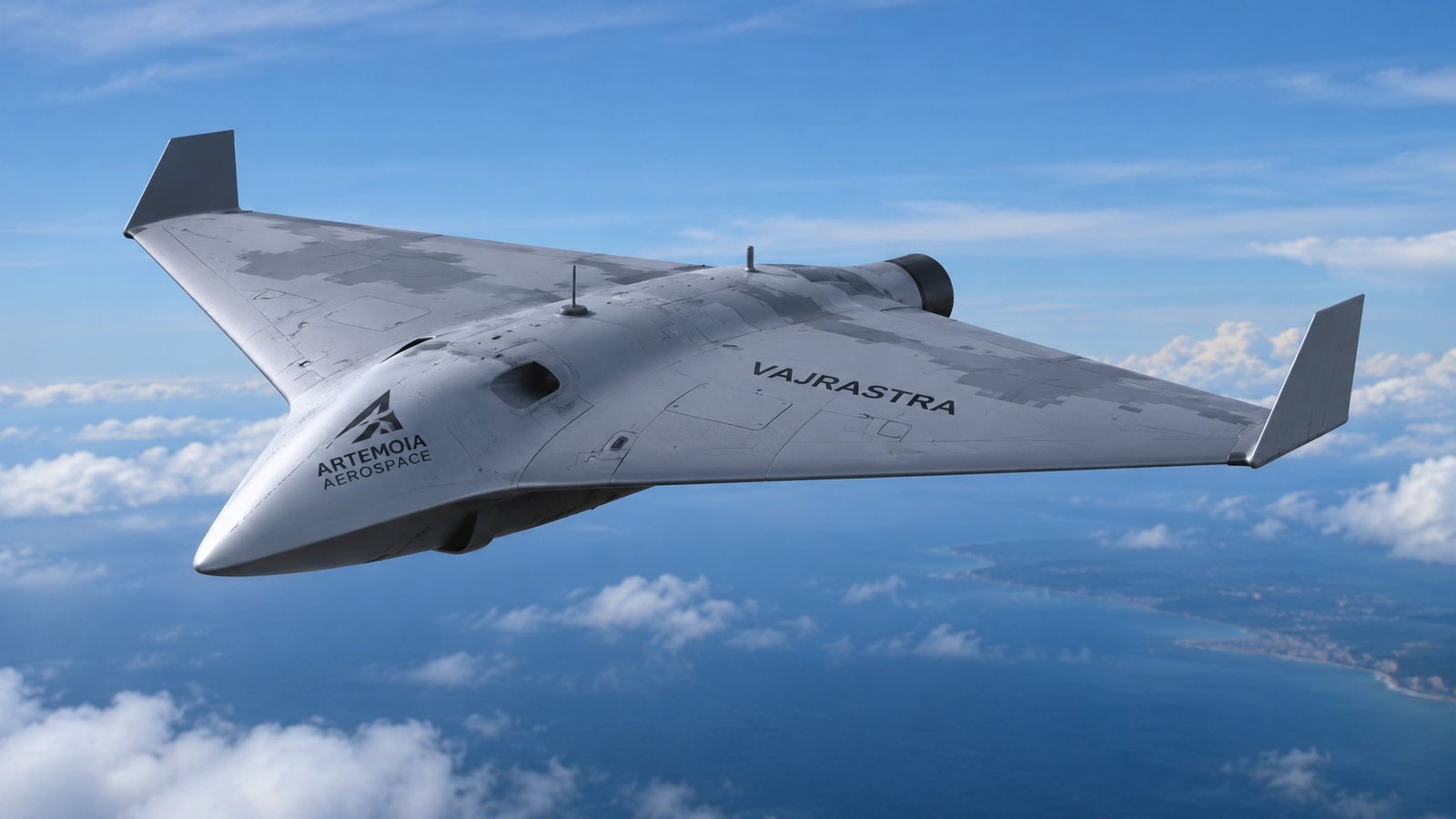
NASA has not disclosed the aircraft's manufacturer, engine type or full technical configuration. The agency has released a computer-generated concept image, rather than photographs of a completed aircraft.
Part of America's Experimental X-Plane Programme
The X-70 joins NASA's historic experimental aircraft programme, which includes the Bell X-1, the first aircraft to break the sound barrier in 1947, the X-15 hypersonic research aircraft and the current X-59 quiet supersonic demonstrator.
Laurie Grindle, director of the Aeronautics Division within NASA's Research and Technology Mission Directorate, said X-planes have helped develop aviation technologies for decades. She described the X-70 as another platform to accelerate aeronautics research.
Through the X-70 programme, NASA aims to test advanced flight-control technologies in real-world conditions and improve understanding of aircraft manoeuvrability. Its modular design will also allow researchers to conduct different experiments using the same aircraft.
——— End of Article ———