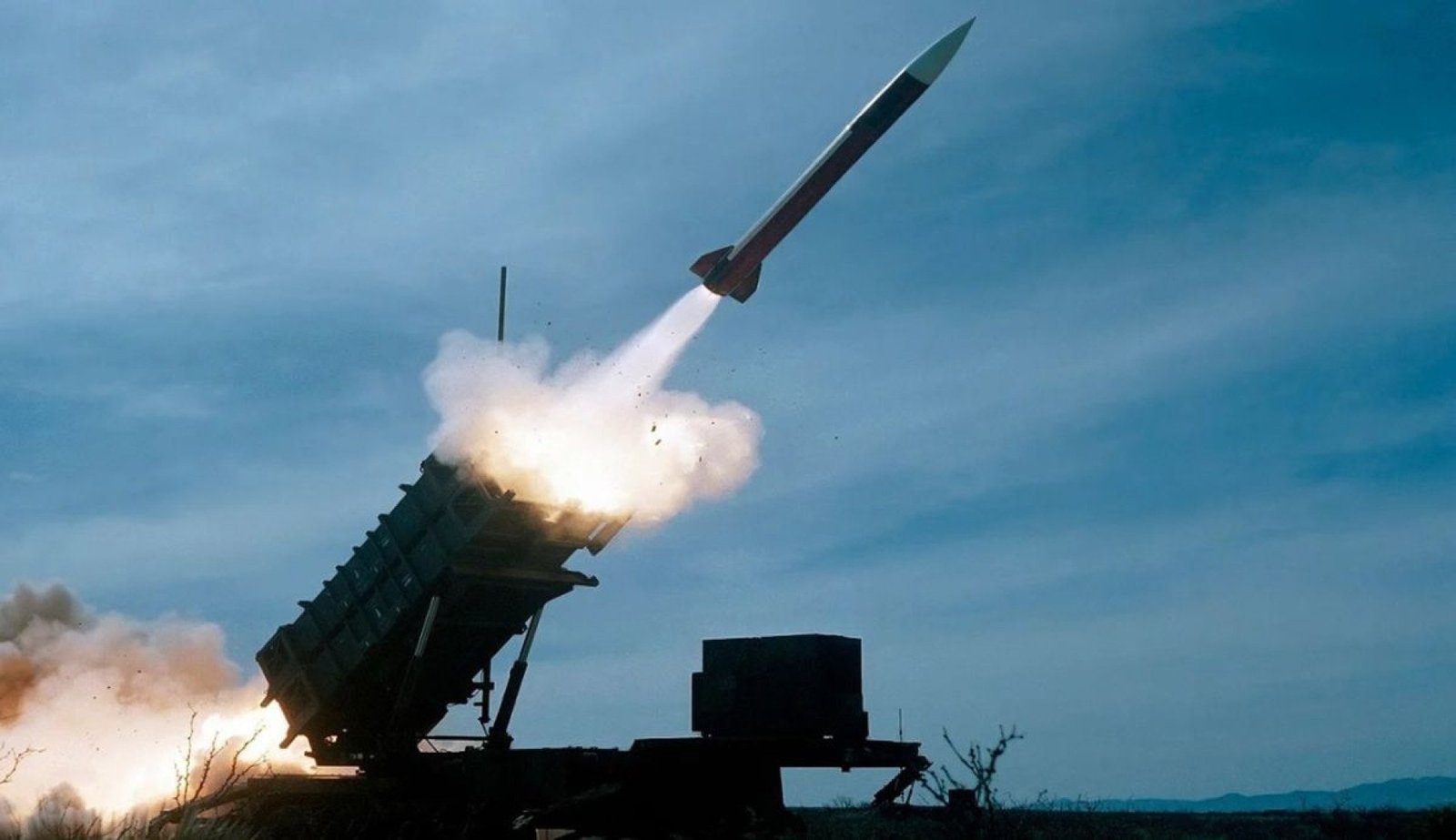
Kyiv, Ukraine – Ukraine is facing a prolonged shortage of Patriot air defence missiles as European stockpiles reach minimum levels and Russian missile production continues to expand. According to a Bloomberg report published on November 9, 2026, the supply situation is unlikely to improve significantly for at least another year.
European countries are increasingly reluctant to transfer additional PAC-2 and PAC-3 interceptors without firm US guarantees that their own stocks will be replenished. On November 7, German Defence Minister Boris Pistorius said Germany had exhausted its capacity to provide more Patriot missiles from national reserves without weakening its own defence capabilities.
Russian Missile Production Adds Pressure
Serhiy Beskrestnov, an adviser to Ukraine's president on defence technology, stated that Russia is producing ballistic missiles at a rate exceeding the global production capacity of Patriot interceptors.
According to Ukrainian military intelligence, Russia can manufacture up to 110 ballistic missiles per month and more than 200 cruise and ballistic missiles combined. As of October 2026, Russia reportedly held up to 700 ballistic missiles, including approximately 115 Iskander-M 9M723 missiles. Production of the Iskander-M is estimated at around 65 per month. These figures are Ukrainian assessments and have not been independently verified.
Russia continues producing Iskander and S-400 missiles and has reportedly shifted some production focus from Kinzhal missiles towards standard ballistic missiles. Additional ballistic missile supplies from North Korea and Iran are adding to the challenge.
New Supply Agreements Will Take Time
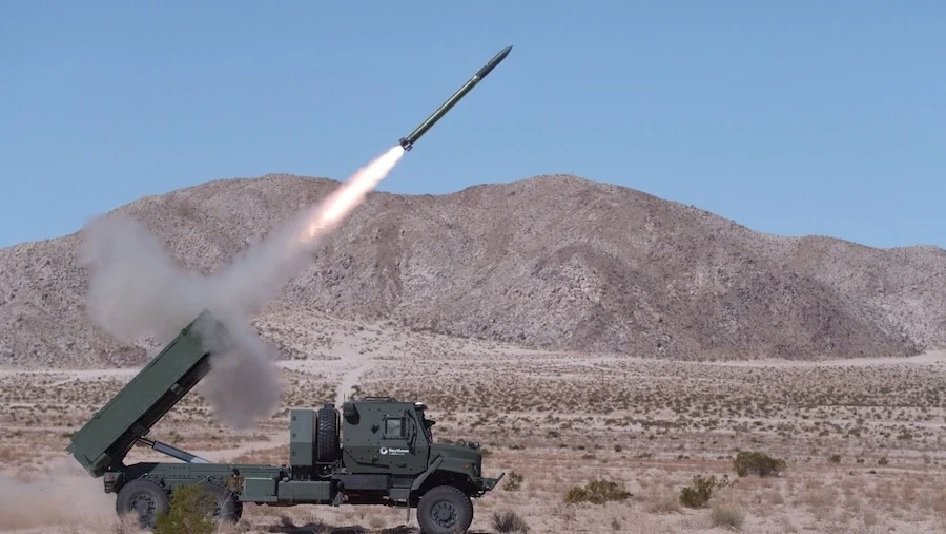
In late October, the United States approved a potential $2.1 billion sale of 500 PAC-3 MSE interceptors to Ukraine, funded by allied countries, including Canada, Germany and Norway, alongside European financial support. However, deliveries could take years.
Ukraine is also scheduled to receive 600 German-manufactured PAC-2 interceptors in 2027 and 2028. A separate agreement signed in late October will establish PAC-3 interceptor production in Poland, supporting longer-term European supplies.
Meanwhile, Lockheed Martin delivered approximately 620 PAC-3 MSE interceptors in 2025. US production capacity, currently around 600–700 missiles annually, is planned to increase towards 2,000 missiles per year by around 2030 under a multiyear production agreement. These supplies must serve the United States and several international customers.
US Patriot interceptor stockpiles have also declined. Estimates from the Center for Strategic and International Studies (CSIS) put remaining stocks at approximately 759–827 missiles, compared with around 2,330 before the Iran conflict.
Ukraine Seeks Additional Interceptors
Ukrainian President Volodymyr Zelenskyy has requested approximately 100 Patriot interceptors per month from existing stocks for the winter period, with future supplies expected through contracted production. He has also highlighted limited recent deliveries.
Ukraine has explored domestic production of Patriot interceptors, but shortages of essential components remain an obstacle. A US pledge by President Donald Trump to provide a manufacturing licence has also not yet advanced into an operational production programme.
With European inventories depleted, new production taking time and Russian missile manufacturing continuing, Ukraine faces at least another year of pressure on its Patriot air defence supplies. German deliveries, Polish production and the planned expansion of US manufacturing are expected to improve availability from 2027 onwards.
——— End of Article ———