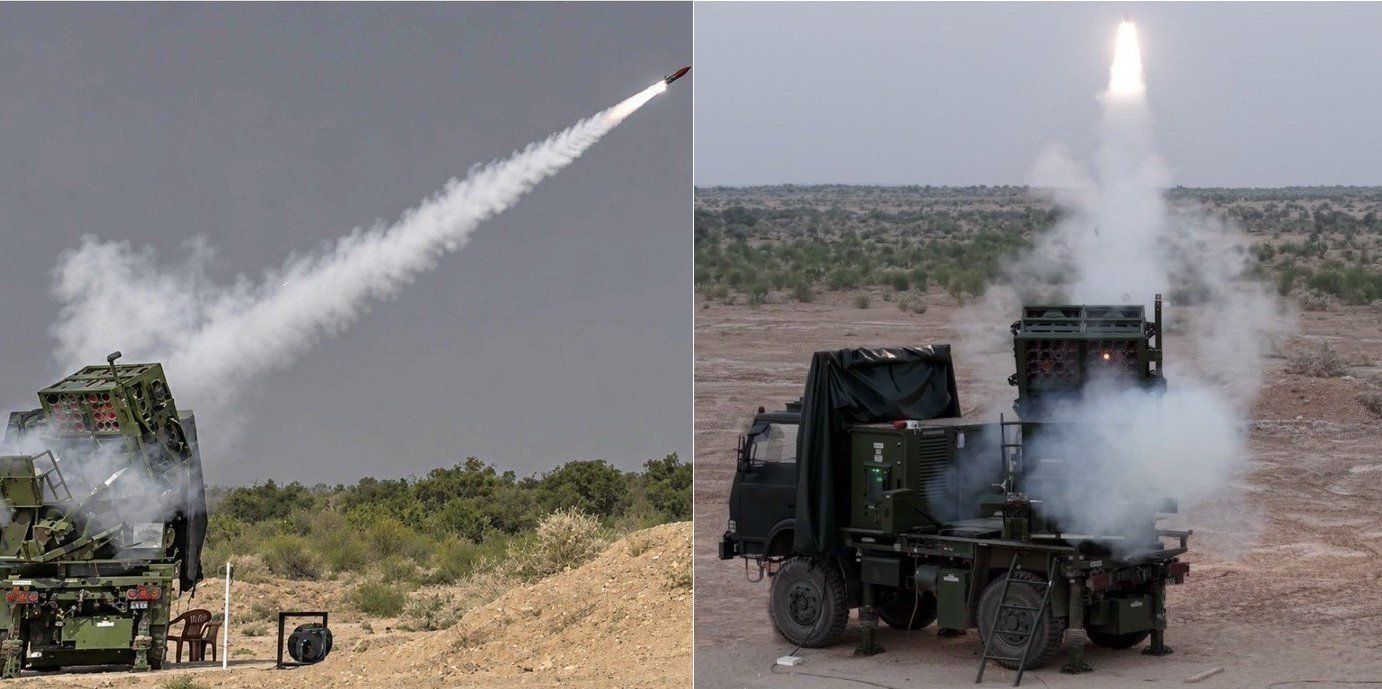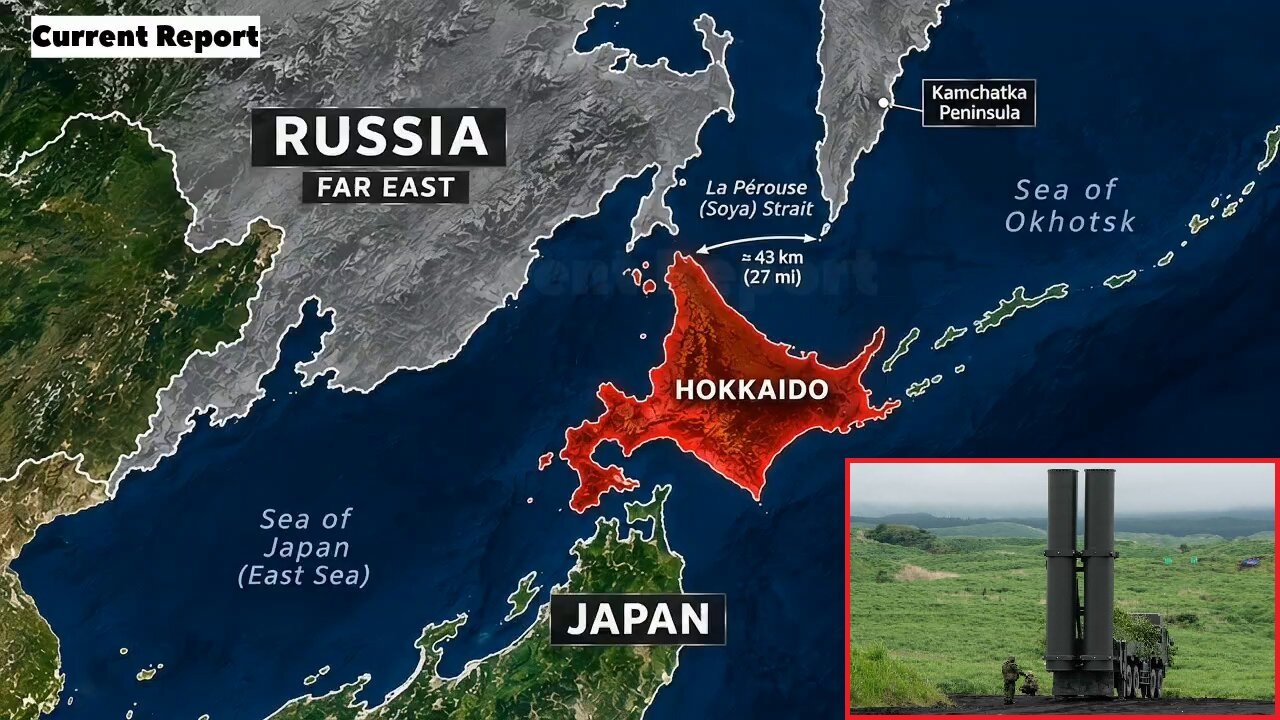
TOKYO — Japan is preparing to deploy its Type-25 Hyper Velocity Gliding Projectile (HVGP) missile system at Camp Kamifurano in Hokkaido as early as December 2026. The deployment will place Japan's newly developed long-range missile capability on its northernmost main island, close to Russian territory.
Japan's Ministry of Defense announced on November 26 that launchers, targeting equipment and related systems would arrive at the Japan Ground Self-Defense Force (GSDF) base early next month. Deployment operations will begin shortly after delivery, although the exact date has not been announced.
A dedicated GSDF unit is also being organised to operate and maintain the missile systems at Camp Kamifurano.
Type-25 Missile Designed to Counter Naval Threats
The Type-25 HVGP, also known as the 25HGP, is a ground-launched weapon designed primarily to defend remote islands against approaching enemy vessels and landing forces.
The system uses a solid-fuel rocket booster to carry its projectile to high altitude. After separation, a glide vehicle travels towards its target at hypersonic speeds, exceeding Mach 5. Its manoeuvrable flight path makes interception more difficult than with conventional ballistic missiles.
The Defense Ministry has not released exact performance figures. The current Block 1 version is reported to have a range of several hundred kilometres, while future upgraded versions are expected to extend the range to between 1,000 and 2,000 kilometres.
Hokkaido Deployment Raises Russian Security Concerns
Hokkaido is located close to Russia's Far East, including Sakhalin and the disputed southern Kuril Islands, which Japan calls the Northern Territories.
The deployment will bring Japan's advanced missile systems to its northern region, adding strategic importance to the island's proximity to Russian territory.
Russia has previously warned Japan against deploying hypersonic missiles near its borders. Moscow's deputy foreign minister has stated that Russia could take retaliatory measures if such systems were stationed in the region.
Japan, meanwhile, describes the missile programme as part of its efforts to strengthen remote island defence and deter maritime invasions.
Part of Japan's Counterstrike Capability Programme
The Hokkaido deployment is part of Japan's wider military modernisation programme following its 2022 National Security Strategy and related security documents, which introduced plans to develop counterstrike capabilities.
The Type-25 system was first deployed at Camp Fuji in Shizuoka Prefecture in March 2026, making Camp Kamifurano the second base scheduled to receive the missiles.
Japan's Defense Ministry also plans to deploy another Type-25 unit at Camp Ebino in Miyazaki Prefecture before the current fiscal year ends in March 2027.
The government considers these systems important for strengthening deterrence and response capabilities to regional security threats. However, the expansion of long-range missile deployments has also raised concerns among some residents and civic groups, particularly over the possibility of military bases making nearby communities potential targets during a conflict.
——— End of Article ———