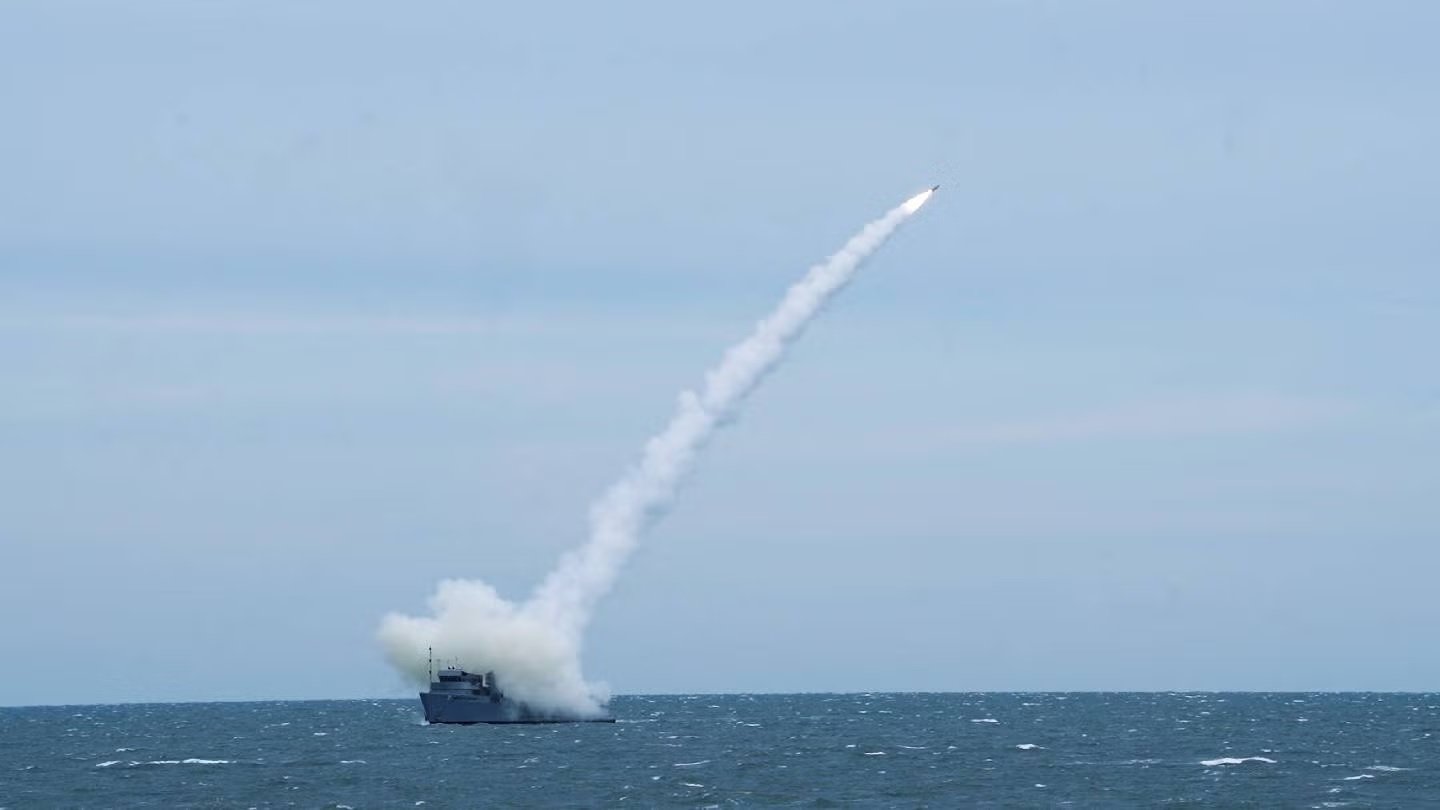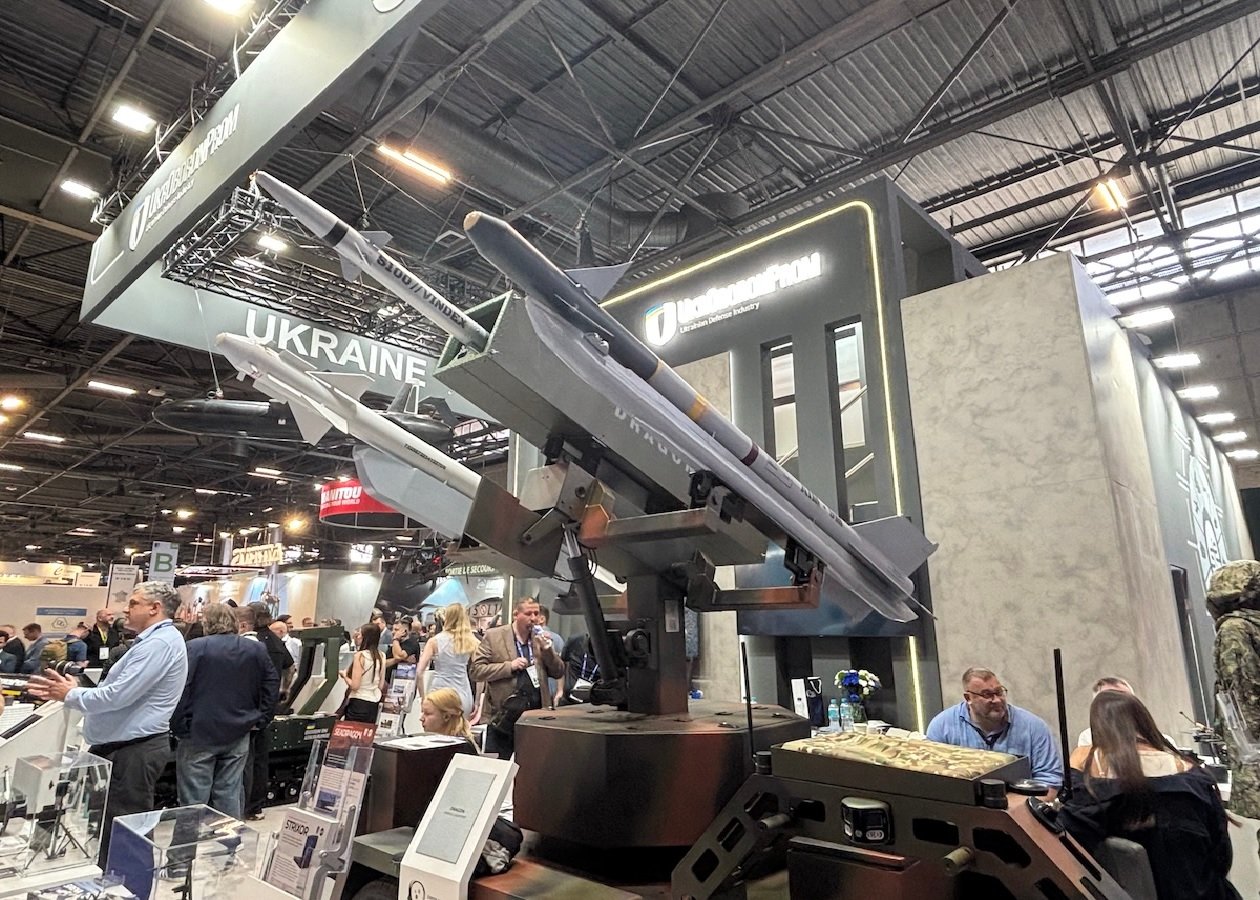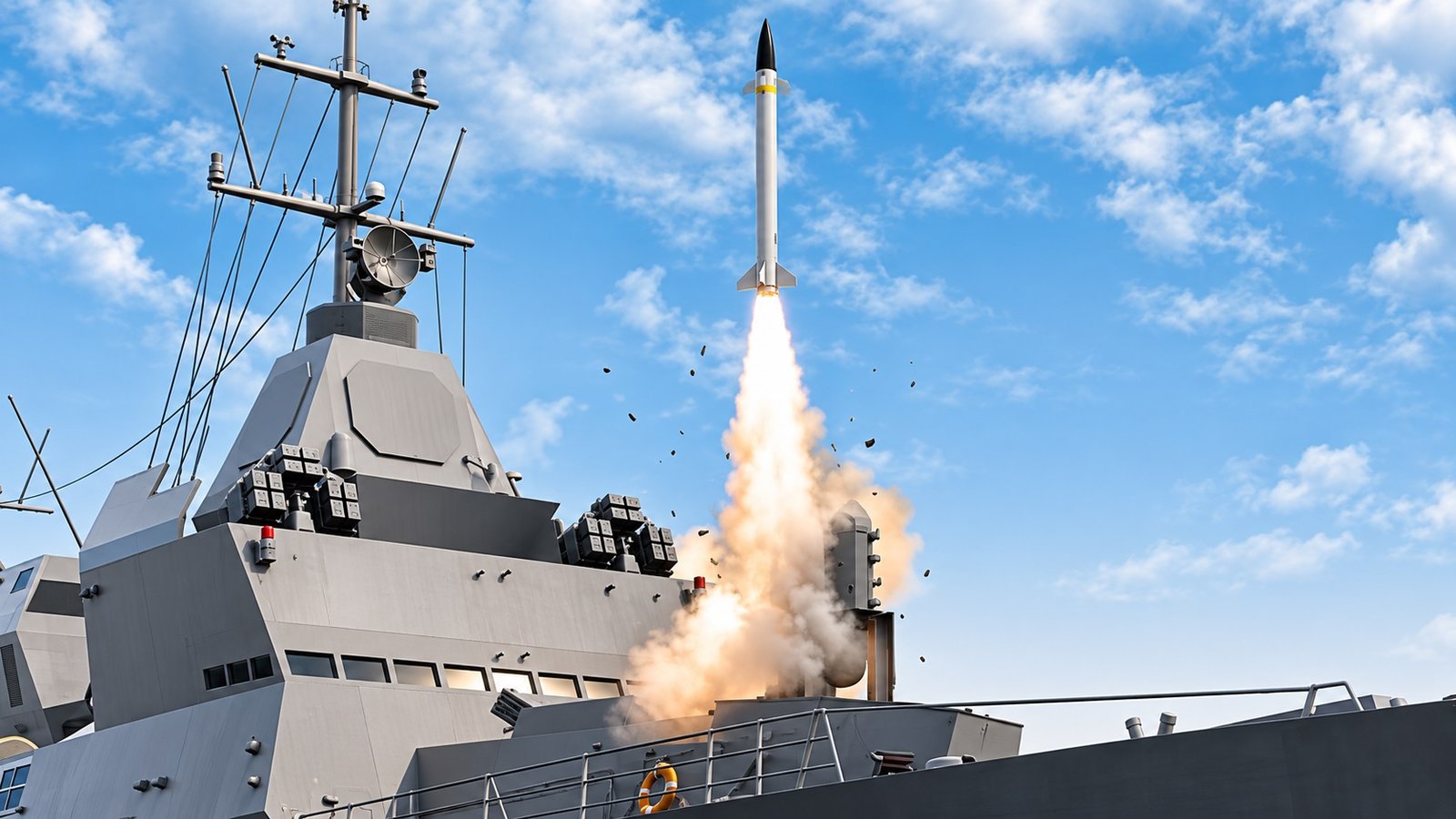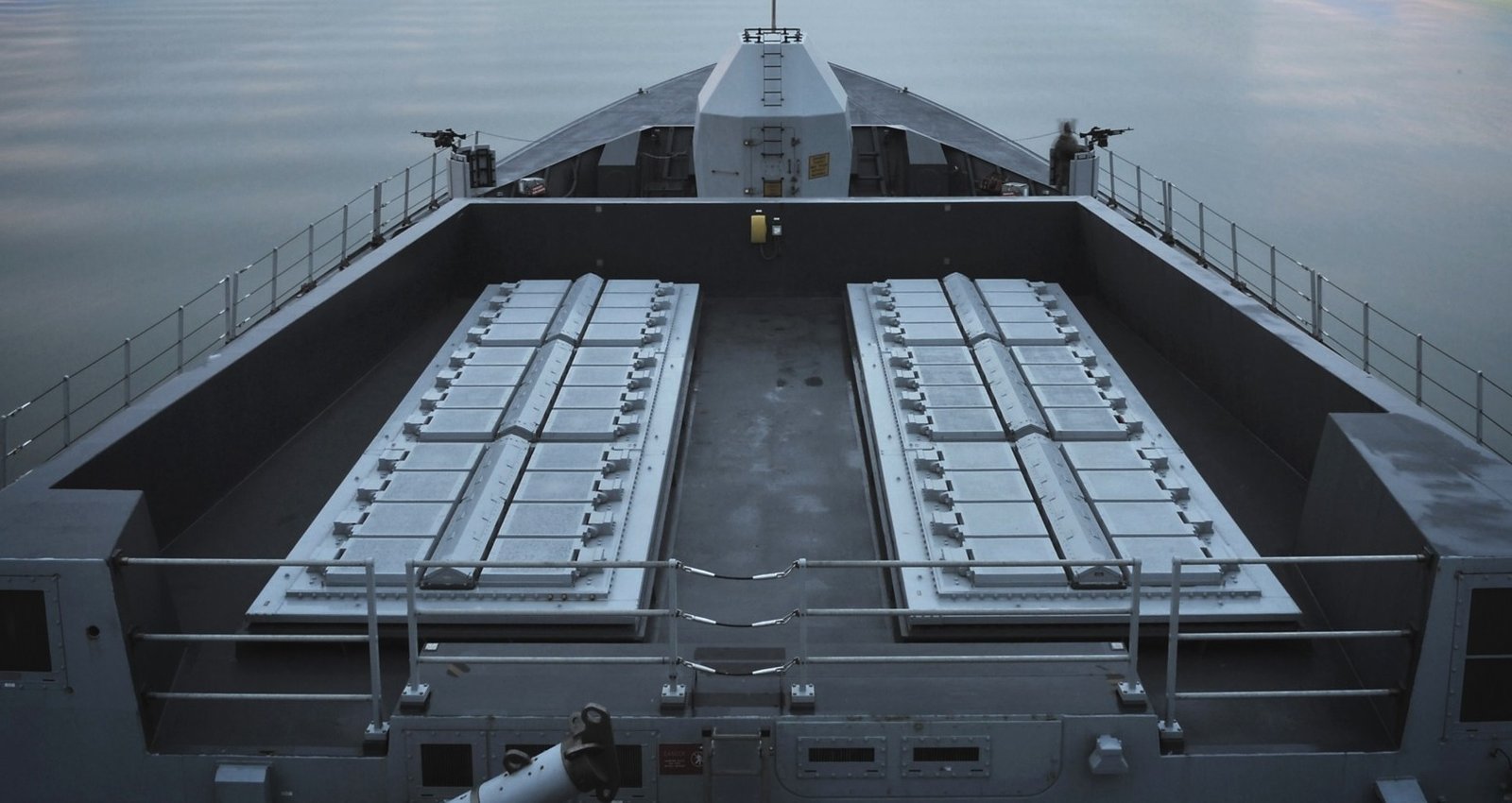
Rome, Italy — Italy will develop an indigenous Vertical Launching System (VLS) for its future warships under the Ministry of Defence’s 2026–2028 Multi-Year Defence Programming Document (DPP), submitted to Parliament on November 10, 2026. The programme aims to reduce dependence on foreign launcher systems and provide greater flexibility in deploying naval missiles.
The Multipurpose National Launcher (Lanciatore Polivalente Nazionale) will initially equip the Italian Navy’s next-generation DDX destroyers and two planned FREMM EVO frigates, being developed by Orizzonte Sistemi Navali (OSN), a joint venture between Fincantieri and Leonardo.
Modular Design and Missile Capabilities
The new VLS will use a modular architecture with eight-cell units. Its cells are expected to be larger than those of the French SYLVER A70 to accommodate next-generation cruise missiles, particularly the Stratus LO.
Unlike the existing SYLVER system, which uses dedicated launcher configurations for different missile types, the Italian design will support mixed offensive and defensive missile loads. The first two planned naval platforms are expected to receive four A50 VLS modules, while their designs are being prepared to accommodate the new launcher.
MBDA Italia is expected to lead the system's design, including the firing unit, with support from Fincantieri. A separate, multi-stage development contract is expected in the coming months.
Stratus LO Cruise Missile
A key requirement for the new launcher is compatibility with Stratus LO (Low Observable), a high-subsonic, low-observable cruise missile being developed by MBDA for Italy, France and the United Kingdom.
The missile is designed for long-range deep strikes, anti-ship warfare, suppression and destruction of enemy air defences (SEAD/DEAD), and engagement of high-value air targets.
Its multimode seeker will combine passive radar technology developed by MBDA UK and an electro-optical/infrared (EO/IR) system from Leonardo UK. MBDA Italia is responsible for the datalink. The missile is planned for the Italian Navy's DDX destroyers and FREMM EVO frigates, as well as the Air Force's Eurofighter Typhoon fighters.
Italy has allocated €260 million to the Deep Strike and Anti-Ship Systems programme, with €71.2 million for 2026, €170.2 million for 2027 and the remaining €18.6 million for 2028. The next development and qualification contract for Stratus LO is expected by early 2027.
Aster and Aquila Air Defence Missiles
The national launcher will also support the Aster 30 missile family, including the Aster Block 1NT, and is designed to accommodate the future Aquila interceptor.
Aquila is being developed under the European HYDIS² (Hypersonic Defence Interceptor System) initiative. It is intended to intercept ballistic and hypersonic threats within the atmosphere.
By developing its own VLS, Italy aims to gain greater control over missile integration, technical specifications and future upgrades. The programme will also provide its next-generation destroyers and frigates with a common launcher architecture for both long-range strike and fleet air defence.
——— End of Article ———