Washington — Lockheed Martin has successfully demonstrated its 300-kilowatt Valkyrie high-energy laser weapon against a surrogate cruise missile target, marking a major technical milestone for its directed-energy programme.
Jack Cheung, Program Director of Laser and Sensor Systems and Site General Manager at Lockheed Martin, announced the achievement on LinkedIn. He confirmed that it was the team's first successful engagement against a surrogate cruise missile with full kill-chain integration and the first kill achieved without track augmentation. The target was engaged at a meaningful distance with a short engagement time. The exact test location, date and engagement range were not disclosed.
Valkyrie Laser System
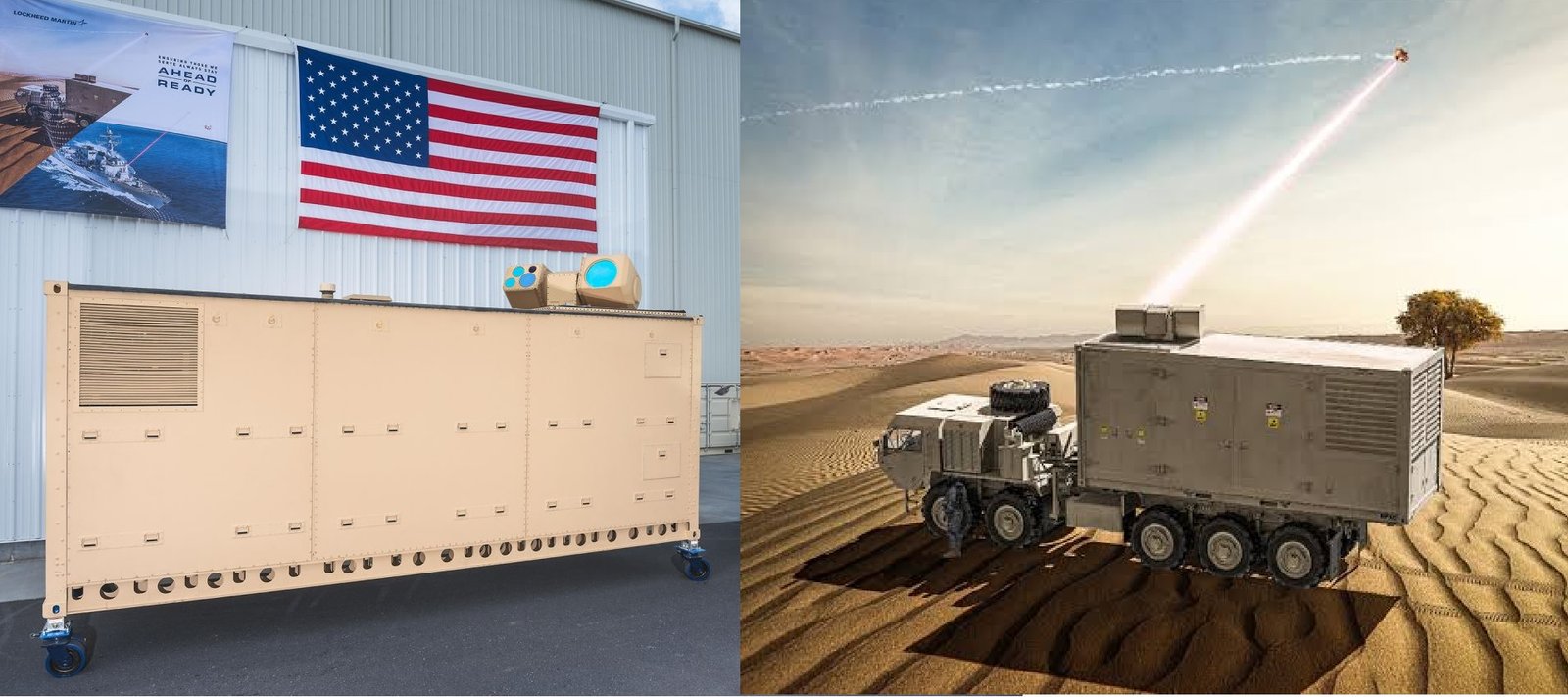
The weapon is officially known as the Indirect Fire Protection Capability–High Energy Laser (IFPC-HEL). It uses a 300 kW-class laser housed in a container-sized enclosure with a beam director.
Developed for the US Army, Valkyrie was designed to protect military bases and troops against cruise missiles, drones, rockets and mortar rounds. Full kill-chain integration means the system can manage the engagement process, including target detection, tracking and laser engagement, without relying on external track augmentation. This typically uses additional target features, such as beacons or reflectors, to assist tracking.
US Army Shifts to Joint Laser Programme
Despite the successful test, the US Army has decided not to transition IFPC-HEL into operational service. A March 9, 2026, Congressional Research Service report confirmed that the programme had been reduced from two planned prototypes to one, with the remaining prototype intended to support future development.
Technology and lessons from Valkyrie are being carried into the Joint Laser Weapon System (JLWS), a joint US Army and Navy programme.
In July 2026, the Department of War awarded Lockheed Martin and nLIGHT agreements worth an initial combined $86 million, with a programme ceiling of $847 million, to develop laser weapons against cruise missiles and unmanned aerial systems.
The new programme will initially develop approximately 150 kW systems, with later versions planned to scale up to 300–500 kW.
The latest Valkyrie test demonstrates progress in integrating high-energy lasers with target detection and tracking systems. However, further testing and development will be required before such weapons can become operational air-defence systems.
——— End of Article ———