World
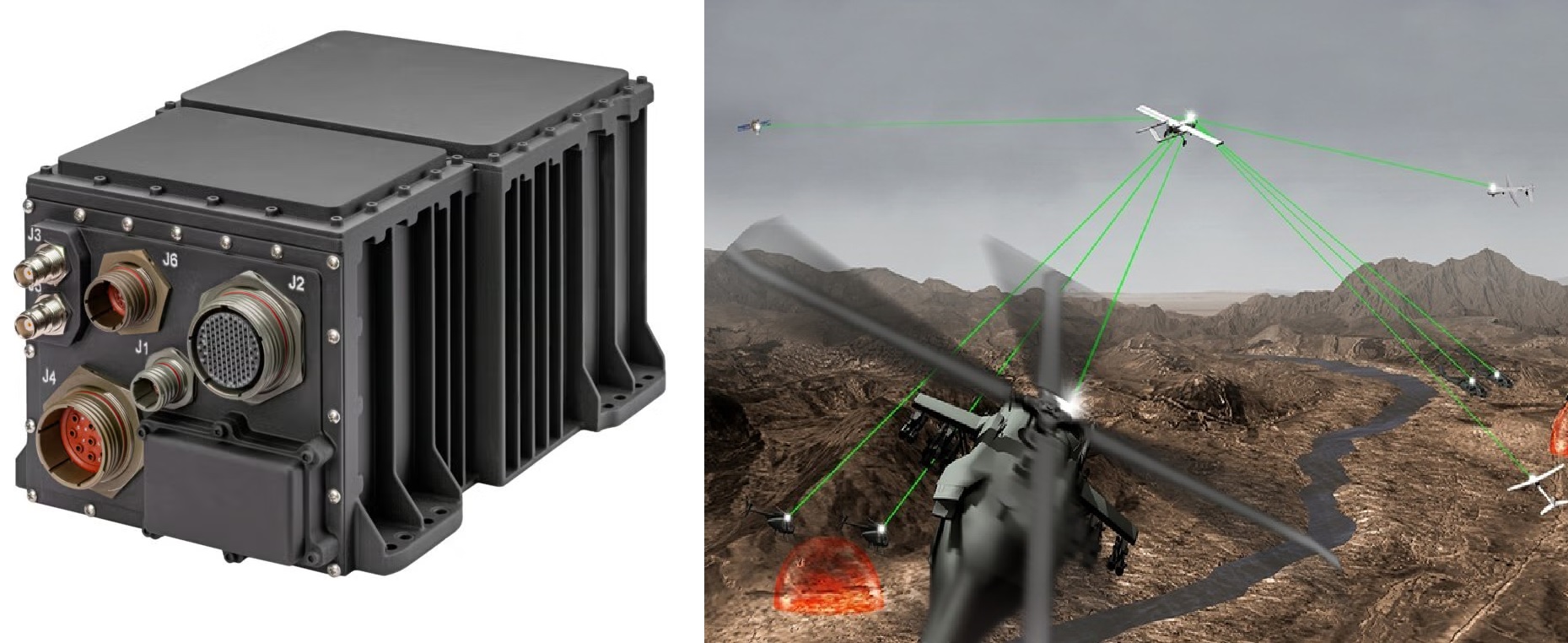
Woodland Hills, California — April 18, 2026 : Northrop Grumman Corporation has delivered the first production unit of its Embedded Global Positioning System/Inertial Navigation System-Modernized (EGI-M), also designated as the LN-351. The airborne navigation system is designed to provide accurate positioning, navigation and timing (PNT) data for military platforms operating in contested and GPS-denied environments, marking a transition of the program toward full-scale production. The EGI-M is intended to support global military operations by maintaining navigational accuracy in conditions where satellite signals may be degraded, jammed or denied. The system integrates GPS and inertial navigation technologies into a unified hardware and software architecture, enabling continuous navigation performance across a range of operational scenarios. System Design and Navigation Function The system combines Global Positioning System (GPS) inputs with an Inertial Navigation System (INS). While GPS relies on external satellite signals for positioning and timing, the INS uses internal sensors, including accelerometers and gyroscopes, to calculate position, velocity and orientation independently of external inputs. This dual-architecture allows seamless transition to inertial navigation when GPS signals are unavailable or compromised. The EGI-M incorporates a tightly coupled GPS/INS configuration derived from the earlier LN-251 system, with the addition of modern fiber optic gyro technology. The system is designed as a fully integrated, digital, non-dithered navigation unit that minimizes self-induced acceleration and velocity noise. It provides free inertial performance in the range of 0.4 to 2.0 nautical miles per hour and features low angle random walk characteristics to improve stabilization and targeting accuracy. Resilient PNT and Anti-Jam Capabilities According to Northrop Grumman, the EGI-M delivers resilient and trusted navigation through military-code PNT capabilities. It includes Blended Navigation Assurance (BNA), a feature that cross-checks navigation data to ensure GPS information remains accurate and secure under electronic attack conditions. The system is equipped with a 24-channel All-In-View Military GPS User Equipment (MGUE) receiver capable of tracking M-code, P(Y)-code and coarse/acquisition (C/A) signals. It also integrates anti-jam subsystems featuring beam-steering and nulling technologies to counter interference and maintain signal integrity in contested electromagnetic environments. Open Architecture and Integration Flexibility The EGI-M is built on a flexible, open systems architecture that enables operators to host third-party PNT applications without requiring direct manufacturer involvement. This approach allows integration with additional sensors and supports tracking of non-GPS satellite signals, enhancing adaptability to evolving operational requirements. The system provides four independent navigation solutions: blended INS/GPS, INS-only, GPS-only and Blended Navigation Assurance. It supports geo-location for sensor targeting, transfer alignment of remote sensors and stabilization functions for advanced mission systems, including Synthetic Aperture Radar (SAR), Active Electronically Scanned Array (AESA) radars and Electro-Optical/Infrared (EO/IR) sensors. Interface options include RS-422, ARINC-429, MIL-STD-1553B and Ethernet, with provisions for future integration of fiber-optic and high-speed SerDes connections. Testing, Standards and Program Timeline Northrop Grumman stated that the EGI-M has undergone extensive hardware and software testing to meet military performance standards. The system also complies with DO-178C and DO-254 standards, supporting interoperability with civil aviation systems while meeting military requirements. The program was developed under an engineering and manufacturing development contract awarded by the U.S. Air Force. The system completed its critical design review in 2020. A prototype conducted its first flight test in May 2023 aboard a testbed aircraft, where it demonstrated performance comparable to the LN-251 while incorporating M-code capabilities. Initial Platforms and Deployment Scope Initial integration platforms for the EGI-M include the U.S. Navy’s E-2D Advanced Hawkeye and the U.S. Air Force’s F-22 Raptor. Additional fixed-wing and rotary-wing aircraft across the Department of Defense, as well as allied military forces, have selected the system as a future navigation solution. The system is produced at Northrop Grumman facilities and is intended for use on platforms requiring precise PNT data for navigation, pointing, stabilization and flight control functions. Official Statements Ryan Arrington, vice president of navigation and cockpit systems at Northrop Grumman, stated that the company continues to deliver navigation systems designed for operational reliability and adaptability. He said the EGI-M enhances operational effectiveness and is built to address current and future threat environments. Lt. Col. Chris Grover of the U.S. Air Force said the system provides military assets with the capability to operate with required precision and timing in contested environments. Ongoing Development Northrop Grumman indicated that it continues to develop positioning, navigation and timing technologies across multiple domains, including air, land, sea, underwater and space. The company stated that its systems are designed to ensure reliable navigation performance in environments affected by electronic warfare and signal disruption.
Read More → Posted on 2026-04-18 13:51:56
India
Moscow/New Delhi, — April 18, 2026 : India and Russia have published the full text of an intergovernmental agreement governing the procedures for the reciprocal deployment of military formations, warships and military aircraft, along with provisions for technical and logistical support. The document appeared on Russia’s official legal information portal on April 17, 2026, bringing into the public domain a framework that had already entered into force earlier this year. The agreement, formally titled the Reciprocal Exchange of Logistics Support (RELOS), establishes standardized procedures for dispatching and hosting military units between the two countries during authorised activities. It defines the administrative, logistical and operational arrangements required when forces of one country are temporarily present on the territory or within the airspace of the other. Deployment Limits and Operational Scope According to the published document, unless otherwise agreed by both sides, the number of deployed assets at any one time is capped at five warships, 10 military aircraft and up to 3,000 military personnel from the sending state. These limits apply both to the physical territory and the airspace of the receiving state. The agreement allows visiting forces to utilise ports, airspace and airfield infrastructure, with clearly defined procedures governing access, movement and support. It does not establish any provisions for permanent basing, and all deployments are explicitly temporary and limited to agreed purposes. Logistical and Technical Support Framework The RELOS agreement outlines comprehensive support mechanisms to be provided by the host country. These include accommodation, transportation and medical services for personnel, as well as the supply of food, water and electricity. It also covers fuel, lubricants, spare parts and maintenance services for deployed military equipment. For naval deployments, the agreement provides for port services, berthing arrangements and access to repair facilities. These provisions are intended to ensure continuity of operations during joint activities without the need for case-by-case negotiations. Application Areas The procedures established under the agreement apply to a range of activities, including joint military exercises and training programmes, humanitarian assistance missions, and operations related to the mitigation of natural disasters and man-made catastrophes. The framework also allows for its use in other situations as may be mutually agreed by India and Russia. Strategic and Operational Implications By formalising logistics support arrangements, the agreement is expected to streamline operational coordination between the armed forces of both countries. It removes procedural delays related to refuelling, resupply and maintenance during overseas deployments. For India, the framework facilitates logistical support for long-range naval and air operations, particularly in extended regions such as the Indo-Pacific. It also supports India’s scientific and civilian activities in the Arctic by enabling access to Russian infrastructure and ports. For Russia, the agreement provides structured access to logistical facilities in the Indian Ocean region, supporting the sustainment and mobility of its naval and air assets operating in that region. Timeline and Legal Status Discussions on such a framework date back to 2018. The agreement was formally signed in Moscow on February 18, 2025. Russia ratified the document through Federal Law No. 458-FZ on December 15, 2025, signed by President Vladimir Putin. The agreement entered into force on January 12, 2026. Its publication on April 17, 2026, marks the first time the detailed provisions, including deployment limits and operational procedures, have been made publicly accessible. Duration and Extension Clause The RELOS agreement is valid for an initial period of five years. It includes a provision for automatic renewal for successive five-year terms unless either party decides to terminate it in accordance with the procedures outlined in the document. Overall, the agreement codifies existing patterns of defence cooperation between India and Russia by introducing a structured and predictable framework for logistical support and temporary deployments during authorised bilateral activities.
Read More → Posted on 2026-04-18 13:47:05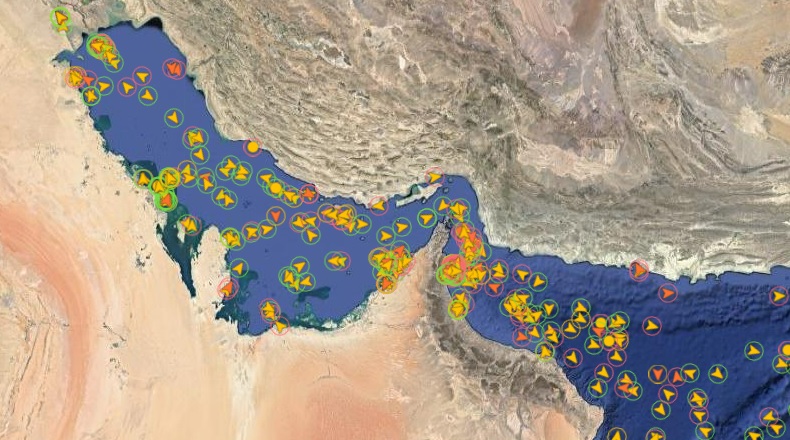
World
BEIRUT / WASHINGTON — April 17, 2026 : Iran announced that the Strait of Hormuz will remain open to all commercial vessels for the duration of the ongoing Lebanon ceasefire, even as the United States confirmed that its naval blockade targeting Iranian shipping will continue. The statement was issued by Iranian Foreign Minister Abbas Araghchi in the early hours of April 17 via social media platform X. Araghchi said the strategic waterway is “completely open” for commercial transit along routes coordinated by Iran’s Ports and Maritime Organisation for the remainder of the ceasefire period. Within minutes, U.S. President Donald Trump publicly echoed the announcement, stating that Iran had declared the strait “fully open and ready for full passage.” However, Trump added that the United States would maintain its naval blockade in the region “in full force” until a broader agreement is reached with Tehran to end the ongoing conflict. The simultaneous announcements introduced uncertainty regarding the operational environment for global shipping. Neither side provided clarification on how commercial navigation would function under conditions where the waterway is declared open by Iran but remains subject to U.S. naval enforcement measures. Strategic Importance of the Strait The Strait of Hormuz, located between Iran and Oman, is one of the most critical maritime chokepoints in the global energy supply chain. Approximately 20 percent of the world’s petroleum trade passes through the narrow corridor, making it a focal point in geopolitical tensions involving Iran, the United States, and regional actors. Iran indicated that vessels would be permitted to transit using previously designated maritime corridors. Despite this, the continued U.S. blockade introduces potential constraints on vessels linked to Iranian ports or entities, leaving shipping operators awaiting further operational guidance. Initial market reactions included reports of a sharp decline in global oil prices, with estimates indicating a drop of around 10 percent following the reopening announcement. Market participants appear to be factoring in the possibility of improved supply flows, though the durability of this trend remains uncertain. Lebanon Ceasefire Takes Effect The maritime developments coincided with the start of a 10-day ceasefire between Israel and Hezbollah that came into force at midnight local time on April 17, 2026. In Beirut, residents marked the beginning of the truce with celebratory gunfire shortly after midnight. Displaced civilians began returning toward southern Lebanon and the southern suburbs of the capital, despite official advisories urging caution until security conditions stabilize. A spokesperson for the United Nations Interim Force in Lebanon (UNIFIL) confirmed that no airstrikes had been observed since the ceasefire took effect. At the same time, the spokesperson accused Israeli forces of violating Lebanese airspace and conducting artillery shelling in southern areas after midnight. The Israeli military had not issued an immediate response to those allegations. Terms and Early Challenges of the Agreement According to details released by the U.S. State Department, the ceasefire agreement permits Israel to take defensive action against imminent threats but prohibits offensive military operations in southern Lebanon. The distinction between defensive and offensive actions emerged as a point of contention in the initial hours of the truce, particularly in light of the reported artillery activity. Observers noted that interpretation of these provisions will be critical to maintaining the ceasefire over its 10-day duration. The agreement is intended to create a temporary halt in hostilities to facilitate negotiations between Israel and Lebanon, with international mediators continuing to engage both sides. U.S. Position and Broader Negotiations Speaking at an event in Las Vegas on April 17, President Donald Trump described the ceasefire as a “historic day for Lebanon” and expressed confidence that the broader conflict involving Iran could conclude in the near term. Trump stated that the war with Iran “should be ending pretty soon,” indicating that U.S. officials view the Lebanon ceasefire as part of a wider diplomatic process. According to officials involved in mediation efforts, ongoing discussions between Washington and Tehran are focused on several key issues, including Iran’s nuclear program, long-term arrangements for the Strait of Hormuz, and compensation related to wartime damages. The U.S. administration has indicated that the naval blockade will remain in place until a comprehensive agreement is finalized, suggesting that current measures are being used as leverage in negotiations. Outlook for Shipping and Regional Stability Iran’s decision to declare the Strait of Hormuz open represents a significant development, but its practical impact remains dependent on how U.S. enforcement measures are applied in the coming days. Shipping companies, insurers, and energy markets are closely monitoring the situation for further clarification on transit conditions and risk exposure. At the same time, the sustainability of the Lebanon ceasefire will be a key factor influencing broader regional stability. The initial hours of the truce have already highlighted areas of dispute, and its continuation will depend on adherence to agreed terms by all parties. As of April 17, 2026, no additional operational guidance has been issued regarding commercial shipping through the Strait of Hormuz, and both diplomatic and military developments remain ongoing.
Read More → Posted on 2026-04-17 17:25:39
World
BERLIN — April 17, 2026 : The German Army (Bundeswehr) has unveiled an extensive restructuring of its artillery forces, placing loitering munition systems (LMS) at the center of a new doctrine designed to enhance precision strike, mobility, and deep operational reach across all tactical levels. The plans were outlined in a keynote address delivered on April 14, 2026, by Heico Hübner, Deputy Inspector of the Army and Commander of the Basic Military Organization, during the parliamentary evening of the Förderkreis Deutsches Heer e.V. in Berlin. Multi-Tiered Integration of Loitering Munitions At the core of the Bundeswehr’s modernization strategy is the creation of a fully integrated, multi-layered loitering munition capability spanning corps, division, brigade, and battalion levels. Hübner described this approach as a “continuum of means and ranges,” essential for enabling mobile operations and effective indirect fire. At the corps level, Germany is initiating a procurement project for long-range loitering munitions capable of striking targets at distances between 200 and 300 kilometers. This capability is intended to reflect the operational effectiveness demonstrated by similar systems in Ukraine. A formal tender for this project is expected before the end of 2026. At the brigade and division levels, every artillery battalion will be assigned a dedicated LMS battery tailored to its operational range requirements. The first such battery will be deployed with the 45th Armoured Brigade, also known as the “Lithuania Brigade,” stationed on NATO’s eastern flank. This will be followed by deployment to the 21st Armoured Brigade, based in Augustdorf. The 21st Brigade, composed primarily of three Jäger (light infantry) battalions rather than armored units, has been designated as a continuous test unit for the integration and operational evaluation of loitering munition systems. At the battalion level, the Bundeswehr plans deep integration of short-range loitering munitions within combat troop units. This capability is scheduled to be fully realized by the end of 2027, with procurement tenders expected to be issued before the end of 2026. Industrial Partnerships and Systems The German Army has already secured contracts with several defense companies to support the initial rollout of these systems. Helsing will supply the HX-2, an AI-driven loitering munition designed for autonomous targeting and precision engagement.STARK Defence is providing the Virtus system, a vertical take-off and landing (VTOL) drone with a range exceeding 100 kilometers.Rheinmetall, in cooperation with UVision, will deliver the HERO family of loitering munitions along with the FV-014 tactical kamikaze drone. These systems will equip the first LMS batteries assigned to operational brigades. Expansion of Conventional Artillery Systems Alongside unmanned capabilities, the Bundeswehr is also significantly upgrading its traditional artillery assets. The EuroPULS (MARS III) rocket artillery system, a successor to MARS II, is expected to see its first delivery in 2026, with a major influx planned for 2028 under a framework that could include up to 500 units. The RCH 155 wheeled self-propelled howitzer, designed for high mobility, is also scheduled for substantial deliveries beginning in 2028. To address capability gaps created by earlier transfers of equipment to Ukraine, Germany will procure additional PzH 2000 A4 howitzers in the near term. Hübner indicated that further procurement of these systems remains possible, with an emphasis on maintaining active production lines and maximizing the total number of artillery “tubes” available by 2029. Continuous production of future variants of the PzH 2000 is also planned toward that same timeline. Operational Readiness and Transition Hübner emphasized that the introduction of new systems will follow a phased transition process. While the Bundeswehr integrates the RCH 155 and EuroPULS platforms, existing systems such as the PzH 2000 and MARS II must remain fully operational. Training and exercises will continue until newly equipped units achieve full operational readiness, ensuring no capability gaps during the transition period. Strategic Shift in Doctrine The expansion reflects a broader doctrinal shift within the German Army toward prioritizing indirect fire and precision strike capabilities. According to Hübner, indirect fire is a prerequisite for enabling maneuver warfare and mobile operations, requiring a comprehensive range of systems across all tactical echelons. The integration of loitering munitions—alongside modernized barrel and rocket artillery—signals Germany’s intent to strengthen its deterrence posture and ensure operational credibility across the European theater. Details of these plans are based on the official manuscript of Lieutenant General Heico Hübner’s April 14, 2026 keynote address and associated reporting. No additional official statements have been released regarding contract values or exact system quantities beyond those outlined.
Read More → Posted on 2026-04-17 17:13:46
World
MANILA, Philippines — April 17, 2026 : Japan has deployed a large military contingent to the Philippines for the upcoming Balikatan 2026 joint exercises, marking the first time Japanese combat units will participate as active operational forces in the drills. The development reflects a significant shift in regional defense cooperation and follows the implementation of the Reciprocal Access Agreement (RAA) between Tokyo and Manila in September 2025. The annual exercise is scheduled to take place from April 20 to May 8, 2026, and is expected to involve more than 17,000 personnel from seven countries: the Philippines, the United States, Australia, Japan, Canada, France, and New Zealand. Additional nations will attend as observers. The 2026 iteration is described by officials as the largest Balikatan exercise conducted to date. Japanese Deployment and Assets The Japan Self-Defense Forces (JSDF) have contributed approximately 1,400 personnel, making Japan the third-largest participant after the United States and the Philippines. The deployment includes a combination of naval, air, and ground assets: Naval platforms: Helicopter carrier JS Ise (DDH-182), landing ship JS Shimokita, and destroyer JS Ikazuchi Aircraft: C-130H Hercules transport aircraft and US-2 amphibious search-and-rescue aircraft Ground systems: Type 88 surface-to-ship missile systems The JS Ise, a 19,000-ton helicopter carrier, is among the largest vessels in Japan’s fleet and forms part of the Japan Maritime Self-Defense Force Indo-Pacific Deployment 2026. Operational Scope of Participation Unlike previous Balikatan exercises, where Japanese participation was limited to observation or humanitarian assistance and disaster relief operations, the 2026 drills will involve full operational engagement by JSDF units. Key training activities include: Maritime strike operations: The Type 88 surface-to-ship missile system, with an operational range of approximately 100 kilometers, will be used in live-fire exercises for the first time during Balikatan Field training and combined maneuvers: Joint ground and amphibious operations Command post exercises: Coordination and planning simulations among participating forces Integrated air and missile defense drills Cyber defense and infrastructure protection exercises Logistics and support operations, including airfield repair and joint medical missions The maritime strike phase of the exercise is expected to be observed by Japanese Defense Minister Shinjiro Koizumi. Strategic and Legal Framework Japan’s expanded participation follows the entry into force of the Reciprocal Access Agreement (RAA) in September 2025, which facilitates the movement and deployment of military personnel and equipment between Japan and the Philippines. Prior to this agreement, Japan’s involvement in Balikatan was limited in scope and did not include combat-capable units. The agreement aligns with existing Philippine defense arrangements with the United States and Australia and supports broader multilateral cooperation in the Indo-Pacific region. Regional Security Context Japan’s decision to deploy combat units to the Philippines for the first time is closely linked to evolving security conditions in the region, particularly the increasing presence and activity of China in the South China Sea. China has continued to expand its naval capabilities and military infrastructure, including the development of artificial islands, deployment of advanced missile systems, and increased frequency of maritime patrols. These developments have raised concerns among regional countries regarding freedom of navigation and territorial disputes. Japanese defense planners assess that the pace of China’s military modernization, especially in naval and missile forces, requires a corresponding increase in Japan’s operational readiness and external defense cooperation. The deployment to Balikatan is viewed as part of Japan’s broader effort to strengthen its deterrence posture and enhance interoperability with partner nations. Officials in Tokyo have also indicated that delaying such measures could reduce Japan’s ability to respond effectively to future security challenges in the region. As a result, Japan has gradually expanded its defense role beyond its immediate territory while remaining within its constitutional framework. Exercise Objectives Balikatan remains a joint exercise primarily hosted by the Philippines and the United States, aimed at improving interoperability, coordination, and readiness among allied and partner forces. According to statements from Philippine and U.S. officials, the 2026 drills are designed to: Strengthen collective defense capabilities Enhance coordination in multi-domain operations Maintain regional stability Ensure a security environment that discourages unilateral changes to the status quo Training activities will be conducted across multiple locations in the Philippines, including areas facing the South China Sea and the Luzon Strait, both of which are considered strategically important maritime zones. Official Statements and Transparency Details of Japan’s participation are based on official announcements from the Japanese Ministry of Defense, as well as statements from Philippine and U.S. authorities. No additional operational specifics beyond the declared assets and exercise scope have been publicly disclosed. The inclusion of Japan as an active combat participant represents a notable development in Indo-Pacific defense cooperation and signals a shift toward more integrated, multilateral military engagements in the region.
Read More → Posted on 2026-04-17 16:55:37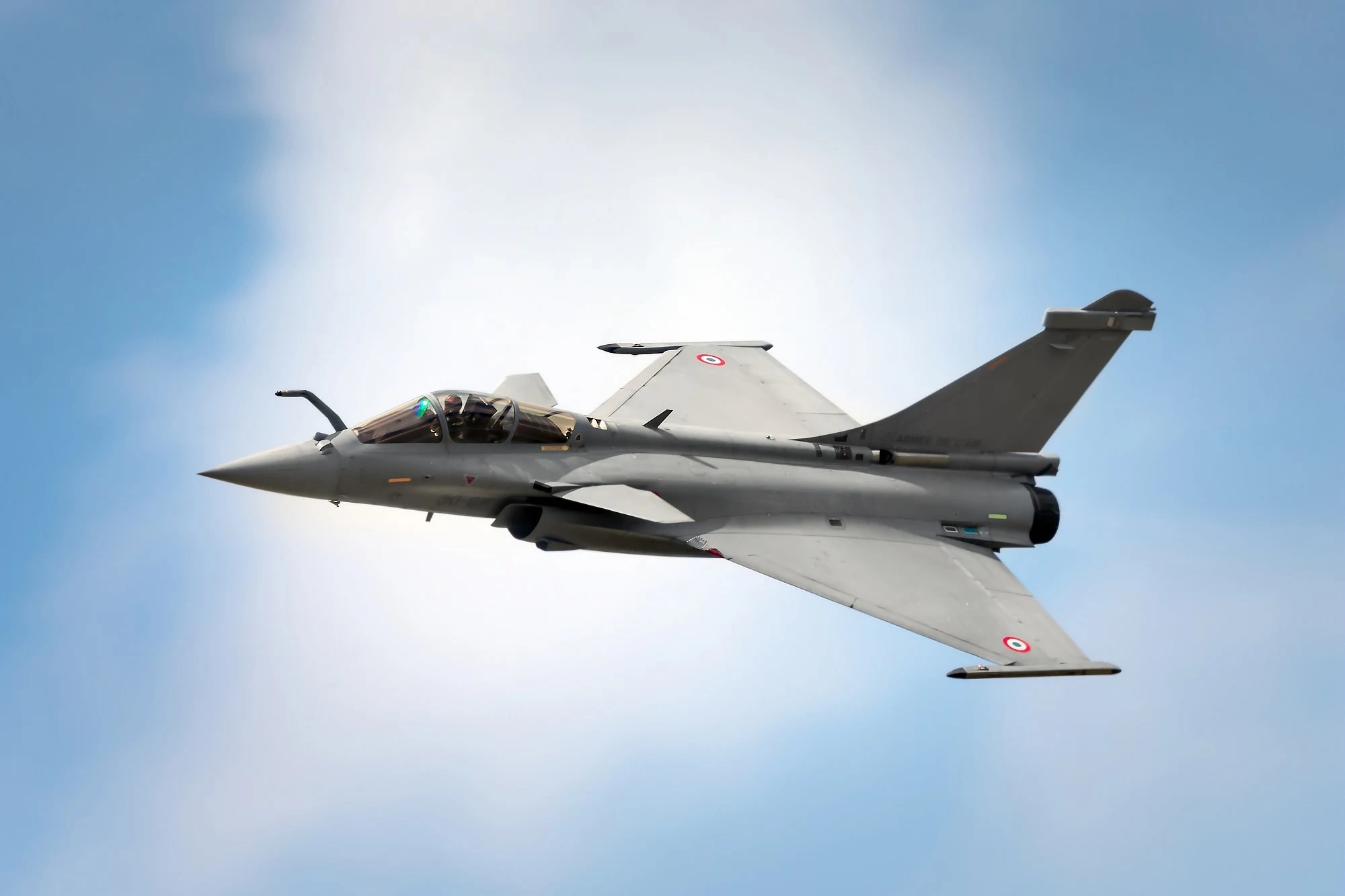
India
PARIS — April 17, 2026 : France’s Dassault Rafale program is undergoing a period of adjustment across key export markets, as discussions in India, the United Arab Emirates (UAE), and Indonesia reflect differing positions on technology transfer, financing, and future procurement. At the same time, France is continuing development of the Rafale F5 standard, supported by updated national defense spending plans and the integration of a next-generation missile system. India Reviews MRFA Procurement Amid Technology Access Concerns India’s planned acquisition of 114 additional Rafale fighter aircraft under the Multi-Role Fighter Aircraft (MRFA) program remains under consideration. The program, estimated at approximately $36 billion (Rs 3.25 lakh crore), received Acceptance of Necessity (AoN) from the Defence Acquisition Council earlier in 2026. The proposal now awaits final approval from the Cabinet Committee on Security. Discussions over the past month have focused on access to aircraft source codes and system-level integration. India has requested the ability to integrate indigenous weapons and radar systems, which would require access to key software and interface frameworks. French authorities have not agreed to provide source code access for systems including the Thales RBE2 AESA radar, the Modular Data Processing Unit, and the SPECTRA electronic warfare suite. New Delhi has instead sought interface control documents to enable partial integration of domestic systems. The outcome of these discussions may influence the final scale and structure of the MRFA procurement. Separately, India continues to process its planned acquisition of 26 Rafale-M carrier-based aircraft for naval operations. UAE Withdraws from Rafale F5 Co-Financing Plan The United Arab Emirates has withdrawn from a proposed co-financing arrangement for the Rafale F5 development program. The UAE, which signed a $19.2 billion agreement in 2021 for 80 Rafale aircraft, had been expected to contribute approximately €3.5 billion toward the estimated €5 billion cost of the F5 initiative. According to reporting published earlier in April 2026, the withdrawal followed France’s position on limiting the transfer of sensitive technologies, particularly in the field of optronics, which are critical for advanced targeting and electronic warfare systems. With the UAE no longer participating in funding, France is expected to finance the F5 development independently. Deliveries under the UAE’s existing Rafale order are scheduled to begin at the end of 2026. Indonesia Maintains Existing Order, No Expansion Decision Indonesia has confirmed that it is not proceeding with an additional Rafale purchase at this stage. In 2022, Indonesia signed an $8.1 billion contract for 42 aircraft. Recent speculation suggested a potential follow-on order of 12 to 24 additional units. Following a meeting in Paris on April 14, 2026, between Indonesian President Prabowo Subianto and French President Emmanuel Macron, reports of a possible expansion gained attention. However, on April 16, 2026, Indonesian Defense Ministry spokesman Rico Ricardo Sirait stated that no decision had been made and that the government continues to review the proposal. The first three aircraft from Indonesia’s existing order are scheduled for delivery in May 2026. French Defense Planning Supports Rafale F5 Development France is proceeding with development of the Rafale F5 variant under an updated 2024–2030 Military Programming Law. The revision, reviewed on April 8, 2026, allocates an additional €36 billion to defense spending, bringing the total planned expenditure to €449 billion over the period. The Rafale F5 standard is intended to expand the aircraft’s operational role, including integration with unmanned systems and enhanced electronic warfare capabilities. The aircraft is expected to operate alongside unmanned combat aerial vehicles derived from the nEUROn program, supporting missions such as suppression and destruction of enemy air defenses (SEAD/DEAD). The upgrade also includes improvements to propulsion and onboard power generation under the T-REX program led by Safran, aimed at increasing engine thrust and supporting next-generation avionics. STRATUS RS Missile to Equip Rafale F5 A central component of the F5 standard is the STRATUS Rapid Strike (RS) missile, developed by MBDA in cooperation with the United Kingdom under the Future Cruise/Anti-Ship Weapon (FC/ASW) program. The system was rebranded as STRATUS in September 2025. The missile is ramjet-powered and operates at high supersonic speeds below Mach 5. It is designed for multiple mission profiles, including suppression and destruction of enemy air defenses (SEAD/DEAD), anti-ship operations, engagement of moving ground targets, and strikes against high-value airborne platforms such as airborne early warning and control aircraft and aerial refueling tankers. Testing of propulsion systems has been conducted in supersonic wind tunnels at Bourges, France, while seeker development involves contributions from Thales and MBDA UK. The STRATUS RS is intended to complement existing weapons deployed on current Rafale variants, including the SCALP (Storm Shadow) cruise missile, the Exocet AM39 and MM40 anti-ship missiles, and the MdCN naval cruise missile. Unlike subsonic cruise missiles that rely on stealth and terrain-following guidance, the STRATUS RS combines high speed and maneuverability to penetrate advanced air defense systems. Program Outlook The Rafale F5 standard is expected to enter service after 2030, incorporating increased processing capacity, expanded sensor integration, and collaborative combat capabilities with unmanned systems. Recent developments in India, the UAE, and Indonesia reflect ongoing negotiations and national policy considerations related to technology access, financing, and procurement timelines. France continues to advance the Rafale program within its broader objective of maintaining sovereign control over critical defense technologies while supporting future operational requirements.
Read More → Posted on 2026-04-17 16:39:43
World
MOSCOW / AMUR OBLAST — April 17, 2026 : Recent open-source intelligence and registry data indicate that only a limited portion of Russia’s modernized strategic bomber fleet is currently being used in combat operations against Ukraine. According to analysis conducted by monitoring group AviVector, just seven out of the 18 Tu-160M “Blackjack” aircraft in service with the Russian Aerospace Forces are actively participating in strike missions. The remaining two-thirds of the fleet are not engaged in frontline operations and are instead assigned to testing, pilot training, scheduled maintenance, modernization programs, or remain under production. Fleet Composition and Operational Availability Registry data confirms that Russia maintains a total inventory of 18 Tu-160M aircraft as of April 2026. Of these, only seven are considered operational for combat use. Two additional aircraft are currently held in storage, with analysts assessing that at least one of them has likely been decommissioned and is being used as a source of spare parts to sustain the operational fleet. In parallel, five newly built Tu-160M2 bombers have been identified. However, their operational or combat-ready status remains unclear based on currently available information. A significant number of aircraft—estimated between seven and nine Tu-160M and Tu-160M2 units—are located at the Kazan Aircraft Production Association (KAPO). These aircraft are undergoing modernization, assembly, or testing as part of Russia’s ongoing effort to sustain and expand its strategic aviation capability. Basing and Deployment Structure Following a Ukrainian strike on Belaya Air Base in June 2025, attributed to the Security Service of Ukraine, Russia reorganized the basing of its strategic bomber fleet. The Tu-160M aircraft are now primarily deployed at Ukrainka Air Base in the Amur region. The relocation to Ukrainka reflects a strategic decision to position high-value assets farther from densely populated areas and major transport routes, thereby reducing vulnerability to potential long-range attacks or sabotage. Operational patterns indicate that Tu-160M bombers typically depart from Ukrainka Air Base and transit to Engels-2 Air Base in the Saratov region. At Engels-2, the aircraft are equipped with cruise missiles, including the Kh-101. After completing strike missions, the bombers either return to Ukrainka Air Base or remain temporarily at Engels-2. Current Distribution of Aircraft Satellite imagery and registry analysis as of April 16, 2026, provide the following distribution of Tu-160M aircraft across multiple locations: Ukrainka Air Base — 6 aircraft Engels-2 Air Base — 2 aircraft Ramenskoye Airport — 3 aircraft Borisoglebskoye Airfield — 2 aircraft Yelizovo Airport — 1 aircraft Additionally, in March 2026, Tu-22M3, Tu-95, and Tu-160 aircraft were observed at Ramenskoye airfield near Moscow. Construction activity at the site indicates ongoing development of new hangars intended to support strategic aviation assets. Industrial Activity and Production Developments Satellite imagery dated March 18, 2026, shows two Tu-160M aircraft being moved into a newly constructed production workshop at KAPO. The facility has been under development since 2020 and is part of broader efforts to enhance manufacturing and modernization capacity. Imagery from April 15, 2026, further indicates that two Tu-160M aircraft remain positioned outdoors at the Kazan facility. As of April 16, 2026, these aircraft were still located in open areas, suggesting they may be awaiting final assembly, testing, or transfer. Recent deliveries of Tu-160M aircraft to the Russian Aerospace Forces were reported in late 2025 and early 2026, reflecting continued, though limited, production and upgrade efforts. Technical and Operational Considerations Available reporting suggests that the limited number of combat-ready aircraft may also be influenced by technical and reliability factors. The Tu-160M platform is based on a Cold War-era airframe, and sustained operational use has increased pressure on critical components. In a documented incident on September 3, 2025, during a large-scale strike operation, two Tu-160 aircraft experienced failures. One aircraft, identified as “Ivan Yarygin” (tail number 04), encountered a malfunction in its missile launch mechanism. Another aircraft, “Aleksey Plokhov” (tail number 16), aborted its mission after sustaining cockpit damage caused by a lightning strike. These incidents, combined with maintenance demands and modernization requirements, contribute to reduced operational availability across the fleet. Infrastructure Expansion Despite current limitations in active deployment, infrastructure development for strategic aviation continues. Construction of large-scale hangars at Ramenskoye airfield is ongoing, indicating efforts to improve storage conditions and reduce environmental exposure for aircraft. Recent satellite imagery from both Kazan and Ukrainka shows multiple Tu-160M bombers parked in open areas, highlighting existing constraints in covered storage capacity. The expansion of hangar infrastructure is expected to support long-term fleet preservation and operational readiness. No official statement from the Russian Ministry of Defence has been released regarding the specific figures outlined in the AviVector analysis.
Read More → Posted on 2026-04-17 16:04:04
World
BRATISLAVA, — April 17, 2026 : Slovakia has received the first battery of the Israeli-made Barak MX air defense system, marking the initial delivery under a €560 million procurement agreement signed in December 2024. The system arrived approximately ten days prior to the official confirmation and has since been deployed at an undisclosed location within the country. According to Slovak Defence Minister Robert Kaliňák, the battery has been positioned at what he described as the “intersection between our nuclear power plants.” He stated that the primary purpose of the deployment is the protection of critical national infrastructure, particularly energy facilities. The exact location has not been disclosed for security reasons. Deployment and Integration Process The integration of the Barak MX system into the Slovak Armed Forces is currently underway and is expected to take several weeks. The process is being conducted under the supervision of technical specialists from Israel Aerospace Industries, the manufacturer of the system. Slovak personnel have already completed the initial phase of training and have transitioned to practical instruction using the newly delivered equipment. This hands-on training is part of a broader effort to ensure operational readiness as the system becomes fully incorporated into national defense structures. Procurement Timeline and Delays The acquisition of six Barak MX batteries was formally approved and signed at the end of 2024. Under the original schedule, initial deliveries were expected around the transition period between 2025 and 2026. However, the timeline experienced delays. Minister Kaliňák noted that production setbacks were caused by global instability, including disruptions linked to the war in Iran. These factors affected manufacturing schedules and delayed the planned handover of the first system. Despite these challenges, the first battery has now been delivered. The remaining five systems are scheduled for delivery in phases, with the full set expected to be operational by the end of 2030. System Capabilities The Barak MX is a modular air defense system designed to address a wide range of aerial threats. It can be configured with multiple types of interceptor missiles, offering engagement ranges from approximately 15 kilometers to 150 kilometers depending on the variant used. The system is capable of intercepting aircraft, helicopters, unmanned aerial vehicles (UAVs), cruise missiles, and tactical ballistic missiles. Its modular design allows for flexible deployment across different operational environments, including land-based and naval configurations. Replacement of Legacy Systems The Barak MX systems will replace Slovakia’s existing KUB medium-range air defense systems, which are based on older Soviet-era technology. This transition is part of a broader modernization effort aimed at strengthening national defense capabilities and improving interoperability within the NATO framework. The introduction of the new system represents a shift toward more advanced, networked air defense capabilities. The procurement package includes not only the hardware but also associated support elements such as training programs and technical documentation. Current Status The arrival of the first battery marks the beginning of the implementation phase of the contract. While integration and training activities continue, no additional official statements have been released by the Slovak Ministry of Defence regarding the system’s operational status beyond the minister’s remarks. All six batteries are expected to be fully delivered and operational by 2030, completing Slovakia’s transition to a modern air defense architecture.
Read More → Posted on 2026-04-17 15:49:21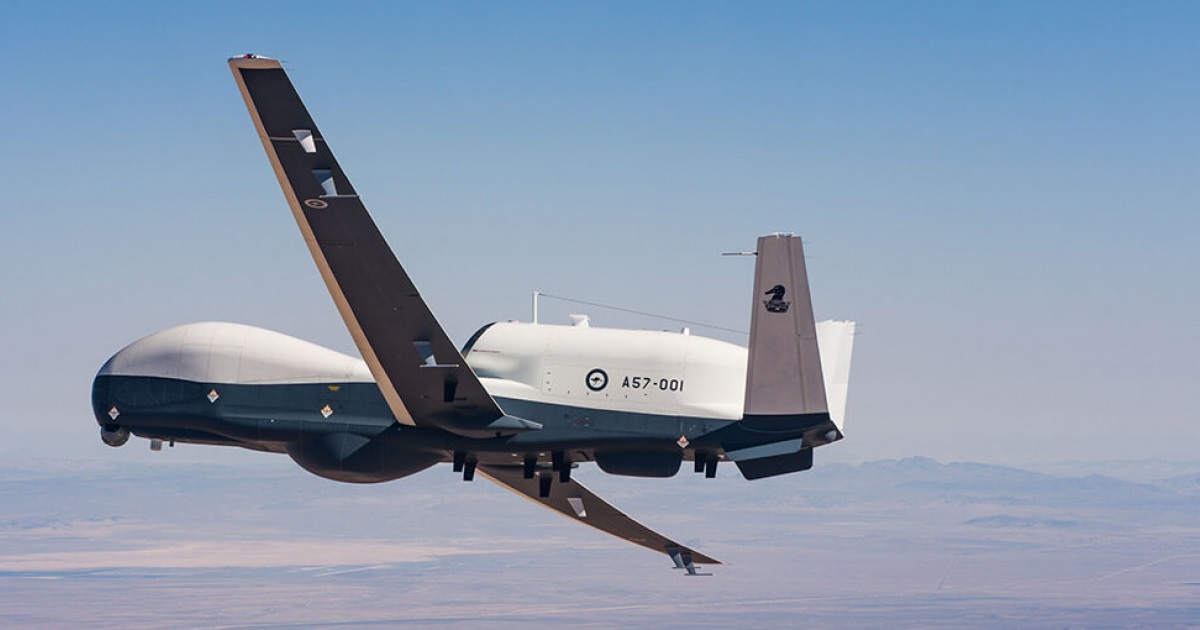
World
JACKSONVILLE, Florida — April 17, 2026 : A United States Navy MQ-4C Triton unmanned surveillance aircraft conducted a reconnaissance mission lasting more than 12 hours off the coast of Cuba, according to flight tracking data and open-source reporting. The aircraft, operating under the callsign BLKCAT6 and registered as 169806, departed from Naval Air Station Jacksonville in Florida and flew a structured surveillance route over the Gulf of America and the northern Caribbean Sea. The mission included repeated flight patterns near key locations, including Havana, Guantanamo Bay, and areas near Pinar del Río, as well as segments along Cuba’s southern coastline. Tracking data indicates the aircraft maintained a consistent high-altitude profile at approximately 49,000 to 49,100 feet, with a ground speed near 290 knots throughout the mission. The route consisted of multiple loops and back-and-forth tracks, a pattern consistent with sustained monitoring rather than transit. The drone also operated near critical maritime corridors, including the Windward Passage and the Yucatán Channel, where commercial and strategic shipping activity is concentrated. The MQ-4C Triton, developed by Northrop Grumman, is a high-altitude, long-endurance unmanned aircraft designed for maritime intelligence, surveillance, and reconnaissance operations. The platform is equipped with a 360-degree radar system and an array of onboard sensors capable of scanning large areas of ocean and coastline. With an endurance exceeding 24 hours and an estimated unit cost of approximately $240 million, the aircraft is intended to provide continuous coverage over designated areas without the need for frequent returns to base or crew rotation. During the mission, the Triton maintained persistent observation over waters surrounding Cuba, conducting multiple passes near Havana and the Guantanamo Bay region. The repeated orbit patterns indicate the aircraft was tasked with continuous surveillance of these zones, enabling the collection of data on maritime movements, coastal activity, and electronic signals over an extended period. The flight took place amid increased policy focus by the United States on Cuba. On April 15, 2026, USA Today reported that military planning for a potential Pentagon-led operation involving Cuba is being developed, citing two sources familiar with the matter. In response, the Pentagon stated that it routinely prepares for a range of contingencies and remains ready to execute presidential directives if required, without providing details on specific plans. Surveillance missions of this type support operational planning by providing updated intelligence on regional activity. High-altitude, long-duration coverage allows analysts to monitor patterns over time rather than relying on isolated observations. This includes tracking maritime commercial traffic, monitoring fuel shipments, and observing electronic infrastructure activity in areas near Havana and surrounding coastal zones. The U.S. Navy has not issued a public statement regarding this specific flight. All details of the operation are based on available flight tracking data and open-source intelligence reporting.
Read More → Posted on 2026-04-17 15:32:19
World
WASHINGTON, — April 17, 2026 : The United States and Iran are engaged in advanced negotiations over a proposed three-page framework agreement that aims to end the military conflict that began in late February, with a central provision linking the release of $20 billion in frozen Iranian assets to Tehran’s surrender of its enriched uranium stockpile. According to U.S. officials and sources briefed on the discussions, the financial arrangement is part of a broader effort to resolve hostilities and address concerns over Iran’s nuclear program. The proposal under consideration represents a compromise between earlier positions, with Washington previously indicating readiness to release $6 billion for restricted humanitarian use, while Iran had sought access to $27 billion in frozen funds. Uranium Stockpile and Handling Mechanism A primary objective for the United States is securing and neutralizing Iran’s existing stockpile of nearly 2,000 kilograms of enriched uranium, including approximately 450 kilograms enriched to 60 percent purity. The material is currently stored in underground nuclear facilities. Negotiators are working to finalize a technical framework for handling the stockpile. Initial U.S. proposals required the complete transfer of all enriched uranium outside Iran. Iranian officials, however, proposed domestic dilution of the material. A compromise under review предусматривает shipping a portion of the highly enriched uranium to a third country while down-blending the remainder within Iran under strict international monitoring. Under the draft terms, Iran would be required to permanently close all underground nuclear facilities. The country would be permitted to operate only above-ground nuclear research reactors, limited strictly to the production of medical isotopes. The framework also includes a formal Iranian commitment not to produce or pursue nuclear weapons. Sanctions Relief and Outstanding Differences The financial component of the agreement remains a central point of negotiation. The current working figure of $20 billion reflects the latest compromise position, though disagreements persist regarding how the funds would be used. The United States is seeking to impose strict oversight and conditions on expenditures, while Iran continues to push for broader sanctions relief with fewer restrictions. Another unresolved issue concerns the duration of limits on uranium enrichment. The United States has proposed a minimum 20-year suspension of enrichment activities. Iran has countered with an offer of a five-year restriction period. Officials involved in the talks have described the “cash-for-uranium” arrangement as one element within a broader framework that also addresses regional security concerns and verification mechanisms. Timeline and Ongoing Negotiations The negotiations are taking place under a defined timeline, with a two-week ceasefire between the two countries set to expire on April 22, 2026. A second round of in-person discussions is scheduled for Sunday in Pakistan, following earlier mediated talks in Islamabad. Upcoming discussions are expected to focus on narrowing differences over the duration of enrichment restrictions, finalizing arrangements for transferring uranium to a third country, and establishing mechanisms for monitoring the use of released funds. Previous negotiations had addressed Iranian assets held in foreign accounts, including funds in Qatar linked to earlier prisoner-swap arrangements and humanitarian transactions. The current proposal seeks to connect a larger release of such assets to verifiable actions concerning Iran’s nuclear material. No final agreement has been reached. Officials from both sides have indicated that progress has been made, but significant gaps remain on key technical and financial conditions.
Read More → Posted on 2026-04-17 15:09:35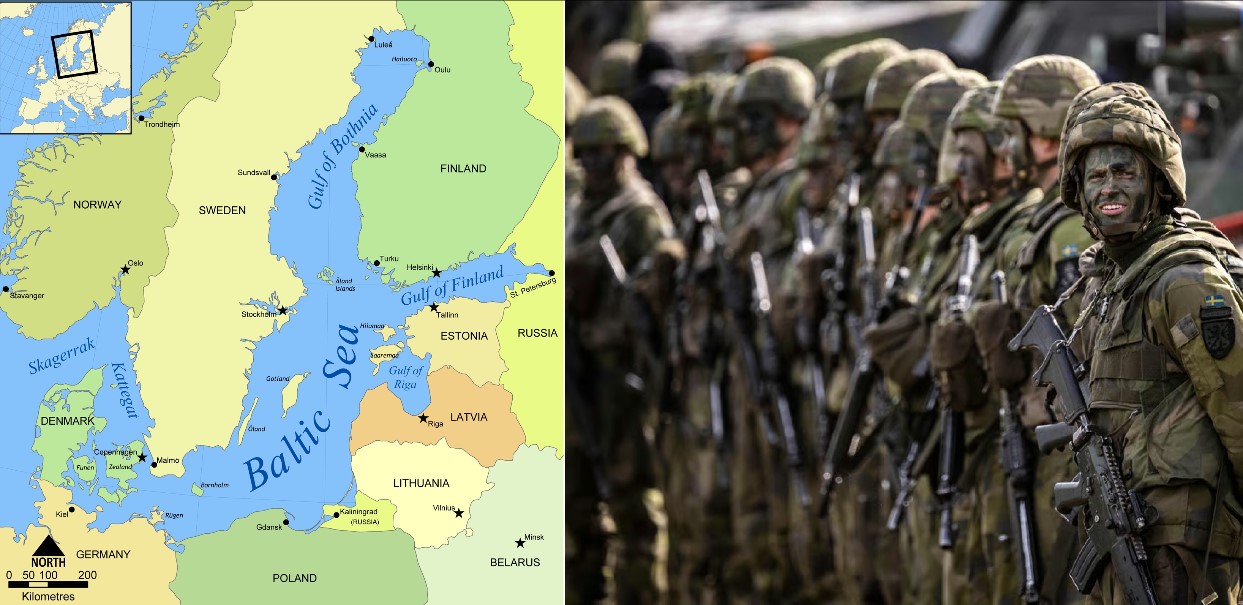
World
STOCKHOLM, — April 17, 2026 : Sweden is preparing for a contingency in which Russia could conduct a limited operation to occupy an island in the Baltic Sea as a means of testing NATO’s political cohesion and response mechanisms, according to recent statements by the country’s top military leadership. Lieutenant General Michael Claesson, Chief of Defence and Supreme Commander of the Swedish Armed Forces, outlined the assessment in an interview published on April 16, 2026. He stated that Russia could initiate a limited naval or amphibious action “at any time,” potentially with little or no warning, including within a very short timeframe. According to Claesson, such an operation would likely be designed not for territorial expansion but to assess the unity and decision-making speed of the NATO alliance. He indicated that the Kremlin could seek to exploit perceived divisions among member states, particularly in light of recent public remarks by U.S. President Donald Trump regarding the level of American commitment to European defense. Claesson emphasized that the Baltic Sea’s geography presents a unique vulnerability. “We have in the order of 400,000 islands in the Baltic Sea, so it’s just a matter of Russia choosing,” he said. He added that many of these islands are lightly defended or uninhabited, making them potential targets for a limited and symbolic operation. “I believe that you can occupy almost any of them. This does not necessarily have to be a large-scale operation — rather a symbolic step to see what the political reaction will be.” Swedish defense planners assess that such an incursion would likely be a controlled, short-duration maritime or airborne action aimed at creating a political dilemma rather than triggering immediate large-scale conflict. The objective, according to Claesson, would be to observe NATO’s reaction under Article 5 obligations without escalating into full-scale war. These concerns align with findings from a joint report released in September 2025 by the Swedish Armed Forces and the Swedish Civil Defence and Resilience Agency. The report outlined scenarios involving surprise amphibious or airborne assaults targeting Swedish territory, including strategically significant locations such as Gotland, the country’s largest island in the Baltic Sea. The assessment concluded that Russia already possesses the capability to conduct limited military operations in Sweden’s immediate vicinity and could expand to more extensive operations within a five-year timeframe. Gotland has been identified as a critical strategic asset due to its central position in the Baltic Sea, as well as its airfield and port infrastructure. Control of the island would provide significant operational advantages in terms of surveillance, air defense, and sea lane control across the region. However, recent Swedish assessments suggest that Russia may avoid heavily defended or strategically prominent targets such as Gotland, Denmark’s Bornholm, or Estonia’s Hiiumaa and Saaremaa. Instead, it may focus on smaller, less fortified islands to achieve a political effect while minimizing the risk of immediate military escalation. Swedish military intelligence assessments further indicate that Russia continues to expand its operational capabilities in the Baltic region. The Swedish Military Intelligence and Security Service (MUST) has reported ongoing increases in Russian naval activity, as well as improvements in the ability to rapidly deploy forces in the vicinity of Sweden and neighboring NATO states. Officials have also pointed to the potential for a shift in Russian military posture following developments in the war in Ukraine. Swedish defense authorities assess that a reduction in operational commitments elsewhere could enable Moscow to redeploy forces toward Northern Europe and the Baltic Sea. Recent incidents in the region have contributed to heightened concern. In late February 2026, a Russian unmanned aerial vehicle approached the French nuclear-powered aircraft carrier Charles de Gaulle while it was docked in Malmö during joint exercises. The drone was intercepted and neutralized by Swedish forces, and the incident was later confirmed by Sweden’s Ministry of Defence. In addition to conventional military activity, Sweden and its partners have reported ongoing hybrid operations in the Baltic Sea region. These include interference with GPS and navigation systems, suspected sabotage of undersea energy and communication infrastructure, and the use of civilian or commercial vessels for intelligence-gathering purposes, often described as part of a “shadow fleet.” Analysts within the Swedish defense establishment assess that a limited island seizure would fit within this broader pattern of gray-zone tactics. Such actions are designed to remain below the threshold of formal armed conflict while still exerting pressure on NATO members and testing alliance responses. The scenario described by Swedish officials highlights several strategic considerations. A limited incursion targeting a low-value or uninhabited island could complicate NATO’s decision-making process, particularly if member states differ on whether the situation warrants a collective military response. It could also be used to evaluate the alliance’s ability to coordinate without strong leadership from the United States. Sweden formally joined NATO in March 2024, becoming the alliance’s 32nd member. Its geographic position at the entrance to the Baltic Sea, combined with close proximity to Finland and the Baltic states, places it in a central role in regional defense planning. In response to evolving security conditions, the Swedish Armed Forces have increased readiness levels in recent years. Measures include enhanced maritime and aerial surveillance, reinforcement of military units on Gotland, and expanded participation in joint exercises with NATO allies. Claesson underscored the importance of maintaining a visible and credible deterrence posture. “We should be on the alert and deter Russia from such adventures through our presence in interesting areas in the north and, of course, in the Baltic Sea,” he said. Swedish officials have clarified that there is no specific intelligence indicating an imminent Russian operation. However, they describe the scenario as plausible and stress the need for preparedness at both the national and alliance levels. The warning comes amid ongoing discussions within NATO regarding burden-sharing, deterrence, and alliance cohesion, particularly in the context of evolving geopolitical dynamics and differing political signals among member states.
Read More → Posted on 2026-04-17 14:57:40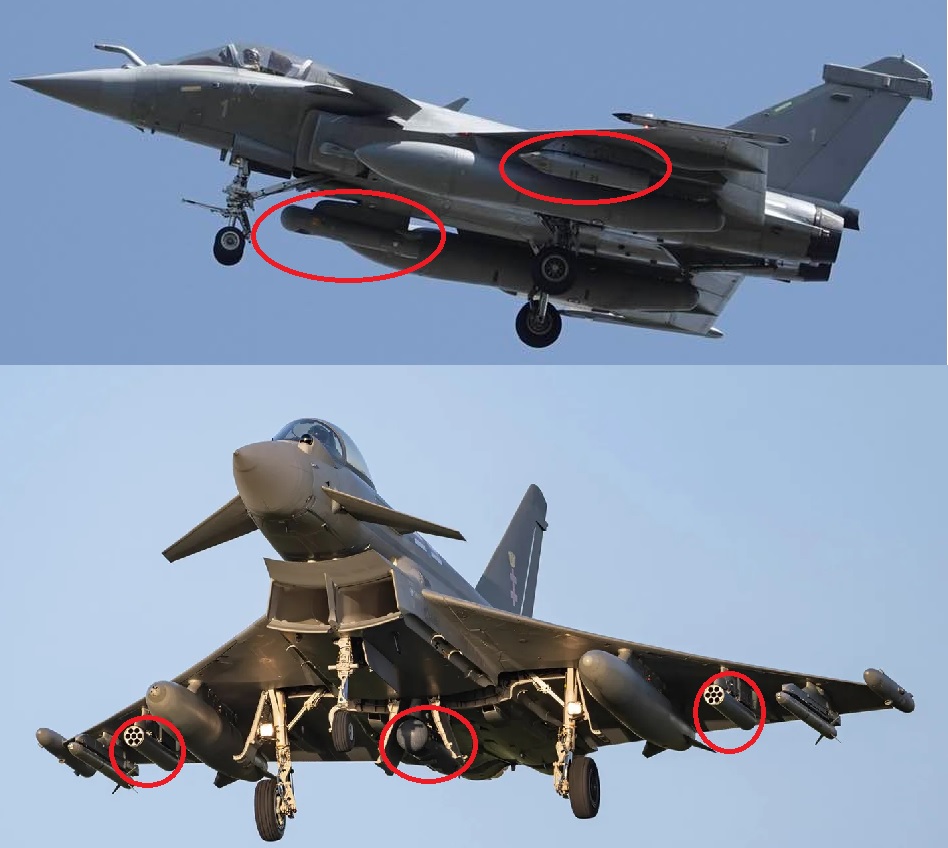
World
PARIS / LONDON — April 17, 2026 : European air forces are advancing the rapid integration of short-range, laser-guided rockets on frontline fighter aircraft to address the growing threat posed by low-cost strike drones and drone swarms. The initiative reflects a broader operational shift toward cost-efficient interception methods that preserve high-value air-to-air missiles while maintaining sustained combat availability. The effort focuses on adapting existing rocket systems with laser-guidance kits and integrating them with modern fighter sensors and targeting pods. By doing so, air forces aim to combine precision engagement capability with significantly reduced per-shot costs compared to conventional missile systems. French Rafale Program Advances Toward Summer 2026 Readiness In France, testing is actively underway to establish a dedicated counter-drone configuration for the Rafale fleet using domestically developed systems. On April 16, 2026, a French Navy Rafale M fighter was observed at Dassault Aviation’s flight test center in Istres equipped with two TELSON 12 JF rocket pods and a TALIOS targeting pod mounted on the centerline. Each TELSON 12 JF pod, developed by TDA Armements (a subsidiary of Thales), carries 12 induction-activated 68 mm SNEB rockets, enabling a total loadout of 24 rockets per aircraft when two pods are installed. The SNEB system, originally introduced in the 1950s as an unguided rocket, has been upgraded with laser guidance under the SYROCOT program, converting it into a precision-guided munition suitable for engaging aerial and ground targets. This configuration marks the first integration of the SNEB rocket pod on the Rafale platform. The TALIOS targeting pod provides target acquisition, tracking, and laser designation required for guided rocket employment. On April 15, 2026, during a parliamentary hearing, the head of the French Directorate General of Armaments (DGA), Patrick Pailloux, confirmed that the capability is expected to reach operational readiness by summer 2026. The system is intended to complement existing air-to-air weapons by offering a lower-cost alternative for engaging drones. Recent operational experience has informed this development. French Rafale aircraft deployed in the Gulf reportedly expended approximately 80 MICA air-to-air missiles against Shahed-type drones, highlighting the cost imbalance between high-value interceptors and low-cost aerial threats. Royal Air Force Integrates APKWS on Typhoon Fleet In parallel, the United Kingdom’s Royal Air Force (RAF) is progressing with the integration of the Advanced Precision Kill Weapon System II (APKWS II) on its Eurofighter Typhoon aircraft. In March 2026, images emerged showing an RAF Typhoon fitted with two LAU-131 rocket pods and a LITENING III targeting pod. Each LAU-131 pod accommodates seven 70 mm rockets, allowing a total of 14 laser-guided rockets per aircraft in this configuration while preserving other weapon stations. The APKWS II system, developed in the United States, converts standard Hydra 70 unguided rockets into precision-guided munitions through the addition of a laser guidance kit with a seeker and control fins. On April 8, 2026, BAE Systems, in coordination with the RAF, conducted test firings of APKWS rockets from a Typhoon test and evaluation aircraft at a UK military testing range. The trials included engagement of a ground-based target and validated the system’s integration with Typhoon avionics and targeting systems. The rockets are equipped with proximity fuzes, enabling detonation near aerial targets such as drones without requiring a direct impact. This feature is particularly relevant for intercepting small, maneuverable unmanned systems. BAE Systems stated that the integration provides a cost-effective counter-uncrewed aerial system capability, with significantly lower unit costs compared to traditional air-to-air missiles. Broader Operational Context and NATO Alignment The adoption of laser-guided rockets for air-to-air interception has already been implemented extensively by the United States. U.S. Air Force platforms, including the F-16 Fighting Falcon, F-15E Strike Eagle, and A-10 Thunderbolt II, routinely employ APKWS-equipped rocket pods as a primary countermeasure against one-way attack drones in operational theaters such as the Middle East. Ukraine has also begun employing similar systems in a limited capacity. Recent defense reporting indicates that APKWS rockets are being used alongside newly delivered F-16 aircraft for counter-drone operations, although detailed information on deployment and effectiveness remains limited. The parallel programs in France and the United Kingdom indicate a wider standardization trend across European and NATO air forces. The approach emphasizes the use of fighter aircraft for short-range drone interception using lower-cost munitions, supported by onboard sensors and targeting pods. Transition Toward Cost-Efficient Air Combat Engagement The integration of laser-guided rockets represents a shift in air combat doctrine driven by the increasing prevalence of low-cost unmanned threats. By employing precision-guided rockets instead of high-cost missiles, air forces can maintain operational sustainability while addressing large volumes of targets. These systems are designed to engage small, slow-moving aerial targets at short ranges, as well as provide secondary air-to-surface capabilities. Their compatibility with existing aircraft systems enables rapid integration without extensive platform modifications. France and the United Kingdom are progressing toward full operational capability in 2026. The developments reflect an ongoing adjustment in force structure and procurement priorities, aligning air combat capabilities with evolving threat environments characterized by widespread drone use.
Read More → Posted on 2026-04-17 14:37:28
World
Washington — April 17, 2026 : The United States, in coordination with Israel and select allied nations, has deployed a force of more than 500 combat aircraft across the Middle East, with approximately 250 configured specifically for close air support (CAS) missions, according to U.S. military assessments released on April 17, 2026. The aircraft are distributed across a network of regional air bases and naval platforms, including land-based installations and multiple carrier strike groups operating in adjacent waters. The deployment falls within the U.S. Central Command (CENTCOM) area of responsibility and is part of an ongoing reinforcement posture amid heightened tensions with Iran and continued military operations in the region. Close Air Support Configuration and Role Of the total aircraft deployed, roughly half are assigned to close air support (CAS) missions. CAS operations are designed to provide direct air assistance to ground forces, requiring aircraft capable of operating at low altitudes and reduced speeds. These missions involve targeting enemy personnel, armored vehicles, small boats, and fortified positions located near friendly troops. The CAS-configured fleet includes a mix of dedicated attack aircraft and multirole fighters: The A-10 Thunderbolt II (Warthog) remains a central component of the CAS force. Designed specifically for ground attack, the aircraft is equipped with a 30-millimeter GAU-8/A Avenger rotary cannon and reinforced with a titanium armor structure to withstand significant battlefield damage. The U.S. Air Force has recently expanded its A-10 presence in the Middle East, deploying an additional 18 aircraft to join approximately a dozen already operating in the theater. These aircraft are equipped with systems such as 70mm APKWS II guided rockets and AGM-65 Maverick missiles, enabling engagement of both land and maritime targets, including small vessels operating in areas such as the Strait of Hormuz. The F-15E Strike Eagle is being utilized for both precision strike and direct support missions. With its high payload capacity and extended range, the aircraft is capable of delivering a wide range of air-to-ground munitions in support of ground forces over sustained operations. Variants of the F-16 Fighting Falcon are also assigned to CAS roles. These aircraft are configured to carry precision-guided munitions and are deployed at multiple regional bases, allowing for rapid response to developing ground situations. Carrier-based F/A-18E/F Super Hornet aircraft contribute to CAS and strike operations from U.S. Navy carrier strike groups. These aircraft are equipped with air-to-ground weapons and are used to engage both inland and coastal targets, supporting ground and amphibious operations. Broader Airpower Composition Beyond the CAS-designated aircraft, the broader deployment includes additional advanced platforms focused on air superiority and strike missions. These include F-22 Raptor and F-35 Lightning II fighters operated by the U.S. Air Force, as well as F-35C variants assigned to carrier air wings. Electronic warfare support is provided by EA-18G Growler aircraft, while allied contributions include platforms such as Eurofighter Typhoons from the United Kingdom. The aircraft are positioned across key regional installations, including Muwaffaq Salti Air Base in Jordan, Al Udeid Air Base in Qatar, and multiple facilities in Israel. These locations provide geographic coverage across the eastern Mediterranean, Red Sea, Arabian Sea, and the Persian Gulf. Naval and Logistical Support Structure The air deployment is supported by a large naval presence, including three U.S. carrier strike groups operating in the region. These are led by the USS Abraham Lincoln, USS Gerald R. Ford, and USS George H.W. Bush. Each carrier group provides a combination of strike aircraft, airborne early warning systems, electronic warfare capabilities, and logistical support required to sustain continuous air operations. Additional support is provided by aerial refueling tankers and intelligence, surveillance, and reconnaissance (ISR) platforms, enabling extended mission durations and real-time battlefield awareness. Integration With Ground and Amphibious Forces The configuration of approximately 250 aircraft for CAS roles corresponds with the presence of deployed ground and amphibious units. These include the 11th Marine Expeditionary Unit (MEU) and the 31st Marine Expeditionary Unit, as well as elements of the 82nd Airborne Division. These forces include personnel, landing craft, and equipment designed for rapid deployment and expeditionary operations. The integration of air and ground assets reflects a combined operational structure capable of supporting a range of scenarios, including maritime security operations, enforcement measures near strategic waterways such as the Strait of Hormuz, and potential ground maneuver support. Operational Context The deployment represents one of the largest concentrations of U.S. and allied airpower in the Middle East in recent years. U.S. officials have stated that the force posture is intended to maintain operational flexibility and readiness across multiple mission sets, including deterrence, defensive operations, and support for ongoing regional security objectives. The U.S. Department of Defense has not released a detailed breakdown of aircraft numbers by type or precise basing arrangements, citing operational security considerations.
Read More → Posted on 2026-04-17 14:23:25
World
WASHINGTON — April 17, 2026 : A global outage in SpaceX’s Starlink network in August 2025 temporarily disrupted U.S. Navy testing of unmanned surface vessels off the coast of California, according to internal Navy documents reviewed by Reuters and a person familiar with the matter. The incident halted operations for nearly an hour after communications links used to control approximately two dozen autonomous boats were lost. The vessels, which form part of the Navy’s expanding autonomous systems program, were left idle in the water as operators were unable to maintain contact during the outage. The tests are intended to support the development of distributed maritime operations, particularly in scenarios involving high-threat environments such as a potential conflict with China. The August 2025 outage, which affected millions of Starlink users globally, was not an isolated case. Internal documents indicate that intermittent connectivity issues had already been recorded in the weeks leading up to the disruption. These earlier problems affected multiple test events involving unmanned systems. A separate Navy safety report detailing trials conducted in April 2025 highlighted additional limitations. During those tests, which involved both unmanned surface vessels and aerial drones operating simultaneously in California, Starlink was unable to sustain stable connections under high data loads required for multi-system control. The report noted that reliance on the network exposed performance constraints when handling simultaneous vehicle operations. The same April 2025 report also identified concurrent technical issues with supporting communication systems, including radios supplied by Silvus Technologies and network infrastructure provided by Viasat. These combined factors contributed to reduced network stability during testing scenarios. Starlink has been adopted by the Pentagon due to its relatively low cost, rapid deployment capability, and extensive global coverage. The system operates a low Earth orbit constellation of more than 10,000 satellites, significantly exceeding the scale of competing commercial networks such as Amazon’s Project Kuiper, which currently has fewer than 240 satellites in service. Despite the disruptions, U.S. defense officials continue to view Starlink as a critical enabler for certain operations. Kirsten Davies stated that the Department of Defense “leverages multiple, robust, resilient systems for its broad network,” indicating that Starlink is part of a wider communications architecture rather than a standalone solution. External analysts have also assessed the trade-offs involved. Bryan Clark, an expert in autonomous warfare at the Hudson Institute, stated that the operational advantages of Starlink as a commercially available and cost-effective service outweigh the risks associated with potential outages. Similarly, Clayton Swope of the Center for Strategic and International Studies noted that the U.S. government currently lacks an alternative low Earth orbit communications system of comparable scale and availability. The reliance on SpaceX extends beyond satellite communications. The company also provides space launch services and other capabilities to the U.S. military, increasing its role across multiple operational domains. SpaceX is preparing for a potential initial public offering in 2026, with valuations reported to be as high as $2 trillion. Lawmakers have previously raised concerns regarding dependence on a single commercial provider for critical national security infrastructure. The August 2025 outage has reinforced those concerns by illustrating a potential single point of failure within communications systems supporting unmanned operations. The unmanned surface vessels involved in the disrupted tests resemble small, seatless speedboats and are being developed by defense firms including BlackSea and Saronic. These platforms are designed to expand maritime surveillance and operational reach while reducing risks to personnel. The Navy has not disclosed specific program names or detailed technical specifications of the vessels involved, and both the service and SpaceX have declined to provide additional public comment. The incidents remain under internal review. The disruptions highlight the increasing integration of commercial satellite networks into military testing and operations, while also underscoring the challenges associated with ensuring redundancy and resilience when relying on a limited number of providers for mission-critical communications.
Read More → Posted on 2026-04-17 14:15:17
World
WOLGAST, Germany — April 17, 2026 : Construction of the third and final signals intelligence (SIGINT) vessel in the German Navy’s Type 424 class has officially commenced, following a steel-cutting ceremony held at the Peene-Werft shipyard in Wolgast. The event was attended by representatives of the Bundeswehr and key project officials, marking the point at which all three ships in the class are now in active production. The Type 424 program, managed by Rheinmetall Naval Systems through its NVL Group operations, has reached a significant milestone with the early start of construction on the final vessel. The accelerated timeline reflects a broader push to enhance Germany’s maritime intelligence capabilities in response to evolving security requirements. Tim Wagner, Chief Executive Officer of Rheinmetall’s Naval Systems division, stated that initiating steel cutting ahead of schedule demonstrates a deliberate effort to increase production speed. He noted that all three vessels being under construction simultaneously represents both an industrial and strategic development, with faster delivery timelines becoming increasingly important in the current security environment. The vessels, designated as Flottendienstboote Klasse 424, are designed as advanced maritime reconnaissance platforms. Each ship measures approximately 130 to 132 meters in length and will be equipped with modern sensor systems capable of collecting and processing signals intelligence across a broad frequency spectrum. Their capabilities include electronic intelligence (ELINT), communications intelligence (COMINT), and imagery intelligence (IMINT). In addition to intelligence-gathering systems, the ships are being designed with integrated command and control (C2) capabilities, self-protection systems, and low-noise propulsion technology to reduce acoustic signatures during operations. While detailed specifications of onboard systems remain classified, the design emphasizes long-term operational flexibility and compatibility with future technological developments. Once commissioned, the vessels will be operated jointly by the German Navy and the Cyber and Information Domain Service (CIR), reflecting an integrated approach to maritime intelligence operations within the Bundeswehr. The Type 424 ships are intended to replace the existing Oste-class (Type 423) fleet service vessels — Oste, Oker, and Alster — which entered service in the late 1980s and have remained operational for more than three decades. The program originated on June 23, 2021, when the Federal Office of Bundeswehr Equipment, Information Technology and In-Service Support (BAAINBw) signed a design and construction contract with Lürssen Werft GmbH, now operating as NVL Group. The agreement also includes the provision of associated onshore training facilities, scheduled for delivery by 2027. Following parliamentary approval in July 2023, a contract amendment was signed on July 10, 2023, enabling full-scale construction of the vessels. The total program value has since increased to approximately €3.3 billion, compared to the initial estimate of €2.1 billion. Construction work for the Type 424 class is distributed across multiple NVL Group facilities. The fore hull sections are being built at Peene-Werft in Wolgast, while the aft hull sections and final hull integration are carried out at the Lürssen Werft facility in Bremen-Vegesack. Final outfitting of the vessels will take place at Blohm & Voss in Hamburg. Earlier milestones in the program include the start of construction of the first vessel, with steel cutting conducted on November 21, 2024, in Lemwerder, followed by keel laying on February 25, 2025, at Peene-Werft in Wolgast. The second vessel began construction with steel cutting on September 4, 2025, at Peene-Werft, and its keel was laid on November 19, 2025, also ahead of schedule. The first Type 424 vessel is currently scheduled to enter service between 2027 and 2029. Full operational capability for the three-ship class is expected between 2029 and 2031. NVL Group, now integrated into Rheinmetall’s Naval Systems division following the company’s acquisition, serves as the prime contractor for the program. The overall effort is focused on delivering the new intelligence vessels within shortened timelines to meet current and future operational requirements of the Bundeswehr.
Read More → Posted on 2026-04-17 13:48:38
World
NASHVILLE, Tennessee — April 17, 2026 : The U.S. Army is examining the integration of aerial refueling capabilities into its future MV-75A Cheyenne II tiltrotor fleet, alongside potential investment in uncrewed tanker aircraft modeled on the U.S. Navy’s MQ-25 Stingray. The initiative reflects the Army’s effort to extend operational reach and sustain long-range air assault missions, particularly in geographically expansive and contested environments such as the Indo-Pacific. The discussion was highlighted during the 2026 Army Aviation Association of America (AAAA) Warfighting Summit, where Army aviation leaders and industry representatives outlined emerging requirements tied to the Future Long-Range Assault Aircraft (FLRAA) program. Aerial Refueling Considerations for MV-75A The MV-75A Cheyenne II, derived from Bell’s V-280 Valor tiltrotor, is being developed to replace a significant portion of the Army’s UH-60 Black Hawk helicopter fleet. Designed for higher speed and extended range, the platform is central to the Army’s future air assault doctrine. Army Maj. Gen. Clair A. Gill, Program Executive Officer for Aviation and Maneuver Air, stated that the service is considering equipping some MV-75A aircraft with probe-and-drogue aerial refueling capability. However, he indicated that not all aircraft in the fleet would necessarily be configured this way. “Our last chief used to talk to me all the time about aerial refueling. We think that’s something. Maybe we don’t get all of them configured for that, but they’ll have the capability,” Gill said during the summit. He emphasized that the Army is engaging industry to address a key limitation: the absence of an organic aerial refueling capability. “One of the challenges… is getting somebody to give them the gas,” Gill noted, pointing to reliance on external tanker support as a constraint on operational flexibility. Absence of Organic Tanker Fleet Unlike the U.S. Air Force and U.S. Navy, the Army does not operate dedicated aerial refueling aircraft. Fixed-wing tanker platforms such as the KC-135 Stratotanker and KC-46 Pegasus are operated by the Air Force, while the Navy and Marine Corps rely on KC-130 variants and carrier-based solutions. As a result, Army aviation units currently depend on joint-force support for aerial refueling, limiting responsiveness and availability in high-demand operational scenarios. The introduction of the MV-75A, with its extended range and speed, is expected to increase the need for organic or readily accessible refueling options, particularly for distributed operations. Uncrewed Tanker Concept: MQ-25 Stingray To address this gap, Army officials have pointed to uncrewed aerial refueling systems as a potential solution. Gill referenced ongoing Navy efforts in unmanned aviation, widely interpreted as a reference to the MQ-25 Stingray program. Developed by Boeing under the Navy’s Carrier-Based Aerial Refueling System (CBARS) program, the MQ-25 is designed to autonomously deliver up to 15,000 pounds of fuel at a range of approximately 500 nautical miles. The aircraft is powered by a Rolls-Royce AE 3007N turbofan engine and has already demonstrated aerial refueling with platforms including the F/A-18 Super Hornet, E-2D Hawkeye, and F-35C. Although designed for carrier operations, the MQ-25 is capable of operating from land bases. Boeing has also proposed land-based derivatives of the platform, including concepts supporting Air Force tanker requirements and operations alongside collaborative combat aircraft such as the MQ-28 Ghost Bat. Coinciding with the AAAA summit, Bell released a promotional video depicting an MV-75A conducting mid-air refueling with an aircraft resembling the MQ-25 or a similar derivative, reinforcing the concept’s relevance to Army requirements. Special Operations and Conventional Force Integration The approach to aerial refueling within the Army is expected to differ between special operations and conventional aviation units. The 160th Special Operations Aviation Regiment (SOAR), known as the Night Stalkers, is slated to receive a specialized version of the MV-75 equipped with in-flight refueling capability as standard. This aligns with current practices, as the regiment’s MH-60M Black Hawk and MH-47G Chinook helicopters already employ probe-and-drogue refueling. In contrast, conventional Army aviation units have not historically operated aircraft with this capability. The extent to which the broader MV-75A fleet will incorporate aerial refueling remains under evaluation. Training and Operational Preparation The 101st Airborne Division, designated as the first conventional unit to receive the MV-75A, is already preparing for the platform’s extended operational envelope. Maj. Gen. David W. Gardner, commander of the division, stated that recent training exercises with U.S. Marine Corps MV-22 Osprey tiltrotors were conducted to familiarize personnel with increased range and speed characteristics. The MV-75A is expected to significantly expand the division’s ability to conduct long-range air assault operations, reduce reliance on forward arming and refueling points, and enhance maneuverability in contested environments. Broader Joint Refueling Landscape If the Army adopts probe-and-drogue refueling for the MV-75A, it will operate within a joint environment where tanker demand remains high. Current aerial refueling assets include: U.S. Air Force KC-135 and KC-46 tankers, as well as HC-130J and MC-130J aircraft U.S. Navy and Marine Corps KC-130 variants Carrier-based buddy refueling using F/A-18F Super Hornets The Air Force has also expanded probe-and-drogue compatibility to additional platforms, including the A-10 Warthog, increasing flexibility across the joint force. Despite these capabilities, tanker availability remains constrained in large-scale or distributed operations, reinforcing the case for Army-controlled refueling solutions. Platform Capabilities and Program Status The MV-75A Cheyenne II is designed to deliver more than twice the speed and range of legacy rotorcraft, with a cruise speed exceeding 300 mph. It can transport up to 14 soldiers or carry external loads of up to 10,000 pounds. The platform supports a wide range of missions, including air assault, medical evacuation, tactical resupply, and humanitarian assistance. Bell has initiated assembly of the first prototype, with plans to deliver six test aircraft. While the program schedule has been accelerated, officials have not confirmed specific timelines for first flight or operational deployment. Gill described the program timeline as a “success-oriented schedule” with limited flexibility, noting that development progress is constrained by available resources and engineering capacity. Future Implications and Related Programs The Army’s decisions regarding aerial refueling integration and uncrewed tanker acquisition may influence broader U.S. military aviation programs. The Marine Corps is currently refining requirements for a successor to the MV-22 Osprey, while the Navy is leveraging FLRAA data for its Future Vertical Lift-Maritime Strike (FVL-MS) program, intended to replace MH-60 Seahawk helicopters and MQ-8C Fire Scout drones. Bell has also presented navalized variants of the V-280 platform and concepts integrating uncrewed systems such as the V-247 Vigilant. Naming and Designation The MV-75 designation was formally announced on April 15, 2026, during the AAAA summit. The name “Cheyenne II” honors the Northern Cheyenne Tribe and the Cheyenne and Arapaho Tribes. The “MV” prefix denotes Multi-Mission Vertical Takeoff, while “75” references the founding year of the U.S. Army in 1775.
Read More → Posted on 2026-04-17 13:39:26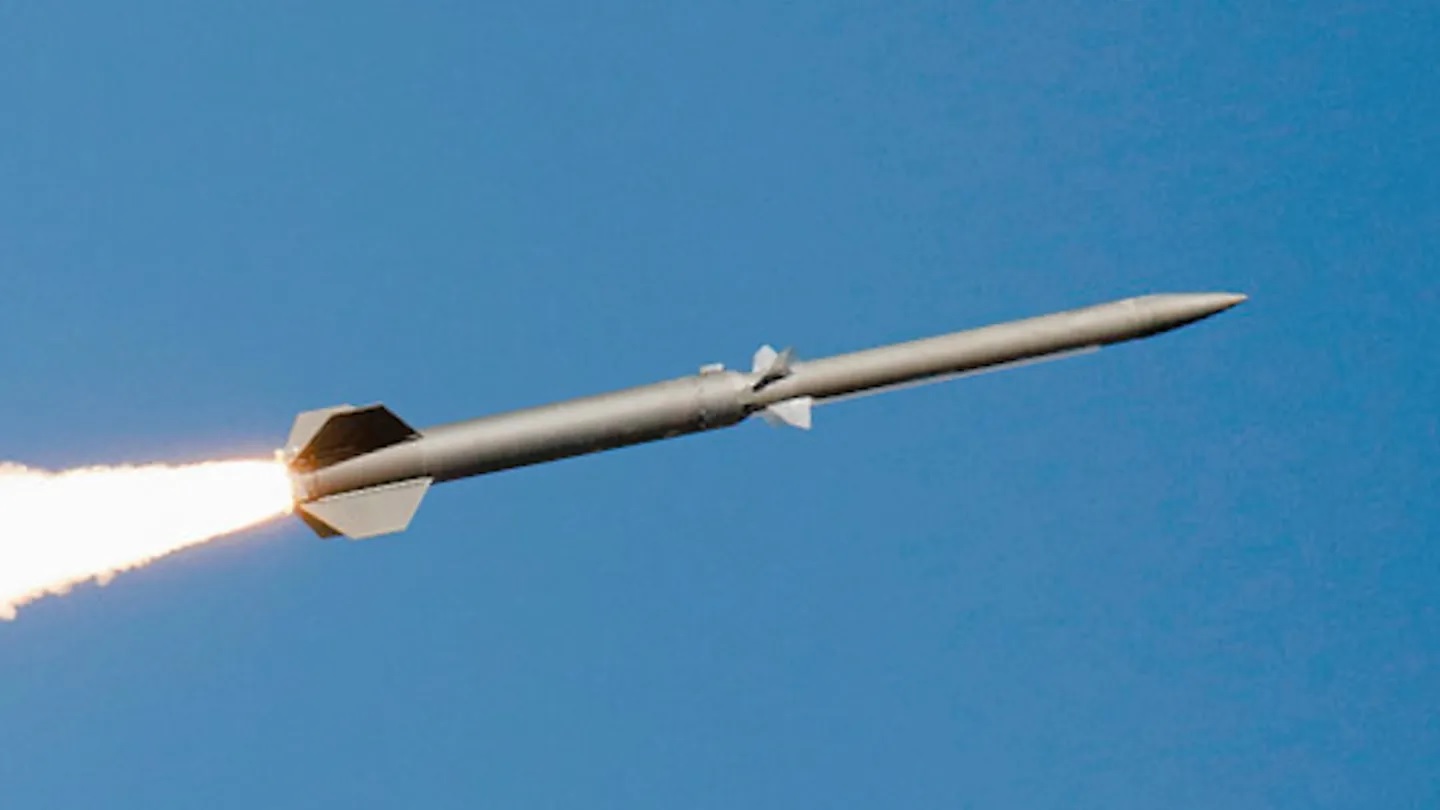
World
WASHINGTON — April 16, 2026 : The United States Navy has selected the Blackbeard hypersonic missile, developed by defense technology startup Castelion, as the first weapon candidate under its Multi-mission Affordable Capacity Effector (MACE) program, marking a significant step in the service’s effort to field affordable, high-volume precision strike systems. The Navy confirmed on April 15, 2026, to defense reporter Colby Badhwar that a $49,998,005 firm-fixed-price Small Business Innovation Research (SBIR) Phase III contract awarded to Castelion on February 25, 2026, is dedicated to advancing the MACE initiative. The contract funds full-scale prototype development, flight testing, and early operational fielding of the Blackbeard missile through November 2027, with primary work conducted at the company’s headquarters in Torrance, California. The confirmation identifies Blackbeard as the first concrete missile system selected under MACE since the program was initially disclosed in 2024, concluding a period of limited visibility following the early requirements phase. Program Origins and Requirements The MACE program originated from a Naval Air Systems Command Request for Information issued in February 2024. The Navy sought a modular, air-launched stand-off weapon designed to enhance the survivability of manned aircraft operating against advanced air defense systems. MACE is structured as a miniature cruise missile intended to complement the AGM-158C Long Range Anti-Ship Missile (LRASM). The requirement specifies a range exceeding 370 kilometers, comparable to LRASM’s unclassified range. LRASM is derived from the AGM-158B JASSM-ER platform, which has an operational range of approximately 925 kilometers. The system is subject to strict dimensional and weight constraints. The primary launch platform is the F/A-18E/F Super Hornet, which is expected to undergo near-term flight testing to validate carrier-based integration. The objective requirement further mandates that four all-up rounds must be carried internally within the weapons bays of both the F-35A and F-35C variants. Each missile is required to carry a 75-pound (34-kilogram) warhead, which will be integrated by the government, and must incorporate terminal guidance capable of engaging moving targets, including maritime threats. The design must adhere to digital engineering practices and Weapons Open System Architecture (WOSA) standards, allowing for modular payloads and sensor integration without disrupting production. The Navy has established a unit cost ceiling of $300,000 per missile and a minimum annual production objective of 500 units. These parameters position MACE in a similar operational category to the U.S. Air Force’s Extended Range Attack Munition (ERAM). The program emphasizes the use of existing propulsion technologies and mature subsystems to accelerate development timelines and reduce technical risk. Blackbeard System Development Castelion, founded in 2022 by former SpaceX personnel Bryon Hargis, Sean Pitt, and Andrew Kreitz, developed the Blackbeard missile to operate at speeds exceeding Mach 5 while maintaining maneuverability within the atmosphere. The missile is designed to support the Department of Defense’s “high-low mix” approach to hypersonic capabilities. Rather than replicating high-cost systems such as the Conventional Prompt Strike (CPS) or the Army’s Dark Eagle program, Blackbeard is intended to provide a lower-cost, high-volume option that bridges the capability gap between strategic hypersonic weapons and subsonic cruise missiles such as JASSM. As of early April 2026, the Blackbeard program has completed more than 20 flight tests evaluating propulsion, aerodynamics, thermal protection, and control systems. The missile is designed to engage moving and hardened targets at ranges of several hundred kilometers. A ground-launched variant is being developed in parallel for the U.S. Army, which is contributing $25 million to integrate the system with the M142 HIMARS and the Common Autonomous Multi-Domain Launcher (CAML). This joint-service applicability positions Blackbeard as a tactical strike system bridging conventional rocket artillery and theater-level hypersonic weapons. Accelerated Acquisition Timeline The MACE program is being executed under an accelerated acquisition framework. Following initial integration awards to Castelion by both the Army and Navy in October 2025, an aircraft integration contract was issued in November 2025, followed by an airframe development contract in January 2026. The program is structured within the fiscal year 2026 Navy Research, Development, Test, and Evaluation (RDT&E) budget as a new start under the Precision Strike Weapons Development Program. It combines Other Transaction Authority mechanisms with fixed-price prototyping contracts to reduce administrative timelines and enable rapid development. MACE is scheduled to transition to a formal Program of Record within fiscal year 2026. Early Operational Capability (EOC) is targeted for fiscal year 2027, with full flight envelope certification accelerated from fiscal year 2028 to fiscal year 2027. Funding Structure and Procurement Plans Total funding for the MACE program in fiscal year 2026 has reached $379 million. This includes a base request of $106 million, of which $60 million is allocated to airframe development and subsystem integration. Congressional additions increased the funding by $140 million, while reconciliation funding contributed an additional $133 million. Within the reconciliation allocation, $44 million is designated for long-lead procurement items, and $89 million supports integration, range testing, and certification activities, including requirements associated with the Weapons Systems Explosives Safety Review Board. For fiscal year 2027, the Navy has requested $156 million for the procurement of an initial batch of 353 MACE missiles. This results in an average unit cost of approximately $442,000, exceeding the program’s target threshold. Defense officials indicate that unit costs are expected to decline below $300,000 as production scales to the planned minimum of 500 units annually. Industrial Expansion and Manufacturing Strategy To support projected demand, Castelion has committed $220 million in private capital to develop “Project Ranger,” a 1,000-acre hypersonic manufacturing facility in Sandoval County, New Mexico. The site is designed for vertically integrated production, incorporating in-house manufacturing of propulsion and guidance systems. All 21 planned structures at the facility are expected to become operational by the end of 2026. Castelion’s industrial strategy is structured to enable production of thousands of missiles annually, leveraging combined procurement from the Navy and Army to stabilize output and reduce per-unit costs over time. System Architecture and Integration The MACE system is based on an all-up round architecture, integrating propulsion, guidance, control actuators, communications systems, and software into a single deployable unit. Warhead integration remains a government responsibility. The design complies with Weapons Open System Architecture (WOSA) standards, enabling interchangeable seekers and payload configurations for different mission requirements. The missile is intended to remain compatible with existing aircraft interfaces and support infrastructure. The selection of Blackbeard as the first MACE candidate advances the Navy’s approach to fielding cost-effective, scalable strike capabilities through rapid prototyping and early operational deployment.
Read More → Posted on 2026-04-16 17:52:40
World
WASHINGTON, D.C., April 16, 2026 — The House Select Committee on the Chinese Communist Party has raised concerns over the role of commercial satellite imagery in exposing U.S. military positions prior to an Iranian strike, with Chairman John Moolenaar formally questioning whether data from Airbus Space assets was indirectly used by a Chinese firm. In a letter dated April 13, 2026, addressed to U.S. Secretary of War Pete Hegseth, Moolenaar cited a technical analysis conducted by the committee indicating a high likelihood that Airbus Space imagery was obtained by MizarVision, a Hangzhou-based geospatial artificial intelligence and software company founded in 2021 with a small ownership stake held by the Chinese government, in the days preceding Operation Epic Fury. Detailed Timeline and Strike Context The inquiry centers on events leading up to the Iranian missile and drone strike on March 27, 2026, targeting U.S. forces at Prince Sultan Air Base. The strike wounded between 10 and 12 U.S. service members, including two seriously, and damaged multiple aircraft. Operation Epic Fury, the U.S.-led military operation against Iran, began on February 28, 2026. In the days leading up to the strike, MizarVision published detailed satellite imagery of U.S. forces in the Middle East without disclosing its data sources. The imagery included high-resolution, annotated views of U.S. military aircraft at Prince Sultan Air Base, identifying specific platforms such as KC-135 aerial refueling aircraft and E-3 Sentry airborne warning and control system aircraft. These same categories of aircraft were among those impacted in the March 27 attack. Technical Analysis by the Committee According to the Select Committee’s investigation, Airbus-operated satellites were tracked over a 48-hour window prior to the strike. The analysis determined that these satellites had multiple daily observation opportunities, with viewing windows totaling up to 10 hours, during which imagery of U.S. troop positions and equipment could have been collected. To assess feasibility, the committee established three technical conditions that had to be met simultaneously: the satellite had to be in the correct orbital position, the onboard camera needed the capability to orient toward the area of interest, and there had to be sufficient daylight for optical imaging. Time periods satisfying all three criteria were identified as plausible collection opportunities. A technical review conducted with a satellite systems expert concluded that Airbus Space satellites were the most plausible source of the imagery later published by MizarVision. Experts also noted that the imagery was highly unlikely to have originated from Chinese state-operated satellites based on known technical parameters. In his letter, Moolenaar wrote:“These documented facts present a troubling scenario: 1. A Chinese firm with undisclosed satellite sourcing published precise, annotated imagery of U.S. military assets at a specific base. 2. That imagery identified the exact aircraft types that were subsequently destroyed in a precise Iranian strike. 3. A technical analysis suggests Airbus Space satellites were the most plausible sources for that imagery.” MizarVision’s Capabilities and Publications MizarVision has released AI-processed satellite imagery throughout the lead-up to and during Operation Epic Fury. The company’s outputs feature automated object recognition and tagging of military assets, including bases, aircraft, naval vessels, and air defense systems across the Middle East. Its analytical models process large volumes of open-source data, including commercial satellite imagery, ADS-B aircraft tracking data, and AIS maritime tracking signals, enabling near-real-time identification of military equipment and monitoring of operational changes. The company has also published analyses of U.S. aerial tanker operations and aircraft carrier movements during the conflict. Some imagery released by MizarVision matches the resolution and characteristics of commercial satellite data from Western providers, including Airbus and Planet Labs, as well as other providers such as Vantor. U.S. defense intelligence officials have assessed that datasets of this type have been used by Iran’s Islamic Revolutionary Guard Corps to support planning and execution of missile and drone strikes. MizarVision’s activities have been documented in public posts since at least late February 2026, showing daily changes in U.S. military deployments across the Middle East. Industry and Pentagon Response Airbus has denied the allegations outlined in the committee’s letter. A company spokesperson stated: “Airbus denies these allegations, and this letter contains many inaccuracies regarding our operations and commercial relationships. We strictly comply with all applicable sanctions, export controls and international regulatory frameworks.” No determination has been made regarding any direct transfer of imagery from Airbus to MizarVision, and the Select Committee has requested further information from the Department of Defense regarding commercial satellite data flows in the region. Moolenaar urged the Pentagon to engage with Airbus to restrict the release of imagery of the region. He noted that other commercial satellite companies, including Planet Labs and Vantor, have voluntarily withheld or delayed imagery at the request of the U.S. government. Vantor stated that its decision was intended to ensure its services do not inadvertently increase risks to U.S. and allied forces. At a recent Space Symposium conference in Colorado, U.S. Space Command Commander Gen. Stephen Whiting stated that the military must adapt to a new operational environment in which commercial satellite imagery enables near-transparent observation of global activities. Broader Oversight and Previous Inquiry The current review is part of ongoing congressional oversight into the national security implications of commercial satellite imagery and open-source intelligence during active conflicts. The Select Committee has previously investigated aerospace companies’ ties to China. In December 2025, Moolenaar sent a separate letter to Secretary Hegseth concerning Airbus’s role in advancing China’s military-civil fusion strategy. The latest findings highlight the increasing intersection of commercial satellite providers, artificial intelligence-driven analytics, and military operations, as well as the challenges governments face in managing the availability and use of geospatial intelligence in conflict zones.
Read More → Posted on 2026-04-16 17:47:28
World
HAIFA, Israel — April 16, 2026 : The Israeli military has released new operational details outlining the scope of naval activities conducted during recent multi-front conflicts, including previously undisclosed long-range missions by its commando and submarine forces. The information was made public in conjunction with a formal change of command ceremony held Thursday evening at the Atlit naval base near Haifa. According to official statements, the Navy’s elite Shayetet 13 commando unit carried out a long-range operation thousands of kilometers from Israel during the conflict. Military officials noted that the mission took place in a region where the unit had not previously operated. No further details were provided regarding the timing, location, or specific objectives of the operation. The Navy also confirmed a record deployment involving its submarine fleet. One submarine operated at the farthest distance ever recorded in the history of Israeli naval operations. During the peak of the conflict, submarines were deployed simultaneously across three separate maritime theaters, reflecting a significant expansion in operational reach. Additional data released by the military detailed the Navy’s role across multiple operational domains. Naval warships conducted 53 targeted strikes in Lebanon and six strikes in the Gaza Strip. In support of broader military operations, the Naval Intelligence Division contributed intelligence and operational planning for approximately 95 airstrikes carried out inside Iran. Naval forces were also engaged in aerial defense missions. During the conflict, they responded to around 40 separate aerial threat incidents and intercepted several dozen unmanned aerial vehicles. The operational summary was disclosed as Vice Adm. Eyal Harel formally assumed command of the Israeli Navy, succeeding Vice Adm. David Saar Salama. The handover ceremony took place on April 16, 2026, at the Atlit base. Salama is retiring after a 39-year military career, including more than four and a half years as head of the Navy. His tenure included overseeing naval operations during the October 7 attacks, when naval units engaged Hamas militants attempting to infiltrate Israeli territory by sea near Zikim. Since the onset of the war, senior military officials have stated that Hamas’s maritime capabilities have been significantly reduced. Vice Adm. Harel assumes leadership of a naval force that has expanded its operational profile, integrating long-range deployments, aerial defense responsibilities, and cross-branch intelligence coordination. The Navy’s latest disclosures provide a summary of selected activities across multiple theaters, without additional details beyond the figures and general descriptions released.
Read More → Posted on 2026-04-16 17:12:15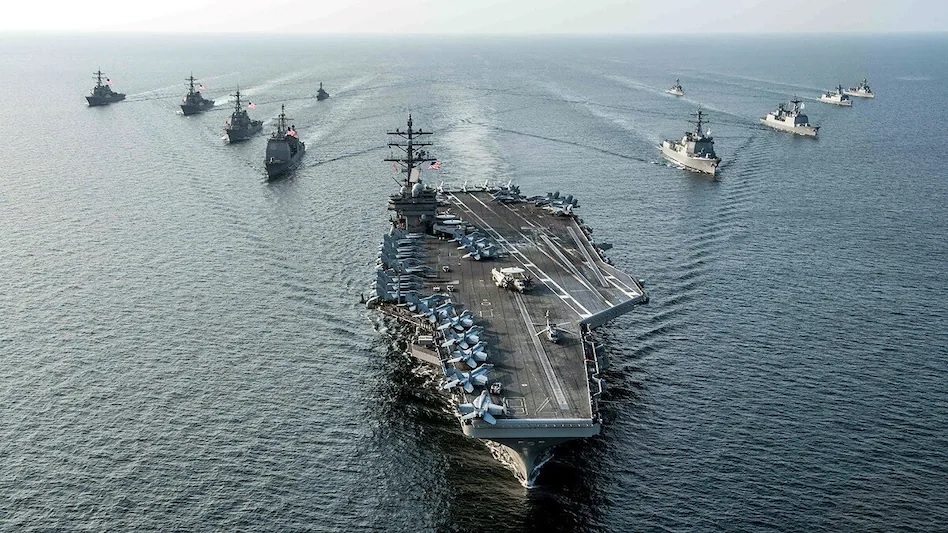
World
WASHINGTON — April 16, 2026 : The United States Department of Defense is deploying more than 10,000 additional military personnel to the Middle East, expanding its force posture in the region as part of ongoing operational planning under U.S. Central Command. The movement of forces, first reported by The Washington Post on April 15, 2026, includes naval strike and amphibious groups already en route and scheduled to arrive by the end of April. Deployment Overview According to U.S. officials cited in the report, approximately 6,000 personnel are deploying with the USS George H. W. Bush Carrier Strike Group, which departed Naval Station Norfolk, Virginia, in late March 2026. The carrier, a Nimitz-class aircraft carrier, is transiting toward the U.S. Central Command area of responsibility with its escort ships. The strike group is currently navigating around the coast of Africa en route to the Middle East. A further 4,200 troops are expected to arrive by the end of April 2026 with the Boxer Amphibious Ready Group and the embarked 11th Marine Expeditionary Unit. This formation departed San Diego between March 19 and 20, 2026, and includes the USS Boxer (LHD-4), the USS Portland (LPD-27), and the USS Comstock (LSD-45). The group has been conducting integrated training operations during its transit and is currently operating within the U.S. 5th Fleet area. The Boxer group carries more than 800 Marines along with aviation assets, including helicopters and landing craft, as part of the 11th Marine Expeditionary Unit’s forward-deployed capability. Total Force Presence Once all incoming units arrive, the total U.S. military presence in the Middle East is expected to exceed 60,000 personnel. Prior to these deployments, approximately 50,000 U.S. troops were already operating in the region, a figure that had increased earlier in 2026 following additional deployments, including elements of the 82nd Airborne Division and other Marine units. The USS George H. W. Bush Carrier Strike Group will join other U.S. naval forces already present in the region, including the USS Abraham Lincoln and the USS Gerald R. Ford carrier strike groups. Operational Context The deployments are part of ongoing force posture adjustments managed by U.S. Central Command throughout 2026. According to officials quoted in The Washington Post, the additional forces are intended to support continued operations and prepare for a range of contingencies in the region. The report notes that planning is taking place ahead of the scheduled expiration of a two-week regional ceasefire on April 22, 2026. U.S. military planners are reportedly assessing potential operational scenarios should the ceasefire not be extended. At the same time, U.S. naval forces are involved in enforcing a maritime blockade affecting traffic entering and exiting Iranian ports. More than a dozen U.S. warships are currently positioned across the Gulf of Oman and the Arabian Sea, including areas surrounding the Strait of Hormuz, a key maritime chokepoint. According to current and former officials cited in the report, contingency planning includes a range of possible operations, including ground force deployments, special operations missions targeting sensitive sites, and amphibious operations aimed at securing coastal areas and protecting international shipping routes. Official Position The Pentagon has not released a detailed public statement outlining the specific mission or operational tasks assigned to the incoming forces. U.S. Central Command has also declined to comment on exact timelines or directives associated with the deployments. Official U.S. Navy statements have described the movements of naval groups, including the USS George H. W. Bush Carrier Strike Group and the Boxer Amphibious Ready Group, as routine deployments in support of operations within the U.S. 5th Fleet area of responsibility. The White House stated that the administration continues to monitor developments in the region and is maintaining a range of strategic options in relation to regional stability and nuclear-related concerns. Continuing Adjustments The current deployments represent a continuation of a broader pattern of U.S. military adjustments in the Middle East throughout 2026. The increase from a baseline presence to more than 50,000 personnel earlier in the year, and now projected to exceed 60,000, reflects sustained operational activity and planning under evolving regional conditions. No additional official details have been released regarding the duration of these deployments or any further reinforcements beyond those already reported.
Read More → Posted on 2026-04-16 17:00:44Search
Top Trending in 24 Hours



Top Trending in 4 Days
-
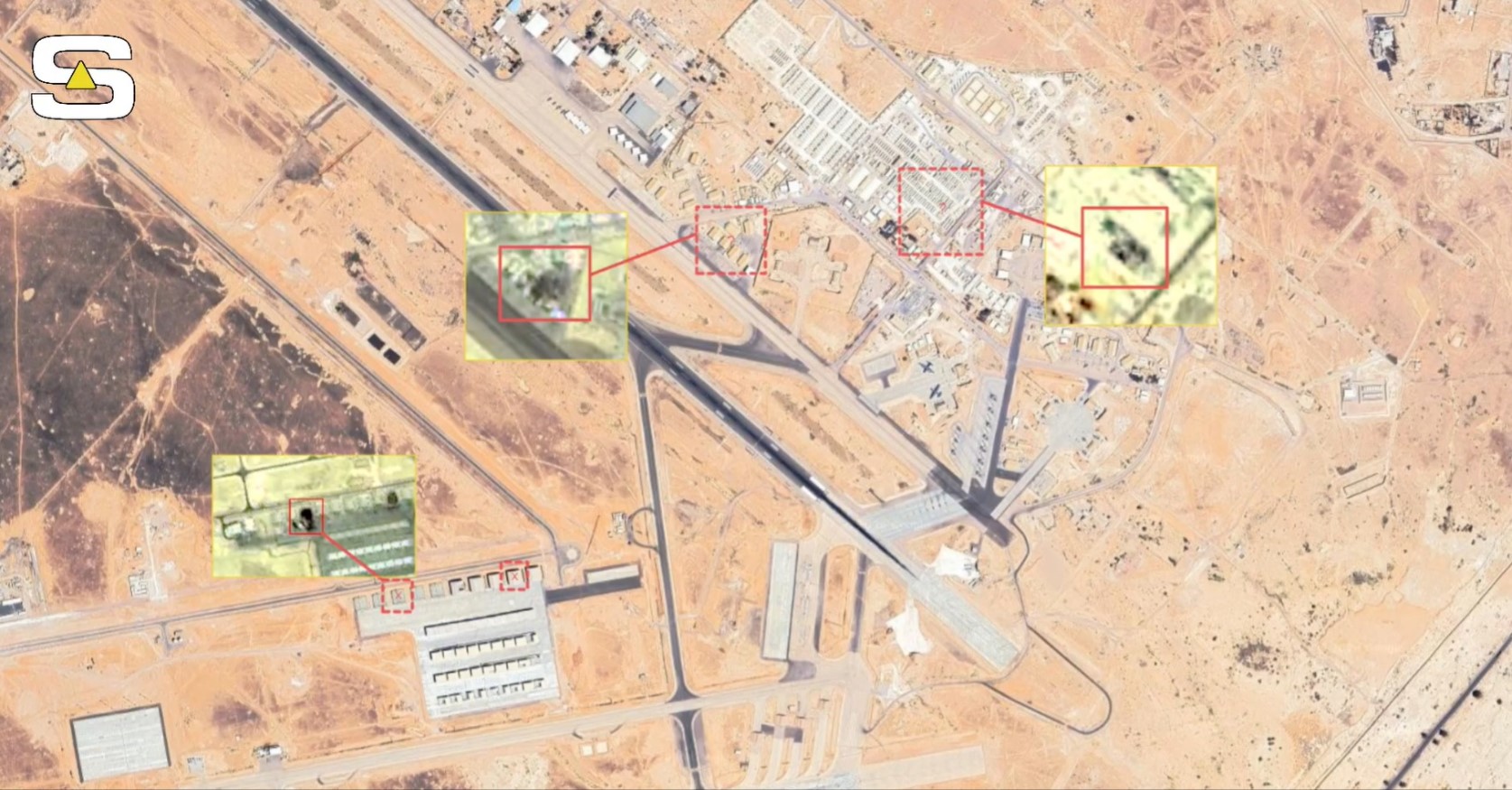 New Satellite Imagery Reveals Extensive Damage at Jordan's Muwaffaq al-Salti Air Base After Iranian Missile Strike
-
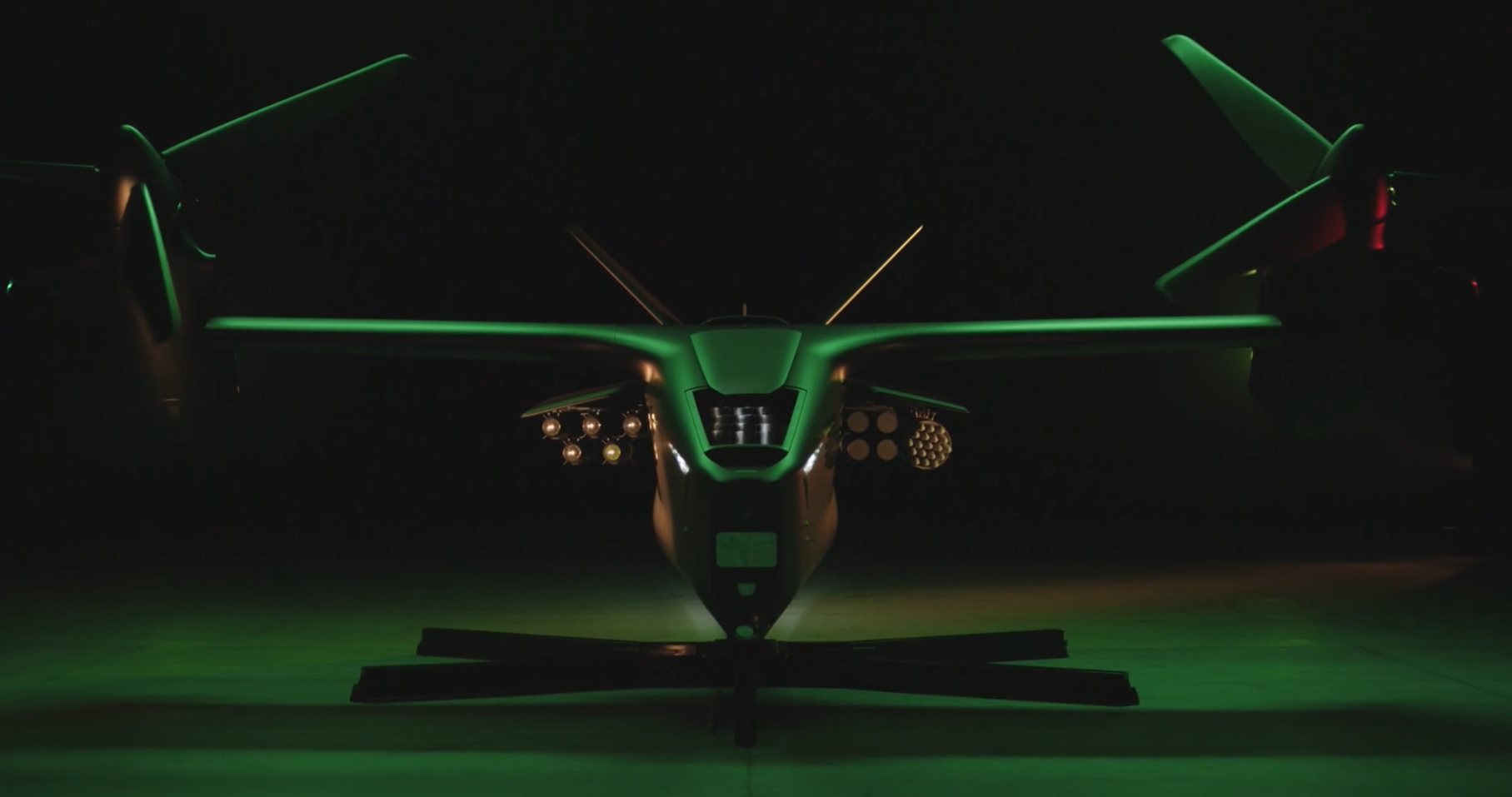 Anduril Unveils Thunder Autonomous Attack Rotorcraft Built with Archer Aviation to Support Apache Helicopters
-
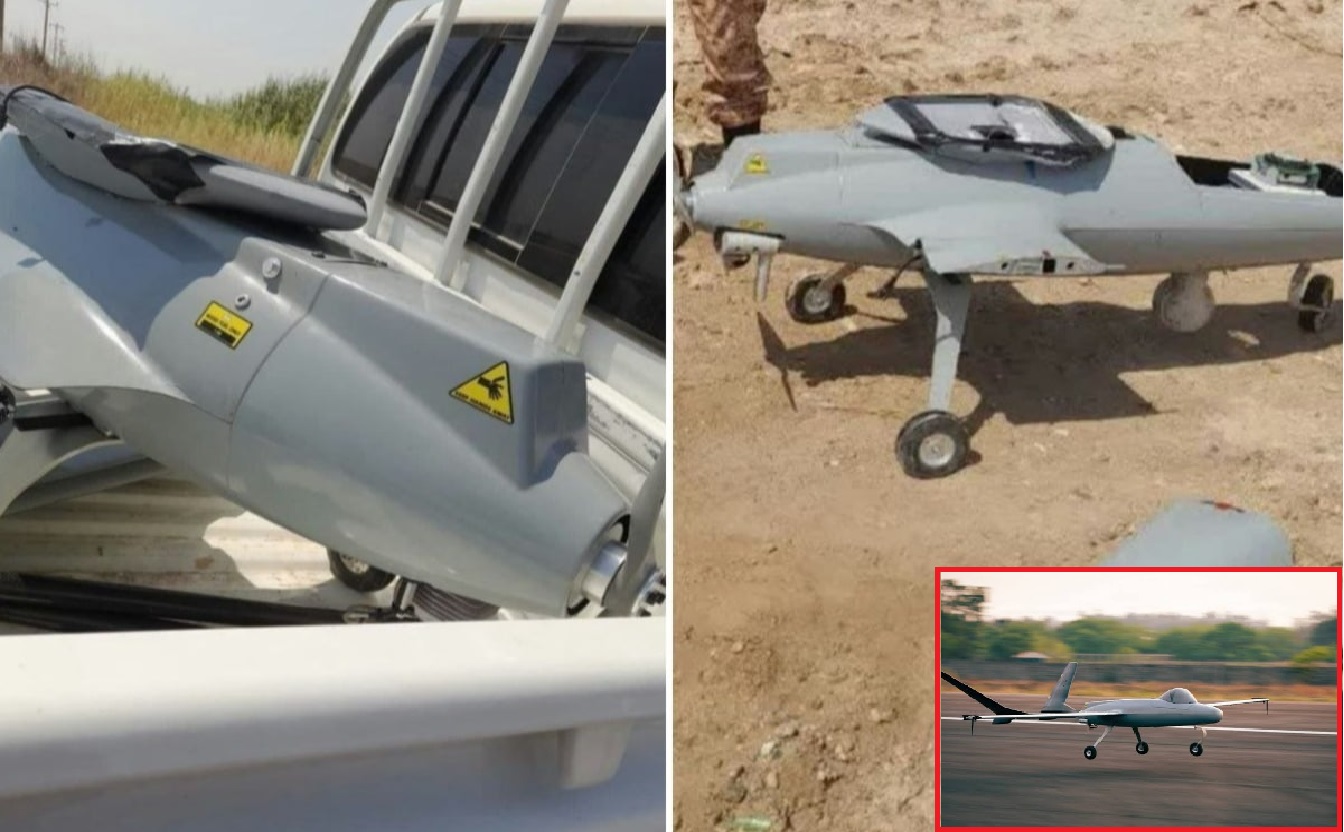 Iran Claims It Shot Down U.S.-Operated Polish-Built Tiguar-M Drone, Releases Images
-
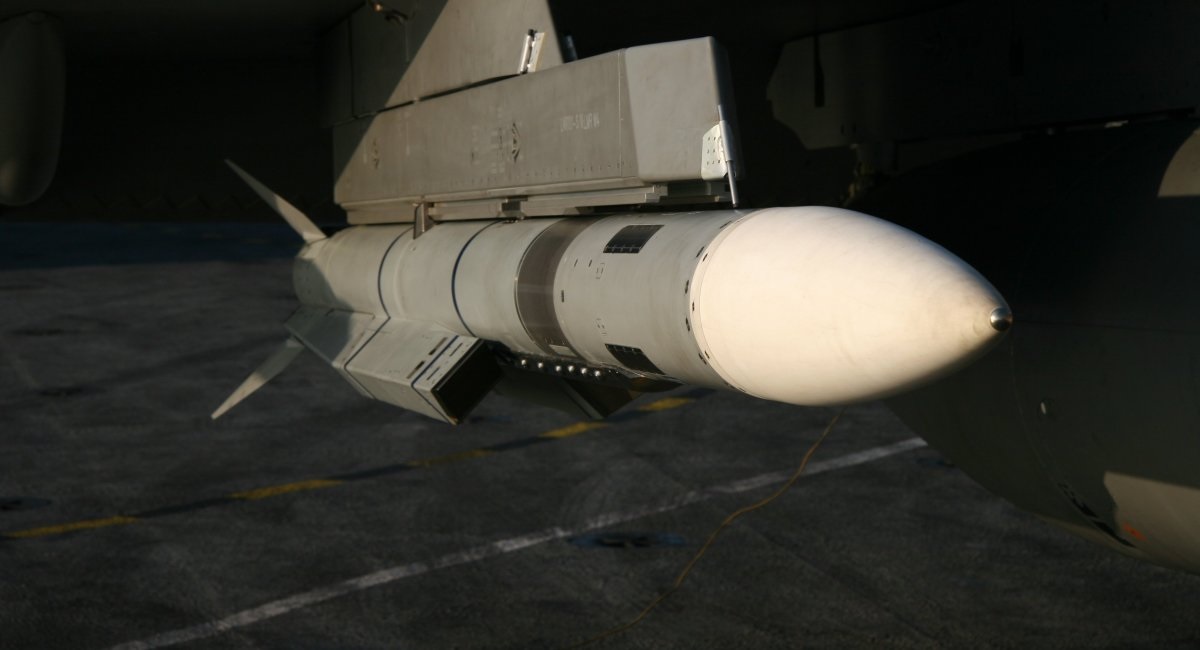 UK Cancels Meteor Missile Mid-Life Upgrade, Prioritizes Next-Generation FASE Air-to-Air Missile Programme
-
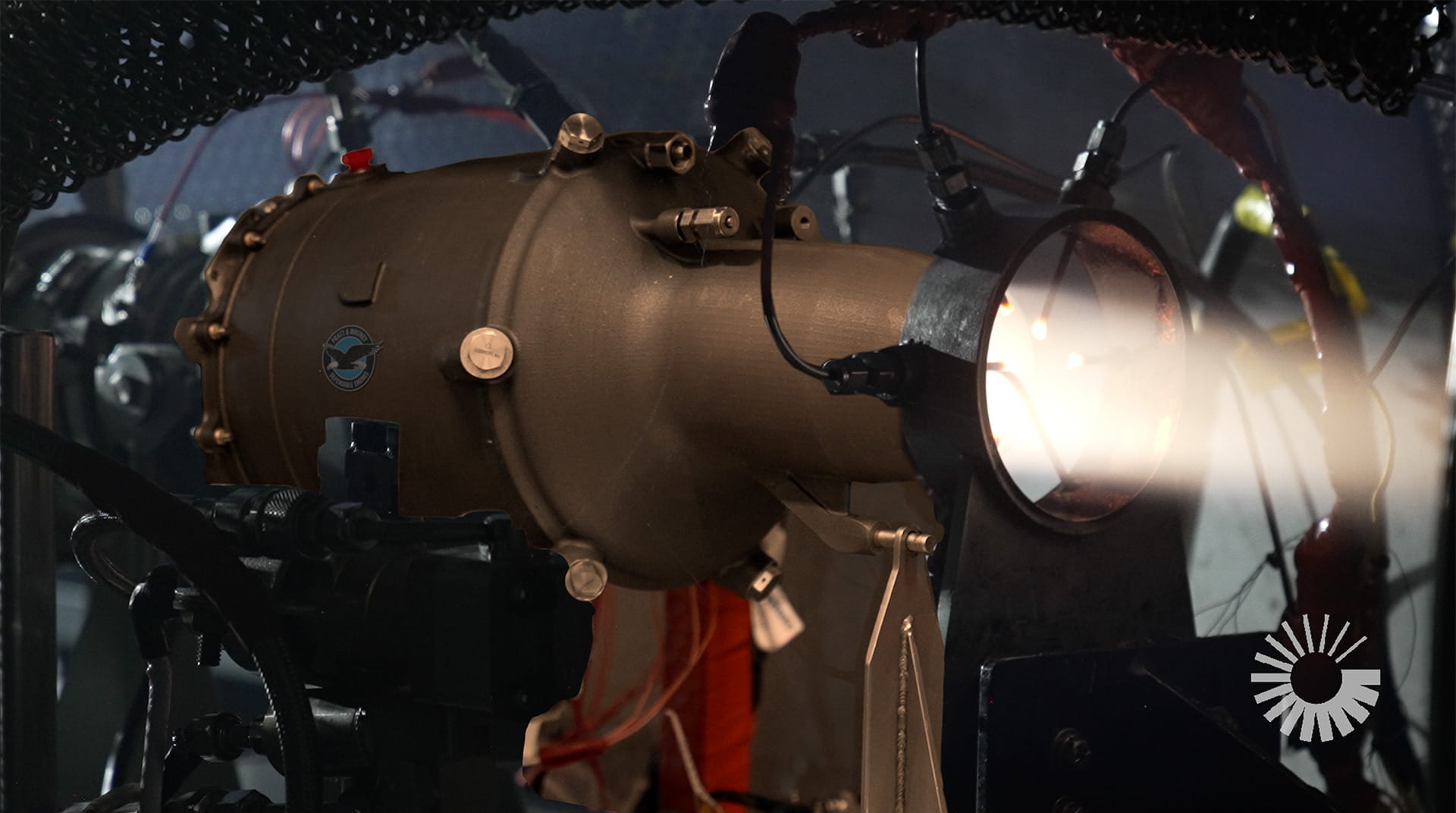 Pratt & Whitney Completes Testing of 3D-Printed TJ150 Engine for Military Applications
-
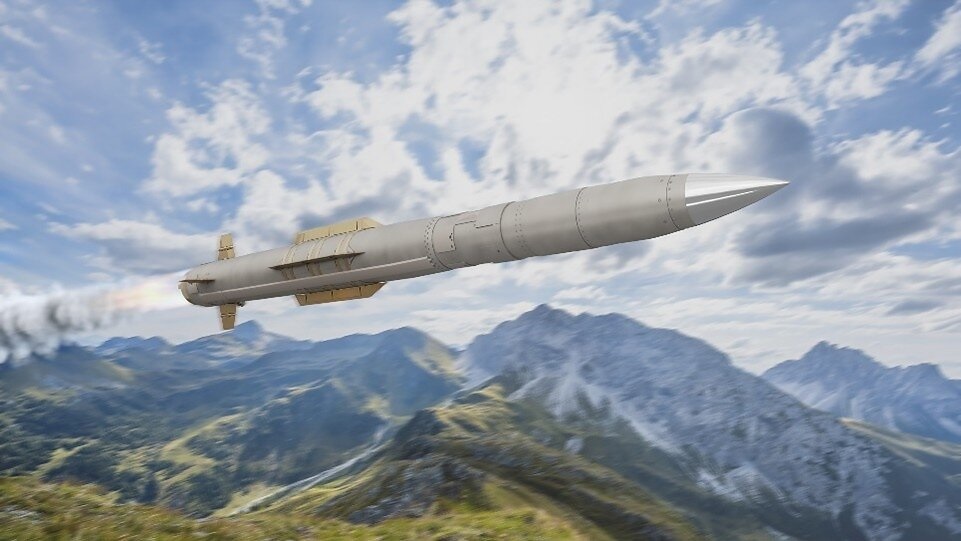 Lockheed Martin Unveils Lower-Cost PAC-3 ACE Interceptor for Patriot Air Defense System
-
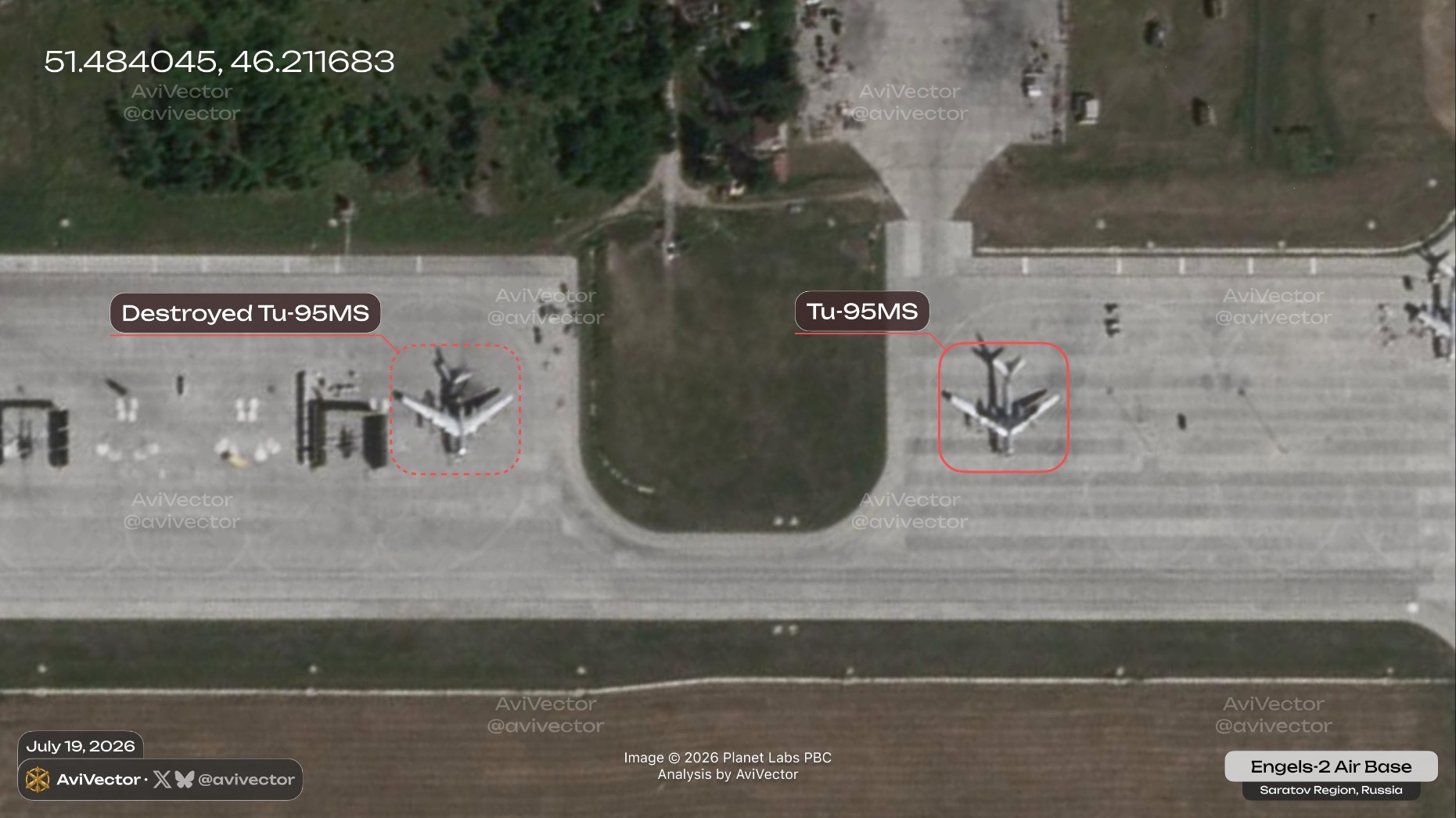 Satellite Images Confirm Russian Tu-95MS Bomber Destroyed After Ukrainian Drone Strike on Engels-2 Air Base
-
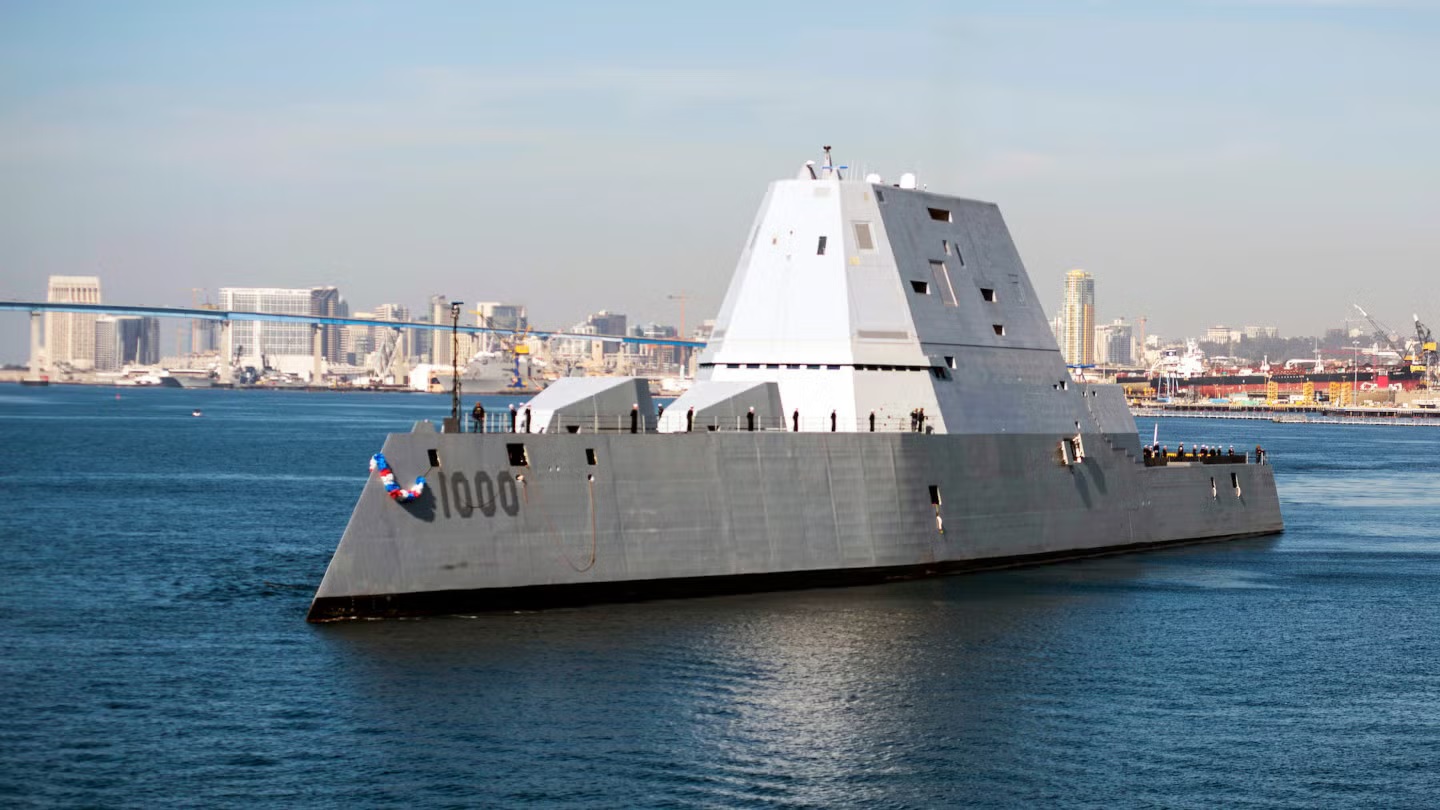 U.S. Navy's Zumwalt Destroyer Hypersonic Missile Upgrade Program Delayed by Two Years as Costs Top $2 Billion: GAO Reports
