World
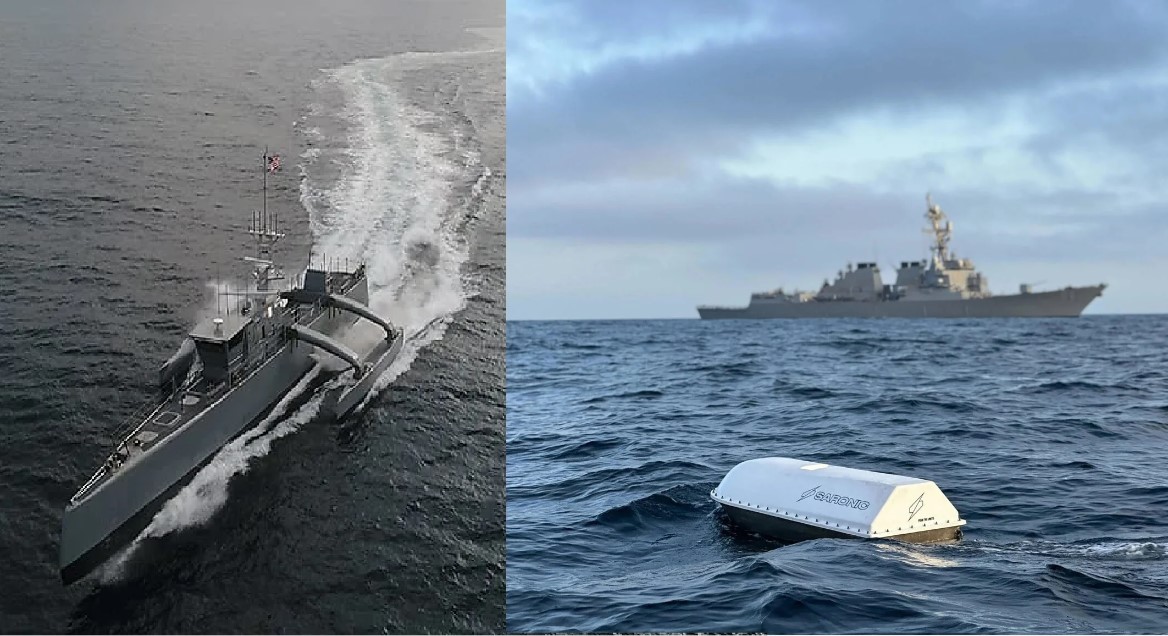
NATIONAL HARBOR, Md., — April 22, 2026 : The U.S. Navy is preparing a significant expansion of unmanned maritime capabilities in the Indo-Pacific, with plans to deploy more than 30 Medium Unmanned Surface Vessels (MUSVs) and thousands of smaller unmanned surface vessels (USVs) across the region by 2030, according to officials speaking at the Navy League’s Sea-Air-Space Symposium. Capt. Garrett Miller, commander of Surface Development Group One, stated during a panel discussion on Monday that the planned deployments are based on Indo-Pacific operational requirements and long-term surface force planning data extending through 2045. The projected force structure also includes a substantial number of unmanned aerial systems (UAS) operating from both manned and unmanned naval platforms. Miller indicated that the expansion reflects priorities identified by U.S. Indo-Pacific Command (INDOPACOM), particularly in response to evolving maritime challenges in the region. The People’s Liberation Army Navy (PLAN) has expanded both fleet size and long-range strike capabilities in recent years, transitioning from a primarily near-shore operational focus to sustained blue-water deployments across the Indo-Pacific. Force Structure and Operational Concepts The planned increase in MUSVs represents a significant rise from the Navy’s current inventory of approximately four vessels. Expanding to more than 30 MUSVs in the Indo-Pacific by 2030 would mark a roughly sevenfold increase in this category alone. In parallel, the Navy expects to field thousands of smaller USVs designed to operate in distributed and networked formations. These developments are aligned with a broader operational concept supported by INDOPACOM leadership, including Adm. Samuel Paparo, who in 2024 outlined the use of large numbers of autonomous systems to complicate adversary planning and enhance distributed maritime operations. The concept includes coordinated use of surface, aerial, and subsurface unmanned platforms for surveillance, targeting, and deterrence missions, including scenarios involving Taiwan. The Navy’s approach also aligns with the Department of Defense’s Replicator initiative, which focuses on accelerating the procurement and deployment of autonomous systems. According to Navy statements, the first tranche of capabilities under this initiative reached initial operational status in August 2025. Lessons from Recent Conflicts U.S. officials have examined the employment of uncrewed systems in recent operational environments, including Ukrainian use of maritime drones against the Russian Black Sea Fleet, as well as USV activity in the Persian Gulf and Red Sea during ongoing Middle East conflicts. Rear Adm. Douglas Sasse, director of the Assessment Division (N81) in the Office of the Chief of Naval Operations, noted that these cases demonstrate the effectiveness of unmanned systems in constrained maritime environments. He described such scenarios as allowing rapid deployment from coastal areas with relatively short operational distances. Sasse emphasized, however, that conditions in the Indo-Pacific differ significantly. The region’s vast distances between islands and archipelagos create operational challenges for unmanned systems, including endurance, sustainment, and survivability over long transit routes. He stated that these factors require different operational approaches compared with those used in confined seas such as the Black Sea or Red Sea. Logistics and Sustainment Developments To address long-range operational requirements, the Navy is advancing sustainment concepts for unmanned platforms. On April 15, 2026, Military Sealift Command announced that the fleet replenishment oiler USNS Guadalupe (T-AO 200) conducted an astern refueling of the MUSV Seahawk off the coast of Southern California. The operation transferred nearly 700 gallons of diesel fuel and was described as a proof-of-concept demonstration for supporting MUSVs during extended deployments alongside carrier strike groups. The event represents a step toward integrating unmanned vessels into standard naval logistics frameworks. Integration with Carrier Strike Groups The Navy has also outlined near-term operational integration plans. During the WEST 2026 conference in San Diego, officials confirmed that unmanned systems are expected to deploy alongside the Theodore Roosevelt Carrier Strike Group later in 2026. Miller stated that MUSVs are expected to support a range of missions, including maritime domain awareness and intelligence collection. He noted that onboard sensor systems, including advanced camera suites, could provide fleet commanders with additional operational flexibility and expanded situational awareness. Surface Development Group One, based in San Diego, continues to oversee the development, testing, and operational evaluation of unmanned surface vessels. The organization is responsible for integrating these platforms into fleet operations as part of the Navy’s broader transition toward distributed and autonomous maritime capabilities. Regional Coordination and Strategic Context Recent Pentagon engagements with Indo-Pacific allies have included commitments to expand missile and unmanned system capabilities along the first island chain. The planned deployment of large numbers of USVs and associated systems is expected to complement these efforts by enhancing surveillance coverage and distributed operational capacity across the region. The Navy’s long-term planning framework indicates that unmanned systems will form a core component of future maritime operations in the Indo-Pacific, with continued development focused on scalability, endurance, and integration with existing naval forces.
Read More → Posted on 2026-04-22 15:01:53
World
BETHESDA, Md., — April 22, 2026 : Lockheed Martin has announced a $25 million investment in Fortem Technologies, marking the initial tranche of Fortem’s ongoing Series B funding round. The funding is intended to expand manufacturing capacity and accelerate deployment of Fortem’s counter-unmanned aerial systems (C-UAS) technologies within Lockheed Martin’s Sanctum ecosystem. The investment builds on an existing partnership between the two companies and supports the transition of a jointly developed counter-drone framework into wider operational use. Under a contract announced on March 19, 2026, Fortem is supplying its TrueView radar systems and DroneHunter autonomous interceptors for integration with Lockheed Martin’s Sanctum C-UAS Mission Management software, aimed at protecting critical infrastructure and military assets. Integrated Counter-UAS Architecture Fortem Technologies, headquartered in Lindon, Utah, develops the SkyDome system, a multi-layered counter-UAS solution comprising three primary components. The TrueView radar family—including R20, R30, and R40 Active Electronically Scanned Array (AESA) sensors—provides 360-degree airspace coverage and three-dimensional tracking. These systems are designed with low size, weight, power, and cost (SWaP-C) parameters and incorporate AI-based processing using onboard computing, including NVIDIA GPU-enabled edge analysis, to classify targets and reduce false detections such as birds or environmental interference. The SkyDome Manager software serves as the command-and-control layer, integrating sensor data and applying AI-driven threat analysis to coordinate responses. The system is paired with DroneHunter F700 autonomous interceptors, which are deployed from fixed or mobile DroneHangar launch systems. The interceptors use onboard radar and a net-based capture mechanism to neutralize hostile drones with limited collateral effects. Fortem reports nearly 5,000 successful captures in operational use, with an approximate success rate of 85 percent. The system is designed to counter Group 1, 2, and 3 unmanned aerial systems, including platforms such as the Orlan-10 and Shahed-136. It is capable of operating in all weather conditions and supports both fixed-site and mobile deployment configurations. Fortem is currently the only company authorized to deploy a drone-on-drone kinetic interceptor within U.S. airspace. Its systems have been used in operational environments across Ukraine, the Middle East, and East Asia. Integration with Sanctum Platform Fortem’s systems are being integrated into Lockheed Martin’s Sanctum architecture, a modular, open-architecture C-UAS platform designed for multi-domain operations. Sanctum employs artificial intelligence and cloud-based processing to detect, track, and neutralize unmanned threats, including coordinated drone swarms. The platform has been developed with interoperability in mind and is compatible with Modular Open Systems Approach (MOSA) standards. It allows integration with existing air defense systems, allied networks, and joint force command-and-control frameworks. Sanctum also incorporates cloud infrastructure, including Microsoft Azure, to enable distributed data processing and coordination across airborne and ground-based nodes. Operational and Economic Considerations The combined system is structured to create a streamlined detection-to-engagement process, enabling operators to identify and mitigate threats more efficiently. By integrating Fortem’s detection and interception technologies with Sanctum’s mission management layer, the system supports automated or semi-automated responses to drone incursions, including loitering munitions and swarm attacks. Lockheed Martin states that the approach offers cost advantages compared to traditional kinetic interceptors such as missiles, rockets, or directed-energy systems. The use of reusable interceptor drones and software-centric radar platforms reduces the cost per engagement by more than 80 percent while maintaining effectiveness against low-observable targets. Increased production of these systems is expected to support a more sustainable logistics model, reducing maintenance requirements and enabling more frequent training and readiness activities. Manufacturing Expansion and Market Outlook The $25 million investment will enable Fortem Technologies to at least double its manufacturing capacity at its Lindon, Utah facility. The expansion is expected to support additional hiring in engineering and production roles, contributing to the broader defense industrial base. The global counter-UAS market is projected to exceed $12 billion by 2030, driven by the increasing proliferation of low-cost, autonomous drone systems that pose risks to military operations, critical infrastructure, and civilian airspace. This investment aligns with Lockheed Martin’s broader strategy to expand its portfolio in counter-UAS technologies. The company recently increased the capacity of its venture capital arm to $1 billion, targeting emerging national security technologies. Industry Context and Investor Background Fortem Technologies is a privately held company backed by multiple investors, including Lockheed Martin Ventures, DCVC, Toshiba, AE Industrial Partners, AIM13, and Signia Venture Partners. Lockheed Martin has not disclosed additional financial terms related to the Series B funding round. Executive Statements Stephanie C. Hill, President of Lockheed Martin Rotary and Mission Systems, stated that the collaboration is intended to deliver scalable and rapidly deployable capabilities aligned with evolving operational requirements, with an emphasis on affordability and production speed. Fortem Technologies CEO Jon Gruen noted that the increasing scale and autonomy of drone threats require integrated and scalable countermeasures. He stated that the partnership is focused on accelerating deployment of systems that have already demonstrated performance in operational environments.
Read More → Posted on 2026-04-22 14:46:29
World
PRINCE SULTAN AIR BASE, Saudi Arabia — April 22, 2026 : The United States military has deployed a Ukrainian-developed counter-drone command-and-control platform, known as Sky Map, at Prince Sultan Air Base in Saudi Arabia, as part of ongoing efforts to strengthen defenses against repeated Iranian drone and missile attacks. The deployment took place in recent weeks following a series of strikes that damaged U.S. aircraft and infrastructure at the base. Ukrainian military personnel have arrived on site to train U.S. forces in operating the system, according to officials familiar with the development. System Overview and Capabilities Sky Map is a software-based command-and-control platform developed by the Ukrainian company Sky Fortress, which was established in 2022 by engineers with ties to the Ukrainian military. The company has been supported by Brave1, Ukraine’s military innovation unit. The system integrates data from radar networks and a wide array of acoustic sensors to provide real-time detection of aerial threats. It presents this information through a centralized dashboard featuring maps and live video feeds. The platform is designed to identify and track low-cost, mass-produced drones, including Iranian-developed Shahed systems, and to coordinate responses such as interception using counter-drone assets. Sky Fortress has deployed more than 10,000 acoustic sensors across Ukraine, where the system has been widely used in operational conditions. Within Ukrainian forces, Sky Map functions as a primary tool for coordinating counter-drone activities. Integration with U.S. Systems At Prince Sultan Air Base, Sky Map is being integrated alongside existing U.S. counter-unmanned aerial system infrastructure. These include the Northrop Grumman Forward Area Air Defense (FAAD) command platform and RTX-produced Coyote interceptor drones. Additional systems under evaluation at the base include Merops interceptor drones, developed by Project Eagle, a U.S. firm backed by former Google chief executive Eric Schmidt. Early testing of the Merops system has encountered technical challenges, including an incident earlier in April 2026 in which an interceptor drone lost control and impacted a base facility. U.S. defense officials have emphasized that no single system provides comprehensive protection against the full range of drone threats, particularly those involving coordinated or swarm-style attacks. Operational Context and Recent Attacks Prince Sultan Air Base, located approximately 400 miles from Iran, has been subjected to multiple waves of drone and missile attacks since the escalation of regional hostilities. One of the most significant incidents occurred on March 27, 2026, when a strike damaged a U.S. Air Force E-3 Sentry airborne warning and control aircraft. The same and subsequent attacks also caused damage to several KC-135 refueling tankers, base infrastructure, and a radar system supporting the Terminal High Altitude Area Defense (THAAD) battery. Casualty reports indicate that at least one U.S. service member was killed in attacks linked to operations at or near the base, with multiple personnel injured. Across the broader conflict, U.S. military casualties have reached 13 killed and more than 300 wounded. Funding and Broader Defense Efforts The deployment of Sky Map is part of a wider U.S. Department of Defense initiative to enhance counter-drone capabilities. The Pentagon’s Joint Interagency Task Force 401 has allocated more than $350 million for procurement and development of counter-unmanned aerial system technologies under Operation Epic Fury. This effort reflects ongoing assessments of air and missile defense gaps at forward-deployed locations. Analysts have previously identified vulnerabilities in detecting and intercepting low-flying, small, and inexpensive drones, which can be deployed in large numbers. Strategic and Political Context The integration of Ukrainian technology into U.S. defense operations follows earlier political exchanges between Washington and Kyiv regarding defense cooperation. On March 6, 2026, U.S. President Donald Trump stated in a media interview that the United States did not require external assistance for drone defense, declining an earlier offer from Ukrainian President Volodymyr Zelenskiy. Despite that position, the operational deployment of Sky Map indicates continued technical collaboration at the tactical level. Neither U.S. Central Command, which oversees operations at Prince Sultan Air Base, nor Sky Fortress has provided official comment on the deployment. The office of President Zelenskiy has also not responded to requests for comment. Continuing Integration U.S. forces continue to test and integrate multiple counter-drone technologies at Prince Sultan Air Base as part of broader force protection measures. The addition of Sky Map represents an effort to expand detection and response capabilities tailored to evolving drone threats, particularly those involving low-cost systems used in repeated attacks. Officials involved in the program have indicated that layered defense approaches—combining detection, tracking, and interception—remain central to addressing the operational challenges posed by unmanned aerial systems in the region.
Read More → Posted on 2026-04-22 14:34:17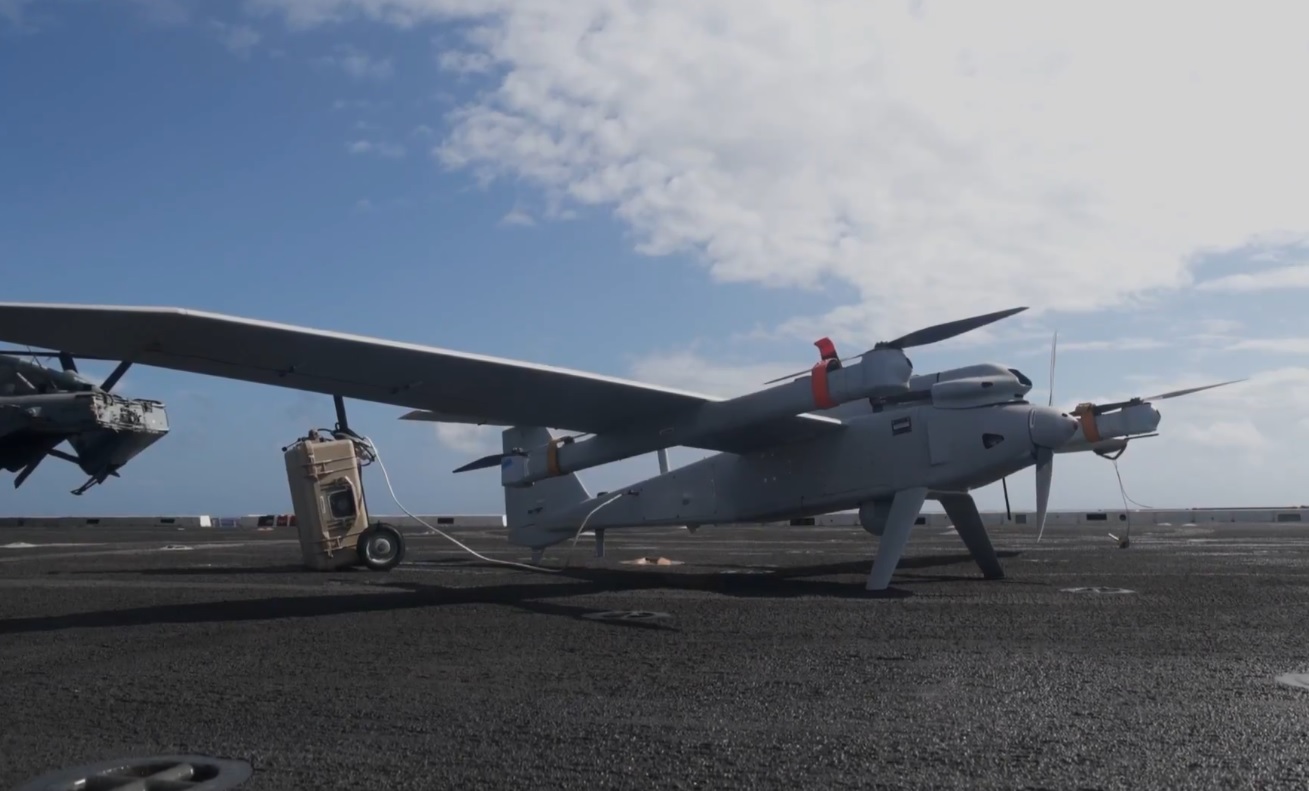
World
MIAMI, — April 22, 2026 : The U.S. Southern Command (SOUTHCOM) has announced the establishment of a new operational unit, the SOUTHCOM Autonomous Warfare Command (SAWC), aimed at integrating autonomous, semi-autonomous, and unmanned systems into military operations across Latin America and the Caribbean. The initiative, directed by SOUTHCOM Commander Francis L. Donovan, was confirmed in an official press release issued on April 21. The command is intended to connect tactical-level missions with broader strategic objectives, enhancing U.S. operational capabilities across land, sea, air, space, and cyber domains. Strategic Framework and Operational Scope According to SOUTHCOM, SAWC has been structured to support the national security priorities of the current U.S. administration and align with the Department of War’s National Defense Strategy. The command will operate in coordination with regional allies and partners, focusing on two primary mission areas: countering illicit networks and improving crisis response capabilities. The counter-illicit mission will target narcoterrorist organizations and transnational cartel operations, with an emphasis on disruption and degradation. In parallel, the crisis response mission will strengthen the command’s ability to respond to large-scale natural disasters and other life-threatening emergencies across the region. Donovan stated that the command will employ advanced technologies to extend operational reach and coordination. He emphasized that SOUTHCOM intends to utilize capabilities “from the seafloor to space and across the cyber domain,” supported by collaboration with regional partners. SOUTHCOM’s area of responsibility includes South America, Central America, and the Caribbean. Donovan noted that the region’s diverse geography and operational conditions provide an environment suitable for testing and deploying emerging technologies, while also highlighting the readiness of partner nations to adopt new systems. Integration with Defense Autonomous Warfare Group The timeline for SAWC to achieve full operational capability has not been disclosed. In preparation, SOUTHCOM is working with U.S. military services and the Department of War’s Defense Autonomous Warfare Group (DAWG) to identify the technical architecture, expertise, and systems required for implementation. DAWG has emerged as a central component of broader Pentagon restructuring related to unmanned and autonomous warfare systems. The organization replaced earlier initiatives, including the Biden-era Replicator program, and is associated with a proposed $55 billion research and development funding request for Fiscal Year 2027. The funding is intended to accelerate the development and deployment of collaborative autonomous systems and unmanned platforms across the U.S. military. Expanding U.S. Military Posture in the Region The establishment of SAWC reflects a broader pattern of increased U.S. military activity and organizational changes in the Western Hemisphere over the past year. In January 2026, the U.S. Space Force activated its regional component, Space Forces Southern, to oversee space-based capabilities in the region. The unit became operationally effective on December 1, 2025, and is responsible for integrating satellite communications, navigation, and surveillance support. Recent operations have also highlighted expanded coordination between combatant commands and space-based assets. The U.S. Space Command provided critical satellite communications, navigation, and positioning support during a high-risk operation that resulted in the capture of Venezuelan leader Nicolás Maduro. Leadership changes have accompanied these developments. Donovan assumed command of SOUTHCOM on February 5, 2026, succeeding Navy Adm. Alvin Holsey, who retired following scrutiny over Operation Southern Spear. That operation involved strikes on suspected drug-smuggling vessels and drew attention for its scope and operational impact in the region. Emphasis on Autonomous Systems and AI Integration In his March 2026 posture statement to lawmakers on Capitol Hill, Donovan outlined a shift in SOUTHCOM’s operational approach toward greater reliance on emerging technologies. He identified unmanned platforms, artificial intelligence, and commercial tools as key enablers for future missions. Donovan stated that integrating human-machine teaming would be essential to increasing operational effectiveness, including improvements in lethality, situational awareness across multiple domains, and data-sharing capabilities among U.S. and partner forces. He also emphasized the need to develop cost-effective and modernized force structures tailored to SOUTHCOM’s mission requirements, with a focus on scalable autonomous systems. Command Role and Future Outlook SOUTHCOM is one of the United States’ six geographically focused unified combatant commands and is responsible for defense cooperation and military operations across the Caribbean, Central America, and South America. The creation of SAWC represents a continuation of efforts to incorporate advanced technologies into regional operations while strengthening partnerships with allied nations. Although a specific operational timeline has not been announced, ongoing coordination with DAWG and military services indicates that planning and capability development are currently underway. The April 21 announcement was accompanied by a video presentation showcasing unmanned and autonomous systems supporting SOUTHCOM missions, illustrating the range of technologies expected to be integrated under the new command structure.
Read More → Posted on 2026-04-22 14:11:10
World
WASHINGTON, — April 22, 2026 : The U.S. Department of the Treasury has imposed sanctions on 14 individuals, entities, and aircraft linked to procurement and transport networks supporting Iran’s ballistic missile and unmanned aerial vehicle (UAV) programs, according to an announcement issued on April 21 by the Office of Foreign Assets Control (OFAC). The measures form part of the U.S. government’s “Economic Fury” campaign, a sanctions initiative aimed at disrupting financial and logistical networks associated with Iran’s military-industrial activities. The designations target actors operating across Iran, Türkiye, and the United Arab Emirates, including procurement agents, trading firms, and aviation assets. Procurement Networks Supporting Shahed UAV Program OFAC designated three individuals for their roles in supporting Iran-based Pishgam Electronic Safeh Company (PESC), a firm previously sanctioned in September 2023 for its involvement in UAV component procurement. The company, led by chief executive Hamid Reza Janghorbani, has sourced thousands of servomotors used in one-way attack drones, including systems recovered from downed Shahed-136 UAVs operated by the Islamic Revolutionary Guard Corps Aerospace Force Self Sufficiency Jihad Organization. The newly sanctioned individuals include Kamal Sabah Balkhkanlu, a Tehran-based currency exchanger who facilitated payments for PESC’s procurement activities using third-country bank accounts; Mohammad Vahidi, who received routed shipments of materials and equipment at a Dubai address; and Danial Khalili, who acted as an agent responsible for receiving and delivering procured items. Ballistic Missile Supply Chain Designations The Treasury also imposed sanctions on the Türkiye-based Emti Fiber Textile Import Export Trade Limited Company for completing hundreds of shipments of cotton linters to Iran-based Pardisan Rezvan Shargh International Private Joint Stock Company. Cotton linters are processed into nitrocellulose, a key material used to enhance the performance of solid propellant rocket motors commonly employed in ballistic missile systems. Pardisan Rezvan Shargh had previously been sanctioned in December 2025. Additional designations include Iran-based Adak Pargas Pars Trading Company, which had been sanctioned earlier in February 2026, along with two of its executives: chairman Hamidreza Roknifard and vice chairman Mostafa Roknifard. Actions Targeting Mahan Air Network OFAC expanded sanctions related to Mahan Air, an Iranian airline previously designated for transporting weapons, equipment, and financial support on behalf of the Islamic Revolutionary Guard Corps (IRGC). The April 21 action targets associated entities and individuals involved in maintaining the airline’s operational and logistical network. Those designated include Sepehr Kaveh Kish, identified as an owner or controller of Mahan Air; Gholam Abbas Ataei Aghdam and Jamshid Hosseinzadeh, described as leaders or officials of Sepehr Kaveh Kish; and Mohammad Hossein Mahdian. Entities designated include Saman Air Services and Chabok FZCO, the latter based in the United Arab Emirates and involved in procurement activities linked to aviation components. In addition, two Boeing 777 aircraft operated by Mahan Air were identified as blocked property under U.S. jurisdiction. Strategic Context and Iran’s Military Production Efforts U.S. officials assess that Iran is attempting to reconstitute its production capacity for both ballistic missiles and UAVs following recent regional hostilities. According to reporting cited by Militarnyi, Iran retains approximately 40 percent of its pre-war stockpile of strike drones. Officials have also indicated that efforts are underway to recover missiles buried under debris following strikes on weapons depots and storage facilities. Iran has continued to rely on Shahed-series one-way attack UAVs in regional operations, including strikes targeting energy infrastructure. Legal Authorities and Financial Restrictions The sanctions were issued pursuant to Executive Order 13382, which targets proliferators of weapons of mass destruction and their supporters, and Executive Order 13224, as amended, which addresses terrorist organizations and affiliated networks. The measures are part of broader nonproliferation efforts following the reimposition of United Nations sanctions on Iran in September 2025. Under the designations, any assets belonging to the sanctioned individuals and entities that fall within U.S. jurisdiction are blocked. U.S. persons are prohibited from engaging in transactions with them. Foreign financial institutions that knowingly facilitate significant transactions involving the designated parties may also face secondary sanctions, including restrictions on access to the U.S. financial system. Statement from Treasury Secretary Treasury Secretary Scott Bessent stated that the sanctions are intended to hold Iran accountable for activities affecting regional security and global energy markets. He said the Treasury Department will continue to target financial networks supporting Iran’s missile and drone programs as part of the Economic Fury campaign. The April 21 designations represent the latest action in a series of U.S. measures aimed at constraining Iran’s procurement channels for military technologies and dual-use materials.
Read More → Posted on 2026-04-22 14:02:00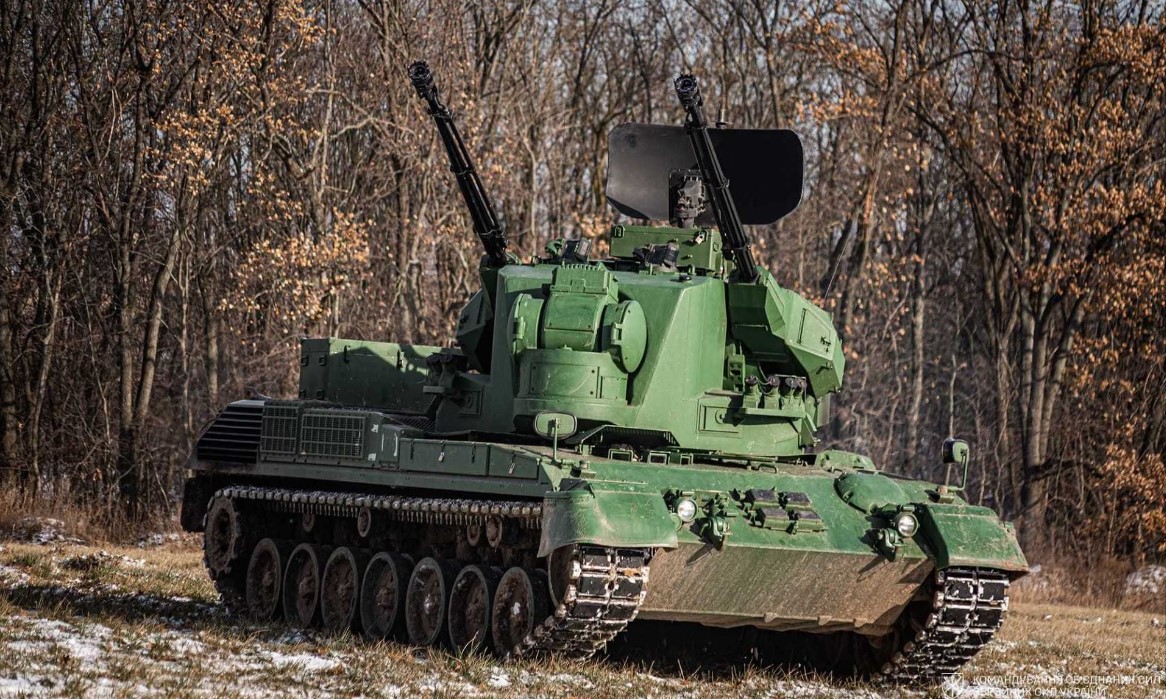
India
BRUSSELS, — April 22, 2026 : The Belgian government has confirmed it will acquire and transfer 15 refurbished Gepard self-propelled anti-aircraft systems to Ukraine as part of a €1 billion military assistance package approved earlier in April 2026. The decision formalizes a procurement process involving the reacquisition of decommissioned systems currently held within Belgium’s private defence inventory. The Gepard systems will be purchased from OIP Land Systems, a Belgian company that operates as a subsidiary of Elbit Systems. The vehicles were originally part of the Belgian Army’s inventory before being retired in the 1990s and sold to private industry in the early 2000s. The transaction represents a domestic acquisition rather than a drawdown from active military stocks. Procurement Structure and Validation The procurement was approved under Belgium’s broader €1 billion aid envelope announced in early April 2026. Minister of Defence Theo Francken validated the structure of the acquisition, indicating a preference for sourcing equipment from domestically held private inventories rather than relying on external suppliers. The approach is intended to reduce procurement timelines and limit dependency on foreign supply chains. No official figures have been released regarding the acquisition cost, refurbishment expenses, or the delivery schedule. Belgian parliamentary disclosures have also not provided a detailed financial breakdown for the Gepard component within the overall aid package. Inventory Background and Storage The 15 systems selected for transfer originate from a larger stock of approximately 38 Gepard vehicles currently held by OIP Land Systems. These systems are stored alongside other armoured vehicles in facilities near Tournai. The vehicles have remained in storage for roughly two decades. Belgium initially acquired 55 Gepard units between 1977 and 1980. Manufactured in the 1970s by a German industrial consortium, the systems formed part of Belgium’s Cold War-era air defence network. Following the end of the Cold War and subsequent reductions in defence spending, the Belgian Army began phasing out the Gepard fleet after 1994. The systems were fully retired in the early 2000s and sold to the private firm Sabiex, which was later integrated into OIP Land Systems. Refurbishment and Transfer Plan The refurbishment process will be conducted in two stages across Belgium and Ukraine. Belgian contractors will carry out initial restoration work focused on the vehicle chassis and propulsion systems. After this phase, the systems will be transferred to Ukraine, where further work will be undertaken on the turret assemblies and systems integration. The division of refurbishment responsibilities reflects both logistical considerations and Ukraine’s existing technical capacity to complete integration work domestically. Technical Characteristics and Operational Role The Gepard is a tracked self-propelled anti-aircraft platform based on the Leopard 1 main battle tank chassis. It is equipped with twin 35 mm Oerlikon KDA autocannons capable of a combined rate of fire of approximately 1,100 rounds per minute. The system incorporates an S-band search radar and a Ku-band tracking radar, each with an operational range of around 15 kilometers. The platform is designed for short-range air defence, with an effective engagement range of up to 5.5 kilometers. Its configuration enables sustained rapid-fire engagement against low-altitude threats, including unmanned aerial vehicles (UAVs), helicopters, and cruise missiles, under all-weather conditions. Although the system was phased out by NATO operators between the 2000s and 2010s in favor of missile-based air defence solutions, recent operational use has demonstrated its continued relevance in countering high-volume, low-cost aerial threats. The Gepard offers a lower cost per engagement compared to surface-to-air missile systems, making it suitable for sustained defensive operations. NATO Service History and Exports Belgium, Germany, and the Netherlands were the primary NATO operators of the Gepard system during its service life. The platform was also exported in limited numbers to countries including Romania, Brazil, and Jordan. Its gradual withdrawal from service reflected a broader shift toward missile-centric air defence architectures in the post-Cold War period. Context Within Ongoing Military Support Belgium’s decision follows earlier transfers of Gepard systems to Ukraine, primarily led by Germany through both national stocks and third-party arrangements. Those systems have reportedly been used to counter drones and cruise missiles. Initial constraints related to ammunition supply—previously affected by Swiss export restrictions—have been addressed through resumed production in Germany, enabling continued operational use of the platform. Belgium had previously assessed the potential transfer of its former Gepard inventory but did not proceed at that time. The current decision marks the first confirmed transfer of Belgian-origin Gepard systems to Ukraine under a structured procurement and refurbishment framework aligned with the April 2026 aid package.
Read More → Posted on 2026-04-22 13:51:50
World
WASHINGTON, — April 21, 2026 : Recent defense assessments indicate that the United States has expended a substantial portion of its key missile inventories during ongoing military operations against Iran, reducing the depth of high-end munitions available for other potential contingencies. According to analyses derived from Pentagon-aligned data and independent research institutions, including the Payne Institute for Public Policy and the Center for Strategic and International Studies (CSIS), the United States has used significant quantities of both offensive and defensive missile systems in the opening phase of the campaign, identified in assessments as Operation Epic Fury. Data indicates that at least 45 percent of the US inventory of Precision Strike Missiles (PrSM) has been expended. In parallel, defensive interceptor stocks have been drawn down heavily, with at least half of Terminal High Altitude Area Defense (THAAD) interceptors and nearly 50 percent of Patriot air defense interceptor missiles used during operations. High Expenditure Rates in Initial Phase Detailed assessments of the first 16 days of high-intensity operations show that US forces expended more than 6,000 munitions, including both strike weapons and air defense interceptors. During this period alone, approximately 198 THAAD interceptors were fired, representing around 40 percent of available US-operated THAAD systems at the time. Patriot air defense systems, including PAC-3 interceptors, accounted for 402 missile launches in the same timeframe. These interceptors were used extensively to counter Iranian ballistic missile and drone attacks, often requiring multiple interceptors per incoming threat to ensure successful engagement. Offensive missile usage also increased sharply. Combined expenditure of the Precision Strike Missile (PrSM) and the legacy Army Tactical Missile System (ATACMS) reached nearly 46 percent of available stock within the first 16 days. The PrSM, which is designed as a longer-range successor to ATACMS and launched from HIMARS platforms, saw its first operational combat use during these strikes. Pre-Conflict Inventory and Production Constraints Prior to the conflict, procurement levels for newer missile systems such as PrSM were relatively limited. Approximately 130 PrSM units were procured in fiscal year 2024, followed by about 250 units in fiscal year 2025, reflecting early-stage production levels. THAAD interceptor inventories before the conflict were estimated between 534 and 632 units. Annual production capacity for THAAD has remained constrained, typically not exceeding around 100 interceptors per year, with some years recording no deliveries. Patriot PAC-3 Missile Segment Enhanced interceptors have seen comparatively higher production rates, with recent annual procurement averaging close to 270 units. However, the scale of usage during the Iran operations has significantly reduced available stocks across all major air defense systems. Sustainment of Current Operations and Strategic Implications US defense officials have stated that existing inventories remain sufficient to sustain ongoing operations against Iran without immediate disruption. However, the reduction in high-end munitions has affected the broader strategic reserve required for other scenarios. Pre-conflict war games and independent assessments had already projected rapid depletion of advanced munitions in a high-intensity conflict involving a near-peer adversary, particularly in the Indo-Pacific region. The current expenditure levels have further constrained these reserves. Analysts note that, at the observed rate of usage, stockpiles of systems such as PrSM/ATACMS and THAAD could have been exhausted within approximately one month if sustained at similar intensity. Industrial Base and Replenishment Timelines Replenishment of depleted inventories is expected to take multiple years, driven by existing industrial capacity and production timelines. Estimates suggest that restoring THAAD interceptor levels alone could require between three and eight years under current production constraints. Efforts are underway to expand manufacturing output. The US Department of Defense has initiated supplemental funding requests and entered into framework agreements with defense contractors, including Lockheed Martin, to increase production capacity. Plans include scaling up output of key systems such as PrSM and Patriot interceptors. Despite these measures, analysts estimate that full restoration of missile inventories to pre-operation levels may take approximately three to five years, even with increased production rates. Operational Adjustments and Global Stockpile Management To sustain ongoing operations, the US military has drawn from global and theater-level stockpiles, including redeployments from other regions. These adjustments have affected availability of certain systems outside the Middle East. The high tempo of operations has reflected sustained precision strike requirements combined with intensive air and missile defense activity. Thousands of targets have been engaged using precision-guided munitions, while defensive systems have been continuously employed to counter large-scale missile and drone attacks. While current assessments indicate no immediate impact on the continuation of operations against Iran, defense planning continues to focus on rebuilding stockpiles and addressing longer-term readiness requirements for potential multi-theater contingencies, including scenarios involving near-peer adversaries such as China.
Read More → Posted on 2026-04-21 18:22:21
World
MOSCOW — April 21, 2026 : Russia is expected to continue supplying natural gas to China at significantly discounted rates compared to its remaining European customers through the end of the decade, reflecting a sustained reorientation of its export strategy toward Asian markets, according to government forecasts and industry data reported on April 21, 2026. Pricing Trends and Forecast Outlook Financial projections indicate that Russian pipeline gas exports to China will remain substantially cheaper than supplies delivered to Europe, with the pricing gap persisting despite a gradual narrowing over time. For 2026, the average price of Russian natural gas supplied to China is projected at $258.80 per 1,000 cubic meters, representing a discount of more than 38% compared to the average price charged to Europe’s remaining pipeline gas buyers. This pricing structure is consistent with 2025 data, when Russia sold gas to China at an average price of $248.70 per 1,000 cubic meters, also more than 38% lower than European rates. Looking ahead, internal government forecasts suggest that while the disparity will decrease, it will remain significant. By 2029, the discount for Chinese buyers is expected to stand at just over 27% relative to European prices. The projections are based on Russian Economy Ministry data incorporated into budget planning documents, with sources noting that detailed figures have not been publicly disclosed. Gazprom Chief Executive Alexei Miller previously stated that pricing differences are “objectively lower” for China, attributing the gap in part to geographic factors. Gas fields supplying the Chinese market are located closer to end consumers in Asia, reducing transportation and infrastructure costs compared to westward deliveries. Expansion of Pipeline Deliveries to China Russia has steadily increased gas exports to China through the Power of Siberia pipeline system, which has become the central artery of its eastern export network. Operational data shows that deliveries through the pipeline reached 38.8 billion cubic meters in 2025, exceeding its designed annual capacity of 38 billion cubic meters. This marked a rise of nearly 25% compared to the 31 billion cubic meters delivered in 2024. The pipeline reached full design capacity in late 2024, with daily flows at times exceeding 100 million cubic meters, according to Gazprom. Further expansion is already underway. Russia and China have agreed to increase annual deliveries via the Power of Siberia route from 38 billion cubic meters to 44 billion cubic meters in the coming years. Additional infrastructure projects are also planned to support rising export volumes: The Far Eastern route, scheduled to begin operations around 2027, is expected to deliver up to 12 billion cubic meters annually. The proposed Power of Siberia 2 pipeline, which would pass through Mongolia, has a planned capacity of 50 billion cubic meters per year and remains under discussion. Combined, these developments are projected to raise total Russian gas exports to China via eastern routes to approximately 52.5 billion cubic meters annually by 2029. The expansion is supported by long-term agreements between Gazprom and the China National Petroleum Corporation (CNPC), covering both pricing mechanisms and infrastructure development. Declining European Market Share Russia’s pivot toward Asia comes as its gas trade with Europe continues to contract sharply following the geopolitical shifts of 2022. Pipeline exports to Europe are projected to decline to approximately 32 billion cubic meters annually between 2028 and 2029, down from 36 billion cubic meters in 2025 and an estimated 38 billion cubic meters in 2026. Before 2022, Russia supplied up to 200 billion cubic meters per year to European markets, highlighting the scale of the contraction. Currently, only a limited number of countries—including Hungary, Slovakia, Serbia, and Turkey—continue to receive Russian pipeline gas, primarily through routes such as TurkStream. The European Union has outlined plans to phase out remaining Russian gas imports by the end of 2027, replacing pipeline supplies with liquefied natural gas (LNG) imports from alternative sources, including the United States and Norway. Market Implications and Structural Shifts The divergence in pricing between Asian and European markets reflects differences in contractual structures, logistics, and broader market conditions. Long-term contracts with CNPC underpin the pricing framework for Chinese deliveries, while European supplies are now limited in volume and subject to different commercial arrangements. Despite rising volumes to China, analysts note that Russia’s increased eastern exports have not fully offset the loss of revenue and market share resulting from reduced European demand. At the same time, higher energy costs in Europe compared to major global economies such as the United States and China continue to influence industrial competitiveness, with energy pricing identified as a contributing factor in broader economic assessments. The outlook for Russian gas exports remains closely tied to infrastructure development timelines, bilateral agreements, and evolving global energy market conditions, with both pricing and volumes subject to change based on contractual and geopolitical factors.
Read More → Posted on 2026-04-21 18:05:11
World
SAN ANTONIO, Texas / WASHINGTON — April 21, 2026 : The U.S. Air Force Installation and Mission Support Center (AFIMSC), operating under the Air Force Materiel Command (AFMC), has issued a Sources Sought notice to assess industry capability for the TEAL Drones Black Widow small unmanned aerial system (sUAS). The notice, published on April 20, 2026, sets a response deadline of April 27, 2026, at 5:00 a.m. Central Daylight Time. The request is categorized as market research and does not constitute a formal solicitation. The contracting office is located at 1517 Billy Mitchell Boulevard, Building 954, San Antonio, Texas, with Meredith Parker listed as the primary point of contact and LaTasha Boyd as the alternate. Compliance Framework and Certification Requirements The notice specifies that the system must comply with federal procurement restrictions governing unmanned systems. The platform is required to meet the provisions of the National Defense Authorization Act (NDAA) 2020 Section 848 and NDAA 2023 Section 817, which regulate the sourcing and cybersecurity of unmanned aerial systems. Additionally, the required platform must be listed on the Defense Innovation Unit (DIU) BLUE LIST, confirming that it has undergone cybersecurity and operational vetting for U.S. military use. The TEAL Drones Black Widow was confirmed to be included on the BLUE LIST as of April 20, 2026. These requirements align with broader Department of Defense efforts, supported by enforcement measures such as FCC Section 1709, to reduce reliance on foreign-manufactured drone systems. Operational Requirement: Manned-Unmanned Teaming with F-35 A central requirement outlined in the notice is the capability for Manned-Unmanned Teaming (MUM-T) with the F-35 fighter aircraft. The Air Force specifies that the sUAS must be capable of operating in proximity to a target while transmitting live video feeds and target telemetry data directly to an in-flight F-35 to support kinetic ordnance delivery. This requirement represents a shift from traditional small UAS operations, where data transmission is typically limited to ground control stations. The integration of a lightweight tactical drone into a direct data-sharing role with a fifth-generation fighter indicates ongoing development of tactical-level data link architectures and operational concepts. ATAK Integration and Networked Operations The Air Force mandates native integration with the Android Tactical Assault Kit (ATAK). The requirement specifies that ATAK functionality must be embedded within the system’s core architecture rather than implemented through third-party interfaces. This is intended to enable seamless data exchange between dismounted personnel, command elements, and aerial platforms. The system must support coordinated operations across air and ground units, with an emphasis on reducing latency and simplifying user workflows in contested environments. Platform Specifications and Performance Parameters The Sources Sought notice defines baseline performance and physical characteristics for the system. The required platform must feature a ruggedized, portable airframe weighing approximately 3.6 pounds, with a minimum flight endurance of 35 minutes. The specified sensor payload is the Teledyne FLIR Hadron 640R+, an electro-optical and infrared (EO/IR) imaging system designed for combined daylight and low-light surveillance and targeting. The TEAL Drones Black Widow platform exceeds several of these baseline parameters in its standard configuration. The system has an actual weight of 4.26 pounds, endurance exceeding 45 minutes, a maximum speed of 13 meters per second, and an operational range of approximately 5 miles. The Hadron 640R+ payload integrates a 64-megapixel electro-optical camera with a 67-degree horizontal field of view, capable of 4K video at 30 frames per second, alongside a Boson+ 640 radiometric infrared camera with a 32-degree horizontal field of view. The system incorporates both mechanical stabilization and electronic image stabilization. Communications, Navigation, and Electronic Warfare Resilience The Black Widow incorporates a modular architecture designed for adaptability in contested environments. It is equipped with a Doodle Labs Helix hex-band radio, supporting frequency-hopping across multiple bands to enhance resilience against electronic warfare and signal interference. Navigation options include configurable GPS modules supporting civilian GNSS, M/Y-Code, or dual-band L1/L2 configurations, enabling operation in degraded or jammed environments. The system also supports visual navigation and forward-looking obstacle avoidance, allowing continued operation in GPS-denied conditions. The platform utilizes onboard processing, including a Qualcomm RB5 processor, to support edge computing functions and real-time data handling. Software, AI Capabilities, and ATAK Compatibility The Black Widow is compatible with ATAK through an industry-developed UAS Tool interface, while the Air Force requirement emphasizes deeper native integration. The platform also supports FLIR Prism AI, which provides automated target identification, tracking, and classification capabilities. These features are intended to reduce operator workload and improve decision-making speed in ISR missions. Procurement Model and Cost Structure The Air Force specifies a non-subscription procurement model, requiring that the system operate without mandatory recurring fees for software licensing, support, or warranties. This condition addresses concerns regarding lifecycle cost predictability and long-term sustainment expenses associated with commercial drone systems. Industrial Base and Program Context TEAL Drones, a subsidiary of Red Cat Holdings and based in Salt Lake City, Utah, manufactures the Black Widow in the United States. The platform is positioned as a domestically produced, NDAA-compliant alternative for tactical intelligence, surveillance, and reconnaissance operations. The Black Widow serves as the successor to the Teal 2 and is part of the U.S. Army’s Short Range Reconnaissance (SRR) program of record. It is designed as a rucksack-portable, field-repairable quadcopter for deployment in contested operational environments. The platform has also been included in the NATO Support and Procurement Agency (NSPA) catalogue and has reportedly been selected for deliveries to international partners, including a NATO ally and an Asia-Pacific military customer in 2026. Broader Implications The Sources Sought notice reflects ongoing Department of Defense efforts to field secure, domestically manufactured small UAS platforms while integrating them into advanced operational concepts. The requirement for direct interoperability with the F-35 highlights continued development of tactical data-sharing frameworks between small unmanned systems and fifth-generation aircraft. Industry responses to the notice will inform the Air Force’s assessment of available capabilities and potential acquisition strategies, but the current request remains limited to information gathering and does not initiate a procurement process.
Read More → Posted on 2026-04-21 17:57:23
World
WASHINGTON, D.C., — April 21, 2026 : The Intelligence Advanced Research Projects Activity (IARPA) has issued a Request for Information (RFI IARPA-RFI-26-01) to assess the current state of biologically derived materials for use in transient propulsion systems for unmanned aerial vehicles (UAVs). The notice, published on April 20, 2026, expands ongoing U.S. research into transient technologies by targeting propulsion components rather than structural airframes. Scope of the RFI The RFI seeks technical input on whether bio-derived materials can be applied to propulsion subsystems—including turbines, engines, electric motors and auxiliary components—while maintaining operational performance during mission execution and degrading in a controlled manner afterward. Current propulsion systems rely on metal alloys, engineering plastics and advanced composites engineered for long-term durability. As a result, UAVs that are lost or downed can leave recoverable components in operational environments for extended periods. IARPA is examining whether alternative materials can reduce the persistence of such hardware. The agency is specifically interested in materials that can sustain required performance thresholds and subsequently degrade under environmental conditions, limiting the possibility of recovery and technical exploitation. Transition from Structural to Propulsion Systems The initiative builds on prior work conducted under the Defense Advanced Research Projects Agency program known as ICARUS program (Inbound, Controlled, Air-Releasable, Unrecoverable Systems). That effort demonstrated the feasibility of transient airframe materials using ultraviolet-triggered photopolymers and mycelium-based composites capable of degrading on command. However, propulsion systems introduce significantly more complex requirements. Internal components operate under high temperatures, sustained mechanical stress and exposure to fuels and lubricants. Because these systems are enclosed, ultraviolet-triggered degradation mechanisms used in earlier programs are not considered reliable. As a result, IARPA is prioritizing degradation triggers based on environmental and biological mechanisms, including enzymatic activity, microbial action, humidity, thermal cycling, oxidation and pH variation. Candidate Materials and Technological Basis The RFI identifies several categories of materials under consideration. These include structural proteins such as silk, keratin and collagen; polysaccharides such as chitin and cellulose; fungal and mycelium-based composites; bio-acrylic materials; bio-derived ceramics; and broader biocomposite systems. Additional materials referenced include wood, paper, gums, cottons and waxes, which have seen limited defense-related applications. Recent developments in synthetic biology and biomanufacturing are central to this effort. Advances have enabled the production of genetically engineered structural proteins with tailored mechanical characteristics, as well as polymers designed with programmable degradation profiles that respond to specific environmental triggers. Technical Requirements and Performance Criteria IARPA is requesting detailed technical responses addressing whether such materials can meet defined operational thresholds. These include the ability to withstand temperatures exceeding 500 degrees Celsius and mechanical stresses above 100 megapascals while maintaining dimensional tolerances and surface finishes required for propulsion system reliability. Respondents are also asked to address multiple integration and engineering considerations. These include compatibility with existing propulsion architectures, interaction with fuels and lubricants, electromagnetic properties, manufacturability, quality assurance processes, production scalability and projected cost structures. The agency has outlined five primary performance objectives for candidate technologies: achieving operational performance comparable to conventional materials during mission duration; enabling controlled transience triggered by environmental conditions beyond ultraviolet exposure; ensuring predictable degradation kinetics suitable for mission planning; minimizing residual material after degradation; and supporting scalable manufacturing compatible with rapid prototyping and production timelines. Submission Guidelines and Timeline Responses to the RFI are due by 5:00 p.m. Eastern Time on May 15, 2026. Submissions must be provided electronically in PDF format to dni-iarpa-rfi-26-01@iarpa.gov. The point of contact listed in the notice is Dr. Michael Patterson, Program Manager. Submissions are required to include a cover sheet, executive summary, detailed technical response and optional references, following specified formatting requirements. IARPA has stated that the RFI is issued for planning purposes only and does not constitute a formal solicitation. Information received may inform future research initiatives and could support the organization of an invitation-only workshop. Operational Context The effort is aligned with operational requirements in intelligence and military missions where UAVs are deployed in denied or contested environments and recovery is not feasible. Under such conditions, propulsion systems capable of degrading after mission completion would reduce the intelligence value of captured hardware and address the long-term environmental persistence of debris. IARPA notes that while laboratory demonstrations of bio-derived transient materials have progressed, significant gaps remain between experimental results and the performance demands of real-world propulsion systems. The RFI is intended to identify approaches capable of bridging this gap and advancing the applicability of transient technologies to active propulsion components.
Read More → Posted on 2026-04-21 17:38:28
World
BRASÍLIA — April 21, 2026 : The Brazilian Armed Forces are continuing efforts to address a critical gap in long-range precision strike and suppression of enemy air defenses (SEAD) capabilities, as no operational cruise missiles or anti-radiation missiles are currently fielded across the services. The absence extends to both domestically developed systems and commercially available foreign acquisitions, leaving Brazil without dedicated assets in these categories. At present, the longest-range strike capability available within Brazil’s land forces remains the unguided SS-80 rocket, produced by Avibras for the ASTROS II multiple-launch rocket system. The SS-80 has a maximum range of 90 kilometers and lacks precision guidance, underscoring the limitations in current deep-strike options. Interim Capability Through MANSUP-ER Near-term capability development is centered on the MANSUP-ER (Extended Range) missile program, led by SIATT in partnership with the UAE-based EDGE Group. Originally designed as an anti-ship missile, the system is scheduled to conduct its first launches in the coming months. Technical specifications indicate that MANSUP-ER has a range of approximately 200 kilometers and carries a 150-kilogram fragmentation warhead. The missile integrates an inertial navigation system (INS) combined with GPS guidance and supports flexible three-dimensional waypoint programming. An onboard altimeter enables low-altitude flight profiles, allowing the system to operate effectively over land and maritime environments. This dual-role capability positions MANSUP-ER as an interim solution for land-attack missions while dedicated cruise missile systems remain under development. Anti-Radiation Capability Development Brazil currently lacks operational anti-radiation missiles, which are required to target and neutralize radar systems and integrated air defense networks. SIATT has outlined a development pathway based on the MANSUP-ER platform to address this requirement. The proposed solution involves adapting the air-launched variant, MARSUP, by integrating a passive radar seeker and proximity fuse into the existing airframe. This configuration is expected to retain a range exceeding 200 kilometers and a 150-kilogram warhead. Development studies for the MARSUP program began in early 2026 under a memorandum of understanding with the Brazilian Navy. SIATT has presented conceptual designs and mock-ups of both cruise missile and anti-radiation variants, supported by prior testing progress within the MANSUP program. Avibras Programs and Judicial Recovery Brazil’s primary long-range missile development efforts have historically been led by Avibras, which entered judicial recovery proceedings following financial difficulties. Prior to this, the company had progressed significantly on multiple cruise missile programs. The AV-TM 300 (also referred to as MTC-300) is a surface-launched tactical cruise missile designed for deployment from the ASTROS II system. The missile has a range of approximately 300 kilometers, subsonic speed near Mach 0.85, and is powered by a turbojet engine. Guidance is provided through a combined GPS and INS system, with a circular error probable of less than 30 meters. Warhead configurations range from 200 to 500 kilograms, including unitary high-explosive fragmentation types. The program reached approximately 90 percent completion before development was halted, with only final warhead firing tests and certification remaining. In addition to the AV-TM 300, Avibras developed the MICLA-BR air-launched cruise missile for integration with the Brazilian Air Force’s F-39 Gripen fleet, as well as a proposed naval variant designated AV-TCM AN, expected to have a comparatively shorter range. These systems were designed to achieve ranges between 300 and 1,000 kilometers and utilize the indigenous TJ1000 turbojet engine. Avibras entered a restructuring phase with new management and a controlling shareholder appointed in August 2025. The company is currently working toward financial stabilization through creditor agreements and government support. As part of its recovery plan, Avibras has indicated it will resume certification activities for the AV-TM 300 and re-offer the MICLA-BR program to the Brazilian Air Force. Industry Participation and Alternative Efforts Other domestic firms have attempted to expand their role in missile development during Avibras’ restructuring period. SIATT has emerged as a primary contributor, leveraging ongoing MANSUP-related programs and international collaboration with EDGE Group to support near-term capability development. Mac Jee has also presented a range of conceptual missile systems, including cruise missiles, ballistic missiles, anti-radiation missiles, and air-to-air weapons. In late 2025, the company acquired intellectual property rights and full design documentation for the MAR-1 anti-radiation missile and the MAA-1B Piranha air-to-air missile, both originally developed by Mectron. Despite these acquisitions, no confirmed flight tests or operational systems have been reported from Mac Jee’s programs to date, and available materials remain limited to mock-ups and conceptual representations. Complementary Missile Programs In parallel with cruise missile development, the Brazilian Army initiated the S+100 tactical ballistic missile program in April 2026. The system is intended to complement the ASTROS II platform by expanding strike capabilities through ballistic trajectories, providing an additional approach to long-range engagement requirements. Strategic Outlook The restoration of Brazil’s cruise missile capability is closely tied to the outcome of Avibras’ judicial recovery process. Given the advanced stage of the AV-TM 300 program, completion of certification remains the most direct pathway to operational deployment. If restructuring efforts are delayed or unsuccessful, the Brazilian Army retains the option to transfer intellectual property and development responsibilities for the AV-TM 300 to another contractor. While SIATT has demonstrated technical progress and international collaboration, the development of entirely new long-range cruise missile systems would require extended timelines due to propulsion integration, guidance system validation, environmental testing, and platform compatibility requirements. Current planning reflects a dual-track approach, combining short-term interim solutions such as MANSUP-ER with long-term reliance on completing existing Avibras programs. The absence of operational cruise and anti-radiation missiles continues to limit Brazil’s ability to conduct long-range precision strikes and SEAD missions, with ongoing domestic programs intended to close this capability gap across land, air, and naval platforms.
Read More → Posted on 2026-04-21 17:16:44
World
RIO DE JANEIRO / BRASÍLIA, — April 21, 2026 : The Brazilian Navy is scheduled to commission its first Tamandaré-class frigate, Tamandaré (F200), on April 24, marking a key milestone in the country’s Surface Fleet Renewal Programme (PROSUPER). The commissioning follows the vessel’s delivery to the Navy on March 9, 2026, and its subsequent arrival at its home port in Rio de Janeiro. The development coincides with an announcement by President Luiz Inácio Lula da Silva during Brazil’s participation in the Hannover Industrial Fair in Germany this week, where he confirmed that negotiations have advanced for the acquisition of four additional frigates of the same class. A related agreement between Brazilian and German defence ministries supporting this expansion was signed on April 20, 2026. If finalized, the second batch would increase the planned fleet of Tamandaré-class vessels from four to eight. Programme Structure and Industrial Framework The Tamandaré-class programme, formally designated as the Programa Fragatas Classe Tamandaré (PFCT), is executed under PROSUPER and managed through the Águas Azuis Consortium. The consortium comprises thyssenkrupp Marine Systems, Embraer Defesa & Segurança, and Atech. The initial contract, awarded in March 2020, covers the construction of four frigates at the Itajaí shipyard in Santa Catarina. The vessels are based on the MEKO A-100 modular design developed by thyssenkrupp Marine Systems. The programme incorporates technology transfer from Germany and includes workforce qualification measures, with local industrial participation estimated at 31.6 percent for the lead ship and increasing to approximately 41 percent for subsequent units. Construction Timeline and Fleet Progress The lead ship Tamandaré (F200) was launched on August 9, 2024. Construction of follow-on ships is progressing according to schedule. The second vessel, Jerônimo de Albuquerque (F201), was launched on August 8, 2025, and is currently undergoing outfitting. The keel of the third frigate, Cunha Moreira (F202), was laid in June 2025, while the fourth ship, Mariz e Barros (F203), remains under construction. Deliveries of the initial four vessels are scheduled between 2026 and 2029. Design Characteristics and Propulsion The Tamandaré-class frigate has a full-load displacement of approximately 3,500 tonnes. It measures 107.2 metres in length, with a beam of about 16 metres and a draught of 5.2 metres. The vessel accommodates a crew of 130 personnel and features a flight deck and hangar capable of operating a medium helicopter. Propulsion is provided by a combined diesel and diesel (CODAD) configuration consisting of four MAN 12V 28/33D STC engines, generating a total output of approximately 21,840 kW. Power is transmitted through two shafts equipped with five-bladed controllable-pitch propellers. Electrical power is supported by four Caterpillar C32 diesel generators. The ship achieves a maximum speed of approximately 27 knots and has an operational range of around 5,200 kilometres. Weapons and Combat Systems The frigate is equipped with a Leonardo 76/62 mm Super Rapid main gun and a Rheinmetall Sea Snake 30 mm close-in weapon system. Additional close-range defence is provided by two Sea Defender 12.7 mm remote weapon stations. Its missile armament includes the MBDA Sea Ceptor air-defence system housed in a 12-cell vertical launch system, along with eight MANSUP anti-ship missiles. Anti-submarine warfare capability is supported by the SEA TLS-TT torpedo launch system configured for Mk 54 lightweight torpedoes. Defensive countermeasures include the Terma C-Guard decoy launching system. The combat management system is the Atlas-ANCS supplied by Atlas Elektronik, while the integrated platform management system is provided by L3Harris (L3 Mapps). Sensors, Electronics and Navigation The sensor suite includes the Hensoldt TRS-4D ROT active electronically scanned array volume search radar and the Thales STIR 1.2 fire-control radar. Additional systems include a Raytheon S-band surface-search radar, X-band navigation radars, and the Atlas Elektronik ASO 713 hull-mounted sonar. Electronic warfare capabilities are provided by the MB/Omnisys Defensor MK3 electronic support measures system, complemented by Safran PASEO XLR optronic systems. Internal and external communications systems were designed and integrated by Rohde & Schwarz, while navigation is supported by the Anschütz SYNAPSIS integrated bridge system. Trials and Certification Activities Between April 9 and April 13, 2026, the Brazilian Navy conducted live-fire certification trials for the frigate’s combat and weapons systems in the Cabo Frio region of Rio de Janeiro state. The exercises included firing of the Leonardo 76 mm gun and deployment of Mk 54 lightweight torpedoes, with systems integrated through the combat management system alongside onboard sensors, radars, and electronic warfare components. The trials involved participation from the Niterói-class frigate Defensora (F41) and an AH-11B Wild Lynx helicopter to support multi-unit operational integration. Deck-landing qualification training with the Super Lynx Mk21B helicopter was also completed during the evaluation phase. Operational Role and Fleet Transition Following commissioning, Tamandaré (F200) will replace ageing Niterói-class frigates and contribute to Brazil’s maritime security requirements. Its operational profile includes maritime surveillance, anti-surface warfare, anti-submarine warfare, and anti-air warfare missions in support of the country’s National Maritime Strategy. The planned expansion to eight vessels, if concluded, would extend the programme timeline into the next decade while reinforcing Brazil’s domestic shipbuilding capabilities through continued industrial participation under the Águas Azuis Consortium.
Read More → Posted on 2026-04-21 16:52:42
India
BENGALURU / NEW DELHI, — April 21, 2026 : Bharat Electronics Limited (BEL), a Navratna defence public sector undertaking, has initiated a new technology development programme under its DRISHTI framework to address emerging gaps in the detection and tracking of hypersonic cruise missiles. The challenge, titled “Detection of Hypersonic Missile,” is being executed under the broader DPSU-driven Research & Innovation for Strategic and High-impact Technology Integration (DRISHTI) programme in coordination with the Innovations for Defence Excellence (iDEX) platform. The initiative targets one of the most complex operational challenges in modern air defence: reliably detecting and continuously tracking hypersonic threats operating at speeds above Mach 5. These systems combine high manoeuvrability, low-altitude flight profiles, and reduced radar cross-sections, which significantly degrade the performance of existing Multi-Function Surveillance Radars. Operational Challenge and Technical Scope According to the official problem statement issued by BEL, current radar systems face limitations in both early detection and sustained tracking due to the unique signatures generated by hypersonic vehicles, including plasma effects and rapidly changing trajectories. The DRISHTI challenge calls for solutions capable of addressing three key technical requirements: Detection of low-altitude, high-speed targets with reduced radar cross-sections amid ground clutter and atmospheric interference Processing of non-linear and manoeuvring trajectories involving rapid changes in velocity and direction Maintenance of continuous tracking despite intermittent or degraded radar returns To meet these objectives, proposed solutions are expected to integrate advancements in radar signal processing, multi-domain sensor fusion, and artificial intelligence and machine learning. These technologies would enable identification of hypersonic targets within complex signal environments, improve classification accuracy, and support predictive tracking models for highly manoeuvrable threats. System Architecture and Indigenous Focus BEL’s approach reflects a “system-of-systems” architecture, combining multiple sensing and processing layers rather than relying on a single detection mechanism. Key technological elements under consideration include: Multi-static radar configurations, where distributed transmitters and receivers improve detection probability by capturing scattered signals, including those affected by plasma sheaths AI-driven predictive algorithms, trained on simulated and real trajectory datasets to anticipate target movement and reduce decision latency Enhanced AESA radar modules, including upgrades in refresh rates and tracking fidelity using advanced materials such as Gallium Nitride (GaN) Sensor fusion frameworks, integrating radar, infrared, and potentially space-based inputs to generate a unified operational picture The programme places strong emphasis on fully indigenous development, covering both hardware and software components. This aligns with national objectives to strengthen domestic capabilities in strategic defence electronics. Programme Structure and Participation BEL has allocated a tentative budget of ₹3.60 crore for the development phase of the challenge. The programme is open to a broad ecosystem, including defence technology firms, startups, MSMEs, and academic or research institutions with expertise in radar systems, signal processing, and high-speed tracking technologies. Selected proposals will progress through structured stages, including proof-of-concept validation and subsequent development phases. Submissions are being accepted through the iDEX platform, and BEL has conducted an online outreach session to brief potential participants. The nodal officer for the challenge is Smt. Vani KN, Additional General Manager, Advanced Defence Systems-Navy, BEL, Bengaluru. BEL’s Existing Capabilities and Integration Path BEL currently produces a range of radar and defence electronic systems, including the Swathi Weapon Locating Radar, various AESA-based multi-function radars, and land-based surveillance systems used across the Indian armed forces. These platforms are designed for conventional air and surface threat environments. However, hypersonic threats introduce requirements that exceed existing design parameters, particularly in tracking continuity and early detection timelines. The DRISHTI challenge is intended to bridge this gap by leveraging external innovation while retaining system integration and production within BEL’s framework. Solutions developed under this programme are expected to be integrated into India’s broader air defence network, complementing ongoing radar upgrades and existing systems such as the Akash air defence system. Comparison with International Efforts Hypersonic missile detection remains a global technological challenge due to the combination of extreme speed, manoeuvrability, low-altitude flight, and radar signal attenuation caused by plasma formation. United States: Focuses on space-based detection through the Hypersonic and Ballistic Tracking Space Sensor (HBTSS) programme under the Space Development Agency. This includes low-Earth orbit satellite constellations equipped with infrared sensors for persistent tracking. Ground-based systems, including Upgraded Early Warning Radars (UEWR), are being enhanced for improved classification. The U.S. is also developing the Glide Phase Interceptor for mid-course engagement. China: Has reportedly developed advanced ground-based radar systems capable of tracking multiple hypersonic targets simultaneously, supported by integrated sensor networks. Detailed information on signal processing and fusion techniques remains limited in open sources. Russia: The S-500 Prometheus air defence system is designed to counter hypersonic and ballistic threats using a multi-layered radar architecture integrated with command systems. Testing has included engagements against hypersonic-representative targets. In contrast, India’s DRISHTI initiative prioritises ground- and platform-based radar enhancements combined with AI-driven processing and sensor fusion, rather than immediate reliance on large-scale space-based constellations. This approach is intended to complement national programmes such as DRDO’s radar developments and the Project NETRA space situational awareness initiative. Strategic Context and Next Steps The launch of the DRISHTI challenge comes amid increasing global deployment and testing of hypersonic weapons by countries including the United States, Russia, China, and India. These systems reduce reaction times for defensive networks, necessitating parallel advancements in detection and tracking technologies. The DRISHTI programme forms part of a broader set of 101 problem statements issued across multiple defence public sector undertakings. It is designed to accelerate targeted innovation through structured collaboration with industry and research entities. By focusing on indigenous solutions and leveraging a distributed innovation model, BEL aims to strengthen India’s capability in a critical area of air defence where existing systems require significant augmentation.
Read More → Posted on 2026-04-21 16:05:35
India
NEW DELHI — April 21, 2026 : The Ministry of Defence (MoD) on Tuesday signed contracts valued at approximately ₹975 crore for the procurement of indigenous TRAWL (Track Width Mine Plough and Roller) assemblies for the Indian Army’s T-72 (Ajeya) and T-90 (Bhishma) main battle tanks. The agreements were finalized in the presence of Defence Secretary Rajesh Kumar Singh with Bharat Earth Movers Limited (BEML) and Electro Pneumatics and Hydraulics (India) Private Limited. The procurement has been executed under the ‘Buy (Indian–IDDM)’ (Indigenously Designed, Developed and Manufactured) category, aligning with the government’s Aatmanirbhar Bharat policy aimed at strengthening domestic defence manufacturing capabilities and reducing reliance on imports. Contract Structure and Industrial Participation Under the contractual arrangement, BEML has secured a major share of the order valued at approximately ₹590 crore. The remaining portion of the contract has been awarded to Electro Pneumatics and Hydraulics (India) Private Limited. The Ministry stated that the programme is expected to generate direct and indirect employment, particularly through the participation of Micro, Small and Medium Enterprises (MSMEs), which will be involved in the supply of sub-components and manufacturing support for the system. The contracts mark the transition from development to series production, following earlier transfer-of-technology arrangements signed between DRDO and BEML in 2023. System Development and Technical Configuration The TRAWL assembly has been designed and developed by the Defence Research and Development Organisation (DRDO), specifically through its Research and Development Establishment (Engineers) unit in Pune. The system integrates multiple subsystems, including a trawl roller, a track-width mine plough, and an electro-magnetic device (EMD). The equipment is mounted on the front of the tank and is engineered to neutralize various types of anti-tank mines. It combines mechanical and electronic countermeasures to address both pressure-activated and proximity-fused threats. A key feature of the system is its ability to counter mines equipped with proximity magnetic fuses. The electro-magnetic device generates a magnetic signature that triggers such mines at a safe distance ahead of the tank. Simultaneously, the roller and plough components physically detonate or displace mines, enabling the creation of cleared lanes. The system underwent blast trials in collaboration with the High Energy Materials Research Laboratory (HEMRL), Pune, in 2017, where it demonstrated survivability under repeated mine detonations. Operational Parameters and Deployment The TRAWL system is designed to support rapid minefield breaching operations. Operational parameters indicate a trawling speed of approximately 4 km/h. Tank alignment for deployment takes around five minutes, while clearing a distance of 1,000 metres requires approximately 30 minutes under standard conditions. The system enables the creation of “vehicle-safe lanes”, allowing not only the lead tank but also follow-on armoured vehicles, infantry carriers, and logistics elements to traverse mined areas without additional clearance. It is designed for operation across diverse terrains and environmental conditions, supporting both day and night missions. Role in Mechanised Warfare The integration of TRAWL assemblies into the T-72 and T-90 fleets enhances the Indian Army’s minefield breaching capability within mechanised operations. By enabling tanks to clear mines independently, the system reduces reliance on dedicated combat engineering units during forward movement. This capability supports sustained operational tempo by minimizing delays at obstacle zones. In combat scenarios, minefields are often used to restrict manoeuvre or channel advancing forces. The TRAWL system allows armoured units to breach such obstacles while maintaining formation movement. Additionally, the system improves survivability by reducing the risk of immobilisation or damage caused by anti-tank mines, thereby lowering exposure of crews and supporting elements to enemy observation and fire. Strategic and Industrial Significance The Ministry of Defence described the procurement as a step toward strengthening indigenous capability in combat engineering equipment. The programme contributes to domestic industrial capacity through participation of both public and private sector entities, along with MSMEs. The induction of TRAWL assemblies into operational service is expected to enhance battlefield mobility, ensure safer movement of armoured columns, and support integrated operations involving infantry and logistics units. No details regarding delivery timelines or the total number of systems to be supplied were disclosed in the official statement.
Read More → Posted on 2026-04-21 15:41:19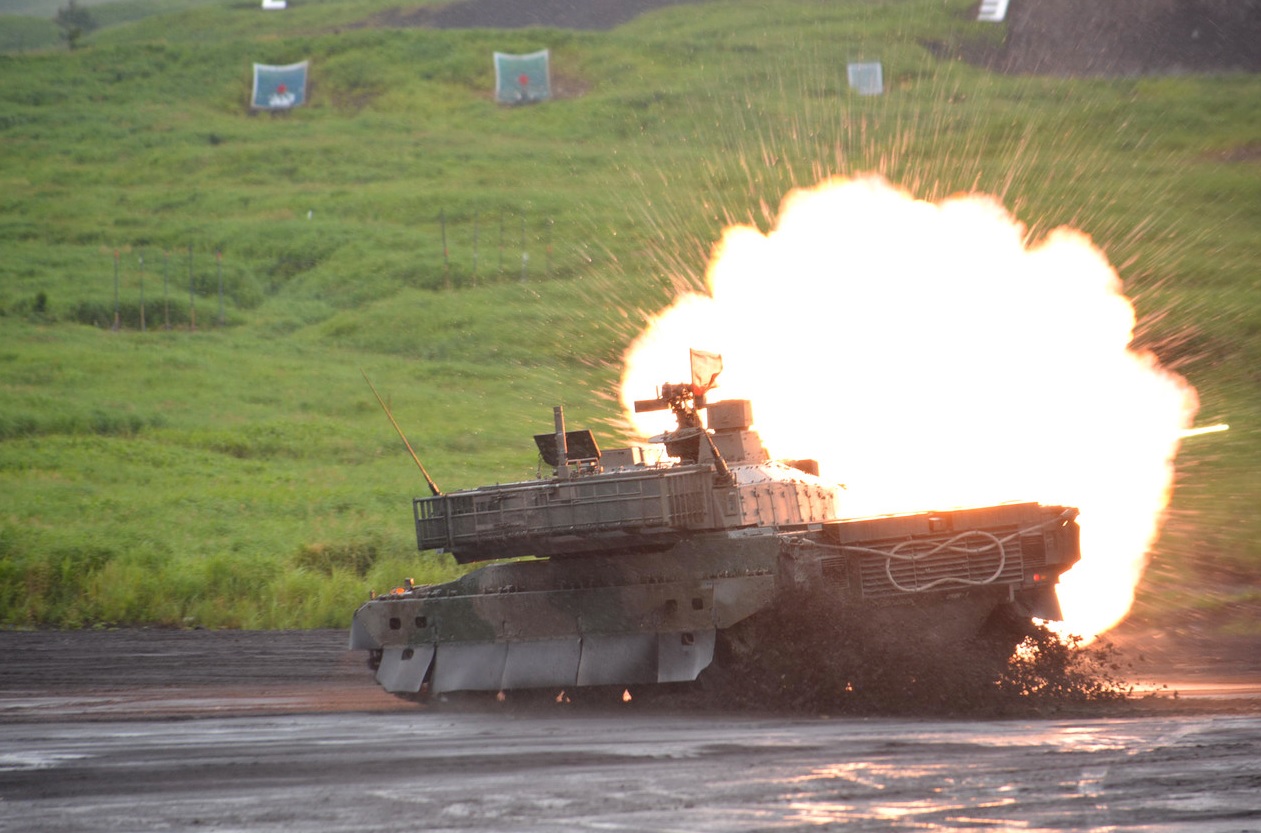
World
OITA, Japan — April 21, 2026 : Three members of the Japan Ground Self-Defense Force (GSDF) were killed and one seriously injured after a tank shell detonated prematurely inside a Type 10 main battle tank during a live-fire training exercise at the Hijudai maneuver area in Oita Prefecture. According to GSDF officials, the incident occurred at approximately 8:40 a.m. on April 21 during a scheduled firing drill conducted by the Western Army Tank Unit, which is based at Camp Kusu. The unit was carrying out target practice when a 120mm anti-tank high-explosive shell exploded inside the tank’s turret before it could be fired. Incident Details and Casualties At the time of the explosion, four crew members were inside the vehicle. Three personnel positioned within the turret were killed instantly. They have been identified as Sgt. 1st Class Kentaro Hamabe (45), serving as tank commander; Sgt. Shingo Takayama (31), the gunner; and Sgt. Kozo Kanai (30), the safety officer. All were assigned to the Western Army Tank Unit. The fourth crew member, the driver — a female GSDF member in her 20s — survived the blast but sustained severe injuries, including serious facial burns. She was airlifted to a hospital and remained conscious during transport, according to officials. Location and Training Context The Hijudai maneuver area, a major GSDF training facility spanning approximately 5,000 hectares, extends across parts of Yufu city and the towns of Kokonoe and Kusu in southwestern Japan. The site is routinely used for armored and live-fire training exercises by the Western Army Tank Unit. The Type 10 main battle tank, which entered service in 2011, is Japan’s most modern armored platform. Developed by Mitsubishi Heavy Industries and equipped with a 120mm smoothbore gun manufactured by Japan Steel Works, the tank incorporates advanced fire-control systems and an autoloader mechanism. It is capable of carrying up to 36 rounds of ammunition. Immediate Response and Investigation GSDF Chief of Staff Gen. Masayoshi Arai confirmed the details of the incident at a press briefing, stating that the ammunition involved was a 120mm anti-tank high-explosive shell. He announced that all live-fire exercises involving Type 10 tanks have been suspended as a precautionary measure. The suspension has also been extended to Type 90 tanks, as they utilize the same category of 120mm ammunition. In addition, all drills involving dummy rounds have been halted. The GSDF has established a formal investigation committee to determine the cause of the premature detonation. Preliminary areas of investigation include the possibility of a malfunction in the tank’s autoloader system, a defect in the ammunition, or procedural factors during the loading and firing process. Investigators from the GSDF, along with local authorities, have begun a forensic examination of the damaged turret and related components at the training site, which has been closed to further exercises. Government Response Prime Minister Sanae Takaichi issued a statement on April 21 expressing condolences to the families of the deceased personnel and acknowledging the seriousness of the incident. In a message posted on the social media platform X, she stated that the government would work to determine the exact cause and ensure thorough safety management to prevent recurrence. Defense Minister Shinjiro Koizumi also addressed reporters at the National Diet building in Tokyo, confirming that the Ministry of Defense is coordinating closely with GSDF officials to verify details and support the ongoing investigation. Operational Impact The indefinite suspension of live-fire exercises involving both Type 10 and Type 90 tanks represents a significant interruption to GSDF armored training activities. The decision reflects concerns that the issue may not be limited to a single platform but could involve shared ammunition or system components. No additional information regarding the precise cause of the explosion has been released. Authorities stated that updates will be provided as the investigation progresses.
Read More → Posted on 2026-04-21 15:27:11
World
RIYADH — April 21, 2026 : A recent investigative report by The Wall Street Journal indicates that up to half of the nearly 1,000 drone attacks targeting Saudi Arabia during the latest phase of regional hostilities originated from Iraqi territory and were carried out by Iran-backed militias, according to intelligence assessments cited in the report. Scale and Geographic Shift in Drone Operations The findings point to a notable shift in the origin of aerial threats facing Saudi Arabia. While previous attacks were largely associated with Houthi-controlled areas in Yemen, recent intelligence data shows that Iraqi territory has emerged as a primary launch point for long-range drone operations. Saudi assessments referenced in the report estimate that the Kingdom faced close to 1,000 drone attacks during more than five weeks of fighting linked to the broader conflict that began in late February 2026 involving U.S. and Israeli operations against Iran. Of these, as many as 50 percent were traced back to Iraq, specifically to militias aligned with Tehran. The drone strikes targeted key infrastructure, including the Yanbu oil hub on the Red Sea and multiple النفط installations in Saudi Arabia’s Eastern Province. Additional reported targets included Kuwait’s only civilian airport and sites in Bahrain. Some attacks continued even after a ceasefire was announced earlier in April 2026 by U.S. President Donald Trump. Militia Networks and Operational Structure The report identifies Iranian-backed Shia militias operating in Iraq as central actors in the campaign. These groups, including Kataib Hezbollah and Asaib Ahl al-Haq, originated following the 2003 U.S. invasion of Iraq and have since developed into organized paramilitary networks. Collectively, these militias are estimated to have a combined strength of approximately 250,000 personnel. They possess access to advanced weapon systems, including long-range missiles and unmanned aerial platforms. According to the report, their operations were conducted in coordination with Iranian military structures, particularly the Islamic Revolutionary Guard Corps (IRGC). Gen. Esmail Qaani, the IRGC official responsible for overseas operations, was reported to have visited Baghdad during the period of escalation, underscoring the level of coordination between Iranian command elements and militia groups operating within Iraq. In addition to cross-border strikes, some attacks were directed at diplomatic and regional targets, including the Kuwaiti consulate in Basra and the United Arab Emirates consulate in Iraq’s Kurdistan region. Diplomatic Developments and Regional Response The increase in drone launches from Iraqi territory has contributed to heightened diplomatic tensions between Saudi Arabia and Iraq. On April 12, 2026, the Saudi Ministry of Foreign Affairs summoned Iraq’s ambassador to Riyadh and issued a formal protest note. Saudi officials stated that the communication addressed ongoing drone attacks originating from Iraqi territory and warned that the Kingdom would take necessary measures to ensure its national security and territorial integrity. The issue has also drawn responses from regional organizations. The Gulf Cooperation Council (GCC) called on Baghdad to take action to prevent its territory from being used for cross-border attacks. Abdel Aziz Aluwaisheg, assistant secretary-general for political and negotiation affairs at the GCC, stated that the Iraqi government needs to exercise control over such activities. Neighboring Gulf states, including the United Arab Emirates, Kuwait, Qatar, and Bahrain, also reported interceptions of drones and missiles linked to networks operating from Iraq during the same period. Air Defense Measures and Security Coordination Saudi Arabia has reported high interception rates against incoming drones, particularly in sensitive areas such as Prince Sultan Air Base and the Shaybah oil field. Military sources indicated that in several instances, multiple drones launched simultaneously were intercepted before reaching intended targets. To enhance its defensive posture, Saudi Arabia activated a defense cooperation arrangement with Pakistan. This resulted in the deployment of Pakistani fighter aircraft and specialized personnel tasked with supporting airspace security and interception operations. Strategic Assessment and Ongoing Challenges Analysts cited in the report describe the use of Iraqi territory by Iran-aligned militias as part of a broader operational approach that allows indirect engagement while avoiding direct attribution. This approach enables continued pressure on Gulf energy infrastructure while maintaining a degree of separation from Iranian territory. The findings also highlight challenges faced by the Iraqi government in controlling armed groups within its borders. Internal political dynamics, including ongoing tensions and preparations for parliamentary elections, have limited Baghdad’s ability to restrict militia activities. Although some militia groups have recently announced a temporary suspension of operations following a ceasefire between the United States and Iran, the infrastructure used for launching long-range drone attacks remains in place within Iraq. Broader Context The report situates the recent wave of drone operations within a wider pattern of regional tensions. Saudi Arabia and other Gulf states have previously experienced similar attacks attributed to Iran-aligned groups, including incidents recorded in 2019 and 2021. The latest data underscores the evolving nature of cross-border threats and the expanding geographic scope of drone warfare in the region, with Iraqi territory now identified as a significant operational base for such activities.
Read More → Posted on 2026-04-21 15:16:16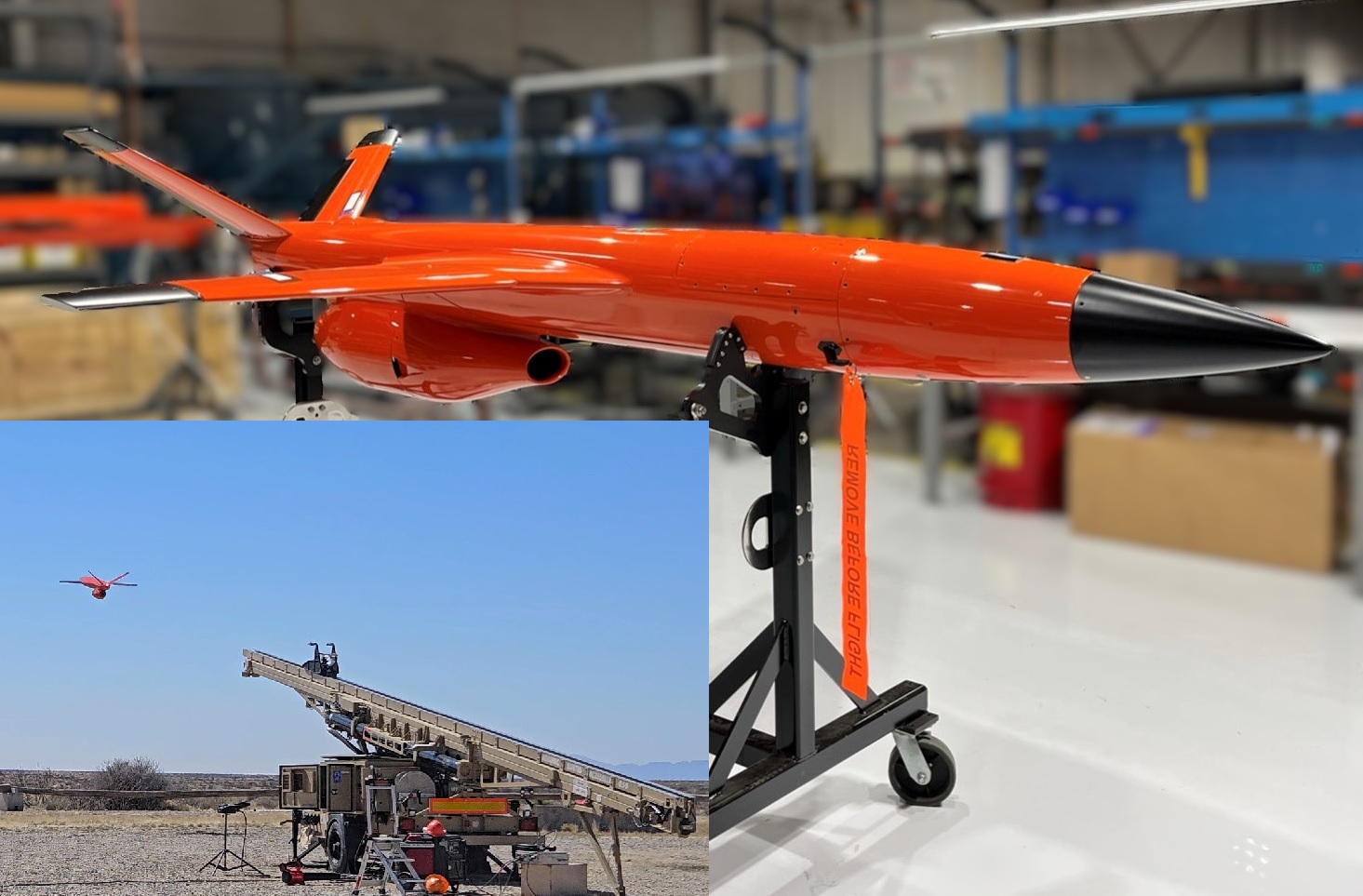
World
SAN DIEGO, — April 21, 2026 : Kratos Defense & Security Solutions has completed the initial flight series of its J85-powered Mk1 Firejet unmanned aerial system (UAS), marking a significant development in the company’s expansion of high-performance, low-cost tactical jet drones. The Mk1 configuration was developed in coordination with the U.S. Army Target Systems Management Office. The Mk1 Firejet represents the second major configuration within the Firejet family, building on the baseline “Classic Firejet,” also known as the MQM-178. The new variant integrates the American-made Kratos J85 turbojet engine, produced at the company’s Spartan propulsion facility in Auburn Hills, Michigan. The upgraded propulsion system delivers increased thrust, resulting in measurable improvements in range, endurance, speed, and climb rate compared to earlier configurations. Kratos positions the Mk1 Firejet as a first-to-market tactical jet UAS in the high-performance category priced below $500,000. The system is designed to support both tactical mission profiles and high-performance target operations, allowing operators to select between the Classic and Mk1 variants depending on mission requirements and readiness conditions. Propulsion and Manufacturing Expansion A central component of the Mk1 Firejet program is the integration of domestically produced propulsion systems aimed at reducing supply chain risk. The J85 engine used in the platform is part of Kratos’ Spartan engine family and is manufactured at the 22,500-square-foot Spartan Propulsion Manufacturing Facility in Auburn Hills, which became operational in November 2025. The Spartan facility supports concurrent production of four engine models, ranging from 30 to more than 200 pounds of thrust. The TDI-J85 variant integrated into the Mk1 Firejet produces approximately 200 pounds of thrust. According to company projections, production rates are expected to scale to thousands of units by late 2026, with long-term capacity reaching tens of thousands of engines annually. This expansion is intended to address recapitalization requirements driven by the depletion of U.S. and allied inventories. All propulsion components are sourced from U.S. suppliers, and the facility incorporates manufacturing, assembly, and test infrastructure optimized for high-rate, low-cost output. Platform Characteristics and Performance The Firejet platform uses carbon-fiber composite construction to achieve a balance between durability and weight. The Tactical Firejet variant measures 10.8 feet in length, has a wingspan of 6.5 feet, and a maximum takeoff weight of approximately 320 pounds. It operates across a wide altitude envelope ranging from 20 feet to 35,000 feet. The Classic Firejet configuration achieves speeds of up to Mach 0.69 and supports payloads of up to 70 pounds. Both Classic and Mk1 variants utilize a reusable parachute recovery system, enabling rapid turnaround cycles, with refueling, preparation, and relaunch possible within approximately one hour. The Mk1 variant, powered by the J85 engine, provides enhanced aerodynamic performance, including higher speed thresholds, improved climb rates, and extended operational range. These improvements support fast ingress and egress profiles in contested environments and allow for greater flexibility in mission planning. Operational Use and International Adoption The Classic Firejet has been in operational service with the U.S. Army TSMO since the early 2010s, originally powered by JetCat engines. Over time, the platform has been modified to meet evolving threat-representation and performance requirements in training and testing environments. It has also been adopted by allied nations for similar roles. The Firejet family supports both surface-to-air and air-to-air weapons training missions, as well as tactical applications. It has been used in international exercises and test programs, including activities conducted by QinetiQ and in artificial intelligence–enabled flight demonstrations with Shield AI. Taiwan has selected a localized Tactical Firejet configuration designated the Mighty Hornet IV. Developed in collaboration with the National Chung-Shan Institute of Science and Technology, the system integrates indigenous payloads and guidance technologies for roles including manned-unmanned teaming and loitering munition operations. The Mighty Hornet IV has demonstrated speeds approaching Mach 0.8, high-G maneuverability, and operational ceilings above 35,000 feet. Program Context and Industry Positioning The introduction of the Mk1 Firejet expands the operational envelope of the Firejet family while maintaining its cost-focused design approach. By keeping the system within a sub-$500,000 price range, Kratos aims to address demand for scalable, attritable air systems suitable for modern combat environments. Eric DeMarco, President and CEO of Kratos, stated that the company has made internal investments to align with U.S. defense requirements for affordable, high-performance systems. He noted that integration efforts conducted jointly with the U.S. Army TSMO have enabled the incorporation of a production-ready, military-grade engine into the Firejet platform without compromising survivability or operational effectiveness. With the completion of the initial flight series, the Mk1 Firejet enters the next phase of evaluation and potential deployment, as Kratos continues to scale production and expand its role in the tactical unmanned systems market.
Read More → Posted on 2026-04-21 14:29:07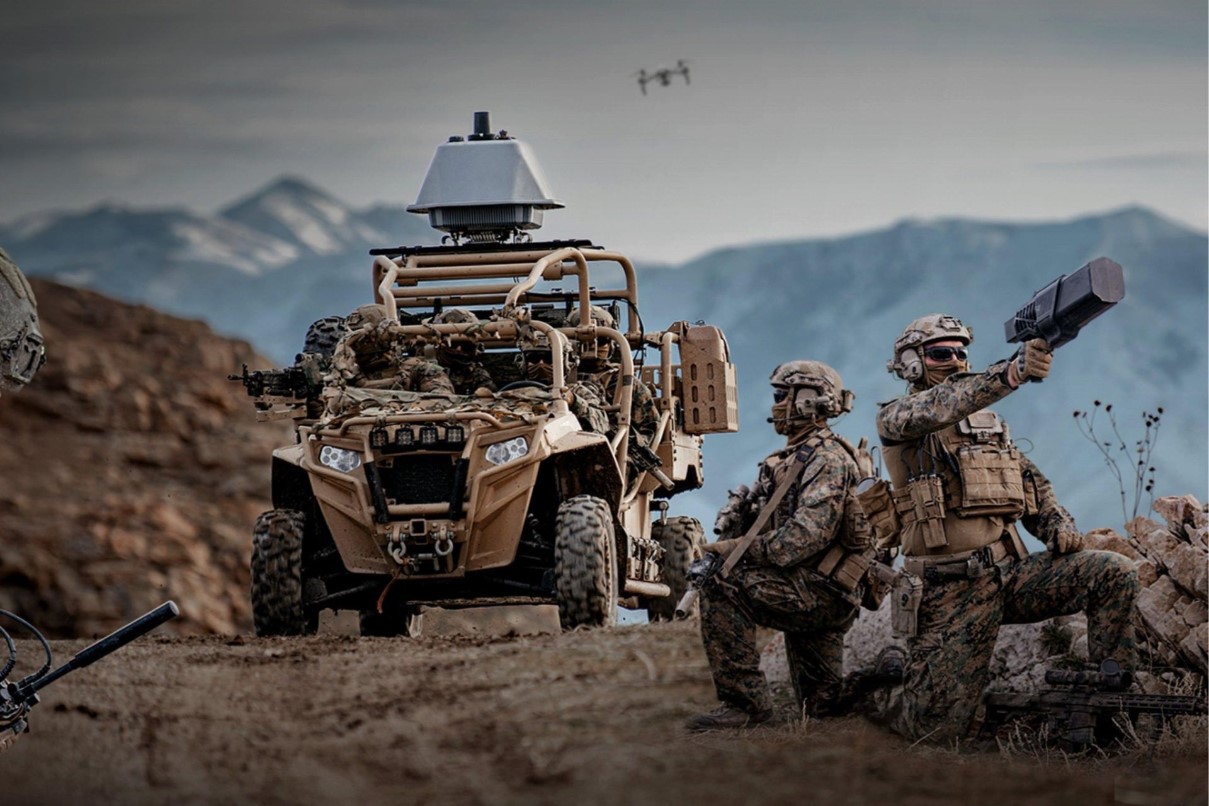
World
CANBERRA / MELBOURNE — April 21, 2026 : The Australian Government has allocated up to $7 billion over the next decade to develop and deploy counter-drone capabilities within the Australian Defence Force (ADF), as part of the 2026 National Defence Strategy and the Integrated Investment Program (IIP) released on April 16, 2026. The funding more than doubles previous investment levels in this sector and forms a central element of Australia’s shift toward distributed and cost-effective defence systems. Defence Industry Minister Pat Conroy announced the funding on April 21, 2026, outlining that the initiative is designed to strengthen sovereign industrial capability while addressing the growing operational role of uncrewed aerial systems (UAS) observed in conflicts such as Ukraine and the Middle East. Initial Contracts Under Mission Syracuse The first phase of implementation is being executed through the Advanced Strategic Capabilities Accelerator (ASCA) under Mission Syracuse, launched in May 2025. The program focuses on developing sovereign effector solutions capable of countering small and medium-sized drones and integrating them into the ADF’s wider defence architecture. Two initial contracts, valued at approximately $31.7 million, have been awarded to Australian companies: AIM Defence has received $21.3 million to advance the Fractl high-powered laser system.SYPAQ Systems has been awarded $10.4 million to develop the Corvo Strike interceptor drone. These contracts represent the first awards under Mission Syracuse, with further contracts and milestones expected as the program progresses. Fractl Directed-Energy System The Fractl system, developed by Melbourne-based AIM Defence, is a portable high-energy laser designed for counter-drone operations. The suitcase-sized, battery-operated platform is capable of tracking objects as small as a 10-cent coin moving at speeds exceeding 100 kilometres per hour at a distance of one kilometre. The system uses artificial intelligence-based tracking with positional accuracy of plus or minus one millimetre. It offers multiple engagement modes, including: Sensor dazzling at distances up to three kilometres Sensor disabling at distances up to two kilometres Hard-kill capability at distances up to one kilometre Fractl is capable of burning through steel and engaging both individual drones and coordinated swarms. The system has previously been supplied to the ADF under earlier contracts and is now being further developed for expanded operational deployment. Corvo Strike Interceptor Drone The Corvo Strike, developed by SYPAQ Systems, is a quadcopter interceptor drone designed to track, target, and destroy larger uncrewed aerial vehicles. The system is intended to counter threats comparable to Iranian-designed Shahed-class drones used in contemporary conflicts. The platform builds on SYPAQ’s Corvo family of low-cost uncrewed air vehicles, which have previously been used for logistics and precision payload delivery. The Strike variant introduces a kinetic interception capability, including a warhead designed to physically neutralise airborne targets. Integration Under LAND 156 Program Both the Fractl and Corvo Strike systems will be integrated into the ADF’s broader counter-UAS architecture under the LAND 156 program. This program provides a layered and distributed defensive framework that includes detection, tracking, identification, and neutralisation of aerial threats. ASCA will oversee the integration of these systems into existing command and control networks to ensure interoperability with other defence assets and sensors. Broader Investment Framework The $7 billion counter-drone allocation forms part of a wider commitment of up to $22 billion over the next decade for drone, counter-drone, and autonomous systems under the 2026 Integrated Investment Program. This represents a significant increase from the $13 billion allocated for similar capabilities in the 2024 Integrated Investment Program. The expanded funding reflects a strategic shift toward “small, smart, and many” systems aimed at improving the cost-effectiveness of air defence. Government assessments indicate that traditional missile-based interception can cost several million dollars per engagement, while emerging counter-drone systems are expected to operate at significantly lower per-engagement costs, potentially in the tens of thousands of dollars. Strategic Rationale and Statements Minister Pat Conroy stated that the investment is intended to strengthen Australia’s defence industry and ensure operational readiness against evolving aerial threats. “The Albanese Government is building a stronger and more resilient defence industry through investing in Australian innovation, skills and disruptive technologies that will keep Australians safe,” he said. “Record investment in drone and counter-drone capabilities will ensure Australia can respond to threats to its security.” He added that lessons from ongoing conflicts demonstrate the increasing use of uncrewed systems, making sovereign counter-drone capability essential for detection, assessment, and response. Major General Hugh Meggitt, Head of ASCA, stated that Mission Syracuse will leverage Australian expertise in kinetic and directed-energy technologies to “find, fix, track, target and engage” uncrewed aerial vehicles. Domestic and Operational Applications In addition to battlefield applications, the government indicated that counter-drone systems developed under this program may also be deployed to protect domestic critical infrastructure and major events, including the 2032 Brisbane Olympics. The government has emphasised that both Fractl and Corvo Strike are Australian-designed and manufactured systems, supporting national supply chain resilience and reducing reliance on foreign defence technologies.
Read More → Posted on 2026-04-21 14:25:53
World
WARSAW, Poland / WEST PALM BEACH, Florida — April 21, 2026 : MBF Group S.A., a company listed on the NewConnect market of the Warsaw Stock Exchange, has entered into a Strategic Cooperation and Investment Intent Agreement with Fairchild Aerospace Corporation, a United States-based aerospace and defense entity headquartered in West Palm Beach, Florida. The agreement was formally concluded on April 19, 2026, and establishes a framework for cooperation in capital investment, technology development, and operational integration focused on advanced unmanned aerial vehicles (UAVs) and dual-use systems. The agreement represents the first stage of a potential multi-year partnership between the two companies. It builds upon a previously signed Mutual Confidentiality, Non-Disclosure, and Non-Circumvention Agreement dated November 16, 2025, which enabled initial technical and strategic discussions. The current framework formalizes the intent to expand cooperation into structured investment and joint development activities. Fairchild Aerospace Corporation operates across aerospace, defense, and dual-use technology sectors and continues the industrial and engineering legacy historically associated with the Fairchild Republic A-10 Thunderbolt II close air support aircraft. This heritage informs the company’s current focus on survivability, precision engineering, and operational reliability in modern system design. Under the terms of the April 19 agreement, the parties have initiated discussions regarding Fairchild Aerospace Corporation’s potential capital participation in MBF Group S.A. The initial level of investment under consideration is approximately 10 percent of MBF Group’s share capital. During negotiations, Fairchild Aerospace also submitted a counterproposal indicating the possibility of increasing its stake to approximately 20 percent, subject to further negotiations, project progress, and evaluation of joint technological and operational outcomes. The agreement provides for a preliminary framework governing share subscription, with an issue price not lower than PLN 10.00 per share at the current stage. Final terms of any capital increase will require formal corporate approvals, including authorization from the Supervisory Board of MBF Group S.A., in accordance with applicable market regulations. The investment structure outlined in the agreement allows for multiple forms of participation. In addition to direct cash contributions, Fairchild Aerospace Corporation may provide in-kind contributions, including defense technologies, engineering capabilities, intellectual property, licenses, products, and access to military and governmental procurement channels. Hybrid contribution models are also предусмотрены, reflecting established practices in the defense sector where operational capability and deployable systems form a significant component of enterprise value. The agreement further предусматривает the potential use of subscription warrants as a mechanism to enable phased increases in Fairchild Aerospace Corporation’s equity participation. This structure is intended to align long-term incentives and provide flexibility as projects progress from development stages through validation and potential procurement. Beyond financial investment, the cooperation model is designed to support long-term integration of capabilities and shared economic interests. The parties have indicated that, contingent upon achieving defined operational and technological milestones, future structural options may be considered. These include potential forms of deeper integration, such as a reverse takeover, subject to compliance with applicable legal frameworks and the interests of MBF Group S.A. The partnership is aligned with increasing global demand for unmanned and dual-use systems in defense applications. MBF Group S.A. is currently developing UAV platforms that combine technological innovation with operational deployment capability. The company serves as the leader of a strategic technology consortium established in September 2025, which includes Squadron Sp. z o.o. and the Polish Industrial Lobby named after Eugeniusz Kwiatkowski. The consortium focuses on advanced UAV technologies, counter-unmanned aerial systems (C-UAS), and dual-use solutions, as well as projects associated with the Central Industrial District 2 concept. MBF Group S.A. also holds a NATO NCAGE (NATO Commercial and Government Entity) code, confirming its eligibility to cooperate with military organizations and allied partners within NATO frameworks. Fairchild Aerospace Corporation’s participation is expected to enhance MBF Group’s position within the global defense and UAV value chain. The agreement incorporates provisions addressing compliance with United States export control regulations, including the International Traffic in Arms Regulations (ITAR) and the Export Administration Regulations (EAR). Both parties have confirmed their intention to structure cooperation in a manner that ensures full regulatory compliance and operational security. The agreement also forms part of MBF Group S.A.’s broader strategy to establish a limited network of international defense and technology partners across Europe, the United States, Turkey, and India. The company is currently concluding discussions with selected entities in these regions and is preparing to transition into an execution phase focused on system development, field validation, and commercialization. As part of the cooperation roadmap, the partnership includes the development of advanced unmanned systems, including a potential unmanned fighter jet serving as a technology demonstrator. MBF Group S.A. is also positioning itself to participate in the Center for Autonomous Systems (OSA), a program led by the Ministry of Defense aimed at testing unmanned technologies under near-operational conditions. Demonstrations are expected during the summer of 2026, with the possibility of progressing to procurement and implementation phases depending on performance outcomes. Management at MBF Group S.A. considers the agreement a significant step in the company’s transition toward a defense-focused technology platform with international operational scope. The company has stated that future developments, including project milestones, prototype testing, and investment decisions, will be disclosed through ESPI current reports in accordance with applicable regulatory requirements.
Read More → Posted on 2026-04-21 14:17:37
World
ATLANTIC OCEAN / ARLINGTON, Va. — April 21, 2026 : The U.S. Navy has conducted a live-fire demonstration of a high-energy laser weapon system aboard an aircraft carrier, marking the first such test from a carrier platform under operational maritime conditions. The demonstration, carried out on October 5, 2025, aboard the USS George H.W. Bush (CVN-77), was officially detailed on April 21, 2026, following a post-test validation period. The test involved AeroVironment’s LOCUST Laser Weapon System (LWS), deployed in a palletized high-energy laser (P-HEL) configuration. Installed directly on the flight deck of the Nimitz-class carrier, the system operated as a standalone unit and was not integrated with the ship’s combat systems or fire control network. The unit was secured using standard lashing methods and required no structural modifications to the vessel. The demonstration was conducted in collaboration with the U.S. Army Rapid Capabilities and Critical Technologies Office (RCCTO), with participation from Navy personnel and AeroVironment engineers. According to official statements, the system successfully detected, tracked, engaged, and neutralized multiple unmanned aerial vehicle (UAV) targets during the test. The engagement involved real aerial targets rather than simulated threats, and was carried out while the carrier was underway in a dynamic sea environment. System Configuration and Technical Characteristics The LOCUST system is based on solid-state fiber laser technology and is designed for modular deployment across multiple platforms. The tested configuration delivers a nominal power output between 20 and 26 kilowatts, with scalability beyond 35 kilowatts in higher configurations such as the X3 variant. The system is optimized for countering Group 1, Group 2, and Group 3 UAVs, which include small to medium-sized tactical drones constructed from lightweight materials such as plastics and composite structures. At this power level, the laser achieves target neutralization through sustained thermal effects, requiring a defined dwell time to concentrate energy on a specific point of the target. Sensor systems integrated into the LOCUST platform include electro-optical and infrared cameras, supported by radar and radio-frequency detection capabilities. During the test, the system demonstrated the ability to maintain stable tracking and beam focus despite the motion of the carrier, including pitch and roll effects associated with sea-state conditions. The system operates either through an onboard battery bank or by drawing power from the host platform’s electrical grid. Its software architecture incorporates AeroVironment’s AV_Halo PINPOINT system, enabling automated detection, tracking, and engagement processes supported by artificial intelligence-based functions. Operational Performance and Kill Chain Validation The demonstration confirmed the system’s ability to execute a complete engagement sequence, commonly referred to as the “kill chain,” under maritime conditions. This included initial detection of targets using multi-band sensors, continuous tracking of moving UAVs, and engagement through directed-energy output sufficient to disable or destroy the targets. Officials stated that the system maintained effective dwell time on targets while compensating for platform movement. The test also generated data on beam stability, tracking precision, and sensor performance in high-humidity and variable sea-state environments. Although the tested power range is not sufficient for intercepting high-speed cruise missiles or hardened anti-ship weapons, it is designed to address short-range threats posed by unmanned aerial systems, particularly in scenarios involving multiple low-cost drones. Platform and Deployment Characteristics The USS George H.W. Bush is a Nimitz-class aircraft carrier with a displacement of approximately 102,000 tons. It is powered by two A4W nuclear reactors and supports an embarked air wing of approximately 90 aircraft, along with a crew of more than 3,500 personnel. The palletized configuration of the LOCUST system allows for roll-on, roll-off deployment without permanent integration into the host platform. This approach differs from earlier naval laser programs that required structural modifications and dedicated installation within a ship’s architecture. Prior to the carrier demonstration, the LOCUST system had been deployed on land-based platforms, including the Joint Light Tactical Vehicle (JLTV) and the Infantry Squad Vehicle (ISV). The October 2025 test demonstrated that the same configuration can operate effectively in a maritime environment without major adaptation. Cost and Logistical Considerations One of the primary operational considerations associated with directed-energy systems is cost per engagement. Conventional missile-based interceptors can cost hundreds of thousands of dollars per use. In contrast, laser engagements are estimated to cost between approximately $0.18 and $5.00 per shot, depending on power consumption. The system’s ability to draw power from the host platform, particularly from nuclear-powered vessels such as aircraft carriers, enables sustained operation without reliance on conventional ammunition. This provides a theoretical “deep magazine” capability limited primarily by available electrical power and thermal management constraints. Post-Test Validation and Data Release The six-month interval between the October 2025 test and the April 2026 public release was used to conduct detailed technical assessments. These included evaluation of sensor accuracy, beam control, dwell time effectiveness, and environmental impacts such as humidity and atmospheric interference. Imagery and data from the test were released through official Navy channels on April 20, 2026. According to AeroVironment, the results confirm that the LOCUST system can operate effectively on a moving carrier without interfering with standard flight deck operations. John Garrity, Vice President of Directed Energy Systems at AeroVironment, stated that the system’s modular design enables rapid deployment across naval platforms without requiring extensive ship modifications. Future Integration Considerations While the LOCUST system was operated independently during this demonstration, the Navy has indicated that future efforts may focus on integrating directed-energy systems with existing combat management and sensor networks. This includes potential linkage with shipboard systems to provide layered defense capabilities. The demonstration provides baseline data for further development of directed-energy weapons in naval service, particularly in addressing short-range aerial threats and reducing reliance on conventional interceptors for certain engagement scenarios.
Read More → Posted on 2026-04-21 14:11:03Search
Top Trending in 24 Hours

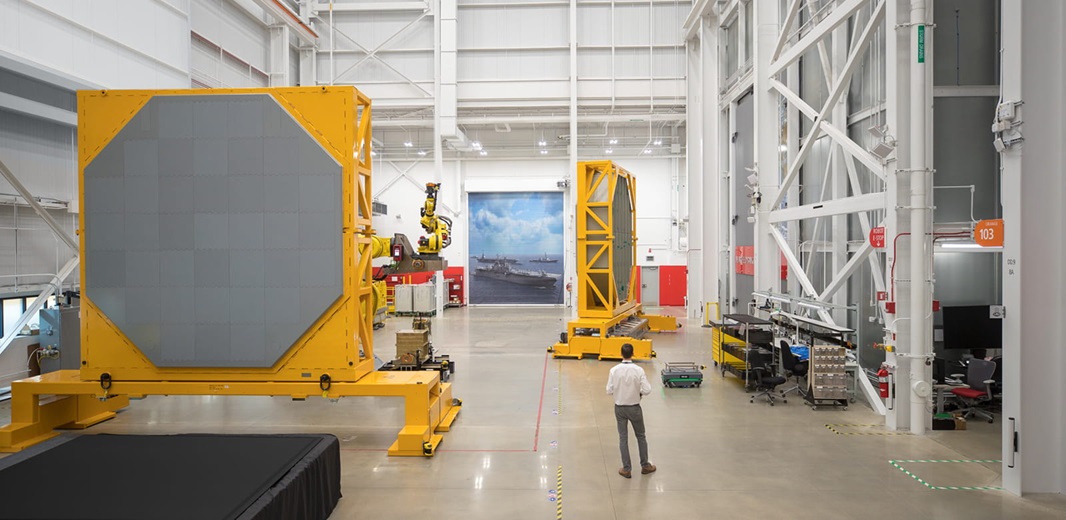
Top Trending in 4 Days
-
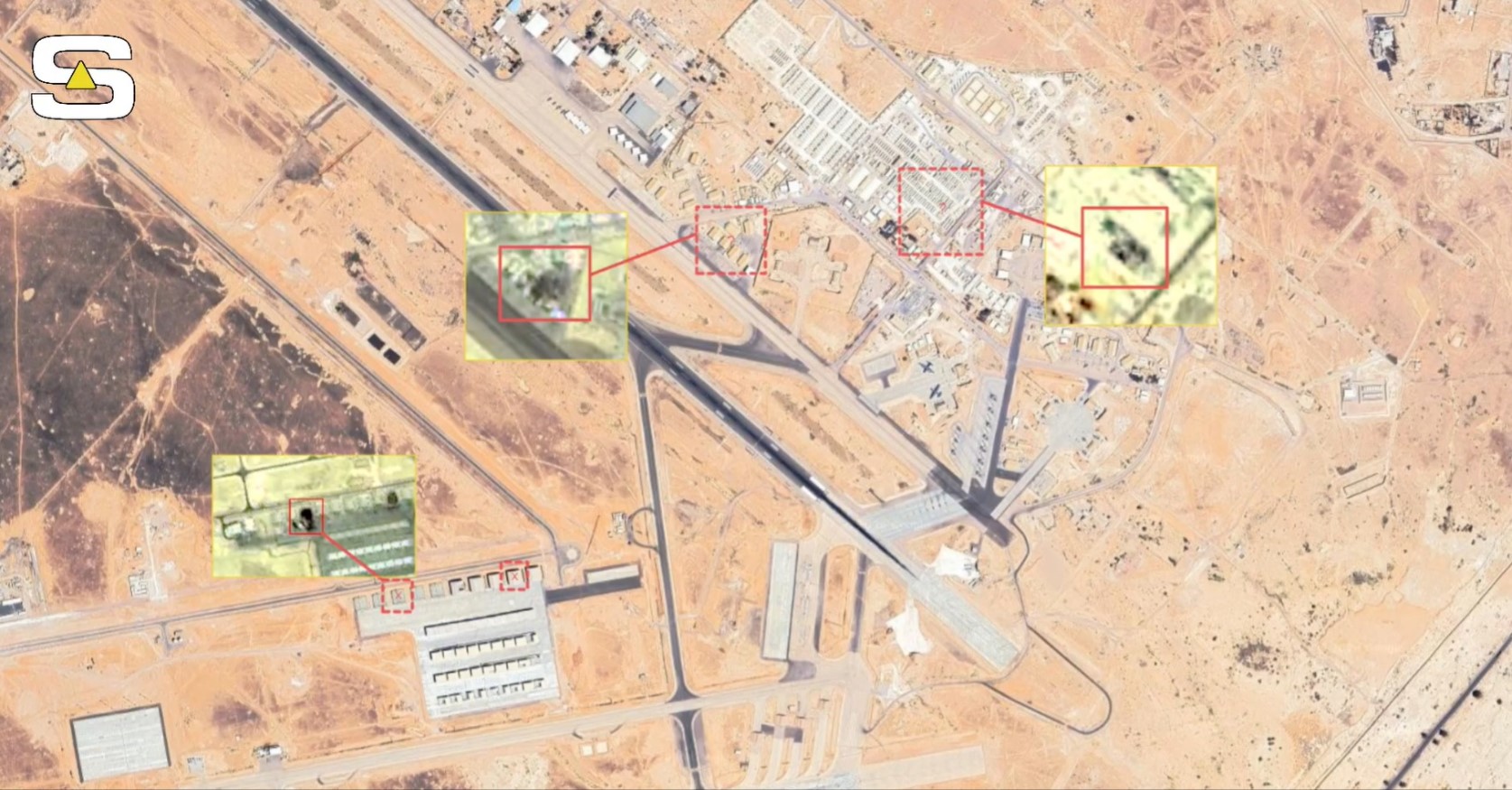 New Satellite Imagery Reveals Extensive Damage at Jordan's Muwaffaq al-Salti Air Base After Iranian Missile Strike
-
 Anduril Unveils Thunder Autonomous Attack Rotorcraft Built with Archer Aviation to Support Apache Helicopters
-
 Iran Claims It Shot Down U.S.-Operated Polish-Built Tiguar-M Drone, Releases Images
-
 U.S. Space Force Awards Slingshot Aerospace $69.2 Million Contract to Develop AI Space Training Platform
-
 UK Cancels Meteor Missile Mid-Life Upgrade, Prioritizes Next-Generation FASE Air-to-Air Missile Programme
-
 NASA, Draper Cancels CP-12 Lunar Lander Mission After Development Delays Push Mission Beyond 2030
-
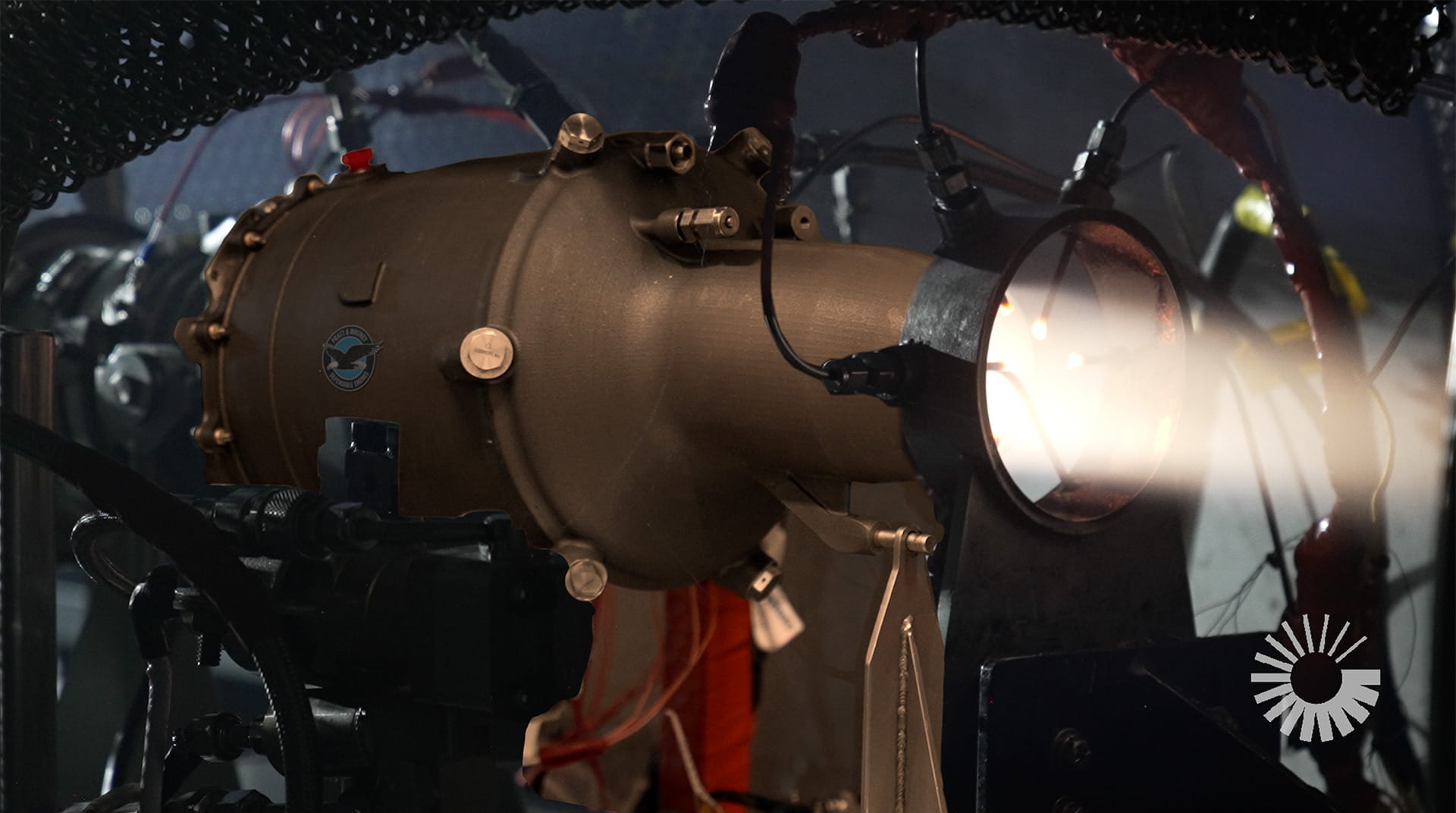 Pratt & Whitney Completes Testing of 3D-Printed TJ150 Engine for Military Applications
-
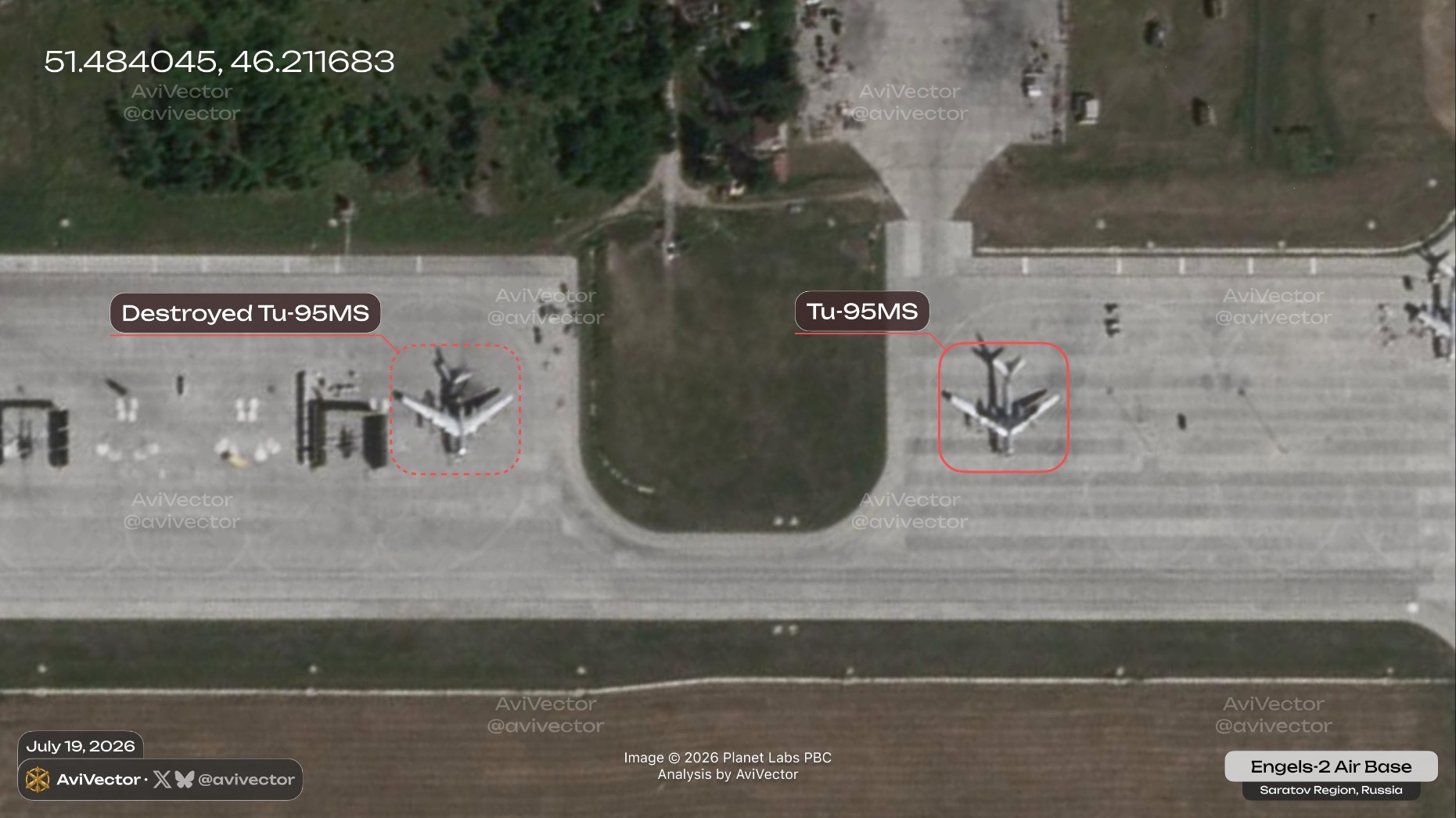 Satellite Images Confirm Russian Tu-95MS Bomber Destroyed After Ukrainian Drone Strike on Engels-2 Air Base
