
World
WASHINGTON / MANAMA, Bahrain — April 19, 2026 : The United States Navy has deployed a range of unmanned underwater vehicles (UUVs) to the Strait of Hormuz to detect and clear naval mines laid by Iranian forces, as part of an ongoing effort to restore safe commercial navigation through one of the world’s most critical maritime chokepoints. U.S. Central Command (CENTCOM) confirmed on April 11, 2026, that additional U.S. assets, including autonomous underwater drones, would join the mine-countermeasure mission. The operation is being conducted under the broader framework of Operation Epic Fury, with the objective of reopening the waterway to commercial shipping. The Strait of Hormuz, which narrows to approximately 21 nautical miles, handles nearly 20 percent of global crude oil shipments. Recent mining activity attributed to Iran’s Islamic Revolutionary Guard Corps (IRGC) disrupted maritime traffic, leaving hundreds of commercial vessels unable to transit the corridor. Mine Clearance Operations Underway The U.S. Navy is employing unmanned and remotely operated systems to reduce risk to personnel and maintain operational distance from mined areas. The effort is supported by Littoral Combat Ships equipped with the Mine Countermeasures (MCM) mission package, which integrates unmanned surface vessels, underwater drones, and MH-60S helicopters. Three Littoral Combat Ships are currently deployed for the mission. They are supported by two Avenger-class mine countermeasures vessels, USS Chief and USS Pioneer, which were recently deployed from Singapore to augment clearance operations. Additionally, Arleigh Burke-class guided-missile destroyers USS Frank E. Petersen Jr. (DDG 121) and USS Michael Murphy (DDG 112) transited the strait to provide layered air and surface protection for ongoing operations. Unmanned Systems and Capabilities The mine-clearing effort relies on advanced sonar-equipped UUVs capable of mapping the seabed and identifying explosive threats in complex underwater environments. The Knifefish UUV, developed by General Dynamics, is a medium-class, torpedo-shaped system designed for deployment from Littoral Combat Ships. It uses low-frequency broadband sonar to detect, classify, and identify both buried mines and mines located in high-clutter environments. Operating as an off-board sensor, Knifefish allows host vessels to remain outside minefield boundaries while also collecting environmental data to support broader mine warfare systems. The Navy is also deploying the Mk 18 Mod 2 Kingfish UUV, part of the Mk 18 family of unmanned systems. These autonomous vehicles conduct high-resolution seabed mapping and persistent mine detection using advanced sonar technologies. Once mines are identified, neutralization is carried out using systems such as the Archerfish expendable remotely operated vehicle. Guided via fiber-optic cable, Archerfish delivers a shaped explosive charge to safely destroy detected mines. Airborne support is being provided by MH-60S helicopters, which assist in coordination, surveillance, and surface-level detection alongside unmanned surface and underwater platforms. Operational Context and Challenges According to U.S. officials, Iranian forces deployed a mix of bottom mines, moored mines, and drifting mines using small boats. Reports indicate that Iran has not been able to account for the full extent of the mines laid in the area, complicating clearance operations. CENTCOM Commander Admiral Brad Cooper stated that the immediate goal is to establish a secure transit corridor. He noted that once verified, the safe route will be communicated to the maritime industry to facilitate the resumption of commercial shipping. The operation follows a breakdown in ceasefire negotiations between the United States and Iran. In parallel, U.S. President Donald Trump announced a blockade of maritime traffic entering and exiting Iranian ports, which took effect on April 13, 2026. Defense analysts indicate that mine clearance in the Strait of Hormuz is expected to be gradual due to dense shipping lanes and challenging seabed conditions. The process requires repeated, high-resolution sonar sweeps to ensure that designated transit routes are fully cleared of explosive hazards before commercial operations can resume.
Read More → Posted on 2026-04-19 15:53:42
World
KYIV / TAGANROG — April 19, 2026 : The Ukrainian Naval Forces carried out a cruise missile strike during the night of April 18–19, 2026, targeting the Atlant Aero defense-industrial facility in Taganrog, Rostov Oblast, Russia. The attack was executed using domestically developed Neptune coastal anti-ship cruise missiles adapted for land-attack roles. According to the General Staff of the Armed Forces of Ukraine and the Ukrainian Navy, the strike hit a production building at the Atlant Aero plant, which operates within Russia’s military-industrial complex. A fire broke out at the site following the impact. Local residents reported multiple explosions before dawn, followed by thick black smoke rising above the facility. Atlant Aero conducts the full cycle of design, manufacturing, and testing of Molniya-series strike and reconnaissance unmanned aerial vehicles, including Molniya-1, Molniya-2, and Molniya-2R systems. The plant also produces components for the Orion unmanned aerial vehicle, a larger platform with an approximate weight of one ton and a payload capacity of up to 250 kilograms. The Orion system can be equipped with aerial reconnaissance systems, electronic intelligence modules, electro-optical payloads, KAB-20 guided aerial bombs, and Kh-50 missiles. Ukrainian military officials stated that the strike was intended to disrupt Russia’s UAV production capacity and reduce the deployment of such systems in operations against Ukraine. The Atlant Aero facility is located approximately 40–50 kilometers from the Ukrainian border and has been targeted previously, including a strike in January 2026 that damaged multiple production workshops. Russian regional authorities confirmed that an overnight strike occurred in Taganrog. Rostov Oblast Governor Yuri Slyusar stated that a missile hit what he described as commercial infrastructure, resulting in a fire at warehouse premises. He reported that three individuals were injured but did not specify the Atlant Aero facility. The Russian Ministry of Defense stated that air defense systems intercepted 274 Ukrainian drones, guided aerial bombs, and one Neptune missile overnight. The ministry did not clarify how many munitions reached their intended targets. The strike on Taganrog was part of broader overnight operations conducted by Ukrainian defense forces. Additional targets included an ammunition depot near Trudove in Zaporizhzhia Oblast, fuel and lubricant storage facilities near Novopoltavka, and logistics warehouses in the areas of Manhush, Topolyne, Mariupol, and Smile. Ukrainian officials said the extent of damage across these locations is still being assessed.
Read More → Posted on 2026-04-19 15:46:05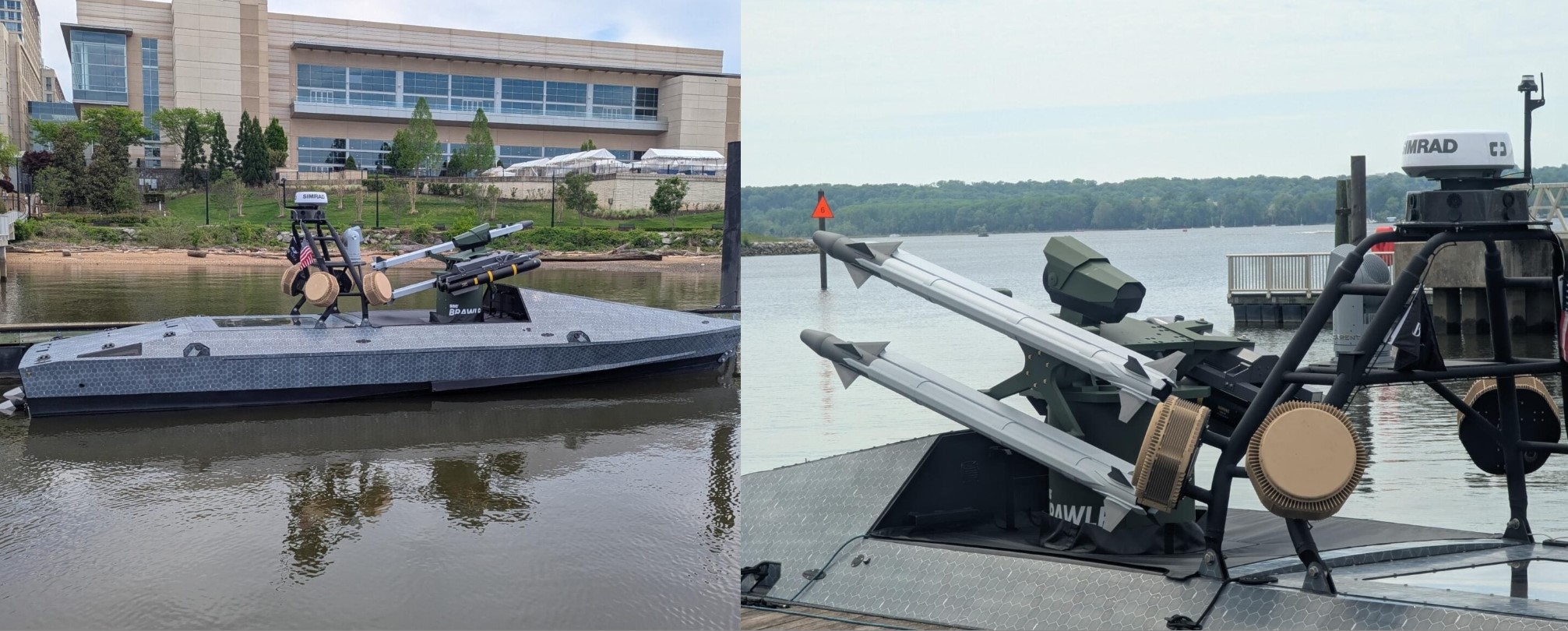
World
NATIONAL HARBOR, Md. — April 19, 2026 : Baltimore-based defense firm BlackSea Technologies has publicly unveiled its new unmanned surface vessel (USV), Comet, at the Sea-Air-Space 2026 exposition near Washington, D.C., presenting the platform in a fully armed configuration at Dock D2. Combat-Ready Configuration on Display The Comet was exhibited with a dual-rail missile launcher mounted forward, paired with a forward electro-optical and infrared (EO/IR) targeting turret and a Simrad navigation radar. Defense observers note the launcher is compatible with AIM-9X and AGM-114 Hellfire missiles, enabling both air defense and surface strike roles. Unlike many platforms shown as prototypes, BlackSea Technologies presented the vessel as a combat-ready operational system capable of engaging drones, helicopters, and low-flying aircraft without onboard crew. Design, Construction, and Performance The vessel measures 13.1 meters (43 feet) in length with a 3-meter (9 ft 7 in) beam and is built on a semi-planing aluminum hull featuring a hexagonal pattern. According to the company, the hull design is an evolution of a concept with more than two decades of operational history in the U.S. Navy. BlackSea stated the platform was constructed in one month, emphasizing rapid production capability. The USV is powered by twin Volvo D6 engines and integrates Seakeeper stabilization, allowing it to exceed 45 knots (approximately 83 km/h) while maintaining stability. Payload Capacity and Endurance The Comet has a total payload capacity of 10,000 pounds, including fuel, and supports two primary operational profiles under Sea State 3 conditions: High-speed profile: 1,000 nautical miles (1,852 km) range with a 3,000-pound payload at 40 knotsHeavy-lift profile: 500 nautical miles (926 km) range with a 7,500-pound payload at 20 knots The vessel features reinforced deck architecture with forward and aft payload bays, enabling rapid integration of sensors, launch systems, and mission modules without major redesign. Autonomy and Mission Flexibility The platform incorporates a full autonomy stack covering navigation, remote operation, and scalable command-and-control systems. Its modular design allows rapid reconfiguration for multiple mission sets, including: Mine Countermeasures (MCM) Electronic Warfare (EW) Anti-Submarine Warfare (ASW) Maritime Domain Awareness (MDA) High-value unit escort BlackSea stated the design philosophy follows a “move fast and carry more” approach, with the vessel named after a historic Baltimore privateer. Industry Positioning and Background The Sea-Air-Space exposition is the United States’ premier naval defense industry event, attended by Department of Defense officials, acquisition authorities, and allied naval representatives. BlackSea’s decision to display Comet in an armed configuration indicates its positioning as an immediately deployable system for distributed maritime operations. BlackSea Technologies currently supports the U.S. Navy’s Small Unmanned Surface Vehicle program and has delivered its Global Autonomous Reconnaissance Craft (GARC) platforms, which have accumulated more than 10,000 operational hours. The Comet represents a larger and higher-performance evolution within the company’s unmanned surface vessel portfolio.
Read More → Posted on 2026-04-19 14:42:23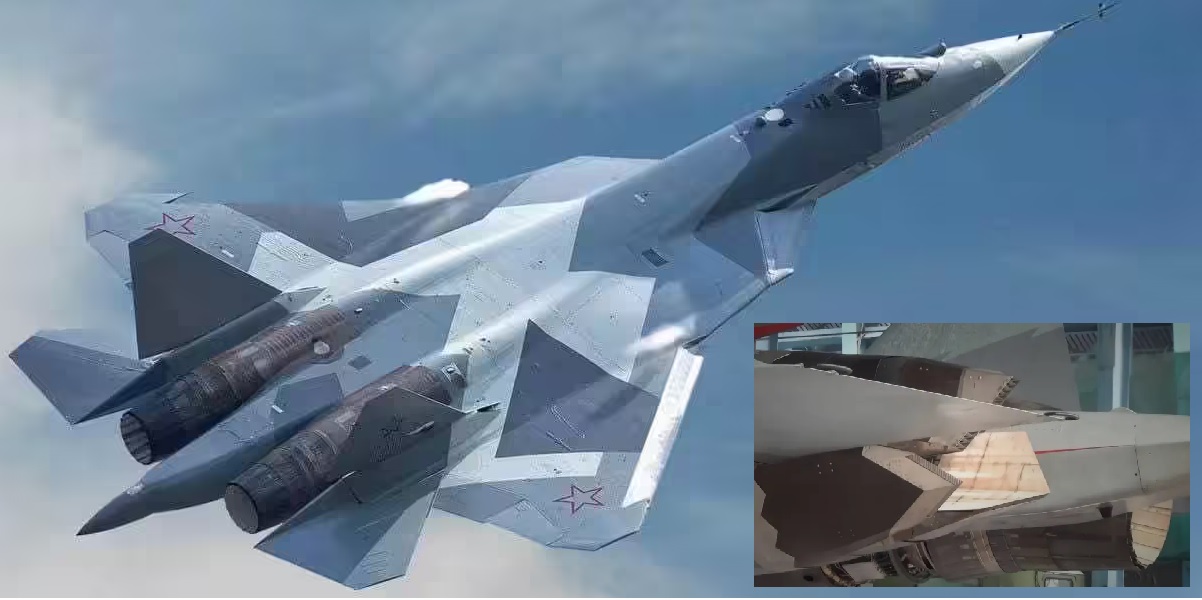
India to Procure Initial Su-57 Fighters Off-the-Shelf While Awaiting Su-57M1 for Licensed Production
India
NEW DELHI — April 19, 2026 : India’s Ministry of Defence has finalised contracts to procure Su-57 fifth-generation fighter aircraft from Russia, adopting a phased acquisition strategy that combines immediate off-the-shelf purchases with long-term licensed production of an upgraded variant. The decision follows confirmation by Russia’s state arms exporter, Rosoboronexport, that multiple countries have placed orders for the Su-57, with Algeria already receiving deliveries beginning in late 2025 and additional interest reported from Iran. Two-Phase Acquisition Plan According to defence sources, India is evaluating the near-term procurement of approximately 40 baseline Su-57 fighters to rapidly strengthen the Indian Air Force’s frontline capabilities. These aircraft will be sourced directly from Russia while negotiations for local production continue. The approach mirrors India’s late-1990s acquisition of Su-30MK fighters, which were inducted ahead of the more advanced Su-30MKI variant that later entered licensed production in the early 2000s. In January 2026, the Ministry confirmed that discussions on licensed production of the Su-57 had reached an advanced technical stage. However, large-scale domestic manufacturing is expected to proceed only after the improved Su-57M1 variant becomes available for export. Transition to Su-57M1 Variant The Indian Air Force is expected to procure the enhanced Su-57M1 in significant numbers under a future license production agreement. The interim induction of baseline aircraft is intended to familiarise pilots, engineers, and maintenance personnel with the platform before transitioning to the upgraded version. The Su-57M1 incorporates major technological improvements over the current model. Central to the upgrade is the AL-51F-1 engine (Izdeliye 30), which enables sustained supersonic flight without afterburners while improving thrust, fuel efficiency, and maintenance cycles. The engine is assessed to provide performance exceeding the U.S. F-22 and comparable to China’s J-20. Additional enhancements include a widened airframe for improved lift and supersonic stability, a flatter fuselage and redesigned internal weapon bays to reduce radar and infrared signatures, and a new primary sensor replacing the N036 AESA radar. The aircraft will also feature AI-assisted avionics, an advanced helmet-mounted targeting system, and compatibility with the Izdeliye-810 hypersonic air-to-air missile, capable of speeds of Mach 6–7 and a range of approximately 300 kilometres. Strategic Context India’s move comes amid a widening capability gap with China’s expanding fleet of J-20 stealth fighters and the Pakistan Air Force’s induction of J-10C aircraft. With U.S. F-35 fighters and Chinese platforms excluded for political and strategic reasons, the Su-57 remains India’s only near-term option for acquiring a fifth-generation combat aircraft. The urgency is further reinforced by delays in India’s indigenous Advanced Medium Combat Aircraft (AMCA) programme, which is now projected to enter service in the 2040s. Technology Transfer and Local Production The long-term plan involves using the Su-57M1 as the baseline for a heavily customised Indian variant, potentially incorporating indigenous avionics, local subsystems, and a twin-seat configuration. This model is expected to follow the trajectory of the Su-30MKI programme, under which more than 270 aircraft were produced. Russia has reportedly offered extensive technology transfer to support the deal. In June 2025, the Russian Defence Ministry proposed providing full access to the aircraft’s source code. In December 2025, Dmitry Shugayev, Director of the Federal Service for Military-Technical Cooperation, indicated the possibility of a joint development programme for an India-specific variant. Hindustan Aeronautics Limited (HAL) has assessed that approximately 50 percent of its existing infrastructure can support Su-57 production, though additional investments will be required. Russia has proposed manufacturing at least 100 aircraft in India, including at HAL’s Nashik facility. Industrial and Export Outlook The proposed collaboration could provide India with partial ownership of key technologies, enabling future export opportunities. Defence analysts note that a customised Su-57M1 variant developed jointly by India and Russia could be positioned competitively in international markets. India’s procurement strategy is therefore structured to address immediate operational requirements while establishing a foundation for long-term domestic production and technological integration.
Read More → Posted on 2026-04-19 14:32:09
World
TEHRAN — April 19, 2026 : A sequence of conflicting directives and military actions in the Strait of Hormuz has revealed a widening divide between Iran’s diplomatic leadership and the Islamic Revolutionary Guard Corps (IRGC), raising concerns over the reliability of official assurances regarding maritime transit. On April 17, 2026, Iranian Foreign Minister Abbas Araghchi announced that the Strait of Hormuz was “completely open” to all commercial vessels for the remaining duration of a ceasefire linked to the Lebanon front. The statement, delivered via a post on X, specified that ships must follow designated transit corridors established by Iran’s Ports and Maritime Organisation. According to the routing plan, vessels were instructed to use two separate entry and exit channels through Iranian territorial waters, running alongside Larak and Qeshm islands and avoiding Omani waters. The announcement was interpreted as a signal of Iran’s compliance with ongoing ceasefire arrangements involving the United States. However, the IRGC, which maintains operational control over the Strait, was not consulted prior to the declaration. Within hours, on the night of April 17, a message broadcast over international maritime radio Channel 16 by an individual identifying as an IRGC Navy member stated that the Strait would remain closed. The transmission explicitly rejected the authority of the civilian government and indicated that any reopening would occur only under orders from the Supreme Leader. Subsequently, IRGC naval units moved to enforce the closure. On April 18, heavily armed IRGC gunboats intercepted and opened fire on multiple commercial vessels attempting to transit the waterway. Among the ships targeted were two India-flagged vessels, Sanmar Herald and Jag Arnav. Radio communications indicated that both crews attempted to reference the Foreign Ministry’s clearance but were ordered to withdraw under fire. The IRGC has confirmed attacks on at least three commercial vessels and issued repeated radio warnings stating that no ships, regardless of nationality, were permitted to pass. The force cited the ongoing U.S. naval blockade of Iranian ports as justification for maintaining the closure. Since the escalation began earlier in the crisis, the IRGC has conducted 21 confirmed attacks on merchant shipping and reportedly deployed sea mines in the area, significantly reducing traffic through the Strait. The incident underscores the structure of authority within Iran, where the IRGC operates directly under the Supreme Leader rather than the elected government. Following the death of Ali Khamenei in February 2026, his successor Mojtaba Khamenei has remained largely inaccessible due to security conditions. Current reporting indicates that only senior IRGC commanders maintain direct communication with him, while civilian leadership, including the president and foreign ministry, lacks direct access. This situation has contributed to increased autonomy for the IRGC in both military operations and aspects of foreign policy execution. The lack of coordination between diplomatic and military institutions has complicated Iran’s engagement in negotiations with the United States and regional actors. The developments also introduce operational risks for international shipping. Maritime authorities have advised heightened caution in the Persian Gulf, noting that clearances issued by Iran’s civilian agencies may not reflect conditions enforced by military units on the ground. The Strait of Hormuz remains a critical global energy transit route, and the recent sequence of announcements and enforcement actions has created continued uncertainty over its accessibility during the ongoing ceasefire period.
Read More → Posted on 2026-04-19 14:15:08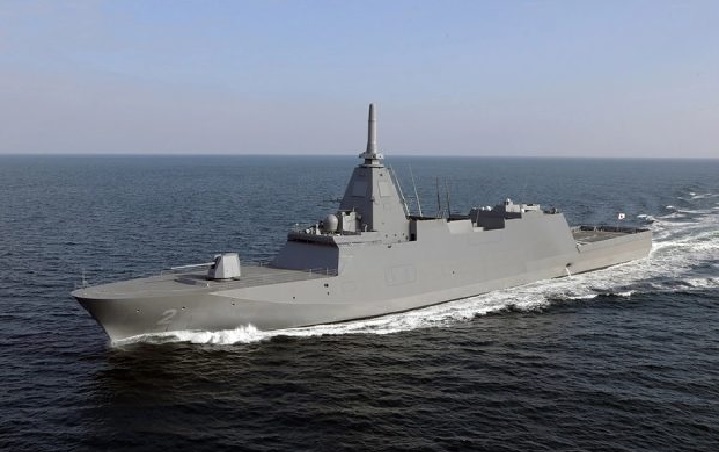
World
TAIPEI — April 19, 2026 : The Republic of China (ROC) Navy is assessing Japan’s New FFM frigate design—also known as the upgraded Mogami-class or 06FFM—as a leading candidate for its planned 6,000–6,500-ton next-generation surface combatant, according to multiple Taiwanese media reports published in mid-April. Evaluation of Japanese Design The evaluation follows reports that the ROC Navy has examined foreign warship designs to accelerate development timelines for its future surface fleet. The service has focused on Japan’s New FFM due to its alignment with Taiwan’s operational and technical requirements, particularly in the 6,000-ton class. On April 15, 2026, UP Media reported, citing an anonymous source, that Japan had eased restrictions on exporting warship blueprints to Taiwan amid expanding security cooperation. Subsequently, on April 17, Liberty Times Net (LTN) reported that an individual familiar with Taiwan–Japan relations approached Japanese authorities regarding potential cooperation on warship development, including the possibility of blueprint transfers or joint development. According to the report, Japan did not oppose the proposal. Operational Requirements and Platform Suitability The ROC Navy’s next-generation combatant is being designed around network-centric warfare concepts with a high degree of automation, targeting a crew size of approximately 100 personnel. This requirement excludes larger Japanese Aegis-equipped destroyers—such as the Kongo-, Atago-, and Maya-class vessels—which displace around 10,000 tons. While smaller Japanese destroyers, including the Akizuki- and Asahi-class, fall closer to Taiwan’s displacement requirements, the New FFM is considered more suitable due to its enhanced stealth features and higher automation levels. The platform’s combat management system (CMS) and ability to integrate unmanned systems support reduced crew workload and improved operational efficiency. The design is also compatible with U.S.-origin systems, enabling interoperability with weapon systems currently used by Taiwanese forces. Japan has promoted the New FFM for export to partner nations, including Australia, where it has been selected as the basis for a general-purpose frigate program. Technical Characteristics The New FFM has a standard displacement of approximately 4,880 metric tons and a full-load displacement of about 6,200 metric tons. The vessel measures around 142 meters in length with a beam of approximately 17 meters and can achieve speeds exceeding 30 knots. Compared to the baseline Mogami-class, the upgraded variant features a 32-cell vertical launch system (VLS), doubling the capacity of earlier configurations. The ship supports operations with a single helicopter or unmanned aerial vehicle (UAV) and incorporates a high level of onboard automation across its systems. Domestic Systems Integration Even if Taiwan acquires the New FFM platform design and associated combat systems from Japan, the resulting vessels are expected to be equipped primarily with domestically developed weapon systems. These systems would be supplied by the National Chung-Shan Institute of Science and Technology (NCSIST), Taiwan’s principal defense research organization. Program Background and Development Timeline Taiwan’s next-generation frigate program dates back to 2016, initially focused on a 4,500-ton platform intended to replace the aging Cheng Kung-class frigates—derived from the U.S. Oliver Hazard Perry-class—and the Kang Ding-class frigates, based on the French La Fayette-class. In 2022, the program encountered delays after the ROC Navy required an active electronically scanned array (AESA) radar system, while NCSIST had developed a passive electronically scanned array (PESA) system. This mismatch led to a shift toward producing two types of 2,500-ton light frigates—one configured for anti-air warfare (AAW) and the other for anti-submarine warfare (ASW). The large surface combatant program was revived in 2024. President Lai Ching-te confirmed the restart and stated that the new class would displace approximately 6,500 tons. Funding for design and evaluation activities was included in the Ministry of National Defense’s 2026 budget. Earlier concept models of the future frigate had been displayed at the Taipei Aerospace & Defense Technology Exhibition (TADTE) in 2017. Separately, the ROC Navy continues plans to construct ten light frigates—five AAW and five ASW variants—scheduled to enter service between 2028 and 2040. Export Policy and Political Constraints Despite technical compatibility, the potential transfer of the New FFM to Taiwan faces political challenges. Yoshihiro Inaba, a Japan-based contributor to Naval News, noted that Japan has relaxed defense export restrictions to strengthen its industrial base and security partnerships, which could facilitate exports of platforms such as the FFM. However, he emphasized that Japan does not formally recognize Taiwan as a sovereign state and maintains no official diplomatic relations. While limited, non-public defense cooperation may exist, transferring a major naval platform would represent a significant shift and could negatively affect Japan–China relations. As a result, despite reported interest and improving security ties, the export of the New FFM to Taiwan remains uncertain.
Read More → Posted on 2026-04-19 14:05:49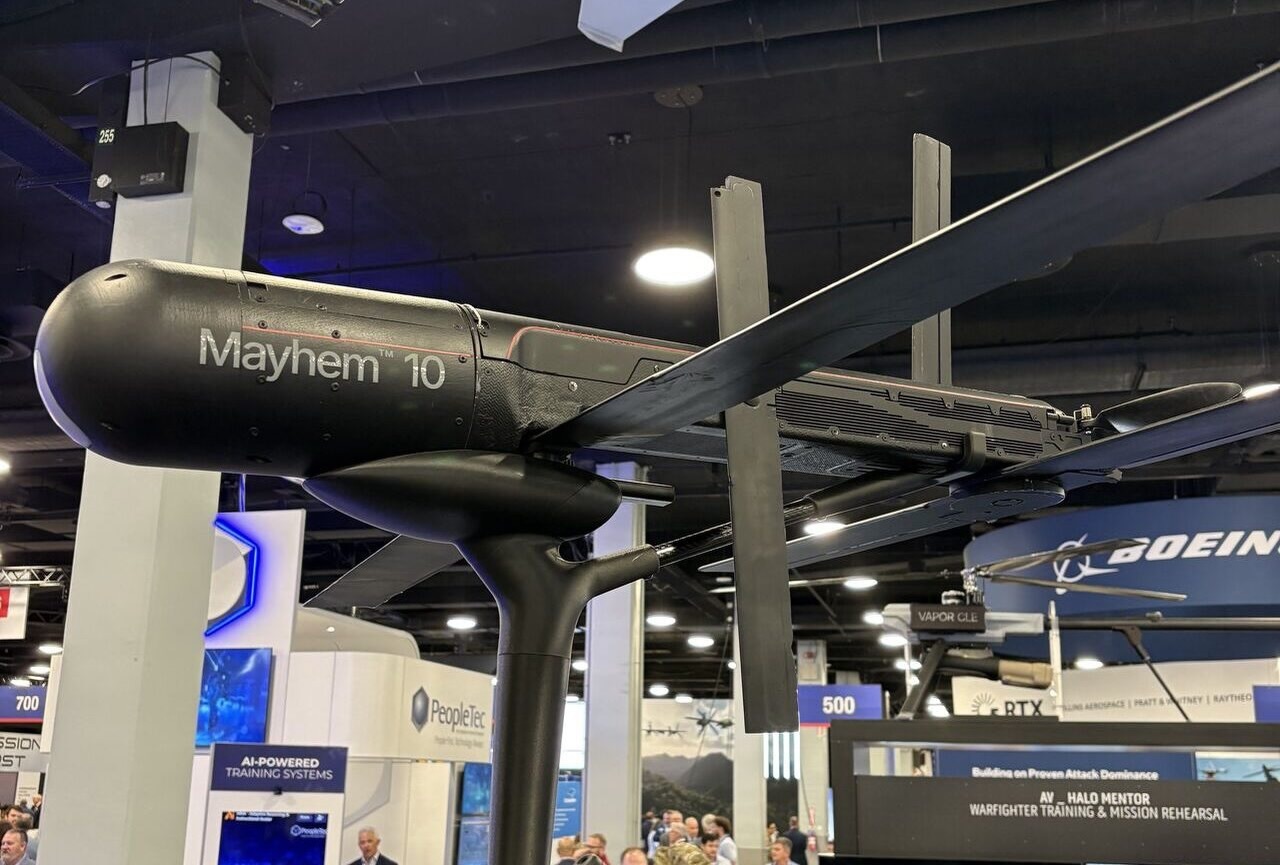
World
ARLINGTON, Va. — April 19, 2026 : On April 15, 2026, AeroVironment, Inc. (NASDAQ: AVAV) has introduced the MAYHEM 10, a new autonomous multi-role launched effects system designed for deployment across air, ground, and maritime platforms. The system was formally unveiled during the 2026 Army Aviation Association of America (AAAA) Mission Solutions Summit. The MAYHEM 10 builds on the company’s two-decade experience with its Switchblade family of loitering munitions and is classified as a Group 2 unmanned system. It is engineered to operate in contested environments and supports both independent and coordinated operations. Modular Payload and Mission Flexibility The platform features a modular payload capacity of up to 10 pounds (4.5 kilograms), enabling rapid reconfiguration between lethal and non-lethal roles without requiring changes to launch systems. Supported mission profiles include intelligence, surveillance, and reconnaissance (ISR), electronic warfare, communications relay, and deception or decoy operations, alongside precision strike capabilities. The system can also integrate munitions such as a Javelin multi-purpose warhead for anti-armor applications. A removable forward payload bay supports a Modular Open Systems Approach (MOSA), allowing integration of third-party payloads and facilitating future upgrades. Performance and Deployment Characteristics The MAYHEM 10 has an all-up round (AUR) weight of 42 pounds (19 kilograms), with a base system weight of approximately 29 pounds. It offers an operational range exceeding 100 kilometers and an endurance of more than 50 minutes. The system cruises at 80 mph (128 km/h) and can reach a dash speed of 120 mph (193 km/h). Designed for rapid deployment, the system can be assembled and made launch-ready in under five minutes. It uses a self-contained launcher compatible with dismounted, vehicle-mounted, mobile ground, and air-launched configurations, extending operational standoff distances beyond 100 kilometers. Autonomy, Navigation, and Networking The system incorporates an AI-driven processor that enables continued operation in GPS-denied, jammed, or spoofed environments. Navigation and communications rely on M-Code GPS and a Silvus datalink, while a MANET secure mesh network provides command-and-control connectivity over distances of 25 to 40 kilometers. Operators control the system using AeroVironment’s Tomahawk Grip controller and AV_Halo COMMAND interface, supporting distributed and scalable operations. Swarm Operations and System Integration The MAYHEM 10 is designed to operate either individually or as part of coordinated swarms. This capability allows multiple systems to execute simultaneous effects, including surveillance, electronic warfare, and strike missions across a distributed battlespace. AeroVironment collaborated with Applied Intuition to develop and test the platform’s autonomy and swarming functions. According to Wahid Nawabi, Chairman, President, and Chief Executive Officer of AeroVironment, the system integrates advanced autonomy and multi-domain payload capabilities to support operations in contested environments while reducing risk to personnel and high-value assets. Brian Young, Senior Vice President of Loitering Munitions, stated that the system enables collaborative employment at scale, allowing operators to expand coverage and execute synchronized effects without increasing force concentration. Production and Acquisition Outlook AeroVironment has not disclosed the unit cost of the MAYHEM 10. The company confirmed it is establishing a dedicated production line with a capacity of up to 2,000 units per year and is initiating low-rate initial production (LRIP). Materials are being procured in advance of expected demand, although no formal orders have been announced. The U.S. Army has been identified as the primary intended customer, with the U.S. Marine Corps also expected to be a potential operator. The MAYHEM 10 is the first system in AeroVironment’s new MAYHEM family of launched effects, positioned as part of the company’s broader portfolio supporting multi-domain autonomous operations.
Read More → Posted on 2026-04-19 13:43:55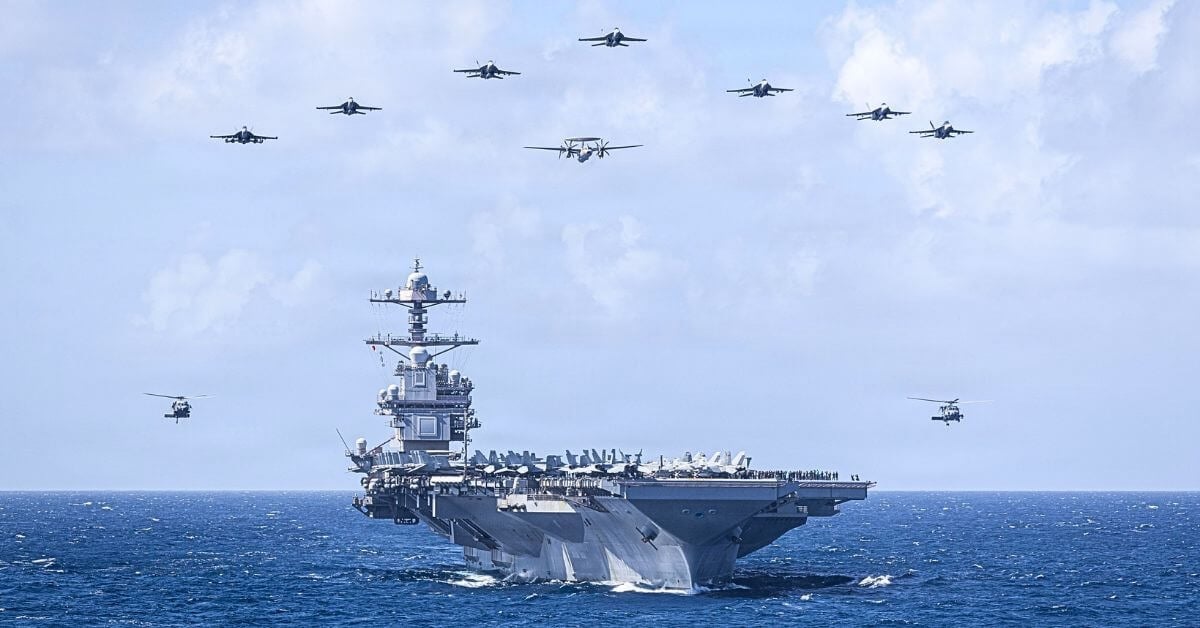
World
WASHINGTON — April 18, 2026 : The USS Gerald R. Ford has reentered the Red Sea escorted by two U.S. Navy destroyers following more than a month of maintenance and repairs at Naval Support Activity Souda Bay, according to U.S. defense officials cited by the Associated Press. The move marks the carrier’s return to active operations in the Middle East. Fire Incident and Repair Period A fire broke out in the carrier’s main laundry room on March 12, 2026, while the ship was operating in the Red Sea. The non-combat incident burned for more than 30 hours before being extinguished. The fire damaged hundreds of berthing spaces and adjacent compartments, displacing more than 600 sailors. Two sailors sustained non-life-threatening injuries, and additional crew members experienced smoke inhalation. The ship’s propulsion plant was not affected, and the vessel remained operational. The carrier arrived at Souda Bay in Crete on March 23, 2026, where it remained for over a month to complete structural repairs. During this period, the ship also conducted a port call in Split, Croatia. It departed Croatia on April 2, 2026, resuming operations in the Eastern Mediterranean before transiting back toward the Red Sea. Deployment Timeline and Record Duration The USS Gerald R. Ford departed Naval Station Norfolk on June 24, 2025, initially assigned to European operations. The deployment was later redirected to the Caribbean in support of activities linked to Venezuela before being reassigned to the Middle East. The carrier reached 296 days at sea on April 15, 2026, setting a record for the longest U.S. aircraft carrier deployment in a combat zone since the Vietnam War. The deployment has included operations under both U.S. Southern Command in the Caribbean and U.S. Central Command in the Middle East. Operational Context The USS Gerald R. Ford is the lead ship of the Ford-class and the largest aircraft carrier in the U.S. Navy. Its Carrier Strike Group includes Carrier Air Wing 8. The carrier’s return to the Red Sea places it again within the operational area of U.S. Central Command, where it had previously conducted missions as part of Operation Epic Fury. A second U.S. carrier, the USS George H.W. Bush, is also en route to the region. Additional Operational Details The extended deployment has involved multi-theater operations and has placed sustained demands on both personnel and ship systems. In addition to the March 12 fire, the carrier experienced maintenance issues earlier in the deployment, including a malfunction in the ship’s sewage system that temporarily affected approximately 650 toilets. Officials have not disclosed the identities of the two destroyers escorting the carrier into the Red Sea or provided updated timelines for the conclusion of the deployment.
Read More → Posted on 2026-04-18 18:02:39
World
BERLIN — April 18, 2026: The German Ministry of Defence has confirmed the delivery of the 53rd and final Airbus A400M Atlas military transport aircraft, completing the country’s full procurement programme and marking the end of an 11-year delivery cycle. The aircraft, bearing tail number 54+63, was formally handed over by Airbus Defence and Space at its delivery centre in Seville, Spain, on April 16, 2026. Following the ceremony, the aircraft was ferried to Wunstorf Air Base in Lower Saxony, where it will join the German Air Force’s Air Transport Wing 62 (Lufttransportgeschwader 62, LTG 62). Germany placed the largest single order for the A400M Atlas programme, originally committing to 60 aircraft in 2010 before revising the order to 53 units. Deliveries began in December 2014, and the final handover concludes the extended procurement schedule. Fleet Modernisation and Capability Expansion The A400M fleet has replaced the Luftwaffe’s ageing Transall C-160 transport aircraft, forming the backbone of Germany’s military airlift capability. The introduction of the platform has expanded the Bundeswehr’s operational scope across strategic and tactical airlift, aerial refuelling, medical evacuation, and cargo transport missions. The aircraft is capable of carrying payloads of up to 37 tonnes, with an operational range exceeding 8,700 kilometres. It can operate from short and unpaved runways, including strips as short as 750 metres, and is designed to conduct airdrop operations in both logistics and tactical environments. Germany’s A400M fleet is also undergoing integration of advanced self-protection systems. These include the J-MUSIC directional infrared countermeasures (DIRCM) developed by Elbit Systems, intended to improve survivability against infrared-guided threats. Operational Use in Humanitarian and Military Missions Since entering service, the Luftwaffe’s A400M aircraft have been deployed across a broad range of missions. Humanitarian operations have included the transport of aid to the Caribbean following natural disasters and participation in evacuation efforts, notably during the Kabul evacuation in 2021 and subsequent crisis-response operations including Sudan. In military roles, the aircraft have supported coalition operations in the Middle East. German A400M aircraft have operated from Jordan as aerial refuelling platforms during missions against the Islamic State, using underwing refuelling pods to support receiver aircraft such as the Eurofighter. Additional operational deployments have included troop transport missions to Afghanistan and logistical support for NATO and European Union operations. Fleet Management Decisions and Programme Adjustments During the course of the procurement programme, the German government assessed options to adjust fleet size and utilisation. Proposals included the potential resale of 13 aircraft; however, no agreements were concluded, and all aircraft were subsequently integrated into operational service. A separate initiative proposed the creation of a multinational transport squadron using approximately 10 German A400M aircraft, but the plan was not implemented due to insufficient partner participation. Programme Status and Industrial Outlook With Germany’s final delivery completed, Airbus has delivered a total of 139 production A400M Atlas aircraft globally. The programme’s current order backlog stands at 39 aircraft, with future deliveries planned for Kazakhstan, France, and Spain. To support long-term fleet sustainment, Airbus is constructing a dedicated A400M maintenance facility adjacent to Wunstorf Air Base. The centre is expected to become operational in 2027, providing technical support and maintenance services for the German fleet. Completion of Procurement Cycle The conclusion of Germany’s A400M acquisition marks the completion of a major modernisation effort within the Luftwaffe. The fleet now serves as the central component of Germany’s airlift capability and supports its ongoing commitments to NATO and international operations.
Read More → Posted on 2026-04-18 17:47:35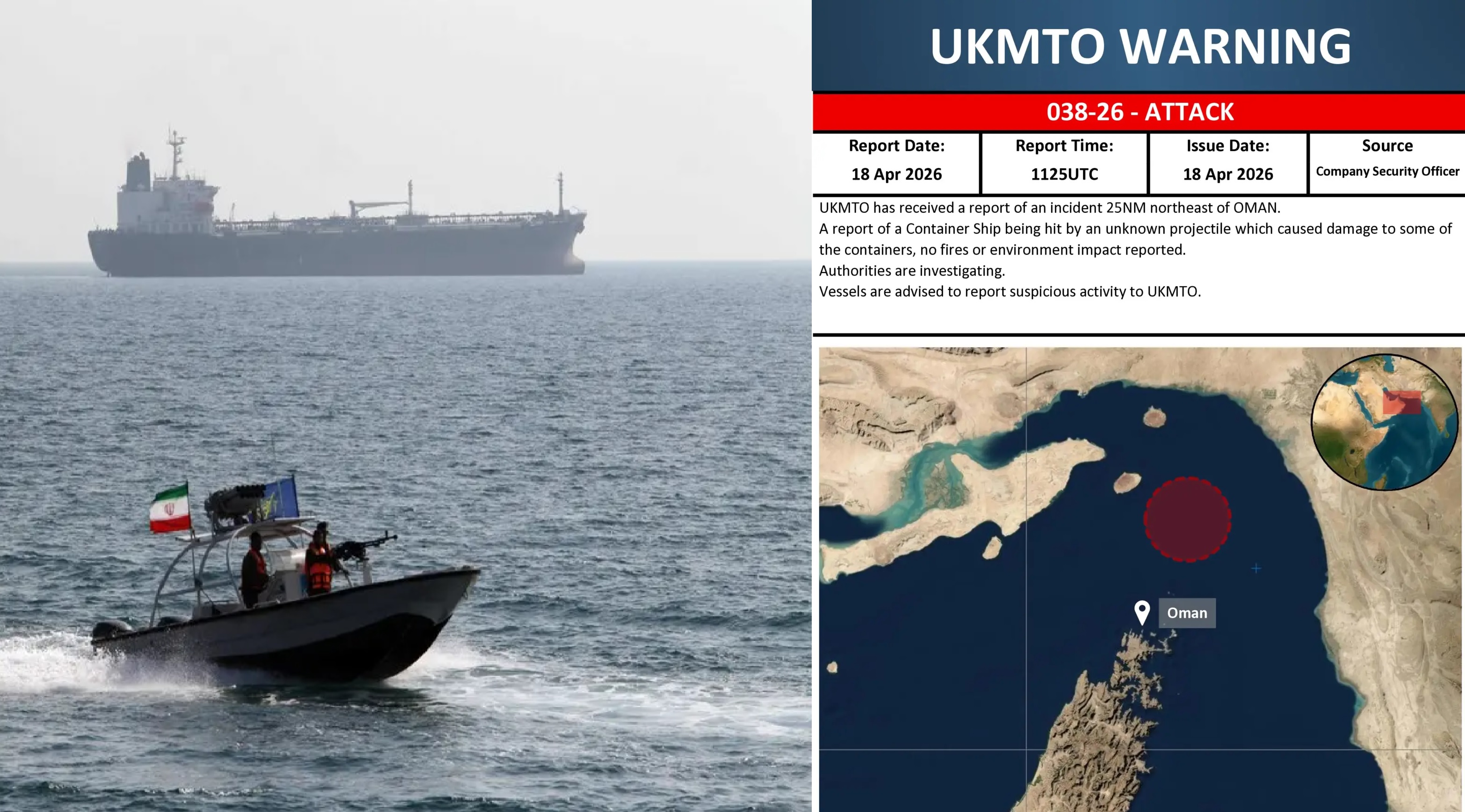
India
NEW DELHI / MUSCAT — April 18, 2026 : India’s Ministry of External Affairs (MEA) on Saturday summoned Iran’s Ambassador to India, Dr. Mohammad Fathali, and lodged a formal protest following firing incidents involving two Indian-flagged commercial vessels in the Strait of Hormuz. The developments occurred amid Iran’s decision to reimpose restrictions on maritime transit through the strategic waterway. Incidents Reported on April 18 According to the United Kingdom Maritime Trade Operations (UKMTO), two separate security incidents were recorded on April 18, 2026, in waters northeast of Oman. At 09:20 UTC, approximately 20 nautical miles northeast of Oman, a tanker reported being approached by two gunboats belonging to Iran’s Islamic Revolutionary Guard Corps (IRGC) Navy. The vessels reportedly did not establish communication via VHF radio before opening fire. The tanker and its crew were reported safe, and an investigation is ongoing. At 11:25 UTC, around 25 nautical miles northeast of Oman, a container ship reported being struck by an unidentified projectile. The incident caused damage to cargo containers onboard. No fire or injuries were reported. Maritime tracking service TankerTrackers.com and ship tracking data indicated that the vessels involved in these incidents were Indian-flagged. Indian-Flagged Vessels Identified The two Indian vessels directly affected were identified as: Sanmar Herald (IMO 9330563), a Very Large Crude Carrier (VLCC) owned by Chennai-based Sanmar Shipping, carrying approximately 2 million barrels of Iraqi crude oil. Jag Arnav (IMO 9705354), a bulk carrier owned by Mumbai-based Great Eastern Shipping Company. Both vessels had reportedly received clearance to transit the Strait of Hormuz before being intercepted by IRGC Navy gunboats. Warning fire was directed at the vessels, forcing them to abort their passage and turn back westward into the Persian Gulf. No damage or injuries were reported on either vessel. An audio transmission recorded on maritime Channel 16 from the Sanmar Herald was released by TankerTrackers.com. In the recording, the vessel’s master is heard stating:“Sepah Navy! Motor Tanker Sanmar Herald! You gave me clearance to go. My name second on your list. You gave me clearance to go. You are firing now! Let me turn back!” Additional Indian Shipping Affected Ship tracking data further indicated that multiple Indian-flagged vessels altered course following the incidents. These included: Desh Vaibhav and Desh Vibhor, both operated by the state-owned Shipping Corporation of India. Additional vessels, including Desh Suraksha, were also reported to have turned back after the firing incidents. At least four Indian-flagged ships reversed course after Iran announced renewed restrictions on transit through the strait. One Indian tanker, Desh Garima, had successfully transited earlier in the day before the enforcement measures were reinstated. At the time of the incidents, approximately 14 Indian-flagged vessels were reported to be present in the Persian Gulf. Diplomatic Response from India During the meeting at the MEA in New Delhi, Foreign Secretary Vikram Misri conveyed India’s “deep concern” regarding the firing on Indian merchant vessels. The Indian government emphasized the safety of its seafarers and reiterated that the Strait of Hormuz constitutes an international trade route that should remain open to all commercial shipping. India urged that vessels bound for Indian ports be allowed safe passage through the strait. The MEA stated that the protest was conveyed in the “strongest terms,” though further details of the diplomatic exchange were not disclosed. Iran Reimposes Strait Restrictions The incidents followed Iran’s announcement on April 18, 2026, that the Strait of Hormuz had returned to its previous operational status under the control of its armed forces, effectively restricting civilian maritime traffic. Earlier, on April 8, Iranian Foreign Minister Abbas Araghchi had stated that the strait would remain open to commercial vessels following a ceasefire in Lebanon that came into effect on April 16. However, transit was limited to routes approved by Iran’s Ports and Maritime Organization due to the presence of previously laid sea mines that had not been fully cleared. Iran’s decision to reimpose restrictions was linked to ongoing tensions with the United States. On April 16, the United States expanded its naval blockade measures targeting Iranian and sanctioned vessels globally. Iranian authorities cited these actions as the basis for restoring stricter control over maritime access in the strait. Radio broadcasts from Iranian forces were reported to have informed civilian vessels that the strait had been closed again and that vessel movement was prohibited without authorization. Impact on Maritime Traffic The Strait of Hormuz remains a critical global energy corridor, handling a significant share of international crude oil shipments. Following the incidents, multiple commercial vessels, including Indian-flagged ships, were reported to have halted movement or anchored in nearby waters awaiting further clarity. No casualties or confirmed structural damage to the Indian-flagged vessels involved in the April 18 incidents were reported by UKMTO or maritime tracking sources.
Read More → Posted on 2026-04-18 17:36:01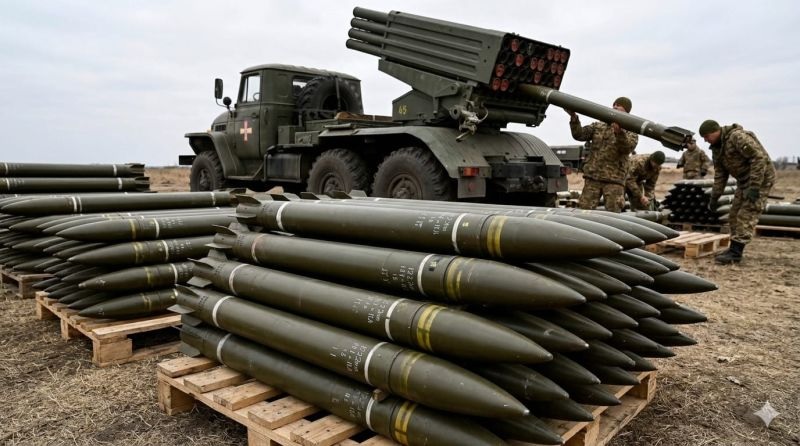
India
NOIDA, UTTAR PRADESH — April 18, 2026 : Brahmastra Explosives and Ammunition Private Limited has announced the immediate availability of its 122mm GRAD rockets with an extended operational range of up to 40 kilometers. The Noida-based defense manufacturer stated that the munitions are ready for supply to address both urgent operational requirements and long-term procurement demands from domestic and international customers. The company confirmed that availability is subject to prior sale and existing inventory conditions. Interested buyers have been advised to contact the firm directly for detailed technical specifications, pricing structures, and delivery timelines. System Compatibility and Technical Characteristics The 122mm GRAD rockets are designed for deployment across standard Multiple Launch Rocket Systems (MLRS), including the widely used BM-21 Grad platform and its derivatives. The extended-range variant offers a maximum reach of 40 kilometers, representing a significant increase over legacy configurations that typically operate within a 20 to 30 kilometer range. In addition to the extended-range system, Brahmastra Explosives continues to manufacture the standard 20-kilometer variant of the 122mm GRAD rocket, ensuring availability across different operational requirements. The rockets are configured as High-Explosive Fragmentation (HE-Frag) munitions. They are intended for targeting personnel concentrations, field fortifications, lightly armored vehicles, and for breaching minefields. Flight stability is achieved through a combination of fin and spin stabilization mechanisms, supporting trajectory consistency over extended distances. Manufacturing Capacity and Supply Chain Brahmastra Explosives and Ammunition stated that it has secured manufacturing arrangements with its original equipment manufacturer (OEM) partners. These arrangements are intended to ensure consistent production output and supply chain reliability. The company emphasized that its current inventory is positioned for immediate deployment, enabling rapid fulfillment of operational requirements where needed. Strategic Partnerships and International Agreements The company’s production and technology capabilities are supported by two key agreements concluded in early 2026. In February 2026, Brahmastra Explosives signed an exclusive business and technical cooperation agreement with Holding Corporation Krušik, a Serbian state-owned defense manufacturer established in 1939. Under this arrangement, Brahmastra is responsible for domestic sales, localization, and product development aligned with Indian armed forces requirements, while Krušik provides technical expertise and operational support. The agreement includes provisions for technology transfer and joint development of ammunition and related defense systems. Additionally, during the World Defence Show 2026 in Riyadh, the company entered into a partnership with Nadrah Trading Company of Saudi Arabia. This agreement focuses on facilitating defense market advisory services, coordinating tenders, and supporting engagement with end users within the Kingdom of Saudi Arabia, thereby strengthening Brahmastra’s access to international markets. Role in Domestic Defence Manufacturing The indigenous production of 122mm GRAD rockets contributes to the Indian Army’s artillery capabilities, where such systems have long been used for area saturation roles. Domestic manufacturing reduces dependence on external suppliers, supports quality control, and enables scalable production based on operational requirements. The company also noted that localized production opens opportunities for export to countries that operate 122mm GRAD-compatible systems, expanding India’s presence in the global defense supply chain.
Read More → Posted on 2026-04-18 17:06:05
World
PALMDALE, California — April 18, 2026 : Northrop Grumman announced on April 17, 2026, that its YFQ-48A Talon Blue autonomous combat aircraft has successfully completed its first engine run, marking a key development milestone in the prototype’s progression toward flight testing. The event was carried out in coordination with Pratt & Whitney and the United States Air Force. The company confirmed the development in a brief statement, noting: “YFQ-48A Talon Blue started its engine for the first time today, a significant advancement achieved with Pratt & Whitney and the United States Air Force.” No further details regarding the exact test location, timeline specifics, or subsequent testing schedule were disclosed. Propulsion Integration Milestone The first engine run represents a transition point from a structurally complete airframe to an operational propulsion-integrated system. This stage enables engineers to validate the interaction between the engine, fuel systems, onboard electronics, and the aircraft structure under real ground conditions. Such testing is required before proceeding to taxi trials and eventual flight testing. The propulsion system for the YFQ-48A is supplied by Pratt & Whitney, an RTX business, and is based on the PW500 family of commercial turbofan engines. Originally developed for business jet applications, the engine has been adapted to meet the operational requirements of the Collaborative Combat Aircraft (CCA) program. According to Pratt & Whitney, the PW500 family has accumulated more than 24.5 million flight hours. The company conducted an extensive internal test program to simulate mission-specific conditions associated with autonomous combat aircraft operations. These evaluations resulted in measured performance across thrust, operational range, and system reliability parameters. The company also self-funded validation and capability improvements as part of the integration effort. Peter Sommerkorn, Vice President of Military Development Programs at Pratt & Whitney, stated that the use of a commercial baseline engine enabled faster development timelines while maintaining cost and performance targets. He added that the integration process combined an in-service engine platform with targeted enhancements aligned to CCA mission requirements. Role in the Collaborative Combat Aircraft Program The YFQ-48A Talon Blue is Northrop Grumman’s prototype submission for the U.S. Air Force’s Collaborative Combat Aircraft program, a priority modernization effort focused on developing autonomous, uncrewed platforms designed to operate alongside crewed fighter aircraft. The CCA concept emphasizes the deployment of cost-effective, semi-autonomous aircraft capable of executing missions such as intelligence, surveillance, electronic warfare, and forward strike operations. These systems are intended to expand operational capacity while reducing risk to human pilots. The YFQ-48A is designed to integrate with existing and future fighter platforms, including the F-35 Lightning II, F-22 Raptor, F-15EX Eagle II, and the planned Next Generation Air Dominance (NGAD) fighter. The aircraft received its Mission Design Series designation from the U.S. Air Force on December 22, 2025. The “Y” prefix indicates a prototype status, while the “FQ” designation identifies it as an uncrewed fighter-category platform developed specifically for the CCA program. Aircraft Design and Development The Talon Blue is developed under Northrop Grumman’s Project Talon portfolio, previously referred to as Project Lotus, in collaboration with its subsidiary Scaled Composites. The design incorporates lessons learned from the company’s earlier, unsuccessful bid for CCA Increment 1. Compared to previous concepts, the YFQ-48A is smaller, less complex, and optimized for cost and manufacturability. The aircraft features approximately 50 percent fewer parts and is around 1,000 pounds lighter than earlier designs. These changes are intended to support a production process that is up to 30 percent faster through the use of modular construction methods and composite materials. The airframe configuration includes a long, slender fuselage, swept lambda wings, a V-tail arrangement, and a dorsal air intake positioned above the fuselage. The aircraft is powered by a small turbofan engine. Its landing gear configuration includes widely spaced main gear that retract into the wings, supporting ground handling and structural efficiency. Program Status and Next Steps The prototype aircraft, registered as N444LX, is currently undergoing ground-based trials as part of a broader test campaign leading up to its first flight, which is projected to occur in 2026. The YFQ-48A is positioned as a candidate for the next phase of the CCA competition, referred to as Increment 2. Northrop Grumman’s Project Talon portfolio focuses on delivering modular, scalable, and cost-effective autonomous aircraft systems. The program prioritizes rapid development cycles and mission-ready autonomy, combining software and hardware advancements to accelerate deployment timelines. The Collaborative Combat Aircraft program remains one of the U.S. Air Force’s central modernization initiatives. It aims to field advanced, affordable autonomous aircraft capable of operating in contested environments alongside crewed platforms. Progress on milestones such as the first engine run contributes to the evaluation of industrial performance, integration maturity, and overall program risk among competing industry participants.
Read More → Posted on 2026-04-18 16:51:06
World
WASHINGTON, — April 18, 2026 : On April 17, 2026 United States Department of State has approved a possible Foreign Military Sale (FMS) to the Government of Germany valued at an estimated $11.9 billion, covering advanced AEGIS-based combat systems, sensors, and associated support equipment for the German Navy’s future F127 air and missile defense frigates. The approval includes eight complete shipsets of integrated combat and sensor systems intended to equip the full planned F127 fleet, marking one of the largest naval air and missile defense procurements undertaken by Germany in recent decades. Program Scope and Approved Systems According to the U.S. Defense Security Cooperation Agency notification, the German government has requested a comprehensive package of Major Defense Equipment (MDE) and supporting systems designed to provide integrated, layered air and missile defense capability. The approved MDE package includes: Eight shipsets of AEGIS-based Integrated Combat System (ICS) MK 6 MOD X computing infrastructure Eight shipsets of AN/SPY-6(V)1 Active Electronically Scanned Array (AESA) S-band radars Eight shipsets of MK 41 Baseline VIII Vertical Launch Systems (VLS) Eight shipsets of Cooperative Engagement Capability (CEC) Eight shipsets of GPS-based Positioning, Navigation, and Timing (PNT) services Nine Command and Control Processors Ten Multifunctional Information Distribution Systems (MIDS) on Ship Modernization systems Nine MK 45 naval gun mounts Three AN/SLQ-32(V)6 Electronic Warfare systems Eight shipsets of AN/SPQ-9B radar systems Eight shipsets of AN/WSN-12 Inertial Navigation Systems In addition to the primary systems, the package includes a wide range of non-major defense equipment (non-MDE) and support elements. These comprise Integrated Combat System software, Identification Friend or Foe (IFF) Mod 5/S systems, cryptographic equipment such as KIV-78 appliques, AN/PYQ-10 Simple Key Loaders, and Global Command and Control Systems for Maritime operations. Further components include Gigabit Ethernet Data Multiplex Systems, MK 99 MOD 14 fire control radars, MK 38 MOD 4 Gun Weapon Systems, and MK 34 Gun Weapon System components, including the MK 160 gun computing system and MK 20 electro-optical sight system. Additional equipment such as AN/WSN-9 digital hybrid speed logs, AN/SPQ-15 signal conversion systems, and Moriah wind systems are also included. The agreement also covers engineering, technical and logistics support, software delivery, development and testing hardware in U.S. facilities, training programs, spare parts, installation materials, technical documentation, and foreign liaison services required for program execution. The principal contractors for the sale are Lockheed Martin Corporation (Bethesda, Maryland) and RTX Corporation (Arlington, Virginia). Role in U.S. and NATO Security Policy The U.S. State Department stated that the proposed sale supports American foreign policy and national security objectives by strengthening a NATO ally that contributes to political stability and economic security in Europe. The integration of AEGIS and associated systems is expected to significantly enhance the German Navy’s capability for national and territorial defense, while improving interoperability with U.S. and NATO maritime forces in high-threat operational environments. F127 Frigate Program Overview The procurement forms a central component of Germany’s F127 frigate program, initiated approximately two years prior to replace the existing three Sachsen-class (F124) air defense frigates. The original program called for six vessels, but this was expanded to eight ships in response to evolving European security requirements. The F127 vessels are being developed under a joint program led by thyssenkrupp Marine Systems (TKMS) and NVL Group. The ships will be based on the MEKO A-400 Air and Missile Defense (AMD) design, incorporating the AEGIS combat system paired with the AN/SPY-6(V)1 radar, which Germany selected in October 2025, becoming the first international customer for the SPY-6 system. Design Evolution and Technical Characteristics The F127 design has undergone notable expansion compared to earlier concepts. The original MEKO A-400 AMD configuration featured 64 MK 41 VLS cells, but the current F127 design increases capacity to 96 cells, significantly enhancing missile loadout and engagement capability. As a result of these changes, vessel dimensions have grown. Current estimates indicate: Full-load displacement: approximately 10,000 to 12,000 tonnes Length: approximately 160 to 178 meters Beam: approximately 21 to 24 meters Draft: approximately 5.5 to 7.8 meters The ships will employ a combined diesel and gas turbine propulsion system, providing a maximum speed of 32 knots, an operational range of approximately 4,000 nautical miles, and an endurance of around 30 days. Crew complement is projected at approximately 150 personnel, with additional accommodation for up to 70 personnel depending on mission requirements. Capability Transition and Armament Changes The F127 program represents a transition in German naval combat systems from the European-developed TACTICOS/APAR suite used on the Sachsen-class to the U.S.-developed AEGIS/SPY-6 architecture. Key armament and system changes include: Replacement of the Leonardo 127 mm main gun with the MK 45 naval gun mount Integration of the MK 38 Mod 4 30 mm remote weapon system, addressing close-range threats including unmanned aerial systems Expanded missile capacity via 96-cell MK 41 VLS configuration for air and missile defense and strike missions Related Missile Procurement and Timeline The combat system approval follows a prior U.S. authorization in November 2025 for the sale of Standard Missile-6 (SM-6) Block I and Standard Missile-2 (SM-2) Block IIIC interceptors, intended for integration with the F127 class. The F127 frigates are expected to enter service beginning in the mid-2030s, with the first unit targeted for delivery around 2034. Construction timelines remain subject to final contracting and budget approvals, though preparatory work on the program is already underway. Strategic Outlook Once operational, the F127 class will serve as the German Navy’s primary air and missile defense platform, supporting operations in contested maritime environments and contributing to NATO’s integrated air and missile defense architecture. The adoption of AEGIS and SPY-6 systems positions Germany among a limited group of navies operating advanced ballistic missile defense-capable surface combatants, while ensuring full interoperability with U.S. naval forces
Read More → Posted on 2026-04-18 16:05:36
World
VIATOR, ALMERÍA, Spain — April 18, 2026 : King Felipe VI of Spain visited the Spanish Army’s Third Tactical Experimentation Campaign (TEC 3) at Base Álvarez de Sotomayor in Viator, Almería, between April 16 and April 17, where he observed live demonstrations of emerging autonomous military technologies, including the Destinus Hornet B1 counter-drone system. The TEC 3 campaign, conducted from April 7 to April 17, 2026, is organized by the Spanish Army’s Future Force 2035 Center in cooperation with the “Alfonso XIII” II Brigade of the Legion. The exercise serves as a primary field validation framework for Spain’s ongoing military modernization program aimed at developing the Experimental Brigade 2035, with emphasis on robotics, sensor integration, and autonomous systems. Head of State Visit and Engagement King Felipe VI, acting in his role as Captain General of the Spanish Armed Forces, arrived at the base on April 16 by Super Puma helicopter from Cuatro Vientos Air Base. During the visit, he spent an extended period at the Destinus demonstration area, where he received technical briefings on the Hornet B1 system and its operational concept. According to Destinus, the King engaged directly with engineers and operators, asking detailed questions regarding system performance, deployment procedures, and operational integration. His interaction reflected his background in military training across all three branches of the Spanish Armed Forces, as well as his qualification as a helicopter pilot. Following the technical demonstrations, the King met with commanders of the “Alfonso XIII” II Brigade of the Legion at brigade headquarters and later attended a formal social engagement with military personnel, defense industry representatives, and participants involved in TEC 3. TEC 3 as a Field Experimentation Framework The TEC 3 exercise is structured as a multi-zone experimentation environment rather than a conventional static exhibition. Activities were distributed across up to five separate zones within the training grounds at Base Álvarez de Sotomayor, located in the Almería desert with operational visibility toward the Mediterranean. More than 20 Spanish defense companies and two universities participated in the campaign, working alongside Legion units to test and refine systems under realistic field conditions. The event is designed to accelerate the transition of emerging technologies from development into operational evaluation. Technologies assessed during TEC 3 included unmanned ground vehicles (UGVs) for combat and logistics roles, unmanned aerial systems (UAS) for cargo delivery, reconnaissance, and intelligence, surveillance, and reconnaissance (ISR) missions, first-person view (FPV) drone systems, loitering munitions, and counter-UAS solutions deployed from both ground and aerial platforms. Hornet B1 Live Interception Demonstration During the exercise, Destinus conducted a live interception demonstration using its Hornet B1 autonomous counter-drone system. The system was launched from a containerized unit designed for mobility and rapid deployment, including compatibility with light armored vehicles such as the URO VAMTAC. The Hornet B1 is designed to counter a range of aerial threats, including kamikaze drone swarms, reconnaissance UAVs, loitering munitions, unguided projectiles, and helicopters. It operates through a distributed network of anti-drone nodes combining detection sensors with interceptor drones. The system demonstrated at TEC 3 enables small units to establish a defensive perimeter quickly without reliance on fixed infrastructure, reducing logistical requirements while maintaining operational flexibility. System Characteristics and Operational Role The Hornet B1 is engineered as a near-autonomous interception layer intended to address cost asymmetry in modern air defense. Conventional interceptor missiles can exceed one million euros per unit, while adversary drones may cost approximately 35,000 euros. The system supports scalable deployment and can operate independently or as part of integrated ground-based air defense networks. Key characteristics include: Electrically powered interceptor platform Range exceeding 70 kilometers Payload capacity of approximately 3 kilograms AI-driven multimode guidance system Low-altitude flight capability Integrated anti-jamming suite for operation in contested electronic environments Earlier variants in the Hornet family, including Block 1, demonstrated ranges exceeding 45 kilometers with payloads of approximately 1.5 kilograms. The system has also been tested with Shield AI’s Hivemind autonomy software. Ruta Platform Static Display In addition to the Hornet B1 demonstration, Destinus presented its Ruta platform in a static configuration. The Ruta system is a low-cost missile-drone designed for long-range strike missions against stationary, high-value targets. The Block 2 variant features a range exceeding 450 kilometers and a payload capacity of approximately 250 kilograms. It incorporates AI-powered multimode guidance and navigation systems designed to operate in GPS-denied and electronically contested environments, along with a low-level flight profile for survivability. The platform is intended for scalable production and integration with mobile launch systems and modern command-and-control architectures. Earlier variants of the Ruta system have already been supplied for operational use. Industry Participation and National Integration Destinus maintains engineering and development operations in Spain and participates in national defense research programs, including the CRIPICOM project focused on propulsion and auxiliary aircraft systems. The company stated that Spain remains central to its activities, with local teams responsible for design, development, and testing. The TEC 3 campaign provided an opportunity to demonstrate domestically developed capabilities within a military evaluation environment. Role in Future Force 2035 Initiative TEC 3 forms part of a broader series of experimentation campaigns supporting the Spanish Army’s Future Force 2035 initiative. The program aims to transform land forces through the integration of autonomous systems, artificial intelligence, and advanced battlefield networking. The campaign emphasizes direct collaboration between military units and industry partners, enabling real-time testing, feedback, and iteration of systems under operational conditions. This approach is intended to streamline the pathway from technological development to potential procurement and deployment. The 2026 iteration of TEC 3 continues to serve as a key platform for validating the maturity, interoperability, and tactical relevance of emerging defense technologies within the Spanish Army’s modernization framework.
Read More → Posted on 2026-04-18 15:57:10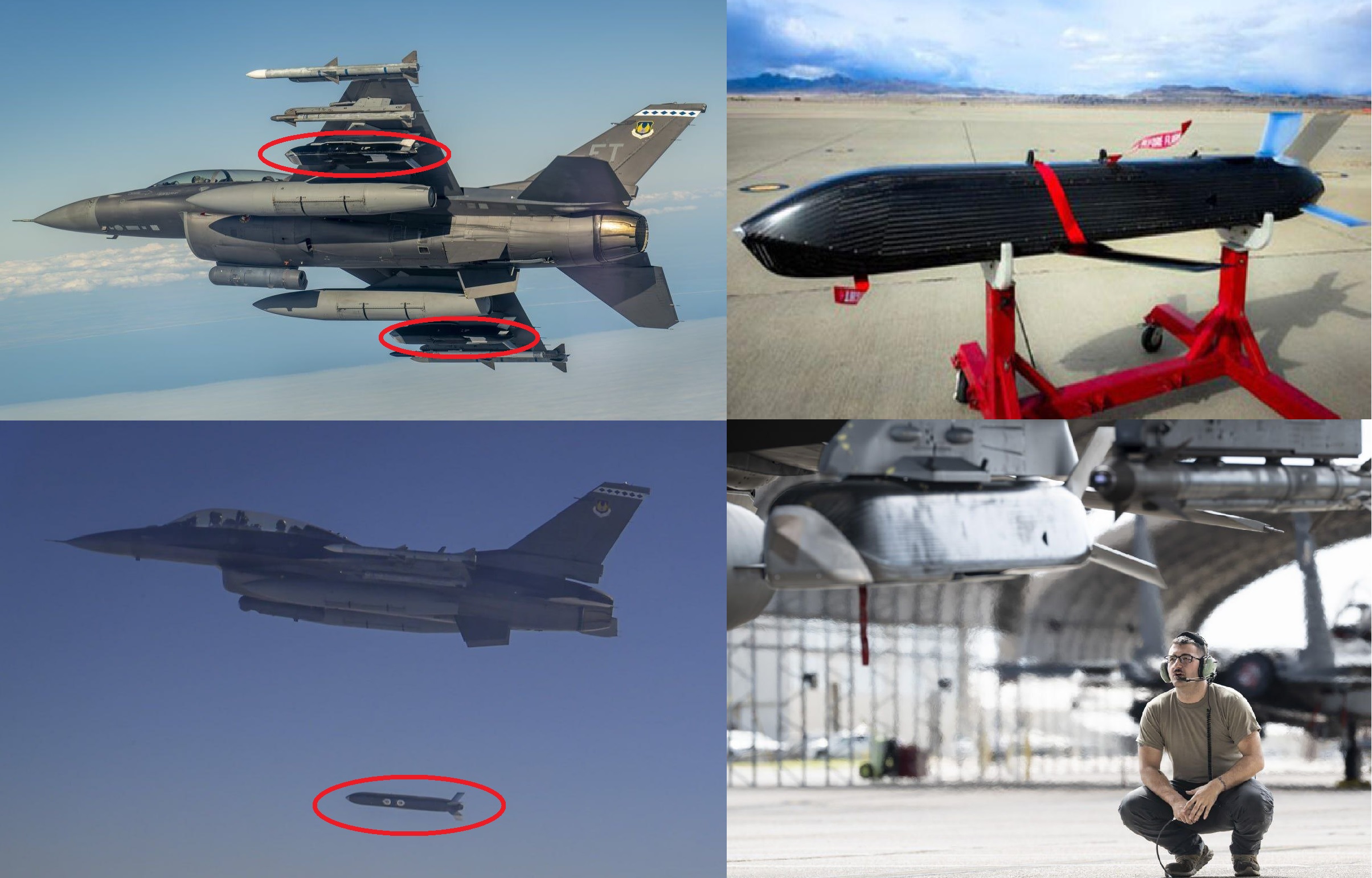
World
EGLIN AIR FORCE BASE, Florida — April 18, 2026 : The United States Air Force has completed a series of flight tests of the FAMM-L (AGM-188A “Rusty Dagger”) small cruise missile, including launches from an F-16D fighter aircraft over the Gulf of Mexico. The service also released new images from the testing campaign, providing additional insight into the integration of the missile on tactical aircraft. The tests were conducted as part of the Extended Range Attack Munition (ERAM) program, managed by the Air Force Life Cycle Management Center’s Armament Directorate. The effort is focused on fielding a lightweight, low-cost, and mass-producible precision-guided stand-off weapon for use across multiple platforms. Flight Test Campaign and Validation According to official information, the recent testing campaign included captive carry evaluations, fit and function checks, and airborne release trials conducted over the Eglin Test and Training Range in Florida. The missile was launched from an F-16D assigned to the 40th Flight Test Squadron. Engineers validated loading procedures and aircraft compatibility prior to live-release testing. The missile demonstrated controlled separation from the aircraft and completed its flight profile successfully. A live-warhead test conducted earlier on January 21, 2026, met all primary objectives, including full warhead detonation and data collection to support further system maturation. The U.S. Air Force has not disclosed specific parameters of the most recent F-16D launch, including altitude, speed, or exact timing. Program Background and Development Timeline The AGM-188A “Rusty Dagger” is being developed by Zone 5 Technologies under the ERAM program, which began in August 2024. Contracts for the program were awarded in October 2024, with a total program budget of approximately $225 million. The missile received its official designation, AGM-188A, in 2025. ERAM includes a competing design developed by CoAspire, known as the Rapidly Adaptable Affordable Cruise Missile (RAACM). The program has progressed from contract award to live-fire demonstration in under 16 months, reflecting an accelerated development approach aimed at rapid fielding. Technical Characteristics The AGM-188A is designed as a compact, long-range cruise missile with performance approaching larger systems while maintaining a significantly reduced size and cost. The missile has a weight of approximately 230 kilograms and carries a 500-pound-class warhead. It is powered by a PBS Aerospace TJ80 turbojet engine, enabling high-subsonic flight. Its reported range exceeds 900 kilometers. The guidance system combines inertial navigation with GPS, and includes the capability to operate in electronic warfare environments. The system maintains an accuracy of approximately 10 meters circular error probable (CEP), even under degraded GPS conditions. The design also supports autonomous visual navigation options. The FAMM-L designation refers to the lightweight air-launched variant within the broader Family of Affordable Mass Missiles concept. Cost and Operational Concept The AGM-188A is intended to address cost-efficiency challenges in modern warfare. The estimated unit cost is approximately $250,000 in serial production, which is up to ten times lower than comparable long-range precision munitions such as the JASSM-ER. The lower cost and reduced size enable large-scale production and deployment. The system is designed for use in large salvos, allowing forces to saturate adversary air defense systems while maintaining precision strike capability. This approach allows operators to reserve higher-cost strategic munitions for more demanding targets while using the AGM-188A for a broader set of missions. Integration and Platform Compatibility The Rusty Dagger is designed as an open-architecture weapon with modular features, allowing integration across multiple aircraft types. In addition to the F-16, the system is being developed for compatibility with other Western and legacy platforms. Ongoing integration efforts include compatibility with aircraft such as the MiG-29, supporting broader operational flexibility. International Deliveries and Ukraine Allocation The ERAM program includes provisions for international delivery through foreign military sales channels. Ukraine has been cleared to procure up to 3,350 ERAM units, including spares and associated support equipment, with an estimated total value of $825 million. Initial deliveries of the first batch of 840 missiles are planned for October 2026. The system is intended to enhance long-range strike capabilities while maintaining cost efficiency and scalability. Strategic Role The AGM-188A extends the strike range of tactical aircraft, enabling engagement of distant and defended targets while allowing launch platforms to remain outside of enemy air defense coverage. The system’s combination of range, cost, and production scalability aligns with current operational requirements for distributed and sustained strike capabilities.
Read More → Posted on 2026-04-18 15:43:10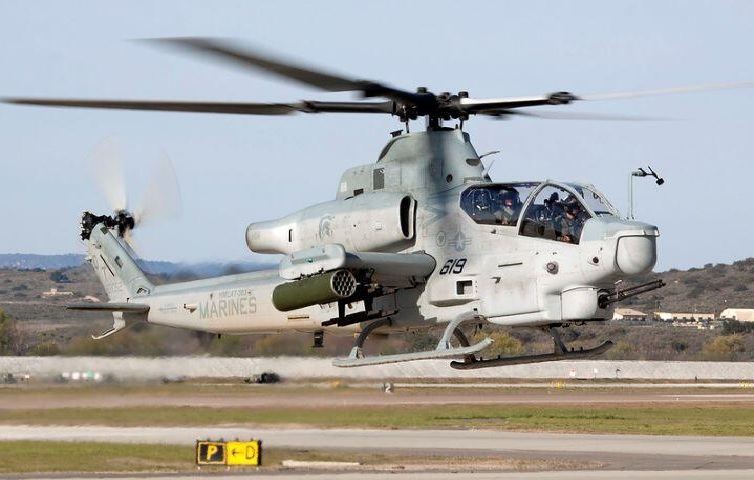
World
WASHINGTON, D.C., — April 18, 2026 : Bell Textron Inc., a subsidiary of Textron Inc. (NYSE: TXT), has announced the establishment of a new subsidiary in Ukraine as part of its long-term strategy to expand industrial cooperation in the country and support future rotorcraft programs. The newly formed entity, Bell Textron Ukraine, will serve as the company’s central operational hub for activities within Ukraine. According to the company, a permanent office location has not yet been finalized, and further details regarding timelines for physical establishment remain undisclosed. Industrial Structure and Scope of Activities The creation of Bell Textron Ukraine represents an initial step toward the localization of helicopter-related operations in the country. The subsidiary will oversee and support a range of activities, including the assembly, maintenance, and repair of Bell rotorcraft, as well as coordination of ongoing and future projects. The company stated that the structure is designed to facilitate long-term cooperation with Ukraine’s defense-industrial base while enabling incremental development of local capabilities. The initiative is aligned with broader efforts to expand industrial participation and technical collaboration within Ukraine. Official Statements Jeffrey Schloesser, Senior Vice President of Strategic Pursuits at Bell, described the move as a foundational step in building practical cooperation with Ukraine. “This is a meaningful step toward building a practical, mutually beneficial cooperation with the Ukraine defense and industrial base,” Schloesser said. He added that Bell intends to establish a sustained presence in the country to promote collaboration and long-term growth. Platform Focus and Operational Considerations Bell identified two of its military helicopter platforms—the AH-1Z Viper and the UH-1Y Venom—as central to its proposed cooperation framework with Ukraine. According to the company, these platforms could contribute to strengthening Ukraine’s defense capabilities while forming the basis of a long-term industrial partnership. The AH-1Z and UH-1Y share approximately 85 percent common components, which enables simplified logistics, reduced maintenance complexity, and improved operational efficiency. This high level of commonality is expected to support sustainment and training requirements if adopted. Background Agreements and Policy Framework The announcement follows Letters of Intent signed in October 2025 between Bell Textron, the Ministry of Economy of Ukraine, and UkraineInvest. These agreements were intended to evaluate potential areas for industrial cooperation, including the prospective supply of AH-1Z and UH-1Y helicopters under the U.S. Foreign Military Sales (FMS) program. The discussions also included the possibility of establishing a Final Assembly and Check-Out (FACO) capability in Ukraine to support localized production and sustainment. Operational Outlook Bell Textron Ukraine will function as the primary entity responsible for advancing these initiatives within the country. While the company has outlined its intent to develop local industrial capabilities, it has not released specific timelines regarding the establishment of facilities or the commencement of production activities. The formation of the subsidiary formalizes Bell’s entry into Ukraine’s defense-industrial landscape and provides an organizational framework for future cooperation, subject to further agreements and program developments.
Read More → Posted on 2026-04-18 15:29:52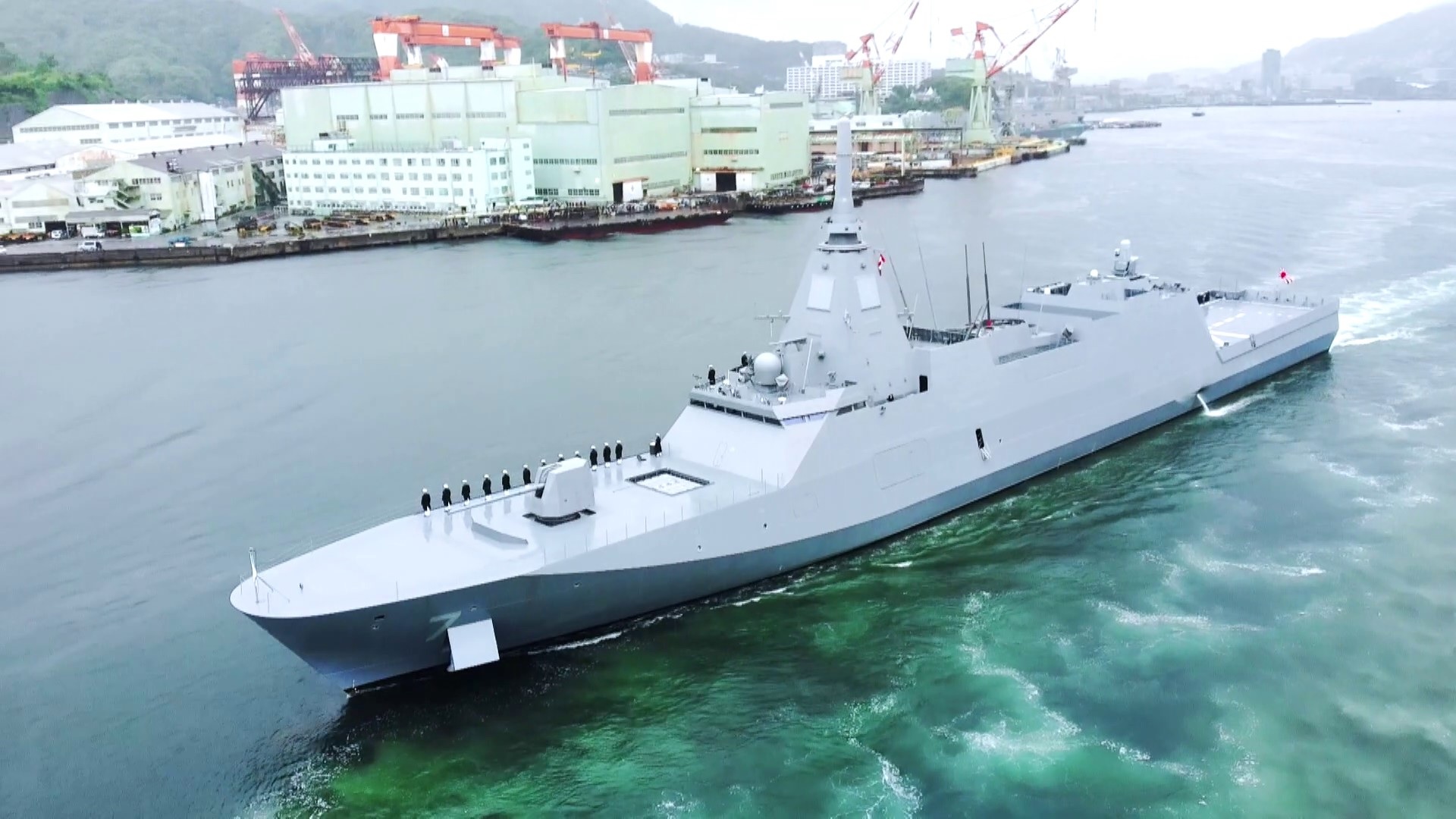
World
MELBOURNE, — April 18, 2026 : The Australian Government has formally signed contracts with the Government of Japan and Mitsubishi Heavy Industries for the procurement of three upgraded Mogami general purpose frigates, marking the first phase of the SEA 3000 naval acquisition program. The first vessel is scheduled for delivery to the Royal Australian Navy in 2029. The agreement represents a significant milestone in Australia’s long-term naval modernization effort, with the SEA 3000 program structured to deliver up to 11 general purpose frigates. Under the 2026 Integrated Investment Program, the government has allocated up to 20 billion Australian dollars for the program across the period from financial year 2026 to 2035. Program Structure and Shipbuilding Plan The initial three frigates will be constructed by Mitsubishi Heavy Industries at its shipyard in Nagasaki Prefecture, Japan. Subsequent vessels are planned for domestic construction in Australia at the Henderson Defence Precinct in Western Australia, subject to the precinct’s consolidation and infrastructure readiness. Eight of the total 11 ships are expected to be built in Australia by Austal, designated as the national shipbuilder. The transition from offshore to onshore construction is intended to support a continuous naval shipbuilding strategy while expanding Australia’s industrial base. The program is projected to support approximately 10,000 high-skilled jobs in Western Australia over the next two decades, driven by sustained investment in shipbuilding and defence capability development at Henderson. Platform Design and Capabilities The ships will be based on the upgraded Japanese Mogami-class design, known as the New FFM or 06FFM variant. This configuration incorporates improvements over the baseline Mogami class, including enhanced multi-function radar systems and expanded air defence capabilities. Each frigate will have a range of up to 10,000 nautical miles and will be equipped with a 32-cell Vertical Launch System. The vessels will be capable of deploying both surface-to-air missiles and anti-ship missiles. The Australian variant will integrate a combination of United States and European weapon systems, including the Evolved Sea Sparrow Missile Block 2 for medium-range air defence, Mk 54 lightweight torpedoes for anti-submarine warfare, and the Naval Strike Missile for anti-ship operations. Each ship will be crewed by 92 Royal Australian Navy personnel and will support operations of the MH-60R Seahawk maritime combat helicopter. Role Within the Fleet The upgraded Mogami-class frigates are intended to replace the Anzac-class frigates currently in service with the Royal Australian Navy. The new vessels will primarily perform undersea warfare and air defence roles, contributing to broader fleet capability. The acquisition aligns with recommendations from the 2024 independent analysis of the Navy’s surface combatant fleet, which called for an expansion and modernization of Australia’s naval forces. The Albanese Government has stated that the program supports its commitment to more than double the size of the Navy’s surface combatant fleet. Bilateral Agreement and Defence Cooperation The contract signing was formalized during a bilateral engagement involving Deputy Prime Minister and Minister for Defence Richard Marles and Japan’s Minister of Defence Koizumi Shinjirō. Both officials endorsed the “Mogami Memorandum”, which outlines commitments to the delivery of the frigates and expanded defence industry cooperation between the two countries. The agreement builds on existing operational collaboration. Royal Australian Navy personnel previously conducted training with the Japan Maritime Self-Defense Force aboard the Mogami-class frigate JS Kumano during its transit to Australia for Exercise Kakadu. Australia’s Department of Defence is working with Japanese industry partners and the Japan Maritime Self-Defense Force to establish initial sustainment and operational capabilities for the upgraded Mogami class within Australia, supported by domestic industry. Acquisition Context and Selection Process The selection of the upgraded Mogami design followed a competitive evaluation process that included alternative platforms such as the German MEKO A-200 frigate. The final decision was based on the platform’s ability to meet capability requirements while enabling accelerated delivery timelines. Japan plans to construct at least 12 New FFM frigates for its own fleet. The Australian program represents Japan’s largest defence export contract to date, marking a significant development in Japan’s defence industrial engagement with international partners. Government Statements Richard Marles stated that the acquisition reflects the government’s focus on strengthening national security capabilities and ensuring maritime protection. “Acquiring upgraded-Mogami class frigates demonstrates the Albanese Government’s focus on investing in the capabilities we need to keep Australians safe. Our surface fleet is more important than at any time in decades. These general purpose frigates will help secure our maritime trade routes and northern approaches as part of a larger and more lethal surface combatant fleet,” he said. Minister for Defence Industry Pat Conroy described the program as the fastest peacetime acquisition undertaken by the Royal Australian Navy and highlighted its industrial and workforce impact. “This is the fastest acquisition for the Royal Australian Navy in peacetime. We are working closely with Japanese and Australian industry partners as we acquire one of the most, if not the most, advanced general-purpose frigate in the world. We are delivering these commitments at pace, supporting and creating jobs for Australians, and deepening Australia’s industrial base. The first three frigates will be built offshore in Japan. We will then transition to an onshore build in line with the Government’s commitment to continuous naval shipbuilding and a future made in Australia,” he said. Industrial and Strategic Significance The SEA 3000 program reflects a broader strategic effort to enhance Australia’s maritime capabilities while strengthening defence industrial cooperation with Japan. It also establishes a framework for long-term collaboration in shipbuilding, sustainment, and operational integration. The program’s execution over the next decade is expected to play a central role in reshaping Australia’s surface fleet and supporting regional maritime security objectives.
Read More → Posted on 2026-04-18 15:12:48
World
MOSCOW — April 18, 2026 : Russia has conducted field trials of the NRTK Kurier ground robotic complex, demonstrating the tracked unmanned platform’s ability to tow a 122 mm D-30 howitzer weighing more than three tons. The tests were carried out in the area of responsibility of the Dnepr group of forces, according to information released in mid-April 2026. Video footage published by the NRTK Telegram channel shows the remotely controlled Kurier platform towing the artillery system in its marching (transport) configuration across open terrain. The platform maintained mobility while moving the towed load over field conditions. Towing Capability Demonstrated in Field Conditions The towing of the D-30 howitzer represents a significant operational test for the compact robotic system. The 122 mm D-30 is a widely used towed artillery system with a combat weight exceeding three tons, typically requiring a crew-operated vehicle for displacement. During the trials, operators reported that the Kurier platform successfully traversed fields, sandy terrain, and small elevations while towing the artillery system. The test expands the known capabilities of the platform beyond its previously demonstrated logistics role. Platform Specifications and Performance The Kurier is a multi-purpose tracked unmanned ground vehicle (UGV) developed since 2022 by engineers from Buryatia, specifically the Sadaev Group, with support from the People’s Front organization under the Kulibin Club initiative. The platform has a base weight of approximately 250 kilograms and is capable of reaching speeds of up to 35 kilometers per hour. Its standard payload capacity is 200 kilograms. When equipped with a trailer, it can tow an additional 200 kilograms, with earlier tests indicating the ability to transport up to 400 kilograms in total using a trailer configuration. Military sources involved in testing stated that the platform demonstrates stable mobility across varied terrain types, including fields, sand, and uneven ground. Development Background and Support Framework The Kurier program forms part of a broader effort to introduce unmanned ground systems into operational use. Development began in 2022 under the Sadaev Group in Buryatia, with institutional support provided through the People’s Front initiative. The Kulibin Club framework has been used to identify, test, and scale technical solutions for deployment in military units. Modular Design and Operational Roles The Kurier platform is designed with a modular architecture, allowing it to be configured for multiple roles depending on mission requirements. Its primary logistical and support functions include: Delivery of ammunition to forward positions Evacuation of wounded personnel from high-risk areas Engineering reconnaissance and terrain assessment Demining and mine-laying operations In addition to support roles, the platform can be adapted for combat configurations. Tested variants have included mounting of: Heavy and light machine guns Automatic grenade launchers Mortar systems Multiple launch rocket systems (MLRS), including adapted 107 mm rocket pods and thermobaric launchers Operational Benefits in Conflict Environments The integration of unmanned ground platforms such as Kurier provides operational advantages in combat and conflict zones, particularly in high-risk areas. By enabling remote execution of tasks such as artillery displacement, ammunition resupply, and casualty evacuation, the system reduces direct exposure of personnel to enemy fire, surveillance, and artillery strikes. This contributes to force preservation while maintaining logistical continuity. The towing capability demonstrated during the mid-April 2026 trials indicates potential use in repositioning artillery systems closer to or away from frontline positions without requiring crewed vehicles. This can support more flexible deployment patterns and reduce vulnerability during movement phases.
Read More → Posted on 2026-04-18 14:48:11
World
Tehran, — April 18, 2026 : Iran’s Supreme National Security Council (SNSC) has confirmed that the first round of negotiations with the United States concluded without agreement after U.S. negotiators, who had initially accepted Tehran’s proposed 10-point plan as a framework, introduced what Iran described as excessive demands during the discussions. The talks were held in Islamabad over April 12–13, 2026, as part of a Pakistan-mediated diplomatic effort following a temporary ceasefire announced on April 8, 2026. The ceasefire is scheduled to remain in effect until April 22, 2026, unless extended through further agreement. Negotiation Status and Mediation Channel According to the SNSC, a second round of negotiations remains contingent on the United States aligning its demands with what Iran termed “battlefield realities.” No date has been set for further talks. New U.S. proposals have been submitted to Tehran through Pakistan’s Army Chief, Field Marshal Asim Munir, who has been engaged in mediation alongside Prime Minister Shehbaz Sharif. Munir met Iranian officials in Tehran on April 17, 2026. Iranian authorities confirmed the proposals are under review and that no formal response has been issued. Iran has also informed Pakistan’s army chief that it will not give up its missile programme, indicating that the issue remains outside the scope of concessions under consideration. The 10-point plan referenced by the SNSC served as the basis for the initial discussions. Elements associated with the framework include lifting U.S. sanctions, recognition of Iran’s uranium enrichment programme, withdrawal of U.S. military forces from the region, cessation of hostilities across all fronts, and regulated maritime access through the Strait of Hormuz. U.S. Position U.S. President Donald Trump stated that Washington is engaged in “very good conversations” with Iran and that the process is “working out very well.” He said Iran had “got a little cute” and attempted to close the Strait again, adding that “they can’t blackmail us.” Trump also stated that Iran “has no navy and no air force,” and noted that many ships are now heading toward ports in Texas and Louisiana. Ceasefire Scope and Lebanon Condition Iran has maintained that the temporary ceasefire must apply across all active fronts, including Lebanon. Following reported Israeli violations of initial ceasefire terms, Tehran pressed for the inclusion of a Lebanon-specific ceasefire. Israel subsequently accepted the arrangement, resulting in a 10-day truce in Lebanon that aligned with Iran’s condition for broader de-escalation. Strait of Hormuz Access Conditions Under the ceasefire-related arrangement, Iran has conditionally opened the Strait of Hormuz for commercial maritime traffic with defined restrictions: Passage is restricted to commercial vessels only; military or hostile ships are not permitted. Transit remains under Iranian control and supervision. Vessels must obtain permits from Iranian authorities. Ships are required to follow designated maritime routes. The arrangement applies only for the duration of the ceasefire. Warning on Maritime Disruption The SNSC stated that any U.S. naval blockade or disruption of maritime traffic under the current arrangement would be treated as a ceasefire violation. Iran indicated that in such a case it would suspend the conditional access framework and prevent all vessel passage through the Strait of Hormuz, including commercial shipping. Outlook No further details have been released regarding the content of the revised U.S. proposals or the timing of a potential second round of negotiations. Pakistan continues mediation efforts as both sides assess their positions within the remaining ceasefire period ending April 22, 2026.
Read More → Posted on 2026-04-18 14:36:59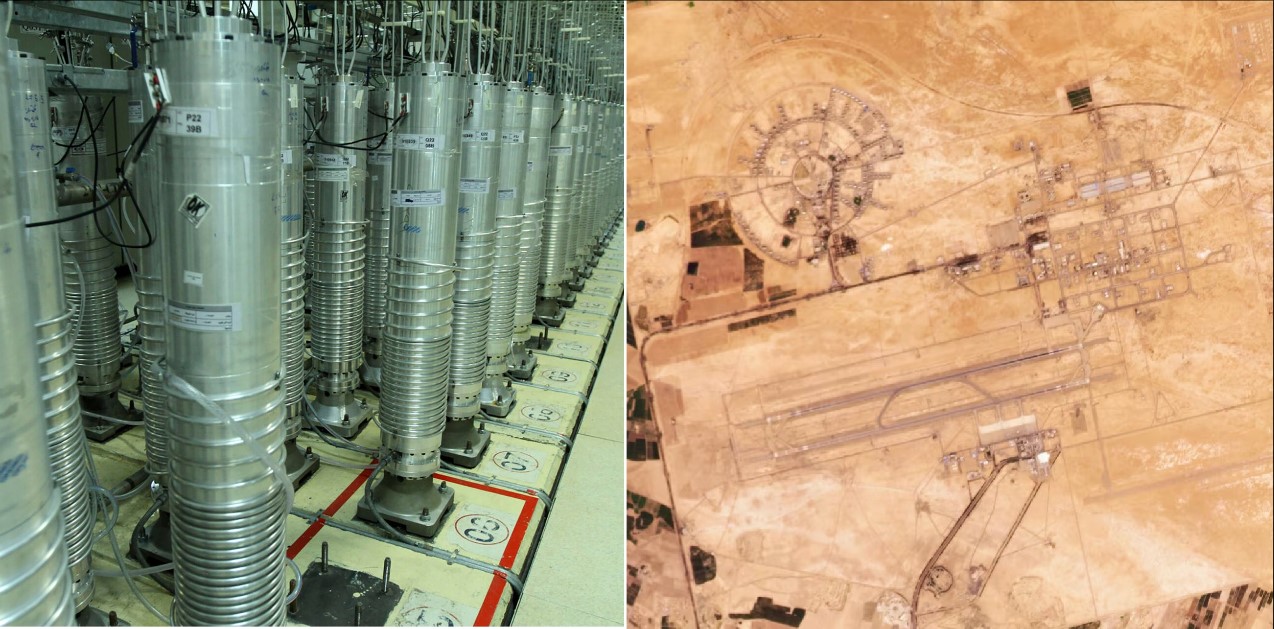
World
WASHINGTON / TEHRAN, — April 18, 2026 : The United States is engaged in reported negotiations with the Islamic Republic of Iran over logistical arrangements for the removal of a stockpile of uranium enriched to 60 percent located at the Isfahan nuclear complex. The discussions include provisions that would allow Iranian representatives to be present during the removal process, according to information attributed to U.S. government sources and reported on April 17, 2026. The proposed arrangement outlines a framework under which Iranian personnel would observe the handling and transfer of the material, while operational responsibility for the removal would involve U.S. personnel and international inspectors. No official confirmation has been issued by the U.S. government regarding the specifics of the plan. Equipment and Engineering Considerations As part of the ongoing discussions, U.S. officials are negotiating the use of Iranian engineering equipment for excavation and access operations at the Isfahan site. This approach would replace earlier plans to deploy U.S. military engineering assets to the location. The adjustment reflects logistical considerations associated with transporting heavy machinery over long distances into central Iran. The Isfahan nuclear complex includes underground tunnel facilities, some of which sustained structural damage during military strikes in 2025, requiring excavation to reach stored nuclear material. The uranium stockpile is estimated at approximately 400 kilograms enriched to 60 percent. According to prior assessments by the International Atomic Energy Agency (IAEA), a portion of this material had been transferred to Isfahan before the strikes on Iranian nuclear facilities in 2025. Some of the stockpile is believed to be located within underground sections of the complex. Airfield Access and Transport Planning Negotiations also address revisions to air transport arrangements supporting the operation. Earlier planning identified the Shahreza agricultural runway as a potential landing site for U.S. military aircraft. The runway, a dirt strip approximately 1,200 meters in length located south of Isfahan near coordinates 32°13'17.37"N 51°54'3.99"E, was used in a U.S. military operation in early April 2026 involving MC-130J and HC-130J aircraft. Current discussions indicate that the Iranian Air Force may instead provide access to its 8th Tactical Fighter Base in the Isfahan area. The installation would serve as the primary entry point for U.S. aircraft transporting personnel, technical teams, and inspectors associated with the removal effort. The base has previously been referenced in operational planning related to activities in the region. Background and Operational Context The reported negotiations follow military operations conducted against Iranian nuclear facilities in 2025, including strikes that affected infrastructure at the Isfahan site. Subsequent U.S. military activity in April 2026, initially described by the Pentagon as a search and rescue mission involving a downed F-15E airman, occurred in proximity to locations associated with nuclear material storage. Analysts have noted that the removal of uranium from the site would require specialized procedures. Prior to the 2025 strikes, the material was reportedly stored in gaseous form as uranium hexafluoride (UF6), which requires controlled handling, protective equipment, and technical infrastructure for safe transfer. Damage to underground facilities has added complexity to potential recovery operations. Iranian Response and Official Positions Iranian officials have publicly denied all aspects of the reported arrangements. Foreign Ministry spokesperson Esmaeil Baqaei has stated that Iran’s enriched uranium stockpile remains under national control and will not be transferred outside the country under any circumstances. Tehran has rejected reports of negotiations involving U.S. extraction operations, the use of Iranian equipment for such purposes, or access to military installations for foreign aircraft linked to the effort. Ongoing Developments The discussions are part of broader U.S.–Iran engagement following the 2025 military actions targeting Iran’s nuclear infrastructure. U.S. officials have referenced plans involving ground access, excavation, and removal of highly enriched uranium from the Isfahan complex, though detailed operational decisions remain under discussion. As of April 18, 2026, the reported arrangements remain unconfirmed by official U.S. statements, while Iran continues to publicly deny that any such agreement exists.
Read More → Posted on 2026-04-18 14:14:49Search
Top Trending in 24 Hours
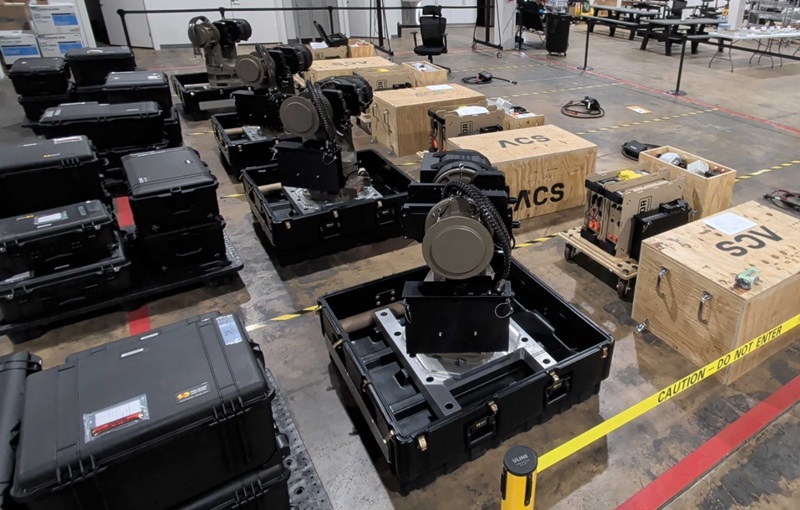


Top Trending in 4 Days
-
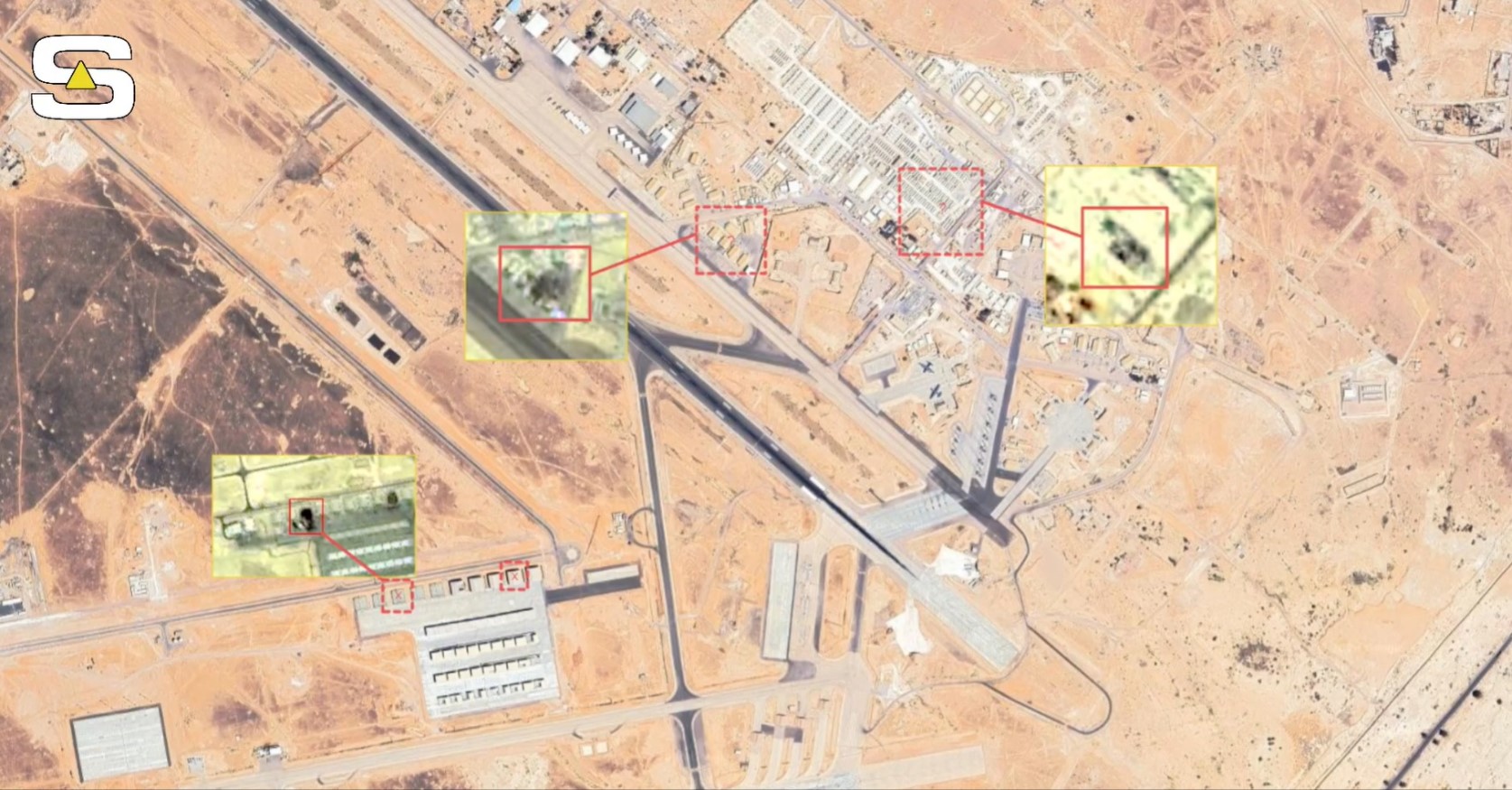 New Satellite Imagery Reveals Extensive Damage at Jordan's Muwaffaq al-Salti Air Base After Iranian Missile Strike
-
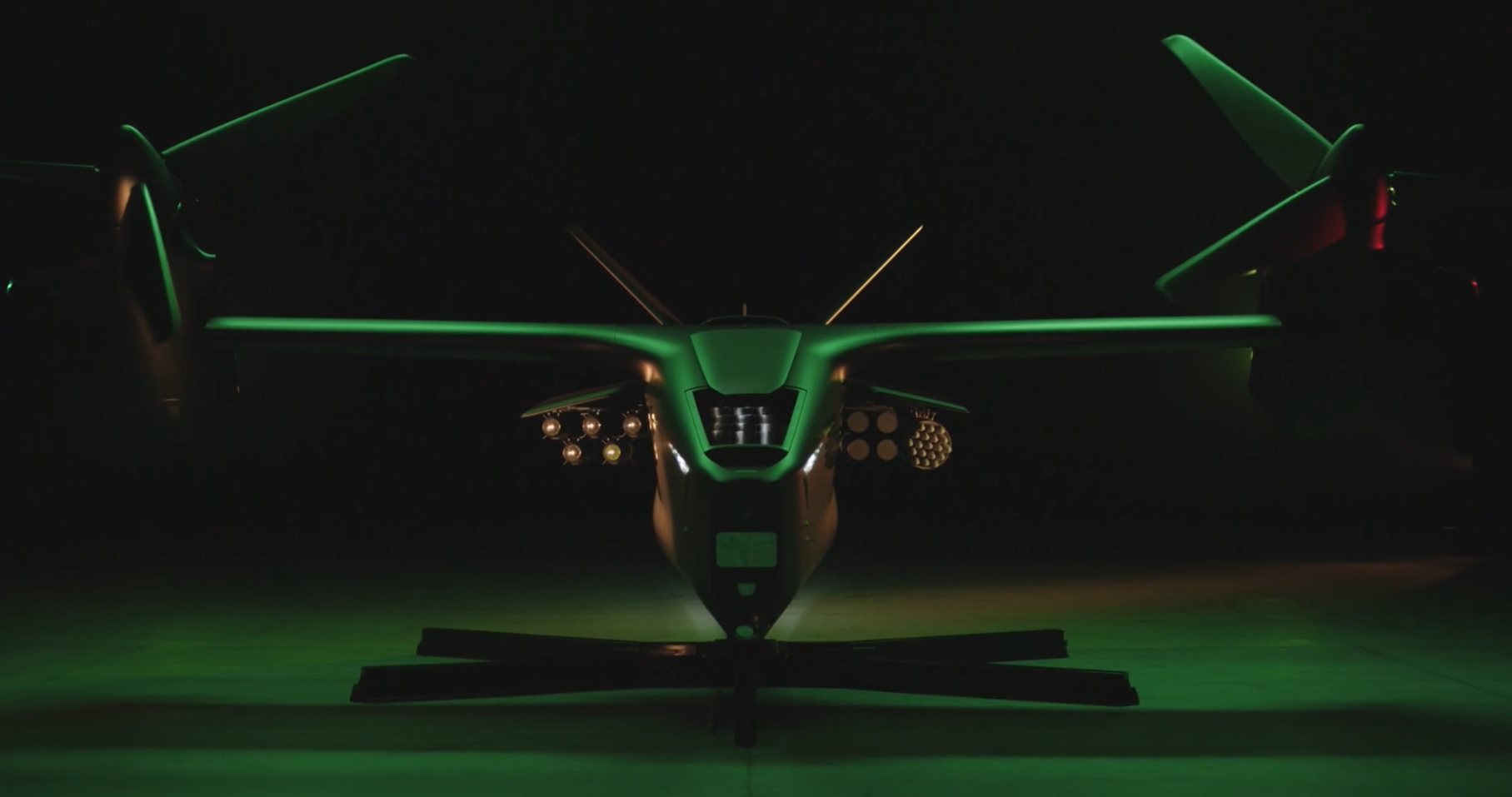 Anduril Unveils Thunder Autonomous Attack Rotorcraft Built with Archer Aviation to Support Apache Helicopters
-
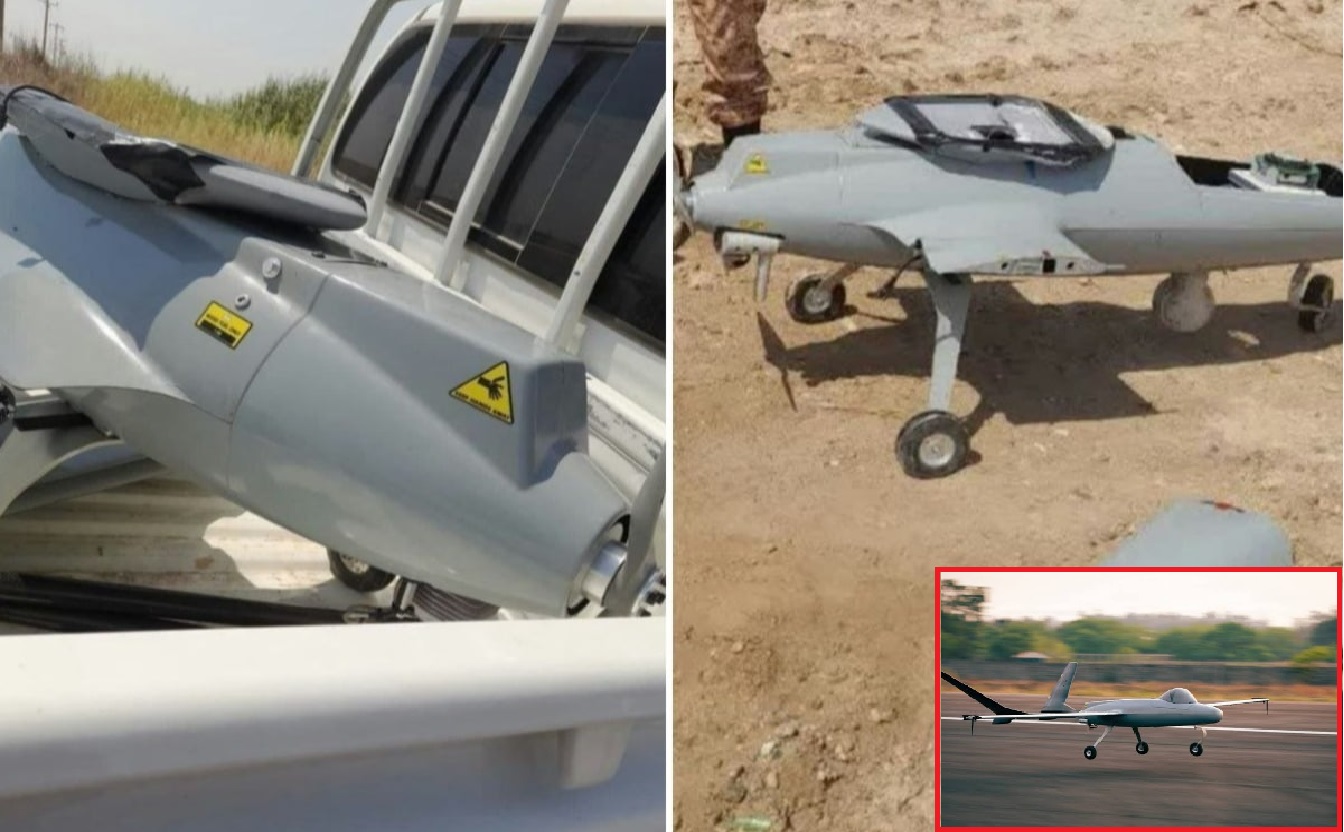 Iran Claims It Shot Down U.S.-Operated Polish-Built Tiguar-M Drone, Releases Images
-
 U.S. Space Force Awards Slingshot Aerospace $69.2 Million Contract to Develop AI Space Training Platform
-
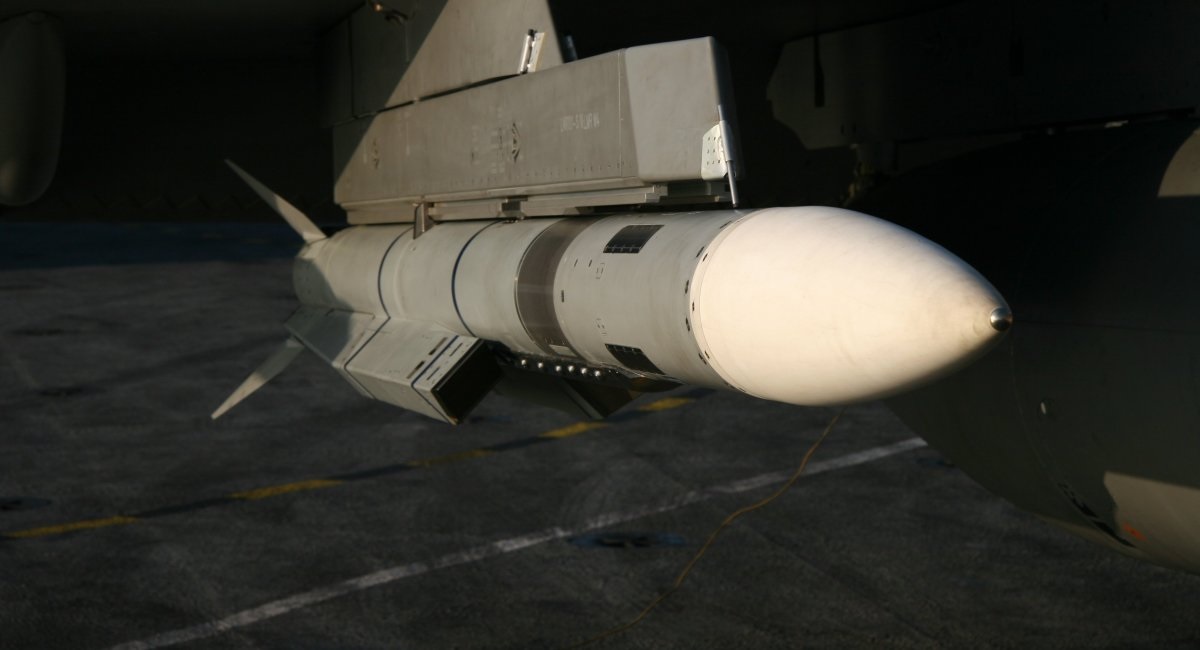 UK Cancels Meteor Missile Mid-Life Upgrade, Prioritizes Next-Generation FASE Air-to-Air Missile Programme
-
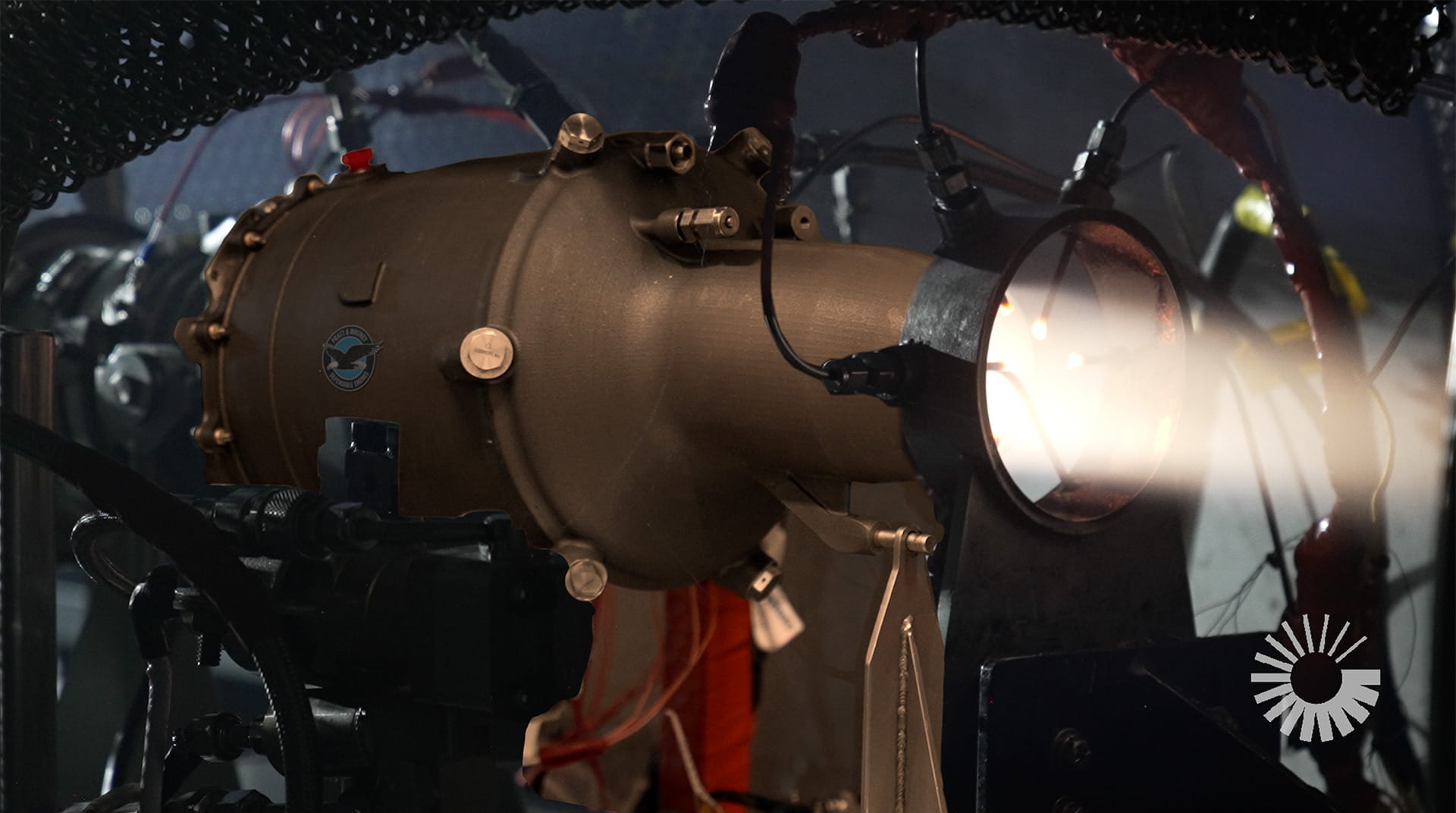 Pratt & Whitney Completes Testing of 3D-Printed TJ150 Engine for Military Applications
-
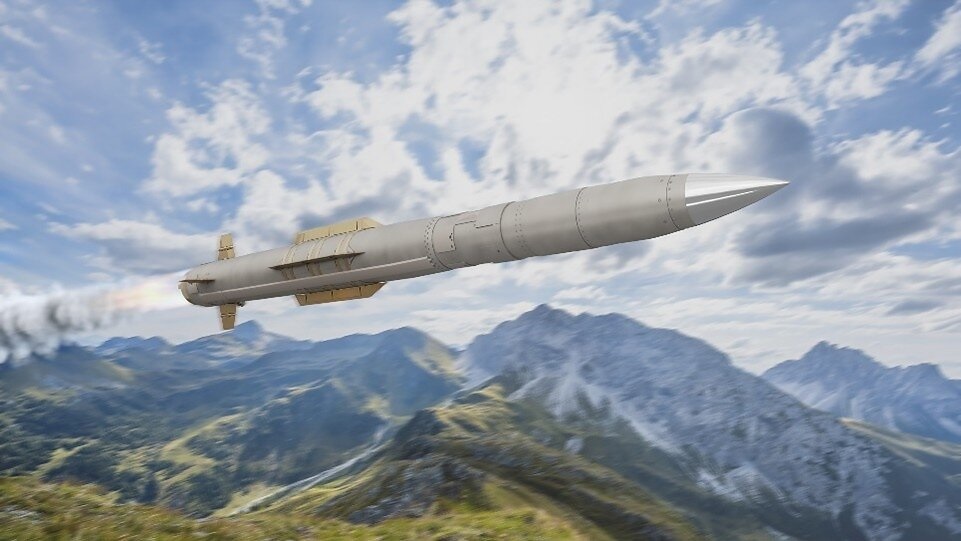 Lockheed Martin Unveils Lower-Cost PAC-3 ACE Interceptor for Patriot Air Defense System
-
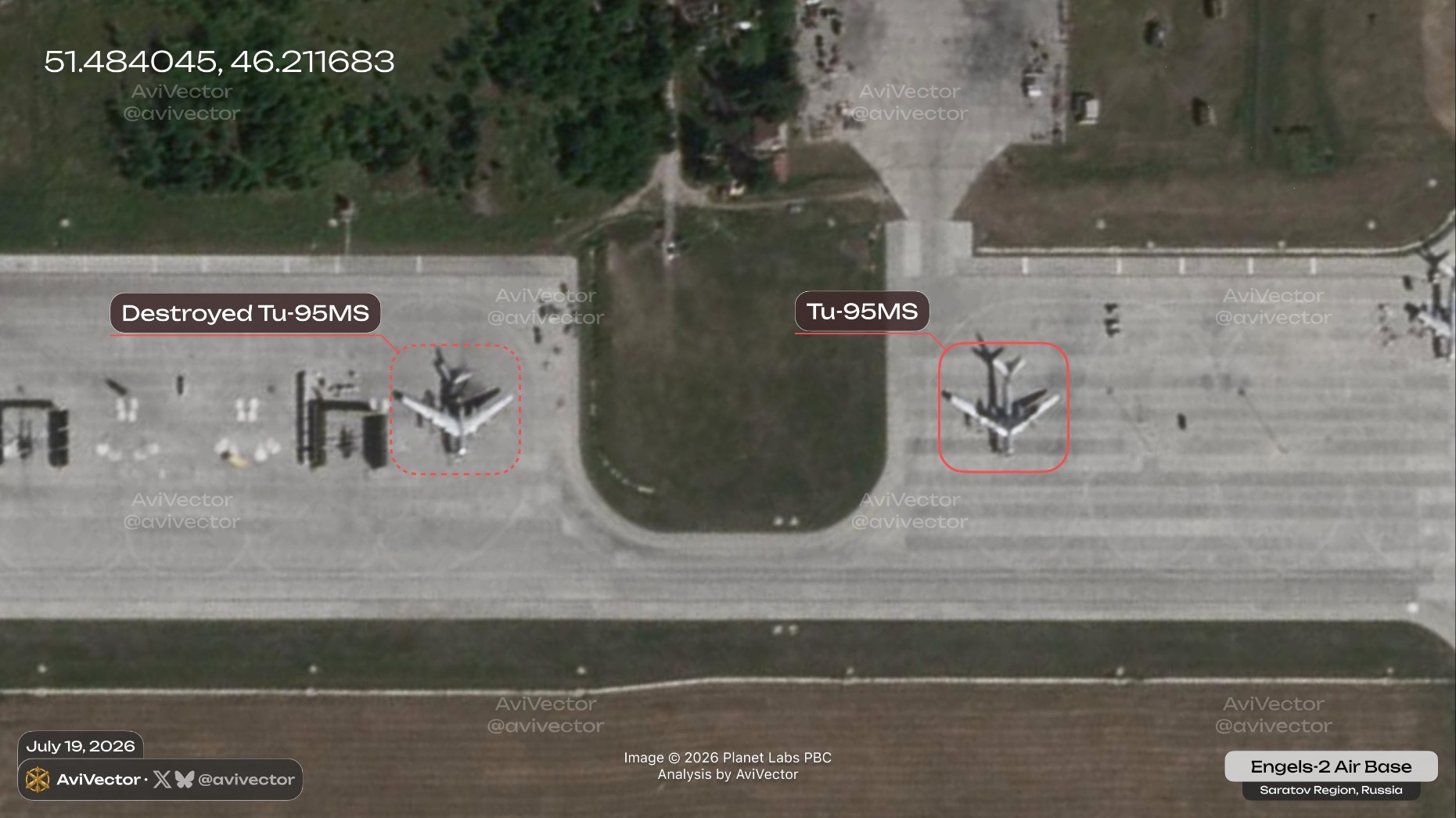 Satellite Images Confirm Russian Tu-95MS Bomber Destroyed After Ukrainian Drone Strike on Engels-2 Air Base
