World
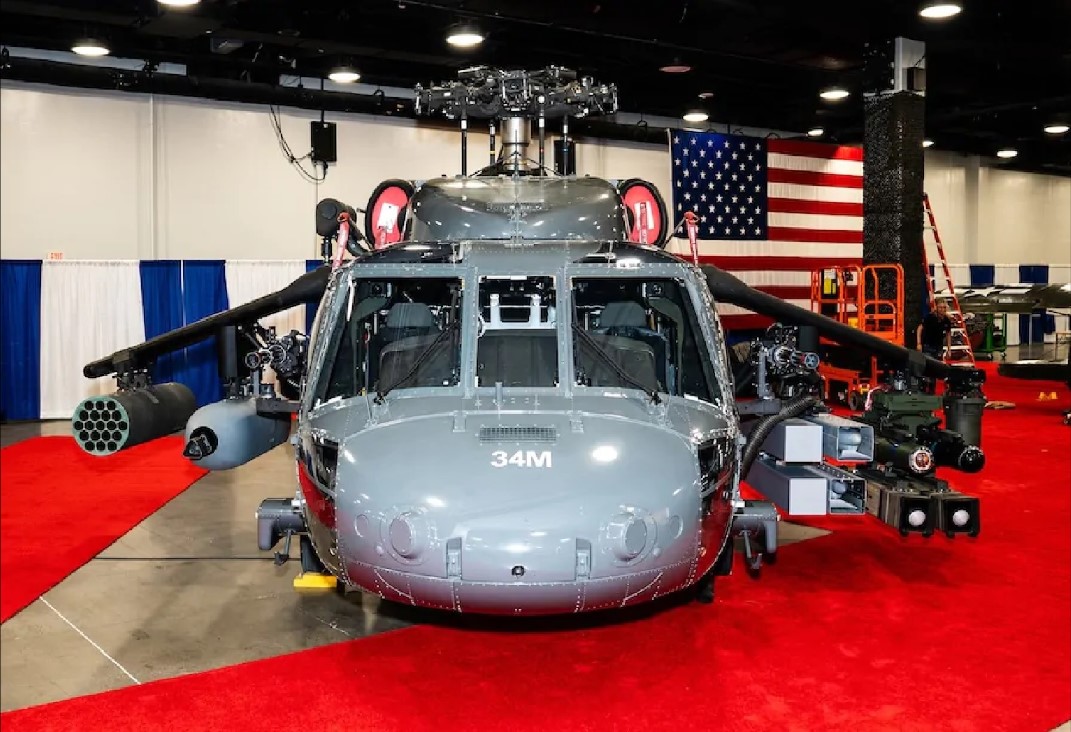
NASHVILLE, Tenn./STRATFORD, Conn., — April 15, 2026 : Sikorsky Aircraft, a subsidiary of Lockheed Martin, has introduced a new set of Armed Black Hawk helicopter kits designed to expand the operational capabilities of the widely used UH-60 Black Hawk platform. The announcement was made on Wednesday, April 15, 2026, during the Army Aviation Warfighting Summit in Nashville, Tennessee. The newly developed, commercially produced kits enable a single Black Hawk airframe to perform multiple mission roles, including airmobile assault, close support, medical evacuation (MEDEVAC), intelligence, surveillance and reconnaissance (ISR), and tactical lift. The development reflects an effort to extend the operational scope of the platform while maintaining a common airframe across missions. Modular Design Enables Rapid Role Transition The Armed Black Hawk kits are built around a modular design that allows operators to rapidly reconfigure aircraft for different mission requirements. According to Sikorsky, ground crews can switch configurations in approximately three hours using commercially produced components. Operators are offered two primary production-ready configurations: close support and precision strike. These configurations allow aircraft to be equipped either for direct support of ground forces or for targeted strike missions, depending on operational requirements. Each aircraft can be fitted with two external weapons wings, with up to four weapons stations controlled by the pilots. The system supports multiple weapon configurations, including fixed 12.7 mm guns, 7- or 19-shot Hydra 70 rocket pods, and air-to-ground missiles. In addition, forward-firing 7.62 mm mini-guns can be mounted at cabin windows, which can also be used in a crew-served role when required. Consolidation of Roles and Cost Efficiency The introduction of these kits is intended to allow military operators to consolidate multiple mission roles into a single helicopter fleet. By reducing the need for separate specialized aircraft, Sikorsky stated that operators can lower both acquisition and sustainment costs. The platform retains its full utility capability, including the ability to carry up to 11 troops, transport external sling-load cargo up to 9,000 pounds, support medical evacuation with stretcher configurations, and integrate ISR sensor packages. Sikorsky emphasized that the solution benefits from an established global supply chain and offers lifecycle savings through long-term operational support. The Black Hawk platform is supported by U.S. government logistics systems with sustainment planning extending beyond 2070. Statements from Sikorsky Leadership Rich Benton, Vice President and General Manager at Sikorsky, said the system is designed to provide operational flexibility while maintaining readiness. “The new Armed Black Hawk kits give warfighters one aircraft that can do it all: a single, versatile, combat-proven platform where ground units can quickly switch out the commercially-produced kits, keeping mission readiness high,” Benton said on April 15, 2026. “Offering these upgraded kits is another example of our commitment to delivering 21st Century Security solutions that deliver unmatched performance, lifecycle savings and gives soldiers the reliable, interoperable capability they need to win today and tomorrow.” Global Availability and Industrial Support The Armed Black Hawk kits are available through both Foreign Military Sales (FMS) and Direct Commercial Sales (DCS) channels. Installation can be carried out in the United States or internationally by PZL Mielec, a Lockheed Martin company based in Poland. European-built S-70 airframes and associated close-support kits are also integrated at PZL Mielec. The system maintains full parts, training, and logistics commonality with U.S. Army, Air Force, and Marine Corps Black Hawk fleets, supported by a unified Lockheed Martin sustainment team for NATO allies and partner nations. Operational Background and Qualification The development of the Armed Black Hawk kits builds on Sikorsky’s prior experience supporting armed Black Hawk fleets in the Middle East. The company has qualified a range of weapons for the platform, including small- and large-caliber machine guns, rockets, and air-to-surface missiles. Sikorsky confirmed that the weapon system has been qualified to U.S. military airworthiness standards following extensive live-fire flight testing. The configuration is currently operational with the United Arab Emirates. Ongoing Modernization and Performance Enhancements The Armed Black Hawk kits align with ongoing modernization efforts for the platform. These include upgrades such as improved engines, advanced digital architecture, and autonomy systems intended to enhance safety and operational performance. The helicopter is equipped with combat-proven GE T701D engines, providing improved one-engine-out performance. It also features composite wide-chord main rotor blades designed to improve performance in high-temperature and high-altitude environments. Sikorsky stated that the kits are designed to support interoperability across allied forces while meeting future operational requirements. The system integrates advanced technology with scalable mission configurations, reinforcing the long-term viability of the Black Hawk platform across global operators.
Read More → Posted on 2026-04-15 13:27:56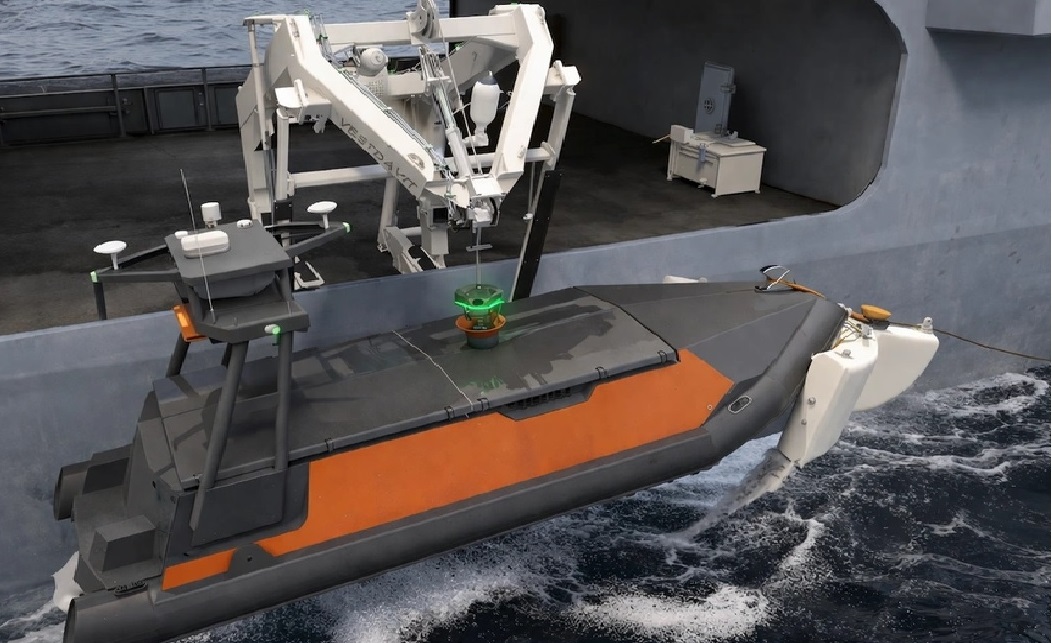
Fairbanks Morse Defense Unveils AutoHook, Autonomous USV Recovery System with Sea State 4 Capability
World
BELOIT, Wisconsin — April 15, 2026 : Fairbanks Morse Defense (FMD) has formally introduced AutoHook™, a fully autonomous vessel recovery interface developed by its Norway-based subsidiary Vestdavit. The system is designed to support Unmanned Surface Vehicles (USVs) and other maritime assets and establishes a new benchmark in autonomous Launch and Recovery Systems (LARS) by enabling operations without human intervention at the critical connection point. System Overview and Design AutoHook is engineered as a compact, lightweight clamp-on-davit wire unit that can be mounted directly onto existing davit systems without requiring modifications to winches or structural components. The unit integrates multiple subsystems—including thrusters, onboard control systems, an artificial intelligence-based vision system, and its own power supply—within a single minimal-footprint configuration. The system eliminates the need for an additional cradle during loading and unloading operations, reducing both equipment requirements and handling complexity. It is designed for interoperability across allied maritime fleets and aligns with NATO operational standards, allowing integration into a wide range of naval platforms without significant capital investment. Operational Capabilities and Sea State Performance A central feature of AutoHook is its ability to operate in higher sea conditions than existing systems. Traditional autonomous recovery solutions have generally been limited to Sea State 2 conditions. AutoHook has achieved operational acceptance at Sea State 4, extending the operational envelope for unmanned maritime recovery. The system is designed with safety as a primary consideration. By removing the requirement for personnel to manually attach lifting hooks in high-energy marine environments, AutoHook reduces the risk of injuries during launch and recovery operations. Autonomous Recovery Process AutoHook operates through a four-phase automated sequence: Targeting: The system uses an AI-driven vision system to identify and track the lifting point of an approaching vessel in real time, independent of operator control units. Aligning: Integrated thrusters and automated guidance systems adjust the unit’s position to achieve precise alignment with the target. Connecting: The system performs a controlled, automated lock into the lifting receptacle and transmits confirmation to the vessel’s davit control interface. Hoisting: After verification of a secure connection, the operator initiates hoisting, enabling recovery without direct crew involvement at the connection point. This process improves operational speed and consistency while minimizing exposure of personnel to hazardous conditions. Industry Context and Company Perspective The introduction of AutoHook reflects broader developments in distributed maritime operations and the increasing deployment of unmanned naval systems. Rolf Andreas Wigand, Chief Executive Officer of Vestdavit, stated that the system addresses longstanding operational constraints associated with launch and recovery in challenging sea conditions. He noted that AutoHook enables reliable, fully automated ship-to-craft connections in environments that have historically required manual intervention, particularly beyond Sea State 2 limitations. According to Wigand, the system is intended to support fleet modernization and provide scalable capabilities for the United States and allied maritime forces operating in diverse and demanding conditions. Integration and Fleet Compatibility AutoHook is designed for universal compatibility with standard davit systems across naval fleets. Its clamp-on configuration enables straightforward retrofitting on existing vessels, avoiding the need for extensive redesign or costly infrastructure upgrades. The system supports evolving mission requirements associated with unmanned maritime platforms and is suitable for deployment across a range of naval and coast guard operations. Corporate Background Fairbanks Morse Defense, a portfolio company of Arcline Investment Management, expanded its maritime handling capabilities through the acquisition of Vestdavit in September 2025. The acquisition positioned Vestdavit as a center of excellence for davit and launch-and-recovery technologies within FMD’s broader portfolio, which includes naval power, propulsion, and mission-critical systems supplied to the U.S. Navy, U.S. Coast Guard, and allied forces. Upcoming Demonstrations FMD and Vestdavit are scheduled to conduct live demonstrations of the AutoHook system at the Sea Air Space Expo 2026, taking place from April 19 to April 22, 2026, in National Harbor, Maryland. The system will be showcased at Booth #1337, where industry professionals and maritime operators will be able to observe its functionality and discuss integration options.
Read More → Posted on 2026-04-15 13:17:07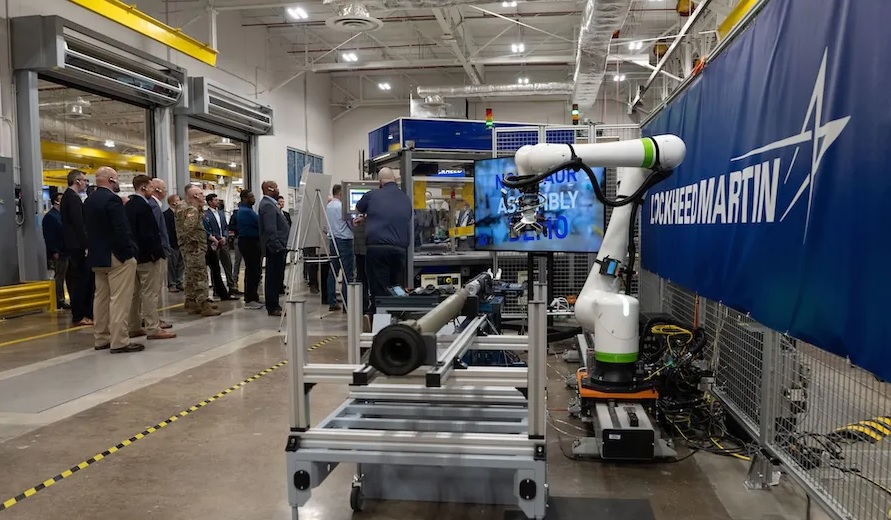
World
GRAND PRAIRIE, Texas — April 15, 2026 : Lockheed Martin has conducted a live, full-scale final assembly demonstration of its Next-Generation Short-Range Interceptor (NGSRI) for representatives of the United States Army at the company’s Advanced Manufacturing Technology (AMT) Center in Grand Prairie, Texas. The event, held in April 2026, showcased the complete assembly of a functional interceptor within a controlled production environment and was intended to validate the company’s end-to-end manufacturing readiness. Demonstration Validates Production Flow The demonstration involved the assembly of an operational interceptor using the same processes planned for full-scale production. Company officials stated that the activity was designed to confirm that the manufacturing workflow—from component integration to final assembly—can meet operational timelines required by the Army. The NGSRI is being developed under Lockheed Martin’s Missiles and Fire Control Advanced Programs portfolio as a replacement candidate for the FIM-92 Stinger missile, which has been in service since 1981. The U.S. Army initiated the replacement program to address emerging aerial threats and the limitations associated with legacy short-range air defense systems. Chris Murphy, business development lead for Lockheed Martin’s NGSRI program, stated that the successful assembly demonstration reflects confidence in the production system and its ability to deliver at scale within required timelines. Facility Built for Scalable Manufacturing The demonstration took place at the AMT Center, a facility established in October 2024 to support rapid adoption of advanced manufacturing technologies across Lockheed Martin’s missile production programs. The specific demonstration area within the center was set up over a three-month period and configured to support multiple programs simultaneously. Key features of the manufacturing setup include dual-robot work cells and modular tooling, enabling flexible production and allowing resources to be reassigned as program priorities evolve. The production line incorporates additive manufacturing (3D printing) to reduce the time required to build each interceptor. Standardized and interchangeable fixtures are used throughout the assembly process to reduce manual handling and minimize the risk of errors. According to the company, this approach allows any trained technician to operate across different stations, supporting consistency in output while improving production efficiency. Lockheed Martin indicated that the facility can scale production significantly, with the capacity to increase output to nearly three times the baseline level if required, without affecting quality or consistency. Program Development and Testing Timeline The assembly demonstration follows earlier milestones in the interceptor’s development. Lockheed Martin received an other transaction agreement for the NGSRI program in 2023. The system progressed from initial concept to flight testing within 26 months. The first flight test of the NGSRI was completed on January 13, 2026, at the White Sands Missile Range. The test marked a key step in validating the interceptor’s design and performance. The NGSRI features an open systems architecture and modular design, enabling adaptability to evolving mission requirements. It is intended to counter a range of aerial threats, including Group 2 and Group 3 unmanned aerial systems (UAS), as well as rotary-wing and fixed-wing aircraft. Competitive Program and Procurement Outlook Lockheed Martin is currently competing with RTX Corporation for the U.S. Army’s NGSRI procurement contract. The Army plans to select a single design, with low-rate initial production targeted for 2028. The company stated that the April 2026 manufacturing demonstration is aimed at reinforcing its position in the competition by demonstrating both technical maturity and production scalability. Lockheed Martin officials emphasized that the AMT Center’s infrastructure and supply chain integration are aligned with Army requirements for reliable delivery and the ability to increase production volumes in response to future operational demands. Murphy stated that the demonstration highlights the company’s capability to deliver mission-ready systems while maintaining flexibility to scale production as required by evolving defense needs.
Read More → Posted on 2026-04-15 13:05:56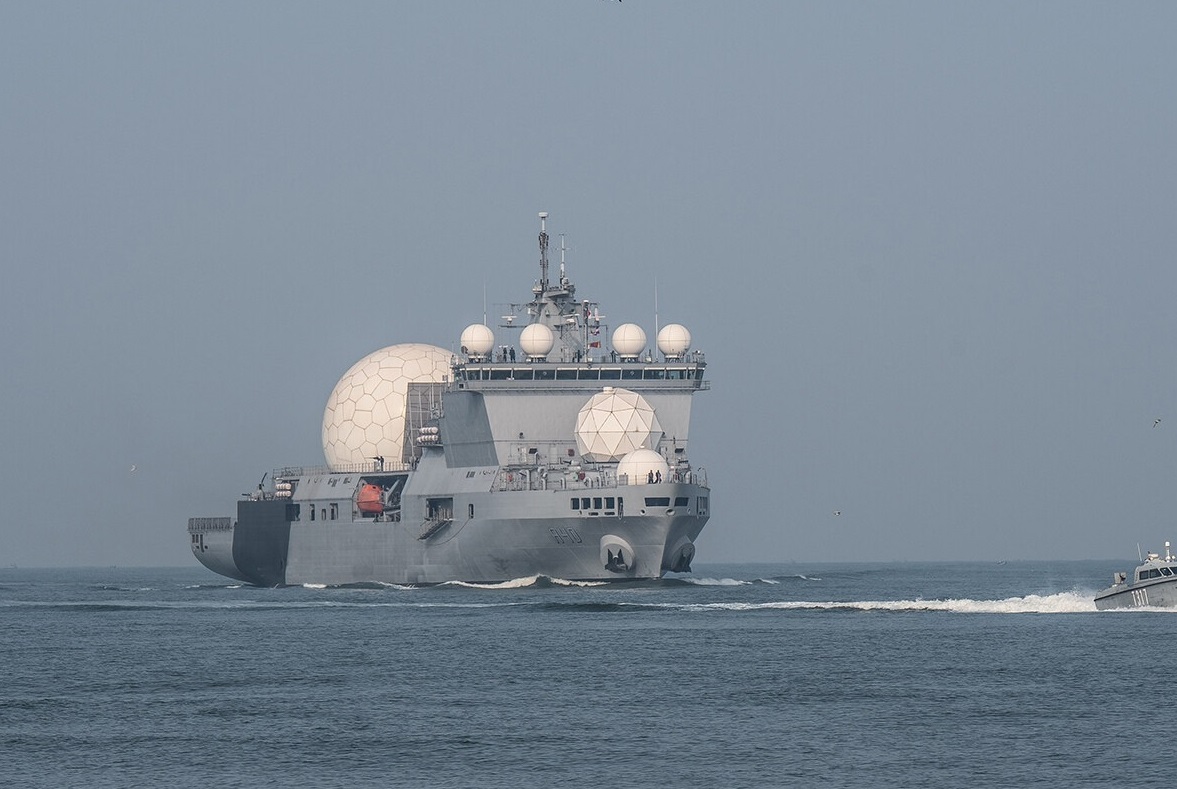
India
NEW DELHI/ISLAMABAD, — April 15, 2026 : Pakistan conducted a scheduled missile test in the North Arabian Sea on April 14 and April 15, 2026, within a designated exclusion zone announced through a Notice to Airmen (NOTAM), while India deployed its ocean surveillance vessel INS Dhruv to monitor the activity from international waters. Test Zone and Airspace Restrictions Pakistan Navy authorities established a restricted zone covering an area of approximately 415 by 450 kilometers in the northern Arabian Sea. The designated region lies off the country’s coastline near Karachi, Ormara, Gwadar, and Sonmiani. The NOTAM imposed temporary restrictions on air traffic routes over the area, extending from sea level to unlimited altitude, to ensure safety during the live-fire exercise. The exclusion zone was active across April 14 and April 15, with maritime and aviation advisories issued in advance. Pakistani officials did not disclose the specific missile system involved in the tests, and no official confirmation has been released regarding the type, range, or configuration of the missile tested. Possible System Characteristics While no formal identification has been provided, defence assessments indicate the test may involve a surface-to-surface ballistic missile, a sea-launched system, or a long-range cruise missile. Analysts note that several of Pakistan’s missile platforms incorporate design elements and technical inputs derived from cooperation with China in both ballistic and cruise missile development programs. Pakistan has previously conducted missile trials in the Arabian Sea region as part of routine validation of its strategic and naval strike capabilities, including systems launched from both land-based and maritime platforms. Indian Navy Deployment In response to the announced test window, the Indian Navy deployed INS Dhruv into the Arabian Sea on April 13, 2026, positioning the vessel in international waters outside the declared exclusion zone approximately 24 hours before the scheduled launch period. INS Dhruv (A40) is a specialized ocean surveillance and missile-tracking ship with a displacement estimated between 15,000 and 17,000 tons. The vessel was built by Hindustan Shipyard Limited with technical contributions from the Defence Research and Development Organisation (DRDO) and the National Technical Research Organisation (NTRO). The ship measures approximately 175 meters in length with a beam of 22 meters and is powered by a combined diesel and diesel (CODAD) propulsion system using twin diesel engines. Tracking and Sensor Capabilities INS Dhruv is equipped with a suite of advanced sensors designed for long-range tracking and telemetry interception. Its primary systems include an X-band active electronically scanned array (AESA) radar and a secondary S-band AESA radar, both housed within large radomes. These systems enable detection, tracking, and analysis of ballistic missile trajectories and satellite movements over extended distances. In addition to radar tracking, the vessel is fitted with telemetry receivers and electronic intelligence systems capable of capturing data related to missile flight characteristics, including velocity, trajectory, staging events, maneuver profiles, and terminal phase behavior. Intelligence Collection Role Operating from international waters allows INS Dhruv to monitor the missile test without entering Pakistan’s restricted zone or violating maritime regulations. From this position, the vessel can collect real-time technical data generated during the launch, including radar signatures and electronic emissions. The deployment enables the Indian Navy to gather direct observational data on the performance parameters of the tested system. Such information is used for analysis, system modeling, and calibration of India’s ballistic missile defence architecture, including early-warning systems and interceptor guidance algorithms. Strategic Context India is among a limited group of countries—including the United States, Russia, China, and France—that operate dedicated missile-tracking ships designed for strategic intelligence collection. The ongoing test by Pakistan forms part of its broader program to validate operational readiness and performance of its strategic missile inventory. The use of the Arabian Sea as a testing range allows for extended flight paths and controlled monitoring conditions. As of April 15, 2026, neither Pakistan’s military authorities nor India’s Ministry of Defence have issued official public statements detailing the outcome of the test or additional operational specifics regarding the deployment of INS Dhruv.
Read More → Posted on 2026-04-15 10:42:47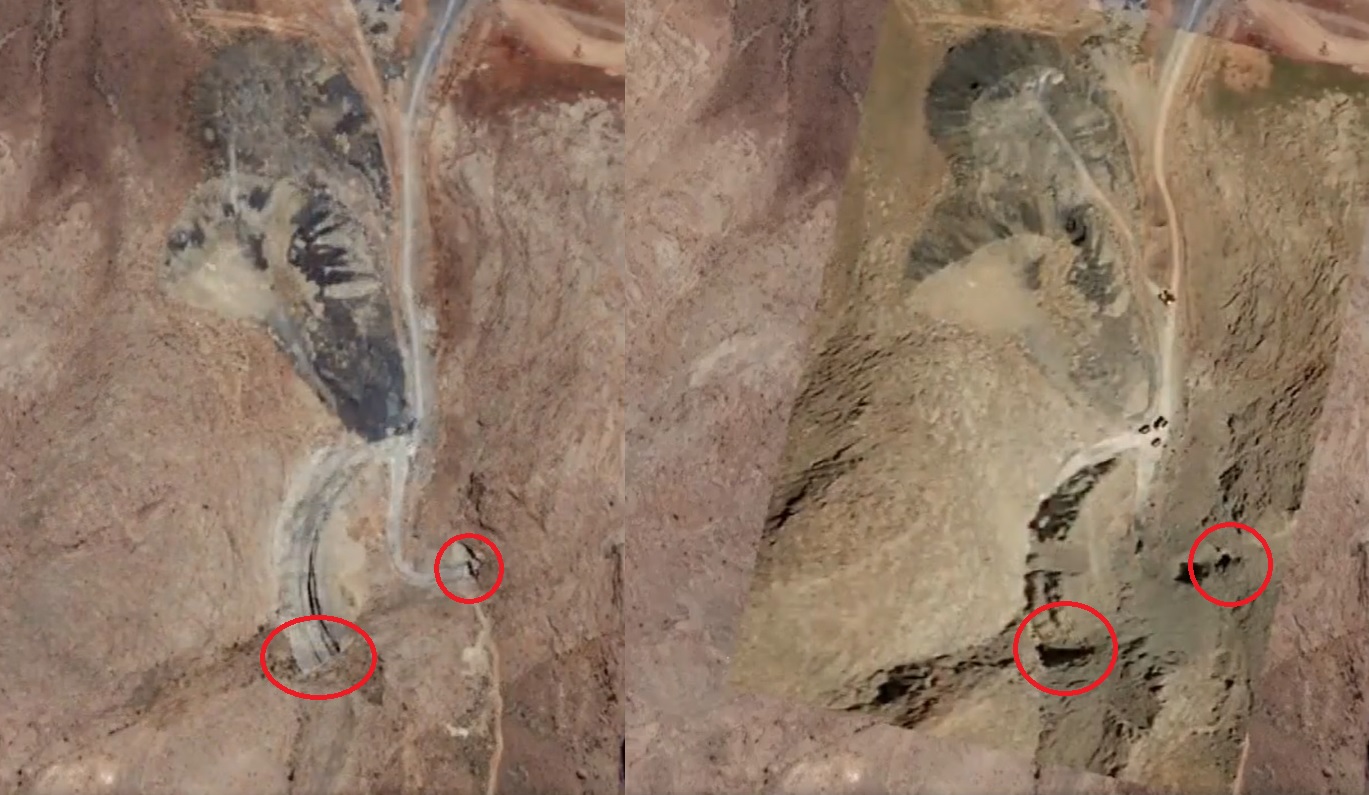
World
WASHINGTON, — April 15, 2026 : Commercial satellite imagery captured on April 10, 2026, indicates that Iran has begun clearing debris from tunnel entrances at an underground ballistic missile base near the city of Khomein in Markazi Province, following recent United States and Israeli airstrikes. The imagery, analyzed and reported by CNN, shows engineering teams using heavy construction equipment to restore access to the site during an ongoing ceasefire. The images depict front-end loaders, excavators, and dump trucks operating at the entrances of tunnel complexes that were struck during a month-long campaign of coordinated U.S. and Israeli airstrikes. The strikes focused on sealing access points rather than penetrating the deeper underground infrastructure, which remains intact inside the mountainous terrain. Targeting Strategy Focused on Tunnel Entrances The Khomein facility is part of Iran’s network of hardened underground installations, commonly referred to as “missile cities,” designed to protect ballistic missile launchers and associated systems. During the conflict, U.S. and Israeli forces targeted tunnel entrances and ventilation shafts with the objective of blocking access and restricting the movement of mobile launchers. This approach resulted in the collapse or obstruction of entry points, effectively trapping missile launchers within the tunnel networks without destroying the internal infrastructure. Prior satellite imagery from the conflict period showed multiple sites with blocked or collapsed entrances, consistent with this operational strategy. Satellite Evidence Confirms Active Excavation Analysis of the April 10 imagery shows Iranian personnel actively removing rubble from tunnel entrances. Heavy machinery is positioned on debris piles, scooping material and transferring it into a line of dump trucks stationed nearby. The activity indicates a coordinated engineering effort to reopen access routes and restore operational mobility within the underground complex. Similar recovery operations have also been observed at other locations, including the Tabriz South Missile Base, suggesting a broader effort to reconstitute access across Iran’s missile infrastructure. Intelligence Assessments on Remaining Capabilities Recent U.S. intelligence assessments, shared with CNN on April 2 and April 3, 2026, estimate that approximately half of Iran’s missile launchers remain intact despite more than a month of sustained airstrikes. This figure includes launchers that were rendered temporarily inaccessible after being buried under debris at tunnel entrances but were not destroyed. Israeli officials have provided lower estimates of intact systems, citing differences in methodology, particularly regarding whether buried or inaccessible launchers are counted as operational assets. Ceasefire Provides Window for Recovery Operations The excavation efforts are taking place during a two-week ceasefire agreed upon by the United States and Iran on April 7, 2026. The pause in hostilities has enabled Iranian forces to deploy engineering teams and heavy equipment to affected sites without the immediate risk of additional strikes. Defense analysts note that the speed of these recovery operations reflects the structural design of Iran’s underground missile facilities. Built into mountainous terrain, the complexes are intended to withstand surface-level attacks while preserving internal systems, allowing access to be restored relatively quickly once debris is cleared. Sam Lair, a researcher at the James Martin Center for Nonproliferation Studies, stated that such activity is consistent with expectations during a ceasefire. He noted that pauses in conflict typically provide opportunities for affected parties to repair or recover military capabilities targeted during active operations. Broader Context of Iran’s Missile Infrastructure The Khomein site, along with similar facilities across Iran, forms part of a dispersed and fortified ballistic missile architecture designed for survivability and rapid deployment. These underground bases enable storage, protection, and launch preparation within tunnel systems embedded in mountainous regions. U.S. intelligence reporting indicates that Iran maintains thousands of ballistic missiles in underground storage and retains the capacity to retrieve or repair launchers that were not directly destroyed during the strikes. As of April 15, 2026, neither U.S. nor Iranian officials have issued formal statements specifically addressing the satellite imagery or the recovery operations observed at the Khomein facility and other sites.
Read More → Posted on 2026-04-15 10:36:39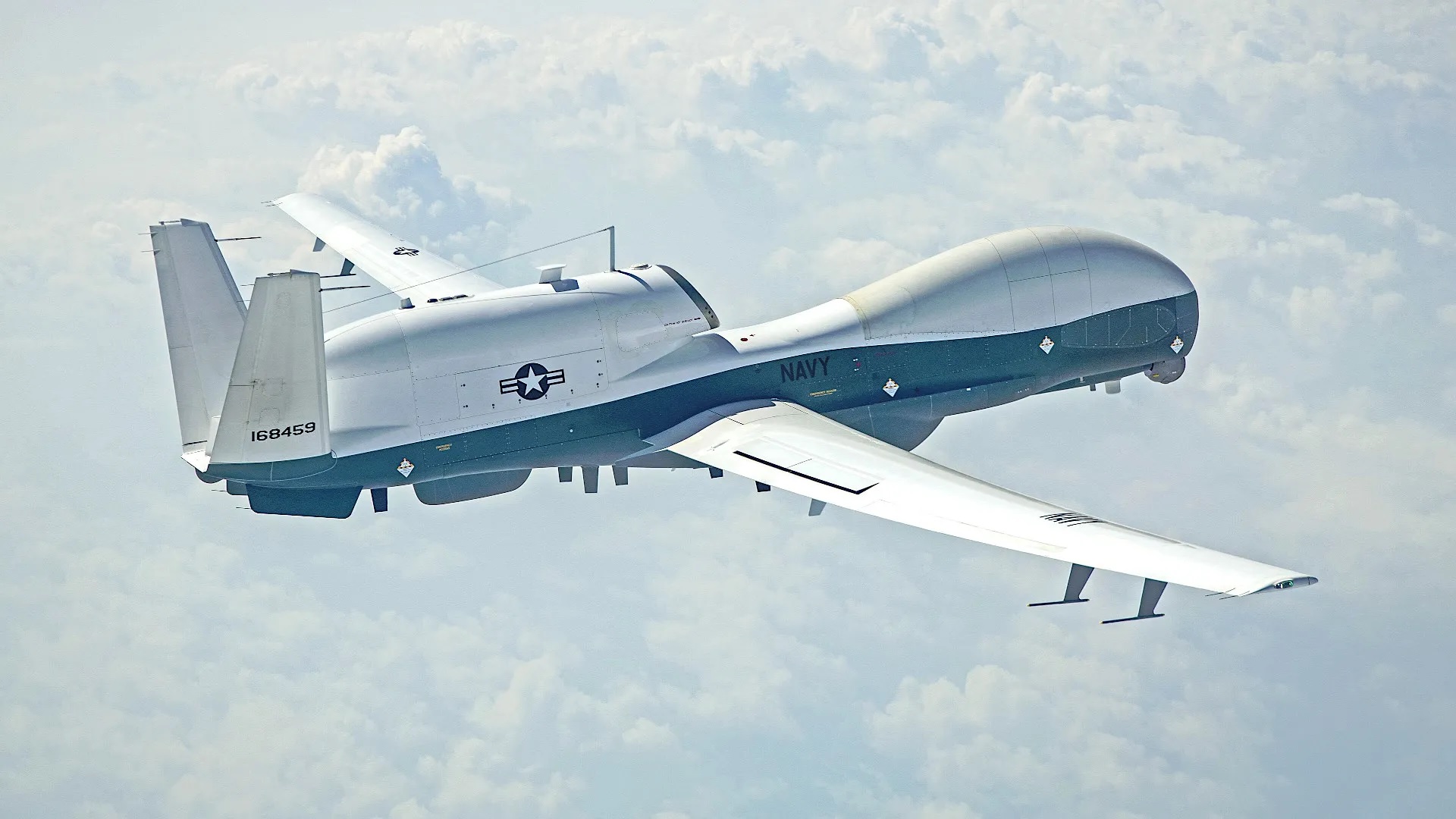
World
WASHINGTON, — April 15, 2026 : The United States Navy has confirmed the loss of an MQ-4C Triton high-altitude, long-endurance unmanned aerial vehicle following a mishap over the Persian Gulf on April 9, 2026. The aircraft, bearing registration number 169804 and valued between $238 million and $243 million, was one of the Navy’s primary maritime intelligence, surveillance, and reconnaissance (ISR) platforms. Incident Overview and Flight Timeline The MQ-4C Triton departed from its forward operating location at Naval Air Station Sigonella in Sicily, Italy, to conduct a routine surveillance mission over the Persian Gulf and the Strait of Hormuz. The platform had previously operated from Sigonella in support of high-altitude monitoring missions related to the Ukraine conflict, including observation of Russian naval activity in the Black Sea region. After approximately three hours of standard patrol operations at a cruising altitude between 50,000 and 52,000 feet, the aircraft transmitted emergency transponder signals. It first squawked code 7400, indicating a loss of communication link with ground control operators, followed shortly by code 7700, signaling a general in-flight emergency. Flight tracking data indicates that the UAV then entered a rapid and continuous descent, dropping from above 50,000 feet to below 10,000 feet within roughly 15 minutes before disappearing from radar coverage over the Gulf. The U.S. Naval Safety Command formally classified the incident as a mishap and confirmed that the aircraft crashed at a location withheld for operational security reasons. The event has been categorized as a Class A mishap, a Department of Defense classification used for incidents involving damage exceeding $2.5 million or total loss of an aircraft. No personnel were injured, as the platform is unmanned. Operational Context and Security Considerations The incident occurred during a period of fragile ceasefire between the United States and Iran, adding strategic sensitivity to operations in the region. While some unverified reports initially suggested the possibility of hostile action or electronic interference, including GPS spoofing or communications jamming, the U.S. Navy has not confirmed any such involvement and continues to describe the event strictly as an operational mishap. The precise crash location has not been disclosed, and recovery of debris remains a priority due to the sensitive nature of the Triton’s onboard systems. The aircraft carries advanced sensor technologies and signals intelligence equipment, and securing wreckage is considered essential to prevent potential exploitation by foreign actors. Platform Capabilities and Role Developed by Northrop Grumman as a naval variant of the RQ-4 Global Hawk, the MQ-4C Triton is a high-altitude, long-endurance (HALE) unmanned system designed for persistent maritime surveillance. The aircraft is equipped with the AN/ZPY-3 Multi-Function Active Sensor radar, which provides 360-degree coverage for tracking and classifying vessels across large ocean areas. Its sensor suite also includes electro-optical and infrared imaging systems, as well as signals intelligence payloads for passive data collection. The Triton is capable of remaining airborne for up to 30 hours, operating at altitudes above 50,000 feet, and covering ranges exceeding 9,400 miles. It can monitor more than 2 million square miles in a single mission. The platform includes de-icing and lightning protection systems, enabling operations in varied and adverse weather conditions, including controlled descents for closer target identification. In addition to surveillance, the aircraft functions as an airborne communications relay, supporting networked operations across maritime theaters. Integration with U.S. Navy Operations The MQ-4C Triton operates from land-based installations and supports theater-level tasking for combatant commanders. It is designed to complement crewed maritime patrol aircraft, particularly the Boeing P-8A Poseidon, by extending ISR coverage over areas where continuous manned presence may not be feasible. The system has been deployed in multiple regions, with initial operational detachments in Guam and Naval Air Station Sigonella, followed by expanded operations within U.S. Central Command. Two operational squadrons manage Triton missions: Unmanned Patrol Squadron 19 (VUP-19) and Unmanned Patrol Squadron 11 (VUP-11), the latter being more recently established to support growing operational demand. Fleet Size, Procurement, and Program Status As of 2025, the U.S. Navy maintained approximately 20 MQ-4C Triton aircraft in active service. The program’s total acquisition objective was revised from an earlier plan of 68 to 70 aircraft down to 27 units, aligning with updated joint operational requirements. In March 2025, the Navy awarded a $267 million contract for the procurement of two additional Triton aircraft, supporting ongoing production and planned fleet completion by 2028. Due to the limited fleet size and high unit cost, the loss of a single airframe represents a measurable reduction in available ISR capacity. Strategic Role and Ongoing Investigation The MQ-4C Triton forms a central component of the U.S. Navy’s strategy to enhance maritime domain awareness and improve sensor-to-shooter integration through the use of unmanned systems. Its ability to provide persistent, wide-area surveillance is particularly relevant for monitoring strategic chokepoints such as the Strait of Hormuz. The U.S. Navy has not released further details regarding the cause of the mishap. Investigation efforts remain ongoing, and no additional information on recovery operations or system failures has been disclosed as of April 15, 2026.
Read More → Posted on 2026-04-15 10:15:42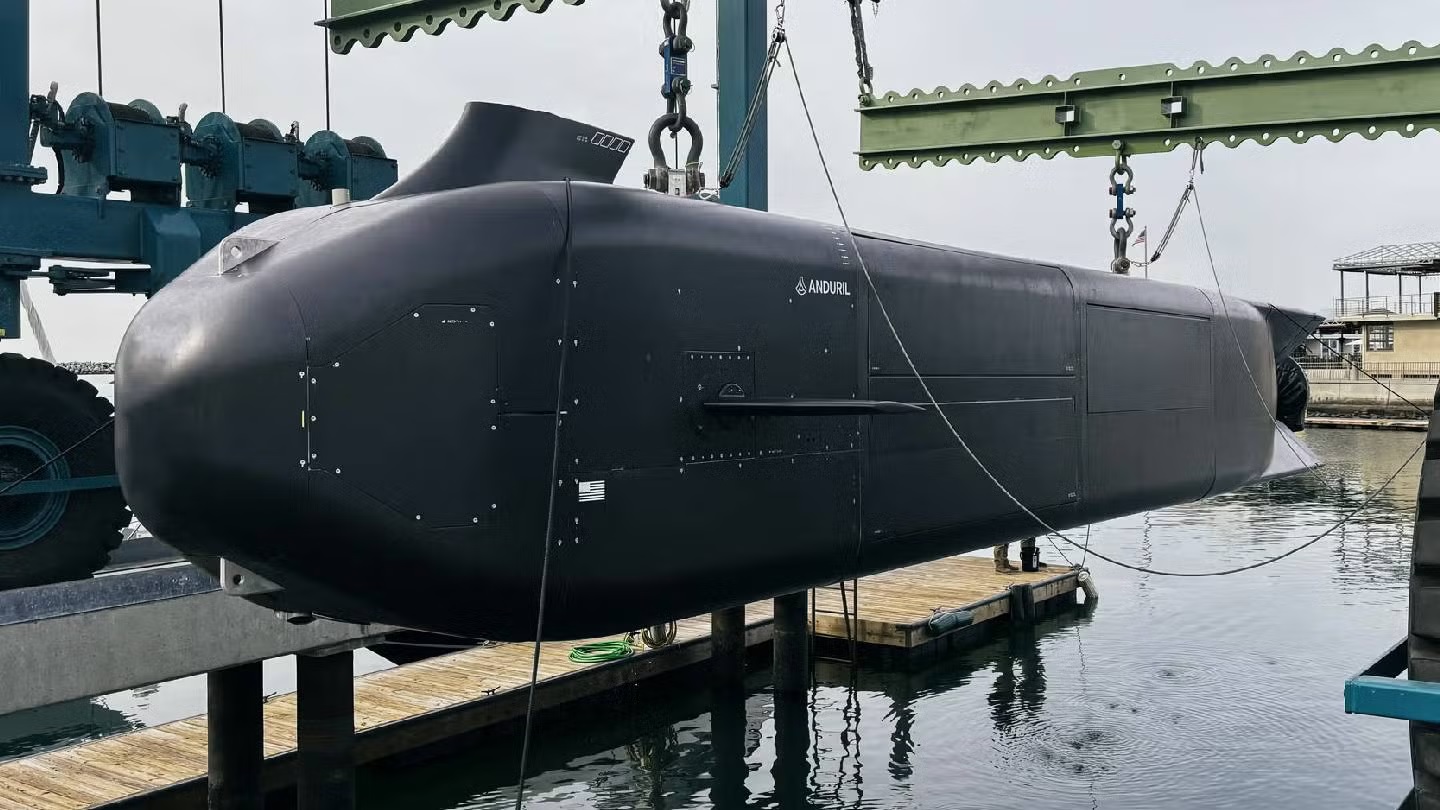
World
CANBERRA, — April 15, 2026 : The Royal Australian Navy (RAN) has formally activated the Maritime Autonomous Systems Unit (MASU) on April 14, 2026, marking the transition of Australia’s uncrewed maritime programs from prototype testing to operational deployment. Established under Project SEA 1200, the unit consolidates the Ghost Shark, Bluebottle, and Speartooth programs into a single command structure designed to deliver deployable autonomous maritime capabilities. The activation introduces an institutional framework that enables the Navy to integrate autonomous platforms into frontline operations, supporting persistent surveillance, undersea warfare, and distributed maritime presence in accordance with Australia’s 2024 National Defence Strategy. Organizational Structure and Operational Role MASU has been structured to provide centralized command and operational integration of uncrewed systems across the fleet. The unit incorporates an Uncrewed Systems Control Centre and Deployable Vehicle Teams, allowing operators to deploy, monitor, and control autonomous systems from any wharf location globally. The unit is responsible for doctrine development, operational employment, operator training, and continuous testing and evaluation of autonomous maritime technologies. It operates under the oversight of Commander Submarines, Commodore Dan Sutherland, with Commander Chris Forward serving as Officer in Charge. According to official statements, MASU is designed to function as the headquarters for a hybrid force that integrates crewed naval platforms—including submarines, surface combatants, and maritime patrol aircraft—with autonomous systems. The unit’s stated motto is “We Wait, We Strike.” Autonomous Fleet Composition MASU operates a layered architecture of three distinct uncrewed maritime platforms, each designed to fulfill specific operational roles across the maritime domain. Ghost Shark (Extra-Large Autonomous Undersea Vehicle) Ghost Shark serves as the primary high-endurance and survivable undersea platform within MASU. The program began in 2022 through collaboration between the RAN, the Defence Science and Technology Group, and Anduril Australia. It was subsequently incorporated into the Advanced Strategic Capabilities Accelerator under Mission Zero. The first prototype was delivered in April 2024, one year ahead of schedule. On September 10, 2025, the Australian Government awarded a A$1.7 billion, five-year contract to Anduril Australia covering production, sustainment, and continued development. As of April 15, 2026, the Navy has taken delivery of its first production vehicles. Ghost Shark measures between 10 and 30 meters in length and uses an all-electric propulsion system with a “flooded hull” design, eliminating the need for a pressurized crew compartment. Waterproof compartments protect propulsion and payload systems, while onboard autonomy is managed through Anduril’s Lattice AI framework. The platform is designed for long-range, long-endurance intelligence, surveillance, and reconnaissance (ISR) missions, with the capability to carry modular payloads. While specific armament details remain undisclosed, officials confirm the system is designed to deliver kinetic effects when required. Bluebottle (Uncrewed Surface Vessel) The Bluebottle uncrewed surface vessel provides persistent surface and sub-surface surveillance capabilities. It is developed by Sydney-based Ocius Technology in partnership with the Navy. Powered by a combination of solar, wind, and wave energy, Bluebottle is capable of operating continuously for months without refueling. The vessel travels at approximately 5 knots and supports a modular payload of up to 300 kilograms, with average power consumption between 100 and 120 watts. Bluebottle platforms are equipped with variable-depth sensors and operate under a “human-on-the-loop” control model. They also function as communication relay nodes, particularly for submerged autonomous systems. On March 11, 2026, the Australian Government awarded a A$176 million contract for 40 additional vessels, expanding the RAN’s operational Bluebottle fleet to 55 units. Speartooth (Large Uncrewed Underwater Vehicle) Speartooth, developed by Melbourne-based C2 Robotics, fills the capability gap between smaller surface systems and larger extra-large underwater vehicles. The platform is designed as a low-cost, scalable, and modular large uncrewed underwater vehicle optimized for rapid manufacturing. It incorporates a common command-and-control architecture, direct propeller propulsion, and variable-buoyancy propulsion systems. Speartooth is intended for long-range and long-duration missions, including seabed surveillance, scouting, decoy operations, and payload delivery in contested environments. Its lower cost profile allows deployment in scenarios where use of higher-value systems such as Ghost Shark may not be operationally optimal. The platform has also participated in interoperability activities under AUKUS Pillar Two, including trials alongside the HMS Anson. Operational Integration and Layered Employment MASU enables a distributed and layered operational model across the maritime domain. Bluebottle vessels provide wide-area maritime awareness and sensor coverage. Speartooth systems investigate contacts, conduct seabed operations, and deploy distributed payloads. Ghost Shark platforms are tasked with deeper penetration missions, including intelligence gathering and potential strike operations. The systems can be deployed from shore facilities, surface vessels, or containerized launch solutions, providing flexibility in both peacetime and contested environments. Strategic Context and AUKUS Alignment The establishment of MASU aligns with the requirements outlined in Australia’s 2024 National Defence Strategy, particularly the need for persistent surveillance and operational reach across the country’s northern maritime approaches. The Australian Government has allocated up to A$7.2 billion for subsea warfare capabilities and autonomous maritime systems as part of this effort. MASU also serves as the RAN’s central organization for advancing cooperation under AUKUS Pillar Two, focusing on the integration of autonomous systems, software development, and joint operational concepts with allied partners. Programs such as Ghost Shark and Bluebottle are structured as sovereign industrial initiatives, with domestic production and supply chains involving more than 40 Australian companies. The activation of MASU reflects the transition of these industrial efforts into operational capability within the fleet. Capability Transition to Operational Service The activation of MASU represents a shift toward introducing minimum viable capabilities into service at an accelerated pace. By combining development, experimentation, and operational deployment within a single unit, the RAN aims to reduce the time required to integrate emerging technologies into active service. Defence officials state that the unit will continue to refine operational concepts, expand fleet numbers, and enhance system interoperability as autonomous maritime systems become a permanent component of Australia’s naval force structure.
Read More → Posted on 2026-04-15 10:01:28
World
KYIV, Ukraine — April 14, 2026 : Ukraine has publicly presented a newly developed, domestically manufactured surface-to-air missile designed for use with its existing 9K33M3 Osa-AKM short-range air defense systems. The unveiling was included in official materials released on April 13, 2026, marking the Day of the Defense Industry Worker, and forms part of ongoing efforts to sustain and modernize legacy Soviet-era air defense capabilities amid continued operational demands. Development and Design Characteristics Visual analysis of the missile, based on released imagery and video footage, indicates a design closely aligned with the Soviet-origin 9M33-series interceptors, particularly the 9M33M3 variant traditionally employed by the Osa-AKM system. The missile’s external configuration—including rear stabilizing fins, forward control surfaces, and overall dimensions—appears largely consistent with the original design, suggesting compatibility with existing launch infrastructure without major modifications. The newly introduced munition is assessed to be a direct domestic replacement for the 9M33M3 missile, developed to address diminishing stocks of legacy interceptors. While Ukrainian authorities have not disclosed official technical specifications, the use of modernized internal components is expected. These likely include updated microelectronics, improved guidance systems, and enhanced resistance to electronic warfare environments. Such upgrades are assessed to improve target tracking reliability and engagement effectiveness, particularly against contemporary aerial threats such as unmanned aerial vehicles (UAVs). Reference Specifications of Legacy Missile For context, the original 9M33M3 missile weighs approximately 126.3 kilograms and carries a 15-kilogram warhead. It has a length of 3,158 millimeters, a body diameter of 206 millimeters, and a wingspan of 650 millimeters. The missile operates using radio-command guidance, reaches speeds of up to 500 meters per second, and is capable of engaging targets at ranges between 1.5 and 10 kilometers, with an altitude envelope from 25 to 5,000 meters. Earlier system-level data for the Osa-AKM indicates a maximum engagement range of up to approximately 15 kilometers and altitude coverage extending to 12,000 meters under certain conditions. The Osa-AKM Air Defense System The 9K33M3 Osa-AKM, designated by NATO as the SA-8B “Gecko,” entered service in 1980 as a mobile, all-weather, short-range air defense system. It is designed to protect ground forces and critical infrastructure against low-flying aircraft, helicopters, cruise missiles, and, more recently, unmanned systems. Each Osa-AKM vehicle integrates radar, command guidance, and launcher components, typically carrying six containerized missiles ready for immediate deployment. Ukraine continues to operate the Osa-AKM as part of its layered air defense network, particularly for point defense and frontline coverage roles. Addressing Interceptor Shortages The introduction of a domestically produced replacement missile directly addresses a key logistical constraint faced by Ukrainian forces. Sustained operational use—particularly against reconnaissance and strike UAVs such as Shahed-series loitering munitions and Orlan-type drones—has significantly reduced available stocks of original Soviet-era 9M33M3 interceptors. Prior to the development of this new missile, Ukraine implemented several interim solutions to maintain operational readiness of its Osa systems. One such approach, referred to as the “Hornet” or FrankenSAM project, involved modifying Osa launchers to deploy R-73 infrared-guided air-to-air missiles. This adaptation introduced a limited “fire-and-forget” capability and provided an alternative to radar-guided interceptors. In parallel, Ukraine has fielded upgraded variants of the system sourced from Poland, including the Osa-AKM-P1 Żądło configuration. These upgraded platforms incorporate improved optoelectronic targeting systems and night-vision capabilities, allowing operators to detect and engage aerial targets visually when radar emissions are restricted due to tactical considerations. While these measures extended the operational life of the platform, they did not fully replicate the original system’s command-guided engagement profile. The new domestically produced missile restores this capability, enabling continued use of the Osa-AKM in its intended configuration. Broader Defense Industry Context The unveiling of the Osa-AKM-compatible missile occurred alongside other Ukrainian-developed systems presented during the same event. These included the Sichen long-range loitering munition, the Neptune cruise missile, and the Vilkha guided rocket system, reflecting broader efforts to expand domestic defense production capabilities. The development aligns with Ukraine’s strategy to reduce reliance on external military aid and finite Cold War-era stockpiles by establishing sustainable local manufacturing for critical munitions. By producing compatible interceptors domestically, Ukraine aims to maintain consistent short-range air defense coverage for both military formations and key infrastructure. No official information has been released regarding production timelines, unit costs, or the current status of serial manufacturing for the new missile.
Read More → Posted on 2026-04-14 16:09:05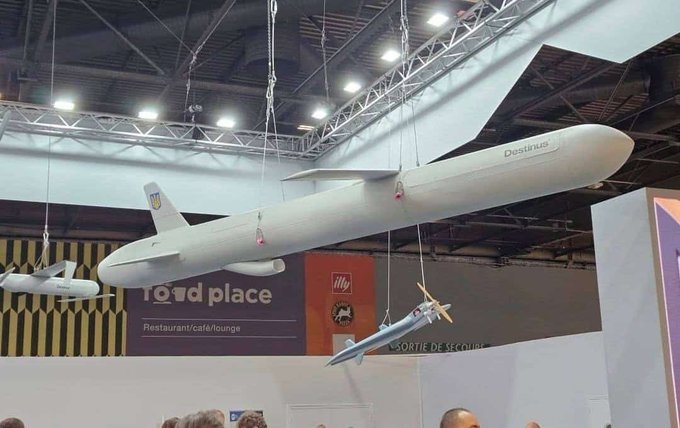
World
DÜSSELDORF, Germany — April 14, 2026 : Rheinmetall and Destinus have agreed to form a joint venture, Rheinmetall Destinus Strike Systems, focused on the manufacture, marketing, and delivery of advanced missile systems, including cruise missiles and ballistic rocket artillery. The joint venture is expected to be formally established in the second half of 2026, subject to regulatory approvals. It will be headquartered at Rheinmetall’s existing facility in Unterlüß, Lower Saxony, Germany. Under the agreed ownership structure, Rheinmetall will hold a 51 percent majority stake, while Destinus will retain a 49 percent share. Structure and Operational Framework Rheinmetall Destinus Strike Systems will utilize Rheinmetall’s industrial infrastructure in Unterlüß, which includes one of Europe’s largest privately operated testing and trial areas. The site will serve as the central hub for final assembly, qualification, and certification of missile systems in accordance with NATO standards. While core production and certification processes will be conducted in Germany, Destinus will continue to operate from its headquarters in the Netherlands. The company will maintain responsibility for the development and production of key components across its broader European network, which will supply the German-based assembly lines. Integration of Capabilities The joint venture is structured to combine Rheinmetall’s large-scale production capacity and program management experience with Destinus’s aerospace engineering and missile system design capabilities. Destinus will serve as the technological core of the initiative. The company has established expertise in autonomous flight systems and missile development, supported by a workforce of more than 700 engineers and nearly €400 million in raised capital. It currently produces over 2,000 cruise missile systems annually. Its portfolio includes systems such as the Ruta and Kryla cruise missiles, the Lord long-range effector, and the Hornet interceptor. Destinus has also supplied its Ruta missile-drone hybrid system to Ukrainian forces since 2024. A Block 2 variant of the Ruta, unveiled in early 2026, features a range exceeding 450 kilometers and a 250-kilogram warhead, supported by AI-guided multimode navigation. Rheinmetall will contribute its manufacturing facilities, qualification infrastructure, and experience in managing large-scale defense programs. The company will also oversee certification processes aligned with NATO requirements and may handle distribution of the systems, depending on program outcomes. Strategic Context and Industry Implications According to Armin Papperger, the partnership is designed to integrate Rheinmetall’s production capabilities with Destinus’s system design and technological expertise. The joint venture is intended to address existing industrial capacity constraints in Europe’s defense sector and support increasing demand from European and NATO customers. The announcement aligns with Rheinmetall’s broader expansion into missile-related activities, including air-defense integration and licensed production programs. It also reflects Destinus’s continued focus on scalable strike and interception systems. Programme Scope and Outlook At present, the companies have not disclosed detailed information regarding specific missile systems beyond cruise missiles and ballistic rocket artillery. Timelines for initial production and financial terms associated with the joint venture have also not been made public. The establishment of Rheinmetall Destinus Strike Systems represents a coordinated effort to expand Europe’s industrial base for precision strike capabilities, leveraging complementary expertise from both companies within a unified production framework.
Read More → Posted on 2026-04-14 15:45:36
India
NEW DELHI, — April 14, 2026 : The Indian Army has issued an open tender for the procurement of 572,692 units of 30mm VOG-17/30 high-explosive fragmentation grenades equipped with a self-destruct mechanism (SDM), as part of its ongoing effort to maintain operational ammunition reserves for infantry units. The Request for Proposal (RFP), released on April 9, 2026, has been issued by the Integrated Headquarters of the Ministry of Defence (Army) under tender reference A/18153/30mm VOG AGL/MGS/Brig Proc. The tender was published approximately five days prior to April 14 and follows the standard Global Tender Enquiry process adopted for such procurements. Procurement Scope and Timeline According to the tender document, the total requirement stands at 5,72,692 rounds of 30×29mm VOG-17/30 ammunition. The bidding process is scheduled to open on April 22, 2026, and close on April 29, 2026, with bid opening set for April 30, 2026. The tender specifies an Earnest Money Deposit (EMD) of ₹20.27 crore, while the contract execution period has been defined as 730 days. Additionally, the bid validity period is set at 540 days. The procurement will follow a two-cover bidding system, in line with Ministry of Defence procedures. The acquired ammunition is designated for delivery to the Central Ammunition Depot (CAD) in Pulgaon, Maharashtra. No official details regarding the estimated contract value or potential participating vendors have been disclosed. Ammunition Characteristics and Operational Role The VOG-17/30 is a 30mm high-explosive fragmentation grenade designed for use in automatic grenade launchers. It is a belted 30×29mm cartridge featuring a thin-walled steel body, a copper driving band, and a pre-fragmented wire coil. The grenade contains approximately 0.032 kg of high explosive and has a total weight of about 0.35 kg. In operational terms, the ammunition is used for area suppression and anti-personnel roles. It provides effective fire support against personnel in open terrain or behind light cover. The standard VOG-17 variant has a lethal fragmentation radius of approximately 7 metres, while improved variants such as the VOG-30 offer an increased radius. The grenade has a maximum effective range of up to 1,700 metres and is fired at a muzzle velocity of approximately 185 metres per second. Platform Compatibility The ammunition is compatible with the AGS-17 “Plamya” and AGS-30 automatic grenade launchers, both of which are currently in service with the Indian Army. These Soviet-origin systems have been deployed since the 1980s and continue to serve as standard platoon-level support weapons, capable of delivering both direct and indirect fire. Self-Destruct Mechanism and Safety Features A key technical requirement in the current procurement is the inclusion of a self-destruct mechanism (SDM) integrated into the fuze system. The fuze is of the point-detonating, super-quick type and is designed to arm after the grenade has traveled a safe distance of 10 to 60 metres from the launcher. If the grenade fails to detonate upon impact, the SDM initiates automatic detonation within 28 to 36 seconds. This feature is intended to reduce the presence of unexploded ordnance (UXO) on the battlefield, thereby minimizing risks to military personnel and civilians in post-engagement environments. Sustained Inventory Management The Indian Army has operated the AGS-17 and AGS-30 systems for several decades and conducts periodic procurement cycles to replenish ammunition stocks. Previous tenders have included components such as fuzes for VOG-17 grenades and training-related cut models. The current procurement of complete rounds with integrated SDM reflects a continuation of these sustainment efforts, incorporating updated safety specifications while ensuring compatibility with existing weapon platforms.
Read More → Posted on 2026-04-14 15:40:19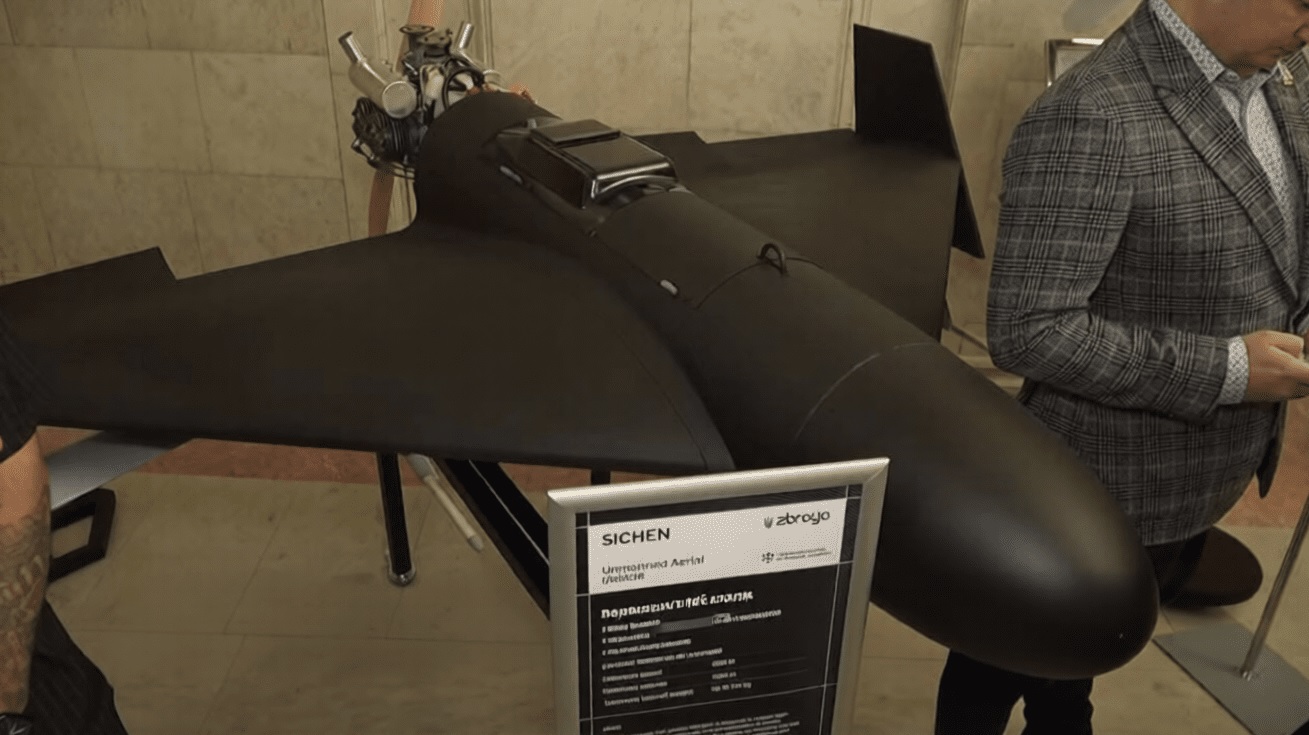
World
KYIV, Ukraine — April 14, 2026 : Ukraine has publicly presented a new domestically developed long-range strike unmanned aerial vehicle (UAV), designated Sichen, during an updated exhibition of Ukrainian-made weapons and military equipment organized by the Ministry of Foreign Affairs. The event was held to mark the Day of Ukraine’s Defense Industry Workers and was attended by foreign diplomats and officials. The Sichen is classified as a kamikaze-type unmanned system intended for deep-strike operations against high-value targets, critical infrastructure, and concentrations of enemy forces at operational-tactical depth. The system forms part of Ukraine’s ongoing effort to expand its indigenous portfolio of long-range strike capabilities. Technical Characteristics and Capabilities According to official specifications released during the exhibition, the Sichen UAV has a maximum operational range of up to 1,400 kilometers. It is capable of carrying a 40-kilogram warhead and has a maximum takeoff weight of 140 kilograms. The drone can reach speeds of up to 200 kilometers per hour and operates at altitudes of up to 1,500 meters. The system is reported to achieve strike accuracy within a margin of up to 20 meters. Preparation time prior to launch does not exceed 15 minutes, indicating a design focus on rapid deployment. The drone is also engineered to operate in environments with active electronic warfare interference and supports both daytime and nighttime missions. Development Background and Operational Use Although formally presented at the April 14, 2026 exhibition, Ukrainian sources indicate that the Sichen system was first used in operational conditions in 2023. Its inclusion in the exhibition reflects continued development and refinement of long-range unmanned strike systems under Ukraine’s domestic defense programs. No additional technical details, including the identity of the manufacturer or the propulsion system used, were disclosed in the official materials. The platform is described as having a configuration optimized for long-range one-way attack missions. Exhibition Context and Related Systems The Sichen UAV was displayed alongside a range of other Ukrainian-developed weapons and unmanned systems. These included the R-360 Neptune cruise missile, the AREION system, and the Flamingo long-range platform. Additional unmanned aerial vehicles presented at the exhibition included the Buntar-3, GOR, and Sova-150 systems, as well as interceptor and reconnaissance platforms such as STING. The exhibition featured more than 50 types of domestically produced military systems, highlighting Ukraine’s emphasis on expanding internal defense manufacturing capabilities during the ongoing conflict. Strategic Context The presentation of the Sichen coincides with recent statements by President Volodymyr Zelenskyy regarding the performance of Ukrainian long-range unmanned systems. According to these statements, platforms including the Sichen and Liutyi drones have demonstrated flight ranges exceeding 1,700 kilometers in certain configurations. The Sichen is intended to complement existing strike assets by providing a modular and rapidly deployable platform capable of engaging targets at extended distances. As of April 14, 2026, no information has been released regarding production volumes, unit costs, or detailed deployment status. All available data on the system is derived from official exhibition materials and associated government statements.
Read More → Posted on 2026-04-14 15:34:50
World
VILNIUS, Lithuania — April 14, 2026 : Lithuania has received a new batch of components for its National Advanced Surface-to-Air Missile System (NASAMS), as part of its ongoing efforts to strengthen national air defence capabilities. The delivery was confirmed by the Lithuanian Ministry of National Defence, which also released images showing two launcher units transported by truck to the Lithuanian Air Force Air Defence Battalion. The systems were supplied by Kongsberg Defence & Aerospace, the Norwegian defence contractor responsible for co-developing NASAMS alongside U.S.-based Raytheon Technologies. According to official information, deliveries of additional system components, including fire control centres and radar units, began in late March 2026. The newly delivered battery is expected to reach initial operational capability by the end of 2026. NASAMS is a modular, medium-range, ground-based air defence system designed to detect, track, and engage a wide range of aerial threats. These include fixed-wing aircraft, helicopters, unmanned aerial vehicles, and cruise missiles. The system primarily employs AIM-120 AMRAAM interceptors and features an open architecture that allows integration with various sensors and command-and-control networks. Procurement Timeline and System Integration Lithuania’s acquisition of NASAMS began in 2017, when the government signed an initial contract valued at €109 million for the NASAMS III configuration. Following a period of testing and integration, the first two batteries were formally handed over to the Lithuanian Armed Forces on October 30, 2020. The country has since expanded its procurement through multiple follow-on agreements. On December 14, 2023, Kongsberg and the Lithuanian government signed a second contract worth €200 million. This agreement included not only additional NASAMS units but also provisions to modernize the systems originally acquired in 2017. Further expansion was confirmed in October 2024, when Lithuania concluded a third contract valued at €193 million. This agreement covers additional NASAMS systems and continued upgrades to earlier equipment, ensuring standardization and interoperability across the country’s air defence infrastructure. Deliveries under the 2024 contract are scheduled to begin in the second quarter of 2028. Defence Funding and Associated Acquisitions In April 2025, the Lithuanian government approved €187.7 million in borrowed funds to support priority defence acquisitions. These funds were structured as advance payments to secure production timelines for key military systems tied to the development of Lithuania’s planned national combined arms division. Of this allocation, €150 million was designated for the procurement of 27 Boxer Infantry Fighting Vehicles, locally known as the “Vilkas” variant. Deliveries of these vehicles are expected between 2027 and 2029. The remaining €37.7 million was allocated to secure future NASAMS deliveries, with those systems currently scheduled for arrival in 2028. In parallel, the United States approved a Foreign Military Sale to Lithuania in October 2023 valued at approximately $100 million. The package includes 36 AIM-120C-8 AMRAAM missiles and associated support equipment, which will serve as the primary interceptors for Lithuania’s NASAMS batteries. Support to Ukraine Alongside domestic procurement, Lithuania has also contributed to strengthening Ukraine’s air defence capabilities. In June 2023, the Lithuanian Ministry of National Defence signed a €9.8 million contract with Kongsberg for the purchase of two NASAMS launchers specifically intended for transfer to Ukraine. These launchers were configured to integrate with existing NASAMS systems already operated by Ukrainian forces, supplied earlier by Norway and the United States. On November 10, 2023, Lithuanian authorities confirmed that the launchers and associated equipment had been successfully delivered to Ukraine. Ongoing Air Defence Development The latest deliveries form part of Lithuania’s broader strategy to develop a layered and integrated air defence network. The expansion of NASAMS capabilities is aligned with national defence planning objectives, including the establishment and support of the country’s 1st Division. No additional technical specifications or financial details beyond previously announced contracts have been disclosed by the Lithuanian Ministry of National Defence or Kongsberg.
Read More → Posted on 2026-04-14 15:28:56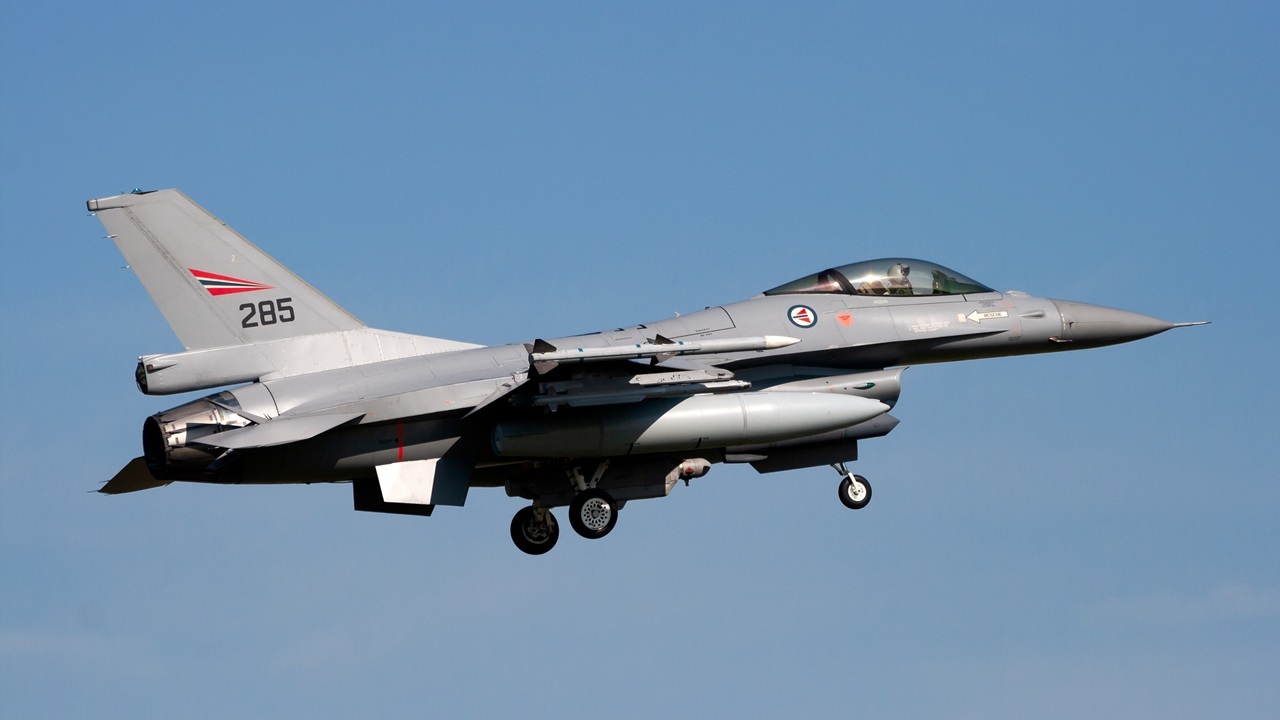
World
Oslo, Norway — April 14, 2026 : Norway has not delivered any of the six F-16 Fighting Falcon jets it pledged to Ukraine, according to the latest available information as of April 2026. All aircraft remain in Belgium undergoing preparation, and under current estimates, deliveries are not expected before spring 2027. Background and Transfer Timeline Norway first announced in August 2023 that it would supply at least six F-16 multirole fighters to Ukraine as part of a broader international coalition. Early projections indicated that deliveries could begin in 2024, with subsequent official statements suggesting completion by the end of 2025. Ownership of the aircraft was formally transferred to Ukraine between 2024 and 2025, though physical delivery has not taken place. Current Location and Aircraft Condition All six aircraft are currently located at the Sabena Engineering maintenance facility in Belgium. The fleet consists of two aircraft previously used for pilot training in Denmark and four aircraft that were not flight-ready at the time of transfer. The two training aircraft have been at the Belgian facility for more than a year undergoing required repairs and overhaul. The remaining four jets were dismantled in Norway, packed into crates, and transported by cargo aircraft from Bodø in April 2025. Each of these four airframes is reported to be missing approximately 100 components. None of the six aircraft are currently combat-ready. Sources indicate that refurbishment and reassembly work on the four dismantled jets has not yet begun, despite their arrival roughly one year ago. Maintenance Constraints and Delays The primary factor behind the delay is limited capacity at the Sabena Engineering facility, which is responsible for servicing and preparing multiple F-16 aircraft, including those already in Ukrainian service. This constraint has slowed both the overhaul of the two training jets and the planned reassembly of the four crated aircraft. Norwegian Defence Minister Tore O. Sandvik confirmed that the aircraft are undergoing preparation in Belgium and stated that Ukraine, in coordination with donor countries, determines prioritization of work at the facility. Under an optimistic scenario in which refurbishment begins promptly and takes approximately one year, the aircraft could be delivered to Ukraine by spring 2027. Preparations related to the transfer have been ongoing for about two and a half years. Domestic and Political Context The delay has drawn attention within Norway due to earlier public messaging suggesting that deliveries were progressing on schedule. Peter Frølich, head of the Norwegian parliamentary defence committee, noted that there had been a general perception that the aircraft were already operational in Ukraine. Records also indicate that Norway previously sold 32 of its most operational F-16 aircraft, along with key spare parts, to Romania. As a result, the aircraft allocated for Ukraine were in comparatively lower readiness states, contributing to the current refurbishment requirements. Wider F-16 Coalition Developments Norway’s delayed transfer reflects broader challenges within the multinational fighter coalition established in 2023. Norway and Belgium together account for 36 delayed aircraft out of a total of 79 pledged. Belgium has committed 30 F-16s but has not delivered any so far, citing delays in receiving replacement F-35 Lightning II aircraft needed to maintain its own fleet readiness. In contrast, the Netherlands and Denmark have supplied operational aircraft to Ukraine. The Netherlands has delivered all 24 of its pledged jets, while Denmark has delivered the majority of its 19 aircraft. As of April 2026, the Ukrainian Air Force operates an estimated fleet of up to 39 F-16s, all sourced from Dutch and Danish contributions, with adjustments accounting for reported combat losses. Additional Support Measures In parallel with aircraft commitments, Norway has provided support to Ukraine’s air capabilities through procurement of F-16 ammunition and air-defence systems via the JUMPSTART mechanism. No updated delivery schedule has been announced by Norwegian authorities beyond the current estimate pointing to potential delivery in spring 2027.
Read More → Posted on 2026-04-14 15:22:05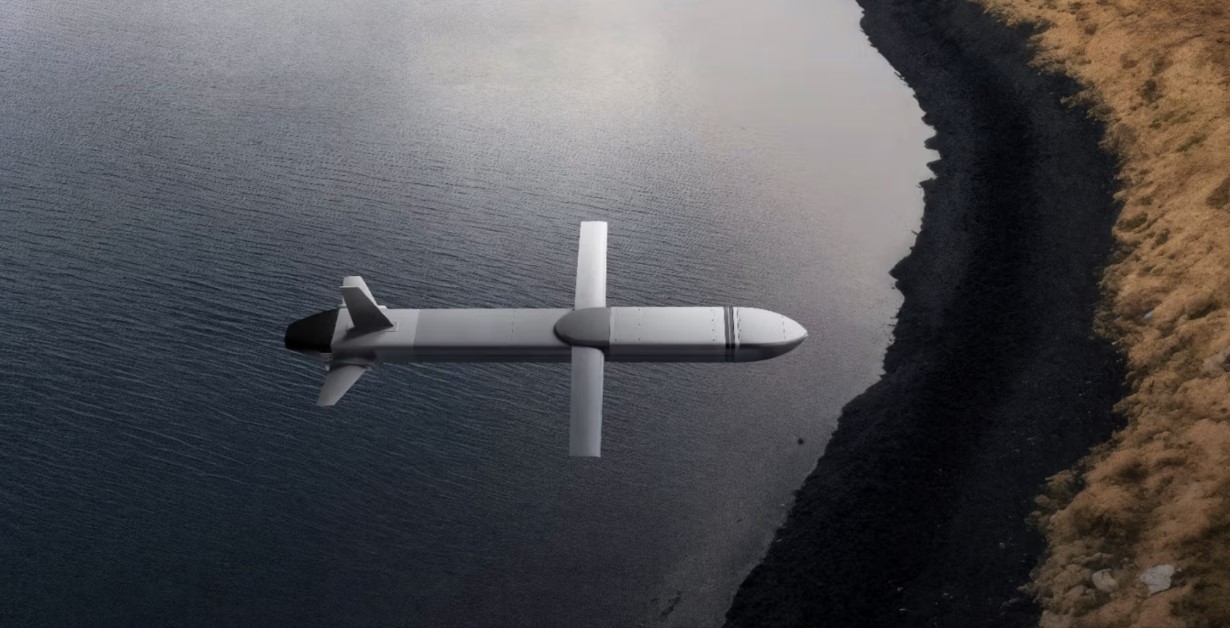
World
MUNICH, Germany / AMSTERDAM, Netherlands — April 14, 2026 : Quantum Systems and Destinus have announced a strategic partnership to integrate unmanned reconnaissance platforms, mission coordination software, and scalable strike systems into a unified operational framework for European and allied armed forces. The agreement centers on linking Quantum Systems’ MOSAIC UXS software suite with its intelligence, surveillance, and reconnaissance (ISR) platforms, alongside Destinus’ scalable strike and response systems. The integration is designed to establish a continuous operational workflow that connects real-time reconnaissance data with strike execution capabilities. Integrated Workflow and Real-Time Data Processing Under the partnership, reconnaissance data collected by Quantum Systems’ unmanned platforms will be processed and distributed through the MOSAIC UXS architecture. This data will then be made immediately accessible to Destinus’ engagement systems within a shared, automated workflow. The companies stated that the objective is to accelerate the “sensor-to-effector” cycle by enabling faster data transmission, targeting coordination, and operational response. This approach is intended to improve decision-making speed in complex and contested environments while maintaining structured command oversight. Open Architecture and Interoperability The joint framework is based on an open, vendor-neutral architecture, allowing armed forces to integrate systems from multiple manufacturers within a single digital environment. This design enables flexibility in selecting technologies suited to specific operational requirements without dependency on a single supplier. The system is also designed to be compatible with existing national command networks and NATO command-and-control structures. Despite automation in data handling and targeting processes, both companies emphasized that all decisions regarding the deployment of strike systems will remain under human command authority. Platform Capabilities and System Design MOSAIC UXS, developed by Quantum Systems, is a modular mission software platform that provides unified command and control for unmanned systems across air, land, and maritime domains. The platform supports AI-assisted mission planning, real-time sensor data fusion, and 3D mission-area mapping. It also features open interfaces that enable integration of third-party systems without requiring disclosure of proprietary technologies. Quantum Systems, headquartered in the Munich area, specializes in AI-enabled unmanned systems and develops integrated hardware and software solutions for real-time operational intelligence and decision support. Its platforms are widely used for ISR missions. Destinus focuses on the development and industrial-scale production of scalable, cost-asymmetric strike and air defense systems. Its portfolio includes autonomous strike platforms, cruise missiles, and interception solutions designed for high-intensity operational environments and rapid production requirements. Strategic Context and Operational Scope Company representatives stated that the partnership addresses the need for improved coordination between intelligence gathering and strike execution within European defense frameworks. The integration is intended to enable long-range connectivity between sensors and effectors while maintaining compatibility with existing command structures. Both companies currently supply systems to Ukraine and maintain operational and manufacturing links within the region. The partnership builds on their shared emphasis on European technological sovereignty and open-system design. No financial terms or implementation timelines were disclosed in the joint announcement.
Read More → Posted on 2026-04-14 15:15:55
World
OSLO, Norway — April 14, 2026 : Kongsberg Defence & Aerospace has developed a mobile Counter-Unmanned Aerial Systems (C-UAS) platform for the Ukrainian armed forces by integrating Advanced Precision Kill Weapon System (APKWS) from BAE Systems onto its Protector Remote Weapon Station. The system is mounted on the Ukrainian-produced Inguar-3 MRAP and is designed to provide mobile air defense against low-altitude aerial threats. Presentation and Project Background The integrated platform was recently presented in Norway during an official visit by a Polish delegation led by Władysław Kosiniak-Kamysz. The system has been developed specifically for Ukraine and is financed through international donor funding. The project follows a hybrid manufacturing model, combining a domestically produced Ukrainian armored chassis with Western detection systems and engagement technologies aligned with NATO standards. System Configuration and Capabilities The platform is configured to counter low-flying unmanned aerial vehicles, including loitering munitions and reconnaissance drones, through a combination of sensors, mobility, and precision-guided munitions. The Protector RWS—also known in U.S. service as the CROWS system—forms the core of the platform. It is equipped with electro-optical and infrared/thermal imaging sensors for detection and tracking. The system is mounted on a telescopic mast, allowing elevation of the sensor and weapon module to improve line-of-sight against drones flying at low altitudes or using terrain masking. The weapon station integrates a four-round launcher for APKWS AGR-20A 70 mm laser-guided rockets. These rockets provide a lower-cost interception option compared to traditional surface-to-air missiles and are intended for engaging Shahed-type drones and, in some cases, cruise missiles. Inguar-3 Platform and Industrial Contribution The Inguar-3 MRAP, developed by Ukrainian company Inguar Defence, serves as the base vehicle for the system. Available in 4x4 and 6x6 configurations, the platform meets STANAG 4569 Level 3a/3b protection standards. The vehicle currently has a reported localization rate of approximately 60 percent within Ukraine. Domestic production includes the full manufacturing cycle of vehicle frames, including laser cutting, welding, suspension component machining, and final assembly. The platform was originally designed in cooperation with Ukrainian special forces to meet operational requirements during wartime. Operational Role and Deployment Status Unlike fixed air defense systems, the mobile configuration enables the platform to accompany maneuver units in the field. Its intended operational roles include protecting logistics convoys, artillery units, and forward command posts from drone threats while maintaining crew survivability through armored protection. According to Norwegian defense sources, the integrated system has completed its initial testing phase. While specific production numbers and delivery timelines have not been disclosed, the platform is currently undergoing final preparations for transfer to Ukraine. The integration of APKWS onto the Protector RWS forms part of Kongsberg’s broader counter-drone development efforts. The Protector family has been delivered to more than 31 countries and supports multiple weapon configurations across land and maritime platforms. The C-UAS variant has already been fielded in Ukraine and with the U.S. Marine Corps, and similar systems are being developed under Poland’s SAN counter-UAS program in cooperation with local partners.
Read More → Posted on 2026-04-14 15:02:02
World
MOSCOW, — April 14, 2026 : A Russian anti-air unit commander has reported that the domestically developed “Yolka” interceptor unmanned aerial vehicle (UAV) is achieving a hit rate of up to 90 percent against aerial targets, according to statements given to state media outlet Sputnik. The commander stated that the system is being rapidly adopted by frontline units and is now in regular use among mobile fire teams tasked with countering small unmanned threats. In addition to intercepting first-person view (FPV) drones, the Yolka is also being deployed to defend against fixed-wing UAVs. Operational Use and Deployment The Yolka is a handheld, portable kinetic interceptor UAV designed to destroy targets through direct collision rather than using an explosive warhead. Russian forces have integrated the system into layered counter-drone defenses protecting critical infrastructure, border regions, and high-priority military units. The system has been employed in the ongoing conflict, with reported deployments in regions including Bryansk and Belgorod. It is used by both dedicated anti-aircraft units and mobile fire teams to engage FPV drones, bomber drones (30 cm to 2 meters), and fixed-wing UAVs (2 to 5 meter wingspan). According to personnel cited in Russian media, the system has also been used to intercept reconnaissance drones, including a reported engagement against a Ukrainian Leleka UAV. Design and Technical Characteristics Developed by engineers in Moscow and manufactured within the city, the Yolka represents a low-cost, disposable interceptor concept focused on countering the widespread use of small drones. The UAV operates on a “fire-and-forget” principle, using an electro-optical module integrated with artificial intelligence (AI) for autonomous target acquisition and homing. The onboard system calculates intercept trajectories and adjusts flight paths in real time. The drone can be launched either via a catapult or a pistol-like handheld launcher, enabling rapid deployment in field conditions. Reported technical specifications include: Maximum speed: 200 to 230 km/h Flight range: up to 1.6 km Operational altitude: up to 800 meters Target acquisition range: up to 3 km Weight: approximately 1.3 kg (variant) Engagement parameters vary depending on target speed. Slower targets traveling below 80 km/h can be intercepted from multiple angles at distances of 100 to 200 meters, while faster targets require more precise timing, including head-on or trajectory-aligned launches at distances of up to 600 meters. Operational Constraints The Yolka’s reliance on an optical-electronic guidance system imposes several environmental limitations. The drone is designed for daytime use only and is not equipped with night-vision capability. Its operation is restricted during rainfall, and it can function in wind conditions of up to 8 meters per second. Additional constraints include reduced performance due to sun glare, background visual interference, and rapid target maneuvering. Sudden temperature changes may also affect the onboard camera, potentially causing lens fogging and loss of target lock. Development Timeline and Production Initial observations of the Yolka system date back to May 2025, with the first public reports emerging in July 2025. The system entered service in 2025 and has since undergone continued refinement. By early 2026, production had expanded, and the system reached initial operational capability (IOC), with ongoing upgrades aimed at improving interception accuracy and performance against evolving UAV threats. No official details regarding production volumes or unit cost have been disclosed.
Read More → Posted on 2026-04-14 14:49:10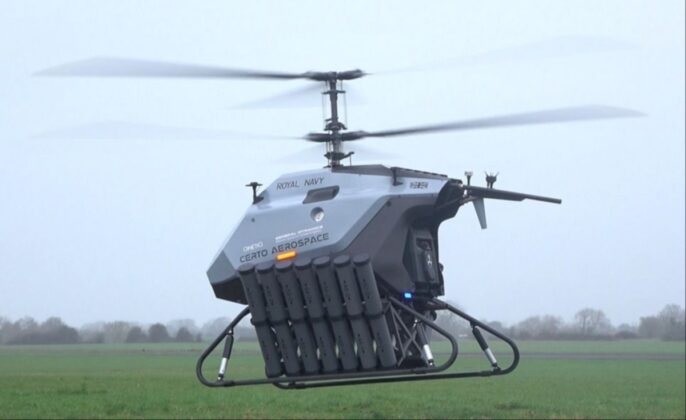
World
FROME, UNITED KINGDOM — April 14, 2026 : British aviation firm Certo Aerospace has demonstrated its CAPSTONE unmanned helicopter as a platform for anti-submarine warfare (ASW) during trials conducted for the Royal Navy under the ATLANTIC BASTION technology demonstration program. The flight trials took place in February 23, 2026 at Keevil Airfield in southwest England, a Civil Aviation Authority-approved test facility operated by Certo Aerospace. The demonstration focused on evaluating the platform’s ability to detect, locate, and track underwater targets using sonobuoys. Simulated sonobuoy signals for the exercise were provided by QinetiQ. During the test on February 23, the CAPSTONE aircraft conducted missions exceeding two hours while carrying a representative payload of sonobuoys. These floating acoustic sensors collected underwater data, which was transmitted from the unmanned aircraft to its ground control station via Starlink satellite communications. The system was integrated with the UYS-506 acoustic processor developed by General Dynamics Mission Systems (UK) Ltd.. Once received at the ground station, the sonobuoy data was routed to the processor, enabling operators to monitor underwater conditions in real time. The system provided acoustic signatures, target coordinates, and movement and tracking parameters, supporting continuous situational awareness. The demonstration also included transatlantic command and control of the UYS-506 system. CAPSTONE is a 600 kg-class vertical take-off and landing (VTOL) unmanned aircraft system featuring a coaxial rotor configuration. The platform has an approximate dry weight of 300 kg and can carry payloads of up to 300 kg. It is capable of autonomous operation for up to 10 hours and has a range of up to 300 miles. The aircraft incorporates an air-certified engine, reinforced steel airframe, modular undercarriage, and an all-folding rotor head, enabling operations from single-spot naval ship decks in maritime conditions. The trials form part of the Royal Navy’s ATLANTIC BASTION initiative, which aims to enhance anti-submarine warfare capabilities in the North Atlantic through the integration of uncrewed systems alongside crewed platforms. The CAPSTONE demonstration highlighted the use of modular payloads and autonomous operations to extend maritime surveillance and reduce reliance on manned helicopters. Justin Tooth, chief executive of Certo Aerospace and a former Royal Navy Lynx pilot, stated that the trial confirmed the platform’s ability to operate from single-spot naval vessels while carrying operationally significant payloads at useful ranges. He added that the system is intended to support a future mix of crewed and uncrewed surface, underwater, and air capabilities for ASW missions. The program aligns with broader UK defence efforts to advance unmanned aviation. In 2025, the UK division of Leonardo presented the Proteus maritime unmanned system concept for the Royal Navy. The Proteus platform is being used as a technology demonstrator to validate modularity, autonomy, and payload integration, with lessons from both initiatives expected to inform the development of future rotorcraft systems.
Read More → Posted on 2026-04-14 14:40:24
World
HUNTSVILLE, Alabama — April 13, 2026 : Collins Aerospace, a business unit of RTX, has been awarded multiple contracts by Bell Textron Inc. to supply five critical systems for the U.S. Army’s MV-75 Future Long Range Assault Aircraft (FLRAA), marking a key step in the service’s next-generation aviation modernization effort. The contracts form part of the Army’s broader Future Vertical Lift initiative, which aims to field advanced rotorcraft capable of significantly improved speed, range, and operational flexibility. Several of the awarded systems will be delivered using commercial acquisition authorities, a procurement approach intended to accelerate development timelines and integrate mature commercial technologies into military platforms. Under the agreement, Collins Aerospace will manufacture and deliver five major systems: main power generation, an interconnect drive system, the SmartProbe® air data system, cockpit seating, and an ice protection system. Development and production activities will be distributed across multiple U.S. facilities located in Colorado, Illinois, Iowa, Minnesota, New York, Ohio, and West Virginia. The MV-75 FLRAA is derived from Bell’s V-280 Valor tiltrotor demonstrator and represents the Army’s first clean-sheet rotorcraft design in decades. It is intended to replace and supplement the long-serving UH-60 Black Hawk fleet, which has been in operation since the late 1970s. The aircraft is engineered to deliver approximately twice the speed and range of current medium-lift helicopters. It is designed with a cruising speed of around 280 knots (approximately 320 mph) and a maximum speed of 300 knots. The platform offers a ferry range of up to 2,100 nautical miles and an operational combat range estimated between 500 and 800 nautical miles. In terms of payload and configuration, the MV-75 is designed to operate with a crew of four and carry up to 14 troops. It also includes dual external cargo hooks with a combined lift capacity of 10,000 pounds, enabling the transport of heavy equipment such as the M777A2 Howitzer. The program incorporates digital engineering practices and a Modular Open Systems Approach (MOSA), allowing for improved lifecycle management, system interoperability, and future upgrades. The aircraft is intended for multi-role missions, including long-range air assault, medical evacuation, utility transport, and humanitarian assistance operations. Troy Brunk, President of Collins Aerospace, stated that the company’s manufacturing and service capabilities are positioned to support accelerated delivery and long-term sustainment of the platform. Ryan Ehinger, Senior Vice President and Program Director at Bell, noted that the collaboration strengthens Team FLRAA’s ability to deliver a reliable and high-performing aircraft for future operational requirements. The FLRAA program is progressing toward its next development phase, with initial limited user testing planned between 2027 and 2028. First operational fielding of the MV-75 is currently projected for 2031.
Read More → Posted on 2026-04-14 14:33:46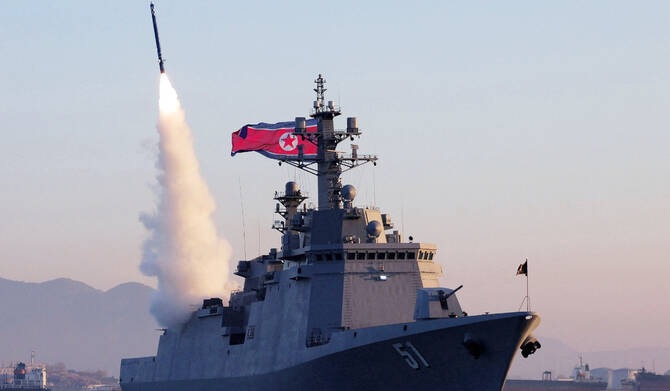
World
SEOUL, South Korea — April 14, 2026 : North Korea conducted operational efficiency trials of its newly developed 5,000-ton Choe Hyon-class destroyer on Sunday, April 12, test-firing a total of five missiles in waters off the country’s western coast, according to state media and South Korean military officials. The launches took place over the Yellow Sea and included two strategic cruise missiles and three anti-ship missiles. The Korean Central News Agency (KCNA) reported on Tuesday, April 14, that all missiles followed predetermined flight paths and successfully struck their designated targets. Telemetry data released by KCNA indicated that the two strategic cruise missiles remained airborne for between 7,869 and 7,920 seconds, exceeding two hours of flight time. The three anti-ship missiles recorded flight durations ranging from 1,960 to 1,973 seconds, or approximately 32 minutes. The classification of the cruise missiles as “strategic” suggests they are capable of carrying nuclear payloads. North Korean leader Kim Jong Un observed the test in person alongside senior military and naval officials. According to KCNA, he stated that recent developments in defense science have strengthened the country’s strategic readiness and rapid-response capability. The primary objective of the trial was to evaluate the destroyer’s integrated weapons command system and launch control mechanisms. The exercise also aimed to train the vessel’s crew in operational firepower procedures and to verify the precision of an upgraded active anti-jamming navigation system designed to maintain targeting accuracy in electronically contested environments. The Choe Hyon is the lead ship of North Korea’s new-generation multi-mission destroyer class and represents the largest surface combatant publicly acknowledged by the Korean People’s Navy. The vessel, first unveiled in April 2025, is equipped with a vertical launching system (VLS) and phased array radar and is designed to carry a range of weapons, including strategic cruise missiles, tactical ballistic missiles, and anti-aircraft systems. The destroyer is currently undergoing operational trials at facilities linked to the Nampo Shipyard on the west coast. During the visit, Kim was also briefed on weapons systems planned for two additional ships in the class, designated hull numbers 3 and 4, which are under construction at the same facility. This marks the third instance of missile testing observed by Kim from the Choe Hyon, following similar launches conducted on March 4 and March 10, 2026. South Korea’s military confirmed the launches. The Joint Chiefs of Staff (JCS) reported detecting multiple cruise missiles fired from waters near Nampho on Sunday morning. In its statement, the JCS said that South Korean and United States intelligence authorities are conducting a detailed analysis of the flight data while maintaining a coordinated defense posture to monitor further developments.
Read More → Posted on 2026-04-14 14:23:08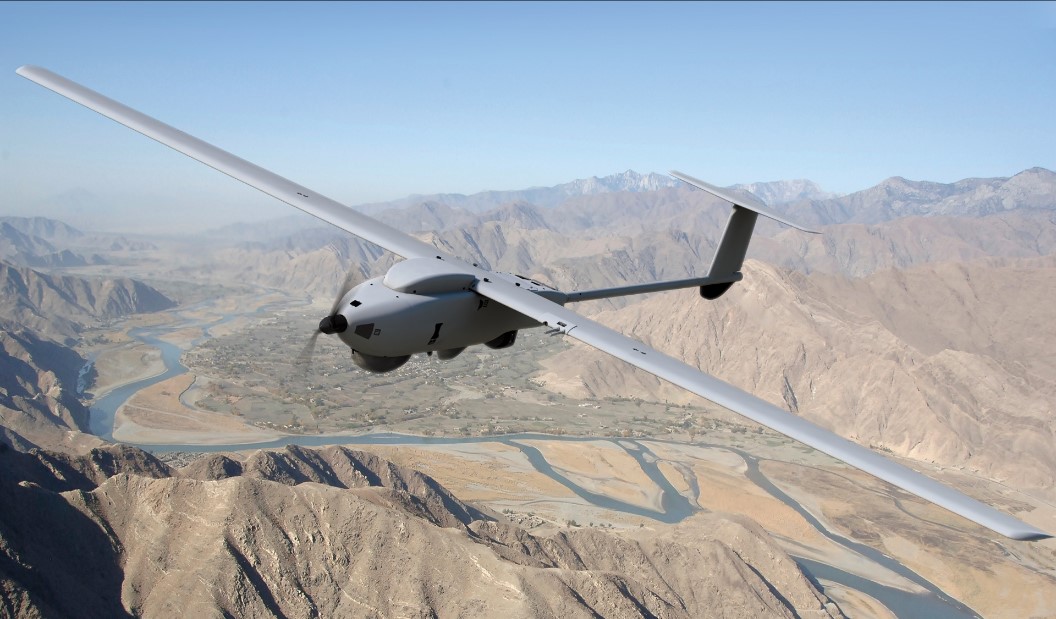
World
JACKSONVILLE, Florida — April 14, 2026 : Redwire Corporation has secured purchase orders exceeding $20 million during the first quarter of fiscal year 2026 to supply its Stalker unmanned aircraft systems (UAS) to the U.S. Navy and Marine Corps, marking a key step in upgrading small tactical drone capabilities. The awards support the Navy and Marine Corps Small Tactical Unmanned Aircraft Systems Program Office (PMA-263) under its Family of Small UAS division. The procurement was executed through the Defense Logistics Agency Tailored Logistics Support contract, an indefinite delivery/indefinite quantity (IDIQ) multi-award framework, with Atlantic Diving Supply acting as the prime contractor. The contract includes the U.S. Marine Corps’ first acquisition of the Advanced Navigation variant of the Stalker Block 30 drone. While the number of systems ordered was not disclosed, each package comprises air vehicles, intelligence, surveillance, and reconnaissance (ISR) camera payloads, ground control stations capable of short-, medium-, and long-range operations, and associated support kits. The procurement initiates a transition from the Marine Corps’ existing Stalker Block 30 fleet to the Advanced Navigation configuration. The new systems will augment more than 250 Stalker aircraft already in service. The upgraded variant is designed to operate effectively in contested electromagnetic environments, maintaining navigation and targeting functions in GPS-denied or jammed conditions. According to Redwire, the capability enhancement addresses increasing reliance on resilient guidance systems in modern combat scenarios where electronic warfare and signal disruption are prevalent. The Advanced Navigation system enables sustained reconnaissance, target tracking, and operational flexibility under such conditions. Steve Adlich, president of Redwire Defense Tech, stated that the capability is critical for long-range reconnaissance missions conducted in environments where satellite navigation may be unavailable. He noted that the Stalker platform has a 20-year operational history and supports modernization efforts within PMA-263. The Stalker Block 30 is a Group 2 small tactical UAS designed for intelligence, surveillance, and reconnaissance missions. It provides ground units with real-time aerial visibility beyond line of sight to support monitoring and targeting operations. The platform has a wingspan of 4.9 meters (16 feet) and a maximum takeoff weight of 22 kilograms (49 pounds). It can be transported in standard vehicles and assembled by a two-person team in under 20 minutes. The aircraft supports endurance of more than eight hours using either a propane solid oxide fuel cell or rechargeable batteries and offers a communication range of up to 160 kilometers (100 miles). The system features a low acoustic signature to reduce detectability and incorporates a modular open architecture, allowing integration of electro-optical and infrared payloads for day and night operations. Redwire did not disclose a delivery timeline. The awards represent follow-on orders that expand the Marine Corps’ existing Stalker inventory while supporting ongoing modernization of small UAS capabilities.
Read More → Posted on 2026-04-14 14:16:24Search
Top Trending in 24 Hours
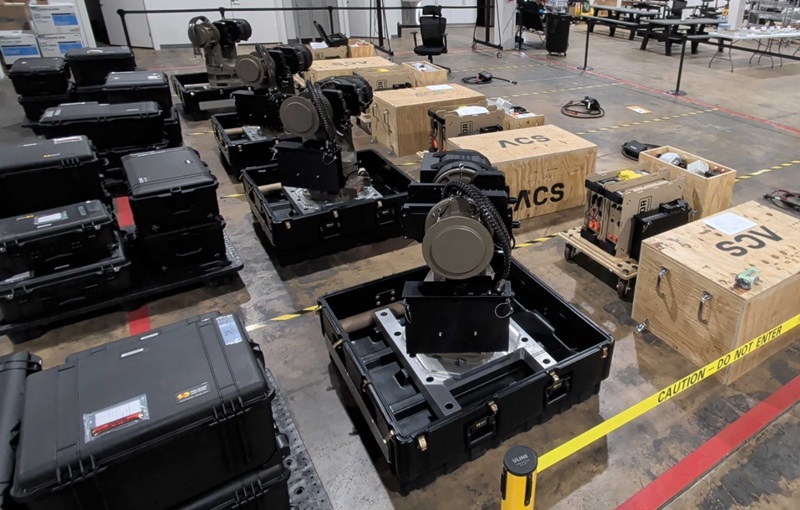

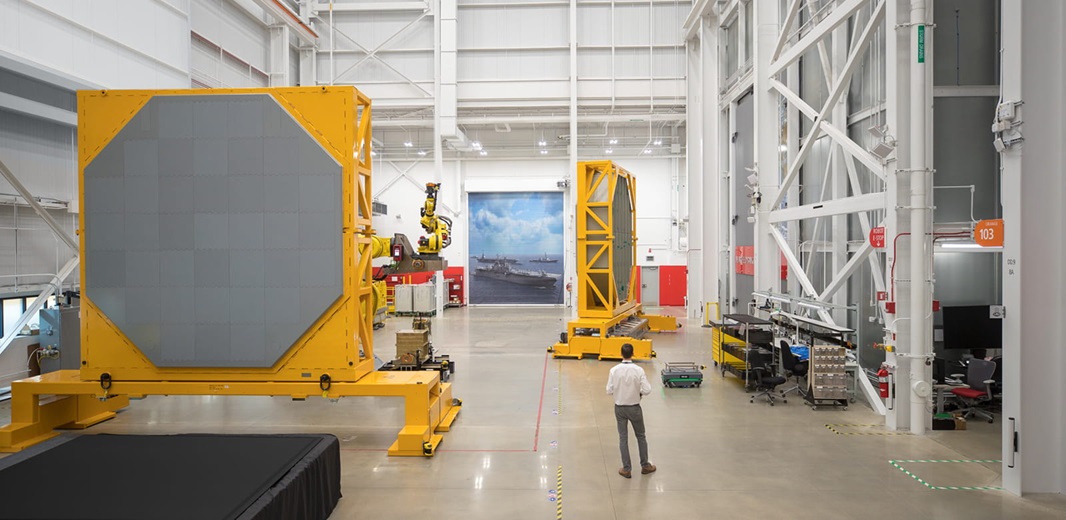
Top Trending in 4 Days
-
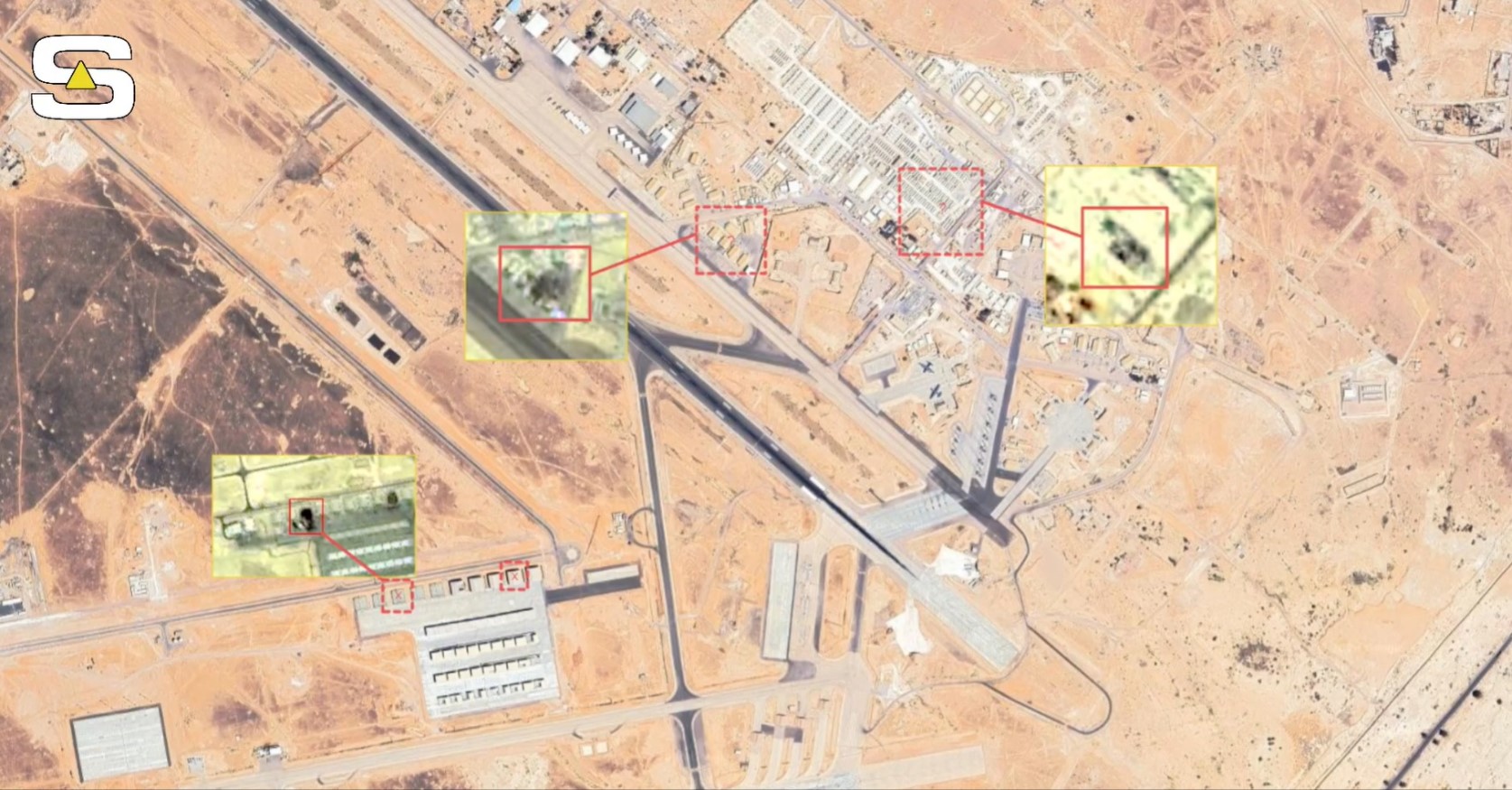 New Satellite Imagery Reveals Extensive Damage at Jordan's Muwaffaq al-Salti Air Base After Iranian Missile Strike
-
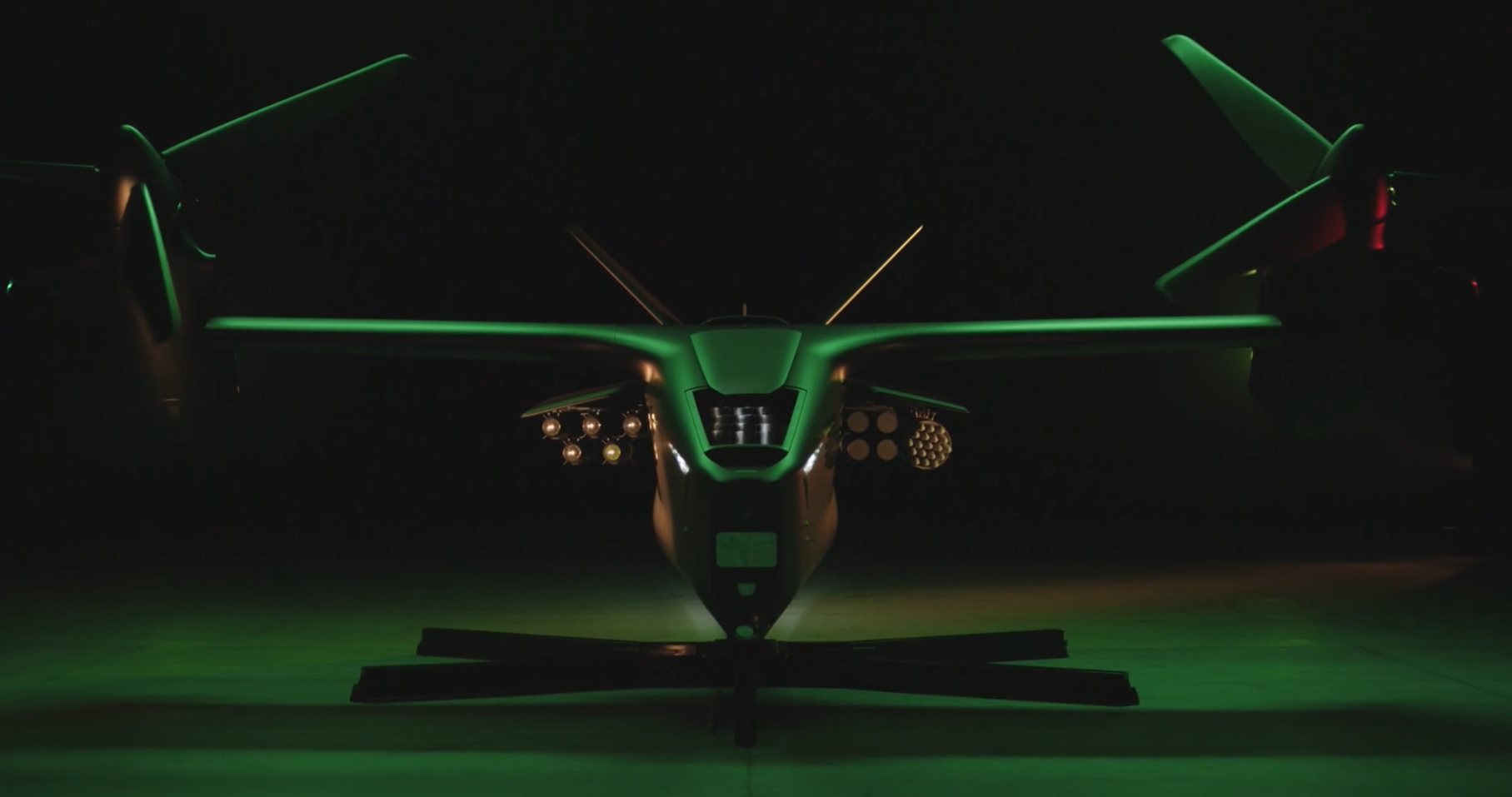 Anduril Unveils Thunder Autonomous Attack Rotorcraft Built with Archer Aviation to Support Apache Helicopters
-
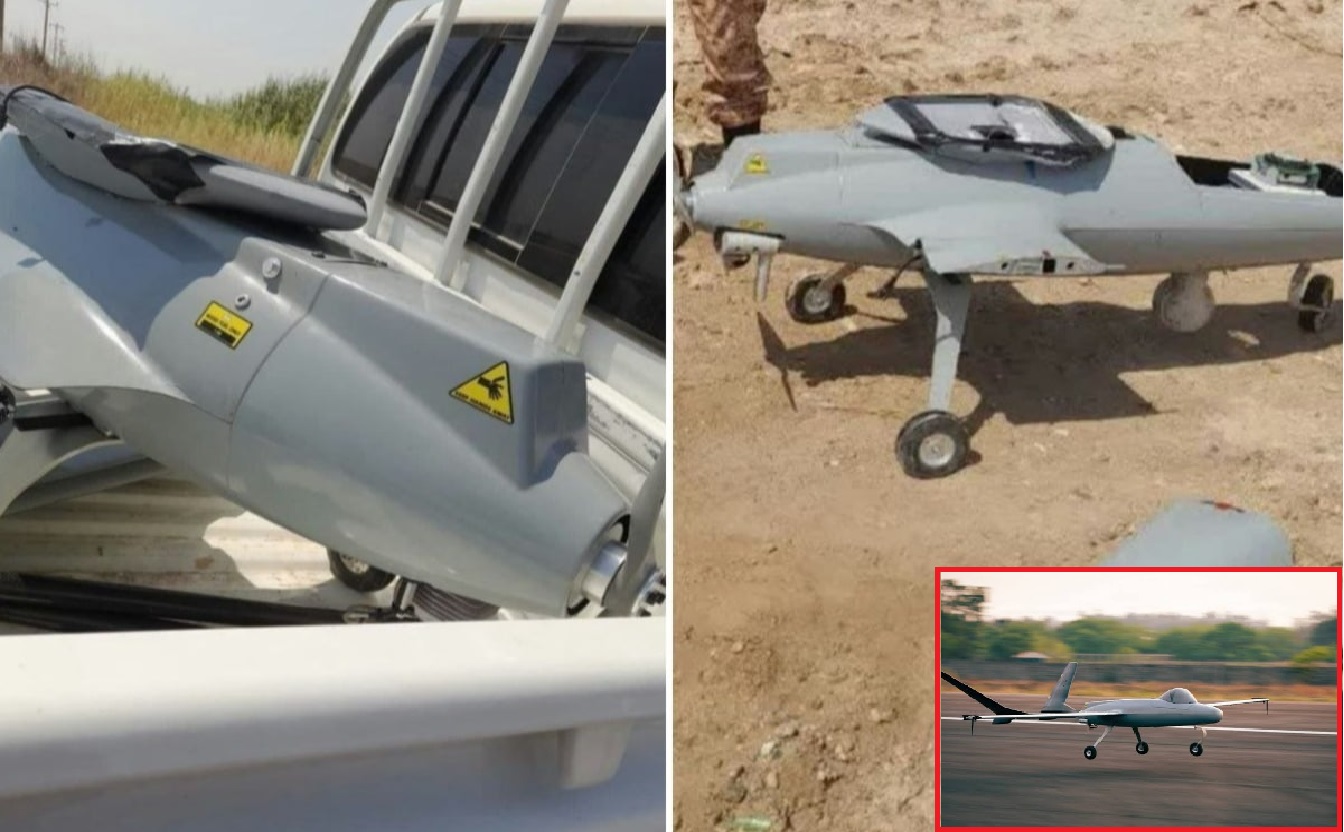 Iran Claims It Shot Down U.S.-Operated Polish-Built Tiguar-M Drone, Releases Images
-
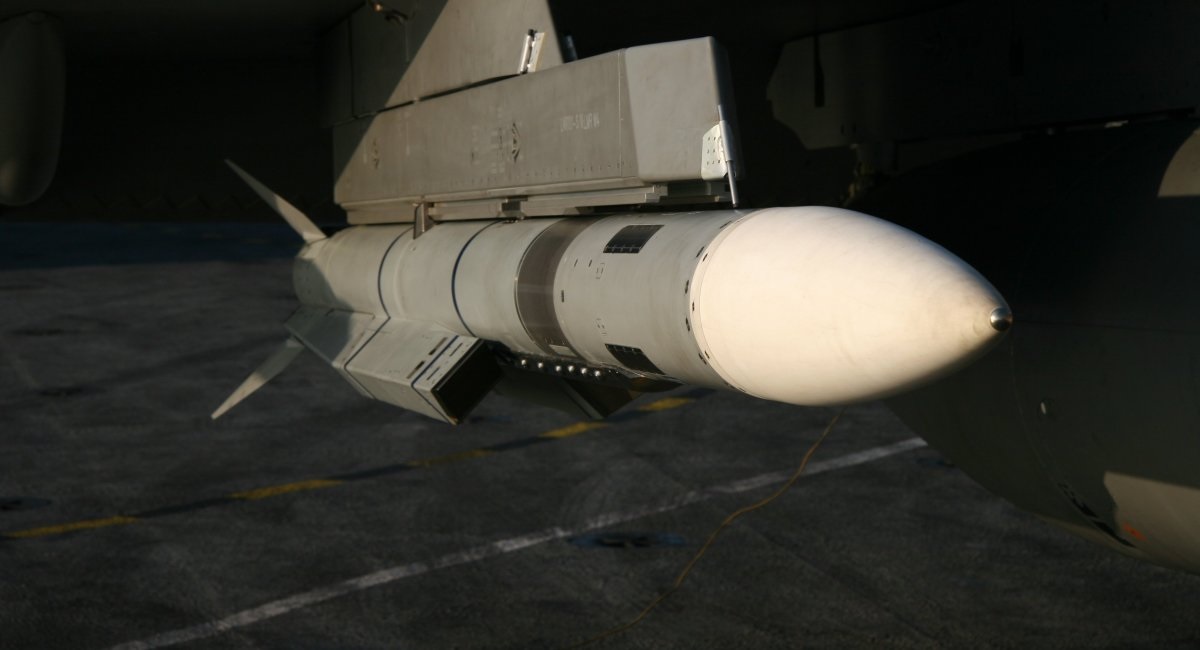 UK Cancels Meteor Missile Mid-Life Upgrade, Prioritizes Next-Generation FASE Air-to-Air Missile Programme
-
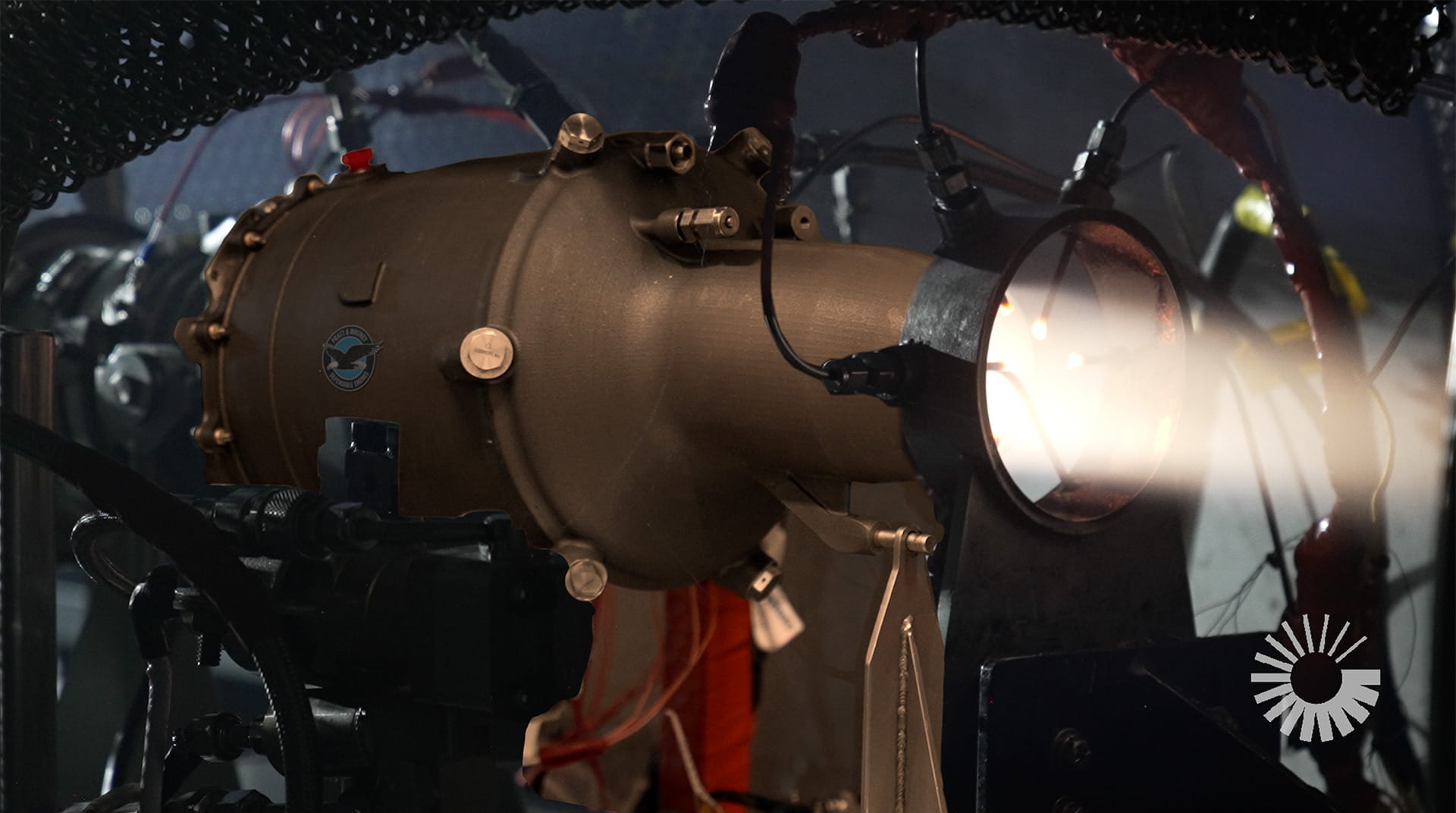 Pratt & Whitney Completes Testing of 3D-Printed TJ150 Engine for Military Applications
-
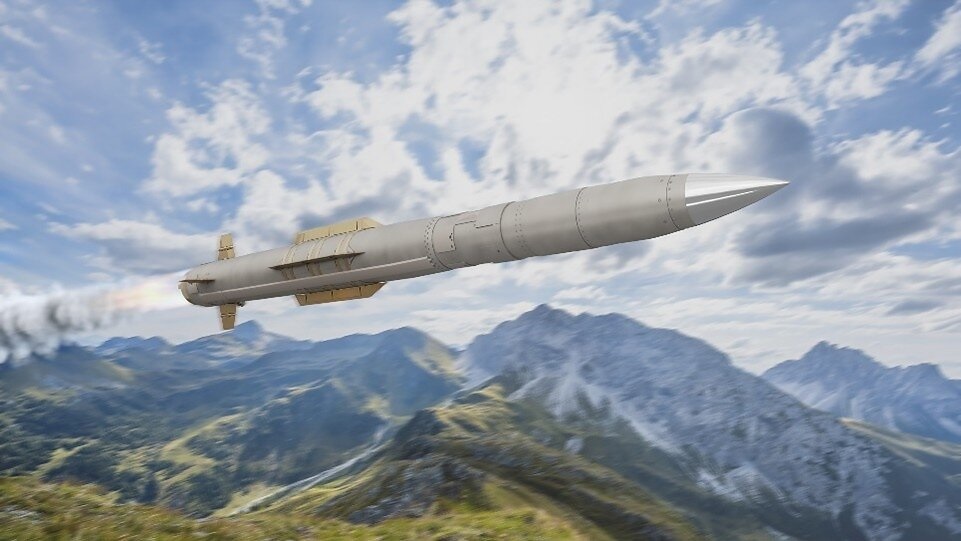 Lockheed Martin Unveils Lower-Cost PAC-3 ACE Interceptor for Patriot Air Defense System
-
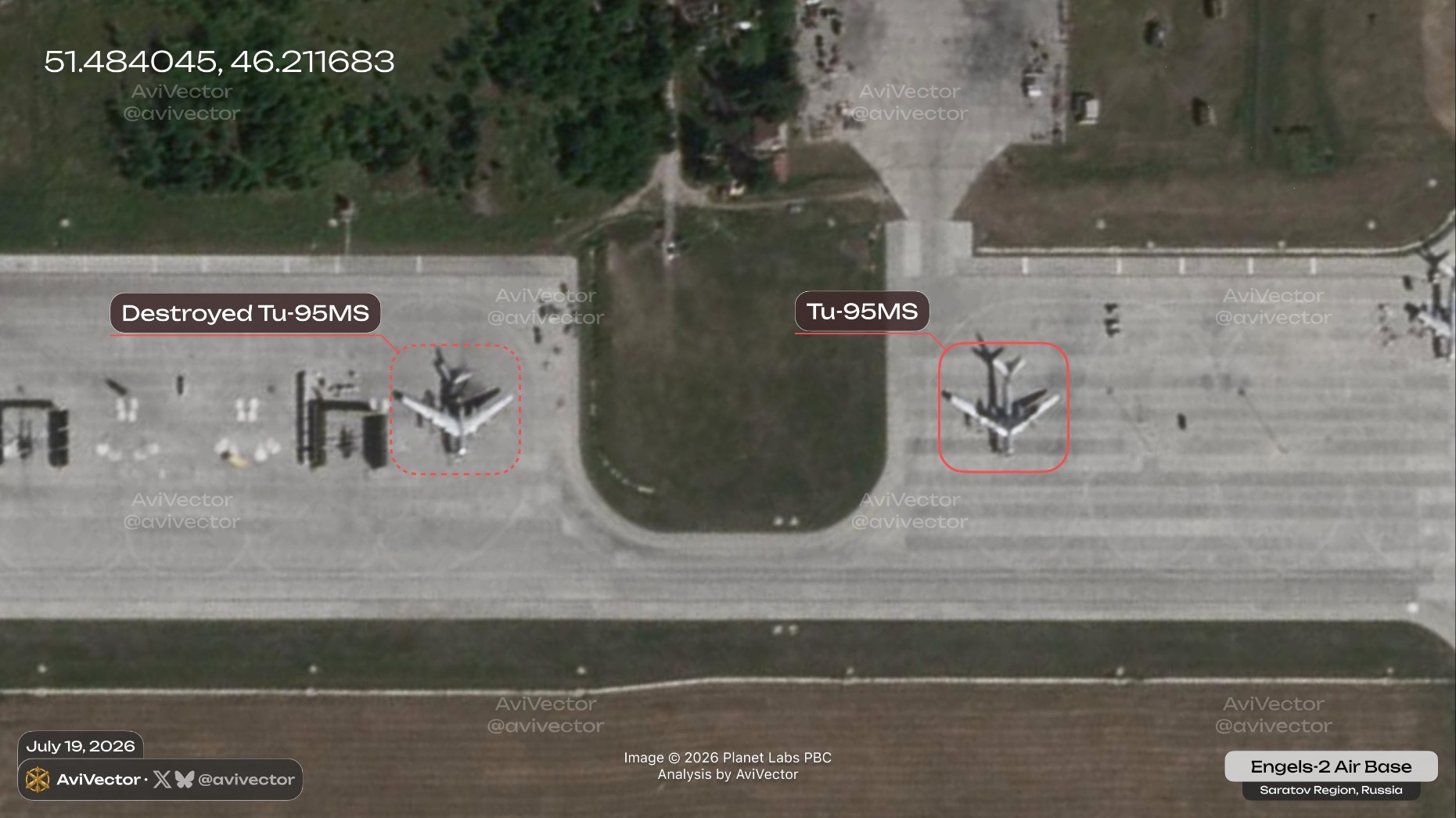 Satellite Images Confirm Russian Tu-95MS Bomber Destroyed After Ukrainian Drone Strike on Engels-2 Air Base
-
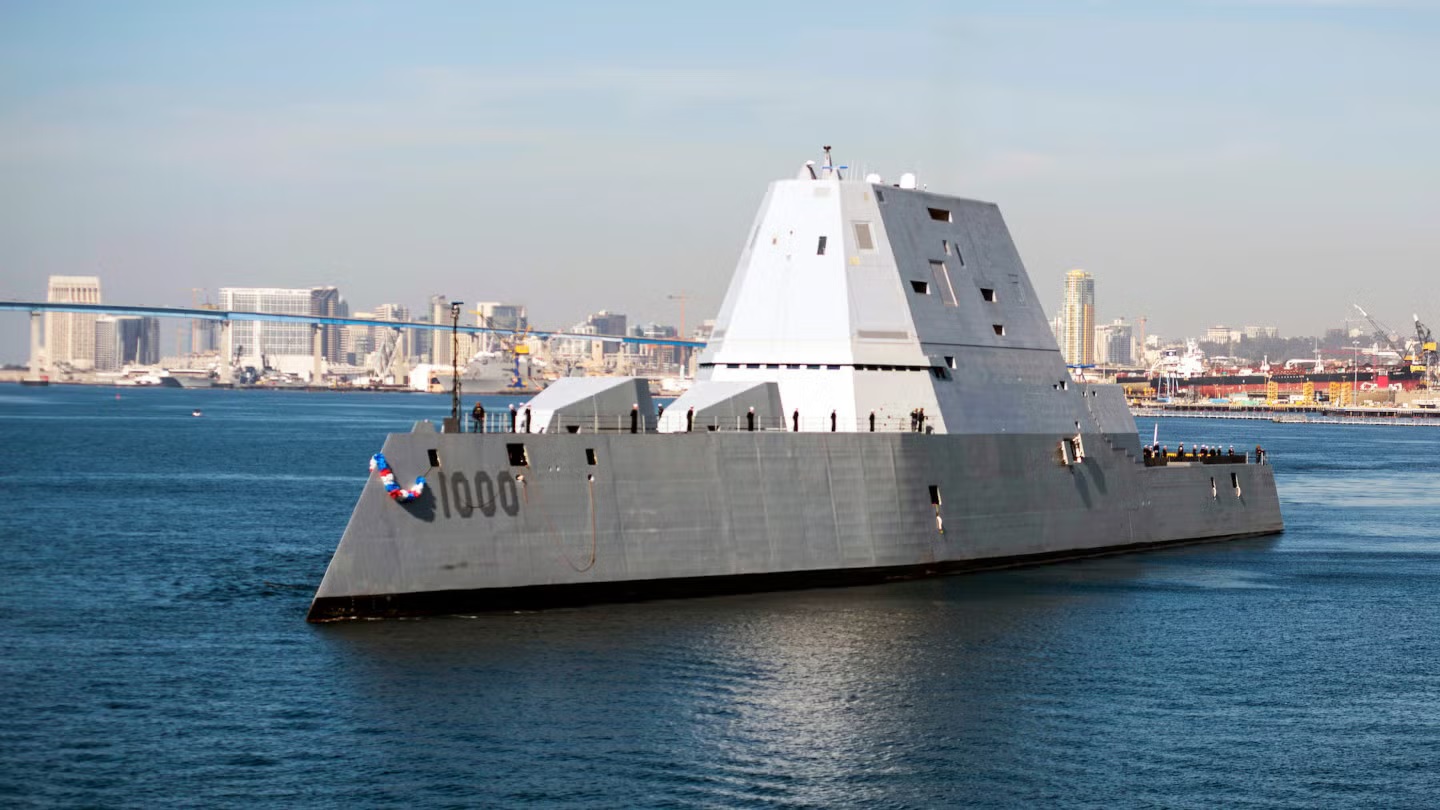 U.S. Navy's Zumwalt Destroyer Hypersonic Missile Upgrade Program Delayed by Two Years as Costs Top $2 Billion: GAO Reports
