World
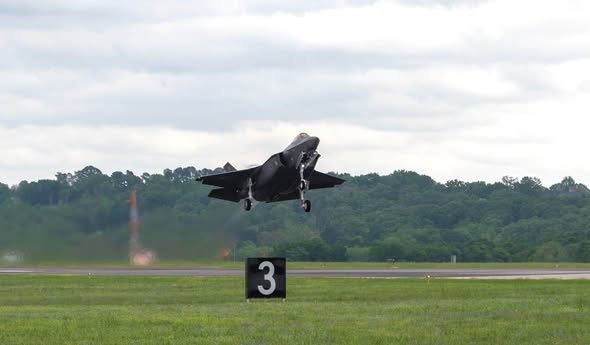
HELSINKI — April 16, 2026 : The Finnish Air Force has confirmed that a Finnish pilot conducted the first flight of a Lockheed Martin F-35A Lightning II on April 15, 2026, at Ebbing Air National Guard Base in Fort Smith, Arkansas. The sortie began at 2:17 p.m. local time and was carried out using aircraft JF-502, the second F-35A delivered to Finland. The flight marks the transition of Finnish personnel into the live-flight phase of initial F-35 training in the United States. Prior to this stage, pilots and support staff completed theoretical instruction and simulator-based training at Eglin Air Force Base in Florida. Flight training operations at Ebbing are conducted by the U.S. Air Force’s 57th Fighter Squadron. Training Progression and Pilot Experience The pilot, a former instructor and experienced operator of the F/A-18 Hornet, described the aircraft’s performance during the mission. He reported that the F-35A demonstrated strong acceleration during takeoff, with afterburner enabling rapid attainment of takeoff speed at full power. He also noted that aircraft handling remained stable and intuitive throughout all phases of flight, allowing greater focus on mission execution rather than aircraft control. According to the pilot, the training programme has progressed in a structured manner, covering aircraft systems, emergency procedures, and tactical flight operations designed to utilize the capabilities of the F-35 platform. He stated that U.S. instructors involved in the programme have extensive experience and are accustomed to training international personnel. The pilot also highlighted the importance of simulator preparation due to the F-35A’s single-seat configuration. Unlike the F/A-18 Hornet, which allows for instructor presence during initial flights, the F-35 requires pilots to operate independently from the outset. He noted that simulator training provided a sufficient foundation to support the first live flight. Following the sortie, Finnish and U.S. personnel were present on the ramp at Ebbing Air National Guard Base, reflecting the coordinated effort supporting the training programme. Aircraft Deliveries and Training Fleet Finland has so far received eight F-35A aircraft, designated JF-501 through JF-508. These aircraft are currently stationed at Ebbing Air National Guard Base and are being used for pilot and maintainer training. Each aircraft undergoes airworthiness verification and acceptance inspections conducted by Finnish personnel before being cleared for operational use. Aircraft JF-501 arrived at Ebbing on January 20, 2026, followed by JF-502 on February 18, 2026. The remaining aircraft in this initial batch were delivered subsequently as part of the training allocation. Approximately 150 Finnish personnel are scheduled to complete training in the United States, including around 20 pilots, 80 maintenance technicians, and 50 additional support staff. The training programme is expected to continue in phases through early 2028. Transition Timeline and Infrastructure Development Further deliveries of Finnish F-35A aircraft are scheduled to begin in fall 2026, with aircraft starting from JF-509 to be delivered directly to Finland. The first Finland-based aircraft will be stationed at Rovaniemi Air Base, which hosts the Lapland Air Wing. Infrastructure upgrades at Rovaniemi are currently underway to support the introduction of the F-35A. These include the installation of simulators and modifications to operational and maintenance facilities required for fifth-generation aircraft operations. Finland aims to achieve initial operational capability (IOC) with the F-35A at the beginning of 2028, coinciding with the Lapland Air Wing’s transition from the F/A-18 Hornet fleet. Full operational capability (FOC) across the Finnish Air Force is projected by the end of 2030. HX Programme and Fleet Replacement Finland has ordered a total of 64 F-35A aircraft under the HX fighter replacement programme, which was approved in February 2022. The aircraft will gradually replace the current fleet of F/A-18C/D Hornets during the transition period. The eight aircraft currently based at Ebbing Air National Guard Base will continue to support training activities before being transferred to Finland at a later stage. The April 15, 2026 flight represents a scheduled milestone in Finland’s phased integration of the F-35A into its air defence structure.
Read More → Posted on 2026-04-16 16:54:44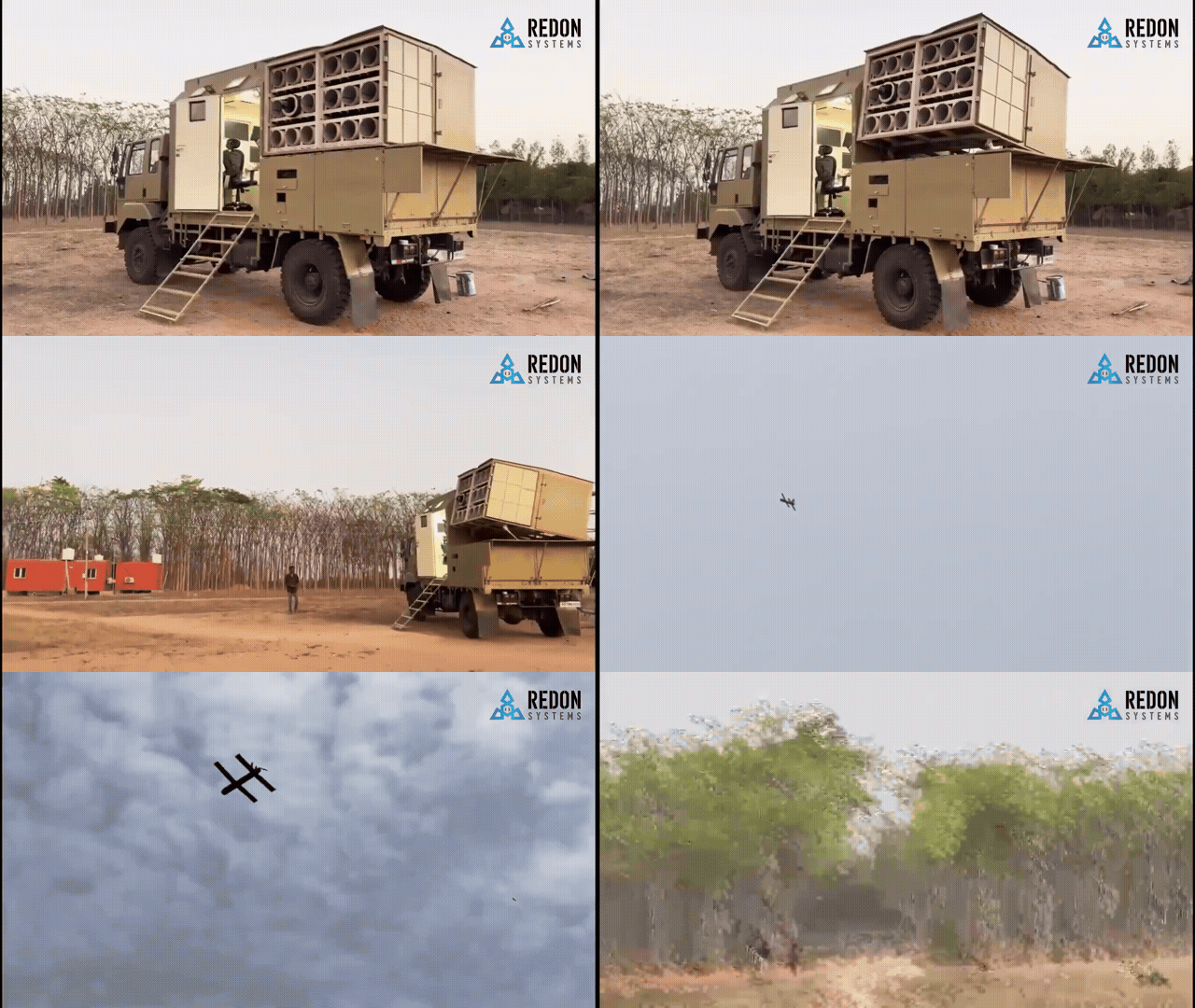
India
HYDERABAD — April 16, 2026 : Redon Systems has developed the Bheeshan Multi-Barrel Munition Launcher System (MBMLS), a vehicle-mounted platform designed for rapid deployment of loitering munitions to support precision strikes and coordinated multi-target engagements. The system is described as India’s first multi-barrel loitering munition launcher and has been developed entirely in-house as part of the company’s indigenous unmanned systems portfolio. Mounted on a Stallion 4x4 vehicle, the Bheeshan system is capable of launching up to 18 loitering munitions within two minutes, with a firing interval of four seconds per munition. It has an operational strike range of up to 30 km and supports deployment in high-altitude environments up to 4,500 metres, while the munitions operate at approximately 500 metres above ground level. The platform also carries an additional 18 munitions onboard, enabling a second salvo without requiring reloading. The system weighs approximately 7,000 kg, including the vehicle and launcher, and offers road mobility of up to 60 km/h. It is designed for operations across varied terrain and can function in temperatures ranging from -10°C to +50°C. The launcher uses a pneumatic ejection mechanism powered by a 200-bar compressor, with adjustable launch pressure and speed depending on munition weight. The loitering munitions feature foldable wings for compact storage and are equipped with warheads for precision targeting. Command and control are managed through a Linux-based Ground Control Station (GCS) equipped with a graphical interface for mission planning and execution. The system includes dual workstations, allowing operators to control nine munitions each simultaneously, enabling coordinated strikes against multiple targets. The system can be made operational within 15 minutes. The Bheeshan MBMLS is part of Redon Systems’ broader Bheeshan series of multi-barrel UAV launchers and is intended for artillery support, counter-insurgency operations, and high-altitude warfare. It is designed to enhance rapid deployment capability, improve precision engagement, and enable swarm-like attack profiles to overwhelm adversary defences. The system integrates with the company’s indigenous platforms, including the Achuk loitering munition series and the Pehra tethered surveillance drone. The Achuk platform supports semi-autonomous and autonomous missions, with electric propulsion and AI-enabled targeting. It offers modular payload configurations, including High Explosive (HE) and High-Explosive Anti-Tank (HEAT) warheads, with payload capacities ranging from 1.1 kg to 3.5 kg and operational ranges between 10 km and 30 km depending on the variant. Redon Systems recently demonstrated the Bheeshan system during Exercise TOPCHI at the Artillery School in Deolali, attended by senior Indian Army officials, including Lt Gen NS Sarna. The development aligns with India’s Atmanirbhar Bharat and Make in India initiatives aimed at strengthening domestic defence manufacturing. No official details regarding production timelines or induction status have been disclosed.
Read More → Posted on 2026-04-16 15:48:44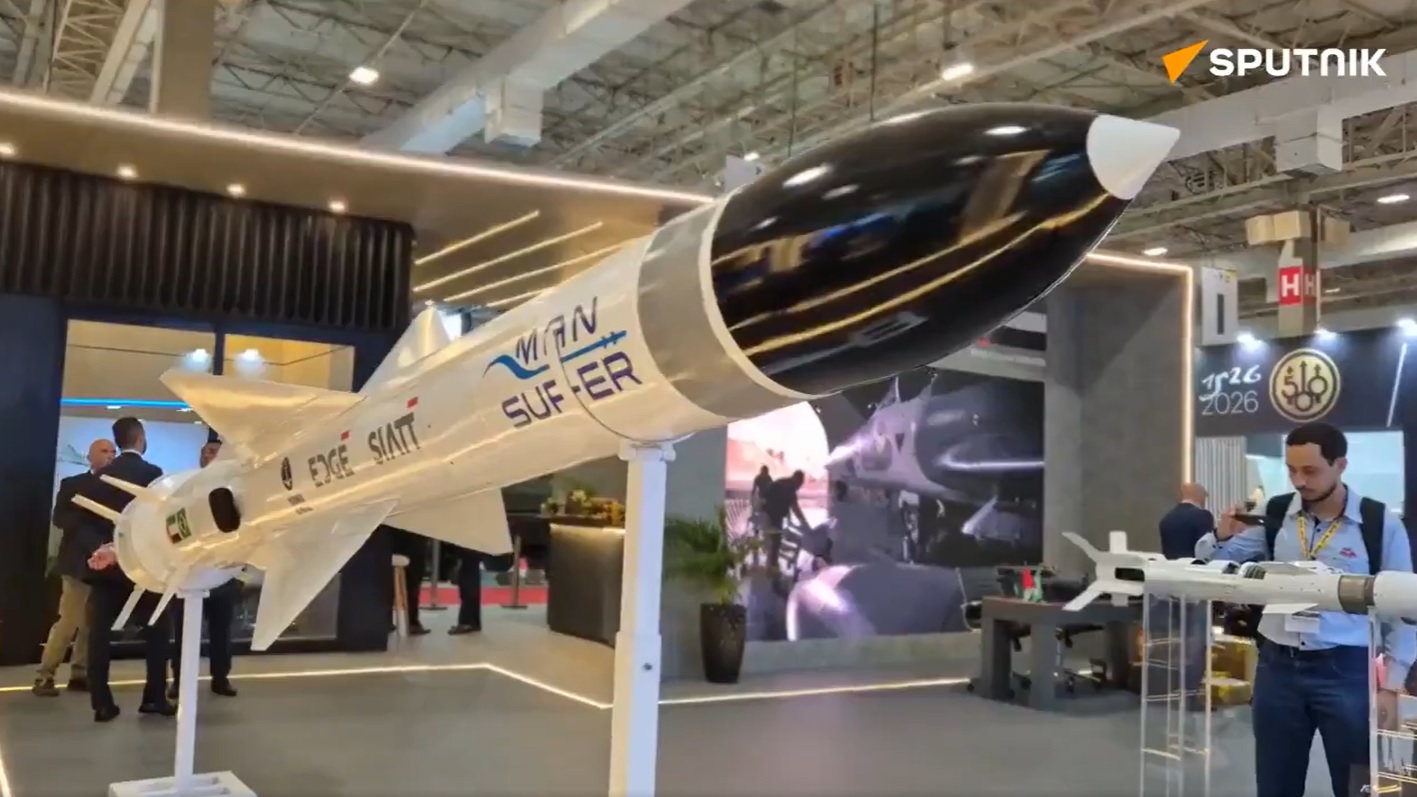
World
SÃO PAULO, — April 16, 2026 : The Brazilian Navy (Marinha do Brasil) has presented the MANSUP-ER (Míssil Antinavio Nacional de Superfície – Extended Range) anti-ship missile at the LAAD Security Milipol Brazil 2026 exhibition, held from April 14 to April 16 at the Transamerica Expo Center in São Paulo. The MANSUP-ER is an extended-range development of the baseline MANSUP missile, increasing operational reach from approximately 70 kilometers to over 200 kilometers. The system is being developed by Brazilian defense company SIATT in cooperation with the UAE-based EDGE Group, which holds a 50 percent stake in the firm, alongside participation from the Brazilian Navy. The missile uses a turbojet propulsion system combined with a solid-propellant booster, enabling transonic speeds of approximately 950–954 km/h. It measures about 4,700 mm in length with a diameter of 330 mm and carries a 150 kg warhead. Guidance is based on inertial navigation with GNSS assistance, supported by a jamming-resistant active radar seeker for terminal engagement. The MANSUP-ER is designed for sea-skimming flight with adaptive profiles based on sea-state conditions. It supports programmable 3D waypoints, terminal maneuvering, and coordinated time-on-target attacks, allowing multiple missiles to strike simultaneously. In addition to maritime targets, the system includes overland flight capability and land-attack functionality. The missile can be launched from naval platforms or land-based systems configured for coastal defense. A coastal variant is under development, and studies are ongoing for a potential air-launched version. The program also includes integration of Turkish KTJ-3200 turbojet engines, ordered by the Brazilian Navy to support propulsion requirements. The MANSUP-ER is planned for deployment on future Brazilian Navy surface combatants, particularly the Tamandaré-class frigates, each expected to carry eight launch containers. These vessels are scheduled for commissioning between 2026 and 2029 and are intended to support coastal defense, exclusive economic zone (EEZ) patrol, and maritime security operations. The system is part of a broader effort to expand domestic defense manufacturing and reduce reliance on foreign-supplied munitions. It is expected to replace or supplement existing systems such as the Exocet MM40 Block II currently in service. The LAAD Security Milipol Brazil 2026 exhibition brings together military officials, defense companies, and security agencies from more than 60 countries, with a focus on defense and public security technologies.
Read More → Posted on 2026-04-16 15:34:10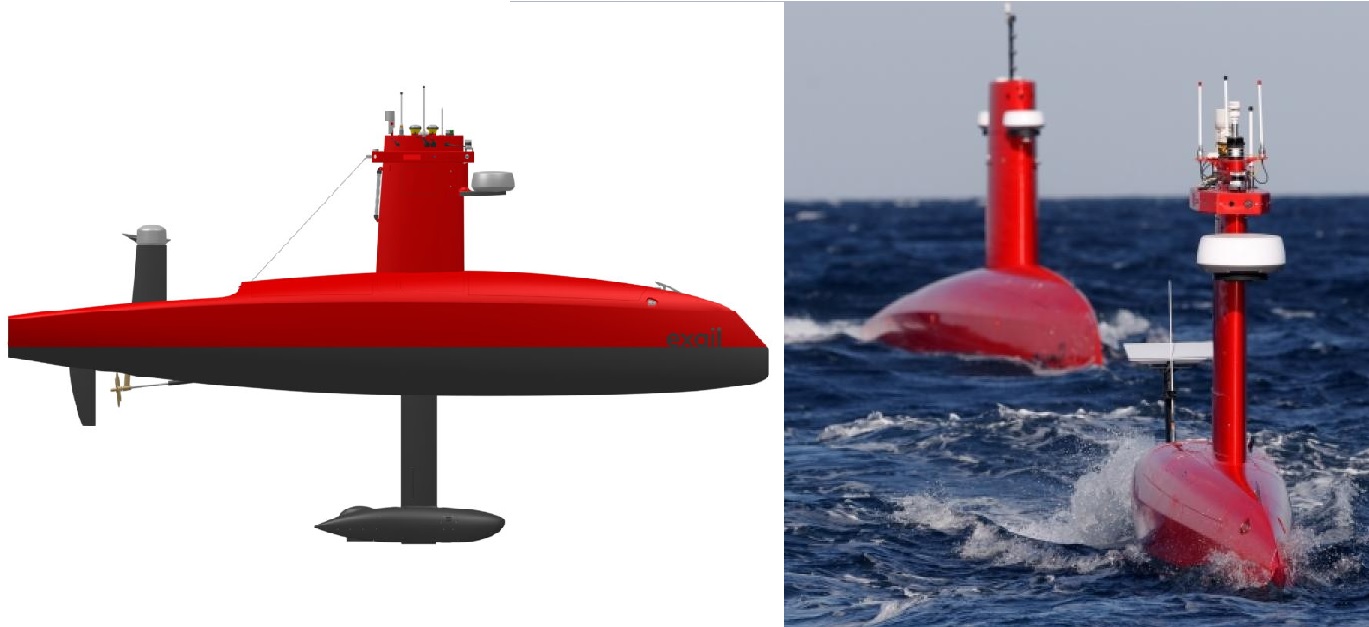
World
PARIS, — April 16, 2026 : Exail has secured a contract to supply its long-range uncrewed surface vehicle (USV), the DriX H-9, to a leading defense research organization for counter-unmanned aerial system (C-UAS) missions. The announcement was made on April 16, 2026. Under the agreement, the DriX H-9 will be equipped by the customer with advanced sensor technologies to detect, track, and mitigate aerial threats. The system will adapt C-UAS technologies originally developed for land-based platforms to the maritime environment, enabling mobile and autonomous protection of coastal and open-water airspace. This marks the second defense-focused DriX H-9 order within a few months. A previous order was placed in January 2026 by the innovation branch of a leading navy for similar C-UAS missions, while another unit was acquired by Service Hydrographique et Océanographique de la Marine (SHOM) for hydrographic operations. The platform has also been selected by a European client for offshore civil survey work. According to industry reporting, the recent C-UAS-related acquisitions are understood to be linked to the United States Navy, potentially through the Office of Naval Research or the Strategic Capabilities Office. The DriX H-9 is part of Exail’s DriX Series of uncrewed surface vessels designed for multi-mission use across defense and commercial sectors, including hydrography, maritime security, and domain awareness. The platform combines long-range autonomy, high payload capacity, and a modular architecture that allows rapid integration of mission systems. Its customizable stern section supports additional payloads and remotely operated towed vehicle (ROTV) operations. The vessel measures 9 meters in length with a displacement of 2.1 tonnes. It offers an endurance of up to 20 days depending on payload, a range of approximately 2,000 nautical miles, and a maximum speed of less than 13 knots. The fuel capacity is 550 litres. The system operates using Exail’s CortiX autonomy solution, enabling remote control or supervised autonomous operations, including over-the-horizon missions. It incorporates obstacle avoidance capabilities using video cameras, infrared sensors, LiDAR, radar, and software-based processing. Communications are supported through a multi-channel redundant architecture, including line-of-sight and over-the-horizon links via 4G/5G, broadband radio, satellite, and other channels. The DriX H-9 also supports low-noise payload operations for high-quality data collection and is designed to operate in high sea states above Sea State 5. According to the company, the platform operates with a significantly reduced environmental footprint compared to conventional crewed vessels. Marine Slingue, President of Exail Defense Systems Inc., stated that the contract reflects the increasing role of uncrewed surface systems in defense applications and highlights the adaptation of the DriX Series to new mission profiles such as C-UAS. The contract expands the operational role of the DriX H-9 in maritime security and domain awareness, as defense organizations continue integrating autonomous systems for tracking, mitigation, and data collection in maritime environments.
Read More → Posted on 2026-04-16 15:22:41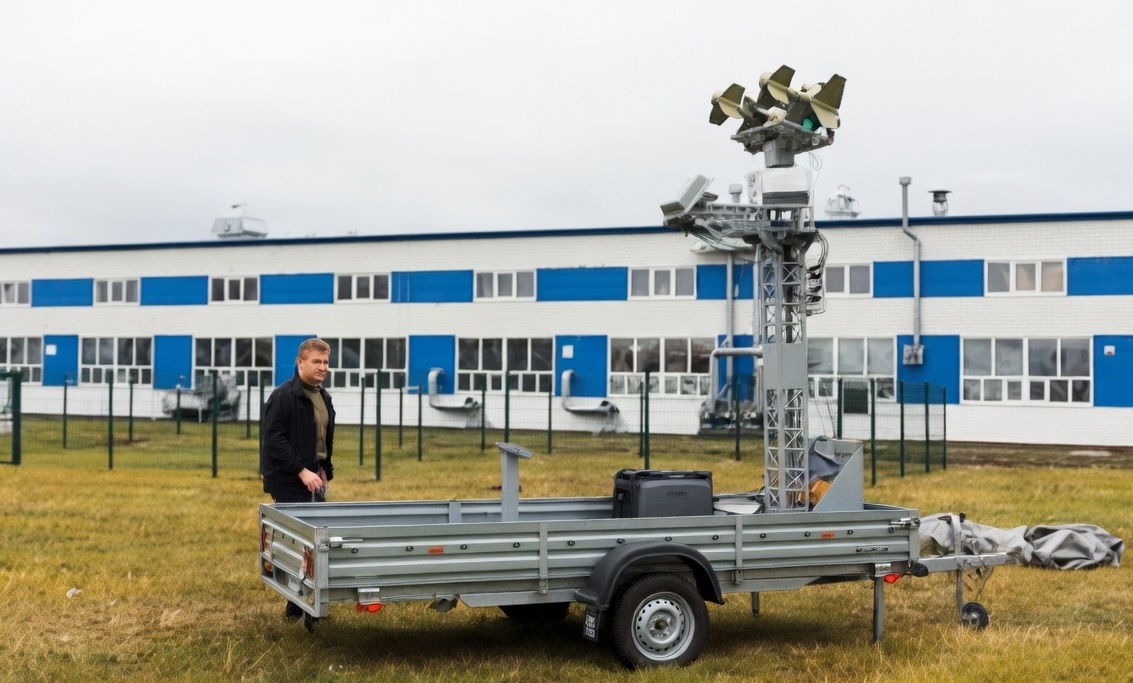
World
MOSCOW — April 16, 2026 : Newly circulated open-source intelligence footage indicates a technical shift in the deployment of Russia’s “Yolka” (Ёлка) interceptor drone, showing the system operating in an integrated configuration with a dedicated launcher and paired radar unit. The development marks a transition from earlier man-portable versions that relied on handheld or tripod-based catapult launches. The footage shows the Yolka mounted on a launcher system and linked to an external radar, reportedly produced by Yumirs, enabling earlier target detection and automated cueing. This configuration supports semi-automated operation and suggests a move toward fixed or platform-based point-defense roles rather than exclusive use by individual operators. System Development and Background First reported in mid-2025 and manufactured by the Moscow-based company Nashe Nebo (“Our Sky”), the Yolka is designed for short-range counter-unmanned aerial vehicle (UAV) operations. The system operates on a fire-and-forget principle, using onboard processing to autonomously track and engage targets after launch with minimal operator input. Earlier deployments involved handheld, pistol-like launchers or tripod systems, as well as mounting on platforms such as the Impulse-PVO tracked robotic chassis. The newly observed launcher-and-radar pairing reflects ongoing adaptation toward integrated air defense roles. Technical Characteristics Available technical data from Ukrainian defense advisors and Russian sources indicate the following specifications: Launch weight: approximately 1.3 kg to 2.0 kg Operational range: up to 3 kilometers Maximum speed: 200–230 km/h Climb rate: up to 40 meters per second Altitude ceiling: up to 2,000 meters Target engagement: capable against UAVs moving up to 115 km/h The drone is constructed from lightweight materials, including an 8×100 mm carbon tube, carbon structural elements, and 3D-printed aerodynamic components. It uses Skystars KOKO RS 2275 1950KV motors and a Gaoneng GNB2200 6S lithium-polymer battery. Targeting and Guidance The system’s core processing unit, known as the “Igolka” module, integrates machine learning algorithms with a dual-channel optoelectronic system for visual identification and tracking of targets. Detection range for small drones is reported between 600 and 1,000 meters. Once a target enters a range of approximately 700 to 1,000 meters, the onboard visual tracking system takes over for terminal guidance. If visual contact is lost, the drone is programmed to climb to about 50 meters and initiate a glide-based search pattern. Payload Variants The Yolka is deployed in two configurations: Kinetic interceptor (baseline): a non-explosive variant that neutralizes targets through direct impact Fragmentation variant: equipped with a 360-gram warhead designed to detonate on proximity or impact The baseline version is described as simpler and lower-cost due to the absence of an explosive payload. Operational Constraints The system’s reliance on optical targeting imposes environmental limitations. Current versions operate only during daylight and are affected by high-contrast lighting conditions such as direct sunlight or dense cloud cover. The drone cannot be used in rain and is limited to wind conditions below 8 meters per second. Operational Use and Role Expansion The Yolka has been deployed by Russian forces since 2025 for countering small UAVs, including FPV drones, quadcopters, and bomber-type systems. It has been used for point defense of infantry positions, supply convoys, air defense systems, and critical infrastructure. Russian sources report multiple successful interceptions, including engagements against Lyutyi-type attack drones in the Bryansk region. The integration of radar with the launcher system indicates a shift toward layered air defense applications. By enabling earlier detection and automated targeting, the updated configuration is positioned to improve response times and expand the system’s role in protecting stationary and high-value assets. The Yolka continues to undergo iterative development, with adjustments based on operational feedback. No official production figures have been disclosed.
Read More → Posted on 2026-04-16 15:05:11
World
BEIRUT — April 16, 2026 : The Israeli army has withdrawn its forces from the southern Lebanese villages of Deir Siryan and Qantara in recent days, following extensive demolition operations that left much of both locations destroyed. The move is assessed as a tactical repositioning linked to Israel’s broader effort to consolidate a buffer zone in southern Lebanon rather than maintain troops in exposed forward positions. Local officials confirmed that Israeli forces remained active in Deir Siryan until shortly before the withdrawal. The village’s mokhtar, Ali Ibrahim, reported hearing fresh explosions on Sunday and Monday, indicating continued demolition activity immediately prior to the pullback. Both Deir Siryan, located in the Marjayoun district on the southern bank of the Litani River, and Qantara experienced widespread destruction, with dozens of homes and structures systematically demolished. According to available reports, Israeli forces employed a demolition strategy previously used in other border villages, including Taybeh and Naqoura. Buildings were rigged with explosives and destroyed in controlled blasts. Satellite imagery and accounts from residents in early April 2026 indicated near-total destruction in Deir Siryan, with little of the village remaining intact. The villages were occupied during Israeli ground operations that followed clashes with Hezbollah in the area, including along the Taybeh–Qantara axis. Deir Siryan had an estimated population of approximately 1,400 residents prior to the escalation, all of whom had evacuated during the early phase of the offensive. Military analysts describe the withdrawal as part of a broader operational adjustment aimed at reducing troop exposure to potential Hezbollah attacks in vulnerable frontline positions. By pulling back from heavily exposed locations, Israeli forces are seeking to maintain control over the wider area while consolidating positions along more defensible lines within an expanded buffer zone extending toward the Litani River. The repositioning aligns with Israel’s stated objective of establishing a deeper security zone in southern Lebanon to push Hezbollah forces further from the border and limit cross-border threats. Demolition of infrastructure in evacuated villages is being used as part of this approach to prevent the areas from being reused for military purposes. The developments come amid ongoing Israeli military operations in southern Lebanon that began after the violation of the November 2024 ceasefire. Israeli forces have since expanded their ground presence across multiple sectors, including reported movements toward areas such as Debbine, located approximately one kilometer from the Litani River. The strategy of clearing and demolishing villages within a depth of roughly three to eight kilometers from the border reflects operational models previously observed in other theaters, including Israeli operations in Gaza in locations such as Beit Hanoun and Rafah. The objective is to remove infrastructure and conditions that could support militant activity near the border. No official Israeli statement detailing the exact timing or specific rationale for the withdrawal from Deir Siryan and Qantara had been issued at the time of reporting. Lebanese authorities and Hezbollah have not publicly provided detailed responses regarding the specific pullback, as the situation on the ground in southern Lebanon continues to evolve.
Read More → Posted on 2026-04-16 14:53:55
World
ANKARA — April 16, 2026 : Turkey’s Ministry of National Defence has announced the initiation of a plan to increase the number of commando brigades in the Turkish Armed Forces from 25 to 40, involving the formation of approximately 15 additional brigades over a multi-year period. According to the ministry’s statement released on April 16, the expansion is part of ongoing structural updates aimed at adapting the army to evolving warfare conditions, technological developments, and operational requirements. The new brigades will be established using updated organizational models aligned with current threat assessments, differing in structure and operational approach from existing units. The decision reflects assessments shaped by recent regional and international developments, including the ongoing Russia–Ukraine conflict and recent U.S. and Israeli strikes on Iran. Turkish defence officials indicated that these events have influenced the need for enhanced specialized infantry capabilities, particularly for asymmetric warfare and cross-border operations. The planned increase will be implemented in phases, with some reports indicating a projected three-year timeline to allow for training, equipping, and integration of the new formations. The ministry stated that the additional brigades will incorporate modern training standards, updated equipment, and revised operational concepts designed for rapid deployment and flexible mission profiles. Turkey’s commando brigade capacity has expanded steadily over the past decades, rising from four brigades in 1994 to 12 by 2018, increasing to 16 following Supreme Military Council decisions after 2018, then to 18 in 2020, and reaching 25 by early 2026. The new target of 40 brigades represents a continuation of this restructuring and professionalization process within the Turkish Land Forces. The expansion is also aligned with broader defence priorities outlined in Turkey’s 2026 budget, which includes increased allocations for personnel, procurement, and modernization programs. The Turkish Land Forces constitute a significant portion of the country’s approximately 550,000 active military personnel. Officials stated that the restructuring supports Turkey’s ongoing operational commitments, including participation in NATO activities and cross-border missions. While no specific completion date has been formally confirmed, the initiative is expected to be carried out over several years as part of wider adjustments within the Turkish Armed Forces.
Read More → Posted on 2026-04-16 14:19:44
World
THOUSAND OAKS, California — April 16, 2026 : Teledyne FLIR Defense, a subsidiary of Teledyne Technologies Incorporated, has been awarded a contract valued at more than $35 million by WB Electronics S.A., part of WB Group, to supply TacFLIR 280-HDEP medium-range multi-spectral surveillance systems for integration onto Polish reconnaissance armored vehicles. The agreement, announced on April 16, 2026, marks Teledyne FLIR Defense’s third contract this year involving sensor and drone technology for European armored vehicle programs. Combined, the company’s 2026 European contracts exceed $85 million in value. Earlier awards include a $32 million January contract to provide long-range thermal imaging and radar systems for Bulgaria’s incoming Stryker fleet, followed by a February agreement to integrate Black Hornet 4 nano-drones onto Switzerland’s Piranha 8x8 vehicles. The TacFLIR 280-HDEP system is designed and manufactured at Teledyne FLIR Defense facilities in Billerica, Massachusetts. It is a stabilized, gimbal-mounted electro-optical/infrared (EO/IR) imaging system configured for ground vehicle integration. The payload combines high-definition midwave infrared (MWIR) thermal imaging with a daylight camera and low-light capability, enabling detection, identification, and tracking of personnel and vehicles during day, night, and adverse weather conditions across varied terrain. The system supports continuous target tracking while the host reconnaissance vehicle is stationary or moving. It incorporates an onboard video processing suite, Aided Target Recognition (AiTR), and a modular Control Electronics Unit (CEU) that allows integration of third-party algorithms alongside Teledyne’s software. The platform also includes a removable one-terabyte hard drive capable of recording more than 80 hours of compressed mission imagery. A primary function of the TacFLIR 280-HDEP is to reduce operator workload on reconnaissance platforms that generate large volumes of imagery. The AiTR capability uses onboard processing to automatically identify and flag objects of interest, enabling faster detection and classification timelines while minimizing continuous manual monitoring. WB Group will integrate the sensors into its reconnaissance vehicle platforms alongside its existing C4ISR architecture. This includes the FONET digital internal communications system and the TOPAZ integrated combat management system, both widely deployed across Polish military platforms. The integration is intended to enhance situational awareness, target identification, and operator safety. According to Teledyne FLIR Defense, the TacFLIR 280-HDEP has undergone nearly a decade of field testing in European environments, including cold weather, dust, and rain, demonstrating reliability under regional operating conditions. The combination of WB Group’s digital systems with the TacFLIR sensor suite aligns with interoperability requirements of NATO member states seeking field-proven reconnaissance capabilities. Dr. JihFen Lei, president of Teledyne Defense and Aerospace, stated that the program builds on long-standing collaboration with WB Electronics and is intended to deliver improved battlefield awareness through advanced EO/IR imaging and automated target recognition. Delivery timelines were not disclosed. The TacFLIR 280-HDEP will support reconnaissance missions by providing persistent medium-range multi-spectral surveillance and automated target recognition capabilities integrated into Polish armored platforms.
Read More → Posted on 2026-04-16 14:13:46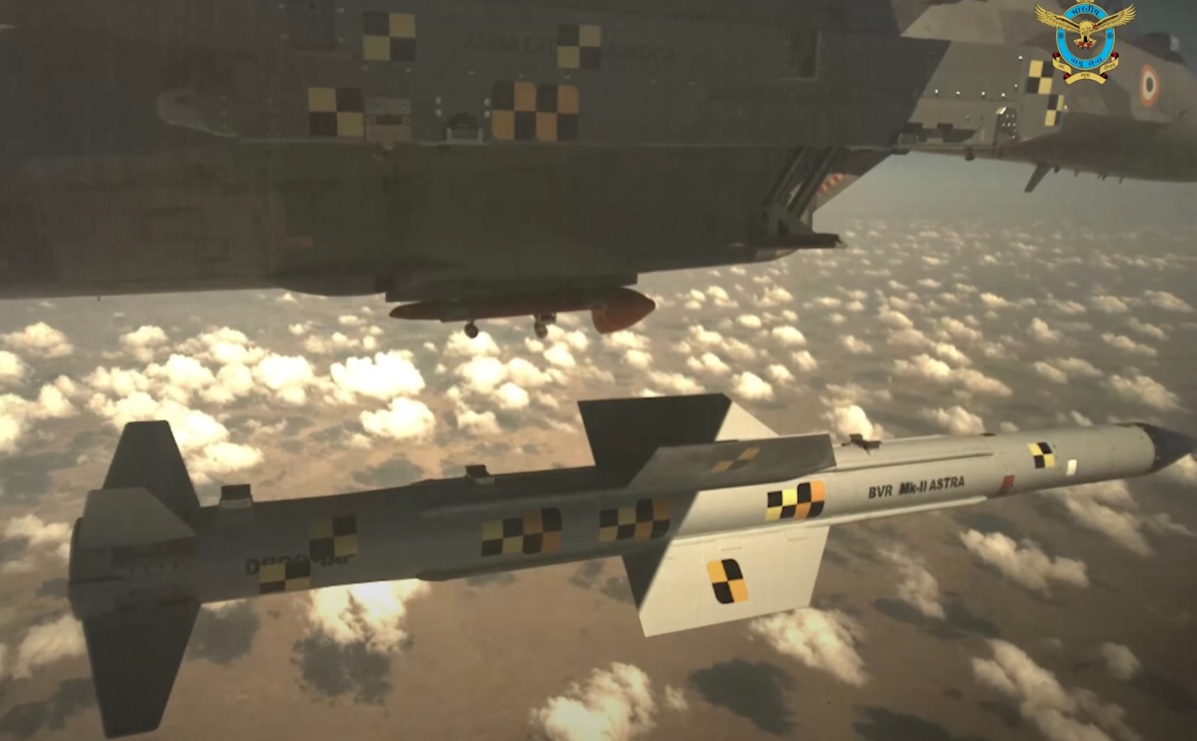
India
NEW DELHI — April 16, 2026 : India’s Defence Research and Development Organisation (DRDO) has successfully completed preliminary trials of the Astra Mk2 beyond-visual-range air-to-air missile (BVRAAM), validating key performance parameters including aerodynamics, propulsion, and guidance systems. The missile, designed as an extended-range variant of the Astra family, is intended to provide the Indian Air Force (IAF) with a long-range air combat capability of approximately 240 km. Subsystem Validation and Flight Performance The preliminary trials assessed the missile’s performance across multiple flight conditions, focusing on core subsystems. DRDO confirmed aerodynamic stability, including controlled maneuverability at high speeds and varied engagement profiles. The propulsion system, based on a dual-pulse solid rocket motor, demonstrated consistent thrust delivery across two phases of flight, enabling improved energy management and extended engagement range. Guidance and control systems, including the onboard seeker and datalink, were also validated for accuracy and reliability. Propulsion and Guidance Enhancements The Astra Mk2 incorporates a smokeless dual-pulse solid rocket motor, which differs from conventional single-pulse systems by reserving energy for a second thrust phase during terminal engagement. This configuration enhances the missile’s no-escape zone and maintains higher kinetic energy against maneuvering targets at long distances. The missile is equipped with an indigenous Active Electronically Scanned Array (AESA) radar seeker operating in the Ku-band, integrated with electronic counter-countermeasure (ECCM) capabilities. This enables improved resistance to jamming and enhances target acquisition and tracking in contested environments. A two-way datalink supports mid-course updates from the launch aircraft or networked platforms, enabling real-time trajectory corrections before terminal guidance activation. Integration and Production Timeline Following successful preliminary trials, the Astra Mk2 will proceed to integrated user trials with the Indian Air Force. These trials, involving live-fire testing on operational platforms, are scheduled for completion by the end of 2026. Limited series production is expected to begin around July 2026, subject to successful validation during this phase. Initial integration will be carried out on the Su-30MKI fighter aircraft, followed by the Light Combat Aircraft (LCA) Tejas Mk1A. Integration activities for the Astra family on Tejas platforms are already underway, including captive and planned firing trials. The missile is also expected to be compatible with future IAF fighter platforms. It supports both direct hot-launch and cold-ejection modes, allowing flexibility across different aircraft configurations. Design, Specifications, and Compatibility The Astra Mk2 weighs approximately 170–175 kg and includes a laser proximity fuze designed to support a high single-shot kill probability in beyond-visual-range engagements under all-weather conditions. The missile retains compatibility with existing Astra Mk1 production infrastructure, facilitating a smoother transition to manufacturing through established supply chains and industrial partners such as Bharat Dynamics Limited (BDL). Procurement and Strategic Context The Indian Air Force is expected to procure a substantial number of Astra Mk2 missiles, with reported plans indicating up to 700 units to equip its fighter fleet. The system is positioned to become a primary BVR weapon within the IAF inventory, offering extended standoff engagement capability comparable to contemporary global systems. The Astra Mk2 builds on the operational Astra Mk1, which has a range exceeding 110 km and is already deployed on the Su-30MKI platform. The Mk2 introduces advancements in propulsion, seeker technology, and datalink integration to address evolving air combat requirements. The program aligns with India’s broader effort to strengthen indigenous defense manufacturing under the Atmanirbhar Bharat initiative and reduce dependence on imported long-range air-to-air missile systems. DRDO officials have indicated that the Astra Mk2 program remains on schedule, with full user trials and production clearance expected following the completion of integrated testing. Future development within the Astra series includes the Astra Mk3, which is projected to incorporate Solid Fuel Ducted Ramjet (SFDR) technology for further range enhancement.
Read More → Posted on 2026-04-16 13:44:28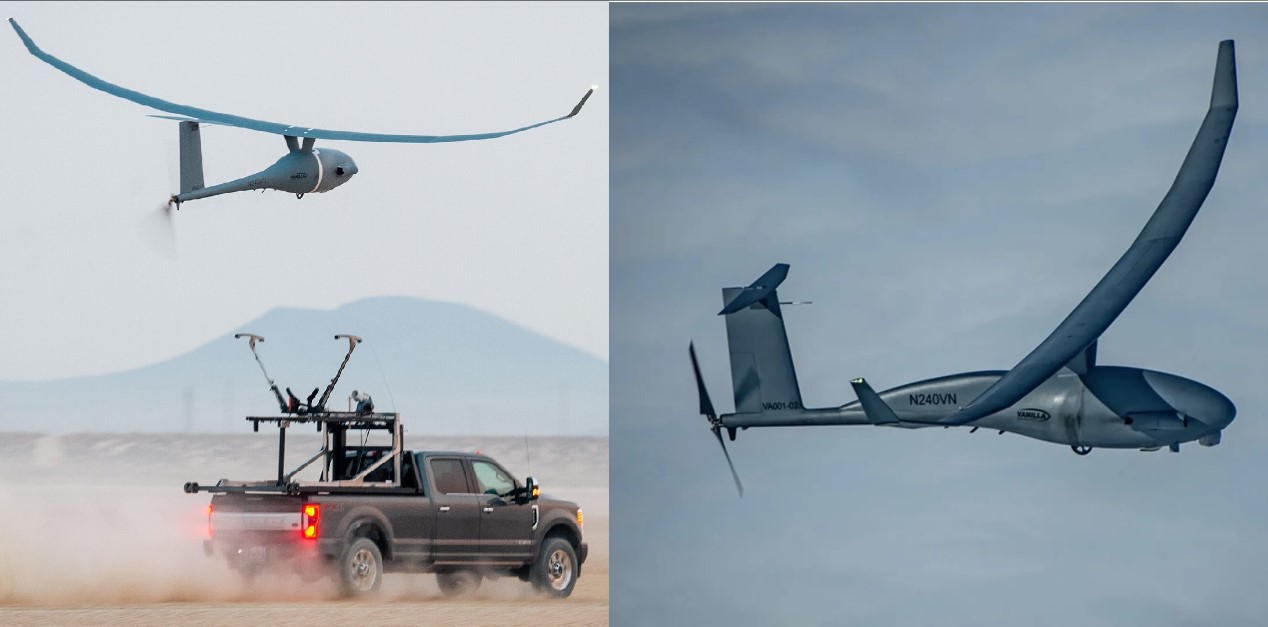
World
HOLLYWOOD, Maryland — April 16, 2026 : The U.S. Navy has awarded Platform Systems Inc., operating as Platform Aerospace, a $12,893,010 contract modification to continue support for the Vanilla long-endurance unmanned aircraft system (UAS) through August 2026. The funding is drawn from the Navy’s fiscal 2026 research, development, test, and evaluation accounts and will sustain operational availability of the system as testing and potential operational use continue. The work will be carried out at Platform Aerospace’s facility in Hollywood, Maryland. The company, a service-disabled veteran-owned small business, develops and supports the Vanilla UAS, a Group 3 ultra-long-endurance unmanned platform designed for persistent operations measured in days rather than hours. Contract Scope and Program Continuity The contract modification includes the provision of Vanilla UAS hardware, spare parts, engineering services, and logistics support. It also covers continued integration and sustainment of mission payloads, indicating an ongoing transition from demonstration-focused activities toward sustained operational readiness and repeated deployment cycles. Engineering and logistics support elements are structured to maintain system availability for extended testing, demonstrations, and mission integration efforts. The award supports continued evaluation of the platform across a range of naval and joint operational scenarios, including maritime surveillance, reconnaissance, communications relay, and persistent overwatch missions. Aircraft Design and Technical Specifications The Vanilla UAS features a modular airframe with a wingspan of 36 feet and is designed for flexible payload integration. It can carry a maximum payload of 150 pounds (68 kilograms) distributed across seven installation points, while providing up to 500 watts of onboard power to mission systems. Performance characteristics include a dash speed of 70 knots and a loiter speed between 45 and 55 knots. The aircraft operates at a service ceiling of 15,000 feet and can achieve a range exceeding 13,000 to 15,000 nautical miles depending on payload configuration. Endurance exceeds eight days with lighter payloads and is approximately four days at maximum payload capacity. The platform is land-launched using a truck-based mechanism and does not require a runway for takeoff. It is capable of beyond-visual-line-of-sight (BVLOS) operations, enabling long-duration missions over extended distances without direct operator visibility. Endurance Record and Flight History The Vanilla UAS holds the world record for unrefueled endurance in its class using an internal combustion engine. In October 2021, the aircraft completed a continuous flight lasting 8 days, 50 minutes, and 47 seconds at Edwards Air Force Base, California, covering approximately 12,200 miles. Earlier testing demonstrated endurance of 121 hours in 2017, reflecting the platform’s progressive development in long-duration flight capability. Payload Integration and Mission Capability The system is designed to integrate more than 40 different payload types, supporting a wide range of mission profiles. These include multi-spectral and electro-optical/infrared imaging sensors for intelligence, surveillance, and reconnaissance (ISR); signals intelligence (SIGINT) systems; and electronic warfare (EW) payloads. Vanilla can also function as a communications relay platform, carrying equipment such as Link-16 and satellite communications systems to maintain connectivity in environments where ground infrastructure is limited or degraded. Additional payload options include synthetic aperture radar and environmental sensing systems. The aircraft supports air-launched effects (ALE) configurations for both kinetic and non-kinetic payloads and has been tested with swarms of micro-drones. Its architecture allows multiple mission sets to be conducted during a single extended-duration flight. Operational Testing and Deployment Experience The Vanilla UAS has participated in U.S. Navy and joint exercises, including operations conducted at Andersen Air Force Base, Guam. Testing has included applications related to anti-submarine warfare and other maritime mission sets. Platform Aerospace has operated the system in diverse environmental conditions, including desert, tropical, and Arctic regions. The aircraft has flown missions for NASA in Greenland and conducted Arctic operations extending more than 1,000 miles into polar ice cap areas. These deployments have demonstrated system reliability in extreme climates and long-range mission profiles. The platform incorporates flight management systems and autonomy features designed to support continuous operations over extended durations with reduced operator workload. Program Background and Development Framework The Vanilla program originated from efforts to develop ultra-long-endurance unmanned aircraft capabilities, initially under Vanilla Aircraft and later expanded through acquisition and development by Platform Aerospace. The program has received support through multiple Small Business Innovation Research (SBIR) contracts from the Office of Naval Research, Naval Air Systems Command, the Air Force Research Laboratory, and other organizations. A Phase III SBIR contract awarded in 2022 established a five-year framework for continued advancement, supporting system maturation, payload integration, and expanded operational testing. Strategic Context The Navy’s latest contract modification reflects continued investment in long-endurance unmanned systems designed for persistent coverage in maritime and expeditionary environments where frequent recovery and relaunch are impractical. By combining extended endurance, modular payload capability, and relatively low operating costs, the Vanilla UAS is positioned as an attritable yet reusable platform suitable for distributed operations. The contract ensures that the system remains available for ongoing testing and mission integration activities through August 2026, supporting the Navy’s broader efforts to expand the role of unmanned systems in sustained surveillance, reconnaissance, and communications support missions.
Read More → Posted on 2026-04-16 13:33:13
World
NASHVILLE, Tenn. — April 16, 2026 : Boeing on April 15, 2026, presented a computer-generated concept for deploying swarms of launched effects from the CH-47 Chinook during the Army Aviation Warfighting Summit held by the Army Aviation Association of America in Nashville, Tennessee. The concept outlines a potential evolution of the heavy-lift platform into a forward operational node capable of supporting reconnaissance, threat detection, and manned-unmanned teaming in contested environments. The presentation aligns the Chinook with ongoing U.S. Army modernization priorities, including distributed operations, survivability enhancements, and faster decision-making cycles across the battlefield. Rear-Ramp Launch Concept and Deployment Mechanics The concept video depicts a reconnaissance and special operations scenario in which the Chinook releases launched effects through its rear ramp using an internal palletized dispenser. The system is visually configured as a 16-cell launcher, indicating a structured, high-capacity deployment mechanism rather than a conventional payload drop approach. Boeing officials, including Kathleen Jolivette, vice president and general manager of the company’s Vertical Lift division, stated that the initiative is currently funded through internal investment, with assessments underway for a future physical demonstration phase. As of April 2026, launched effects have not been physically tested from the Chinook platform. Industry specifications referenced in the concept indicate that larger launched effects compatible with the Chinook could weigh up to 225 pounds, significantly exceeding standard 25-pound systems. These systems are projected to achieve operational ranges between 350 and 650 kilometers, with flight endurance of up to one hour. The increased payload capacity is enabled by the aircraft’s internal volume and heavy-lift design. Integration with CH-47F Block II Modernization The concept is directly linked to the CH-47F Block II modernization roadmap. The Block II configuration incorporates structural, propulsion, and avionics upgrades designed to support modular mission systems and future capability integration. Key upgrades include a strengthened fuselage, redesigned fuel tanks, and an improved drivetrain. The avionics suite integrates the Common Avionics Architecture System cockpit along with the Digital Automatic Flight Control System (DAFCS), supporting enhanced situational awareness and flight control precision. The aircraft retains a maximum gross weight of 54,000 pounds and a useful load capacity of 27,700 pounds. Performance specifications include a mission radius of 165 nautical miles and a top speed of 170 KTAS. Power is provided by two T55-GA-714A engines, each producing 4,777 shaft horsepower. These parameters provide the electrical and mechanical margins required to integrate launcher modules, communication gateways, and additional mission operators. The tandem-rotor configuration and unobstructed rear-ramp design eliminate tail-rotor clearance constraints, supporting palletized systems and rear-ramp deployment concepts. Doctrinal Context and U.S. Army Launched Effects Development The concept builds on ongoing U.S. Army work in launched effects integration. In February and March 2026, the Army demonstrated the deployment of an A700-class unmanned aircraft from an AH-64E Apache during testing at Yuma Proving Ground. Army doctrine defines launched effects as autonomous or semi-autonomous aerial systems capable of conducting reconnaissance, electronic warfare, and kinetic strike missions. In parallel, the Army is advancing the Launched Effects Dispenser for Ground and Rotorcraft (LEDGR) program to establish a standardized launcher architecture across aviation and ground platforms. Compared to the Apache-based demonstrations, the Chinook concept represents a higher-capacity, multi-role implementation. A heavy-lift platform equipped with internal launch cells could simultaneously execute route reconnaissance, decoy deployment, electronic support operations, and airborne relay functions while carrying troops, cargo, or sustainment supplies. Autonomy and Long-Term Operational Evolution Boeing projects that the Chinook platform will remain in operational service through 2060 and beyond. Autonomy is identified as a central component of its long-term development trajectory. In addition to the existing DAFCS, Boeing is advancing the Active Parallel Actuator Subsystem (APAS), designed to enable supervised autonomy, reduce pilot workload, and improve safety during complex flight conditions. The integration of open mission systems and digital flight controls supports an optimally crewed or optionally crewed operational model. Under this framework, the Chinook transitions from a transport-focused platform to a vertical maneuver node within a broader sensor-effector network. The aircraft would be capable of coordinating distributed sensing and deploying attritable systems while maintaining its primary lift and assault support roles. Operational Status and Technical Considerations As of April 15, 2026, the rear-ramp launched effects system remains a concept rather than an operational capability. Several technical factors require validation before implementation, including rotor downwash interaction, safe separation during deployment, launch envelope constraints, and electromagnetic compatibility. Additional considerations include datalink resilience under electronic warfare conditions, onboard mission computing requirements, and human-machine interface workload management. Trade-offs between launched-effects payload capacity and conventional cargo or troop transport must also be addressed. Program Developments and Production Status On April 15, 2026, the U.S. Army awarded Boeing a contract for six additional CH-47F Block II helicopters, increasing the total number under contract to 24 units. Boeing has previously delivered six aircraft, with production continuing. The concept presented at the summit establishes a baseline for evaluating future heavy-lift platforms. Beyond lift capacity, operational effectiveness is increasingly measured by the ability to deploy sensing systems, integrate unmanned capabilities, and sustain survivability in contested operational environments.
Read More → Posted on 2026-04-16 13:21:45
World
DAHLGREN, Virginia — April 3, 2026 : The United States Missile Defense Agency (MDA) has awarded Northrop Grumman Systems Corporation a $475.3 million contract modification to accelerate development of the Glide Phase Interceptor (GPI), the Pentagon’s primary program for countering hypersonic glide vehicles during mid-flight. The modification increases the total value of the company’s Prototype Project Other Transaction Agreement (HQ0851-22-9-0002) from $832.8 million to approximately $1.31 billion. Of the newly awarded amount, $174.1 million was obligated at the time of award using funds authorized under Section 20003 of Public Law 119-21. The agreement is managed by the MDA’s office in Dahlgren, Virginia, and utilizes authorities under 10 U.S. Code 4022(a)(2)(B), allowing the Department of War to accelerate prototyping outside traditional acquisition processes. The revised contract establishes an accelerated development schedule with a target completion date of June 2028. Program Scope and Technical Objective The Glide Phase Interceptor (GPI) is designed to engage hypersonic glide vehicles during their unpowered glide phase, which occurs after separation from a boost rocket and before terminal descent toward a target. This segment of flight presents a distinct challenge due to the speed and maneuverability of such weapons. Hypersonic glide vehicles travel at speeds exceeding Mach 5 and operate along relatively flat, maneuverable trajectories in the upper atmosphere. These characteristics complicate detection, tracking, and interception compared to traditional ballistic missiles, which follow predictable, high-arc trajectories. Existing U.S. missile defense systems are not optimized for this engagement window. The Ground-Based Midcourse Defense (GMD) system is designed for intercepting intercontinental ballistic missiles during the midcourse phase in space, while the Terminal High Altitude Area Defense (THAAD) system focuses on intercepting threats during their final descent. The GPI is intended to fill this capability gap by providing a dedicated intercept solution within the glide phase. The interceptor is being developed as a ship-launched, hit-to-kill system compatible with the Mk 41 Vertical Launch System deployed on Aegis-equipped U.S. Navy destroyers and Aegis Ashore sites. It is designed to integrate into the Aegis Ballistic Missile Defense architecture, supporting a layered defense framework. The system incorporates advanced seeker technology, a re-ignitable upper-stage engine, and dual engagement modes to operate across varying altitudes and threat profiles. Development Background and Industrial Participation Northrop Grumman has been developing the GPI concept under the MDA agreement since 2022. The program originated in November 2021, when the MDA awarded Other Transaction Authority agreements to Northrop Grumman, Raytheon, and Lockheed Martin for initial concept studies. Following a system requirements review, Lockheed Martin’s participation was discontinued. Northrop Grumman was selected as the sole contractor in September 2024 after a competitive prototyping phase. A prior contract modification in November 2024 increased the agreement value to approximately $833 million before the latest April 2026 award. Work under the program is being conducted at multiple Northrop Grumman facilities, including locations in Chandler, Arizona. Development efforts include design refinement, hypersonic environment testing, and accelerated flight experimentation supported by digital engineering methodologies. L3Harris Technologies is contributing solid rocket motors for the interceptor’s first and third stages. International Cooperation The GPI program is being developed in cooperation with Japan’s Ministry of Defense under a bilateral research, development, test, and evaluation memorandum of understanding formalized in 2024. The partnership предусматривает a roughly equal division of work, with Japan contributing to rocket motor and propulsion component development. Strategic Context The acceleration of the GPI program reflects increased emphasis within the Department of War on countering hypersonic threats. Several countries have advanced operational or developmental hypersonic glide vehicle capabilities. Russia has deployed the Avangard system on intercontinental ballistic missiles. China has fielded the DF-17 medium-range hypersonic system and demonstrated it in military exercises and public displays. North Korea has conducted multiple tests of systems it describes as hypersonic glide vehicles, although independent assessments of their performance remain varied. These systems are designed to evade or complicate existing missile defense architectures, increasing the importance of a glide-phase interception capability. Future Development and Timeline The current agreement runs through June 2028 and is structured to support a potential transition to the Engineering and Manufacturing Development (EMD) phase before the end of the decade. The program aligns with broader MDA and combatant command priorities focused on hypersonic defense. Initial operational capability is projected for the period between the end of 2029 and the early 2030s, with full operational capability targeted for the early 2030s, subject to testing outcomes and funding availability. The Fiscal Year 2026 budget includes continued support for hypersonic defense initiatives, including tracking systems such as the Hypersonic and Ballistic Tracking Space Sensor. No production decision has been made. Advancement to full-scale manufacturing will depend on the interceptor meeting defined technical performance requirements during testing and evaluation.
Read More → Posted on 2026-04-15 18:08:11
India
POKHRAN, Rajasthan — April 15, 2026 : India has successfully conducted a flight and strike test of the indigenous Sheshnaag-150 long-range loitering munition at the Pokhran test range, marking a significant step in the country’s development of AI-enabled autonomous strike systems. The trial was carried out by the Indian armed forces in coordination with Bengaluru-based defense start-up NewSpace Research and Technologies (NRT). The test validated the platform’s long-range navigation, endurance, and precision targeting capabilities under operational conditions. During the trial, the Sheshnaag-150 covered a flight distance of 720 kilometers and demonstrated a Circular Error Probable (CEP) of less than 10 meters. The munition successfully delivered a 25-kilogram high-explosive (HE) warhead to the designated target area. System Performance and Technical Parameters The Sheshnaag-150 is an indigenous 150 kg-class loitering munition designed for deep-strike missions. Although the Pokhran test recorded a 720-kilometer flight, the system is engineered for an operational range exceeding 1,000 kilometers, with an endurance of approximately three to five hours. The platform supports a payload capacity ranging from 25 to 40 kilograms. The drone is powered by a high-performance air-cooled Boxer engine optimized for long-endurance missions. It has been developed as part of a broader family of collaborative autonomous systems and is capable of executing multiple mission profiles, including precision strikes, suppression of enemy air defenses (SEAD), intelligence, surveillance and reconnaissance (ISR), and electronic warfare support. Development of the Sheshnaag-150 began as an internal initiative by NRT, with its first flight conducted around early 2025. Subsequent trials included launches from mobile highway-based platforms and evaluations across multiple test ranges. Earlier controlled tests reportedly achieved CEP values as low as five meters. AI-Driven Swarm Capability A key feature of the Sheshnaag-150 is its integration of artificial intelligence-driven swarm technology. The system uses proprietary autonomy algorithms that enable multiple loitering munitions to operate as a coordinated unit. These drones can communicate with each other, share targeting data, synchronize flight paths, and execute saturation attacks designed to overwhelm layered air defense systems. The platform is also designed to operate in GPS-denied or jammed environments. It incorporates a visual navigation system and onboard sensors that allow it to identify targets and maintain its flight path without reliance on satellite navigation signals. This capability is intended to improve survivability and mission reliability in contested electromagnetic environments. Operational Role and Strategic Context The Sheshnaag-150 is optimized for SEAD missions, targeting high-value enemy assets such as radar installations, surface-to-air missile systems, and communication nodes. By deploying coordinated swarms, the system is intended to degrade or neutralize enemy air defense networks prior to the use of manned aircraft or conventional strike systems. The platform is positioned as a cost-effective and expendable alternative to traditional cruise missiles. Its relatively lower cost allows for mass deployment, enabling saturation tactics without the financial constraints associated with high-value munitions. NRT has indicated that the Sheshnaag-150 draws conceptual inspiration from global loitering munitions such as Iran’s Shahed-136, while incorporating advanced indigenous swarm algorithms and navigation resilience tailored to Indian operational requirements. Testing, Development, and Future Induction The Pokhran trial focused specifically on range validation, strike accuracy, and warhead performance. Additional testing has been conducted at multiple facilities, including evaluations of high-altitude operations, endurance, and autonomous coordination. The system was publicly showcased at the World Defense Show 2026 in Riyadh, highlighting India’s progress in autonomous combat systems. NRT, founded in 2017 by aerospace entrepreneurs Sameer Joshi and Julius Amrit, specializes in AI-enabled unmanned systems and swarm robotics. The company is also developing shorter-range variants within the Sheshnaag family, including the canister-launched Sheshnaag-20, designed for battlefield missions with ranges up to 50 kilometers. Following the successful validation of flight mechanics and strike accuracy at Pokhran, defense sources indicate that India may proceed with the induction of the Sheshnaag-150 into active service. Plans under consideration include procurement of large numbers of such systems for theatre-level operations. The development and testing of the Sheshnaag-150 align with India’s broader push for indigenous defense capabilities under the Aatmanirbhar Bharat initiative. The system is expected to complement existing manned aircraft and missile systems, enhancing the armed forces’ long-range precision strike capabilities through scalable, AI-enabled unmanned platforms. No official timeline for full-scale induction has been announced.
Read More → Posted on 2026-04-15 18:02:30
World
KUALA LUMPUR, — April 20, 2026 : Russia’s state arms exporter Rosoboronexport has signed multiple export contracts for the Su-57E fifth-generation fighter jet during the opening of the Defence Services Asia (DSA) 2026 exhibition in Kuala Lumpur, according to a statement published on the company’s official website. The announcement was made at the start of the exhibition, which is being held from April 20 to April 23, 2026, in Kuala Lumpur. Rosoboronexport is presenting the Su-57E as a central platform in its display, alongside other Russian defence systems. Expanding Export Portfolio Rosoboronexport stated that the Su-57E is attracting increasing attention from international partners. “The Su-57E is generating considerable interest among Rosoboronexport’s partners, a number of which have already contracted the Russian fighter. The list of customers for this aircraft is steadily expanding,” the company said. Despite the reported signing of additional contracts, the company has not disclosed the identities of any new customers. As of April 2026, Algeria remains the only confirmed foreign operator of the Su-57E. Rosoboronexport Director General Alexander Mikheev stated that the aircraft is being offered to what the company describes as reliable strategic partners, particularly those already operating Russian-made aviation systems. Algerian Acquisition and Delivery Timeline The Algerian procurement of the Su-57E followed a multi-year negotiation process. Initial discussions began in 2019, when an Algerian delegation evaluated the export variant at the MAKS Air Show 2019. At that time, reports indicated a potential agreement valued at approximately $2 billion for 14 aircraft. The deal experienced delays attributed to production timelines within Russia and requirements to adapt onboard avionics to Algerian operational specifications. Throughout 2023 and 2024, Russian officials referenced a “foreign customer” without identifying the country involved. The status of the agreement remained undisclosed during this period. Evidence of delivery emerged in late 2025 and early 2026, when observers recorded the presence of Su-57 aircraft in Algerian airspace and at Algerian Air Force bases. Reports indicated that an initial batch, understood to include two aircraft, had been delivered by late 2025. Algerian pilots had also completed training in Russia prior to the aircraft entering operational service. Operational Characteristics and Presentation at DSA-2026 At DSA-2026, Rosoboronexport described the Su-57E as a fifth-generation multirole fighter designed for air superiority and strike missions. The company stated that the aircraft has undergone testing in real-world operational conditions, including the use of long-range air-to-air and air-to-surface guided weapons in environments involving active air defence systems and electronic countermeasures. The Su-57E shares systems and weapons compatibility with aircraft from the Su-30 family. This was highlighted in the context of the Royal Malaysian Air Force, which operates the Su-30MKM fighter. Rosoboronexport presented the Su-57E as a potential modernization option that could integrate with Malaysia’s existing infrastructure and logistics framework. Interest from Southeast Asia and India Potential interest in the Su-57E has been noted from India and several Southeast Asian countries, including Malaysia and Indonesia. These countries operate or have operated aircraft from the Su-30 series and have prior experience with Russian aviation platforms. Indonesia previously explored acquiring Su-35 fighter jets under a deal structure that included barter-based payments involving commodities such as coffee, tea, rubber, and palm oil. Such arrangements reflect the financial and contractual complexities often associated with defence procurement in the region. Ongoing Production and Export Positioning Rosoboronexport, part of the Rostec state corporation, continues to promote the Su-57E exclusively to selected international partners. The aircraft remains in serial production for the Russian Air Force, with domestic deliveries ongoing alongside the export program. While the company reports that multiple export contracts have been signed during DSA-2026, no additional agreements have been officially confirmed by purchasing countries, and no further details on quantities, delivery schedules, or contract values have been disclosed. The DSA-2026 exhibition continues to serve as a platform for presenting Russian defence technologies, with the Su-57E positioned among systems that have demonstrated operational performance under combat-relevant conditions.
Read More → Posted on 2026-04-15 17:57:51
World
TEL AVIV, — April 15, 2026 : The Israel Defense Forces (IDF) have reported the discovery of Russian-manufactured 9M133 Kornet anti-tank guided missile systems and associated munitions during ongoing ground operations against Hezbollah positions in southern Lebanon. The weapons were identified at multiple sites assessed to have been prepared for use against IDF personnel and Israeli civilian areas near the border. According to IDF operational updates, troops from the 7th Armored Brigade, operating in the eastern sector of southern Lebanon, located a Hezbollah anti-tank missile launch position containing several Kornet missiles alongside an unmanned aerial vehicle prepared for launch toward Israeli territory. The site was linked to a Hezbollah operative previously killed in an Israeli airstrike. The Kornet system is a laser beam-riding anti-tank guided missile equipped with a tandem high-explosive anti-tank warhead capable of penetrating approximately 1,000 to 1,300 millimetres of rolled homogeneous armour behind explosive reactive armour. The standard Kornet-E variant has an operational range of up to 5,500 metres, while the Kornet-EM variant can engage armoured targets at distances of up to 8,000 metres and up to 10,000 metres when using high-explosive fragmentation warheads. The missile travels at speeds exceeding 250 metres per second. Additional searches conducted during the initial phase of the ground campaign have led to the recovery of multiple weapons caches. Analysis conducted at Israel’s National Munition Disassembly Laboratory indicates that approximately 60 to 70 percent of the seized weapons were of Russian origin. These included Kornet systems as well as other anti-tank guided missiles such as Metis, Konkurs, Fagot, and Sagger variants. Israeli forces also reported the presence of Metis-M systems, thermobaric variants, RPG-29 and RPG-27 rocket-propelled grenade launchers, and Strela-2 man-portable air defense systems. Inspection of the recovered munitions provided further insight into supply routes. Markings on several Kornet missiles indicated production dates as recent as 2020. Israeli assessments state that the systems were originally transferred from Russian stockpiles to Syria and subsequently moved into southern Lebanon in recent years, indicating an ongoing logistical pipeline supporting Hezbollah’s arsenal. The IDF reported that Hezbollah has deployed Kornet systems in positions both above and below ground, including bunkers and structures located less than one kilometre from the Israeli border. The weapons have been used in engagements targeting Israeli armored vehicles and positions. Footage released by Hezbollah shows Kornet strikes against Merkava main battle tanks. The group has also used a dual-launch configuration known as the “Tharallah” system, introduced around 2015, which enables the rapid firing of two missiles to counter active protection systems such as Israel’s Trophy defense system. In a separate operation, reservists from the 8th Armored Brigade operating under the 91st “Galilee” Regional Division identified and dismantled another anti-tank guided missile launcher aimed toward Israeli territory, along with additional missiles and related equipment. Israeli officials have stated that some of the weapons were stored within civilian structures and underground tunnel networks. The presence of such systems south of the Litani River has been described by Israeli authorities as a violation of United Nations Security Council Resolution 1701, which restricts armed presence in the area to the Lebanese Armed Forces (LAF) and UNIFIL peacekeeping units. The IDF continues to conduct operations in southern Lebanon to locate, document, and dismantle Hezbollah infrastructure and weapons stockpiles. No official figures have been released regarding the total number of Kornet launchers or missiles recovered in the most recent operations.
Read More → Posted on 2026-04-15 17:38:45
World
HUNTSVILLE, Alabama — April 15, 2026 : The U.S. Army has awarded Dynetics, a wholly owned subsidiary of Leidos, a $617,164,135 contract for the fiscal year 2026 production of the Indirect Fire Protection Capability Increment Two (IFPC Inc 2) air defense system. The award was issued by the U.S. Army Contracting Command at Redstone Arsenal. The contract, announced on April 14, 2026, combines cost-plus-fixed-fee and firm-fixed-price elements and supports full-rate production and sustainment of the Army’s mid-range air defense capability. Work under the agreement is scheduled for completion by November 30, 2029, with specific work locations and funding allocations to be determined on a per-order basis. The contract identifiers are W31P4Q-25-D-0003 and W31P4Q-26-F-0067. According to the Army, bids for the contract were solicited via the internet, with zero responses received. Contract Scope and Deliverables Under the fiscal 2026 production buy, Dynetics will deliver a comprehensive set of hardware and support systems associated with IFPC Inc 2. These include Enduring Shield launcher systems, retrofit prototype launchers, and sealed all-up-round (AUR) magazines designed to enable rapid reloading while enhancing safety for munitions handlers. The contract also covers soldier training systems, including weight-representative training devices, as well as initial spare parts, contractor-provided logistics support, and engineering services. These elements are intended to support both operational deployment and long-term sustainment of the system. System Design and Operational Role The IFPC Inc 2 is a mobile, ground-based air defense system developed to provide 360-degree protection for fixed and semi-fixed sites, forward operating bases, and maneuvering forces. It is designed to address a capability gap within the Army’s layered air and missile defense architecture, operating between short-range point-defense systems and higher-tier platforms such as Patriot Air Defense System and Terminal High Altitude Area Defense. The system is capable of detecting, tracking, and intercepting a range of aerial threats, including subsonic and supersonic cruise missiles, Group 2 and Group 3 unmanned aerial systems, and rockets, artillery, and mortars. The IFPC Inc 2 launcher, known as Enduring Shield, features a modular open-systems architecture that allows integration with the Army’s Integrated Battle Command System and the AN/MPQ-64 Sentinel sensor. This architecture enables coordinated engagement across a networked battlespace and supports future integration of additional interceptor types. Currently, the system employs the AIM-9X Sidewinder as its primary interceptor, housed within sealed AUR magazines. The launcher is palletized for deployment on compatible logistics vehicles, enabling flexible mobility and rapid emplacement. Program Background and Development Timeline Dynetics has served as the prime contractor for IFPC Inc 2 under the Army’s Program Executive Office Missiles and Space since the program’s early development phases. The company’s involvement began with a 2021 prototype Other Transaction Authority agreement valued at approximately $237 million. That effort included the development of 16 launcher prototypes, 60 interceptors, and associated AUR magazines. Dynetics delivered the first fieldable prototype launchers to the U.S. Army in December 2023. Following integration and testing, the system successfully conducted live-fire intercepts against cruise missile and unmanned aerial system targets in September 2024. Subsequent contract activity included a $264.6 million award in July 2025 and a $92.1 million modification in September 2025, further advancing system development and pre-production efforts. Production Strategy and Broader Contract Framework The April 2026 award forms part of a larger undefinitized Indefinite Delivery/Indefinite Quantity (IDIQ) contract granted to Dynetics in November 2024, with a ceiling value of up to $4.1 billion. This overarching contract supports low-rate initial production, full-rate production, and associated support services. The initial task order under that IDIQ included procurement of 18 IFPC Inc 2 launchers, with a not-to-exceed value of $204 million and $99 million obligated at the time of award. The program’s long-term plan предусматривает fielding up to nine battalions, with the first unit scheduled for deployment in fiscal year 2026. Initial operational units are intended to support Guam Defense System requirements and broader priorities within U.S. Indo-Pacific Command. Ongoing Fielding and Capability Expansion The fiscal year 2026 production contract advances the transition of IFPC Inc 2 into sustained full-rate production while expanding training and logistics infrastructure required for operational deployment. While the Army has not disclosed the exact number of launcher systems or interceptor quantities included in this specific production order, the listed deliverables indicate continued scaling of both operational capability and support systems. IFPC Inc 2 remains the Army’s selected solution for this layer of air defense following competitive evaluation, and its modular design is expected to accommodate future interceptor integration as threat requirements evolve.
Read More → Posted on 2026-04-15 17:27:52
World
PARIS — April 15, 2026 : France has initiated test firings of two domestically developed rocket artillery systems, the FLP-T 150 and the Thundart, as part of the Frappe Longue Portée Terrestre (FLP-T) programme aimed at replacing the French Army’s aging Lance-Roquettes Unitaire (LRU) launchers. The first test firing of one of the candidate munitions was conducted on April 14, 2026, and proceeded successfully, according to General Delegate for Armaments Patrick Pailloux, who addressed a parliamentary hearing on April 15. Additional test firings are scheduled to take place during the week of April 20, marking the continuation of the evaluation phase for the two French-developed systems. These trials follow innovation partnership contracts awarded at the end of 2024. The FLP-T programme, launched in 2023 by the Direction Générale de l’Armement (DGA), aims to restore and expand France’s long-range precision strike capability. The current LRU systems—modernised variants of the M270 multiple launch rocket system—are due to begin retirement in 2027. At present, only nine LRU launchers remain operational within the French Army. Both candidate systems are designed to achieve a range of 150 kilometres with sub-decametric precision. A central requirement for the programme is the ability to operate effectively in GNSS-denied environments, ensuring resilience against enemy electronic warfare and satellite signal jamming. The FLP-T 150 system, developed by Thales and ArianeGroup, is described as a containerised, mobile, and scalable rocket artillery solution capable of precision strikes even under GNSS-denied conditions. The system is also presented as ITAR-free, allowing export without restrictions tied to United States regulations. ArianeGroup is responsible for propulsion and rocket development, while Thales is developing the guidance systems, onboard electronics, command-and-control architecture, and launcher platform, expected to be mounted on a truck-based configuration. The Thundart system, developed by Safran and MBDA, is based on a 227 mm guided rocket and incorporates technologies from the Armement Air-Sol Modulaire (AASM) air-to-ground munition. Safran has completed three qualification test firings of an AASM bomb equipped with a dual-mode laser-infrared (LIR) seeker. With this qualification achieved, the guidance solution is expected to be available in 2027. The same LIR seeker will be integrated into the Thundart rocket, which will be produced on the same AASM production line, where output rates have quadrupled. In parallel, Thales is preparing to present a new guidance component designed to function in GNSS-denied environments. This technology is intended to be adaptable beyond long-range strike applications and forms part of a broader system solution that includes both munition and launcher elements. Following the ongoing test campaign, the DGA will conduct a comparative assessment of the two domestic systems alongside third-party foreign solutions. The selection process will focus on achieving the best balance between cost, performance, and delivery timelines. Patrick Pailloux stated that the final decision will be based on test results and a market study examining export options. The French Army has identified the FLP-T capability as a priority requirement for high-intensity operations. Under the updated military programming law, France plans to acquire between 13 and 26 launcher systems and approximately 300 munitions by 2030. This initial capability will equip an artillery battalion, with long-term objectives including supporting a division deployable within 30 days and enabling France to command an army corps within NATO. Despite operational urgency, budget constraints remain a key factor. Pailloux emphasized the importance of national sovereignty through a “Made in France” solution, while noting the need for export markets to ensure economic viability. However, competition from established systems such as American HIMARS, Israeli PULS, and South Korean Chunmoo has already captured a significant share of the European market. Highlighting the procurement dilemma, Pailloux outlined the trade-off between a quickly available, lower-cost foreign solution and a more capable but costlier domestic system with longer development timelines. He indicated that the decision will require balancing urgency, capability, cost, and sovereignty considerations. The DGA acknowledged that the final selection may represent a compromise aligned with operational needs and strategic priorities. A decision on the FLP-T programme is expected before summer 2026. The FLP-T 150 and Thundart systems represent France’s effort to establish a fully sovereign long-range rocket artillery capability. The ongoing demonstration firings are intended to support delivery of an operational system before 2030. No further technical details beyond the 150 km range and precision requirements, or information on interim foreign procurement options, have been disclosed by the DGA at this stage.
Read More → Posted on 2026-04-15 17:19:03
World
TEL AVIV, Israel — April 15, 2026: Israeli aviation manufacturer AIR has completed the inaugural flight of its production-configured AIR Cargo-Heavy Unmanned Aircraft System (UAS), marking a milestone in the development of autonomous, heavy-lift electric vertical takeoff and landing (eVTOL) platforms. The company confirmed that the flight took place earlier this month, concluding a development cycle of approximately two years that included ground and real-world operational testing. The aircraft is designed as an autonomous logistics platform capable of transporting medium-weight cargo without requiring a runway. AIR stated that the system has now reached “mission-ready” status, with more than 25 units already ordered and paid for. Deliveries are underway, including systems scheduled for shipment to the United States for certification and operational evaluation. Platform Overview and Technical Characteristics The AIR Cargo-Heavy UAS is categorized as a “Group 4 UAS” under U.S. Department of Defense classifications, placing it among larger unmanned systems capable of sustained operations and significant payload capacity. The platform combines vertical takeoff and landing capability with fixed-wing forward flight to improve range and efficiency. According to the company, the aircraft has a payload capacity of approximately 250 kilograms (around 550 pounds) and a cargo volume of 70 cubic feet. Its physical dimensions include a wingspan of 7.5 meters (24.6 feet), a length of 6 meters (19.2 feet), and a height of 2.3 meters (7.5 feet). The system uses electric propulsion and supports direct-current fast charging, reaching 80 percent battery capacity in approximately 30 minutes and full charge in about 60 minutes. The estimated unit cost is around $1 million, significantly lower than that of conventional manned helicopters used for comparable logistics missions. The aircraft operates autonomously after mission parameters are defined by operators. It relies on onboard flight logic and navigation systems to execute routes without continuous human control. The design does not require prepared runways, enabling deployment from confined terrain and naval vessels. Development Background and Industrial Base The cargo platform is derived from technologies developed for AIR’s piloted AIR ONE eVTOL aircraft, a two-seat system with a reported range of approximately 160 kilometers and a top speed of up to 250 kilometers per hour. The cargo variant has been reconfigured as an uncrewed system optimized for payload capacity and logistics roles. AIR was founded in 2018 by Chen Rosen, Rani Plaut, and Netanel Goldberg. The company has raised approximately $30 million in funding, including a $23 million investment round led by Entrée Capital. It employs around 70 personnel across facilities in Israel and the United States, with production centered in Kfar Yona, Israel, and additional operations in Florida. Manufacturing processes are based on automotive-style production methods intended to support scalable output. In addition to defense applications, the company states that the platform is designed for dual-use roles, including disaster response and commercial mid-mile logistics. AIR has also reported more than $1 billion in orders for its broader AIR ONE platform, with approximately 3,300 customers on a waiting list. Certification of the piloted variant by the U.S. Federal Aviation Administration is expected later in 2026. U.S. Military Interest and Evaluation AIR confirmed that multiple branches of the U.S. military, including the Air Force, Navy, and Marine Corps, have expressed interest in the cargo platform. One defense customer has already purchased a unit for approximately $1 million, and additional systems are being prepared for testing and certification processes in the United States. The aircraft is being evaluated for logistics missions that currently depend on manned helicopters, particularly ship-to-ship and ship-to-shore resupply operations. These missions include the delivery of equipment, repair tools, medical supplies, and other cargo between naval vessels or from shore bases to deployed units. Operational Context in Maritime Environments The system’s development aligns with evolving operational requirements in contested maritime regions, including the Strait of Hormuz and surrounding areas such as the Gulf of Oman. These environments have recently experienced disruptions, including shipping interference and the use of low-cost drones and missile systems to restrict airspace and maritime movement. According to AIR CEO and co-founder Rani Plaut, existing logistics operations in such regions often rely on crewed helicopters for relatively small payload deliveries. He stated that the new platform is intended to reduce the need to deploy high-value aircraft and personnel for routine resupply tasks. The autonomous cargo system enables the transport of items such as ship repair components or medical supplies without exposing aircrew to potential threats. In scenarios where an unmanned platform is lost, the financial and operational impact is lower compared to that of a manned helicopter. Role in Logistics and Cost Structure The AIR Cargo-Heavy UAS is positioned as a medium-lift, medium-range logistics solution intended to complement, rather than replace, existing aviation assets. By shifting routine resupply missions to autonomous systems, military operators can allocate crewed aircraft to higher-priority roles such as combat operations and search-and-rescue missions. The company noted that most existing vertical takeoff and landing drones are limited to payloads below 100 pounds and short operational ranges, restricting their utility for sustained logistics. The AIR platform is designed to transport several hundred pounds of cargo over operationally relevant distances, addressing a gap between small drones and large helicopters. Plaut described the system as a “work platform” rather than a strategic asset, emphasizing its role in routine logistics. The cost structure allows for potential attritable use in contested environments, where the loss of a unit would not involve personnel risk and would represent a comparatively limited financial burden.
Read More → Posted on 2026-04-15 16:53:40
World
BELGRADE, Serbia — April 2026 : Belgrade-based defence company Vlatacom has announced that development of its new cruise missile family, the Vila-1 and Vila-2, has reached approximately 80 percent completion, with full completion of both systems scheduled by the end of 2026. The Vila family represents a hybrid class of weapons, combining the flight characteristics of conventional cruise missiles with the endurance and target-acquisition capabilities of loitering munitions. Developed by Vlatacom, a private research institute certified as a research and development centre by Serbia’s Ministry of Science since 2011, the systems are being advanced from concept through testing, while serial production is expected to be assigned to national industrial partners. Development Progress and International Cooperation According to the company’s latest statement, both missile variants are progressing toward finalization, with remaining development work focused on system integration and validation. Mock-ups of the Vila-1 and Vila-2 were previously exhibited at the Partner 2023 and Partner 2025 defence exhibitions in Belgrade, highlighting the program’s steady advancement. As reported last year by Dunav Intel, Vlatacom is cooperating with at least one Middle Eastern country to support testing and technical validation of the systems. However, no further details regarding the partner nation or the scope of cooperation have been officially disclosed. System Design and Capabilities Both Vila-1 and Vila-2 are modular unmanned aerial vehicles (UAVs) designed to function as loitering munitions with cruise missile characteristics. The systems share a common architecture, including guidance and navigation technologies, while being tailored for distinct operational roles. Navigation to the target area is conducted using a combined Global Navigation Satellite System (GNSS) and Inertial Navigation System (INS), supported by a radar altimeter during the initial flight phase. In the terminal phase, both variants employ an optoelectronic seeker integrated with artificial intelligence (AI) to enable autonomous target recognition. The missiles are equipped with a two-way radio data link, allowing real-time communication with operators. This enables “man-in-the-loop” control, where operators can validate targets prior to engagement while retaining the ability to retask the weapon mid-mission. Both systems are optimized for operations in contested airspace, featuring terrain-skimming flight profiles and extended loitering capabilities. The weapons are fitted with vAF-M17/vFI-17 fuzing systems, and warheads are selectable depending on mission requirements and target type. Vila-1: Heavy Long-Range Variant The Vila-1 is the heavier, long-range variant designed for strikes against distant and high-value targets. It is configured exclusively for ground-based launch platforms. The missile is housed in a sealed cylindrical launch tube and can be deployed from an 8×8 wheeled chassis or integrated onto compatible naval vessels. Launch is initiated by a solid-fuel booster, after which a turbofan or turbojet engine sustains the cruise phase. Technical Specifications — Vila-1: Length: 5.5 metres (excluding booster) Wingspan: 2.7 metres (deployable after launch) Operating altitude: 50 metres to over 7,000 metres Cruise speed: Mach 0.75 Warhead: 300–450 kg (some sources indicate up to 500 kg depending on configuration) Propulsion: Solid-fuel booster + turbofan/turbojet engine Range: Up to 300 km (plus loitering time) Launch platforms: Ground-based 8×8 chassis or naval vessels Estimated launch weight: Approximately 1,000 kg Vila-2: Lighter Short-Range Variant The Vila-2 serves as a lighter and more versatile short-range variant. It is designed for both ground-based and air-launched operations, with primary integration on fighter aircraft, enabling multiple weapons carriage per platform. The reduction in size and structural weight allows for a slightly higher cruise speed while maintaining similar operational altitude and range characteristics. Technical Specifications — Vila-2: Length: 4.5 metres (excluding booster) Wingspan: 2.7 metres Operating altitude: 50 metres to over 7,000 metres Cruise speed: Mach 0.75–0.8 Warhead: 300 kg (various types) Propulsion: Solid-fuel booster + turbofan/turbojet engine Range: Up to 300 km (plus loitering time) Launch platforms: Fighter aircraft (multiple weapons possible) or ground-based launch tubes Estimated launch weight: 750–800 kg Industrial and Documentation Support Vlatacom oversees the full development lifecycle of the Vila systems, from initial design through testing phases. Supporting technical documentation for both missile variants is provided by Yugoimport, Serbia’s state-associated defence export organization, via its official platforms and website. Operational Role and Outlook The Vila-1 and Vila-2 systems are designed for operations in contested airspace with complex air defence environments, supporting terrain-skimming flight profiles and enabling real-time retasking during missions. While the company has confirmed that development will be completed by the end of 2026, no further details have been released regarding production timelines, procurement plans, or potential export customers.
Read More → Posted on 2026-04-15 14:40:20
World
LONDON, — April 15, 2026 : Iran’s Islamic Revolutionary Guard Corps (IRGC) secretly acquired operational control of a Chinese-built reconnaissance satellite in late 2024 and used it to monitor United States military installations across the Middle East, according to a report published by the Financial Times on April 15, 2026, citing leaked Iranian military documents. The documents describe how the IRGC Aerospace Force utilized the satellite, designated TEE-01B, to collect pre-strike and post-strike intelligence during regional military activity, including drone and missile operations conducted in March 2026. Acquisition Agreement and Satellite Deployment The satellite, also known as Earth Eye 1 or Diqiu Zhiyan-1, was manufactured and launched by Chinese commercial space firm Earth Eye Co. (Mumei Xingkong Keji) on June 6, 2024. It operates in a low Earth sun-synchronous orbit and is equipped with high-resolution panchromatic imaging capable of capturing ground features at an estimated resolution of approximately 0.5 meters. According to the leaked materials, the IRGC Aerospace Force finalized an agreement in September 2024 to assume control of the satellite under an “in-orbit delivery” model after it reached orbit. The agreement, signed by a brigadier general within the IRGC Aerospace Force, was valued at approximately RMB250 million (around $36.6 million). The contract, denominated in renminbi, covered the satellite platform, launch services, technical support, data infrastructure, and associated operational services provided by a foreign counterparty. The arrangement allowed Iran to bypass domestic satellite development timelines by acquiring a fully operational system already deployed in orbit. Ground Infrastructure and Operational Control As part of the agreement, Iranian operators were granted access to a global network of commercial ground stations managed by Beijing-based satellite services provider Emposat. The company provided the software and infrastructure required for telemetry, tracking, command transmission, and imagery reception. The ground station network, spanning regions including Asia and Latin America, enabled IRGC personnel to control the satellite remotely and task it for specific imaging operations worldwide. Surveillance of U.S. and Allied Installations Leaked documents reviewed by the Financial Times include time-stamped coordinate lists, orbital tracking data, and satellite imagery indicating that the IRGC directed TEE-01B to observe multiple strategic locations associated with U.S. and allied forces. In March 2026, the satellite conducted repeated imaging passes over several sites: Prince Sultan Air Base (Saudi Arabia) was imaged on March 13, 14, and 15. On March 14, U.S. President Donald Trump confirmed that American refueling aircraft stationed at the base had sustained damage from projectile strikes. Muwaffaq Salti Air Base (Jordan) was monitored before and after IRGC-claimed attacks in the region. Areas surrounding the U.S. Fifth Fleet headquarters (Manama, Bahrain) were tracked during the same period. Erbil International Airport (Iraq) was observed alongside nearby strategic facilities amid regional drone and missile activity. Additional locations identified in the documents include Camp Buehring and Ali Al Salem Air Base (Kuwait), Camp Lemonnier (Djibouti), and Duqm International Airport (Oman). The satellite’s imaging capability allowed identification of aircraft, vehicles, and infrastructure changes, providing a level of detail comparable to commercially available Western satellite systems. Role in Strike Planning and Assessment The documents indicate that imagery collected by TEE-01B was used by Iranian military planners for both targeting and post-strike evaluation. The satellite enabled independent verification of damage following operations, reducing reliance on external or civilian data sources. Analysts cited in the report noted that the 0.5-meter resolution represented a significant improvement over Iran’s domestically operated Noor-3 satellite, which has an estimated resolution of approximately 5 meters. Chinese Entities and Commercial Model Earth Eye Co. describes its “in-orbit delivery” model as a commercial service in which satellites launched from China are transferred to international customers after reaching orbit. The company has publicly stated that TEE-01B was intended for civilian applications, including agriculture monitoring, ocean observation, emergency response, natural resource management, and urban transportation planning. Iran is a participant in China’s Belt and Road Initiative, which provides a broader framework for economic and technological cooperation between the two countries. Neither Earth Eye Co. nor Emposat has issued a public response to the allegations regarding the satellite’s operational use by the IRGC. Diplomatic Responses and Denials The report has contributed to increased diplomatic tension between Washington and Beijing. The White House, Central Intelligence Agency (CIA), and Pentagon have not issued formal statements specifically addressing the leaked documents. U.S. President Donald Trump has previously warned of potential economic consequences for countries providing military support to Iran. In recent remarks, he threatened to impose tariffs of up to 50 percent on China if evidence emerges confirming the transfer of military-related systems to Tehran. Chinese officials have rejected the allegations. Foreign Ministry spokesperson Lin Jian stated that claims of Chinese support for Iran’s military activities are “purely fabricated” and warned that China would respond with countermeasures if new tariffs are imposed. The Chinese Embassy in Washington also described the reports as speculative and characterized them as disinformation. Verification Status The Financial Times and Reuters reported that they were unable to independently verify the authenticity of the leaked Iranian military documents. No official confirmation has been provided by U.S. intelligence agencies or other government bodies regarding the operational use of the satellite as described in the report. The IRGC Aerospace Force, which oversees Iran’s missile, drone, and space programs, is identified in the documents as the primary operator of the TEE-01B system rather than Iran’s civilian space agency.
Read More → Posted on 2026-04-15 13:44:16Search
Top Trending in 24 Hours

Top Trending in 4 Days
-
 New Satellite Imagery Reveals Extensive Damage at Jordan's Muwaffaq al-Salti Air Base After Iranian Missile Strike
-
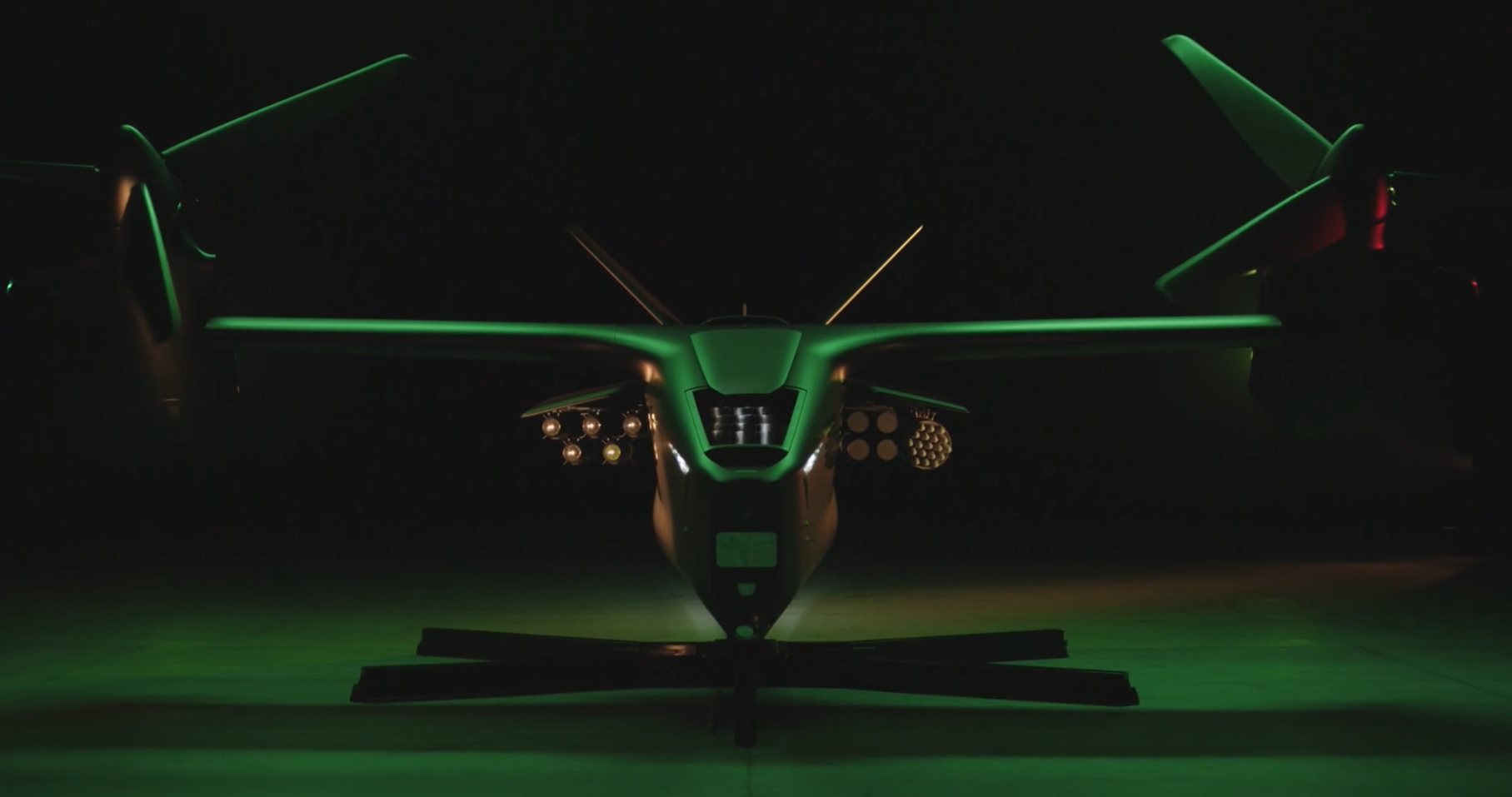 Anduril Unveils Thunder Autonomous Attack Rotorcraft Built with Archer Aviation to Support Apache Helicopters
-
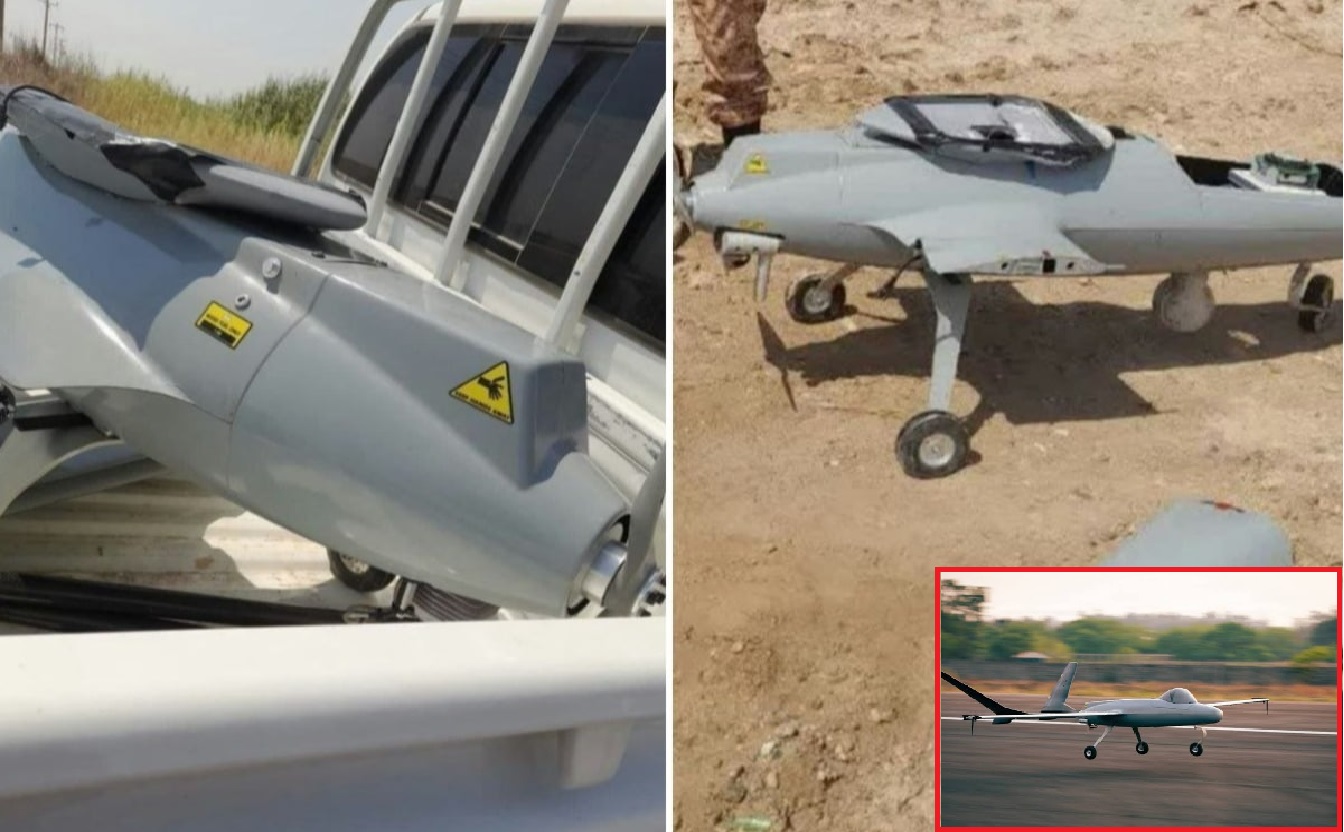 Iran Claims It Shot Down U.S.-Operated Polish-Built Tiguar-M Drone, Releases Images
-
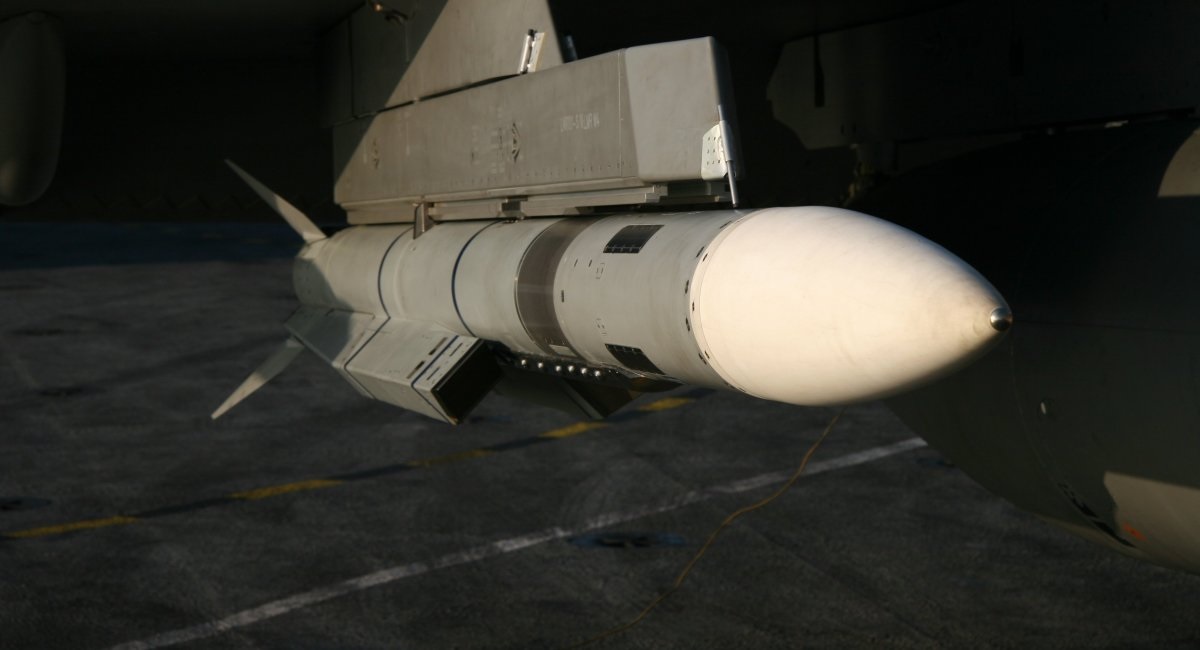 UK Cancels Meteor Missile Mid-Life Upgrade, Prioritizes Next-Generation FASE Air-to-Air Missile Programme
-
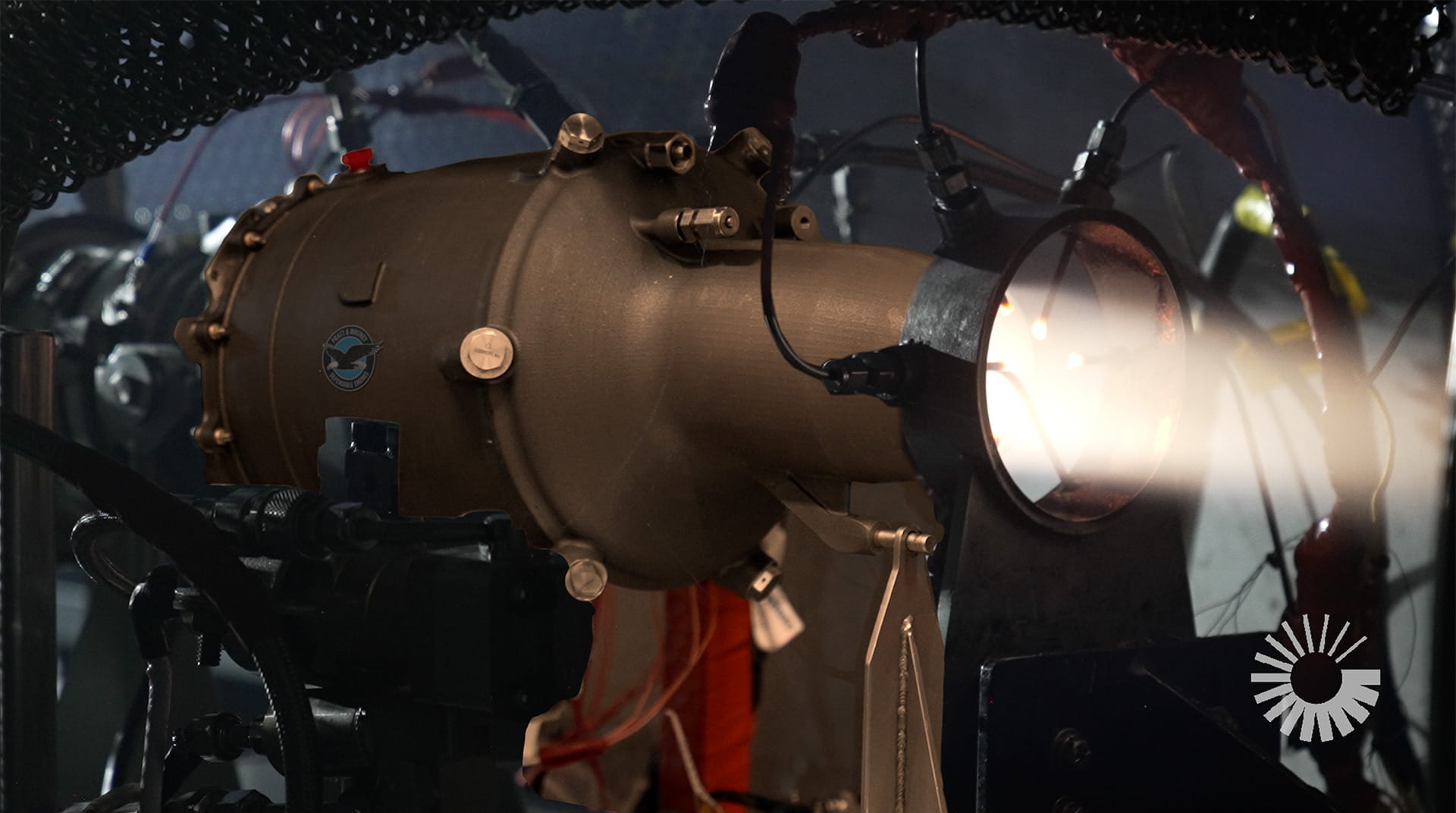 Pratt & Whitney Completes Testing of 3D-Printed TJ150 Engine for Military Applications
-
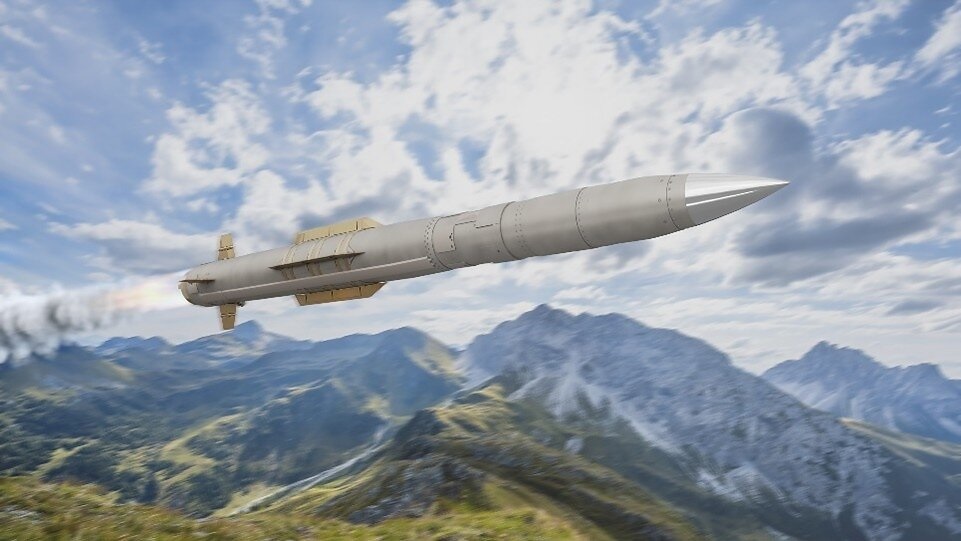 Lockheed Martin Unveils Lower-Cost PAC-3 ACE Interceptor for Patriot Air Defense System
-
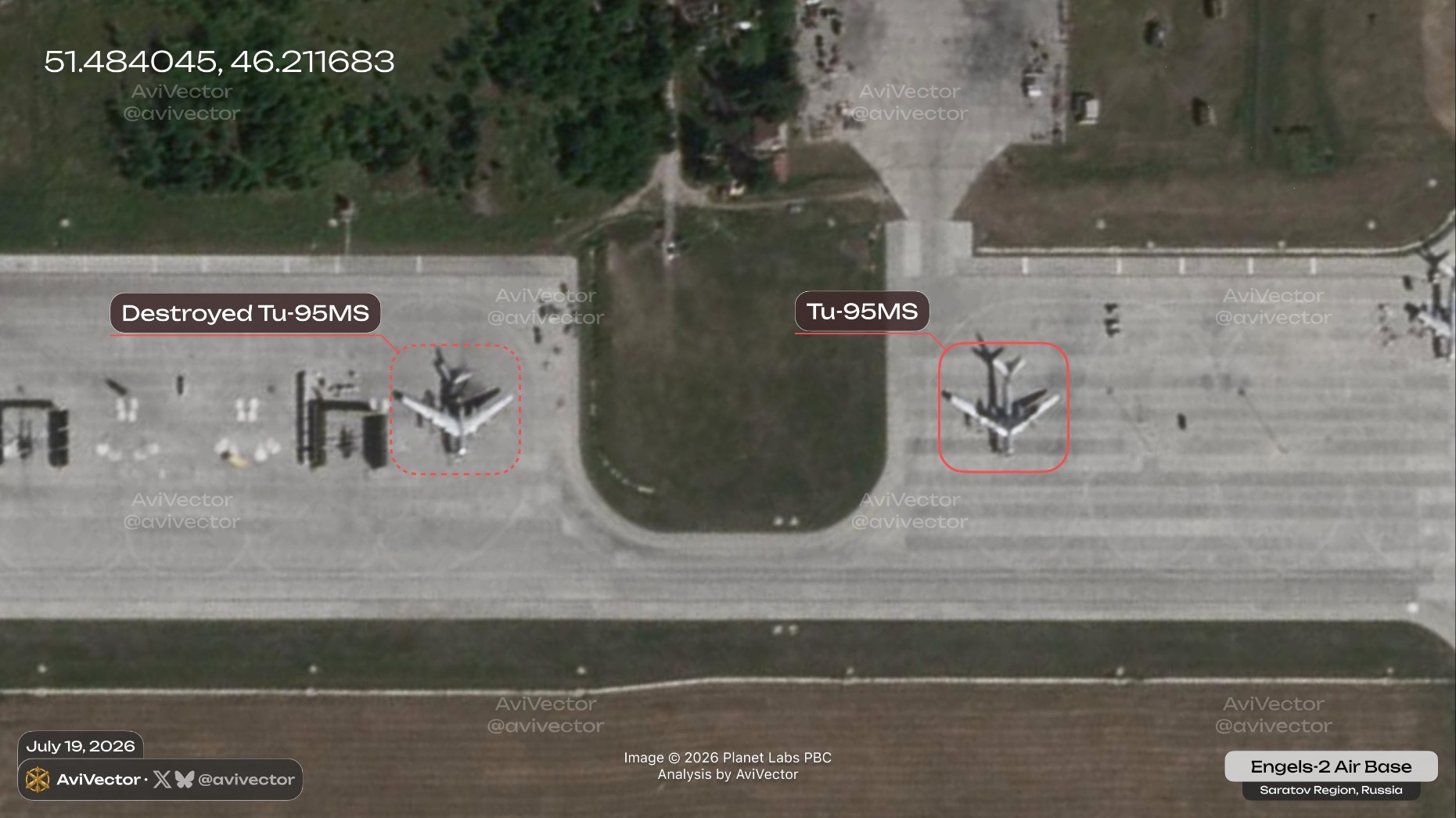 Satellite Images Confirm Russian Tu-95MS Bomber Destroyed After Ukrainian Drone Strike on Engels-2 Air Base
-
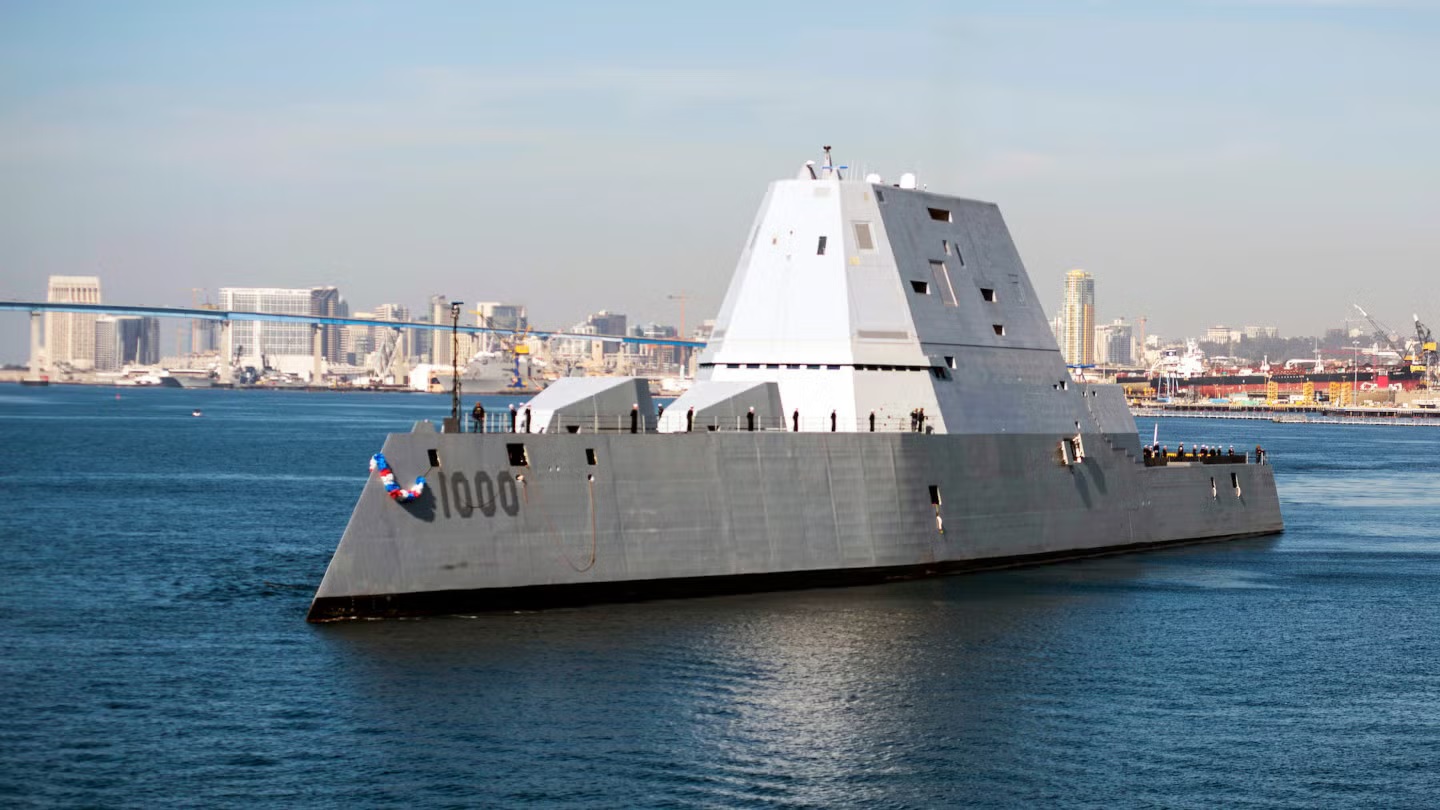 U.S. Navy's Zumwalt Destroyer Hypersonic Missile Upgrade Program Delayed by Two Years as Costs Top $2 Billion: GAO Reports
