World
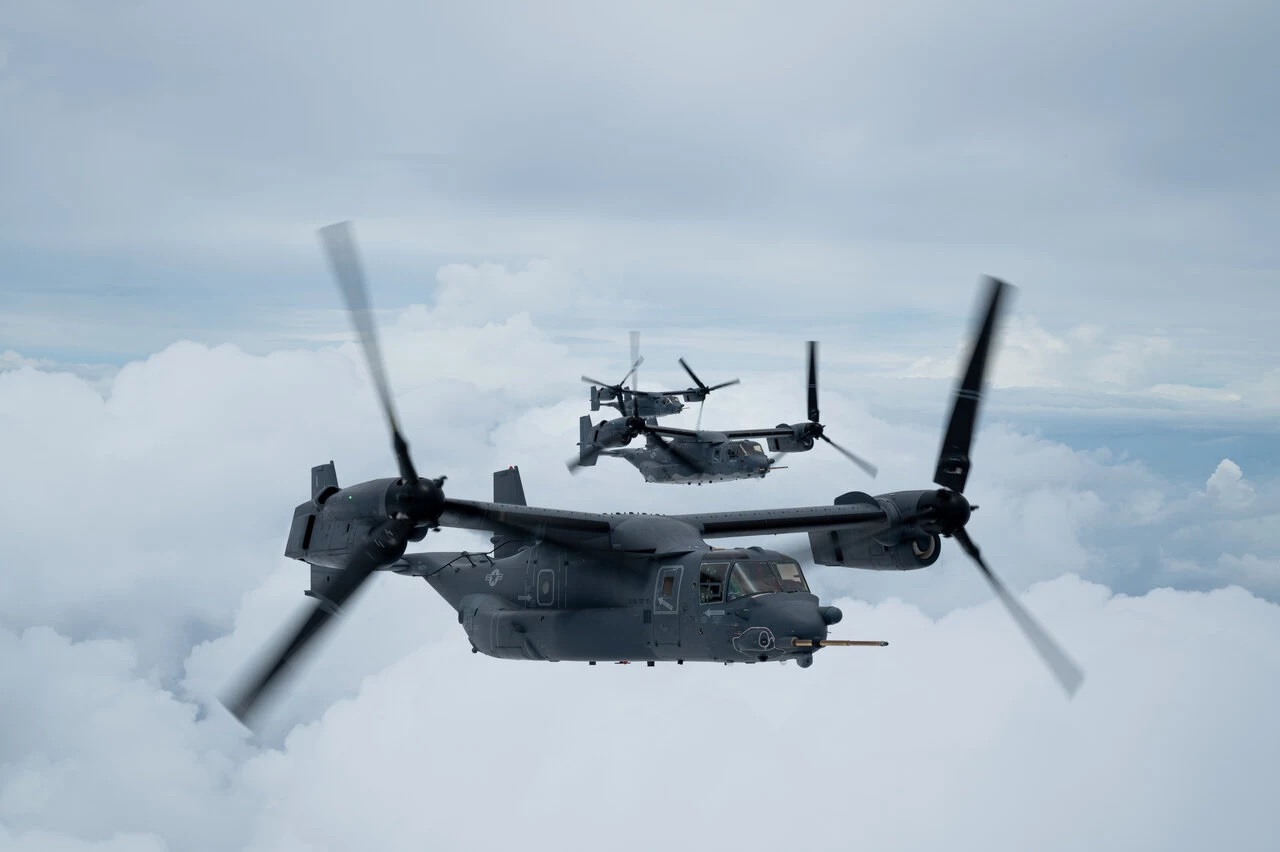
AMARILLO, Texas — April 21, 2026 : Bell Textron Inc., a subsidiary of Textron Inc. (NYSE: TXT), has reported substantial improvements in maintenance efficiency and operational readiness for the U.S. Air Force’s CV-22 Osprey fleet following implementation of its Nacelle Improvement (NI) Program. The company released performance data based on more than 10,000 flight hours of upgraded aircraft operated by Air Force Special Operations Command (AFSOC). According to the data, the upgraded nacelle configuration has reduced maintenance hours by approximately 75 percent, while increasing overall aircraft readiness by more than 10 percent. The results are based on operational use since the first modified CV-22 was delivered in 2021 to the 20th Special Operations Squadron at Cannon Air Force Base, New Mexico. Nacelle System as Primary Maintenance Driver The V-22 Osprey’s nacelle, located at the wingtips, houses critical propulsion components including the engine, transmission, and proprotor system. These nacelles rotate to enable vertical takeoff and landing as well as conversion to forward flight. Due to the complexity and concentration of systems, approximately 60 percent of total maintenance actions across the V-22 fleet are associated with the nacelle. The NI Program was developed to address this maintenance concentration through targeted redesign and system simplification, using fleet performance data and direct input from maintainers. Technical Modifications and Design Changes The upgrade introduces a simplified point-to-point wiring architecture, replacing legacy systems that relied on complex junctions and dense wiring bundles. This change reduces the number of potential failure points and improves fault isolation during troubleshooting. More than 1,300 individual parts were redesigned or eliminated as part of this effort, lowering overall system complexity. Structural improvements were also implemented in areas identified as high-wear zones. These include reinforced hinges, latches, access panels, and internal structural elements such as frame stations and baffles. The modifications are intended to reduce the frequency of fatigue-related damage and unscheduled repairs. Access to internal components was reconfigured based on maintainer feedback. The updated layout allows faster inspection and servicing by improving physical accessibility to critical systems. In addition, the design increases the reuse rate of repairable components, reducing replacement demand. The program also extends the replacement interval for key components by a factor of four, contributing directly to reduced maintenance frequency. Measured Maintenance and Reliability Outcomes Performance data from the NI-equipped aircraft show a significant reduction in required maintenance labor. Over the initial 4,000 flight hours, upgraded nacelle components recorded zero failures, compared to an estimated 140 failures projected under the legacy configuration. Maintenance labor associated with NI-specific components was reduced to 12 man-hours over the same 4,000-hour period, compared to a projected 2,195 man-hours for the previous design. These reductions contribute directly to increased aircraft availability. Across the AFSOC CV-22 fleet, the NI Program has saved more than 24,000 maintenance hours. This corresponds to over 1,000 days of maintainer time that can be reassigned to other operational requirements. Impact on Operational Readiness The reduction in maintenance time has increased the number of mission-capable aircraft available for deployment and training. According to the V-22 Joint Program Office, CV-22 readiness rates improved by more than 10 percent following implementation of the upgrades. A senior official from the program office stated that the maintenance time savings have enabled greater aircraft availability on the flight line, supporting both operational readiness and safety through increased training opportunities. Production and Fleet Implementation All nacelle modifications are carried out at Bell’s Amarillo Assembly Center in Texas, which also serves as the primary production site for all variants of the V-22 platform, including the MV-22, CMV-22, and CV-22. The NI Program was initiated under a 2021 contract and has since expanded with congressional support, including a $160 million authorization to accelerate fleet-wide upgrades. As of late 2025, 31 out of 51 CV-22 aircraft assigned to AFSOC had received the modification. Long-Term Sustainment and Fleet Expansion The improvements are designed to extend the operational viability of the CV-22 fleet for at least the next 30 years. While initially applied to the Air Force variant, the program’s design framework supports broader integration across the joint V-22 fleet. The U.S. Navy and Marine Corps are incorporating similar nacelle improvements into their midlife upgrade programs, with a focus on addressing component obsolescence, improving safety, and sustaining long-term readiness. Bell stated that the NI Program reflects a data-driven and maintainer-informed approach to modernization, targeting high-impact reliability issues while maintaining cost efficiency. The company indicated that further collaboration with the Department of Defense will continue to focus on safety, sustainability, and operational performance of the V-22 platform.
Read More → Posted on 2026-04-21 07:44:24
World
TOKYO, — April 21, 2026 : The Japanese government on Tuesday approved a comprehensive revision of its long-standing framework governing the transfer of defense equipment and technology, formally allowing the export of lethal military systems under defined conditions. The decision was endorsed by both the Cabinet and Japan’s National Security Council, marking a significant policy adjustment within the country’s existing security framework. Updated Framework and Classification System The revisions modify the implementation guidelines of Japan’s “Three Principles on Transfer of Defense Equipment and Technology,” replacing earlier categorical limits with a broader classification system. Previously, exports were largely restricted to five non-combat categories: rescue, transport, warning, surveillance, and minesweeping. Under the updated policy, defense equipment is now divided into two classifications based on capability: Weapons: This category includes systems with lethal or destructive capability, such as fighter aircraft, warships, destroyers, missiles, and tanks. Non-weapons: This includes equipment without direct lethal function, such as radar systems, protective gear, and related support technologies. Exports of non-weapons remain subject to existing screening mechanisms without additional restrictions. In contrast, exports of weapons are permitted only to countries that have formal agreements with Japan regarding the protection of classified defense-related information. Japan currently maintains such agreements with 17 countries. Approval Process and Oversight Measures All proposed exports of lethal equipment are subject to case-by-case review by the National Security Council, which includes the prime minister and relevant cabinet ministers. The government confirmed that exports associated with the Global Combat Air Program (GCAP), a joint fighter development initiative with the United Kingdom and Italy, will continue to require separate Cabinet-level approval. The revised guidelines retain the prohibition on transfers to countries engaged in active armed conflict. However, provisions allow for exceptions in specific cases if deemed necessary after consideration of Japan’s security requirements. The government also emphasized that strict post-export controls will be applied. These include end-user verification procedures, monitoring mechanisms, and safeguards to prevent diversion or unauthorized re-transfer of exported equipment. Policy Continuity and Evolution The current revision builds on a series of earlier policy adjustments. In 2014, Japan revised its original arms export principles to allow transfers supporting joint development and production with partner nations. Subsequent updates permitted limited exports of co-developed lethal systems, including provisions related to the GCAP program. The latest changes remove remaining categorical restrictions on lethal equipment, consolidating prior reforms into a unified framework. Strategic and Industrial Considerations Government officials stated that the revised guidelines are intended to strengthen Japan’s defense industrial base and expand cooperation with partner countries. Chief Cabinet Secretary Minoru Kihara indicated that the policy aims to support domestic industrial capabilities while contributing to Japan’s security environment. Japanese defense manufacturers, including major firms such as Mitsubishi Heavy Industries, are expected to benefit from broader export opportunities, potentially enabling increased production scale and technological development. International Cooperation and Potential Applications Japan’s existing defense cooperation agreements include partnerships with countries such as the United States, Australia, and the Philippines. Reports indicate that one of the early potential applications of the revised rules could involve the transfer of used Japanese naval vessels to the Philippines, although no formal agreements have been confirmed. The revised framework also facilitates exports linked to multinational development programs. In the case of the GCAP fighter project, the updated rules simplify the process for transferring jointly developed aircraft to third-party countries, subject to approval procedures. Legislative Position and Implementation The government confirmed that the revised guidelines do not require legislative approval by the National Diet. Instead, the administration will notify parliament after the completion of weapon export decisions. All transfers will continue to be assessed under the core principles governing destination, end-user reliability, and potential impact on regional and international security. The revisions, approved on April 21, 2026, represent the most substantial update to Japan’s defense equipment transfer policy in recent years and will be implemented on a case-by-case basis under the established regulatory framework.
Read More → Posted on 2026-04-21 07:21:11
World
NATIONAL HARBOR, Md., — April 20, 2026 : The U.S. Navy will award the Engineering and Manufacturing Development (EMD) contract for its F/A-XX sixth-generation carrier-based fighter in August, Chief of Naval Operations Adm. Daryl Caudle confirmed on Monday at the Sea-Air-Space Conference 2026. The timeline follows a series of senior-level discussions between Navy leadership, the Pentagon, and Deputy Secretary of Defense Steve Feinberg, resulting in agreement to proceed with the long-delayed program. The planned award represents a transition of the F/A-XX from concept and preliminary design into full development, marking a key milestone in the Navy’s effort to field a next-generation strike fighter for carrier air wings in the 2030s. Program Role and Operational Requirements The F/A-XX is intended to replace the Boeing F/A-18E/F Super Hornet and the Boeing EA-18G Growler while complementing the Lockheed Martin F-35C Lightning II. It is being developed as a multirole platform capable of air combat, ground attack, surface warfare, and close air support, with additional roles in electronic warfare and intelligence, surveillance, and reconnaissance. The aircraft is designed to operate in contested anti-access/area-denial (A2/AD) environments, with requirements including advanced stealth, increased combat radius, higher payload capacity, and compatibility with both Nimitz-class and Ford-class aircraft carriers. Navy officials have indicated the platform will provide approximately 25 percent greater range than the F-35C. The program originated from a Navy request for information issued in 2012 and has since evolved into the crewed component of the service’s broader Next Generation Air Dominance (NGAD) family of systems, distinct from the Air Force’s parallel effort. Industrial Competition and Contractor Selection The competition for the EMD contract has narrowed to Boeing and Northrop Grumman. Lockheed Martin, initially part of the competition, was eliminated in March 2025 following reported difficulties in meeting Navy-specific requirements, including carrier suitability and advanced radar integration. Adm. Caudle stated that industrial base considerations influenced the decision timeline, noting that Boeing has already been selected to produce the Air Force’s sixth-generation F-47 fighter, while Northrop Grumman remains heavily engaged in production of the B-21 Raider. According to Caudle, the Department of Defense adopted a “check twice, cut once” approach to ensure that the selected contractor can meet schedule requirements without overextending existing production capacity. Strategic Drivers and Threat Environment The Navy’s decision to advance the F/A-XX program is driven by evolving threat conditions, particularly the expansion of advanced air defense systems among peer competitors and the increasing availability of sophisticated weapons to regional actors and non-state groups. Navy leadership has assessed that current aircraft, including the F/A-18 series, will face growing limitations in survivability and operational effectiveness in high-threat environments over time. The F/A-XX is expected to address these challenges through a combination of low observable design, extended range, and integrated electronic warfare capabilities. Technology and System Integration The F/A-XX is being developed as part of a broader “family of systems” concept. It will incorporate manned-unmanned teaming (MUM-T) capabilities, enabling it to control multiple Collaborative Combat Aircraft (CCA), often described as semi-autonomous “loyal wingmen.” The Navy is currently working with five companies—Anduril Industries, Boeing, General Atomics, Lockheed Martin, and Northrop Grumman—to develop these systems. In addition, the aircraft will operate alongside the MQ-25A Stingray, which is expected to reach initial operational capability (IOC) later in 2026. The MQ-25A will provide carrier-based aerial refueling to extend the operational reach of both current and future carrier aircraft, including the F/A-XX. The platform is also expected to feature an open architecture design, allowing rapid integration of new sensors, weapons, and software updates throughout its service life. Funding, Budget Disputes, and Congressional Action The program’s progression to an August 2026 contract award follows a period of budget uncertainty. In the Fiscal Year 2026 budget request, the White House and Pentagon proposed allocating approximately $74 million for the F/A-XX while suggesting delays due to concerns about managing two sixth-generation fighter programs simultaneously. Congress subsequently intervened, restoring funding through a combination of appropriations and legislation, including the One Big Beautiful Bill Act. Lawmakers added approximately $897 million in one tranche and ultimately directed the Navy to proceed with a single EMD contract award. Additional funding actions increased total support to roughly $1.69 billion for fiscal year 2026, following earlier allocations including $750 million to support the final contractor selection process. The Navy’s fiscal year 2027 budget request includes a further $140 million for continued development. Program Timeline and Outlook The F/A-XX program will formally enter the Engineering and Manufacturing Development phase following the August 2026 contract award. While specific design characteristics, payload configurations, and performance metrics remain classified, early conceptual designs from competing contractors have included tailless, twin-engine stealth configurations with options for manned or optionally unmanned operation. Initial flight testing is projected toward the end of the decade, with initial operational capability expected in the mid-2030s. The program is intended to ensure the continued effectiveness of U.S. Navy carrier air wings in contested environments, integrating with both existing platforms and emerging unmanned systems as part of a networked operational architecture.
Read More → Posted on 2026-04-20 17:38:58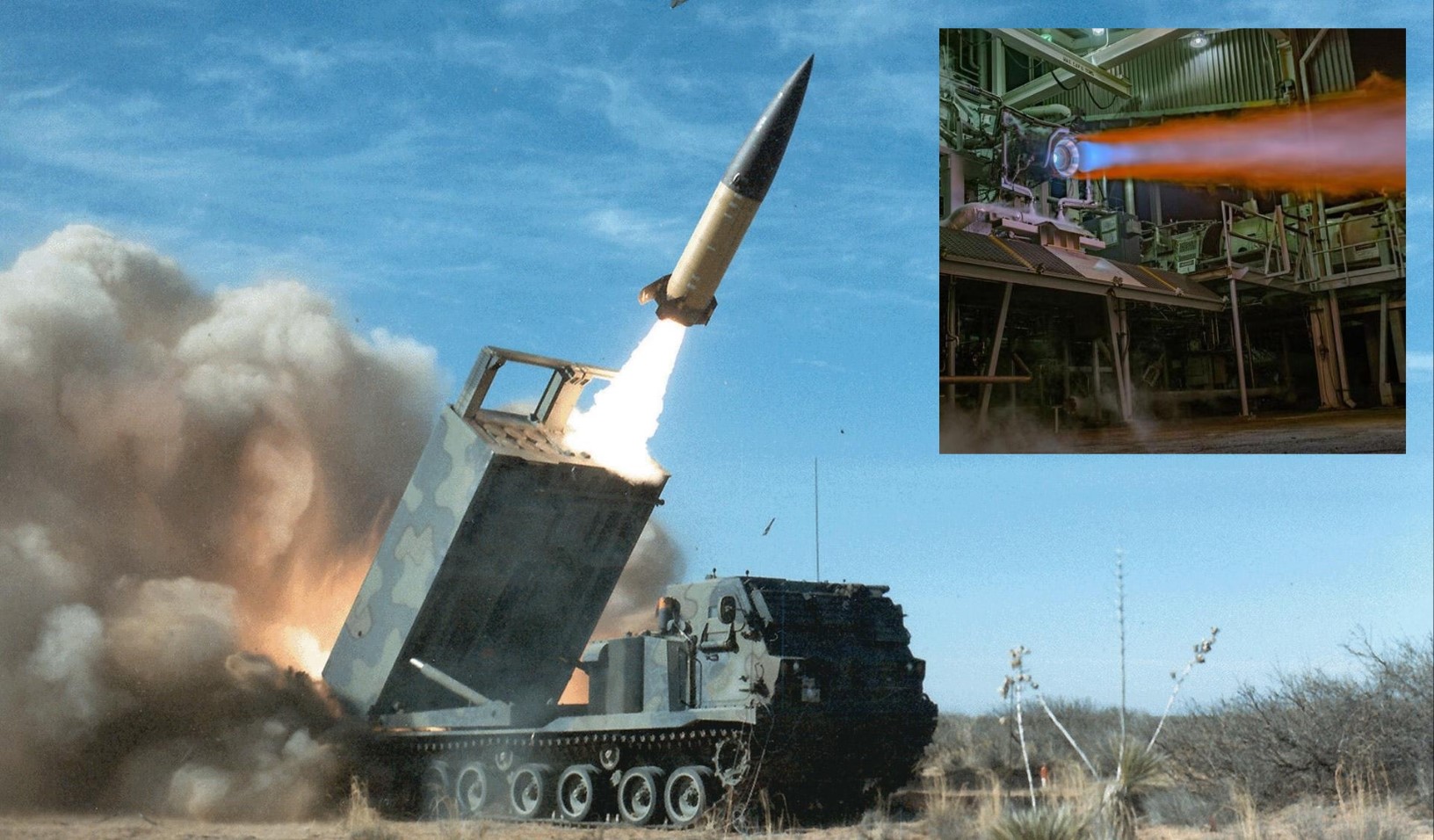
World
Camden, Arkansas / Washington, — April 20, 2026 : Lockheed Martin has awarded L3Harris Technologies a contract valued at more than $65 million to produce solid rocket motors for the U.S. Army’s Army Tactical Missile System (ATACMS), supporting continued production of propulsion components for the long-range guided missile system. Contract Scope and Deliverables Under the agreement, L3Harris will fabricate, test, and deliver M124 solid rocket motors, along with igniters, exit cones, and associated components and services. The contract covers both manufacturing and validation activities required for integration into the ATACMS missile system. Deliveries under the contract are scheduled to take place between 2027 and 2028, aligning with ongoing U.S. Army procurement and sustainment timelines for long-range precision strike capabilities. Program Background and Operational Role The ATACMS is a combat-proven long-range precision weapon system used by U.S. and allied forces for deep-strike missions. The missile system remains a key component of battlefield strike capability, designed to engage high-value targets at extended ranges with guided accuracy. The latest contract reflects sustained demand for propulsion systems supporting operational readiness, as the U.S. Army continues to maintain and replenish its missile inventory. Industry Role and Company Statement Scott Alexander, President of Missile Propulsion within the Missile Solutions sector at L3Harris, stated that the company remains focused on delivering propulsion systems tailored to the requirements of the ATACMS program. He noted that such contracts underscore L3Harris’ continued role in supporting the U.S. Army and allied forces with established missile technologies. Production Facilities and Capacity Expansion L3Harris has supported the ATACMS program for more than 30 years, with production activities primarily based in Camden, Arkansas. The facility manufactures a wide range of solid rocket motors and serves as a central hub for propulsion system development and testing. The Camden site currently produces more than 115,000 rocket motors annually and conducts over 6,000 hot-fire tests each year. The company is also expanding its infrastructure at the location, with more than 20 new advanced propulsion facilities under development to meet increasing demand. In addition to propulsion components, L3Harris manufactures ATACMS arm and firing devices at its facility in Cincinnati, Ohio. Broader Program Support The contract reinforces L3Harris’ role in supporting U.S. Army missile programs and broader defense requirements. It also reflects continued industrial activity tied to long-range strike systems, with emphasis on sustaining production capacity and ensuring availability of critical propulsion components for operational use.
Read More → Posted on 2026-04-20 17:25:42
World
Kyiv, — April 20, 2026 : Ukraine’s Defence Intelligence Directorate (GUR) has published detailed findings identifying 103 Russian enterprises involved in the production of the Su-57 multirole fighter aircraft, revealing that approximately one-third of these entities remain outside international sanctions regimes. The data, released on the Ukrainian government’s War & Sanctions portal on April 20, 2026, includes a comprehensive breakdown of the aircraft’s industrial network along with an interactive three-dimensional model illustrating how each company contributes to the platform’s systems and components. Supply Chain Mapping and Sanctions Gaps According to the GUR, roughly 34 of the 103 identified companies have not been sanctioned by any member of the international sanctions coalition. Ukrainian intelligence assessed that this gap enables continued access to foreign technologies and components necessary for sustaining Russia’s military aviation programs. In its official statement accompanying the publication, the agency noted that the absence of restrictions on these firms allows them to procure critical inputs without limitation, thereby supporting ongoing aircraft production despite broader sanctions imposed on Russia’s defense sector. The published dataset outlines cooperative links among all 103 enterprises, providing a system-level view of the Su-57 production chain. The interactive model assigns specific components and subsystems of the aircraft to each participating organization, offering a structured visualization of industrial dependencies. Key Enterprises in the Production Network Among the companies identified, several play specialized roles in the aircraft’s development and manufacturing process. Krasny Oktyabr, located in St. Petersburg, produces auxiliary power units and gas turbine-based onboard power systems used in the Su-57. The National Institute of Aviation Technologies is responsible for designing advanced multifunctional cockpit glazing, including silicate-based transparent structures used in pilot interfaces. The Institute of Theoretical and Applied Electrodynamics of the Russian Academy of Sciences develops and applies radar-absorbing materials and coatings, which are integral to reducing the aircraft’s radar signature. YASHZ Avia manufactures aircraft tires designed to withstand the operational requirements of high-performance fighter jets such as the Su-57. Development Background and Manufacturing Structure The Su-57 fighter was developed by the Sukhoi Design Bureau as Russia’s fifth-generation combat aircraft program. Serial production is carried out at the Komsomolsk-on-Amur Aircraft Plant (KnAAZ), which operates under the United Aircraft Corporation. Development of the aircraft began in the early 2000s, with the prototype completing its first flight on January 29, 2010. The Russian Armed Forces inducted the first serially produced Su-57 into service at the end of 2020. As of 2026, analysts estimate that approximately 42 units, including prototypes, have been produced. The program has recently incorporated the “Izdeliye 30” (Stage 2) engine, designed to enable sustained supersonic flight without afterburner use, commonly referred to as supercruise capability. Export Activity and International Interest The continued operation of unsanctioned suppliers has supported both domestic production and export activity. In April 2026, Russia’s state arms exporter Rosoboronexport announced new export contracts for the Su-57E variant during the Defence Services Asia (DSA-2026) exhibition held in Kuala Lumpur. Algeria remains the only confirmed foreign operator of the export variant. Deliveries to Algeria began in late 2025 following a reported agreement for 14 aircraft valued at approximately $2 billion. Russian officials indicated that the number of prospective customers is increasing. Available data points to ongoing negotiations with India regarding licensed production arrangements, as well as reported interest from countries including North Korea, Iran, and Vietnam. Industrial Constraints and Procurement Channels Despite the continued functionality of parts of the supply chain, the Su-57 program faces industrial challenges. Ukrainian intelligence and independent assessments indicate that Russia has relied on intermediary channels to obtain microelectronics and other restricted components, particularly through third-party routes involving Kazakhstan and China. These procurement methods have increased costs and contributed to slower-than-anticipated production rates, even as assembly continues. Operational Context and Targeting The Su-57 has also been targeted during the ongoing conflict. On June 8, 2024, Ukrainian forces conducted drone strikes on the Akhtubinsk airfield in Russia’s Astrakhan region. Russian sources later acknowledged that two Su-57 aircraft were damaged while stationed on the ground. The incident marked one of the first confirmed strikes against the aircraft and demonstrated its vulnerability when deployed at fixed airbases. Strategic Objective of the Disclosure The GUR stated that the publication of the 103-company network is intended to support international efforts aimed at tightening sanctions enforcement and identifying remaining gaps. By documenting the structure of the production ecosystem and highlighting unsanctioned participants, Ukrainian authorities aim to facilitate additional restrictive measures targeting suppliers that continue to enable Russia’s advanced military aviation capabilities. The War & Sanctions platform is expected to be updated with further data as investigations into Russia’s defense-industrial networks continue.
Read More → Posted on 2026-04-20 17:06:37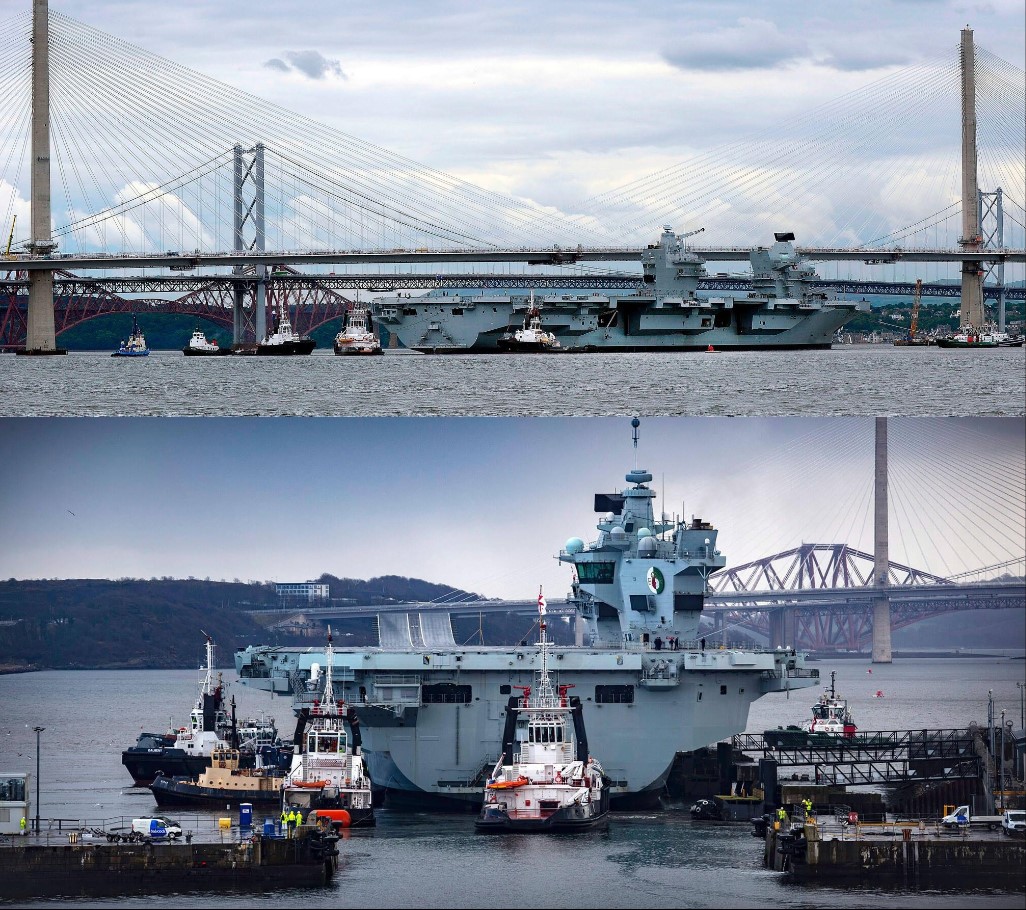
World
ROSYTH, SCOTLAND — April 20, 2026 : The Royal Navy’s flagship, HMS Queen Elizabeth, has departed the Rosyth dockyard following the completion of a major upkeep period and is currently anchored in the River Forth. The aircraft carrier exited the non-tidal basin on April 19 and is now awaiting a suitable tidal window to pass beneath the Forth Bridges before beginning a planned series of sea trials. The movement marks the conclusion of an extensive maintenance and inspection cycle lasting just over eight months. The work, originally scheduled for approximately seven months, was extended to accommodate the complexity of engineering upgrades and regulatory requirements. Maintenance Timeline and Regulatory Framework The upkeep programme began in November 2024 while the carrier was alongside in Portsmouth. This initial phase focused on preparatory engineering work, including early upgrades to key onboard systems. On July 16, 2025, the vessel departed Portsmouth and transited to Rosyth to enter dry dock for the second phase of maintenance. The docking formed part of a mandatory six-year inspection cycle conducted under Lloyd’s Register Rules, which govern safety certification for much of the Royal Navy fleet. These regulations require comprehensive dry-dock inspections, including structural surveys and system validation to ensure continued seaworthiness. At Rosyth, the programme was managed by Babcock International, which described the ship’s departure as a milestone within the broader 10-year dry-dock maintenance cycle for the Queen Elizabeth-class carriers. Engineering Work and System Upgrades The maintenance period included a wide range of technical work covering propulsion, structural integrity, and underwater systems. Significant upgrades were carried out on the carrier’s propulsion system to improve long-term reliability following sustained operational use since entering service in 2017. Comprehensive inspections were conducted on the hull, rudders, and propellers as part of the dry-dock survey. In addition, engineers carried out maintenance on underwater fittings, including hull valves and sea chests, which are critical for ship operations and susceptible to corrosion over time. The vessel also underwent rigorous safety inspections required to maintain its maritime certification under Lloyd’s standards. One planned enhancement—the installation of the “Bedford Array,” a precision visual landing aid designed to support Shipborne Rolling Vertical Landing (SRVL) operations for F-35B Lightning II aircraft—was ultimately not implemented. Officials cited cost-saving measures and the ongoing development of the Royal Navy’s hybrid aircraft carrier concept as the primary reasons for cancelling the upgrade. Current Status and Sea Trial Preparations Following its departure from the dockyard, HMS Queen Elizabeth remains at anchor in the River Forth. The next stage of activity will involve transiting through the narrow Rosyth lock system and passing under the Forth Bridges, a maneuver that requires precise timing due to tidal constraints and weather conditions. Once clear of the estuary, the carrier will begin sea trials to test the performance of upgraded propulsion systems and other engineering modifications. These trials will also validate the readiness of the ship’s company after the extended maintenance period. Upon successful completion of trials, the vessel is expected to return to its home port in Portsmouth. Operational Outlook and Fleet Positioning Although HMS Queen Elizabeth currently has a full complement of crew, its immediate operational schedule has not been formally confirmed. There is internal speculation that the carrier could enter a period of reduced readiness after completing sea trials, allowing the Royal Navy to balance maintenance cycles between its two carriers. Its sister ship, HMS Prince of Wales, is currently held at five days’ notice to deploy. The vessel is expected to lead Operation FIRECREST in the coming weeks, a NATO-aligned deployment to the North Atlantic and High North regions. The operation will involve coordination with United States, Canadian, and European naval forces and is intended to support regional security objectives, including the protection of undersea infrastructure and deterrence of Russian maritime activity. Wider Royal Navy Fleet Context The return of HMS Queen Elizabeth to operational availability comes amid broader efforts to improve readiness across the Royal Navy’s surface fleet, particularly among frigates and destroyers. Work is ongoing to return HMS Portland and HMS Iron Duke to active service, with challenges related to crew availability and funding. Meanwhile, HMS Sutherland has not yet resumed operational deployment following the completion of its Life Extension (LIFEX) programme in January 2025, and HMS Kent is expected to emerge from its own major upkeep period in the near term. The Royal Navy is prioritising the availability of escort vessels to support carrier strike operations and wider NATO commitments. Transition to Operational Status The successful exit from Rosyth’s confined dock system represents a key milestone in HMS Queen Elizabeth’s maintenance cycle. Navigation through the dockyard lock and onward transit under the Forth Bridges is constrained by narrow tidal windows and specific weather conditions, requiring careful coordination. Sea trials will serve as the final validation phase before the carrier returns to active operational status. These trials will confirm the performance of propulsion upgrades and other engineering work completed during the upkeep period. HMS Queen Elizabeth, launched in 2014 and commissioned in 2017, remains central to the United Kingdom’s carrier strike capability. The completion of this maintenance cycle ensures compliance with safety regulations while preparing the vessel for future operational deployments.
Read More → Posted on 2026-04-20 16:56:04
World
PARIS, — April 20, 2026 : The French Army has confirmed plans to establish a third division dedicated to the Operational Defense of the Territory (DOT), marking a structural shift aimed at strengthening homeland security while maintaining overseas operational commitments. The announcement was made by General Pierre Schill, Chief of Staff of the French Army (CEMAT), during a military thought conference in Paris. The new division will be primarily composed of reservists and volunteers and is intended to safeguard critical national functions if France’s active combat forces are deployed abroad, including potential high-intensity engagements in Europe. Strategic Reorganization for Domestic Defense France’s land forces have historically relied on two primary divisions: the 1st Division based in Besançon and the 3rd Division based in Marseille. Under existing doctrine, one division is typically committed to NATO missions while the other remains available for national protection or secondary operations. The evolving security environment, described by General Schill as increasingly constrained and unpredictable, has led to a reassessment of this structure. In scenarios where both active divisions are deployed—such as a large-scale “Central Europe” type operation—the new third division would assume responsibility for territorial defense, protection of vital infrastructure, and continuity of government functions within France. Expansion of the Operational Reserve The viability of the third division is tied to a significant expansion of France’s operational reserve forces and the rollout of the National Service (SNU). Military planning outlines the following targets: 80,000 reservists by 2030 105,000 reservists by 2035 A force ratio of one reservist for every two active-duty soldiers As of September 2025, the French Army reported 29,527 operational reservists, with an average age of 38. More than half of the projected reserve force—approximately 40,000 to 50,000 personnel—is expected to support the new division. The National Service program, scheduled to begin in September 2026, will further expand personnel availability. Initial intake figures include 3,000 volunteers in 2026–2027, increasing to 4,000 in 2027–2028, and reaching 10,000 annually by 2030. Participants aged 18 to 25 will serve 10-month contracts, with pathways into the operational reserve (RO1) or availability reserve (RO2). Organizational Development and Timeline The creation of the third division follows a phased approach already underway: 2024–2025: Each of the seven combined-arms brigades established a dedicated reserve battalion 2025: Support brigades added additional reserve battalions, bringing the total to around a dozen units 2026: Formation of a consolidated reserve brigade 2030: Full integration into a division-level territorial structure These developments build on recent training activities, including the Vulcain exercise in October 2025 in Haute-Loire, where 800 reservists conducted simulations involving destabilization scenarios. Larger exercises such as the ORION series continue to integrate reserve and active units. “Combat Garrison” Concept and Local Response A central feature of the new structure is the “combat garrison” concept, designed to ensure local responsiveness. More than 50 percent of reservists reside within 30 kilometers of their assigned units, enabling rapid deployment in support of internal security operations. This localized presence allows reservists to assist civil authorities, including law enforcement, firefighting services, and medical responders, particularly during crises affecting population resilience. Equipment and Funding Framework To ensure operational effectiveness, the French government has allocated increased funding under the Military Programming Law (LPM) 2024–2030: 30 percent increase in reserve funding between 2020 and 2025 €550 million earmarked for equipping reservists and National Service personnel The Army is developing a dedicated equipment framework known as the DAGUE program (Défense de l'Arrière et Gestion des Unités Élargies). This program will provide equipment tailored to territorial missions, including: Mobile-network-compatible communication systems Individual and collective weapon systems Transport vehicles and logistical trucks The DAGUE system complements the SCORPION program, which equips active combat units, ensuring that reserve forces receive adapted but effective capabilities. Equipment will include both modernized legacy systems and new acquisitions, with full capability targeted by 2030. Command, Structure, and Legal Considerations The project remains under development, with ongoing work focused on command arrangements, legal frameworks, and integration with regional defense structures. Key considerations include: Coordination with France’s defense and security zones Command relationships between active and reserve components Potential expansion of existing regiments versus creation of dedicated reserve units These elements are being addressed as part of broader updates to France’s military programming framework. Operational Rationale and Force Structure Impact The establishment of the third division addresses several operational requirements: Maintaining territorial security while fulfilling NATO and EU commitments Providing sufficient force mass for sustained operations Enhancing national resilience through integration of civilian volunteers With approximately 118,600 active personnel, the French Army is adapting its force structure to enable simultaneous high-intensity operations abroad and continuous domestic protection. The third division is expected to serve as a structural link between professional forces, reservists, and civilian volunteers, forming a layered defense model aligned with current strategic requirements.
Read More → Posted on 2026-04-20 16:07:08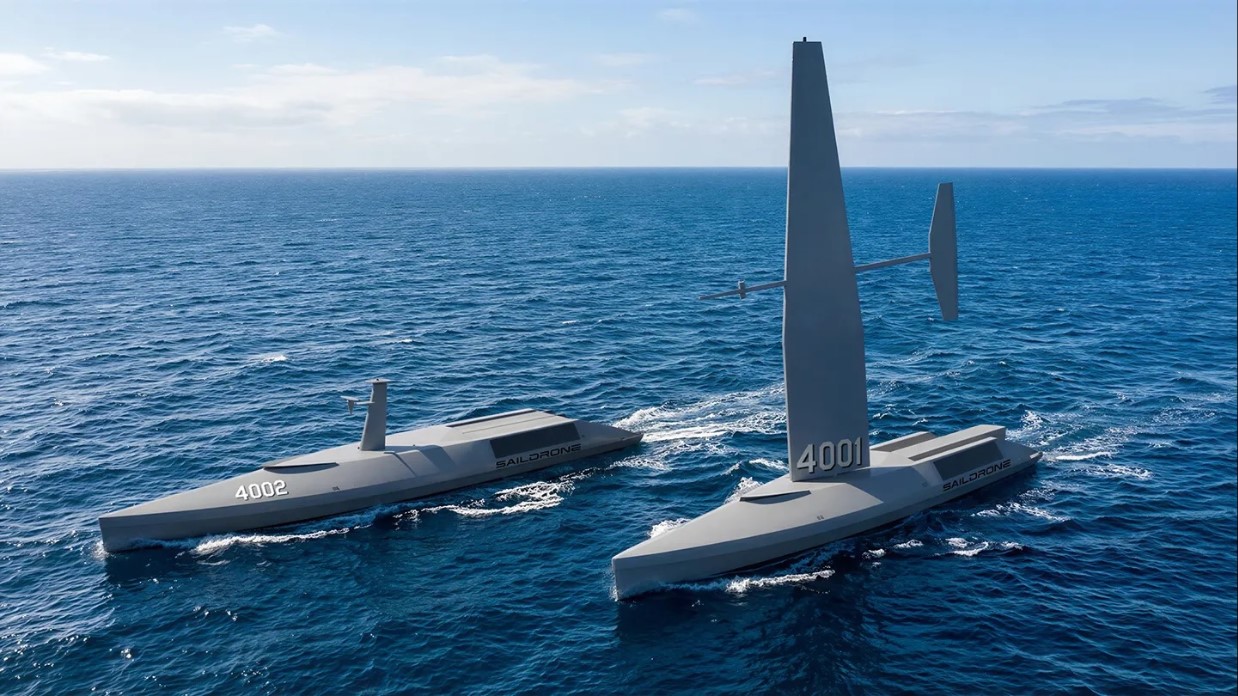
World
National Harbor, Maryland — April 20, 2026 : Saildrone has unveiled the design of its largest and most capable unmanned surface vehicle (USV), named Spectre, during the Sea Air Space 2026 conference. Developed in partnership with Lockheed Martin under a $50 million agreement signed in October 2025, the 52-meter platform is intended for anti-submarine warfare (ASW), intelligence, surveillance and reconnaissance (ISR), and strike missions for the United States Navy and allied forces. Platform Design and Development The Spectre USV is the result of more than two years of design work based on operational data gathered over Saildrone’s 12-year history, during which its fleet has logged over 2 million nautical miles at sea. The platform builds on earlier systems such as the Voyager and Surveyor, incorporating lessons learned from real-world deployments to meet evolving maritime operational requirements. Measuring 52 meters (170 feet) in length and displacing approximately 250 tonnes, Spectre is the largest vehicle in Saildrone’s portfolio. The vessel is engineered to operate with an ultra-quiet acoustic signature, a critical requirement for ASW missions where onboard noise can interfere with the detection of submarines. Variants and Mission Profiles Saildrone has developed two primary configurations of the Spectre to support different mission sets. The Spectre Silent Endurance variant incorporates the company’s signature wing system, enabling extended range operations exceeding 8,000 nautical miles with near-silent propulsion. This configuration is optimized for long-duration ISR and ASW missions requiring persistent presence. The Spectre Stealth Strike variant removes the wing structure to reduce radar cross-section and overall visual profile, allowing for higher speeds and suitability for kinetic strike operations. Propulsion and Performance The vessel uses a hybrid propulsion system combining wind, solar, and diesel power. Twin shaftlines integrate dual electric and diesel propulsion systems, allowing Spectre to operate in near-silent electric mode at speeds up to 12 knots. For higher-speed operations, two 5,000-horsepower Caterpillar diesel engines enable speeds of up to 27 knots with a full payload. At a cruising speed of 25 knots carrying a 25,000-kilogram payload, Spectre achieves a range of approximately 3,280 nautical miles in calm seas and 2,790 nautical miles in Sea State 4 head seas. Controllable-pitch propellers support efficient operation across speed ranges and facilitate low-speed, low-noise performance required for towed sonar systems. Payload Capacity and Modular Architecture Spectre features a concealed payload deck located close to the waterline, designed to accommodate modular, containerized payloads. The vessel can carry configurations including two 40-foot containers, five 20-foot containers, or mixed arrangements, with a total payload capacity exceeding 70 tonnes. The deck is optimized for transom deployment and protects equipment from sea spray during high-speed operations. The platform provides up to 50 kW of payload power and supports mission durations exceeding six months without resupply. Integrated Systems and Partnership with Lockheed Martin Under the strategic partnership, Saildrone and Lockheed Martin are integrating a range of advanced payloads and mission systems. These include Lockheed Martin’s TB29 thin-line towed array for ASW, the Mk70 vertical launch system with capacity for two launchers, and the CAPTAS-4 variable-depth sonar system developed by Thales. The collaboration also includes enhancements to command-and-control systems and broader integration of defense technologies to support multi-mission capability. Paul Lemmo, Vice President and General Manager at Lockheed Martin, stated that the Spectre platform provides a persistent, low-observable capability capable of supporting a wide spectrum of naval missions, including undersea surveillance and strike operations. Testing, Certification, and Autonomy The Spectre design has undergone physical validation using a one-seventh-scale model tested at Force Technologies’ tow tank facility in Copenhagen, Denmark. Testing confirmed propulsion performance and seakeeping capabilities at full operational speeds in Sea State 5 conditions. The platform has received Approval in Principle (AIP) from the American Bureau of Shipping (ABS) under High Speed Naval Craft classification standards. Saildrone’s autonomy software, refined over more than a decade, complies with international collision regulations (COLREGS) for both day and night operations. Manufacturing and Production Plans Construction of the Spectre will take place at Fincantieri Marine Group shipyards in Wisconsin, with a production capacity of up to five vessels per year. The vessels will be built using aluminum hull structures suited for high-speed naval applications. The 43-meter composite wing used in the Silent Endurance variant will be manufactured by American Magic Services at its High Performance Center in Pensacola, Florida, also with an annual production capacity of five units. Fincantieri Marine Group CEO George Moutafis stated that the program aligns with the company’s experience in serial production of aluminum vessels and its role in supporting advanced naval platforms. American Magic Services CEO Tyson Lamond noted that the company’s composite manufacturing capabilities and proximity to U.S. naval operations support the production requirements of the Spectre program. Deployment Timeline and Related Programs Construction of the first Spectre vessel is scheduled to begin in the near term, with initial sea trials planned for early 2027. The platform builds on Saildrone’s existing collaboration with the U.S. Navy and broader efforts to integrate unmanned systems into naval operations for persistent maritime presence. In a related program, Lockheed Martin is integrating its Joint Air-to-Ground Missile (JAGM) launcher onto the smaller 20-meter Saildrone Surveyor platform. A live-fire demonstration is planned during the U.S. Navy’s Rim of the Pacific (RIMPAC) exercise in summer 2026, supporting payload integration efforts applicable to the Spectre system. Operational Context The Spectre USV reflects ongoing efforts by the U.S. Navy and defense industry partners to expand the role of unmanned systems in maritime operations. With its combination of endurance, modular payload capacity, and low acoustic signature, the platform is designed to address operational requirements in anti-submarine warfare and distributed naval operations.
Read More → Posted on 2026-04-20 15:56:21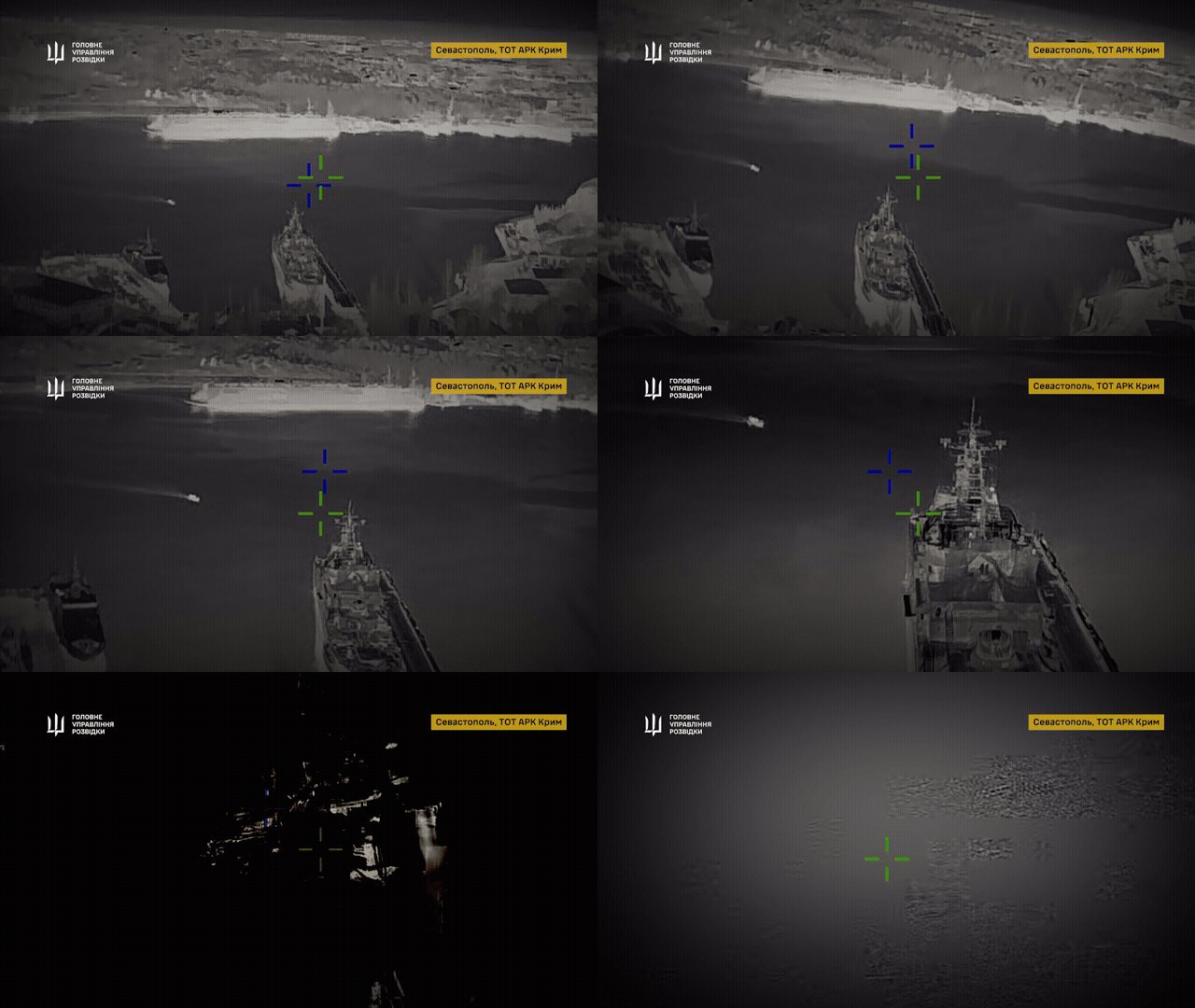
World
Kyiv, — April 20, 2026 : Ukraine’s Main Intelligence Directorate (GUR) reported that a coordinated overnight operation conducted on April 18–19, 2026, targeted key Russian military assets in temporarily occupied Sevastopol, Crimea, resulting in the disabling of two large landing ships and the destruction of an advanced radar system. Operation Overview According to GUR, the strike was carried out by its “Prymary” special unit, which deployed kamikaze drones against naval and air defense targets located in Sevastopol Bay. At the time of the attack, both vessels were moored within the harbor. Video footage released by Ukrainian intelligence shows multiple drone impacts on the targets. GUR stated that the operation resulted in both ships being rendered inoperable, while the radar installation was destroyed. Targeted Naval Assets The two vessels struck belong to Russia’s Black Sea Fleet and have been used in operations linked to the ongoing war in Ukraine. Yamal (Project 775, Ropucha-class) Built in 1988 at the Stocznia Północna shipyard in Gdańsk, Poland, the vessel measures 112.5 meters in length and is capable of transporting up to 500 tons of cargo. It is designed for amphibious operations, including the deployment of armored vehicles and troops. Ukrainian intelligence estimated the ship’s value at approximately $80 million. Nikolay Filchenkov (Project 1171, Tapir-class) Constructed in 1975, this landing ship has a cargo capacity of up to 1,000 tons and can carry a large number of troops along with armored vehicles. GUR assessed its value at around $70 million. Ukrainian officials indicated that both ships were actively employed prior to the strike in support of Russian military logistics. Radar System Destruction In addition to the naval targets, the operation also destroyed a Podlet-K1 (48Ya6-K1) radar system. This mobile radar, produced by Russia’s Almaz-Antey corporation, is designed to detect and track low-altitude air targets, including aircraft, cruise missiles, and unmanned aerial vehicles. The system operates in the S-band using a phased-array antenna and has a reported detection range of up to 300 kilometers, with a maximum target altitude of 10 kilometers. GUR estimated the value of the radar system at approximately $5 million. Damage Assessment and Impact Ukrainian intelligence stated that the total estimated cost of the damaged and destroyed assets exceeds $155 million. The disabling of the two landing ships reduces the amphibious and logistical transport capacity of the Russian Black Sea Fleet. The destruction of the Podlet-K1 radar system is expected to temporarily affect localized air defense coverage in and around the Sevastopol naval base, particularly in detecting low-altitude threats. Operational Context GUR described the strike as part of ongoing operations targeting Russian military infrastructure in occupied Crimea. The agency emphasized that the vessels had been actively used in support of Russia’s military campaign prior to the attack. As of April 20, 2026, there has been no immediate comment or confirmation from Russian authorities regarding the reported strikes.
Read More → Posted on 2026-04-20 15:47:12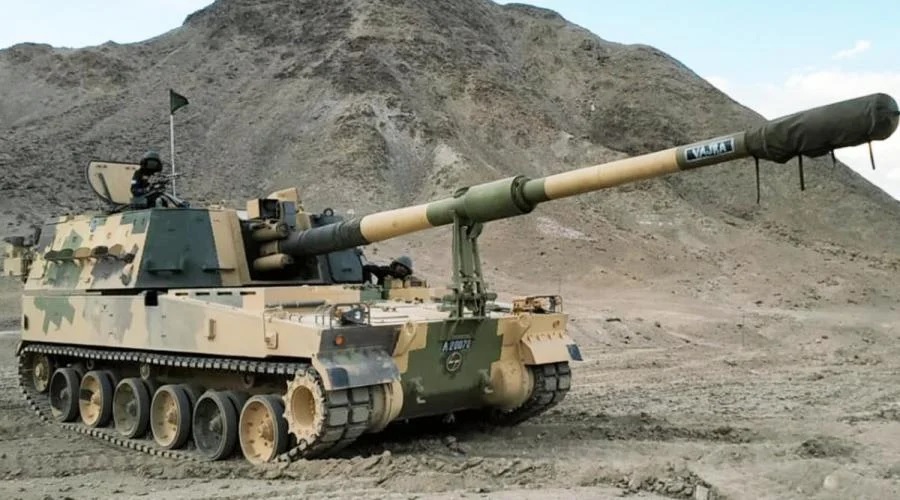
India
NEW DELHI — April 20, 2026 : India has initiated negotiations for Phase 3 of the K9 Vajra self-propelled howitzer programme, with the Ministry of External Affairs (MEA) and the Ministry of Defence (MoD) confirming plans to procure an additional 100 to 200 units. The expansion is intended to strengthen the Indian Army’s heavy artillery capabilities along the Line of Actual Control (LAC) and the western borders, while advancing domestic manufacturing under the Aatmanirbhar Bharat initiative. The proposed phase places a strong emphasis on increasing indigenous content. Earlier batches of the programme achieved approximately 50 percent localisation, while some systems have reportedly crossed 60 percent and, in certain cases, reached up to 82 percent. Phase 3 negotiations are focused on establishing a consistent domestic content level of 60 to 70 percent, with particular attention on local production of engines, advanced sensors, and electronic warfare subsystems that were previously imported. Programme Background and Current Status The K9 Vajra-T is the Indian variant of the South Korean K9 Thunder 155 mm/52-calibre tracked self-propelled howitzer. It is manufactured by Larsen & Toubro (L&T) at its Armoured Systems Complex in Hazira, Gujarat, under licence from Hanwha Aerospace. The system is designed for high mobility and automated fire control, and it has demonstrated operational capability in both desert and high-altitude environments, including deployments in Ladakh. The howitzer carries 48 rounds and supports multiple firing modes, including burst firing of three rounds in 30 seconds, intense firing of 15 rounds in three minutes, and sustained firing of up to 60 rounds per hour. The programme has progressed through two earlier phases. The initial contract, signed in 2017, covered 100 units, with the first 10 supplied from South Korea and the remaining 90 assembled in India. A second order for 100 units was approved by the Cabinet Committee on Security in December 2024 and contracted in early 2025. A follow-up component supply agreement valued at approximately $253 million was finalised between L&T and Hanwha Aerospace to support production. Deliveries from this second batch are expected to begin by late 2025, bringing the total fleet to 200 units upon completion. Expanded Role and System Enhancements While originally designed for indirect fire support, the K9 Vajra platform is undergoing capability upgrades in response to evolving battlefield requirements. The Phase 3 configuration is expected to introduce a multi-role profile combining artillery operations with enhanced survivability against aerial threats. One of the key upgrades involves the integration of anti-drone electronic warfare systems under the D4 (Drone Detect, Deter and Destroy) framework. These systems include directional jammers and a 360-degree electronic protection suite designed to reduce vulnerability to reconnaissance drones and loitering munitions. In addition, new units are expected to incorporate automated Remote Weapon Stations (RWS) to replace manual machine guns. These systems use thermal and electro-optical sensors and are capable of engaging aerial threats using programmable airburst ammunition. The upgraded fleet will also be integrated with Project Akashteer, an artificial intelligence-driven air defence command-and-control network developed by Bharat Electronics Limited (BEL). This integration enables real-time data sharing with external sensors, including radars and satellites, allowing faster detection and response to aerial threats. India–South Korea Defence Cooperation Phase 3 discussions are being conducted in coordination with South Korean defence company Hanwha Aerospace, which has been a long-standing partner in the K9 programme. The MEA has indicated that additional artillery systems are under consideration as part of ongoing modernisation efforts. Industry assessments suggest that discussions may also include short-range air defence technologies. Among the systems referenced is the K30 Biho (Flying Tiger), a South Korean self-propelled anti-aircraft platform equipped with twin 30 mm cannons and surface-to-air missile capability. There is ongoing analysis within defence circles regarding the feasibility of integrating similar air defence turrets onto the K9 tracked chassis, streamlining maintenance and logistics across mechanised formations. No procurement decision on this system has been confirmed. Production and Industrial Impact Production of Phase 3 units will continue at L&T’s Hazira facility, which has served as the primary manufacturing hub for the programme. The increased localisation of key components, particularly engines and sensors, is expected to reduce dependence on foreign supply chains and improve lifecycle support within India. The push for higher indigenisation aligns with broader national objectives to strengthen domestic defence manufacturing capacity. By expanding local production and technology transfer, the programme supports operational readiness while enabling adaptation of systems to specific Indian requirements, including high-altitude deployment conditions along the LAC. Strategic Significance The expansion of the K9 Vajra fleet reflects the Indian Army’s ongoing artillery modernisation programme and the need to address emerging threats, particularly from unmanned systems observed in recent conflicts. The integration of electronic warfare and air defence features into a traditionally artillery-focused platform indicates a shift towards multi-role survivability in contested environments. Negotiations for Phase 3 are ongoing, and no formal timeline for contract finalisation has been announced. However, the continuation of deliveries from earlier phases and the establishment of supply chain agreements indicate a steady progression toward expanded deployment in the coming years.
Read More → Posted on 2026-04-20 15:39:30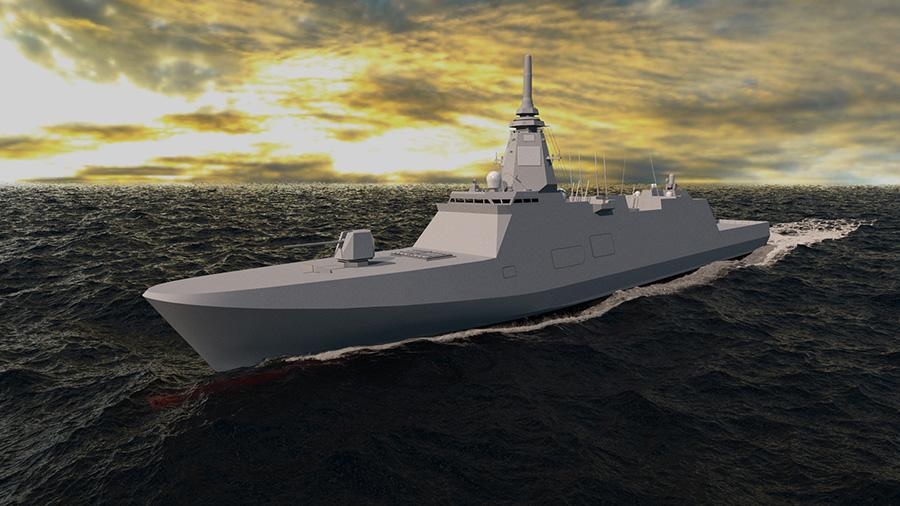
India
NEW DELHI / TOKYO — April 20, 2026: Japan has formally offered India the design and co-production framework for its advanced upgraded Mogami-class frigates, known as the New FFM or 06FFM, in a move aimed at strengthening bilateral defence cooperation and supporting India’s domestic shipbuilding capability. The proposal предусматривает construction of the frigates in Indian shipyards under a “Make in India” model, with technical support and partial material supply from Japan. The design has been developed by Mitsubishi Heavy Industries for the Japan Maritime Self-Defense Force (JMSDF), which has already placed contracts for the first ships of the upgraded class and plans to induct up to 12 vessels. Design and Technical Characteristics The upgraded Mogami-class represents an evolution of the baseline 30FFM design currently in service with the JMSDF. The New FFM features a standard displacement of approximately 4,880 tonnes and a full-load displacement of around 6,200 tonnes. The vessel measures about 142 metres in length with a beam of 17 metres. Propulsion is based on a combined diesel and gas (CODAG) configuration, enabling speeds exceeding 30 knots. Despite its size and multi-mission capability, the ship operates with a crew of around 90 personnel due to a high degree of automation. The upgraded variant incorporates a 32-cell Mk 41 vertical launch system, doubling the missile capacity of the original Mogami-class. It also includes an improved radar suite, a redesigned main mast, and additional systems carried over and enhanced from the baseline platform. The design integrates an advanced “clean” integrated mast (UNICORN), which consolidates sensors and antennas to reduce radar cross-section. The hull and superstructure use sloped surfaces and shaping techniques to further enhance stealth characteristics. Baseline Mogami-Class and Core Capabilities The original Mogami-class frigate, already in service with the JMSDF, has a standard displacement of 3,900 tonnes and a length of 133 metres. It is equipped with a 16-cell vertical launch system and incorporates extensive automation, allowing operations with a similarly small crew of approximately 90 personnel. A distinguishing feature of the baseline design is its integrated mine countermeasures capability. The ship includes an internal mission bay and stern ramp for deploying unmanned surface vehicles (USVs) and unmanned underwater vehicles (UUVs), making it the first JMSDF escort vessel with organic mine warfare functions. Enhanced Features of the New FFM Upgrade The upgraded Mogami-class builds on these capabilities with a larger hull to accommodate additional sensors and weapons, alongside enhanced air-defence performance. The platform is designed for multi-mission roles, including anti-submarine warfare, anti-surface warfare, air defence, and mine countermeasures. A key feature is its support for crewed-uncrewed teaming, enabling integrated operations with unmanned platforms for reconnaissance, mine clearance, and other missions. The ship’s modular design allows for rapid integration of future systems and mission packages. The combat information centre (CIC) features a 360-degree circular display system, providing integrated situational awareness by combining sensor inputs and visual data. Automation extends to ship control, damage management, and combat operations, contributing to reduced manpower requirements. Comparison with India’s Nilgiri-Class Frigates The upgraded Mogami-class differs notably from India’s Nilgiri-class (Project 17A) frigates in both design philosophy and operational emphasis. The Nilgiri-class has a displacement of around 6,700 tonnes, a length of approximately 149 metres, and a crew complement of about 200 to 250 personnel. In contrast, the Mogami-class operates with significantly fewer crew—around 90—due to its high level of automation. While the Nilgiri-class is a stealth multi-role frigate optimized for blue-water operations with strong emphasis on anti-submarine and air defence capabilities, the Mogami-class prioritizes automation, modularity, and reduced radar signature. Its integrated mast and advanced shaping techniques provide a lower observable profile compared to more conventional stealth designs. Additionally, the Mogami-class incorporates organic mine countermeasure capabilities using unmanned systems—an area not inherently built into the Nilgiri-class design. The Japanese platform also offers greater flexibility for modular mission configurations and unmanned operations through its dedicated mission bay. Industrial and Strategic Implications The Indian Navy has shown interest in the Mogami-class automation model, particularly as it explores ways to reduce crew requirements in future surface combatants. Senior Indian Navy officers have recently visited JMSDF Mogami-class vessels as part of ongoing bilateral engagement. Under the proposed arrangement, Indian shipyards would construct the frigates domestically using the Japanese design, with partial supply of materials and technical inputs from Japan. The framework is intended to support local manufacturing while maintaining industrial collaboration between the two countries. If implemented, the project would mark a significant step in Japan’s evolving defence export policy, involving the construction of a frontline Japanese-designed warship in a foreign shipyard. It would also deepen Japan’s role as a strategic defence partner for India. The New FFM upgraded Mogami-class is positioned as a next-generation multi-mission frigate tailored for Indo-Pacific operations, combining automation, stealth, modularity, and seamless integration of unmanned systems within a single platform.
Read More → Posted on 2026-04-20 15:21:18
World
WASHINGTON, D.C. — April 20, 2026 : The United Arab Emirates has initiated discussions with the United States to secure a potential financial safety mechanism as the ongoing regional conflict involving Iran raises risks to the Gulf nation’s economic stability and external liquidity position. The discussions took place last week during the Spring Meetings of the International Monetary Fund and the World Bank in Washington. UAE Central Bank Governor Khaled Mohamed Balama held meetings with U.S. Treasury Secretary Scott Bessent and officials from the Federal Reserve to explore the possibility of establishing a currency-swap arrangement. Emirati officials described the proposal as precautionary and confirmed that no formal request has yet been submitted. However, they emphasized that continued disruption to energy infrastructure and restricted access to critical export routes could significantly affect foreign reserves and investor confidence if the conflict persists. Currency-Swap Proposal and Dollar Liquidity Concerns At the center of the discussions is a proposed currency-swap line, a mechanism that would allow the UAE Central Bank to exchange dirhams for U.S. dollars at a predetermined rate. The tool is typically used by central banks to ensure short-term liquidity during periods of financial stress without requiring a direct loan. The UAE maintains a long-standing peg of its currency (the dirham) to the U.S. dollar, supported by approximately $270 billion in foreign exchange reserves. This framework depends on stable inflows of dollar revenues, primarily from oil exports. Officials indicated that disruptions to maritime oil transport—particularly through the Strait of Hormuz—have constrained the country’s ability to generate dollar inflows. The resulting pressure could complicate efforts to maintain the currency peg and meet domestic liquidity needs. Impact of Conflict on Energy and Infrastructure According to the UAE Ministry of Defense, Iran has launched more than 2,800 drones and missiles toward the UAE and neighboring states since the escalation began. While most of these projectiles have been intercepted, officials confirmed that the conflict has directly affected energy infrastructure and logistical operations. The disruption of tanker traffic through the Strait of Hormuz has significantly affected global energy flows. The International Energy Agency has characterized the current situation as the most severe oil-supply shock on record. UAE authorities stated that although the country retains strong fiscal buffers, prolonged instability could trigger capital outflows and weaken its position as a regional financial hub. Potential Shift Toward Yuan-Based Oil Trade During the Washington discussions, Emirati representatives also raised the possibility of adopting alternative currencies for oil transactions if dollar liquidity becomes constrained. Specifically, officials indicated that the UAE could consider settling energy trade in the Chinese yuan under a worst-case scenario. Such a shift would represent a departure from the current system in which global oil transactions are predominantly conducted in U.S. dollars. A move toward yuan-based oil trade by a major exporter like the UAE would have broader implications for global financial markets, as the existing dollar-based framework underpins consistent international demand for U.S. currency. Institutional Constraints in Washington The proposal faces procedural and policy constraints within the United States. Currency-swap lines are typically authorized by the Federal Reserve’s Federal Open Market Committee (FOMC), which has historically limited such arrangements to central banks with deep financial integration with U.S. markets, including those in the United Kingdom, Canada, Japan, and the European Union. Market analysts expect that the Federal Reserve may be reluctant to extend a formal swap line to the UAE under current conditions. As an alternative, the U.S. Treasury could explore other financial mechanisms. Precedent exists in the Treasury’s use of the Exchange Stabilization Fund to implement a $20 billion swap arrangement for Argentina in 2025 without requiring Federal Reserve approval. U.S. Treasury officials have indicated a willingness to engage with Gulf partners and have invited regional governments to outline financial and infrastructure support requirements as the conflict continues. Regional Financial Stabilization Measures The UAE’s discussions with the United States are part of a broader set of financial measures being implemented across the Gulf to address liquidity pressures. In Abu Dhabi, authorities recently raised approximately $4 billion through private debt placements coordinated by major financial institutions, including Goldman Sachs. Bahrain has established a $5 billion bilateral currency-swap arrangement with the UAE to support regional financial stability. Meanwhile, Saudi Arabia’s Finance Minister Mohammed Al-Jadaan stated last week that restoring normal oil logistics and infrastructure operations may take until at least the end of June 2026. Outlook UAE officials stated that while the country has so far avoided the most severe economic consequences of the conflict, contingency planning remains necessary. The proposed currency-swap line is being positioned as a safeguard to preserve exchange-rate stability, maintain adequate foreign reserves, and support the UAE’s role as an international financial center under conditions of sustained geopolitical disruption.
Read More → Posted on 2026-04-20 15:02:22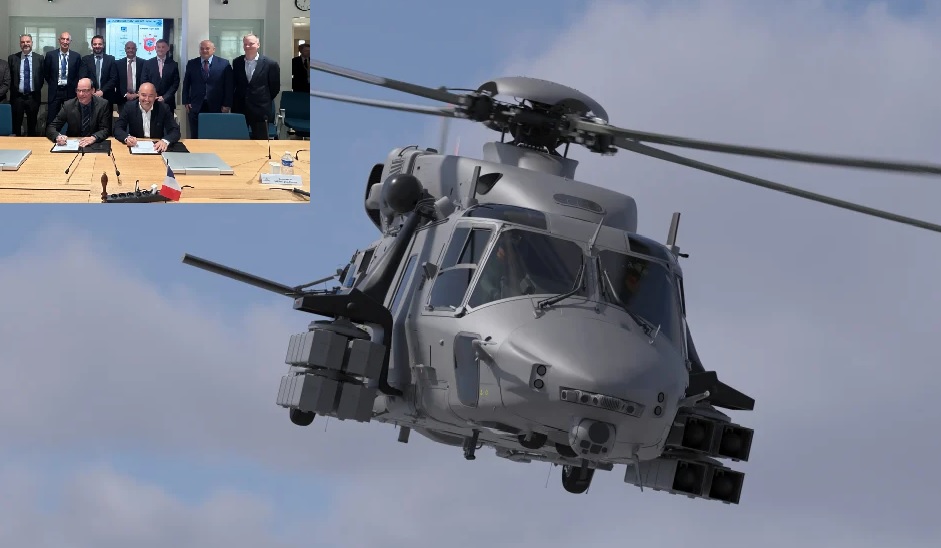
World
AIX-EN-PROVENCE, France — April 20, 2026 : NHIndustries (NHI) has signed a €15 million ($17.6 million) contract with the NATO Helicopter Management Agency (NAHEMA) to conduct a two-year architecture study for the NH90 Block 2 upgrade, marking a key step in the long-term evolution of the NH90 military helicopter program. The agreement initiates work on defining the technical foundations and structural scope of the next-generation NH90 configuration, aimed at meeting the operational requirements of the 2040s battlespace and beyond. The study will run for two years and is aligned with broader European defense research timelines to ensure coherence with future rotorcraft development efforts. Program Background and Industrial Structure NHIndustries is a European consortium formed by Airbus Helicopters, Leonardo, and GKN Aerospace, responsible for managing the NH90 program. The Block 2 architecture study has been developed based on high-level operational requirements defined by NAHEMA in coordination with participating NATO nations. The study will be conducted in parallel with other ongoing European initiatives, including the European Next Generation Rotorcraft Technologies (ENGRT) program, which focuses on assessing future vertical lift capabilities and advanced aviation technologies. Scope of the Block 2 Architecture Study The Block 2 study is designed to establish a modular and scalable avionics framework that enables rapid and seamless integration of future technologies. A key objective is to ensure the platform remains adaptable to evolving mission requirements over the coming decades. The architecture work will focus on improving configuration commonality across NH90 variants, including both the Tactical Transport Helicopter (TTH) and NATO Frigate Helicopter (NFH) versions. It will also define structural and systems enhancements to support long-term platform evolution. In addition, the study will outline a simplified maintenance concept aimed at increasing fleet availability while reducing overall life cycle costs. This includes improving maintainability and streamlining support requirements across operator fleets. Advanced mission capabilities form a central component of the study. These include the integration of enhanced connectivity systems, support for collaborative combat operations, and the development of crewed–uncrewed teaming capabilities, enabling coordination with autonomous and remotely operated systems. Link to Ongoing Block 1 Upgrade The Block 2 architecture study builds upon the ongoing Block 1 upgrade program, also known as Software Release 3, which was launched under a separate contract in 2024. That program covers approximately 200 NH90 helicopters operated by Belgium, Germany, Italy, and the Netherlands. The Block 1 upgrade introduces a range of interim capability enhancements, including the integration of Link 22 datalink systems, Leonardo’s LEOSS-T electro-optical gimbal, upgraded sonar systems, and expanded weapons integration. The Block 2 study will capitalize on these advancements while defining a longer-term development pathway. Operational Milestone and Strategic Alignment The contract announcement comes as the global NH90 fleet surpasses 500,000 flight hours, reflecting sustained operational use across multiple NATO and partner nations. The Block 2 study is structured to ensure industrial continuity while supporting long-term capability planning. Its outputs will provide NAHEMA and participating countries with multiple technical evolution options tailored to their operational and sovereign requirements. Official Statements Axel Aloccio, President of NHIndustries, stated that the agreement marks the start of the next phase in the platform’s development and reflects continued cooperation between industry partners and customer nations on the future of the NH90. Michael Kohlhaas, General Manager of NAHEMA, said the study will serve as a framework for evaluating future capability pathways, enabling participating nations to make informed decisions on how to evolve the platform in response to long-term operational challenges. Next Steps Upon completion of the two-year study, NHIndustries will deliver a set of architecture options outlining potential upgrade paths for the NH90 fleet. These will support decision-making by NAHEMA and partner nations regarding future development, configuration choices, and potential procurement strategies for the next-generation NH90 platform.
Read More → Posted on 2026-04-20 14:47:52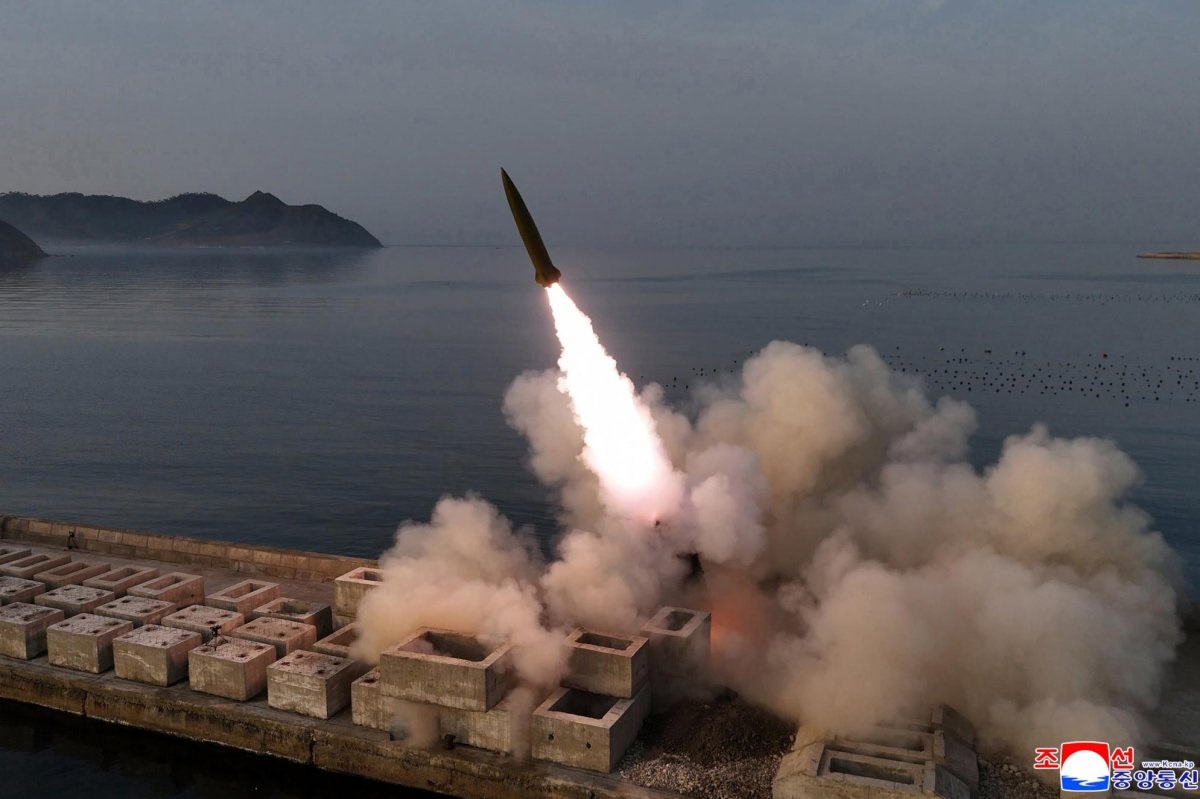
World
SEOUL, — April 20, 2026 : North Korea conducted a test of tactical ballistic missiles equipped with cluster bomb warheads and fragmentation mine warheads on April 19, according to the state-run Korean Central News Agency (KCNA). The launches were also detected by South Korea’s military earlier the same day. Test Details and Missile Specifications The test involved five upgraded short-range Hwasong-11 Ra (also referred to as Hwasongpho-11 Ra) surface-to-surface tactical ballistic missiles. The missiles were launched from the Sinpo area on North Korea’s eastern coast at approximately 6:10 a.m. local time, according to South Korea’s Joint Chiefs of Staff. All five missiles struck a designated target island located 136 kilometers from the launch site. The barrage covered an area of approximately 130,000 square meters, equivalent to around 12.5 to 13 hectares, achieving what KCNA described as very high-density saturation of the target zone. The Hwasong-11 series is a short-range ballistic missile system designed for low-altitude flight profiles. South Korean military authorities noted that the Sinpo launch location raises the possibility of submarine-linked operations, although no additional confirmation was provided. Warhead Characteristics and Test Objective According to KCNA, the primary objective of the test was to verify the characteristics and operational effectiveness of cluster bomb warheads and fragmentation mine warheads integrated into tactical ballistic missiles. Cluster warheads disperse multiple submunitions over a wide area, while fragmentation mine warheads are designed to maximize area denial and fragmentation effects. The test specifically assessed both the power and coverage density of these payloads. KCNA reported that the missile strike achieved dense coverage across the target area, indicating enhanced capability for wide-area impact using short-range delivery systems. Leadership Oversight and Remarks North Korean leader Kim Jong Un personally oversaw the test. He was accompanied by his daughter, Kim Ju Ae, according to images released by KCNA. Following the test, KCNA stated that Kim Jong Un expressed satisfaction with the results. He noted that the development of cluster bomb warheads contributes to improving both high-density strike capability against specific target areas and precision strike effectiveness. Comparison with Earlier April Test The April 19 launch marks the second test involving cluster munitions by North Korea in April 2026. Earlier in the month, North Korea conducted a test of a Hwasong-11 Ka missile equipped with a cluster bomb warhead. That test demonstrated coverage of approximately 6.5 to 7 hectares, significantly smaller than the 12.5 to 13 hectares coverage reported in the latest test. The comparison indicates an increase in area saturation capability between the two tests conducted in April. Detection and Regional Monitoring South Korea’s military reported detecting multiple short-range ballistic missile launches from the Sinpo area, tracking them toward the East Sea (Sea of Japan). The missiles traveled approximately 136 to 140 kilometers. Following the detection, South Korean authorities maintained a combined defense posture with the United States. The South Korean presidential office convened an emergency security meeting to review the situation. Japan also monitored the launches as part of regional missile tracking activities. Strategic Context The integration of cluster warheads and fragmentation mine warheads into North Korea’s short-range ballistic missile systems reflects ongoing modifications to its tactical strike capabilities. The 136-kilometer range demonstrated in the test places key regional targets within reach if launched from forward positions, including areas near the Korean Peninsula’s Demilitarized Zone. North Korea is not a signatory to the 2008 Convention on Cluster Munitions, which prohibits the use, production, transfer, and stockpiling of cluster weapons. South Korea and the United States are also not signatories to the treaty. KCNA published photographs of the April 19 test but did not release additional technical specifications beyond details related to warhead performance and coverage area.
Read More → Posted on 2026-04-20 14:33:45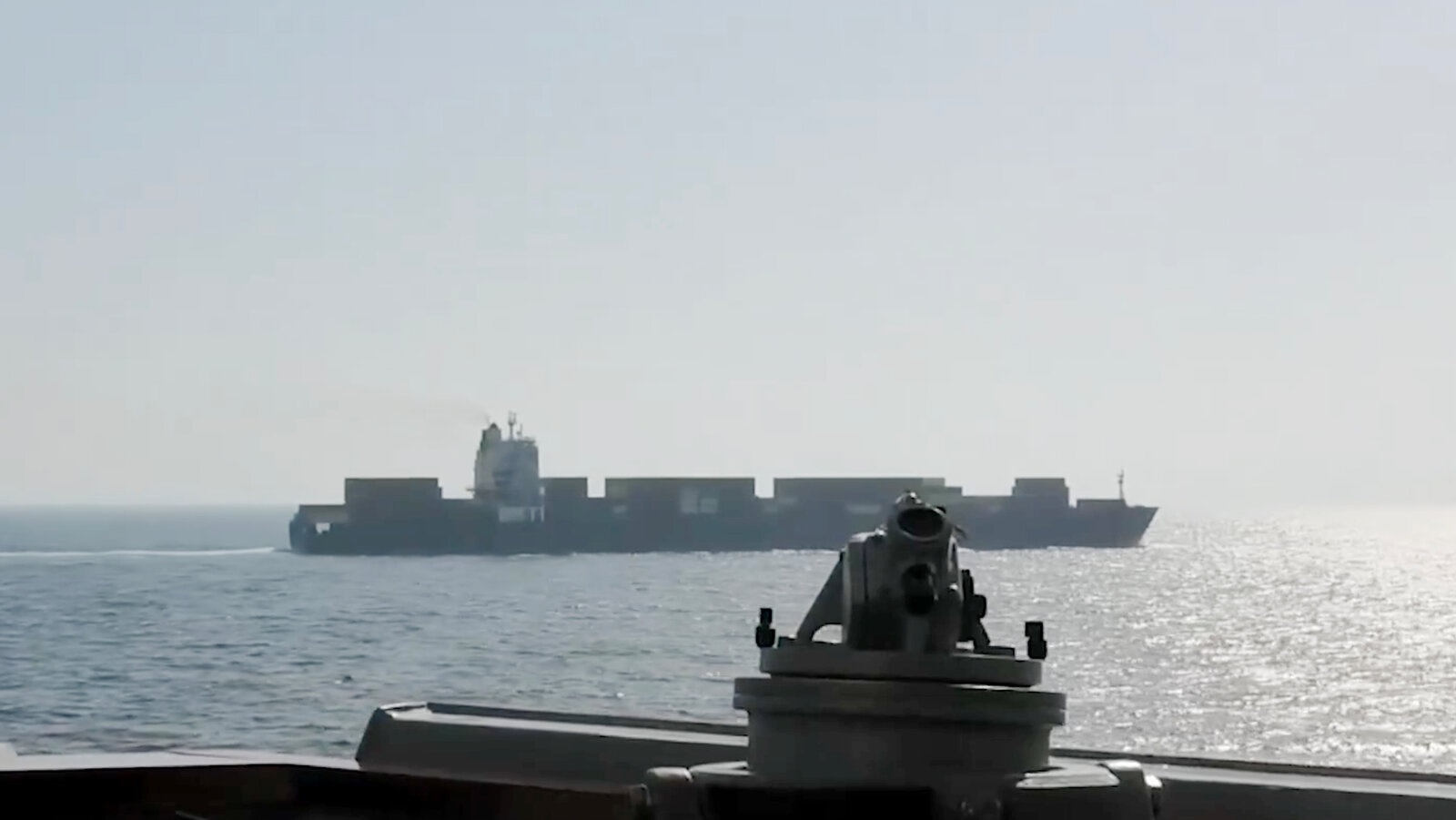
World
ARABIAN SEA / TAMPA, Fla., — April 20, 2026 : U.S. military forces intercepted and seized an Iranian-flagged cargo vessel in the northern Arabian Sea on April 19, enforcing an ongoing naval blockade directed by the U.S. Central Command against Iran. The guided-missile destroyer USS Spruance (DDG 111) intercepted the motor vessel Touska as it transited at approximately 17 knots toward Bandar Abbas, Iran. U.S. personnel tracked the vessel and issued repeated warnings over a six-hour period, informing the crew that the ship was in violation of the blockade and instructing it to alter course. After the vessel failed to comply, U.S. forces directed the crew to evacuate the engine room. Audio released by Central Command captured the warning instructing the crew to prepare for disabling fire. The Spruance subsequently fired multiple rounds from its 5-inch MK 45 deck gun into the vessel’s engine room, disabling its propulsion. Following the disabling action, U.S. Marines from the 31st Marine Expeditionary Unit boarded the vessel from helicopters operating in coordination with the amphibious assault ship USS Tripoli (LHA 7). The Marines secured the non-compliant vessel, which is now under U.S. custody. No casualties were reported among the crew or U.S. personnel. Central Command stated that U.S. forces acted in a deliberate, professional, and proportional manner to ensure compliance with the blockade. Video footage of the operation released by the command includes recordings of the warnings issued prior to the use of force. The interception marks the first confirmed instance of a vessel being physically disabled and boarded since the blockade began on April 13. Prior to this operation, U.S. forces had directed 25 commercial vessels to turn around or return to Iranian ports without using kinetic force. The enforcement action took place amid a two-week ceasefire between the United States and Iran, scheduled to expire on April 22. Donald Trump confirmed that U.S. forces had taken full custody of the vessel and stated that authorities are inspecting its cargo. Iranian authorities condemned the interception. The Hazrat Khatam al-Anbiya Central Headquarters described the action as maritime piracy and a violation of the ceasefire, warning of a potential response by Iran’s armed forces. Separately, Iranian state media reported that Iran intercepted and redirected two oil tankers flying the flags of Botswana and Angola in the Strait of Hormuz on the same day, underscoring rising maritime tensions in the region. The Touska, approximately 900 feet in length, remains under U.S. control as inspections continue.
Read More → Posted on 2026-04-20 14:14:11
World
WASHINGTON — April 20, 2026 : The U.S. Navy has selected Shield AI to provide contractor-owned, contractor-operated (COCO) intelligence, surveillance, and reconnaissance (ISR) services in support of naval and joint force operations, the company announced. Under the multi-vendor arrangement, Shield AI will compete for task orders alongside AeroVironment, Insitu, and Textron. The contract vehicle carries a ceiling of up to $800 million across all awardees, with individual delivery orders competed rather than guaranteed to any single company. COCO Model Expands Flexible ISR Procurement The Navy’s use of the contractor-owned, contractor-operated (COCO) framework allows industry partners to retain ownership of aircraft and provide operational crews. This model enables the service to access persistent ISR capabilities without assuming the costs and logistics associated with government-owned fleets, including procurement, maintenance, and personnel training. The approach also supports faster deployment timelines and demand-based scaling of ISR capacity, while transferring operational and sustainment risks to contractors. The program reflects a broader Department of Defense shift toward commercially provided ISR services, particularly for missions requiring rapid fielding and flexible force structure. V-BAT System and Technical Characteristics Central to Shield AI’s offering is the V-BAT unmanned aircraft system, classified as a Group 3 UAS, a category covering platforms with maximum takeoff weights between 55 and 1,320 pounds. The V-BAT has a gross weight of approximately 161 pounds, a length of 12.5 feet, and a wingspan of 9.6 feet. The system uses a ducted-fan vertical takeoff and landing (VTOL) design powered by a heavy-fuel engine compatible with JP-5. It is capable of operating for more than 12 hours and requires only a 12-by-12-foot footprint for launch and recovery. Its enclosed-rotor configuration allows unassisted vertical operations from confined ship decks and austere land sites without the need for runways or complex launch infrastructure. This reduces crew size requirements and preserves deck space, enabling deployment from vessels that cannot support larger aviation systems. Operations in Contested Environments The V-BAT was designed for operations in contested electronic warfare environments where GPS and communications links may be degraded or denied. The system integrates Shield AI’s Hivemind autonomy software, developed in collaboration with Palantir Technologies, allowing it to continue missions with reduced reliance on continuous human control. According to Shield AI, the platform has conducted hundreds of targeting operations in Ukraine under conditions where GPS and communications are routinely jammed. The system has also supported counter-narcotics missions in the Caribbean and Pacific, contributing to the interdiction of more than 100,000 pounds of illicit drugs. Maritime Operational Record The V-BAT has established a track record in maritime ISR operations prior to the Navy’s latest selection. The system has been deployed with the U.S. Marine Corps from Navy ships and supported the U.S. Coast Guard under a separate $198 million COCO contract awarded in 2024. It also participated in the UNITAS 2025 exercise, operating from the littoral combat ship USS Cooperstown. These deployments demonstrated long-endurance surveillance capabilities aligned with naval ISR requirements, including shipboard compatibility without dedicated launch and recovery systems. Industry Competition and Task Order Structure The Navy’s ISR services vehicle is structured under basic ordering agreements, allowing multiple vendors to compete for individual task orders for both land- and sea-based UAS operations. The $800 million ceiling represents the total potential value across all participating companies rather than a fixed award to any single contractor. Shield AI will continue to deliver ISR services under existing contracts while competing for future Navy task orders within this framework. International Adoption and Expansion Beyond U.S. operations, the V-BAT has also been adopted by international partners. The Royal Netherlands Navy declared the system operational in March 2026 following shipboard testing aboard the HNLMS Johan de Witt off northern Norway. The service is acquiring 12 systems for deployment across eight vessels. Shield AI has additionally supplied the platform to other partners, including the Japan Maritime Self-Defense Force and the European border agency Frontex, and is supporting production through a $90 million manufacturing joint venture in India with JSW Defense. Program Outlook The Navy’s adoption of contractor-operated ISR services is expected to expand as part of broader efforts to enhance surveillance coverage while maintaining flexibility in force deployment. Shield AI’s inclusion in the program positions the company to compete for a share of future task orders as operational demand evolves.
Read More → Posted on 2026-04-20 14:01:17
World
TEHRAN / ISLAMABAD — April 19, 2026 : Iran has formally rejected reports that it has agreed to participate in a second round of negotiations with the United States in Islamabad, stating that no such arrangement currently exists and no date has been set for further talks. According to Iran’s state news agency IRNA, Tehran has declined to proceed with additional negotiations under existing conditions, citing what it described as excessive and unrealistic U.S. demands, inconsistent positions, and continued threatening rhetoric. Iranian media characterized recent U.S. statements about imminent talks as a “media game” and a “blame game” aimed at increasing political pressure. Iranian authorities conveyed their position to Washington through Pakistani mediators, confirming that they have not agreed to a second round. Tasnim News Agency also reported that Tehran’s refusal is linked to the ongoing U.S. naval blockade of Iranian ports and what it considers maximalist demands during negotiations. The blockade, reportedly initiated by U.S. Central Command (CENTCOM) following the first round of talks, targets maritime commercial traffic near the Strait of Hormuz and the Gulf of Oman. Iranian officials state that the measure violates the two-week ceasefire understanding currently in place. Iran maintains that lifting the blockade is a necessary condition for any further diplomatic engagement. Pakistan’s foreign ministry has confirmed that no schedule has been finalized for another round of talks. Islamabad continues to act as a mediator and has indicated that efforts to facilitate dialogue remain ongoing, though no timeline has been established. The first round of face-to-face negotiations between Iranian and U.S. delegations took place in Islamabad in mid-April 2026 and concluded on April 12 after approximately 21 hours of discussions, without producing a joint framework agreement. The talks involved senior officials, including U.S. Vice President JD Vance and Iranian Parliament Speaker Mohammad Bagher Qalibaf. Issues discussed included Iran’s nuclear program, sanctions, regional security, the Strait of Hormuz, and matters related to the ceasefire. U.S. proposals reportedly included conditions such as ending uranium enrichment, dismantling key nuclear facilities, transferring enriched uranium stockpiles, and halting regional support activities. Iran rejected these demands, stating that its right to civilian nuclear enrichment is non-negotiable. Iranian Foreign Ministry spokesperson Esmaeil Baqaei stated that Washington’s unilateral approach and shifting positions were the main obstacles during the initial negotiations. He emphasized that Iran would not accept talks based on imposed conditions or dictation and that any future engagement must respect Iran’s legitimate rights and interests. U.S. officials, including President Donald Trump, had indicated that a follow-up meeting in Islamabad was under consideration, with a delegation expected to include senior envoys such as Jared Kushner and Steve Witkoff. However, Iranian sources and state media have consistently stated that no agreement for such talks exists. Pakistan has continued diplomatic outreach to support the process, with Prime Minister Shehbaz Sharif engaging regional partners including Saudi Arabia, Qatar, and Turkey in an effort to sustain dialogue and prevent escalation. With the current ceasefire set to expire on April 22, 2026, negotiations remain stalled. Iranian officials maintain that progress depends on the removal of the naval blockade and a shift away from what they describe as excessive U.S. demands. Contacts through mediators are ongoing, but no further meetings have been confirmed.
Read More → Posted on 2026-04-19 17:49:56
World
WASHINGTON — April 19, 2026 : The U.S. Army has detailed plans to integrate long-range uncrewed aerial systems, known as “launched effects,” with its forthcoming ME-11B High Accuracy Detection and Exploitation System (HADES) intelligence aircraft, significantly expanding the platform’s operational reach while maintaining survivability in contested environments. Program Overview and Timeline The ME-11B HADES aircraft is based on the Bombardier Global 6500 business jet and is being modified by Sierra Nevada Corporation, which was selected for the program in 2024. The first prototype is scheduled to begin flight testing in summer 2026, with formal delivery expected before the end of 2026. Two additional prototypes are currently undergoing conversion. The Army plans to procure a total of six production aircraft in addition to the three prototypes. Officials have indicated that fleet size is constrained by budget considerations and the need to balance competing modernization priorities. For the past eight years, the Army has relied on contractor-owned and operated intelligence, surveillance, and reconnaissance (ISR) business jets, including Global 6500 variants, as an interim capability while transitioning to the HADES platform. Integration of Launched Effects Army officials have outlined the integration of long-range drones capable of operating at distances of approximately 620 miles (1,000 kilometers) or more. These systems are designed to extend the sensing and operational reach of the ME-11B while allowing the aircraft to remain outside high-threat air defense zones. Andrew Evans, Director of Strategy and Transformation in the Office of the Deputy Chief of Staff of the Army, G-2, stated during a roundtable at the Army Aviation Association of America’s 2026 Warfighting Summit that the combined range of the aircraft and its launched systems would provide broad operational coverage. He noted that from a sensing perspective, the integration is intended to meet future operational requirements, adding that the Army has already engineered hardpoints on the aircraft to support the deployment of launched effects. The drones are expected to be lower-cost, expendable systems optimized for networked and swarm operations. While individual platforms may carry limited sensor payloads, their collective use is intended to enable wide-area coverage. The Army is pursuing near-term experimentation contracts in the coming months, followed by a demonstration later in 2026 and additional contracts anticipated in 2027. Aircraft Design and Capabilities The ME-11B incorporates a modular open-systems architecture that allows for incremental capability upgrades across the fleet. Each aircraft will feature an onboard sensor suite and communications systems capable of near-real-time data transmission. The baseline configuration includes a variant of the Advanced Synthetic Aperture Radar System-2B (ASARS-2B), originally developed for U.S. Air Force U-2 aircraft. The radar provides both synthetic aperture radar imaging and ground moving target indicator capabilities. Modifications to the Global 6500 platform include the addition of four underwing pylons. These pylons support both the deployment of launched drones and the carriage of podded sensor systems, enabling rapid reconfiguration based on mission requirements. Army Col. Joe Minor, Capability Program Executive for Aviation, stated that the use of external hardpoints allows faster integration of new systems compared with internal modifications. He also highlighted the aircraft’s performance characteristics, including a range of approximately 6,000 miles and a cruising speed of Mach 0.87, along with improved altitude, endurance, and payload capacity compared with earlier ISR platforms. Survivability and Operational Concept Army officials have emphasized survivability as a central factor in the design of the HADES platform. According to Evans, analysis indicates that the aircraft will conduct ISR missions in permissive environments for approximately 99.9 percent of its operational life without entering high-threat areas. For the remaining fraction of operations involving elevated risk, launched effects will enable the aircraft to continue mission execution without direct exposure to enemy air defenses. The ME-11B is also intended to function as a coordinating node within a broader operational network. Officials described the platform as capable of managing and integrating multiple assets, including uncrewed systems, to support high-priority missions. Transition from Legacy Platforms The HADES program represents a shift away from legacy turboprop ISR aircraft such as the RO-6A Airborne Reconnaissance Low-Enhanced (ARL-E). These earlier systems were primarily used in counterinsurgency operations and relied heavily on full-motion video sensors. Army Col. Matt McGraw, commander of the 116th Military Intelligence Brigade, noted that current systems equipped with synthetic aperture radar and moving target indicator technologies allow operators to track hundreds of targets simultaneously, compared with one or two targets on older platforms. Broader Context and Support Infrastructure The selection of the Global 6500 airframe provides access to an established production line and global support network. The platform is also used in other roles, including the U.S. Air Force’s E-11A Battlefield Airborne Communications Node aircraft. Integration work by Sierra Nevada Corporation is ongoing, with continued efforts focused on sensors, communications systems, and compatibility with launched effects. The ME-11B is intended to deliver persistent, deep-sensing ISR capabilities in support of multi-domain operations, combining high-speed jet performance with modular systems and extended operational reach through drone integration.
Read More → Posted on 2026-04-19 17:36:57
World
PARIS — April 19, 2026: The Airbus A400M Atlas is being developed into a modular “mothership” platform capable of deploying long-range cruise missiles and large numbers of unmanned systems, marking a significant expansion of the aircraft’s operational role beyond airlift. The initiative, currently underway for an undisclosed European client, will enable the aircraft to carry and release up to 12 heavy cruise missiles comparable in size to the Taurus KEPD 350 or alternatively deploy as many as 50 medium-sized drones from its cargo hold. The payloads can be released individually or in coordinated swarms while the aircraft remains at standoff distances, outside contested air defense zones. Modular Payload System and Deployment Concept The A400M’s large cargo compartment forms the basis of the new capability. Measuring approximately 17.71 metres in length (excluding the ramp), 4 metres in width, and 3.85 metres in height, with a total volume of 340 cubic metres, the hold will accommodate a roll-on, roll-off modular system designed for rapid loading and in-flight deployment of missiles or unmanned systems. This configuration allows flexible mission preparation and enables sequential or mass release through both the rear cargo ramp and paratroop doors. The approach is intended to support a range of operational scenarios, including saturation strikes and distributed swarm deployments. Real-Time Control via Satellite Link Airbus is integrating a high-bandwidth, encrypted satellite communication system into the aircraft to enable real-time control of deployed assets. Crew members onboard the A400M will be able to monitor, guide, and retarget missiles or drones throughout their flight. The system architecture includes an open-architecture mission interface, allowing rapid integration of different payload types and control systems. This connectivity is designed to support coordinated operations involving multiple unmanned platforms operating simultaneously. Test Campaigns and Validation The concept builds on a series of trials conducted by France’s Direction générale de l’armement (DGA). These included both simulation work and live release testing. In recent trials, the DGA conducted three flight campaigns involving the release of 72 inert drone mock-ups from an A400M. Of these, 21 were deployed through paratroop doors and 51 via the rear cargo ramp. The tests focused on validating separation dynamics, flight trajectories, aerodynamic interactions in the aircraft wake, and overall safety margins, while also refining numerical simulation models. Earlier, in late 2022, Airbus, in cooperation with the German Bundeswehr and the German Aerospace Center, successfully launched a Remote Carrier demonstrator from an A400M during flight, further validating the feasibility of airborne deployment of unmanned systems. Integration with Future Combat Concepts The mothership configuration is being developed as part of broader European efforts to integrate manned and unmanned systems, including those associated with the Future Combat Air System (FCAS). Programme officials indicate that, in a medium-sized configuration, the aircraft will be capable of carrying either 50 small drones or up to 12 heavy Remote Carriers, supporting coordinated and networked operations across multiple domains. Airbus aims to deliver a concept mothership version of the A400M by 2029, with ongoing work focused on command-and-control integration, payload compatibility, and mission system development in coordination with the European customer. Expanding the Role of a Tactical Airlifter Originally designed as a tactical and strategic transport aircraft with a maximum payload of 37 tonnes, the A400M is already in service with several European operators, including Germany, France, Spain, and the United Kingdom. Powered by four turboprop engines and capable of operating from short and unpaved airstrips, the aircraft offers the range, payload capacity, and operational flexibility required for the new role. The mothership concept would allow it to deploy strike assets from significant distances, extending operational reach without requiring forward-based launch platforms. Strategic Implications The adaptation positions the A400M as a deep-strike and standoff delivery platform, enabling European air forces to enhance offensive capabilities using existing fleets rather than acquiring new strategic bombers. By combining long-range missiles with large numbers of networked drones, the system is intended to support a range of missions, including precision strikes, suppression of enemy air defenses (SEAD), and distributed operations using coordinated unmanned assets. Development continues under Airbus leadership in collaboration with the undisclosed European client, with further testing and system integration activities expected ahead of the targeted 2029 concept deployment.
Read More → Posted on 2026-04-19 16:19:24
World
BEIJING — April 19, 2026 : China’s state-affiliated media and a recent analysis published in Aerospace Knowledge, a magazine linked to Beihang University, have outlined the development goals of the country’s next-generation medium-lift tactical transport aircraft, the Y-30, positioning it as a platform designed to exceed the performance of the U.S.-built Lockheed Martin C-130J Super Hercules across multiple technical parameters. The Y-30 is being developed by Shaanxi Aircraft Industry Corporation under the Aviation Industry Corporation of China (AVIC). The aircraft conducted its maiden flight in December 2025 from the Xi’an Aircraft Corporation airfield and is currently in the early prototype and flight-testing phase. Chinese authorities have not released an official production timeline, procurement numbers, or finalized operational specifications. Also referred to in some Chinese defence commentary as the Y-15 and informally designated “Xin Zhong Yun” (new medium-lift transporter), the aircraft is intended to bridge the capability gap between the Shaanxi Y-9 tactical airlifter and the larger Xian Y-20 strategic transport within the People’s Liberation Army Air Force (PLAAF). Claimed Performance Characteristics According to the Aerospace Knowledge analysis, the Y-30 has been designed with specific performance targets intended to surpass those of the C-130J in several areas. The aircraft is powered by four domestically developed AEP-500 (EP-500) turboprop engines. Chinese sources state that these engines provide higher output compared to the Rolls-Royce AE2100D3 engines used on the C-130J. The propulsion system is paired with six-bladed propellers optimized for short takeoff and landing (STOL) operations, including operations from unpaved runways of approximately 800 meters. In terms of payload, the Y-30 is reported to have a target capacity of around 30 tonnes, with some configurations potentially reaching up to 35 tonnes. This compares with the C-130J’s typical maximum payload range of approximately 19 to 21 tonnes. The aircraft incorporates a wide, straight-through cargo cabin design, allowing it to transport larger equipment that may not fit within the C-130J’s cargo hold. The Y-30 is expected to carry systems such as the Type 15 light tank, ZBL-08 armored vehicles, and PCL-191 multiple-launch rocket systems, along with other medium-weight armored platforms and artillery. From a structural standpoint, the aircraft makes extensive use of composite materials, a departure from the largely all-metal construction of the C-130J. This approach is intended to reduce overall airframe weight while maintaining structural strength and durability. The design includes a T-tail configuration, high-mounted wings, and reinforced landing gear suitable for austere and semi-prepared airstrips. The avionics suite and flight control architecture are described as fully integrated modern digital systems developed in the 2020s. Chinese analysts suggest these systems provide improved automation, flight management, and situational awareness compared to earlier-generation transport aircraft. Range and Design Features Despite the claimed advantages in payload and engine output, the analysis notes that the Y-30 is expected to have a slightly shorter operational range than the C-130J. No exact range figures have been publicly confirmed. The aircraft features a rear cargo ramp for rapid loading and unloading, a straight cargo bay for efficient vehicle transport, and heavy-duty landing gear designed for repeated operations on unprepared surfaces. The overall configuration is optimized for tactical airlift missions, including troop transport, equipment deployment, and logistical resupply. Operational Role Within PLAAF The Y-30 is intended to complement the larger Y-20 strategic airlifter by handling medium-lift missions that require higher frequency and operational flexibility. Within PLAAF planning, the aircraft is expected to support logistics and mobility operations across key strategic regions, including the South China Sea, the Indian Ocean, and areas surrounding the Diaoyu Islands. The platform may also serve as a base for future specialized variants, including aerial refueling, electronic warfare, and other mission-specific configurations, although no official confirmation of such variants has been released. Development Status and External Assessment As of April 2026, the Y-30 remains in the testing phase, and its performance characteristics have not been independently verified. Analysts note that while the aircraft’s stated specifications indicate a significant capability increase on paper, real-world performance will depend on factors such as engine reliability, airframe durability, and sustained operational testing. While the claims originate from Chinese military publications, analysts note that Chinese weapons systems have not been fully tested in sustained wartime conditions and that stated performance figures often differ from verified real-world results. The C-130J Super Hercules, by contrast, has been in operational service for decades and has accumulated extensive experience in diverse environments, including combat and humanitarian missions worldwide.
Read More → Posted on 2026-04-19 16:04:08Search
Top Trending in 24 Hours
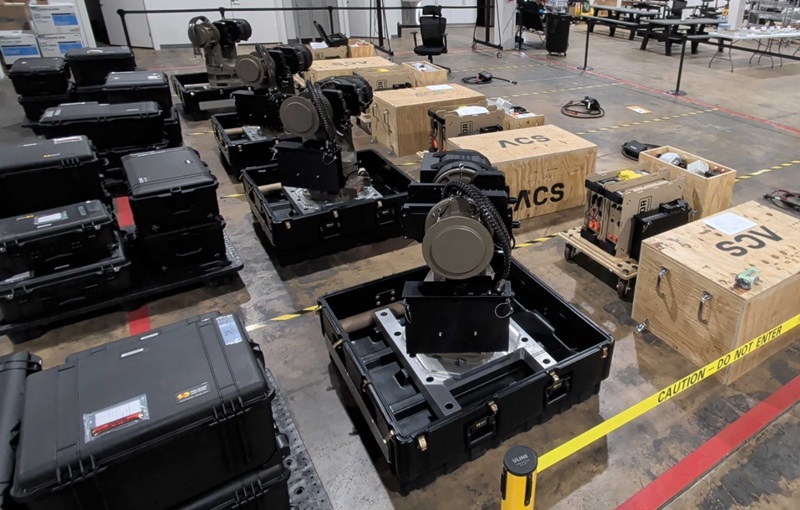

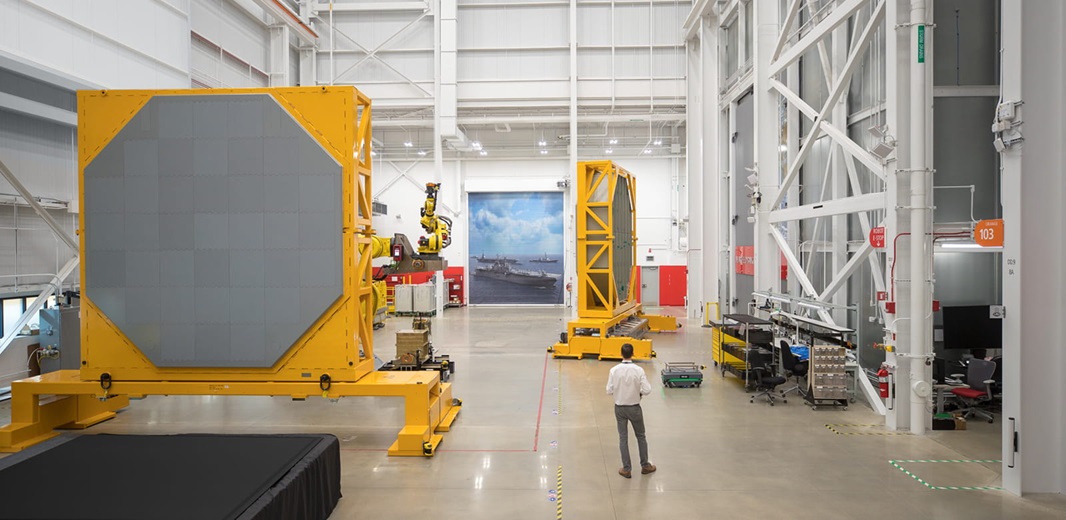
Top Trending in 4 Days
-
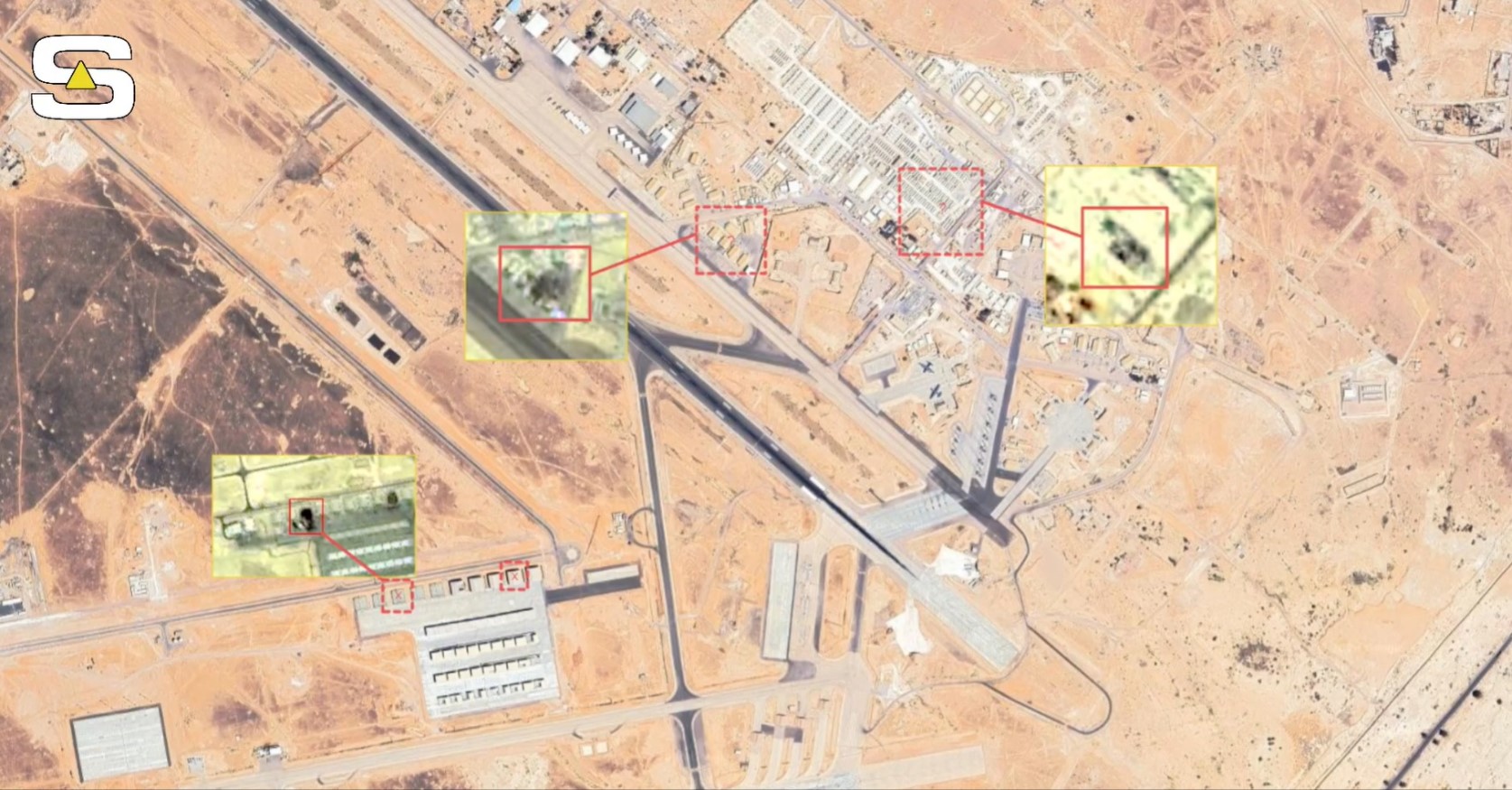 New Satellite Imagery Reveals Extensive Damage at Jordan's Muwaffaq al-Salti Air Base After Iranian Missile Strike
-
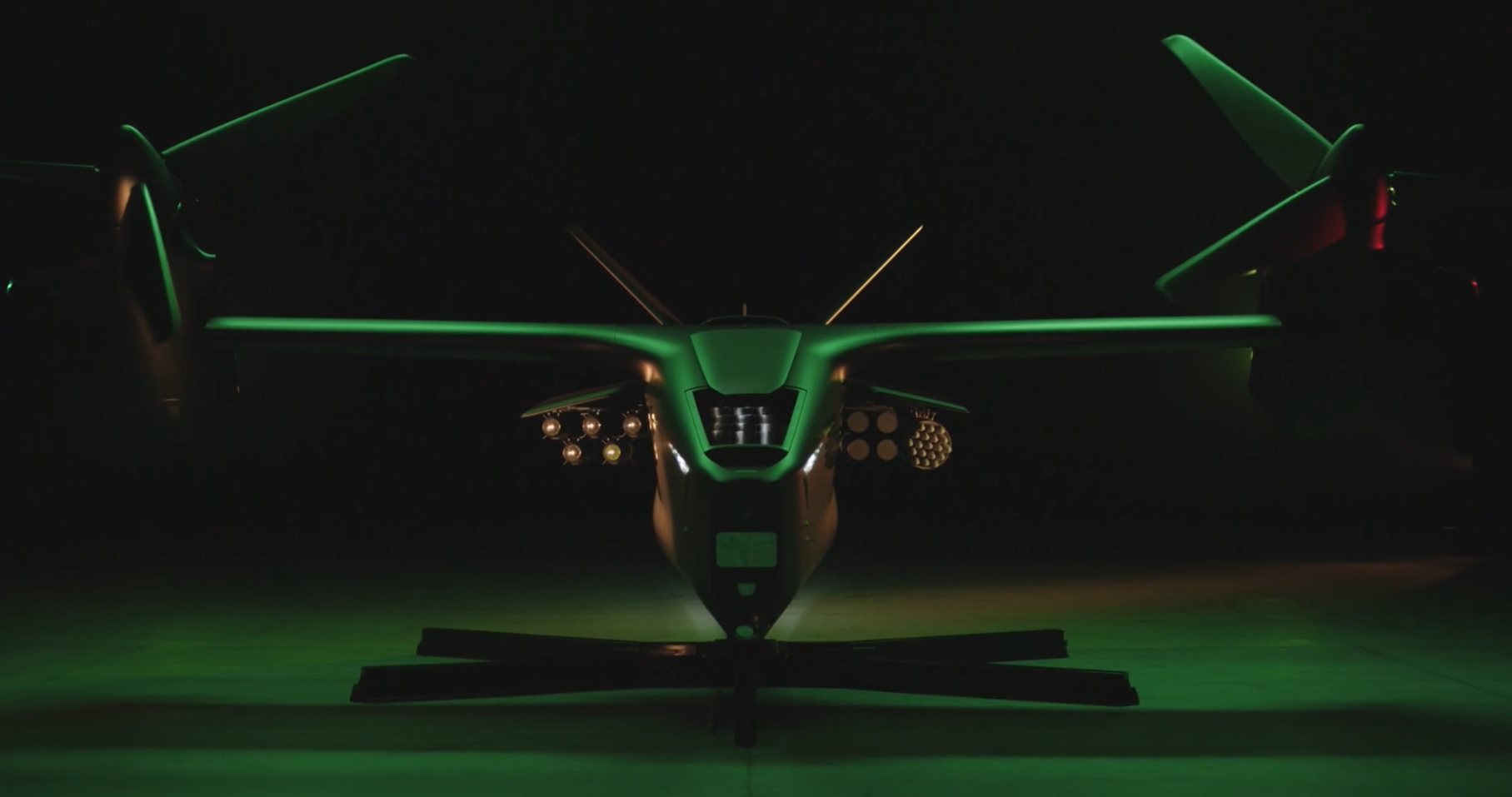 Anduril Unveils Thunder Autonomous Attack Rotorcraft Built with Archer Aviation to Support Apache Helicopters
-
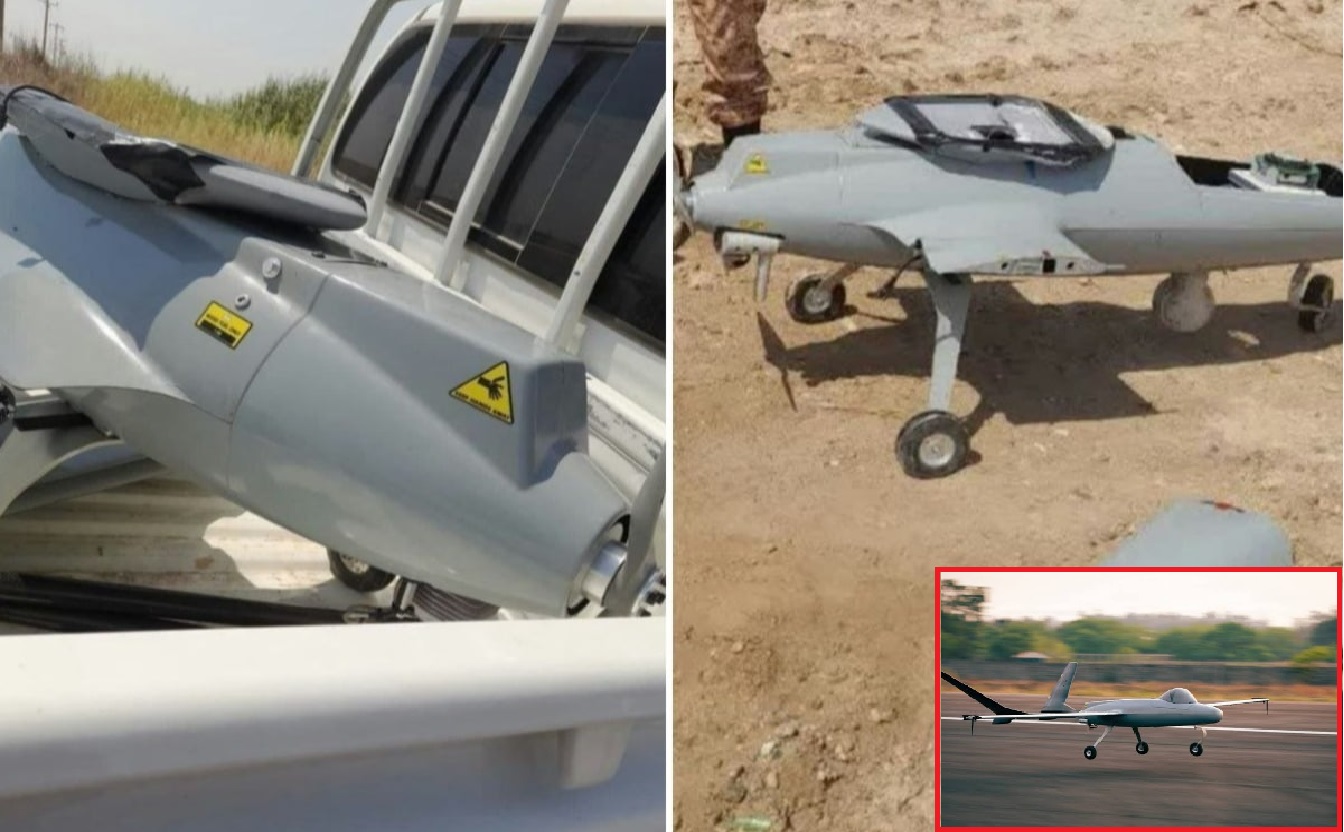 Iran Claims It Shot Down U.S.-Operated Polish-Built Tiguar-M Drone, Releases Images
-
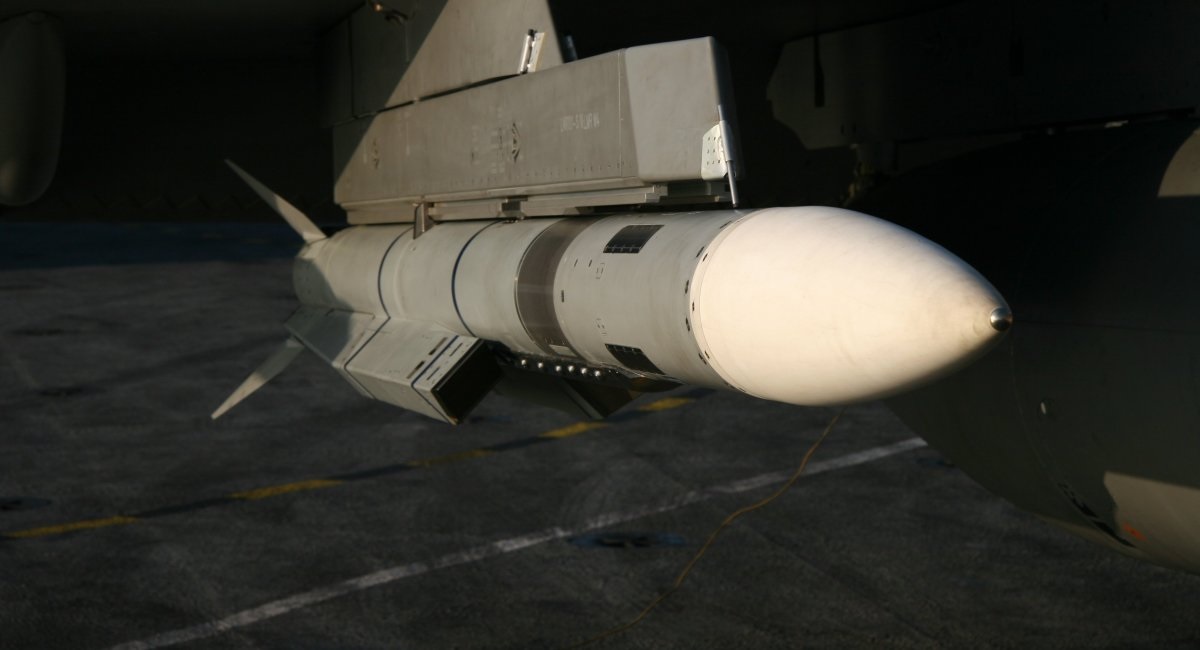 UK Cancels Meteor Missile Mid-Life Upgrade, Prioritizes Next-Generation FASE Air-to-Air Missile Programme
-
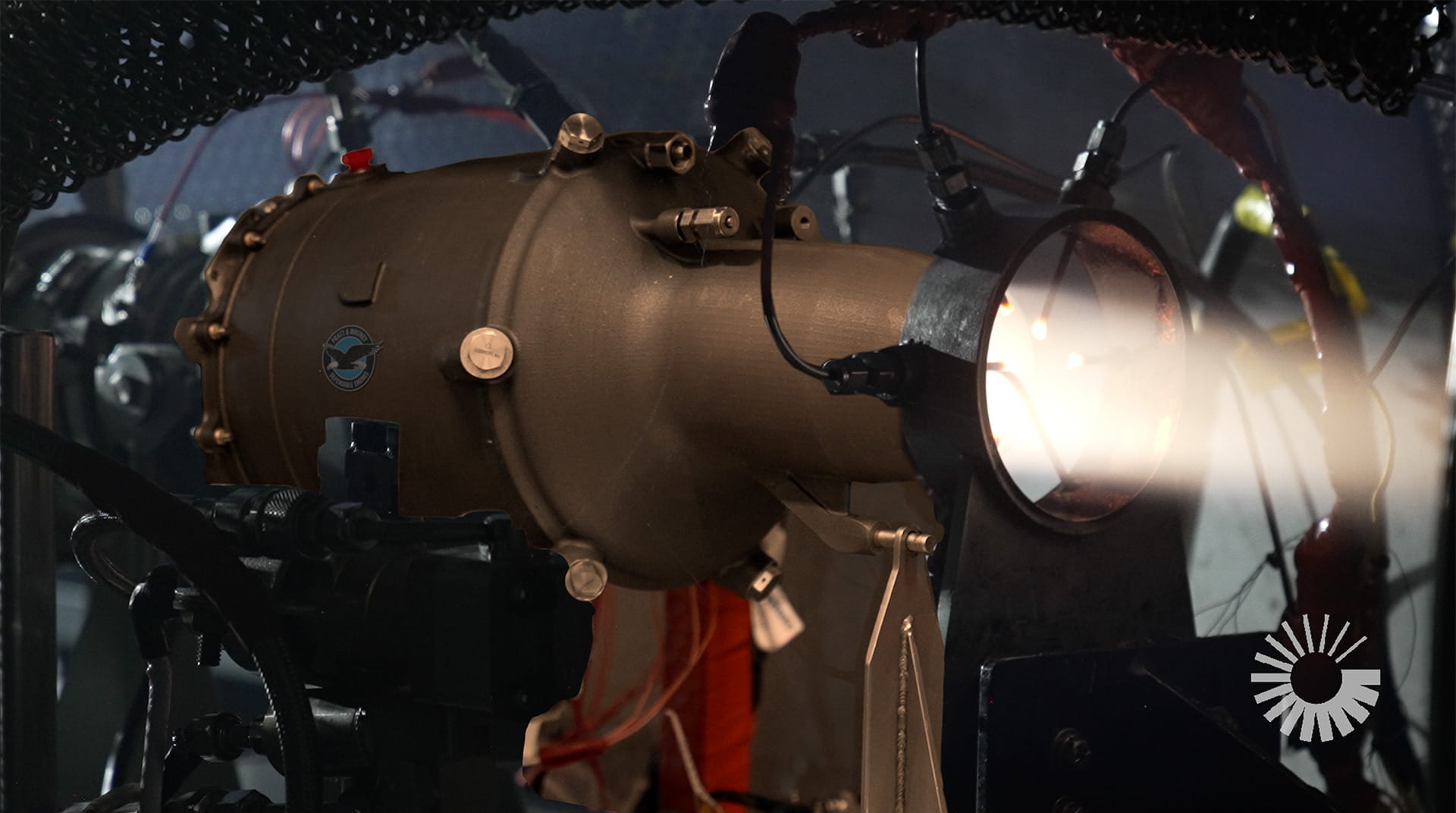 Pratt & Whitney Completes Testing of 3D-Printed TJ150 Engine for Military Applications
-
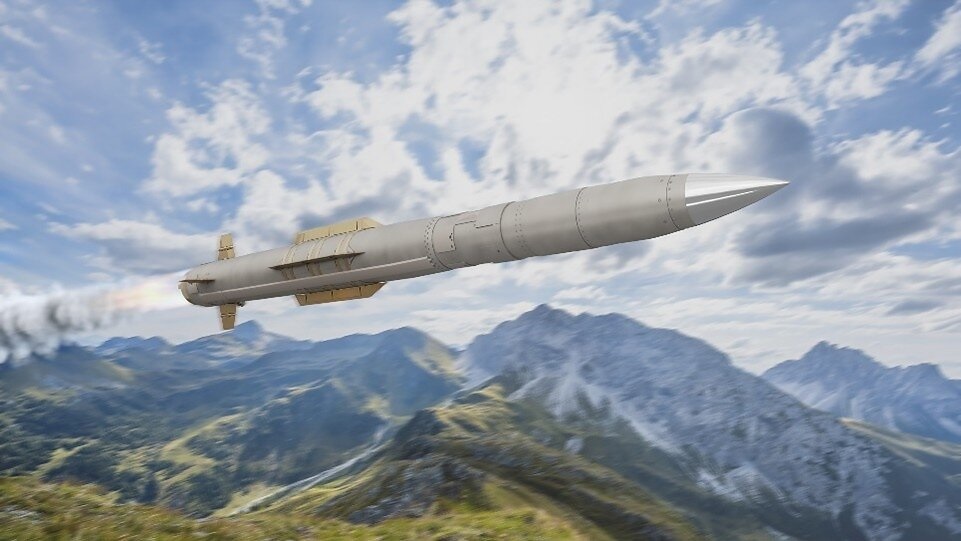 Lockheed Martin Unveils Lower-Cost PAC-3 ACE Interceptor for Patriot Air Defense System
-
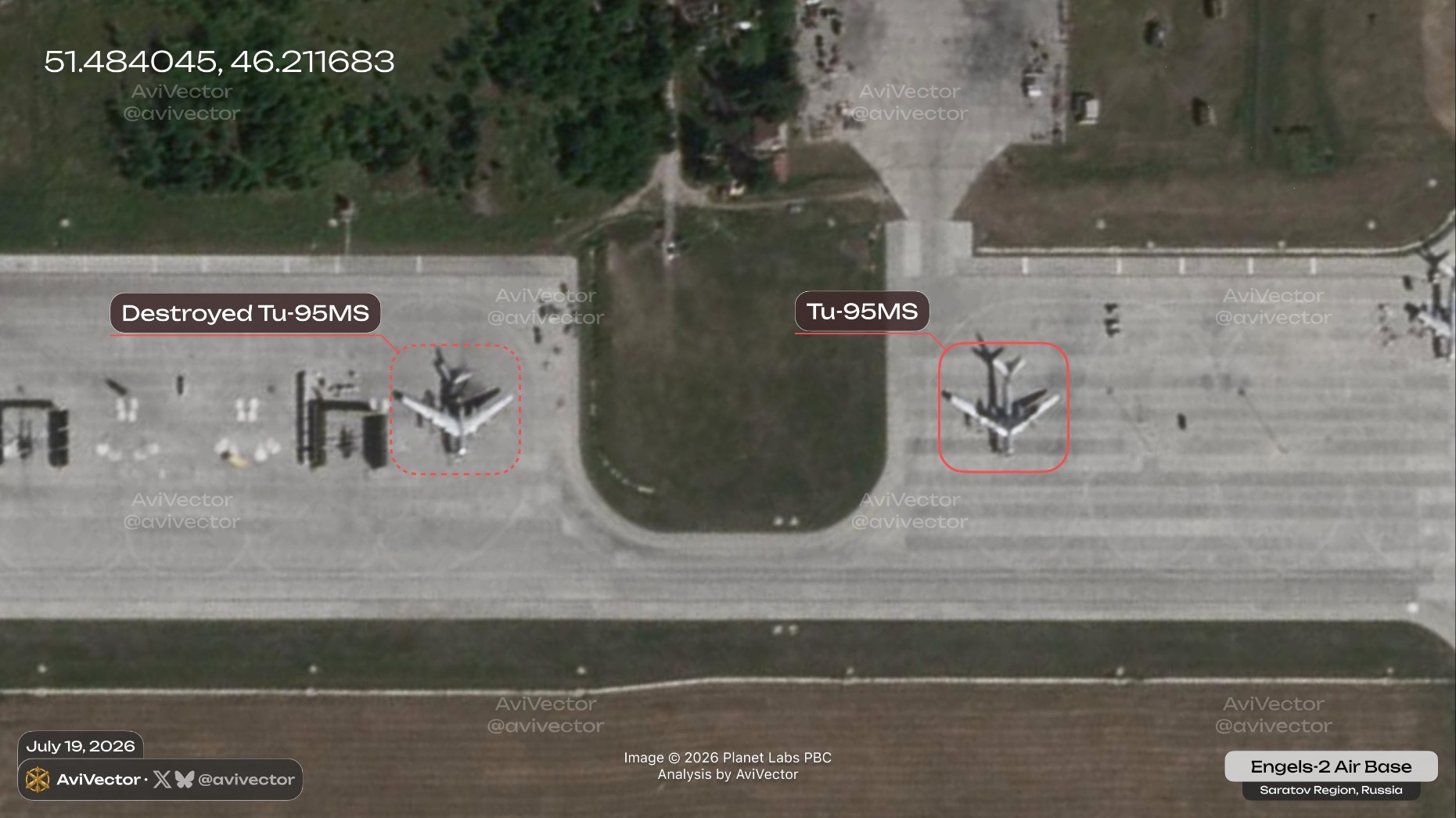 Satellite Images Confirm Russian Tu-95MS Bomber Destroyed After Ukrainian Drone Strike on Engels-2 Air Base
-
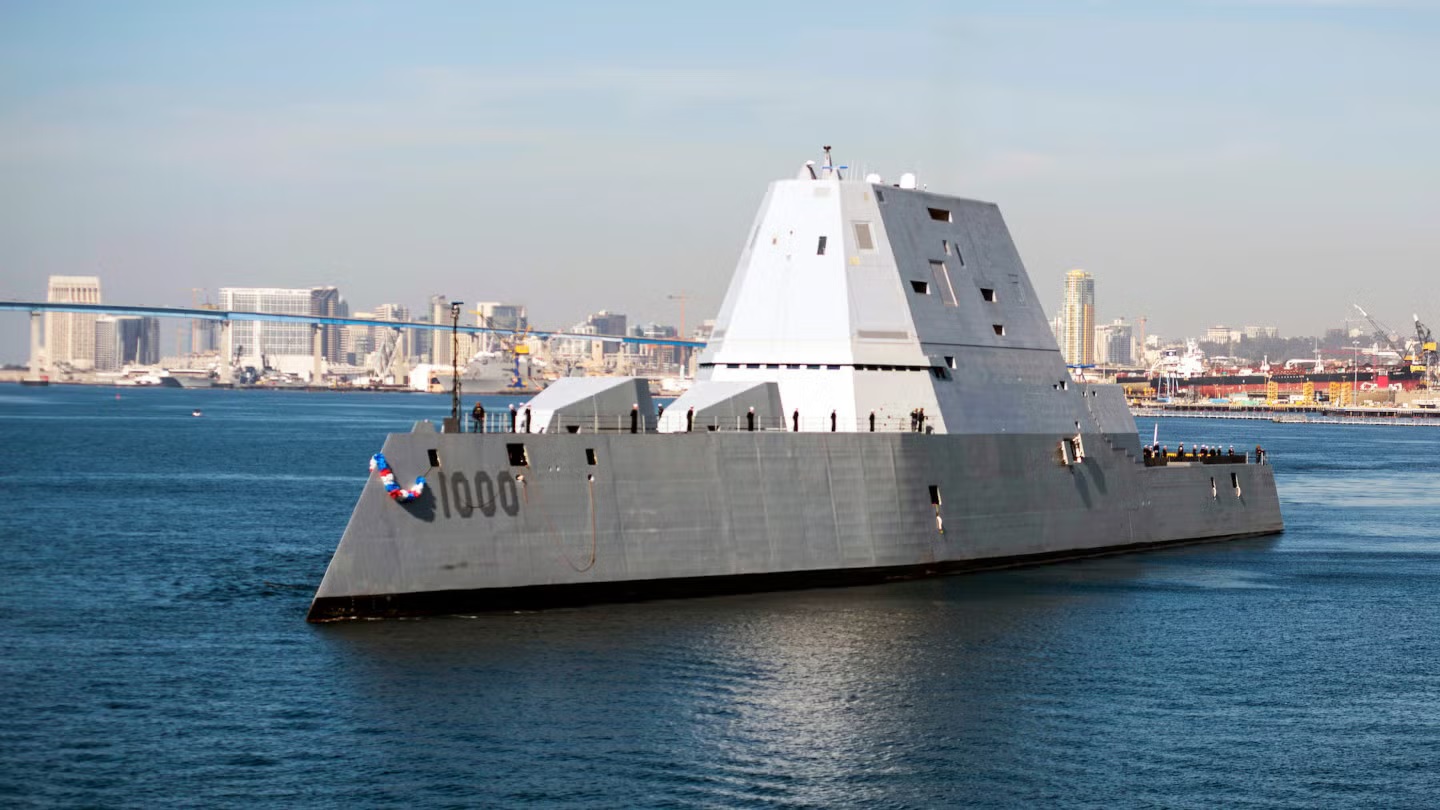 U.S. Navy's Zumwalt Destroyer Hypersonic Missile Upgrade Program Delayed by Two Years as Costs Top $2 Billion: GAO Reports
