
India
NEW DELHI — March 22, 2026 : India’s Defence Research and Development Organisation, in collaboration with Bharat Electronics Limited, has completed the first development trials of Project Kusha, marking a transition from preliminary design and ground validation to the next phase of flight testing for the indigenous long-range air defence system. The milestone, reported by Times Now and supported by official updates, represents a key step in advancing India’s domestic extended-range air defence capabilities under the Extended Range Air Defence System (ERADS) programme. System Overview and Operational Role Project Kusha is designed as a multi-layered, network-centric air defence system capable of protecting military bases, strategic infrastructure, and major urban centres from a wide spectrum of aerial threats. These include fighter aircraft, stealth platforms, cruise missiles, tactical ballistic missiles, drones, and airborne early warning and control (AEW&C) systems. The system architecture incorporates advanced active electronically scanned array (AESA) radars, enabling simultaneous tracking of multiple targets, automated threat prioritisation, and coordinated missile engagements. This allows the creation of overlapping engagement zones, increasing defensive depth and reducing adversary operational flexibility. Three-Tier Interceptor Structure Project Kusha is built around a family of three interceptor missiles, each designed for distinct engagement ranges and threat profiles: M1 Interceptor : The short-to-medium range variant, designed for engagements in the 100–150 kilometre range, targets tactical aircraft, precision-guided munitions, and low-flying threats. Initial development trials, including structural fabrication and subsystem validation, have been successfully completed. The system is now preparing for imminent flight testing, including validation of its dual-pulse solid rocket motor. M2 Interceptor : The mid-tier interceptor extends coverage to approximately 250 kilometres, bridging medium- and long-range defence requirements. Development efforts are focused on enhancing propulsion efficiency and integrating advanced radar seekers to counter high-speed and manoeuvring targets. M3 Interceptor : The long-range variant is designed for engagements beyond 350 kilometres, potentially reaching up to 400 kilometres under optimised conditions. It is intended to neutralise high-value airborne assets, including strategic bombers, reconnaissance platforms, and certain ballistic threats at extended stand-off distances. The phased development ensures that all three layers operate in a complementary and redundant configuration, strengthening survivability and interception reliability. Development Progress and Industrial Role The initial development trials covered fabrication, subsystem integration, and ground-based validation of key components. With these milestones achieved, the programme is transitioning toward flight evaluations, beginning with the M1 interceptor in the near term. Project Kusha was approved by the Cabinet Committee on Security in May 2022, followed by an Acceptance of Necessity (AoN) issued by the Ministry of Defence in September 2023 for the procurement of five squadrons for the Indian Air Force, at an estimated cost of ₹21,700 crore (approximately $2.6 billion). Subsequent planning has expanded the projected requirement to up to eight squadrons, with overall programme costs estimated at around ₹40,000 crore. Bharat Dynamics Limited, along with BEL, is responsible for manufacturing, system integration, and scaling production infrastructure. Timeline and Induction Plans Following the completion of initial trials, flight testing of the M1 interceptor is expected in the coming months of 2026. Progressive testing of the M2 and M3 variants is planned through 2027 and 2028, followed by user trials conducted by the Indian Air Force. Initial operational capability for the M1 variant is projected by 2028, while full deployment of the complete three-tier system is targeted around 2030. Defence officials have indicated that early testing results have been positive, supporting confidence in the programme’s transition into advanced development stages. Integration with Mission Sudarshan Chakra Project Kusha is a central component of Mission Sudarshan Chakra, India’s planned nationwide, AI-enabled, multi-layered air defence network, announced by Prime Minister Narendra Modi on August 15, 2025. The initiative aims to integrate multiple systems into a unified architecture, including Akash-NG, Quick Reaction Surface-to-Air Missile (QRSAM), Very Short-Range Air Defence (VSHORAD) systems, as well as existing platforms such as Barak-8 and the S-400 (locally designated Sudarshan Chakra). The framework is designed to incorporate space-based surveillance, AI-driven decision-making, and future directed-energy systems, enabling real-time threat detection, tracking, and response across multiple domains. Strategic and Industrial Implications Project Kusha reflects India’s broader objective of achieving self-reliance in defence manufacturing and reducing dependence on imported systems. By developing an indigenous long-range air defence capability comparable to advanced global systems, India aims to strengthen its strategic autonomy and ensure control over critical technologies and supply chains. The programme is also expected to create opportunities for future exports of advanced air defence systems to partner nations, subject to operational maturity and policy approvals. In addition, a naval variant of the system is under consideration for integration with future warships, including planned destroyers under Project 18. The progression of Project Kusha into flight testing marks a significant stage in India’s long-term effort to build a comprehensive and layered air and missile defence capability aligned with evolving threat environments.
Read More → Posted on 2026-03-22 15:34:38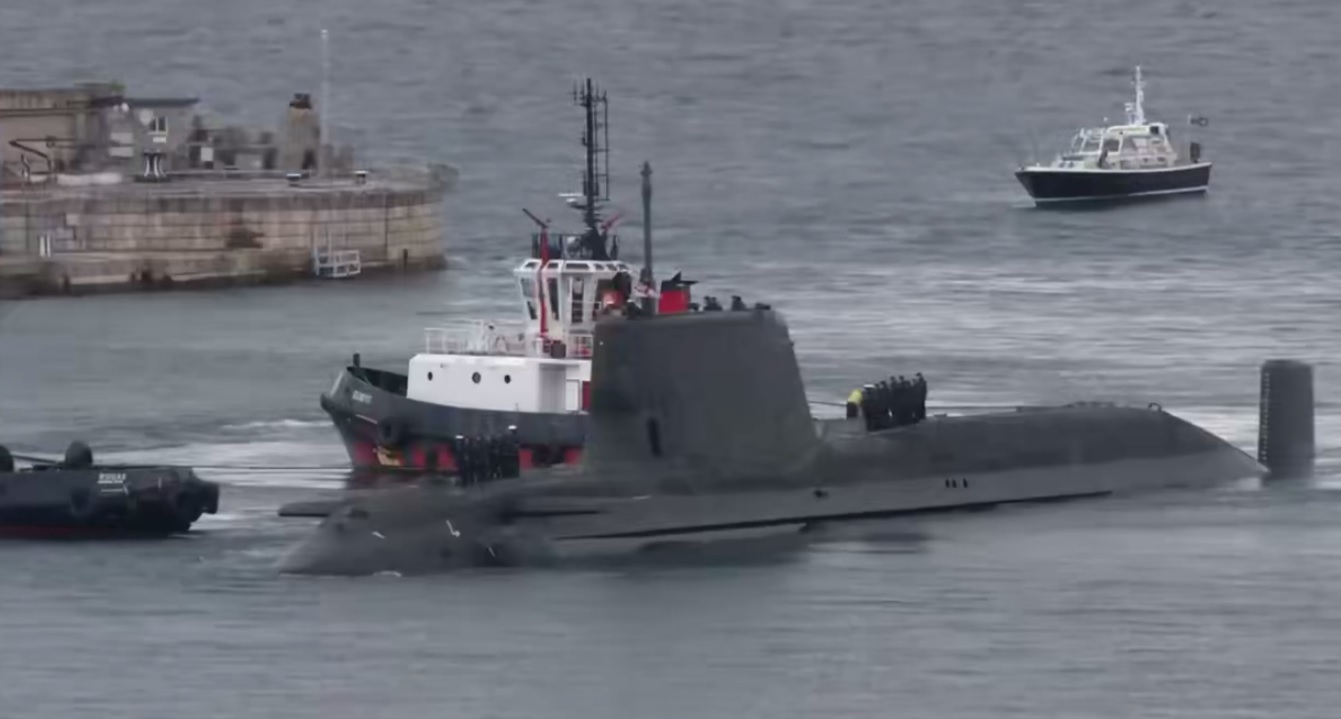
World
LONDON — March 22, 2026 : The United Kingdom has deployed a nuclear-powered Royal Navy submarine, HMS Anson, to the northern Arabian Sea, positioning British naval assets within operational range of Iran as regional tensions continue to evolve. The deployment, first reported by the Daily Mail and supported by defence sources, provides the UK with the capability to conduct long-range precision strikes if required. The UK Ministry of Defence has not confirmed the submarine’s precise location, stating that operational deployments in the region are subject to continuous review. Deployment and Transit Details HMS Anson, an Astute-class submarine attack submarine, departed from Perth, Australia, on March 6 following its involvement in activities linked to the AUKUS security partnership. The vessel travelled approximately 5,500 miles from the western coast of Australia to the northern Arabian Sea, where it is currently operating near key maritime routes, including areas in proximity to the Strait of Hormuz. Capabilities and Armament HMS Anson is equipped with Tomahawk Block IV land-attack cruise missiles, which have a reported range of approximately 1,600 kilometres (1,000 miles), enabling precision strikes against land-based targets at significant distances. In addition to its strike capability, the submarine carries Spearfish heavyweight torpedoes designed for engagements against both surface vessels and other submarines. Powered by a nuclear reactor, the submarine does not require refuelling over its estimated 25-year service life. The onboard systems are capable of generating breathable air and potable water independently, allowing for extended submerged operations. Operational endurance is practically limited by onboard provisions, typically supporting missions of up to three months for a crew of approximately 98 personnel. The platform utilises advanced sensor systems and does not rely on a traditional periscope, instead employing digital imaging systems that project external views onto internal displays. Command and Control Structure To maintain covert operations, HMS Anson reportedly communicates with the UK’s Permanent Joint Headquarters in Northwood, London, at regular intervals, typically once every 24 hours. Any decision to launch cruise missiles would require authorisation from UK Prime Minister Keir Starmer. Following approval, operational orders would be transmitted through the chain of command, including Nick Perry, before execution by the submarine. Regional and Strategic Context The deployment coincides with broader UK policy decisions related to the ongoing conflict involving Iran. The British government has authorised the United States to utilise UK-controlled facilities, including RAF Fairford and the joint UK-US facility at Diego Garcia, for operations targeting Iranian missile infrastructure linked to threats against commercial shipping in the Strait of Hormuz. Recent Security Developments The policy shift follows a recent Iranian missile launch directed toward Diego Garcia. According to defence reports, two ballistic missiles were fired toward the island, located approximately 4,000 kilometres from Iran. One missile failed during flight, while the second was intercepted by a U.S. naval air defence system before impact. The incident highlighted an extended operational range of Iranian missile capabilities not previously demonstrated in combat conditions. Iranian Response Iranian Foreign Minister Seyyed Abbas Araghchi criticised the UK’s decision to allow U.S. forces to operate from British bases, stating that such actions constitute participation in ongoing hostilities. He added that Iran reserves the right to respond under the principle of self-defence. Ongoing Monitoring The UK Ministry of Defence has reiterated that it does not comment on specific submarine operations or deployments. Officials stated that the UK’s military posture in the region is under continuous assessment, in line with evolving security conditions. The presence of HMS Anson reflects a broader effort by the United Kingdom to maintain operational readiness and support allied activities in a region experiencing sustained geopolitical tension.
Read More → Posted on 2026-03-22 15:22:31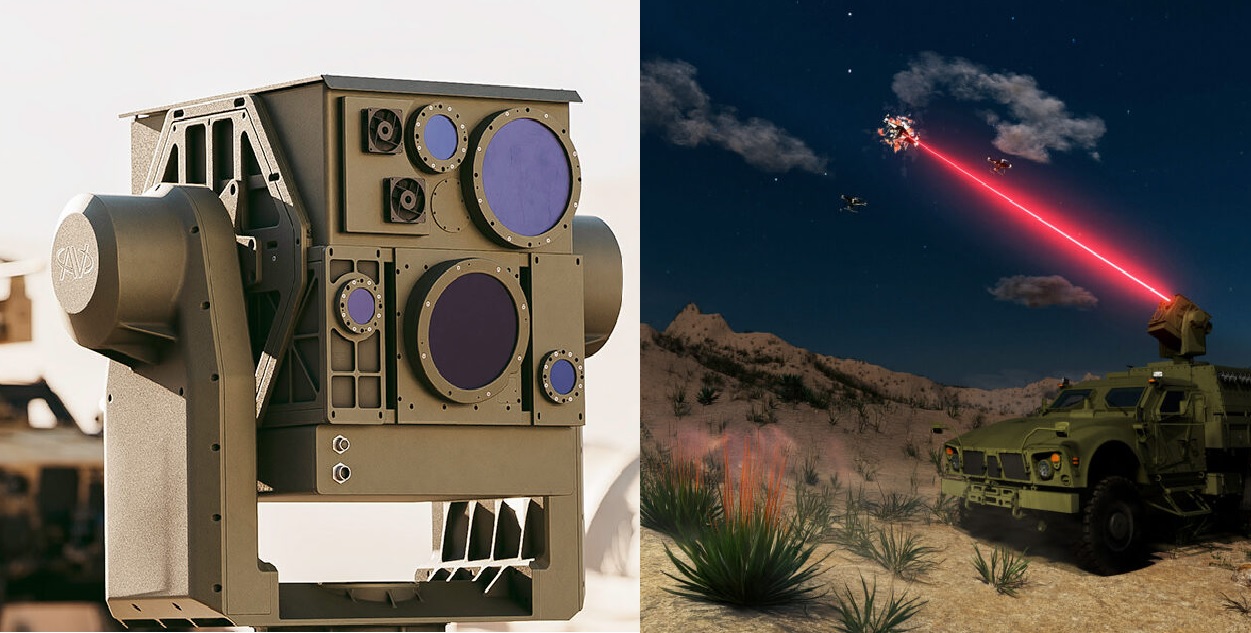
World
ARLINGTON, Va. — March 22, 2026 : AeroVironment is preparing to submit its LOCUST X3 directed-energy system in response to the U.S. Army’s Enduring High Energy Laser (E-HEL) requirement, which calls for the production and fielding of an initial batch of 24 systems designed to counter unmanned aerial threats. The requirement follows a Request for Information issued by the Army’s Rapid Capabilities and Critical Technologies Office and its Directed Energy Project Office, as part of broader efforts to transition laser-based air defence systems from prototype to operational deployment. U.S. Army E-HEL Requirement and Operational Scope The E-HEL programme is intended to provide scalable and mobile protection against Group 1 to Group 3 unmanned aircraft systems (UAS), ranging from small commercial quadcopters to larger fixed-wing drones weighing up to approximately 1,320 pounds. Under the Army’s outlined parameters, candidate systems must demonstrate the ability to: Detect, track, and defeat Group 1–3 UAS across varied operational environments Achieve a hard kill effect against Group 1 and 2 drones, rendering them incapable of flight Neutralise Group 3 one-way attack drones, including loitering munitions Operate in both semi-fixed and manoeuvre configurations, including palletised deployment or integration onto platforms such as the Joint Light Tactical Vehicle Integrate within a Modular Open Systems Approach (MOSA) framework and accept external targeting cues from systems such as Forward Area Air Defense (FAAD) radars The Army’s objective is to field a system capable of operating in complex airspace conditions, including cluttered environments, while maintaining compatibility with existing command-and-control networks. LOCUST X3 System Capabilities AeroVironment’s LOCUST X3 is described as a third-generation 20–35+ kilowatt class directed-energy laser weapon system, designed to address both current and emerging aerial threats. The system incorporates advanced electro-optical/infrared (EO/IR) sensors and the company’s AV_Halo™ Pinpoint fire control software, enabling precise targeting and stable energy delivery against fast-moving and manoeuvring aerial targets. Key technical features include: Precision tracking and targeting, supported by high-bandwidth sensor fusion and real-time engagement overlays Artificial intelligence-enabled detection and engagement, allowing prioritisation of threats in high-density swarm scenarios Sensor-agnostic architecture, enabling integration with multiple radar and sensor inputs, including FAAD cueing Automated engagement workflows, reducing operator workload and response times The system is also designed for logistical efficiency, using electrical power rather than interceptor missiles. This allows engagements at a marginal cost estimated at approximately $0.18 per shot, significantly reducing the supply chain burden associated with traditional kinetic air defence systems. Integration, Mobility, and Deployment Options LOCUST X3 is built to support both fixed-site and mobile operations. It can be deployed in a 463L-compliant palletised configuration or mounted on tactical vehicles, including JLTV platforms. Previous system variants have demonstrated integration across multiple mobility platforms. Under the Army’s Multi-Purpose High Energy Laser (AMP-HEL) programme, AeroVironment delivered 20 kW-class LOCUST systems mounted on Infantry Squad Vehicles and later on JLTVs with upgraded beam director apertures to improve engagement effectiveness. The system’s architecture supports plug-and-play integration, allowing it to be incorporated into existing air defence networks without extensive redesign. Development Background and Operational Experience The LOCUST X3 builds directly on earlier generations of the LOCUST high-energy laser systems, including the 10–20 kW class systems developed under the Army’s Palletized High Energy Laser (P-HEL) programme. These earlier systems have been operationally deployed in overseas environments since at least 2023, where they have demonstrated high availability rates and conducted real-world engagements against unmanned aerial threats. AeroVironment has stated that the development of the X3 variant incorporates operational data and lessons learned from these deployments, with the aim of improving performance, scalability, and reliability. In 2025, AeroVironment expanded its directed-energy portfolio through the acquisition of BlueHalo, the original developer of the LOCUST system family. Programme Timeline and Industry Context The E-HEL initiative follows an RFI issued in October 2025 and a draft Request for Proposal released in January 2026. The programme is intended to transition directed-energy systems from limited prototypes to full-scale production and rapid fielding. The initial requirement for 24 systems represents a key step in integrating laser weapons into frontline operations, particularly for counter-UAS missions. No official timeline has been announced for contract awards under the programme. Strategic Context The U.S. Army’s investment in directed-energy systems reflects a broader shift toward cost-effective and scalable air defence solutions capable of countering the increasing use of unmanned systems in modern conflicts. Laser-based systems such as LOCUST X3 are being developed to complement traditional missile-based defences, offering sustained engagement capability without reliance on expendable munitions. The outcome of the E-HEL competition is expected to play a significant role in shaping future U.S. Army air defence architecture, particularly in environments characterised by high-volume drone threats.
Read More → Posted on 2026-03-22 15:01:54
World
WASHINGTON — March 22, 2026 : The United States has outlined a set of six conditions for Iran as part of a proposed ceasefire and broader peace agreement framework, according to information reported by Axios and supported by officials familiar with the discussions. The proposal has been communicated indirectly through diplomatic intermediaries, including Egypt, Qatar, and the United Kingdom, due to the absence of direct contact between Washington and Tehran in recent days. Indirect Negotiations and Initial Positions Officials involved in the discussions indicated that Egypt and Qatar have conveyed messages suggesting that Iran is open to negotiations, though under specific conditions. Tehran’s reported position includes an immediate ceasefire, guarantees against the resumption of hostilities, and financial compensation for damages sustained during the conflict. U.S. officials assess that recent military operations have affected Iran’s capabilities and created conditions for potential diplomatic engagement. The current exchanges are described as preliminary, with no formal negotiations underway. Six U.S. Conditions for Agreement According to the reported framework, the United States has made any ceasefire and long-term settlement contingent on Iran agreeing to six key commitments: A five-year halt to Iran’s missile program Complete cessation of uranium enrichment, with enrichment levels reduced to zero Decommissioning of nuclear facilities at Natanz, Isfahan, and Fordow Implementation of strict external monitoring and verification over centrifuges and nuclear infrastructure Participation in regional arms control agreements, including a cap limiting Iran’s missile inventory to no more than 1,000 units Termination of financial and material support to regional groups, including Hezbollah, the Houthis, and Hamas These conditions collectively target Iran’s nuclear programme, ballistic missile capabilities, and regional influence networks. Nuclear and Military Context The nuclear facilities at Natanz, Isfahan, and Fordow referenced in the proposal were previously targeted during U.S. and Israeli strikes earlier in the conflict. The decommissioning requirement applies specifically to these sites, with an emphasis on preventing their future use for nuclear-related activities. The requirement for external supervision would extend to all centrifuge production and usage, as well as associated infrastructure, to ensure compliance with non-proliferation objectives. On missile capabilities, the proposed cap of 1,000 units would represent a significant reduction from pre-conflict estimates, which placed Iran’s ballistic missile inventory at over 3,000 units. Officials note that recent military actions have already impacted production and storage capacity. Broader Diplomatic Framework Beyond the six primary conditions, U.S. officials have indicated that any comprehensive agreement would need to address additional strategic issues. These include ensuring the reopening and continued operation of the Strait of Hormuz, resolving the status of Iran’s existing stockpiles of highly enriched uranium, and establishing a long-term framework governing Iran’s nuclear and missile programmes. The proposals are part of internal planning within the current U.S. administration to define parameters for a potential diplomatic settlement following several weeks of conflict. Officials involved in the process include U.S. Special Envoy Steve Witkoff and senior adviser Jared Kushner, who are engaged in shaping the negotiation framework. Mediation Channels and Diplomatic Dynamics Qatar is viewed by U.S. officials as a key intermediary for future negotiations, based on its role in prior diplomatic engagements. Egypt has also played a central role in relaying messages between the parties. Oman, which has previously facilitated nuclear discussions, is not currently considered a primary channel due to existing trust concerns between stakeholders. At this stage, no official response from Iranian authorities to the six-point proposal has been publicly reported. Outlook The proposed conditions reflect the U.S. position that a sustainable ceasefire requires verifiable constraints on Iran’s nuclear activities, missile development, and regional partnerships. While indirect communication channels remain active, the progression toward formal negotiations will depend on Iran’s response to the outlined terms and the broader strategic environment in the region.
Read More → Posted on 2026-03-22 14:41:46
World
JERUSALEM / WASHINGTON — March 22, 2026 : Updated intelligence assessments from Israeli and United States officials indicate that Iran’s Supreme Leader, Mojtaba Khamenei, does not exercise full administrative or military control over the country, with effective authority assessed to be concentrated within the Islamic Revolutionary Guard Corps (IRGC). The evaluations, supported by multiple intelligence sources, suggest that the IRGC is directing key strategic and operational decisions, while the formal leadership structure remains in place for continuity. Shift in Internal Power Structure According to officials familiar with the assessments, Mojtaba Khamenei’s authority is considered limited and does not match the level of control exercised by his predecessor, Ali Khamenei. Analysts assess that the IRGC has consolidated its influence during the ongoing conflict, effectively shaping Iran’s military posture and internal security decisions. The rapid endorsement of Mojtaba Khamenei by IRGC-linked factions following his appointment on March 9, 2026, is viewed as an indication of this shift. Intelligence sources describe the current structure as one in which the military-security establishment plays a dominant role, while the clerical leadership provides institutional continuity. Condition and Public Absence Intelligence assessments indicate that Mojtaba Khamenei was injured during the initial phase of U.S. and Israeli airstrikes on February 28, 2026, which also resulted in the death of his predecessor. Reports suggest he sustained injuries to his legs during the operation, referred to in some accounts as Operation “Roaring Lion.” While current evaluations confirm that he is alive, conscious, and capable of carrying out official duties, his physical condition has limited his public presence. Since assuming office, Mojtaba Khamenei has not made any public appearances. Earlier unverified reports had suggested more severe injuries, including the possibility of a coma, but these have not been supported by current intelligence assessments. Officials in Washington and Jerusalem state that he remains operational, though likely recovering in a secure location. Nowruz Statement and Communication Patterns The absence of direct public engagement was highlighted during Nowruz on March 20, 2026. Intelligence agencies, including the Central Intelligence Agency (CIA) and Mossad, monitored the occasion expecting a video or audio address from the new Supreme Leader. Instead, Iranian state media released a written statement attributed to Mojtaba Khamenei, which was read aloud on television and accompanied by still images of unverified timing. In the message, he described the coming year as one of a “resistance economy under national unity and national security,” praised public resilience, and asserted that U.S. and Israeli operations had been countered. The statement also denied Iranian involvement in recent incidents in Turkey and Oman, attributing them to what was described as false-flag actions by adversaries. Command and Control Uncertainty The reliance on written communication and the continued absence of visual confirmation have contributed to uncertainty among foreign intelligence agencies regarding the exact command structure in Tehran. Officials involved in the assessments state that, at present, the IRGC is likely directing Iran’s military operations, including missile deployments and internal security measures. One source familiar with the intelligence evaluations indicated that “the Revolutionary Guards control him more than he controls them,” reflecting the current balance of authority. Background and Succession Context Mojtaba Khamenei, the second son of Ali Khamenei, had long been regarded as a potential successor due to his influence within conservative clerical networks and his established ties with IRGC leadership. His appointment followed the escalation of hostilities on February 28, when U.S. and Israeli strikes targeted Iranian leadership and military infrastructure. Iranian state media confirmed his appointment on March 9, 2026, with support from hardline factions. Since then, all official communications attributed to him have been delivered in written form through state channels. Strategic Implications Officials in Jerusalem and Washington assess that the current power arrangement in Tehran remains fluid. While Mojtaba Khamenei holds the formal position of Supreme Leader, operational authority over military and security matters appears to rest primarily with the IRGC. The assessments do not rule out changes in internal dynamics as the conflict evolves, but current evaluations indicate that decision-making within Iran is being shaped predominantly by the military-security apparatus rather than the traditional clerical leadership structure.
Read More → Posted on 2026-03-22 14:25:07
World
JERUSALEM — March 22, 2026 : A preliminary investigation has identified operational failures in the Terminal High Altitude Area Defense (THAAD) system during recent ballistic missile attacks on southern Israel, according to a report by the Israeli newspaper Maariv. The system, deployed to strengthen Israel’s missile defence coverage, reportedly failed to intercept incoming missiles targeting the cities of Arad and Dimona. The incidents occurred amid the ongoing conflict between Israel and Iran, which escalated on February 28, 2026. Iranian ballistic missiles struck populated areas in Dimona and subsequently Arad within a short timeframe, resulting in injuries to nearly 200 people and triggering emergency response operations across both locations. Details of Interception Failures According to the Maariv report, the THAAD system, supplied by the United States and deployed to protect strategic sites in southern Israel, did not successfully engage the incoming ballistic missiles during the attacks. The findings are part of an initial investigation, with further technical analysis still underway. The report also noted that Israel’s Arrow missile defence system, designed for high-altitude interception, failed to neutralise the same incoming threats in these specific incidents. In addition, the Patriot surface-to-air missile system has recorded repeated interception failures in similar engagements during the current conflict. Sources cited in the investigation indicated that the missiles used in the strikes were of the same type as those previously launched toward Beit Shemesh, suggesting consistent threat characteristics across multiple attacks. Operational Context and System Limitations Defence officials and analysts have emphasised that ballistic missile defence remains inherently complex. Even advanced, multi-layered systems combining radar tracking, interceptor missiles, and networked command structures cannot ensure complete interception success. Factors such as high missile velocities, manoeuvrability, decoys, and saturation tactics—where multiple projectiles are launched simultaneously—place significant strain on interception systems. These challenges are amplified in high-intensity conflict environments involving repeated launches over short durations. The THAAD system is specifically designed to intercept short- and medium-range ballistic missiles at high altitudes, including outside the atmosphere. It was deployed by the United States to Israel in late 2024 to augment the country’s layered air defence network. Structure of Israel’s Air Defence Network Israel operates a multi-tiered missile defence architecture integrating several systems with distinct roles. The Arrow-2 and Arrow-3 systems provide exo-atmospheric interception of long-range ballistic threats, while David’s Sling is designed to counter medium-range missiles. The Iron Dome system focuses on short-range rockets and artillery threats. Patriot batteries, operated by both Israeli and U.S. forces, provide an additional defensive layer for lower-altitude engagements. THAAD was integrated into this framework to strengthen high-altitude interception capabilities, particularly for strategic locations in southern Israel, including areas near the Dimona nuclear research facility. According to official data from the Israel Defense Forces, the overall interception success rate during the current conflict remains above 92% across more than 400 ballistic missiles launched toward Israel. However, a limited number of missiles have penetrated defences and caused direct impacts, including in the recent Arad and Dimona incidents. Ongoing Investigations The Israel Defense Forces and the Israeli Air Force have initiated parallel investigations to determine the precise causes of the interception failures. Preliminary assessments point to possible technical or operational issues affecting system performance during specific engagements, though no definitive conclusions have been released. The findings are expected to inform adjustments in deployment strategies, system coordination, and engagement protocols within Israel’s integrated air defence network. Implications for Missile Defence Strategy The reported limitations of interception systems have renewed attention on broader missile defence strategies. Military planners note that no existing system globally can guarantee a 100% interception rate, particularly against advanced or high-volume missile attacks. These operational realities have influenced defence planning in multiple countries facing complex threat environments. India’s Mission Sudarshan Chakra Approach In response to evolving missile threats from regional adversaries, including Pakistan and China, India has initiated Mission Sudarshan Chakra, a long-term programme aimed at establishing an integrated, multi-layered air and missile defence architecture. The initiative combines defensive interception systems with offensive counter-strike capabilities. It integrates assets such as the S-400 air defence system (locally referred to as Sudarshan Chakra), Akash missile system, Barak-8, and components of India’s ballistic missile defence programme, including Project Kusha. Mission Sudarshan Chakra is structured around a dual framework that incorporates both interception and response. The system is designed to track incoming threats, identify launch origins, and enable rapid countermeasures through integrated strike capabilities, including coordination with India’s Integrated Rocket Force (IRF). The architecture also includes space-based surveillance, airborne early warning systems, and ground-based radar networks, supported by artificial intelligence for real-time data processing and decision-making. Phase I of the programme focuses on integrating existing systems to counter regional missile threats, while Phase II is expected to address emerging challenges such as hypersonic glide vehicles and advanced manoeuvring missiles. Broader Strategic Context The developments highlighted by the preliminary investigation reinforce the evolving nature of missile warfare, where layered defence systems are increasingly complemented by offensive deterrence measures. As investigations into the THAAD system’s performance continue, defence authorities are expected to assess both technical factors and broader operational coordination within integrated air defence networks.
Read More → Posted on 2026-03-22 14:02:54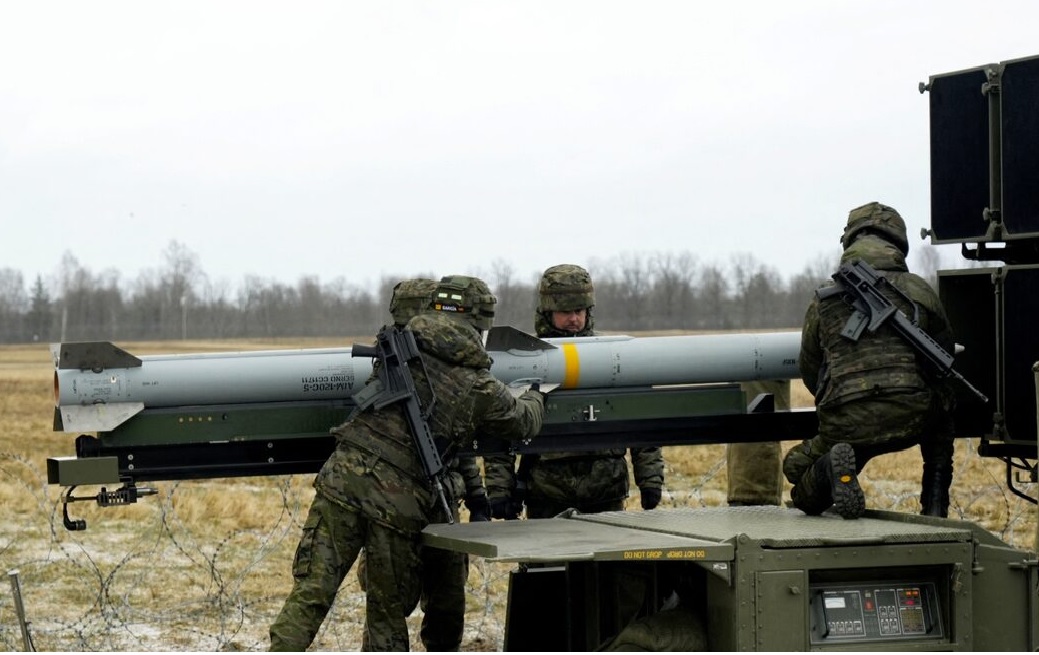
World
BERN — March 22, 2026 : The Swiss Federal Council has suspended the authorisation of new war materiel exports to the United States, citing legal obligations under Switzerland’s neutrality policy following the escalation of the international armed conflict involving Iran. The decision, formalised on March 20, comes after Swiss authorities determined that the United States is directly involved in the conflict, which intensified on February 28, 2026. Under the provisions of the Swiss War Materiel Act, arms exports to countries engaged in active international armed conflicts cannot be newly authorised for the duration of hostilities. In an official statement, the Federal Council confirmed that no new export licences for war materiel to the United States have been granted since the February escalation, adding that such exports “cannot currently be authorised” while the conflict continues. Legal Basis and Policy Framework The suspension is grounded in Article 22a of the War Materiel Act, which outlines exclusion criteria for arms exports. The provision prohibits Switzerland from approving new licences to states directly participating in international armed conflicts. Swiss authorities clarified that the measure is a routine application of long-standing neutrality principles rather than a political sanction. Switzerland’s neutrality framework requires equal and consistent restrictions on all parties engaged in a conflict. The policy has previously been applied to other countries in the region. The government reiterated that no definitive export licences for war materiel have been granted to Israel or Iran for several years, reflecting an already highly restrictive posture. Status of Existing Export Agreements While new approvals are suspended, existing export licences to the United States remain valid. The Federal Council stated that current authorised exports have been assessed and determined not to be directly relevant to the ongoing conflict with Iran. However, these licences are subject to continuous review. Swiss authorities retain the legal authority to suspend or revoke previously granted approvals if the operational context changes. Evelyne Schmid, a professor of international law at the University of Lausanne, noted that Swiss law provides flexibility in such situations. She stated that authorities can revisit earlier decisions and, if necessary, suspend or revoke existing licences depending on developments. Oversight Mechanism and Expanded Controls To ensure compliance with neutrality obligations, the Federal Council has established an interdepartmental expert group. The body includes representatives from the Federal Department of Economic Affairs, Education and Research (EAER), the Federal Department of Foreign Affairs (FDFA), and the Federal Department of Defence, Civil Protection and Sport (DDPS). The group is tasked with continuously assessing exports to the United States and monitoring whether any authorised goods could become relevant to the conflict. The review process extends beyond conventional weapons. It also covers dual-use goods—items with both civilian and military applications—as well as controlled military-related products such as training aircraft, simulators, and other equipment regulated under the Goods Control Act. Exports affected by existing sanctions on Iran are also included in the oversight framework. Airspace Decisions Reflect Neutrality Policy In parallel with export restrictions, Switzerland has applied its neutrality policy to military transit requests. Swiss authorities recently rejected two requests from the United States for airspace use linked to Iran-related operations, while approving three others that were assessed as compliant with neutrality requirements. These decisions reflect a case-by-case evaluation approach, ensuring that Swiss territory and infrastructure are not used in ways that would conflict with neutrality obligations. Economic Context and Industrial Impact The United States was the second-largest market for Swiss war materiel exports in 2025, after Germany. Swiss exports to the US totalled approximately 94.2 million Swiss francs (around 120 million US dollars). The suspension of new licences is expected to affect segments of Switzerland’s defence manufacturing sector, including companies linked to the SIG Sauer group, which supplies small arms and related components to US military and law enforcement agencies. Industry association Swissmem criticised the timing of the decision, describing it as a premature application of neutrality that could have economic implications for Swiss manufacturers. Political and Diplomatic Reactions Swiss Defence Minister Martin Pfister defended the measure, stating that it aligns with established Swiss foreign policy principles. He indicated that the United States is familiar with Switzerland’s neutrality framework and said the government does not expect negative reactions from Washington. Domestic political responses have been mixed. The Social Democratic Party of Switzerland argued that the restrictions do not go far enough, calling for stricter limitations on military-related exports. In contrast, the Swiss People's Party stated that the government had limited flexibility given the legal constraints imposed by the War Materiel Act. Duration and Future Review The Federal Council emphasised that the suspension of new export authorisations will remain in effect only for the duration of the conflict involving Iran. The interdepartmental expert group will continue to monitor developments and reassess policies as necessary. Swiss authorities reiterated that the neutrality-based framework is applied uniformly and may be adjusted if conditions change, including the potential review of existing licences should their relevance to the conflict increase.
Read More → Posted on 2026-03-22 13:44:21
World
ISTANBUL / ANKARA — March 21, 2026 : Turkish state-owned defense company Makine ve Kimya Endüstrisi (MKE) has unveiled the PİRANA kamikaze unmanned surface vessel (USV), a compact maritime strike system developed to expand Türkiye’s unmanned naval capabilities and support future operations of the Turkish Navy. Platform Overview and Design Concept The PİRANA has been designed under an “effective, simple, low-cost” development philosophy, focusing on delivering operational impact in contested maritime environments without reliance on large, complex naval platforms. The system represents MKE’s entry into naval unmanned systems, extending its portfolio beyond land-based munitions and air defense technologies. The vessel operates as a maritime loitering munition, capable of approaching and striking naval or coastal targets without an onboard crew. It is intended for both independent missions and coordinated multi-platform operations. Technical Specifications and Performance The PİRANA measures approximately 4.5 meters in length with a beam of around 1.6 meters and a displacement close to 1,200 kilograms. It features a composite hull designed to reduce radar visibility and improve survivability during approach. Powered by a diesel engine coupled with waterjet propulsion, the vessel can exceed speeds of 40 knots, with demonstration data indicating peak speeds above 50 knots. Its operational range exceeds 200 nautical miles, enabling long-distance strike missions. The platform carries a 100-kilogram high-explosive warhead. Available defense data indicates the use of advanced fuze systems, including tandem shaped-charge configurations designed to enhance penetration against reinforced naval structures. Navigation and targeting are supported by an onboard mission computer, electro-optical sensors, and CRPA-assisted GNSS systems engineered to maintain performance in electronically contested environments. Communication Systems and Swarm Operations The PİRANA integrates both radio frequency (RF) and satellite communication (SATCOM) systems, enabling remote or semi-autonomous operation over extended distances. SATCOM connectivity removes line-of-sight constraints, allowing operators to control the vessel far beyond coastal or ship-based communication limits. A central feature of the system is its ability to operate in swarm configurations. In such scenarios, certain vessels are assigned decoy roles to attract enemy radar and air defense responses, while others exploit reduced radar signatures to approach targets and detonate on impact. This role-based coordination is intended to increase the probability of mission success in defended maritime zones. Integration with Air and Naval Platforms Testing conducted in 2025 demonstrated the system’s integration within Türkiye’s broader unmanned ecosystem. During trials, the PİRANA successfully struck a target measuring approximately 3.5 meters, indicating a high level of precision. In a June 2025 exercise, the USV was deployed from the TCG Anadolu. Initial control was conducted from the ship before being transferred mid-mission to the Bayraktar TB3 unmanned aerial vehicle. The airborne platform then guided the vessel to its target. This air-to-sea command transfer demonstrated real-time control handover between naval and aerial systems, extending operational reach beyond traditional line-of-sight limitations and enabling flexible targeting. Variant Development and Operational Flexibility Open-source defense reporting indicates that MKE has developed the PİRANA platform in two configurations. The primary version functions as a direct-impact kamikaze USV. A secondary variant is designed to carry a single-cell launcher capable of deploying missiles or loitering munitions, allowing the vessel to engage targets and return for reuse. This dual-role concept is uncommon among similar USV systems, which are typically designed as expendable platforms. Survivability and Maritime Performance Despite its compact size, the PİRANA is rated to operate in Sea State 4 conditions, corresponding to wave heights of up to approximately 2.5 meters. This capability supports stability and mission continuity in moderately rough littoral environments, reducing the risk of mission failure due to sea conditions. The vessel’s low-observable design, combined with high speed and maneuverability, is intended to complicate detection and interception by conventional naval defenses. Development Timeline and Deployment Outlook The PİRANA was first publicly presented at the IDEF 2025 in Istanbul and later showcased at the DIMDEX 2026 in Doha. Following a series of navigation, integration, and impact trials completed through 2025, the system is assessed as mission-ready. MKE is continuing work on swarm coordination capabilities and additional platform integrations ahead of potential induction into Turkish naval service. Position in the Evolving USV Landscape The introduction of the PİRANA reflects a broader trend toward the deployment of low-cost, expendable or semi-reusable unmanned surface vessels in maritime conflict scenarios. Within this category, the system distinguishes itself through demonstrated air-to-sea command transfer, SATCOM-enabled extended control, and coordinated swarm tactics integrated into a wider unmanned operational network. These features position the platform as part of Türkiye’s ongoing effort to develop integrated unmanned air-sea strike capabilities using domestically produced systems.
Read More → Posted on 2026-03-21 17:45:51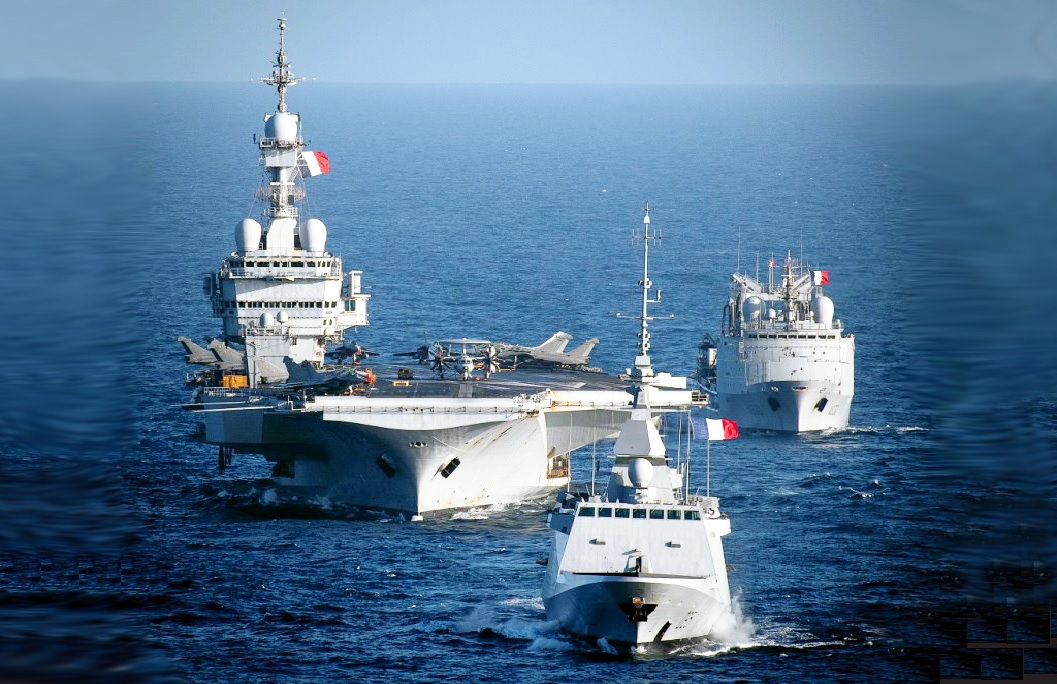
World
PARIS, — March 21, 2026 : The French Navy (Marine Nationale) is reassessing its strategic posture and operational planning across short-, medium-, and long-term timelines in response to a changing global security environment, according to Vice Admiral Alban Lapointe, Deputy Chief of the Navy. The framework was presented during the fourth Paris Naval Conference, held on February 2–3, 2026, and co-hosted by the French Navy and the Institut français des relations internationales (IFRI). The conference brought together military, industry, and academic participants to examine naval operations, rearmament, and evolving threats to the rules-based international order. Vice Admiral Lapointe stated that planning across three time horizons—2026, 2030, and 2040—forms a central focus of daily naval strategy. Short-Term Outlook (2026): Adapting to Immediate Threats For the immediate period, the French Navy assesses that the operational environment has undergone a significant shift, with areas previously considered stable now presenting elevated risks. Lapointe noted that “the fundamentals are no longer where we expect them to be,” emphasizing that traditional maritime “comfort zones” have become “danger zones.” To address near-term challenges, the Navy is prioritizing: Strengthening alliances, particularly within NATO, to enhance intelligence sharing and operational coordination Identifying and addressing vulnerabilities in cooperation with partner navies Maintaining operational agility, enabling rapid response to emerging situations Lapointe highlighted the pace of developments, stating that opportunities in modern operations are time-sensitive and require immediate action. Medium-Term Objectives (2030): Readiness and Logistics Looking toward 2030, the French Navy’s primary objective is achieving full-spectrum combat readiness in a complex operational environment that includes hybrid warfare threats, such as cyber operations and infrastructure disruption. Lapointe stated that forces must be prepared “to attack and to be attacked,” requiring readiness across all operational domains. Key priorities for this period include: Enhancing personnel training and operational mindset Upgrading equipment and capabilities to meet evolving threats Strengthening logistics and supply chains, identified as critical to sustained operations Lapointe emphasized that logistical capacity is essential, noting that operational success depends on the ability to maintain supply and support during extended engagements. Long-Term Strategy (2040): Fleet Renewal and Strategic Adaptation By 2040, the French Navy expects to operate within a strategic environment shaped by ongoing geopolitical developments and potential large-scale disruptions. In response, France is planning a comprehensive fleet recapitalization and modernization effort. Key programmes include: Aircraft Carrier Renewal: Replacement of the FS Charles de Gaulle with the Porte-Avions de Nouvelle Génération (PANG), a nuclear-powered aircraft carrier expected to enter service around 2038, with construction planned to begin in the early 2030s Submarine Modernization: Continued integration of Suffren-class (Barracuda) nuclear attack submarines, alongside development of third-generation ballistic missile submarines (SNLE 3G) to sustain France’s nuclear deterrent Technology Integration: Adoption of advanced data processing systems, uncrewed platforms, and next-generation weapons systems These efforts are intended to maintain France’s position as a capable maritime power while adapting to technological and operational changes. Role of Alliances and Strategic Coordination Lapointe highlighted that the effectiveness of future naval operations will depend significantly on the strength and resilience of allied relationships. Cooperation within NATO and with international partners remains central to addressing shared challenges. He noted that forums such as the Paris Naval Conference contribute to collective strategic reflection, allowing participants to assess emerging threats, prepare for potential disruptions, and coordinate long-term responses. Strategic Outlook The three-tiered framework reflects the French Navy’s approach to balancing immediate operational demands, mid-term readiness objectives, and long-term force development. Officials indicated that aligning these timelines is necessary to ensure continuity in capability, adaptability to evolving threats, and the ability to operate effectively in contested maritime environments.
Read More → Posted on 2026-03-21 17:40:28
World
ANKARA, — March 21, 2026 : Türkiye has successfully conducted a live-warhead test of its SOM-J stand-off cruise missile, striking a designated target under operational conditions and confirming a direct hit. The test marks a key step in advancing the missile toward deployment as a combat-ready precision strike system for the Turkish Armed Forces. The successful firing was announced by Minister of Industry and Technology Mehmet Fatih Kacır, who stated that the test demonstrated the system’s capability to engage heavily defended land and naval targets at extended range. Programme Development and Industrial Context The SOM-J missile has been developed by TÜBİTAK SAGE (Defense Industries Research and Development Institute) and is manufactured by Roketsan. The programme forms part of Türkiye’s broader effort to establish a domestically controlled defense-industrial base, reducing reliance on foreign suppliers. Originally designed for internal carriage on the F-35 Joint Strike Fighter, the missile has since been adapted for integration with Türkiye’s existing and future platforms following its departure from the F-35 programme. The system is intended to serve as a primary stand-off strike weapon across a range of air platforms. System Design and Capabilities The SOM-J is a compact, low-signature air-to-surface missile designed for operations in contested environments. It measures approximately 3.9 meters in length, weighs around 540 kilograms, and has an operational range of approximately 275 kilometers (150 nautical miles). The missile is powered by the domestically developed Kale Arge KTJ-3200 turbojet engine, replacing earlier reliance on foreign propulsion systems. This transition supports full indigenous control over critical components. The system carries a 140-kilogram warhead, with configurations including high-explosive blast-fragmentation and semi-armour-piercing options, allowing engagement of both hardened land targets and naval assets. Guidance and Navigation System The SOM-J incorporates a multi-mode guidance architecture designed to improve survivability and accuracy in complex environments. The navigation system includes: Inertial Navigation System (INS) Anti-jam Global Positioning System (GPS) Terrain Relative Navigation (TRN) Image-Based Navigation (IBN) During the terminal phase, the missile uses an Imaging Infrared (IIR) seeker combined with Automatic Target Acquisition (ATA) to achieve precise targeting. A two-way data link enables in-flight updates, retargeting, selectable impact parameters, and resistance to electronic countermeasures. These features support network-enabled operations and allow engagement of time-sensitive or emerging targets. Operational Role and Employment The SOM-J is designed for low-altitude penetration and high maneuverability, enabling it to operate within modern air-defense environments while allowing launch platforms to remain outside high-risk zones. The missile supports both internal carriage for low-observable aircraft and external carriage on conventional platforms. It is compatible with F-16 fighter aircraft and is being integrated into next-generation systems, including the KAAN fighter aircraft, as well as unmanned platforms such as the Bayraktar KIZILELMA and TAI Anka-3. This integration supports manned-unmanned teaming concepts and enhances the ability to conduct stand-off strikes against high-value targets, including naval units, coastal defense systems, and command infrastructure. Test Significance and Operational Readiness The use of a live warhead in the test provides validation of the missile’s performance under realistic operational conditions. The confirmed direct hit indicates progress toward a configuration aligned with real-world combat employment. The system is designed to enable precision engagement at extended range while maintaining platform survivability and reducing exposure to enemy air defenses. Strategic Context The SOM-J programme contributes to Türkiye’s objective of building an integrated indigenous strike ecosystem, combining domestically developed platforms and munitions. By pairing the missile with national aircraft programmes, Türkiye aims to maintain operational independence, flexibility in mission planning, and control over future upgrades. Officials stated that the programme supports long-term efforts to enhance precision strike capabilities while ensuring compatibility with evolving air combat requirements.
Read More → Posted on 2026-03-21 17:24:24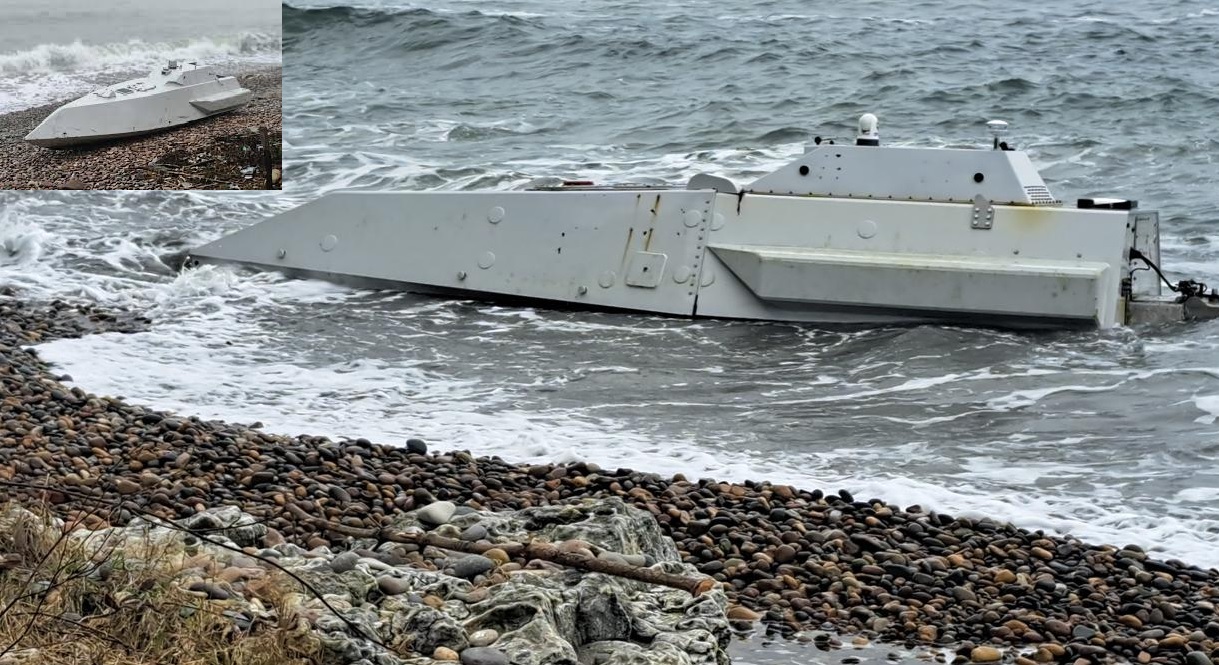
World
ORDU, TÜRKİYE, — March 21, 2026 : A U.S.-manufactured AEGIR-W unmanned surface vessel (USV) was discovered washed ashore in the Yüceler neighborhood of Ünye district in Ordu province along Türkiye’s Black Sea coast. The vessel was reported by local civilians on Friday afternoon, prompting a response from Turkish security forces. Following the discovery, gendarmerie units secured the area and conducted an initial inspection. In accordance with standard procedures for unidentified military hardware, authorities established a perimeter and later carried out a controlled detonation of the vessel after assessment. An investigation is ongoing to determine the circumstances that led to the drone reaching the coastline. Vessel Identification and Technical Characteristics The recovered platform was identified as an AEGIR-W variant, part of the AEGIR family of unmanned maritime systems developed by U.S.-based defense company Sierra Nevada Corporation (SNC). The vessel measures under 10 meters in length and is capable of speeds exceeding 25 knots, with an operational range of approximately 500 nautical miles (around 900 kilometers). It is constructed using high-density polyethylene (HDPE) and powered by a diesel combustion engine. The AEGIR-W is designed to carry a payload of up to 300 kilograms and can operate either autonomously or under remote control. It is classified as an attritable system, meaning it is designed for cost-effective deployment with reduced reliance on complex supply chains and scalable manufacturing. Operational Role and Capabilities The AEGIR family is intended for use in high-threat and contested maritime environments. Its mission profiles include intelligence, surveillance, and reconnaissance (ISR), electronic warfare, offensive operations, and autonomous resupply missions. The platform incorporates a modular design, allowing integration of various sensor packages and electronic systems. It is also compatible with SNC’s Digital Grid architecture, which enables real-time data sharing and coordination with other assets. The AEGIR-W variant is optimized for long-endurance operations, combining speed, payload capacity, and flexibility for both littoral and open-water missions. Context and Possible Origin While Turkish authorities have not issued an official explanation regarding the vessel’s origin or trajectory, regional media and defense assessments indicate that the USV was likely operating in the Black Sea in connection with Ukraine-related operations. Similar unmanned surface vessels developed by Sierra Nevada Corporation have reportedly been used in maritime operations in the region. The appearance of the AEGIR-W on Türkiye’s coastline suggests that the platform may have drifted beyond its intended operational area. Security Response and Investigation After securing the site, Turkish authorities conducted a technical assessment of the vessel. Following inspection, the USV was neutralized through controlled detonation to eliminate any potential risk associated with onboard systems or payload. Officials have not released further technical findings at this stage. The investigation is focused on determining the origin, operational status, and circumstances that resulted in the vessel reaching the Turkish coast. Broader Context The incident reflects the increasing deployment of autonomous maritime systems in the Black Sea region, where unmanned platforms are being used for a range of military and surveillance operations. It also highlights the potential for such systems to move beyond designated operational zones, particularly in complex maritime environments. This is not the first instance of unmanned systems being recovered along Türkiye’s Black Sea coastline, although previous incidents involved different types of drones. Authorities have indicated that further updates will be provided as the investigation progresses.
Read More → Posted on 2026-03-21 16:55:50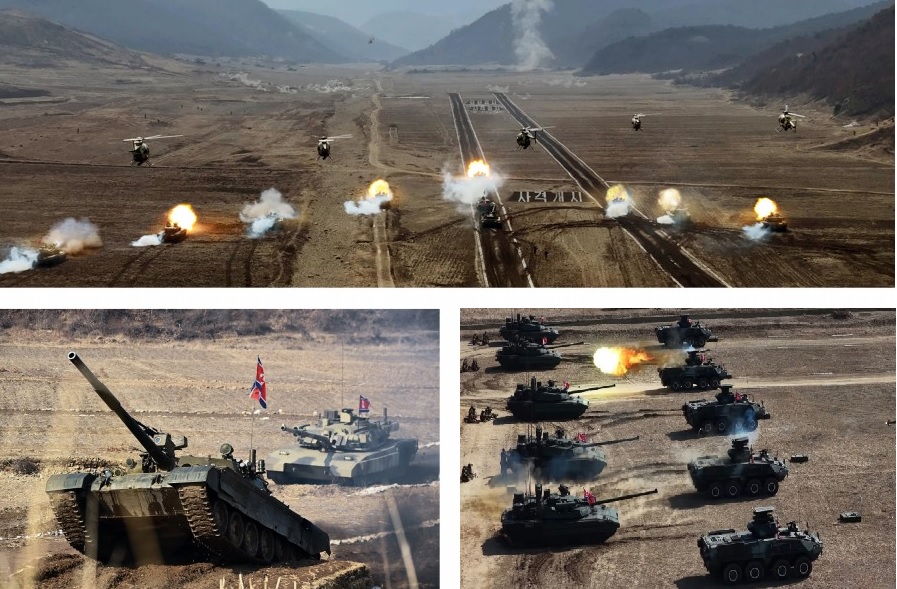
World
PYONGYANG, — March 21, 2026 : The Korean People’s Army (KPA) conducted large-scale tactical exercises on March 19 at Training Base No. 60 under the Capital City Defence Corps, demonstrating developments in network-centric warfare and combined arms operations, according to state media and military assessments. The drills focused on coordinated offensive actions by tank and infantry subunits, aimed at simulating the breaching and occupation of anti-armor defense lines, which are widely established across the Korean Peninsula. Combined Arms Operations and Reconnaissance-Strike Integration The exercises highlighted a multi-layered operational approach integrating reconnaissance, firepower, and maneuver elements. Drone operations played a central role, with various types of attack drones and loitering munitions targeting simulated enemy command posts and anti-armor firing positions using real-time reconnaissance data. This reflected the development of a reconnaissance-strike complex within KPA doctrine. Armored car subunits conducted salvo launches of anti-tank guided missiles, providing tactical fire support for advancing units. Rear strike elements were deployed to ambush and neutralize simulated enemy drones and helicopters, contributing to localized airspace control during the operation. Following initial suppression, armored personnel carriers (APCs) transported infantry units forward, enabling them to exploit breaches and secure defensive positions alongside advancing tank formations. State media reported that all participating subunits operated with real-time information sharing, indicating increased emphasis on coordinated command-and-control systems in complex combat scenarios. Debut of Chonma-20 Main Battle Tank A central feature of the exercise was the operational debut of the Chonma-20 main battle tank, which participated in a demonstration charge by a tank company. According to the Korean Central News Agency (KCNA), the drills confirmed both crew readiness for combat conditions and effective coordination between subunits across different tactical missions. The Chonma-20 represents an evolution beyond earlier KPA tank designs, incorporating enhanced fire control systems, improved mobility, and upgraded armor protection. The platform also features a hard-kill active protection system (APS). During the exercise, the APS reportedly intercepted all incoming simulated anti-tank missiles and drones from multiple directions, demonstrating the system’s intended capability to operate in high-threat environments. The tank, first unveiled during a military parade in October 2025, is expected to form part of broader efforts to modernize North Korea’s armored forces. Leadership Oversight and Strategic Context The exercises were observed by North Korean leader Kim Jong Un, who emphasized the importance of conducting practical training under simulated combat conditions. He stated that recent training has focused on improving coordination and effectiveness of tactical units in complex operational environments. Senior military officials in attendance included Defence Minister No Kwang Chol and Chief of the General Staff Ri Yong Gil, indicating the importance attached to the drills. Kim’s daughter, Kim Ju Ae, was also present during parts of the observation. The exercises coincided with the conclusion of the “Freedom Shield” joint military drills conducted by the United States and South Korea, which North Korea has consistently criticized. Doctrinal Developments and External Influences Military assessments indicate that the exercises reflect a shift toward network-enabled combined arms operations, integrating drones, armored units, and real-time data sharing into unified tactical frameworks. Observers note that elements of the doctrine appear to incorporate lessons from recent conflicts, including reported KPA personnel deployments in support roles in Russia’s Kursk region, where exposure to modern battlefield conditions has influenced tactical development. These lessons include the expanded role of unmanned systems, the importance of integrated fire and maneuver, and the need for active protection systems against precision-guided munitions. Operational Assessment The March 19 drills demonstrate continued efforts by the KPA to modernize its conventional ground forces, with particular emphasis on coordination between combat elements, integration of unmanned systems, and survivability in contested environments. State media indicated that the Chonma-20 and associated systems are expected to be deployed more widely in the future, supporting ongoing modernization of North Korea’s armored and combined arms capabilities. The exercises underscore a broader trend toward adapting traditional ground force structures to incorporate networked operations and emerging technologies, while maintaining focus on large-scale conventional maneuver warfare.
Read More → Posted on 2026-03-21 16:18:41
World
WASHINGTON, — March 21, 2026 : The United States Department of Defense is advancing the LGM-35A Sentinel intercontinental ballistic missile (ICBM) programme, a large-scale modernization effort to replace the aging LGM-30G Minuteman III system with a new digital architecture. The programme is currently estimated to cost between $130 billion and $141 billion, following revisions triggered by cost growth and a statutory Nunn-McCurdy review. The Sentinel system will replace approximately 400 deployed Minuteman III missiles, which have been in service since the 1970s, and will form the future land-based component of the U.S. nuclear triad. Programme Scope and Infrastructure The modernization effort includes the production of more than 600 missiles to support deployment, testing, and sustainment requirements. It also involves the construction of 24 new launch control centers, modernization of hundreds of facilities, and upgrades across nearly 40,000 square miles in Colorado, Montana, Nebraska, North Dakota, and Wyoming. As part of the transition, the programme includes the installation of approximately 5,000 miles of fiber-optic cable to connect launch facilities and command infrastructure. The system is designed with a projected service life extending into the 2070s. System Design and Performance The Sentinel missile incorporates a modular architecture, allowing components to be upgraded or replaced without full system redesign. It uses composite materials for propellant storage and includes updated guidance and control systems. Performance characteristics are expected to remain comparable to the Minuteman III, including a range exceeding 6,000 miles and speeds of approximately 15,000 miles per hour. The system is configured to carry the W87-1 warhead, with a baseline single-warhead configuration and potential for multiple warheads. Digital systems integrated into the platform support flight control, maintenance tracking, and operational management, enabling improved system sustainment and lifecycle management. Transition from Analog to Digital Systems The Minuteman III system operates using analog, air-gapped infrastructure, including hard-wired connections and legacy computing systems. This architecture has historically limited exposure to cyber threats due to the absence of network connectivity. The Sentinel programme introduces a digital, software-driven architecture, incorporating networked systems to manage missile operations, maintenance, and communications. The system is designed to function within a closed network environment with layered cybersecurity protections. Cybersecurity Considerations The transition to digital systems has prompted analysis of potential cybersecurity implications. Experts note that networked and software-intensive systems introduce additional complexity and potential vulnerabilities compared to analog configurations. Areas of concern include software vulnerabilities, network intrusion risks, and challenges associated with securing large-scale codebases. The broader modernization of nuclear command, control, and communications (NC3) systems includes exploration of advanced data processing and decision-support technologies, which may incorporate elements of automation and artificial intelligence. Analysts have identified potential risks such as unauthorized access to networked systems, data manipulation, and exploitation of previously unknown software vulnerabilities. Oversight bodies, including the Government Accountability Office (GAO), have noted that software development for Sentinel represents a high-risk element due to its scale and complexity. Mitigation Measures U.S. Air Force officials have stated that the Sentinel system will retain human oversight over launch decisions, with missile operations conducted by trained personnel. The architecture incorporates defense-in-depth cybersecurity measures, including boundary protections and internal safeguards designed to ensure operation in contested environments. The system is designed as a closed network, similar in principle to existing infrastructure, but with additional security layers to address the introduction of digital components. Northrop Grumman, the programme’s prime contractor, has stated that cybersecurity is integrated into the system design from the outset, with protections intended to address both cyber and physical threats. Programme Timeline and Transition The first flight test of the Sentinel missile is scheduled for March 2028, with initial operational capability planned for the early 2030s. During this transition, the U.S. Air Force will continue sustaining the Minuteman III fleet, with potential service life extensions into the 2040s or beyond to ensure continuity of deterrence. The programme was initially estimated at $78 billion in 2020, with subsequent cost increases leading to revised estimates of approximately $140 billion. Strategic Context The Sentinel programme is part of a broader modernization effort across the U.S. nuclear forces, including upgrades to all three legs of the triad and the supporting NC3 infrastructure. The Congressional Budget Office (CBO) has estimated total U.S. nuclear modernization costs at approximately $946 billion between 2025 and 2034. The transition from analog to digital systems reflects efforts to modernize aging infrastructure while maintaining operational effectiveness. At the same time, it introduces new considerations related to system complexity and cybersecurity, which are being addressed through programme design and ongoing development processes.
Read More → Posted on 2026-03-21 16:08:10
World
PROVIDENCE, R.I., — March 21, 2026 : Havoc AI has confirmed that its Harbinger autonomous low-profile vessel (ALPV) has completed its maiden full-power voyage, marking the initial operational demonstration of a platform developed through an accelerated design and manufacturing process. The vessel is intended for contested logistics and autonomous resupply missions in maritime environments. The Harbinger was designed, manufactured, integrated, and launched in under 30 days, demonstrating a compressed production model enabled by large-format additive manufacturing and modular systems integration. Accelerated Manufacturing Process A central feature of the programme is the use of large-format additive manufacturing (3D printing) to produce the vessel’s hull. The hull was printed and delivered within nine days by manufacturing partner Haddy, using industrial-scale printing systems supplied by the CEAD Group. These systems are capable of producing full-scale composite hull structures without the need for traditional molds or extended tooling processes. Following delivery of the hull, systems integration was completed in less than one week, allowing the vessel to be prepared for launch within the overall 30-day timeline. Haddy operates a microfactory model incorporating robotic manufacturing systems for composite structures, while CEAD Group has developed specialized printers, including platforms designed for marine applications such as hull production up to approximately 12 meters in length. Platform Design and Specifications The Harbinger is a 40-foot semi-submersible vessel configured as a low-profile, low-draft platform to reduce visual and radar signatures. The vessel is currently operating as a subscale test platform, representing approximately 50 to 60 percent of the projected full-scale design, which is expected to range between 66 and 80 feet in length. The platform is designed for fully autonomous operation, including navigation, communication, and mission execution. Its primary role is to support resupply operations in contested environments, reducing the need for crewed vessels in high-risk areas. The vessel’s design supports covert movement and survivability in maritime environments where detection and targeting risks are elevated. Operational Testing and Fleet Integration The Harbinger recently completed a two-week field exercise as part of a broader fleet of autonomous systems. During the exercise, operators tested coordinated logistics operations involving multiple autonomous platforms. From a remote command center, operators assigned mission tasks to the vessel, including: Autonomous navigation to designated coordinates Execution of resupply operations Cargo unloading Return transit to base without detection The vessel demonstrated the ability to execute these tasks autonomously and at operational tempo, validating its role as part of a multi-vehicle logistics network. Technology Framework and System Integration The Harbinger operates within Havoc AI’s broader ecosystem of modular autonomous maritime systems, supported by the company’s Havoc Stack software framework, which enables collaborative autonomy across platforms. Havoc AI’s existing portfolio includes platforms such as the Rampage autonomous surface vehicle, the Kaikoa fleet support vessel, and the Atlas medium unmanned surface vessel (mUSV), which support missions including logistics, domain awareness, electronic warfare, and strike operations. Industry and Operational Context The development of the Harbinger reflects a wider trend in defense technology toward rapid prototyping and on-demand manufacturing of specialized platforms. By combining additive manufacturing with autonomous systems, developers are seeking to reduce production timelines and costs associated with traditional shipbuilding. The vessel falls within a broader category of autonomous low-profile maritime platforms being evaluated for logistics and resupply roles in contested environments. Similar capabilities are being explored by organizations such as the U.S. Marine Corps and the Defense Innovation Unit, particularly under initiatives related to distributed operations and Force Design 2030. Programme Significance The Harbinger serves as a surrogate testbed to validate both the structural design and autonomous operational capabilities required for future deployment. The successful completion of its maiden voyage and field exercises provides initial data on system performance and integration. Havoc AI indicated that the platform supports ongoing efforts to develop scalable, cost-effective maritime systems capable of maintaining supply chains and operational support in environments where traditional logistics platforms face increased risk.
Read More → Posted on 2026-03-21 15:43:04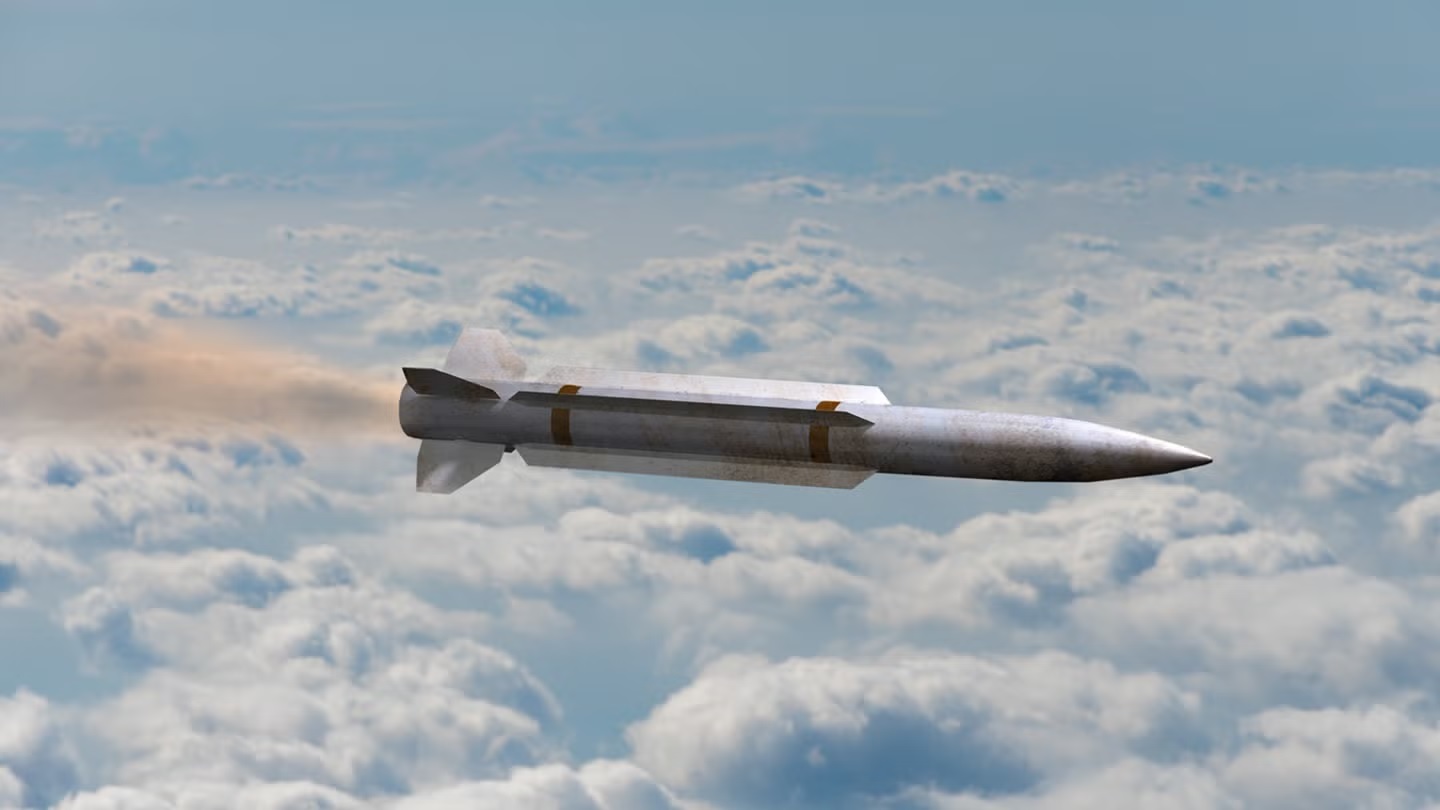
World
SALT LAKE CITY, — March 21, 2026 : Palladyne AI Corp. announced that its subsidiary GuideTech has been awarded a U.S. Navy contract to develop the Air-Launched Rapid Response Missile (ALRRM), a low-cost, near-hypersonic, air-launched weapon designed to provide long-range strike capability for modern combat aircraft. The contract, awarded on March 18, 2026, tasks GuideTech with leading the development of the system, which is intended to deliver high performance at reduced cost compared with existing air-breathing hypersonic weapons. Programme Background and Objectives GuideTech, a Kansas-based company acquired by Palladyne AI in November 2025, will serve as the primary developer of the ALRRM system. The programme aligns with broader U.S. defense priorities focused on developing cost-effective, high-performance strike capabilities. According to Palladyne AI, the missile is designed to address a capability gap identified by the U.S. Navy, particularly in providing long-range precision strike options that balance performance, affordability, and compatibility with fifth-generation aircraft. System Design and Performance The ALRRM is designed to achieve near-hypersonic performance, with a sustained cruise speed exceeding Mach 4.0 and a projected range of more than 350 nautical miles when operating at high altitude. The missile will utilize an air-breathing solid fuel ramjet propulsion system, eliminating the need for onboard oxidizers and enabling a lighter and more efficient design. This propulsion approach supports extended range while maintaining cost efficiency. The system is configured to carry a 150-pound warhead and is being developed within specific size and weight constraints to ensure compatibility with modern aircraft. The missile is expected to measure less than 15 feet in length and weigh under 2,000 pounds, allowing for integration with a range of platforms, including fifth-generation fighter aircraft. The design also supports internal carriage, enabling deployment in stealth configurations for operations in contested environments. Operational Role and Capabilities The ALRRM is intended for long-range precision strike missions, including deep-theater engagements. Its combination of speed, range, and payload is designed to provide an additional strike option for aircraft operating in high-threat environments. Palladyne AI stated that the system represents a new category of air-launched weapons, combining near-hypersonic speed with affordability and compatibility with stealth aircraft. The programme also incorporates the company’s focus on advanced autonomy and sensor integration, supporting future operational requirements for coordinated and adaptive strike missions. Strategic Context The development of ALRRM reflects a broader emphasis within the U.S. Department of Defense on balancing capability and cost in advanced weapons programmes. The 2025 National Security Strategy highlights the need for next-generation missile systems that deliver high performance while remaining economically sustainable. Palladyne AI President and CEO Ben Wolff stated that the ALRRM programme is aligned with these priorities, noting that the system is designed to deliver near-hypersonic performance at a lower cost point than comparable systems. Industry and Technology Framework Palladyne AI Corp., listed on Nasdaq under PDYN and PDYNW, develops embodied artificial intelligence, collaborative autonomy solutions, and advanced aerospace technologies for defense and industrial applications. The company maintains U.S.-based operations to meet government requirements related to data security and sovereignty. The ALRRM programme is expected to contribute to future U.S. Navy and joint force requirements for long-range, air-launched precision strike capabilities, particularly in scenarios requiring rapid response and survivable delivery from advanced aircraft platforms.
Read More → Posted on 2026-03-21 15:32:59
World
BERLIN, — March 21, 2026 : The German Federal Ministry of Defence (BMVg) has announced plans to procure four MEKO A-200 class frigates from thyssenkrupp Marine Systems (TKMS) as an interim capability measure to address delays in the F126 anti-submarine warfare (ASW) frigate programme. The decision was outlined in a ministry statement issued on March 18. The procurement will proceed alongside ongoing negotiations concerning the continuation of the F126 programme and is intended to ensure that Germany maintains its NATO commitments in anti-submarine warfare while the primary programme remains under review. F126 Programme Delays and Industrial Adjustments The F126 programme, originally awarded in 2020 to Dutch shipbuilder Damen Naval, has experienced sustained delays linked to software integration challenges and supply chain disruptions. The vessels, designed as large multi-role frigates with a displacement of approximately 10,000 tons, were initially expected to begin entering service around 2028. In response to these delays, the BMVg is currently in discussions with Rheinmetall’s Marine Division Naval Systems, which includes Naval Vessels Lürssen (NVL), as a potential new general contractor to stabilize and advance the programme. The ministry emphasized that the procurement of the MEKO A-200 frigates represents a risk mitigation measure and does not constitute a change in the long-term plan to field the F126 class as the German Navy’s primary future ASW platform. MEKO A-200 Procurement Framework The Bundestag Budget Committee has approved an amendment to a preliminary contract signed on January 28, 2026, enabling TKMS to continue reserving production capacity, maintain supplier commitments, and begin ordering long-lead materials and equipment. This step was necessary to preserve the option of delivering the first vessel by December 2029, with subsequent ships to follow. Industry sources indicate that securing production slots at an early stage was essential to maintaining the proposed timeline. The MEKO A-200 frigates are described as commercially available, off-the-shelf platforms, already in production for international customers, including Egypt and South Africa, which allows for a shorter delivery timeline compared to new-design vessels. The ministry noted that preparations for a final construction contract are ongoing and will include tendering processes, bid evaluations, price assessments, formal contract drafting, and parliamentary approval procedures. Technical Characteristics and Capabilities The MEKO A-200 class is a multi-role frigate platform designed for operations across multiple domains, including anti-submarine warfare. Each vessel has an overall length of approximately 121 meters, a beam of 16.4 meters, and a design draught of 4.4 meters, with a full-load displacement of around 3,950 tons. The ships are equipped with a CODAG-WARP (Combined Diesel and Gas – Waterjet and Refined Propellers) propulsion system, enabling speeds exceeding 29 knots and a range of more than 6,500 nautical miles at 16 knots. The propulsion configuration is designed to reduce acoustic signature, supporting ASW operations. The platform supports a core crew of approximately 125 personnel, with capacity for up to 49 additional embarked personnel. Aviation facilities allow for the operation of two helicopters, or one larger helicopter combined with unmanned aerial systems, and the ships can deploy rigid-hull inflatable boats for auxiliary missions. The design incorporates modular mission systems, enabling adaptation to different operational requirements, including ASW, surface warfare, and maritime security tasks. Operational Context and NATO Commitments The procurement decision is driven in part by the aging of the German Navy’s existing ASW-capable platforms, including the Type 123 Brandenburg-class frigates, many of which have been in service for more than three decades. Ensuring continuity in ASW capabilities is considered essential for meeting NATO operational requirements, particularly in the context of increased maritime security demands. Bastian Ernst, a member of the Defence Committee and naval rapporteur for the CDU/CSU parliamentary group, supported the ministry’s approach, stating that maintaining operational readiness and mitigating capability gaps remain key priorities. He also highlighted the parallel industrial contributions, with NVL involved in the F126 programme and TKMS leading the MEKO A-200 effort. Programme Outlook The BMVg stated that the MEKO A-200 acquisition is intended as a bridging solution and supplement, ensuring that Germany can maintain required naval capabilities while the F126 programme is stabilized. At the same time, the F126 project continues to be reviewed as the long-term cornerstone of the German Navy’s future frigate fleet. The ministry indicated that both tracks will proceed in parallel, with further decisions to be taken as programme developments progress.
Read More → Posted on 2026-03-21 15:01:57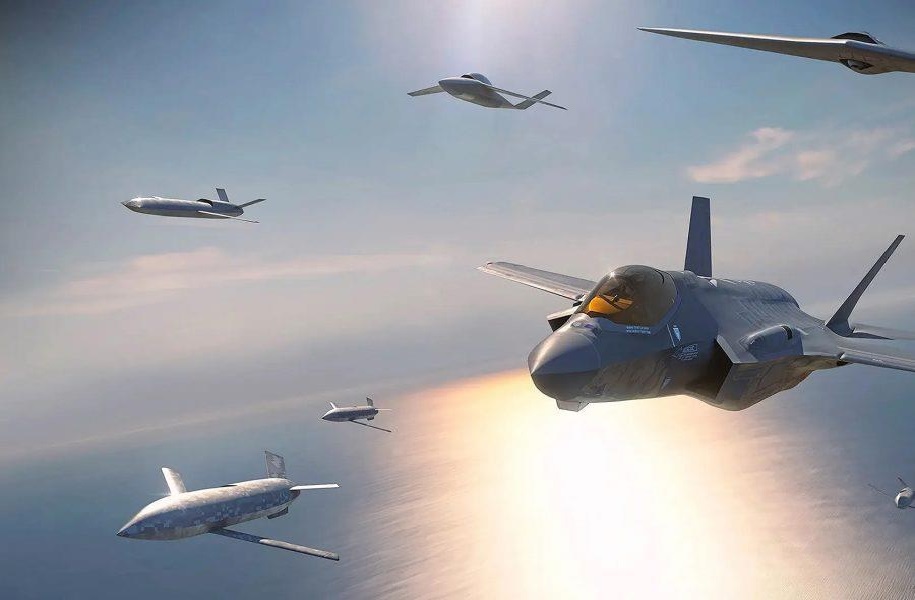
World
THE HAGUE, — March 21, 2026 : The Dutch Ministry of Defence has confirmed its intention to sign a Letter of Acceptance (LoA) to participate in the United States-led Collaborative Combat Aircraft (CCA) programme, advancing its role in the development of autonomous unmanned aerial systems designed to operate alongside crewed fighter aircraft. State Secretary for Defence Derk Boswijk informed the Dutch parliament on March 19 that the agreement will be finalized ahead of an April 8 deadline, following a Letter of Intent (LoI) signed in Washington in October 2025. Programme Participation and Scope The signing of the LoA will provide the Netherlands with access to technical data, operational concepts, experimentation environments, and development expertise related to collaborative unmanned systems. Participation will involve the Ministry of Defence as well as national research institutions, including the Netherlands Organisation for Applied Scientific Research (TNO) and the Royal Netherlands Aerospace Centre (NLR). The programme operates as a knowledge and innovation initiative under the U.S. Air Force, focusing on the development of autonomous systems that can function as force multipliers for modern fighter aircraft. These systems are designed to operate in coordination with manned platforms, extending operational reach and enhancing mission flexibility. The financial contribution required for participation is estimated to fall within the range of €50 million to €100 million, which will be funded through the Netherlands’ existing materiel investment budget. The agreement remains subject to standard international material cooperation and contracting procedures. Technology Focus and Operational Integration The CCA programme centers on the development of “loyal wingman” unmanned aircraft capable of operating alongside fifth-generation fighters such as the F-35 Lightning II, which forms the backbone of the Royal Netherlands Air Force. These unmanned platforms are intended to extend sensor coverage, carry additional payloads including weapons, and conduct higher-risk missions in contested environments. They are also designed to be faster to produce and more cost-effective than traditional crewed aircraft. Two prototype systems are currently under development within the programme: the YFQ-42A “Dark Merlin” by General Atomics Aeronautical Systems and the YFQ-44A developed by Anduril. Participation will enable the Netherlands to accelerate domestic expertise in areas such as autonomy, swarm coordination, and systems architecture, supporting future integration of unmanned systems with existing and next-generation platforms. Strategic Positioning and Policy Considerations In his communication to parliament, Boswijk stated that early participation would allow the Netherlands to build knowledge and operational experience in autonomous systems, positioning it to make informed decisions on future procurement. He emphasized that signing the LoA does not constitute a commitment to acquire any specific platform. Decisions regarding potential procurement will be made at a later stage, and there is no binding obligation to purchase systems developed in the United States. The Ministry also indicated that the Netherlands will continue to monitor developments in both U.S. and European programmes and does not exclude future cooperation with other international partners. European Context and Industrial Alignment The decision to join the CCA programme comes as major European defence initiatives, including the Future Combat Air System (FCAS) and the Global Combat Air Programme (GCAP), remain in earlier phases of development and are primarily focused on next-generation manned fighter aircraft expected in the 2030s. As a result, these programmes do not currently provide the same level of immediate access to collaborative unmanned combat aircraft development. The Dutch participation aligns with broader national initiatives under its Defence Strategy for Industry and Innovation and is linked to ongoing projects such as the MOBIUS programme, which focuses on knowledge development in autonomous systems. In parallel, the Netherlands has established cooperation with General Atomics for the co-development of smaller multi-role intelligence, surveillance, and reconnaissance (ISR) drones, with plans for local manufacturing by Dutch company VDL Defentec. Programme Significance Officials stated that early involvement in the CCA programme positions the Netherlands as one of the most advanced European participants in manned-unmanned teaming concepts, supporting the long-term integration of autonomous systems into military aviation. The initiative is expected to enhance operational effectiveness by enabling closer coordination between crewed and uncrewed platforms while contributing to the development of scalable autonomy solutions for future air combat systems.
Read More → Posted on 2026-03-21 14:38:45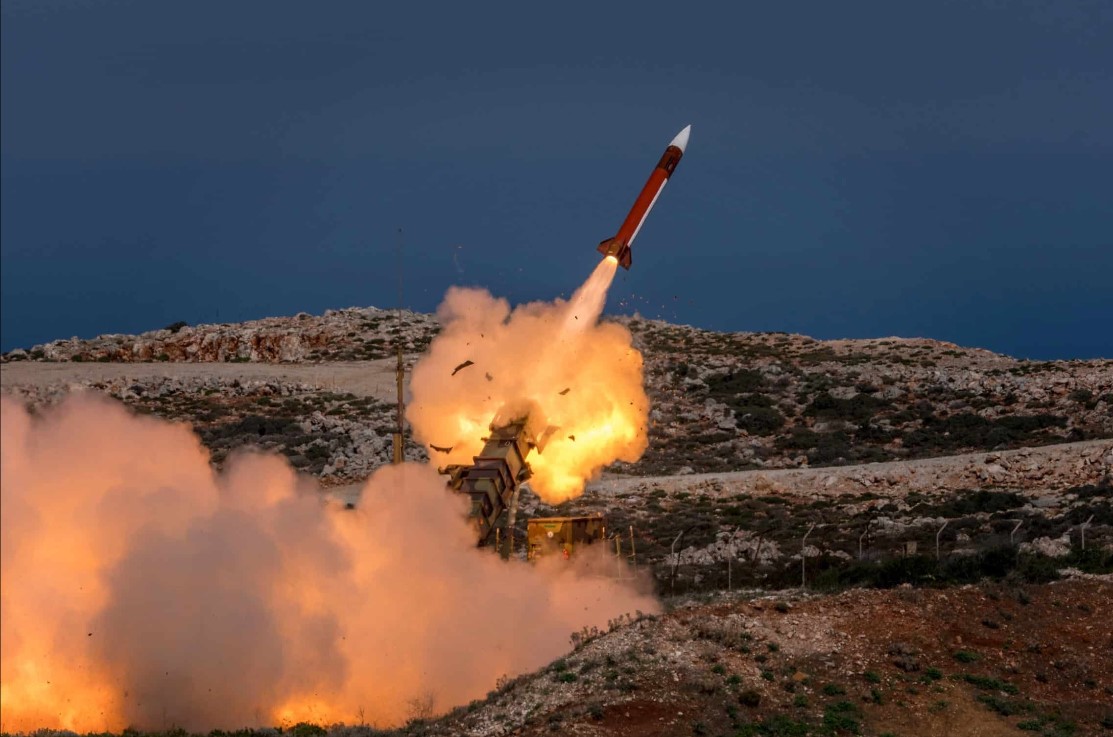
World
KYIV, — March 21, 2026 : Ukrainian military instructors deployed to the Middle East have reported extensive use of high-cost interceptor systems by U.S. and allied forces during operations against Iranian missiles and drones, according to reporting by The Times. The observations were made by Ukrainian specialists assisting Gulf countries in air defense operations. A total of 201 Ukrainian personnel were deployed to Kuwait, Qatar, the United Arab Emirates, and Saudi Arabia at the request of U.S. Central Command (CENTCOM). The teams were tasked with supporting local forces in countering Iranian ballistic missiles, cruise missiles, and one-way attack drones, including Shahed-type systems. Some Ukrainian advisers are also assisting in the protection of U.S. military bases in Jordan. Observed Interception Practices Ukrainian instructors reported that allied forces in the Gulf launched up to eight Patriot interceptor missiles against a single target in some engagements. Each Patriot missile is estimated to cost more than $3 million, resulting in high expenditure per interception. One Ukrainian officer stated that the volume of interceptors used per target was significantly higher than typical Ukrainian practice. Another officer described instances where interceptors were used in a manner that appeared excessive, including the reported use of Standard Missile-6 (SM-6) systems—costing approximately $6 million per unit—to intercept Shahed drones, which are estimated to cost around $70,000. By comparison, Ukrainian air defense units typically employ one or two interceptor missiles against more complex targets such as ballistic missiles, relying on calculated engagement methods developed during sustained operations. Munition Usage and Resource Implications Ukrainian President Volodymyr Zelensky stated that the United States and its allies launched more than 800 Patriot missiles within the first four days of the recent Iran-related conflict. This figure exceeds the total number of Patriot interceptors delivered to Ukraine over the past three years. The scale of interceptor usage highlights differences in resource allocation and engagement doctrine between Ukrainian forces and allied operations in the Gulf region. Ukrainian officials noted that operational data and engagement methodologies developed during the conflict in Ukraine had been shared with partners, but were not fully implemented in observed cases. Radar Deployment and Vulnerability Observations Ukrainian personnel also reported differences in radar deployment practices. In one observed case, air defense radar systems remained in fixed positions for extended periods, including up to two months, and were visible in open-source satellite imagery. Subsequently, three Shahed drones struck an AN/FPS-132 early-warning radar, valued at approximately $1 billion, along with at least one Terminal High Altitude Area Defense (THAAD) radar, estimated at around $300 million. Ukrainian forces typically employ mobile radar tactics, frequently relocating systems to reduce vulnerability to detection and targeting. Additionally, Ukrainian operators often maintain manual control during engagements rather than relying on automated modes. Operational Approach and Tactical Differences Ukrainian officials emphasized that their air defense approach integrates Soviet-era systems, NATO-supplied equipment, electronic warfare, and low-cost interceptor drones into a layered structure designed to optimize resource use. Colonel Kyrylo Peretyatko of Ukraine’s tactical air defense group stated that Ukraine’s experience in countering a wide range of aerial threats represents a scale of operations not previously encountered. Ukrainian forces have developed engagement strategies aimed at maximizing interception efficiency while minimizing expenditure. Regional Context and Additional Incidents The deployment of Ukrainian instructors follows requests from multiple countries seeking practical experience in countering drone and missile threats. Ukrainian officials have indicated that this cooperation could lead to further agreements involving financial support, technology transfer, and the potential supply of additional Patriot systems. Separate reporting indicated that the United Arab Emirates expended approximately $1 billion per day on air defense operations during the initial 48 hours of the conflict. In another incident reported on March 1, Kuwaiti air defenses reportedly shot down three U.S. F-15E fighter jets during operations against drone threats. Ukrainian officers attributed the घटना to procedural issues during engagement. Assessment Ukrainian officials assess that the observations highlight differing approaches to air defense operations, particularly in interceptor usage, system mobility, and engagement control methods. The experience gained by Ukrainian forces during ongoing conflict has informed a more resource-constrained operational model, which they continue to share with partner nations. The deployment of Ukrainian specialists to the Middle East reflects increasing international demand for operational knowledge in countering complex aerial threats, including the combined use of missiles and unmanned systems.
Read More → Posted on 2026-03-21 14:28:04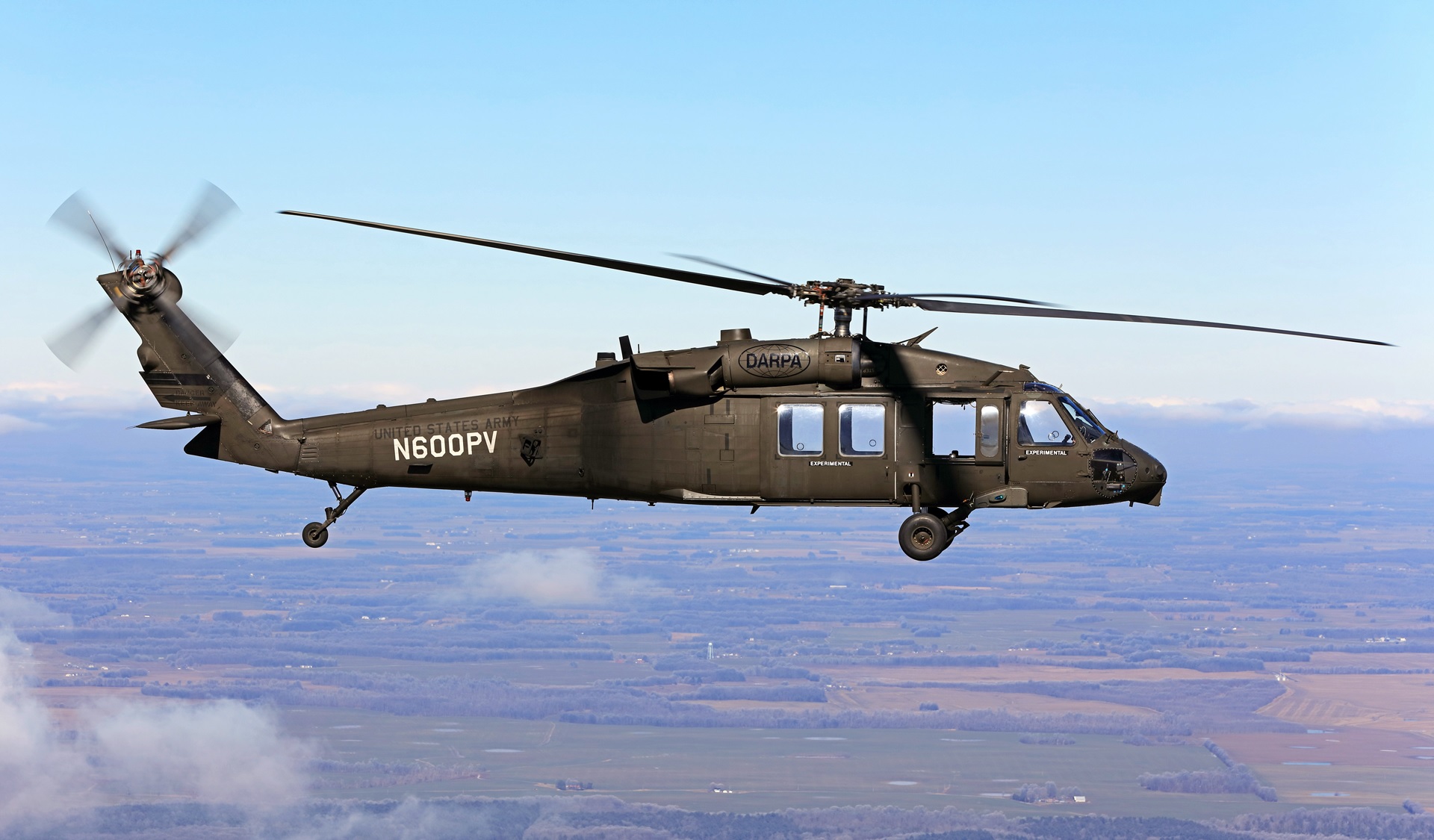
World
FORT EUSTIS, Virginia, — March 21, 2026 : The U.S. Army has taken delivery of its first H-60Mx Black Hawk helicopter, a modified UH-60M variant configured for autonomous and optionally piloted operations. The aircraft was received on March 19 and will now enter a structured testing phase to evaluate its performance across crewed, reduced-crew, and fully uncrewed mission profiles. The platform represents a transition of more than a decade of autonomy research into an operational test asset and will be used by the Army Combat Capabilities Development Command (DEVCOM) as a flying laboratory. Development Background and Program Origins The H-60Mx is based on technology developed under the Defense Advanced Research Projects Agency (DARPA) Aircrew Labor In-Cockpit Automation System (ALIAS) program. The initiative focused on creating a modular system that could be installed on existing aircraft to enable autonomous operations while reducing pilot workload and improving safety. Through this program, Sikorsky, a Lockheed Martin company, developed the MATRIX autonomy system, advancing it from early experimental stages to a deployable capability. The program achieved a key milestone in 2022, when a Black Hawk helicopter completed its first uninhabited flight. A subsequent $6 million DARPA contract in 2024 supported further modifications to integrate the system into the UH-60M platform. The technology was later transitioned to the U.S. Army under a formal agreement with the Project Manager for Utility Helicopters. System Architecture and Capabilities The H-60Mx is equipped with the ALIAS Optionally Piloted Vehicle (OPV) kit, which enables the aircraft to operate with or without onboard crew. At the center of the system is the MATRIX Autonomy Mission Manager, which functions as a digital flight control system capable of executing complex tasks from takeoff to landing. The architecture includes a Software Development Kit (SDK) that allows integration of third-party applications and advanced sensor systems. This open-architecture approach is designed to support continuous upgrades while reducing the time and cost associated with deploying autonomous capabilities across existing fleets. The system enables multiple operational modes, including fully crewed flight, reduced crew operations, and fully autonomous missions. The aircraft can also be controlled remotely from a ground station interface, including via touchscreen-based systems. Army officials indicated that the system is designed so that even non-aviators can direct the aircraft in autonomous mode under appropriate conditions. Fly-by-Wire Conversion and Sensor Integration A key structural modification in the H-60Mx is the replacement of traditional mechanical flight controls with a fly-by-wire system. This electronic control architecture improves aircraft stability and handling, particularly in low-visibility environments, and enables precise execution of automated flight maneuvers. The helicopter is also equipped with an advanced sensor suite that feeds real-time data into the autonomy system. These sensors support navigation, obstacle detection, and mission execution, allowing the MATRIX system to manage flight operations with minimal or no human input. By automating complex and physically demanding flight tasks, the system reduces pilot workload and allows onboard crews, when present, to focus on mission management rather than aircraft control. Testing Phase and SAFE Program The H-60Mx will undergo extensive testing by Army pilots and engineers to evaluate performance in autonomous, remote-control, and crewed configurations. The trials will focus on system reliability, integration with mission-specific equipment, and effectiveness in realistic operational scenarios. The aircraft will serve as the primary test platform for the Army’s Strategic Autonomy Flight Enabler (SAFE) program. The objective of SAFE is to develop a scalable and modular autonomy kit that can be integrated across the Army’s existing Black Hawk fleet, as well as adapted for future rotary-wing platforms. Testing will also assess how the technology can improve flight safety, reduce operational risk, and enhance mission effectiveness for ground forces. Operational Role and Future Integration The H-60Mx is intended to support a range of missions, including logistics resupply, casualty evacuation, and other operations in contested environments where reducing crew exposure is a priority. The platform retains the ability to operate with a conventional crew configuration of two pilots and one crew chief when required. The modifications to the aircraft were carried out at Sikorsky’s facility in Stratford, Connecticut, and are designed to align with the Army’s existing fleet of approximately 2,300 UH-60 Black Hawk helicopters. Officials indicated that the program represents a step toward broader integration of autonomous systems in military aviation, with the goal of increasing operational flexibility, improving survivability, and enabling new mission concepts across the Army’s aviation portfolio.
Read More → Posted on 2026-03-21 14:10:31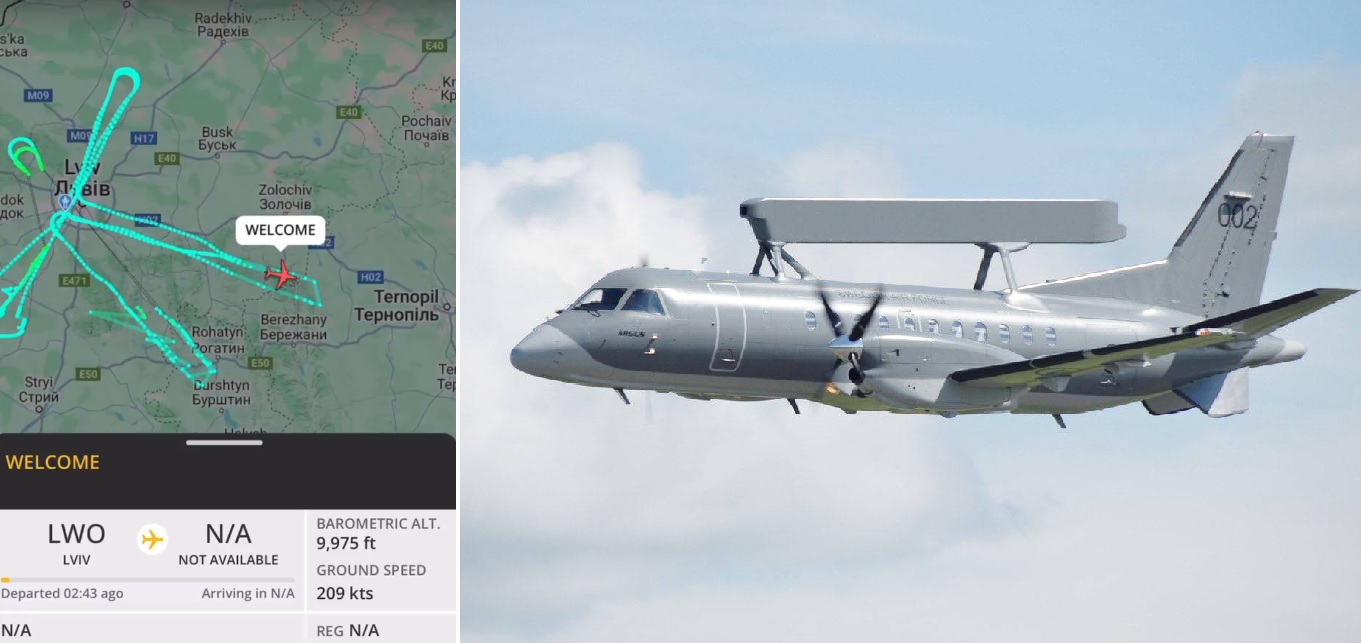
World
KYIV, — March 21, 2026 : Footage circulating online appears to show a Saab 340 Airborne Early Warning and Control (AEW&C) aircraft operating in Ukrainian airspace, marking the first visual indication that the platform has entered service with the Ukrainian Air Force. The video, first posted on a Russian Telegram channel and later shared across social media on March 20, has not been independently verified, and the exact date and location remain unconfirmed. However, no immediate signs of digital manipulation have been identified. The aircraft in the footage is seen in level daytime flight and features the distinctive “balance beam” radar fairing mounted atop the fuselage, characteristic of the Saab 340 AEW&C configuration. Early Indicators of Operational Activity Prior to the emergence of the footage, there were indications that the aircraft had already begun limited operations. In April 2025, open-source flight-tracking platforms recorded an unidentified aircraft using the callsign “WELCOME” conducting flight patterns over the Lviv region in western Ukraine. The same callsign had previously been observed in airspace near Poland and Hungary. At the time, analysts assessed that the aircraft was likely conducting post-delivery calibration and system checks, although some alternative assessments suggested it could have been an An-26RT platform, noting that transponder data can be manipulated. Acquisition and Delivery Timeline The Saab 340 AEW&C aircraft were provided to Ukraine by Sweden, which announced the transfer of two units in May 2024 as part of a military aid package valued at approximately $1.25 billion (SEK 13.3 billion). The delivery package included training for aircrew and maintenance personnel, as well as the preparation of required ground infrastructure. The integration process was estimated to take around one year. By March 2025, Swedish officials indicated that deliveries were proceeding according to schedule, and in August 2025, Ukrainian officials confirmed that the aircraft had been transferred. In Swedish service, the aircraft is designated ASC 890 or S 100D Argus. Other operators include Thailand, which operates two ex-Swedish units, and Poland, which has acquired aircraft previously operated by the United Arab Emirates. Radar System and Technical Capabilities The core capability of the aircraft is the Saab Erieye PS-890 radar, an active electronically scanned array (AESA) system mounted above the fuselage. Operating at altitudes of approximately 20,000 feet, the radar can detect airborne and surface targets at ranges of up to 280 miles (approximately 450 kilometers). The system is capable of simultaneously tracking up to 1,000 airborne targets and 500 surface targets. Data is processed onboard by a three-person mission crew, consisting of a mission control officer, a combat control operator, and a surveillance operator. The Erieye radar provides look-down capability, enabling detection of low-flying targets that may evade ground-based radar due to terrain limitations. This is particularly relevant for identifying Russian cruise missiles and one-way attack drones, including Shahed-136 (Geran-2) systems, which have been used extensively in recent strikes on Ukrainian infrastructure. Later variants of the Erieye system include synthetic aperture radar (SAR) and ground moving target indication (GMTI) functions for detailed ground mapping and tracking of moving targets. It remains unconfirmed whether Ukraine’s aircraft include these enhanced capabilities. Integration with Air Defense Network The Saab 340 AEW&C introduces Ukraine’s first dedicated airborne early warning capability, significantly enhancing situational awareness across both air and surface domains. Within Ukraine’s layered air defense network, the aircraft can function as an airborne command and control node, detecting, prioritizing, and assigning targets to fighter aircraft and ground-based air defense systems. The platform is equipped with the NATO-standard Link 16 datalink, which is compatible with F-16 and Mirage 2000 fighter aircraft, as well as Western-supplied air defense systems. However, reports in late 2024 indicated that Link 16 systems were removed or disabled on some F-16s provided to Ukraine due to concerns over potential capture. Despite this, reports from March 2025 indicated that the timing of the aircraft’s transfer was linked to modifications ensuring operational compatibility with Ukraine’s fighter fleet. Independent reporting in June 2025 suggested that a Saab 340 platform successfully detected a Russian Su-35 at a distance exceeding 200 kilometers near Kursk, enabling a Ukrainian F-16 to be vectored for interception. Future integration with potential acquisitions such as Saab Gripen fighters could further enhance interoperability within a unified air defense framework. Operational Considerations and Deployment As a high-value asset, the Saab 340 AEW&C is expected to be a priority target for Russian forces. This is consistent with Ukraine’s own targeting of Russia’s A-50 Mainstay airborne early warning aircraft. At the start of the conflict, Russia was estimated to operate nine A-50 aircraft. Since then, two have been confirmed destroyed, one damaged on the ground in Belarus, and another reportedly struck at a maintenance facility in the Novgorod region. To reduce exposure, Ukraine is likely operating its Saab aircraft from airfields in the western part of the country, frequently relocating them between locations. With only two aircraft available, continuous round-the-clock coverage is not feasible. One aircraft is likely maintained on ground alert status, ready to deploy in response to large-scale missile or drone attacks. Operational Impact The introduction of the Saab 340 AEW&C provides Ukraine with a new layer of airborne surveillance and command capability, improving the detection and coordination of responses to aerial threats. While the extent of its operational use remains limited by fleet size and security considerations, the system is expected to contribute to more efficient use of available air defense and fighter assets. Further operational data will determine the full impact of the platform on Ukraine’s air defense effectiveness.
Read More → Posted on 2026-03-21 13:57:48Search
Top Trending in 24 Hours
-
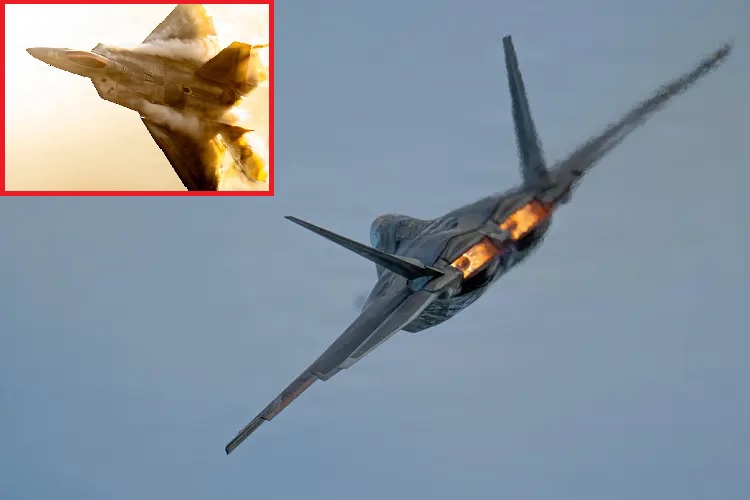 Qarbon Aerospace Returns to F-22 Program with New U.S. Air Force Sustainment Contract
-
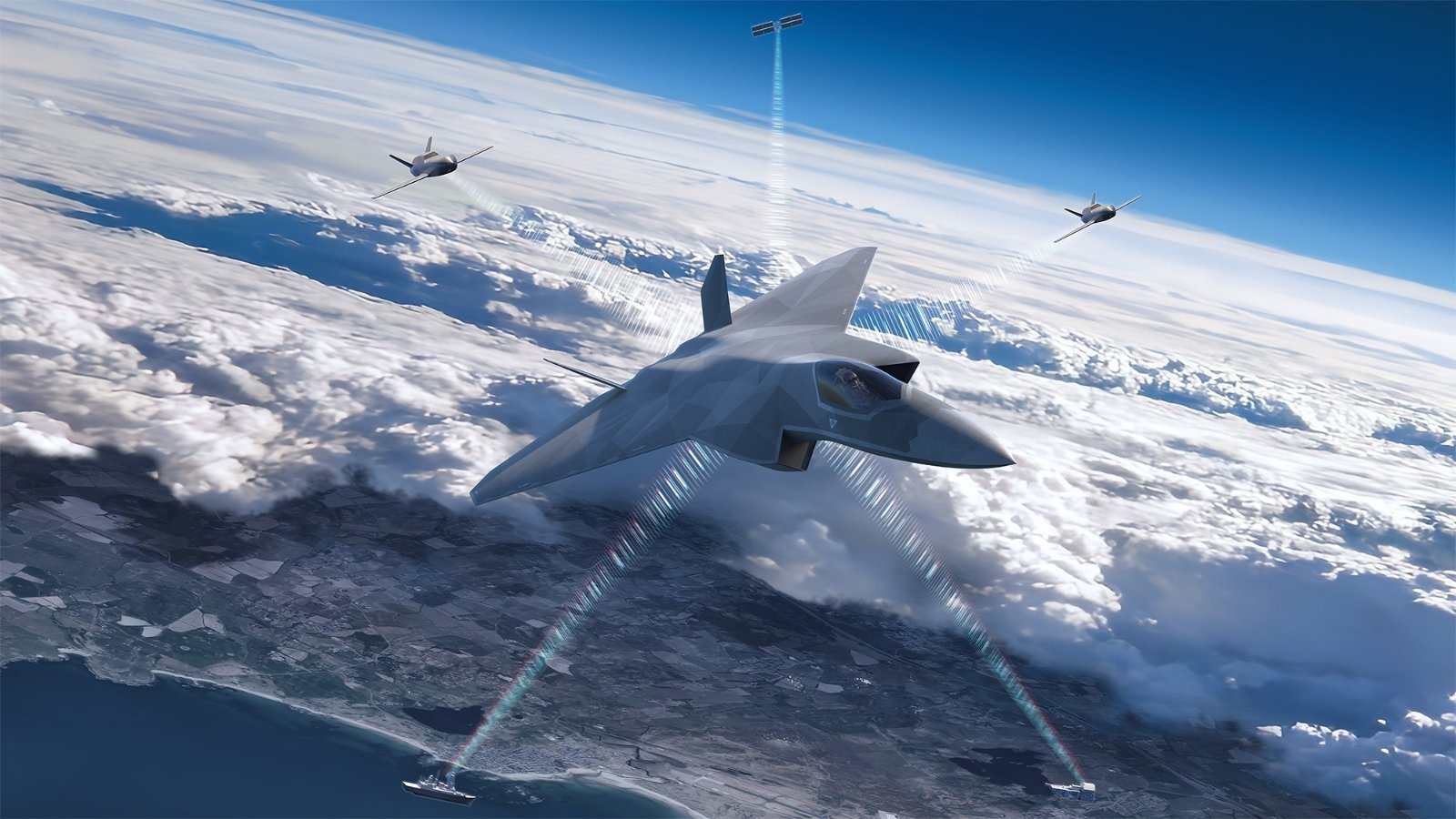 UK Awards BAE Systems £708 Million Contract Extension to Advance GCAP Sixth-Generation Combat Air Technologies
-
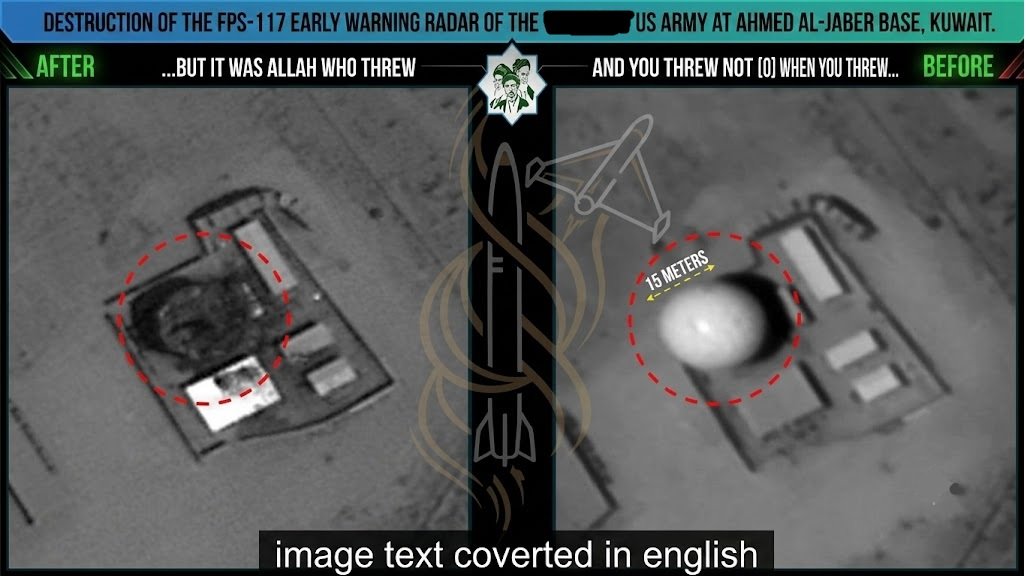 IRGC Claims Destruction of Second AN/FPS-117 Radar in Latest Strike on Kuwait's Ahmed Al-Jaber Air Base
-
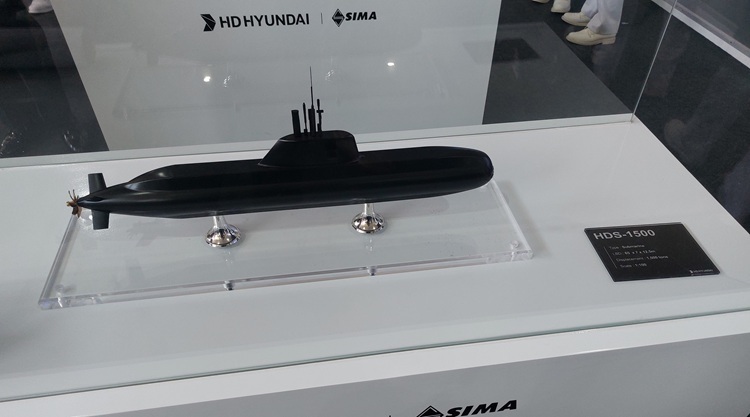 HD Hyundai and Peru's SIMA Complete Basic Design of HDS-MGP Next-Generation Submarine
-
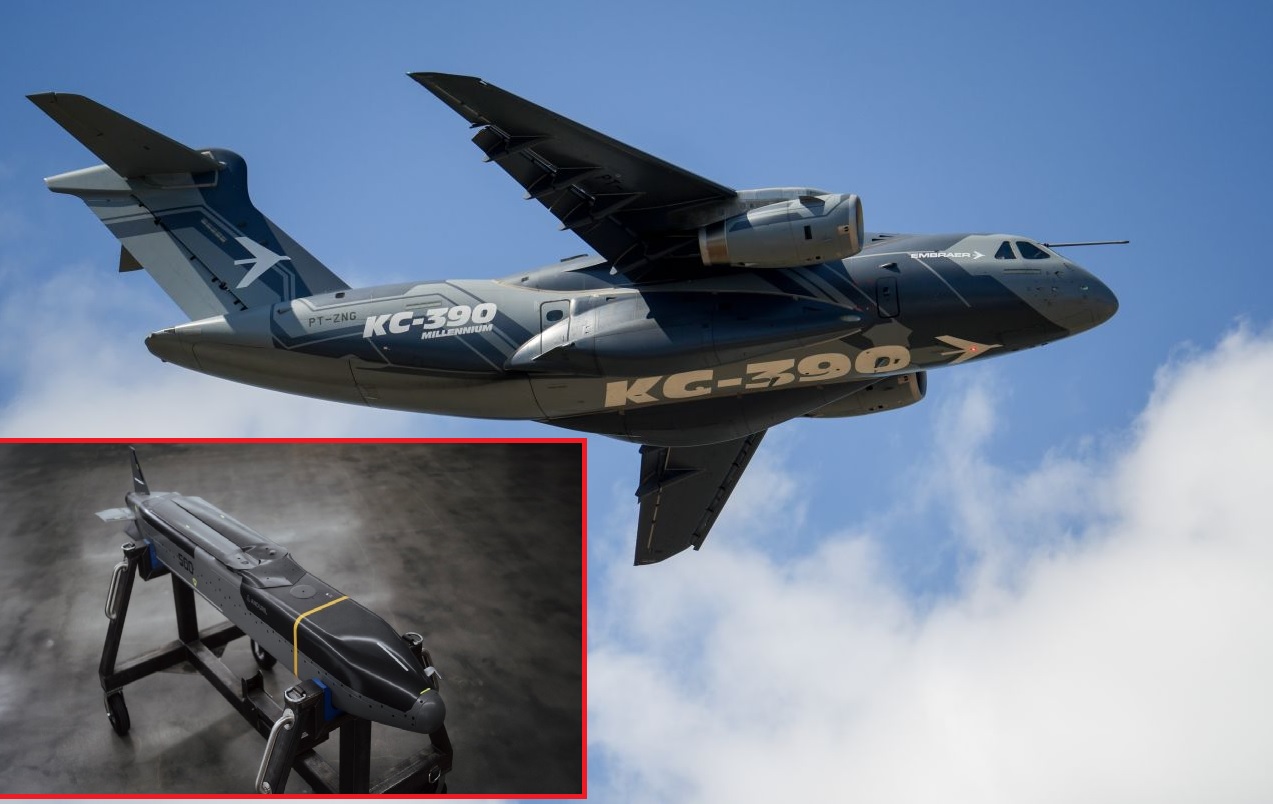 Embraer and Anduril Partner to Integrate Barracuda-500M Cruise Missile with C-390 Millennium
-
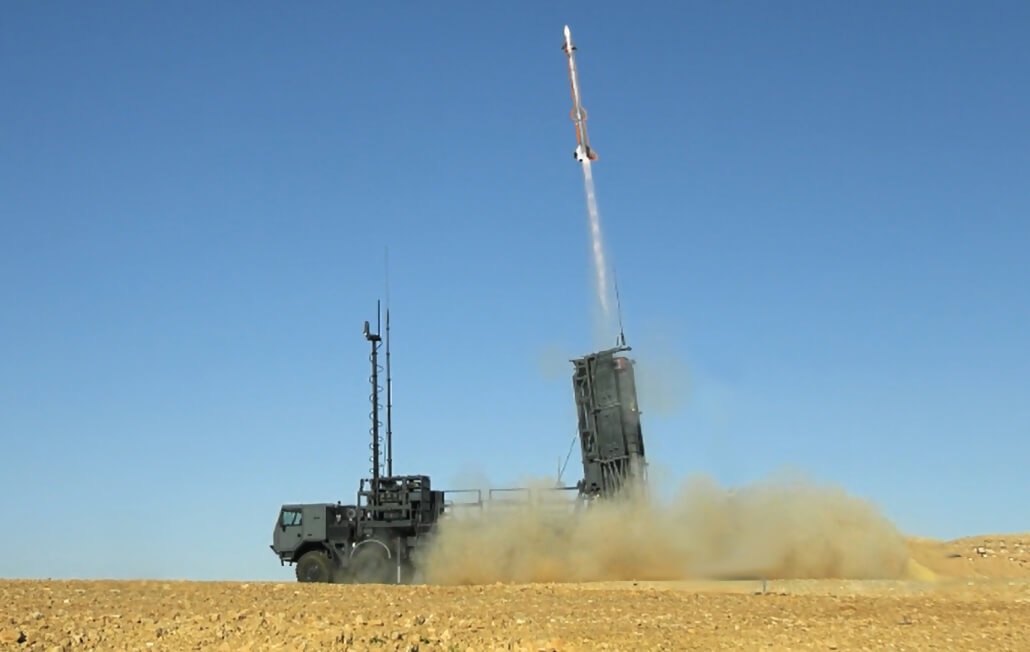 Greece Set to Approve €3 Billion Israeli Air Defense Deal for 'Achilles’ Shield' Network
-
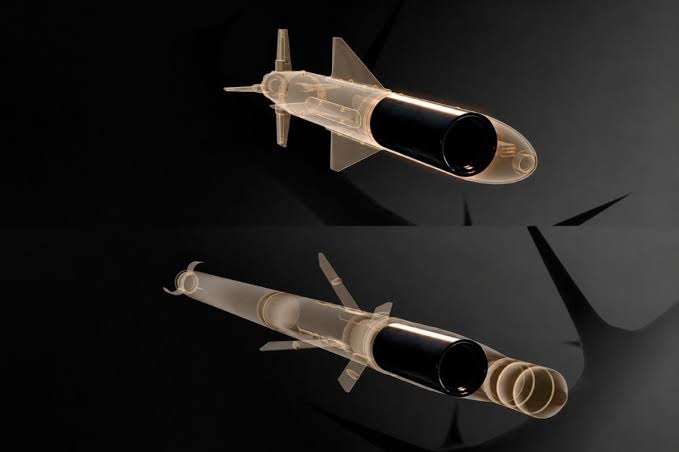 BAE Systems Unveils BlackThorn Modular Warhead Family for Autonomous Weapons and Counter-Drone Systems
-
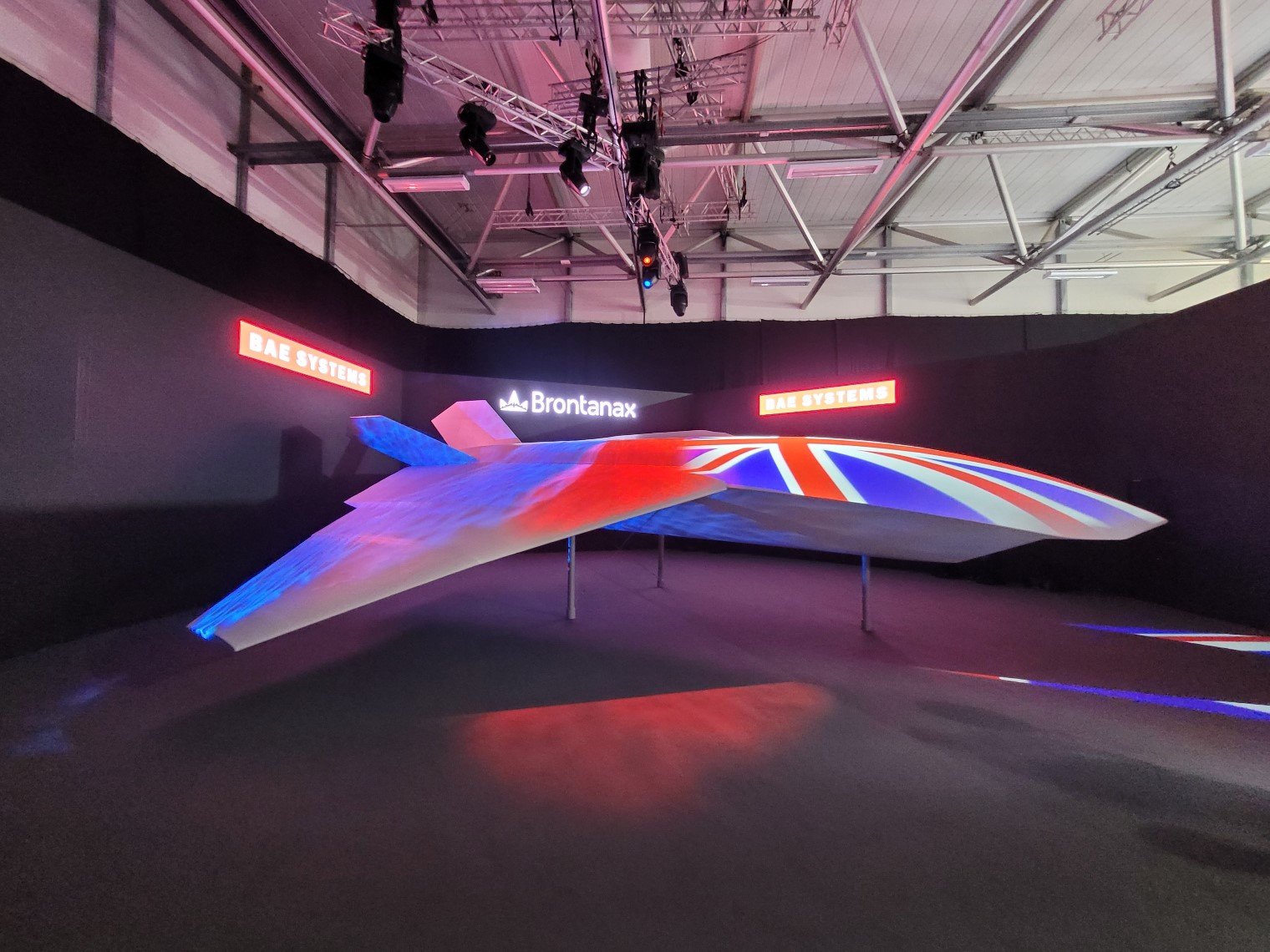 BAE Systems Unveils 'Brontanax', the UK's First Autonomous Combat Aircraft at Farnborough
Top Trending in 4 Days
-
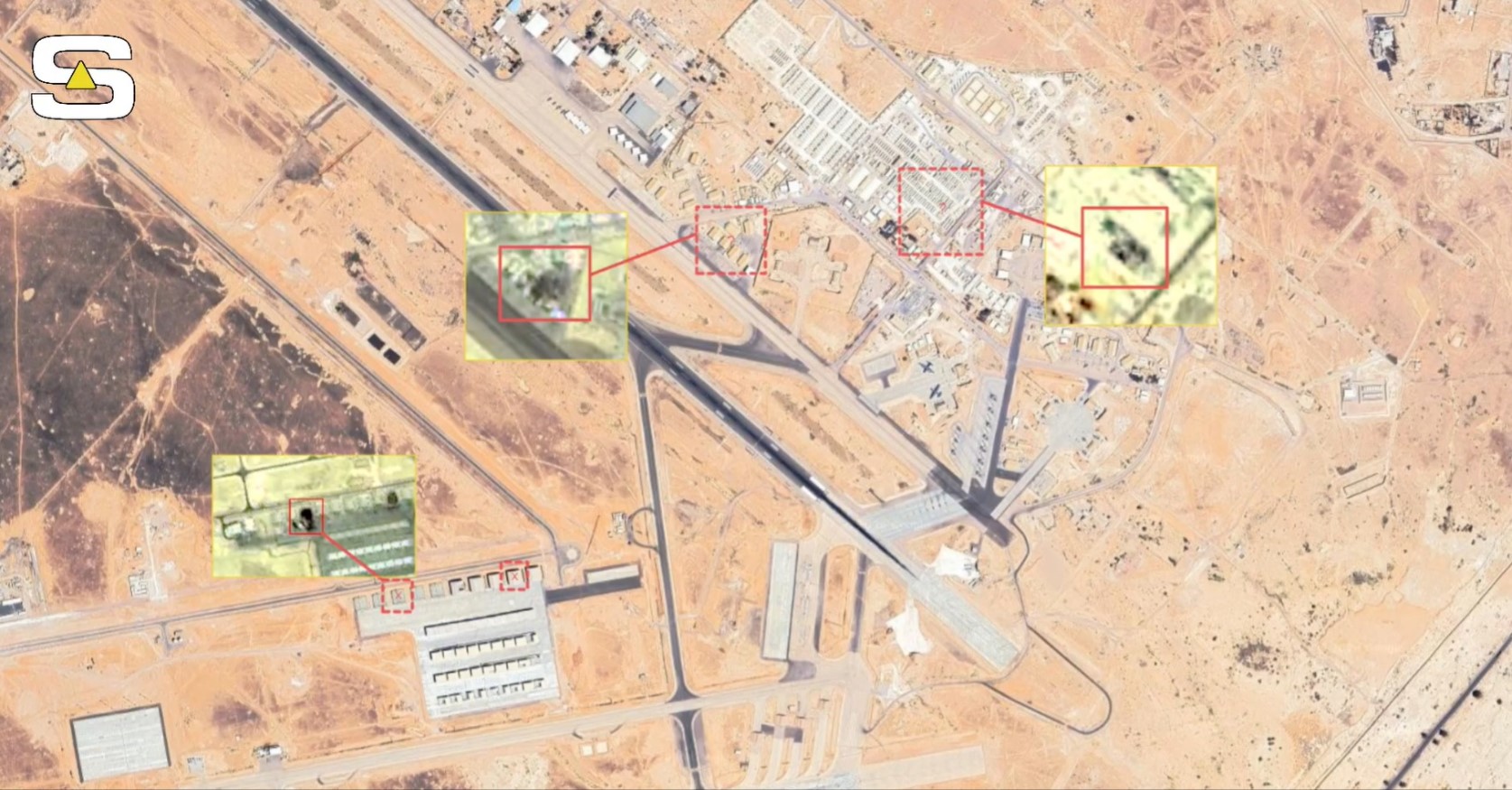 New Satellite Imagery Reveals Extensive Damage at Jordan's Muwaffaq al-Salti Air Base After Iranian Missile Strike
-
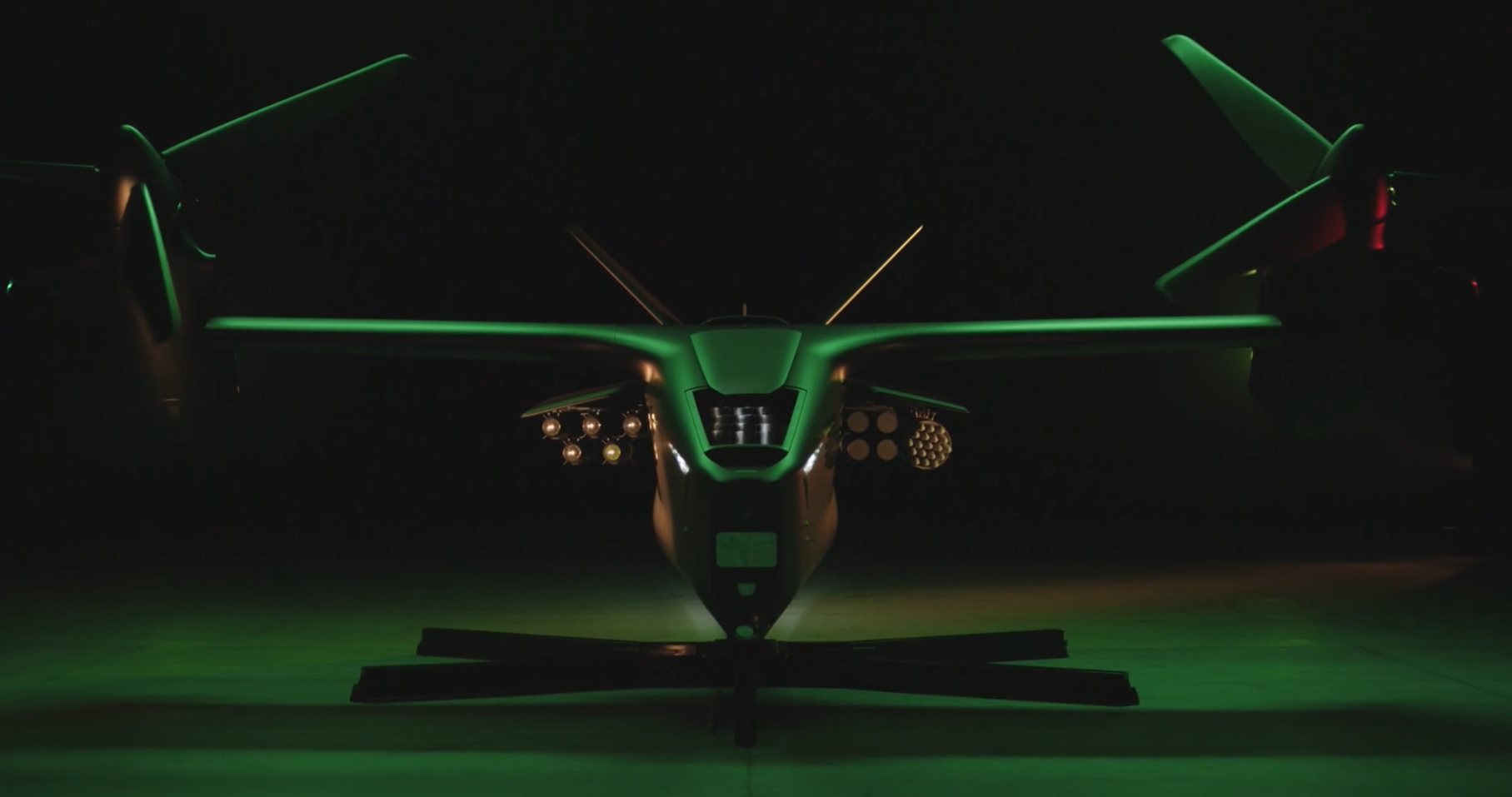 Anduril Unveils Thunder Autonomous Attack Rotorcraft Built with Archer Aviation to Support Apache Helicopters
-
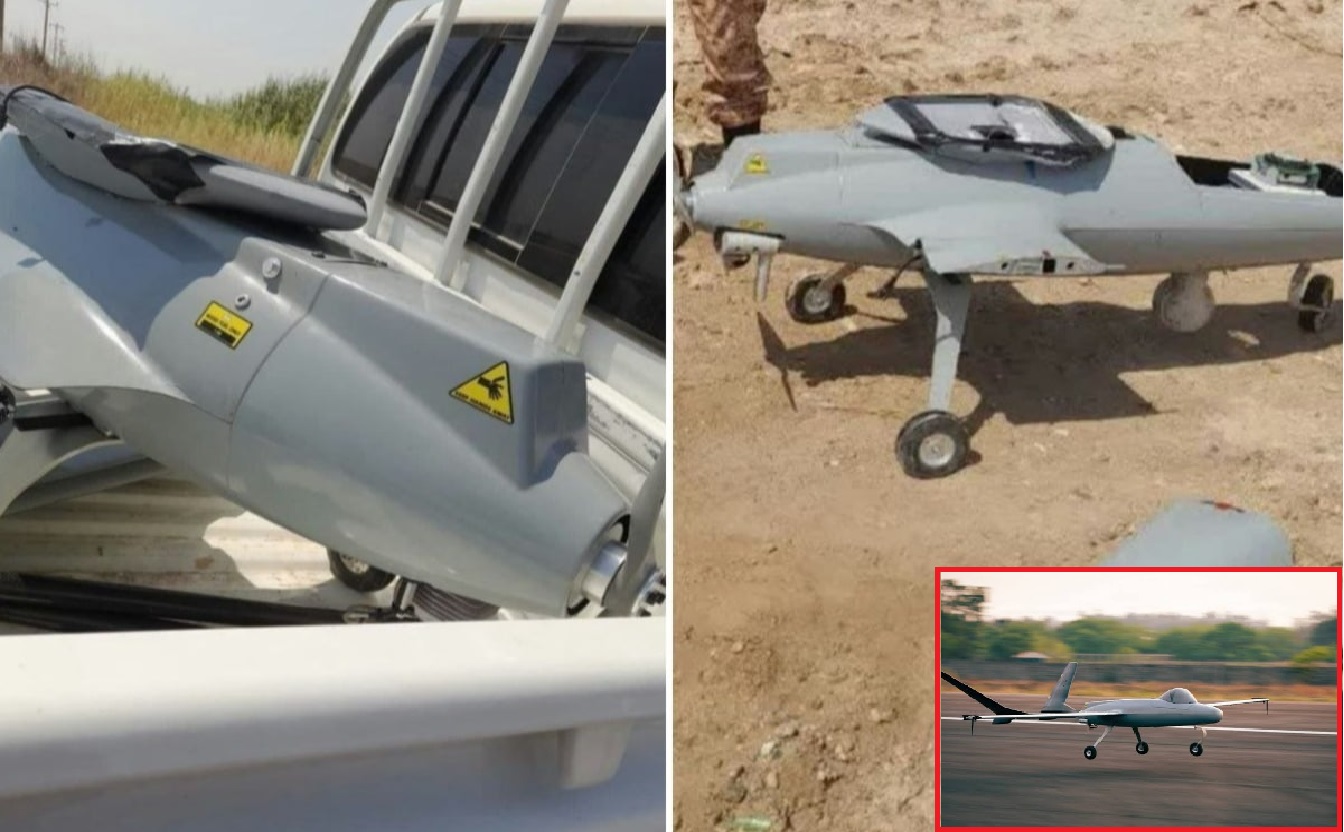 Iran Claims It Shot Down U.S.-Operated Polish-Built Tiguar-M Drone, Releases Images
-
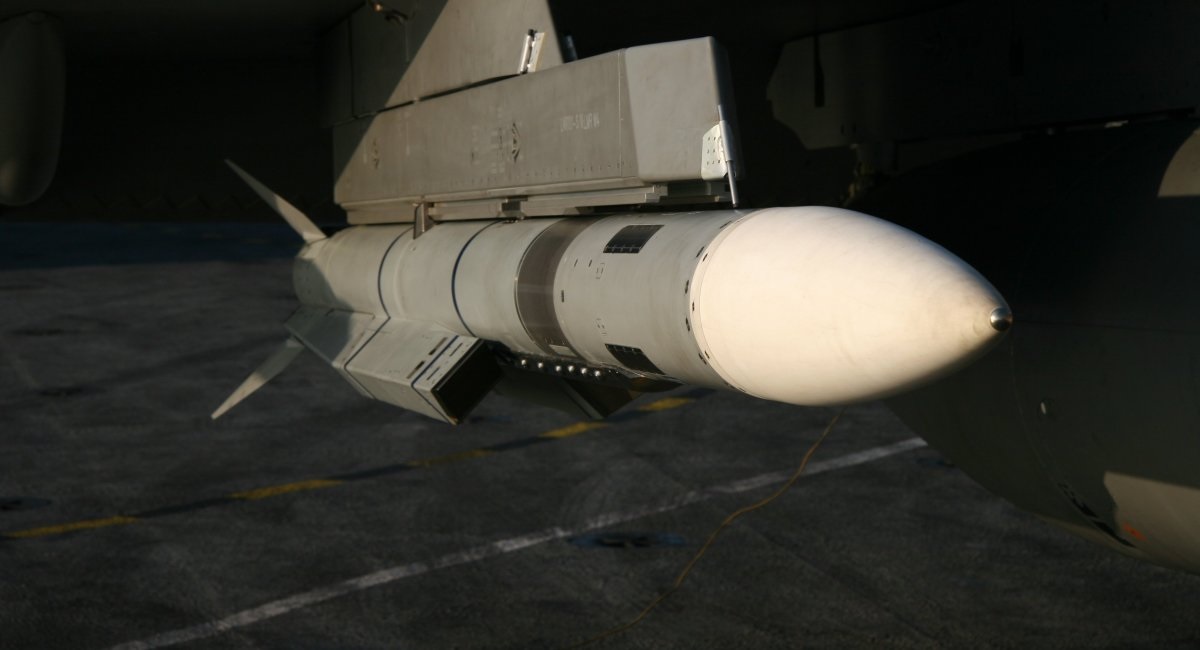 UK Cancels Meteor Missile Mid-Life Upgrade, Prioritizes Next-Generation FASE Air-to-Air Missile Programme
-
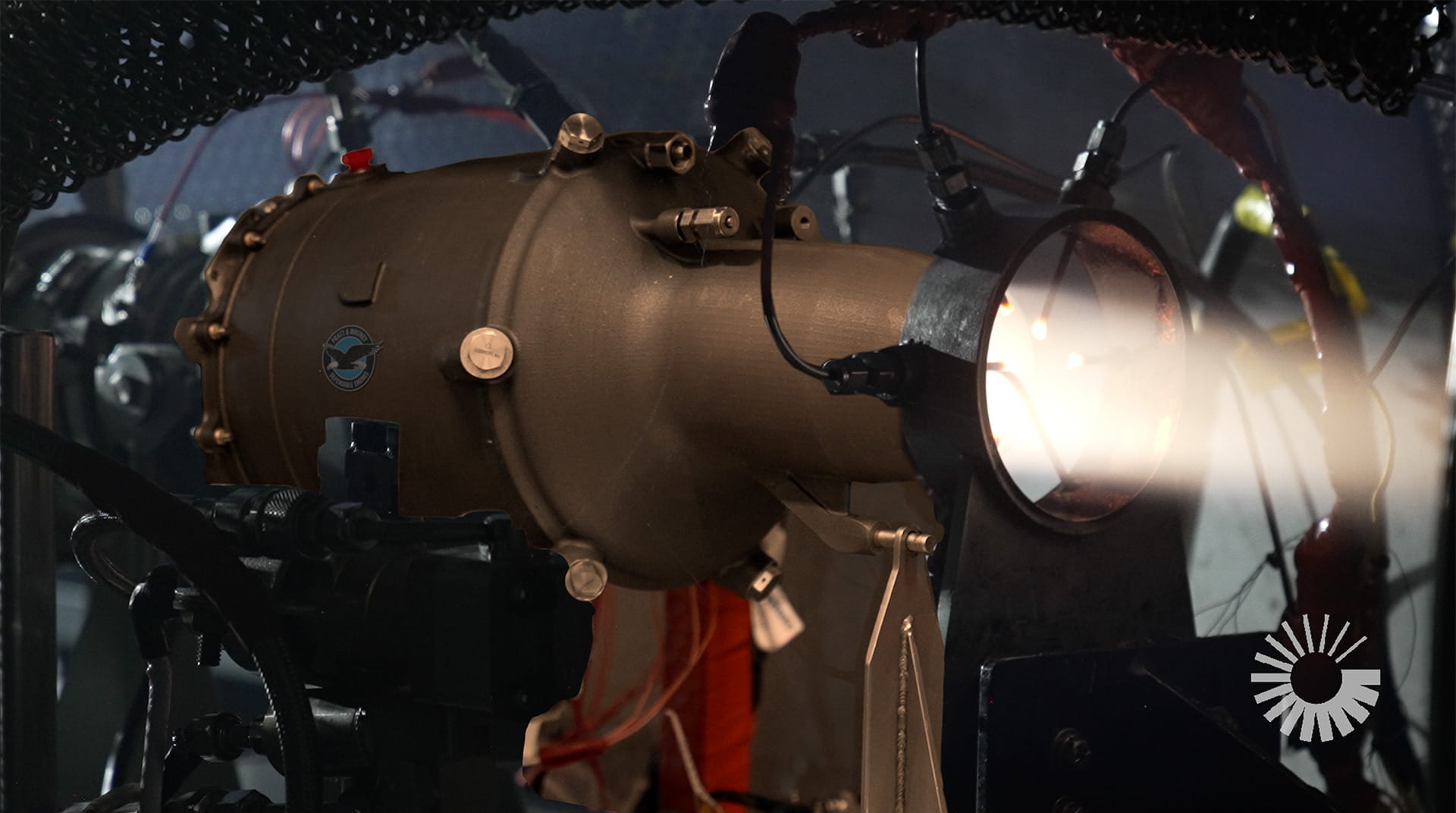 Pratt & Whitney Completes Testing of 3D-Printed TJ150 Engine for Military Applications
-
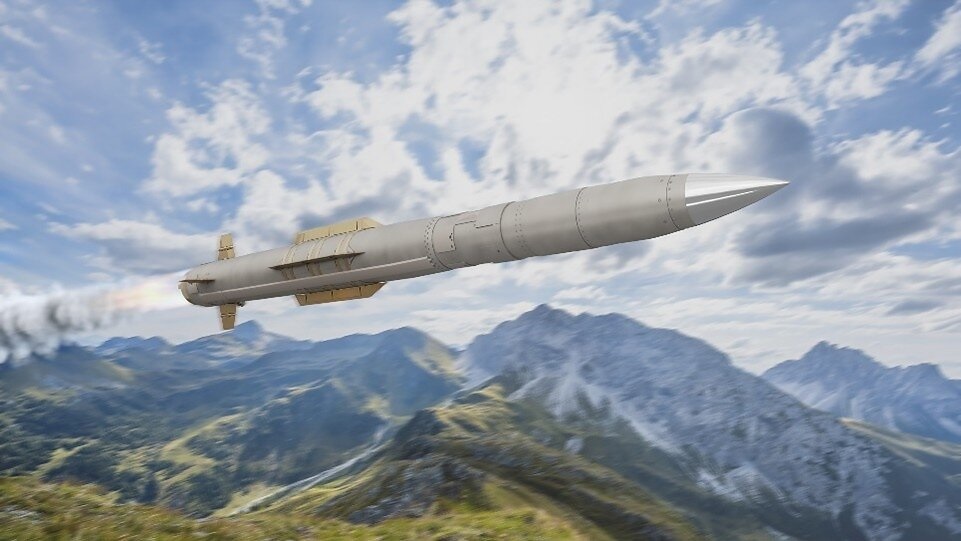 Lockheed Martin Unveils Lower-Cost PAC-3 ACE Interceptor for Patriot Air Defense System
-
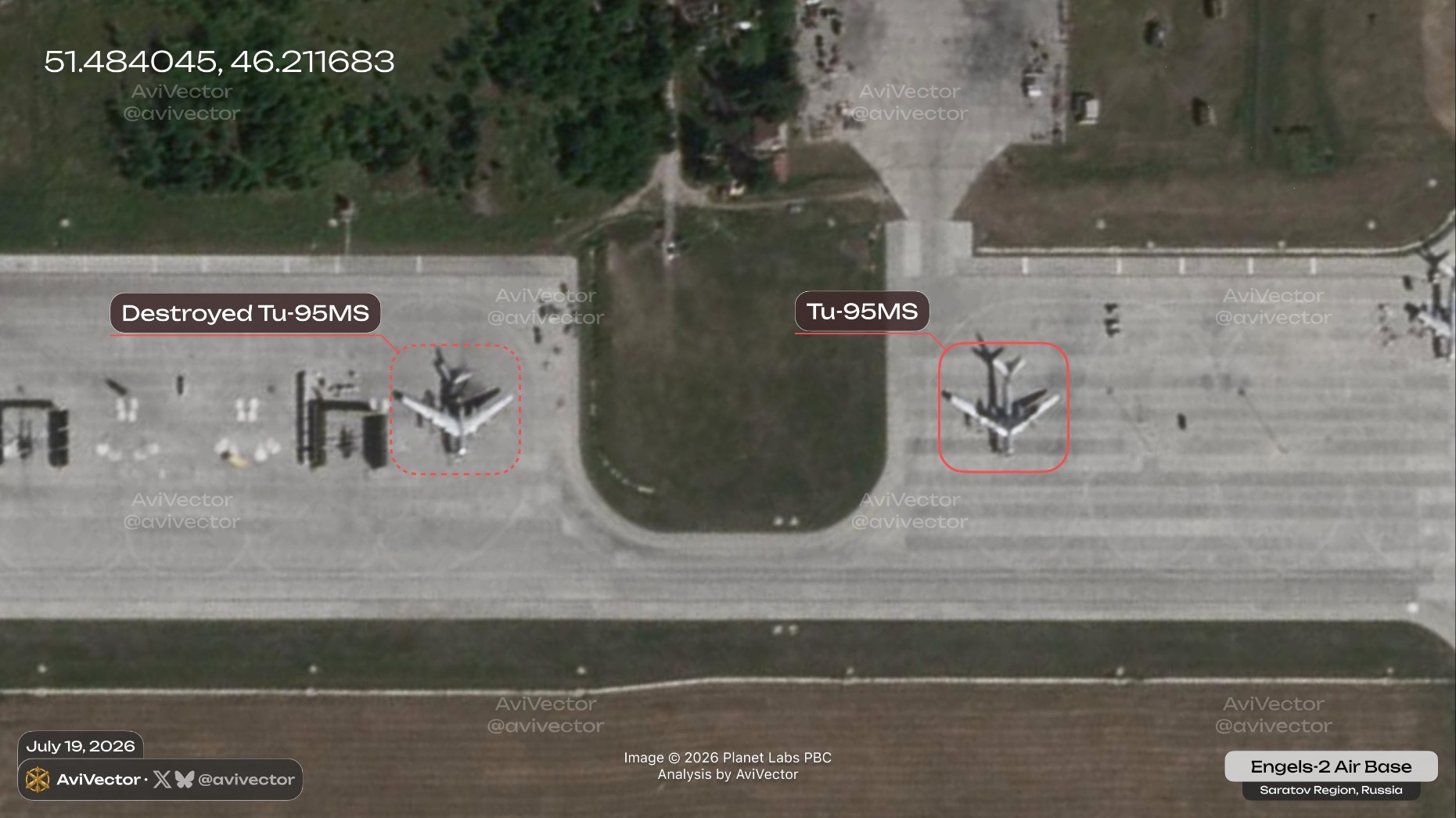 Satellite Images Confirm Russian Tu-95MS Bomber Destroyed After Ukrainian Drone Strike on Engels-2 Air Base
-
 BHEL Successfully Develops India’s First Indigenous 1200 kV, 333 MVA Per-Phase UHVAC Transformer
